Delahaye 145
Brand
Produced from
Vehicle category
Portal
Model line
Model generation
Predecessor
Sucessor
Model Overview
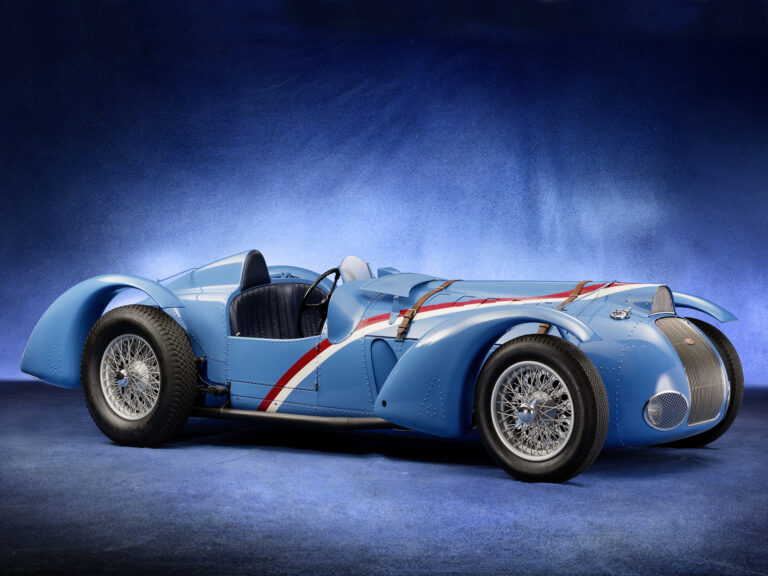
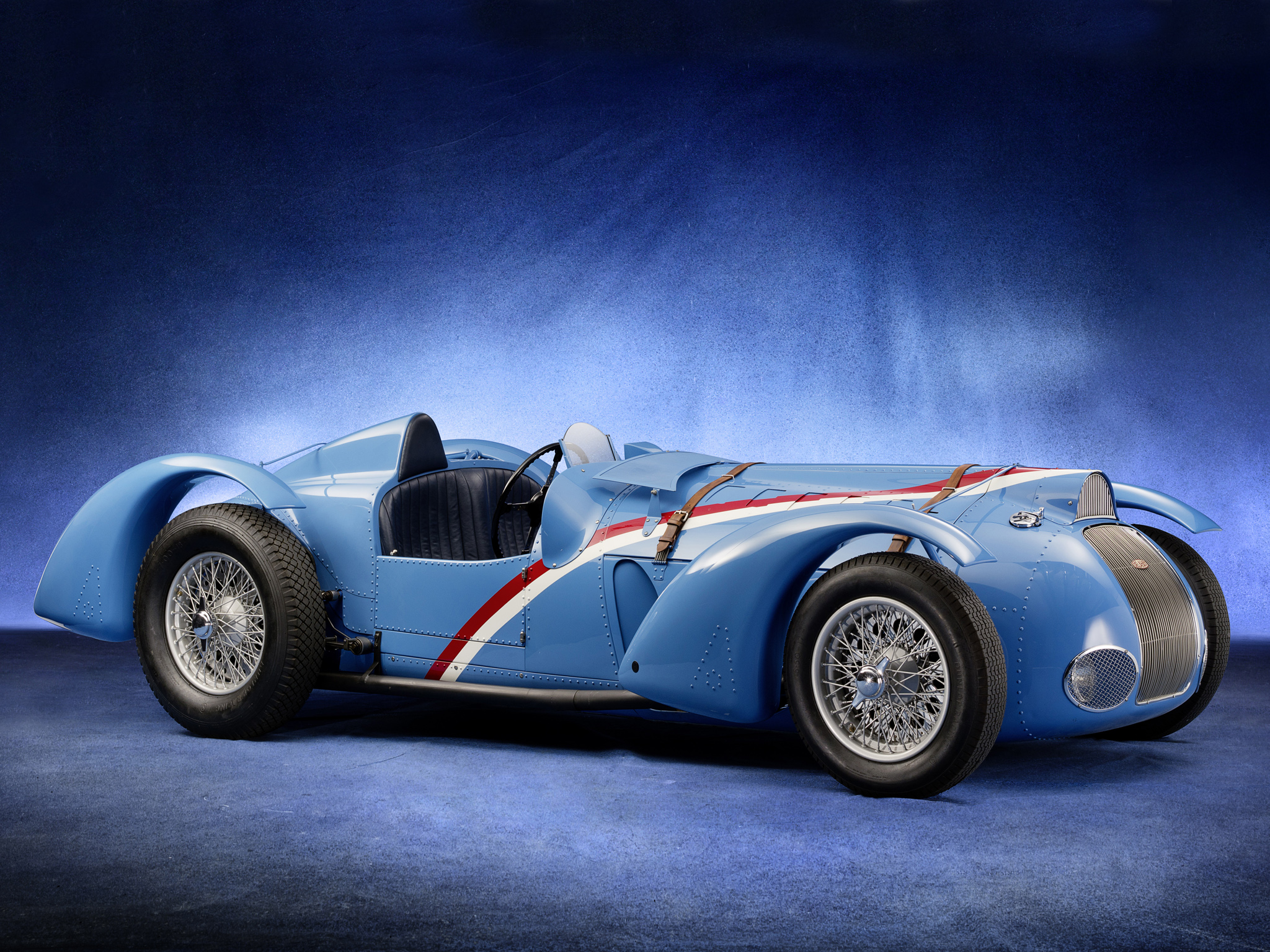
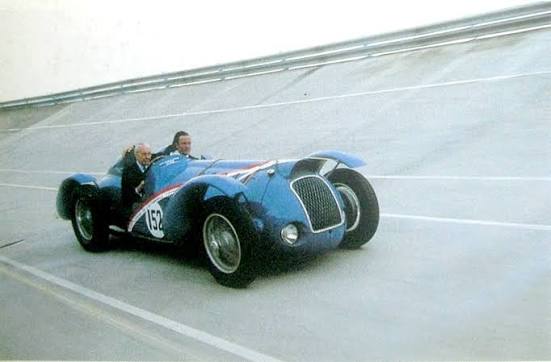
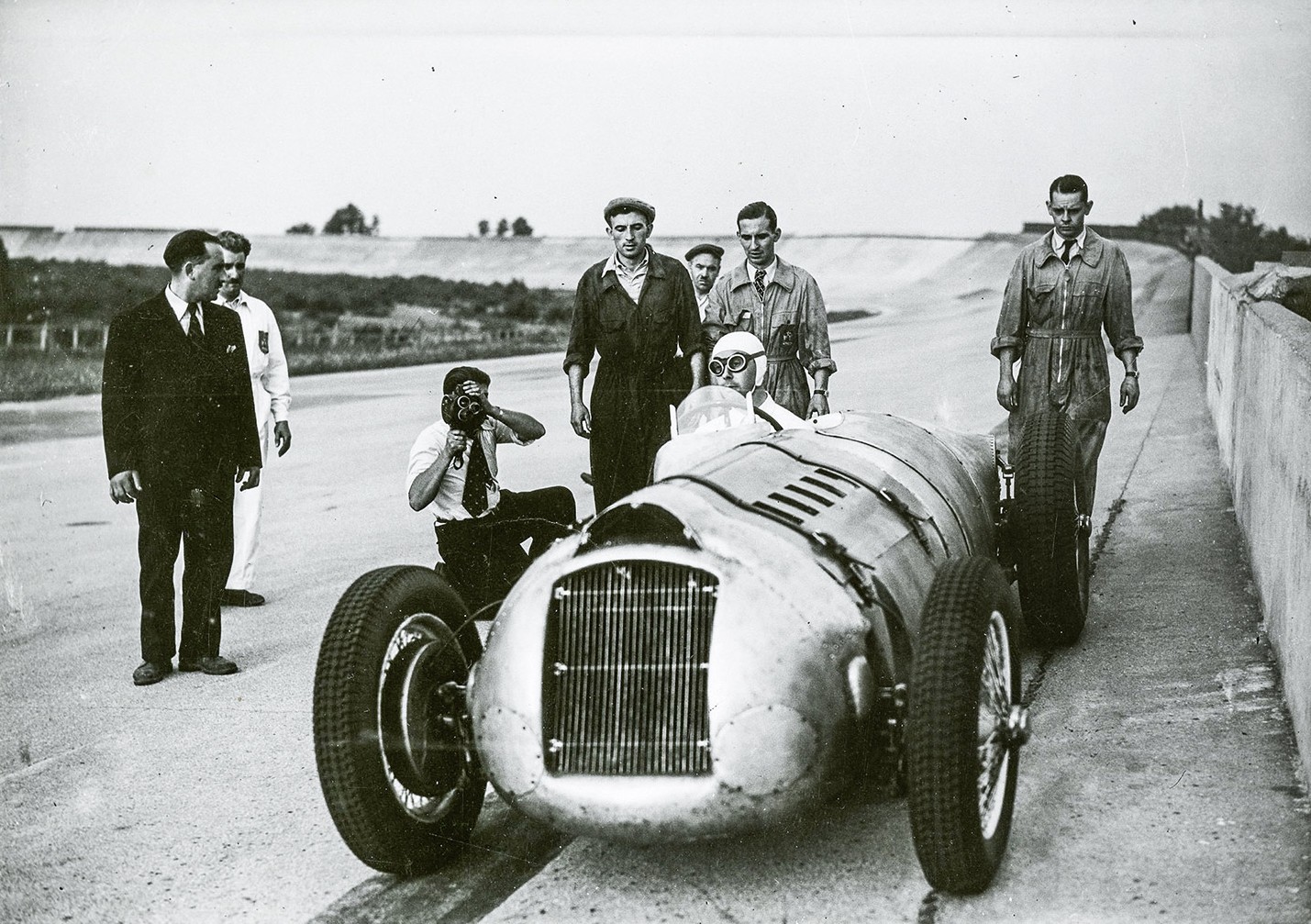
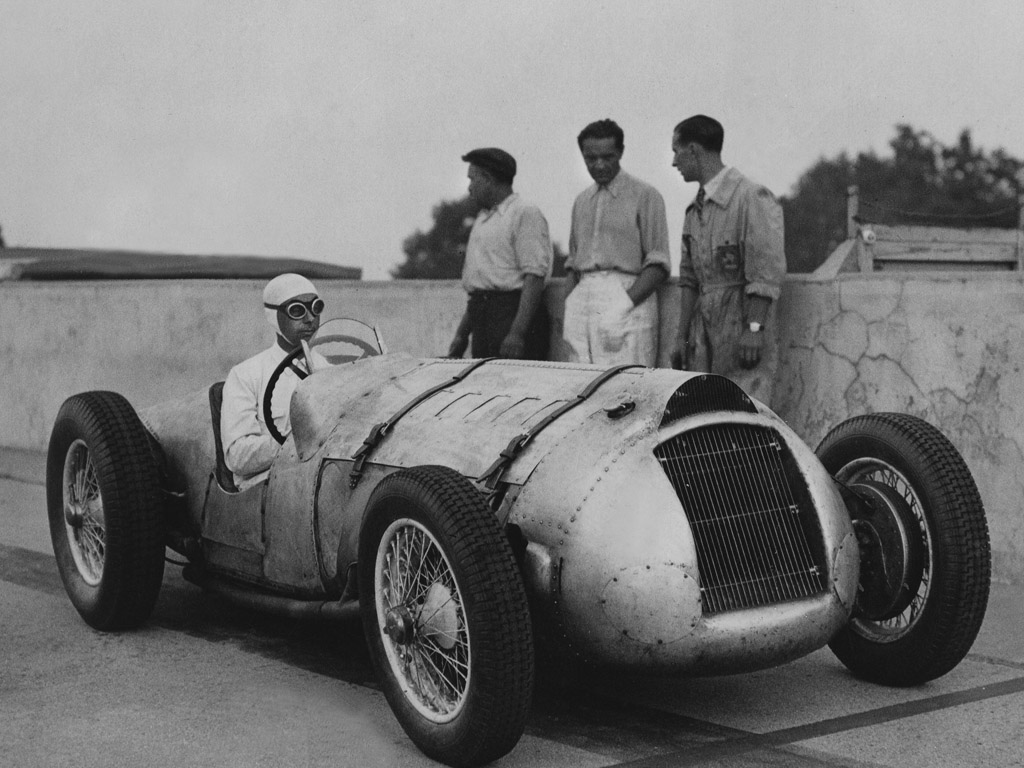
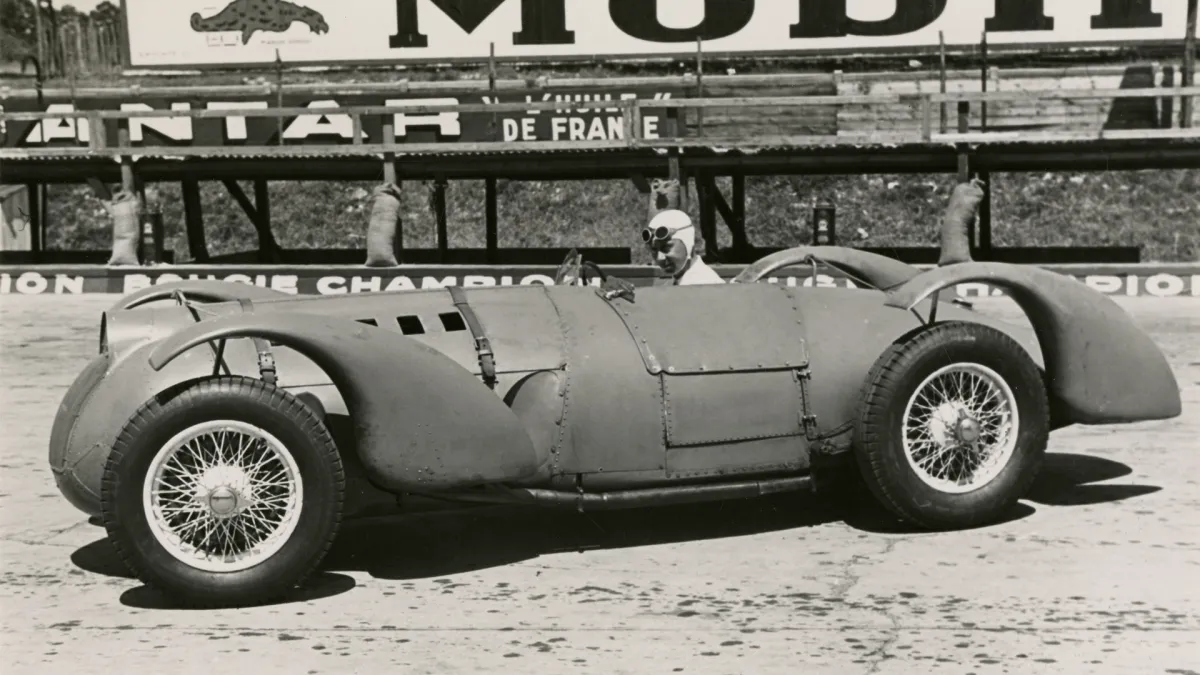
The concrete banking of the Autodrome de Linas-Montlhéry reverberated with a desperate, guttural throb in the dying days of August 1937. France’s automotive pride was in tatters, systematically dismantled on the Grand Prix circuits by the state-sponsored Silver Arrows of Germany. In response, the French government and the Automobile Club de France had laid down a gauntlet: a staggering million-franc prize to any domestic manufacturer capable of achieving an average speed of 146 km/h (91 mph) over 200 kilometres (124 miles) to match the blistering pace of Mercedes-Benz and Auto Union. To capture this bounty, the Parisian firm Delahaye, financially propelled by the formidable American racing driver and heiress Lucy O’Reilly Schell, unleashed the Type 145. Evolving from the robust but archaic architecture of the six-cylinder Type 135, this bespoke V12 machine was a blunt-nosed, stripped-back weapon. It was explicitly forged to battle not only the supercharged titans from Stuttgart and Zwickau but also domestic rivals like the Bugatti Type 50B and the Talbot-Lago T150C in a frantic, patriotic arms race.
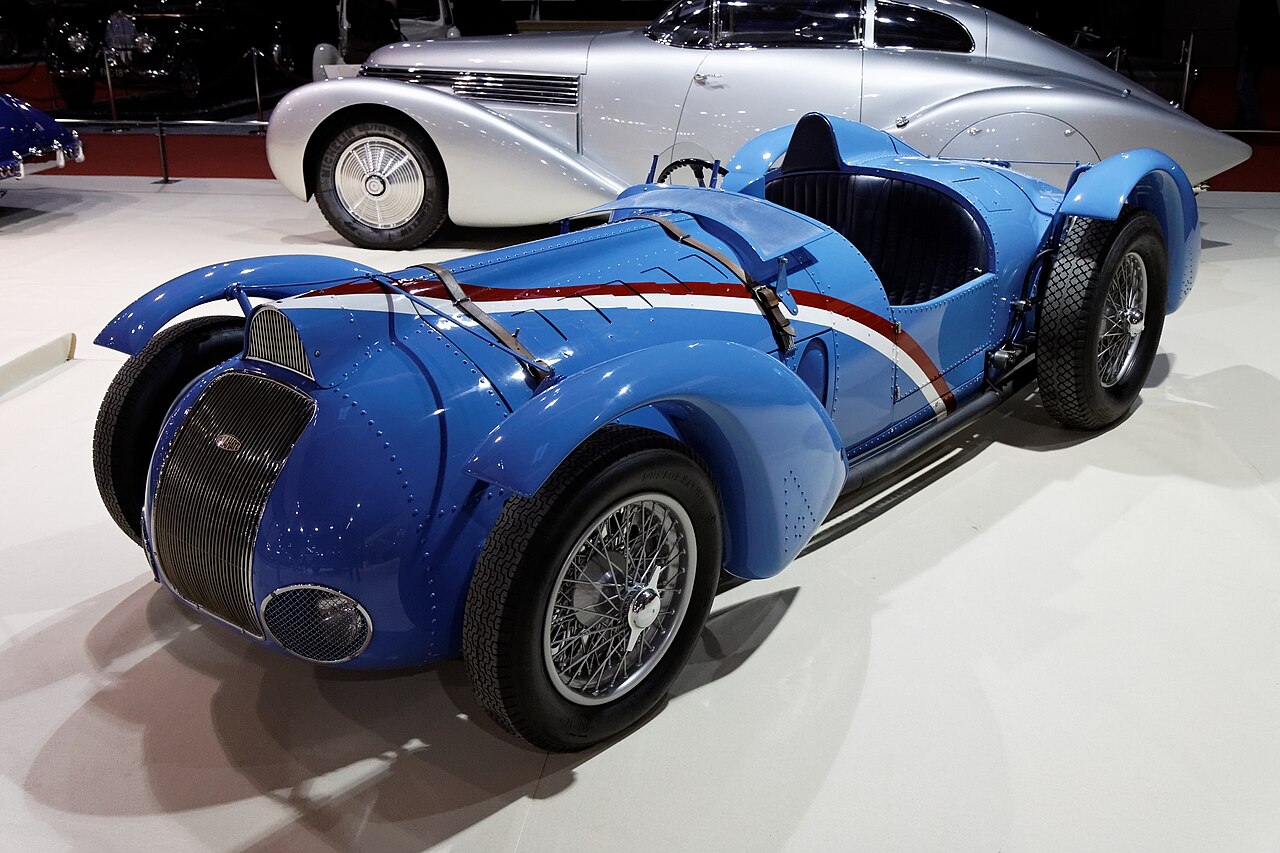
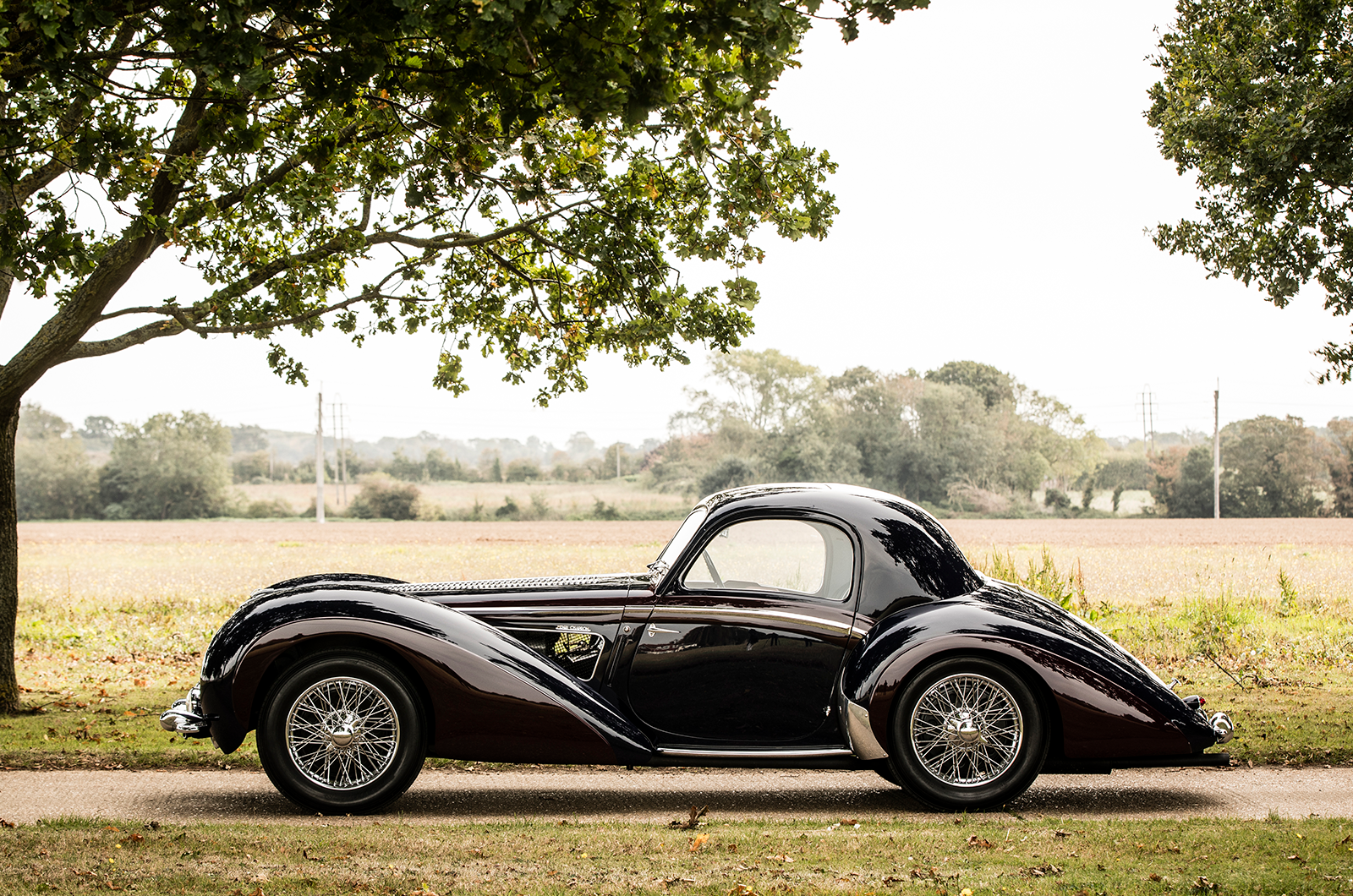
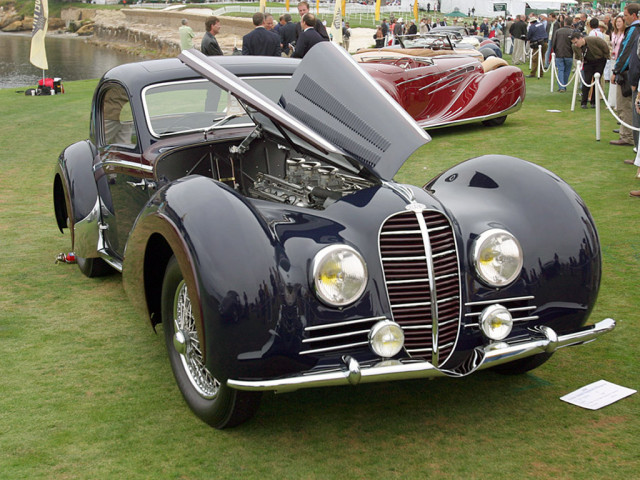
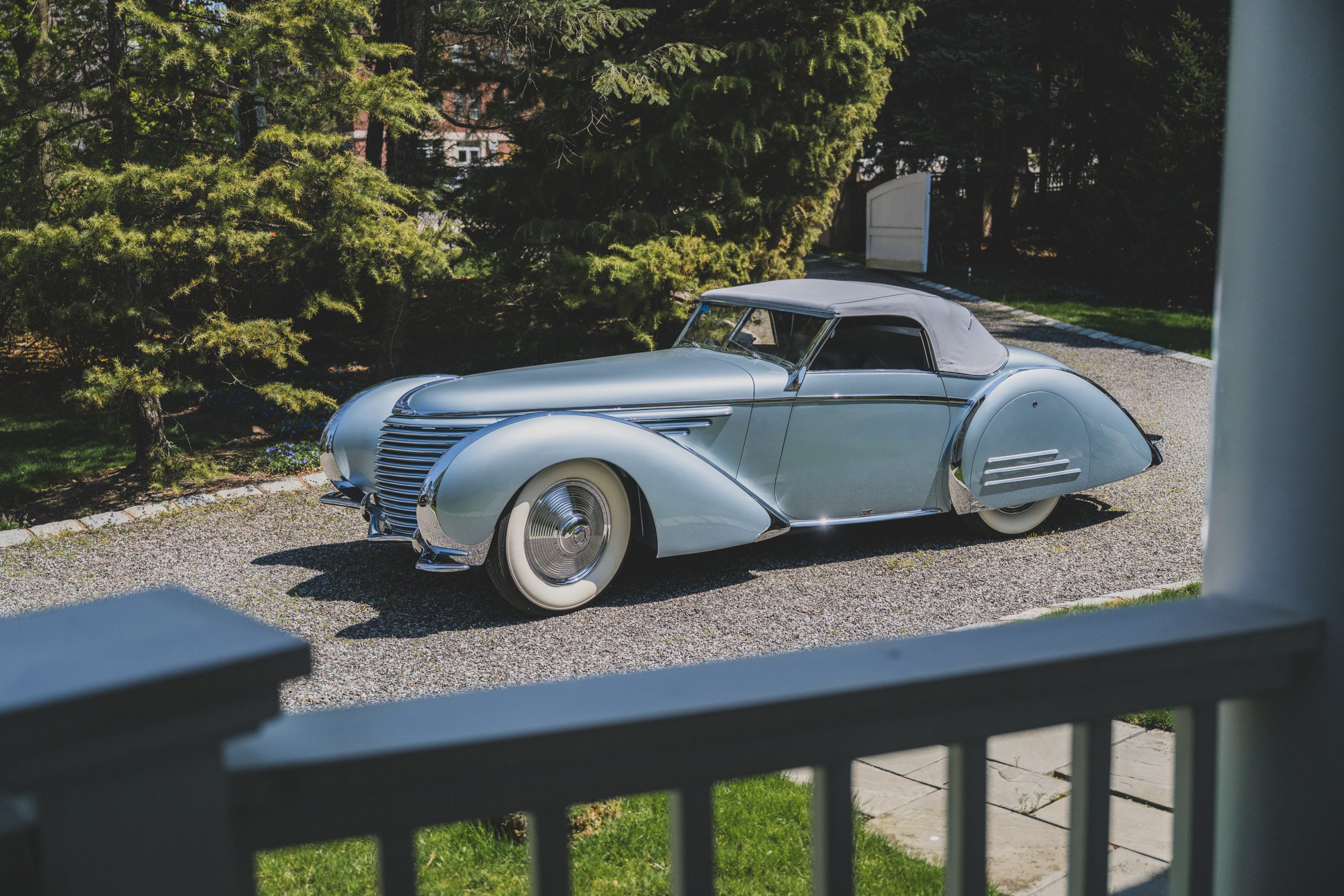
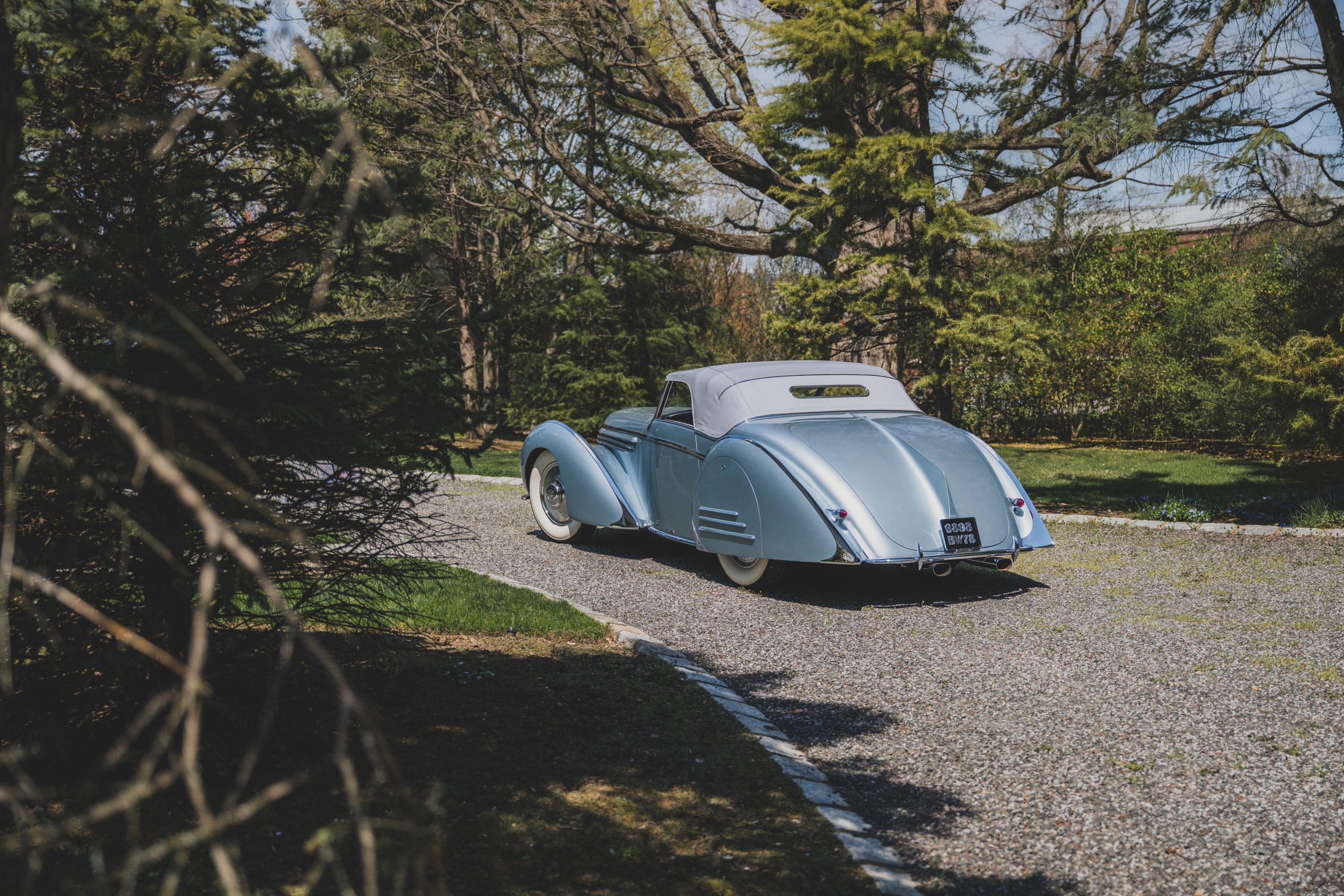
To peer beneath the leather-strapped bonnet of the Delahaye 145 is to witness a masterpiece of unorthodox French engineering. Designed by Jean François, the heart of the car was a naturally aspirated 4.5-litre (275 cu in) V12 with an unusual 60-degree vee angle. Rather than adopting the increasingly common twin overhead camshafts, François utilised a block-mounted central camshaft for the exhaust valves and two block-mounted camshafts for the intake valves, actuating them via short pushrods. Breathed upon by three downdraught Stromberg carburettors, this complex, magnesium-cased leviathan produced a highly tractable 225 bhp in the ‘Prix du Million’ and Ecurie Bleue racing specifications. The engine emitted a deeply resonant, syncopated bellow, a thunderous baritone entirely distinct from the frantic shriek of its Italian or German contemporaries. Power was routed through a brilliantly advanced four-speed Cotal pre-selector manual gearbox. Utilising electromagnetic clutches, this transmission allowed the driver to pre-select a gear with a tiny column-mounted stalk, engaging it instantly with a dip of the clutch pedal—an invaluable advantage on twisty circuits. The chassis retained traditional Delahaye characteristics, featuring a box-section ladder frame, an independent transverse leaf spring front suspension, and a live rear axle that passed through the chassis rails to lower the centre of gravity. Massive cable-operated drum brakes fought to arrest the 1000 kg (2204 lbs) roadster, which danced on narrow, cross-ply tyres. After the war, the 145 assumed a drastically different identity. Redundant for competition, surviving chassis were sold to elite coachbuilders. When clothed by Henri Chapron or Franay in 1946, the raw, aluminium racing bodies were replaced by sweeping, pontoon-fendered steel and aluminium coachwork. For these Custom Coupe and Cabriolet variants, the tempestuous V12 was detuned to a docile 160 bhp, featuring a single carburettor setup to suit the refined, grand touring requirements of Europe’s recovering elite.
The motorsport narrative of the Delahaye 145 is enshrined in racing mythology. On that fateful August day at Montlhéry in 1937, René Dreyfus wrung the neck of the blue-painted ‘Prix du Million’ roadster, enduring blistering tyre temperatures to narrowly beat Bugatti’s time and capture the million francs. Yet, the car’s most miraculous achievement occurred the following year at the 1938 Pau Grand Prix. The tight, twisting street circuit negated the 400-plus horsepower advantage of the formidable Mercedes-Benz W154 driven by the great Rudolf Caracciola. Dreyfus, driving the Ecurie Bleue 145, exploited the V12’s immense low-end torque, the lightning-fast Cotal gearbox, and the car’s superior fuel economy. Operating without a pit stop, the naturally aspirated French underdog humiliated the supercharged German leviathan, securing a deeply emotional victory that ignited nationalistic fervour across France. The Ecurie Bleue continued to campaign the roadsters across Europe until the outbreak of war forced the cars into hiding. When peace returned, the transformation of these battle-scarred chassis into the 1946 Chapron Coupe and Franay Cabriolet yielded some of the most striking, aristocratic road cars ever conceived. These post-war variants were highly exclusive, astronomically expensive, and deeply romantic, seamlessly marrying pre-war racing pedigree with post-war Parisian haute couture.
The Delahaye 145 was simultaneously the gritty, unapologetic saviour of French motorsport and, in its twilight, the rolling canvas for the country’s finest coachbuilding artisans. While Delahaye would later attempt to revive its sporting fortunes with the larger Type 175, the magical alchemy of the 145 was never recaptured, and the venerable marque sadly folded in 1954.
Portal
Model line
Model generation
Predecessor
Sucessor
Brand
Produced from
Vehicle category
Portal
Model line
Model generation
Predecessor
Sucessor
Model Overview
The concrete banking of the Autodrome de Linas-Montlhéry reverberated with a desperate, guttural throb in the dying days of August 1937. France’s automotive pride was in tatters, systematically dismantled on the Grand Prix circuits by the state-sponsored Silver Arrows of Germany. In response, the French government and the Automobile Club de France had laid down a gauntlet: a staggering million-franc prize to any domestic manufacturer capable of achieving an average speed of 146 km/h (91 mph) over 200 kilometres (124 miles) to match the blistering pace of Mercedes-Benz and Auto Union. To capture this bounty, the Parisian firm Delahaye, financially propelled by the formidable American racing driver and heiress Lucy O’Reilly Schell, unleashed the Type 145. Evolving from the robust but archaic architecture of the six-cylinder Type 135, this bespoke V12 machine was a blunt-nosed, stripped-back weapon. It was explicitly forged to battle not only the supercharged titans from Stuttgart and Zwickau but also domestic rivals like the Bugatti Type 50B and the Talbot-Lago T150C in a frantic, patriotic arms race.
To peer beneath the leather-strapped bonnet of the Delahaye 145 is to witness a masterpiece of unorthodox French engineering. Designed by Jean François, the heart of the car was a naturally aspirated 4.5-litre (275 cu in) V12 with an unusual 60-degree vee angle. Rather than adopting the increasingly common twin overhead camshafts, François utilised a block-mounted central camshaft for the exhaust valves and two block-mounted camshafts for the intake valves, actuating them via short pushrods. Breathed upon by three downdraught Stromberg carburettors, this complex, magnesium-cased leviathan produced a highly tractable 225 bhp in the ‘Prix du Million’ and Ecurie Bleue racing specifications. The engine emitted a deeply resonant, syncopated bellow, a thunderous baritone entirely distinct from the frantic shriek of its Italian or German contemporaries. Power was routed through a brilliantly advanced four-speed Cotal pre-selector manual gearbox. Utilising electromagnetic clutches, this transmission allowed the driver to pre-select a gear with a tiny column-mounted stalk, engaging it instantly with a dip of the clutch pedal—an invaluable advantage on twisty circuits. The chassis retained traditional Delahaye characteristics, featuring a box-section ladder frame, an independent transverse leaf spring front suspension, and a live rear axle that passed through the chassis rails to lower the centre of gravity. Massive cable-operated drum brakes fought to arrest the 1000 kg (2204 lbs) roadster, which danced on narrow, cross-ply tyres. After the war, the 145 assumed a drastically different identity. Redundant for competition, surviving chassis were sold to elite coachbuilders. When clothed by Henri Chapron or Franay in 1946, the raw, aluminium racing bodies were replaced by sweeping, pontoon-fendered steel and aluminium coachwork. For these Custom Coupe and Cabriolet variants, the tempestuous V12 was detuned to a docile 160 bhp, featuring a single carburettor setup to suit the refined, grand touring requirements of Europe’s recovering elite.
The motorsport narrative of the Delahaye 145 is enshrined in racing mythology. On that fateful August day at Montlhéry in 1937, René Dreyfus wrung the neck of the blue-painted ‘Prix du Million’ roadster, enduring blistering tyre temperatures to narrowly beat Bugatti’s time and capture the million francs. Yet, the car’s most miraculous achievement occurred the following year at the 1938 Pau Grand Prix. The tight, twisting street circuit negated the 400-plus horsepower advantage of the formidable Mercedes-Benz W154 driven by the great Rudolf Caracciola. Dreyfus, driving the Ecurie Bleue 145, exploited the V12’s immense low-end torque, the lightning-fast Cotal gearbox, and the car’s superior fuel economy. Operating without a pit stop, the naturally aspirated French underdog humiliated the supercharged German leviathan, securing a deeply emotional victory that ignited nationalistic fervour across France. The Ecurie Bleue continued to campaign the roadsters across Europe until the outbreak of war forced the cars into hiding. When peace returned, the transformation of these battle-scarred chassis into the 1946 Chapron Coupe and Franay Cabriolet yielded some of the most striking, aristocratic road cars ever conceived. These post-war variants were highly exclusive, astronomically expensive, and deeply romantic, seamlessly marrying pre-war racing pedigree with post-war Parisian haute couture.
The Delahaye 145 was simultaneously the gritty, unapologetic saviour of French motorsport and, in its twilight, the rolling canvas for the country’s finest coachbuilding artisans. While Delahaye would later attempt to revive its sporting fortunes with the larger Type 175, the magical alchemy of the 145 was never recaptured, and the venerable marque sadly folded in 1954.
Submodels