Lotus Elan
Brand
Produced from
Vehicle category
Portal
Model line
Model generation
Predecessor
Sucessor
Model Overview
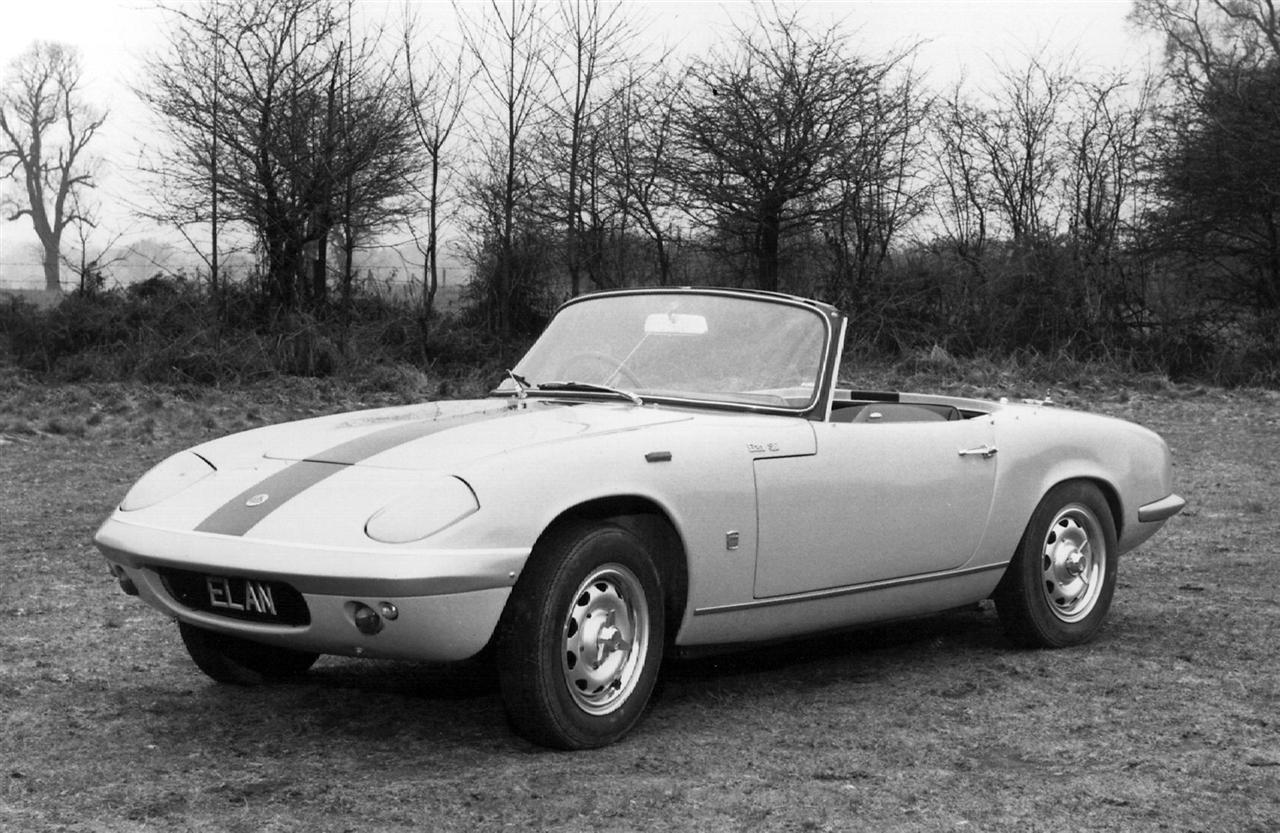
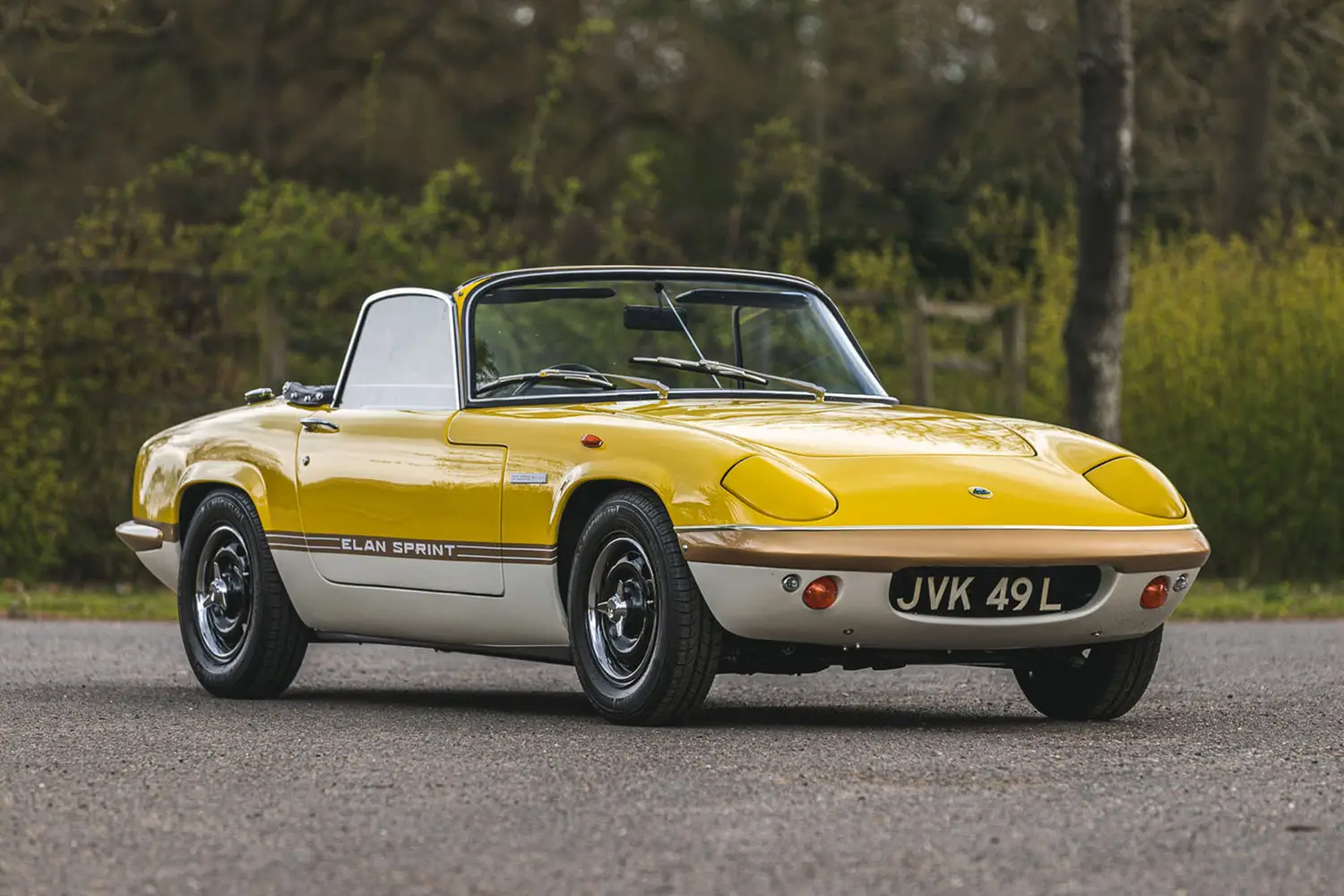
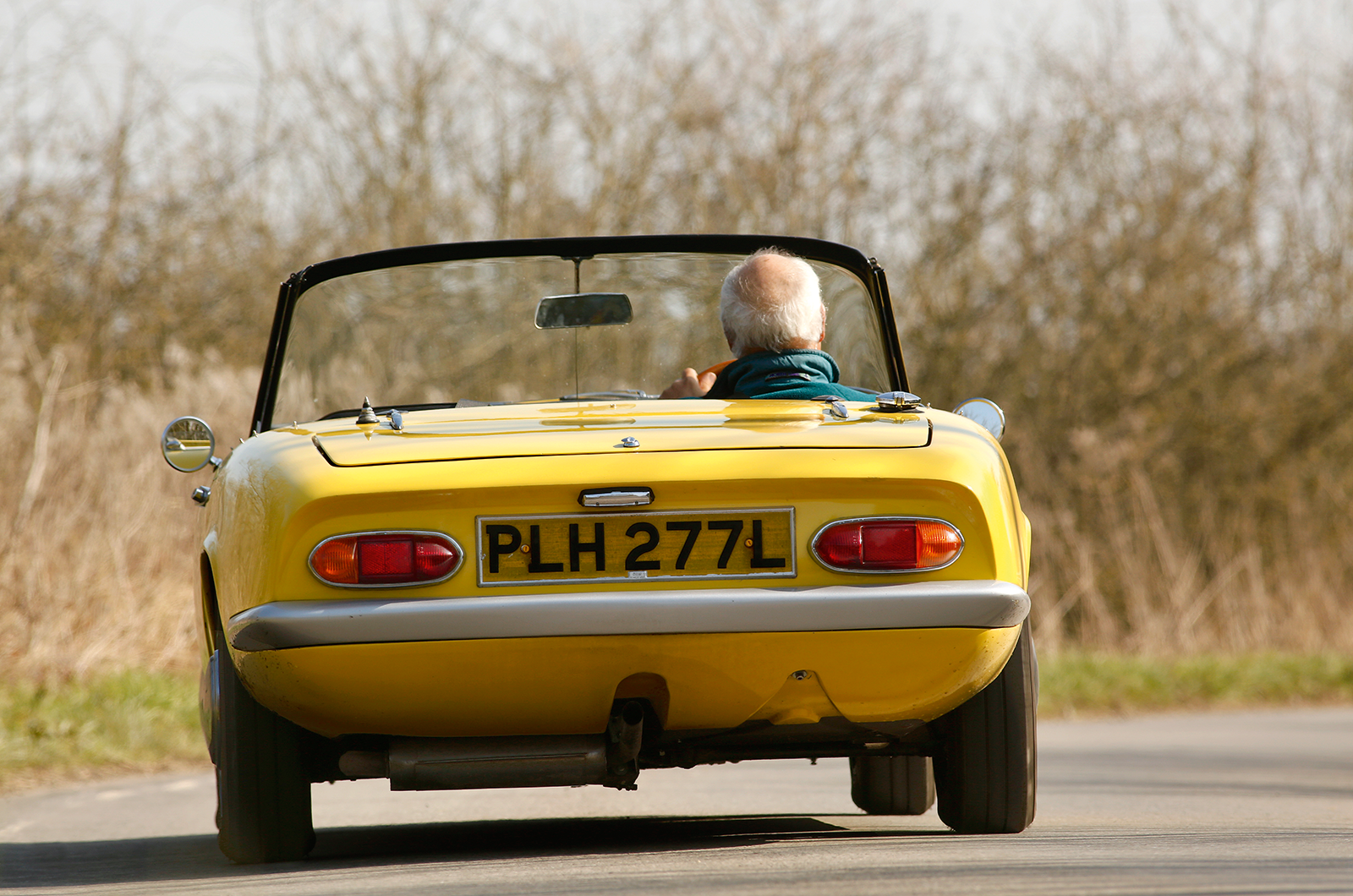
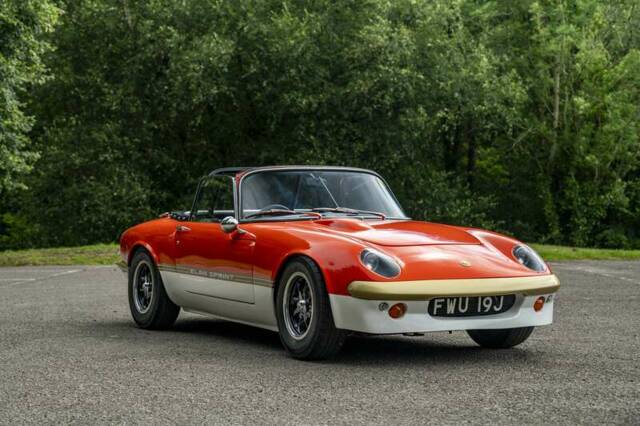
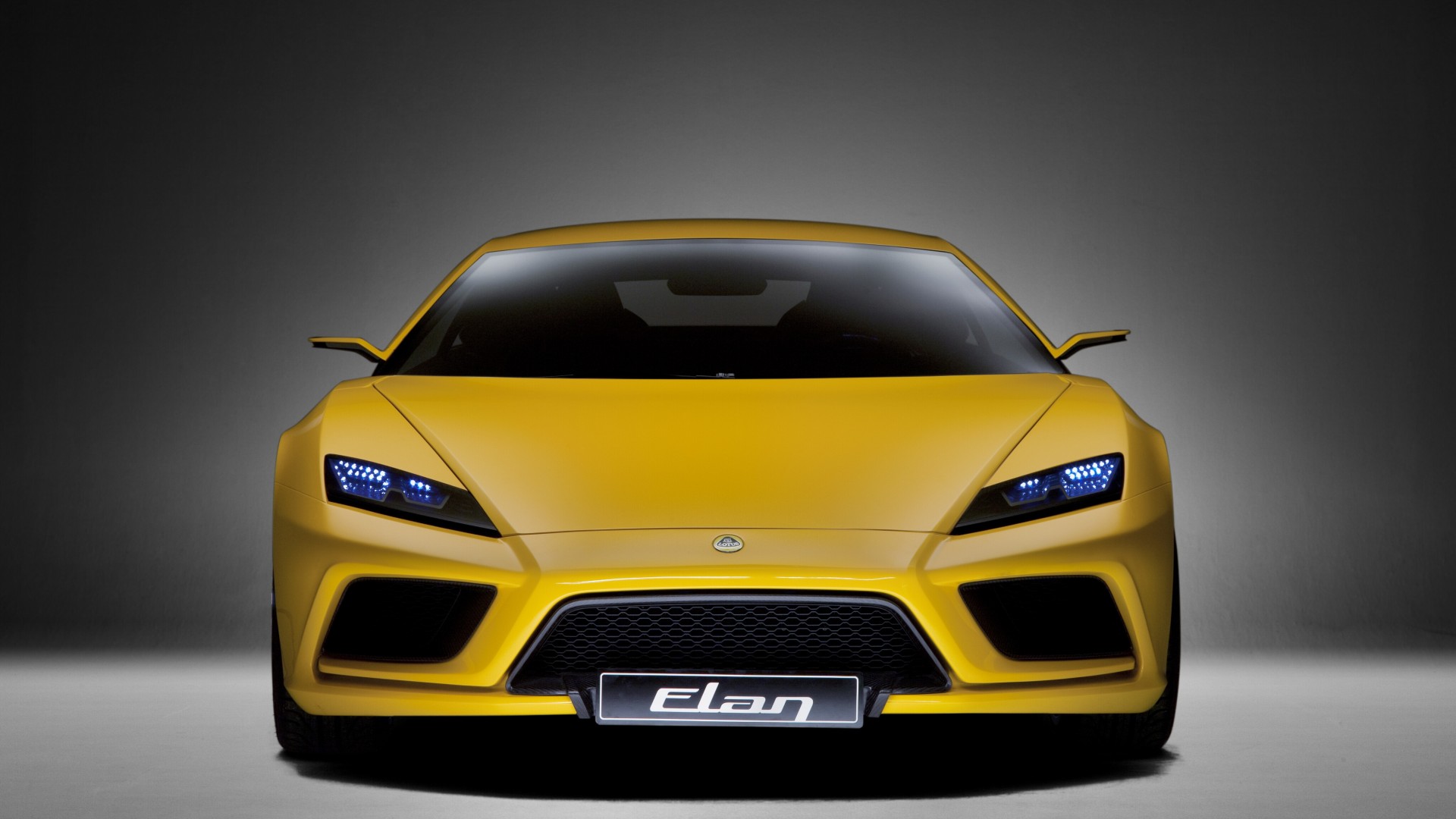
To understand the Lotus Elan is to understand the very soul of the British sports car. It is a nameplate that spans two distinct eras, separated by a chasm of technological philosophy yet united by a single, unwavering devotion to the driving experience. The story begins in 1962, amidst the fog of post-war austerity and the rise of the swinging sixties. Colin Chapman, the mercurial genius behind Lotus, sought to replace the beautiful but financially ruinous Elite. He needed a car that was cheaper to build, easier to repair, and yet retained the ethereal handling that had become the marque’s signature. The result was the original Elan (Type 26), a machine that didn’t just compete with the MGBs and Triumph TR4s of the world; it rendered them agricultural relics overnight. While its rivals were constructed like bridges, heavy and crude, the Elan was an aircraft for the road. Fast forward nearly three decades to 1989, and the nameplate returned under the stewardship of General Motors. The M100 Elan was a radical departure—front-wheel drive, turbocharged, and Japanese-powered—yet it sought to answer the same question: how does one create the perfect connection between a driver’s palms and the asphalt?
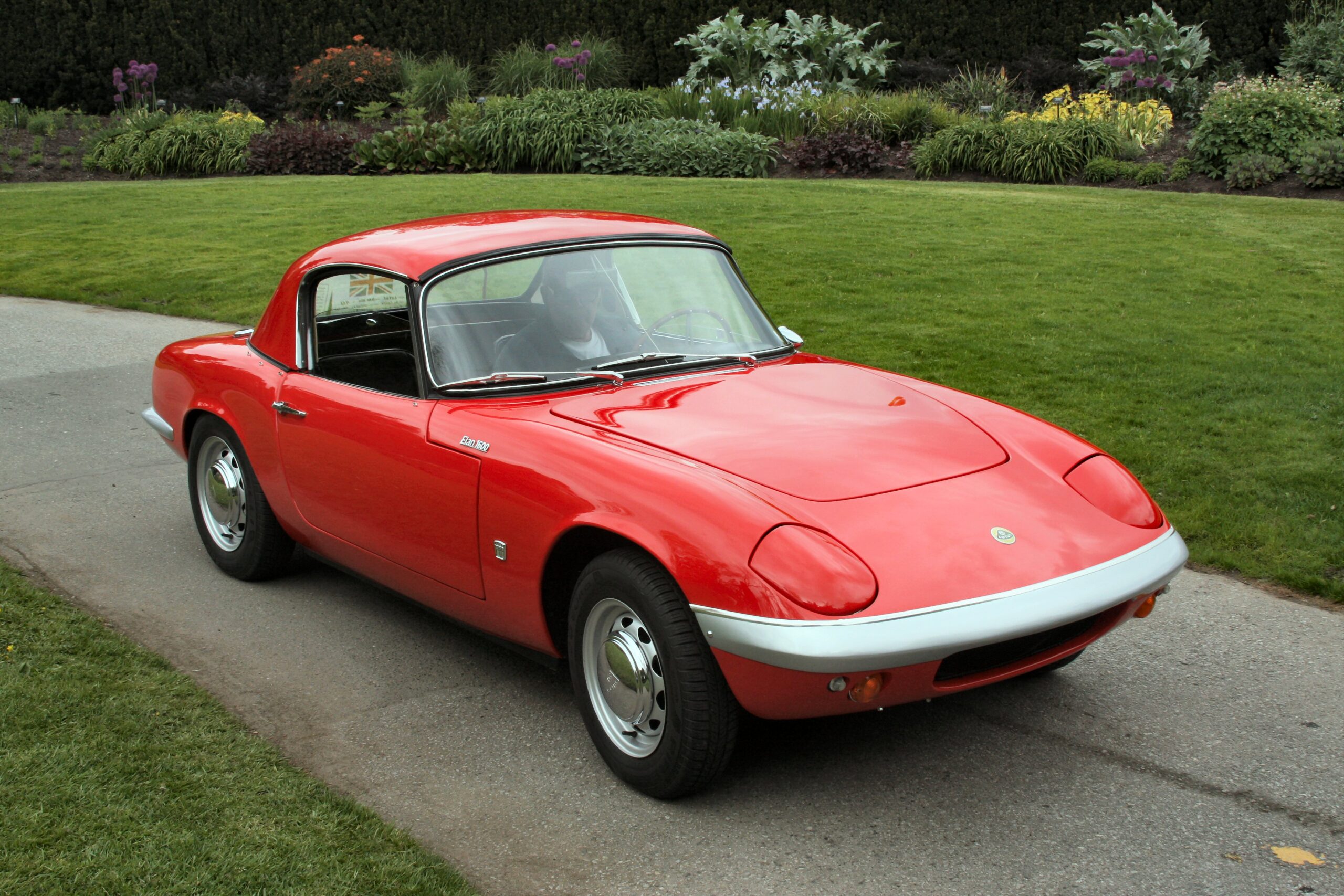
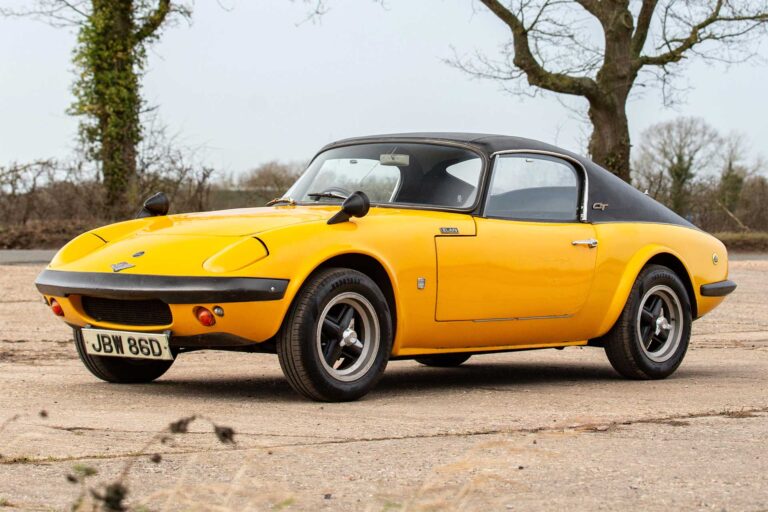
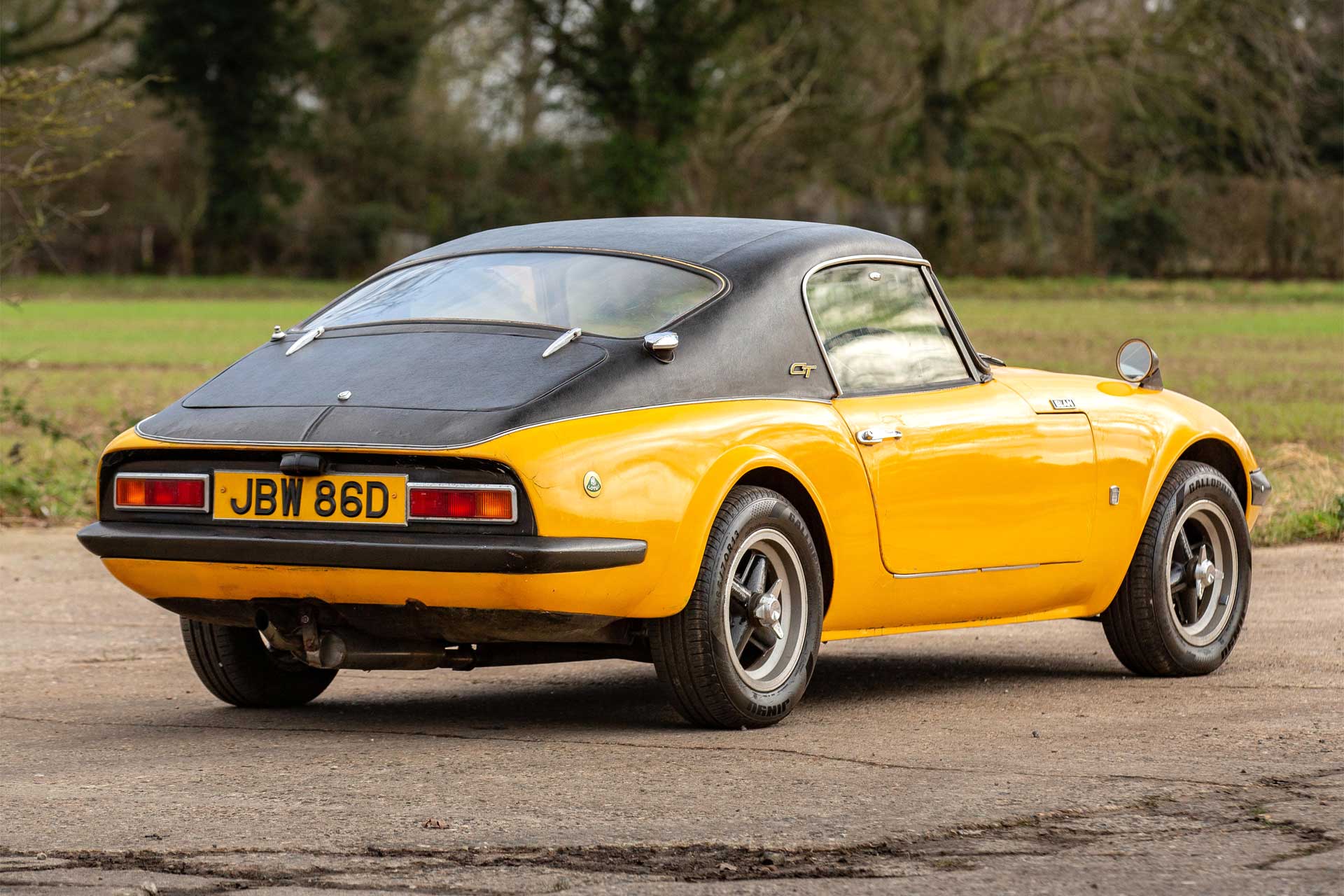
Technically, the original 1960s Elan was a masterclass in lateral thinking. At its core lay a folded steel backbone chassis, a stroke of genius that weighed a mere 75 lbs (34 kg) but provided immense torsional rigidity. Upon this spine sat a fiberglass body that was chemically bonded in later fixed-head coupe versions, creating a structure that was featherweight yet stiff. The suspension was independent all around—a rarity for the time—utilizing Chapman struts at the rear and double wishbones at the front, derived from Triumph Herald uprights but transformed by Lotus geometry. The genius of the Elan’s setup was its compliance; unlike modern sports cars that are stiff to the point of harshness, the Elan was softly sprung but firmly damped. It breathed with the road, flowing over imperfections rather than fighting them.
The heart of the classic Elan was the legendary Lotus-Ford Twin Cam engine. Starting life as a humble Ford Kent block, it was transformed by Harry Mundy’s aluminium dual-overhead-cam cylinder head into a 1.6-litre (1,558cc) firecracker. Producing between 105 and 126 bhp depending on the spec (Special Equipment or Sprint), it doesn’t sound like much today, but in a car weighing less than 700 kg, it was electrifying. The sprint from 0 to 60 mph took under 7 seconds, a figure that humiliated Jaguars and Aston Martins of the era.
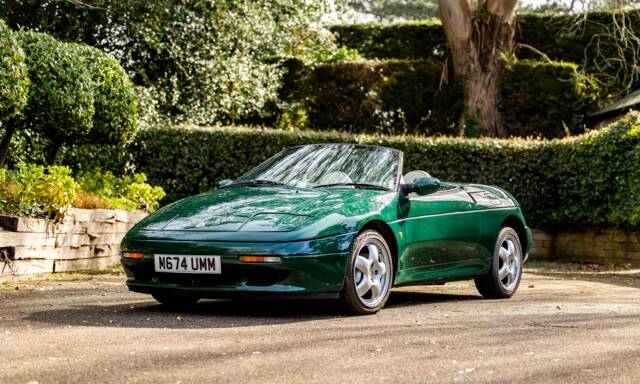
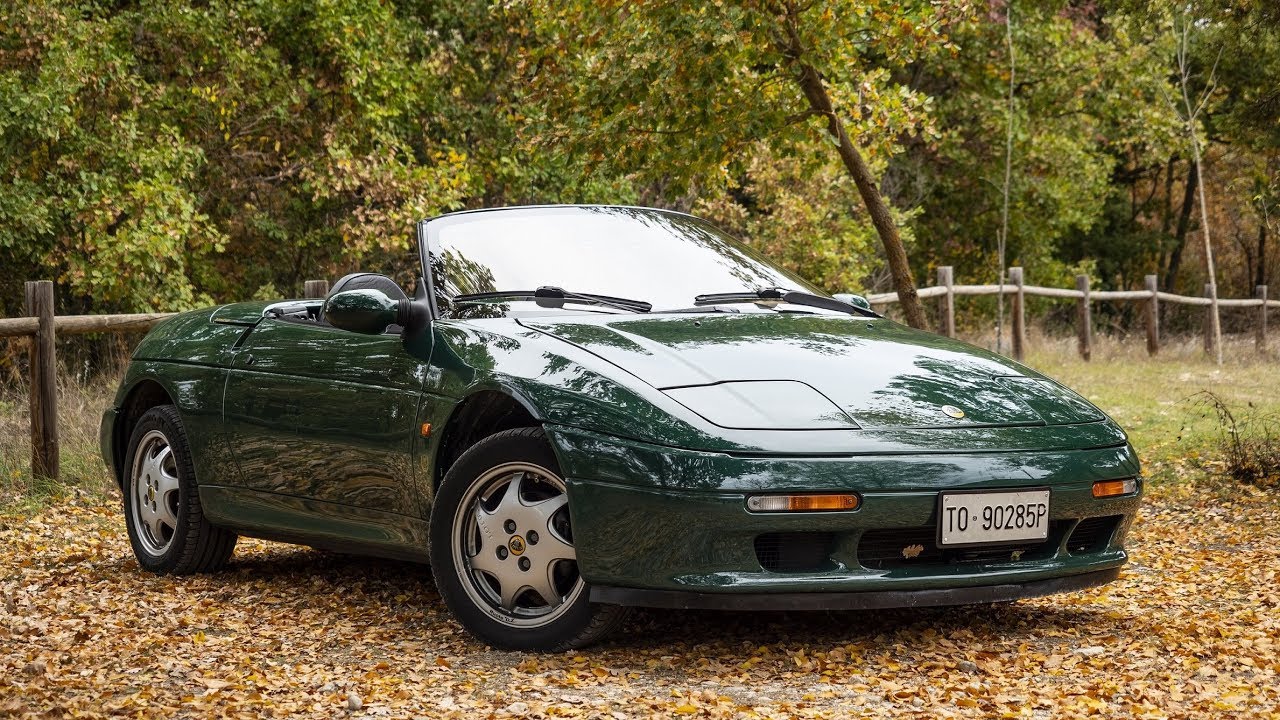
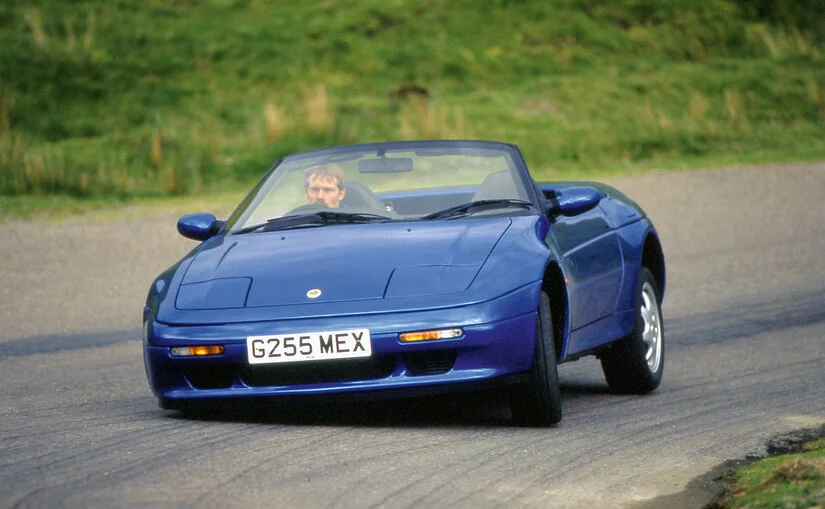
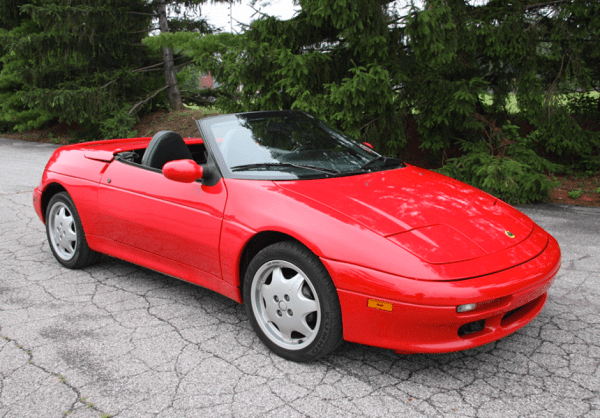
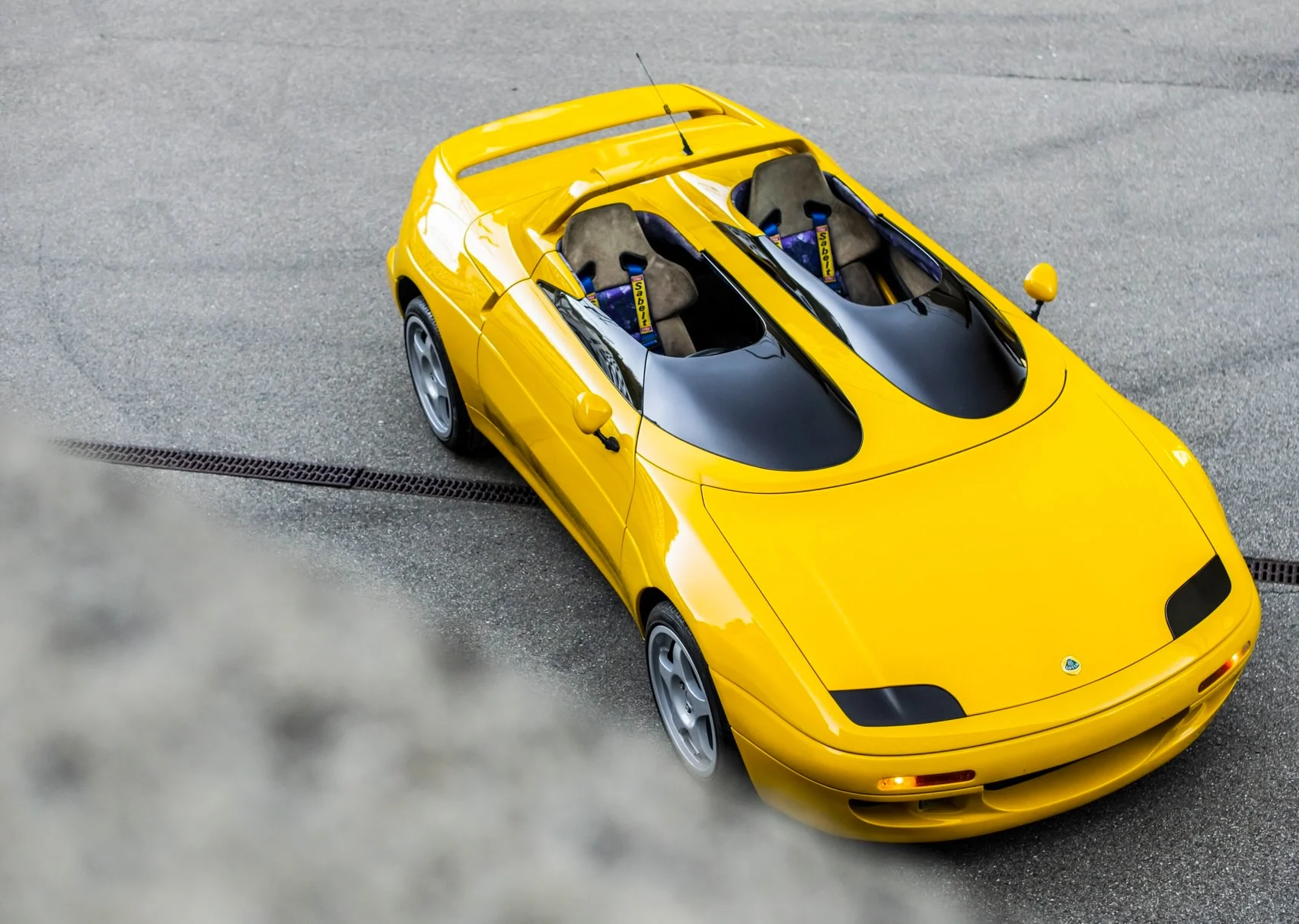
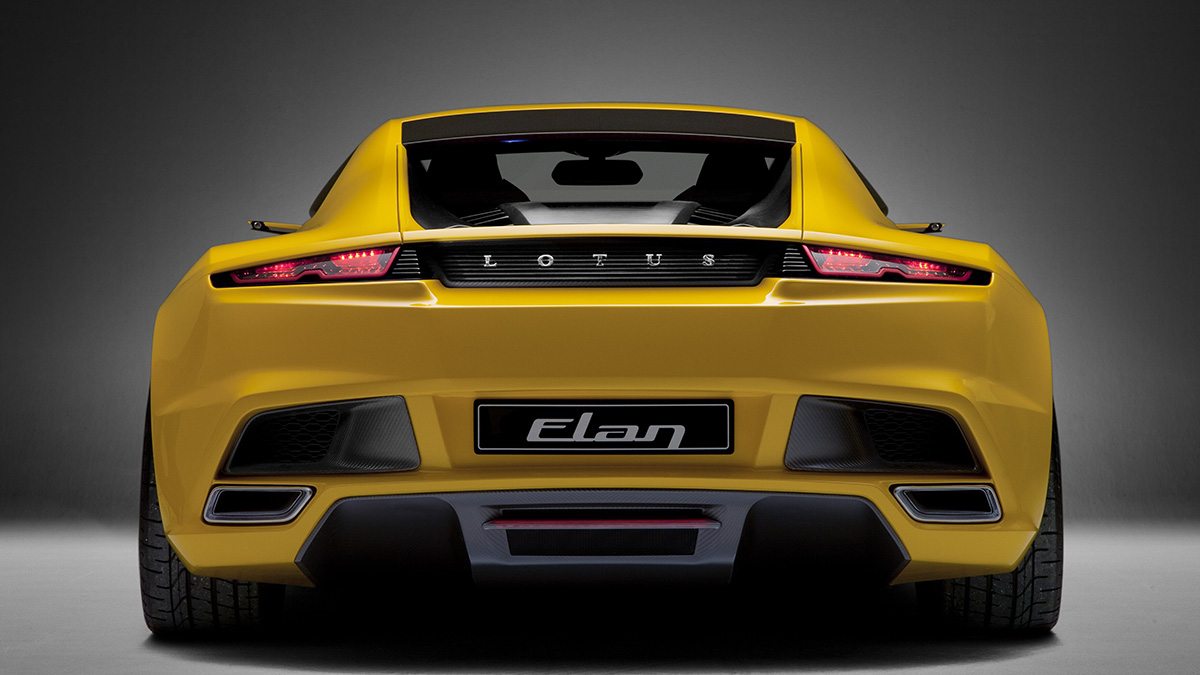
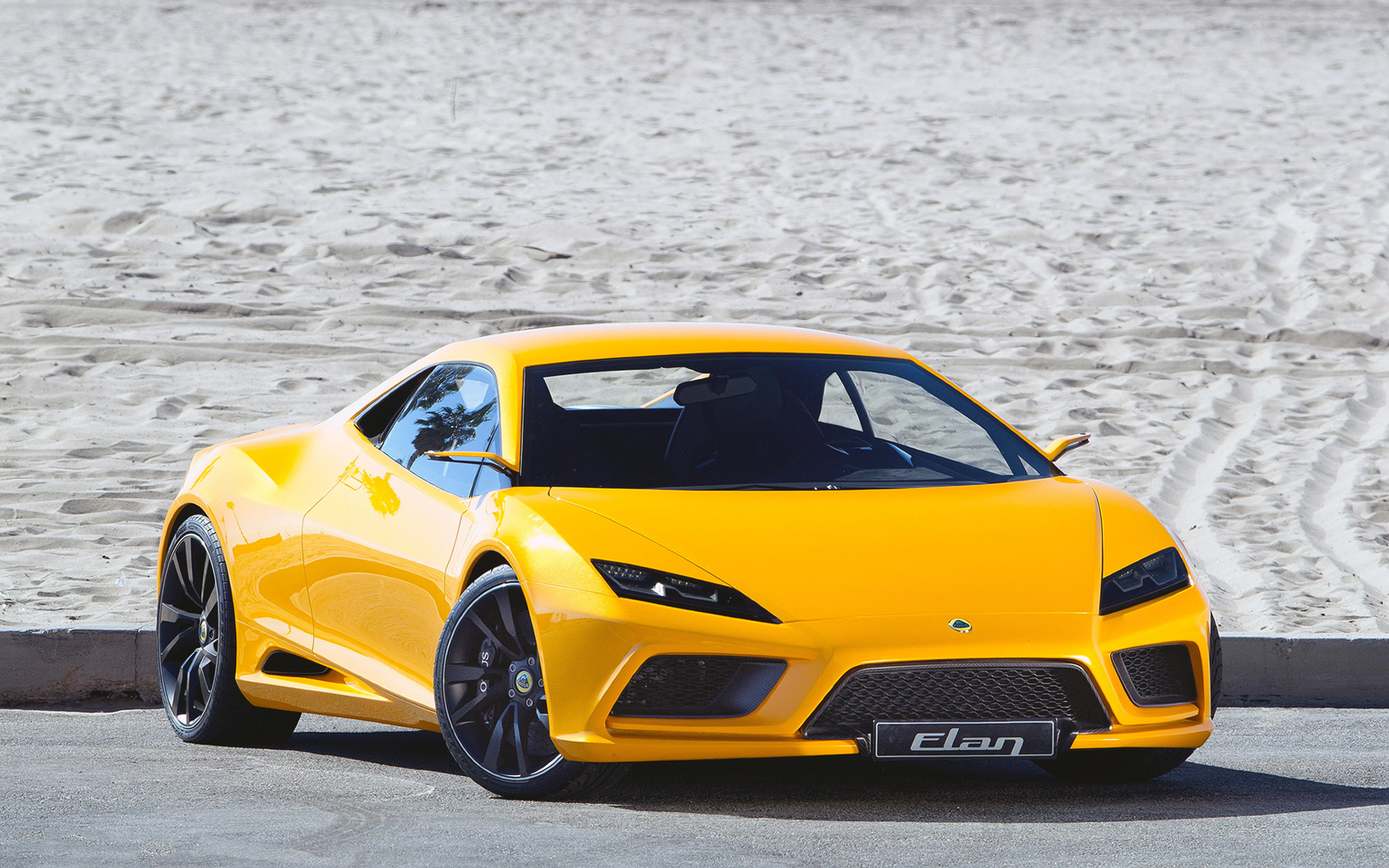
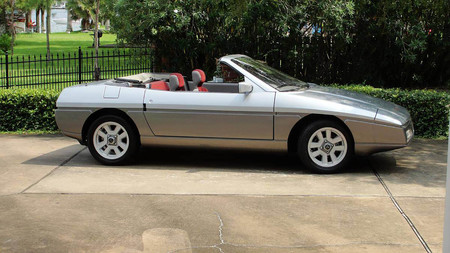
In stark contrast, the 1989 M100 Elan was a child of the corporate age, yet it was no less innovative. Designed by Peter Stevens—who would go on to pen the McLaren F1—the M100 was wider, stubbier, and aggressive. The controversy lay in its drivetrain: it was front-wheel drive. Purists recoiled, but Lotus engineers, flush with GM cash, set out to build the finest handling FWD car in history. They developed “interactive wishbone” front suspension to eliminate torque steer and utilized a 1.6-litre turbocharged engine from Isuzu (the 4XE1). This Japanese powerplant was robust, tunable, and produced 162 bhp in the SE turbo guise, propelling the car to 60 mph in 6.5 seconds. It was a technological tour de force, offering grip levels that defied physics, even if it lacked the delicate, fingertip adjustability of its rear-drive ancestor.
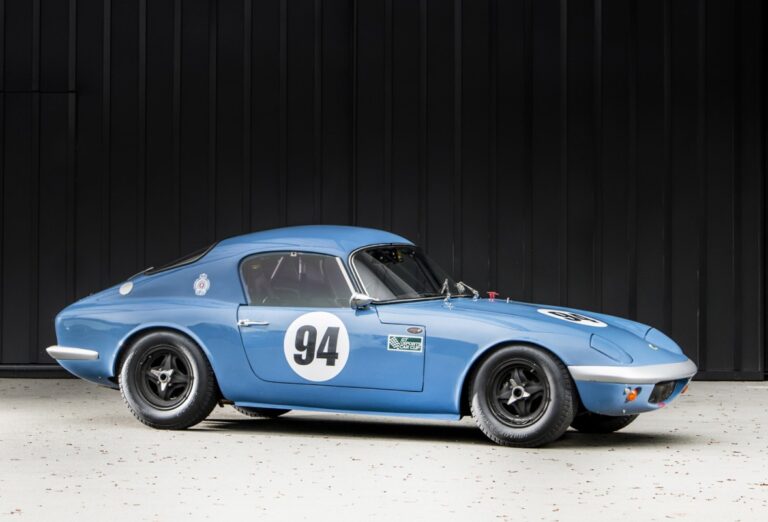
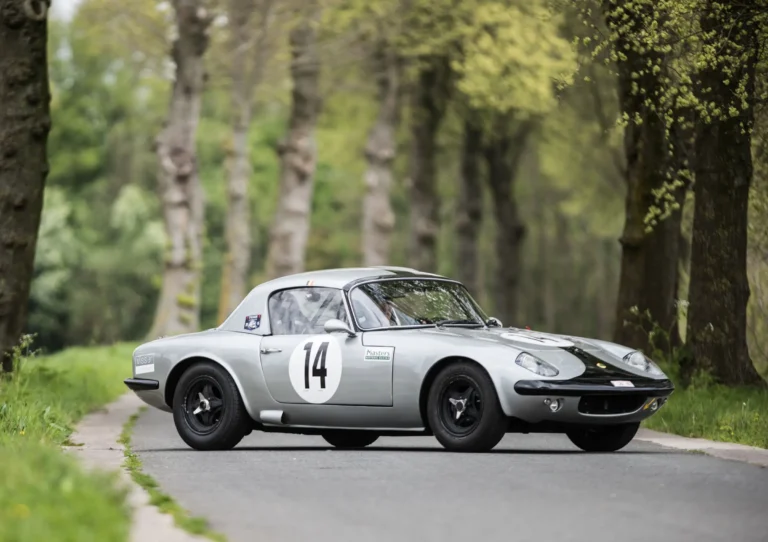
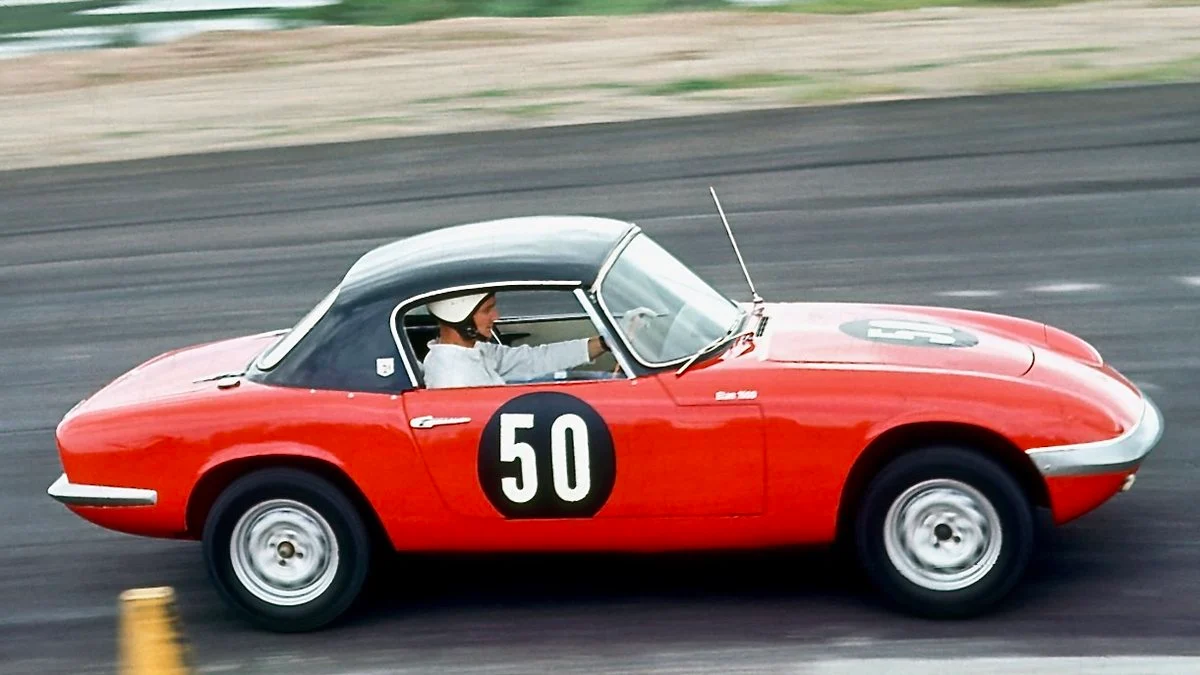
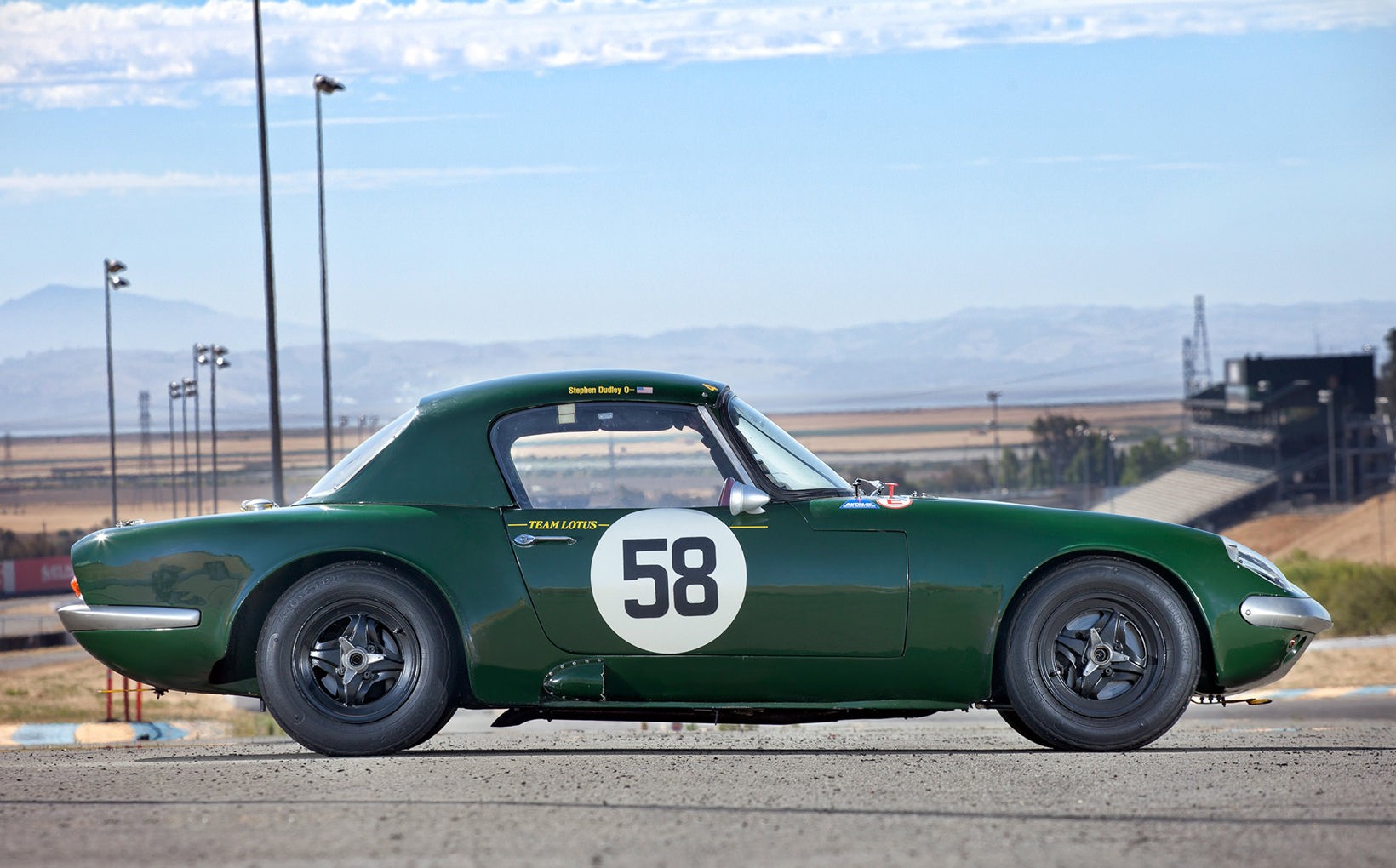
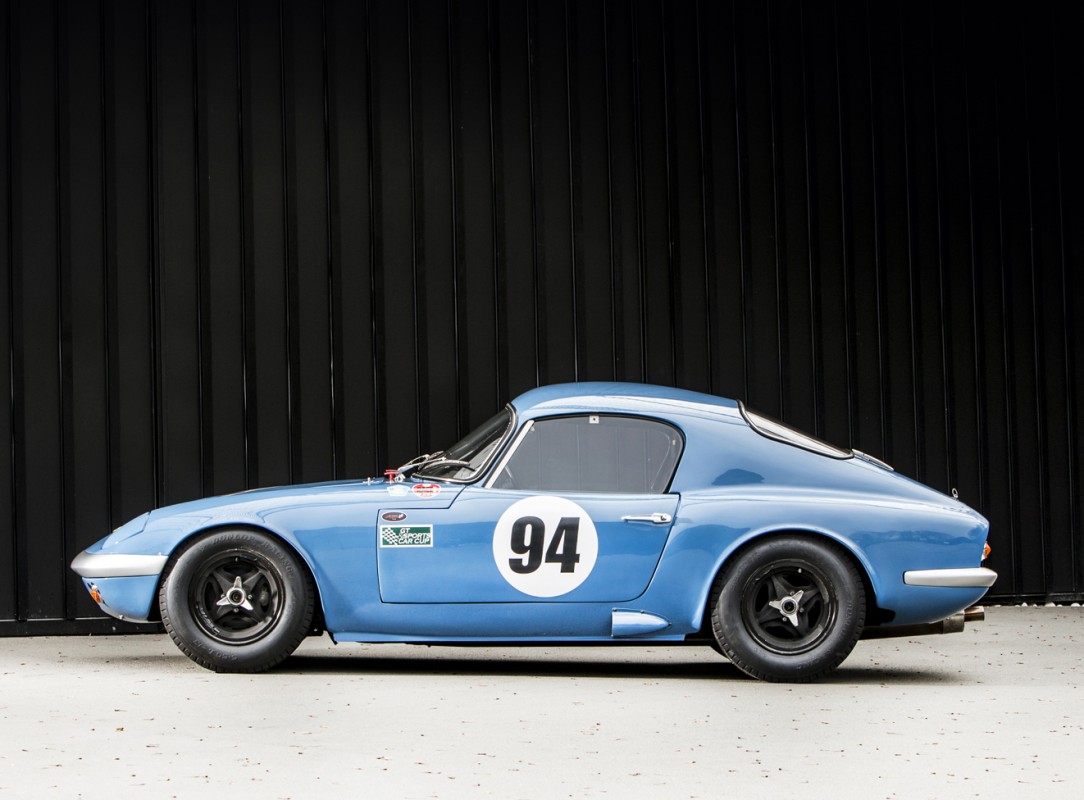
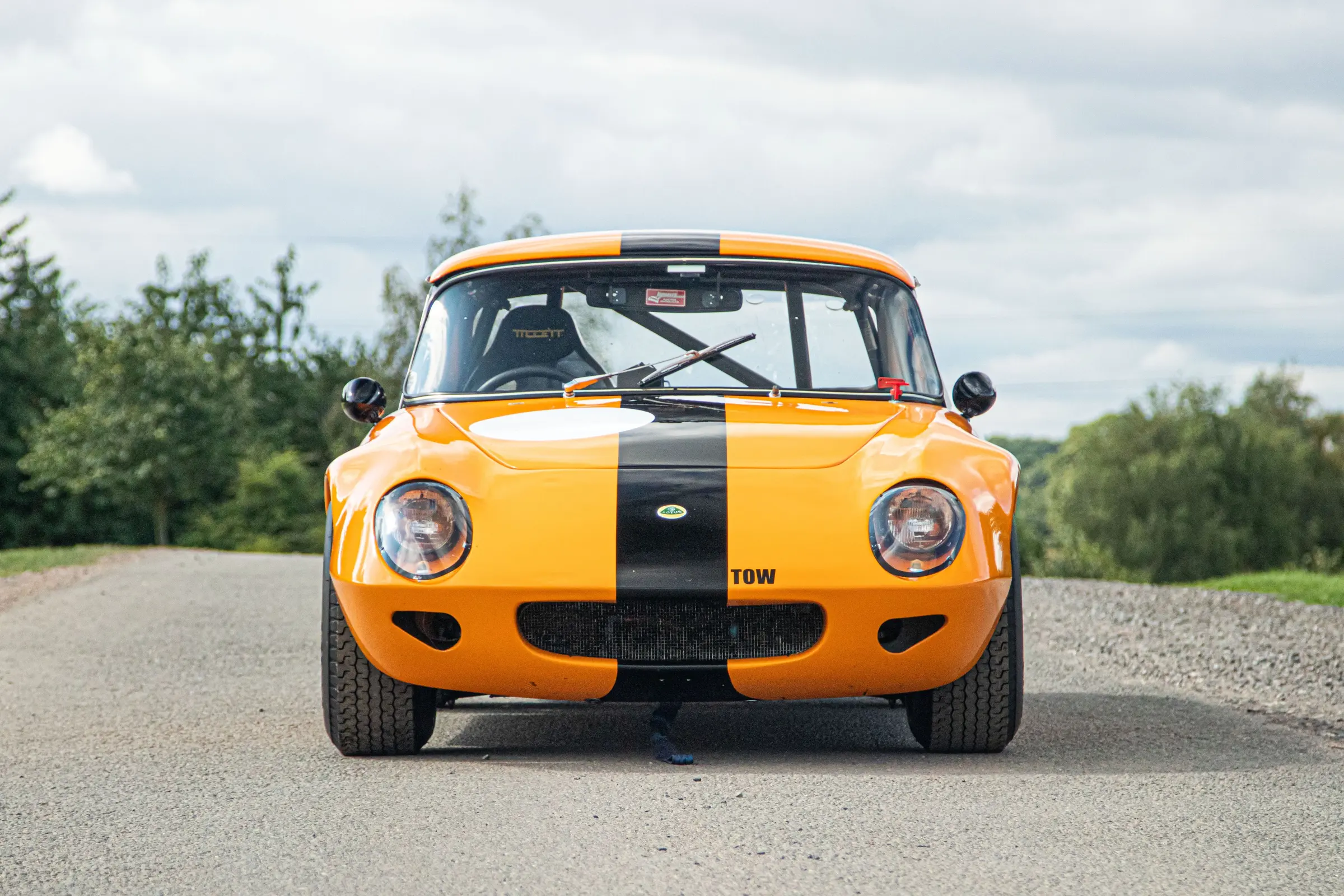
The impact of the original Elan on motorsport and culture cannot be overstated. While not a factory racer in the traditional sense, the racing variant, the 26R, became a giant-killer. With flared arches, magnesium wheels, and up to 180 bhp, the 26R terrorized the under-2.0-litre classes and frequently embarrassed the mighty AC Cobras and Ferrari GTOs on tight British circuits like Brands Hatch and Oulton Park. In the hands of legends like Jim Clark—who famously drove a road-going Elan as his daily driver—and Jackie Stewart, the car demonstrated that balance and corner speed were superior to brute horsepower. Culturally, the Elan became an icon of 1960s cool, immortalized by the character Emma Peel in The Avengers, who drove a powder-blue roadster. It was the “it” car for the fashionable set, a symbol of modernity and freedom.
The M100’s impact was different. It arrived just as Mazda launched the MX-5 Miata—a car that was, ironically, a direct spiritual clone of the original Elan. The M100 was faster and more secure than the Mazda, but it was significantly more expensive and lacked the purist RWD layout. However, it earned the begrudging respect of the motoring press, who declared it the fastest point-to-point car on real-world roads. It proved that Lotus magic could be applied to any drivetrain layout.
The legacy of the Lotus Elan is profound. The original car is widely considered the template for the modern sports car. Gordon Murray, the designer of the McLaren F1, has repeatedly cited the Elan as the benchmark for steering feel and packaging, using it as a reference point when designing the greatest supercar of the 20th century. Without the Elan, there is no Mazda MX-5, no Toyota MR2, and no resurgence of the roadster in the 1990s. It defined the philosophy of “simplify, then add lightness” better than any other car Chapman built. The M100, while a commercial disappointment that led to another hiatus for the nameplate, remains a cult classic, celebrated for its durability and its ability to out-corner almost anything from its era. Both generations, separated by decades and drive wheels, share the same DNA: they are cars that prioritize the driver above all else, machines that come alive not on the spec sheet, but in the twisty, damp, challenging corners of a British B-road.
Portal
Model line
Model generation
Predecessor
Sucessor
Brand
Produced from
Vehicle category
Portal
Model line
Model generation
Predecessor
Sucessor
Model Overview
To understand the Lotus Elan is to understand the very soul of the British sports car. It is a nameplate that spans two distinct eras, separated by a chasm of technological philosophy yet united by a single, unwavering devotion to the driving experience. The story begins in 1962, amidst the fog of post-war austerity and the rise of the swinging sixties. Colin Chapman, the mercurial genius behind Lotus, sought to replace the beautiful but financially ruinous Elite. He needed a car that was cheaper to build, easier to repair, and yet retained the ethereal handling that had become the marque’s signature. The result was the original Elan (Type 26), a machine that didn’t just compete with the MGBs and Triumph TR4s of the world; it rendered them agricultural relics overnight. While its rivals were constructed like bridges, heavy and crude, the Elan was an aircraft for the road. Fast forward nearly three decades to 1989, and the nameplate returned under the stewardship of General Motors. The M100 Elan was a radical departure—front-wheel drive, turbocharged, and Japanese-powered—yet it sought to answer the same question: how does one create the perfect connection between a driver’s palms and the asphalt?
Technically, the original 1960s Elan was a masterclass in lateral thinking. At its core lay a folded steel backbone chassis, a stroke of genius that weighed a mere 75 lbs (34 kg) but provided immense torsional rigidity. Upon this spine sat a fiberglass body that was chemically bonded in later fixed-head coupe versions, creating a structure that was featherweight yet stiff. The suspension was independent all around—a rarity for the time—utilizing Chapman struts at the rear and double wishbones at the front, derived from Triumph Herald uprights but transformed by Lotus geometry. The genius of the Elan’s setup was its compliance; unlike modern sports cars that are stiff to the point of harshness, the Elan was softly sprung but firmly damped. It breathed with the road, flowing over imperfections rather than fighting them.
The heart of the classic Elan was the legendary Lotus-Ford Twin Cam engine. Starting life as a humble Ford Kent block, it was transformed by Harry Mundy’s aluminium dual-overhead-cam cylinder head into a 1.6-litre (1,558cc) firecracker. Producing between 105 and 126 bhp depending on the spec (Special Equipment or Sprint), it doesn’t sound like much today, but in a car weighing less than 700 kg, it was electrifying. The sprint from 0 to 60 mph took under 7 seconds, a figure that humiliated Jaguars and Aston Martins of the era.
In stark contrast, the 1989 M100 Elan was a child of the corporate age, yet it was no less innovative. Designed by Peter Stevens—who would go on to pen the McLaren F1—the M100 was wider, stubbier, and aggressive. The controversy lay in its drivetrain: it was front-wheel drive. Purists recoiled, but Lotus engineers, flush with GM cash, set out to build the finest handling FWD car in history. They developed “interactive wishbone” front suspension to eliminate torque steer and utilized a 1.6-litre turbocharged engine from Isuzu (the 4XE1). This Japanese powerplant was robust, tunable, and produced 162 bhp in the SE turbo guise, propelling the car to 60 mph in 6.5 seconds. It was a technological tour de force, offering grip levels that defied physics, even if it lacked the delicate, fingertip adjustability of its rear-drive ancestor.
The impact of the original Elan on motorsport and culture cannot be overstated. While not a factory racer in the traditional sense, the racing variant, the 26R, became a giant-killer. With flared arches, magnesium wheels, and up to 180 bhp, the 26R terrorized the under-2.0-litre classes and frequently embarrassed the mighty AC Cobras and Ferrari GTOs on tight British circuits like Brands Hatch and Oulton Park. In the hands of legends like Jim Clark—who famously drove a road-going Elan as his daily driver—and Jackie Stewart, the car demonstrated that balance and corner speed were superior to brute horsepower. Culturally, the Elan became an icon of 1960s cool, immortalized by the character Emma Peel in The Avengers, who drove a powder-blue roadster. It was the “it” car for the fashionable set, a symbol of modernity and freedom.
The M100’s impact was different. It arrived just as Mazda launched the MX-5 Miata—a car that was, ironically, a direct spiritual clone of the original Elan. The M100 was faster and more secure than the Mazda, but it was significantly more expensive and lacked the purist RWD layout. However, it earned the begrudging respect of the motoring press, who declared it the fastest point-to-point car on real-world roads. It proved that Lotus magic could be applied to any drivetrain layout.
The legacy of the Lotus Elan is profound. The original car is widely considered the template for the modern sports car. Gordon Murray, the designer of the McLaren F1, has repeatedly cited the Elan as the benchmark for steering feel and packaging, using it as a reference point when designing the greatest supercar of the 20th century. Without the Elan, there is no Mazda MX-5, no Toyota MR2, and no resurgence of the roadster in the 1990s. It defined the philosophy of “simplify, then add lightness” better than any other car Chapman built. The M100, while a commercial disappointment that led to another hiatus for the nameplate, remains a cult classic, celebrated for its durability and its ability to out-corner almost anything from its era. Both generations, separated by decades and drive wheels, share the same DNA: they are cars that prioritize the driver above all else, machines that come alive not on the spec sheet, but in the twisty, damp, challenging corners of a British B-road.
Generations
Model Generations

Submodels