Mercedes-Benz W25
Brand
Produced from
Vehicle category
Portal
Model line
Model generation
Predecessor
Sucessor
Model Overview
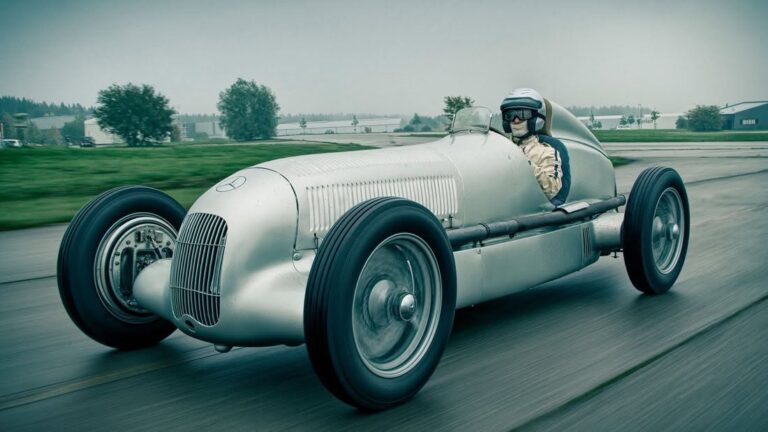
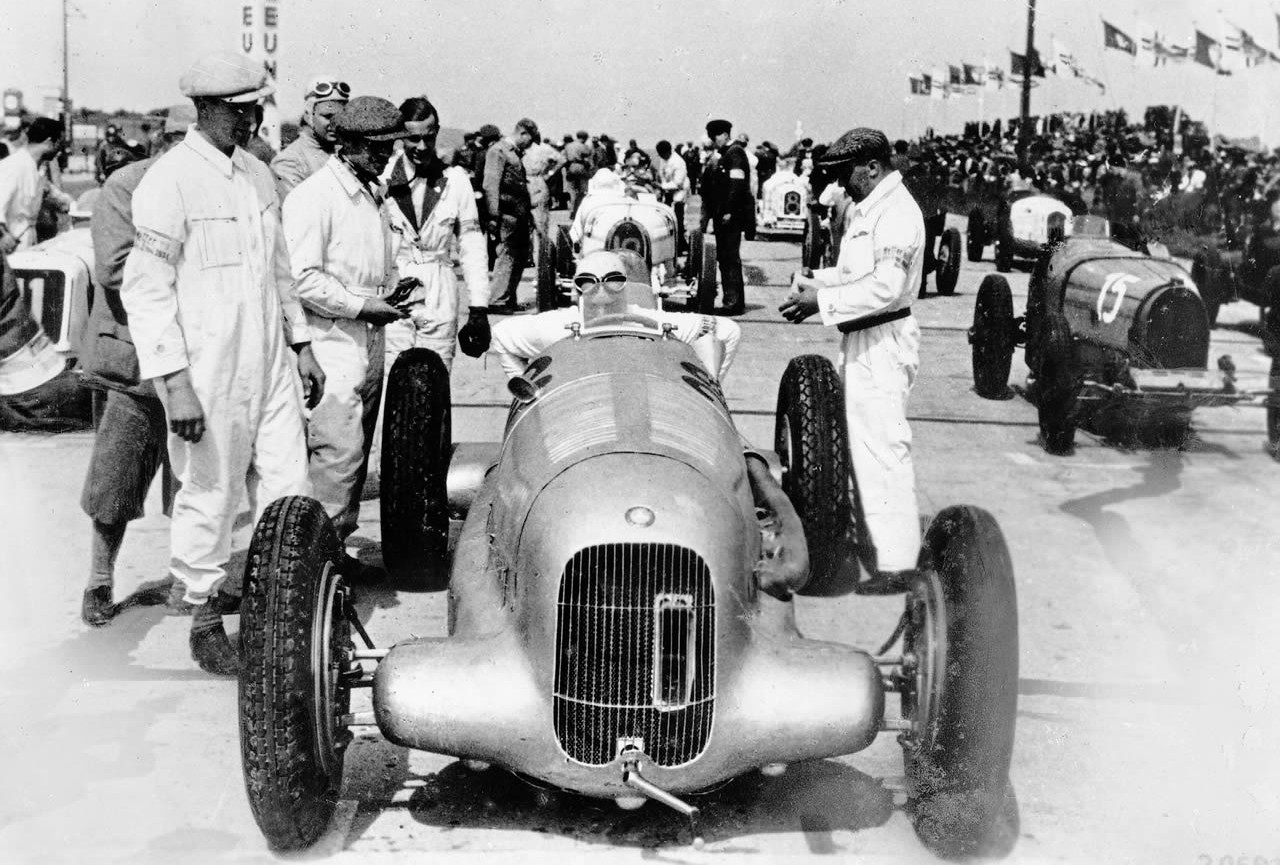
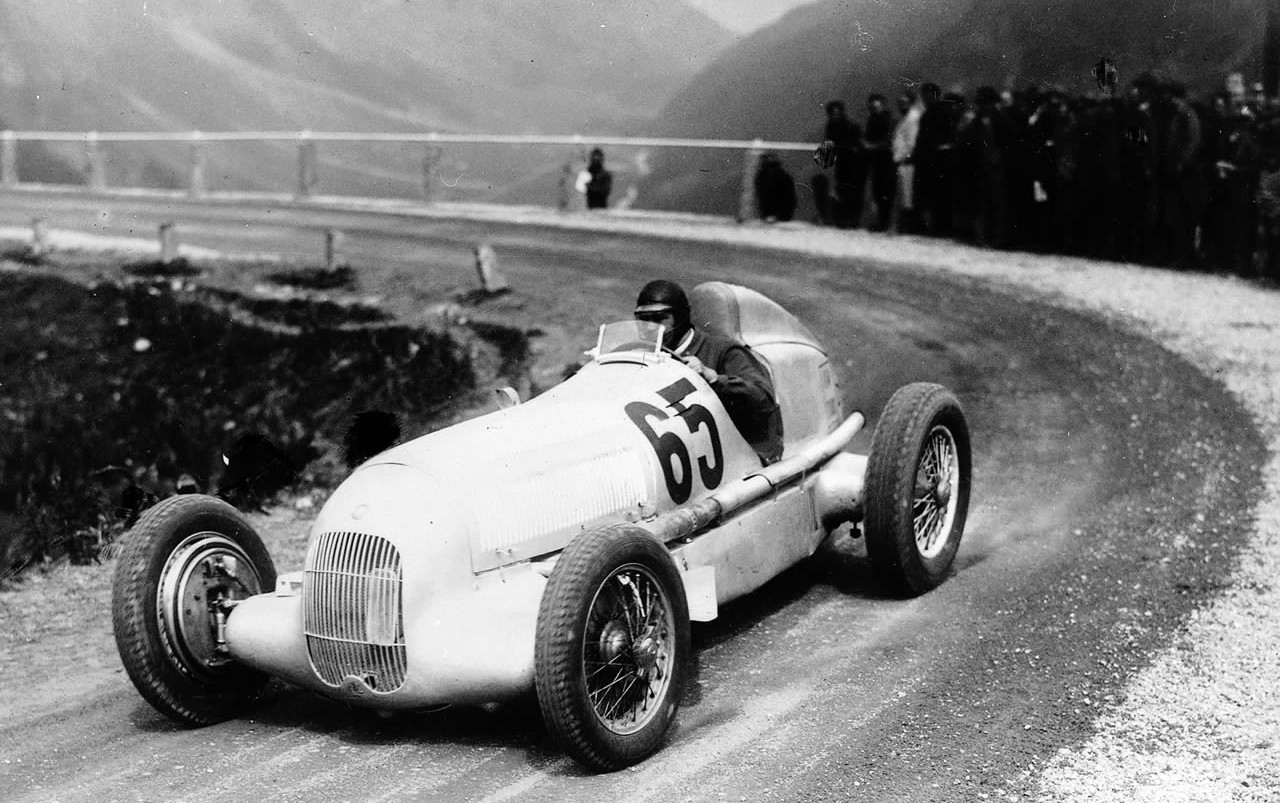
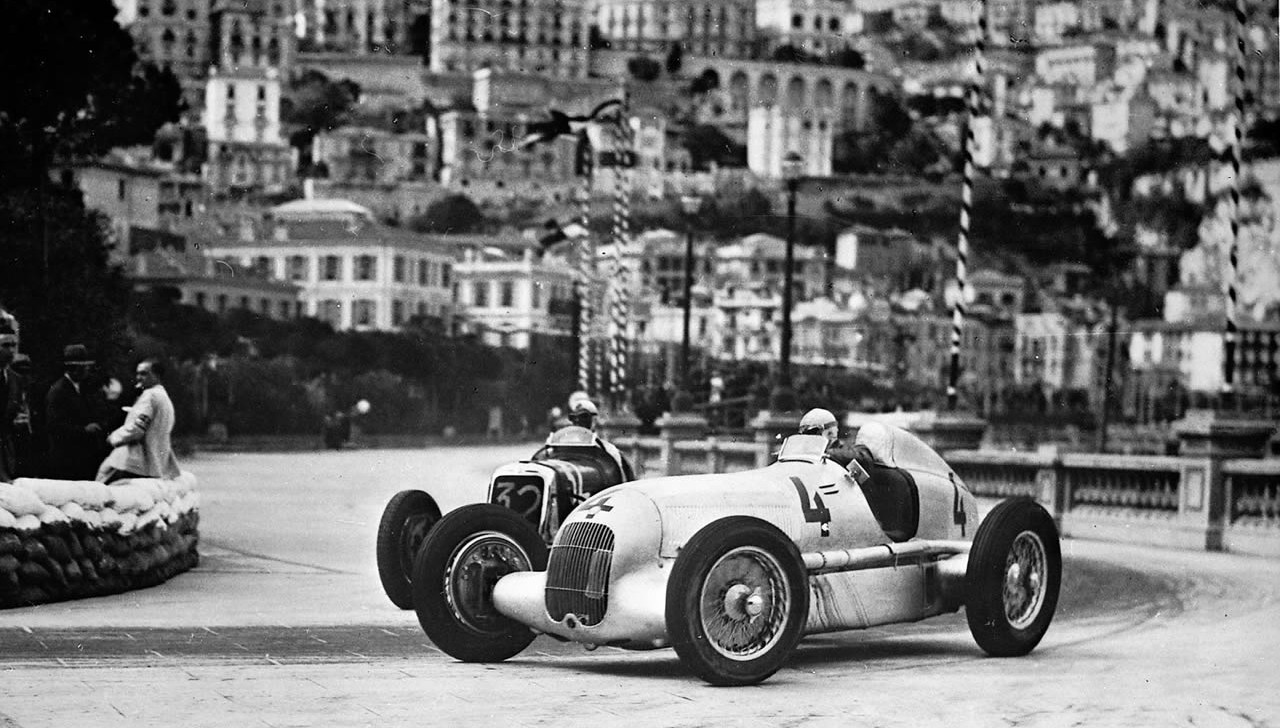
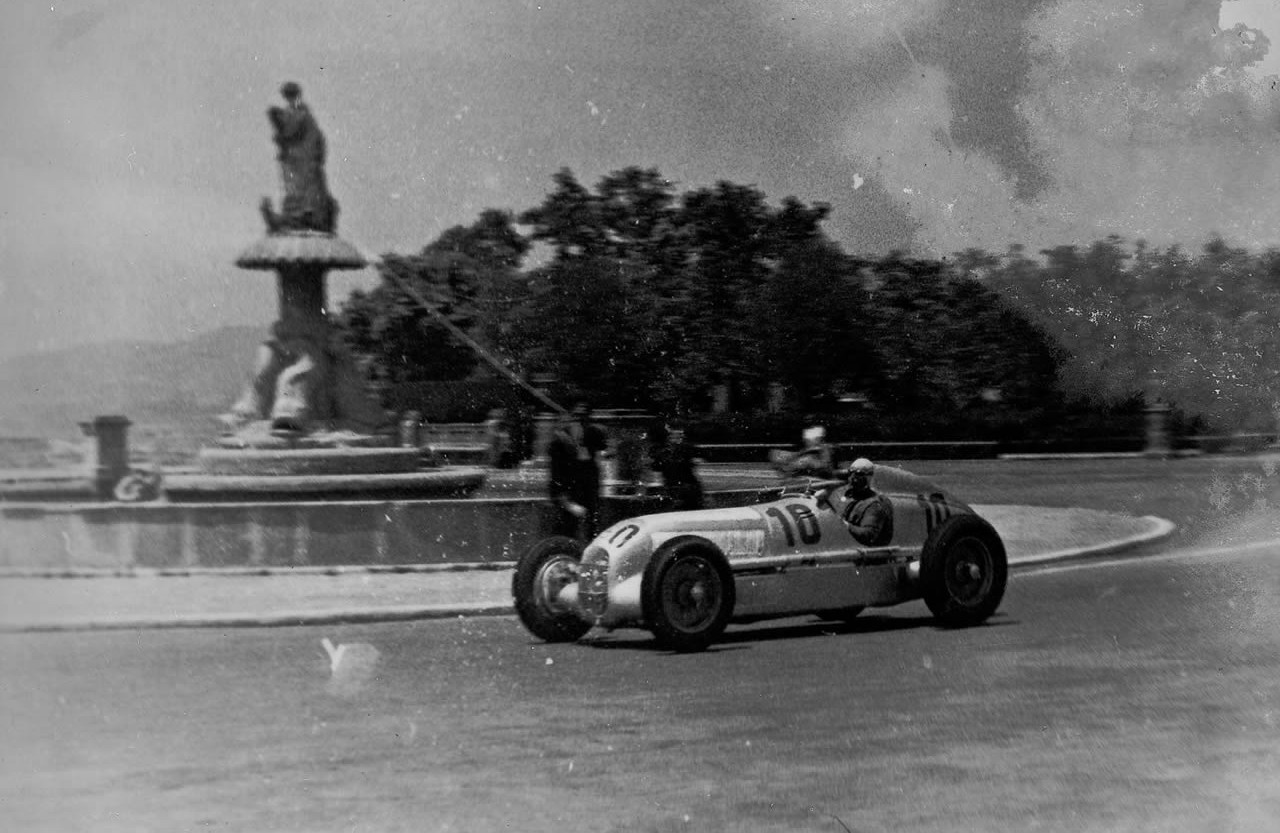
Nürburgring, June 1934: a frantic pitlane scramble, the smell of burnt castor oil, and a desperate crew wielding sandpaper against the gleaming white paint of Neubauer’s new racing weapon. This, as motorsport legend insists, was the genesis of the “Silver Arrow,” the moment the Mercedes-Benz W25 was born, just under the new 750kg (1653lbs) limit. Myth or reality, the machine that emerged did not merely replace the colossal SSKL roadsters; it utterly shattered the existing paradigms of grand prix engineering. Rivals like Alfa Romeo, relying on the elegant but ageing Tipo B, and Bugatti with their exquisite Type 59, were instantly made obsolete, left to choke on the exhaust fumes of state-sponsored Teutonic engineering, whilst Auto Union loomed as a fearsome, mid-engined radical spectre.
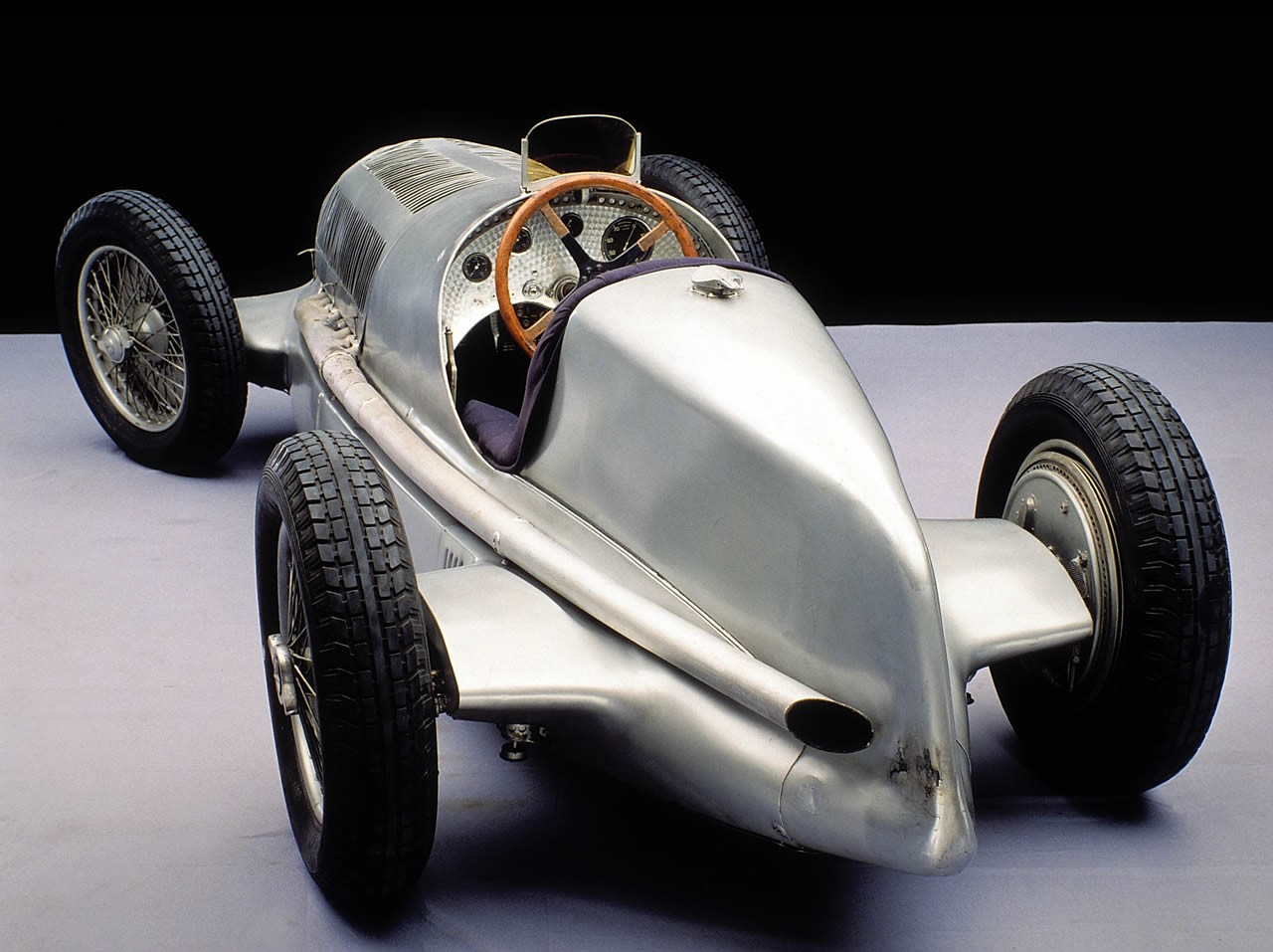
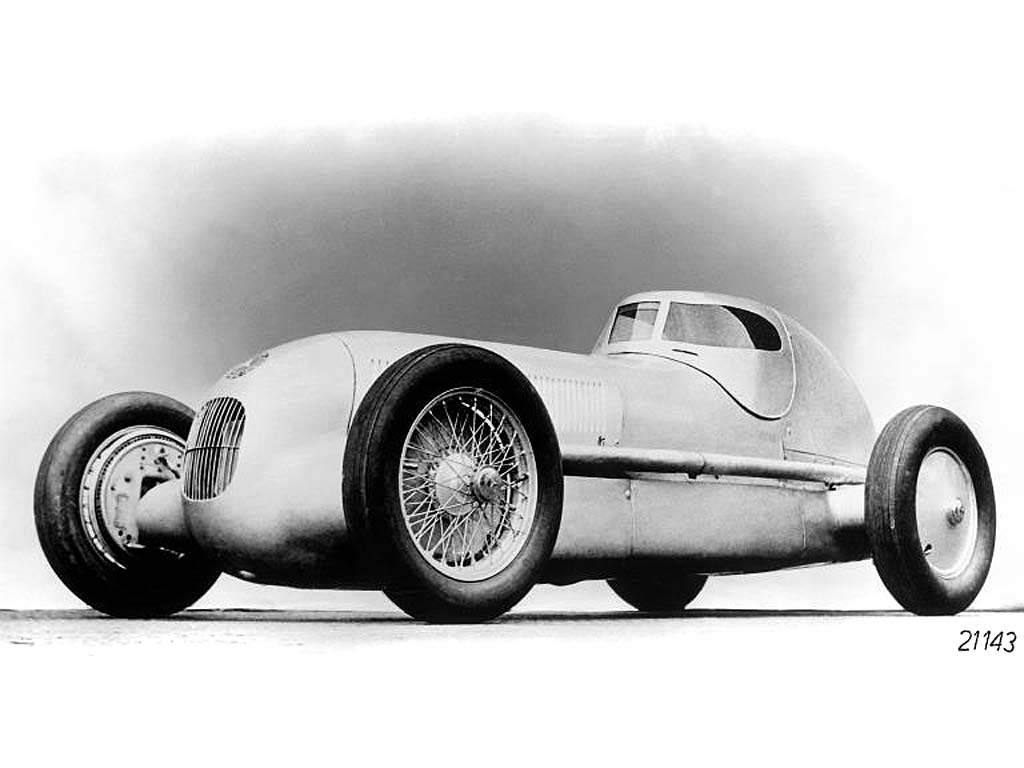
Rudolf Uhlenhaut’s creation was a masterpiece of ruthless packaging. Its core was a pressed-steel U-section frame, suspended not on solid axles, but independently all round—swing axles at the rear, wishbones upfront—a crucial step forward in taming unprecedented power. The initial beating heart was the potent, supercharged M25 A, a 3.4-litre (207 cu in) V8 delivering 314 hp, mated to a robust 4-speed manual gearbox. Such was the frantic pace of development that almost immediately, displacement grew, leading to the 3.7-litre (226 cu in) M25 AB and its 348 hp in the 1934-1935 seasons. By 1935, power surged again with the M25 B, a 4.0-litre (244 cu in) monster churning out 430 hp, soon capped by the fearsome 4.3-litre (262 cu in) M25 C with 462 hp. This ‘C’ engine also powered the Rekordwagen, a W25 with enclosed bodywork and cockpit, designed specifically to attack land speed benchmarks, which it did at 155 mph (250 km/h).
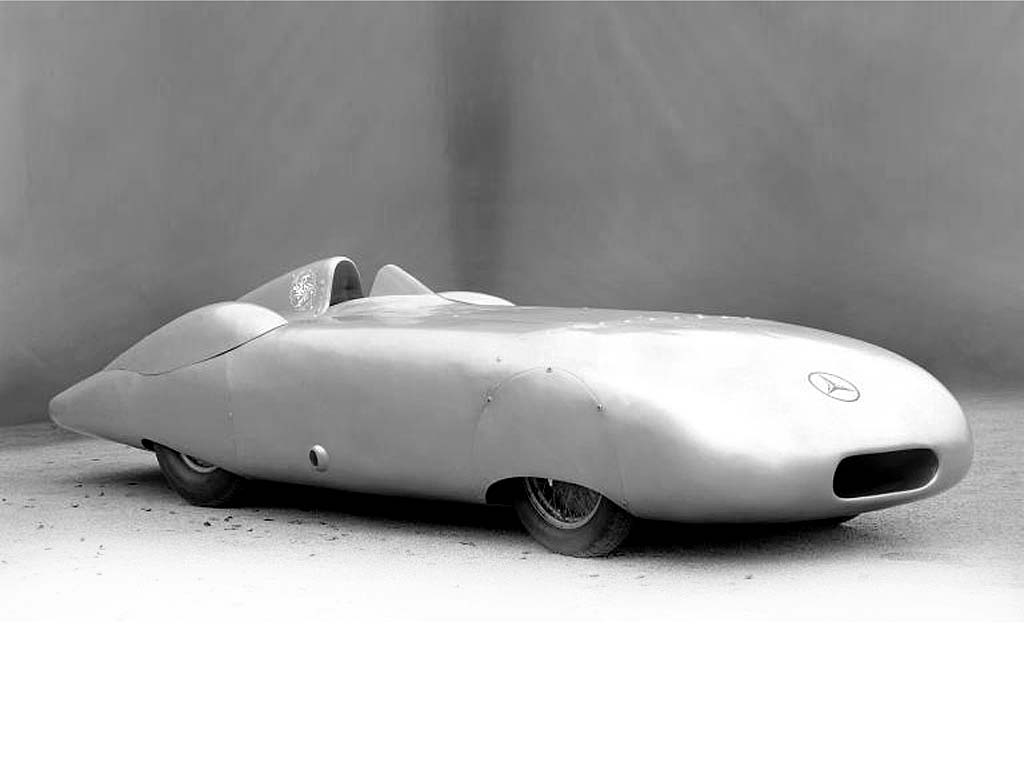
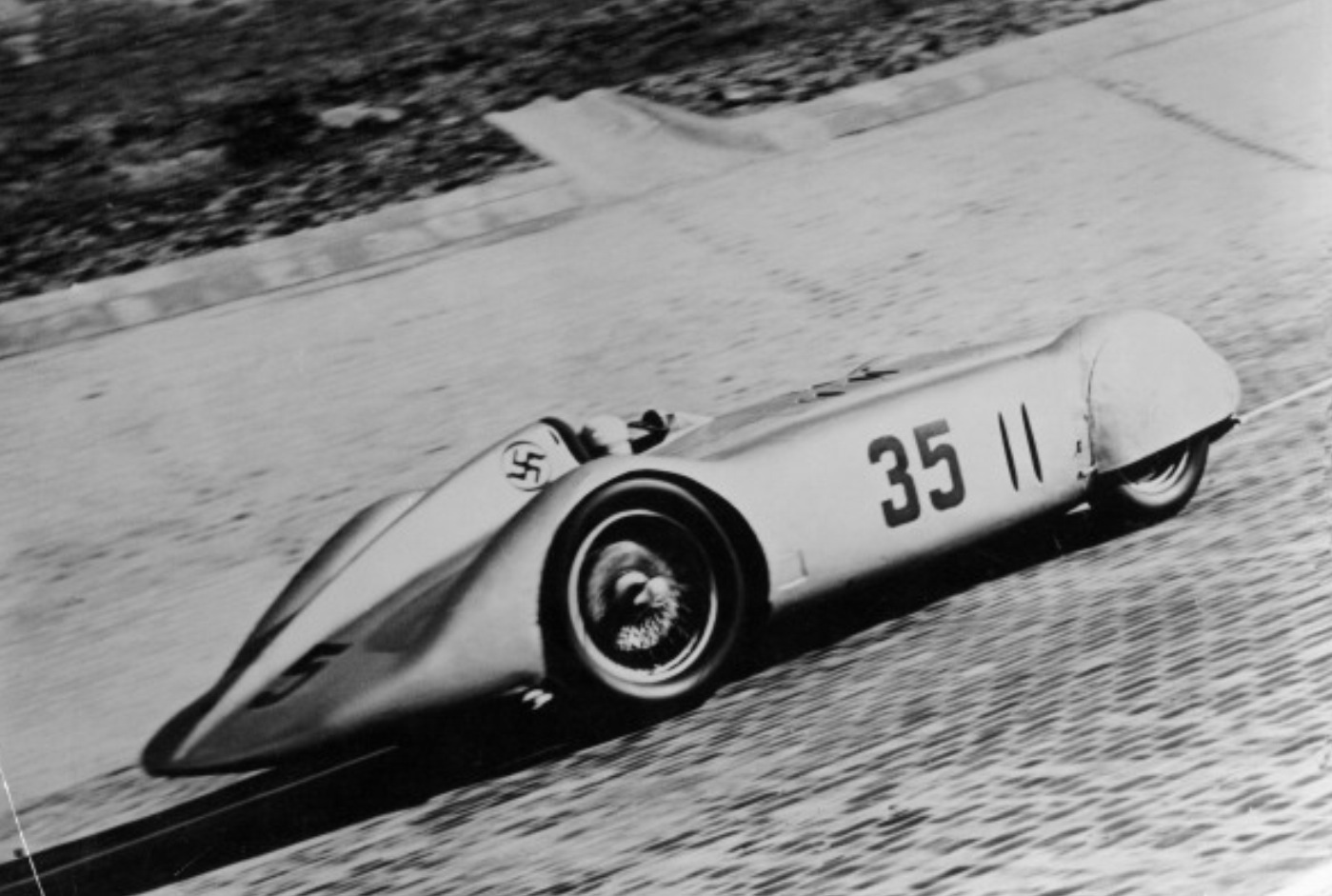
Stopping this silver projectile relied on massive, heavily finned aluminium drum brakes, hidden behind narrow cross-ply tyres that were asked to cope with loads and speeds bordering on the suicidal. The spartan cockpit offered no luxury; drivers were cooked by engine heat and assaulted by the mechanical fury of Uhlenhaut’s design. 1936 brought a technical crisis. The handling had degraded, leading to the shortened W25 K ‘Kurz’ chassis. Its ME25 engine was stretched to a brutal 4.7-litres (287 cu in) overbored V8 for 490 hp, yet it was a difficult, temperamental beast. Parallel to this, the absolute extreme arrived for the ultra-high-speed AVUS race: the Stromlinienwagen, a fully streamlined monster harnessing a 5.6-litre (342 cu in) DAB V12 developing a terrifying 736 hp.
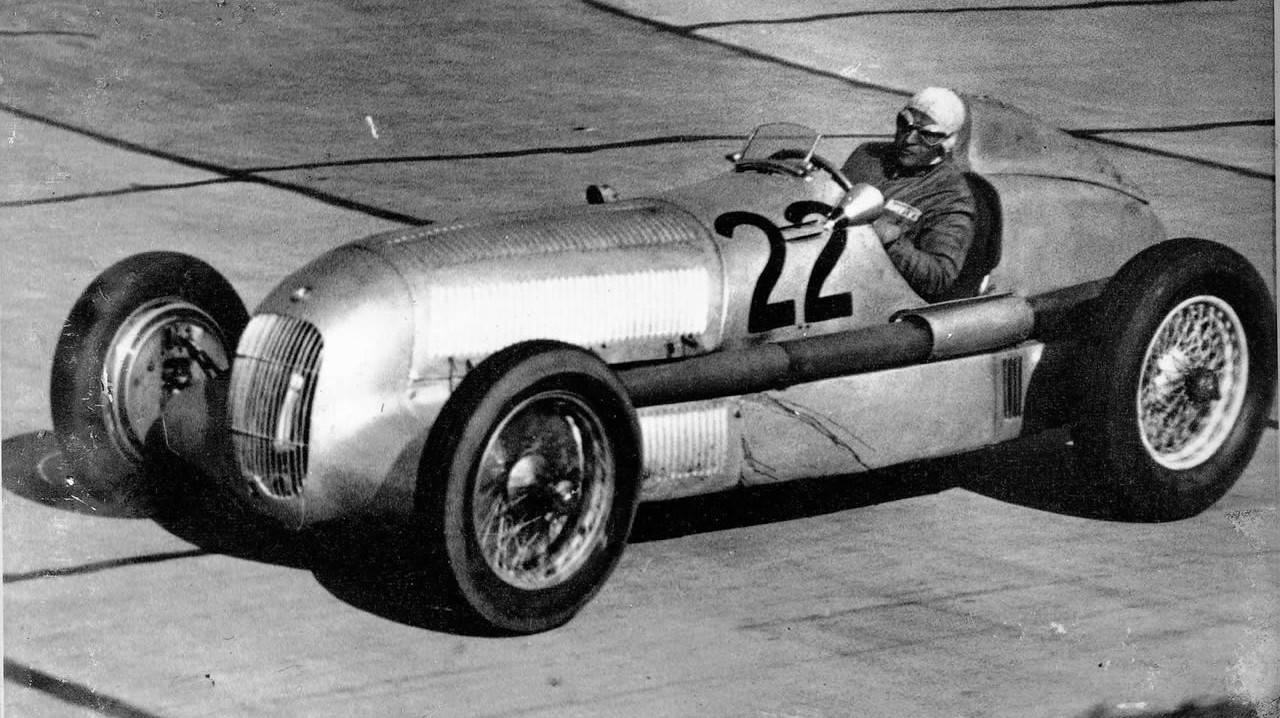
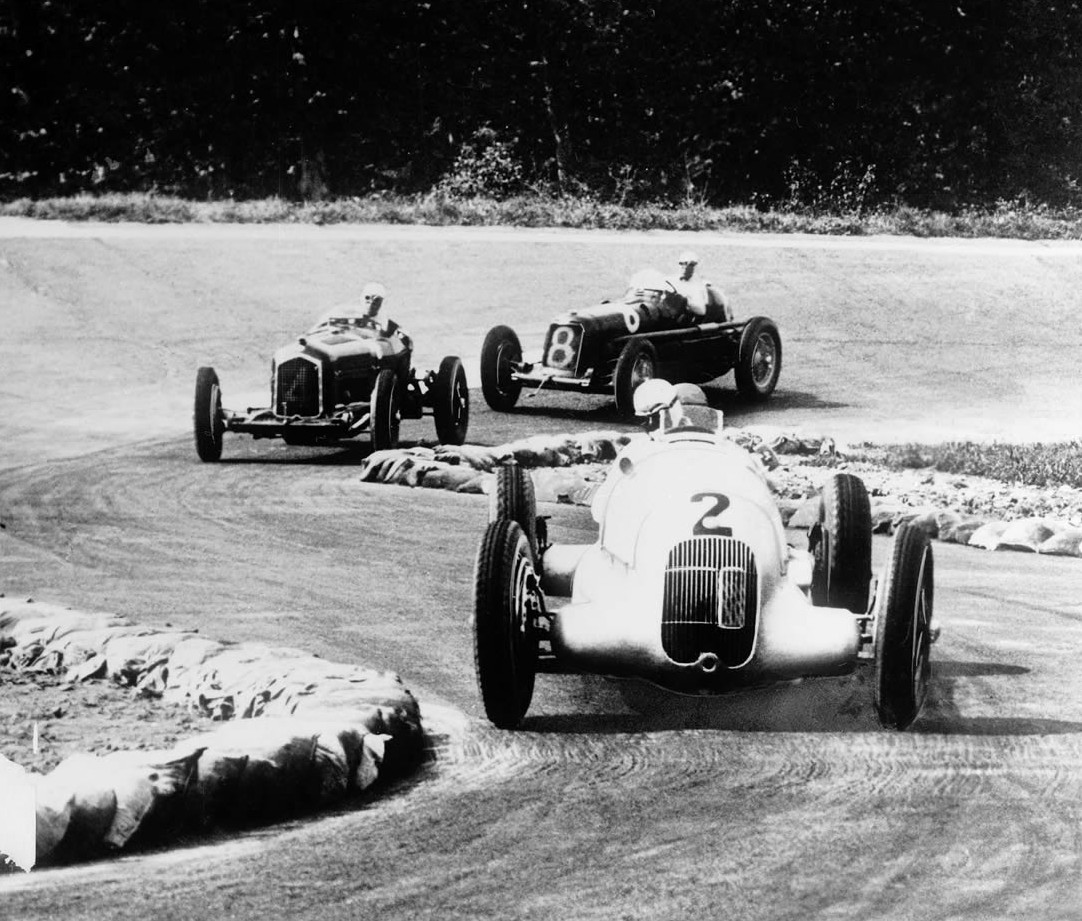
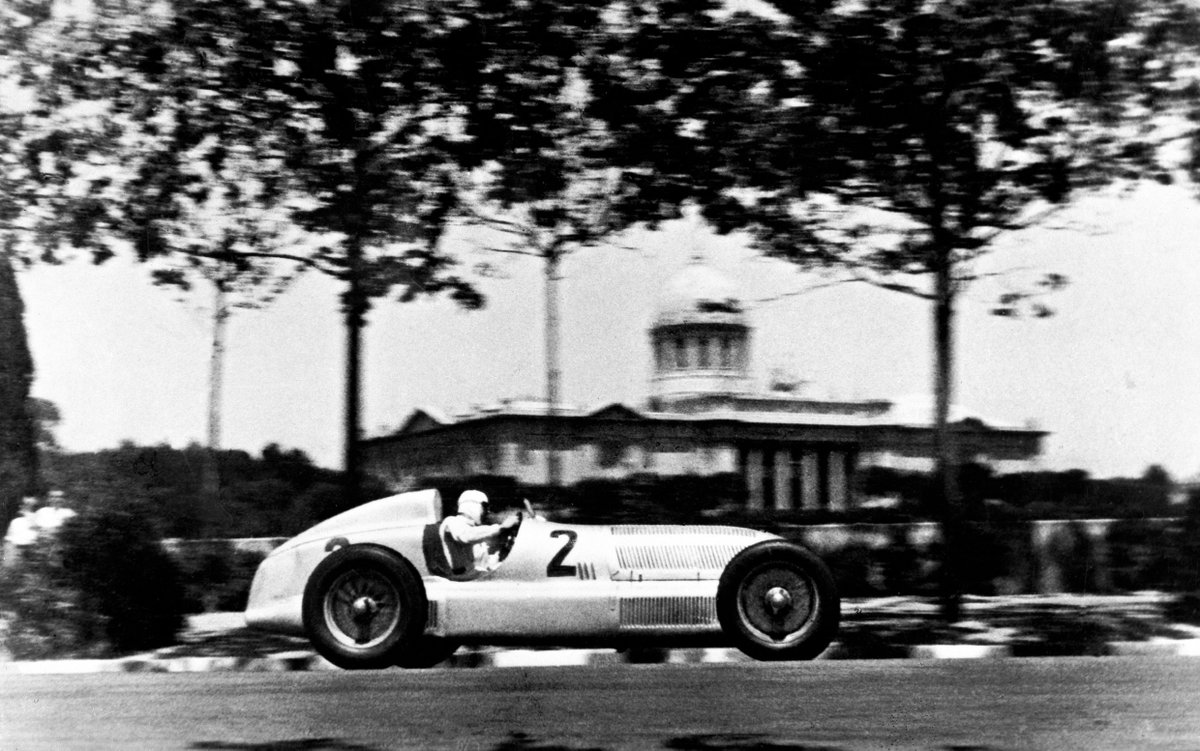
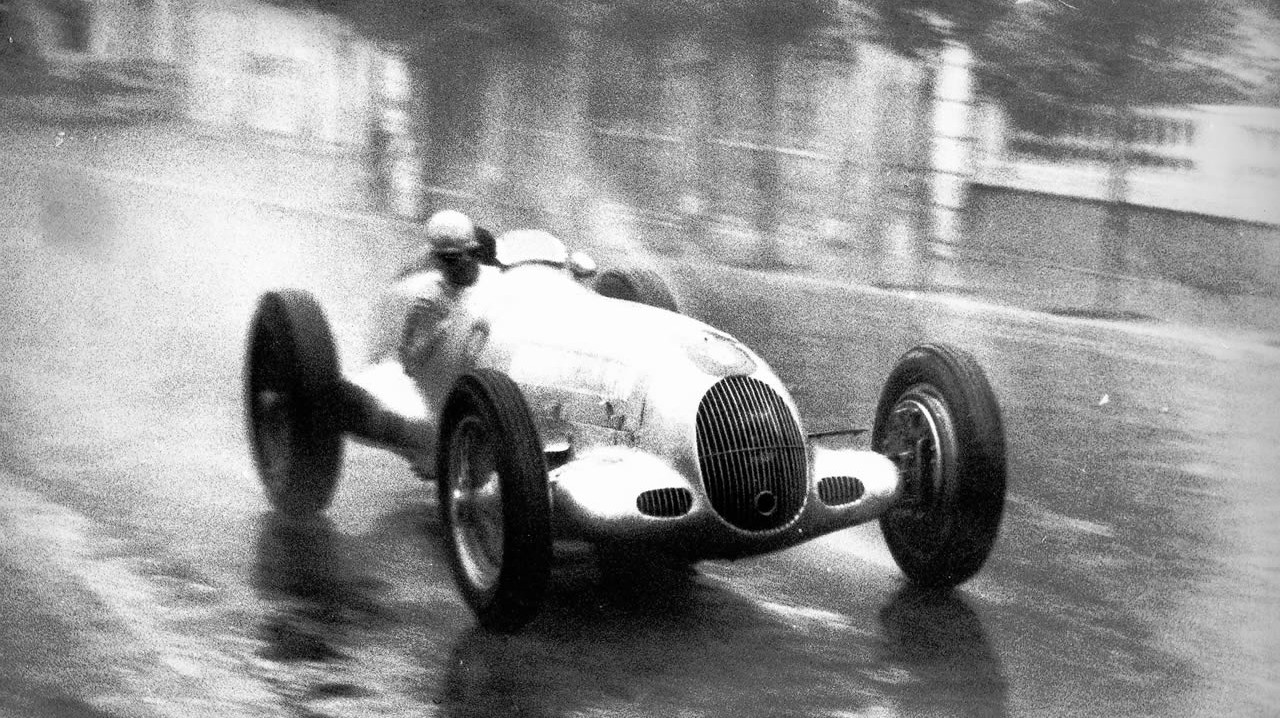
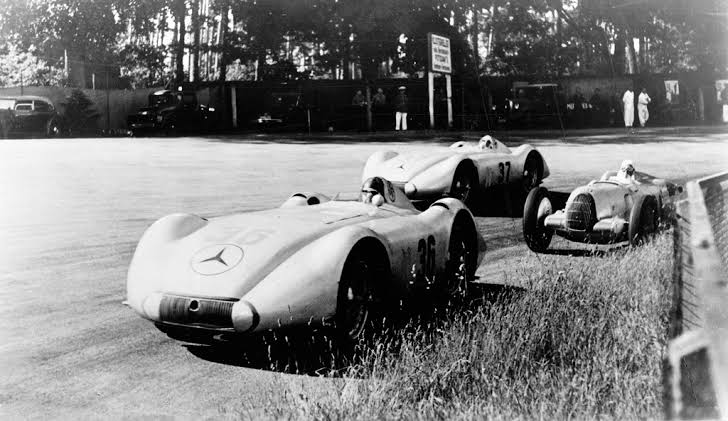
The sheer impact of the W25 on European motorsport was concussive. In 1935, Rudolf Caracciola, a maestro of the wet and perhaps the only man alive capable of exploiting the M25 C’s full fury, utterly dominated the European Championship, securing the title with victories at the French, Belgian, and Spanish Grands Prix. Yet, the W25’s reign was never easy. Auto Union, led by Bernd Rosemeyer, was a constant, mid-engined menace, and even the underpowered Alfas, in the possessed hands of Tazio Nuvolari at the Nürburgring in 1935, could occasionally defy Uhlenhaut’s masterwork. There was a brutality to this era; drivers were exposed to deafening supercharger whines, the acrid bite of specialized fuel mixtures, and cross-ply tyres that struggled to transmit over 400 hp to the rough road surfaces.
Ultimately, the 1936 season revealed the W25’s fundamental chassis flaws were incurable, leading Neubauer and Uhlenhaut to abandon the design and create the nigh-invincible W125 for 1937. Yet, the W25’s legacy is sovereign. It was the original Silver Arrow, the machine that established Mercedes-Benz as a geopolitical force on track, a terrifyingly loud, supercharged pioneer that bridged the gap between the colossal roadsters of the Twenties and the truly modern racers that followed. It remains the archetype of pre-war Grand Prix aggression, a visceral reminder of a time when courage and engineering were pushed beyond the bounds of sanity.
Portal
Model line
Model generation
Predecessor
Sucessor
Brand
Produced from
Vehicle category
Portal
Model line
Model generation
Predecessor
Sucessor
Model Overview
Nürburgring, June 1934: a frantic pitlane scramble, the smell of burnt castor oil, and a desperate crew wielding sandpaper against the gleaming white paint of Neubauer’s new racing weapon. This, as motorsport legend insists, was the genesis of the “Silver Arrow,” the moment the Mercedes-Benz W25 was born, just under the new 750kg (1653lbs) limit. Myth or reality, the machine that emerged did not merely replace the colossal SSKL roadsters; it utterly shattered the existing paradigms of grand prix engineering. Rivals like Alfa Romeo, relying on the elegant but ageing Tipo B, and Bugatti with their exquisite Type 59, were instantly made obsolete, left to choke on the exhaust fumes of state-sponsored Teutonic engineering, whilst Auto Union loomed as a fearsome, mid-engined radical spectre.
Rudolf Uhlenhaut’s creation was a masterpiece of ruthless packaging. Its core was a pressed-steel U-section frame, suspended not on solid axles, but independently all round—swing axles at the rear, wishbones upfront—a crucial step forward in taming unprecedented power. The initial beating heart was the potent, supercharged M25 A, a 3.4-litre (207 cu in) V8 delivering 314 hp, mated to a robust 4-speed manual gearbox. Such was the frantic pace of development that almost immediately, displacement grew, leading to the 3.7-litre (226 cu in) M25 AB and its 348 hp in the 1934-1935 seasons. By 1935, power surged again with the M25 B, a 4.0-litre (244 cu in) monster churning out 430 hp, soon capped by the fearsome 4.3-litre (262 cu in) M25 C with 462 hp. This ‘C’ engine also powered the Rekordwagen, a W25 with enclosed bodywork and cockpit, designed specifically to attack land speed benchmarks, which it did at 155 mph (250 km/h).
Stopping this silver projectile relied on massive, heavily finned aluminium drum brakes, hidden behind narrow cross-ply tyres that were asked to cope with loads and speeds bordering on the suicidal. The spartan cockpit offered no luxury; drivers were cooked by engine heat and assaulted by the mechanical fury of Uhlenhaut’s design. 1936 brought a technical crisis. The handling had degraded, leading to the shortened W25 K ‘Kurz’ chassis. Its ME25 engine was stretched to a brutal 4.7-litres (287 cu in) overbored V8 for 490 hp, yet it was a difficult, temperamental beast. Parallel to this, the absolute extreme arrived for the ultra-high-speed AVUS race: the Stromlinienwagen, a fully streamlined monster harnessing a 5.6-litre (342 cu in) DAB V12 developing a terrifying 736 hp.
The sheer impact of the W25 on European motorsport was concussive. In 1935, Rudolf Caracciola, a maestro of the wet and perhaps the only man alive capable of exploiting the M25 C’s full fury, utterly dominated the European Championship, securing the title with victories at the French, Belgian, and Spanish Grands Prix. Yet, the W25’s reign was never easy. Auto Union, led by Bernd Rosemeyer, was a constant, mid-engined menace, and even the underpowered Alfas, in the possessed hands of Tazio Nuvolari at the Nürburgring in 1935, could occasionally defy Uhlenhaut’s masterwork. There was a brutality to this era; drivers were exposed to deafening supercharger whines, the acrid bite of specialized fuel mixtures, and cross-ply tyres that struggled to transmit over 400 hp to the rough road surfaces.
Ultimately, the 1936 season revealed the W25’s fundamental chassis flaws were incurable, leading Neubauer and Uhlenhaut to abandon the design and create the nigh-invincible W125 for 1937. Yet, the W25’s legacy is sovereign. It was the original Silver Arrow, the machine that established Mercedes-Benz as a geopolitical force on track, a terrifyingly loud, supercharged pioneer that bridged the gap between the colossal roadsters of the Twenties and the truly modern racers that followed. It remains the archetype of pre-war Grand Prix aggression, a visceral reminder of a time when courage and engineering were pushed beyond the bounds of sanity.
Submodels