
Talbot-Lago T26
Brand
Produced from
Vehicle category
Portal
Model line
Model generation
Predecessor
Sucessor
Model Overview
Louis Rosier’s oil-stained face at La Sarthe tells the story. The year is 1950, and he is wrestling a behemoth around the 13.6-kilometre (8.4-mile) circuit, defying the supercharged fury of his rivals. This was the defining epoch of the Talbot-Lago T26, a machine that bridged the terrifying gap between the decadent boulevards of Paris and the blood-soaked tarmac of European racing. Rising from the ashes of the pre-war T150 series, Antonio Lago’s masterpiece was a defiant, roaring dismissal of the austerity of post-war France. Debuting at the 1946 Paris Salon, it outclassed the nascent Italian Gran Turismo concept, unapologetically championing the classical architecture of a separate chassis and a monumental straight-six.
The soul of this lineage was an absolute leviathan: a 4.5-litre (274 cu in) inline-six displacing 4482 cc. Drafted by Carlo Marchetti, who built upon the pre-war schematics of Walter Becchia, the engine utilised a heavy cast-iron block. Its brilliance lay in the cylinder head. Marchetti mounted twin camshafts high in the block, operating inclined overhead valves via short, crossed pushrods to create perfectly hemispherical combustion chambers that optimised gas flow. Breathing through Zenith-Stromberg carburettors, this engine was mated to the indestructible four-speed Wilson pre-selector gearbox. A diminutive steering-column lever allowed drivers to queue the next ratio; a sharp stamp and release of the actuation pedal instantly engaged the gear. This heavy but infallible mechanical ballet saved precious seconds on track and immense fatigue on the road.
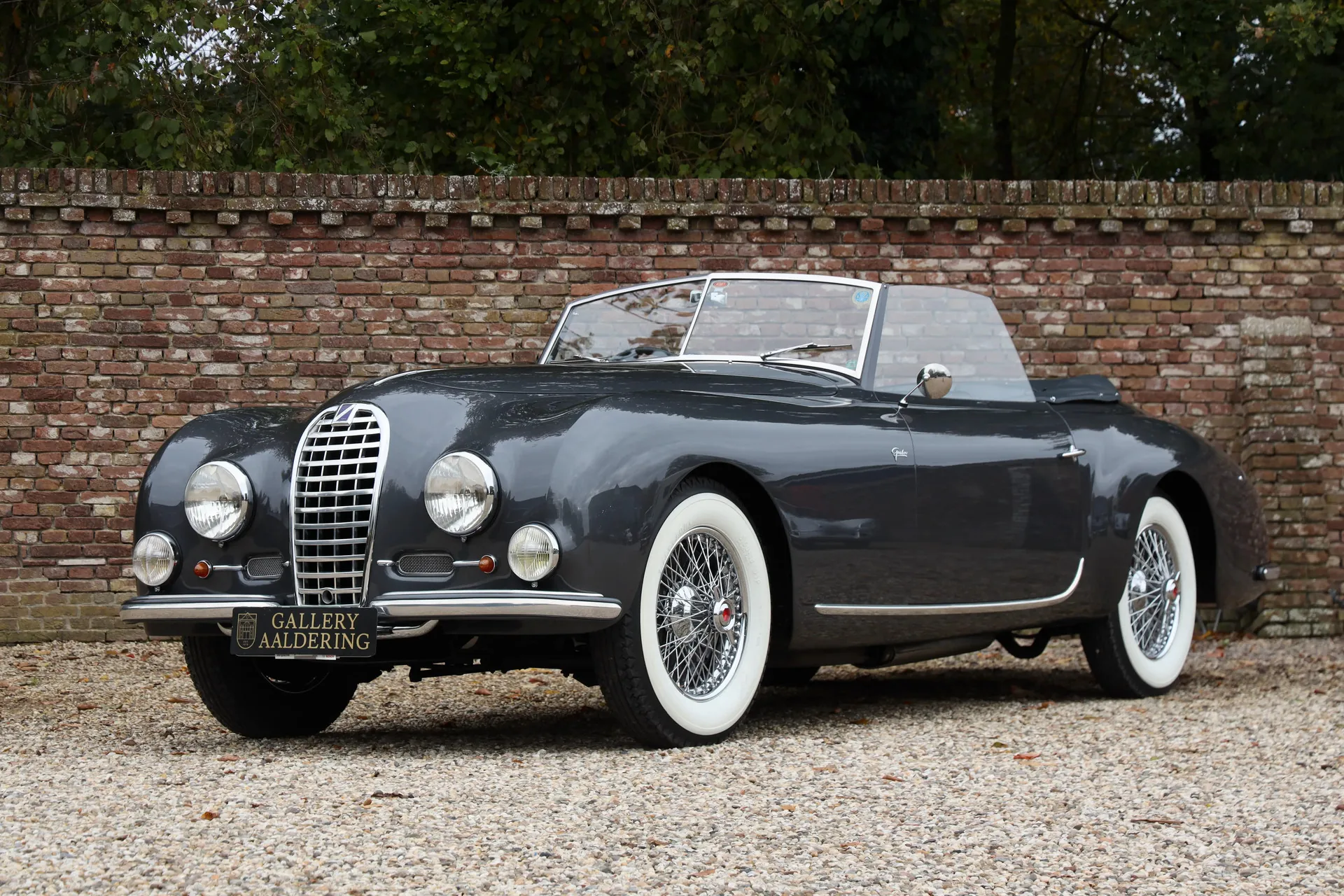
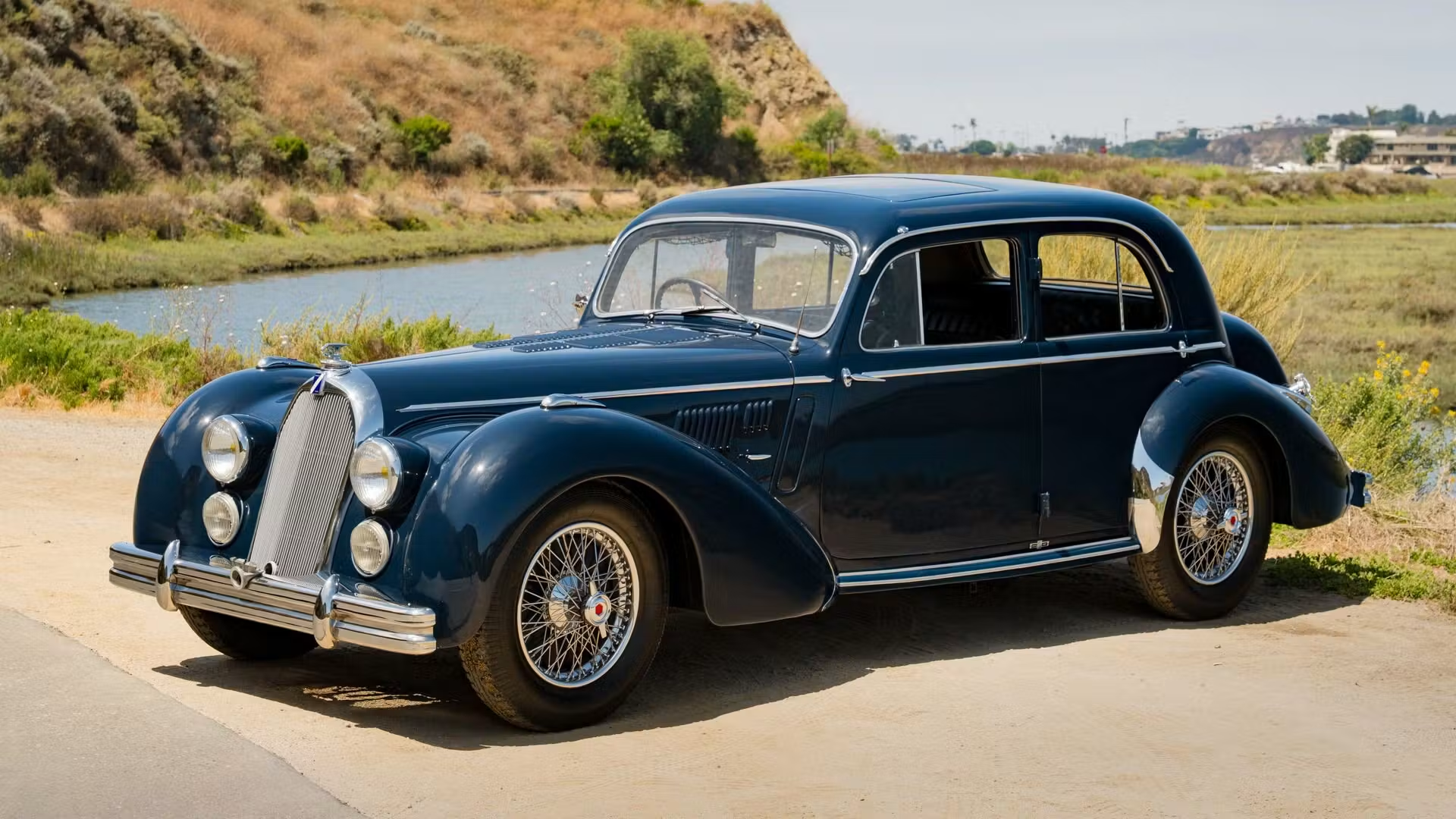
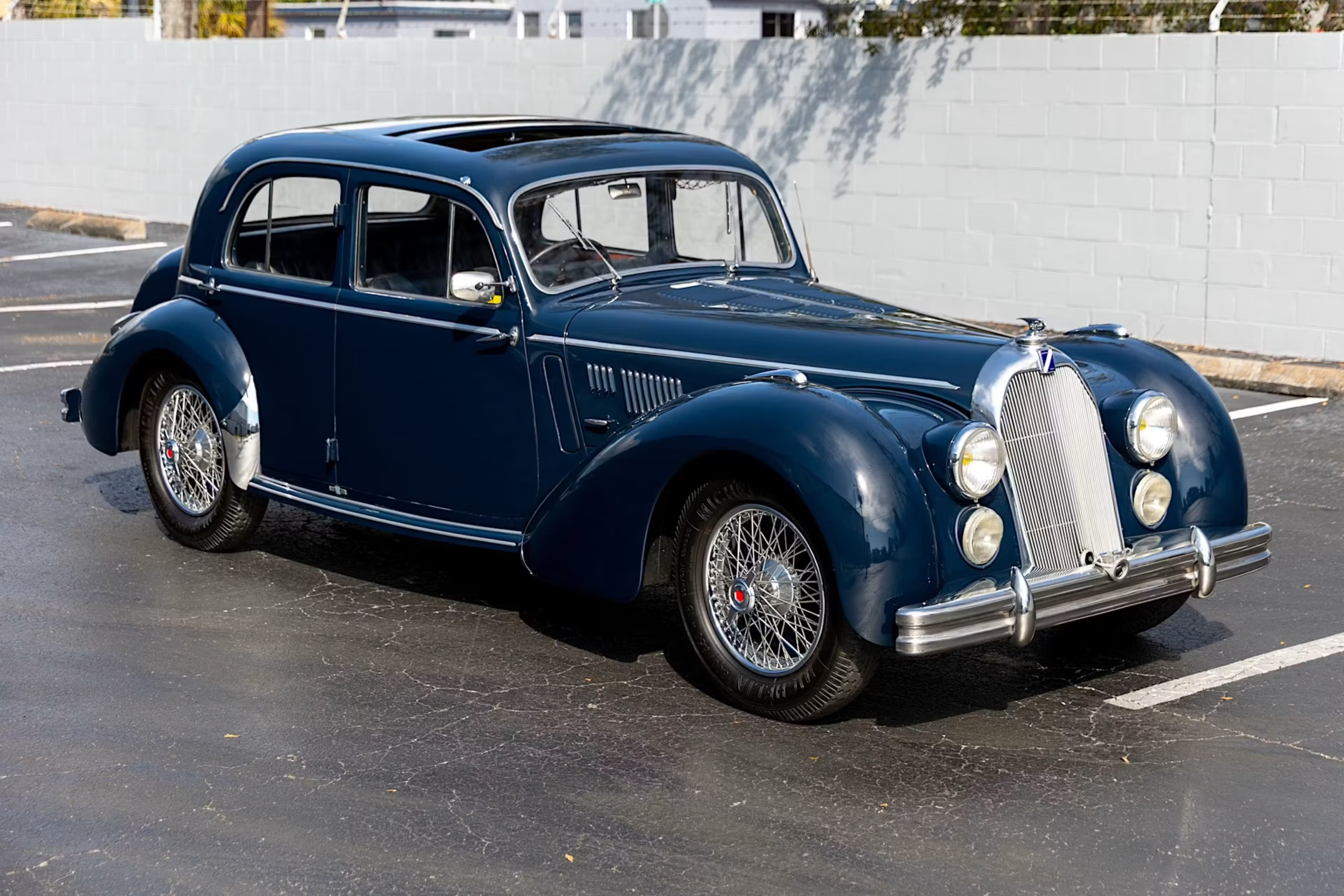
This mechanical symphony underpinned three distinct evolutionary branches, beginning with the T26 Record (1946-1953). With conservative compression, it produced 127 kW (170 hp), capable of hurtling a steel-bodied saloon to over 170 km/h (105 mph). Its robust, long-wheelbase chassis devoured transcontinental miles in total comfort. The Suresnes factory offered its own steel coachwork, notably the 4-Door Saloon, 2-Door Coach, and Cabriolet d’Usine, culminating in the 1949 Surprofilé—a swooping aerodynamic fastback penned by Carlo Delaisse featuring a striking split panoramic windscreen. Yet, the Record truly shone as a blank canvas for bespoke coachbuilders. Saoutchik and Figoni & Falaschi draped extravagant wings over the frame, while Chapron, Letourneur & Marchand, and Guilloré executed restrained elegance. Swiss masters like Graber and Italian artisans like Pinin Farina crafted unique bodies, while Franay built a monumental limousine for French President Vincent Auriol in 1950.
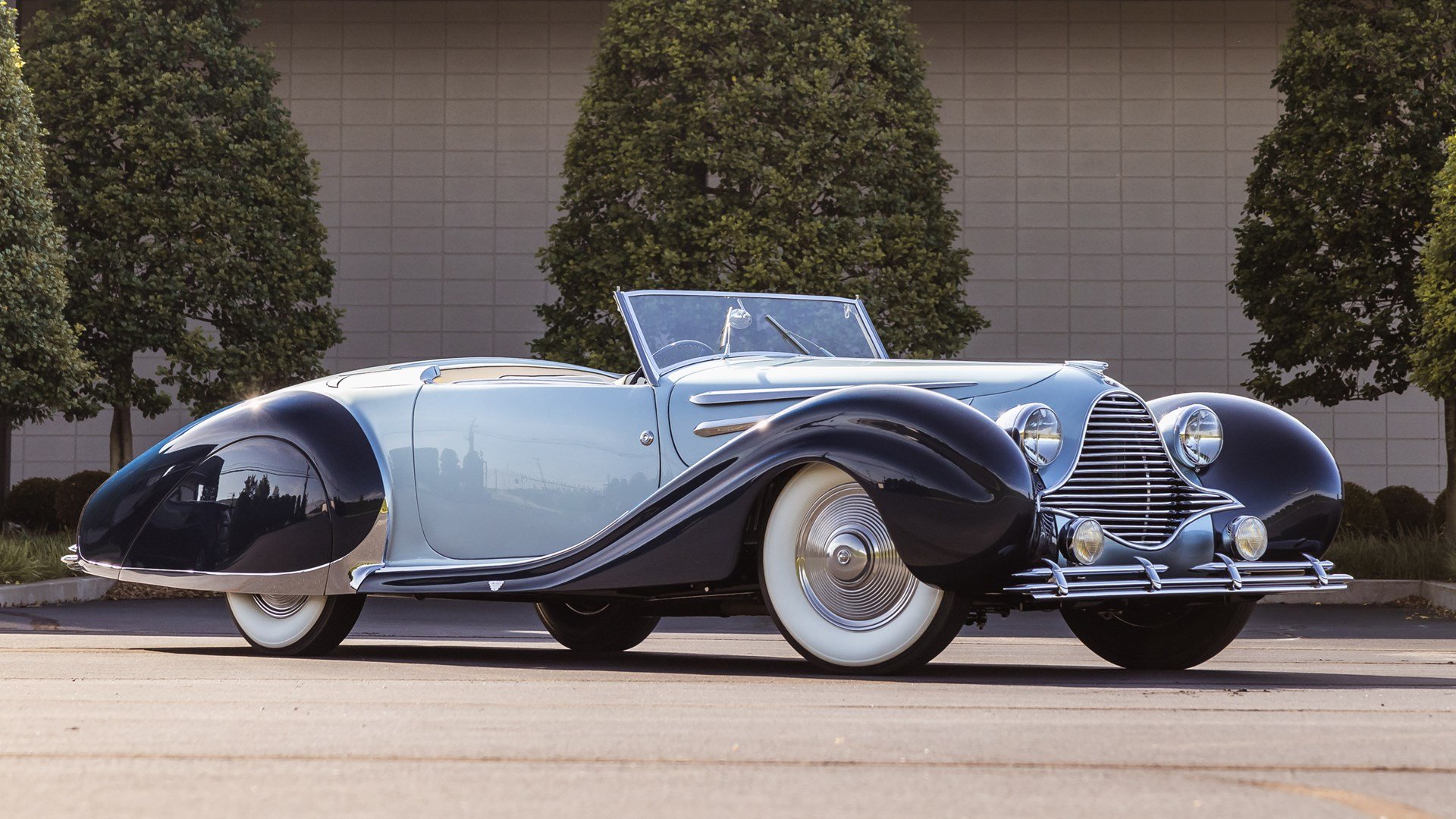
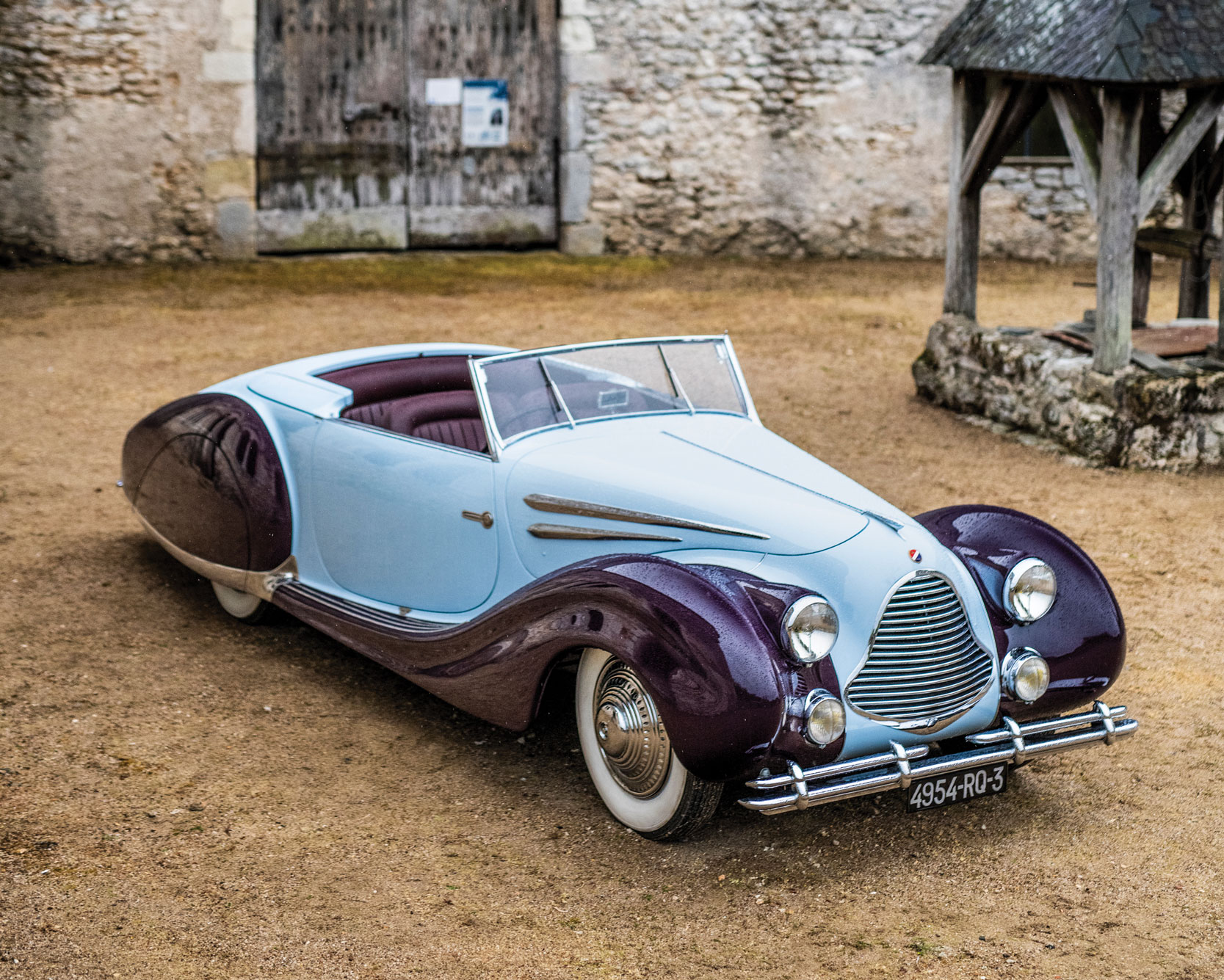
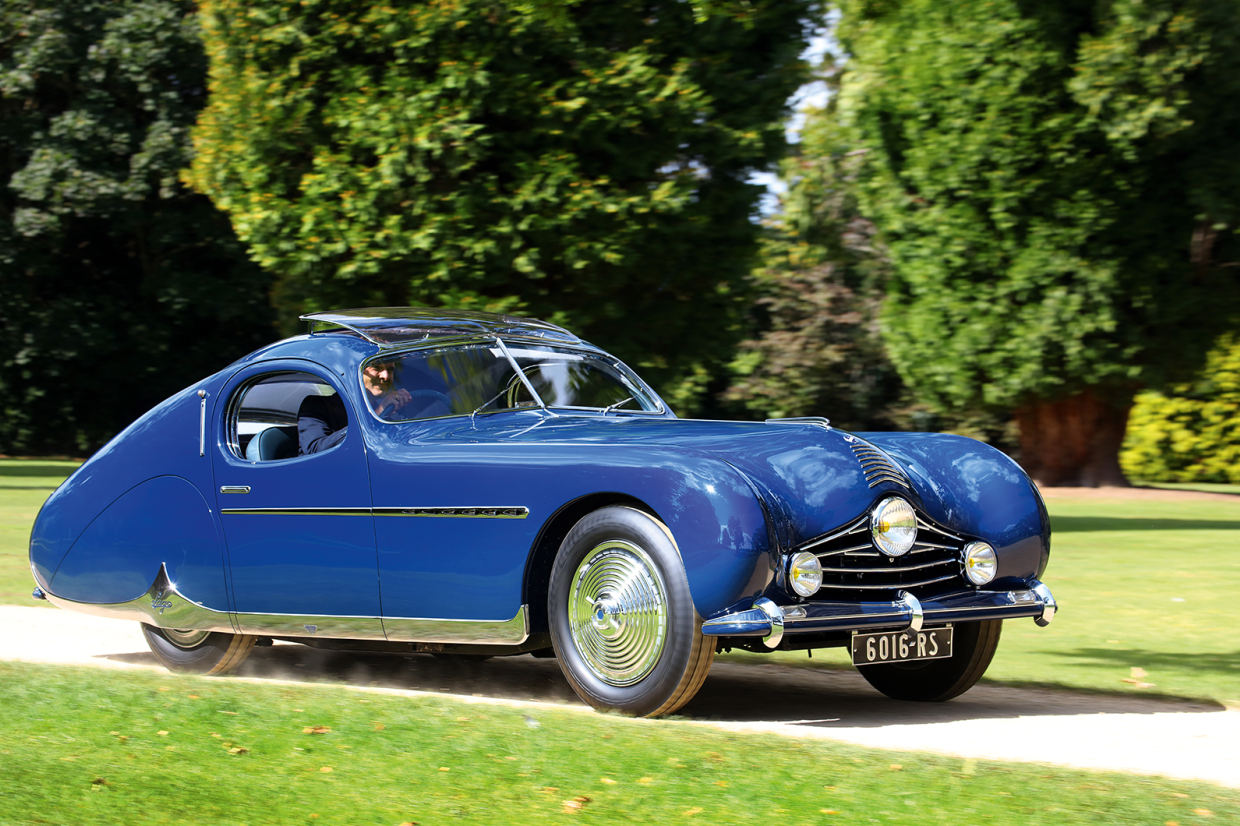
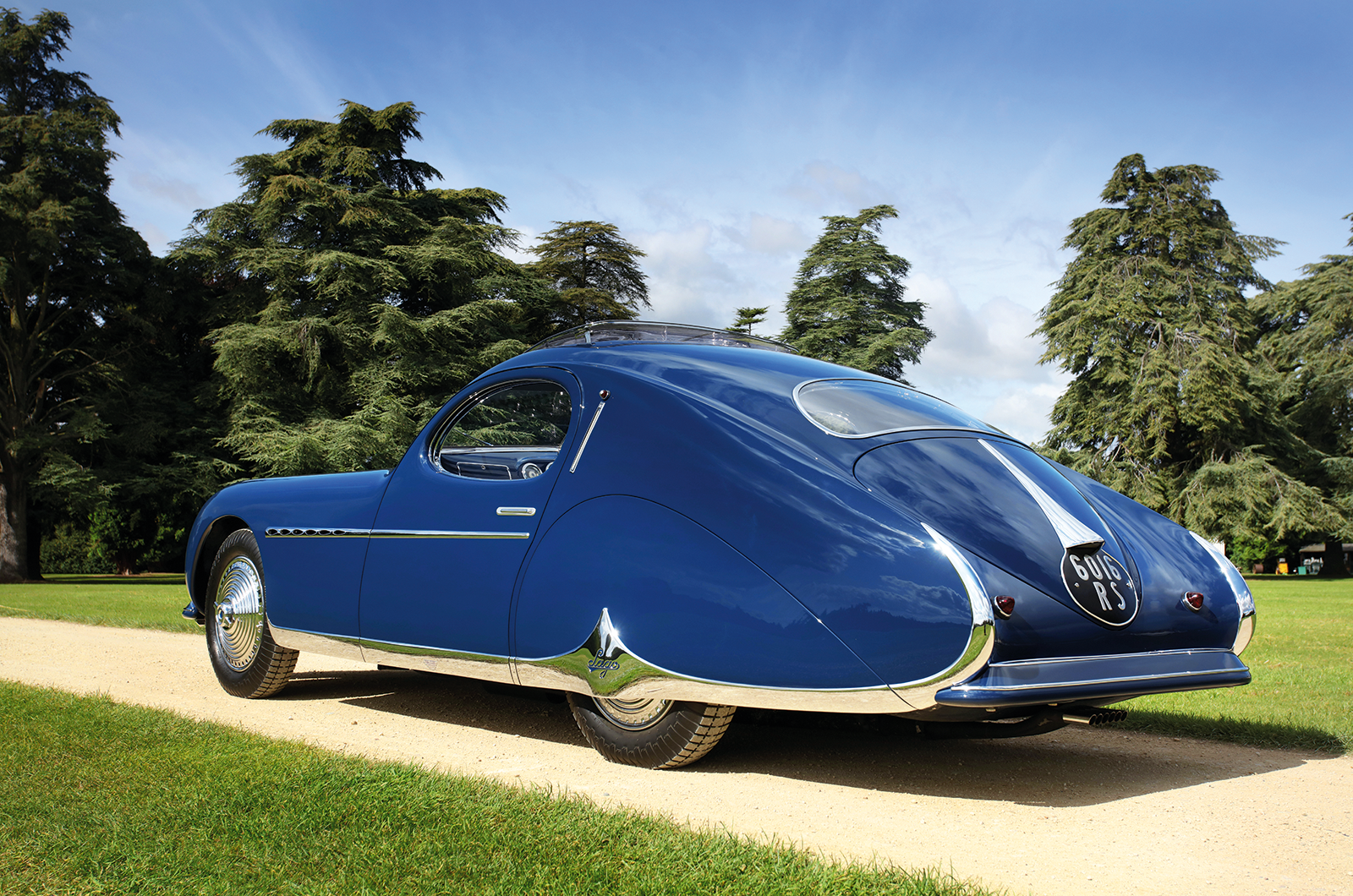
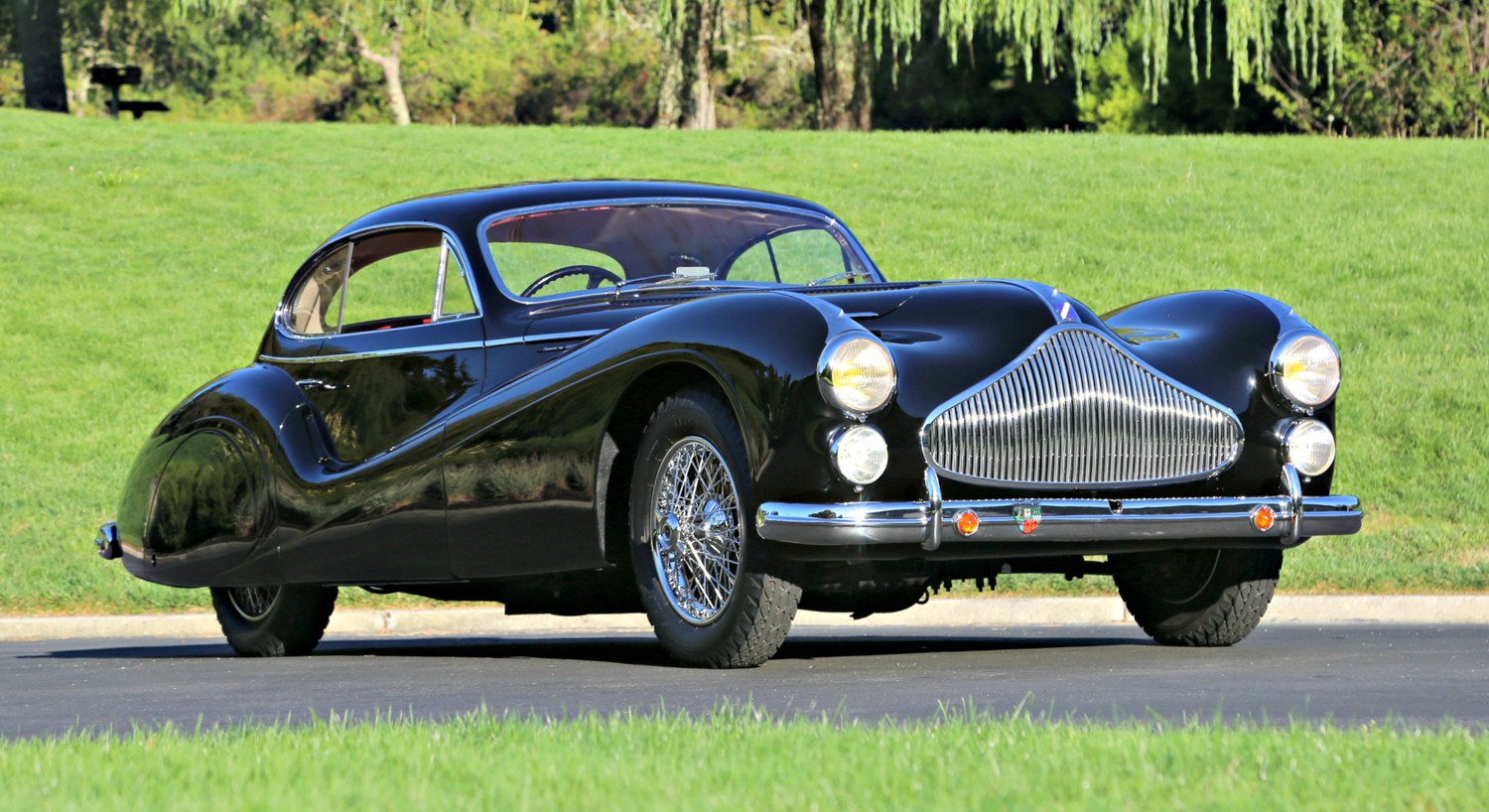
If the Record was the tailored suit, the T26 Grand Sport (GS), introduced in 1947, was brutality refined. Breathing through triple carburettors with a wilder camshaft profile, the GS engine punched out 141 kW (190 hp), later rising to 145 kW (195 hp). It pushed the car near 200 km/h (124 mph), making it the fastest production car on earth. The initial short-wheelbase era (1947-1951) offered a 2650 mm (104.3 in) chassis reserved for haute couture. Only 29 of these were built, yielding Figoni & Falaschi’s “Goutte d’Eau”, and sublime one-offs by Antem, Dubos Frères, Pourtout, Pennock, and Bolín. By 1951, as the bespoke coachbuilding industry starved, Lago stretched the wheelbase to 2800 mm (110.2 in), selling the long-wheelbase chassis primarily with factory Coupe d’Usine and Cabriolet d’Usine bodies, though outfits like Pichon-Parat and Barou sculpted a few final masterworks.
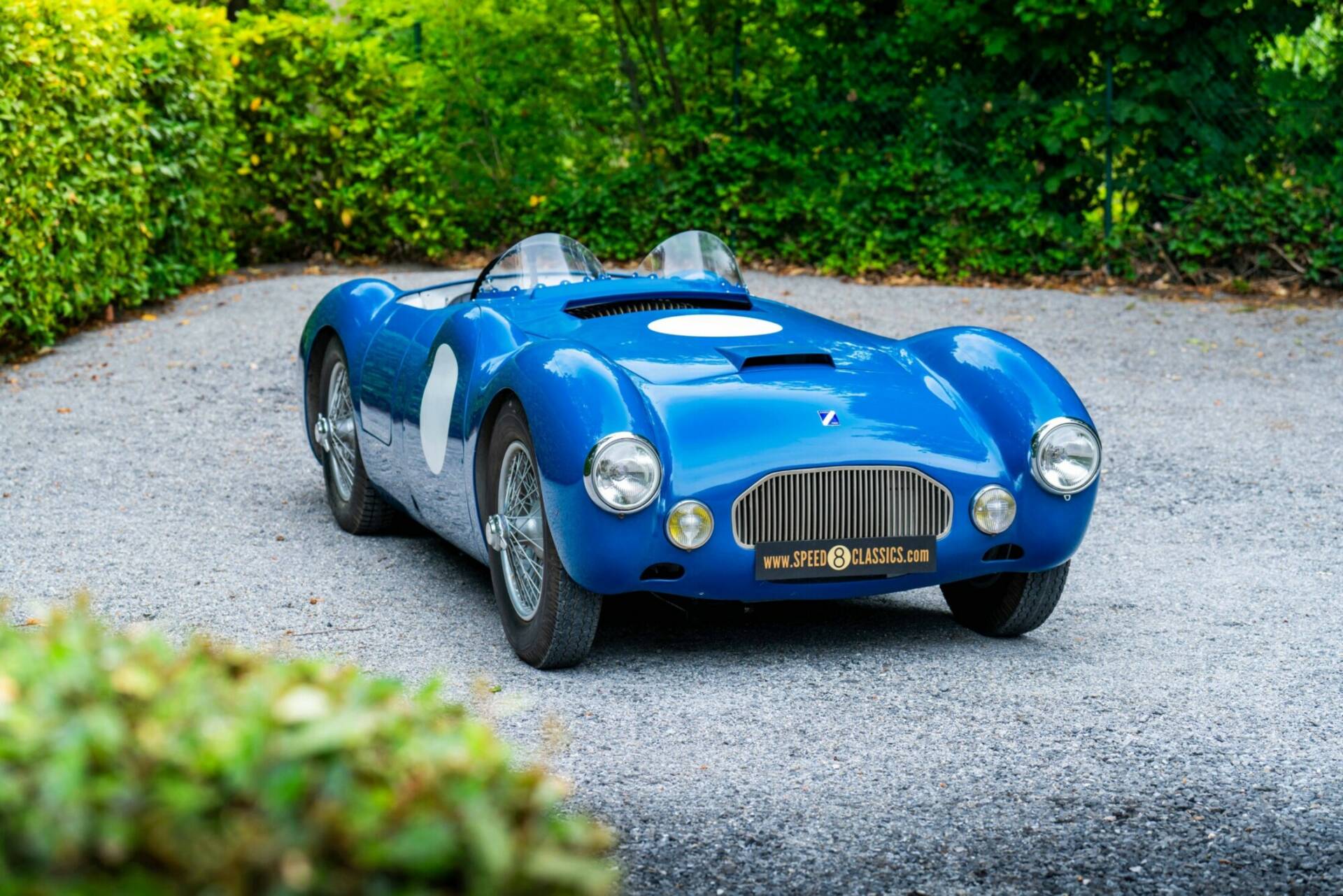
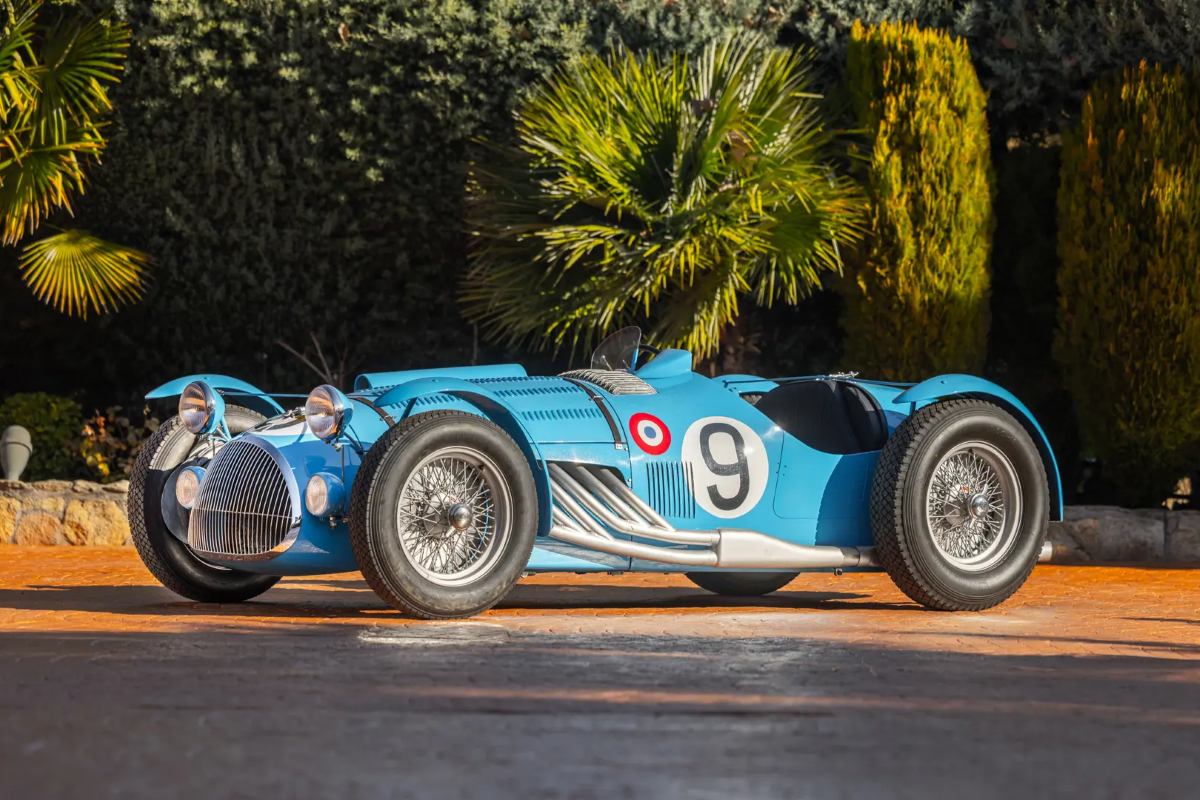
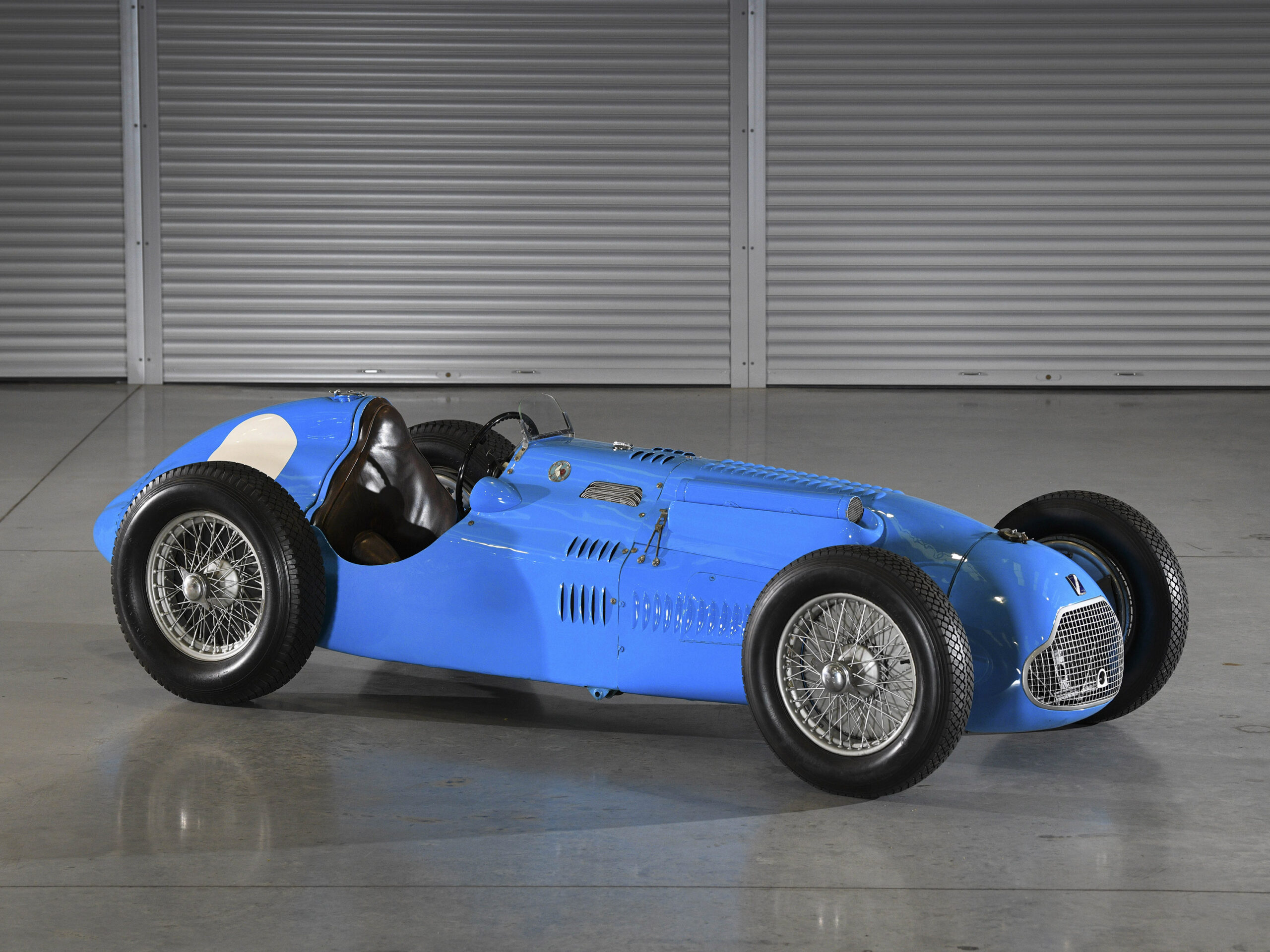
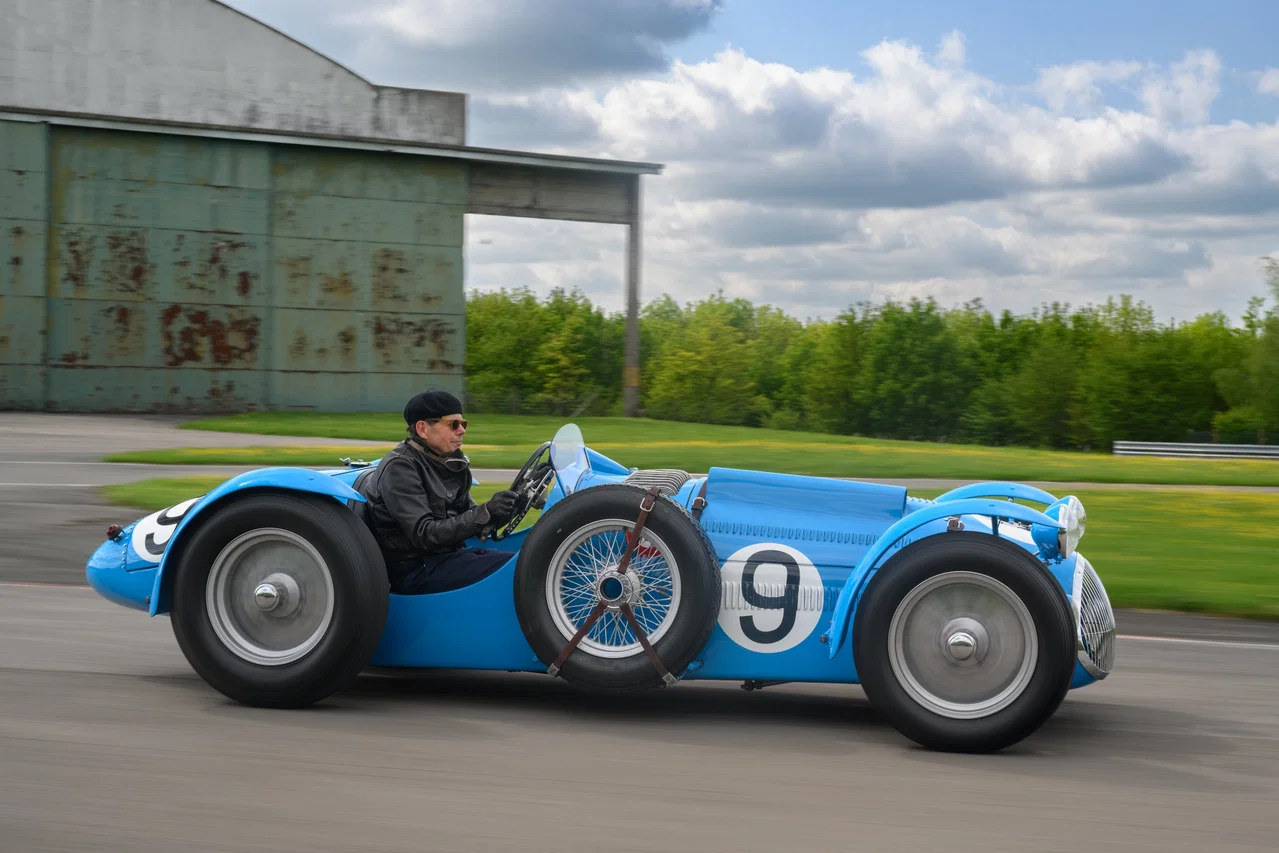
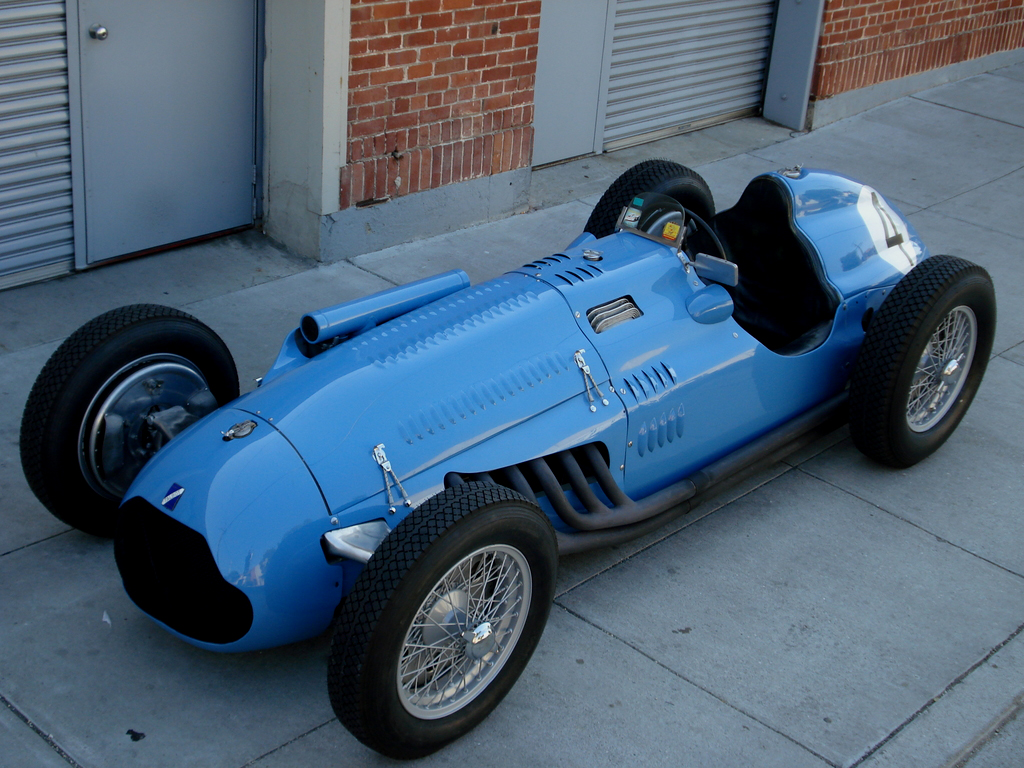
While socialites paraded Grand Sports at concours events, Antonio Lago dispatched the T26C Monoposto to conquer the Grand Prix circuits. Debuting in 1948 with 179 kW (240 hp), the atmospheric 4.5-litre tactic ingeniously bypassed the thirsty 1.5-litre supercharged regulations. While the Alfa Romeo 158 decimated tyres and guzzled fuel, the French blue cigar could run a grueling race non-stop. Evolving into the 194 kW (260 hp) twin-plug T26C-DA “Bi-allumage” in 1950, the cars secured victories at the French and Belgian Grands Prix in 1949 with Louis Chiron and Louis Rosier. Transitioning to endurance racing with cycle-wing roadsters, Rosier achieved a miracle at the 1950 Le Mans 24 Hours, driving a T26C-GS ‘Bi-allumage’ solo for 23 hours and 15 minutes. An attempt at aerodynamic efficiency brought the 1952 Barchetta ‘Biplace Sport’ pontoon, and the competitive swan song was the ferocious 1953 T26 GSL Le Mans, an experimental 231 kW (310 hp) supercharged spyder that proved too fragile.
Commissioning a coachbuilt T26 was the automotive equivalent of wearing Christian Dior; they were the exclusive toys of international playboys, actors, and heads of state. Yet, this glorious irrelevance was doomed. The draconian Pons Plan and severe French horsepower taxes strangled the domestic market for large-capacity engines. The T26 family ceased production in 1953, marking the demise of the last great classical French luxury automobile. Desperate, Lago pivoted to the Talbot-Lago Sport 2500 (T14 LS) in 1955 with a fragile in-house 2.5-litre (152 cu in) four-cylinder, later retrofitting BMW V8s to create the 1957 Talbot-Lago America. Drowning in debt, Lago sold his ailing dream to Simca’s Henri Pigozzi in 1959, who immediately shuttered production. Today, the T26’s combination of irreplicable artisanal aesthetics, apedigree, and Le Mans victory has elevated every variant to blue-chip status, ensuring the roar of Marchetti’s straight-six echoes through eternity.
Portal
Model line
Model generation
Predecessor
Sucessor
Brand
Produced from
Vehicle category
Portal
Model line
Model generation
Predecessor
Sucessor
Model Overview
Louis Rosier’s oil-stained face at La Sarthe tells the story. The year is 1950, and he is wrestling a behemoth around the 13.6-kilometre (8.4-mile) circuit, defying the supercharged fury of his rivals. This was the defining epoch of the Talbot-Lago T26, a machine that bridged the terrifying gap between the decadent boulevards of Paris and the blood-soaked tarmac of European racing. Rising from the ashes of the pre-war T150 series, Antonio Lago’s masterpiece was a defiant, roaring dismissal of the austerity of post-war France. Debuting at the 1946 Paris Salon, it outclassed the nascent Italian Gran Turismo concept, unapologetically championing the classical architecture of a separate chassis and a monumental straight-six.
The soul of this lineage was an absolute leviathan: a 4.5-litre (274 cu in) inline-six displacing 4482 cc. Drafted by Carlo Marchetti, who built upon the pre-war schematics of Walter Becchia, the engine utilised a heavy cast-iron block. Its brilliance lay in the cylinder head. Marchetti mounted twin camshafts high in the block, operating inclined overhead valves via short, crossed pushrods to create perfectly hemispherical combustion chambers that optimised gas flow. Breathing through Zenith-Stromberg carburettors, this engine was mated to the indestructible four-speed Wilson pre-selector gearbox. A diminutive steering-column lever allowed drivers to queue the next ratio; a sharp stamp and release of the actuation pedal instantly engaged the gear. This heavy but infallible mechanical ballet saved precious seconds on track and immense fatigue on the road.
This mechanical symphony underpinned three distinct evolutionary branches, beginning with the T26 Record (1946-1953). With conservative compression, it produced 127 kW (170 hp), capable of hurtling a steel-bodied saloon to over 170 km/h (105 mph). Its robust, long-wheelbase chassis devoured transcontinental miles in total comfort. The Suresnes factory offered its own steel coachwork, notably the 4-Door Saloon, 2-Door Coach, and Cabriolet d’Usine, culminating in the 1949 Surprofilé—a swooping aerodynamic fastback penned by Carlo Delaisse featuring a striking split panoramic windscreen. Yet, the Record truly shone as a blank canvas for bespoke coachbuilders. Saoutchik and Figoni & Falaschi draped extravagant wings over the frame, while Chapron, Letourneur & Marchand, and Guilloré executed restrained elegance. Swiss masters like Graber and Italian artisans like Pinin Farina crafted unique bodies, while Franay built a monumental limousine for French President Vincent Auriol in 1950.
If the Record was the tailored suit, the T26 Grand Sport (GS), introduced in 1947, was brutality refined. Breathing through triple carburettors with a wilder camshaft profile, the GS engine punched out 141 kW (190 hp), later rising to 145 kW (195 hp). It pushed the car near 200 km/h (124 mph), making it the fastest production car on earth. The initial short-wheelbase era (1947-1951) offered a 2650 mm (104.3 in) chassis reserved for haute couture. Only 29 of these were built, yielding Figoni & Falaschi’s “Goutte d’Eau”, and sublime one-offs by Antem, Dubos Frères, Pourtout, Pennock, and Bolín. By 1951, as the bespoke coachbuilding industry starved, Lago stretched the wheelbase to 2800 mm (110.2 in), selling the long-wheelbase chassis primarily with factory Coupe d’Usine and Cabriolet d’Usine bodies, though outfits like Pichon-Parat and Barou sculpted a few final masterworks.
While socialites paraded Grand Sports at concours events, Antonio Lago dispatched the T26C Monoposto to conquer the Grand Prix circuits. Debuting in 1948 with 179 kW (240 hp), the atmospheric 4.5-litre tactic ingeniously bypassed the thirsty 1.5-litre supercharged regulations. While the Alfa Romeo 158 decimated tyres and guzzled fuel, the French blue cigar could run a grueling race non-stop. Evolving into the 194 kW (260 hp) twin-plug T26C-DA “Bi-allumage” in 1950, the cars secured victories at the French and Belgian Grands Prix in 1949 with Louis Chiron and Louis Rosier. Transitioning to endurance racing with cycle-wing roadsters, Rosier achieved a miracle at the 1950 Le Mans 24 Hours, driving a T26C-GS ‘Bi-allumage’ solo for 23 hours and 15 minutes. An attempt at aerodynamic efficiency brought the 1952 Barchetta ‘Biplace Sport’ pontoon, and the competitive swan song was the ferocious 1953 T26 GSL Le Mans, an experimental 231 kW (310 hp) supercharged spyder that proved too fragile.
Commissioning a coachbuilt T26 was the automotive equivalent of wearing Christian Dior; they were the exclusive toys of international playboys, actors, and heads of state. Yet, this glorious irrelevance was doomed. The draconian Pons Plan and severe French horsepower taxes strangled the domestic market for large-capacity engines. The T26 family ceased production in 1953, marking the demise of the last great classical French luxury automobile. Desperate, Lago pivoted to the Talbot-Lago Sport 2500 (T14 LS) in 1955 with a fragile in-house 2.5-litre (152 cu in) four-cylinder, later retrofitting BMW V8s to create the 1957 Talbot-Lago America. Drowning in debt, Lago sold his ailing dream to Simca’s Henri Pigozzi in 1959, who immediately shuttered production. Today, the T26’s combination of irreplicable artisanal aesthetics, apedigree, and Le Mans victory has elevated every variant to blue-chip status, ensuring the roar of Marchetti’s straight-six echoes through eternity.
Submodels