Alfa Romeo Giulia TZ
Brand
Produced from
Portal
Vehicle category
Model generation
Predecessor
Sucessor
About this submodel
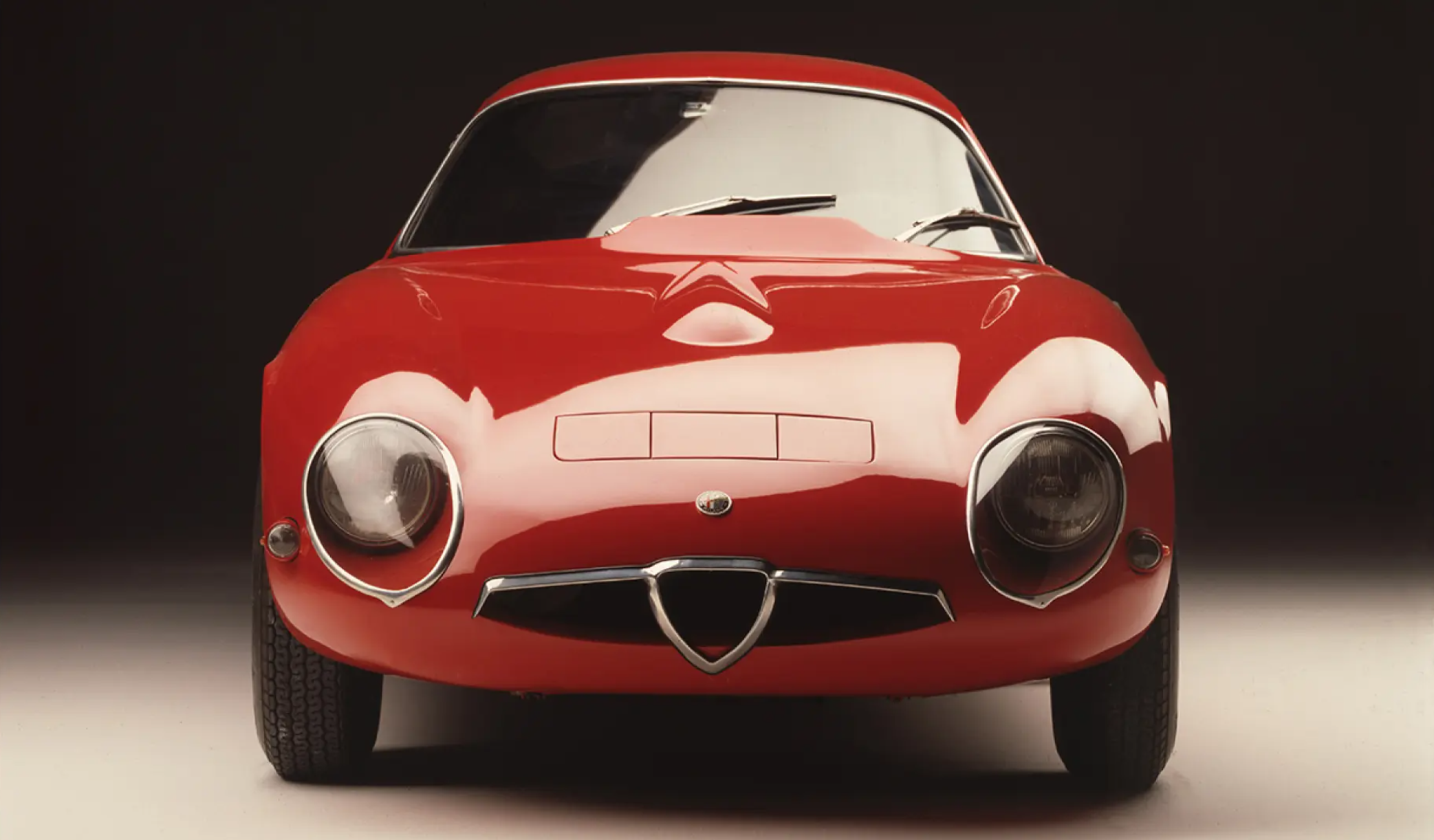
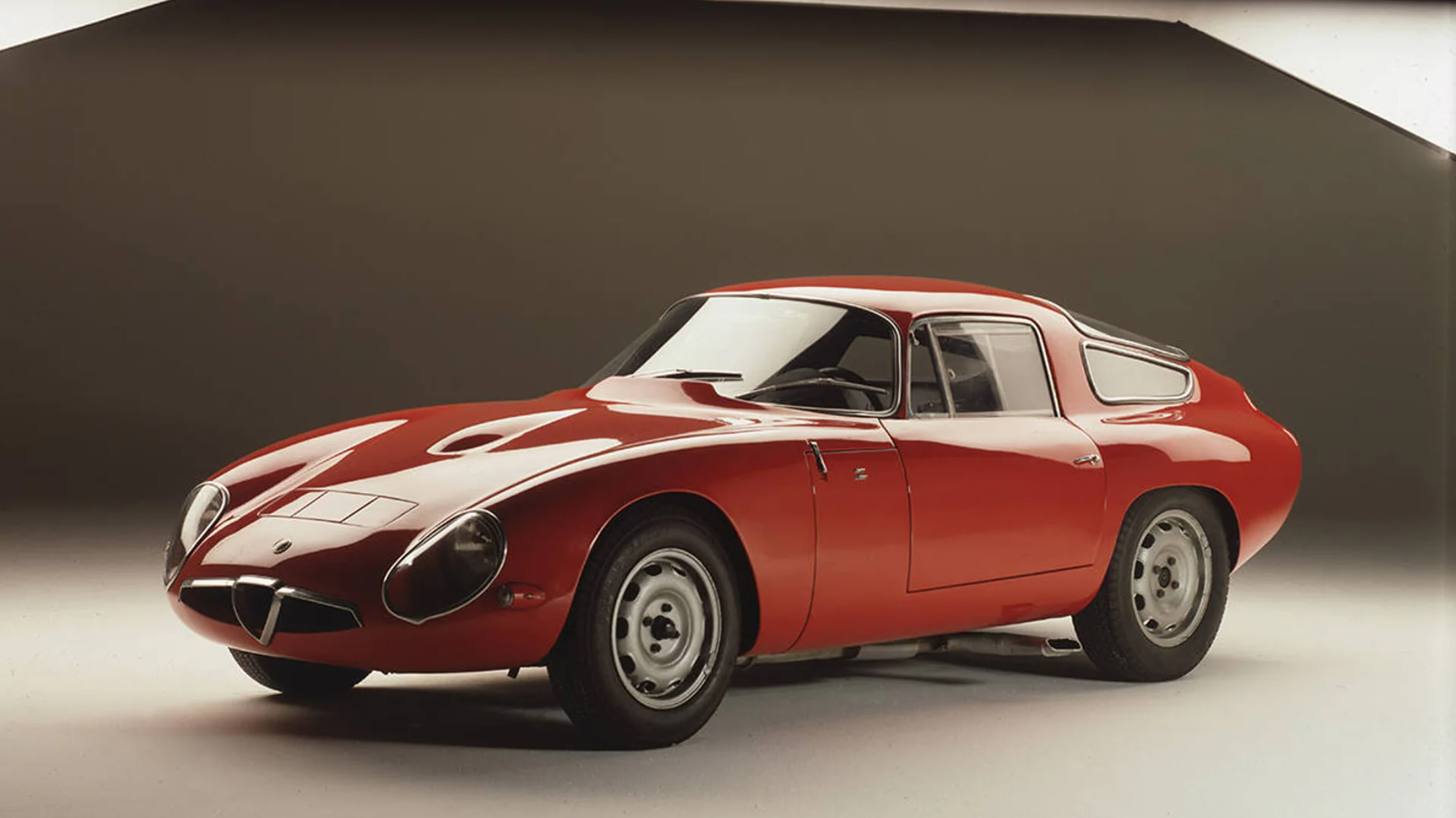
In the early 1960s, the battle for 1.6-litre GT class supremacy was a matter of national pride. Alfa Romeo, a company whose very identity was forged in competition, had enjoyed immense success with the plucky and beautiful Giulietta SZ (Sport Zagato). But as formidable as the SZ was, it was still fundamentally based on a production floorpan. The game was changing. Porsche was developing its mid-engined, plastic-bodied 904 Carrera GTS, and Colin Chapman’s featherweight Lotus Elan 26R was proving to be a giant-killer on the circuits. Alfa Romeo needed more than an evolution; it needed a silver bullet. The answer was one of the most focused, beautiful, and radical cars to ever wear the Quadrifoglio: the Giulia TZ. Unveiled in 1963, its name was a technical manifesto: Tubolare Zagato. It was not a modified road car. It was a purpose-built weapon, a skeletal, alloy-skinned predator designed for one thing and one thing only: to win.
The genius of the TZ began with its chassis, a complete departure from any previous Alfa Romeo GT car. The project was masterminded by Alfa Romeo engineer Giuseppe Busso, who designed an intricate and beautiful space frame chassis. This “Tubolare” frame was a complex lattice of small-diameter steel tubes, a technique borrowed directly from the highest echelons of motorsport. This structure was incredibly rigid, yet phenomenally light; the bare frame itself reportedly weighed a mere 62 kilograms. This philosophy of obsessive lightness was the car’s guiding principle. Into this rigid skeleton, Alfa Romeo’s engineers slotted the heart of the Giulia family: the magnificent 1.6-litre (1,570cc) all-alloy twin-cam “Nord” engine. In its “stradale” or road-going form, this engine was similar to the one found in the potent Ti Super saloon, producing around 112 hp. But this was just the starting point. The cars destined for competition were handed over to the fledgling Autodelta, the new, semi-independent racing department run by the brilliant ex-Ferrari engineer, Carlo Chiti. In Chiti’s hands, the engine was transformed. Fitted with a dry-sump lubrication system, high-compression pistons, and two massive 45 DCOE Weber carburettors, the race-spec engine screamed out 160 hp, a staggering figure for a 1.6-litre naturally aspirated unit of the day.
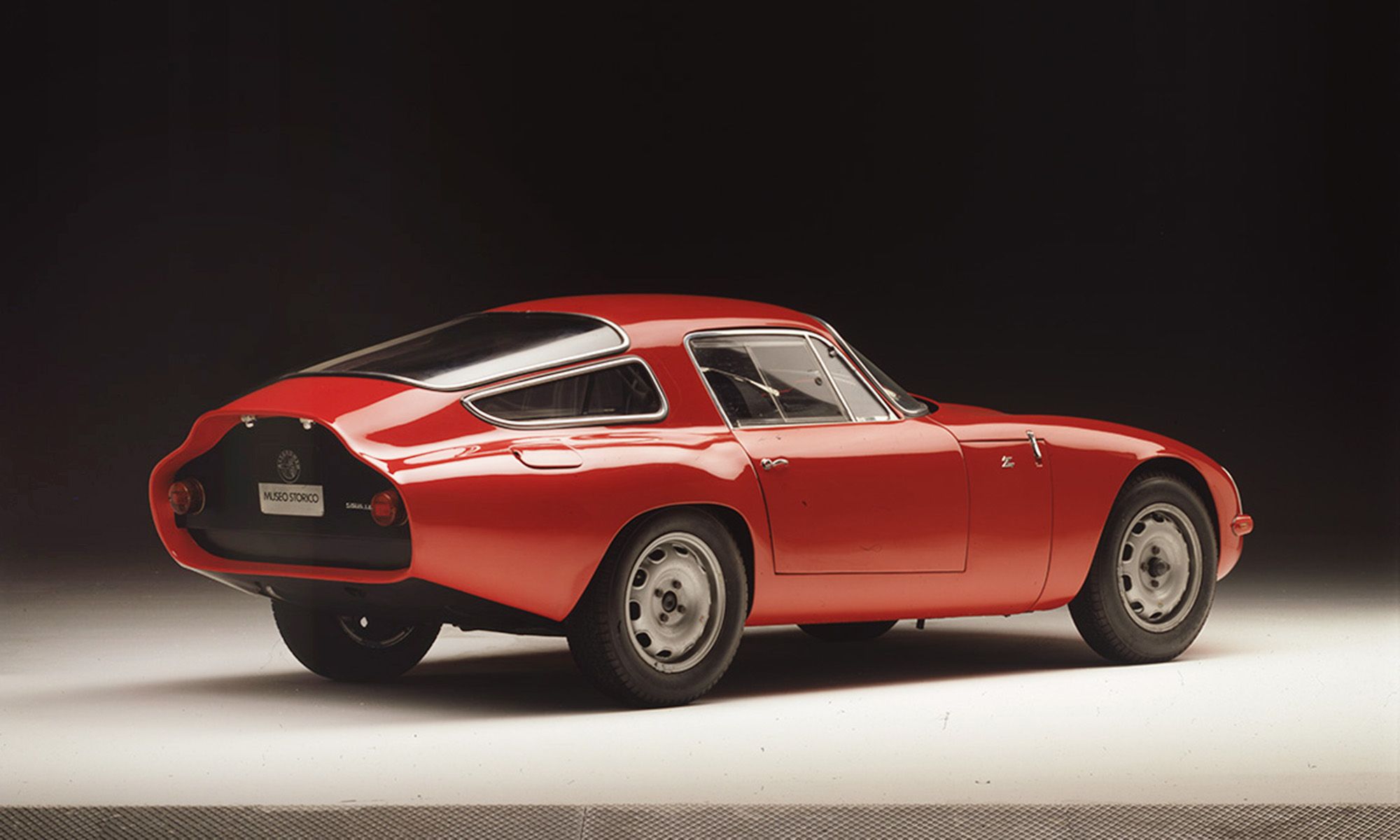
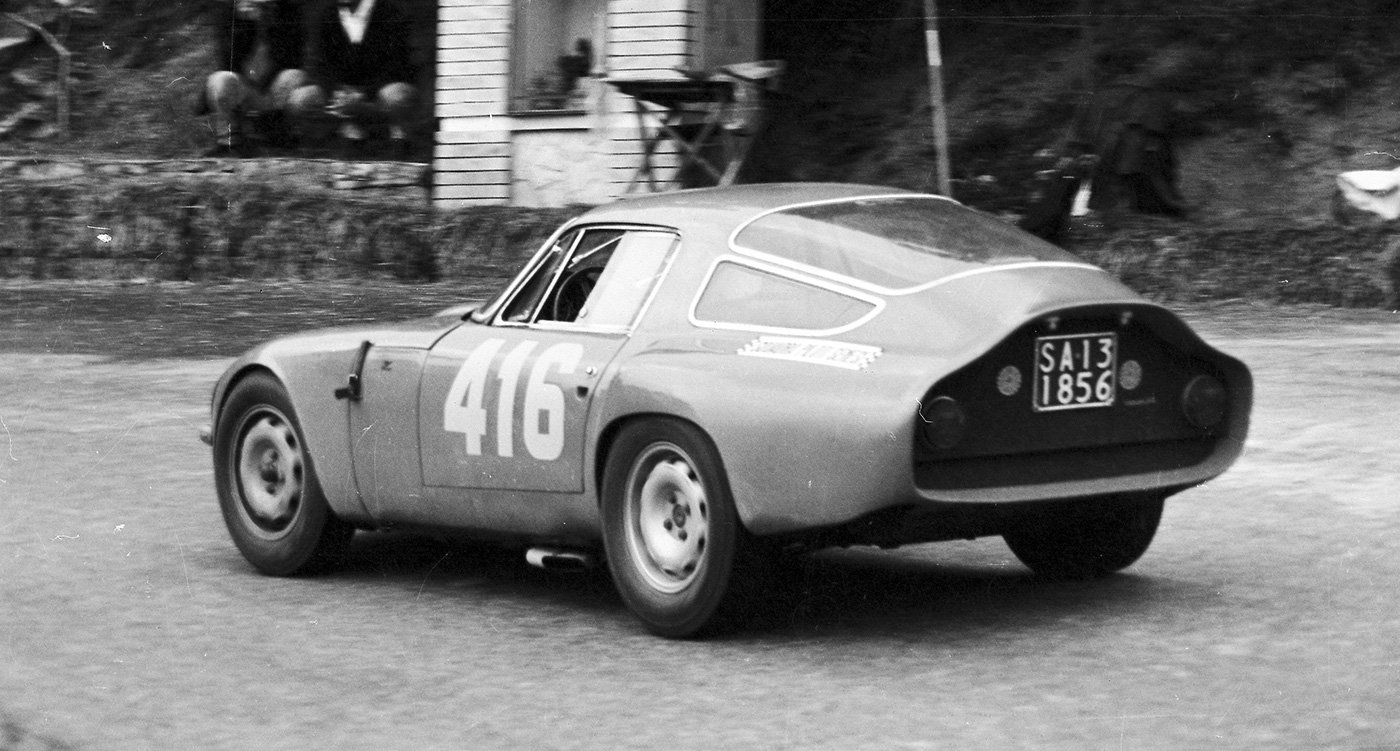
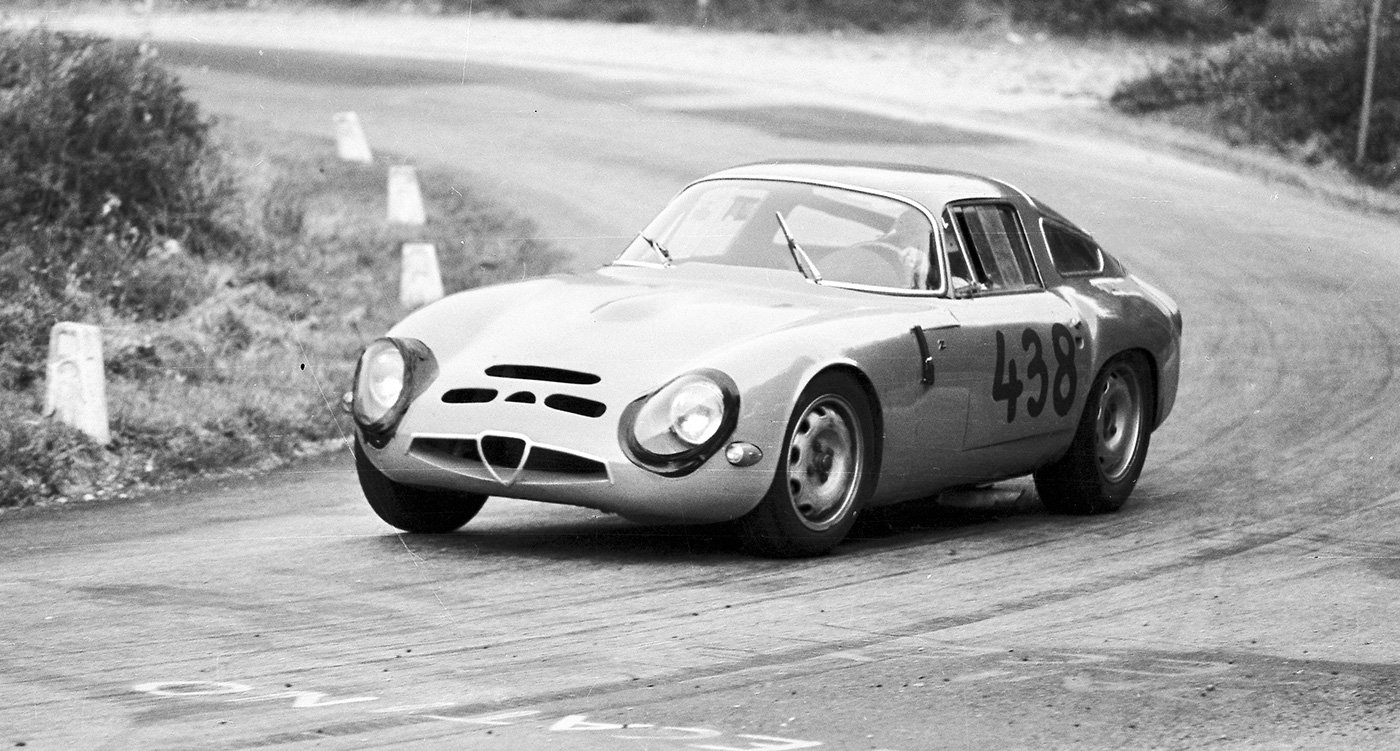
The chassis and engine were a formidable combination, but the TZ’s technical specification held another ace. While the Giulia saloon and its coupé siblings relied on a well-located but conventional solid rear axle, the TZ featured a sophisticated, all-independent suspension. This was pure racing technology. Furthermore, to dramatically reduce unsprung weight and improve handling response, the rear disc brakes were moved inboard, mounted against the differential. This level of engineering was typically reserved for Formula One cars and the most exotic sports-prototypes. The entire package was then wrapped in a breathtakingly purposeful body, penned by the great Ercole Spada at Zagato. Crafted from lightweight aluminium (alluminio), the body was a masterpiece of aerodynamics. It was impossibly low and wide, with a predatory shark-like nose and a high, abruptly cutoff “Coda Tronca” or Kamm tail—an aerodynamic principle Zagato had pioneered on the earlier SZ. This shape was not just for beauty; it was scientifically designed to reduce drag and increase high-speed stability, making the car incredibly slippery on the long straights of Le Mans or the Targa Florio. The final result was a car that weighed a scant 660 kilograms, giving it a power-to-weight ratio that its rivals simply could not match.
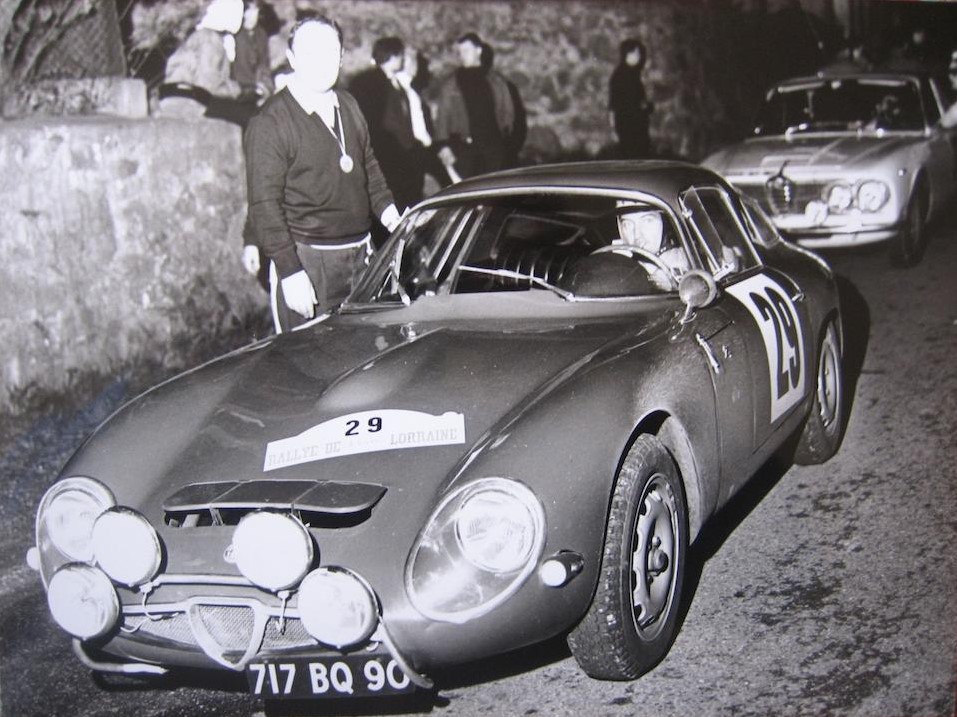
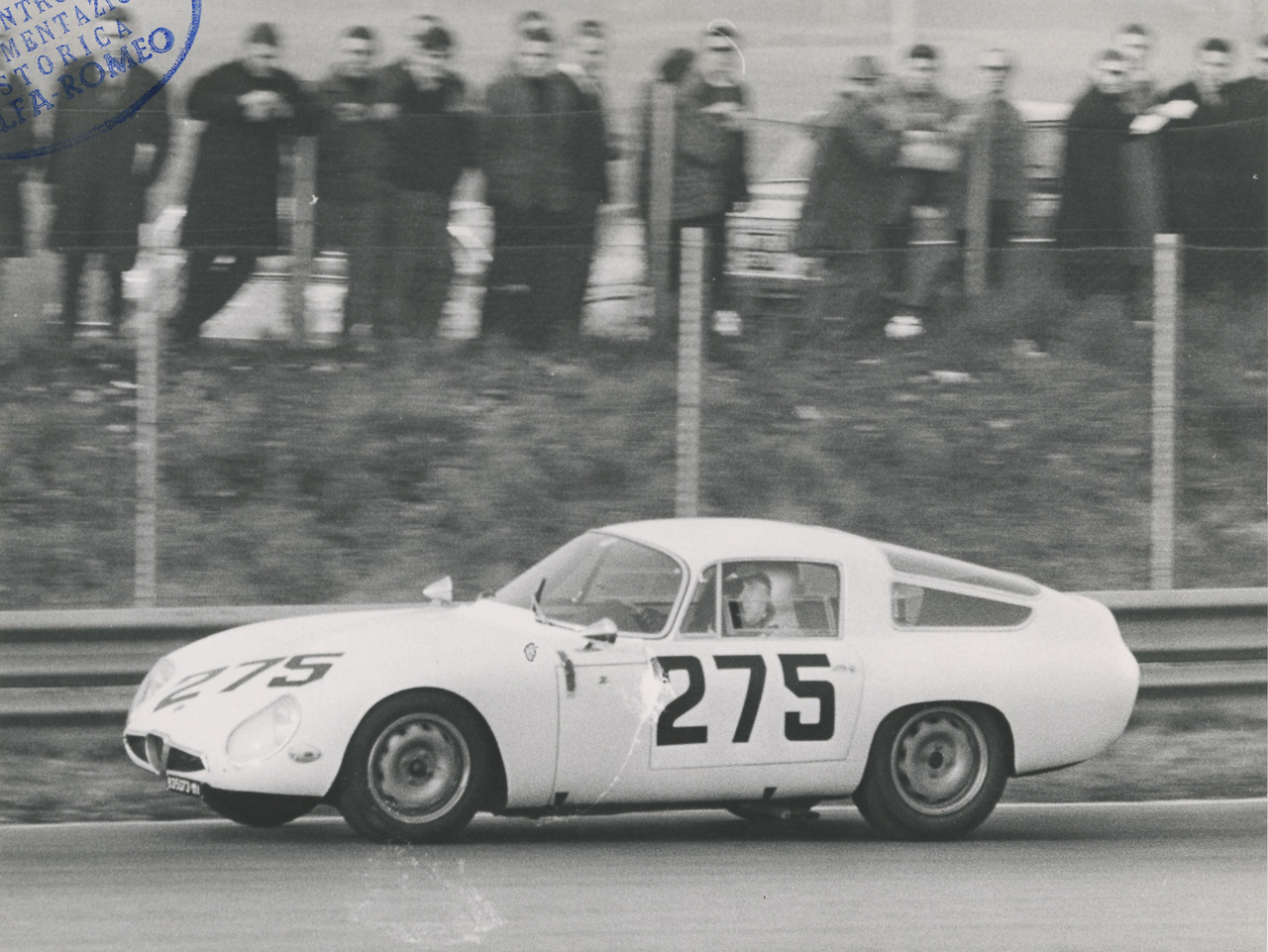
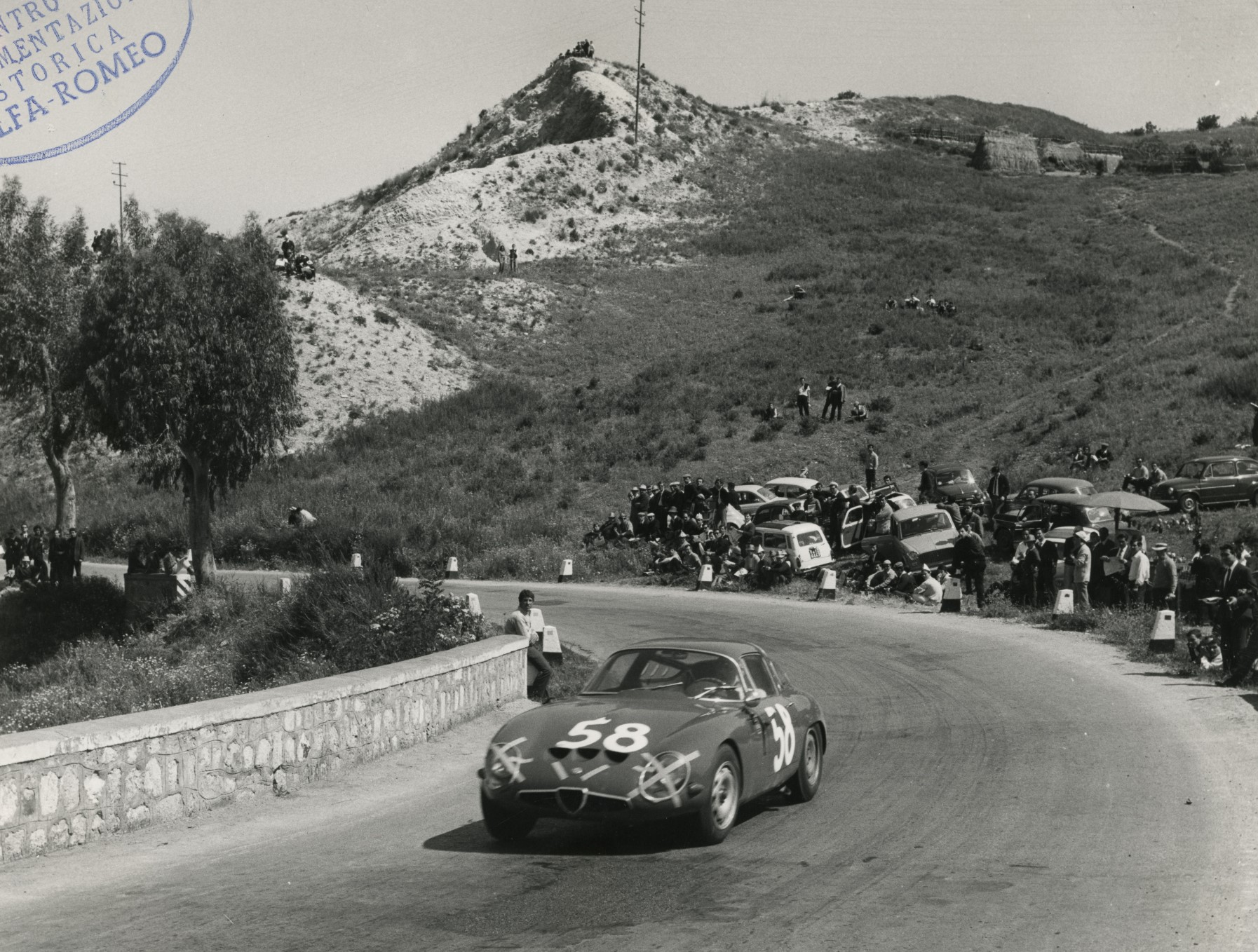
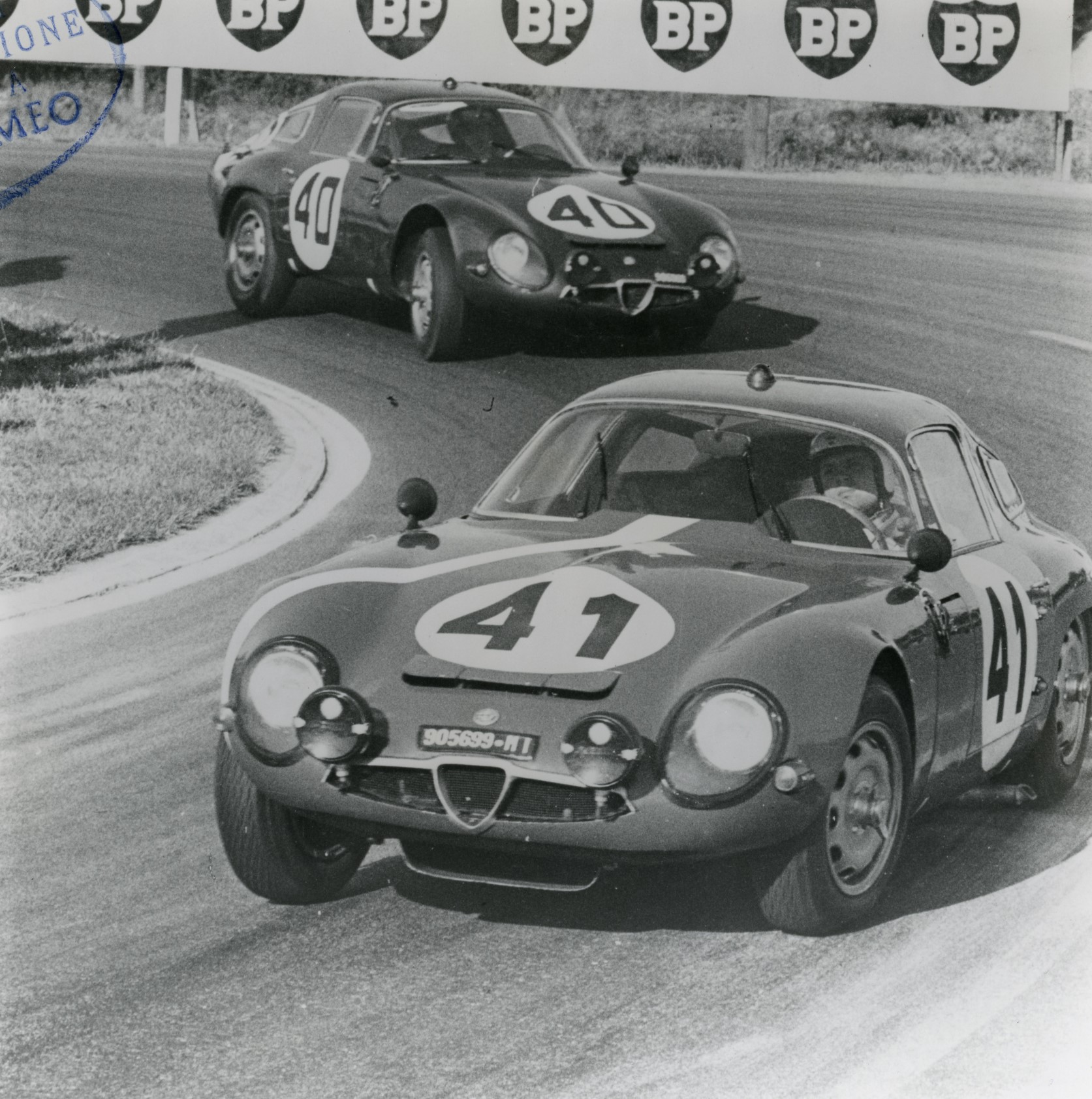
The TZ’s competition debut was the story of the birth of a legend, as it was the first official project for Carlo Chiti’s Autodelta. In late 1963, a TZ was entered in a supporting sports car race for the F1 Italian Grand Prix at Monza. It didn’t just compete; it won its class immediately and resoundingly. This was the opening shot in a campaign of utter domination. For the 1964 season, the TZs, now in the hands of Autodelta and select, high-profile privateer teams like Scuderia Sant’Ambroeus, were unleashed on the world. They were simply untouchable in the 1.6-litre GT class. They scored a 1-2 class victory at the brutal 12 Hours of Sebring. They conquered the treacherous, winding roads of the Targa Florio, finishing 3rd and 4th overall and winning their class. They dominated at the Nürburgring 1000km. And in the most important race of all, the 24 Hours of Le Mans, the TZs locked out the class, finishing 13th, 14th, and 15th overall, a triumph of speed and reliability. The Giulia TZ won the International Championship for GT Cars (1.6L division) in 1964 with ease.
The Giulia TZ was a blinding flash of brilliance. Its production run was short, with just 112 examples built between 1963 and 1965. Its success was so profound and its concept so correct that it immediately spurred its own successor. By 1965, Autodelta and Zagato had already developed the next evolution: the even more extreme Giulia TZ2. The TZ2 featured a lower, sleeker, and more aggressive fibreglass body, shedding even more weight and further cementing the “Tubolare” legend. This new car instantly rendered the TZ1 obsolete in top-flight competition, bringing its dominant factory-backed career to an end after less than two years. Today, the Giulia TZ is regarded as one of the most desirable and beautiful Alfa Romeos ever created. It is a blue-chip collector’s car, a perfect, unrepeatable synthesis of Busso’s engineering genius, Chiti’s competition tuning, and Spada’s artistic vision. It was a car that represented the absolute zenith of 1.6-litre GT technology, a purebred racer that, for a brief, glorious moment, was simply invincible.
Brand
Produced from
Portal
Vehicle category
Model generation
Predecessor
Sucessor
Brand
Produced from
Portal
Vehicle category
Model line
Model generation
Predecessor
Sucessor
About this submodel
In the early 1960s, the battle for 1.6-litre GT class supremacy was a matter of national pride. Alfa Romeo, a company whose very identity was forged in competition, had enjoyed immense success with the plucky and beautiful Giulietta SZ (Sport Zagato). But as formidable as the SZ was, it was still fundamentally based on a production floorpan. The game was changing. Porsche was developing its mid-engined, plastic-bodied 904 Carrera GTS, and Colin Chapman’s featherweight Lotus Elan 26R was proving to be a giant-killer on the circuits. Alfa Romeo needed more than an evolution; it needed a silver bullet. The answer was one of the most focused, beautiful, and radical cars to ever wear the Quadrifoglio: the Giulia TZ. Unveiled in 1963, its name was a technical manifesto: Tubolare Zagato. It was not a modified road car. It was a purpose-built weapon, a skeletal, alloy-skinned predator designed for one thing and one thing only: to win.
The genius of the TZ began with its chassis, a complete departure from any previous Alfa Romeo GT car. The project was masterminded by Alfa Romeo engineer Giuseppe Busso, who designed an intricate and beautiful space frame chassis. This “Tubolare” frame was a complex lattice of small-diameter steel tubes, a technique borrowed directly from the highest echelons of motorsport. This structure was incredibly rigid, yet phenomenally light; the bare frame itself reportedly weighed a mere 62 kilograms. This philosophy of obsessive lightness was the car’s guiding principle. Into this rigid skeleton, Alfa Romeo’s engineers slotted the heart of the Giulia family: the magnificent 1.6-litre (1,570cc) all-alloy twin-cam “Nord” engine. In its “stradale” or road-going form, this engine was similar to the one found in the potent Ti Super saloon, producing around 112 hp. But this was just the starting point. The cars destined for competition were handed over to the fledgling Autodelta, the new, semi-independent racing department run by the brilliant ex-Ferrari engineer, Carlo Chiti. In Chiti’s hands, the engine was transformed. Fitted with a dry-sump lubrication system, high-compression pistons, and two massive 45 DCOE Weber carburettors, the race-spec engine screamed out 160 hp, a staggering figure for a 1.6-litre naturally aspirated unit of the day.
The chassis and engine were a formidable combination, but the TZ’s technical specification held another ace. While the Giulia saloon and its coupé siblings relied on a well-located but conventional solid rear axle, the TZ featured a sophisticated, all-independent suspension. This was pure racing technology. Furthermore, to dramatically reduce unsprung weight and improve handling response, the rear disc brakes were moved inboard, mounted against the differential. This level of engineering was typically reserved for Formula One cars and the most exotic sports-prototypes. The entire package was then wrapped in a breathtakingly purposeful body, penned by the great Ercole Spada at Zagato. Crafted from lightweight aluminium (alluminio), the body was a masterpiece of aerodynamics. It was impossibly low and wide, with a predatory shark-like nose and a high, abruptly cutoff “Coda Tronca” or Kamm tail—an aerodynamic principle Zagato had pioneered on the earlier SZ. This shape was not just for beauty; it was scientifically designed to reduce drag and increase high-speed stability, making the car incredibly slippery on the long straights of Le Mans or the Targa Florio. The final result was a car that weighed a scant 660 kilograms, giving it a power-to-weight ratio that its rivals simply could not match.
The TZ’s competition debut was the story of the birth of a legend, as it was the first official project for Carlo Chiti’s Autodelta. In late 1963, a TZ was entered in a supporting sports car race for the F1 Italian Grand Prix at Monza. It didn’t just compete; it won its class immediately and resoundingly. This was the opening shot in a campaign of utter domination. For the 1964 season, the TZs, now in the hands of Autodelta and select, high-profile privateer teams like Scuderia Sant’Ambroeus, were unleashed on the world. They were simply untouchable in the 1.6-litre GT class. They scored a 1-2 class victory at the brutal 12 Hours of Sebring. They conquered the treacherous, winding roads of the Targa Florio, finishing 3rd and 4th overall and winning their class. They dominated at the Nürburgring 1000km. And in the most important race of all, the 24 Hours of Le Mans, the TZs locked out the class, finishing 13th, 14th, and 15th overall, a triumph of speed and reliability. The Giulia TZ won the International Championship for GT Cars (1.6L division) in 1964 with ease.
The Giulia TZ was a blinding flash of brilliance. Its production run was short, with just 112 examples built between 1963 and 1965. Its success was so profound and its concept so correct that it immediately spurred its own successor. By 1965, Autodelta and Zagato had already developed the next evolution: the even more extreme Giulia TZ2. The TZ2 featured a lower, sleeker, and more aggressive fibreglass body, shedding even more weight and further cementing the “Tubolare” legend. This new car instantly rendered the TZ1 obsolete in top-flight competition, bringing its dominant factory-backed career to an end after less than two years. Today, the Giulia TZ is regarded as one of the most desirable and beautiful Alfa Romeos ever created. It is a blue-chip collector’s car, a perfect, unrepeatable synthesis of Busso’s engineering genius, Chiti’s competition tuning, and Spada’s artistic vision. It was a car that represented the absolute zenith of 1.6-litre GT technology, a purebred racer that, for a brief, glorious moment, was simply invincible.
Tech Specs
Discover the technical specifications
Tech Specs
Discover the technical specifications
Engine
01
03
Internal combustion engine
Configuration
Straight-4
Location
Front, longitudinally mounted
Construction
Aluminium alloy block and head
Displacement (cc)
1,570 cc
Displacement (cu in)
95.8 cu in
Compression
11.4:1
Bore x Stroke
78.0 mm x 82.0 mm
Valvetrain
2 valves per cylinder, DOHC
Fuel feed
2 Weber 45 DCOE 14 Carburettors
Lubrication
Wet sump
Aspiration
Naturally aspirated
Output
Power (hp)
160 hp
Power (kW)
118 kW
Max power at
7,000 RPM
Torque (Nm)
142 Nm
Torque (ft lbs)
105 ft lbs
Max torque at
-
Drivetrain
02
03
Chassis
Type
Tubular space frame
Material
Steel
Body
Material
Aluminium alloy
Transmission
Gearbox
5-speed manual
Drive
Rear Wheel Drive
Suspension
Front
Independent with double wishbones and coil springs, anti-roll bar
Rear
Live axle with trailing arms and coil springs, transverse anti-roll bar
Steering
Type
Worm and roller
Brakes
Front
Discs
Rear
Discs
Wheels
Front
-
Rear
-
Tires
Front
-
Rear
-
Dimensions and performance
03
03
Dimensions
Lenght (mm)
3,950 mm
Lenght (in)
155.5 in
Width (mm)
1,510 mm
Width (in)
59.4 in
Height (mm)
1,200 mm
Height (in)
47.2 in
Wheelbase (mm)
2,200 mm
Wheelbase (in)
86.6 in
Weight (kg)
660 kg
Weight (lbs)
1,455 lbs
Performance
Power to weight
0.24 hp/kg
Top speed (km/h)
220 km/h
Top speed (mph)
137 mph
0-100 km/h (0-60 mph)
-
Submodels
Other variants of this model
Submodels