
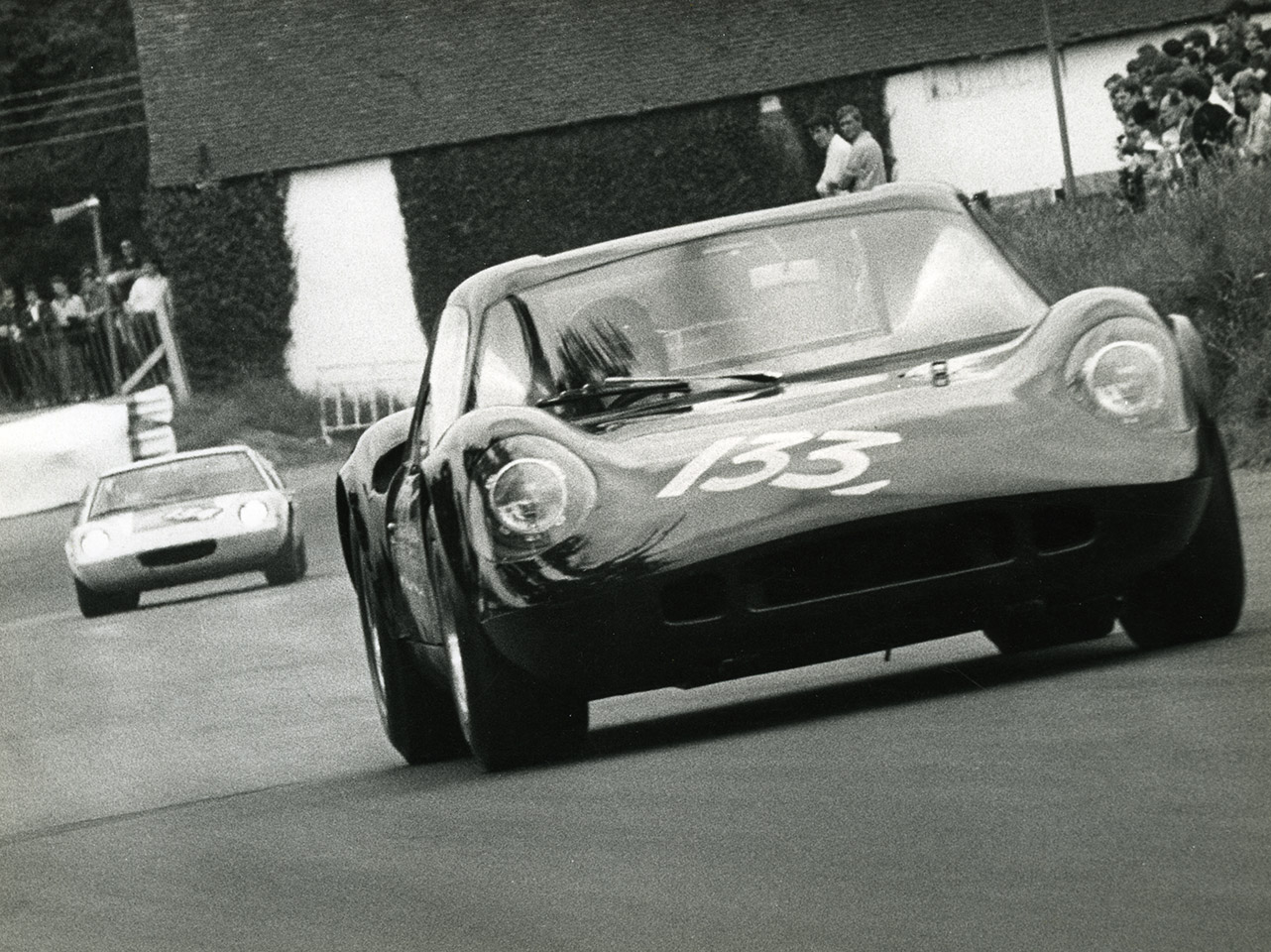
Chevron B8 Ford Cosworth FVA
Brand
Produced from
Portal
Vehicle category
Model line
Predecessor
Successor
Submodel Overview
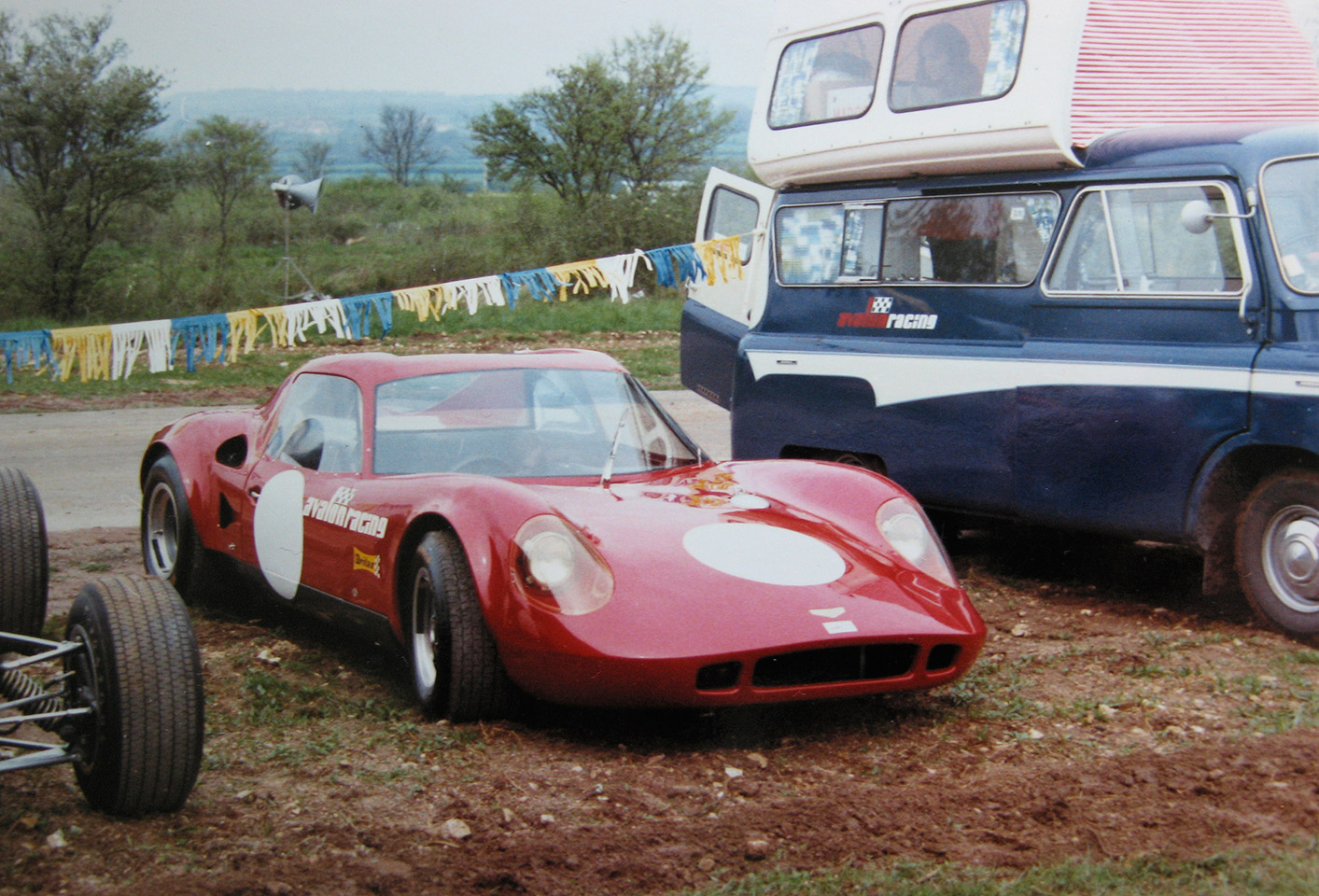
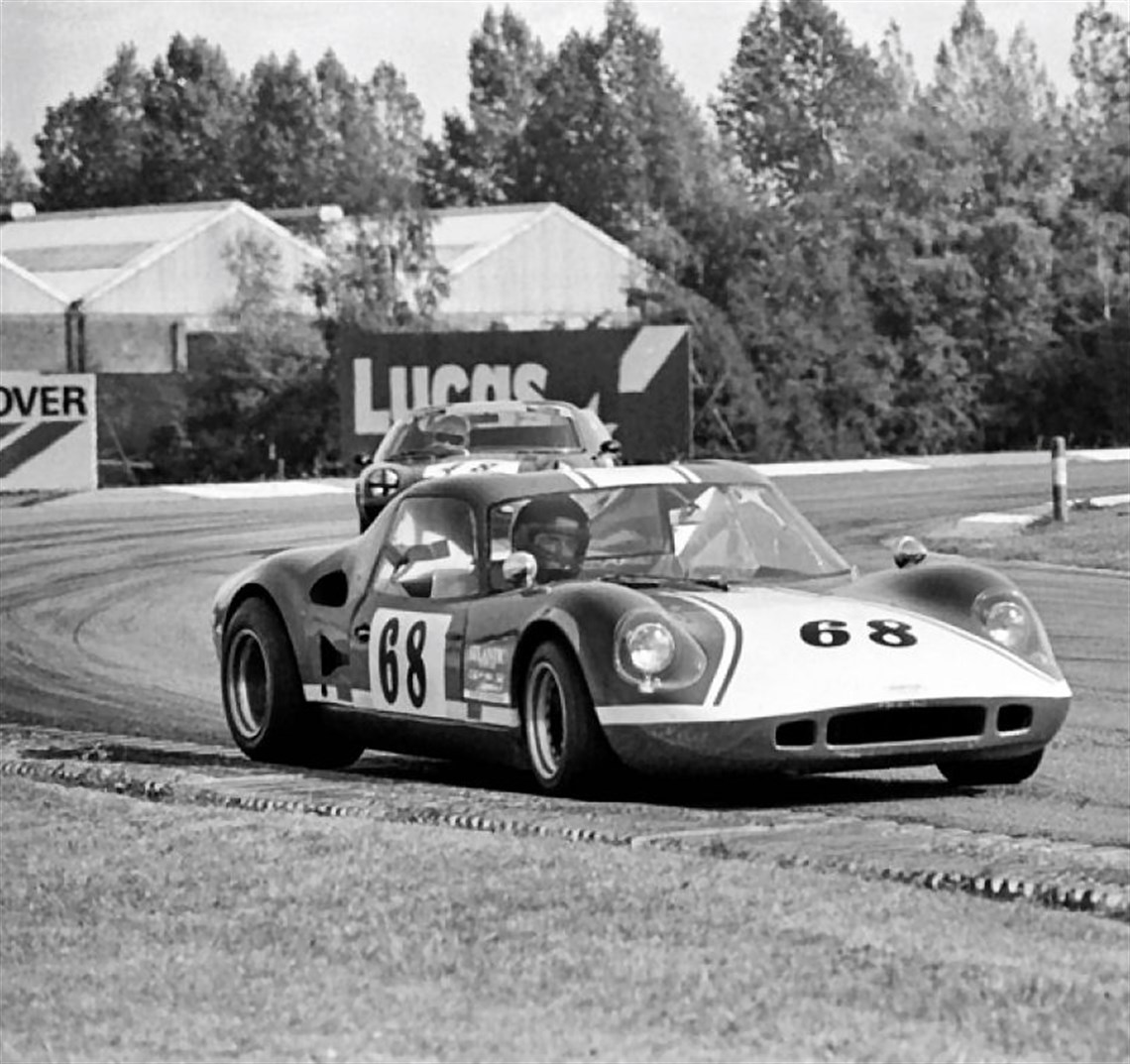
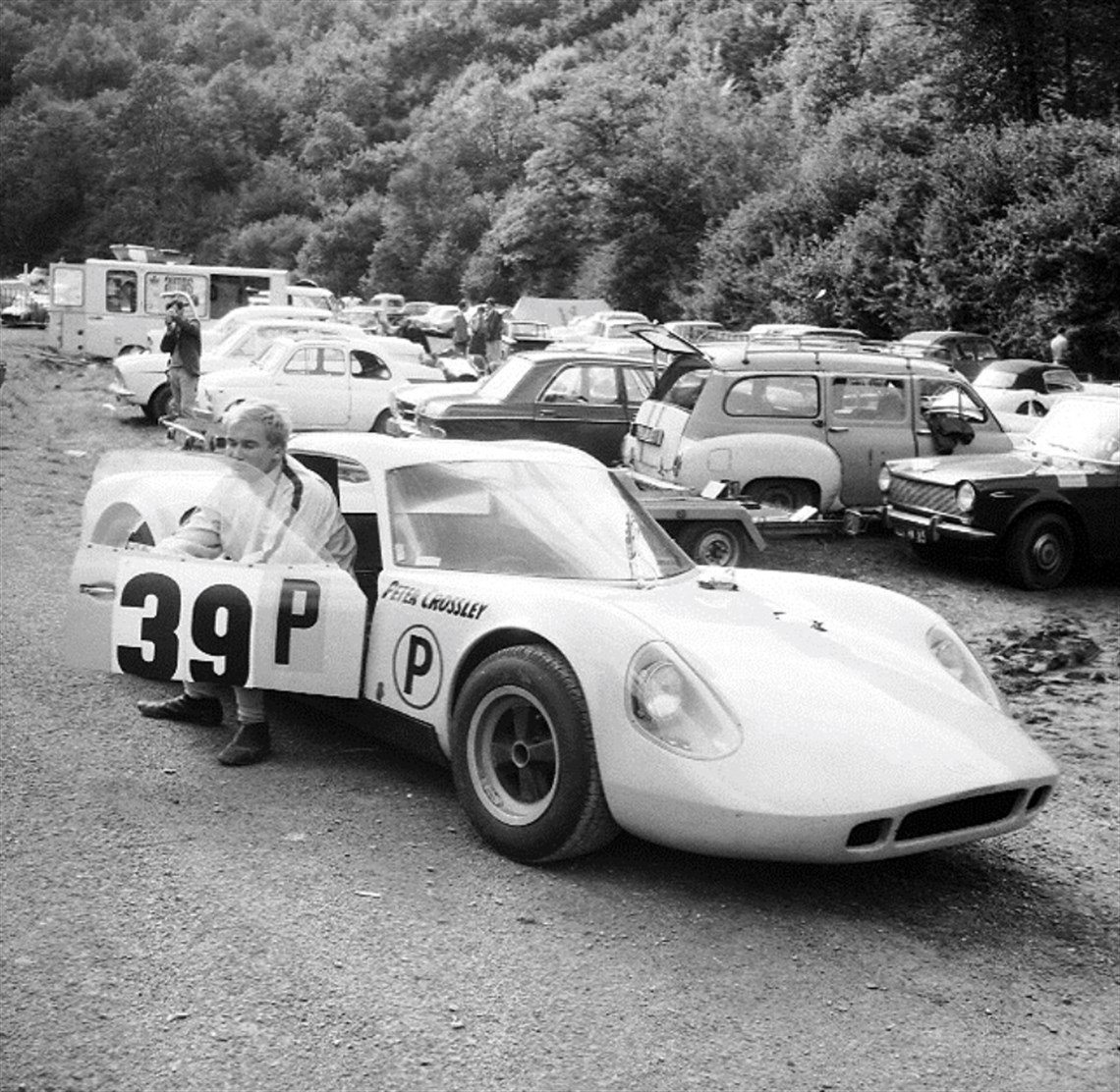
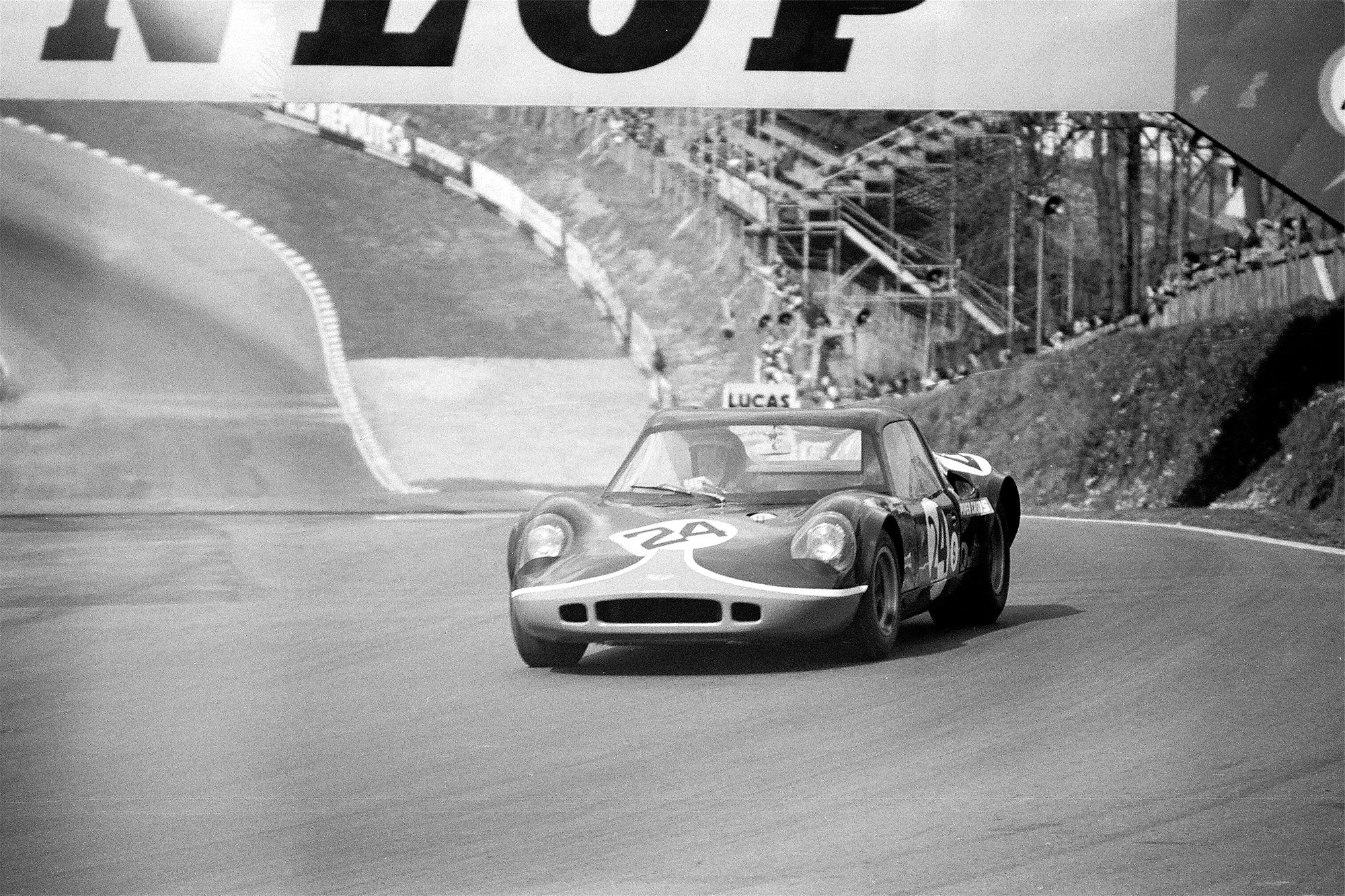
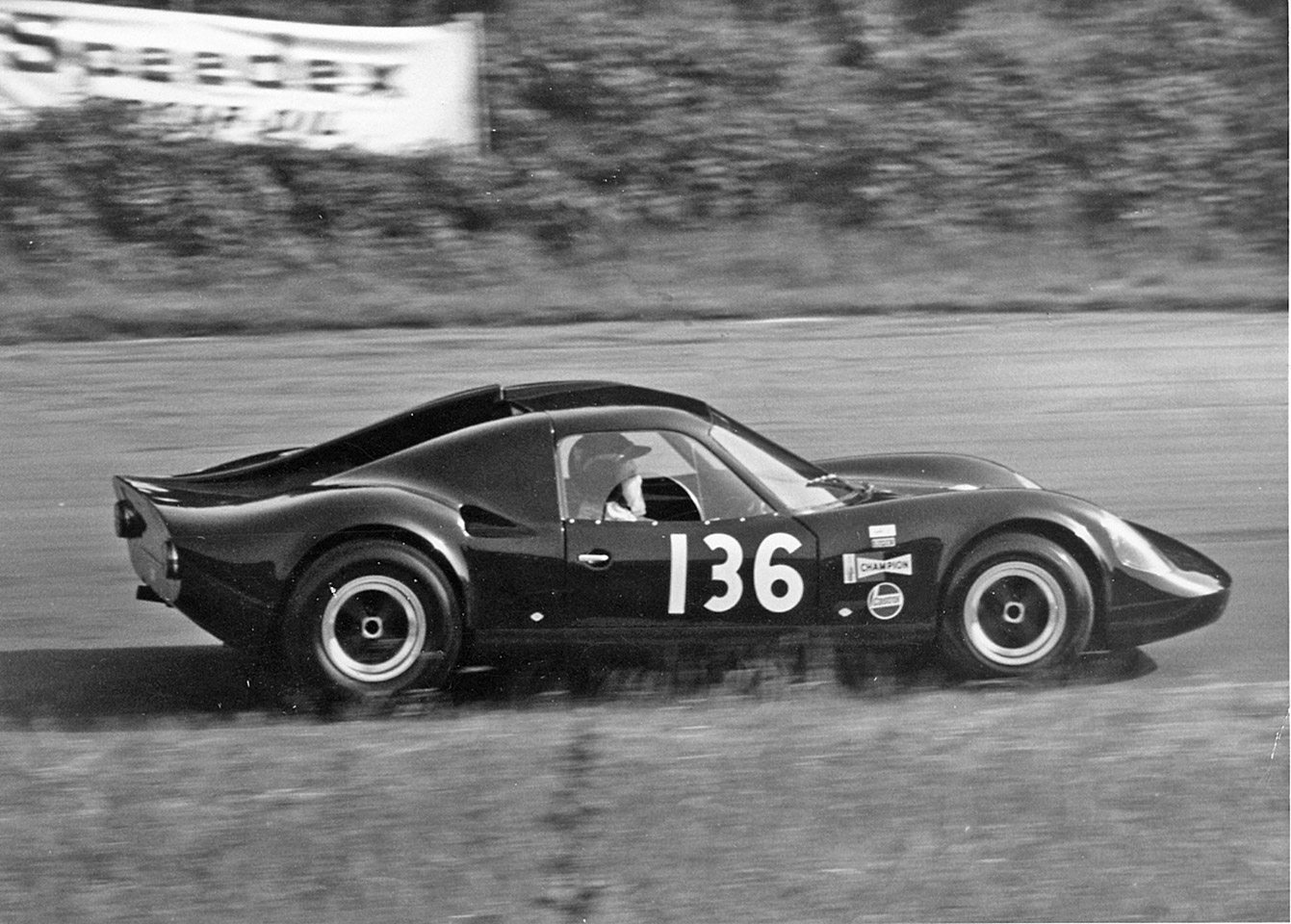
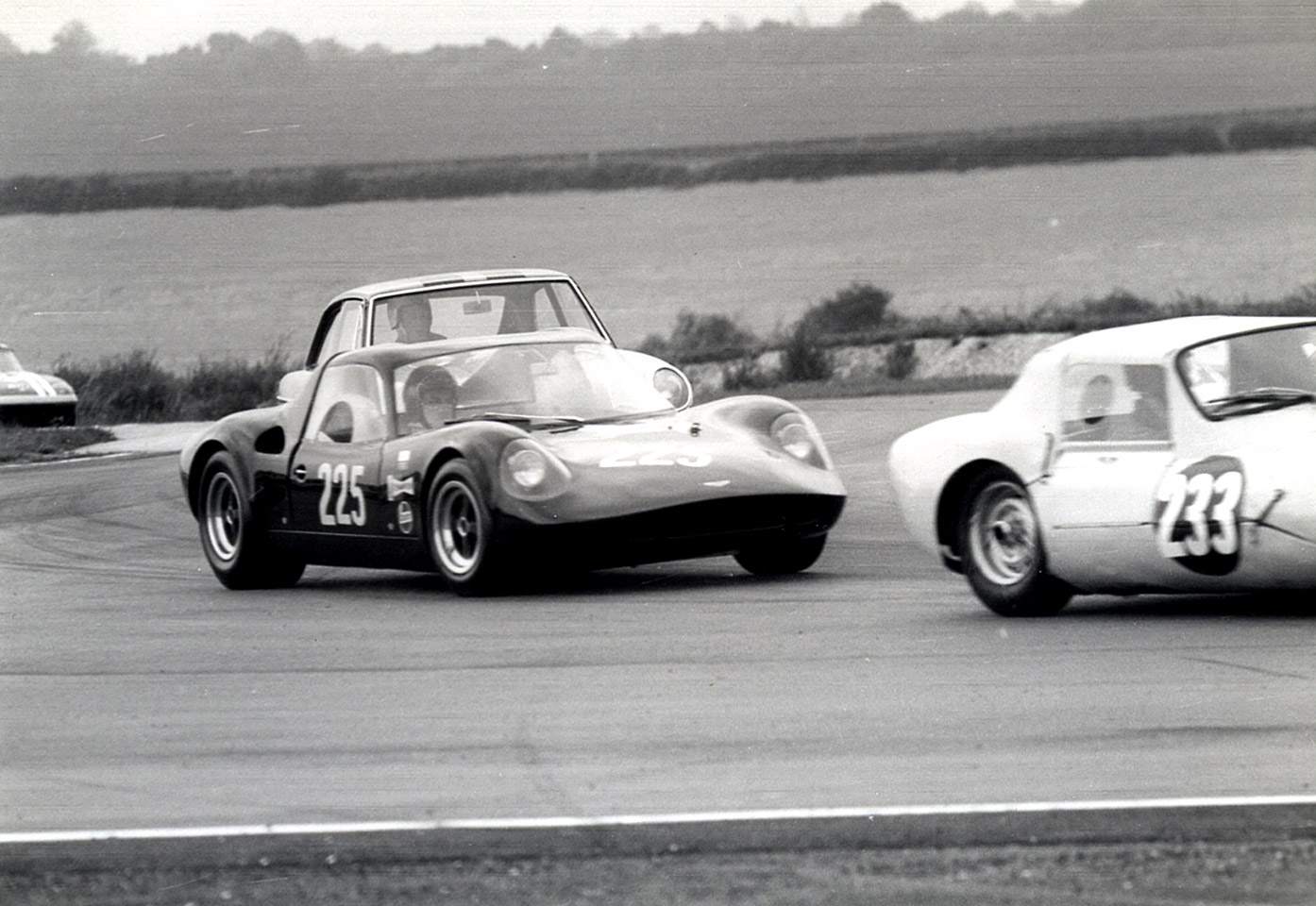
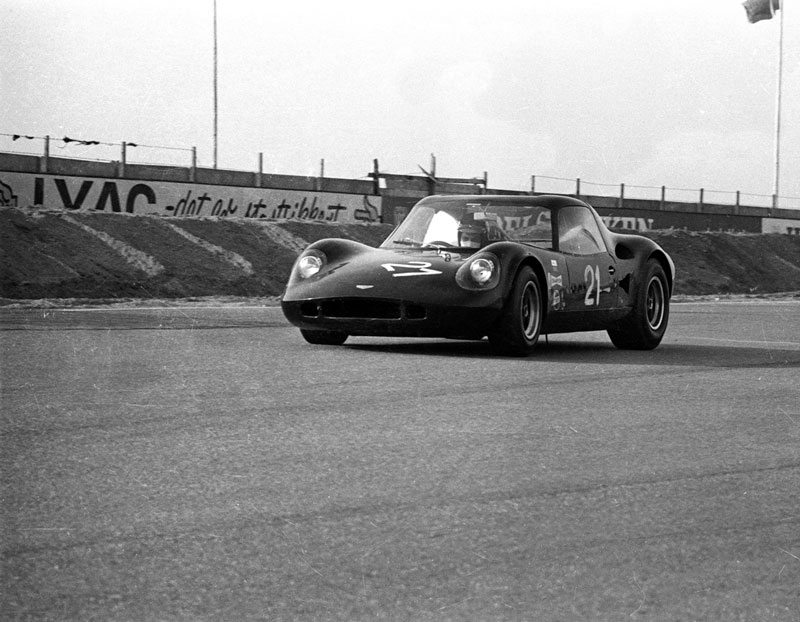
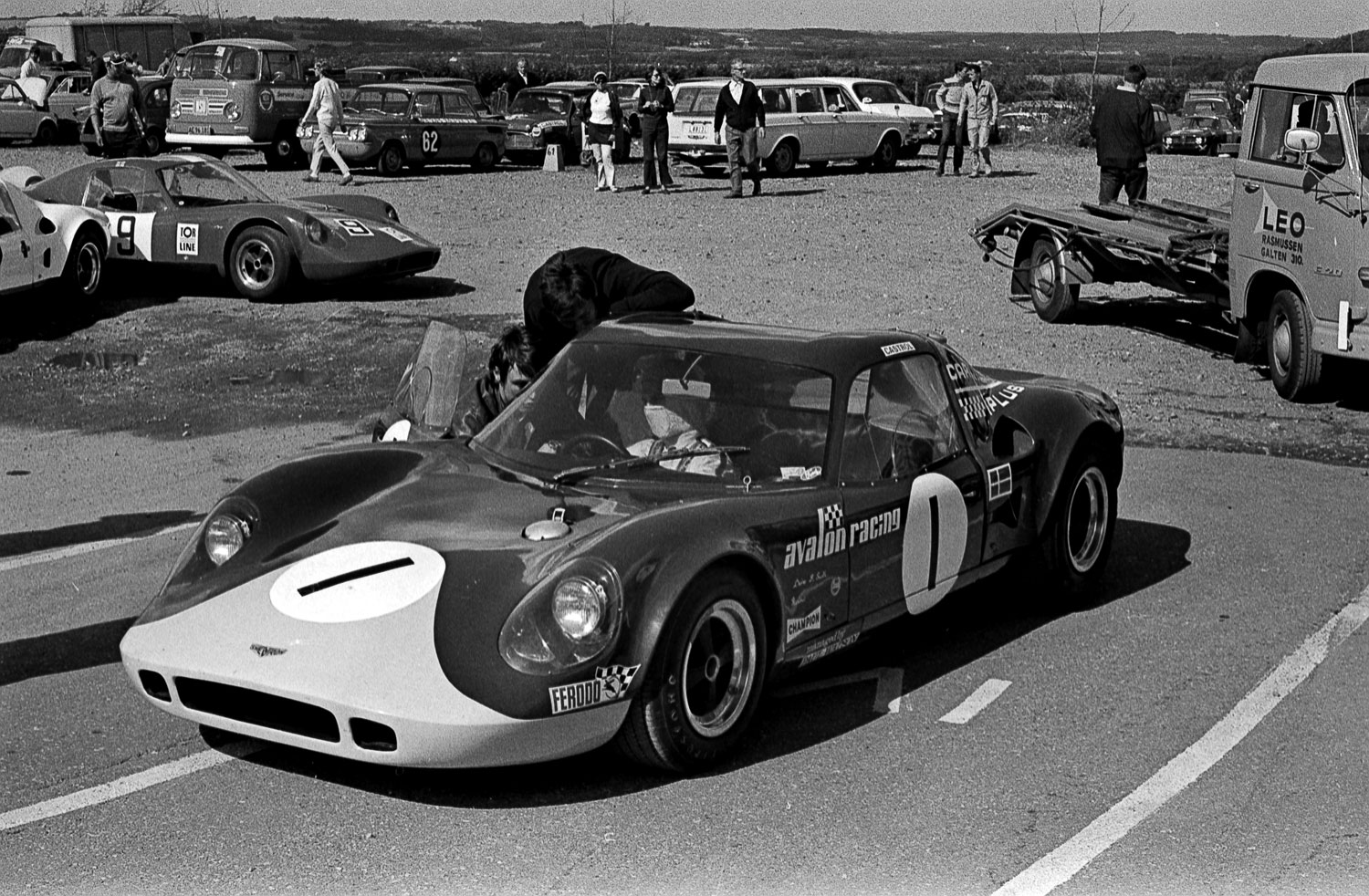
Derek Bennett’s Chevron B8 was the perfect canvas. It was a chassis so brilliantly designed—so light, stiff, and forgiving—that it became the definitive “universal” weapon for the 1960s privateer. If a team’s ambition was to win a 1000km endurance race with brute torque, they chose the 2.0-litre BMW M10 engine. If they were a “clubman” on a budget with a spare F1 engine, they used the Coventry Climax FPF. But if their ambition was to win the 1.6-litre class at the 24 Hours of Le Mans—a class defined by high-revving, high-efficiency engines—there was only one choice. This was the Chevron B8 Ford Cosworth FVA, the high-tech, 9,000-rpm scalpel of the B8 family.
This car was not built to brawl with the 2.0-litre Alfas and Porsches at the Nürburgring. It was a specialist, a car designed to take on the most dominant force in small-capacity endurance racing: the armada of slippery, Gordini-powered Alpine A210s. The Alpines were the kings of the 1.6-litre class at Le Mans, their aerodynamic efficiency giving them an almost unbreakable hold on the Index of Performance. The B8-FVA was Derek Bennett’s answer, a car that combined his “customer-proof” chassis with a Formula 2 engine that was, in 1968, the most advanced 1.6-litre unit in the world.
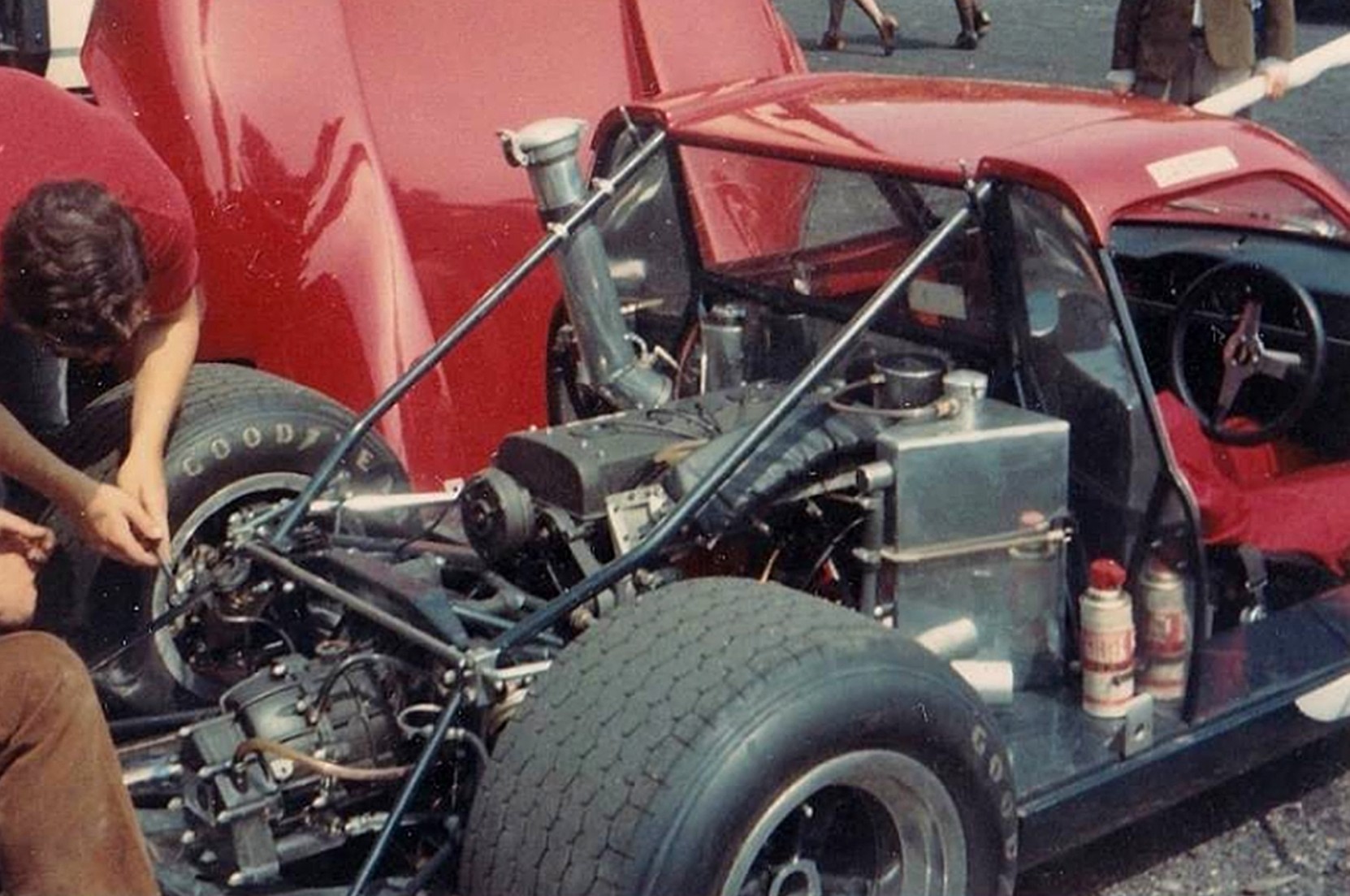
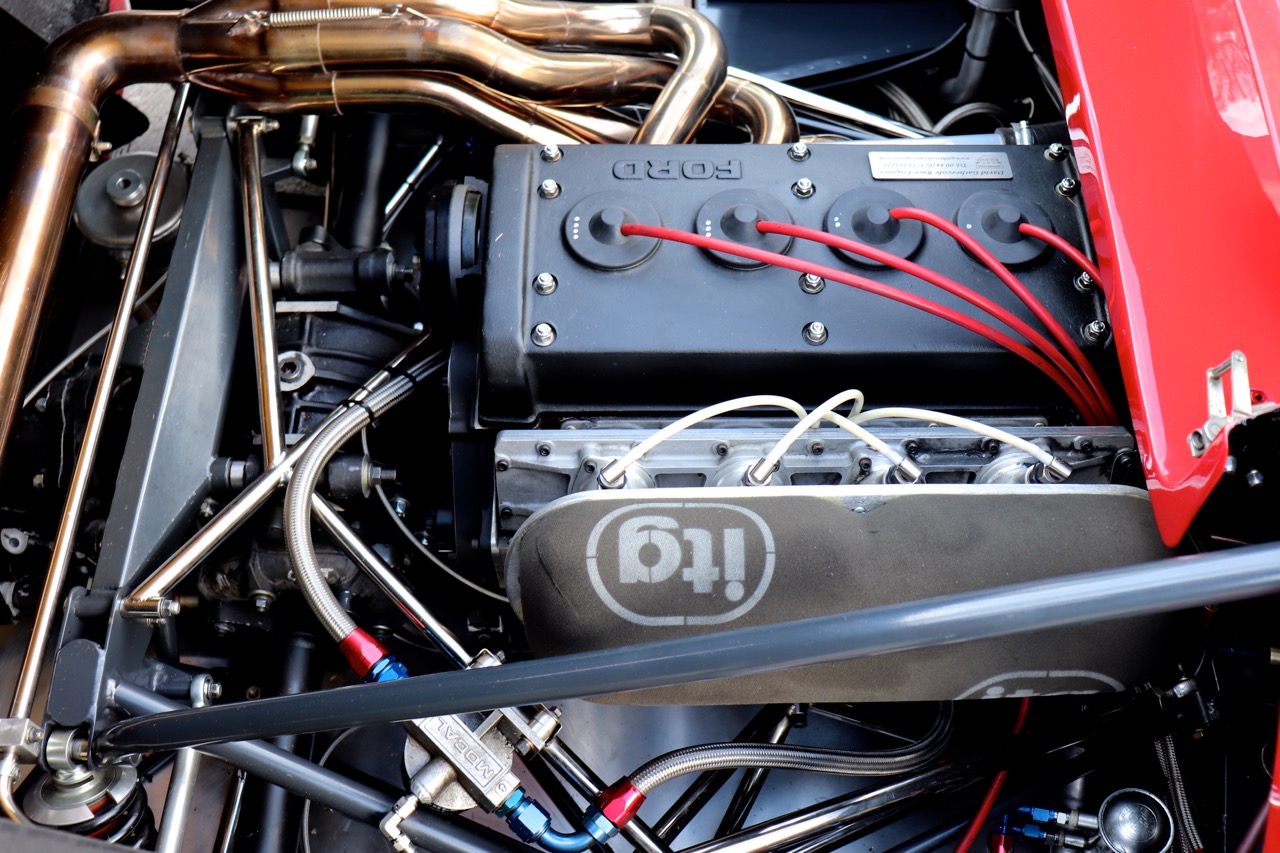
The heart of this car, and its entire identity, was the Cosworth FVA (Four Valve Type A). This was not a tuned-up production engine; it was a purebred, 1.6-litre, 16-valve racing engine. It was, in effect, half of the legendary DFV V8 that was dominating Formula 1. Fed by a precise Kugelfischer mechanical fuel-injection system, the FVA produced a staggering 220-225 hp at a frantic, ear-splitting 9,500 rpm. This was a “peaky” engine, with a narrow powerband and very little low-end torque. It demanded to be driven hard, to be kept “on the boil” at all times. This high-strung, high-strung nature made it a “momentum” car.
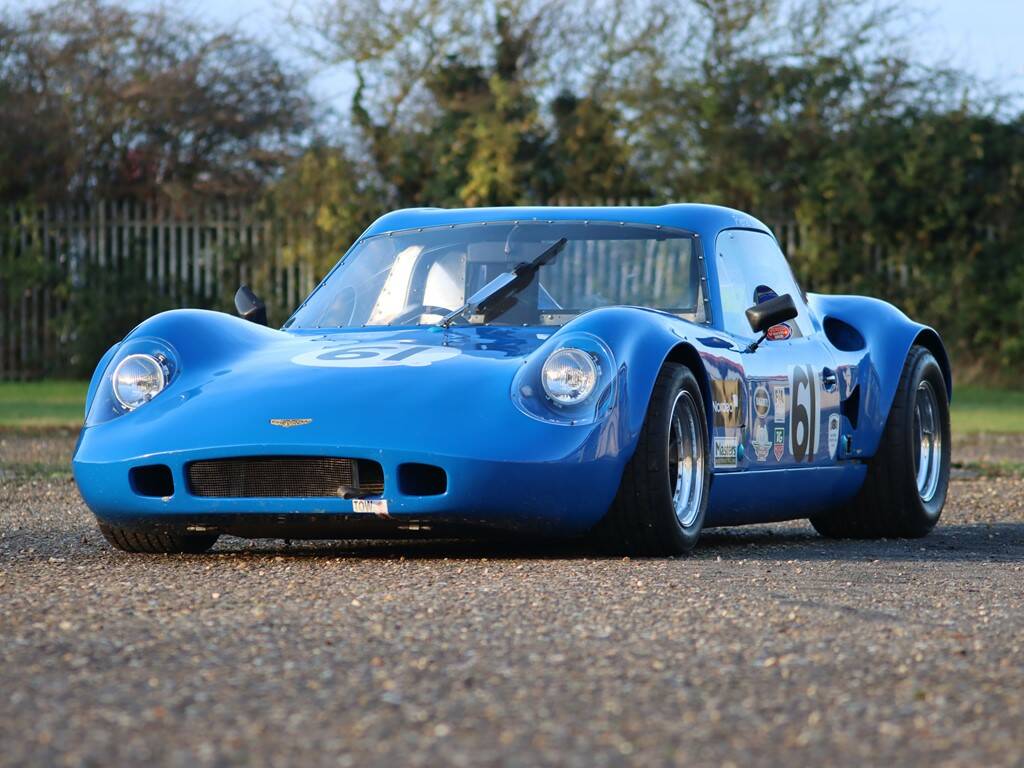
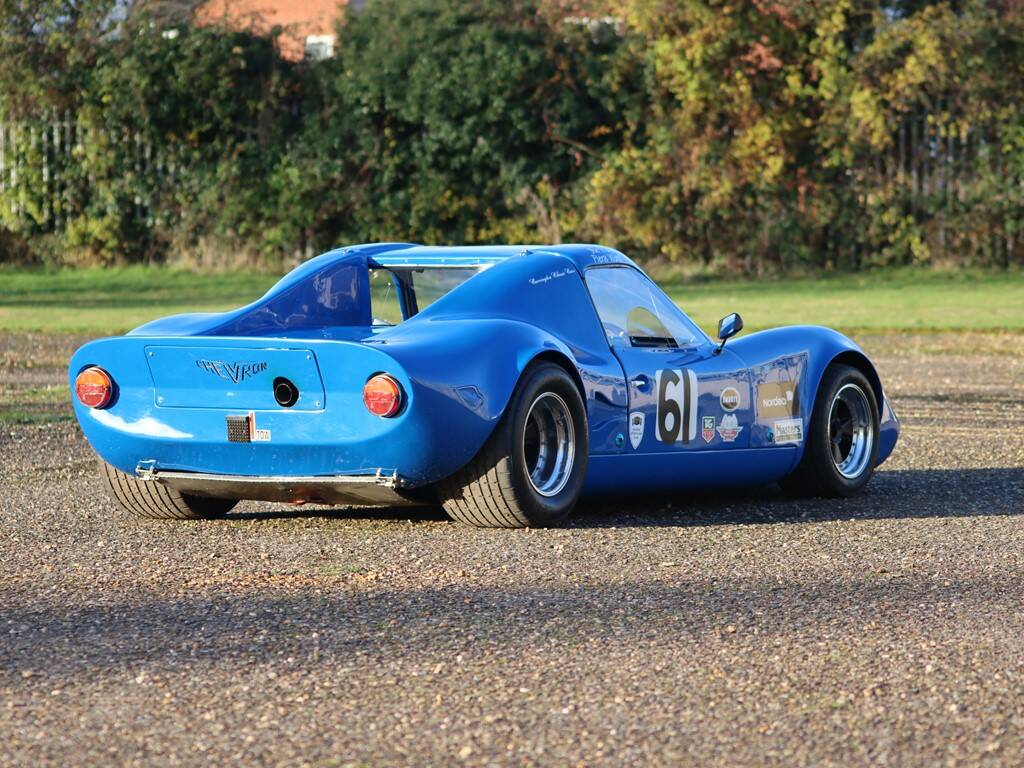
This engine was the perfect partner for Derek Bennett’s chassis. The B8’s foundation was its robust, TIG-welded steel space frame. This was a deliberate, pragmatic choice. While rivals like Porsche were using exotic, fragile monocoques, Bennett knew his customers were not factory teams. They were “clubmen” who needed a car that could survive a 24-hour race and be repaired in their own garage. This strong, stiff frame was wrapped in a breathtakingly beautiful, low-drag fibreglass body. Mated to a Hewland 5-speed gearbox, the B8’s fully independent suspension and four-wheel Girling disc brakes created a package that was incredibly forgiving at the limit. This was crucial for the FVA-powered car; drivers could carry enormous corner speed, never letting the high-revving engine fall out of its powerband.
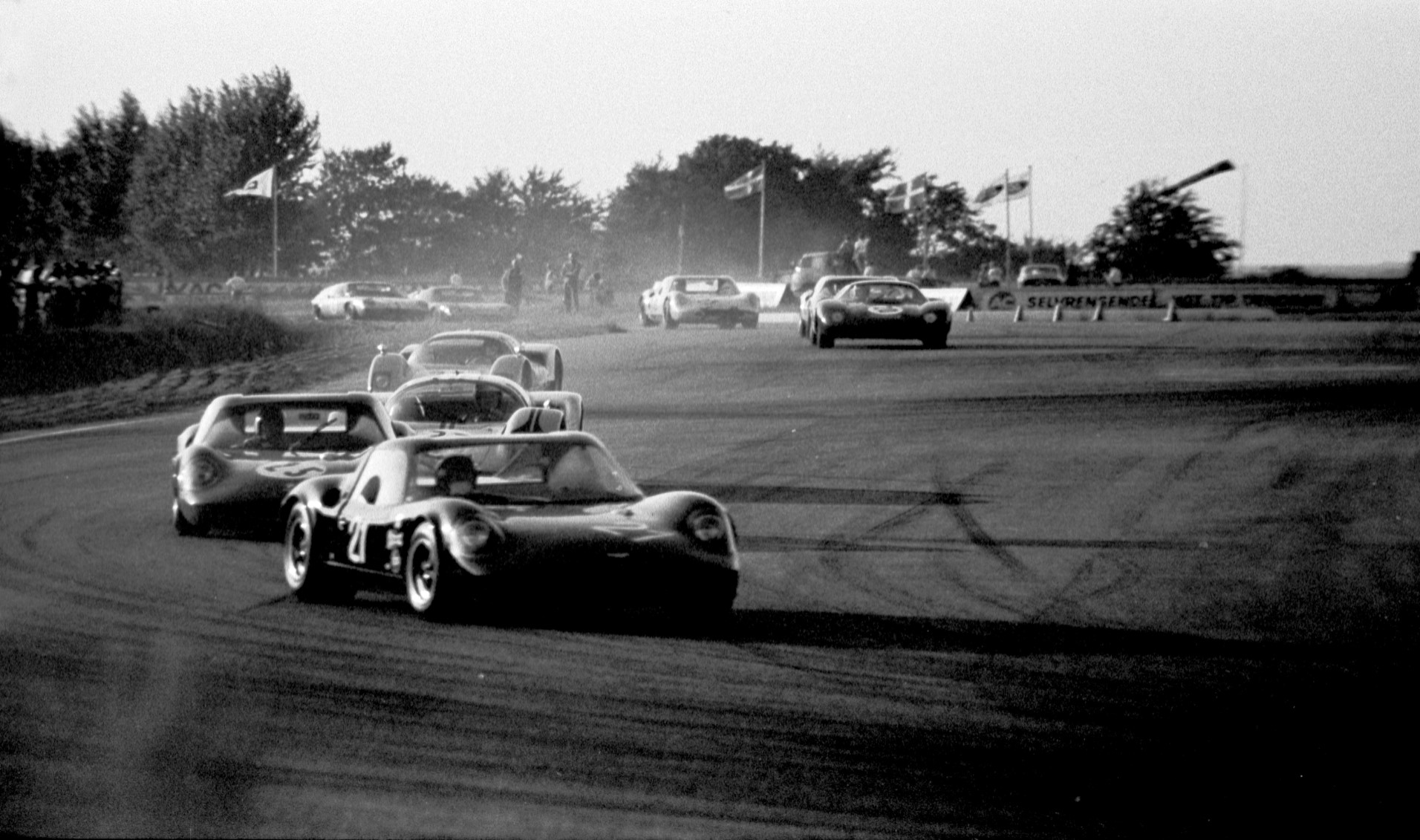
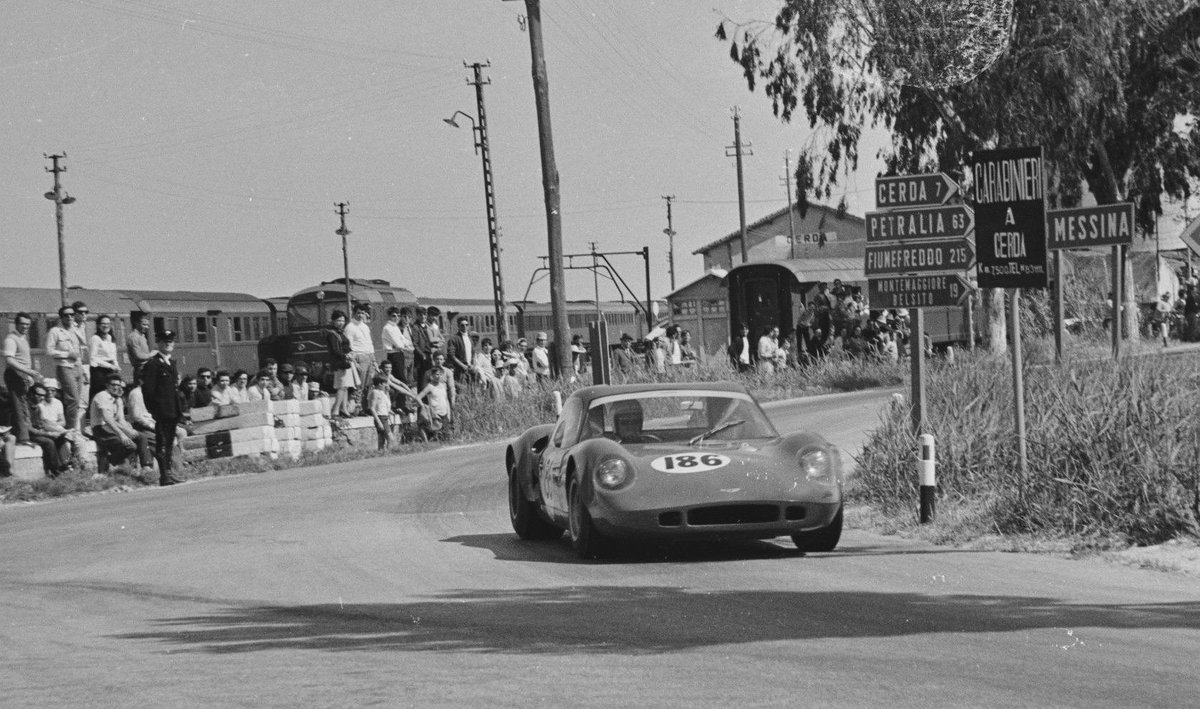
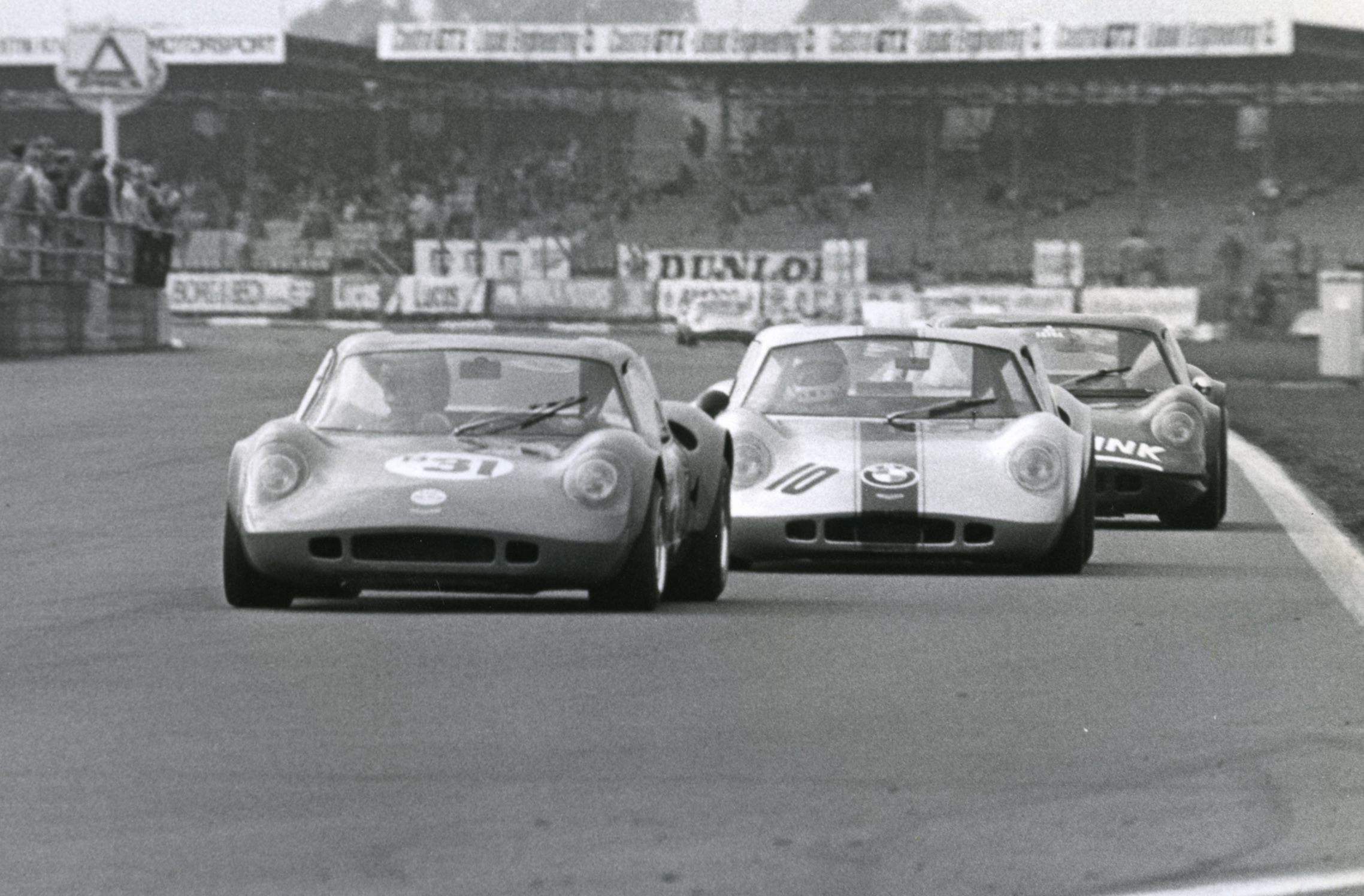
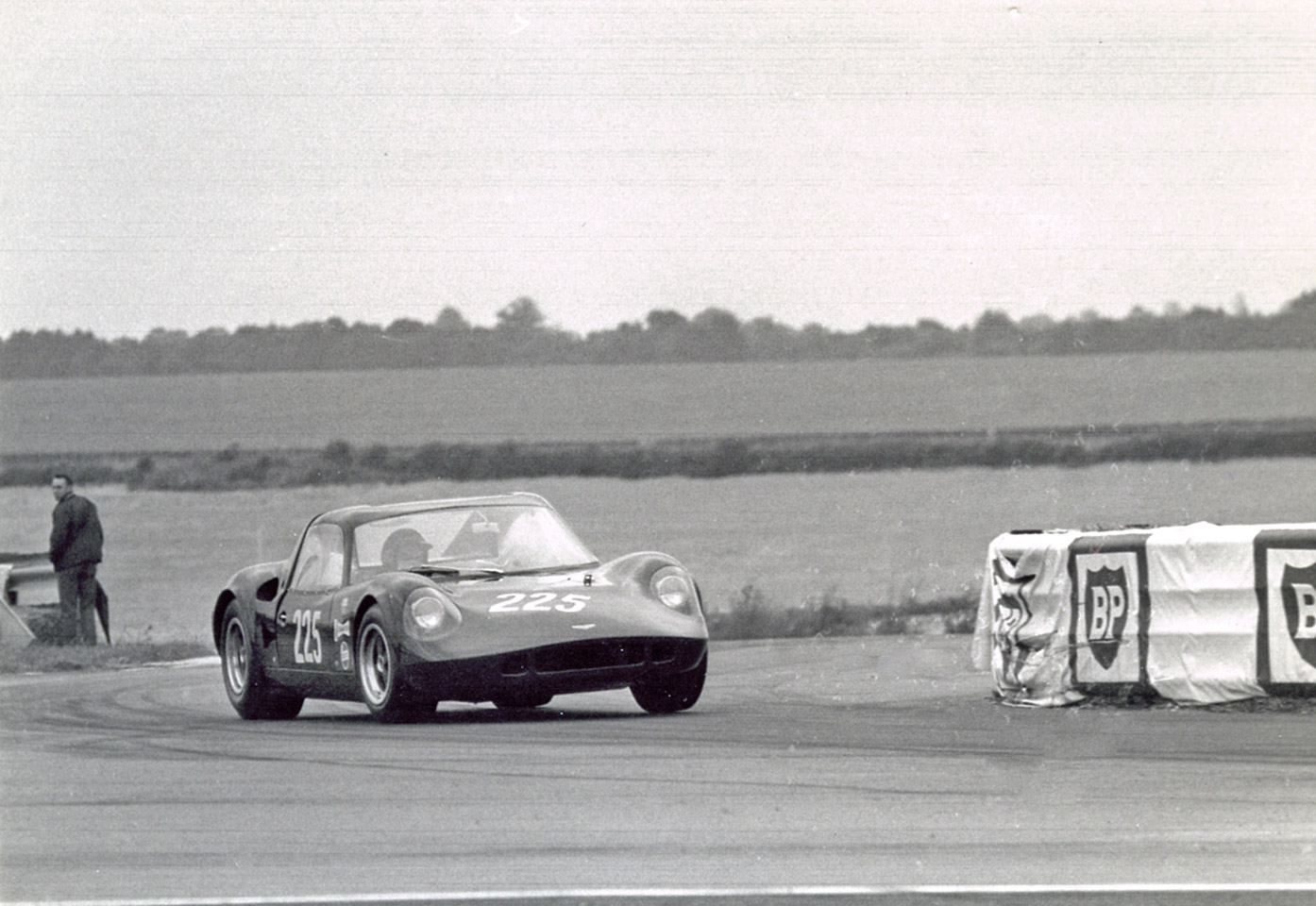
The B8-FVA’s competition history is defined by its greatest triumph: the 1968 24 Hours of Le Mans. While the B8-BMW was off conquering the Nürburgring, the B8-FVA was focused on La Sarthe. The #47 Chevron B8-FVA, entered by the privateer Chevron Racing Team and driven by Digby Martland and John McLaren, was a revelation. It was not just fast; it was reliable. While the factory giants battled and broke, the little 1.6-litre Chevron ran like a Swiss watch, its 9,500-rpm scream a constant, piercing note through the Mulsanne night. After 24 hours of relentless, flawless running, it crossed the line to take a dominant 1st in the 1.6-litre Sport-Prototype class (and 19th overall). It had beaten the French armada on their home turf.
This single victory cemented the B8’s legend. It proved that Derek Bennett’s “universal” chassis was not a one-trick pony. It could be a torque-monster “brawler” with a BMW engine, or it could be a high-revving, high-tech endurance champion with a Cosworth F2 engine. The B8-FVA was the “thinking man’s” B8, a car that won not with brute force, but with efficiency, high-revving power, and a sublime, balanced chassis. It was the direct predecessor to the B16, which would continue the 1.6L (and later 2.0L) fight, and it remains a rare, desirable, and spectacular-sounding icon of the privateer era.
Brand
Produced from
Portal
Vehicle category
Model line
Predecessor
Sucessor
Brand
Produced from
Portal
Vehicle category
Model line
Model generation
Predecessor
Sucessor
Submodel Overview
Derek Bennett’s Chevron B8 was the perfect canvas. It was a chassis so brilliantly designed—so light, stiff, and forgiving—that it became the definitive “universal” weapon for the 1960s privateer. If a team’s ambition was to win a 1000km endurance race with brute torque, they chose the 2.0-litre BMW M10 engine. If they were a “clubman” on a budget with a spare F1 engine, they used the Coventry Climax FPF. But if their ambition was to win the 1.6-litre class at the 24 Hours of Le Mans—a class defined by high-revving, high-efficiency engines—there was only one choice. This was the Chevron B8 Ford Cosworth FVA, the high-tech, 9,000-rpm scalpel of the B8 family.
This car was not built to brawl with the 2.0-litre Alfas and Porsches at the Nürburgring. It was a specialist, a car designed to take on the most dominant force in small-capacity endurance racing: the armada of slippery, Gordini-powered Alpine A210s. The Alpines were the kings of the 1.6-litre class at Le Mans, their aerodynamic efficiency giving them an almost unbreakable hold on the Index of Performance. The B8-FVA was Derek Bennett’s answer, a car that combined his “customer-proof” chassis with a Formula 2 engine that was, in 1968, the most advanced 1.6-litre unit in the world.
The heart of this car, and its entire identity, was the Cosworth FVA (Four Valve Type A). This was not a tuned-up production engine; it was a purebred, 1.6-litre, 16-valve racing engine. It was, in effect, half of the legendary DFV V8 that was dominating Formula 1. Fed by a precise Kugelfischer mechanical fuel-injection system, the FVA produced a staggering 220-225 hp at a frantic, ear-splitting 9,500 rpm. This was a “peaky” engine, with a narrow powerband and very little low-end torque. It demanded to be driven hard, to be kept “on the boil” at all times. This high-strung, high-strung nature made it a “momentum” car.
This engine was the perfect partner for Derek Bennett’s chassis. The B8’s foundation was its robust, TIG-welded steel space frame. This was a deliberate, pragmatic choice. While rivals like Porsche were using exotic, fragile monocoques, Bennett knew his customers were not factory teams. They were “clubmen” who needed a car that could survive a 24-hour race and be repaired in their own garage. This strong, stiff frame was wrapped in a breathtakingly beautiful, low-drag fibreglass body. Mated to a Hewland 5-speed gearbox, the B8’s fully independent suspension and four-wheel Girling disc brakes created a package that was incredibly forgiving at the limit. This was crucial for the FVA-powered car; drivers could carry enormous corner speed, never letting the high-revving engine fall out of its powerband.
The B8-FVA’s competition history is defined by its greatest triumph: the 1968 24 Hours of Le Mans. While the B8-BMW was off conquering the Nürburgring, the B8-FVA was focused on La Sarthe. The #47 Chevron B8-FVA, entered by the privateer Chevron Racing Team and driven by Digby Martland and John McLaren, was a revelation. It was not just fast; it was reliable. While the factory giants battled and broke, the little 1.6-litre Chevron ran like a Swiss watch, its 9,500-rpm scream a constant, piercing note through the Mulsanne night. After 24 hours of relentless, flawless running, it crossed the line to take a dominant 1st in the 1.6-litre Sport-Prototype class (and 19th overall). It had beaten the French armada on their home turf.
This single victory cemented the B8’s legend. It proved that Derek Bennett’s “universal” chassis was not a one-trick pony. It could be a torque-monster “brawler” with a BMW engine, or it could be a high-revving, high-tech endurance champion with a Cosworth F2 engine. The B8-FVA was the “thinking man’s” B8, a car that won not with brute force, but with efficiency, high-revving power, and a sublime, balanced chassis. It was the direct predecessor to the B16, which would continue the 1.6L (and later 2.0L) fight, and it remains a rare, desirable, and spectacular-sounding icon of the privateer era.
Tech Specs
Technical Specifications
Tech Specs
Technical Specifications
Engine
01
03
Internal combustion engine
Configuration
Ford Cosworth FVA, Inline-4
Location
Mid, longitudinally mounted
Construction
Cast iron block, aluminium alloy head
Displacement (cc)
1,596 cc
Displacement (cu in)
97.3 cu in
Compression
-
Bore x Stroke
-
Valvetrain
4 valves per cylinder, DOHC
Fuel feed
Lucas Fuel Injection
Lubrication
Dry sump
Aspiration
Naturally aspirated
Output
Power (hp)
225 hp
Power (kW)
168 kW
Max power at
9,000 RPM
Torque (Nm)
-
Torque (ft lbs)
-
Max torque at
-
Drivetrain
02
03
Chassis
Type
Tubular frame
Material
Steel and aluminium
Body
Material
Fibreglass
Transmission
Gearbox
5-speed manual
Drive
Rear Wheel Drive
Suspension
Front
Double wishbones, coil springs over dampers, anti-roll bar
Rear
Lower wishbones, top links, twin trail arms, coil springs over dampers, anti-roll bar
Steering
Type
Rack and pinion
Brakes
Front
Discs
Rear
Discs
Wheels
Front
-
Rear
-
Tires
Front
-
Rear
-
Dimensions and performance
03
03
Dimensions
Length (mm)
4,070 mm
Length (in)
160.2 in
Width (mm)
1,690 mm
Width (in)
66.5 in
Height (mm)
940 mm
Height (in)
37 in
Wheelbase (mm)
2,340 mm
Wheelbase (in)
92.1 in
Weight (kg)
-
Weight (lbs)
-
Performance
Power to weight
-
Top speed (km/h)
-
Top speed (mph)
-
0-100 km/h (0-60 mph)
-