
Chevron B19 Ford Cosworth FVA
Brand
Produced from
Portal
Vehicle category
Model line
Predecessor
Successor
Submodel Overview
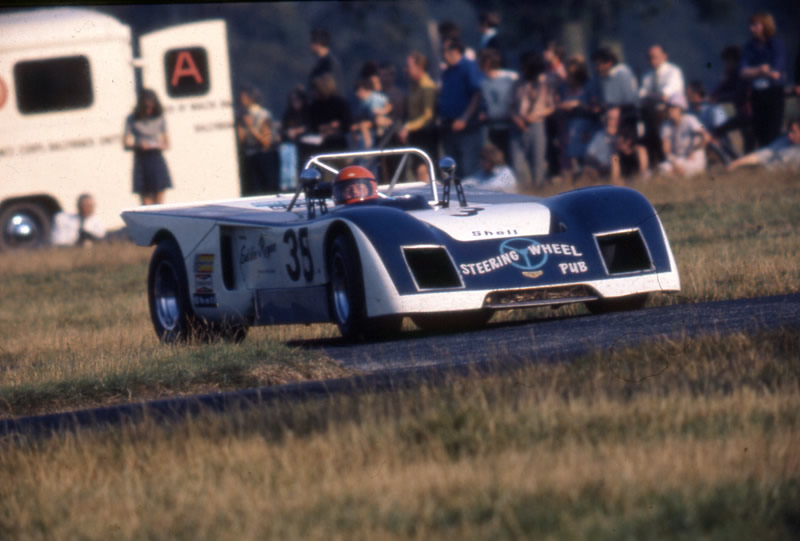
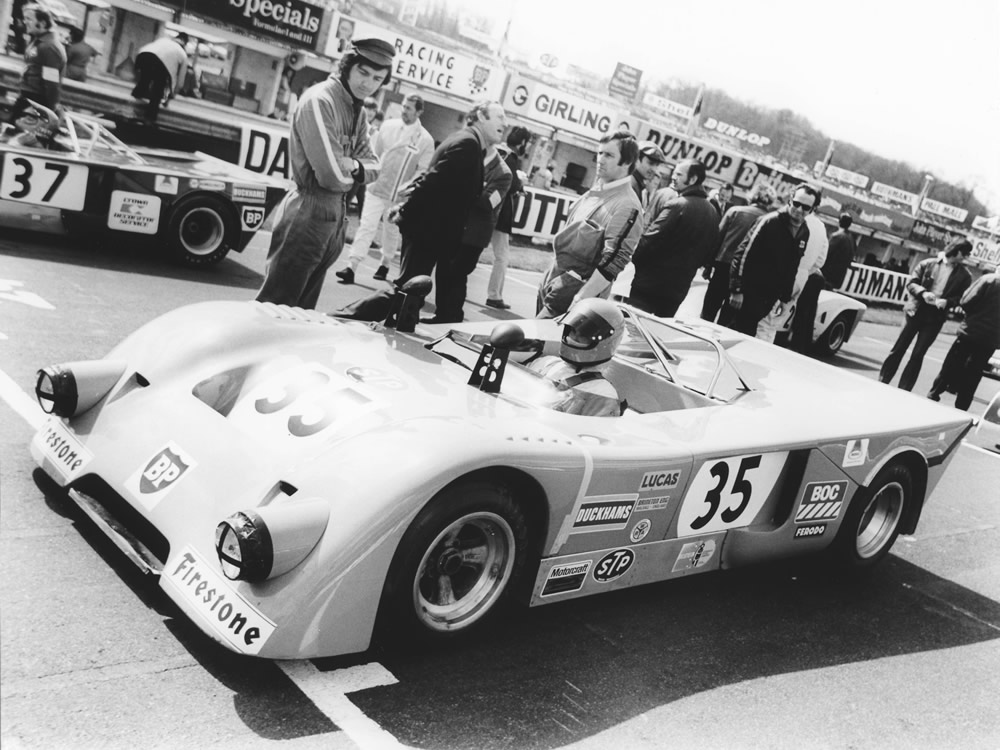
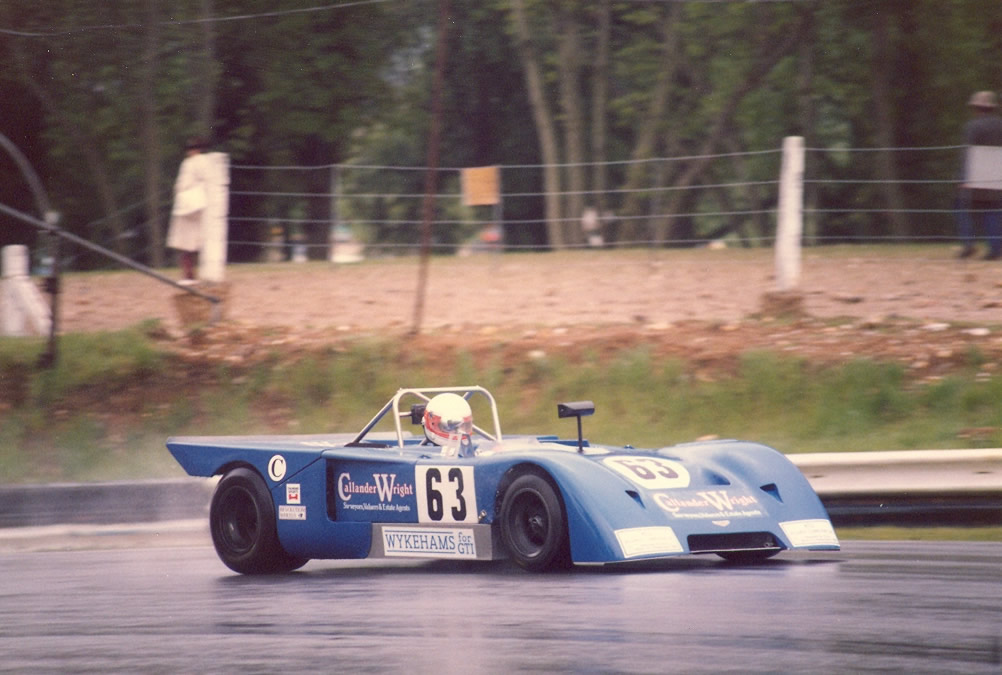
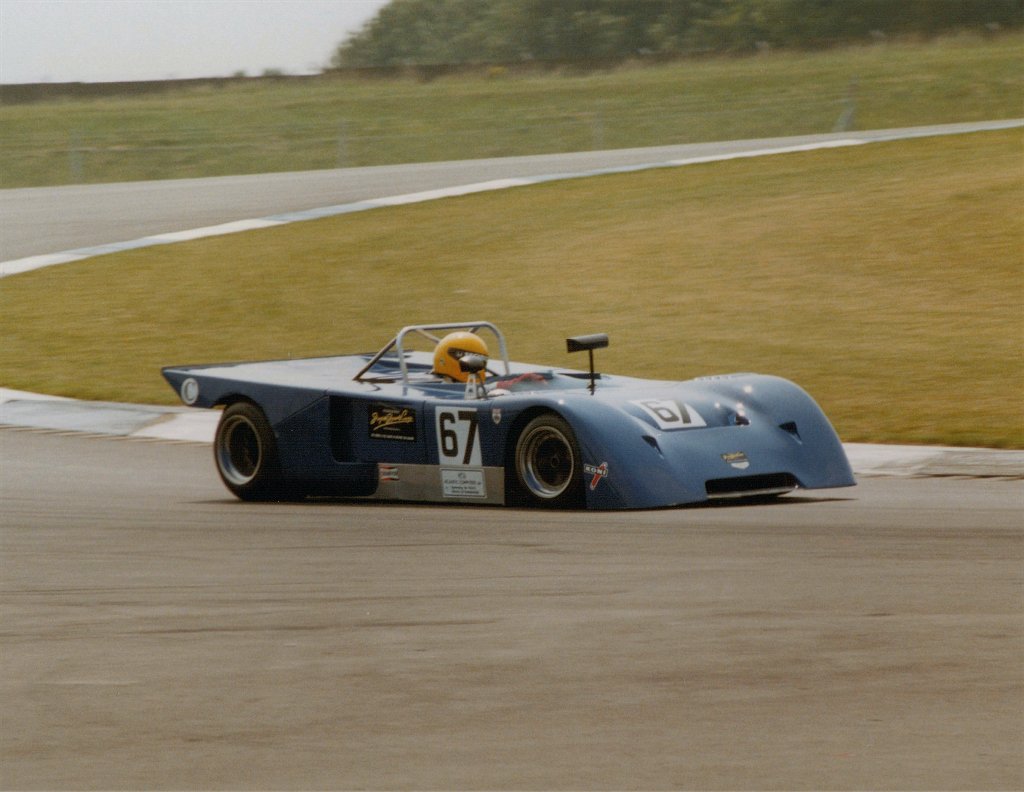
In 1971, the European sports car racing scene was in the throes of a violent evolution. The romantic era of the closed-cockpit coupe was dead, killed off by the ruthless efficiency of the new, lightweight “barchetta” spyders. Derek Bennett, the engineering wizard of Bolton, had answered this shift with the Chevron B19, a car that would become the definitive shape of the 2.0-litre class. But while the headlines were dominated by the battle for overall supremacy between the 1.8-litre FVC and the new 2.0-litre BDG engines, a smaller, sharper war was being waged in the classes below. For the privateer who sought to dominate the 1.6-litre category—a class where precision and momentum mattered more than brute force—there was only one weapon of choice: the Chevron B19 Ford Cosworth FVA.
The B19 FVA was a specialized tool, a scalpel in a field of sledgehammers. It was the direct spiritual successor to the B16 FVA that had won the Nürburgring 500km in 1969, but it was lighter, lower, and faster. Bennett’s philosophy remained unchanged: a robust, TIG-welded tubular steel spaceframe that offered immense stiffness and repairability, wrapped in a simple, wedge-shaped fibreglass body that generated significant downforce. But where the 2.0-litre cars used torque to mask small driving errors, the FVA-powered B19 offered no such safety net. It was a machine of absolute purity.
The heart of this submodel was the legendary Cosworth FVA (Four Valve Type A). By 1971, this engine was a veteran, having powered the Formula 2 grid for years, but it remained a masterpiece of engineering. Displacing 1,598cc, with a gear-driven double overhead camshaft head sitting on a Ford Cortina block, it produced around 225 bhp. Crucially, it did this at a stratospheric 9,000 to 9,500 rpm. It was a “peaky,” aggressive engine with a narrow powerband. To drive the B19 FVA fast was to engage in a frantic ballet of gear changes, keeping the engine “on the boil” and carrying maximum corner speed to compensate for the lack of low-end grunt.
In the 1971 season, the B19 FVA found its niche as the undisputed king of the 1.6-litre class. While the FVC and BDG cars fought for the overall wins in the European 2-Litre Sports Car Championship, the FVA-equipped cars waged their own fierce battles within the pack. Teams like Red Rose Racing and privateers who couldn’t afford the expensive new BDG engines found the FVA to be a competitive and slightly more affordable entry point into top-tier prototype racing. The car excelled on tight, technical circuits like Vallelunga, Jarama, and the shorter British tracks like Brands Hatch and Oulton Park. On these layouts, the B19’s superb chassis balance, combined with the lighter weight of the smaller engine, allowed drivers to harass much more powerful machinery under braking and through the corners.
The B19 FVA also found a home in hill climbing, a discipline where weight is the enemy and high-rpm power is king. The immediate throttle response of the Lucas mechanical fuel injection and the agile chassis made it a favorite for the mountain ascents of Europe. Visually, the FVA cars were identical to their big brothers, distinguished only by the higher-pitched, piercing shriek of the 1.6-litre engine, a sound distinct from the guttural roar of the 1.8-litre FVC.
However, the B19 FVA was a “sunset” car. By 1972, the regulations and engine technology continued to march forward. The 1.6-litre class was becoming less relevant on the international stage as the 2.0-litre formula solidified its grip. The FVA engine, while brilliant, was becoming expensive to maintain compared to the newer variants. Yet, for that one glorious season in 1971, the Chevron B19 FVA represented the pinnacle of small-displacement sports car racing. It was the ultimate “momentum car,” a machine that rewarded finesse, bravery, and precision above all else. Today, it remains a rare and cherished variant in historic racing, a reminder of a time when you didn’t need the biggest engine to have the best engineering.
Brand
Produced from
Portal
Vehicle category
Model line
Predecessor
Sucessor
Brand
Produced from
Portal
Vehicle category
Model line
Model generation
Predecessor
Sucessor
Submodel Overview
In 1971, the European sports car racing scene was in the throes of a violent evolution. The romantic era of the closed-cockpit coupe was dead, killed off by the ruthless efficiency of the new, lightweight “barchetta” spyders. Derek Bennett, the engineering wizard of Bolton, had answered this shift with the Chevron B19, a car that would become the definitive shape of the 2.0-litre class. But while the headlines were dominated by the battle for overall supremacy between the 1.8-litre FVC and the new 2.0-litre BDG engines, a smaller, sharper war was being waged in the classes below. For the privateer who sought to dominate the 1.6-litre category—a class where precision and momentum mattered more than brute force—there was only one weapon of choice: the Chevron B19 Ford Cosworth FVA.
The B19 FVA was a specialized tool, a scalpel in a field of sledgehammers. It was the direct spiritual successor to the B16 FVA that had won the Nürburgring 500km in 1969, but it was lighter, lower, and faster. Bennett’s philosophy remained unchanged: a robust, TIG-welded tubular steel spaceframe that offered immense stiffness and repairability, wrapped in a simple, wedge-shaped fibreglass body that generated significant downforce. But where the 2.0-litre cars used torque to mask small driving errors, the FVA-powered B19 offered no such safety net. It was a machine of absolute purity.
The heart of this submodel was the legendary Cosworth FVA (Four Valve Type A). By 1971, this engine was a veteran, having powered the Formula 2 grid for years, but it remained a masterpiece of engineering. Displacing 1,598cc, with a gear-driven double overhead camshaft head sitting on a Ford Cortina block, it produced around 225 bhp. Crucially, it did this at a stratospheric 9,000 to 9,500 rpm. It was a “peaky,” aggressive engine with a narrow powerband. To drive the B19 FVA fast was to engage in a frantic ballet of gear changes, keeping the engine “on the boil” and carrying maximum corner speed to compensate for the lack of low-end grunt.
In the 1971 season, the B19 FVA found its niche as the undisputed king of the 1.6-litre class. While the FVC and BDG cars fought for the overall wins in the European 2-Litre Sports Car Championship, the FVA-equipped cars waged their own fierce battles within the pack. Teams like Red Rose Racing and privateers who couldn’t afford the expensive new BDG engines found the FVA to be a competitive and slightly more affordable entry point into top-tier prototype racing. The car excelled on tight, technical circuits like Vallelunga, Jarama, and the shorter British tracks like Brands Hatch and Oulton Park. On these layouts, the B19’s superb chassis balance, combined with the lighter weight of the smaller engine, allowed drivers to harass much more powerful machinery under braking and through the corners.
The B19 FVA also found a home in hill climbing, a discipline where weight is the enemy and high-rpm power is king. The immediate throttle response of the Lucas mechanical fuel injection and the agile chassis made it a favorite for the mountain ascents of Europe. Visually, the FVA cars were identical to their big brothers, distinguished only by the higher-pitched, piercing shriek of the 1.6-litre engine, a sound distinct from the guttural roar of the 1.8-litre FVC.
However, the B19 FVA was a “sunset” car. By 1972, the regulations and engine technology continued to march forward. The 1.6-litre class was becoming less relevant on the international stage as the 2.0-litre formula solidified its grip. The FVA engine, while brilliant, was becoming expensive to maintain compared to the newer variants. Yet, for that one glorious season in 1971, the Chevron B19 FVA represented the pinnacle of small-displacement sports car racing. It was the ultimate “momentum car,” a machine that rewarded finesse, bravery, and precision above all else. Today, it remains a rare and cherished variant in historic racing, a reminder of a time when you didn’t need the biggest engine to have the best engineering.
Tech Specs
Technical Specifications
Tech Specs
Technical Specifications
Engine
01
03
Internal combustion engine
Configuration
Ford Cosworth FVA, Inline-4
Location
Mid, longitudinally mounted
Construction
Cast iron block, aluminium alloy head
Displacement (cc)
1,596 cc
Displacement (cu in)
97.39 cu in
Compression
-
Bore x Stroke
85.7 mm x 69.1 mm
Valvetrain
4 valves per cylinder, DOHC
Fuel feed
Lucas Fuel Injection
Lubrication
Dry sump
Aspiration
Naturally aspirated
Output
Power (hp)
225 hp
Power (kW)
168 kW
Max power at
9,000 RPM
Torque (Nm)
-
Torque (ft lbs)
-
Max torque at
-
Drivetrain
02
03
Chassis
Type
Tubular frame
Material
Steel and aluminium
Body
Material
Fibreglass
Transmission
Gearbox
5-speed manual
Drive
Rear Wheel Drive
Suspension
Front
Double wishbones, coil springs over dampers, anti-roll bar
Rear
Single top links, twin lower links, twin trailing arms, coil springs over dampers, anti-roll bar
Steering
Type
Rack and pinion
Brakes
Front
Ventilated discs
Rear
Ventilated discs
Wheels
Front
-
Rear
-
Tires
Front
-
Rear
-
Dimensions and performance
03
03
Dimensions
Length (mm)
-
Length (in)
-
Width (mm)
-
Width (in)
-
Height (mm)
-
Height (in)
-
Wheelbase (mm)
2,362 mm
Wheelbase (in)
92.9 in
Weight (kg)
550 kg
Weight (lbs)
1,213 lbs
Performance
Power to weight
0.40 hp/kg
Top speed (km/h)
-
Top speed (mph)
-
0-100 km/h (0-60 mph)
-