
Chevron B26 Ford Cosworth FVC
Brand
Produced from
Portal
Vehicle category
Model line
Predecessor
Successor
Submodel Overview
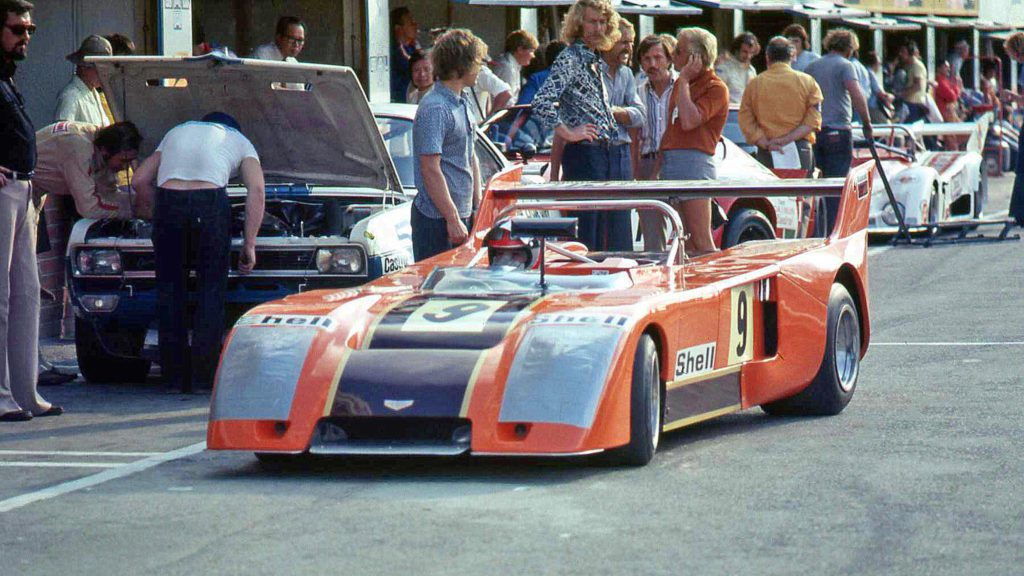
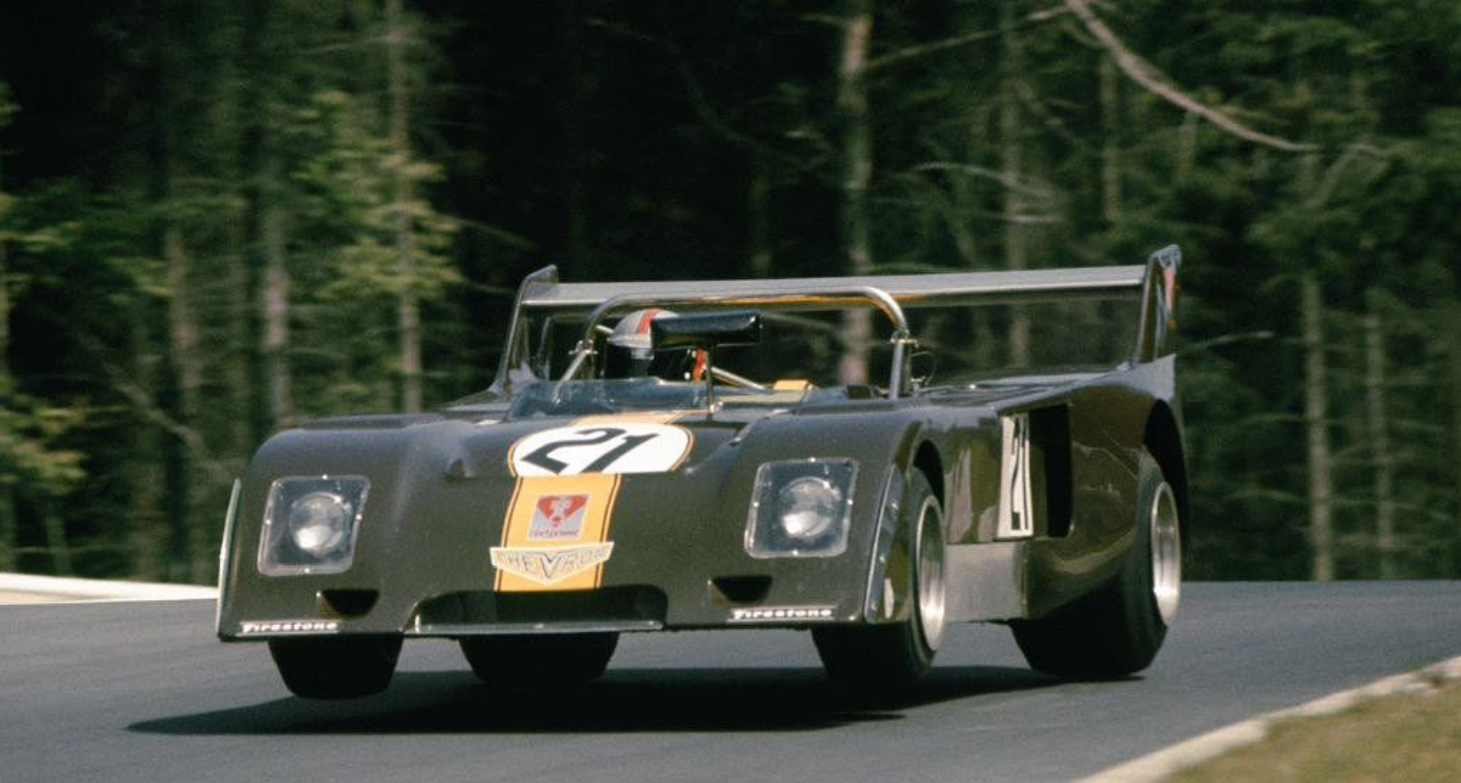
By 1973, the landscape of European sports car racing had shifted irrevocably. The romantic, tubular-steel era of the 1960s was fading, replaced by the cold, hard logic of the aluminium monocoque. Derek Bennett, the genius founder of Chevron, had resisted this change longer than most, proving with the B19, B21, and B23 that a well-triangulated spaceframe could still beat a “tub” on handling alone. But the arrival of the Lola T290 series had forced his hand. To stay competitive, Chevron had to evolve. The result was the B26, Bennett’s first-ever monocoque sports car. While the factory teams and wealthy entrants immediately stuffed this new, ultra-stiff chassis with the latest alloy-block engines, a significant portion of the grid—the true backbone of the sport—opted for a marriage of the new and the known. This was the Chevron B26 Ford Cosworth FVC, a machine that combined revolutionary chassis dynamics with the most trusted engine in the paddock.
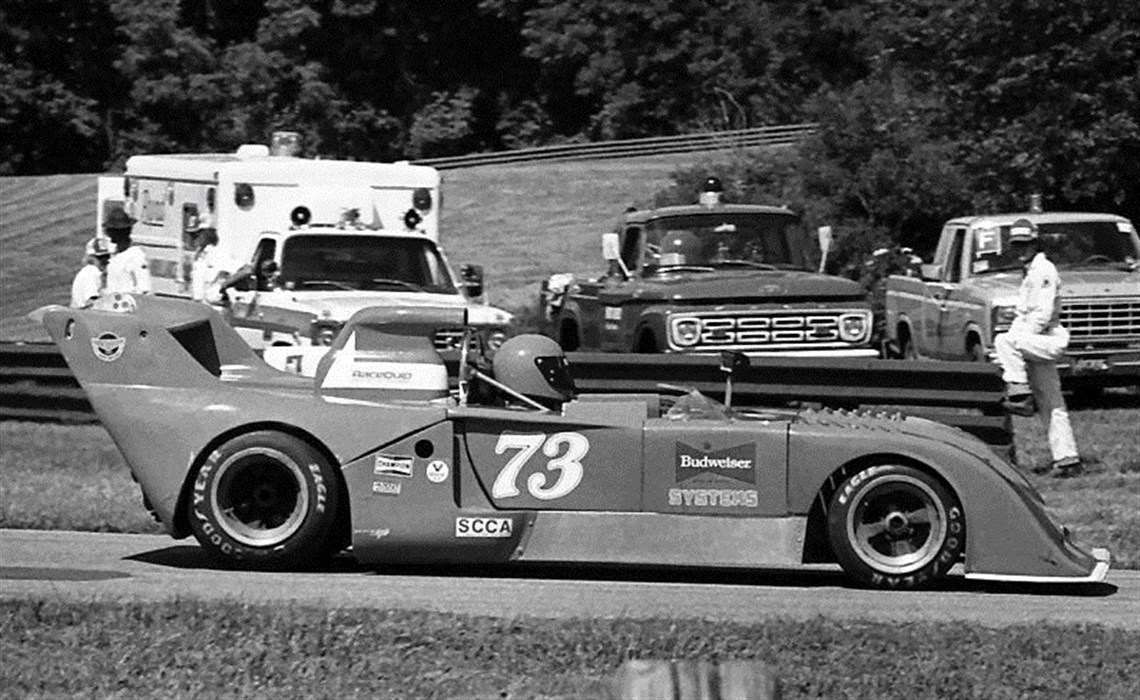
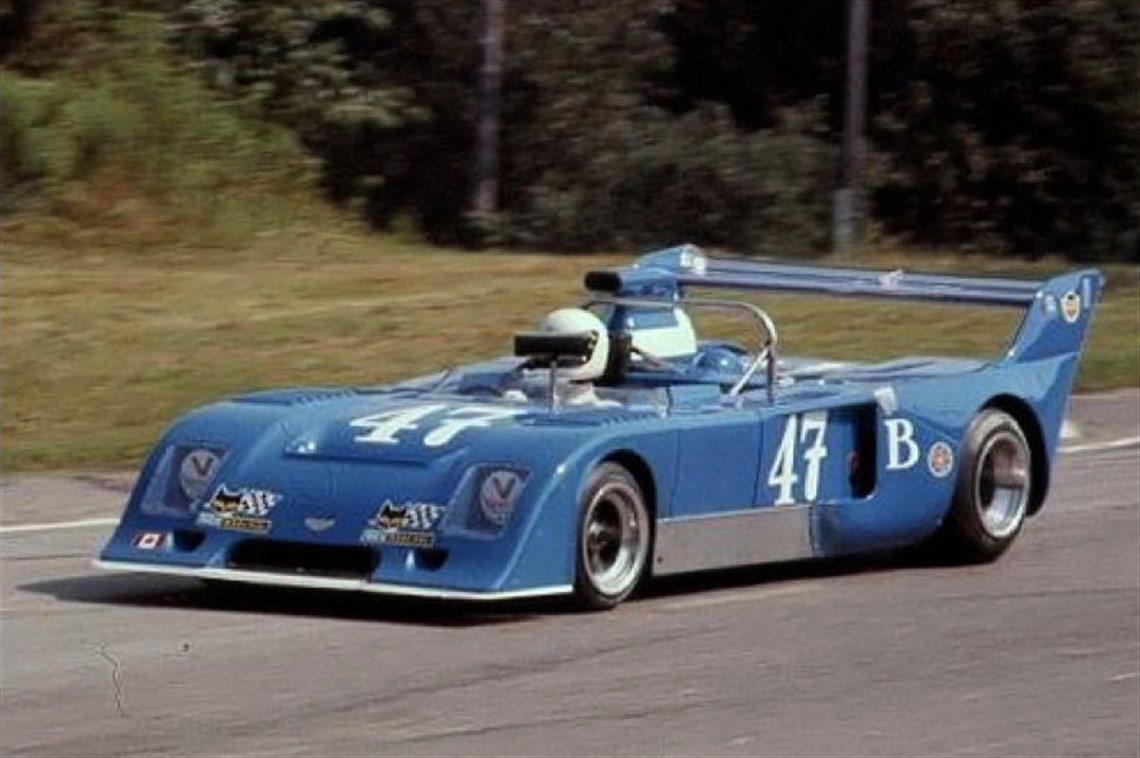
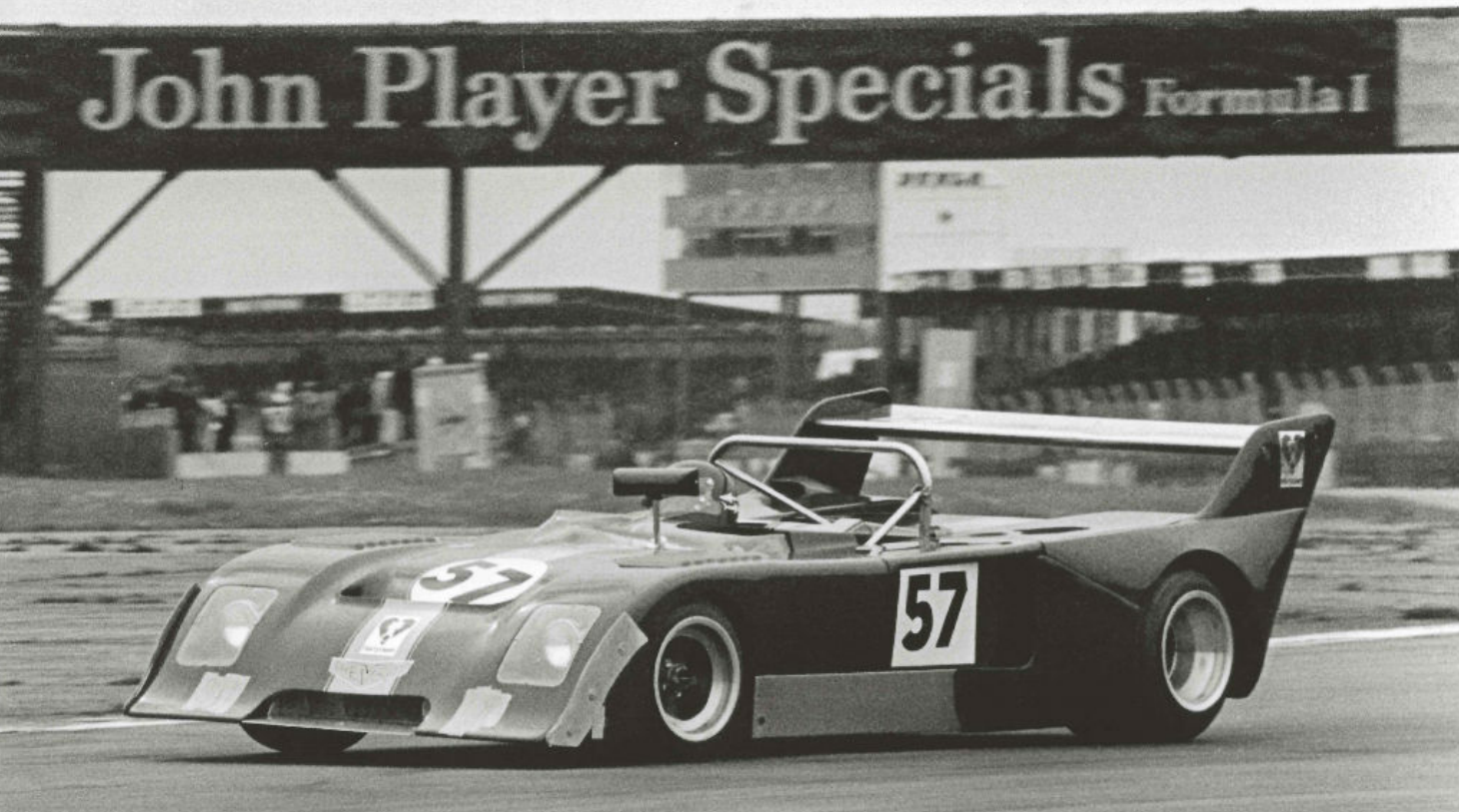
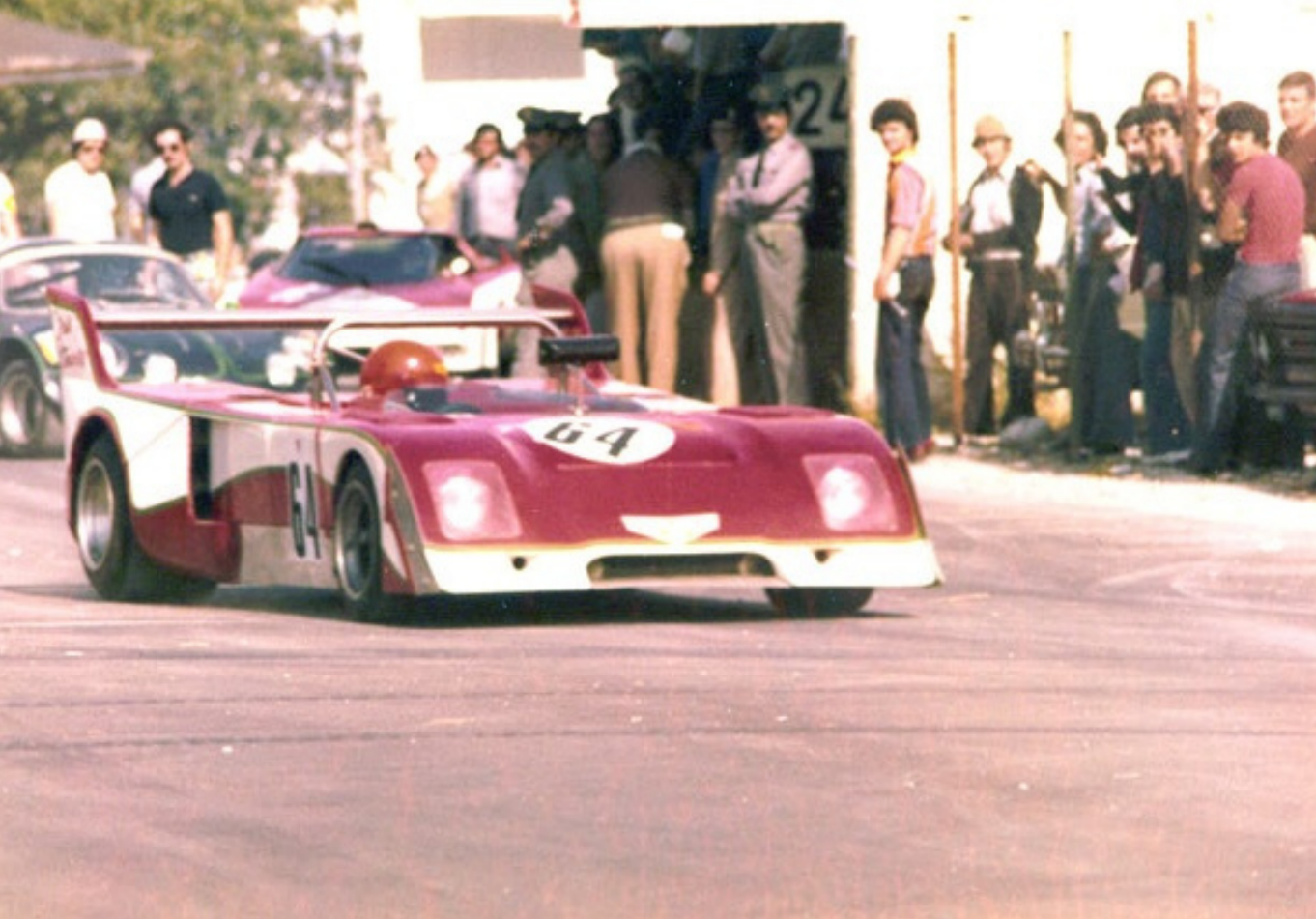
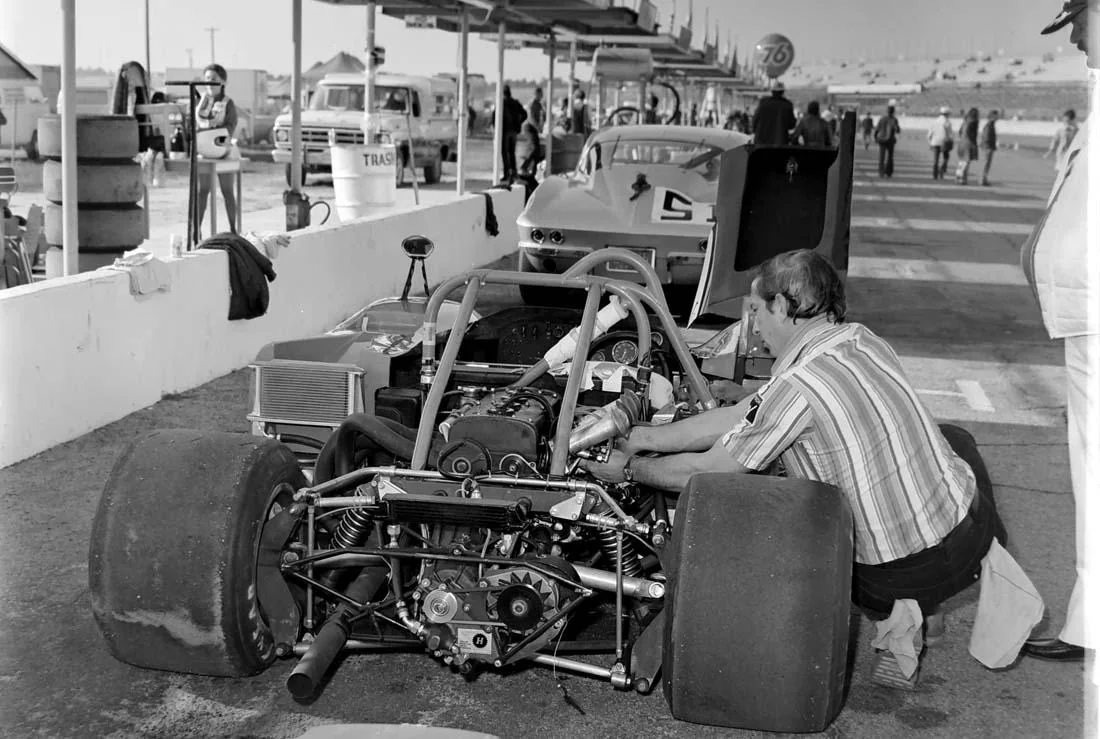
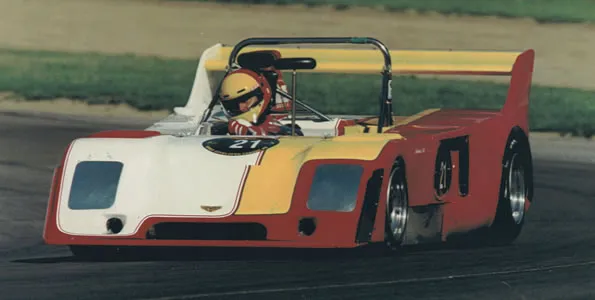
The B26 FVC was a fascinating study in transition. Its chassis was cutting-edge: a riveted and bonded aluminium monocoque (utilizing N4 alloy) that offered a quantum leap in torsional rigidity compared to its steel-framed predecessors. This stiffness allowed the suspension—double wishbones at the front and a refined multi-link setup at the rear—to work with absolute precision, uncorrupted by chassis flex. The bodywork was a stark, aggressive wedge, a “shovel-nose” design that generated immense front-end bite and fed clean air to the full-width rear wing. Yet, bolted directly to this futuristic tub was the “old faithful” of the 2.0-litre class: the Ford Cosworth FVC.
In 1973, the FVC was the conservative choice. The new, aluminium-block Cosworth BDG and FVD engines were lighter and more powerful, producing upwards of 275 bhp. The FVC, with its heavy cast-iron Ford Cortina block, could only muster around 245 bhp from its 1.8-litre capacity. However, for the privateer spending their own money, the FVC offered something the exotic alloy engines could not: bulletproof reliability and a broad, usable torque curve. In the B26 chassis, the FVC engine sat as a stressed member, further stiffening the rear end. The weight penalty of the iron block was partially offset by the lightness of the new monocoque tub, resulting in a car that was still incredibly agile, if slightly breathless on the longest straights compared to the BDG-powered rockets.
On the track, the B26 FVC was the ultimate endurance weapon. In the 1973 European 2-Litre Sports Car Championship, while the high-strung factory cars often broke or crashed in their pursuit of ultimate lap times, the FVC-powered B26s kept circulating. They were the cars that picked up the pieces. On tight, punishing circuits like the street track at Vila Real in Portugal or the twisting tarmac of Jarama, the FVC’s driveability allowed drivers to hustle the car out of corners without the wheelspin or peakiness associated with the more powerful engines. The stiffness of the new monocoque transformed the handling characteristics; where the old B23 would flex and “talk” to the driver, the B26 was immediate and direct, allowing the FVC driver to attack curbs and braking zones with newfound aggression.
The car found its greatest success away from the sprint races of Europe. In the South African Springbok Series, the B26 FVC was a legend. The grueling 9-hour endurance races at Kyalami and Cape Town decimated fragile machinery. The robust nature of the FVC engine, combined with the strength of the new B26 tub, made for an unbeatable combination in terms of durability. It was also a favorite in the British Sports Car Championship and national hill climbs, where the lower running costs of the FVC engine allowed clubman racers to campaign a state-of-the-art monocoque chassis without a factory budget.
The 1973 Chevron B26 FVC stands as a pivotal machine in the history of the marque. It represents the moment Derek Bennett embraced the future of chassis design while acknowledging the economic realities of his customers. It was the bridge between the “garagiste” era of welded tubes and the professional era of aluminium tubs. While it may not have been the fastest B26 variant over a single qualifying lap, it was almost certainly the one you would choose to drive if you actually wanted to see the checkered flag. It remains a favorite in historic racing today for the same reasons: it is a sophisticated, high-tech chassis powered by an engine that simply refuses to quit.
Brand
Produced from
Portal
Vehicle category
Model line
Predecessor
Sucessor
Brand
Produced from
Portal
Vehicle category
Model line
Model generation
Predecessor
Sucessor
Submodel Overview
By 1973, the landscape of European sports car racing had shifted irrevocably. The romantic, tubular-steel era of the 1960s was fading, replaced by the cold, hard logic of the aluminium monocoque. Derek Bennett, the genius founder of Chevron, had resisted this change longer than most, proving with the B19, B21, and B23 that a well-triangulated spaceframe could still beat a “tub” on handling alone. But the arrival of the Lola T290 series had forced his hand. To stay competitive, Chevron had to evolve. The result was the B26, Bennett’s first-ever monocoque sports car. While the factory teams and wealthy entrants immediately stuffed this new, ultra-stiff chassis with the latest alloy-block engines, a significant portion of the grid—the true backbone of the sport—opted for a marriage of the new and the known. This was the Chevron B26 Ford Cosworth FVC, a machine that combined revolutionary chassis dynamics with the most trusted engine in the paddock.
The B26 FVC was a fascinating study in transition. Its chassis was cutting-edge: a riveted and bonded aluminium monocoque (utilizing N4 alloy) that offered a quantum leap in torsional rigidity compared to its steel-framed predecessors. This stiffness allowed the suspension—double wishbones at the front and a refined multi-link setup at the rear—to work with absolute precision, uncorrupted by chassis flex. The bodywork was a stark, aggressive wedge, a “shovel-nose” design that generated immense front-end bite and fed clean air to the full-width rear wing. Yet, bolted directly to this futuristic tub was the “old faithful” of the 2.0-litre class: the Ford Cosworth FVC.
In 1973, the FVC was the conservative choice. The new, aluminium-block Cosworth BDG and FVD engines were lighter and more powerful, producing upwards of 275 bhp. The FVC, with its heavy cast-iron Ford Cortina block, could only muster around 245 bhp from its 1.8-litre capacity. However, for the privateer spending their own money, the FVC offered something the exotic alloy engines could not: bulletproof reliability and a broad, usable torque curve. In the B26 chassis, the FVC engine sat as a stressed member, further stiffening the rear end. The weight penalty of the iron block was partially offset by the lightness of the new monocoque tub, resulting in a car that was still incredibly agile, if slightly breathless on the longest straights compared to the BDG-powered rockets.
On the track, the B26 FVC was the ultimate endurance weapon. In the 1973 European 2-Litre Sports Car Championship, while the high-strung factory cars often broke or crashed in their pursuit of ultimate lap times, the FVC-powered B26s kept circulating. They were the cars that picked up the pieces. On tight, punishing circuits like the street track at Vila Real in Portugal or the twisting tarmac of Jarama, the FVC’s driveability allowed drivers to hustle the car out of corners without the wheelspin or peakiness associated with the more powerful engines. The stiffness of the new monocoque transformed the handling characteristics; where the old B23 would flex and “talk” to the driver, the B26 was immediate and direct, allowing the FVC driver to attack curbs and braking zones with newfound aggression.
The car found its greatest success away from the sprint races of Europe. In the South African Springbok Series, the B26 FVC was a legend. The grueling 9-hour endurance races at Kyalami and Cape Town decimated fragile machinery. The robust nature of the FVC engine, combined with the strength of the new B26 tub, made for an unbeatable combination in terms of durability. It was also a favorite in the British Sports Car Championship and national hill climbs, where the lower running costs of the FVC engine allowed clubman racers to campaign a state-of-the-art monocoque chassis without a factory budget.
The 1973 Chevron B26 FVC stands as a pivotal machine in the history of the marque. It represents the moment Derek Bennett embraced the future of chassis design while acknowledging the economic realities of his customers. It was the bridge between the “garagiste” era of welded tubes and the professional era of aluminium tubs. While it may not have been the fastest B26 variant over a single qualifying lap, it was almost certainly the one you would choose to drive if you actually wanted to see the checkered flag. It remains a favorite in historic racing today for the same reasons: it is a sophisticated, high-tech chassis powered by an engine that simply refuses to quit.
Tech Specs
Technical Specifications
Tech Specs
Technical Specifications
Engine
01
03
Internal combustion engine
Configuration
Ford Cosworth FVC, Inline-4
Location
Mid, longitudinally mounted
Construction
Cast iron block, aluminium alloy head
Displacement (cc)
1,790 cc
Displacement (cu in)
109.2 cu in
Compression
-
Bore x Stroke
85.7 mm x 77.5 mm
Valvetrain
4 valves per cylinder, DOHC
Fuel feed
Lucas Fuel Injection
Lubrication
Dry sump
Aspiration
Naturally aspirated
Output
Power (hp)
245 hp
Power (kW)
183 kW
Max power at
9,000 RPM
Torque (Nm)
-
Torque (ft lbs)
-
Max torque at
-
Drivetrain
02
03
Chassis
Type
Monocoque with front and rear subframes
Material
Aluminium
Body
Material
Fibreglass
Transmission
Gearbox
5-speed manual
Drive
Rear Wheel Drive
Suspension
Front
Double wishbones, coil springs over dampers, anti-roll bar
Rear
Single top links, twin lower links, twin trailing arms, coil springs over dampers, anti-roll bar
Steering
Type
Rack and pinion
Brakes
Front
Ventilated discs
Rear
Ventilated discs
Wheels
Front
-
Rear
-
Tires
Front
-
Rear
-
Dimensions and performance
03
03
Dimensions
Length (mm)
-
Length (in)
-
Width (mm)
-
Width (in)
-
Height (mm)
-
Height (in)
-
Wheelbase (mm)
-
Wheelbase (in)
-
Weight (kg)
-
Weight (lbs)
-
Performance
Power to weight
-
Top speed (km/h)
-
Top speed (mph)
-
0-100 km/h (0-60 mph)
-