
Chevron B26 Ford Cosworth FVD
Brand
Produced from
Portal
Vehicle category
Model line
Predecessor
Successor
Submodel Overview
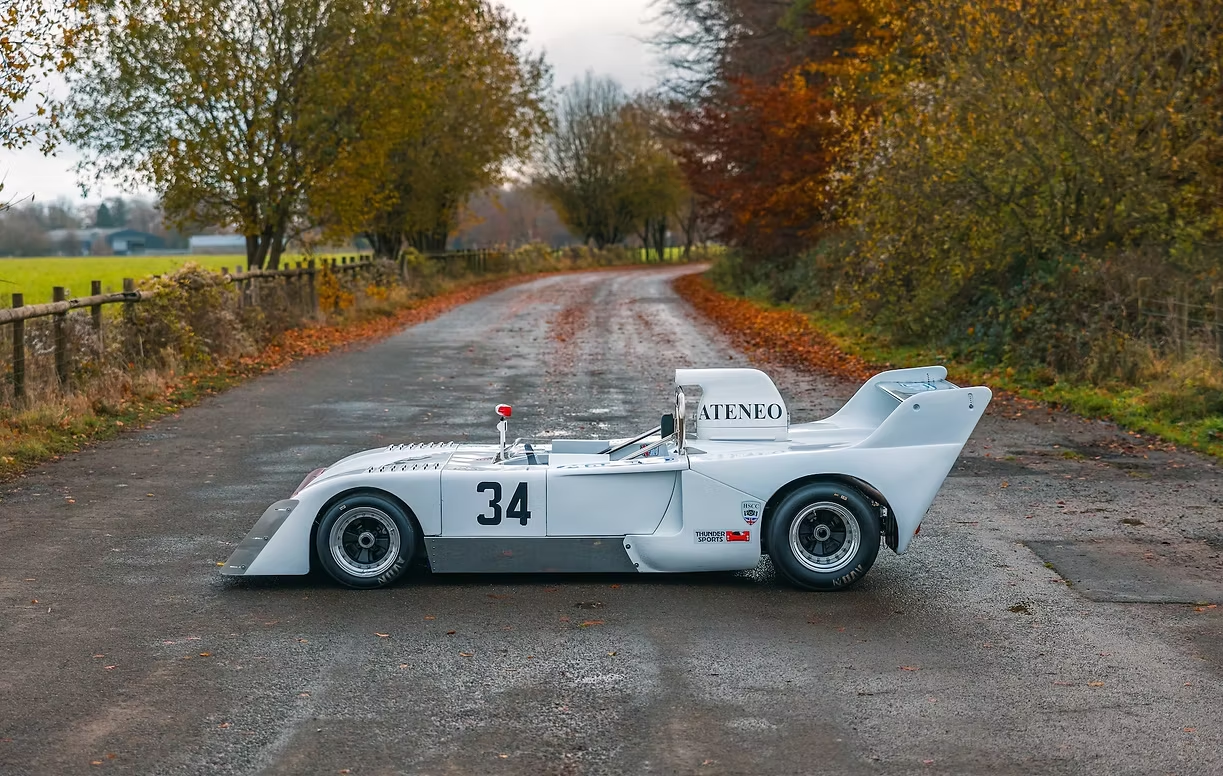
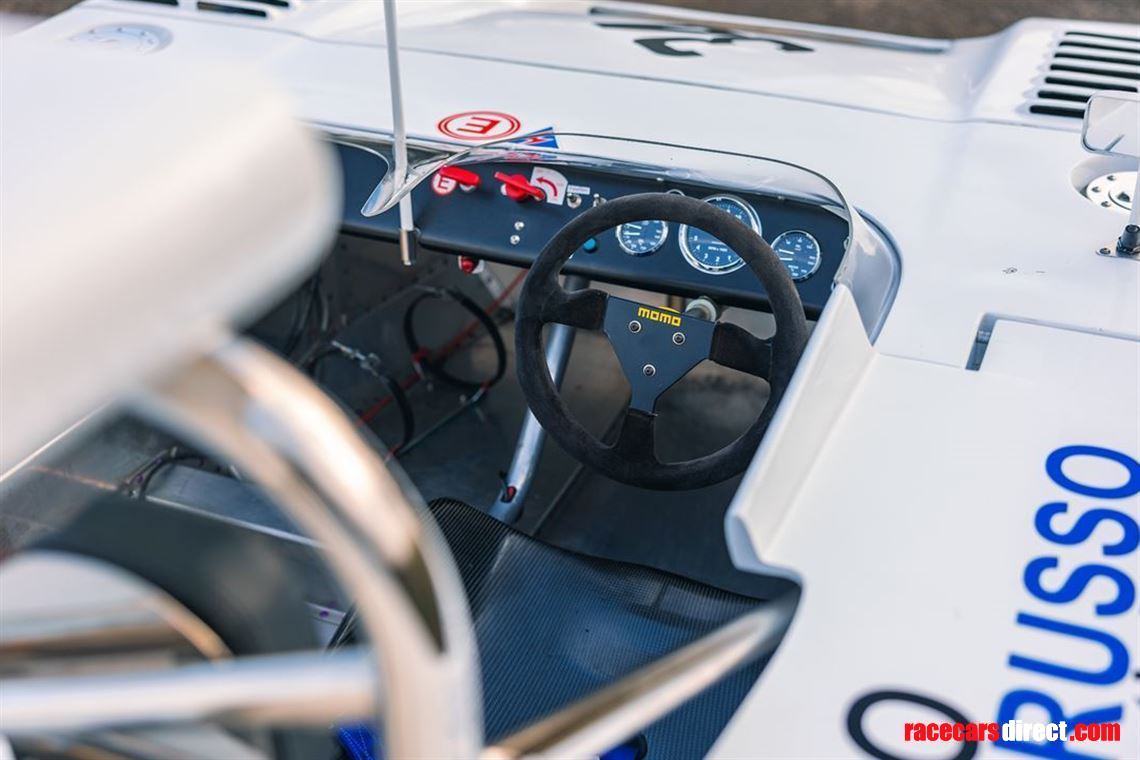
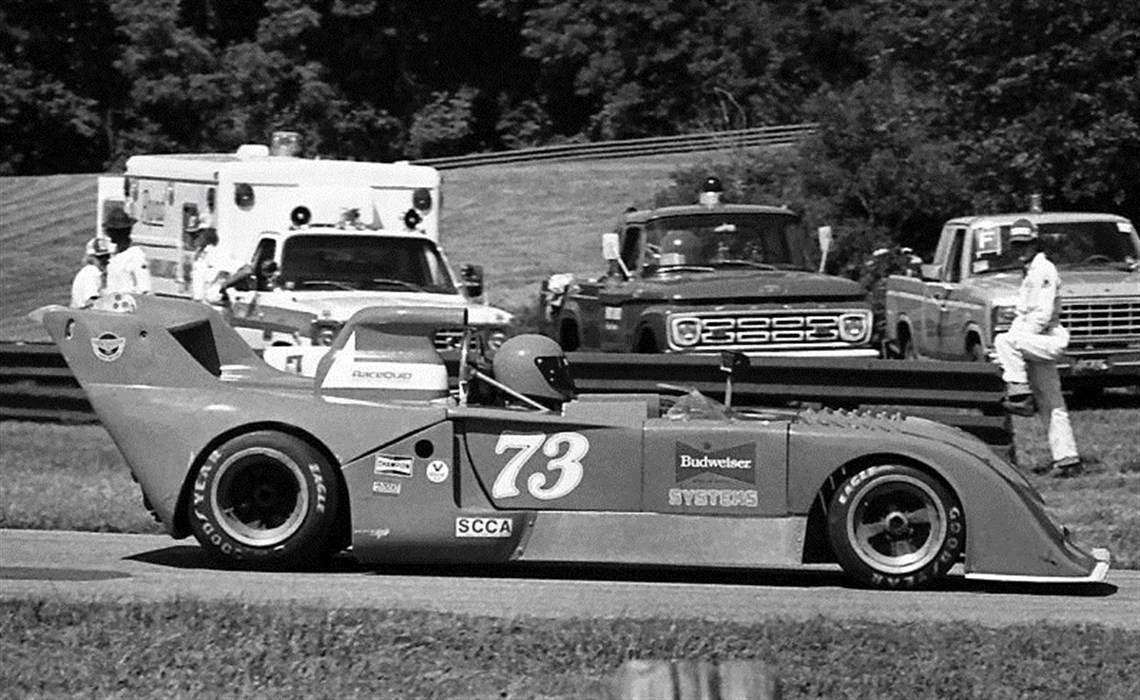
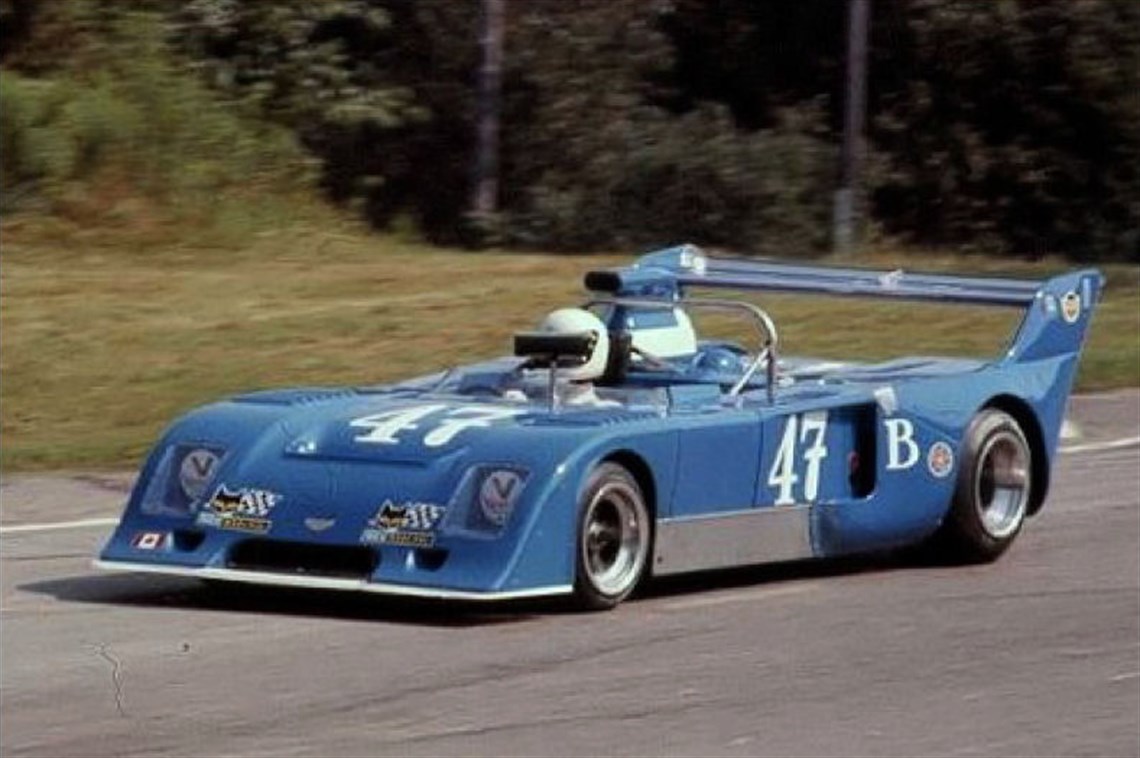
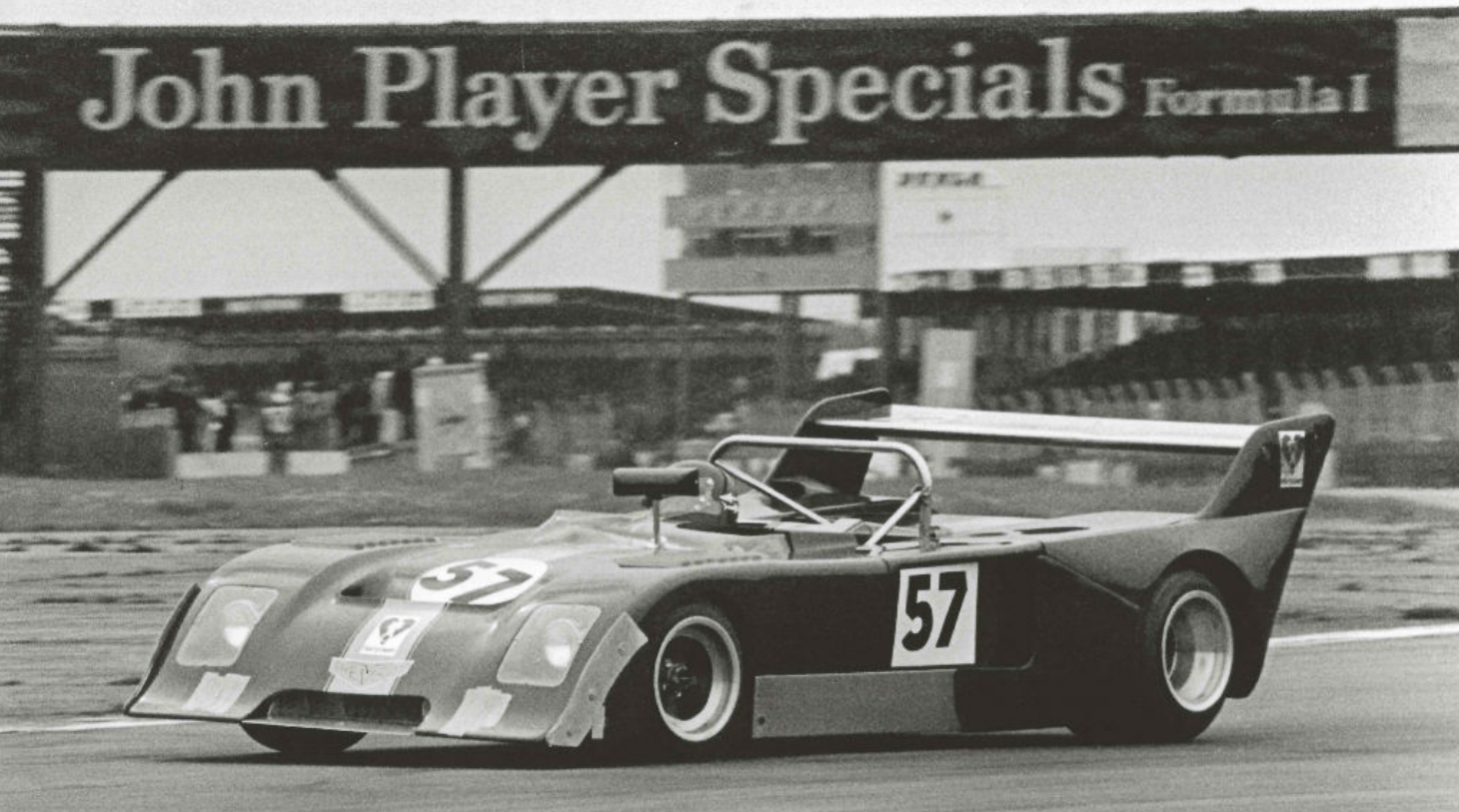
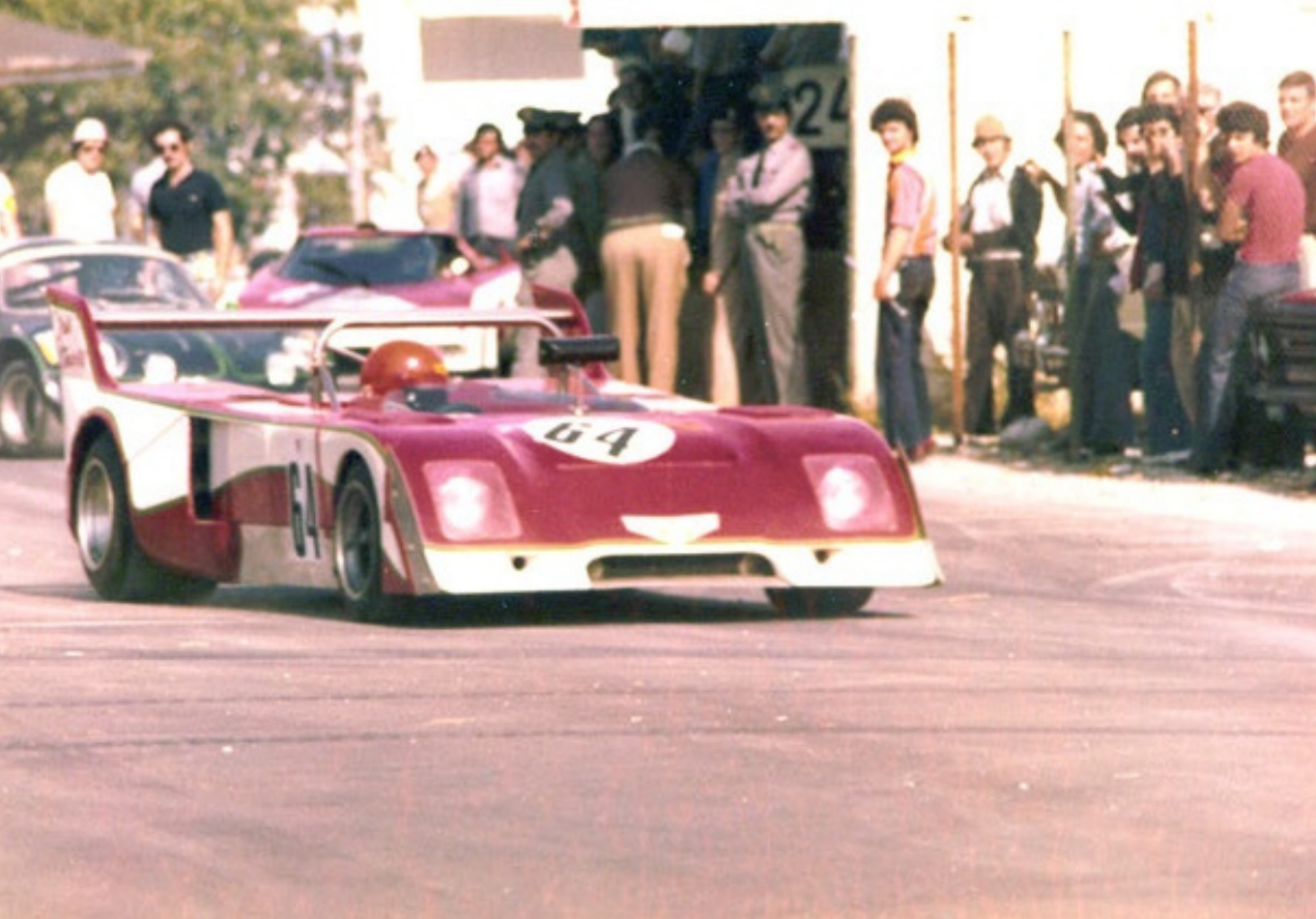
In the lexicon of 1970s motorsport, 1973 stands as a year of profound technological acceleration. The “gentleman driver” era was rapidly fading, replaced by a ruthless pursuit of engineering perfection where materials science began to dictate the podium. Derek Bennett, the visionary founder of Chevron, had finally conceded that his beloved steel spaceframes—the backbone of the B8, B16, and B19—had reached their elastic limit. The future was the aluminium monocoque. His answer was the B26, a razor-sharp wedge that brought Chevron into the modern age. But while the chassis was a revolution, the war for supremacy in the European 2-Litre Sports Car Championship was ultimately being fought in the combustion chambers. For the privateer with the deepest pockets and the grandest ambitions, the reliable iron-block FVC engine was no longer enough. To beat the factory-backed Abarths and the swarming Lolas, one needed the ultimate weapon: the Chevron B26 Ford Cosworth FVD.
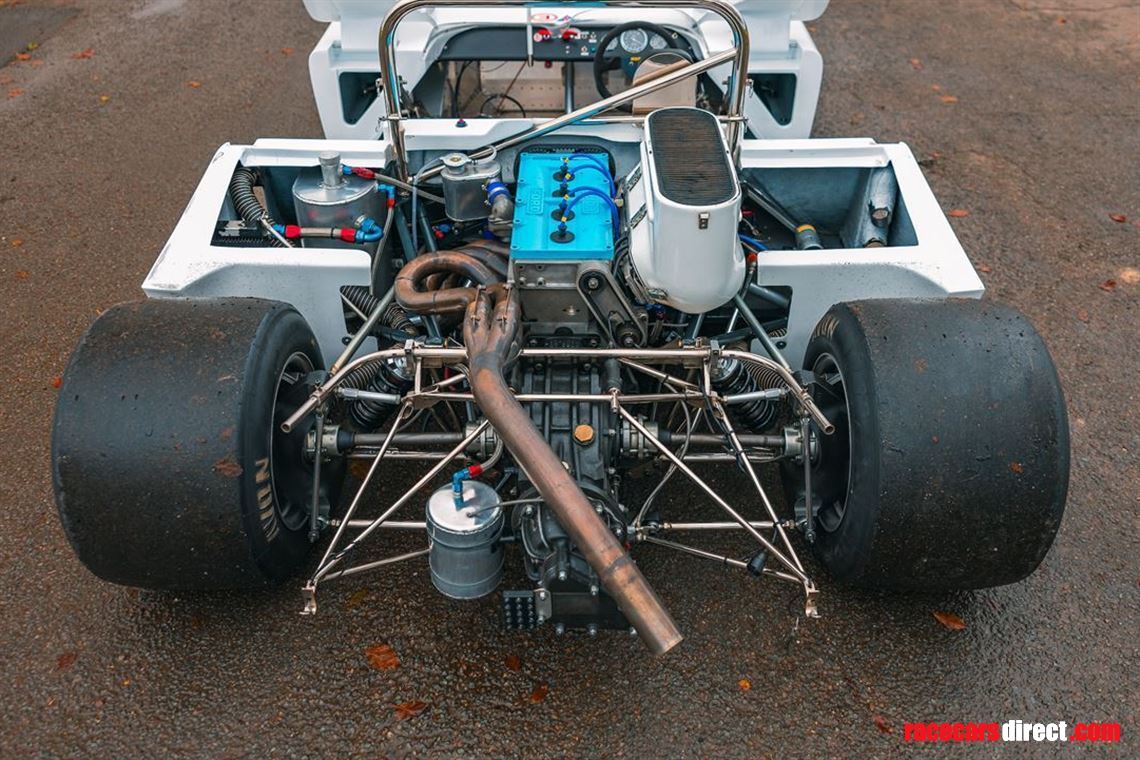
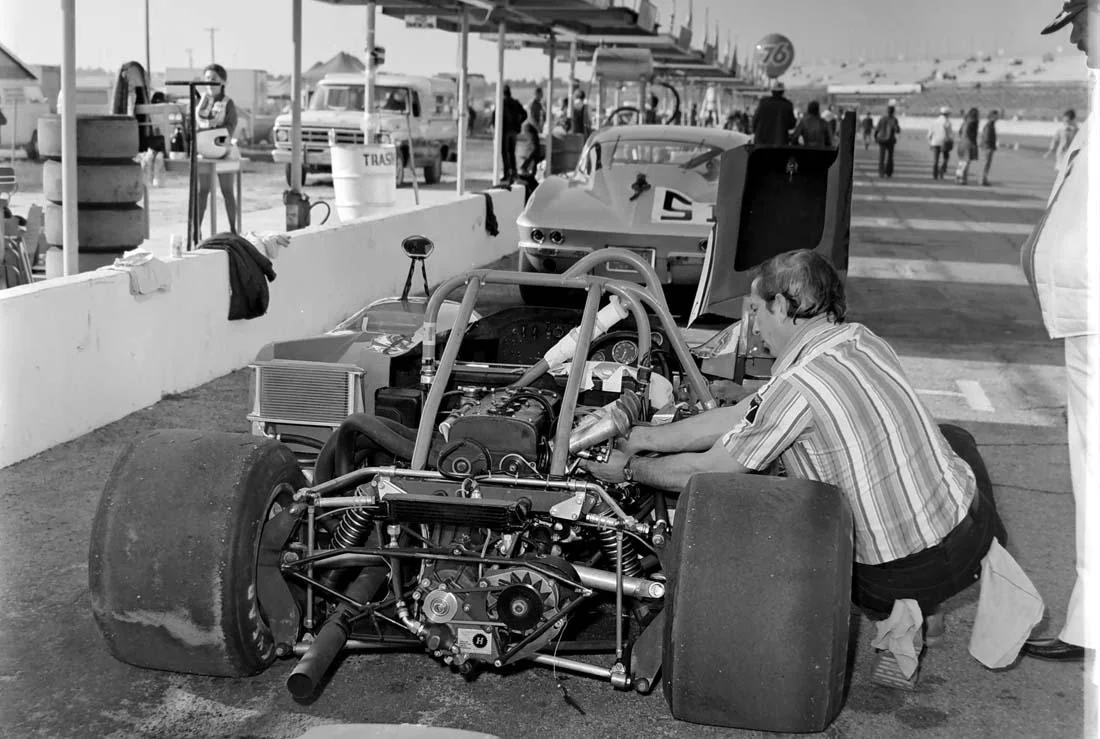
The B26 FVD was the “money-no-object” specification, the apex predator of the model line. While the FVC-powered cars were the endurance workhorses, the FVD (Four Valve Type D) variant was a sprint-racing missile. The distinction lay entirely within the engine block. The FVC used a heavy, cast-iron block derived from the Ford Cortina. The FVD, however, was pure racing exotica. It utilized a specially cast aluminium alloy block, a direct derivative of the Formula 2 BDA architecture. This change shed approximately 40 lbs (18 kg) from the engine bay. In a car weighing just 560 kg, removing that mass directly from behind the driver’s spine transformed the physics of the vehicle. It reduced the polar moment of inertia, making the B26 FVD turn in with a ferocity and immediacy that the iron-block cars simply could not match.
But the FVD was not just about lightness; it was about power. Displacing a full 1,975cc (effectively 2.0 litres), the FVD featured a sophisticated Lucas mechanical fuel injection system and aggressive cam profiles. While the FVC struggled to push past 245 bhp, a well-tuned FVD from builders like Richardson or Smith could produce upwards of 275 to 280 bhp at 9,250 rpm. This was an engine that screamed. It lacked the mid-range torque of the BMW M12, but it offered a frantic, linear surge of power that encouraged the driver to attack every corner entry and chase the redline on every exit.
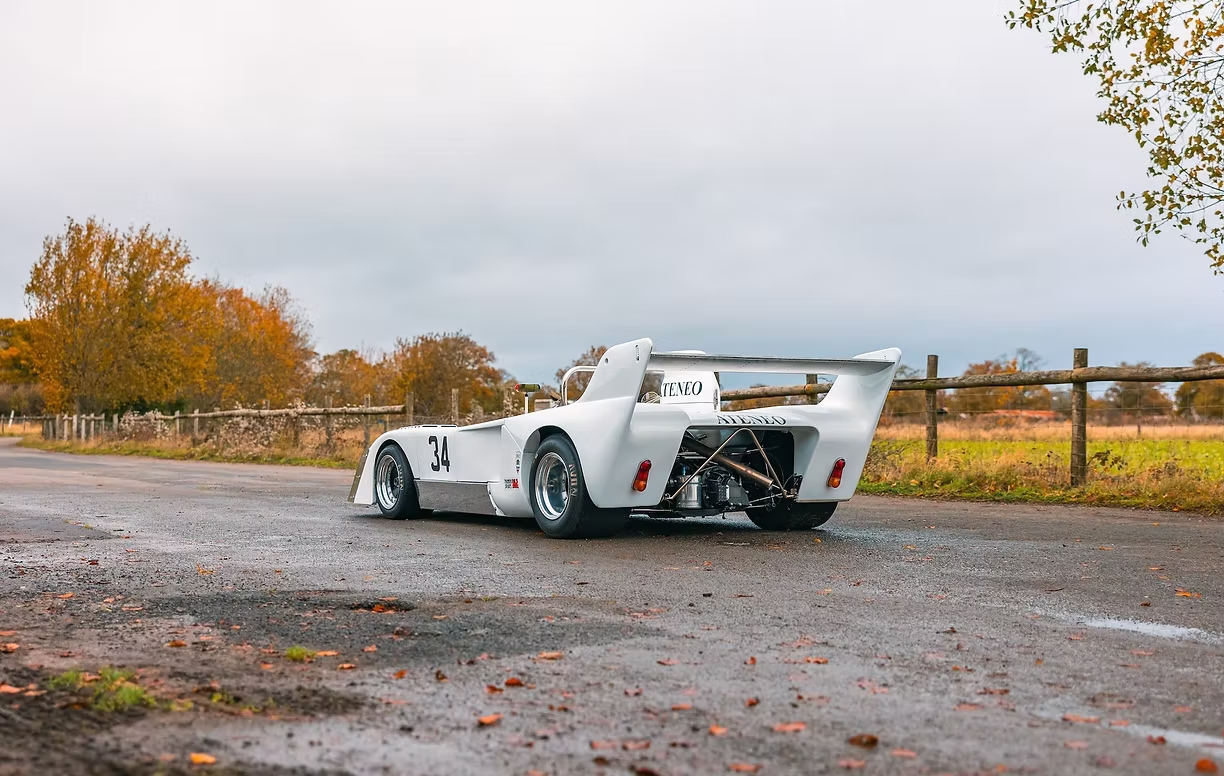
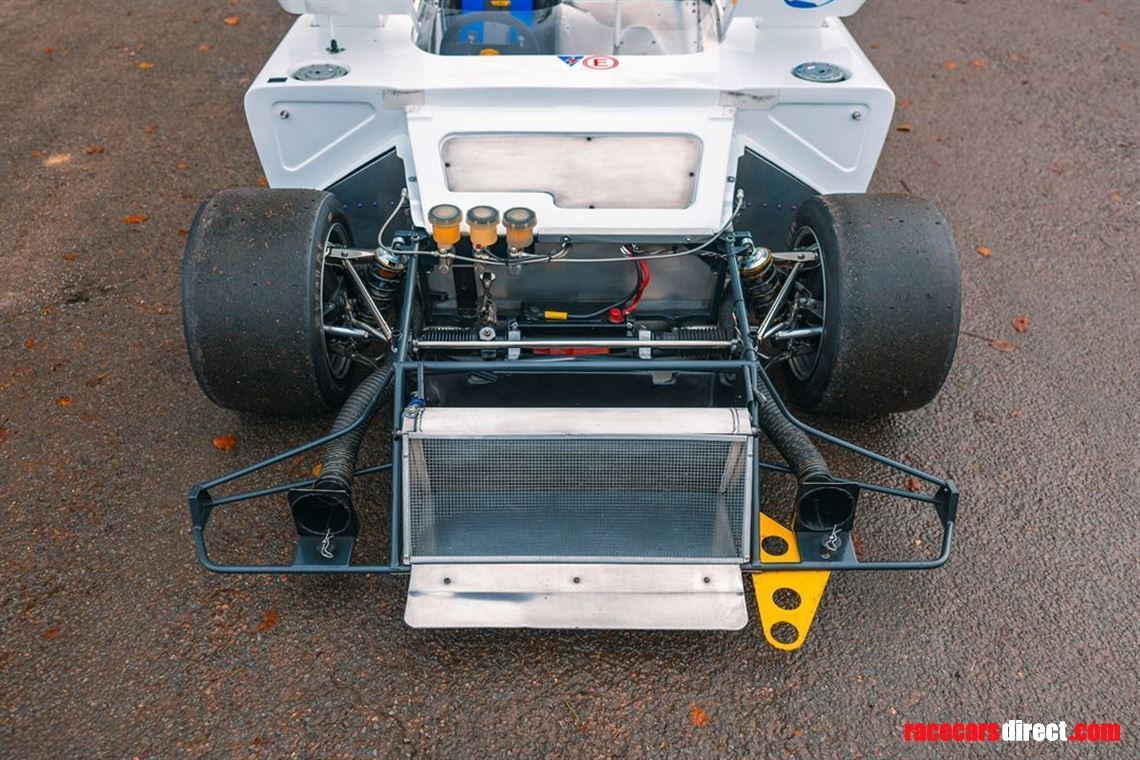
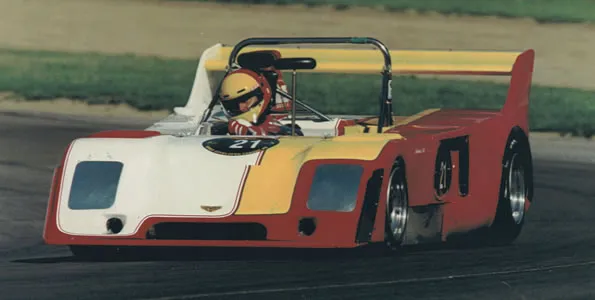
Bennett’s new monocoque chassis was the perfect partner for this high-strung power unit. Constructed from riveted and bonded N4 aluminium alloy, the B26 tub was immensely stiff. This rigidity allowed the suspension—double wishbones at the front and a multi-link rear—to manage the FVD’s violent power delivery without the chassis flexing and absorbing the energy. The result was a car of startling capability. On high-speed, commitment circuits like Thruxton in the UK or the Salzburgring in Austria, the B26 FVD generated massive aerodynamic downforce from its chisel nose and full-width rear wing, planting the car into the tarmac and allowing the driver to exploit the alloy engine’s power-to-weight advantage.
However, the FVD engine was a double-edged sword. It was a “grenade.” The early aluminium blocks were prone to porosity and cracking, and the internal harmonics at 9,000 rpm were destructive. While the iron-block FVC could run a 9-hour race at Kyalami without missing a beat, the FVD was a sprint engine living in an endurance world. It required meticulous maintenance, frequent rebuilds, and a sympathetic right foot. In the 1973 European Championship, the B26 FVDs were often the fastest cars on the track in qualifying, battling for pole position against the Lola T292s and the March 73S BMWs. But on race day, it was a lottery. When they held together, they were untouchable, dancing away from the field with a metallic shriek that defined the era. When they failed, they did so spectacularly, often in a cloud of blue smoke.
The primary rival for the B26 FVD was the Lola T292, also powered by the FVD or the similar BDG engine. This created a fascinating “Civil War” within British motorsport: two aluminium monocoques, two Cosworth alloy engines, and two different aerodynamic philosophies. Chevron’s B26 was widely considered the more “driveable” car, with better feedback at the limit, while the Lola was often seen as having slightly superior ultimate downforce. Drivers like John Lepp and Chris Craft, piloting the top-tier Chevrons, used the B26 FVD’s agility to great effect on technical circuits like Vallelunga, where the lighter rear end allowed for later braking and sharper rotation.
The legacy of the Chevron B26 FVD is that of the ultimate “what i”. It was the fastest car Derek Bennett had built to date, a machine that combined his genius for handling with the most advanced four-cylinder engine available. It bridged the gap to the BDG era that would follow, proving that an aluminium block was the future of 2.0-litre racing. It was a car for the brave, the rich, and the fast—a fragile, beautiful, screaming testament to the absolute peak of 1970s privateer engineering. Today, seeing a B26 FVD on a historic grid is a rare treat; it is to witness the moment when the sport stopped compromising and started chasing pure, unadulterated speed.
Brand
Produced from
Portal
Vehicle category
Model line
Predecessor
Sucessor
Brand
Produced from
Portal
Vehicle category
Model line
Model generation
Predecessor
Sucessor
Submodel Overview
In the lexicon of 1970s motorsport, 1973 stands as a year of profound technological acceleration. The “gentleman driver” era was rapidly fading, replaced by a ruthless pursuit of engineering perfection where materials science began to dictate the podium. Derek Bennett, the visionary founder of Chevron, had finally conceded that his beloved steel spaceframes—the backbone of the B8, B16, and B19—had reached their elastic limit. The future was the aluminium monocoque. His answer was the B26, a razor-sharp wedge that brought Chevron into the modern age. But while the chassis was a revolution, the war for supremacy in the European 2-Litre Sports Car Championship was ultimately being fought in the combustion chambers. For the privateer with the deepest pockets and the grandest ambitions, the reliable iron-block FVC engine was no longer enough. To beat the factory-backed Abarths and the swarming Lolas, one needed the ultimate weapon: the Chevron B26 Ford Cosworth FVD.
The B26 FVD was the “money-no-object” specification, the apex predator of the model line. While the FVC-powered cars were the endurance workhorses, the FVD (Four Valve Type D) variant was a sprint-racing missile. The distinction lay entirely within the engine block. The FVC used a heavy, cast-iron block derived from the Ford Cortina. The FVD, however, was pure racing exotica. It utilized a specially cast aluminium alloy block, a direct derivative of the Formula 2 BDA architecture. This change shed approximately 40 lbs (18 kg) from the engine bay. In a car weighing just 560 kg, removing that mass directly from behind the driver’s spine transformed the physics of the vehicle. It reduced the polar moment of inertia, making the B26 FVD turn in with a ferocity and immediacy that the iron-block cars simply could not match.
But the FVD was not just about lightness; it was about power. Displacing a full 1,975cc (effectively 2.0 litres), the FVD featured a sophisticated Lucas mechanical fuel injection system and aggressive cam profiles. While the FVC struggled to push past 245 bhp, a well-tuned FVD from builders like Richardson or Smith could produce upwards of 275 to 280 bhp at 9,250 rpm. This was an engine that screamed. It lacked the mid-range torque of the BMW M12, but it offered a frantic, linear surge of power that encouraged the driver to attack every corner entry and chase the redline on every exit.
Bennett’s new monocoque chassis was the perfect partner for this high-strung power unit. Constructed from riveted and bonded N4 aluminium alloy, the B26 tub was immensely stiff. This rigidity allowed the suspension—double wishbones at the front and a multi-link rear—to manage the FVD’s violent power delivery without the chassis flexing and absorbing the energy. The result was a car of startling capability. On high-speed, commitment circuits like Thruxton in the UK or the Salzburgring in Austria, the B26 FVD generated massive aerodynamic downforce from its chisel nose and full-width rear wing, planting the car into the tarmac and allowing the driver to exploit the alloy engine’s power-to-weight advantage.
However, the FVD engine was a double-edged sword. It was a “grenade.” The early aluminium blocks were prone to porosity and cracking, and the internal harmonics at 9,000 rpm were destructive. While the iron-block FVC could run a 9-hour race at Kyalami without missing a beat, the FVD was a sprint engine living in an endurance world. It required meticulous maintenance, frequent rebuilds, and a sympathetic right foot. In the 1973 European Championship, the B26 FVDs were often the fastest cars on the track in qualifying, battling for pole position against the Lola T292s and the March 73S BMWs. But on race day, it was a lottery. When they held together, they were untouchable, dancing away from the field with a metallic shriek that defined the era. When they failed, they did so spectacularly, often in a cloud of blue smoke.
The primary rival for the B26 FVD was the Lola T292, also powered by the FVD or the similar BDG engine. This created a fascinating “Civil War” within British motorsport: two aluminium monocoques, two Cosworth alloy engines, and two different aerodynamic philosophies. Chevron’s B26 was widely considered the more “driveable” car, with better feedback at the limit, while the Lola was often seen as having slightly superior ultimate downforce. Drivers like John Lepp and Chris Craft, piloting the top-tier Chevrons, used the B26 FVD’s agility to great effect on technical circuits like Vallelunga, where the lighter rear end allowed for later braking and sharper rotation.
The legacy of the Chevron B26 FVD is that of the ultimate “what i”. It was the fastest car Derek Bennett had built to date, a machine that combined his genius for handling with the most advanced four-cylinder engine available. It bridged the gap to the BDG era that would follow, proving that an aluminium block was the future of 2.0-litre racing. It was a car for the brave, the rich, and the fast—a fragile, beautiful, screaming testament to the absolute peak of 1970s privateer engineering. Today, seeing a B26 FVD on a historic grid is a rare treat; it is to witness the moment when the sport stopped compromising and started chasing pure, unadulterated speed.
Tech Specs
Technical Specifications
Tech Specs
Technical Specifications
Engine
01
03
Internal combustion engine
Configuration
Ford Cosworth FVD, Inline-4
Location
Mid, longitudinally mounted
Construction
Aluminium block and head
Displacement (cc)
1,990 cc
Displacement (cu in)
121.4 cu in
Compression
-
Bore x Stroke
90.4 mm x 77.6 mm
Valvetrain
4 valves per cylinder, DOHC
Fuel feed
Lucas Fuel Injection
Lubrication
Dry sump
Aspiration
Naturally aspirated
Output
Power (hp)
285 hp
Power (kW)
209 kW
Max power at
9,000 RPM
Torque (Nm)
-
Torque (ft lbs)
-
Max torque at
-
Drivetrain
02
03
Chassis
Type
Monocoque with front and rear subframes
Material
Aluminium
Body
Material
Fibreglass
Transmission
Gearbox
5-speed manual
Drive
Rear Wheel Drive
Suspension
Front
Double wishbones, coil springs over dampers, anti-roll bar
Rear
Single top links, twin lower links, twin trailing arms, coil springs over dampers, anti-roll bar
Steering
Type
Rack and pinion
Brakes
Front
Ventilated discs
Rear
Ventilated discs
Wheels
Front
-
Rear
-
Tires
Front
-
Rear
-
Dimensions and performance
03
03
Dimensions
Length (mm)
-
Length (in)
-
Width (mm)
-
Width (in)
-
Height (mm)
-
Height (in)
-
Wheelbase (mm)
-
Wheelbase (in)
-
Weight (kg)
525 kg
Weight (lbs)
1,157 lbs
Performance
Power to weight
0.53 hp/kg
Top speed (km/h)
-
Top speed (mph)
-
0-100 km/h (0-60 mph)
-