
Chevron B31 Ford Cosworth FVA
Brand
Produced from
Portal
Vehicle category
Model line
Predecessor
Successor
Submodel Overview
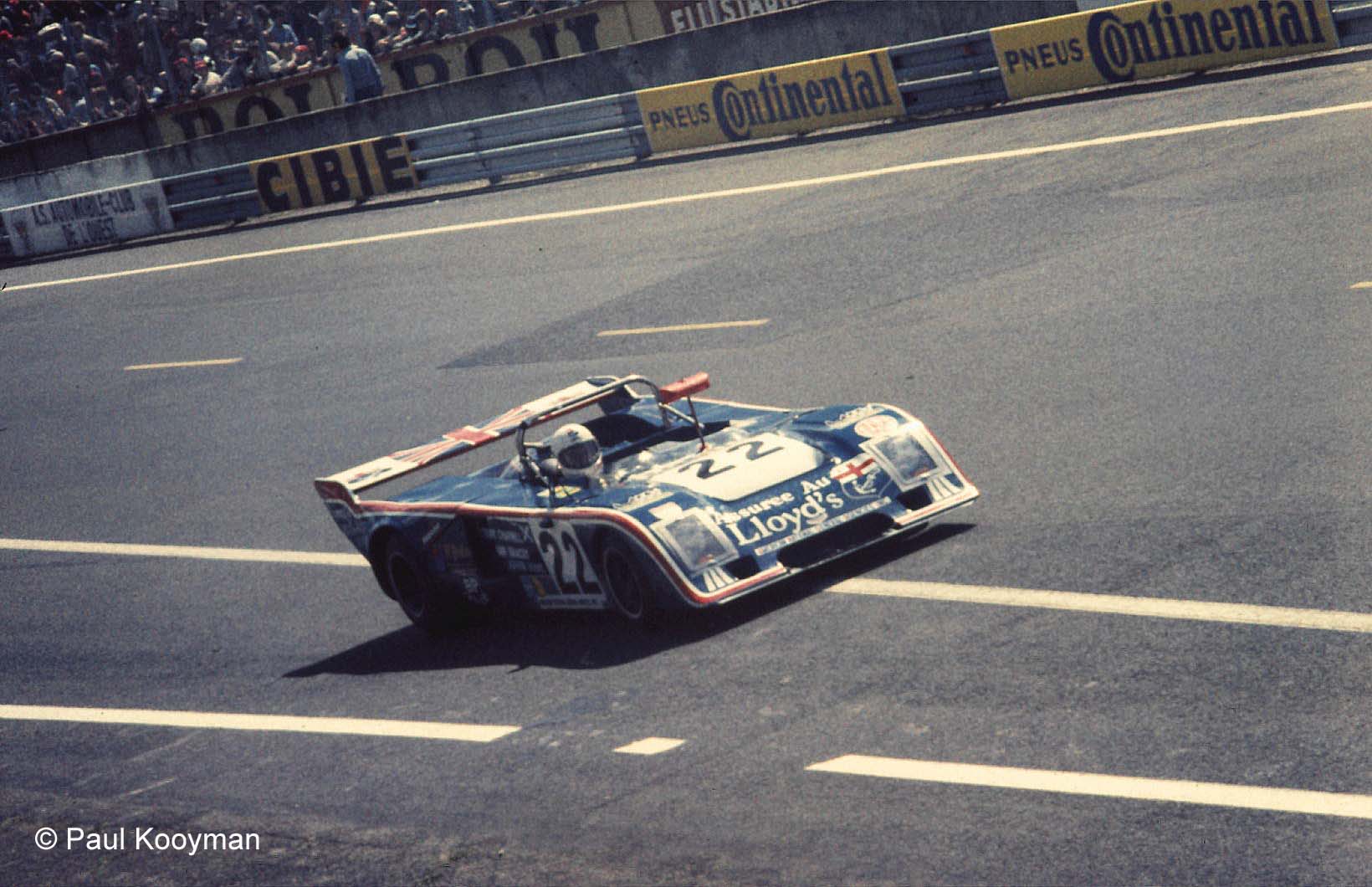
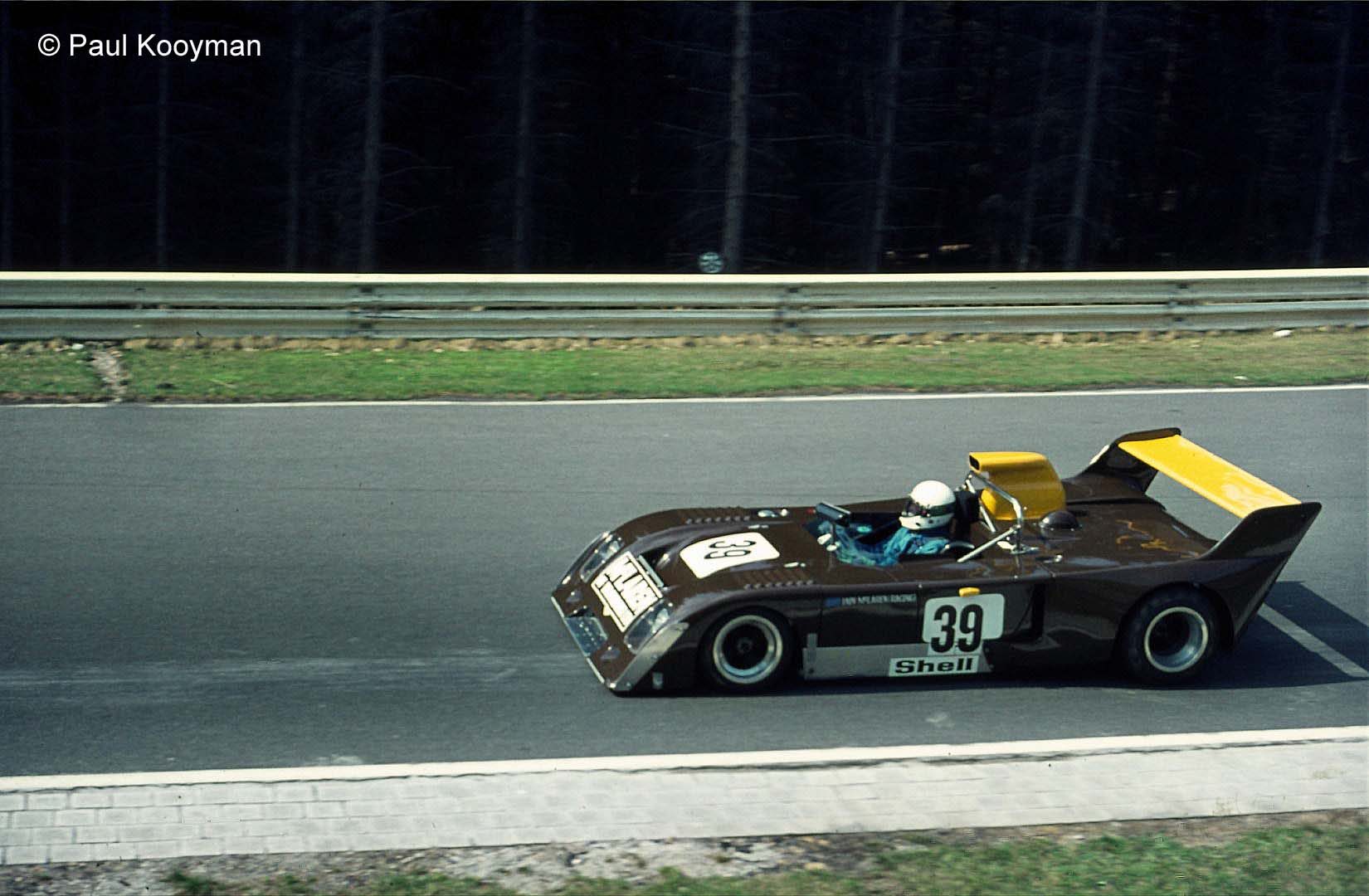
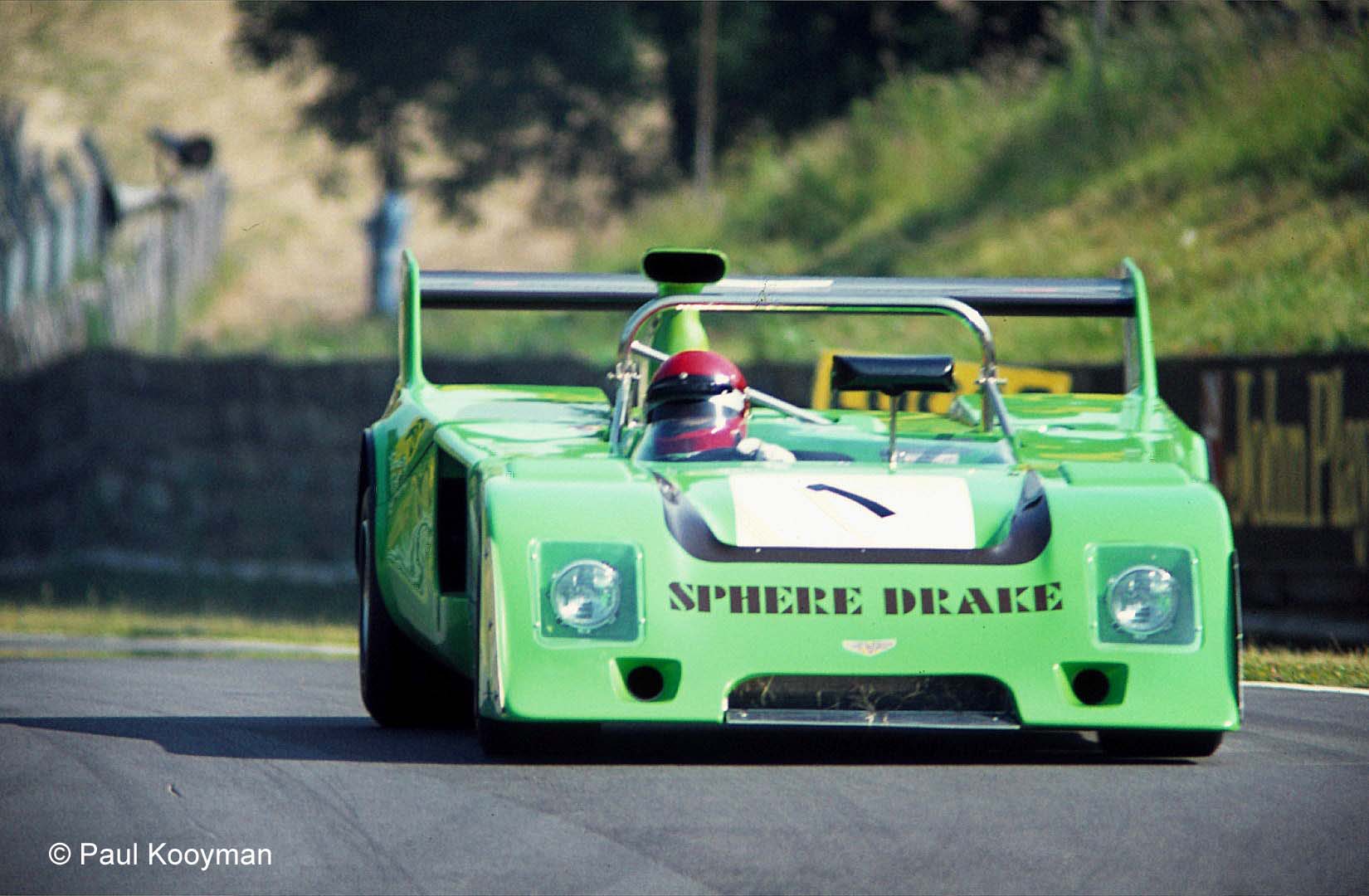
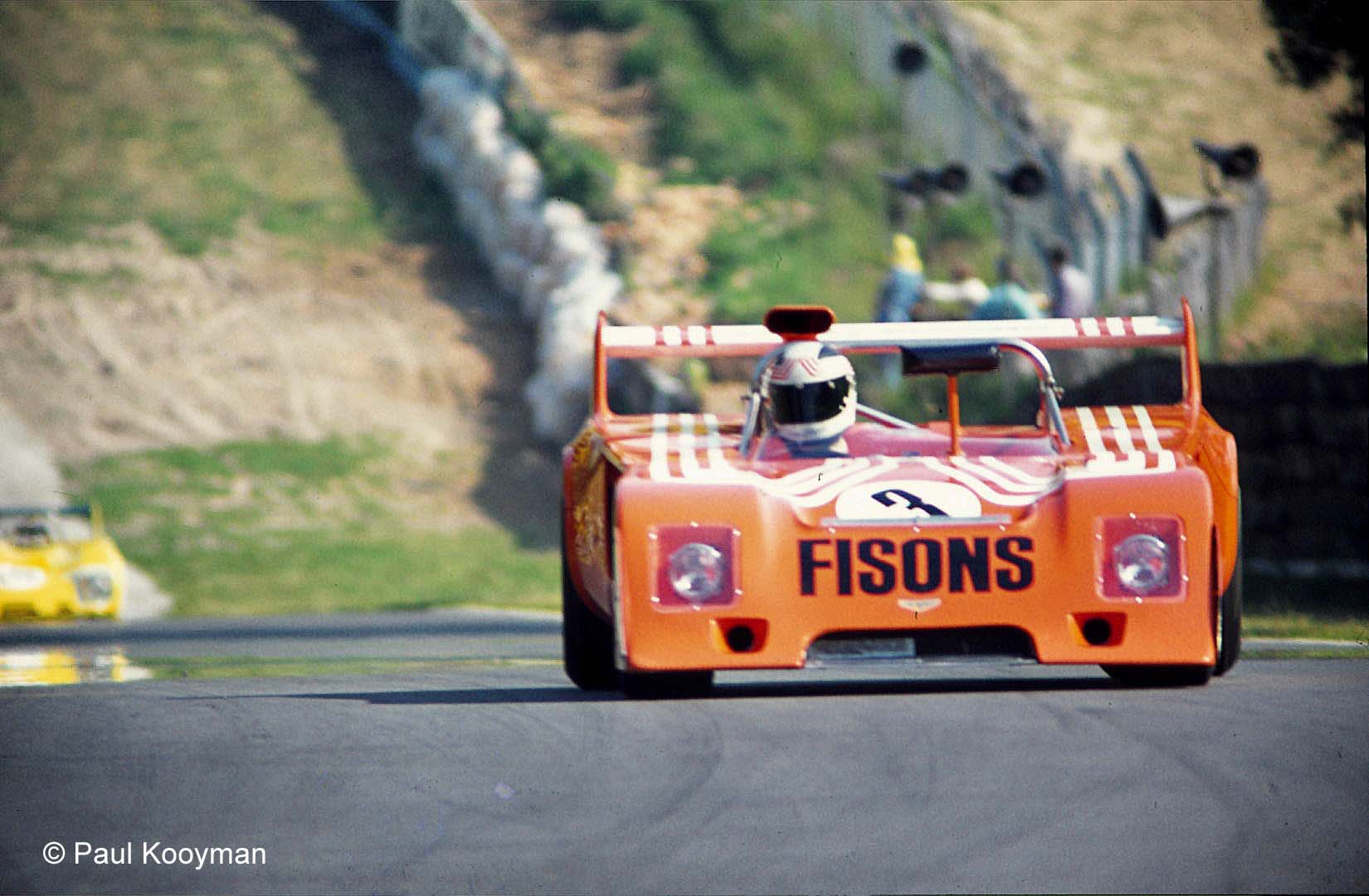
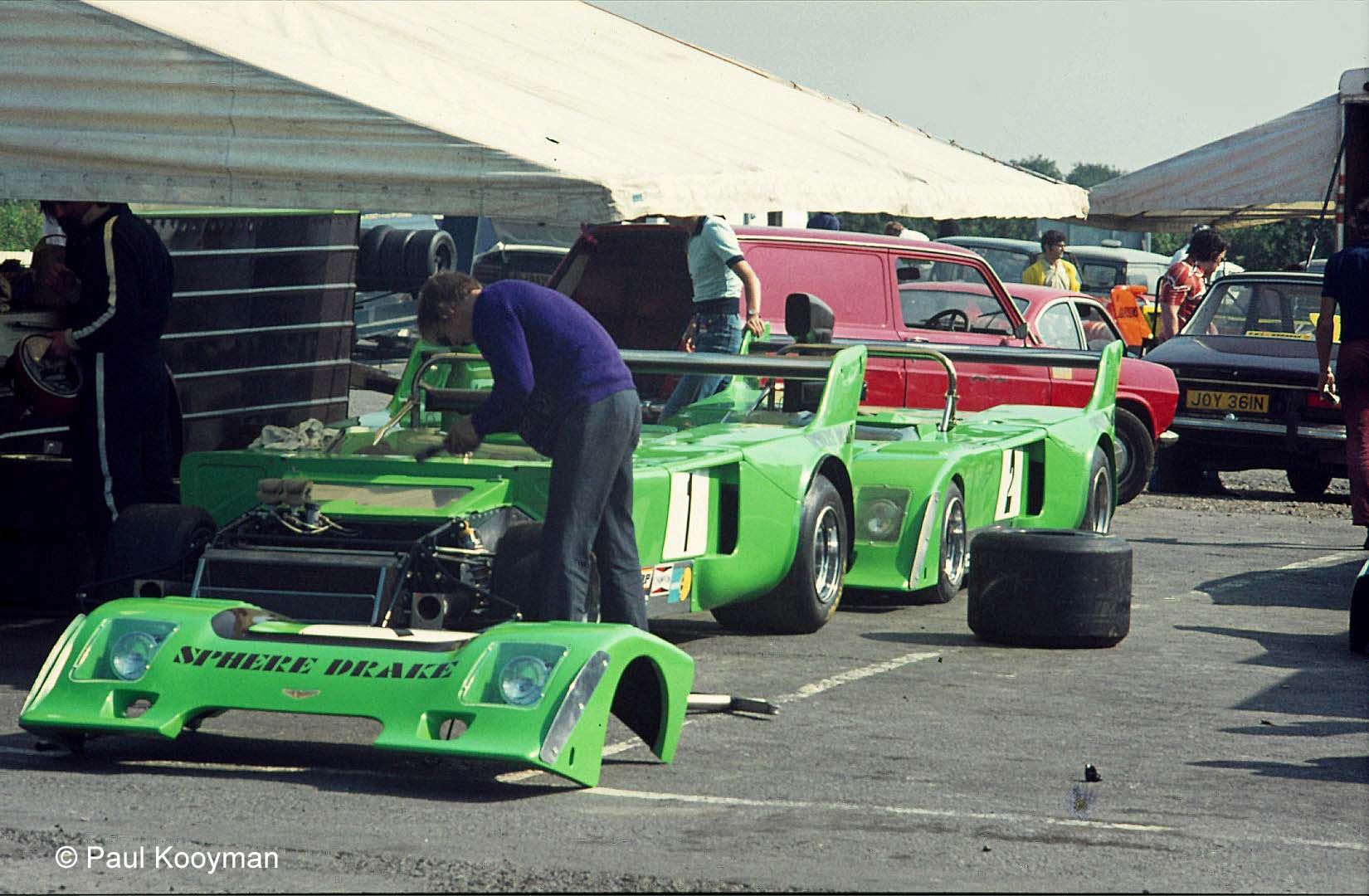
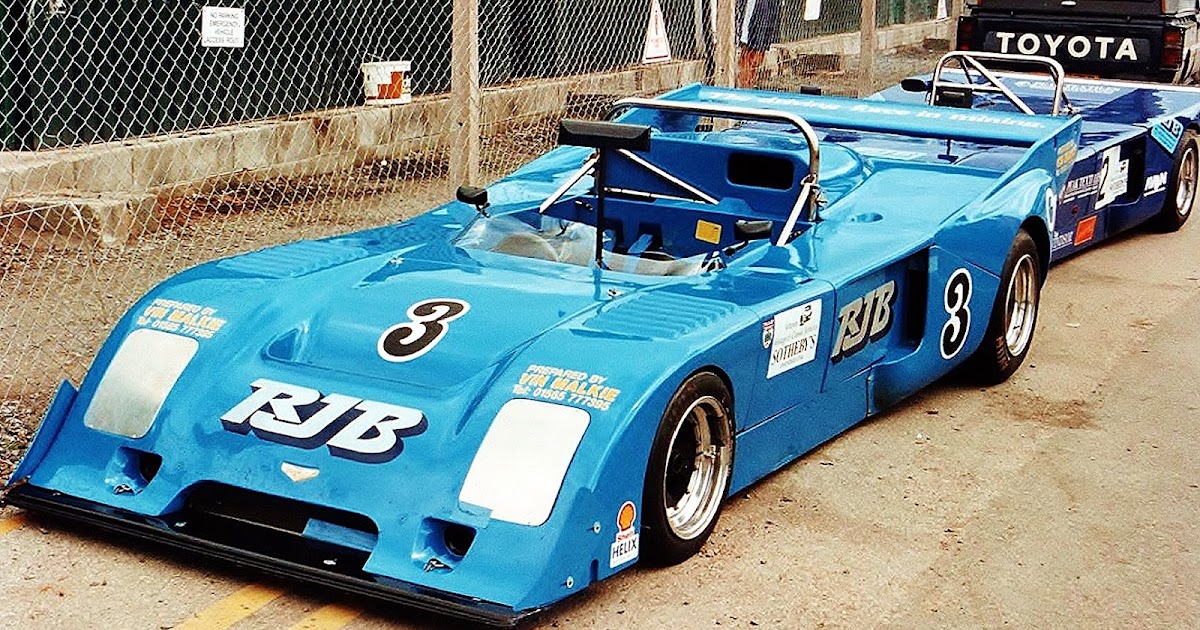
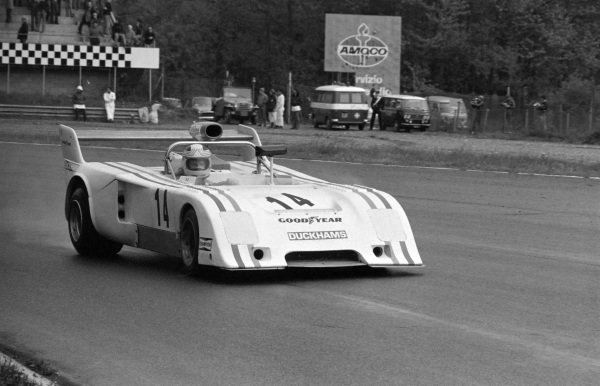
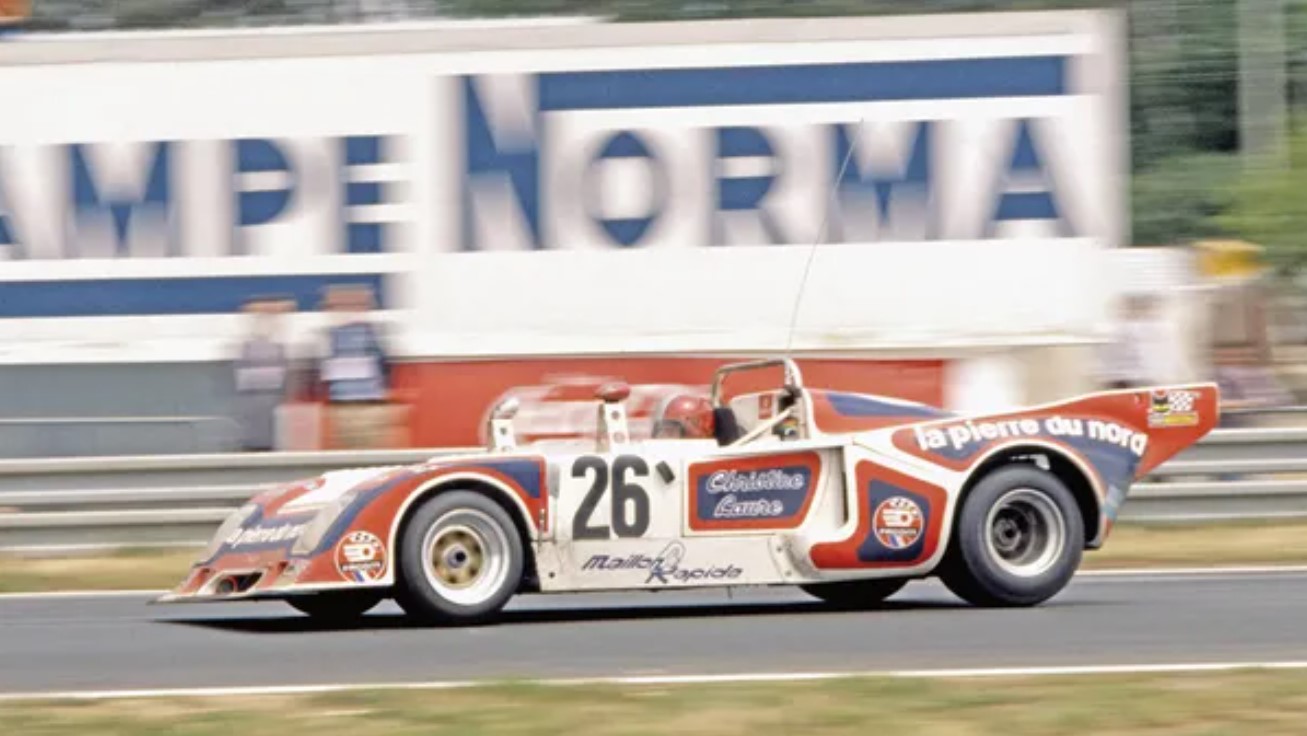
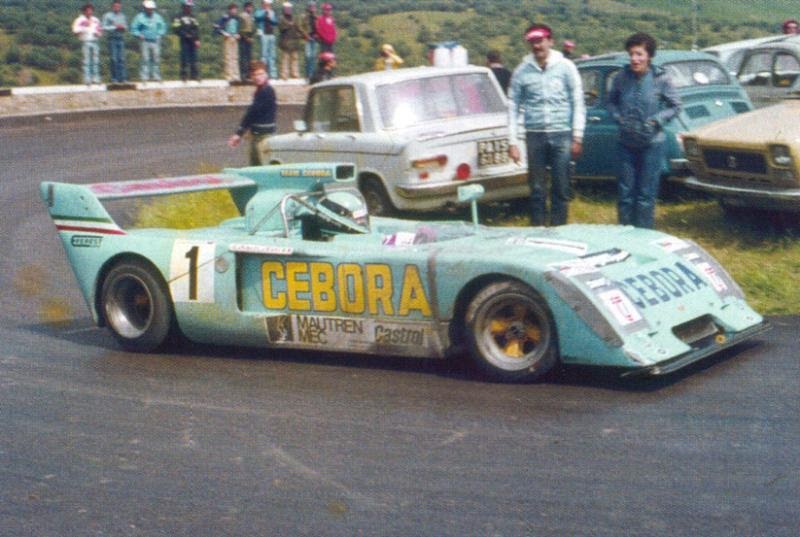
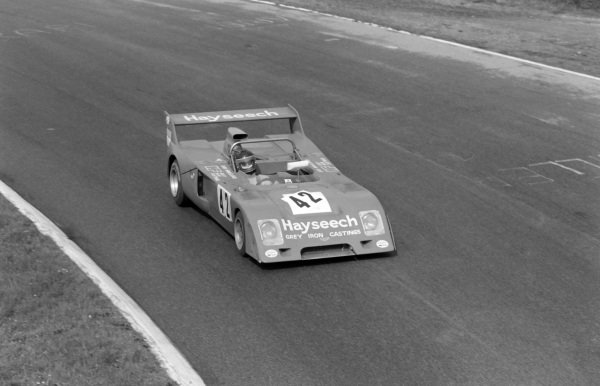
By 1975, the Ford Cosworth FVA engine was, by the ruthless standards of motorsport, a geriatric device. Designed in 1966 to dominate Formula 2, this 1.6-litre, 16-valve masterpiece had effectively launched the Cosworth legend, serving as the testbed for the DFV architecture. To see one bolted into the back of a brand-new, cutting-edge 1975 Chevron B31 was an exercise in brilliant anachronism. It was a marriage of the past and the present, a strategic decision made by savvy privateers who understood that while the 2.0-litre class was a money-burning war of attrition, the 1.6-litre category was a precision game waiting to be won. The Chevron B31 Ford Cosworth FVA was not built to chase the factory Alpines or the BDG-powered Lolas on the Mulsanne Straight; it was built to embarrass them in the braking zones of Vallelunga and the twisty sections of the Nürburgring.
The B31 chassis was Derek Bennett’s definitive statement on the aluminium monocoque sports car. Stiffer, lighter, and aerodynamically superior to the wedge-shaped B26 it replaced, the B31 featured curvaceous, wind-tunnel-refined bodywork that generated immense downforce. It was designed to handle the torque and vibration of a 285-bhp BDG engine. When fitted with the compact FVA, the chassis was effectively “over-engineered”. The engine, displacing 1,598cc and producing a frantic 225 bhp at a stratospheric 9,500 rpm, stressed the chassis far less than the larger units. This allowed teams to run lighter drivetrain components, softer spring rates, and aggressive geometry settings. The result was a car with a power-to-weight ratio that was merely “good”, but a grip-to-weight ratio that was extraordinary.
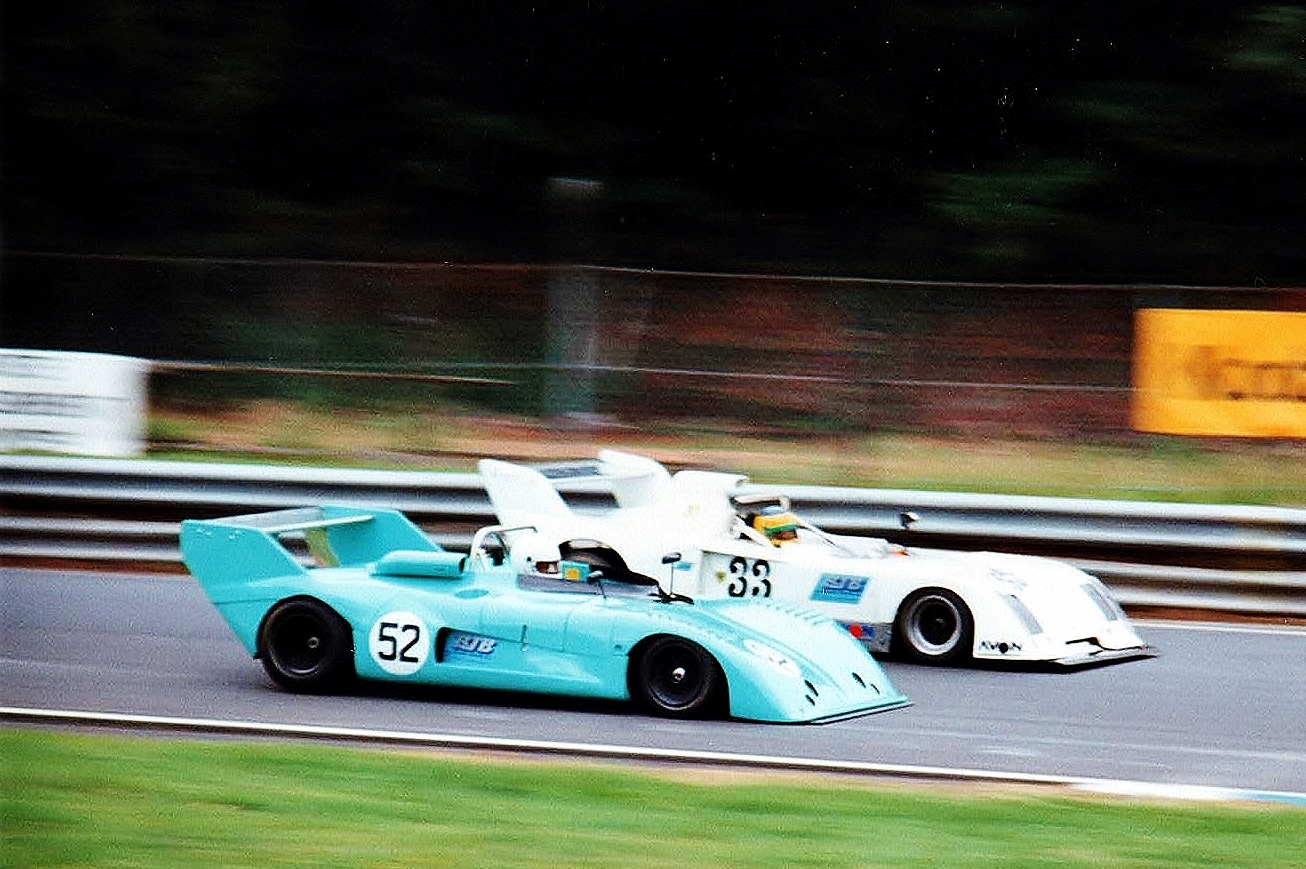
Driving the B31 FVA required a totally different philosophy compared to its 2.0-litre siblings. The FVA, with its gear-driven camshafts and race-bred architecture, had virtually no flywheel effect and zero torque below 6,500 rpm. It was a light-switch engine. To be fast, a driver had to keep the needle pinned in the upper quartile of the tachometer, treating the throttle like an on-off switch and using the B31’s immense cornering speeds to maintain momentum. On a technical circuit, this package was devastating. The lighter engine mass (compared to the iron-block FVC) reduced the polar moment of inertia, allowing the B31 FVA to change direction with the immediacy of a single-seater. It was a “scalpel” car, carving lines through corners that the heavier, torque-biased “sledgehammers” couldn’t hope to follow.
In the 1975 season, the B31 FVA found its home among the specialist privateers in the European 2-Litre Sports Car Championship’s 1.6-litre subclass and in national series like the British Sports Car Championship. While the headlines focused on the overall battle between Chevron and Lola, the FVA-powered cars were fighting a fierce civil war in the mid-field. Against rivals like the Lola T294 (also available with FVA or FVC power) and the Italian Osella PA3s, the Chevron B31 FVA used its superior chassis compliance to great effect. It was also a favored weapon in the European Hill Climb Championship. In the mountains, where straight-line speed is secondary to agility and traction out of hairpins, the high-revving, lightweight nature of the FVA package made it a formidable contender for “King of the Mountain” honors in its class.
However, the B31 FVA was also a swan song. The 1.6-litre class was slowly being squeezed out by the dominance of the 2.0-litre formula, and the maintenance costs of the aging FVA engine—which required frequent rebuilds to handle the 9,000+ rpm stress—were becoming harder to justify against the cheaper, if less powerful, Ford Kent or Lotus Twin Cam units used in lower categories. Yet, for those who campaigned it, the B31 FVA represented the ultimate “purist” spec. It combined the era’s best customer chassis with the era’s most charismatic small-displacement engine.
The legacy of the Chevron B31 FVA is one of technical elegance. It proved that you didn’t need the biggest engine to have the best car. It was a machine that rewarded finesse over bravery, a car that taught a generation of drivers the importance of corner speed and gear selection. Today, in the world of historic racing, an FVA-powered B31 is a rare auditory treat; its distinct, piercing, metallic scream stands in stark contrast to the guttural roar of the BDG cars, a high-pitched reminder of a time when a 1.6-litre engine was considered the height of exotic engineering.
Brand
Produced from
Portal
Vehicle category
Model line
Predecessor
Sucessor
Brand
Produced from
Portal
Vehicle category
Model line
Model generation
Predecessor
Sucessor
Submodel Overview
By 1975, the Ford Cosworth FVA engine was, by the ruthless standards of motorsport, a geriatric device. Designed in 1966 to dominate Formula 2, this 1.6-litre, 16-valve masterpiece had effectively launched the Cosworth legend, serving as the testbed for the DFV architecture. To see one bolted into the back of a brand-new, cutting-edge 1975 Chevron B31 was an exercise in brilliant anachronism. It was a marriage of the past and the present, a strategic decision made by savvy privateers who understood that while the 2.0-litre class was a money-burning war of attrition, the 1.6-litre category was a precision game waiting to be won. The Chevron B31 Ford Cosworth FVA was not built to chase the factory Alpines or the BDG-powered Lolas on the Mulsanne Straight; it was built to embarrass them in the braking zones of Vallelunga and the twisty sections of the Nürburgring.
The B31 chassis was Derek Bennett’s definitive statement on the aluminium monocoque sports car. Stiffer, lighter, and aerodynamically superior to the wedge-shaped B26 it replaced, the B31 featured curvaceous, wind-tunnel-refined bodywork that generated immense downforce. It was designed to handle the torque and vibration of a 285-bhp BDG engine. When fitted with the compact FVA, the chassis was effectively “over-engineered”. The engine, displacing 1,598cc and producing a frantic 225 bhp at a stratospheric 9,500 rpm, stressed the chassis far less than the larger units. This allowed teams to run lighter drivetrain components, softer spring rates, and aggressive geometry settings. The result was a car with a power-to-weight ratio that was merely “good”, but a grip-to-weight ratio that was extraordinary.
Driving the B31 FVA required a totally different philosophy compared to its 2.0-litre siblings. The FVA, with its gear-driven camshafts and race-bred architecture, had virtually no flywheel effect and zero torque below 6,500 rpm. It was a light-switch engine. To be fast, a driver had to keep the needle pinned in the upper quartile of the tachometer, treating the throttle like an on-off switch and using the B31’s immense cornering speeds to maintain momentum. On a technical circuit, this package was devastating. The lighter engine mass (compared to the iron-block FVC) reduced the polar moment of inertia, allowing the B31 FVA to change direction with the immediacy of a single-seater. It was a “scalpel” car, carving lines through corners that the heavier, torque-biased “sledgehammers” couldn’t hope to follow.
In the 1975 season, the B31 FVA found its home among the specialist privateers in the European 2-Litre Sports Car Championship’s 1.6-litre subclass and in national series like the British Sports Car Championship. While the headlines focused on the overall battle between Chevron and Lola, the FVA-powered cars were fighting a fierce civil war in the mid-field. Against rivals like the Lola T294 (also available with FVA or FVC power) and the Italian Osella PA3s, the Chevron B31 FVA used its superior chassis compliance to great effect. It was also a favored weapon in the European Hill Climb Championship. In the mountains, where straight-line speed is secondary to agility and traction out of hairpins, the high-revving, lightweight nature of the FVA package made it a formidable contender for “King of the Mountain” honors in its class.
However, the B31 FVA was also a swan song. The 1.6-litre class was slowly being squeezed out by the dominance of the 2.0-litre formula, and the maintenance costs of the aging FVA engine—which required frequent rebuilds to handle the 9,000+ rpm stress—were becoming harder to justify against the cheaper, if less powerful, Ford Kent or Lotus Twin Cam units used in lower categories. Yet, for those who campaigned it, the B31 FVA represented the ultimate “purist” spec. It combined the era’s best customer chassis with the era’s most charismatic small-displacement engine.
The legacy of the Chevron B31 FVA is one of technical elegance. It proved that you didn’t need the biggest engine to have the best car. It was a machine that rewarded finesse over bravery, a car that taught a generation of drivers the importance of corner speed and gear selection. Today, in the world of historic racing, an FVA-powered B31 is a rare auditory treat; its distinct, piercing, metallic scream stands in stark contrast to the guttural roar of the BDG cars, a high-pitched reminder of a time when a 1.6-litre engine was considered the height of exotic engineering.
Tech Specs
Technical Specifications
Tech Specs
Technical Specifications
Engine
01
03
Internal combustion engine
Configuration
Ford Cosworth FVA, Inline-4
Location
Mid, longitudinally mounted
Construction
Cast iron block, aluminium alloy head
Displacement (cc)
1,596 cc
Displacement (cu in)
97.3 cu in
Compression
-
Bore x Stroke
85.7 mm x 69.1 mm
Valvetrain
4 valves per cylinder, DOHC
Fuel feed
Lucas Fuel Injection
Lubrication
Dry sump
Aspiration
Naturally aspirated
Output
Power (hp)
225 hp
Power (kW)
168 kW
Max power at
9,000 RPM
Torque (Nm)
-
Torque (ft lbs)
-
Max torque at
-
Drivetrain
02
03
Chassis
Type
Monocoque with front and rear subframes
Material
Aluminium
Body
Material
Fibreglass
Transmission
Gearbox
5-speed manual
Drive
Rear Wheel Drive
Suspension
Front
Double wishbones, coil springs over dampers, anti-roll bar
Rear
Single top links, twin lower links, twin trailing arms, coil springs over dampers, anti-roll bar
Steering
Type
Rack and pinion
Brakes
Front
Ventilated discs
Rear
Ventilated discs
Wheels
Front
-
Rear
-
Tires
Front
-
Rear
-
Dimensions and performance
03
03
Dimensions
Length (mm)
-
Length (in)
-
Width (mm)
-
Width (in)
-
Height (mm)
-
Height (in)
-
Wheelbase (mm)
-
Wheelbase (in)
-
Weight (kg)
-
Weight (lbs)
-
Performance
Power to weight
-
Top speed (km/h)
-
Top speed (mph)
-
0-100 km/h (0-60 mph)
-