
Lotus XI (Eleven) ‘Le Mans’ 1.1L Climax FWA
Brand
Produced from
Portal
Vehicle category
Model line
Model generation
Predecessor
Successor
Submodel Overview
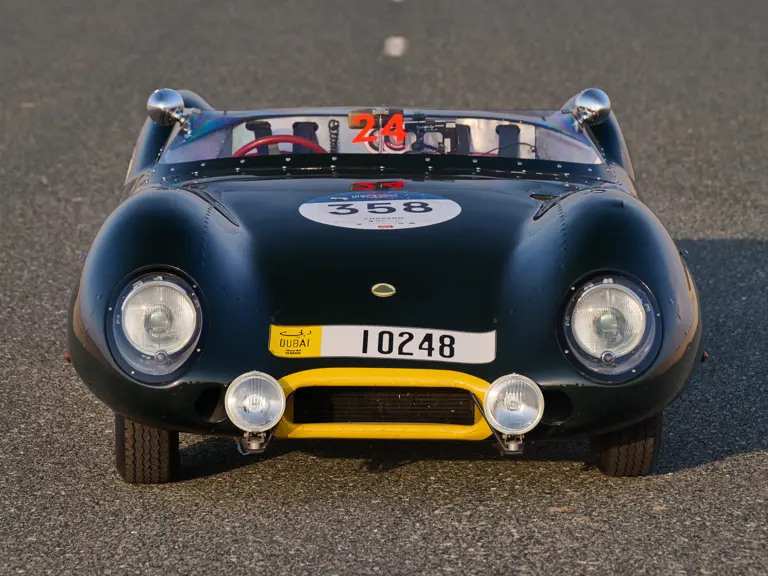
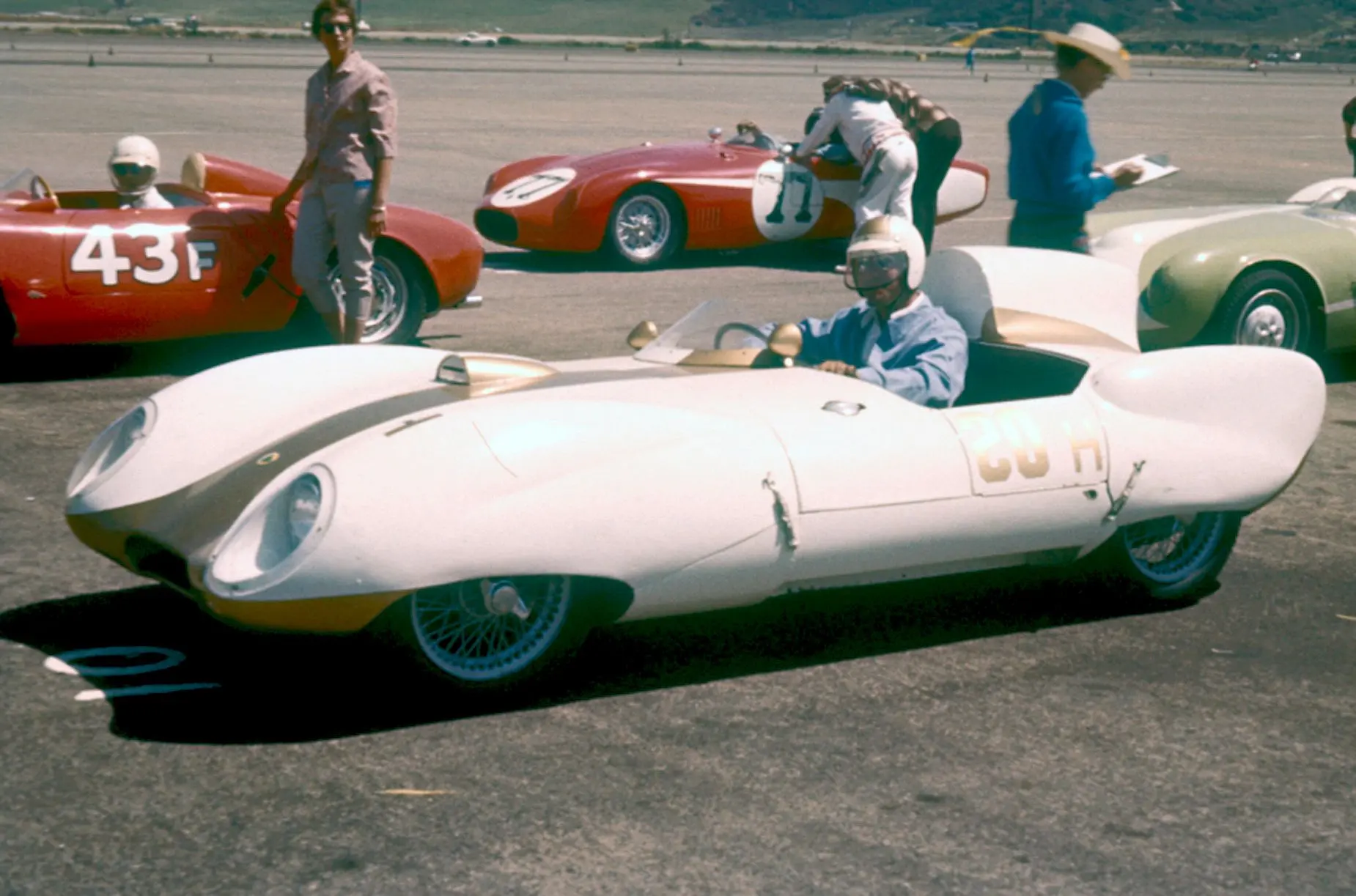
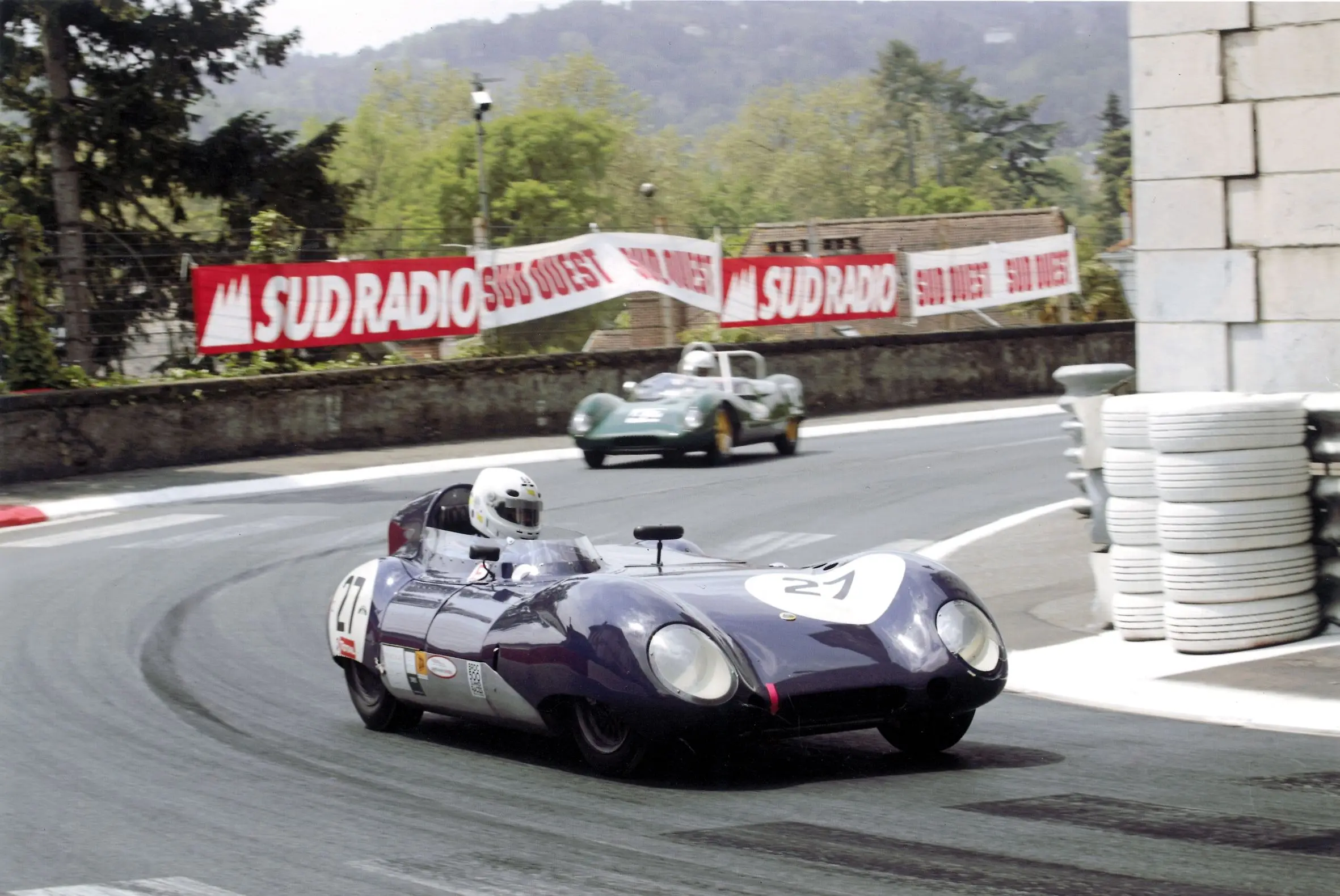
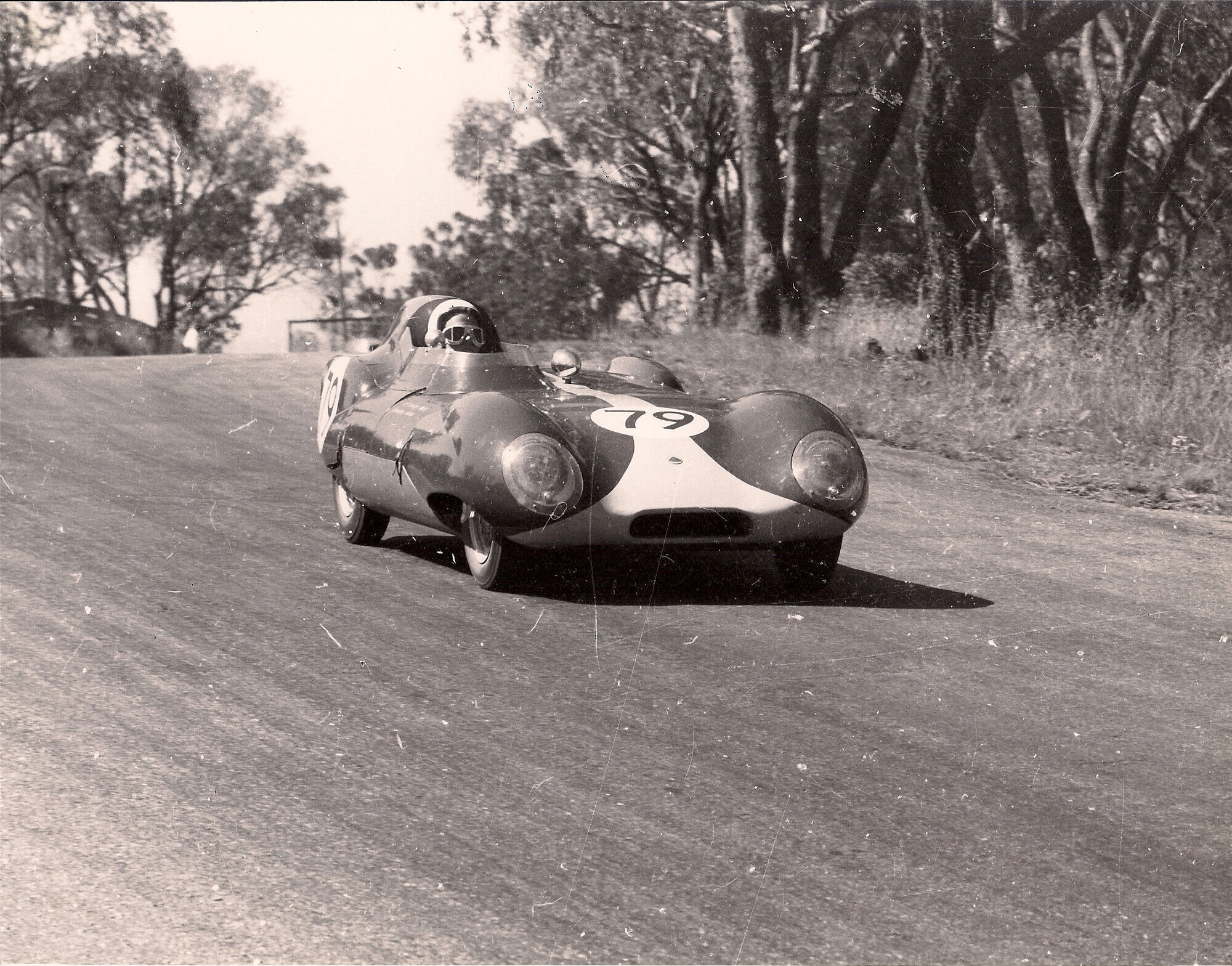
In the mid-1950s, the battle lines of international motorsport were being radically redrawn. The traditional philosophy that mandated massive displacement and brute force to achieve victory was suddenly being dismantled by a new, distinctly British ethos: absolute, uncompromising lightness paired with surgical aerodynamics. Colin Chapman, operating out of a cramped facility in Hornsey, London, had been refining this concept through his earlier Mark VIII and Mark IX racers. But in 1956, he introduced the definitive distillation of his genius: the Lotus Eleven. While the Eleven was offered in several trims to suit various budgets, the undisputed spearhead of the lineage was the 1956 Lotus Eleven ‘Le Mans’ equipped with the 1.1-liter Coventry Climax FWA engine. This specific submodel was not merely a club racer; it was a highly focused, top-tier endurance weapon explicitly engineered to hunt down and humiliate the factory might of the Porsche 550 Spyder, the Maserati 150S, and the OSCA MT4 on the world’s fastest circuits. Domestically, it locked horns with John Cooper’s brilliant mid-engined T39 ‘Bobtail’, triggering a fierce rivalry that would define the era of small-displacement British sports cars.
To strip away the teardrop aluminium bodywork of the ‘Le Mans’ specification Eleven is to view the absolute zenith of 1950s chassis engineering. The foundation was Chapman’s intricate, multi-tubular spaceframe, constructed from thin-gauge steel tubing that weighed an almost unbelievable 70 pounds, yet provided the immense torsional rigidity required for endurance racing. What truly separated the premium ‘Le Mans’ submodel from the cheaper ‘Club’ or ‘Sport’ variants was its sophisticated rear end. While lesser models utilized a live rear axle and drum brakes, the ‘Le Mans’ featured a highly advanced De Dion rear suspension setup equipped with inboard Girling disc brakes. This drastically reduced unsprung mass, allowing the featherweight car to dance over rutted tarmac. The front suspension bore the hallmark of the Series 1 generation: a heavily modified, split Ford beam axle functioning as a swing-axle. Though incredibly light, it induced notorious camber changes under heavy cornering that demanded a deft and brave driver.
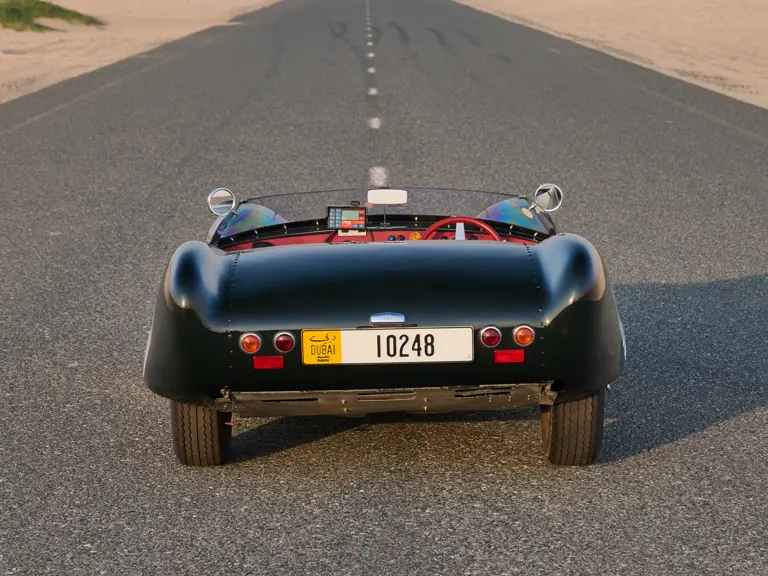
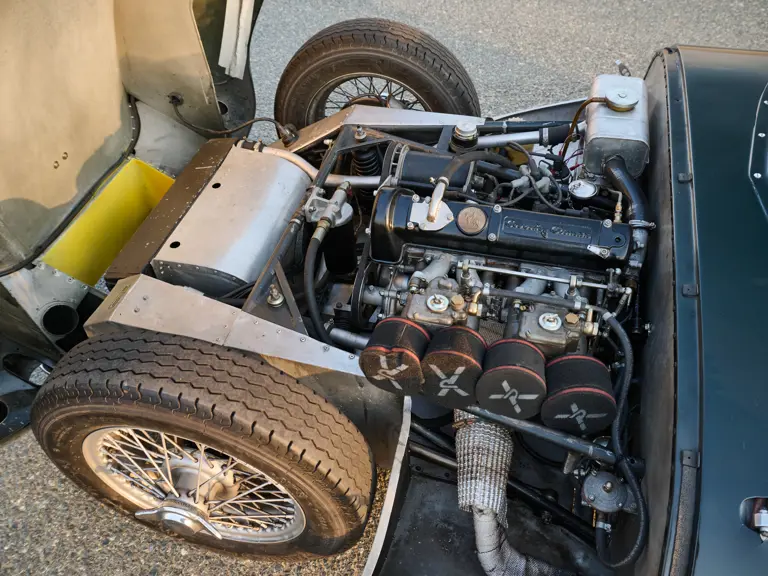
The beating heart of this submodel was the Coventry Climax FWA. Originally a water-pump engine for fire engines, this 1098cc all-aluminium overhead-cam jewel was tuned to produce roughly 75 to 85 brake horsepower. In a car weighing barely 1,000 pounds (450 kg) wet, this was more than enough. Cloaking these mechanicals was Frank Costin’s aerodynamic masterstroke. The former aviation engineer ignored stylistic trends, sculpting a sleek, low-slung nose, deeply faired-in headlamps, and a tapering tail that punched a microscopic hole in the air, allowing the 1.1-liter engine to propel the car to nearly 140 mph down the Mulsanne Straight. Inside, the cockpit was an austere, aluminium-clad workspace featuring only vital Smiths instrumentation and a wood-rimmed steering wheel, completely devoid of any concession to comfort.
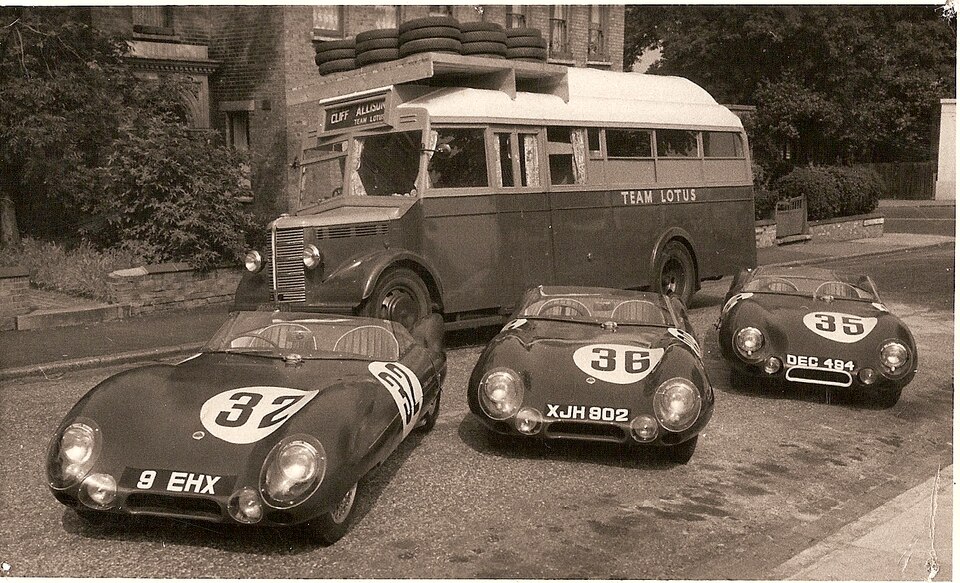
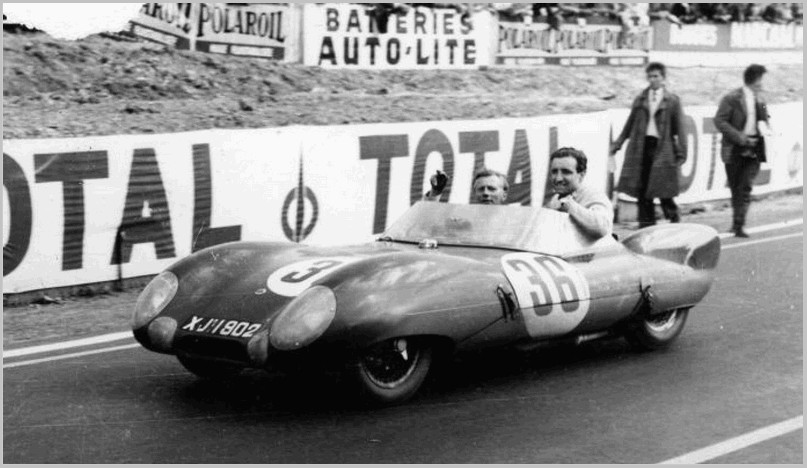
The competition history of the 1.1L ‘Le Mans’ submodel is a breathless saga of giant-killing heroics. Its defining moment arrived at its namesake event: the 1956 24 Hours of Le Mans. Piloted by Peter Jopp and Reg Bicknell, the tiny, Coventry Climax-powered Lotus ran a flawless race, securing a dominant victory in the 1100cc class and finishing an astonishing seventh overall. It was a result that sent shockwaves through the paddock, proving that a bespoke British chassis motivated by a fire-pump engine could outlast and outpace heavy, exotic machinery. Across the Atlantic, the ‘Le Mans’ specification Eleven proved equally devastating, securing class victories at the 12 Hours of Sebring and becoming the absolute weapon of choice in the SCCA Modified classes. Wealthy privateers quickly realized that purchasing a ‘Le Mans’ spec Eleven—which Chapman brilliantly offered in kit form to circumvent British Purchase Tax—was the closest one could get to buying a guaranteed class victory straight out of a crate.
The legacy of the 1956 Lotus Eleven ‘Le Mans’ 1.1L Climax FWA is the bedrock upon which the Lotus empire was built. It was the specific submodel that officially validated Colin Chapman on the global stage, proving his “simplify, then add lightness” mantra was not just a romantic notion, but a verifiable, race-winning science. While the idiosyncratic swing-axle front suspension would be replaced by double wishbones in the Series 2, this early 1956 ‘Le Mans’ variant remains the purest, most unadulterated expression of Chapman’s original vision. It forced the monolithic manufacturers of Europe to completely rethink their approach to sports car design. Today, it resides in the absolute highest echelons of the historic motorsport pantheon, a breathtaking, aluminium-skinned monument to the era when a dedicated group of British engineers took a 1.1-liter engine and conquered the world.
Brand
Produced from
Portal
Vehicle category
Model line
Model generation
Predecessor
Sucessor
Brand
Produced from
Portal
Vehicle category
Model line
Model generation
Predecessor
Sucessor
Submodel Overview
In the mid-1950s, the battle lines of international motorsport were being radically redrawn. The traditional philosophy that mandated massive displacement and brute force to achieve victory was suddenly being dismantled by a new, distinctly British ethos: absolute, uncompromising lightness paired with surgical aerodynamics. Colin Chapman, operating out of a cramped facility in Hornsey, London, had been refining this concept through his earlier Mark VIII and Mark IX racers. But in 1956, he introduced the definitive distillation of his genius: the Lotus Eleven. While the Eleven was offered in several trims to suit various budgets, the undisputed spearhead of the lineage was the 1956 Lotus Eleven ‘Le Mans’ equipped with the 1.1-liter Coventry Climax FWA engine. This specific submodel was not merely a club racer; it was a highly focused, top-tier endurance weapon explicitly engineered to hunt down and humiliate the factory might of the Porsche 550 Spyder, the Maserati 150S, and the OSCA MT4 on the world’s fastest circuits. Domestically, it locked horns with John Cooper’s brilliant mid-engined T39 ‘Bobtail’, triggering a fierce rivalry that would define the era of small-displacement British sports cars.
To strip away the teardrop aluminium bodywork of the ‘Le Mans’ specification Eleven is to view the absolute zenith of 1950s chassis engineering. The foundation was Chapman’s intricate, multi-tubular spaceframe, constructed from thin-gauge steel tubing that weighed an almost unbelievable 70 pounds, yet provided the immense torsional rigidity required for endurance racing. What truly separated the premium ‘Le Mans’ submodel from the cheaper ‘Club’ or ‘Sport’ variants was its sophisticated rear end. While lesser models utilized a live rear axle and drum brakes, the ‘Le Mans’ featured a highly advanced De Dion rear suspension setup equipped with inboard Girling disc brakes. This drastically reduced unsprung mass, allowing the featherweight car to dance over rutted tarmac. The front suspension bore the hallmark of the Series 1 generation: a heavily modified, split Ford beam axle functioning as a swing-axle. Though incredibly light, it induced notorious camber changes under heavy cornering that demanded a deft and brave driver.
The beating heart of this submodel was the Coventry Climax FWA. Originally a water-pump engine for fire engines, this 1098cc all-aluminium overhead-cam jewel was tuned to produce roughly 75 to 85 brake horsepower. In a car weighing barely 1,000 pounds (450 kg) wet, this was more than enough. Cloaking these mechanicals was Frank Costin’s aerodynamic masterstroke. The former aviation engineer ignored stylistic trends, sculpting a sleek, low-slung nose, deeply faired-in headlamps, and a tapering tail that punched a microscopic hole in the air, allowing the 1.1-liter engine to propel the car to nearly 140 mph down the Mulsanne Straight. Inside, the cockpit was an austere, aluminium-clad workspace featuring only vital Smiths instrumentation and a wood-rimmed steering wheel, completely devoid of any concession to comfort.
The competition history of the 1.1L ‘Le Mans’ submodel is a breathless saga of giant-killing heroics. Its defining moment arrived at its namesake event: the 1956 24 Hours of Le Mans. Piloted by Peter Jopp and Reg Bicknell, the tiny, Coventry Climax-powered Lotus ran a flawless race, securing a dominant victory in the 1100cc class and finishing an astonishing seventh overall. It was a result that sent shockwaves through the paddock, proving that a bespoke British chassis motivated by a fire-pump engine could outlast and outpace heavy, exotic machinery. Across the Atlantic, the ‘Le Mans’ specification Eleven proved equally devastating, securing class victories at the 12 Hours of Sebring and becoming the absolute weapon of choice in the SCCA Modified classes. Wealthy privateers quickly realized that purchasing a ‘Le Mans’ spec Eleven—which Chapman brilliantly offered in kit form to circumvent British Purchase Tax—was the closest one could get to buying a guaranteed class victory straight out of a crate.
The legacy of the 1956 Lotus Eleven ‘Le Mans’ 1.1L Climax FWA is the bedrock upon which the Lotus empire was built. It was the specific submodel that officially validated Colin Chapman on the global stage, proving his “simplify, then add lightness” mantra was not just a romantic notion, but a verifiable, race-winning science. While the idiosyncratic swing-axle front suspension would be replaced by double wishbones in the Series 2, this early 1956 ‘Le Mans’ variant remains the purest, most unadulterated expression of Chapman’s original vision. It forced the monolithic manufacturers of Europe to completely rethink their approach to sports car design. Today, it resides in the absolute highest echelons of the historic motorsport pantheon, a breathtaking, aluminium-skinned monument to the era when a dedicated group of British engineers took a 1.1-liter engine and conquered the world.
Tech Specs
Technical Specifications
Tech Specs
Technical Specifications
Engine
01
03
Internal combustion engine
Configuration
Coventry Climax FWA, Inline-4
Location
Front, longitudinally mounted (canted to lower the hood line)
Construction
Aluminium alloy block and head
Displacement (cc)
1,098 cc
Displacement (cu in)
67.0 cu in
Compression
9.8:1
Bore x Stroke
72.4 mm x 66.6 mm
Valvetrain
2 valves per cylinder, SOHC
Fuel feed
2 x Weber 40 DCOE carburetors (or twin SU carburetors depending on specific race setup)
Lubrication
Dry sump
Aspiration
Naturally aspirated
Output
Power (hp)
~85 hp
Power (kW)
~63 kW
Max power at
6,800 RPM
Torque (Nm)
92 Nm
Torque (ft lbs)
68 ft lbs
Max torque at
5,000 RPM
Drivetrain
02
03
Chassis
Type
Multi-tubular spaceframe
Material
Steel (1-inch and 0.75-inch steel tubing)
Body
Material
Aluminium alloy
Transmission
Gearbox
BMC A30-derived, 4-speed manual
Drive
Rear Wheel Drive
Suspension
Front
Independent, swing axles (Chapman's split-beam design), coil springs over telescopic dampers, anti-roll bar
Rear
De Dion tube, trailing arms, radius arms, coil springs over telescopic dampers
Steering
Type
Rack and pinion
Brakes
Front
Girling solid discs Ø228 mm
Rear
Girling solid discs Ø228 mm
Wheels
Front
4.5" x 15"
Rear
4.5" x 15"
Tires
Front
4.50-15
Rear
5.00-15
Dimensions and performance
03
03
Dimensions
Length (mm)
3,403 mm
Length (in)
134.0 in
Width (mm)
1,524 mm
Width (in)
60.0 in
Height (mm)
940 mm
Height (in)
37.0 in
Wheelbase (mm)
2,159 mm
Wheelbase (in)
85.0 in
Weight (kg)
~450 kg
Weight (lbs)
~992 lbs
Performance
Power to weight
~0.19 hp/kg
Top speed (km/h)
~216 km/h
Top speed (mph)
~134 mph
0-100 km/h (0-60 mph)
9.0 s