
Lotus Elan Type 26 (S1) Shapecraft
Brand
Produced from
Portal
Vehicle category
Model line
Model generation
Predecessor
Successor
Submodel Overview
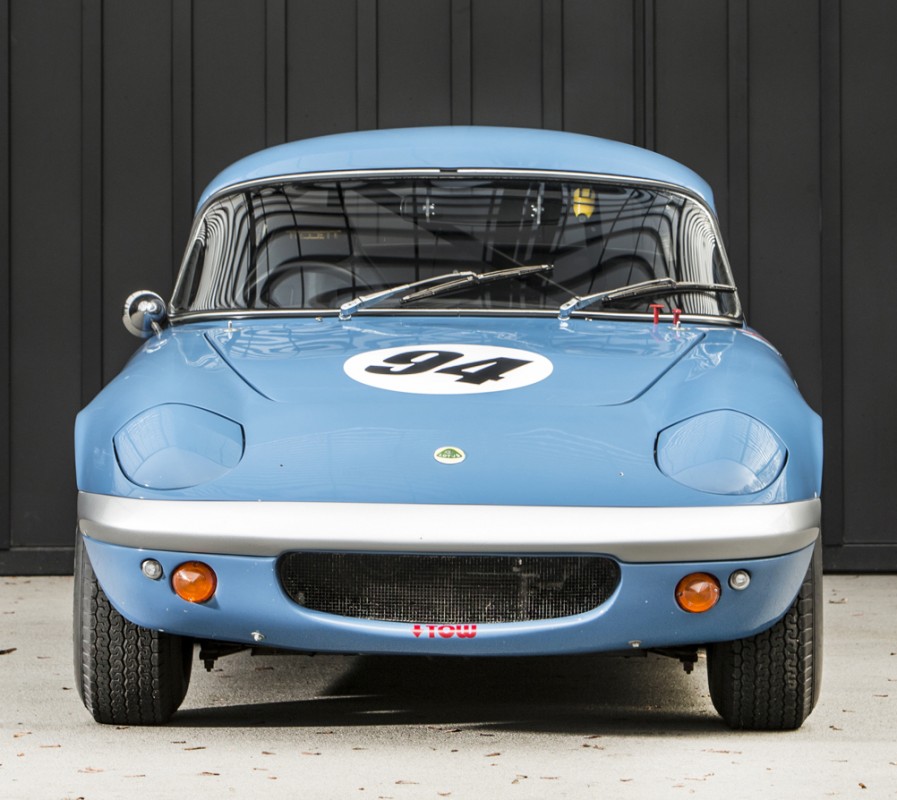
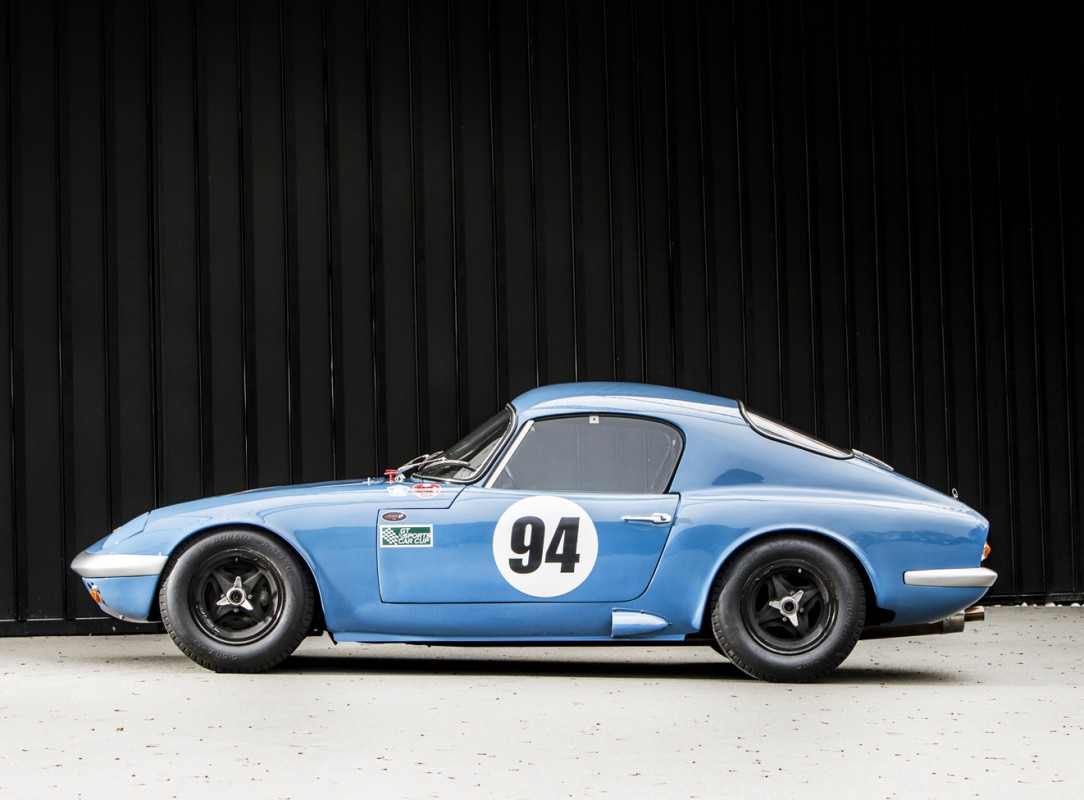
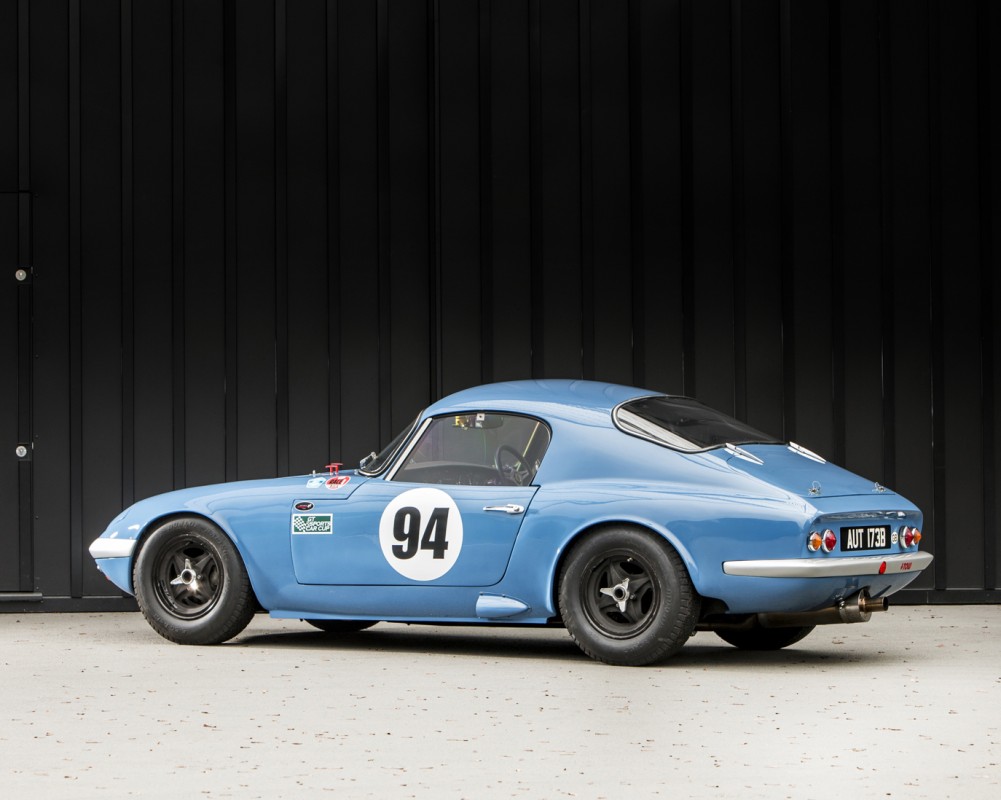
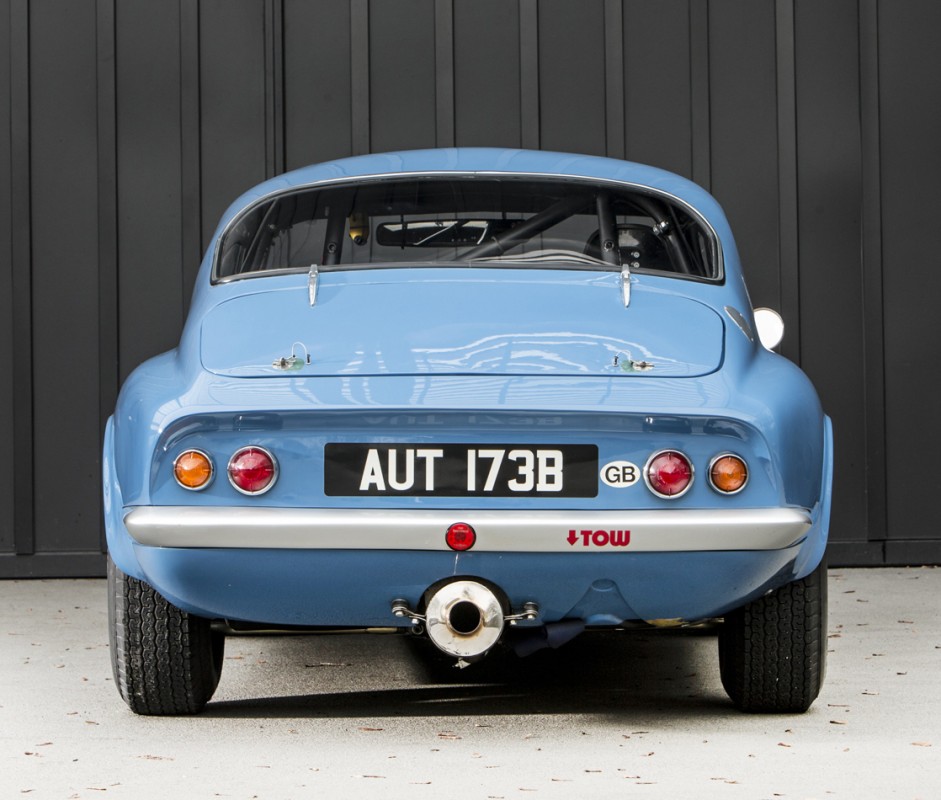
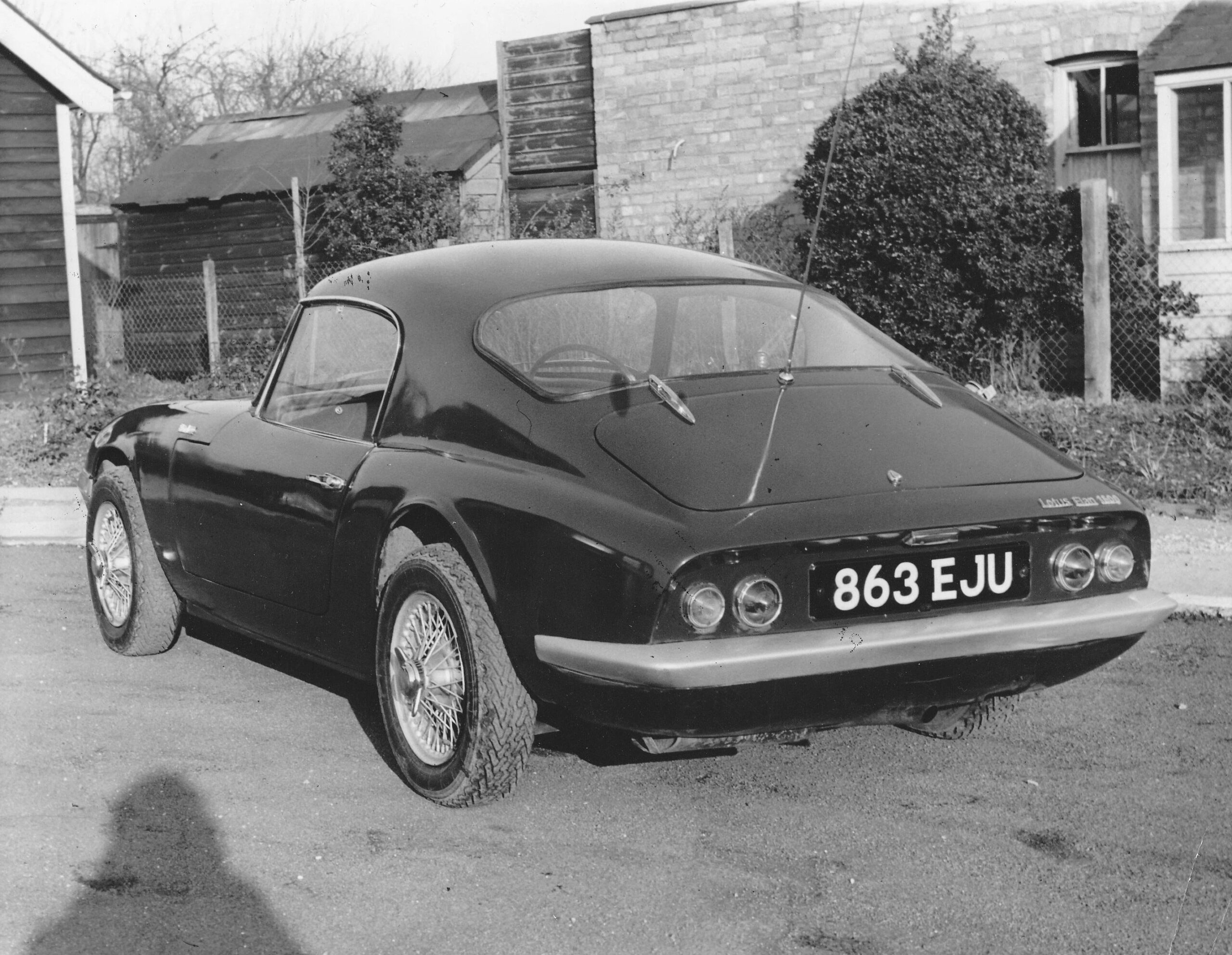
The mid-1960s British sports car revolution was defined by the relentless pursuit of lightness, and no vehicle epitomized this philosophy more perfectly than the original 1962 Lotus Elan Type 26 (S1). When Colin Chapman introduced his fiberglass roadster, it fundamentally rewired the automotive world’s understanding of handling and dynamic purity. It was a giant-killer straight out of the box. However, as privateer racers began hurling the delicate open-top car down the perilous, high-speed straights of European circuits, a glaring vulnerability emerged: aerodynamic drag. The bluff, upright profile of the standard hardtop acted like a parachute at triple-digit speeds, limiting the car’s potential against slippery, purpose-built rivals like the Alfa Romeo Giulia TZ and the Porsche 356 Abarth Carrera. Enter Barry Filer, a privateer racer and friend of Chapman, who sought a solution to this aerodynamic handicap. He approached the London-based coachbuilding firm Shapecraft to create a slippery, aerodynamic masterstroke. The result was the 1963 Lotus Elan Shapecraft—a breathtaking, bespoke aluminium fastback conversion that transformed the plucky Elan into a high-speed endurance weapon and birthed one of the rarest, most coveted unicorns in British motorsport history.
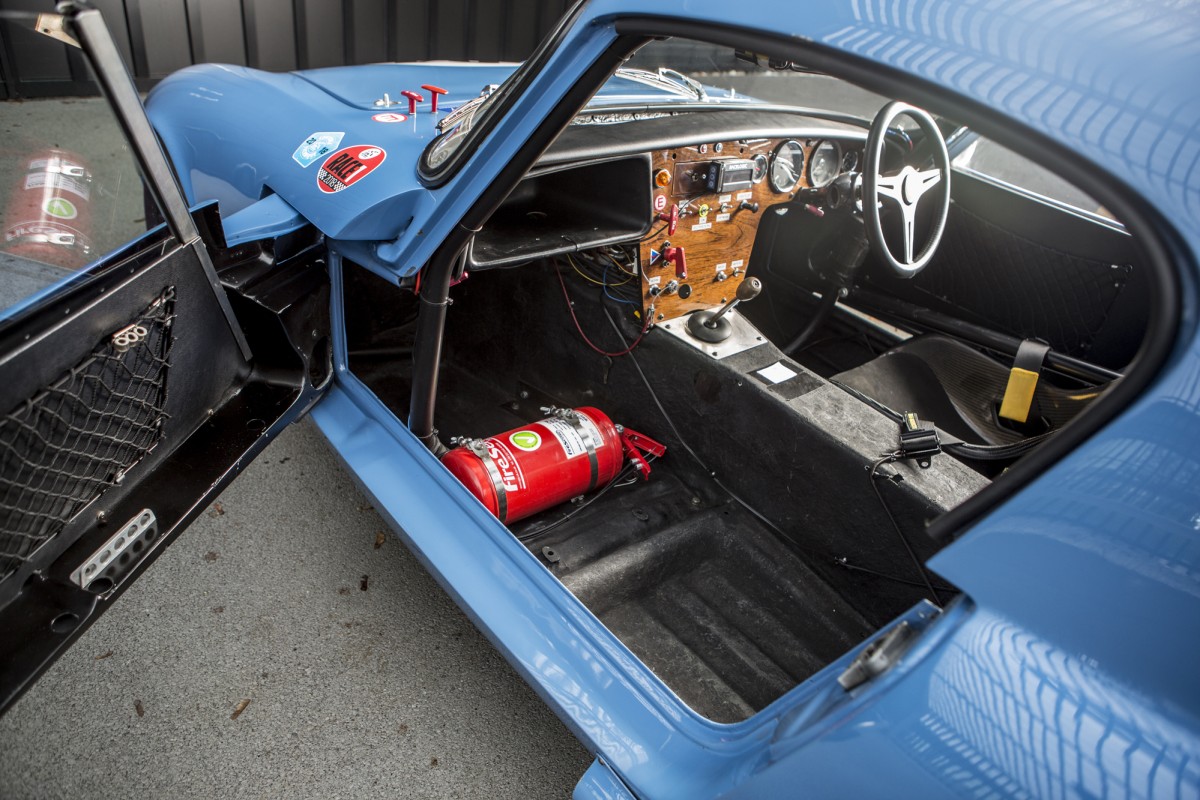
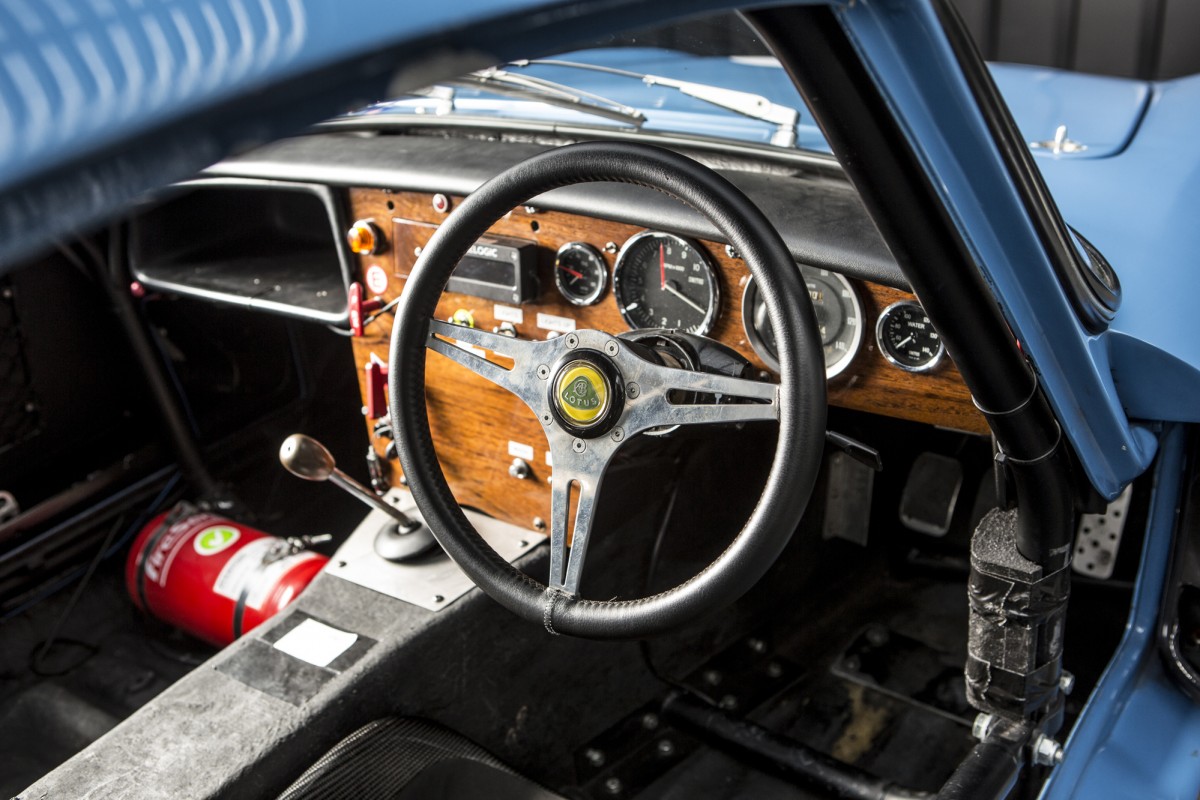
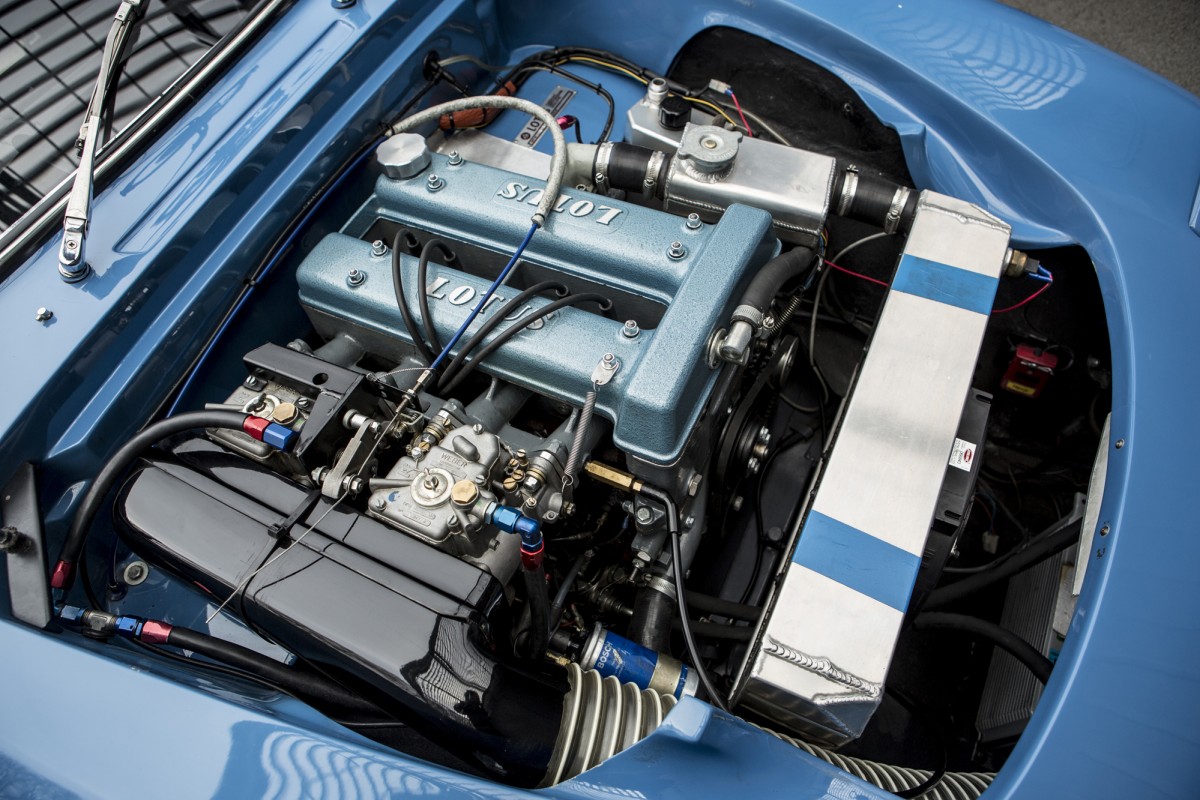
To dissect the anatomy of the Shapecraft Elan is to witness a beautiful collision between mass-production fiberglass and bespoke British metalwork. Beneath the skin, the car retained the absolute, unadulterated genius of the standard Elan Type 26. The foundation was Ron Hickman’s brilliant 18SWG folded-steel backbone chassis—a structure so ingeniously simple and light, yet incredibly torsionally rigid. Bolted to this central spine was the legendary Lotus-Ford Twin Cam 1558cc engine, breathing through twin Weber carburetors and producing a symphonic, raspy howl that completely betrayed its humble Ford block origins. The suspension utilized double wishbones up front and Colin Chapman’s eponymous “Chapman struts” at the rear, paired with inboard rear disc brakes to reduce unsprung mass. But the true sorcery of this specific submodel lay entirely above the beltline. Shapecraft craftsmen took the standard fiberglass lower tub and meticulously bonded a hand-beaten, sweeping aluminium fastback roof directly to it. This new roofline sloped gracefully down to the rear clam, smoothing the airflow and often incorporating a subtle Kamm tail to cleanly detach turbulent air. Astonishingly, despite the added visual mass and the luxurious interior trim often specified for road-going variants, the aluminium roof added a mere six kilograms to the Elan’s overall curb weight. It drastically improved the aerodynamic profile, allowing the high-revving Twin Cam to push the car to vastly superior top speeds on the Mulsanne Straight, all while retaining the Elan’s famously telepathic, Triumph-sourced rack-and-pinion steering.
The Shapecraft Elan was never a mass-produced factory option; it was a highly exclusive, made-to-order homologation of sorts, with automotive historians generally agreeing that fewer than twenty examples were ever created. Only a mere handful—perhaps as few as three—were officially built upon the hardcore, track-only 26R racing chassis, making them the absolute holy grail of Lotus collecting. On the circuit, the Shapecraft Elans were fielded by elite privateers and well-funded outfits like Ian Walker Racing. They proved devastatingly effective, utilizing their newfound aerodynamic stability to slipstream larger-displacement Ferraris and Jaguar E-Types before humiliating them with late braking and impossible mid-corner speeds. Away from the paddock, the Shapecraft cultivated a glamorous, swinging-sixties mystique. It was the connoisseur’s choice, offering the giant-killing agility of an Elan with the exotic, fixed-head silhouette of a bespoke Italian GT. Its sheer exclusivity caught the eye of the era’s glitterati; legendary comedic actor Peter Sellers notoriously purchased an early road-going Shapecraft as a gift for his new wife, Swedish actress Britt Ekland, permanently linking the rare coupe to London’s vibrant pop-culture royalty.
The legacy of the 1963 Lotus Elan Shapecraft is out of all proportion to its microscopic production numbers. It stands as the ultimate, period-correct manifestation of the Elan’s philosophy, aerodynamically perfected for the rigors of high-speed endurance racing. Furthermore, the Shapecraft’s elegant fastback profile unequivocally proved to Colin Chapman that there was a highly viable market for a fixed-head Lotus coupe, heavily influencing the factory-produced Elan FHC (Fixed Head Coupe) and the later Elan Plus 2. Today, a genuine Shapecraft Elan—particularly those built on the hallowed 26R chassis—commands absolute reverence and astronomical prices on the historic racing circuit. It is a crown jewel at the Goodwood Revival, a stunning, aluminium-roofed testament to a brief, glorious moment when a small London coachbuilder gave Colin Chapman’s greatest chassis the aerodynamic suit it truly deserved.
Brand
Produced from
Portal
Vehicle category
Model line
Model generation
Predecessor
Sucessor
Brand
Produced from
Portal
Vehicle category
Model line
Model generation
Predecessor
Sucessor
Submodel Overview
The mid-1960s British sports car revolution was defined by the relentless pursuit of lightness, and no vehicle epitomized this philosophy more perfectly than the original 1962 Lotus Elan Type 26 (S1). When Colin Chapman introduced his fiberglass roadster, it fundamentally rewired the automotive world’s understanding of handling and dynamic purity. It was a giant-killer straight out of the box. However, as privateer racers began hurling the delicate open-top car down the perilous, high-speed straights of European circuits, a glaring vulnerability emerged: aerodynamic drag. The bluff, upright profile of the standard hardtop acted like a parachute at triple-digit speeds, limiting the car’s potential against slippery, purpose-built rivals like the Alfa Romeo Giulia TZ and the Porsche 356 Abarth Carrera. Enter Barry Filer, a privateer racer and friend of Chapman, who sought a solution to this aerodynamic handicap. He approached the London-based coachbuilding firm Shapecraft to create a slippery, aerodynamic masterstroke. The result was the 1963 Lotus Elan Shapecraft—a breathtaking, bespoke aluminium fastback conversion that transformed the plucky Elan into a high-speed endurance weapon and birthed one of the rarest, most coveted unicorns in British motorsport history.
To dissect the anatomy of the Shapecraft Elan is to witness a beautiful collision between mass-production fiberglass and bespoke British metalwork. Beneath the skin, the car retained the absolute, unadulterated genius of the standard Elan Type 26. The foundation was Ron Hickman’s brilliant 18SWG folded-steel backbone chassis—a structure so ingeniously simple and light, yet incredibly torsionally rigid. Bolted to this central spine was the legendary Lotus-Ford Twin Cam 1558cc engine, breathing through twin Weber carburetors and producing a symphonic, raspy howl that completely betrayed its humble Ford block origins. The suspension utilized double wishbones up front and Colin Chapman’s eponymous “Chapman struts” at the rear, paired with inboard rear disc brakes to reduce unsprung mass. But the true sorcery of this specific submodel lay entirely above the beltline. Shapecraft craftsmen took the standard fiberglass lower tub and meticulously bonded a hand-beaten, sweeping aluminium fastback roof directly to it. This new roofline sloped gracefully down to the rear clam, smoothing the airflow and often incorporating a subtle Kamm tail to cleanly detach turbulent air. Astonishingly, despite the added visual mass and the luxurious interior trim often specified for road-going variants, the aluminium roof added a mere six kilograms to the Elan’s overall curb weight. It drastically improved the aerodynamic profile, allowing the high-revving Twin Cam to push the car to vastly superior top speeds on the Mulsanne Straight, all while retaining the Elan’s famously telepathic, Triumph-sourced rack-and-pinion steering.
The Shapecraft Elan was never a mass-produced factory option; it was a highly exclusive, made-to-order homologation of sorts, with automotive historians generally agreeing that fewer than twenty examples were ever created. Only a mere handful—perhaps as few as three—were officially built upon the hardcore, track-only 26R racing chassis, making them the absolute holy grail of Lotus collecting. On the circuit, the Shapecraft Elans were fielded by elite privateers and well-funded outfits like Ian Walker Racing. They proved devastatingly effective, utilizing their newfound aerodynamic stability to slipstream larger-displacement Ferraris and Jaguar E-Types before humiliating them with late braking and impossible mid-corner speeds. Away from the paddock, the Shapecraft cultivated a glamorous, swinging-sixties mystique. It was the connoisseur’s choice, offering the giant-killing agility of an Elan with the exotic, fixed-head silhouette of a bespoke Italian GT. Its sheer exclusivity caught the eye of the era’s glitterati; legendary comedic actor Peter Sellers notoriously purchased an early road-going Shapecraft as a gift for his new wife, Swedish actress Britt Ekland, permanently linking the rare coupe to London’s vibrant pop-culture royalty.
The legacy of the 1963 Lotus Elan Shapecraft is out of all proportion to its microscopic production numbers. It stands as the ultimate, period-correct manifestation of the Elan’s philosophy, aerodynamically perfected for the rigors of high-speed endurance racing. Furthermore, the Shapecraft’s elegant fastback profile unequivocally proved to Colin Chapman that there was a highly viable market for a fixed-head Lotus coupe, heavily influencing the factory-produced Elan FHC (Fixed Head Coupe) and the later Elan Plus 2. Today, a genuine Shapecraft Elan—particularly those built on the hallowed 26R chassis—commands absolute reverence and astronomical prices on the historic racing circuit. It is a crown jewel at the Goodwood Revival, a stunning, aluminium-roofed testament to a brief, glorious moment when a small London coachbuilder gave Colin Chapman’s greatest chassis the aerodynamic suit it truly deserved.
Tech Specs
Technical Specifications
Tech Specs
Technical Specifications
Engine
01
03
Internal combustion engine
Configuration
Lotus Twin Cam (Ford Kent-based), Inline-4
Location
Front, longitudinally mounted
Construction
Cast iron block, Aluminium alloy head
Displacement (cc)
1,558 cc
Displacement (cu in)
95.1 cu in
Compression
9.5:1
Bore x Stroke
82.5 mm x 72.8 mm
Valvetrain
2 valves per cylinder, DOHC
Fuel feed
2 x Weber 40 DCOE carburetors
Lubrication
(Some race-prepped versions used dry sump)
Aspiration
Naturally aspirated
Output
Power (hp)
105 hp
Power (kW)
78 kW
Max power at
5,500 RPM
Torque (Nm)
146 Nm
Torque (ft lbs)
108 ft lbs
Max torque at
4,000 RPM
Drivetrain
02
03
Chassis
Type
Central backbone box-section
Material
Steel
Body
Material
Fibreglass (GRP) lower body with bonded/riveted Aluminium fastback roof
Transmission
Gearbox
Ford 4-speed manual
Drive
Rear Wheel Drive
Suspension
Front
Independent, unequal length double wishbones, coil springs over telescopic dampers, anti-roll bar
Rear
Independent, Chapman struts, lower wishbones, coil springs over telescopic dampers
Steering
Type
Rack and pinion
Brakes
Front
Girling solid discs Ø241 mm
Rear
Girling solid discs Ø254 mm
Wheels
Front
4.5" x 13" (Steel or early knock-off center-lock)
Rear
4.5" x 13" (Steel or early knock-off center-lock)
Tires
Front
145 HR 13 (or 5.20-13)
Rear
145 HR 13 (or 5.20-13)
Dimensions and performance
03
03
Dimensions
Length (mm)
3,683 mm
Length (in)
145.0 in
Width (mm)
1,422 mm
Width (in)
56.0 in
Height (mm)
1,118 mm
Height (in)
44.0 in
Wheelbase (mm)
2,134 mm
Wheelbase (in)
84.0 in
Weight (kg)
~625 kg
Weight (lbs)
~1,378 lbs
Performance
Power to weight
~0.17 hp/kg
Top speed (km/h)
~201 km/h
Top speed (mph)
~125 mph
0-100 km/h (0-60 mph)
~7.5 s