Lotus Elan I

Generation Overview
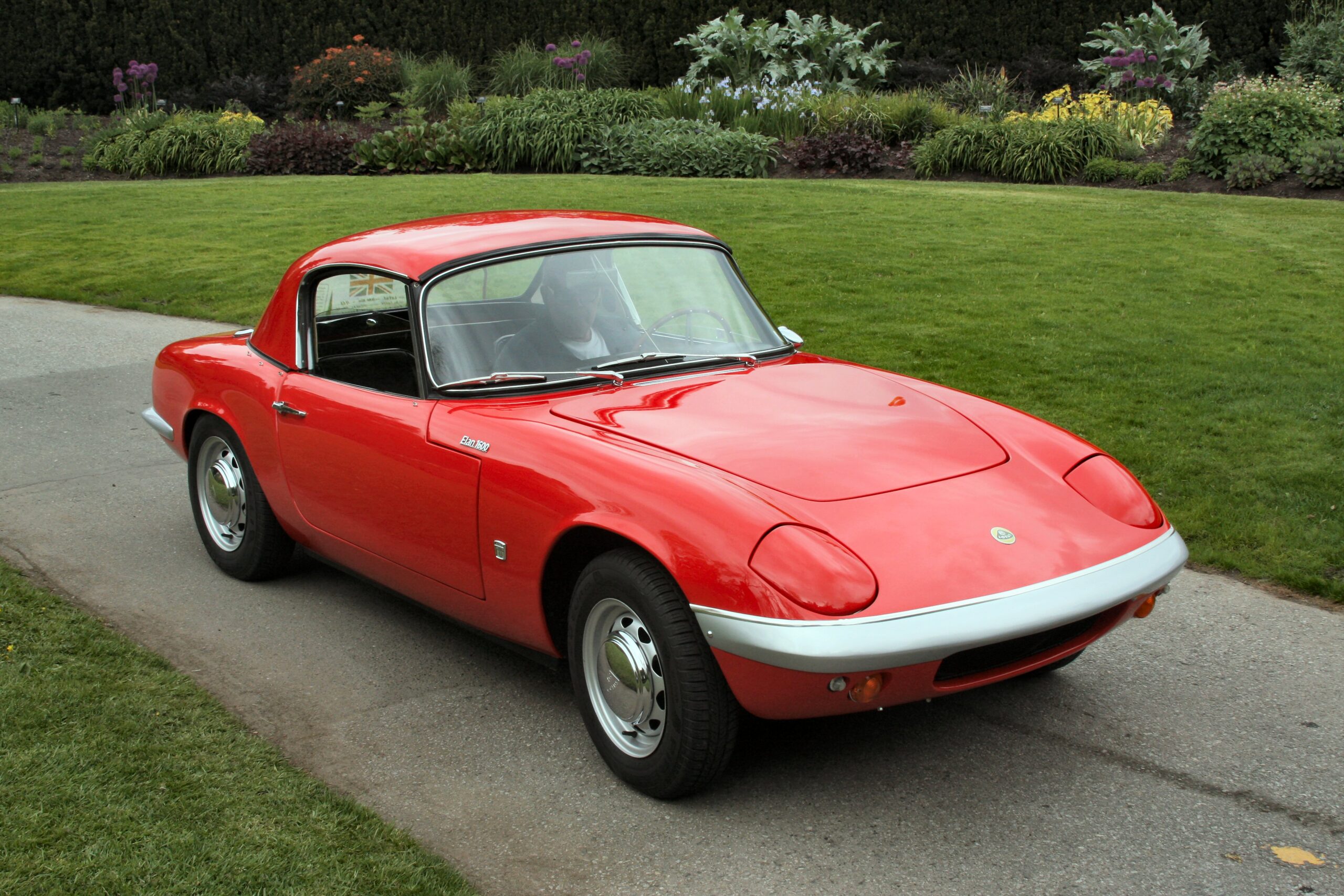
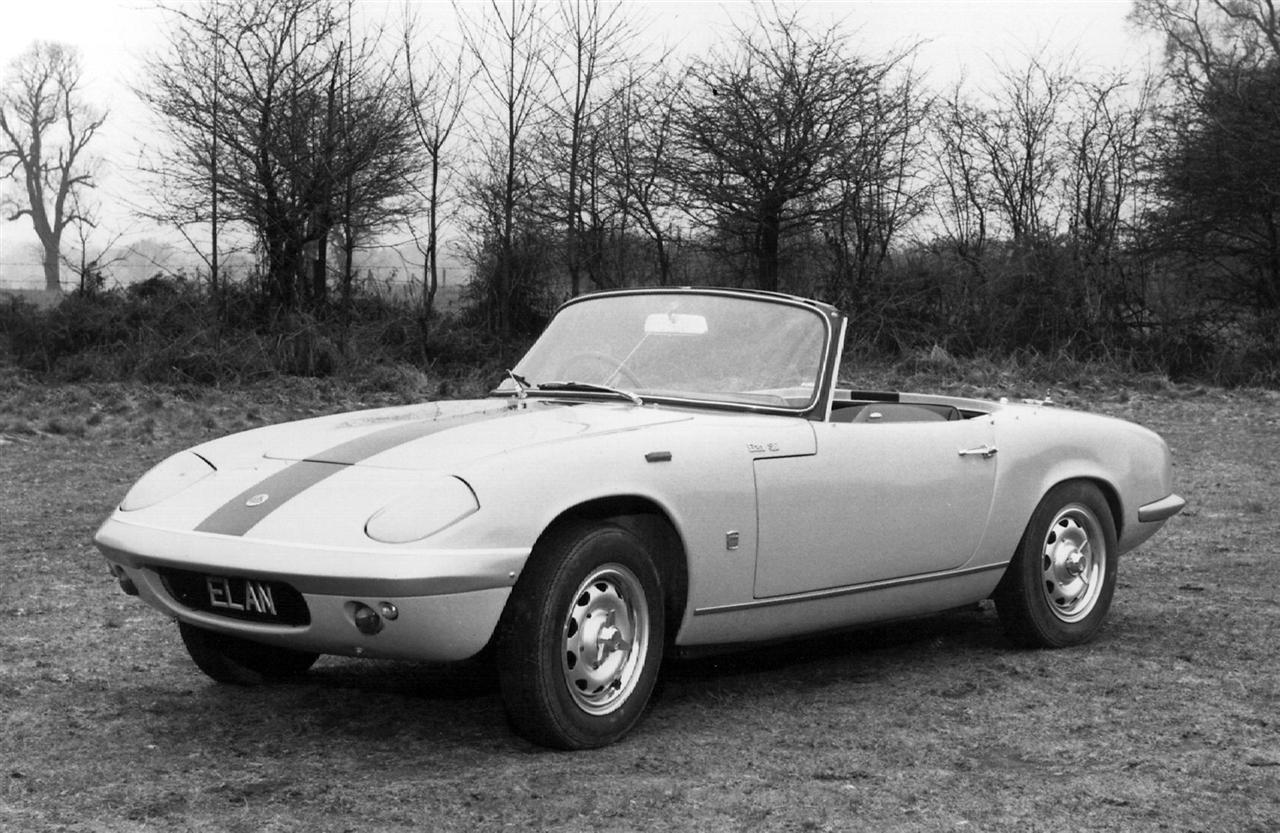
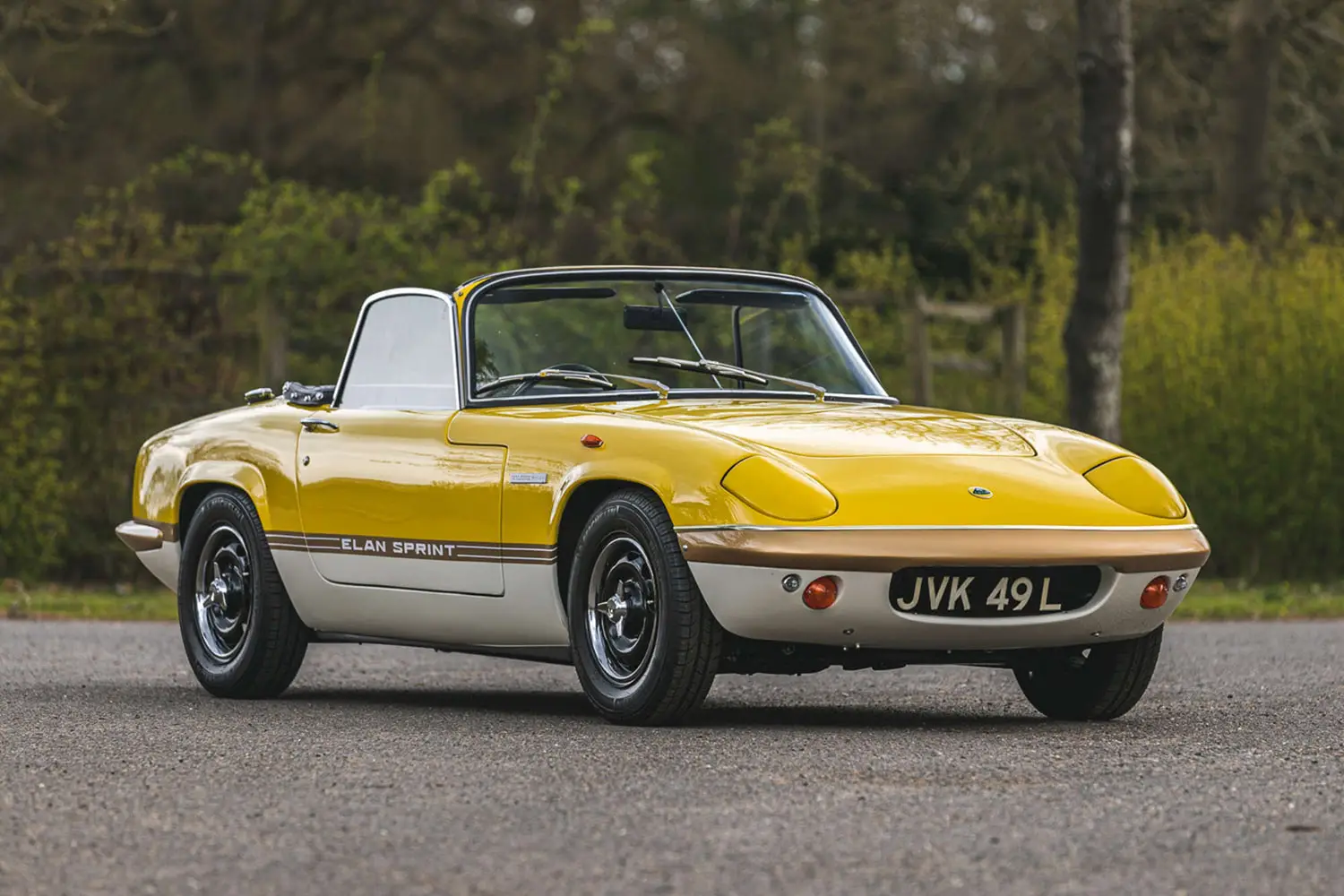
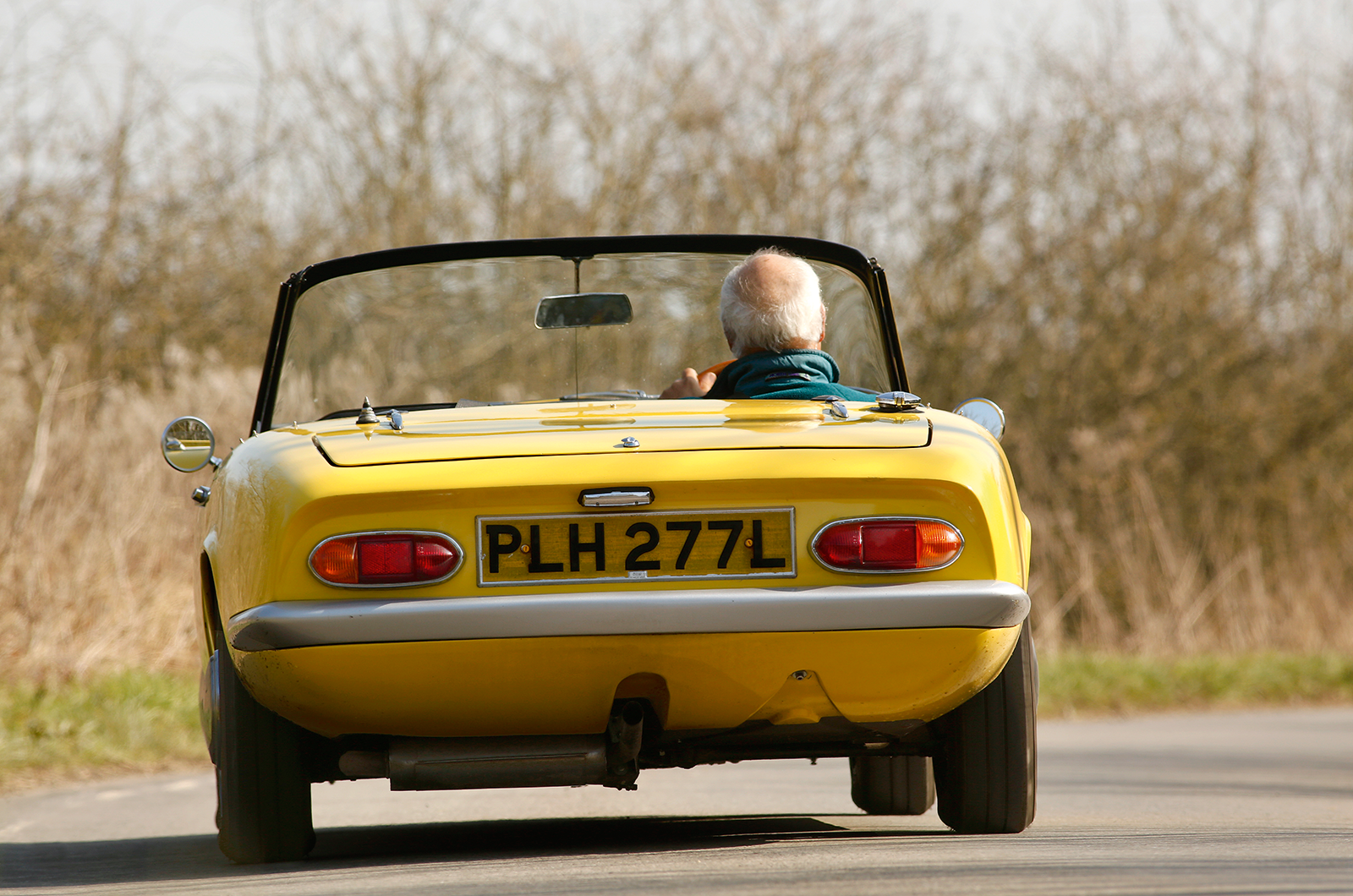
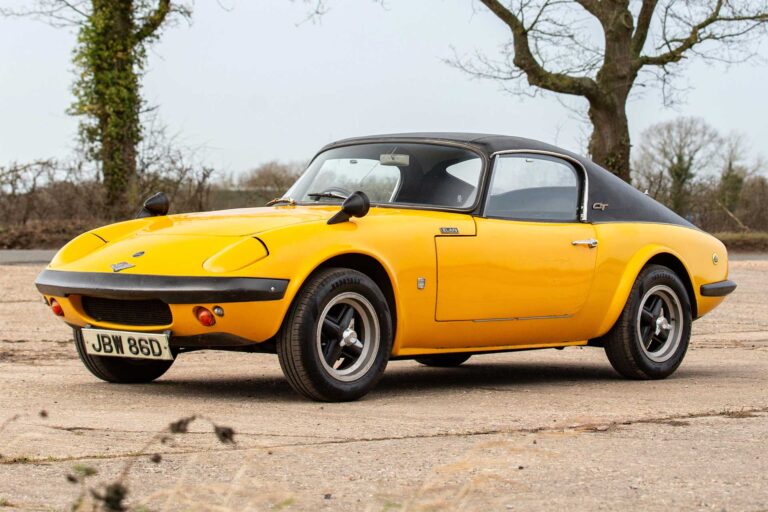
In October 1962, the British motor industry was largely defined by a rugged, stiff-upper-lip approach to engineering. Sports cars like the Austin-Healey 3000 and the Triumph TR4 were built like bridges: heavy, ladder-framed, and relying on stiff suspension to pummel the road into submission. Into this world of iron and oak, Colin Chapman dropped a feather. The Lotus Elan was not merely a replacement for the delicate and financially ruinous Lotus Elite; it was a manifesto on four wheels, a declaration that mass was the enemy of performance. Over a production run that spanned four distinct series—the S1, S2, S3, and S4, culminating in the legendary Sprint—the original Elan defined the architecture of the modern sports car. It was the genesis point for a lineage that would include the Toyota 2000GT, the McLaren F1, and most famously, the Mazda MX-5 Miata. While its rivals relied on brute force, the Elan relied on physics, utilizing a revolutionary chassis design and a jewel of an engine to offer a driving experience that was less about operating machinery and more about telepathy.
The technical brilliance of the first-generation Elan lies in what isn’t there. Unlike the Elite, which used a fiberglass monocoque that was brilliant but problematic to manufacture, the Elan utilized a central backbone chassis. Designed by Ron Hickman, this folded sheet-steel structure weighed a scant 75 lbs (34 kg), yet it provided immense torsional rigidity. The fiberglass body was simply dropped over this spine, unstressed and lightweight. This allowed Chapman to equip the car with soft, long-travel suspension—double wishbones at the front and the famous “Chapman Strut” at the rear. The result was a ride quality that shamed luxury saloons, yet with roll stiffness that kept the car flat in corners. It breathed with the road rather than fighting it, maintaining tire contact where stiffer rivals would skip and slide.
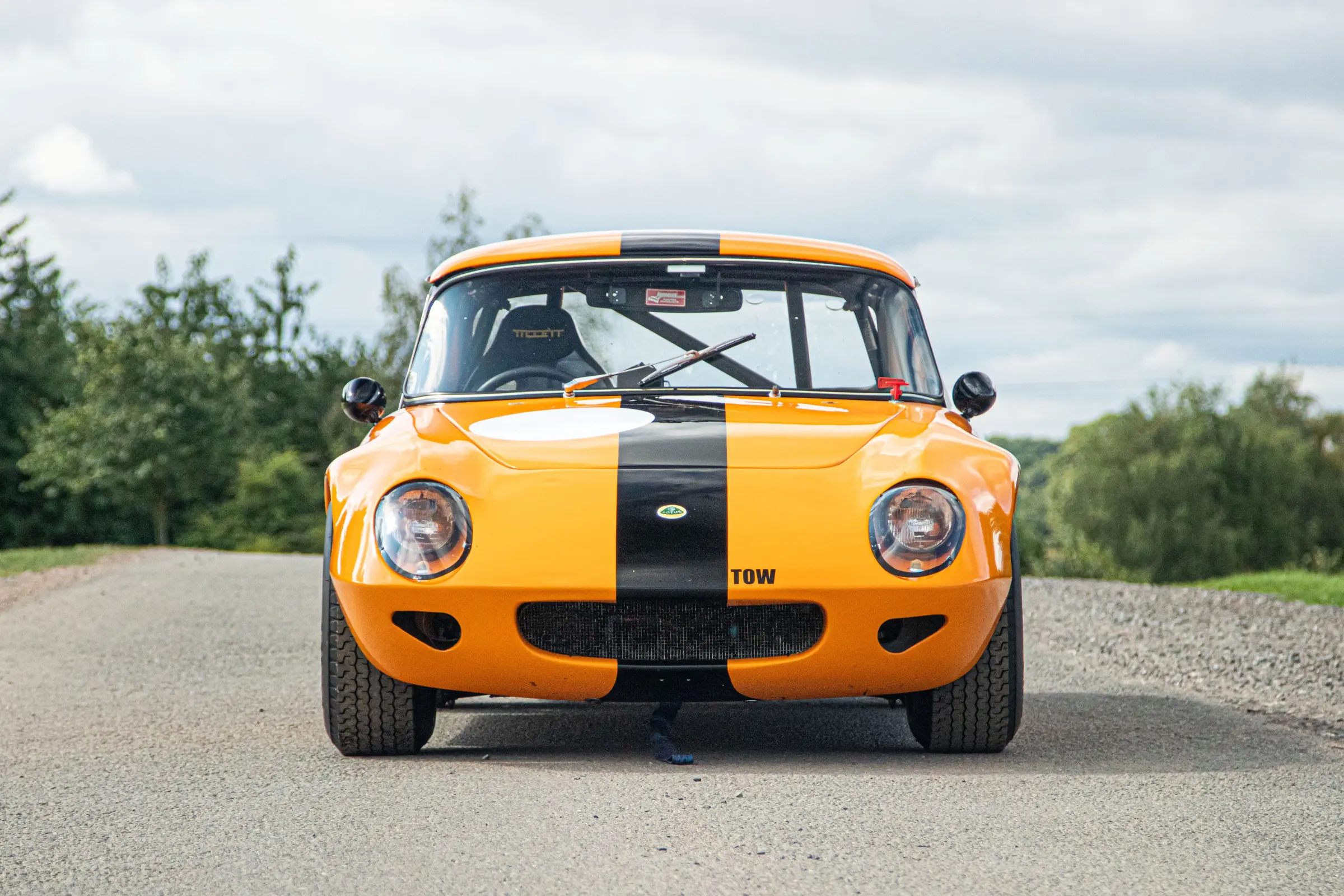
The beating heart of the Elan was the Lotus-Ford Twin Cam engine. Harry Mundy took the humble Ford Kent block and topped it with an aluminium dual-overhead-cam cylinder head, creating a 1,558cc masterpiece. In early S1 guise, it produced 105 bhp, rising to 126 bhp in the ultimate Big Valve “Sprint” models. In a car weighing roughly 680 kg, this power was transformative. The Elan could sprint to 60 mph in under 7 seconds, humiliating the Jaguar E-Types and Aston Martins of the day on tight roads. The braking was handled by Girling discs on all four corners—a rarity for a small car in the early 60s—and the steering was a rack-and-pinion setup from the Triumph Vitesse, modified to provide the fingertip feedback that remains the industry benchmark to this day. Pop-up headlights, vacuum-operated, gave the nose a clean, aerodynamic profile, while the interior was a snug, intimate affair of vinyl and wood veneer, placing the driver at the center of the action.
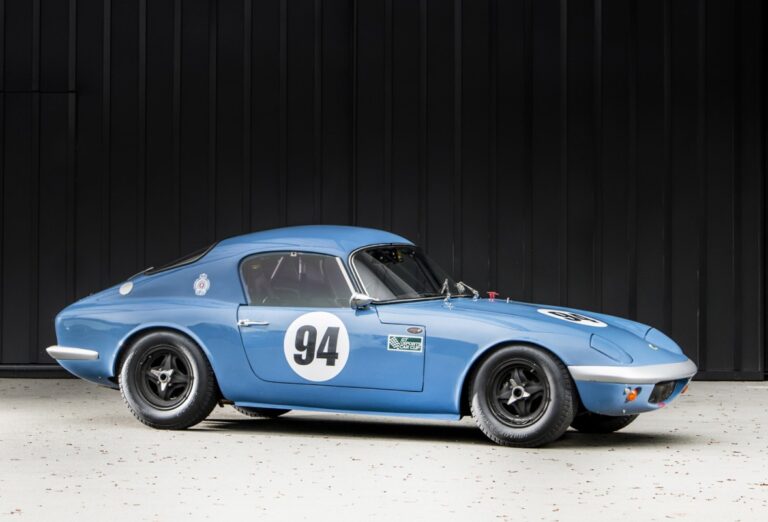
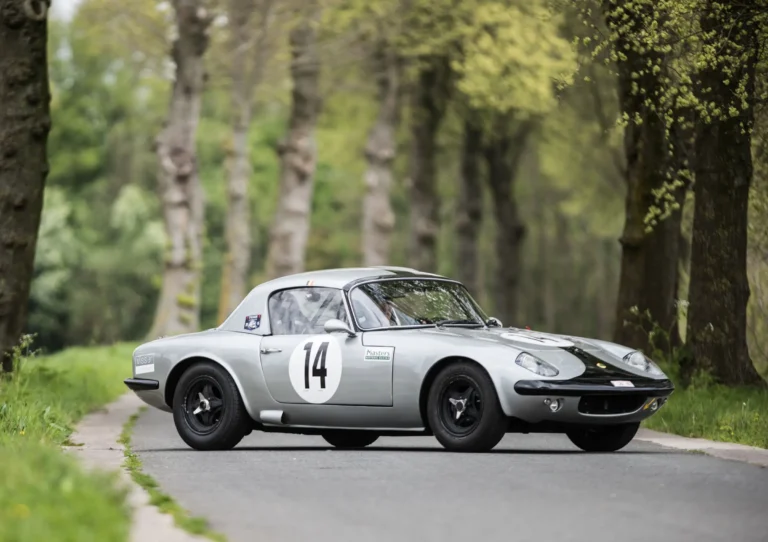
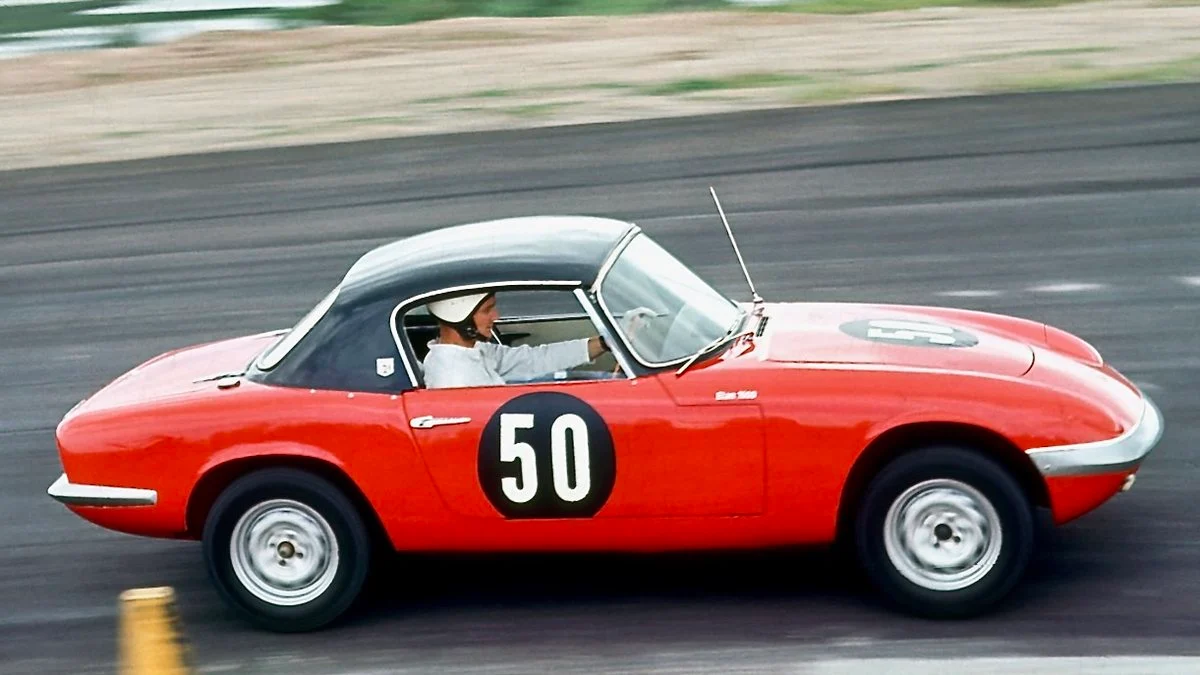
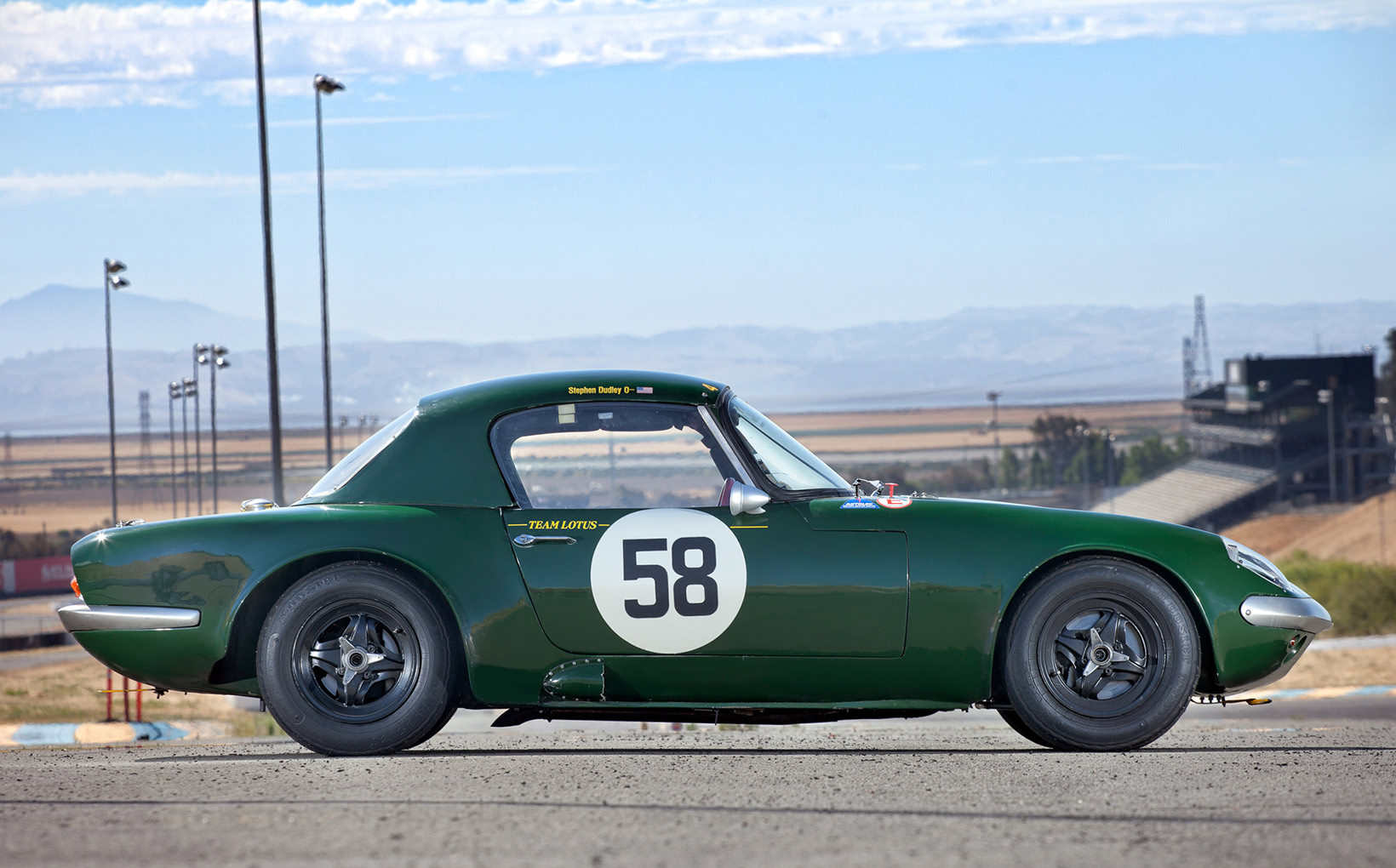
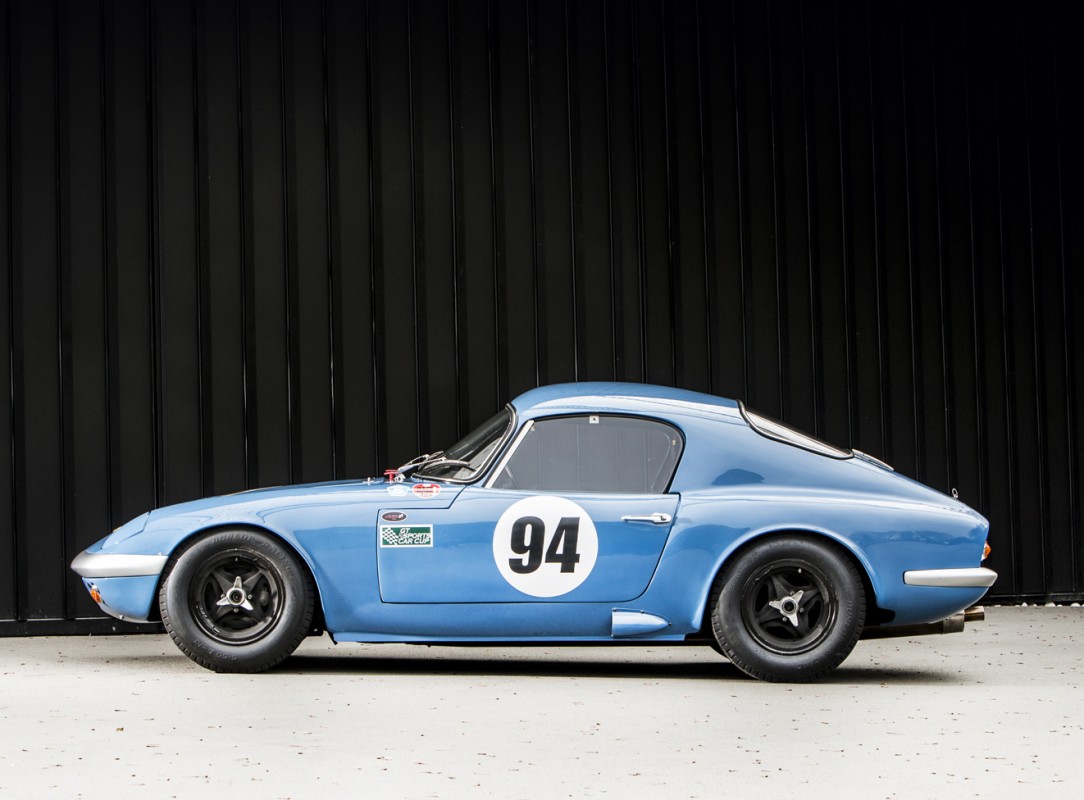
The impact of the Elan was immediate and cultural. It became the “It” car of the Swinging Sixties, a symbol of modernity and technological optimism. It was famously the car of choice for the fictional spy Emma Peel in The Avengers, cementing its status as a fashion icon. But its true legacy was forged on the track. The racing variant, known as the 26R, was a giant-killer. With lightweight magnesium wheels, flared arches, and engines tuned to 180 bhp, the 26R terrorized the GT classes. In the hands of virtuosos like Jim Clark, Jackie Stewart, and Graham Hill, the Elan proved that agility could defeat horsepower. Jim Clark’s relationship with the car was particularly profound; unlike many racing drivers who drove whatever the sponsor provided, Clark genuinely loved the Elan, using a Series 3 Fixed Head Coupe as his daily driver and famously appearing in advertisements stating, “I drive my Elan for pleasure, not because I have to”.
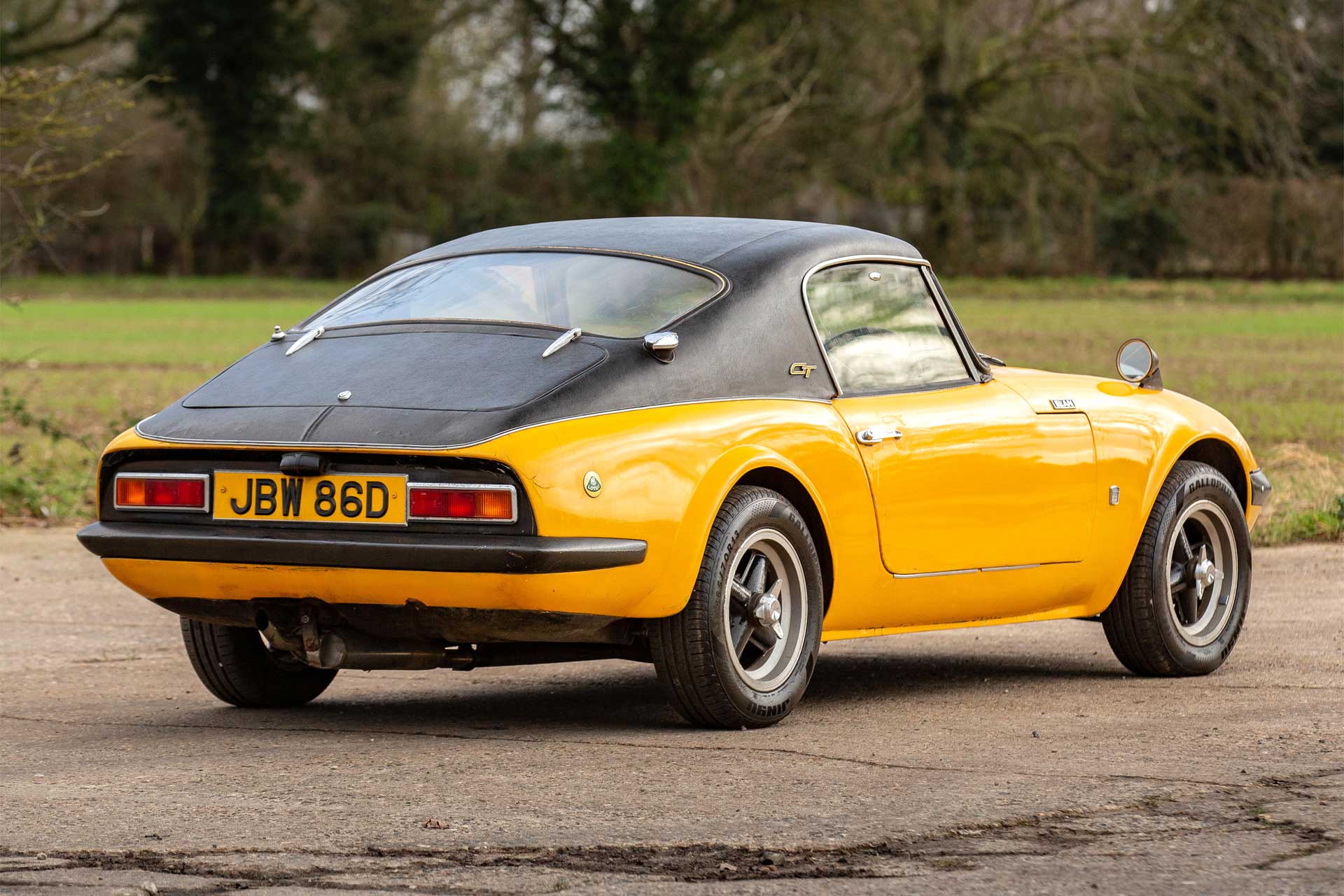
While the commercial success of the Elan secured Lotus’s financial future for a decade, allowing Chapman to pursue his Formula 1 ambitions, the car was not without its quirks. The rubber “Rotoflex” couplings in the rear driveshafts were prone to “wind-up”, creating a kangaroo-hop effect if the driver wasn’t smooth with the clutch. The electrical systems were notoriously fragile, and the water pumps were a service item. Yet, these flaws were forgiven the moment the road turned twisty. The Elan evolved through the 1960s, gaining electric windows and better carpets in the S3, and a more squared-off styling in the S4, but the fundamental DNA of the backbone chassis and Twin Cam engine remained pure until production ended in 1973 (trailing into ’75 for the Sprint).
The legacy of the original Lotus Elan is omnipresent in modern motoring. In 1989, when Mazda launched the MX-5 Miata, they freely admitted they had simply taken a 1960s Elan and made it reliable. The Elan remains the reference point for steering feel for engineers at Porsche, McLaren, and Alpine. Gordon Murray, the designer of the McLaren F1 and T.50, keeps an Elan in his garage and cites it as the benchmark for driver feedback. It occupies a unique place in the pantheon: it is the car that killed the traditional British sports car by proving that a sports car didn’t need to be hard to be fast. It was, and remains, the purest expression of Colin Chapman’s philosophy: “Simplify, then add lightness”.
Generation Overview
In October 1962, the British motor industry was largely defined by a rugged, stiff-upper-lip approach to engineering. Sports cars like the Austin-Healey 3000 and the Triumph TR4 were built like bridges: heavy, ladder-framed, and relying on stiff suspension to pummel the road into submission. Into this world of iron and oak, Colin Chapman dropped a feather. The Lotus Elan was not merely a replacement for the delicate and financially ruinous Lotus Elite; it was a manifesto on four wheels, a declaration that mass was the enemy of performance. Over a production run that spanned four distinct series—the S1, S2, S3, and S4, culminating in the legendary Sprint—the original Elan defined the architecture of the modern sports car. It was the genesis point for a lineage that would include the Toyota 2000GT, the McLaren F1, and most famously, the Mazda MX-5 Miata. While its rivals relied on brute force, the Elan relied on physics, utilizing a revolutionary chassis design and a jewel of an engine to offer a driving experience that was less about operating machinery and more about telepathy.
The technical brilliance of the first-generation Elan lies in what isn’t there. Unlike the Elite, which used a fiberglass monocoque that was brilliant but problematic to manufacture, the Elan utilized a central backbone chassis. Designed by Ron Hickman, this folded sheet-steel structure weighed a scant 75 lbs (34 kg), yet it provided immense torsional rigidity. The fiberglass body was simply dropped over this spine, unstressed and lightweight. This allowed Chapman to equip the car with soft, long-travel suspension—double wishbones at the front and the famous “Chapman Strut” at the rear. The result was a ride quality that shamed luxury saloons, yet with roll stiffness that kept the car flat in corners. It breathed with the road rather than fighting it, maintaining tire contact where stiffer rivals would skip and slide.
The beating heart of the Elan was the Lotus-Ford Twin Cam engine. Harry Mundy took the humble Ford Kent block and topped it with an aluminium dual-overhead-cam cylinder head, creating a 1,558cc masterpiece. In early S1 guise, it produced 105 bhp, rising to 126 bhp in the ultimate Big Valve “Sprint” models. In a car weighing roughly 680 kg, this power was transformative. The Elan could sprint to 60 mph in under 7 seconds, humiliating the Jaguar E-Types and Aston Martins of the day on tight roads. The braking was handled by Girling discs on all four corners—a rarity for a small car in the early 60s—and the steering was a rack-and-pinion setup from the Triumph Vitesse, modified to provide the fingertip feedback that remains the industry benchmark to this day. Pop-up headlights, vacuum-operated, gave the nose a clean, aerodynamic profile, while the interior was a snug, intimate affair of vinyl and wood veneer, placing the driver at the center of the action.
The impact of the Elan was immediate and cultural. It became the “It” car of the Swinging Sixties, a symbol of modernity and technological optimism. It was famously the car of choice for the fictional spy Emma Peel in The Avengers, cementing its status as a fashion icon. But its true legacy was forged on the track. The racing variant, known as the 26R, was a giant-killer. With lightweight magnesium wheels, flared arches, and engines tuned to 180 bhp, the 26R terrorized the GT classes. In the hands of virtuosos like Jim Clark, Jackie Stewart, and Graham Hill, the Elan proved that agility could defeat horsepower. Jim Clark’s relationship with the car was particularly profound; unlike many racing drivers who drove whatever the sponsor provided, Clark genuinely loved the Elan, using a Series 3 Fixed Head Coupe as his daily driver and famously appearing in advertisements stating, “I drive my Elan for pleasure, not because I have to”.
While the commercial success of the Elan secured Lotus’s financial future for a decade, allowing Chapman to pursue his Formula 1 ambitions, the car was not without its quirks. The rubber “Rotoflex” couplings in the rear driveshafts were prone to “wind-up”, creating a kangaroo-hop effect if the driver wasn’t smooth with the clutch. The electrical systems were notoriously fragile, and the water pumps were a service item. Yet, these flaws were forgiven the moment the road turned twisty. The Elan evolved through the 1960s, gaining electric windows and better carpets in the S3, and a more squared-off styling in the S4, but the fundamental DNA of the backbone chassis and Twin Cam engine remained pure until production ended in 1973 (trailing into ’75 for the Sprint).
The legacy of the original Lotus Elan is omnipresent in modern motoring. In 1989, when Mazda launched the MX-5 Miata, they freely admitted they had simply taken a 1960s Elan and made it reliable. The Elan remains the reference point for steering feel for engineers at Porsche, McLaren, and Alpine. Gordon Murray, the designer of the McLaren F1 and T.50, keeps an Elan in his garage and cites it as the benchmark for driver feedback. It occupies a unique place in the pantheon: it is the car that killed the traditional British sports car by proving that a sports car didn’t need to be hard to be fast. It was, and remains, the purest expression of Colin Chapman’s philosophy: “Simplify, then add lightness”.
Submodels