Lotus Esprit Series 1
Brand
Produced from
Vehicle category
Portal
Model line
Model generation
Generation Overview
To fully grasp the seismic impact of the 1976 Lotus Esprit Series 1 (S1), one must look at the automotive landscape of the early 1970s through the ambitious, bespectacled eyes of Colin Chapman. Lotus was an absolute titan on the Formula 1 grid, yet its road car division was peddling the Europa—a brilliantly handling but aesthetically polarizing, Renault-powered machine that possessed the undeniable aura of a kit car. Chapman desperately craved a legitimate, mid-engined flagship. He needed a striking, uncompromising supercar that could park outside the Casino de Monte-Carlo and draw stares away from the Ferrari 308 GTB, the Maserati Merak, and the Porsche 911. The genesis of this dream materialized at the 1972 Turin Auto Show as a stunning silver concept car, but it wasn’t until 1976 that the Lotus Esprit S1 finally rolled out of the Hethel factory. Representing a monumental leap upmarket for the British marque, the Esprit S1 was offered in a singular, highly focused trim level. It was tasked with translating Lotus’s featherweight, grand-prix-winning philosophy into a glamorous grand tourer, and in doing so, it became the defining wedge-shaped poster car of a generation.
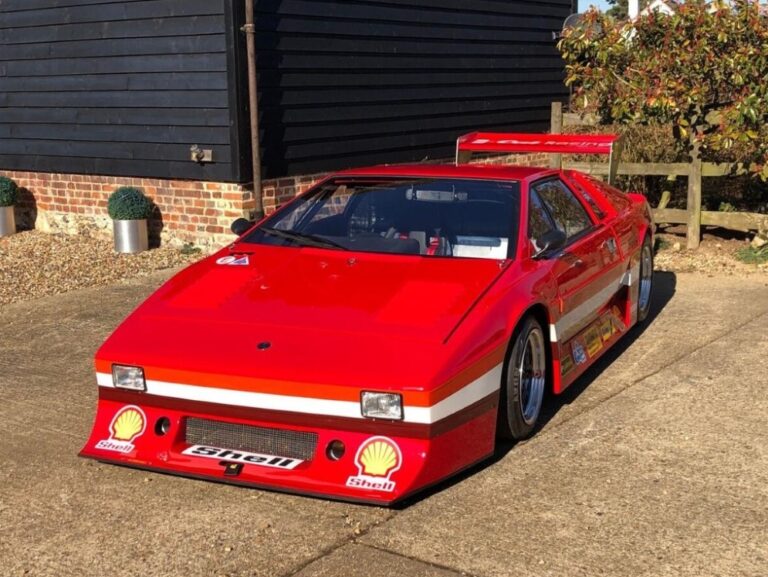
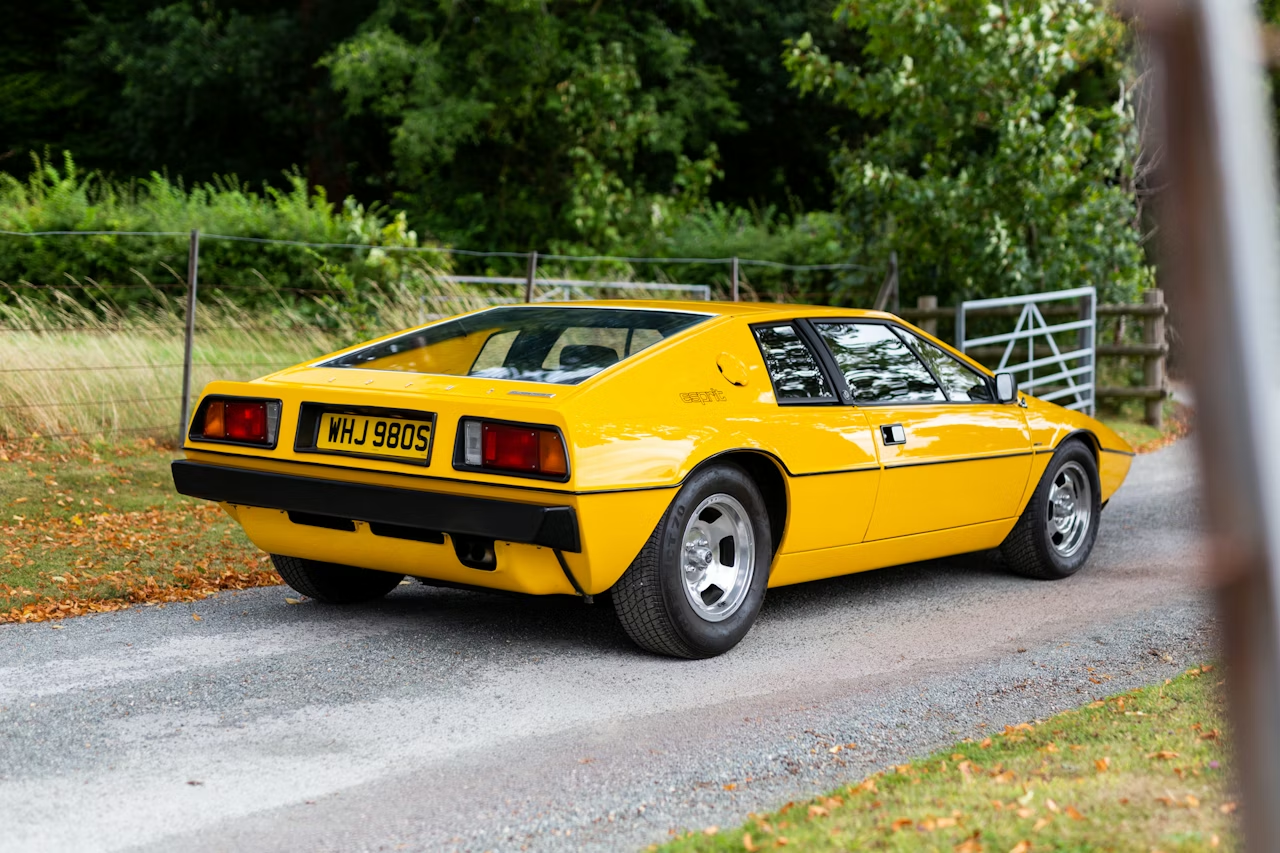
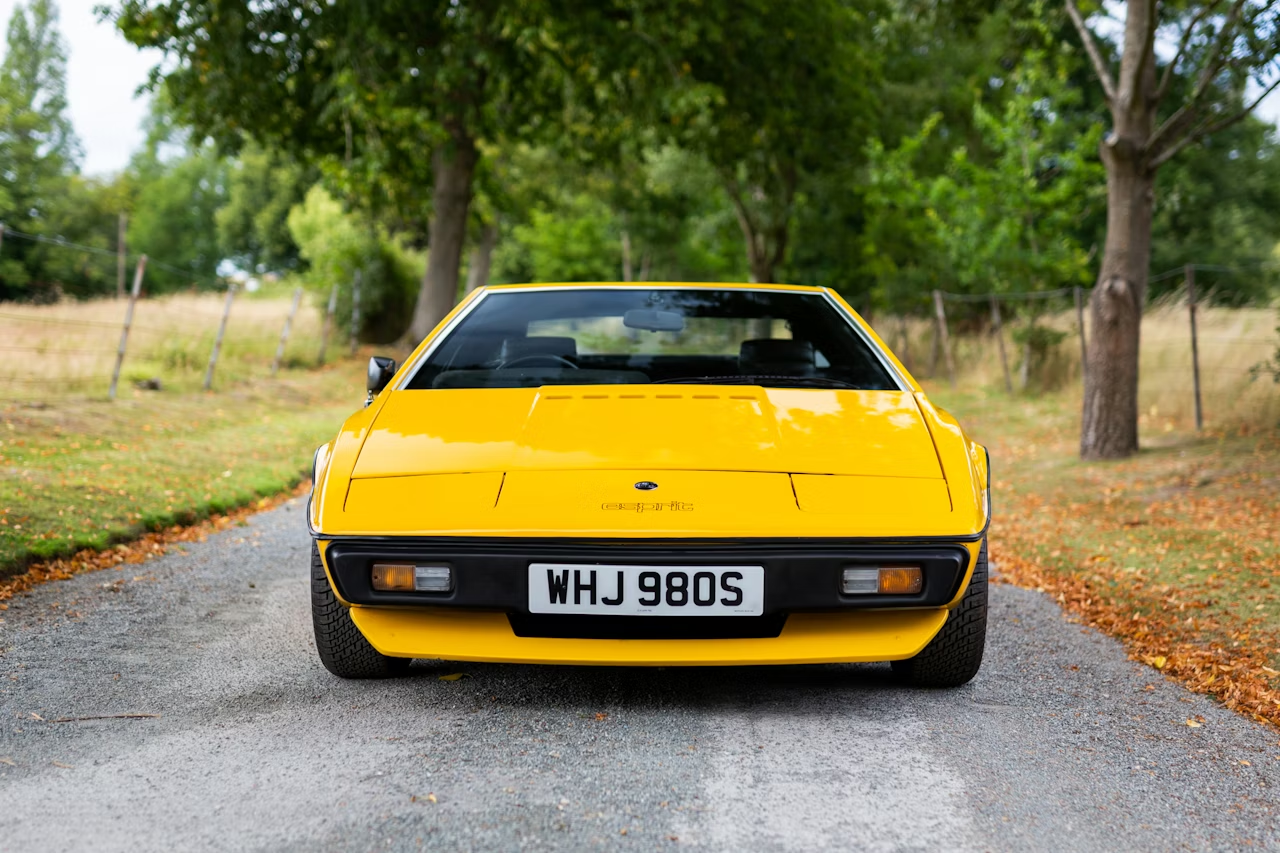
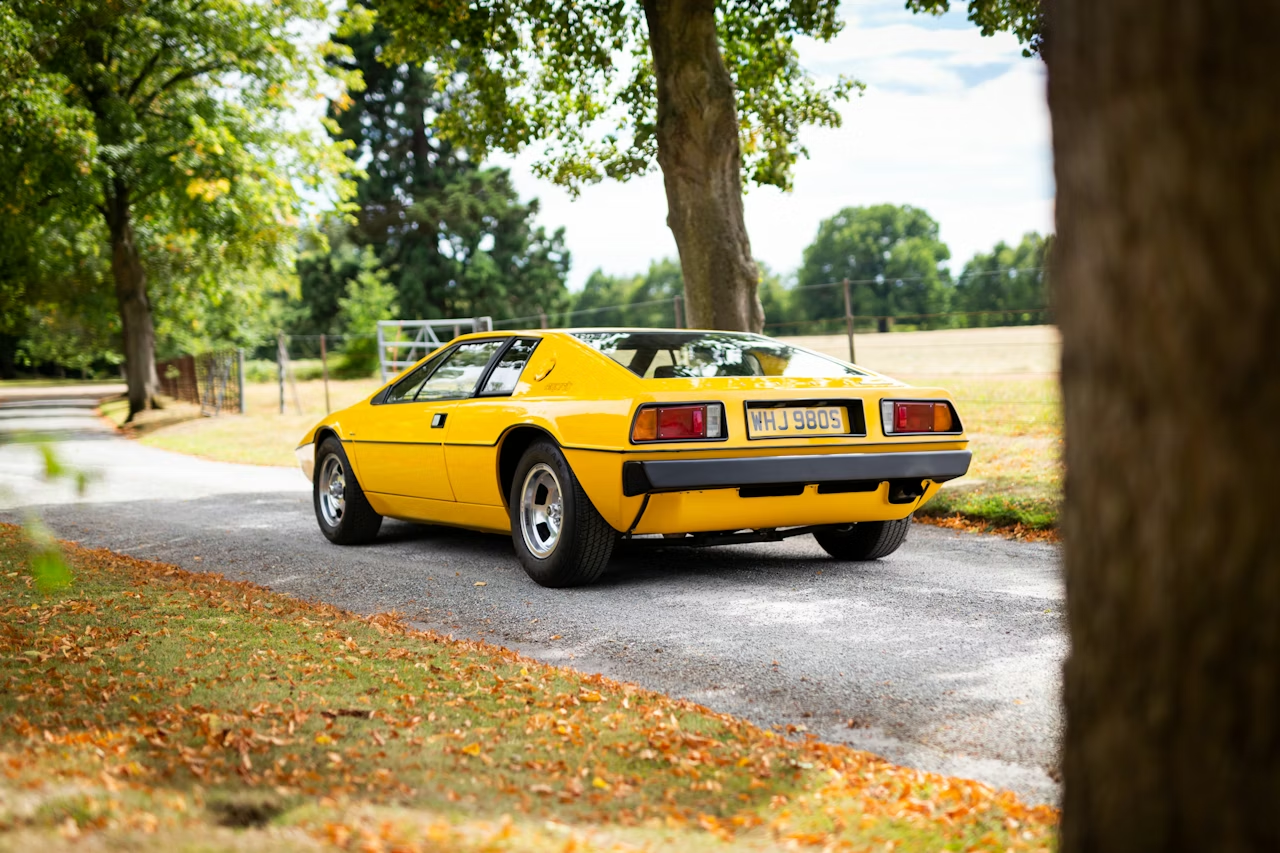
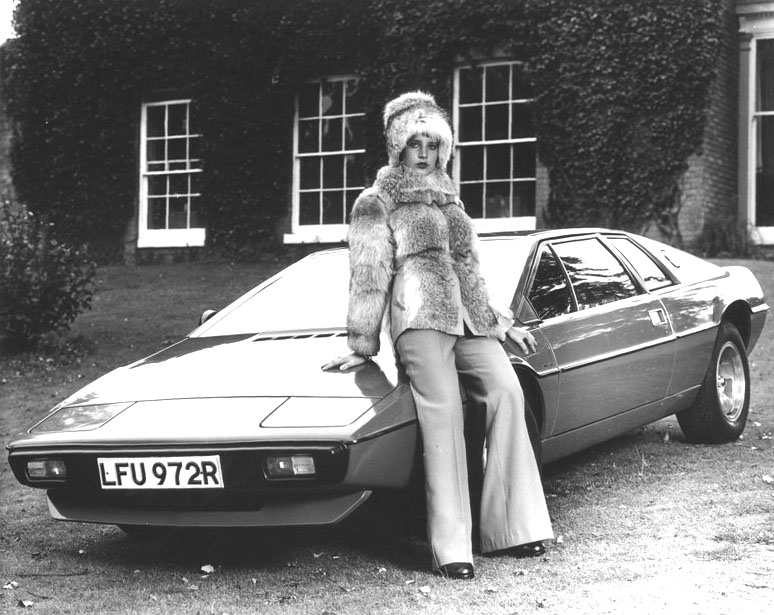
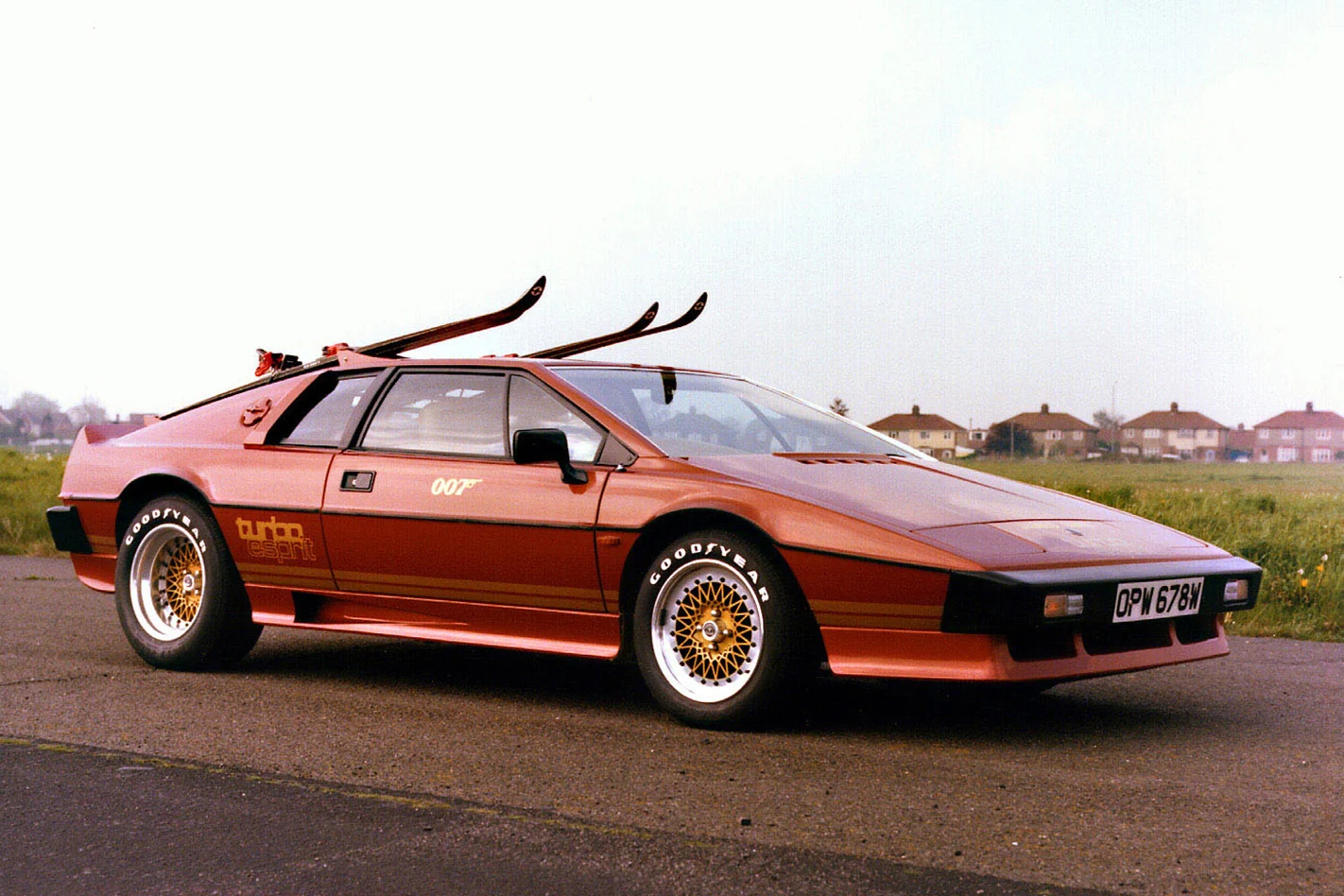
To dissect the anatomy of the Esprit S1 is to study a masterpiece of mid-century industrial design and chassis engineering. The breathtaking fiberglass coachwork was penned by the legendary Giorgetto Giugiaro at Italdesign. It was the ultimate, purest manifestation of his “folded paper” origami design language—a severe, unadorned wedge utterly devoid of the spoilers, skirts, and aerodynamic clutter that would define later iterations. With its steeply raked windshield, pop-up headlamps, and iconic Wolfrace slotted alloy wheels, the S1 looked as though it were moving at 150 mph while standing completely still.
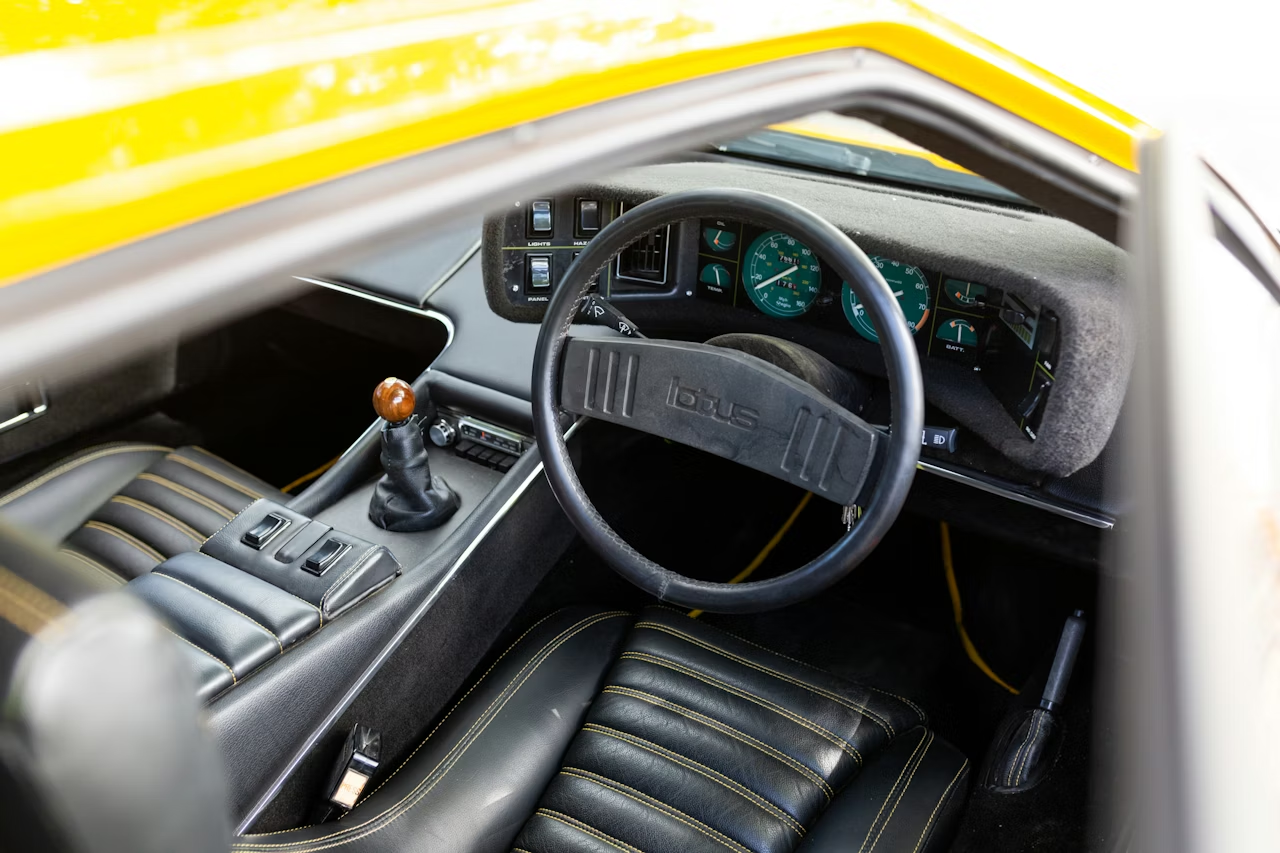
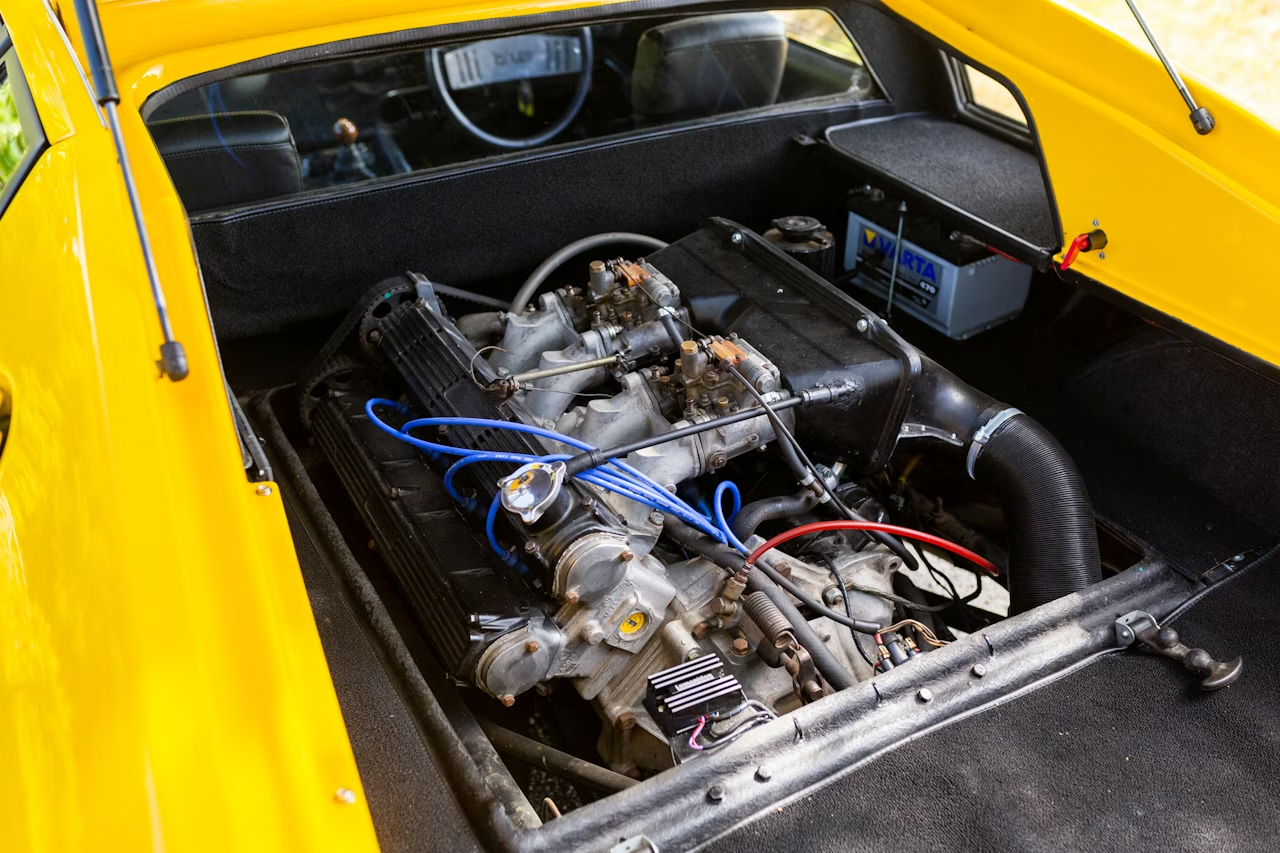
Beneath this exotic Italian suit lay a traditional, folded-steel backbone chassis, heavily reinforced to handle supercar loads. Nestled amidships was the Lotus Type 907 engine, an all-alloy, naturally aspirated 2.0-liter slant-four featuring double overhead camshafts and twin Dell’Orto carburetors. It produced a spirited 160 brake horsepower (though US-bound cars were tragically strangled by emissions equipment). Mated to a five-speed Citroën/Maserati transaxle, the lightweight S1—tipping the scales at barely 1,000 kilograms—possessed a dynamic purity that left its heavier Italian rivals feeling positively agricultural. The suspension utilized double wishbones up front and box-section trailing arms at the rear, famously employing inboard rear disc brakes to drastically reduce unsprung mass. Inside, the S1 was an absolute riot of 1970s futurism. The driver sank into a deeply reclined bucket seat, gripping a two-spoke steering wheel while looking at a green-faced, wrap-around Veglia instrument binnacle. Best of all, the cabin could be famously trimmed in vibrant, unapologetic Scottish tartan cloth, cementing its status as an icon of the decade.
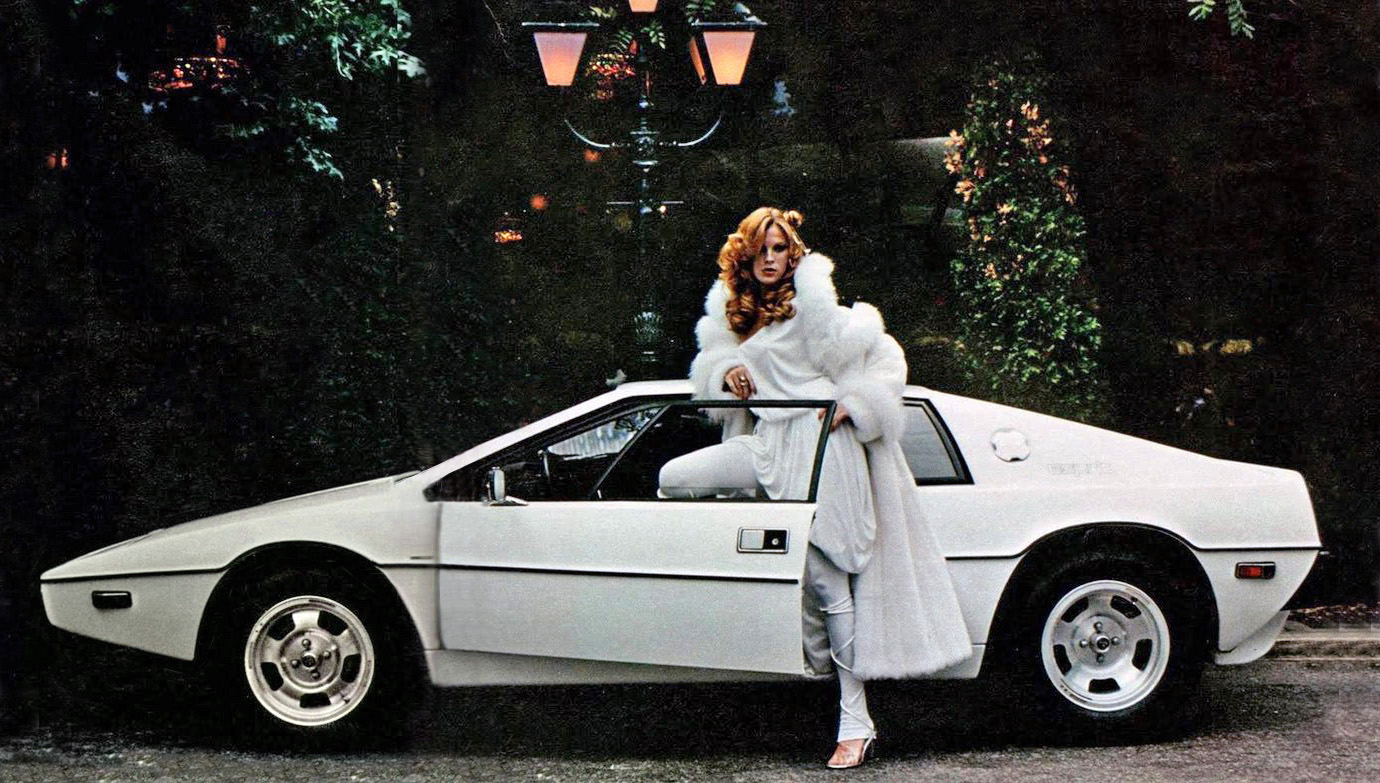
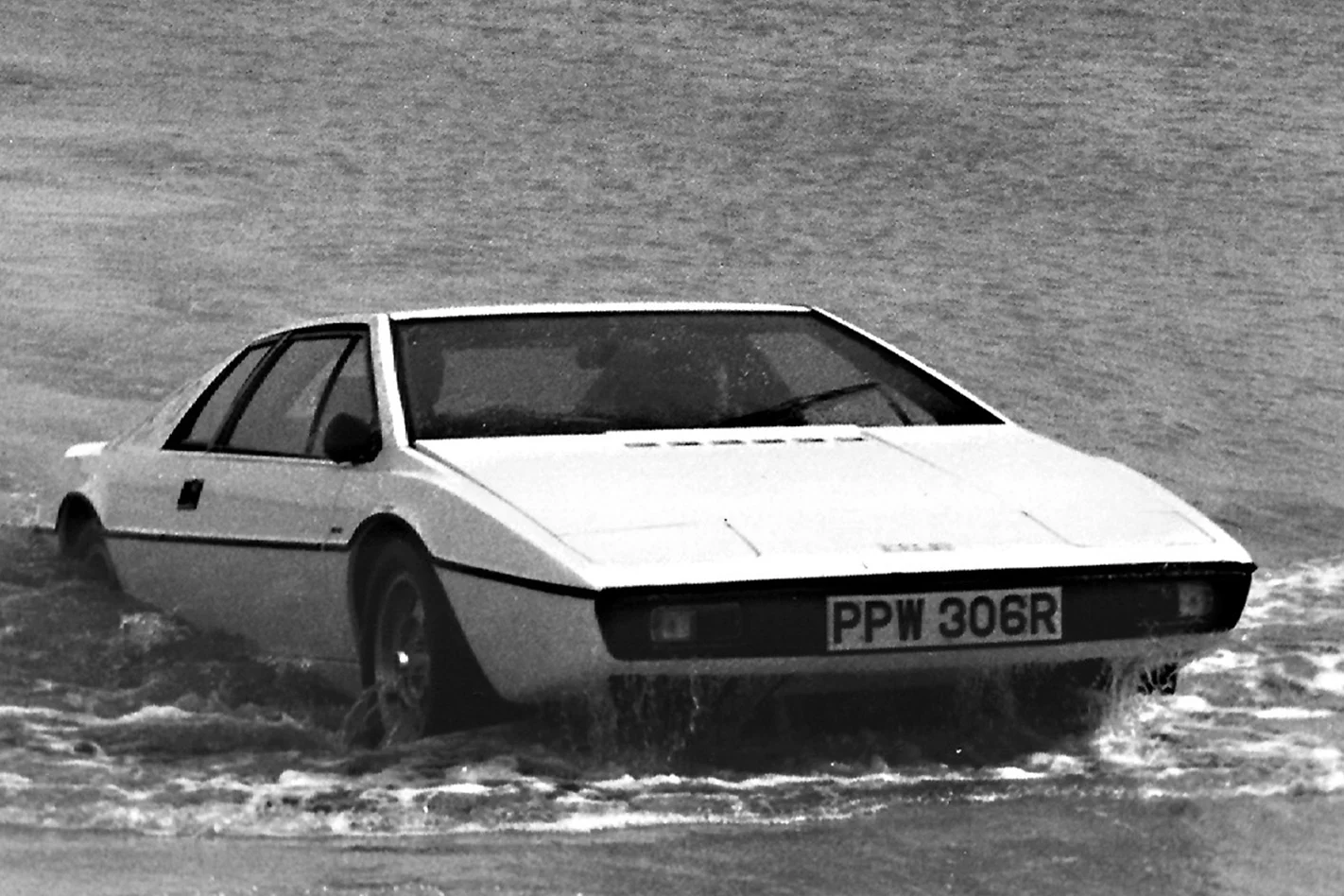
While contemporary road testers praised the Esprit S1’s telepathic, unassisted steering and its ability to dissect a B-road with surgical precision, they were also quick to point out its flaws. Early build quality was famously temperamental, the cabin was exceptionally loud, and the 2.0-liter engine, while willing, lacked the visceral top-end punch of a Maranello V8. Yet, the Esprit S1’s destiny was altered forever by the silver screen. When producer Albert R. Broccoli was scouting vehicles for the 1977 James Bond epic The Spy Who Loved Me, Lotus PR executive Don McLauchlan famously parked an unbadged pre-production Esprit right outside the EON Productions office in London and simply walked away. The sheer visual gravity of the car secured its casting. Driven by Roger Moore in a breathtaking chase sequence across Sardinia, the white Esprit S1 famously plunged into the Mediterranean Sea, retracting its wheels to transform into “Wet Nellie”, a fully functional submarine. That single cinematic moment catapulted the Esprit S1 into global immortality, instantly transforming it from a niche British sports car into the most desired vehicle on the planet.
The 1976 Lotus Esprit Series 1 was a fleeting but foundational chapter in the marque’s history. By 1978, it was replaced by the Series 2 (S2), which addressed many of the cooling and ergonomic issues but compromised Giugiaro’s pure silhouette with integrated air scoops, a front chin spoiler, and Rover SD1 taillights. The lineage would famously go on to feature screaming turbochargers and eventually a twin-turbo V8, keeping the backbone chassis alive well into the 21st century. However, the original S1 remains the absolute holy grail for design purists. It is the genesis point of Lotus’s supercar era. The Esprit S1 stands in the pantheon of motoring not merely as a car, but as a cultural artifact—a perfect, uncorrupted wedge of 1970s optimism that proved a tiny factory in Norfolk could build a machine that out-glamoured the greatest names in the automotive world.
Portal
Model line
Model generation
Brand
Produced from
Vehicle category
Generation Overview
To fully grasp the seismic impact of the 1976 Lotus Esprit Series 1 (S1), one must look at the automotive landscape of the early 1970s through the ambitious, bespectacled eyes of Colin Chapman. Lotus was an absolute titan on the Formula 1 grid, yet its road car division was peddling the Europa—a brilliantly handling but aesthetically polarizing, Renault-powered machine that possessed the undeniable aura of a kit car. Chapman desperately craved a legitimate, mid-engined flagship. He needed a striking, uncompromising supercar that could park outside the Casino de Monte-Carlo and draw stares away from the Ferrari 308 GTB, the Maserati Merak, and the Porsche 911. The genesis of this dream materialized at the 1972 Turin Auto Show as a stunning silver concept car, but it wasn’t until 1976 that the Lotus Esprit S1 finally rolled out of the Hethel factory. Representing a monumental leap upmarket for the British marque, the Esprit S1 was offered in a singular, highly focused trim level. It was tasked with translating Lotus’s featherweight, grand-prix-winning philosophy into a glamorous grand tourer, and in doing so, it became the defining wedge-shaped poster car of a generation.
To dissect the anatomy of the Esprit S1 is to study a masterpiece of mid-century industrial design and chassis engineering. The breathtaking fiberglass coachwork was penned by the legendary Giorgetto Giugiaro at Italdesign. It was the ultimate, purest manifestation of his “folded paper” origami design language—a severe, unadorned wedge utterly devoid of the spoilers, skirts, and aerodynamic clutter that would define later iterations. With its steeply raked windshield, pop-up headlamps, and iconic Wolfrace slotted alloy wheels, the S1 looked as though it were moving at 150 mph while standing completely still.
Beneath this exotic Italian suit lay a traditional, folded-steel backbone chassis, heavily reinforced to handle supercar loads. Nestled amidships was the Lotus Type 907 engine, an all-alloy, naturally aspirated 2.0-liter slant-four featuring double overhead camshafts and twin Dell’Orto carburetors. It produced a spirited 160 brake horsepower (though US-bound cars were tragically strangled by emissions equipment). Mated to a five-speed Citroën/Maserati transaxle, the lightweight S1—tipping the scales at barely 1,000 kilograms—possessed a dynamic purity that left its heavier Italian rivals feeling positively agricultural. The suspension utilized double wishbones up front and box-section trailing arms at the rear, famously employing inboard rear disc brakes to drastically reduce unsprung mass. Inside, the S1 was an absolute riot of 1970s futurism. The driver sank into a deeply reclined bucket seat, gripping a two-spoke steering wheel while looking at a green-faced, wrap-around Veglia instrument binnacle. Best of all, the cabin could be famously trimmed in vibrant, unapologetic Scottish tartan cloth, cementing its status as an icon of the decade.
While contemporary road testers praised the Esprit S1’s telepathic, unassisted steering and its ability to dissect a B-road with surgical precision, they were also quick to point out its flaws. Early build quality was famously temperamental, the cabin was exceptionally loud, and the 2.0-liter engine, while willing, lacked the visceral top-end punch of a Maranello V8. Yet, the Esprit S1’s destiny was altered forever by the silver screen. When producer Albert R. Broccoli was scouting vehicles for the 1977 James Bond epic The Spy Who Loved Me, Lotus PR executive Don McLauchlan famously parked an unbadged pre-production Esprit right outside the EON Productions office in London and simply walked away. The sheer visual gravity of the car secured its casting. Driven by Roger Moore in a breathtaking chase sequence across Sardinia, the white Esprit S1 famously plunged into the Mediterranean Sea, retracting its wheels to transform into “Wet Nellie”, a fully functional submarine. That single cinematic moment catapulted the Esprit S1 into global immortality, instantly transforming it from a niche British sports car into the most desired vehicle on the planet.
The 1976 Lotus Esprit Series 1 was a fleeting but foundational chapter in the marque’s history. By 1978, it was replaced by the Series 2 (S2), which addressed many of the cooling and ergonomic issues but compromised Giugiaro’s pure silhouette with integrated air scoops, a front chin spoiler, and Rover SD1 taillights. The lineage would famously go on to feature screaming turbochargers and eventually a twin-turbo V8, keeping the backbone chassis alive well into the 21st century. However, the original S1 remains the absolute holy grail for design purists. It is the genesis point of Lotus’s supercar era. The Esprit S1 stands in the pantheon of motoring not merely as a car, but as a cultural artifact—a perfect, uncorrupted wedge of 1970s optimism that proved a tiny factory in Norfolk could build a machine that out-glamoured the greatest names in the automotive world.
Submodels