
Porsche 908/03 Spyder
Brand
Produced from
Portal
Vehicle category
Model line
Model generation
Predecessor
Successor
Submodel Overview
In the high-stakes, adrenaline-soaked theater of the 1970 World Sportscar Championship, Porsche wielded a devastating weapon: the 5.0-liter 917. It was a blunt, terrifying instrument of absolute speed, designed to bludgeon the opposition on the endless straights of Le Mans, Monza, and Spa. However, Ferdinand Piëch, Porsche’s brilliantly ruthless technical director, possessed a deeply pragmatic racing mind. He understood that the titanic 917 would be a clumsy, uncontrollable liability on the treacherous, endlessly twisting mountain passes of the Targa Florio and the grueling carousel of the Nürburgring Nordschleife. To conquer these specific, highly technical arenas and humiliate the agile Alfa Romeo Tipo 33/3 and the heavy Ferrari 512 S, Piëch did not try to make his sledgehammer dance; he commissioned a bespoke scalpel. The result was the 1970 Porsche 908/03 Spyder. Evolving from the successful 908/02 ‘Flunder’, the /03 was not a generalist prototype. It was a surgical, hyper-focused track weapon, built with a singular, uncompromising obsession with mass centralization, agility, and absolute lightness.
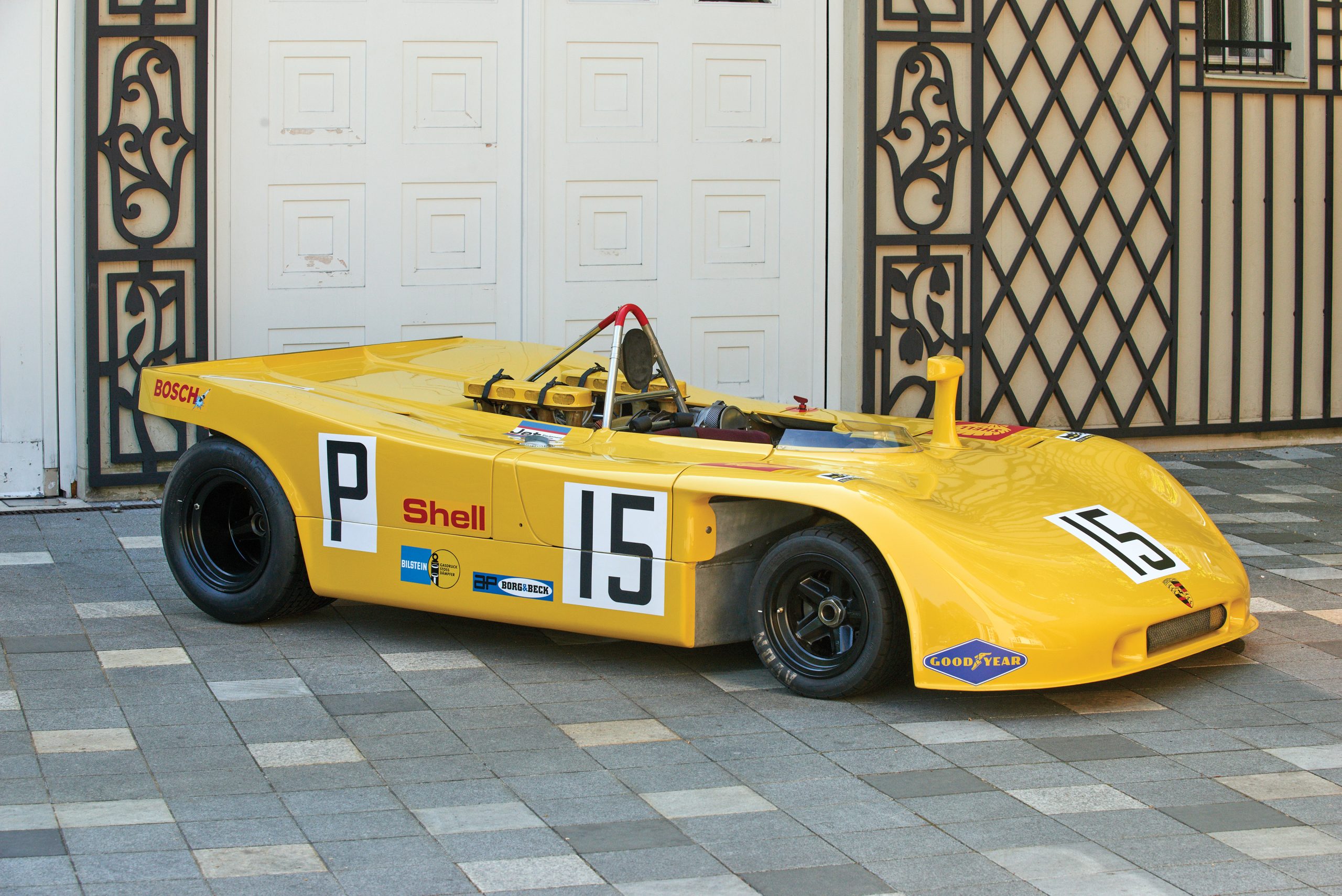
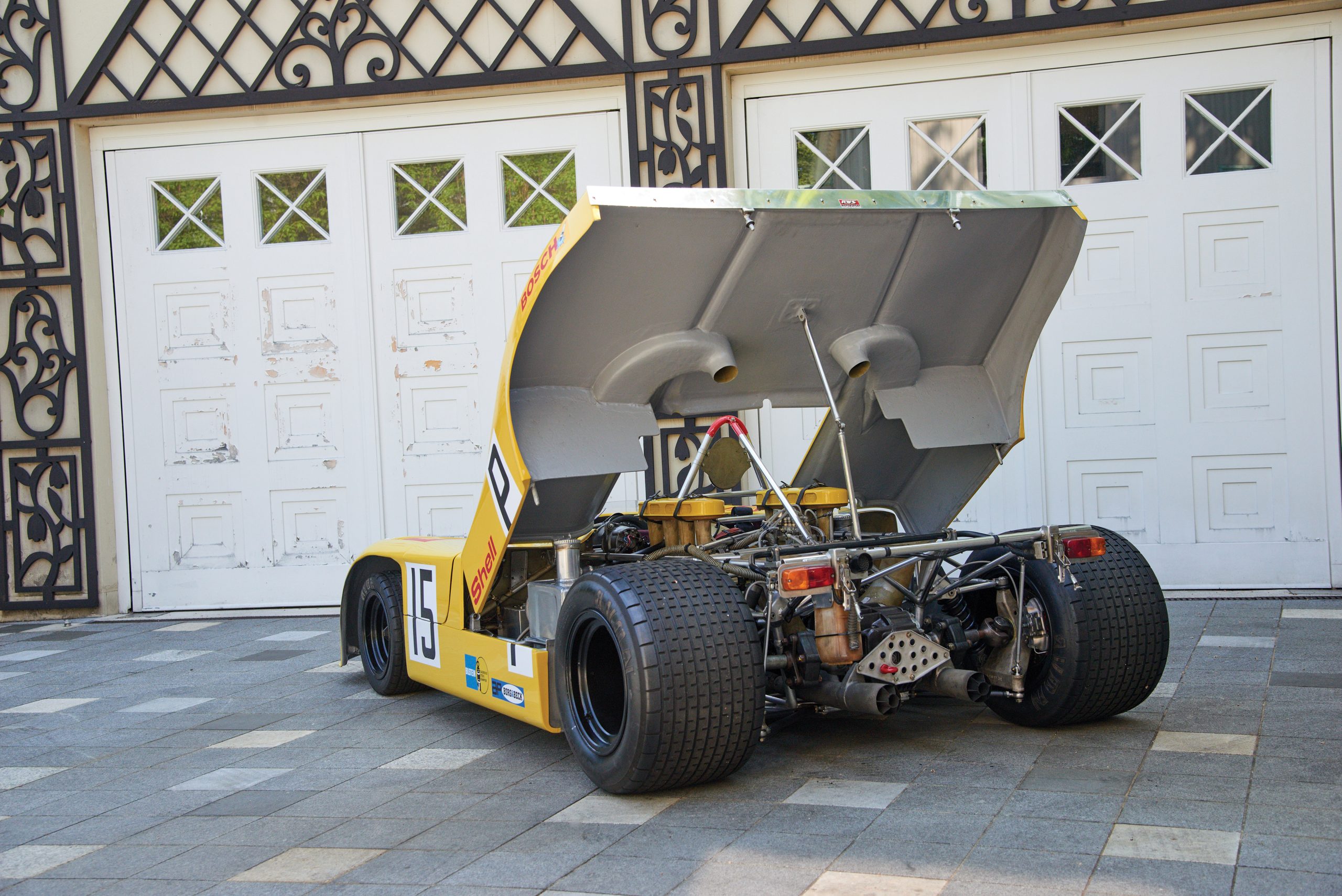
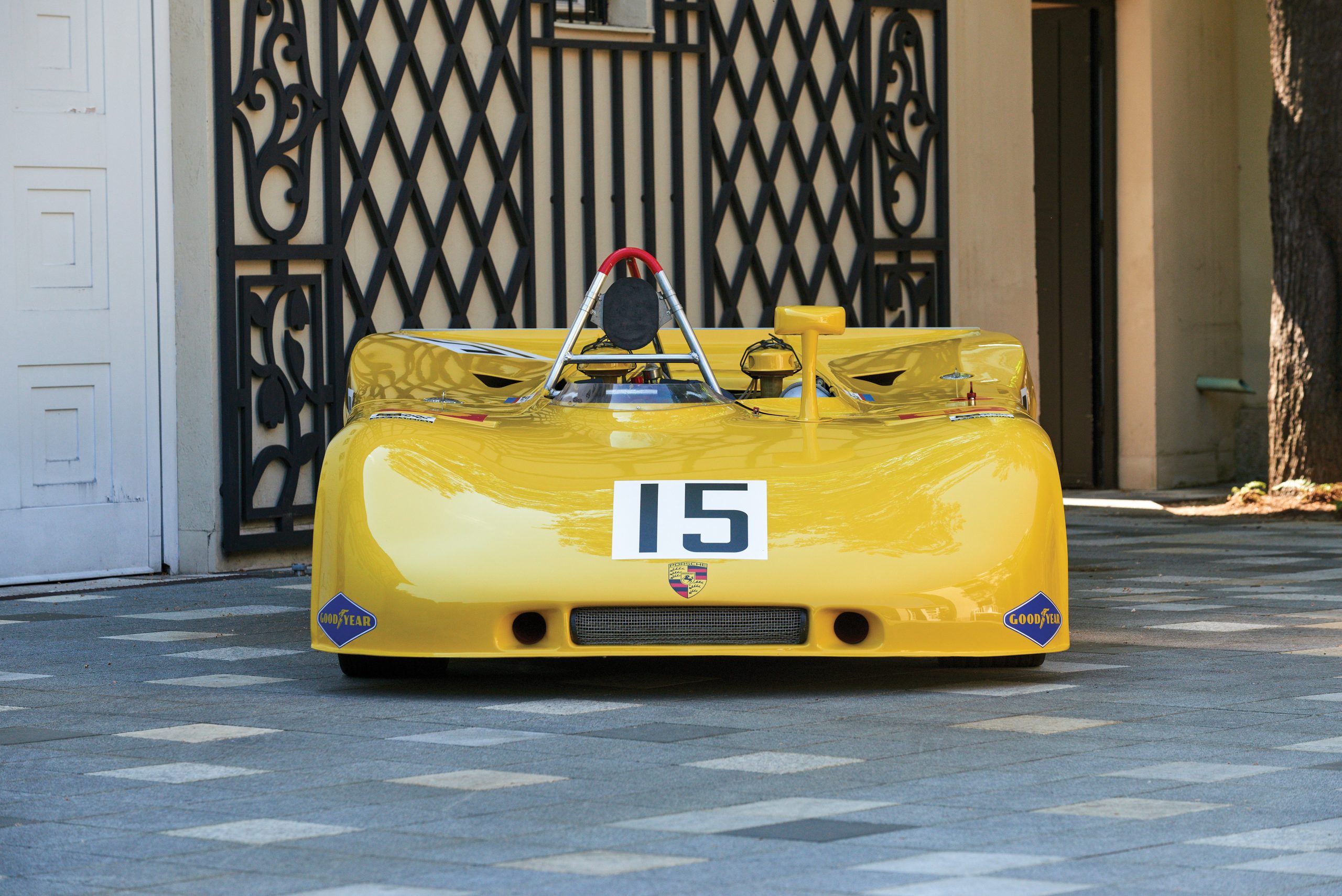
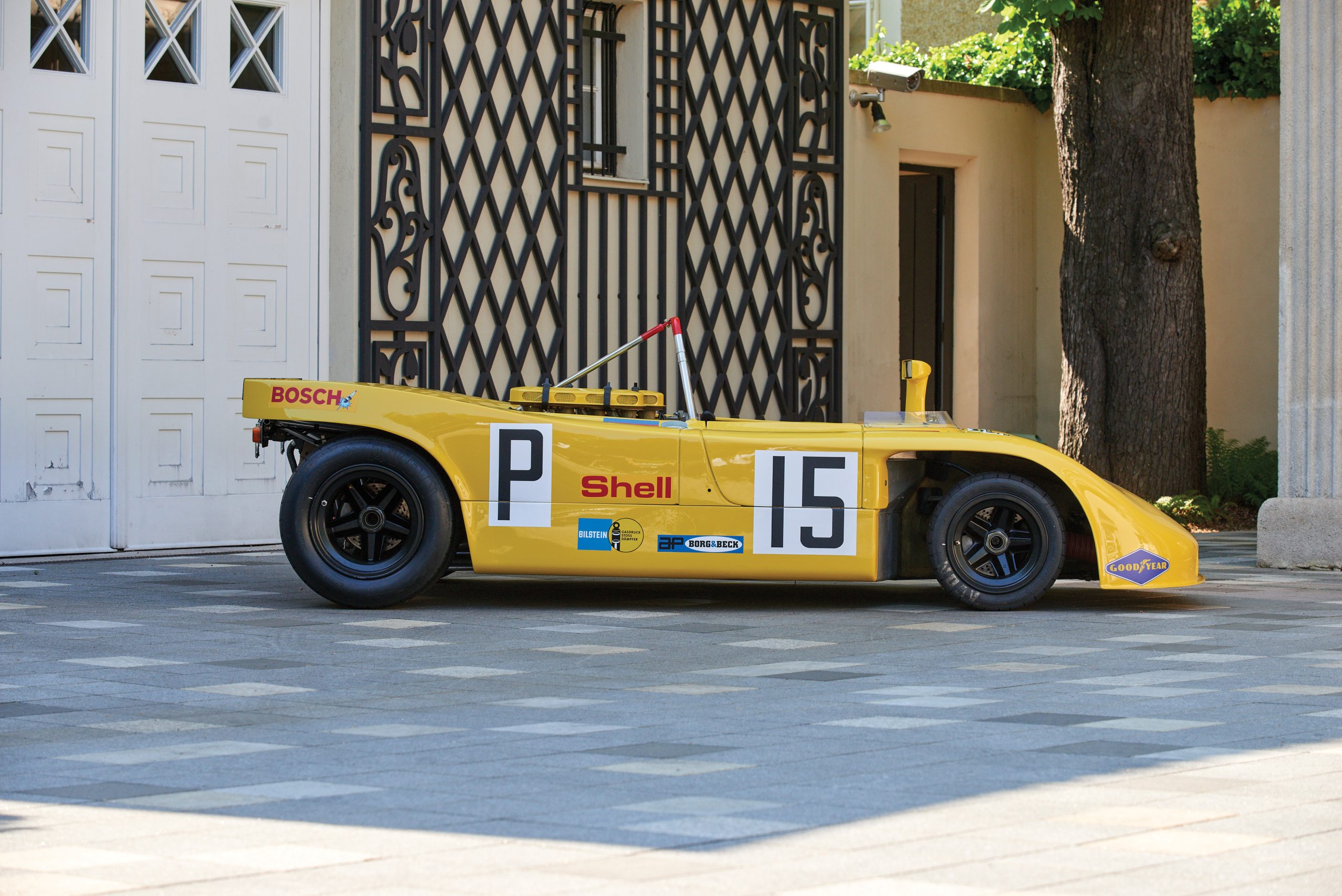
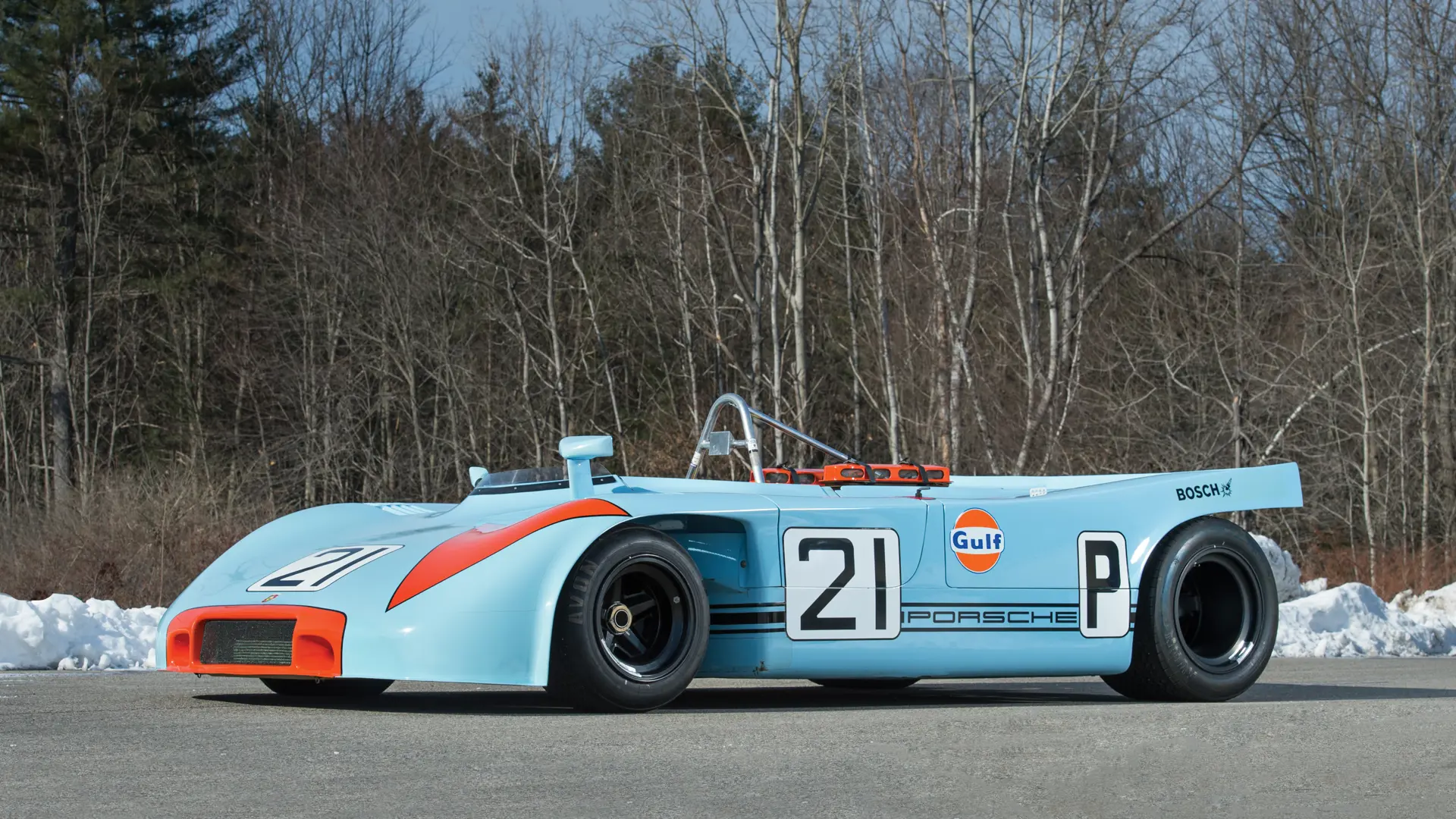
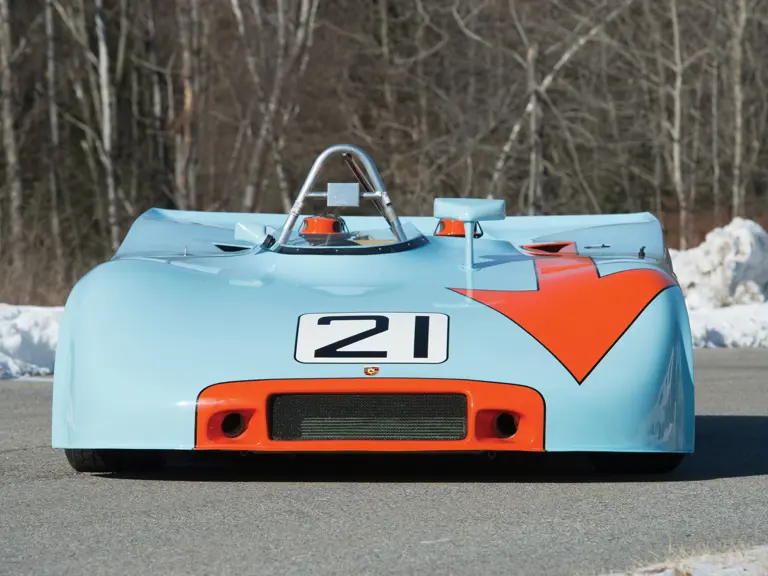
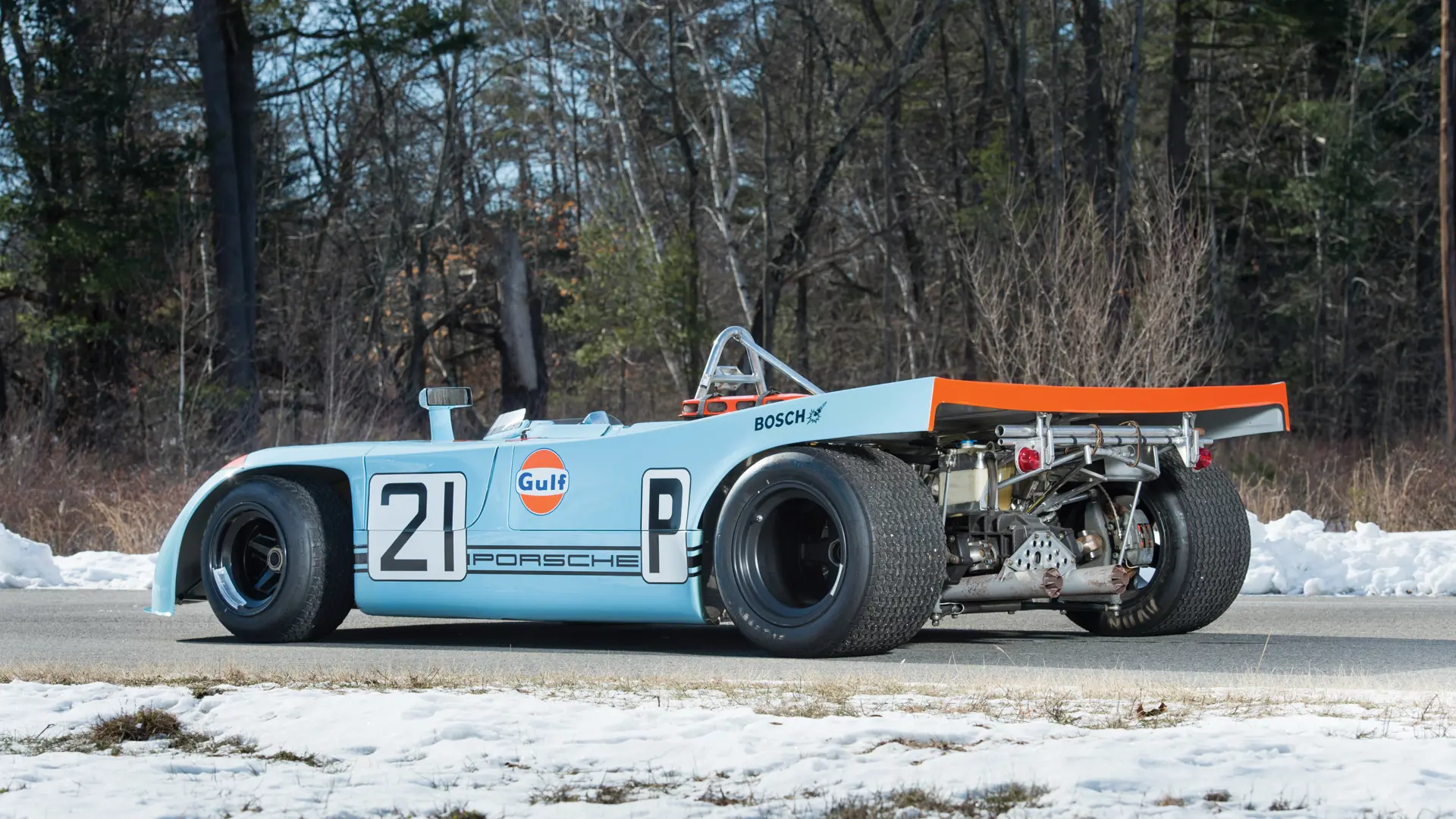
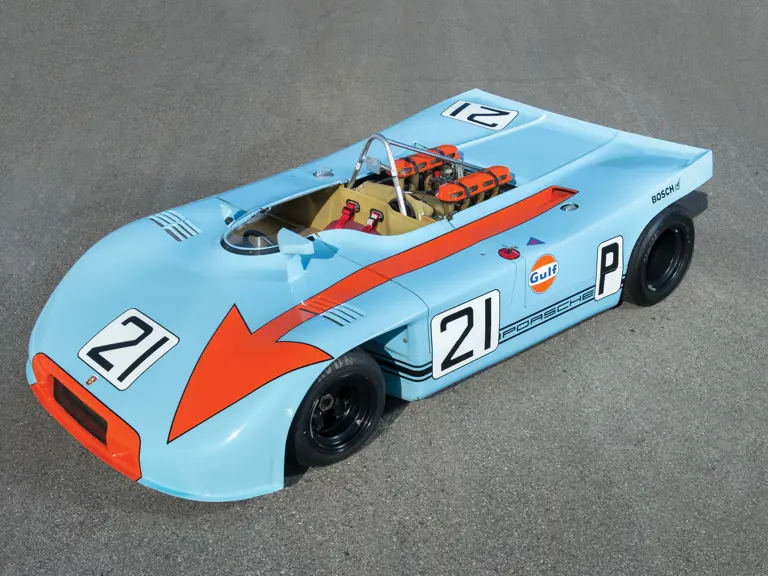
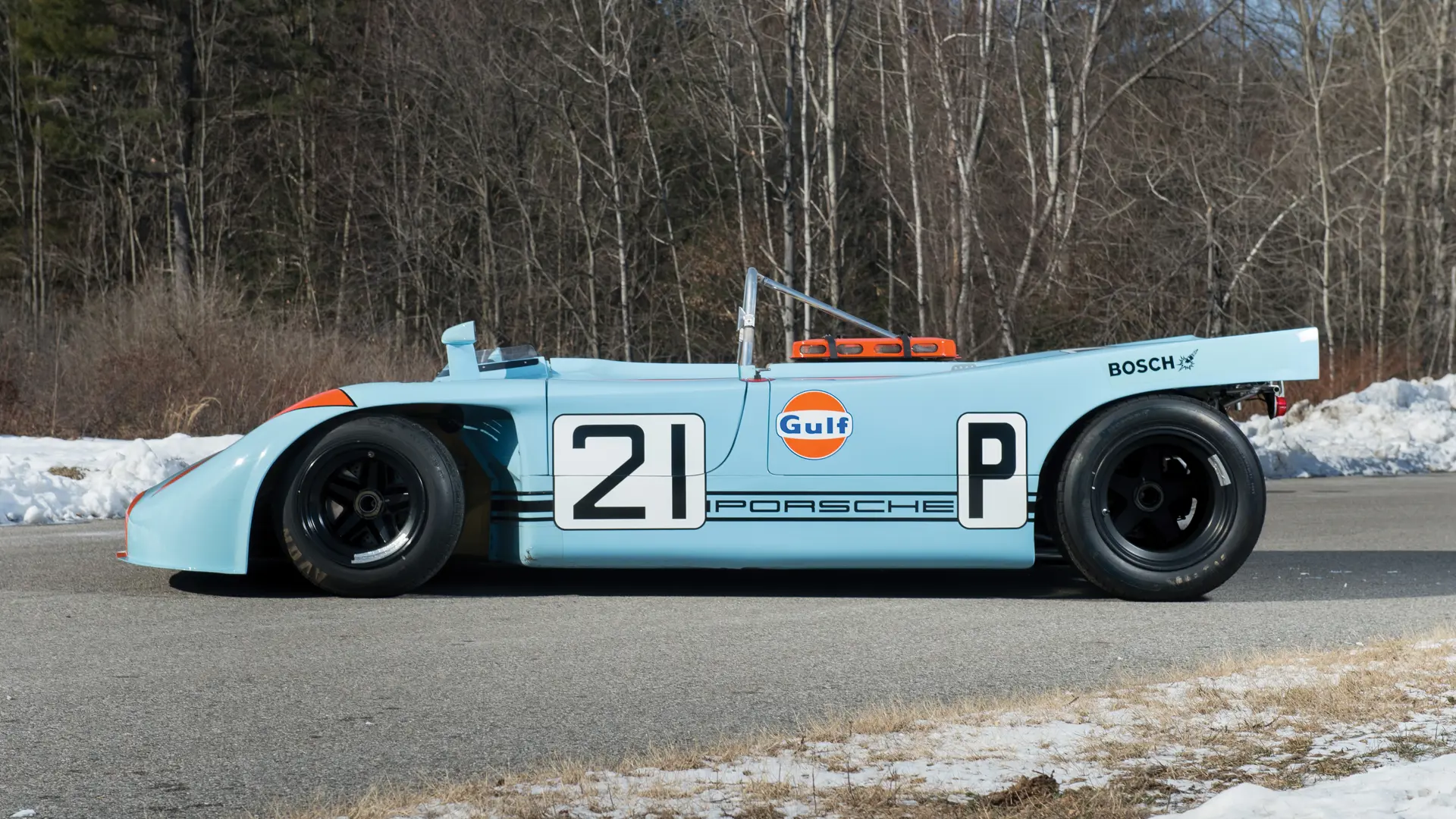
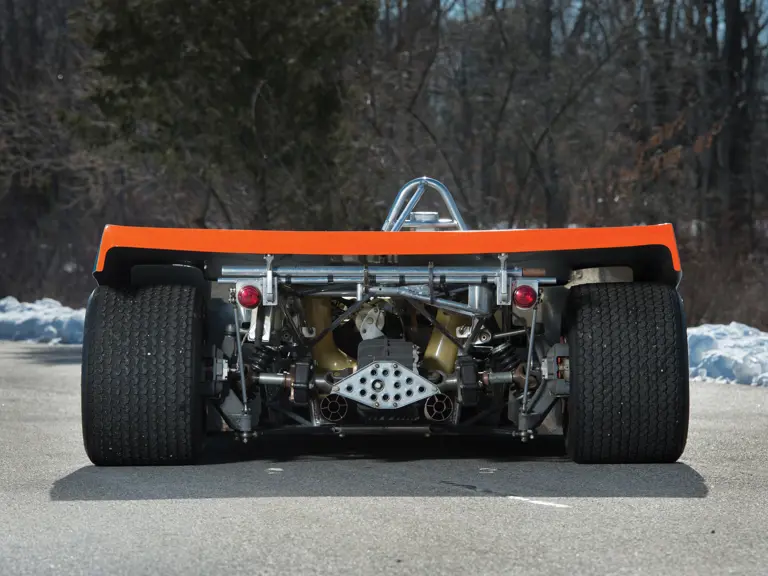
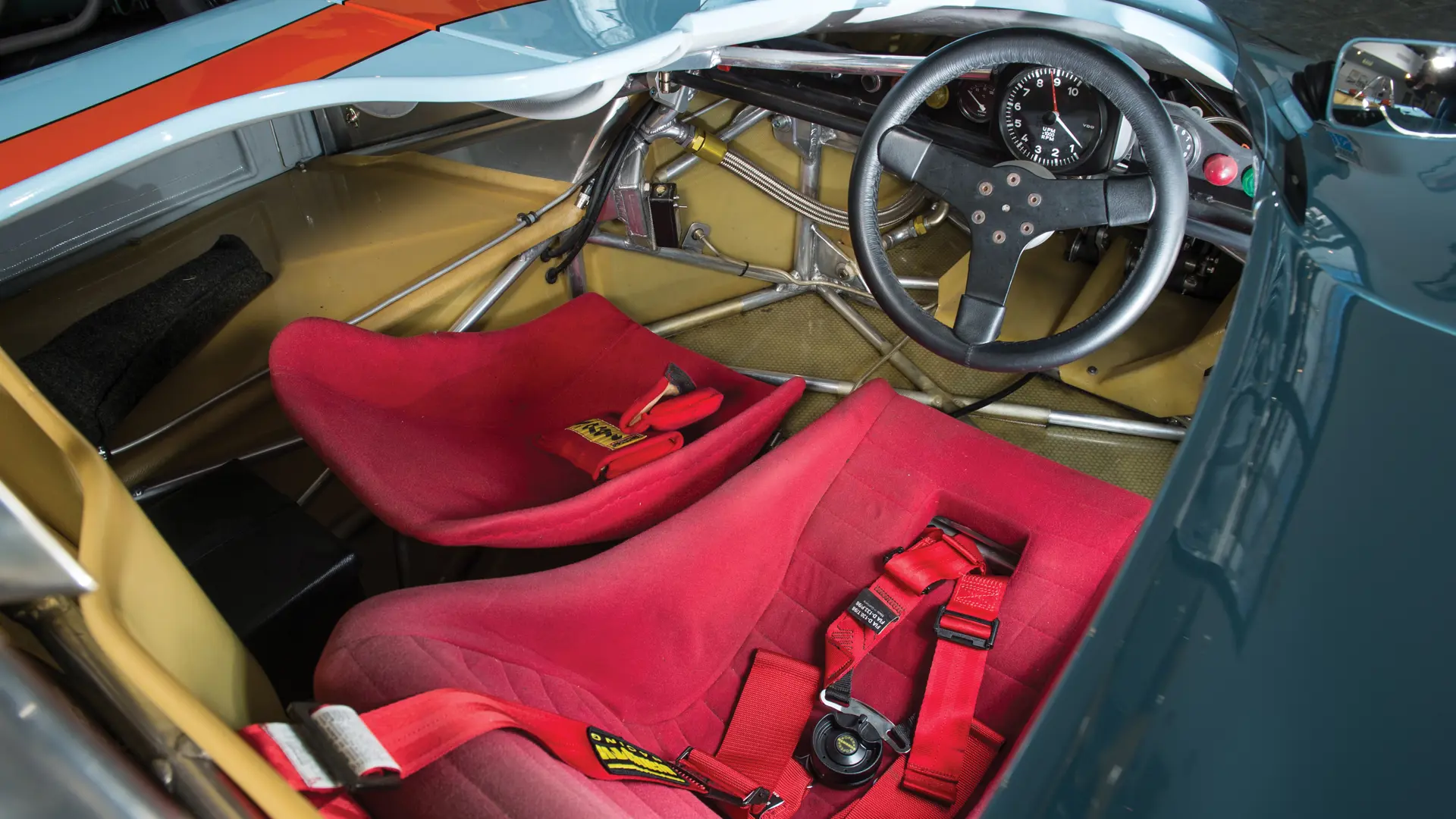
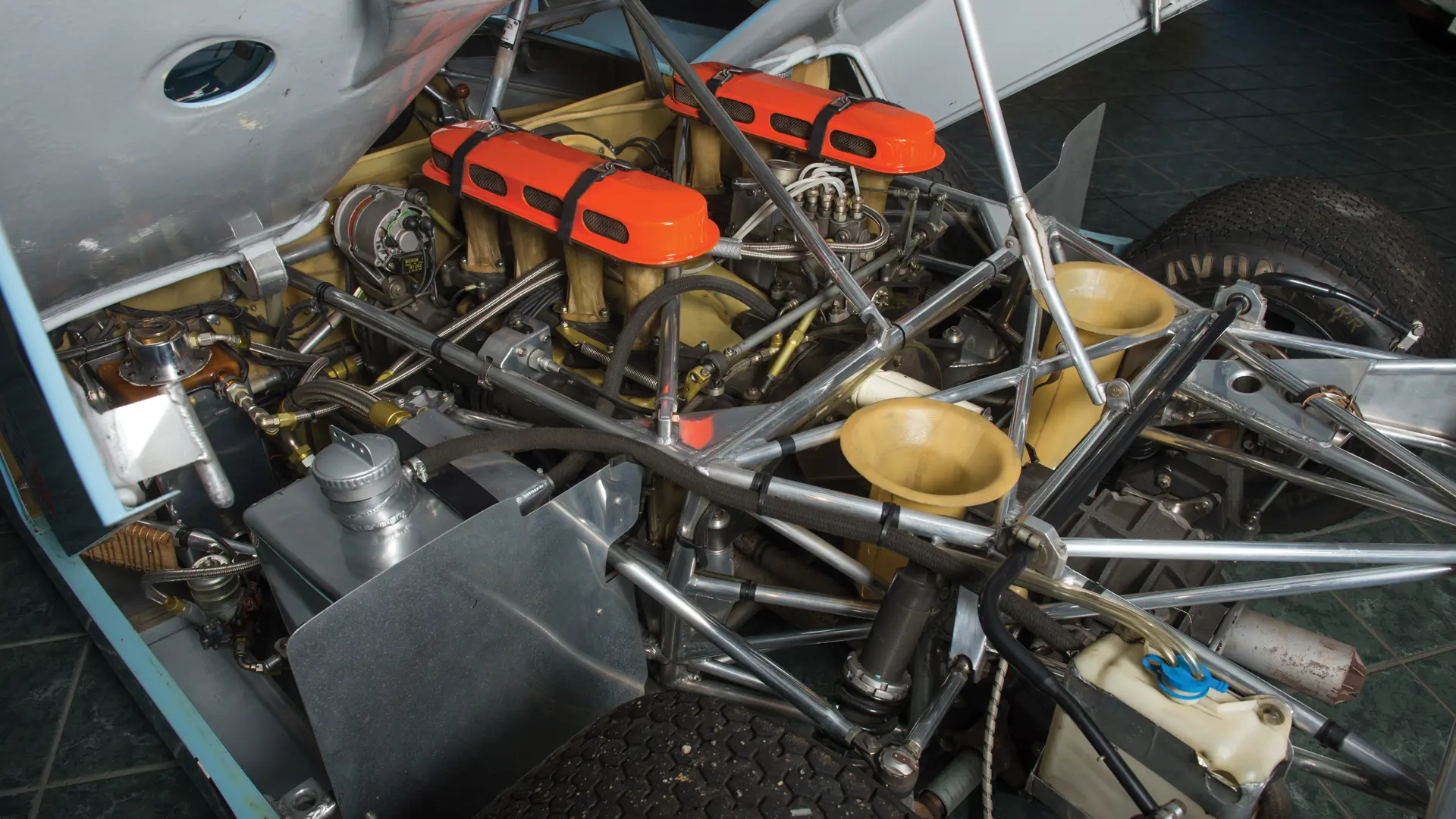
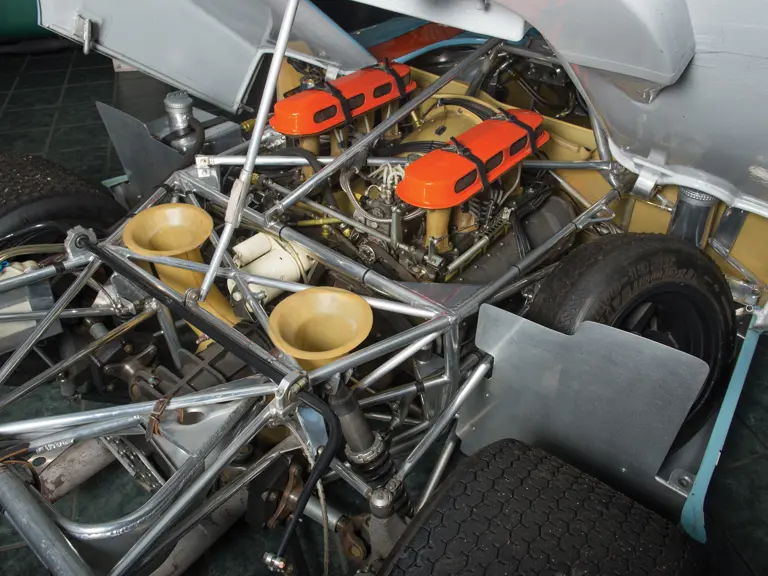
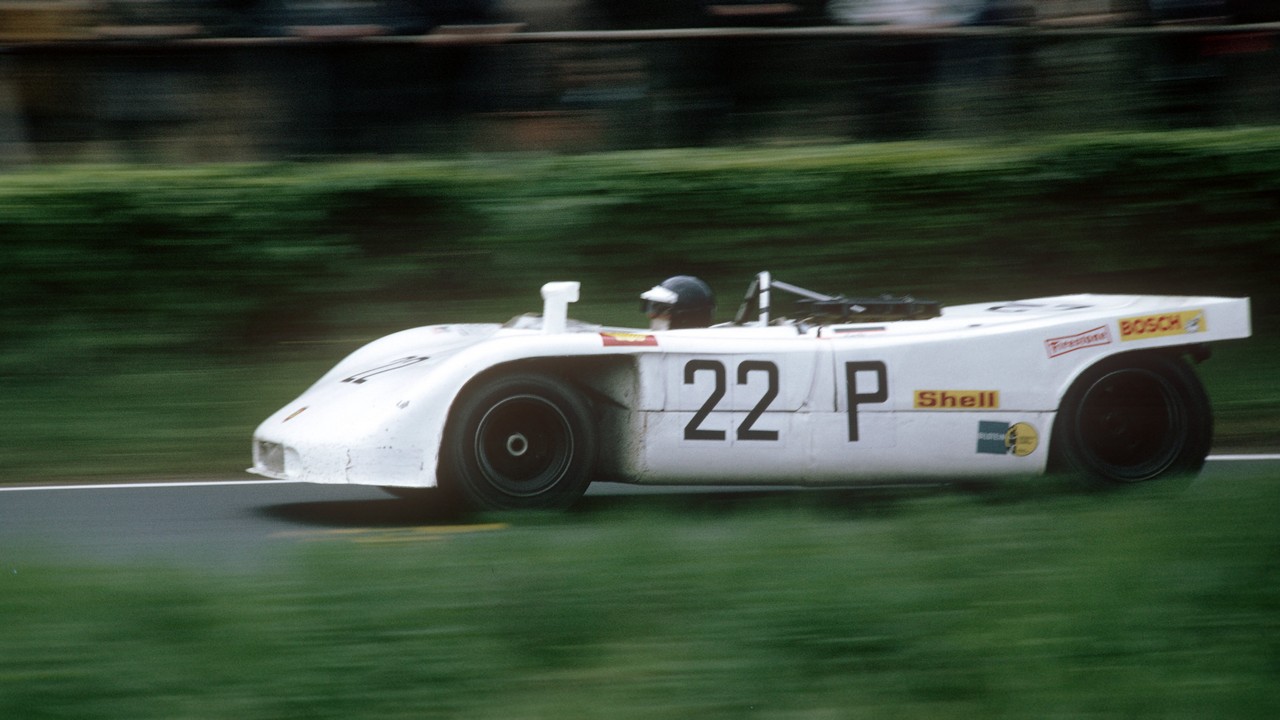
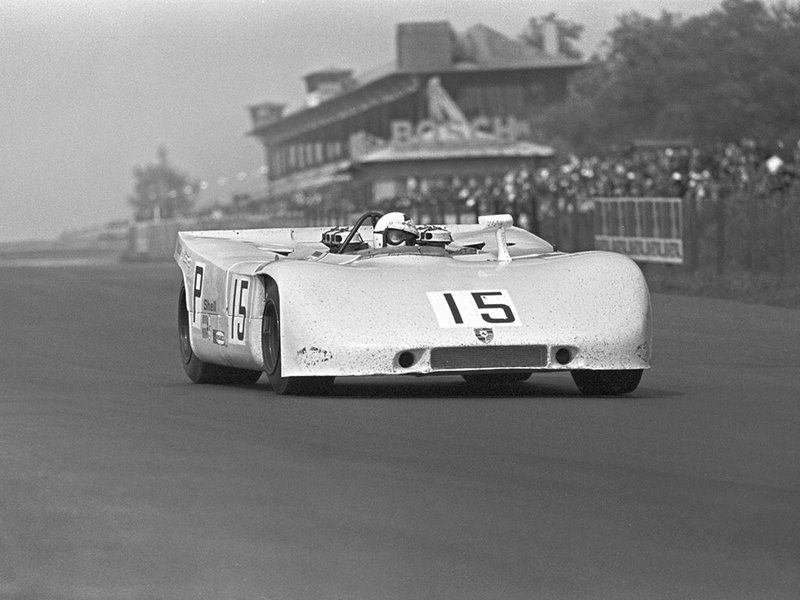
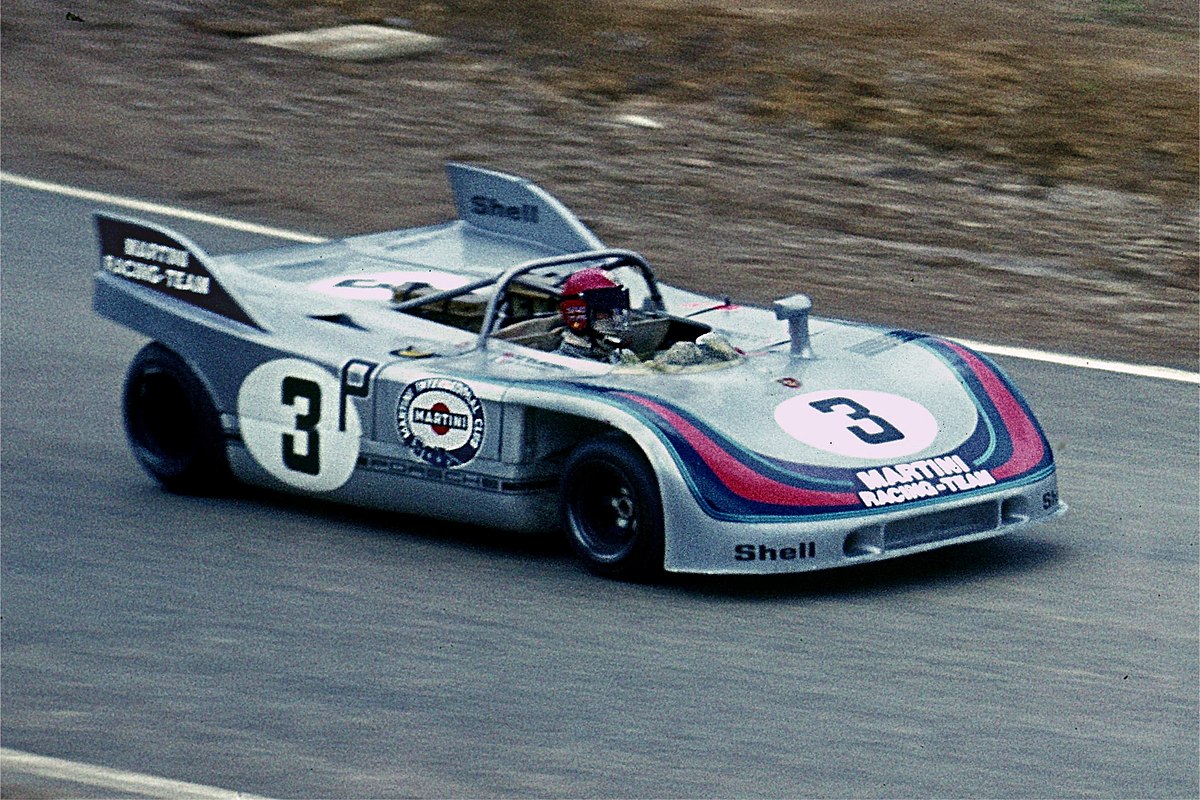
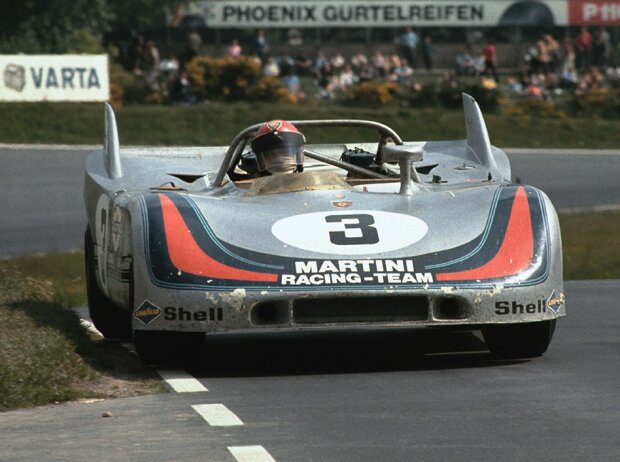
To peel away the impossibly brief, blunt-nosed fiberglass skin of the 1970 908/03 is to witness an engineering marvel inspired directly by Porsche’s 909 Bergspyder hill-climb experiments. Piëch’s team pushed the boundaries of driver packaging to terrifying extremes. To centralize the mass of the powertrain, the transaxle was moved ahead of the rear differential. Consequently, the driver was pushed so far forward that their feet practically rested ahead of the front axle centreline, effectively making their legs the primary crash structure. This radical layout allowed the entire mass of the car to sit squarely between the axles. The heart of the machine remained the proven, air-cooled 3.0-liter Type 908 flat-eight engine. Breathing through Bosch mechanical fuel injection, it produced a reliable, tractable 350 brake horsepower. While that figure paled in comparison to the 600-horsepower V12 Ferraris, the 908/03 tipped the scales at a scarcely believable 500 kilograms (roughly 1,100 pounds). The power-to-weight ratio was staggering. The chassis was a delicate, pressurized aluminium tubular spaceframe, riding on 15-inch wheels—a distinct feature of the 1970 spec before the switch to 13-inch wheels in 1971. Visually, the 1970 car lacked the rear fins of the later model, appearing as a pure, motorized surfboard with zero overhangs. Inside, the right-hand-drive cockpit was entirely devoid of comfort; it was a claustrophobic, exposed aluminium tub where the pilot wrestled a tiny steering wheel while seated intimately close to the front tires.
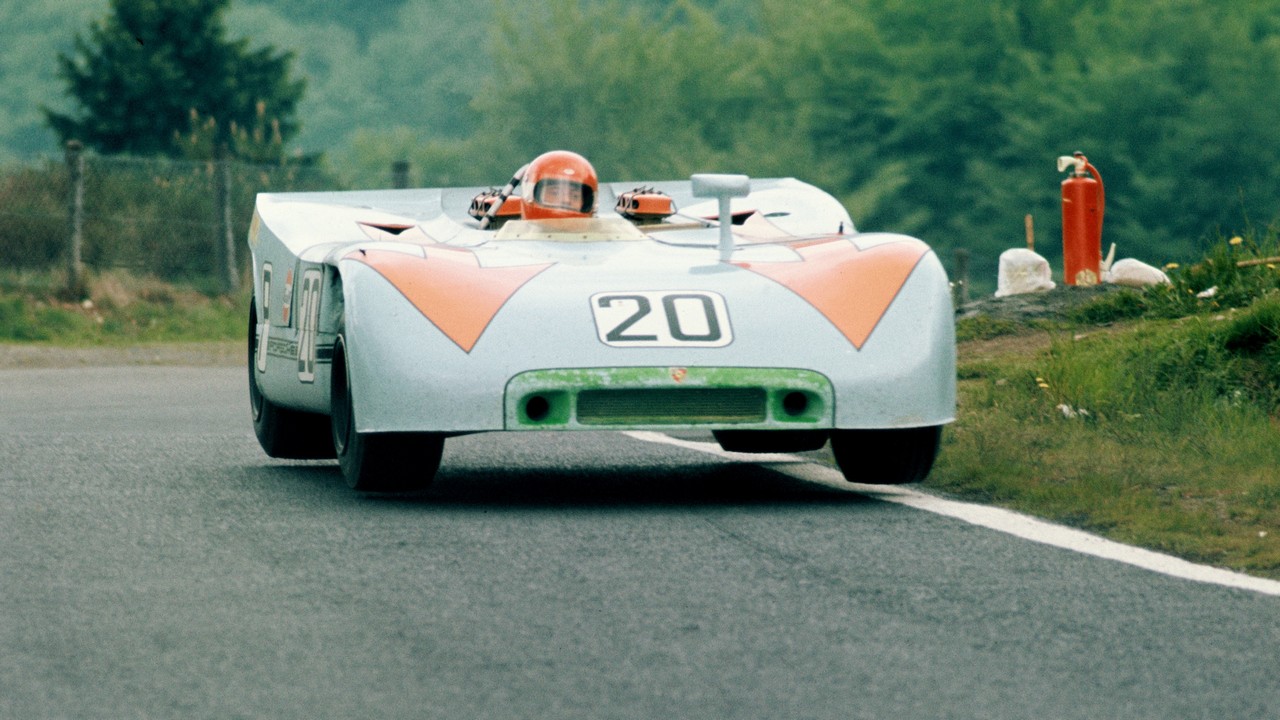
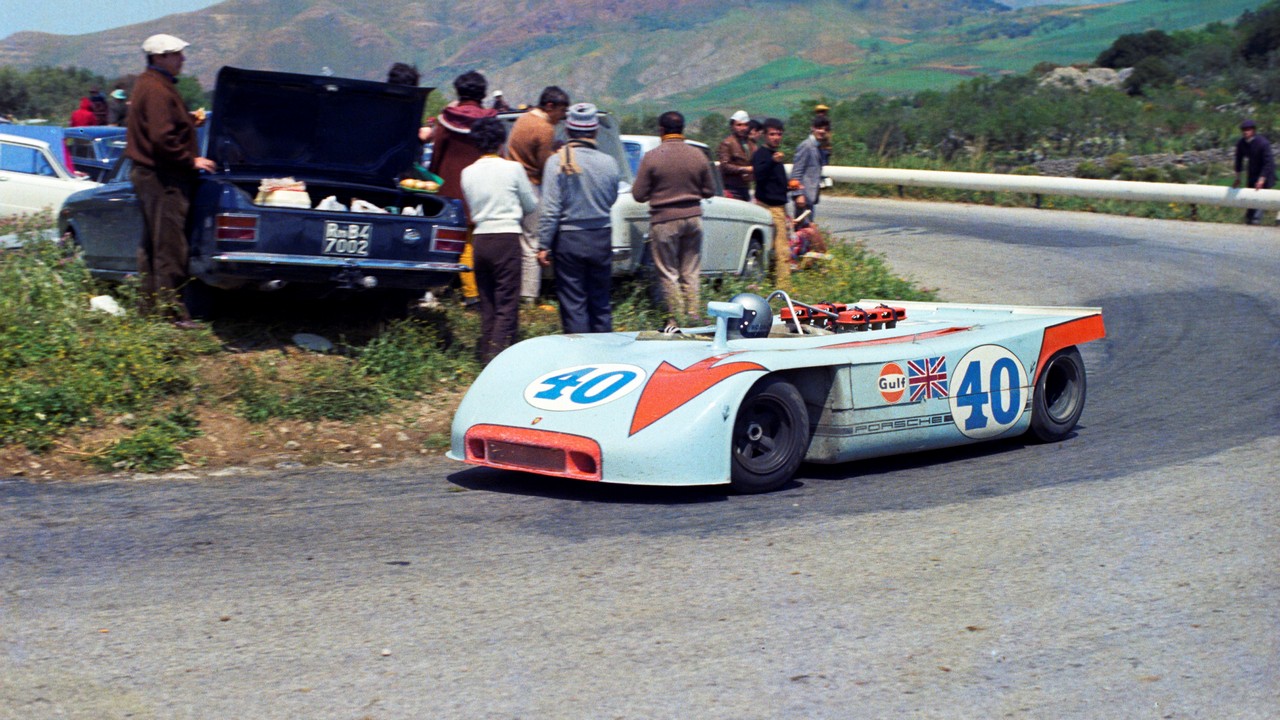
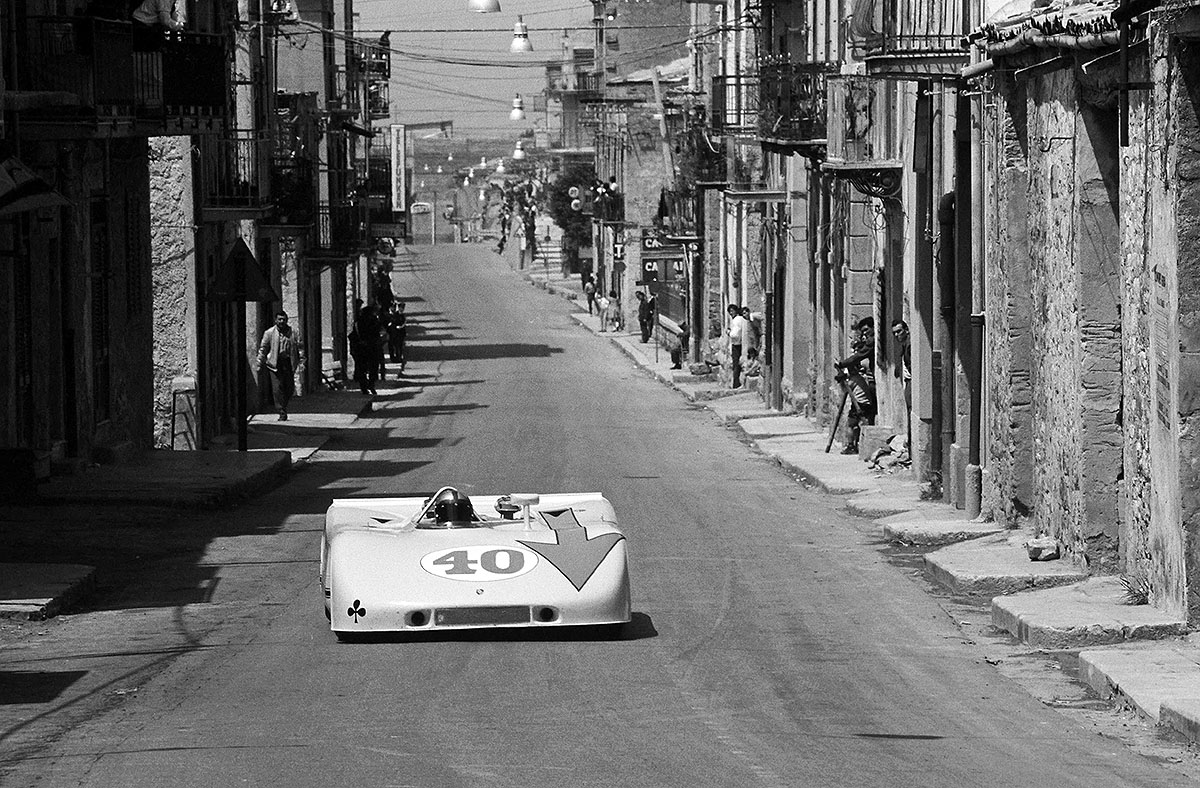
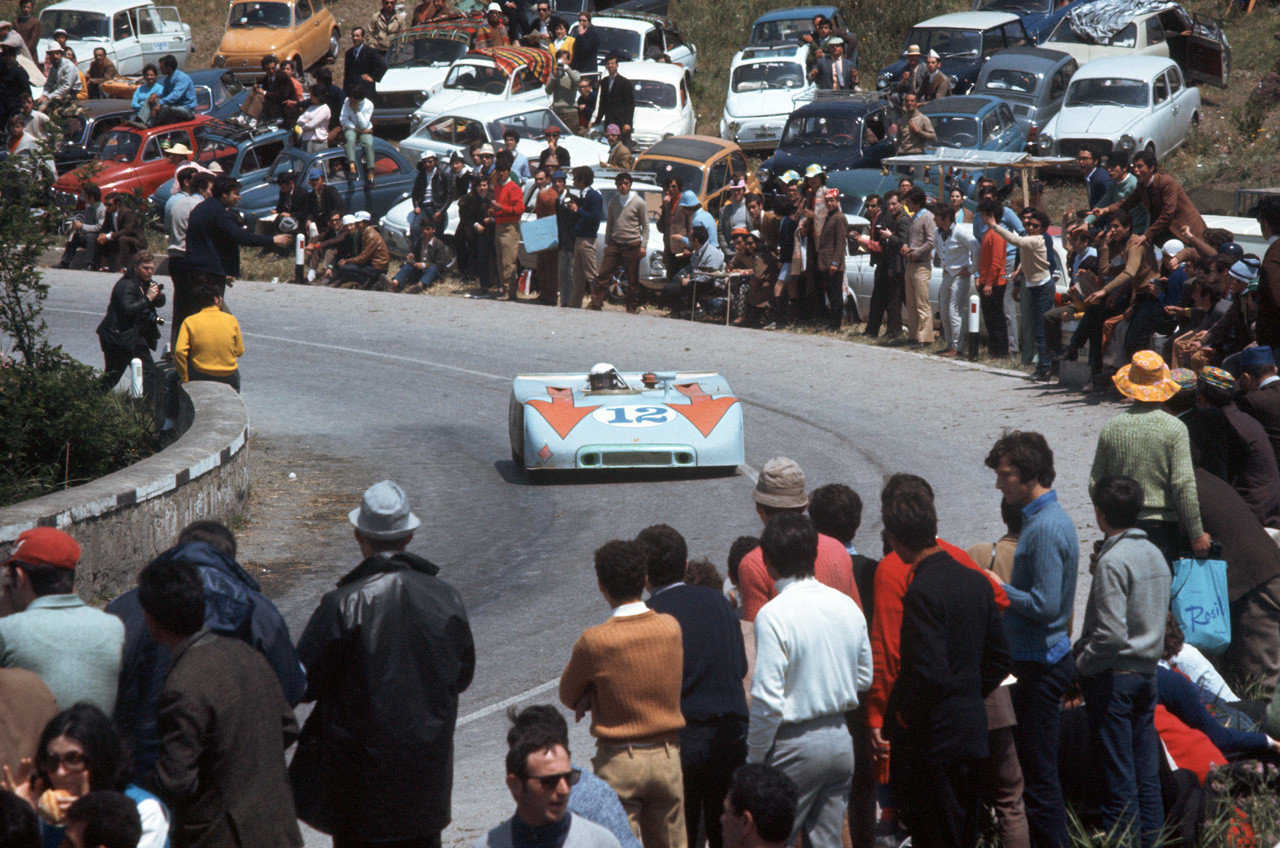
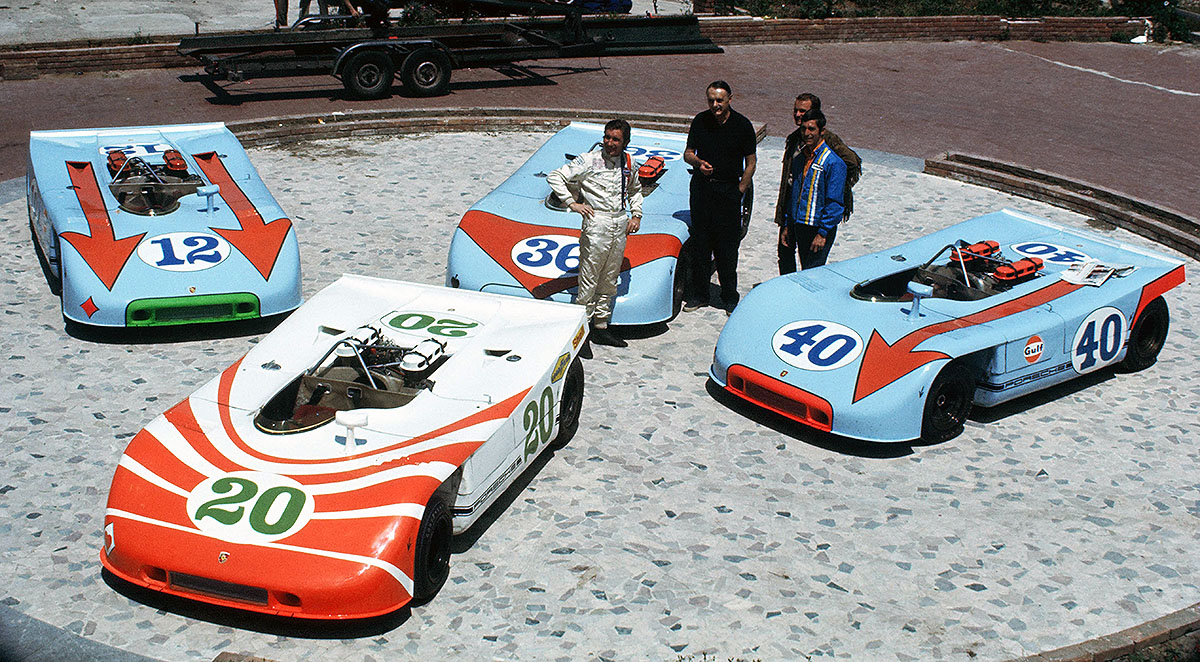
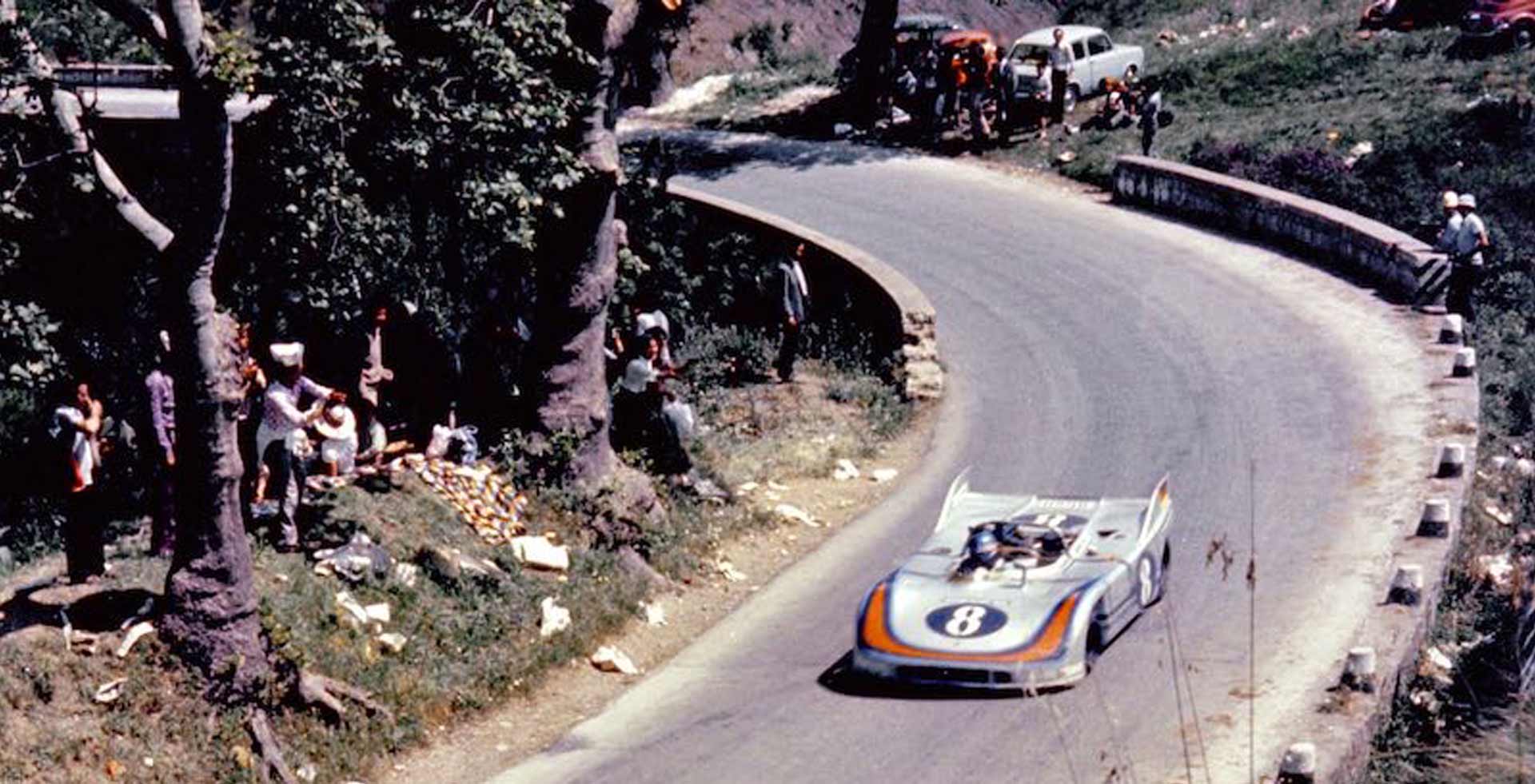
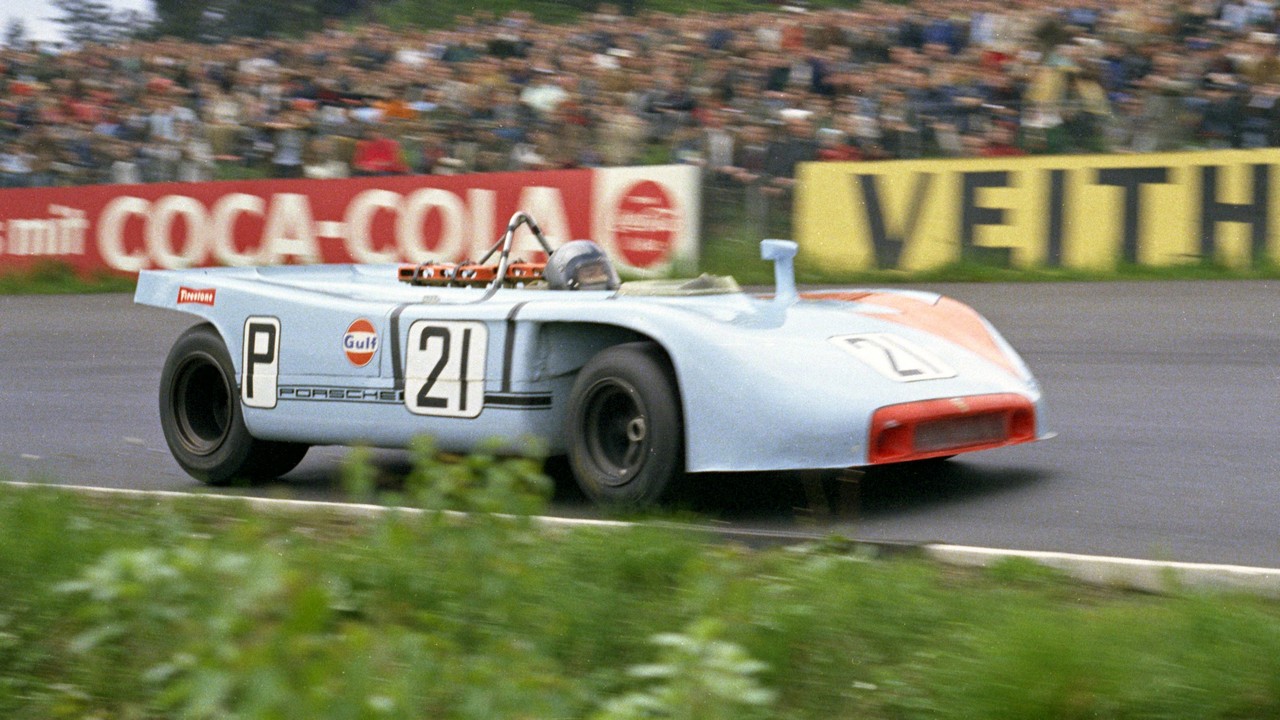
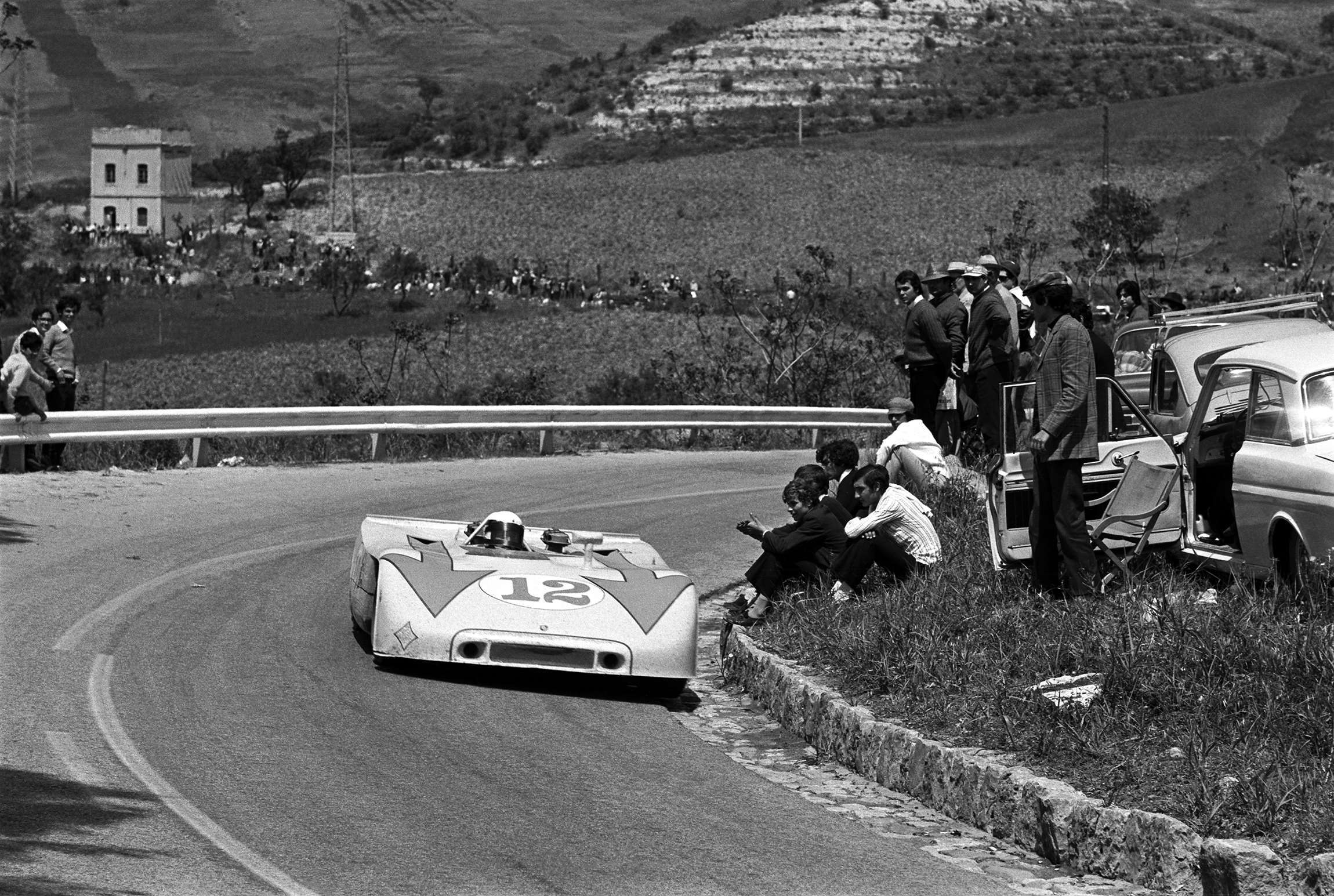
The competitive deployment of the 1970 Porsche 908/03 Spyder is one of the greatest examples of tactical brilliance in motorsport history. The factory entered the car in exactly two races that year: the Targa Florio and the Nürburgring 1000km. Adorned in the iconic Gulf powder blue and orange for the John Wyer Automotive team, and the striking red and white for Porsche Salzburg, the diminutive spyders were unleashed. At the Targa Florio, the 908/03s danced around the heavy Ferraris with supernatural grace. The car’s absolute dynamic superiority was immortalized by the ‘Flying Finn’, Leo Kinnunen, who laid down a mythological, lap-record-shattering run through the Sicilian mountains in his Gulf-liveried /03, cementing a time of 33 minutes and 36 seconds that remains eternally unbroken. Jo Siffert and Brian Redman claimed the overall victory, delivering a 1-2 finish for Porsche. A few weeks later at the Nürburgring, the 908/03 repeated its magic. Vic Elford and Kurt Ahrens Jr. piloted their Porsche Salzburg entry to victory, leading another 1-2 sweep that utterly demoralized the Italian opposition and secured crucial points for Porsche’s 1970 Manufacturer’s Championship.
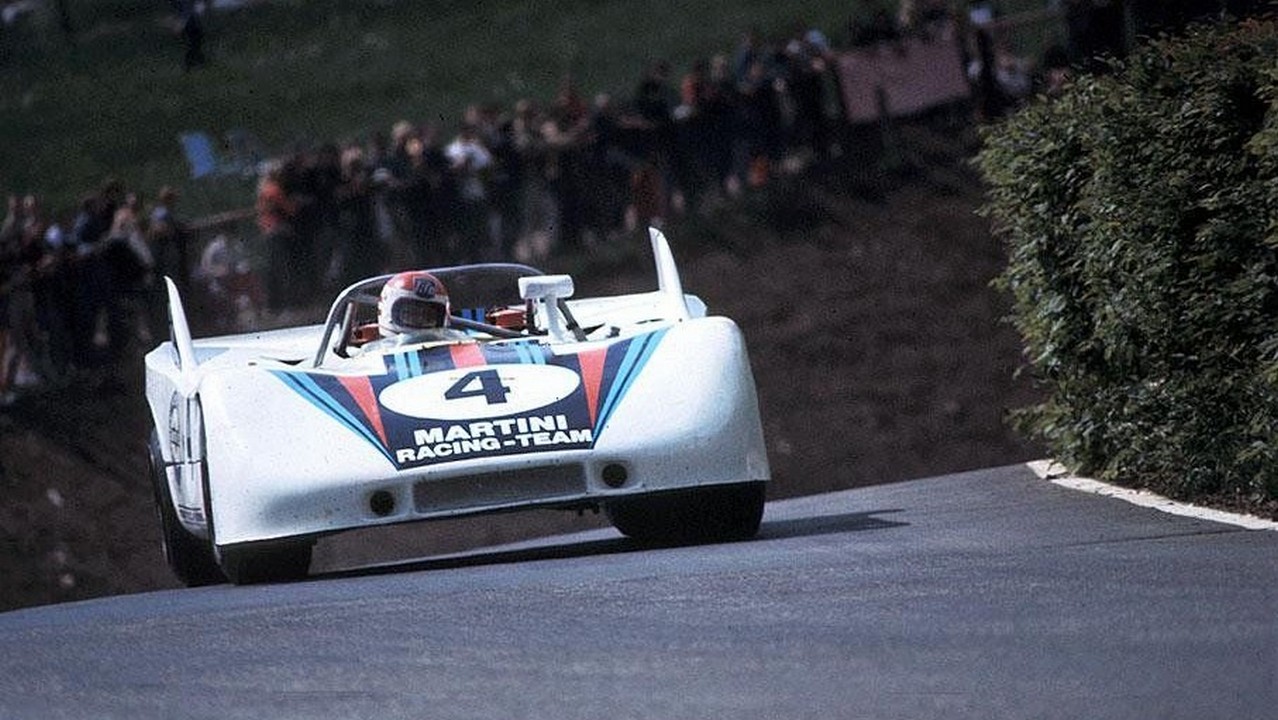
The legacy of the 1970 Porsche 908/03 Spyder is defined by its unparalleled, unyielding focus. It proved definitively that in endurance racing, a highly specialized, perfectly balanced tool will always triumph over a compromised powerhouse on a technical circuit. The 1970 specific model represents the absolute, unfiltered zenith of Piëch’s lightweight, mass-centralization philosophy before aerodynamic fins and smaller wheels subtly altered its silhouette the following year. While the mighty 917 captured the global headlines and the overall victory at Le Mans, the 908/03 did exactly what it was designed to do: quietly, surgically, and flawlessly win the races the 917 could not. Today, the blunt-nosed, 15-inch-wheeled 1970 Porsche 908/03 is revered as the ultimate “horses for courses” prototype, a featherweight masterpiece that dances through the annals of motorsport history as the most agile, visceral, and perfectly executed weapon Porsche ever built for the mountains.
Brand
Produced from
Portal
Vehicle category
Model line
Model generation
Predecessor
Sucessor
Brand
Produced from
Portal
Vehicle category
Model line
Model generation
Predecessor
Sucessor
Submodel Overview
In the high-stakes, adrenaline-soaked theater of the 1970 World Sportscar Championship, Porsche wielded a devastating weapon: the 5.0-liter 917. It was a blunt, terrifying instrument of absolute speed, designed to bludgeon the opposition on the endless straights of Le Mans, Monza, and Spa. However, Ferdinand Piëch, Porsche’s brilliantly ruthless technical director, possessed a deeply pragmatic racing mind. He understood that the titanic 917 would be a clumsy, uncontrollable liability on the treacherous, endlessly twisting mountain passes of the Targa Florio and the grueling carousel of the Nürburgring Nordschleife. To conquer these specific, highly technical arenas and humiliate the agile Alfa Romeo Tipo 33/3 and the heavy Ferrari 512 S, Piëch did not try to make his sledgehammer dance; he commissioned a bespoke scalpel. The result was the 1970 Porsche 908/03 Spyder. Evolving from the successful 908/02 ‘Flunder’, the /03 was not a generalist prototype. It was a surgical, hyper-focused track weapon, built with a singular, uncompromising obsession with mass centralization, agility, and absolute lightness.
To peel away the impossibly brief, blunt-nosed fiberglass skin of the 1970 908/03 is to witness an engineering marvel inspired directly by Porsche’s 909 Bergspyder hill-climb experiments. Piëch’s team pushed the boundaries of driver packaging to terrifying extremes. To centralize the mass of the powertrain, the transaxle was moved ahead of the rear differential. Consequently, the driver was pushed so far forward that their feet practically rested ahead of the front axle centreline, effectively making their legs the primary crash structure. This radical layout allowed the entire mass of the car to sit squarely between the axles. The heart of the machine remained the proven, air-cooled 3.0-liter Type 908 flat-eight engine. Breathing through Bosch mechanical fuel injection, it produced a reliable, tractable 350 brake horsepower. While that figure paled in comparison to the 600-horsepower V12 Ferraris, the 908/03 tipped the scales at a scarcely believable 500 kilograms (roughly 1,100 pounds). The power-to-weight ratio was staggering. The chassis was a delicate, pressurized aluminium tubular spaceframe, riding on 15-inch wheels—a distinct feature of the 1970 spec before the switch to 13-inch wheels in 1971. Visually, the 1970 car lacked the rear fins of the later model, appearing as a pure, motorized surfboard with zero overhangs. Inside, the right-hand-drive cockpit was entirely devoid of comfort; it was a claustrophobic, exposed aluminium tub where the pilot wrestled a tiny steering wheel while seated intimately close to the front tires.
The competitive deployment of the 1970 Porsche 908/03 Spyder is one of the greatest examples of tactical brilliance in motorsport history. The factory entered the car in exactly two races that year: the Targa Florio and the Nürburgring 1000km. Adorned in the iconic Gulf powder blue and orange for the John Wyer Automotive team, and the striking red and white for Porsche Salzburg, the diminutive spyders were unleashed. At the Targa Florio, the 908/03s danced around the heavy Ferraris with supernatural grace. The car’s absolute dynamic superiority was immortalized by the ‘Flying Finn’, Leo Kinnunen, who laid down a mythological, lap-record-shattering run through the Sicilian mountains in his Gulf-liveried /03, cementing a time of 33 minutes and 36 seconds that remains eternally unbroken. Jo Siffert and Brian Redman claimed the overall victory, delivering a 1-2 finish for Porsche. A few weeks later at the Nürburgring, the 908/03 repeated its magic. Vic Elford and Kurt Ahrens Jr. piloted their Porsche Salzburg entry to victory, leading another 1-2 sweep that utterly demoralized the Italian opposition and secured crucial points for Porsche’s 1970 Manufacturer’s Championship.
The legacy of the 1970 Porsche 908/03 Spyder is defined by its unparalleled, unyielding focus. It proved definitively that in endurance racing, a highly specialized, perfectly balanced tool will always triumph over a compromised powerhouse on a technical circuit. The 1970 specific model represents the absolute, unfiltered zenith of Piëch’s lightweight, mass-centralization philosophy before aerodynamic fins and smaller wheels subtly altered its silhouette the following year. While the mighty 917 captured the global headlines and the overall victory at Le Mans, the 908/03 did exactly what it was designed to do: quietly, surgically, and flawlessly win the races the 917 could not. Today, the blunt-nosed, 15-inch-wheeled 1970 Porsche 908/03 is revered as the ultimate “horses for courses” prototype, a featherweight masterpiece that dances through the annals of motorsport history as the most agile, visceral, and perfectly executed weapon Porsche ever built for the mountains.
Tech Specs
Technical Specifications
Tech Specs
Technical Specifications
Engine
01
03
Internal combustion engine
Configuration
Porsche Type 908, Flat-8 (Boxer) - Air-cooled
Location
Mid, longitudinally mounted
Construction
Magnesium alloy block and Aluminium heads
Displacement (cc)
2,997 cc
Displacement (cu in)
182.9 cu in
Compression
10.4:1
Bore x Stroke
85.0 mm x 66.0 mm
Valvetrain
2 valves per cylinder, DOHC
Fuel feed
Bosch mechanical fuel injection
Lubrication
Dry sump
Aspiration
Naturally aspirated
Output
Power (hp)
350 hp
Power (kW)
261 kW
Max power at
8,600 RPM
Torque (Nm)
325 Nm
Torque (ft lbs)
240 ft lbs
Max torque at
6,600 RPM
Drivetrain
02
03
Chassis
Type
Tubular spaceframe
Material
Aluminium (with titanium components)
Body
Material
Foam-reinforced Fibreglass (ultra-lightweight)
Transmission
Gearbox
Porsche Type 916, 5-speed manual
Drive
Rear Wheel Drive (Limited Slip Differential)
Suspension
Front
Independent, double unequal length wishbones, titanium coil springs over telescopic dampers, anti-roll bar
Rear
Independent, trailing arms, transverse links, titanium coil springs over telescopic dampers, anti-roll bar
Steering
Type
Rack and pinion, unassisted
Brakes
Front
Ventilated steel discs, dual-circuit system
Rear
Ventilated steel discs, dual-circuit system
Wheels
Front
9" x 15" (Cast Magnesium alloy)
Rear
12" x 15" (Cast Magnesium alloy)
Tires
Front
4.25/10.00-15
Rear
6.00/12.00-15
Dimensions and performance
03
03
Dimensions
Length (mm)
3,540 mm
Length (in)
139.4 in
Width (mm)
1,950 mm
Width (in)
76.8 in
Height (mm)
680 mm
Height (in)
26.8 in
Wheelbase (mm)
2,300 mm
Wheelbase (in)
90.6 in
Weight (kg)
545 kg
Weight (lbs)
1,202 lbs
Performance
Power to weight
0.64 hp/kg
Top speed (km/h)
290 km/h
Top speed (mph)
180 mph
0-100 km/h (0-60 mph)
~3.3 s