
Porsche 911 2.0
Brand
Produced from
Portal
Vehicle category
Model line
Model generation
Predecessor
Successor
Submodel Overview
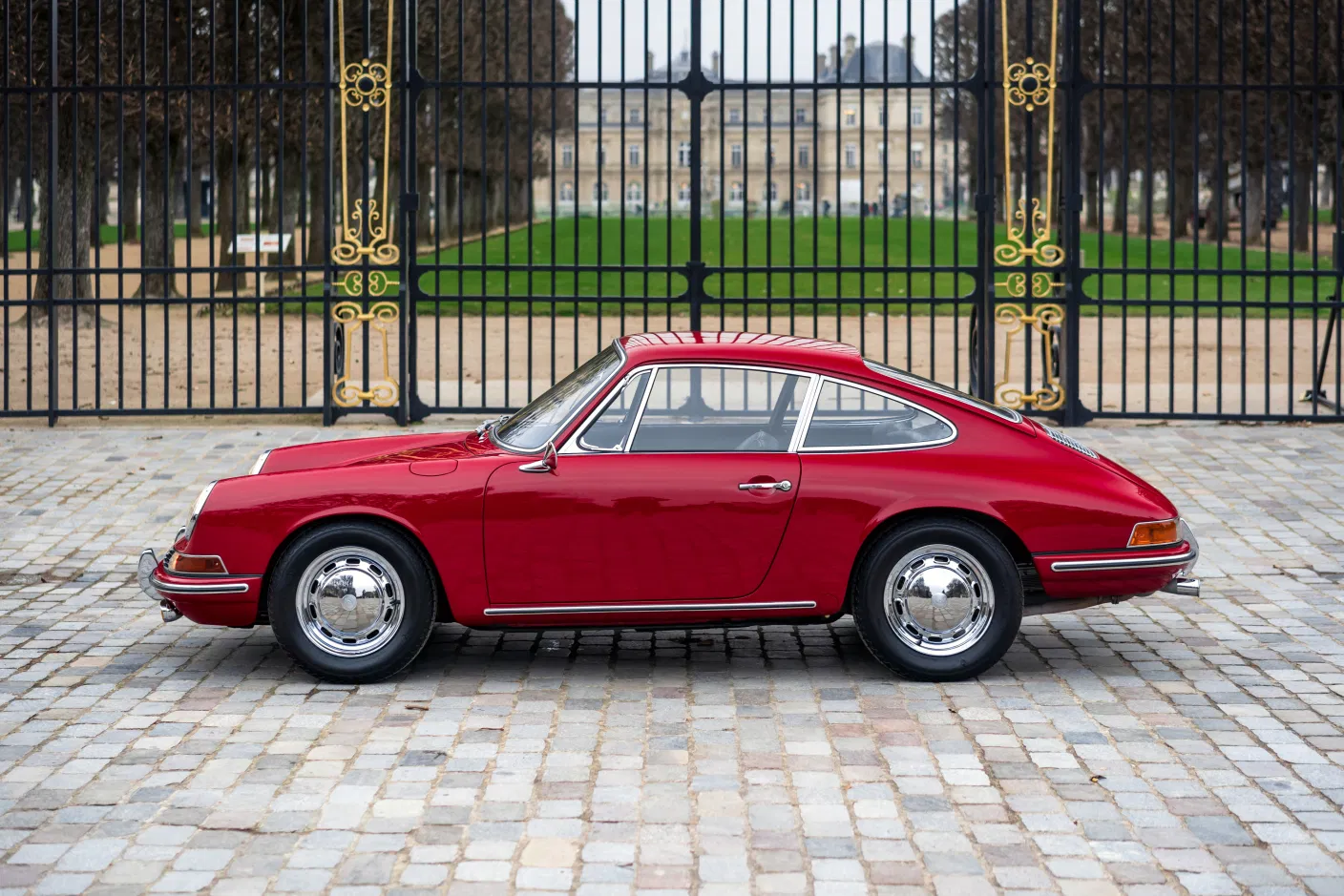
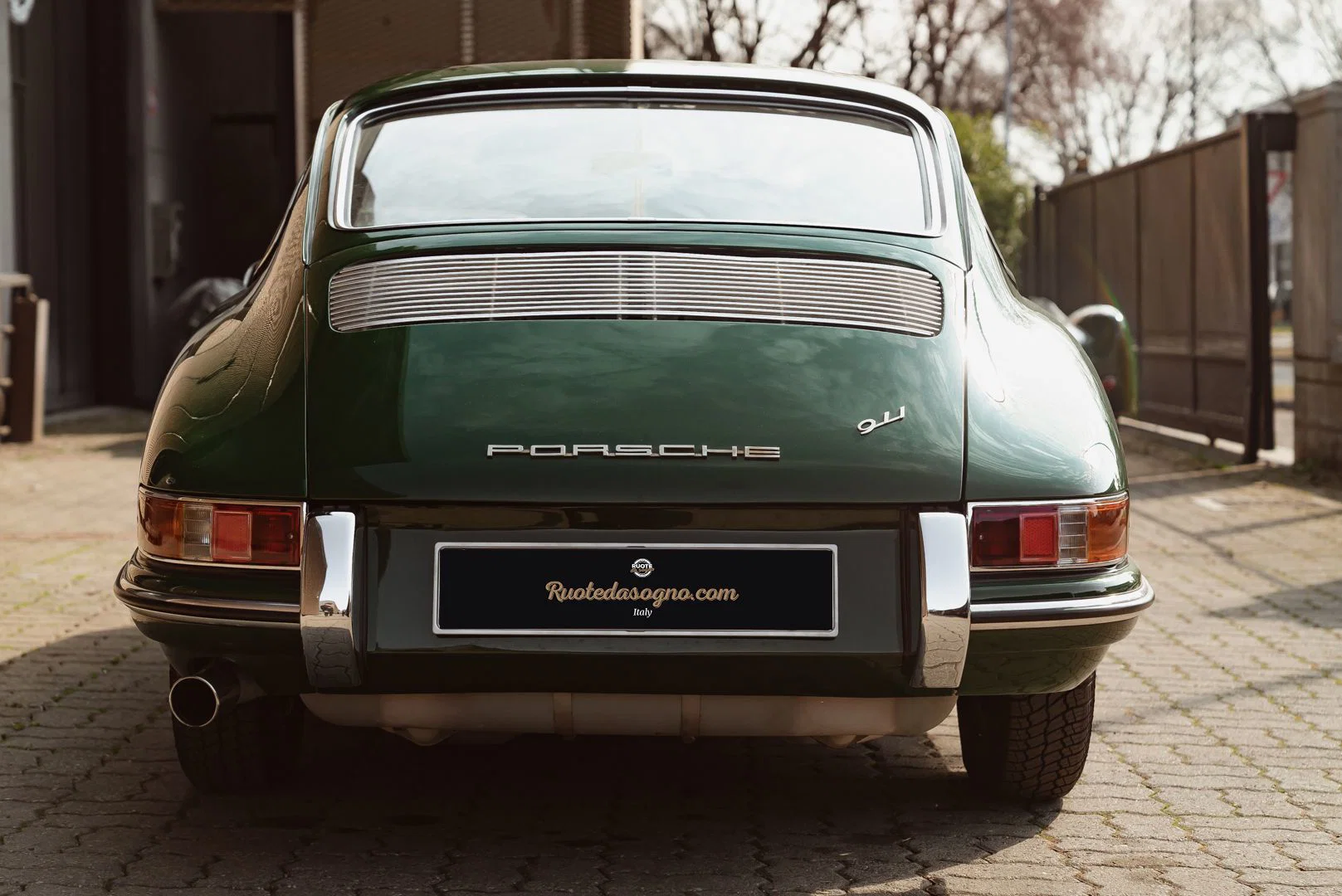
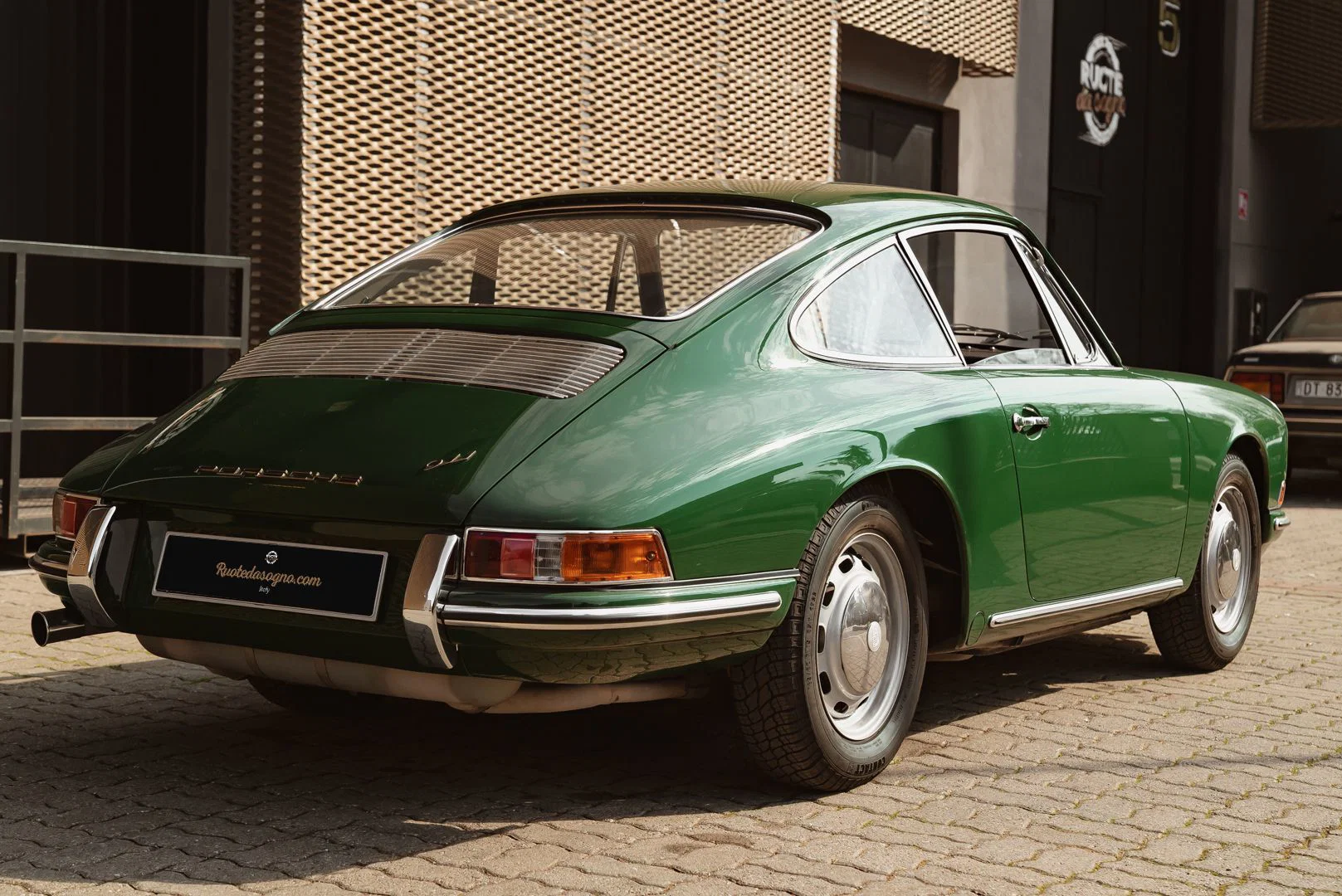
In the fading months of 1964, a profound changing of the guard was quietly taking place within the walls of the Zuffenhausen factory. The legendary Porsche 356, the humble, bathtub-shaped sports car that had established the marque’s reputation for giant-killing agility, was rolling toward the end of its developmental life. The automotive landscape of the Swinging Sixties demanded more: more speed, more refinement, and more cabin space to traverse the newly constructed European motorways. While the world marveled at the muscular, V8-powered Chevrolet Corvette Sting Ray and the impossibly phallic beauty of the Jaguar E-Type, Porsche took a deeply pragmatic, fiercely independent path. Having debuted as the Type 901 at the 1963 Frankfurt Motor Show, the car was famously forced into a nomenclature change after Peugeot claimed ownership of three-digit names with a central zero. Thus, as the very first production models trickled out of the factory in late 1964, they wore the badge “911”. The 1964 Porsche 911 2.0 Coupe was not merely a new model; it was a high-stakes gamble. It stepped into the ring against established grand tourers like the Mercedes-Benz 230 SL ‘Pagoda’, armed with nothing but an anachronistic rear-engine layout and a singular, uncompromising vision of what a sports car should be.
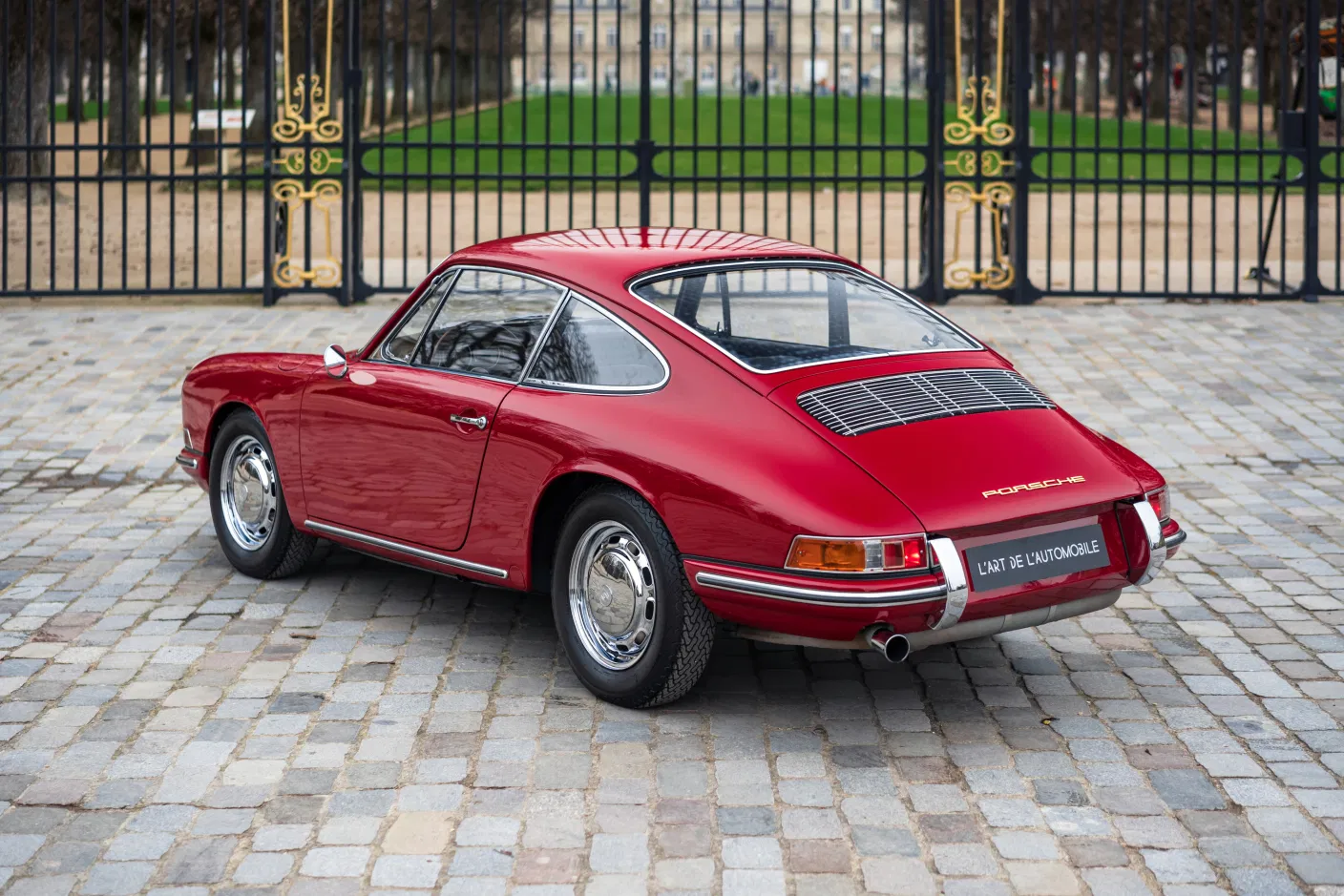
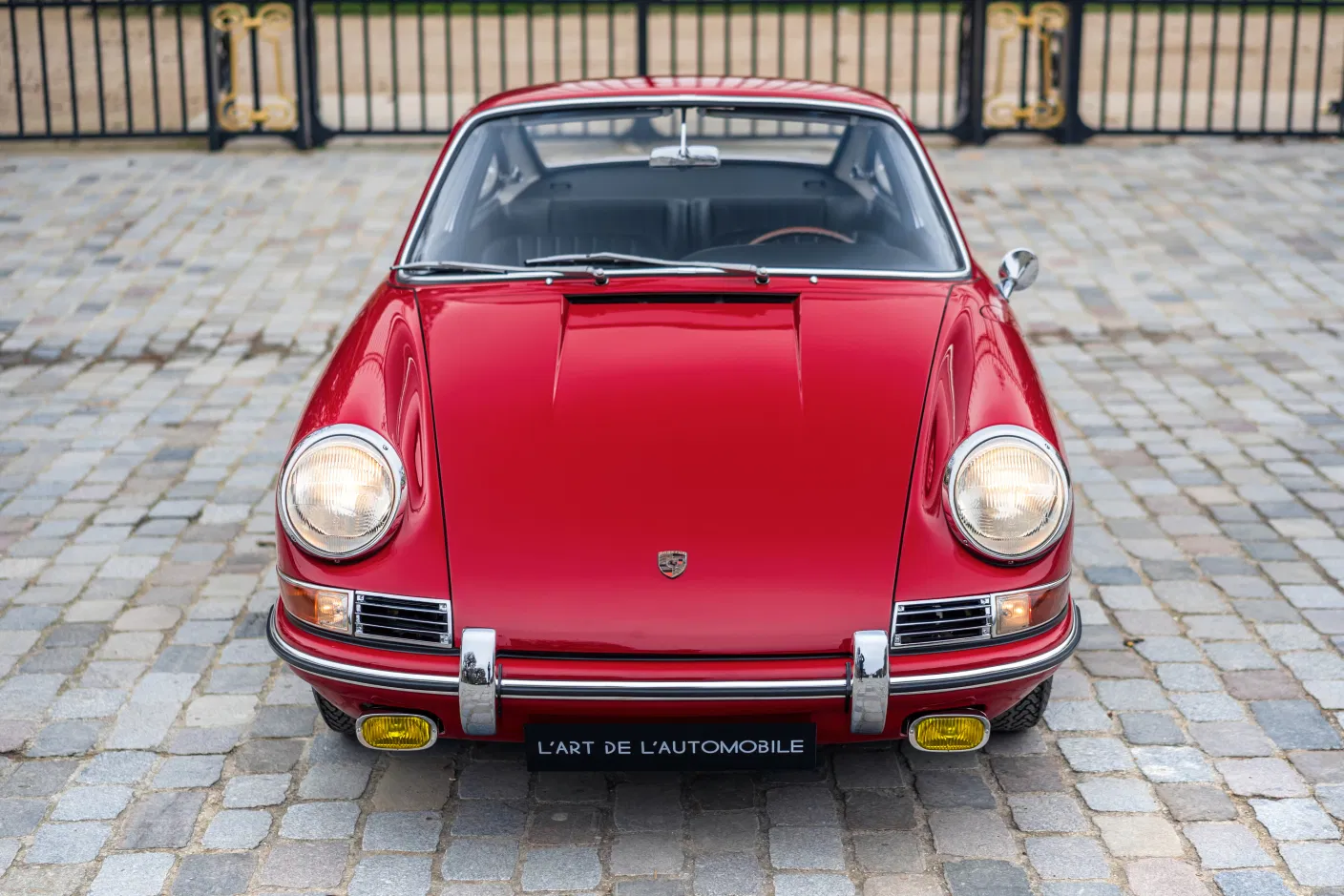
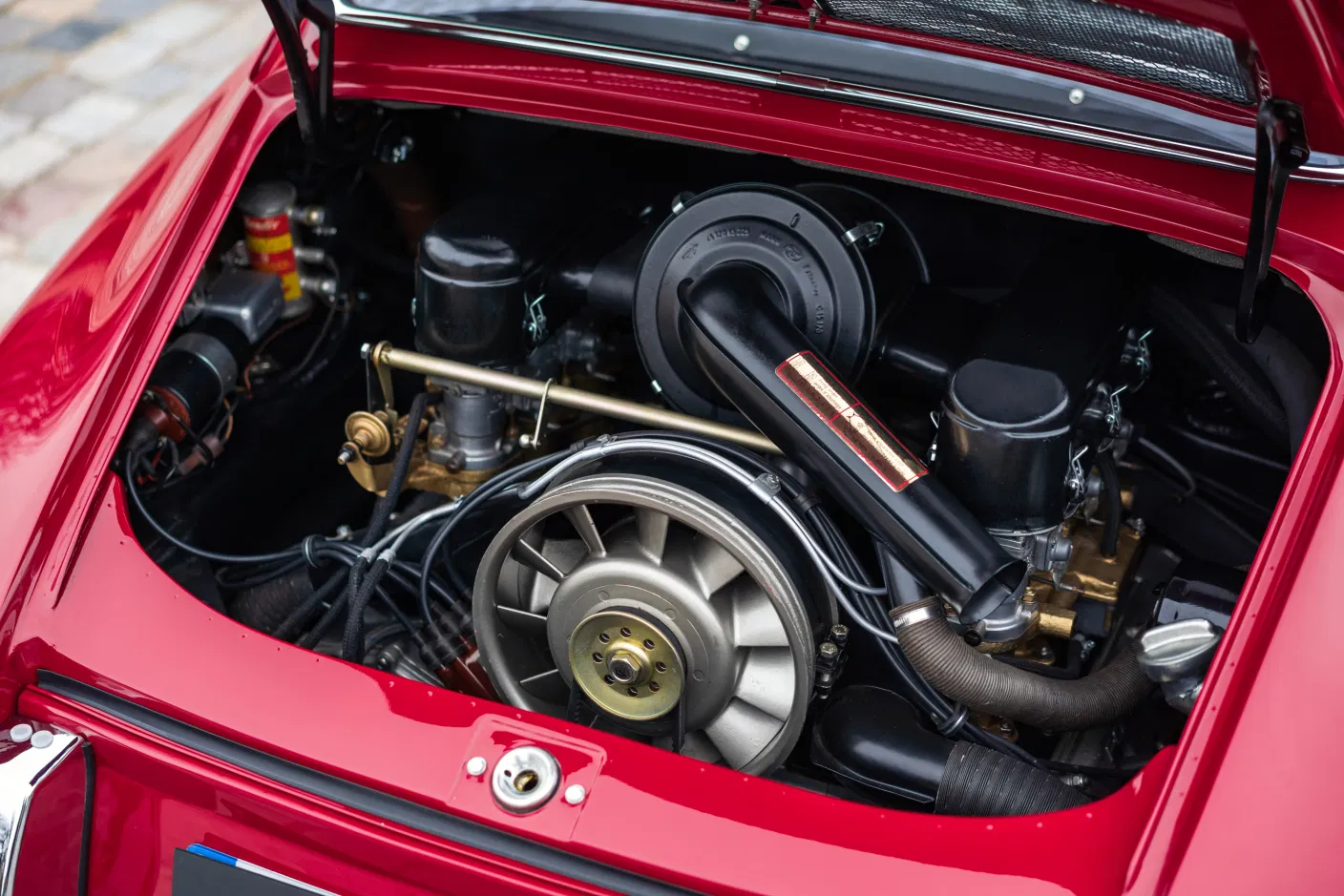
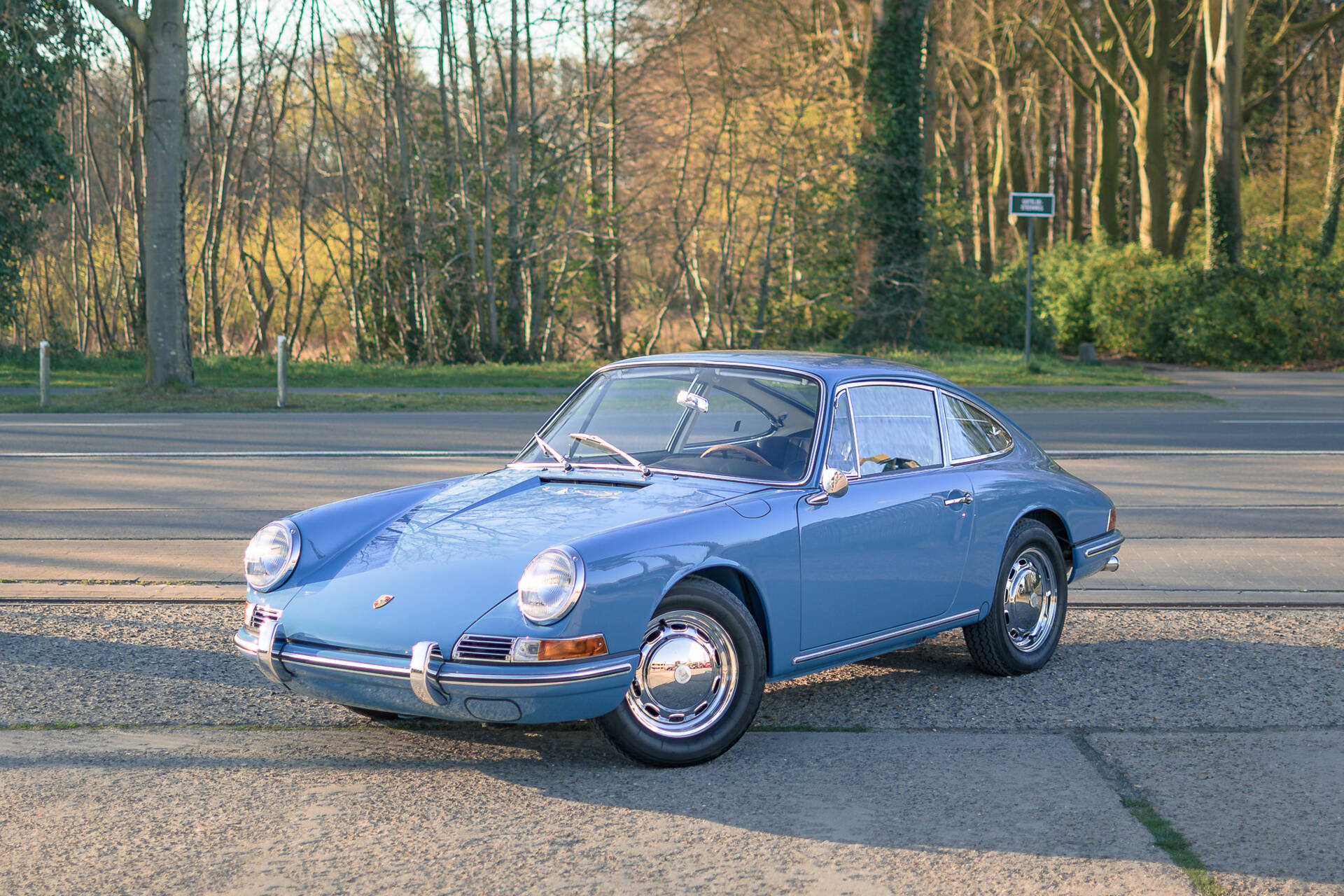
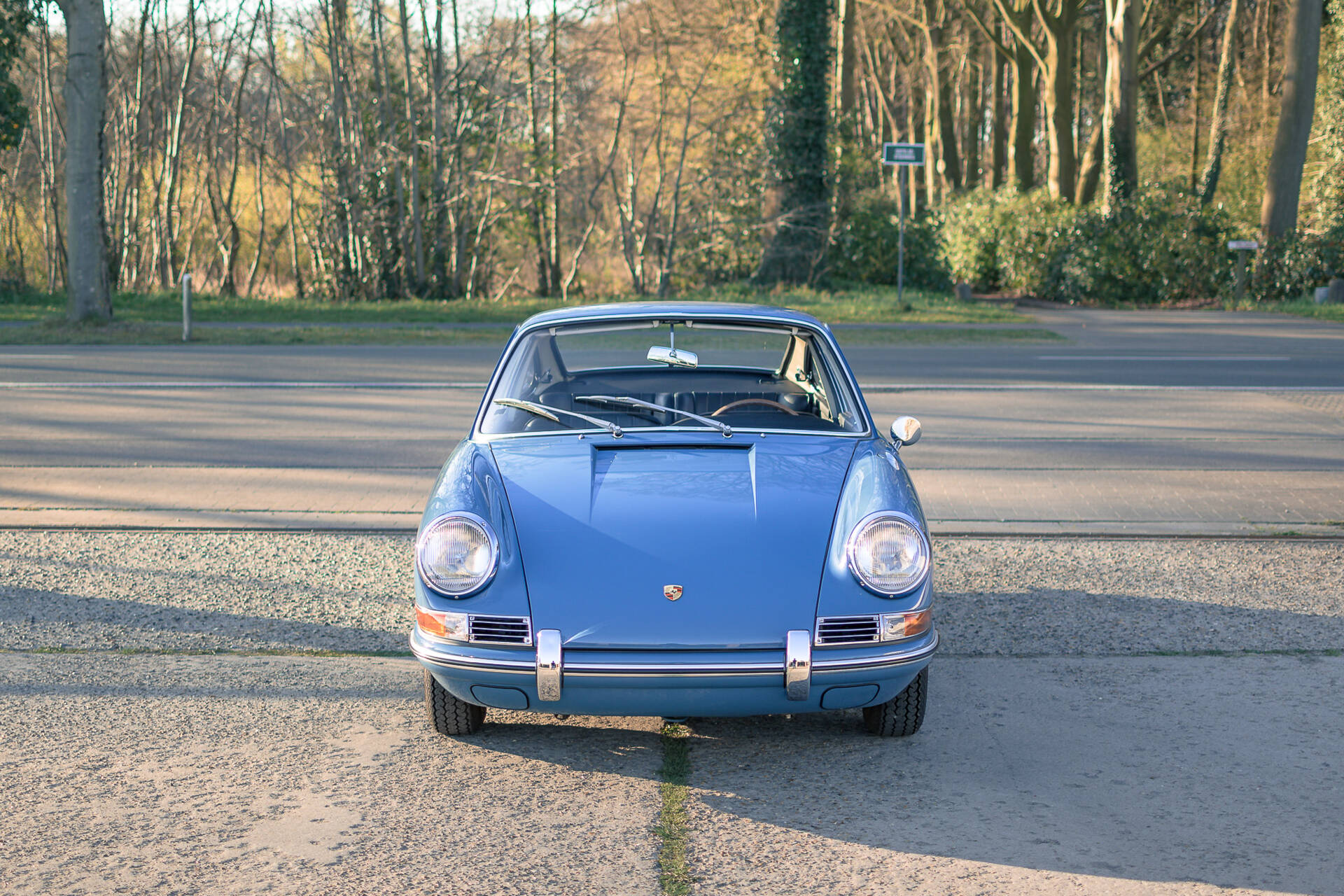
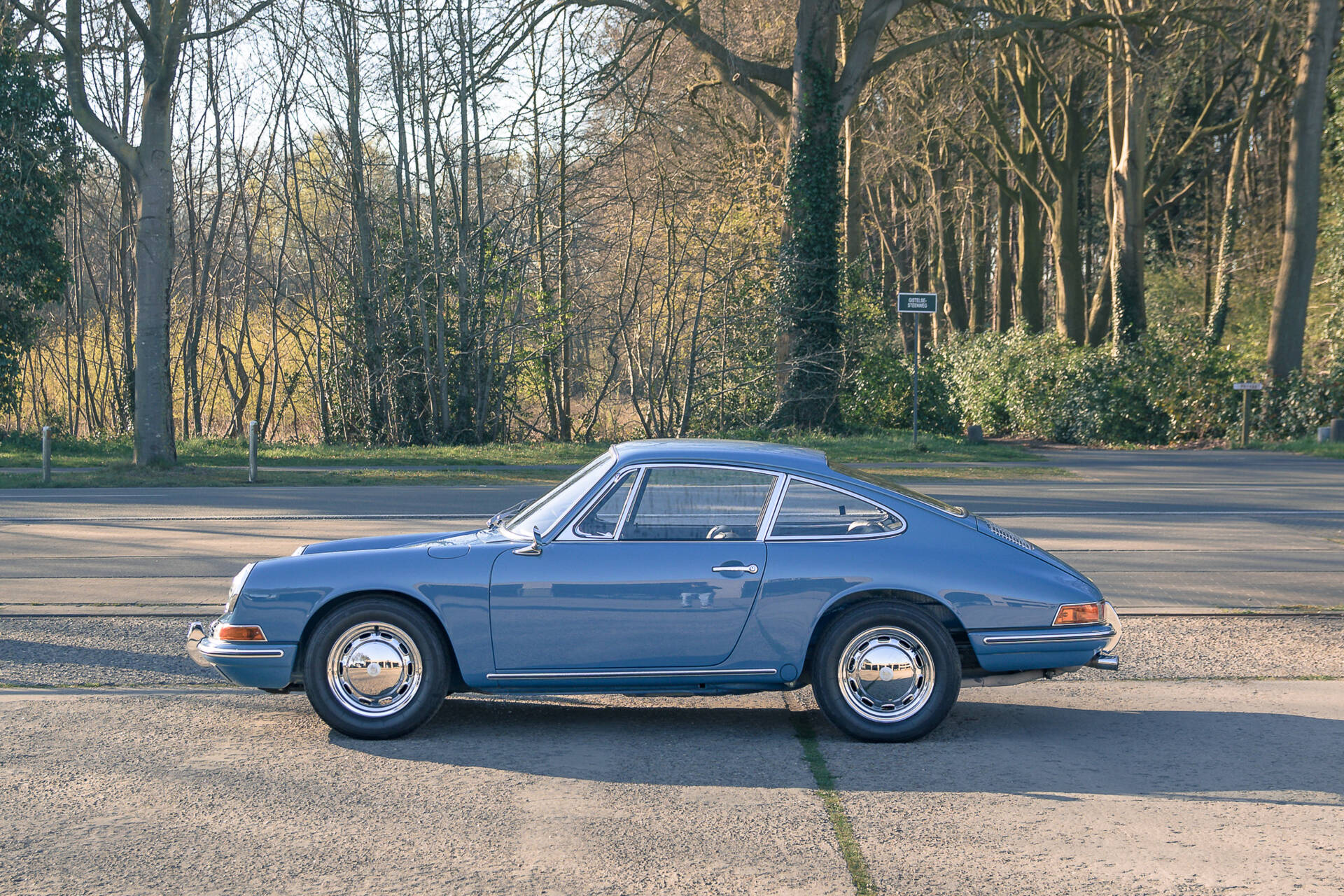
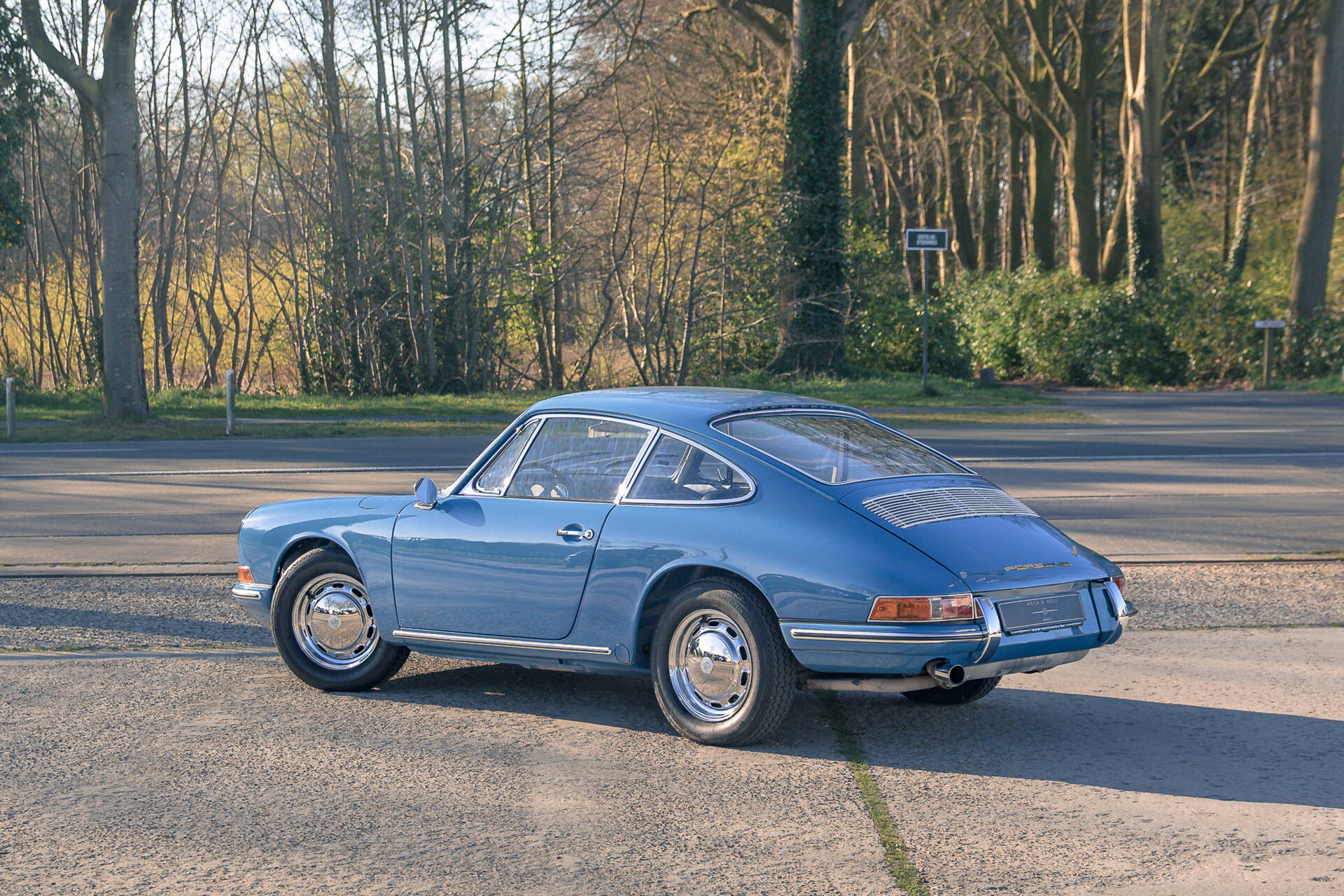
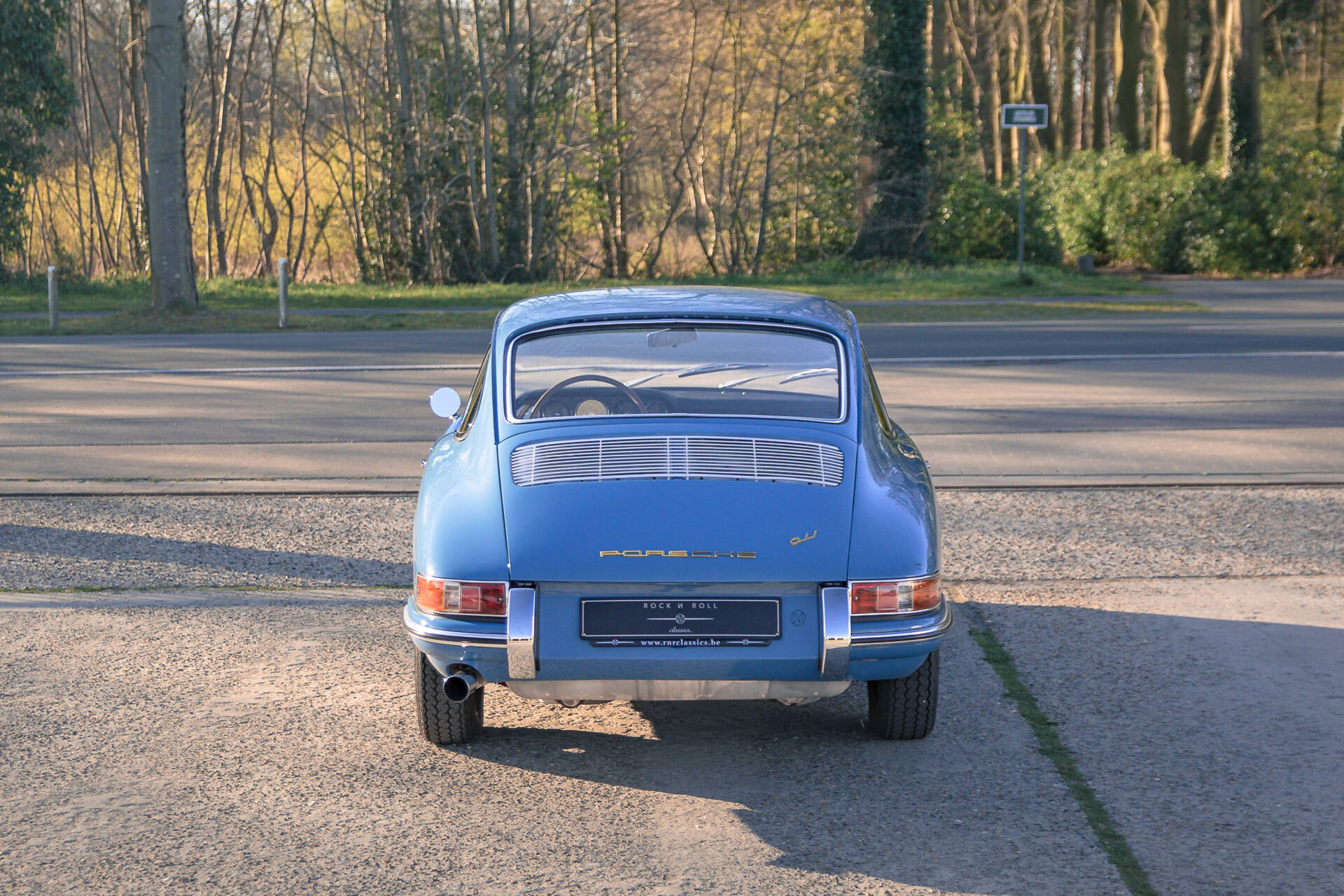
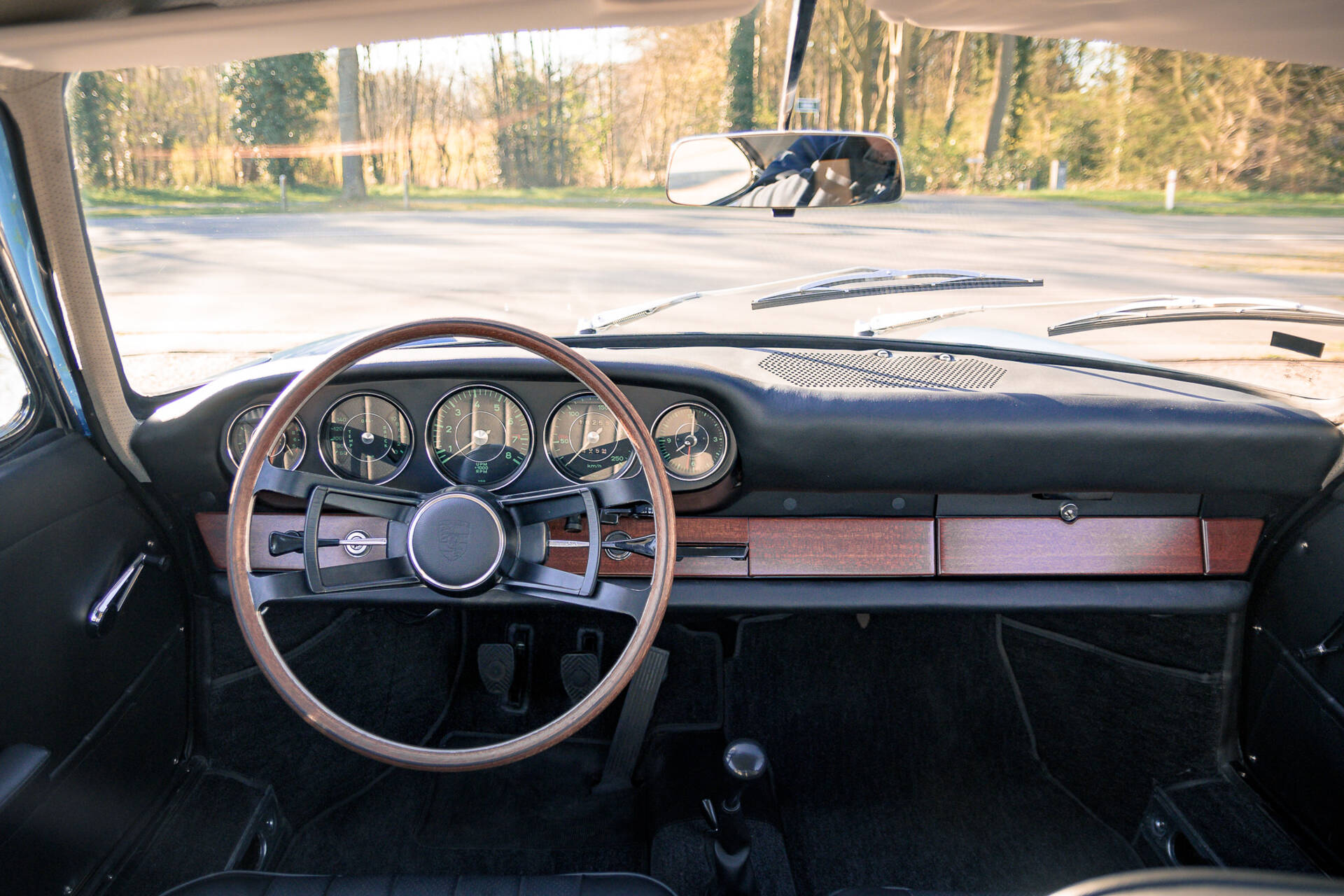
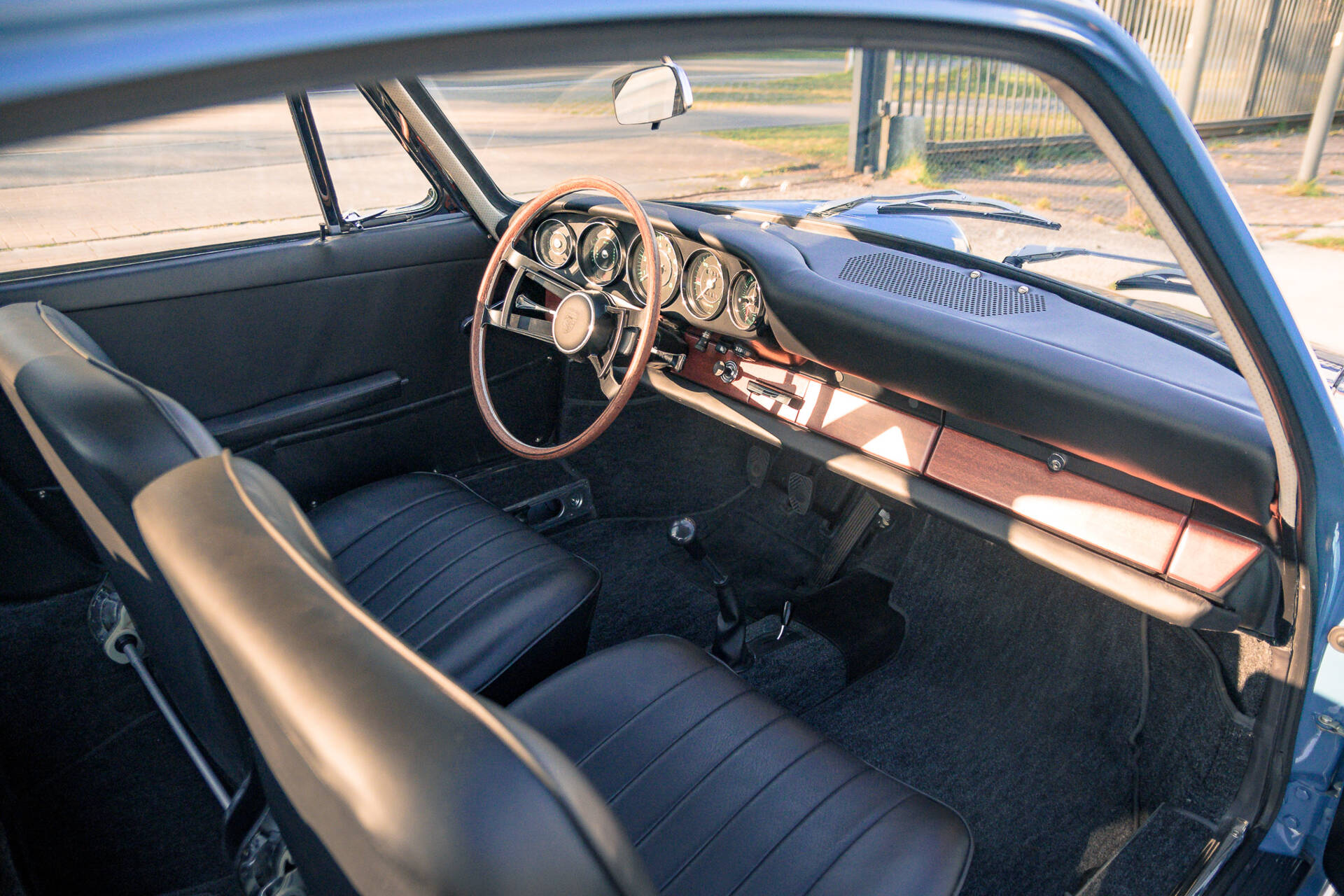
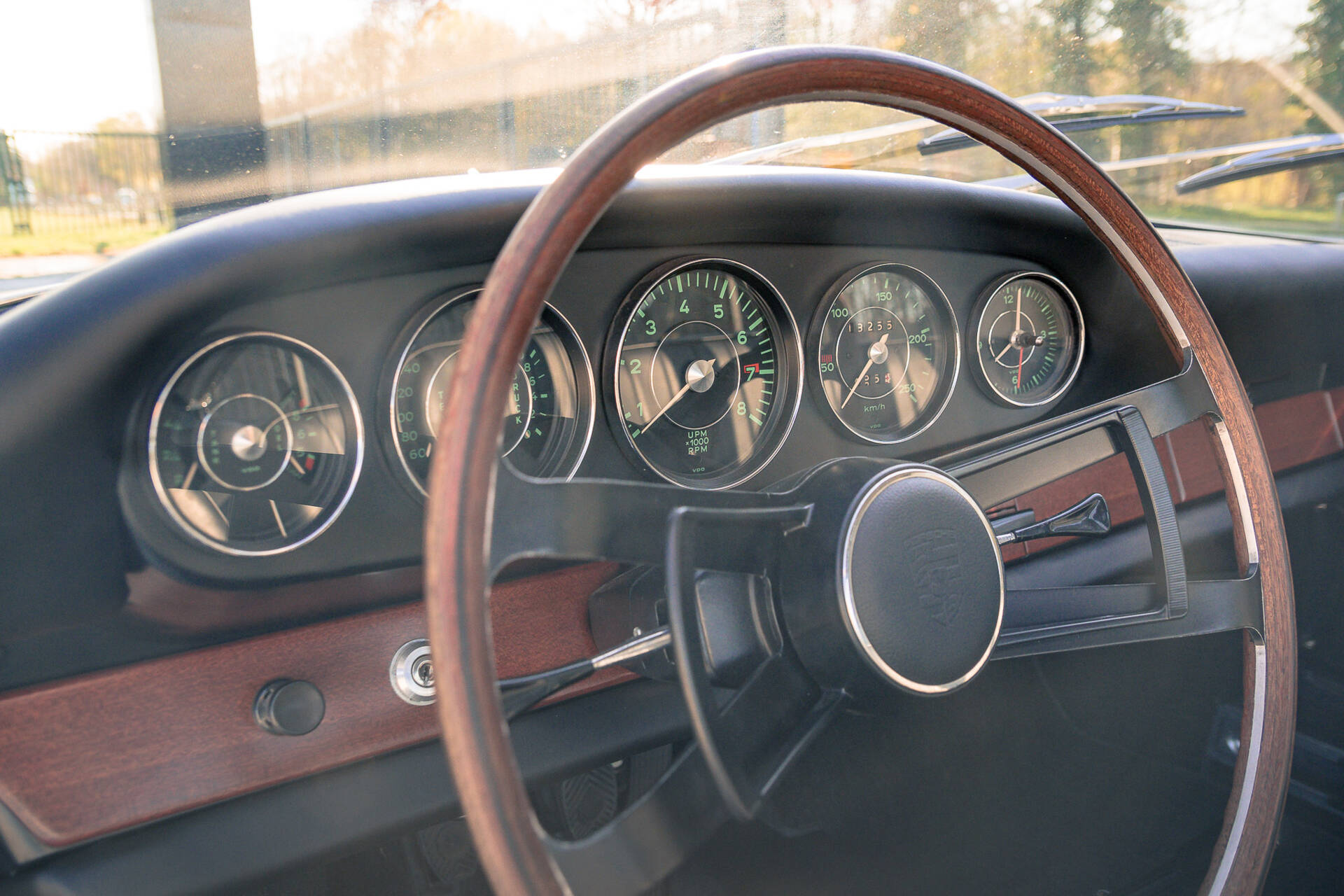
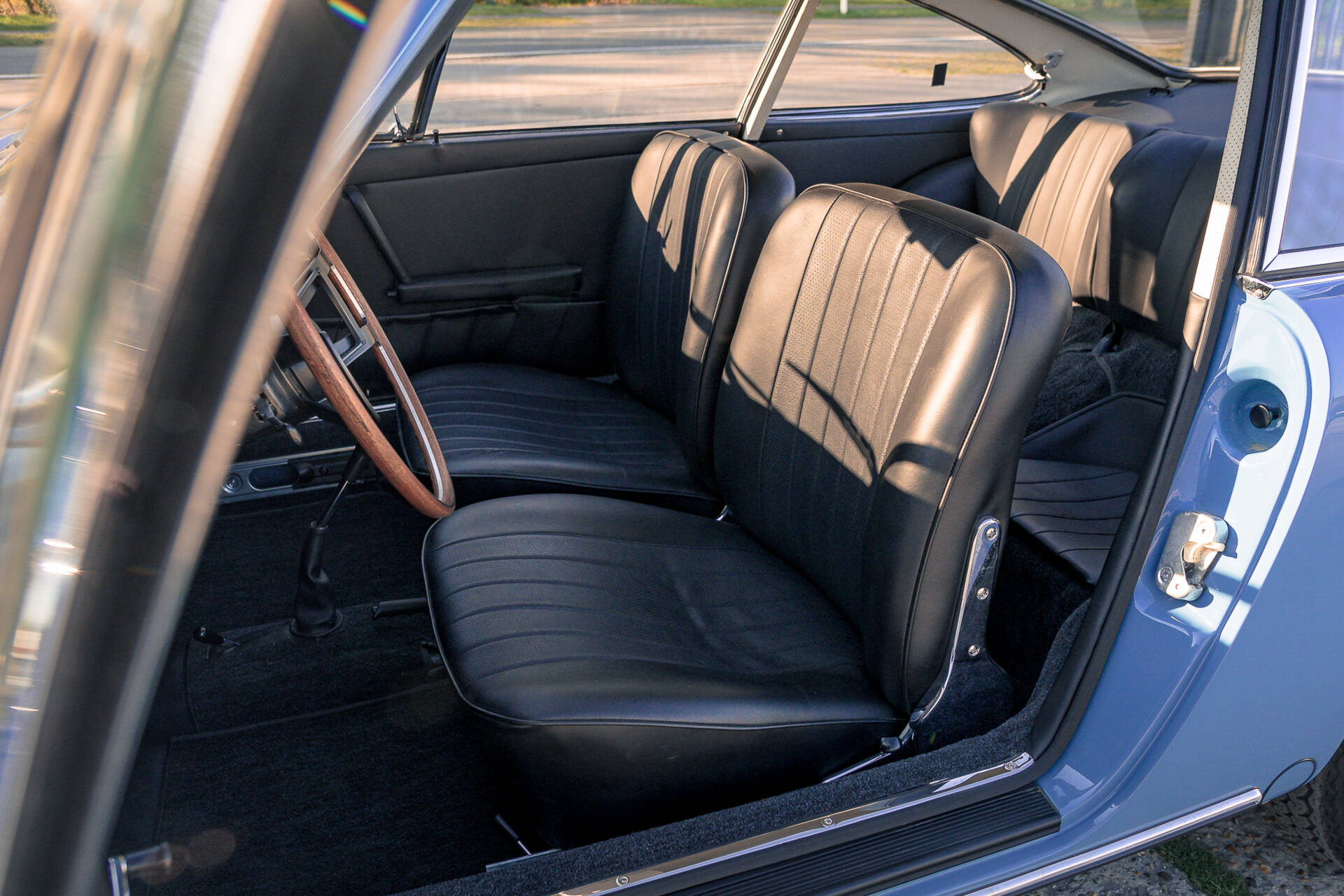
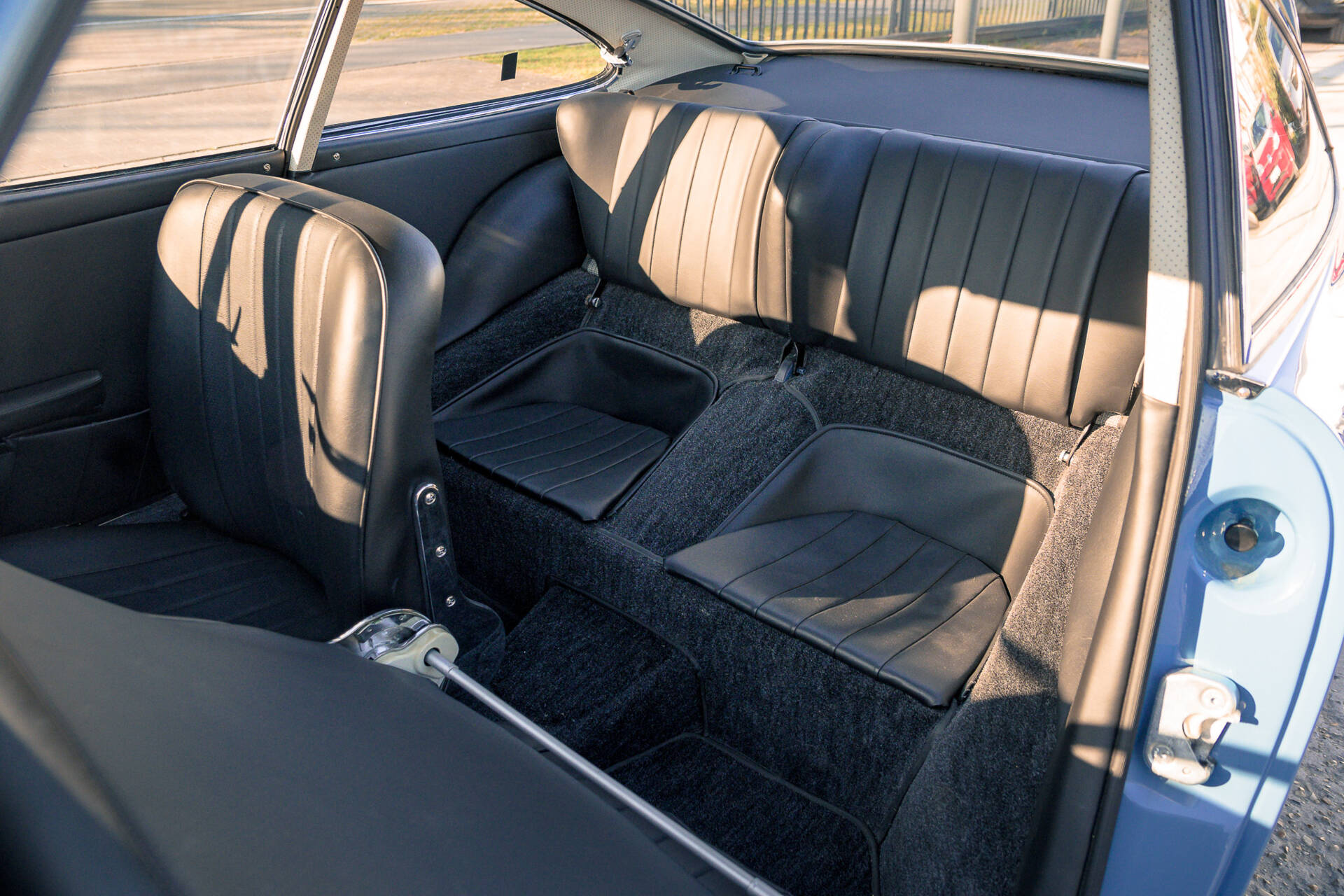
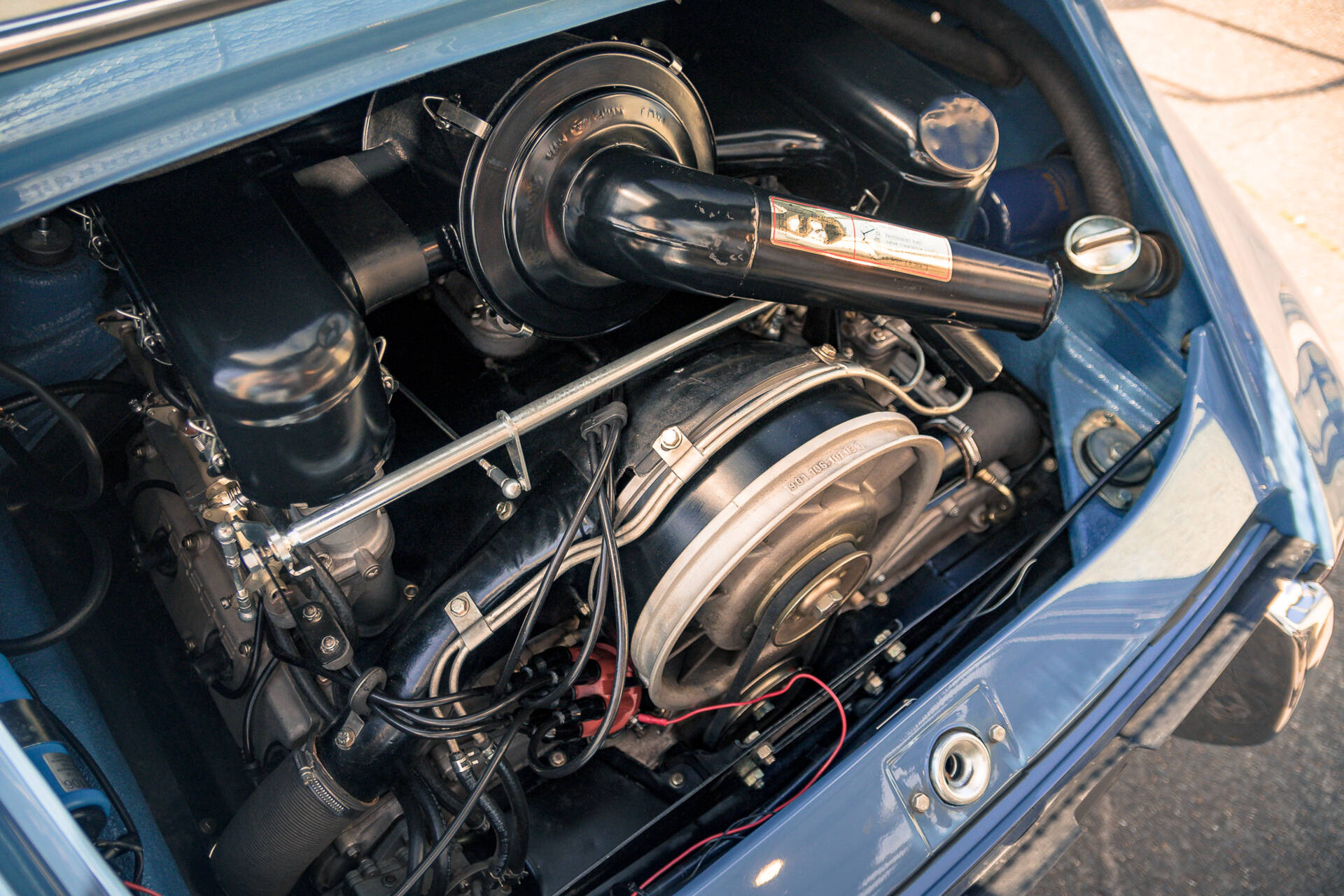
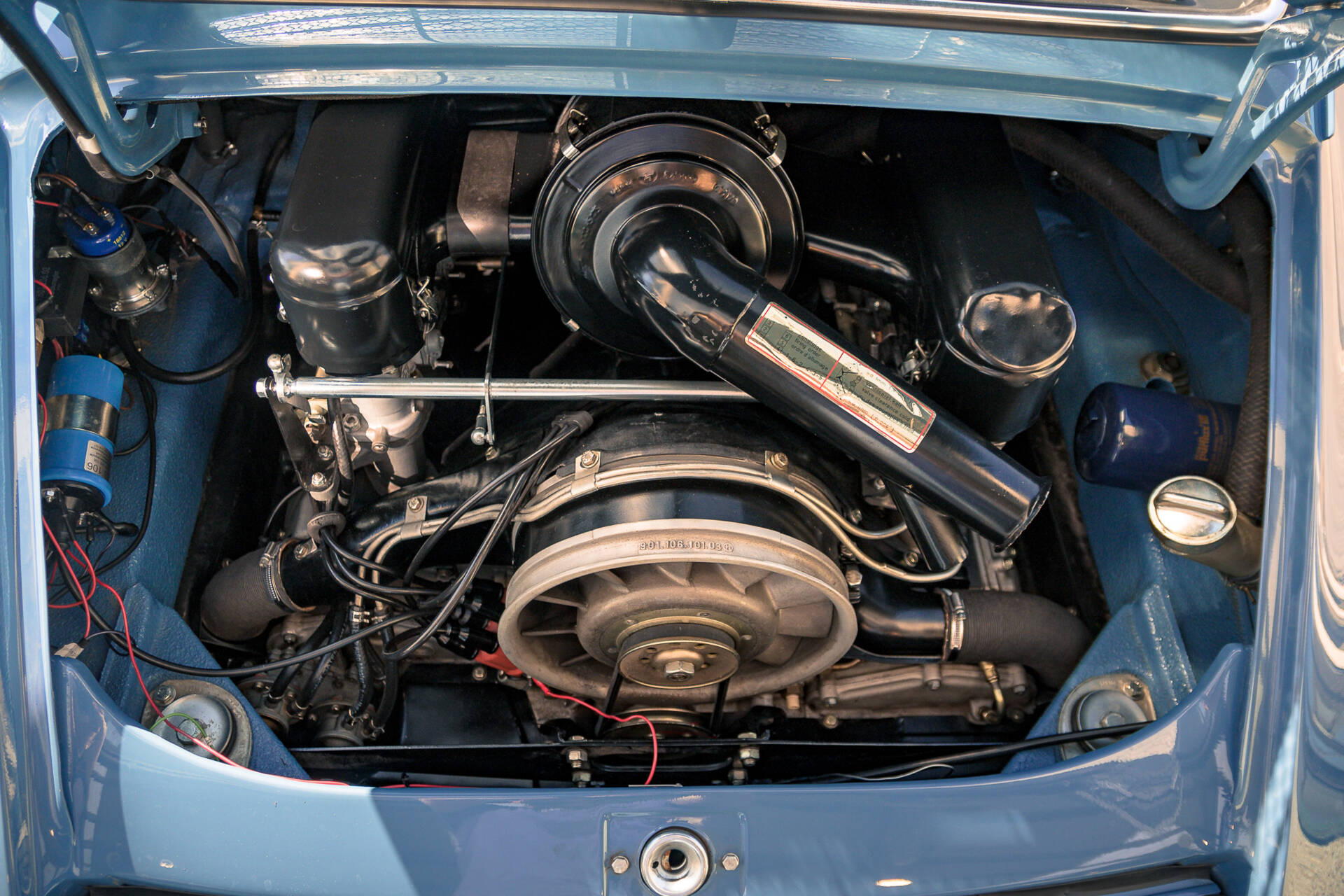
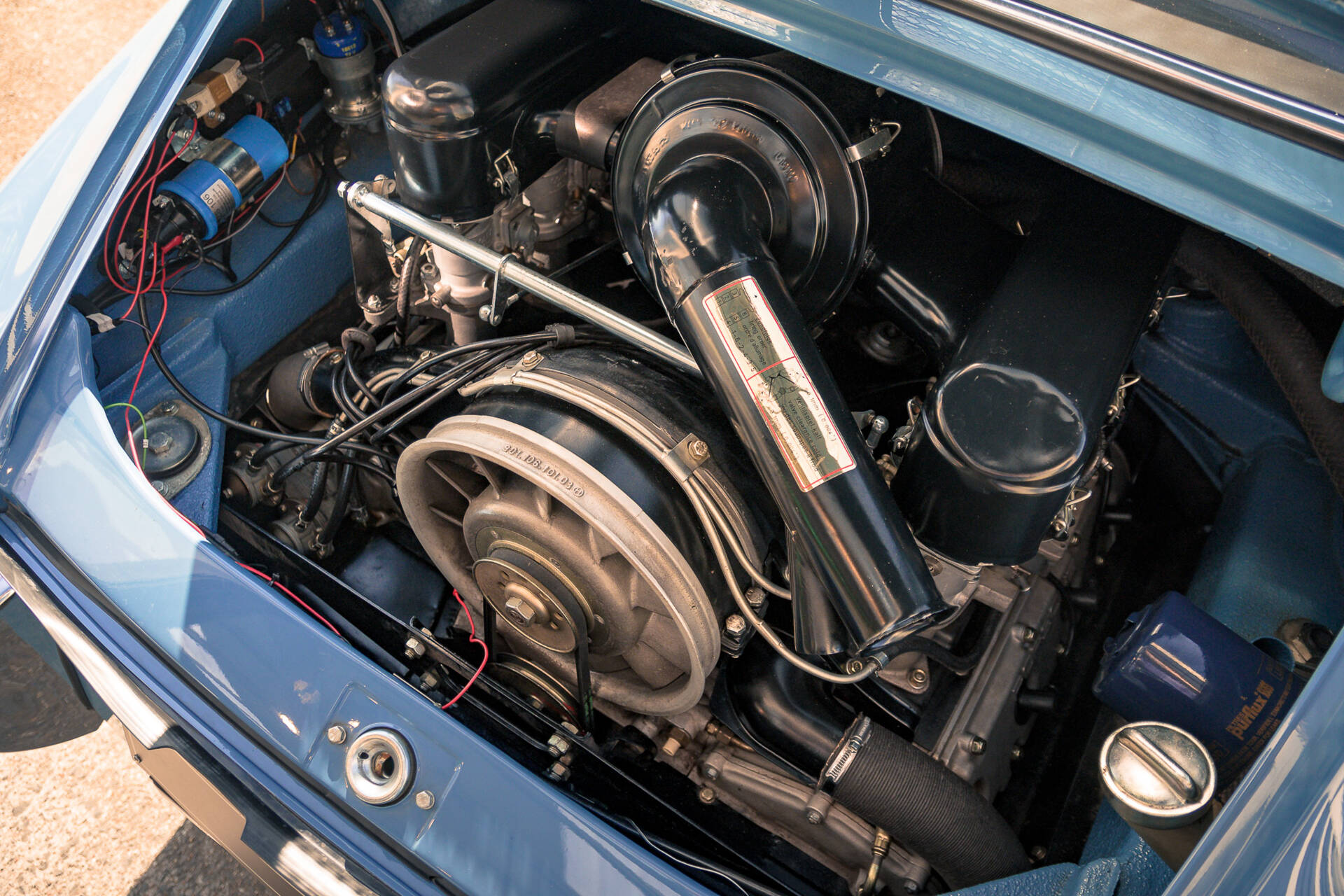
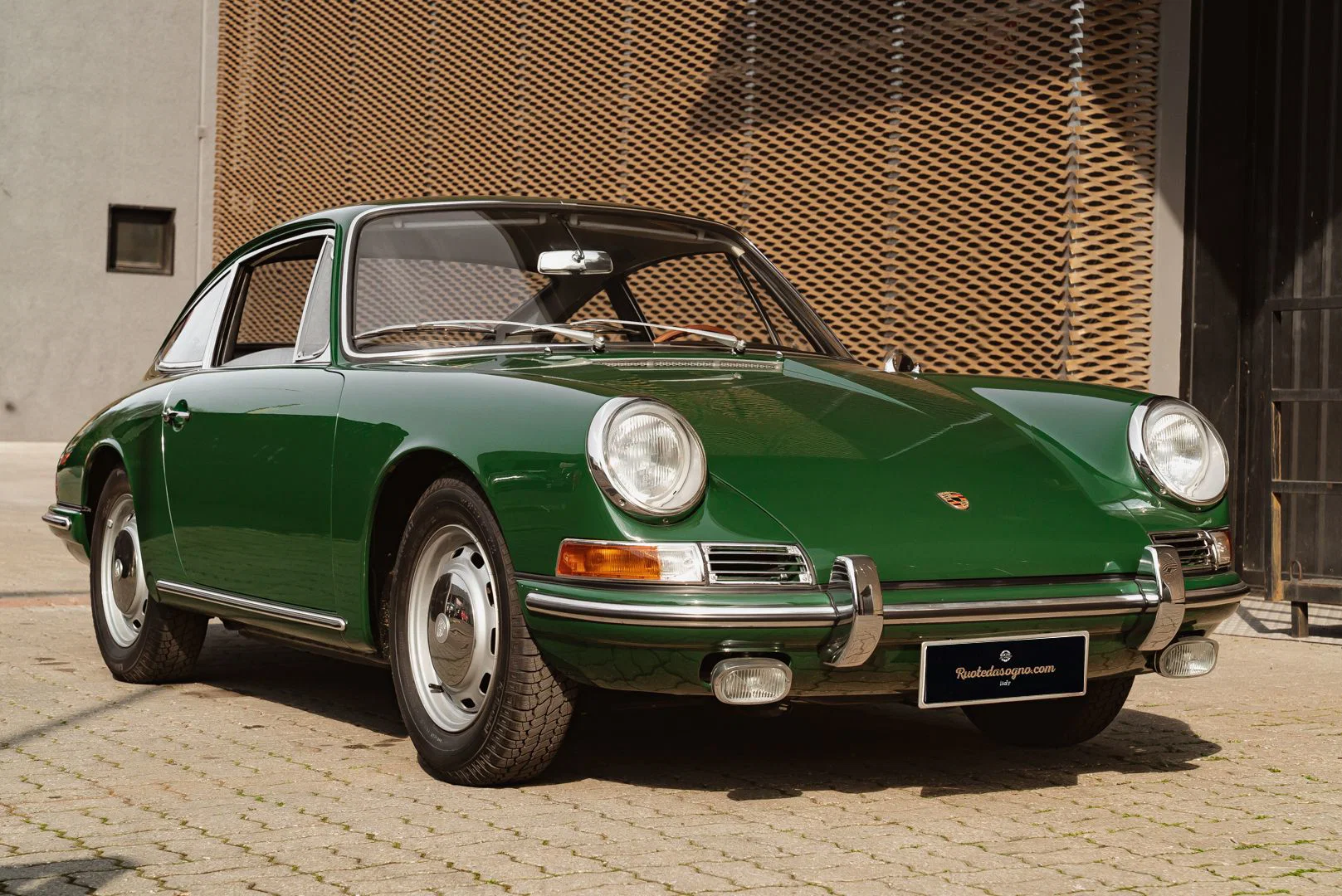
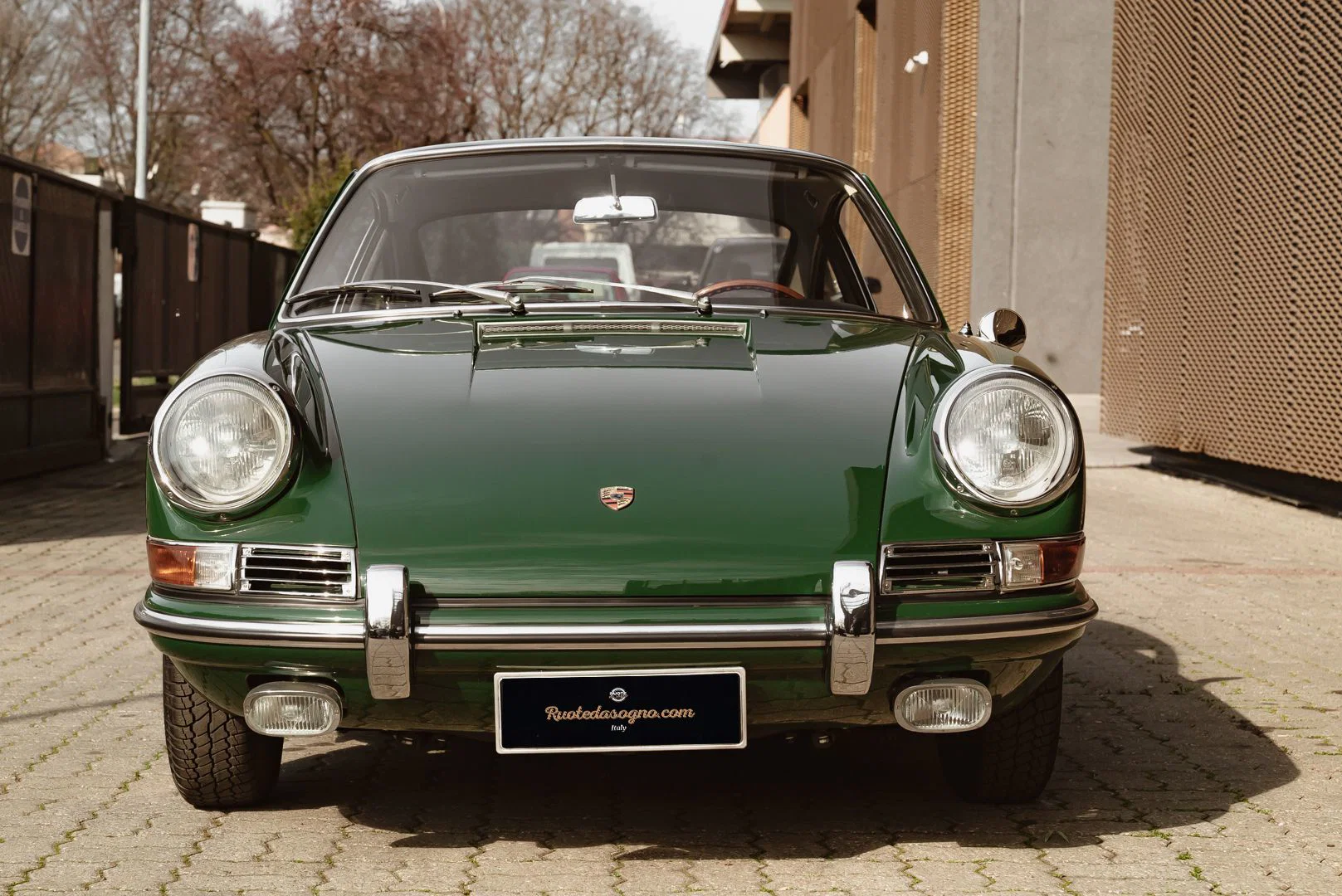
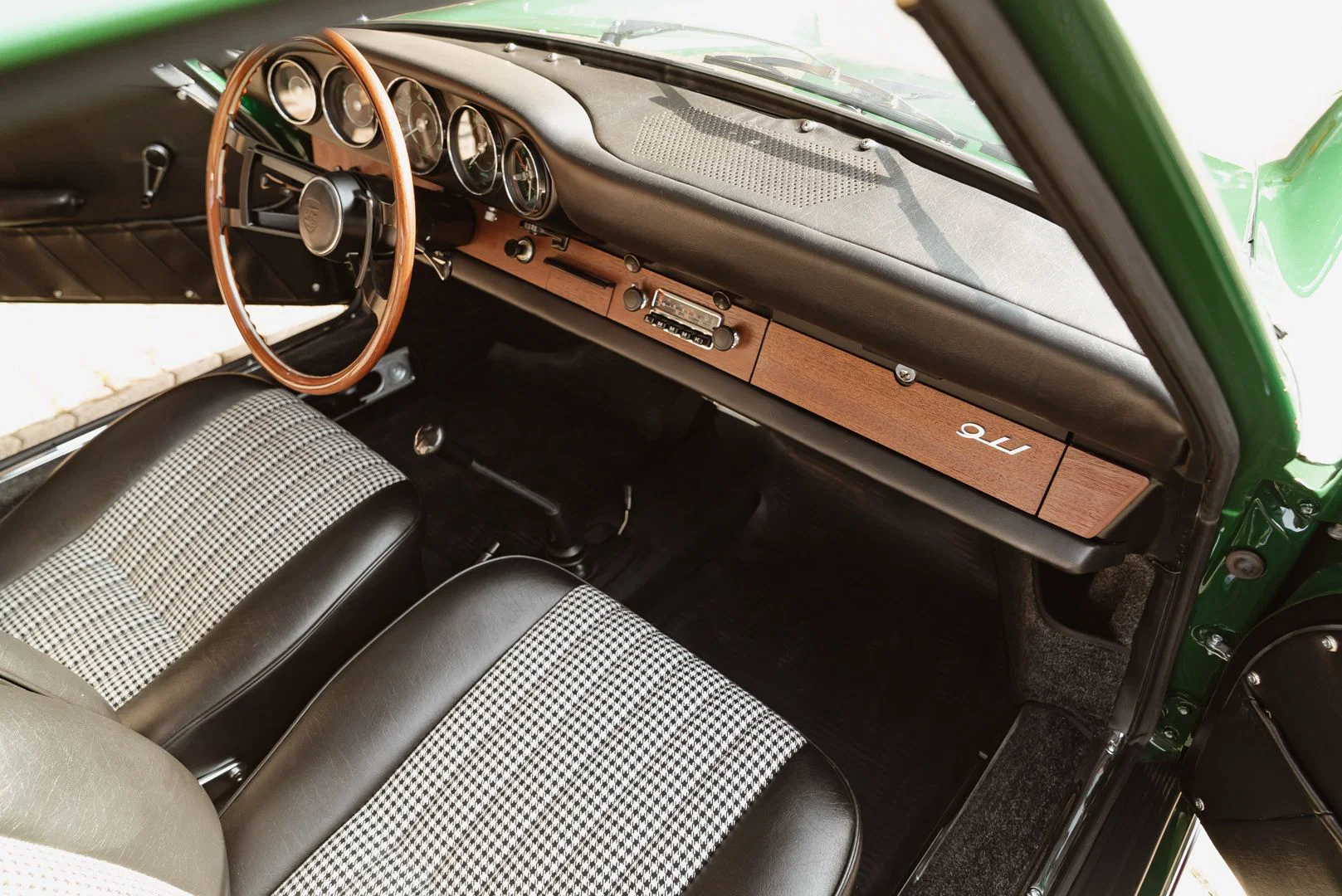
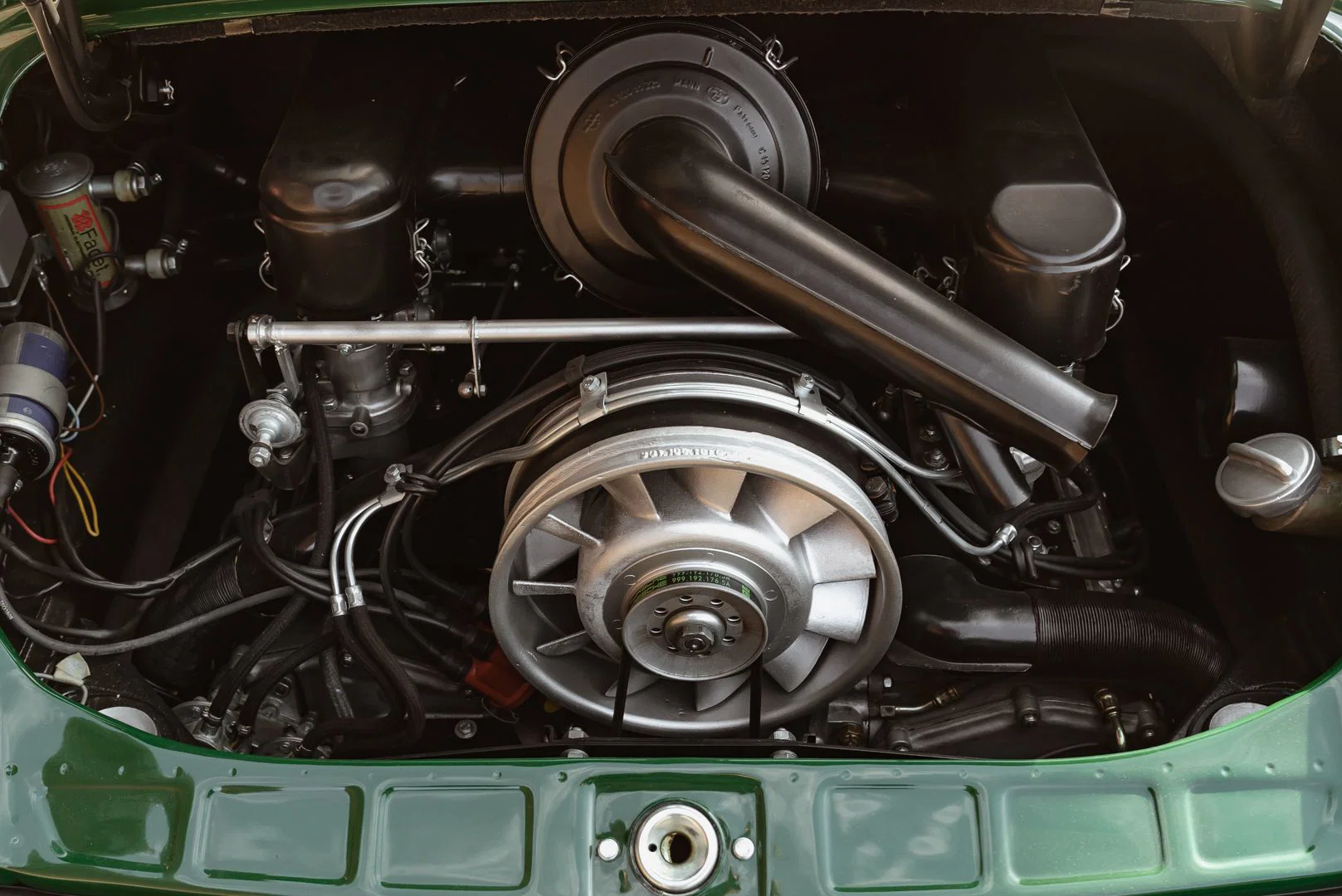
To walk around one of the exceedingly rare 1964 production Coupes is to witness Ferdinand Alexander ‘Butzi’ Porsche’s design at its most unadulterated and pure. Devoid of the flared arches, aerodynamic wings, and wide rubber that would define later decades, the 1964 silhouette is a study in delicate, mid-century minimalism. The upright, chrome-ringed headlamps cascade perfectly into the plunging “flyline” of the roof, terminating in an elegant, teardrop rear. However, the true revelation was hidden beneath the rear engine grille. Here sat the absolute genesis of the Porsche mythos: the Type 901/01 2.0-liter, air-cooled flat-six engine. Designed by Hans Mezger, this all-alloy, dry-sumped masterpiece featured a single overhead camshaft per bank and breathed through complex, twin-choke Solex 40 PI carburetors. It produced a wonderfully tractable 130 brake horsepower at a shrieking 6,100 rpm. Firing it up revealed a sound entirely alien to the pushrod 356 owners: a busy, mechanical clatter at idle that smoothed into a cultured, metallic howl as the revs climbed. This power was sent to the rear wheels via a five-speed manual transaxle featuring a distinct “dog-leg” first gear, situated down and to the left, favoring the crucial second-to-third shifts required on twisting Alpine passes. The chassis, featuring a short 2,211mm wheelbase (SWB), utilized McPherson struts up front and semi-trailing arms in the rear, sprung by torsion bars. Inside, the 1964 cabin was a masterpiece of purposeful luxury. The driver faced a beautiful strip of genuine wood veneer spanning the dashboard, punctuated by the now-sacred five-dial instrument cluster with the tachometer rightfully dominating the dead center.
The historical impact of the 1964 Porsche 911 2.0 Coupe cannot be overstated, primarily because of its extreme rarity and the foundational dynamic blueprint it established. Only 232 examples were built in that inaugural calendar year, making them the absolute holy grail for modern collectors. On the road, the 1964 911 was a revelation in straight-line speed and mechanical refinement compared to the 356, easily capable of exceeding 210 km/h (130 mph). However, it quickly earned a terrifying reputation among the uninitiated. The combination of the heavy flat-six cantilevered entirely behind the rear axle, narrow 4.5-inch steel wheels, and the short wheelbase created a massive pendulum effect. If a driver panicked and lifted off the throttle mid-corner, the sudden forward weight transfer would unweight the rear tires, resulting in immediate, violent snap-oversteer. Driving the early 2.0-liter Coupe fast required a delicate, counter-intuitive mastery: brake deep to pin the nose, and apply the throttle early to squat the rear and utilize the immense traction. While it was not yet the widened, widened track weapon it would become, intrepid privateers immediately recognized the 911’s inherent motorsport potential, taking the delicate coupes to local rallies and hill climbs, laying the very first bricks of Porsche’s unmatched endurance racing dynasty.
The legacy of the 1964 Porsche 911 2.0 Coupe is sovereign and absolute. It is the purest distillation of the most successful sports car concept in automotive history. It proved that a fundamentally flawed architectural layout could be honed into a precision instrument through sheer Teutonic engineering stubbornness. This specific 1964 submodel, with its Solex carburetors, wood-trimmed dashboard, and short-wheelbase tail-happy dynamics, was the seed from which the entire 911 family tree grew. It necessitated the evolutionary steps that followed: the switch to Weber carburetors for reliability, the lengthening of the wheelbase in 1968 to tame the handling, and the introduction of the high-performance ‘S’ models. Today, an authentic 1964 911 2.0 is not just a classic car; it is an invaluable historical artifact. It occupies a hallowed space in the pantheon of automobilism as the precise moment when Porsche transitioned from building quirky, beetle-derived runabouts into creating the definitive, immortal sports car benchmark.
Brand
Produced from
Portal
Vehicle category
Model line
Model generation
Predecessor
Sucessor
Brand
Produced from
Portal
Vehicle category
Model line
Model generation
Predecessor
Sucessor
Submodel Overview
In the fading months of 1964, a profound changing of the guard was quietly taking place within the walls of the Zuffenhausen factory. The legendary Porsche 356, the humble, bathtub-shaped sports car that had established the marque’s reputation for giant-killing agility, was rolling toward the end of its developmental life. The automotive landscape of the Swinging Sixties demanded more: more speed, more refinement, and more cabin space to traverse the newly constructed European motorways. While the world marveled at the muscular, V8-powered Chevrolet Corvette Sting Ray and the impossibly phallic beauty of the Jaguar E-Type, Porsche took a deeply pragmatic, fiercely independent path. Having debuted as the Type 901 at the 1963 Frankfurt Motor Show, the car was famously forced into a nomenclature change after Peugeot claimed ownership of three-digit names with a central zero. Thus, as the very first production models trickled out of the factory in late 1964, they wore the badge “911”. The 1964 Porsche 911 2.0 Coupe was not merely a new model; it was a high-stakes gamble. It stepped into the ring against established grand tourers like the Mercedes-Benz 230 SL ‘Pagoda’, armed with nothing but an anachronistic rear-engine layout and a singular, uncompromising vision of what a sports car should be.
To walk around one of the exceedingly rare 1964 production Coupes is to witness Ferdinand Alexander ‘Butzi’ Porsche’s design at its most unadulterated and pure. Devoid of the flared arches, aerodynamic wings, and wide rubber that would define later decades, the 1964 silhouette is a study in delicate, mid-century minimalism. The upright, chrome-ringed headlamps cascade perfectly into the plunging “flyline” of the roof, terminating in an elegant, teardrop rear. However, the true revelation was hidden beneath the rear engine grille. Here sat the absolute genesis of the Porsche mythos: the Type 901/01 2.0-liter, air-cooled flat-six engine. Designed by Hans Mezger, this all-alloy, dry-sumped masterpiece featured a single overhead camshaft per bank and breathed through complex, twin-choke Solex 40 PI carburetors. It produced a wonderfully tractable 130 brake horsepower at a shrieking 6,100 rpm. Firing it up revealed a sound entirely alien to the pushrod 356 owners: a busy, mechanical clatter at idle that smoothed into a cultured, metallic howl as the revs climbed. This power was sent to the rear wheels via a five-speed manual transaxle featuring a distinct “dog-leg” first gear, situated down and to the left, favoring the crucial second-to-third shifts required on twisting Alpine passes. The chassis, featuring a short 2,211mm wheelbase (SWB), utilized McPherson struts up front and semi-trailing arms in the rear, sprung by torsion bars. Inside, the 1964 cabin was a masterpiece of purposeful luxury. The driver faced a beautiful strip of genuine wood veneer spanning the dashboard, punctuated by the now-sacred five-dial instrument cluster with the tachometer rightfully dominating the dead center.
The historical impact of the 1964 Porsche 911 2.0 Coupe cannot be overstated, primarily because of its extreme rarity and the foundational dynamic blueprint it established. Only 232 examples were built in that inaugural calendar year, making them the absolute holy grail for modern collectors. On the road, the 1964 911 was a revelation in straight-line speed and mechanical refinement compared to the 356, easily capable of exceeding 210 km/h (130 mph). However, it quickly earned a terrifying reputation among the uninitiated. The combination of the heavy flat-six cantilevered entirely behind the rear axle, narrow 4.5-inch steel wheels, and the short wheelbase created a massive pendulum effect. If a driver panicked and lifted off the throttle mid-corner, the sudden forward weight transfer would unweight the rear tires, resulting in immediate, violent snap-oversteer. Driving the early 2.0-liter Coupe fast required a delicate, counter-intuitive mastery: brake deep to pin the nose, and apply the throttle early to squat the rear and utilize the immense traction. While it was not yet the widened, widened track weapon it would become, intrepid privateers immediately recognized the 911’s inherent motorsport potential, taking the delicate coupes to local rallies and hill climbs, laying the very first bricks of Porsche’s unmatched endurance racing dynasty.
The legacy of the 1964 Porsche 911 2.0 Coupe is sovereign and absolute. It is the purest distillation of the most successful sports car concept in automotive history. It proved that a fundamentally flawed architectural layout could be honed into a precision instrument through sheer Teutonic engineering stubbornness. This specific 1964 submodel, with its Solex carburetors, wood-trimmed dashboard, and short-wheelbase tail-happy dynamics, was the seed from which the entire 911 family tree grew. It necessitated the evolutionary steps that followed: the switch to Weber carburetors for reliability, the lengthening of the wheelbase in 1968 to tame the handling, and the introduction of the high-performance ‘S’ models. Today, an authentic 1964 911 2.0 is not just a classic car; it is an invaluable historical artifact. It occupies a hallowed space in the pantheon of automobilism as the precise moment when Porsche transitioned from building quirky, beetle-derived runabouts into creating the definitive, immortal sports car benchmark.
Tech Specs
Technical Specifications
Tech Specs
Technical Specifications
Engine
01
03
Internal combustion engine
Configuration
Porsche Type 901/01, Flat-6 (Boxer) - Air-cooled
Location
Rear, longitudinally mounted
Construction
Aluminium alloy block and heads
Displacement (cc)
1,991 cc
Displacement (cu in)
121.5 cu in
Compression
9.0:1
Bore x Stroke
80.0 mm x 66.0 mm
Valvetrain
2 valves per cylinder, SOHC
Fuel feed
2 x Solex 40 PI triple-choke carburetors
Lubrication
Dry sump
Aspiration
Naturally aspirated
Output
Power (hp)
130 hp
Power (kW)
96 kW
Max power at
6,100 RPM
Torque (Nm)
174 Nm
Torque (ft lbs)
128 ft lbs
Max torque at
4,200 RPM
Drivetrain
02
03
Chassis
Type
Monocoque unibody
Material
Steel
Body
Material
Steel
Transmission
Gearbox
Porsche Type 901, 5-speed manual
Drive
Rear Wheel Drive
Suspension
Front
Independent, McPherson struts, longitudinal torsion bars, telescopic dampers
Rear
Independent, semi-trailing arms, transverse torsion bars, telescopic dampers
Steering
Type
ZF rack and pinion, unassisted
Brakes
Front
Solid steel discs, ATE calipers
Rear
Solid steel discs, ATE calipers
Wheels
Front
4.5" x 15" (Ventilated pressed steel)
Rear
4.5" x 15" (Ventilated pressed steel)
Tires
Front
165 HR 15
Rear
165 HR 15
Dimensions and performance
03
03
Dimensions
Length (mm)
4,163 mm
Length (in)
163.9 in
Width (mm)
1,610 mm
Width (in)
63.4 in
Height (mm)
1,320 mm
Height (in)
52.0 in
Wheelbase (mm)
2,211 mm
Wheelbase (in)
87.0 in
Weight (kg)
1,080 kg
Weight (lbs)
2,381 lbs
Performance
Power to weight
0.12 hp/kg
Top speed (km/h)
210 km/h
Top speed (mph)
130 mph
0-100 km/h (0-60 mph)
8.3 s