Porsche 911 I (Urmodell)
Brand
Produced from
Vehicle category
Portal
Model line
Model generation
Sucessor
Generation Overview
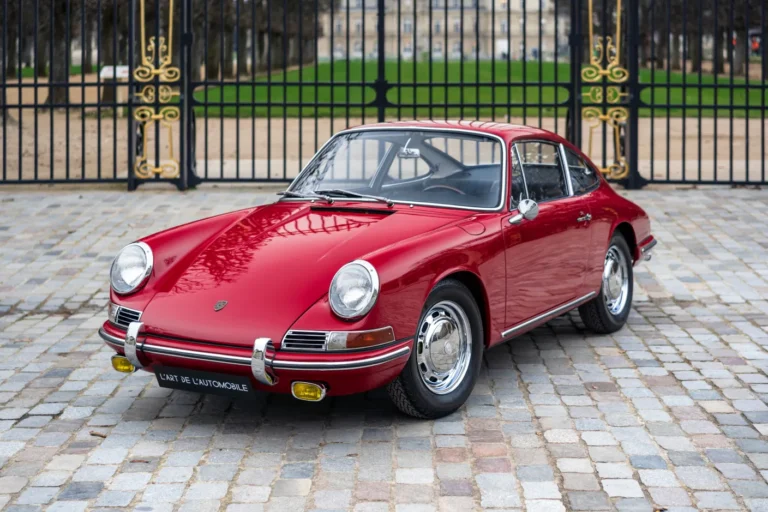
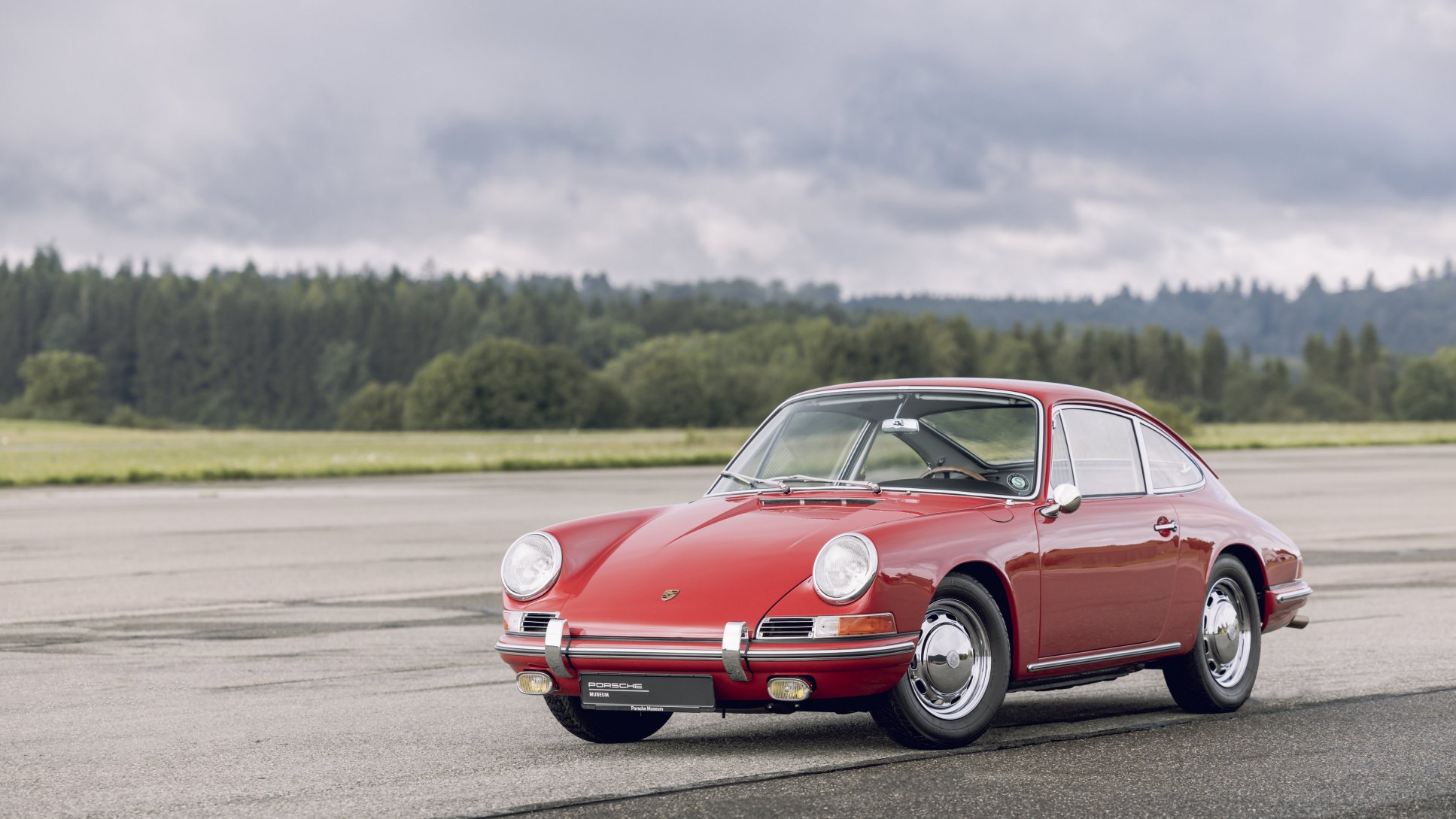
In the crisp, momentous autumn of 1963, attendees of the Frankfurt Motor Show crowded around a sleek, gleaming prototype resting on the Porsche stand. Designated internally as the Type 901, this elegant machine carried the immense, almost terrifying burden of succeeding the beloved Porsche 356. For fifteen years, the humble, Volkswagen-derived 356 had served as the bedrock of Zuffenhausen’s reputation, but by the early 1960s, its pushrod four-cylinder engine and archaic swing-axle suspension had reached the absolute limits of their developmental ceiling. The world was moving faster; affluent buyers demanded greater refinement, a larger cabin, and the high-speed capability to comfortably cruise the expanding European Autobahn network. The new Porsche had to step into a fiercely competitive arena, staring down the impossibly glamorous Jaguar E-Type, the muscular Chevrolet Corvette Sting Ray, and the elegant Mercedes-Benz 230 SL ‘Pagoda’. Following a famously petty trademark dispute with Peugeot—who claimed exclusive rights to three-digit model names with a zero in the middle—the 901 was hastily rechristened. The Porsche 911 was born. This first generation, universally revered by purists today as the “Urmodell” (original model) or the F-Series, spanned from 1963 until the introduction of the impact-bumpered G-Series in 1973. It was an era of rapid, relentless evolution that spawned a sprawling family tree of submodels: the entry-level, four-cylinder 912, the standard 911, the stripped-back 911 T (Touring), the luxurious 911 E (Einspritzung), and the screaming, high-output 911 S (Super).
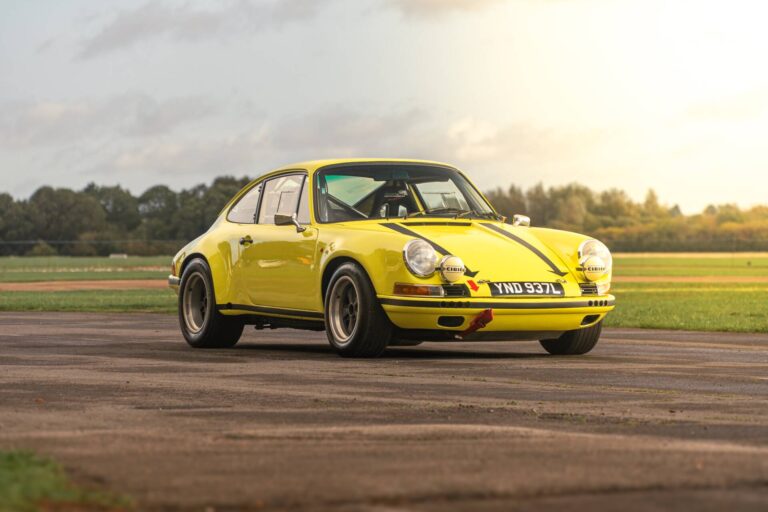
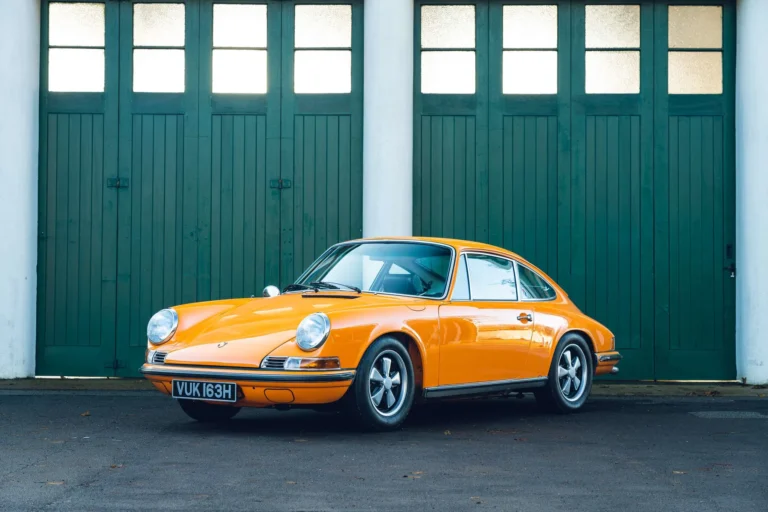
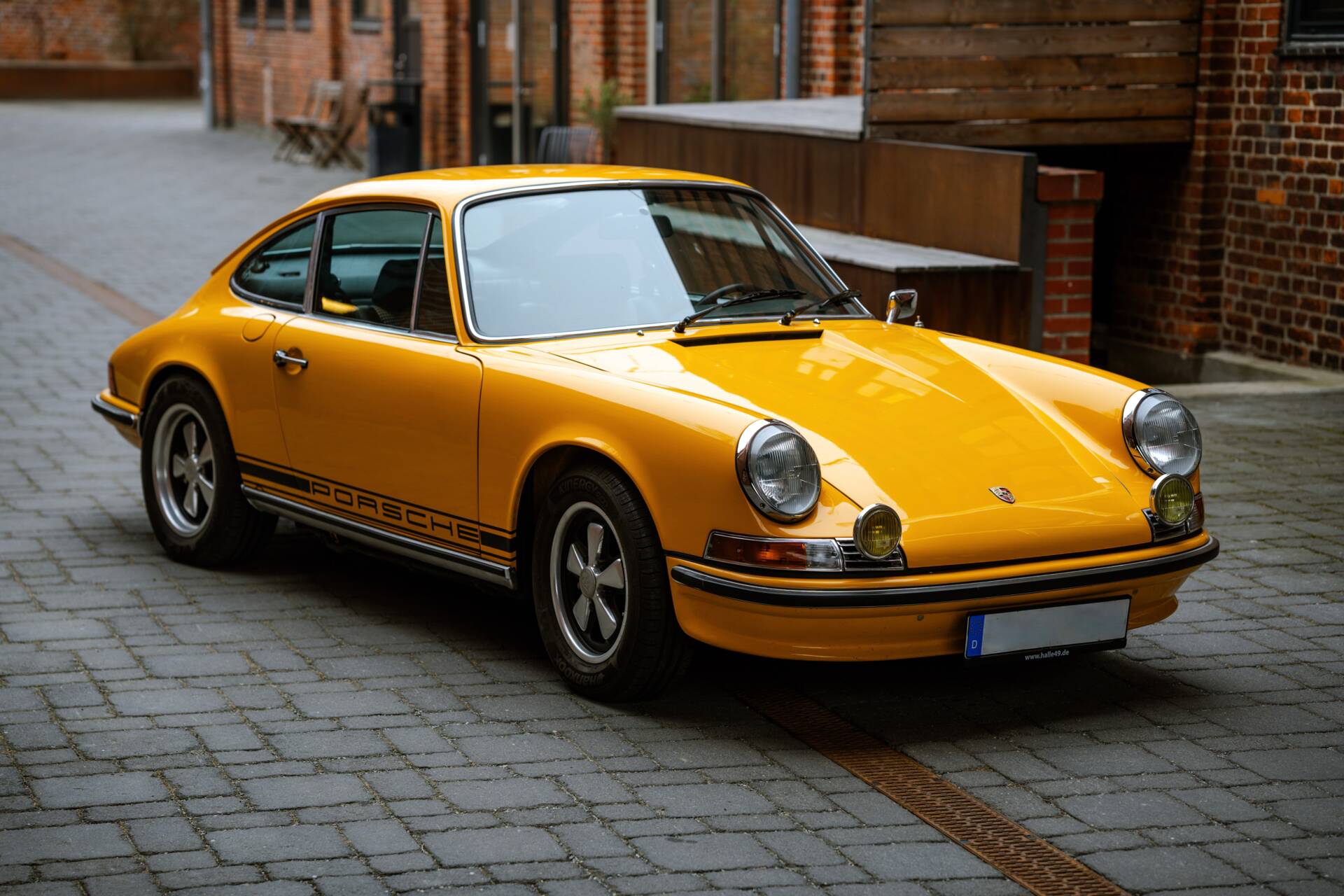
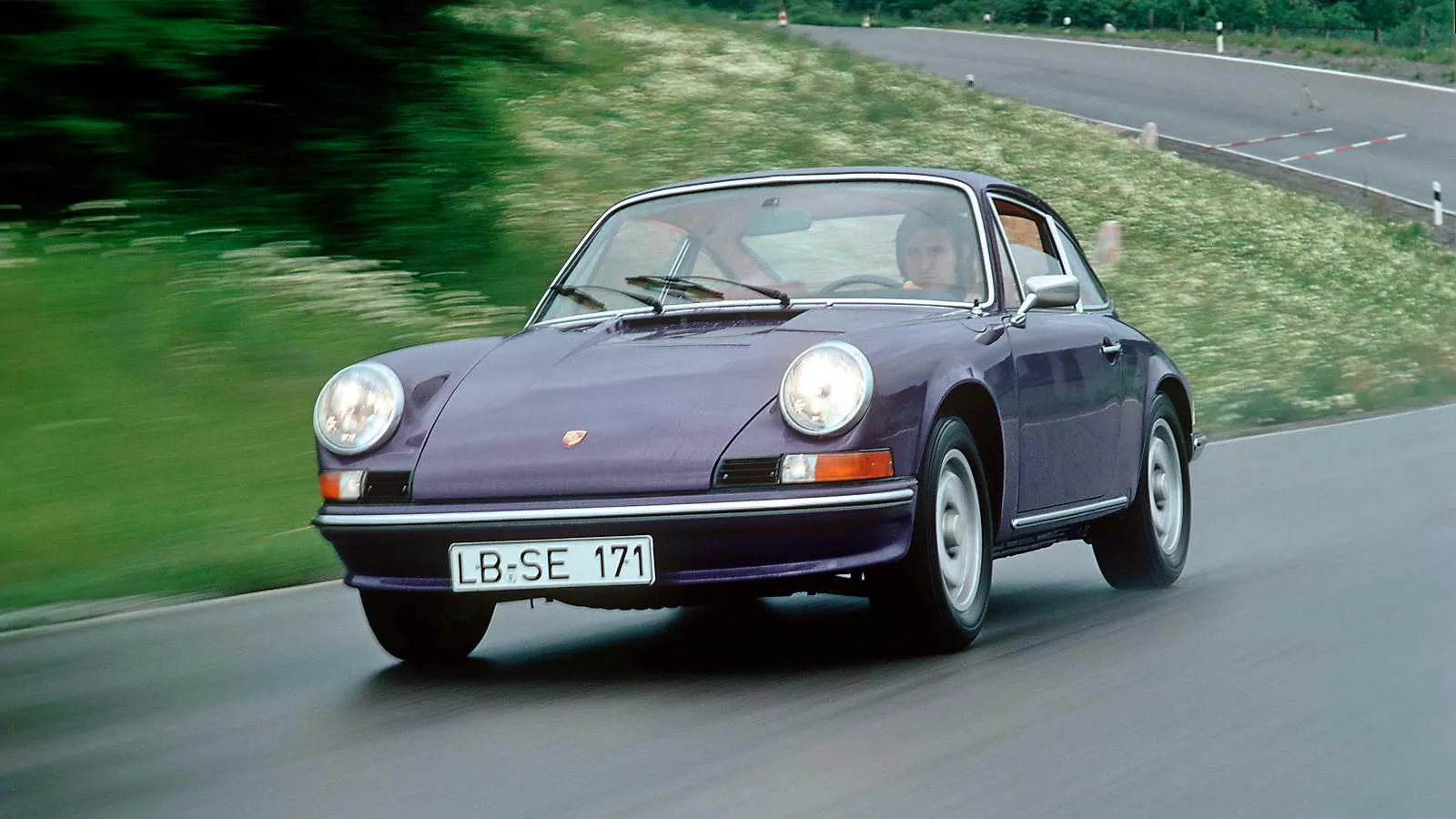
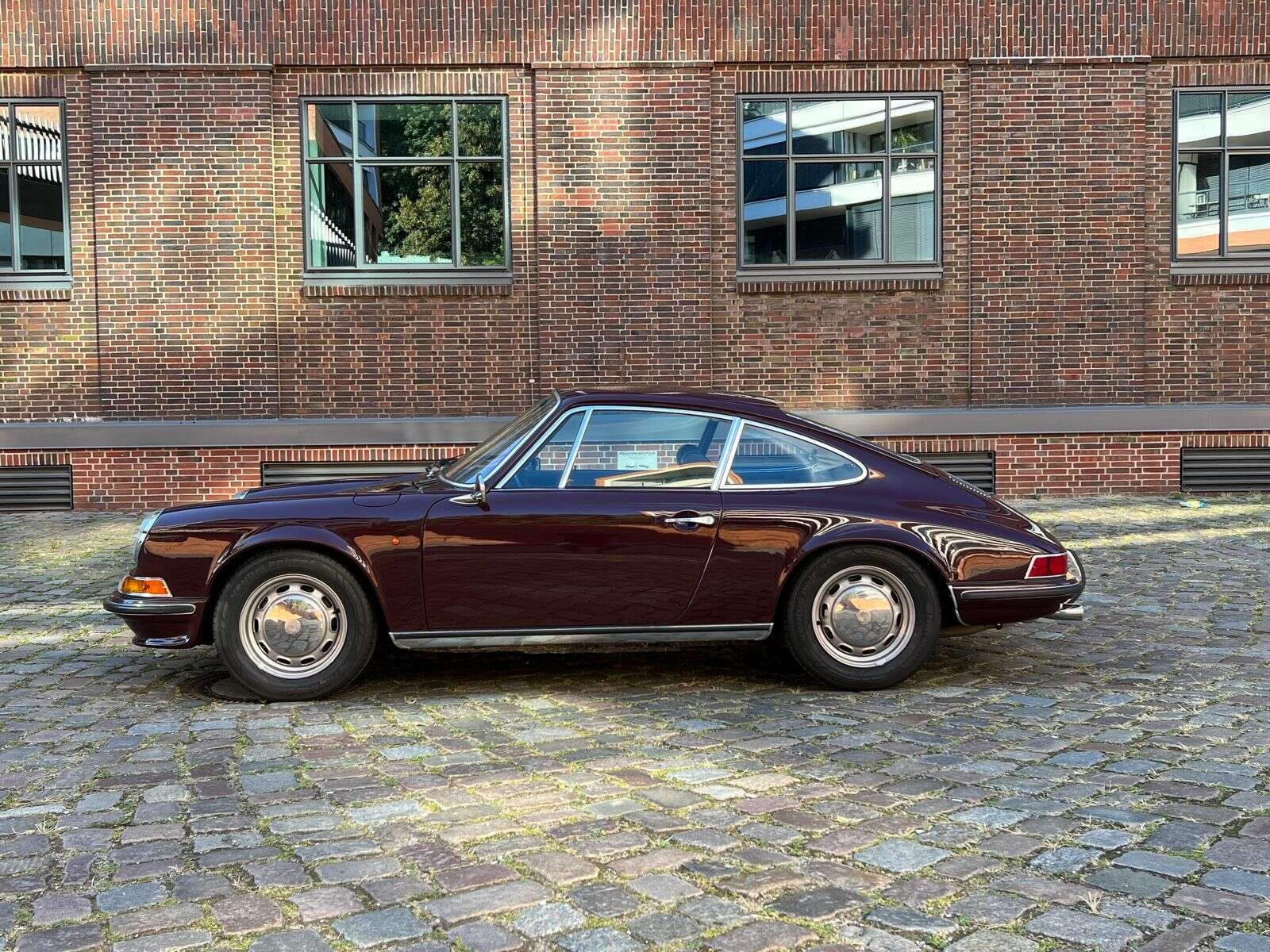
To trace the flowing, unadorned silhouette of the 911 Urmodell is to witness the triumph of functional, mid-century teutonic design. Penned by Ferdinand Alexander ‘Butzi’ Porsche, the shape was a masterclass in minimalist aerodynamics, defined by its upright front fenders, circular headlamps, and a plunging, unbroken roofline known affectionately as the “flyline”. Beneath this timeless steel skin, the 911 represented a quantum leap over the 356. It utilized a modern, stiff unibody construction, but the true revolution was bolted entirely behind the rear axle. Here resided the legendary Type 901 engine, designed by the brilliant young engineer Hans Mezger. This 2.0-liter, air-cooled, all-alloy flat-six was a masterpiece of mechanical packaging. Featuring a single overhead camshaft per cylinder bank and a dry-sump lubrication system to ensure a constant flow of oil under high cornering loads, it initially breathed through a pair of triple-choke Solex carburetors (soon replaced by superior Webers) to produce a wonderfully smooth 130 horsepower. As the Urmodell generation evolved, this engine was relentlessly refined, eventually receiving Bosch mechanical fuel injection in the E and S models, and growing in displacement to 2.2 and finally 2.4 liters by the early 1970s. The chassis dynamics of the early ‘short-wheelbase (SWB) cars are the stuff of terrifying, deeply romantic motorsport folklore. With the heavy flat-six acting as a pendulum behind the rear wheels, the early 911 possessed massive rear traction but demanded immense respect. In the hands of an amateur, a sudden lift of the throttle mid-corner would induce violent, snapping oversteer. To tame this inherent beast, Porsche famously lengthened the wheelbase by 2.2 inches in 1968, creating the long-wheelbase (LWB) models that offered vastly improved high-speed stability without sacrificing the car’s telepathic steering feel. Inside, the 911 established a driver-focused cabin architecture that remains sacred today: the ignition slot placed distinctly on the left (a nod to traditional Le Mans running starts) and an instrument binnacle dominated by five circular VDO dials, with the tachometer rightfully occupying the dead center.
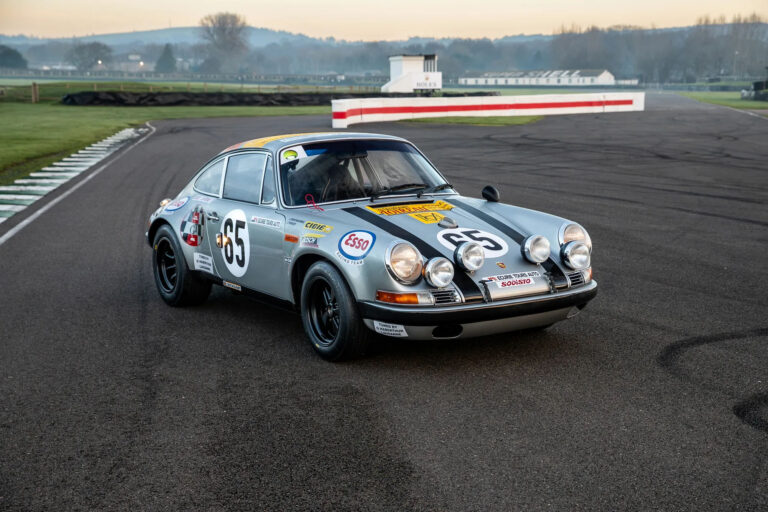
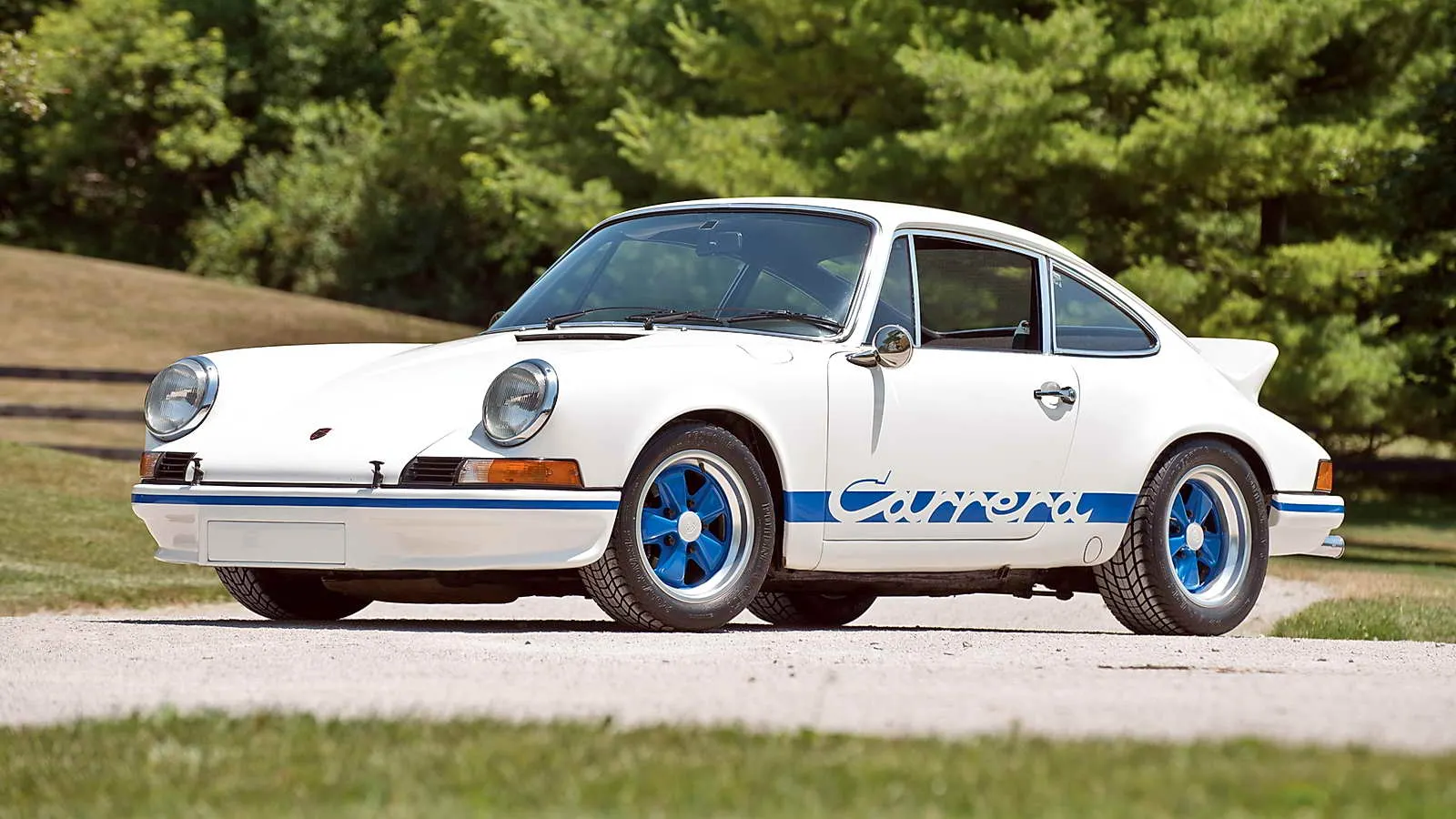
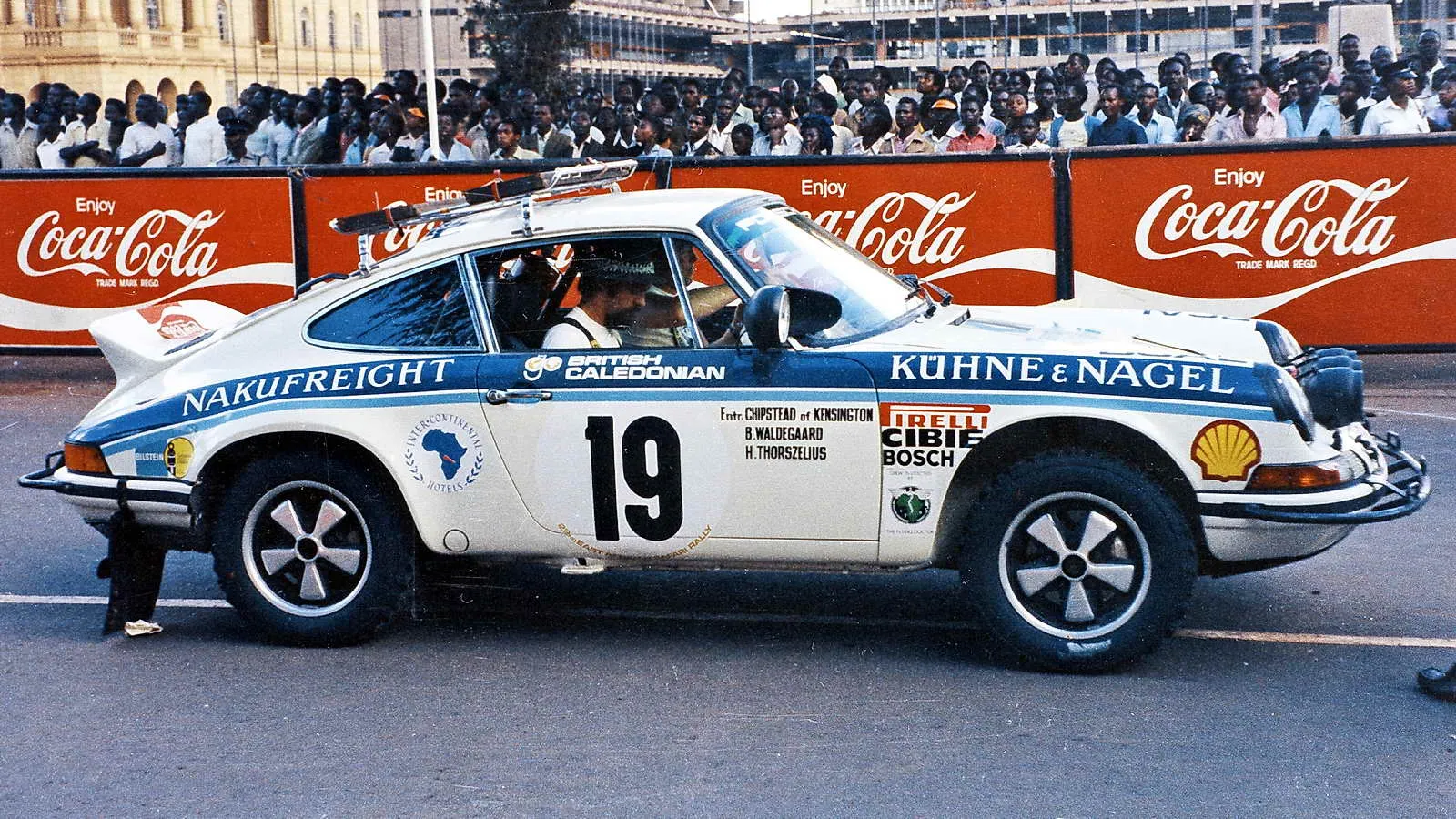
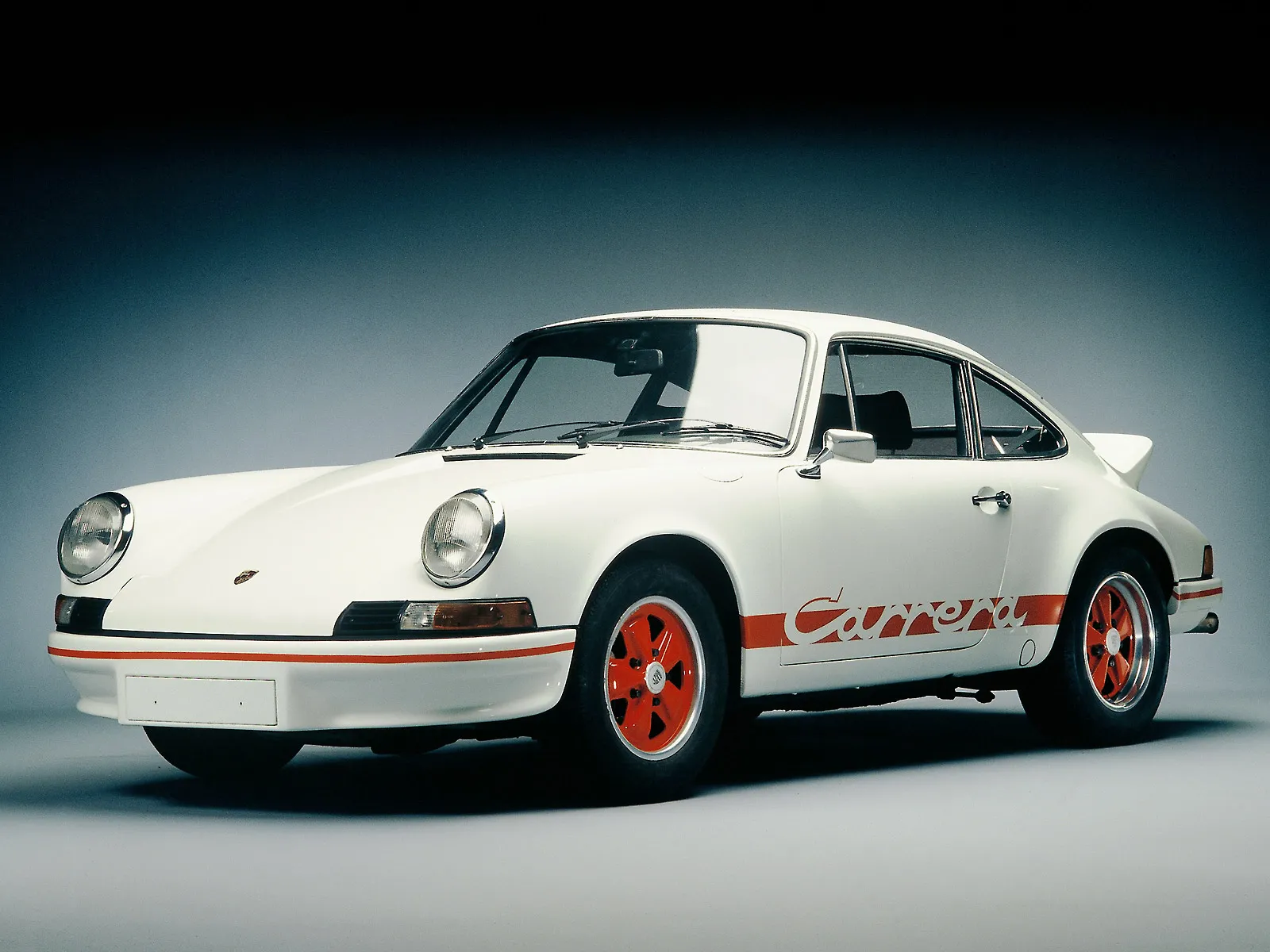
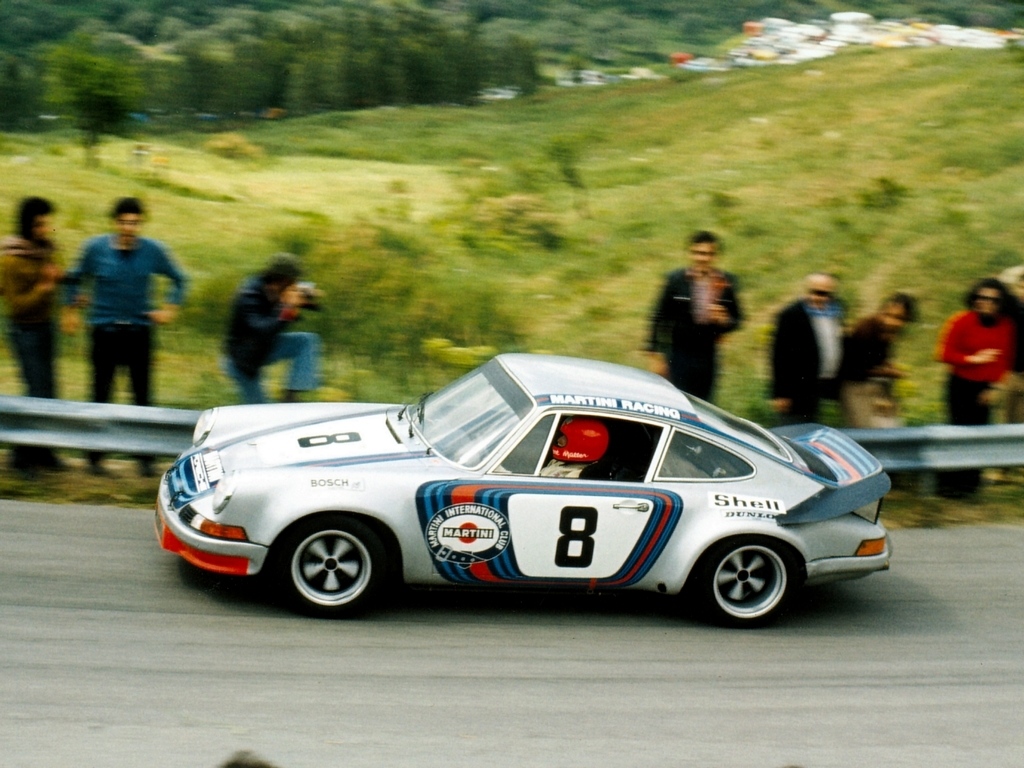
The motorsport history of the 911 Urmodell is not merely a chapter in the Porsche archives; it is the absolute foundation of the brand’s global racing dominance. The 911 was born with a competition number on its door. Its ruggedness, exceptional traction, and innate agility made it the ultimate dual-purpose machine. A gentleman driver could genuinely drive his 911 to the track, conquer his class, and drive it home. But it was on the treacherous, snow-covered mountain passes of the European rally circuit where the early 911 forged its giant-killing reputation. The defining moment arrived in 1968, when the legendary British driver Vic Elford, alongside co-driver David Stone, piloted a factory-entered 911 T to an outright, spectacular victory at the grueling Monte Carlo Rally. This triumph proved that Porsche’s rear-engined gamble was a devastatingly effective motorsport weapon. In 1967, the factory took the Urmodell to its absolute extreme by creating the mythical 911 R. Stripped of all sound deadening, fitted with fiberglass body panels, plastic windows, and a howling, 210-horsepower twin-spark racing engine sourced from the 906 prototype, the 911 R was a featherweight terror. Though only 20 were built, it established the sacred Porsche ethos of lightweight, track-focused homologation specials that eventually birthed the legendary Carrera RS. Commercially, the Urmodell saved Porsche, transforming it from a niche builder of glorified Volkswagens into an undeniable global superpower of the sports car world. It captured the imagination of the 1960s cultural elite, becoming the vehicle of choice for actors, racers, and connoisseurs who appreciated its blend of surgical performance and everyday usability.
The legacy of the 1963 Porsche 911 Urmodell is sovereign, absolute, and entirely unique in the pantheon of automovilismo. When it was finally succeeded by the impact-bumpered G-Series in 1973, it left behind an indelible, immortal blueprint. The Urmodell proved that an anachronistic, fundamentally flawed engineering concept—placing the engine behind the rear axle—could be honed through sheer teutonic stubbornness into the sharpest, most capable driving instrument on earth. Today, the early long-hood, chrome-bumpered 911s are the absolute darlings of the classic car market, commanding astronomical sums from purists who revere their delicate, unadorned aesthetics and pure, unfiltered mechanical feedback. The 911 Urmodell did not just launch a model line; it birthed a religion. Every modern 911 that rolls out of Zuffenhausen today, with its flat-six engine, plunging flyline, and central tachometer, is a direct, reverent homage to the masterpiece that debuted under the Frankfurt lights in 1963.
Portal
Model line
Model generation
Sucessor
Brand
Produced from
Vehicle category
Generation Overview
In the crisp, momentous autumn of 1963, attendees of the Frankfurt Motor Show crowded around a sleek, gleaming prototype resting on the Porsche stand. Designated internally as the Type 901, this elegant machine carried the immense, almost terrifying burden of succeeding the beloved Porsche 356. For fifteen years, the humble, Volkswagen-derived 356 had served as the bedrock of Zuffenhausen’s reputation, but by the early 1960s, its pushrod four-cylinder engine and archaic swing-axle suspension had reached the absolute limits of their developmental ceiling. The world was moving faster; affluent buyers demanded greater refinement, a larger cabin, and the high-speed capability to comfortably cruise the expanding European Autobahn network. The new Porsche had to step into a fiercely competitive arena, staring down the impossibly glamorous Jaguar E-Type, the muscular Chevrolet Corvette Sting Ray, and the elegant Mercedes-Benz 230 SL ‘Pagoda’. Following a famously petty trademark dispute with Peugeot—who claimed exclusive rights to three-digit model names with a zero in the middle—the 901 was hastily rechristened. The Porsche 911 was born. This first generation, universally revered by purists today as the “Urmodell” (original model) or the F-Series, spanned from 1963 until the introduction of the impact-bumpered G-Series in 1973. It was an era of rapid, relentless evolution that spawned a sprawling family tree of submodels: the entry-level, four-cylinder 912, the standard 911, the stripped-back 911 T (Touring), the luxurious 911 E (Einspritzung), and the screaming, high-output 911 S (Super).
To trace the flowing, unadorned silhouette of the 911 Urmodell is to witness the triumph of functional, mid-century teutonic design. Penned by Ferdinand Alexander ‘Butzi’ Porsche, the shape was a masterclass in minimalist aerodynamics, defined by its upright front fenders, circular headlamps, and a plunging, unbroken roofline known affectionately as the “flyline”. Beneath this timeless steel skin, the 911 represented a quantum leap over the 356. It utilized a modern, stiff unibody construction, but the true revolution was bolted entirely behind the rear axle. Here resided the legendary Type 901 engine, designed by the brilliant young engineer Hans Mezger. This 2.0-liter, air-cooled, all-alloy flat-six was a masterpiece of mechanical packaging. Featuring a single overhead camshaft per cylinder bank and a dry-sump lubrication system to ensure a constant flow of oil under high cornering loads, it initially breathed through a pair of triple-choke Solex carburetors (soon replaced by superior Webers) to produce a wonderfully smooth 130 horsepower. As the Urmodell generation evolved, this engine was relentlessly refined, eventually receiving Bosch mechanical fuel injection in the E and S models, and growing in displacement to 2.2 and finally 2.4 liters by the early 1970s. The chassis dynamics of the early ‘short-wheelbase (SWB) cars are the stuff of terrifying, deeply romantic motorsport folklore. With the heavy flat-six acting as a pendulum behind the rear wheels, the early 911 possessed massive rear traction but demanded immense respect. In the hands of an amateur, a sudden lift of the throttle mid-corner would induce violent, snapping oversteer. To tame this inherent beast, Porsche famously lengthened the wheelbase by 2.2 inches in 1968, creating the long-wheelbase (LWB) models that offered vastly improved high-speed stability without sacrificing the car’s telepathic steering feel. Inside, the 911 established a driver-focused cabin architecture that remains sacred today: the ignition slot placed distinctly on the left (a nod to traditional Le Mans running starts) and an instrument binnacle dominated by five circular VDO dials, with the tachometer rightfully occupying the dead center.
The motorsport history of the 911 Urmodell is not merely a chapter in the Porsche archives; it is the absolute foundation of the brand’s global racing dominance. The 911 was born with a competition number on its door. Its ruggedness, exceptional traction, and innate agility made it the ultimate dual-purpose machine. A gentleman driver could genuinely drive his 911 to the track, conquer his class, and drive it home. But it was on the treacherous, snow-covered mountain passes of the European rally circuit where the early 911 forged its giant-killing reputation. The defining moment arrived in 1968, when the legendary British driver Vic Elford, alongside co-driver David Stone, piloted a factory-entered 911 T to an outright, spectacular victory at the grueling Monte Carlo Rally. This triumph proved that Porsche’s rear-engined gamble was a devastatingly effective motorsport weapon. In 1967, the factory took the Urmodell to its absolute extreme by creating the mythical 911 R. Stripped of all sound deadening, fitted with fiberglass body panels, plastic windows, and a howling, 210-horsepower twin-spark racing engine sourced from the 906 prototype, the 911 R was a featherweight terror. Though only 20 were built, it established the sacred Porsche ethos of lightweight, track-focused homologation specials that eventually birthed the legendary Carrera RS. Commercially, the Urmodell saved Porsche, transforming it from a niche builder of glorified Volkswagens into an undeniable global superpower of the sports car world. It captured the imagination of the 1960s cultural elite, becoming the vehicle of choice for actors, racers, and connoisseurs who appreciated its blend of surgical performance and everyday usability.
The legacy of the 1963 Porsche 911 Urmodell is sovereign, absolute, and entirely unique in the pantheon of automovilismo. When it was finally succeeded by the impact-bumpered G-Series in 1973, it left behind an indelible, immortal blueprint. The Urmodell proved that an anachronistic, fundamentally flawed engineering concept—placing the engine behind the rear axle—could be honed through sheer teutonic stubbornness into the sharpest, most capable driving instrument on earth. Today, the early long-hood, chrome-bumpered 911s are the absolute darlings of the classic car market, commanding astronomical sums from purists who revere their delicate, unadorned aesthetics and pure, unfiltered mechanical feedback. The 911 Urmodell did not just launch a model line; it birthed a religion. Every modern 911 that rolls out of Zuffenhausen today, with its flat-six engine, plunging flyline, and central tachometer, is a direct, reverent homage to the masterpiece that debuted under the Frankfurt lights in 1963.
Submodels