
Porsche 911 S/T 2.5
Brand
Produced from
Portal
Vehicle category
Model line
Model generation
Predecessor
Successor
Submodel Overview
As the calendar turned to 1971, the motorsport landscape was caught in the throes of a ferocious, escalating arms race. The World Sportscar Championship and the European Touring Car Championship had transformed into absolute battlegrounds. Porsche’s earlier 2.3-liter iteration of the 911 S/T had valiantly held the line, but the competition was advancing with terrifying momentum. Ford had unleashed the mighty, Weslake-headed Capri RS2600, while BMW was charging hard with the beautifully aggressive 2800 CS. Even the heavy, V12-powered Ferrari Daytonas were proving to be relentless juggernauts on high-speed circuits. To maintain its iron grip on the FIA’s Group 4 Special GT category, the engineering department in Zuffenhausen realized that the 911 needed to punch considerably harder. They could no longer rely solely on the car’s featherweight agility; they needed raw, unadulterated horsepower and even greater mechanical grip. The definitive answer to this ultimatum was the 1971 Porsche 911 S/T 2.5. It was a secretive, highly specialized homologation weapon—a street-brawling evolution that represented the absolute, uncompromising zenith of the classic, wingless 911 silhouette before the era of aerodynamic spoilers permanently altered the car’s shape.
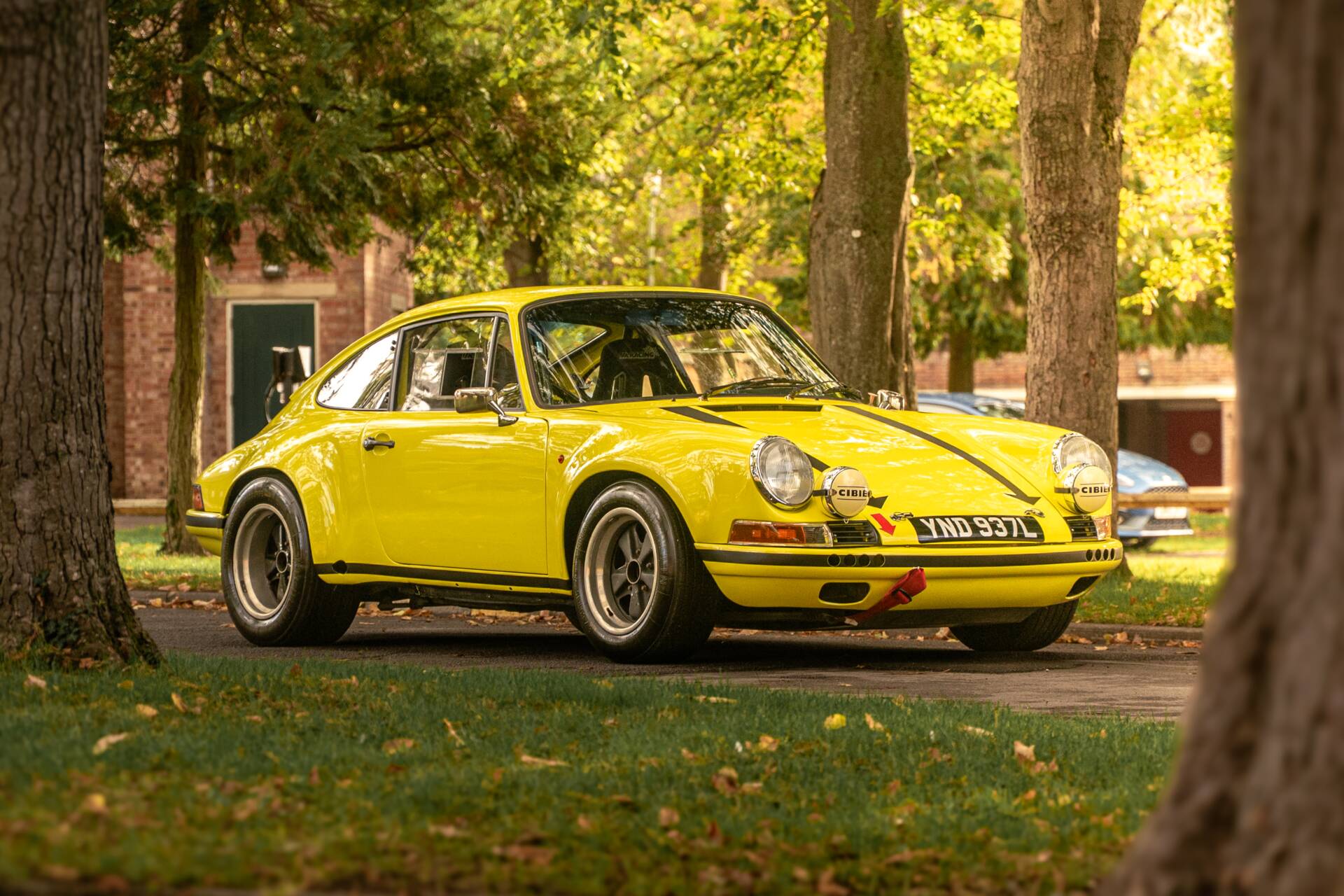
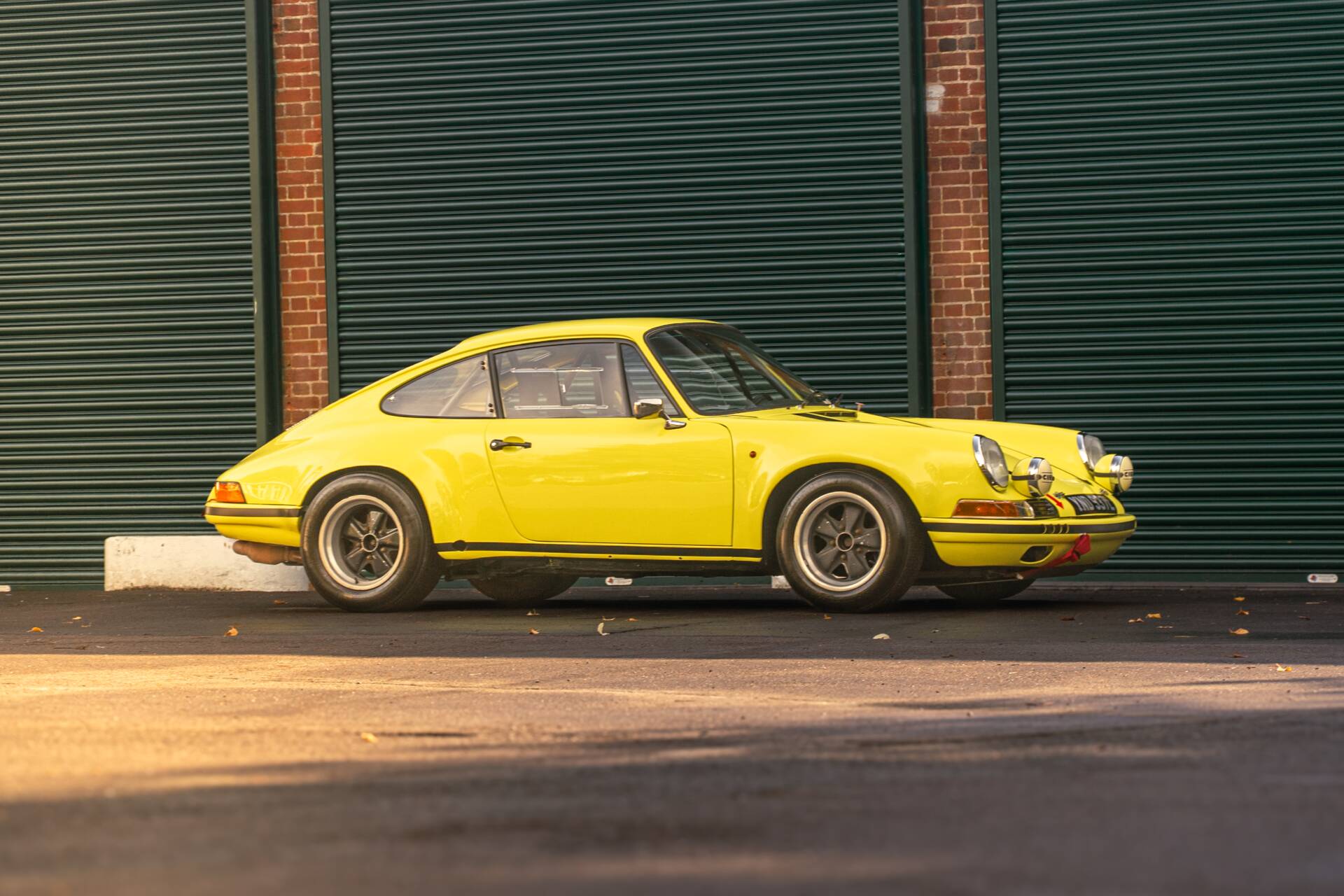
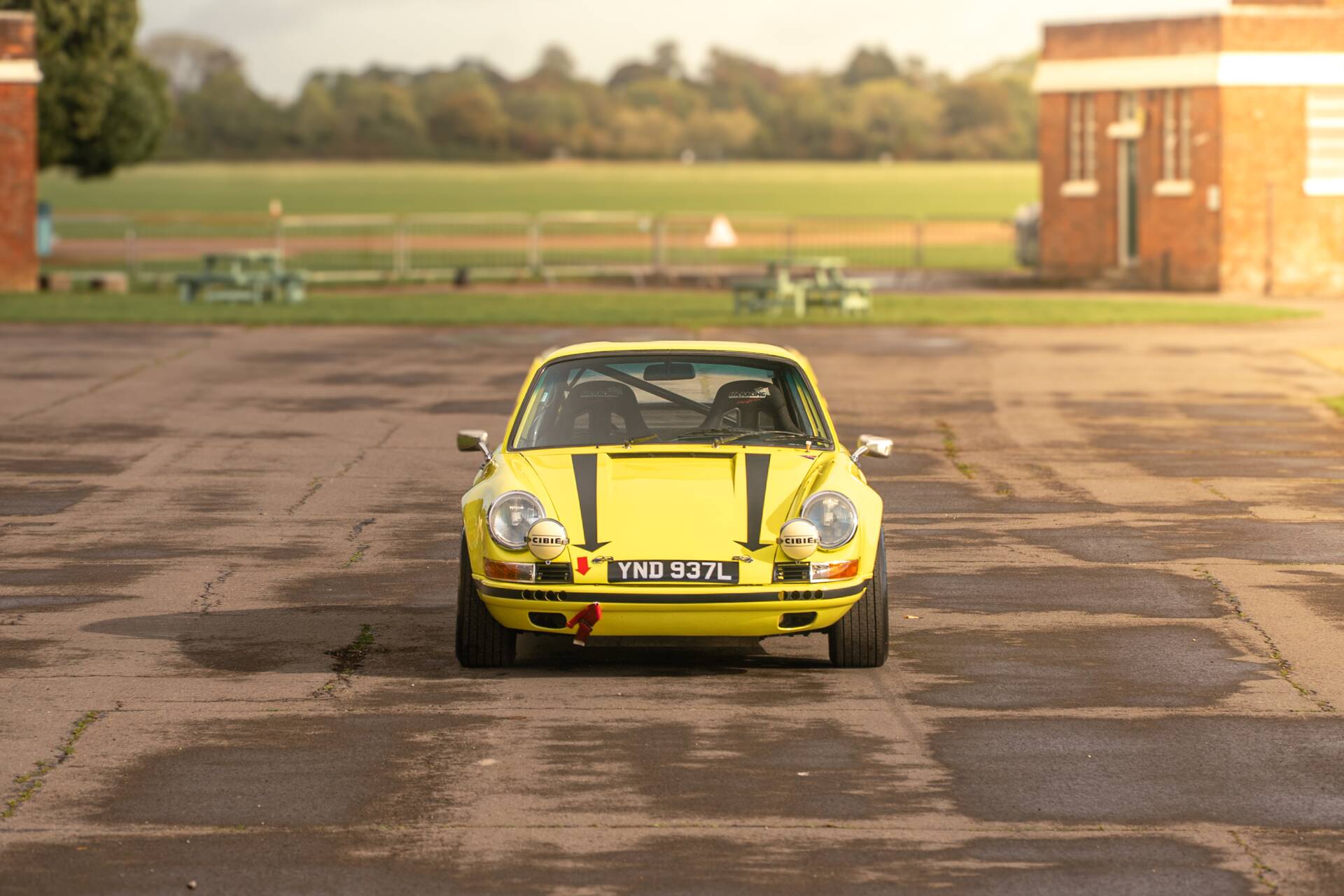
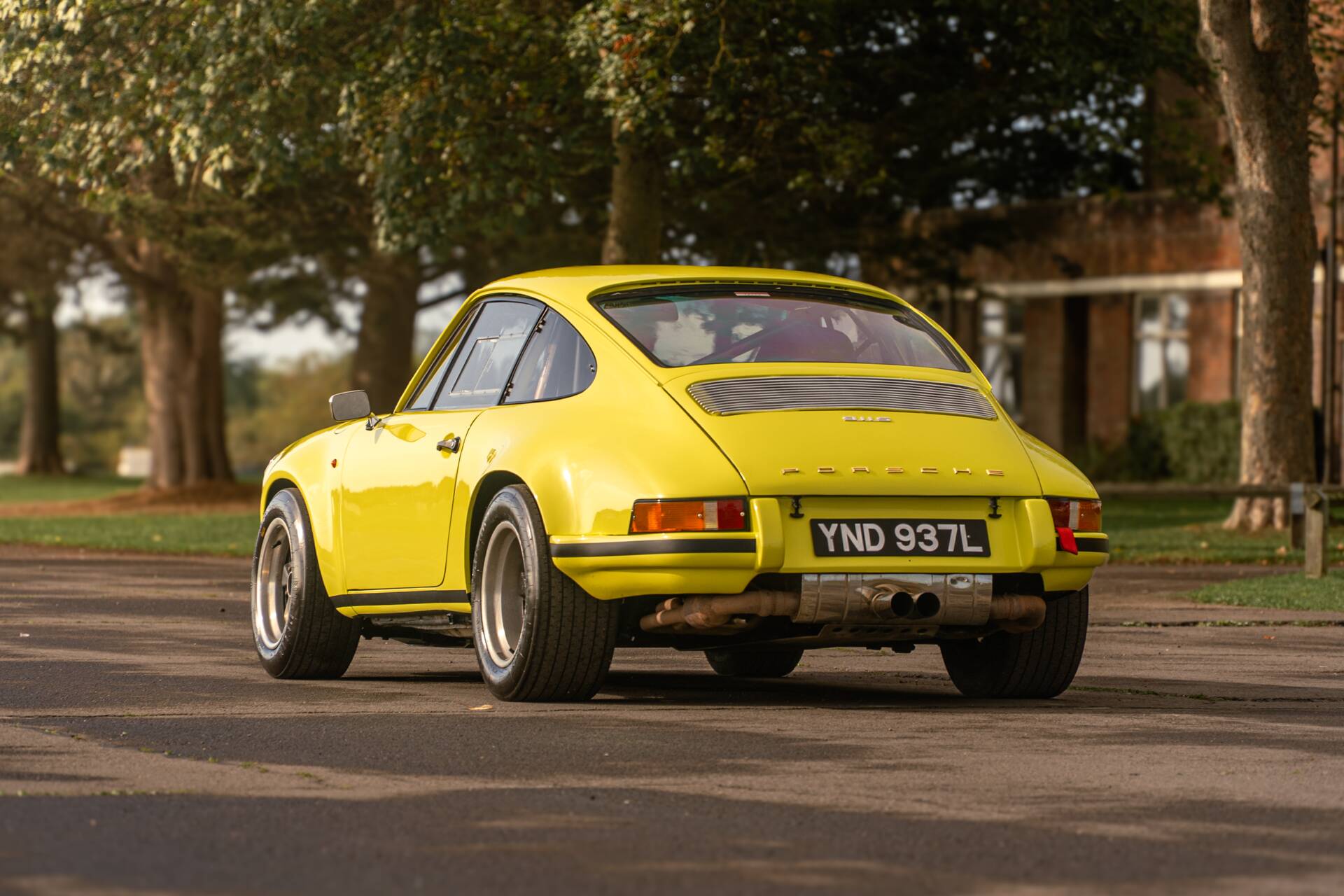
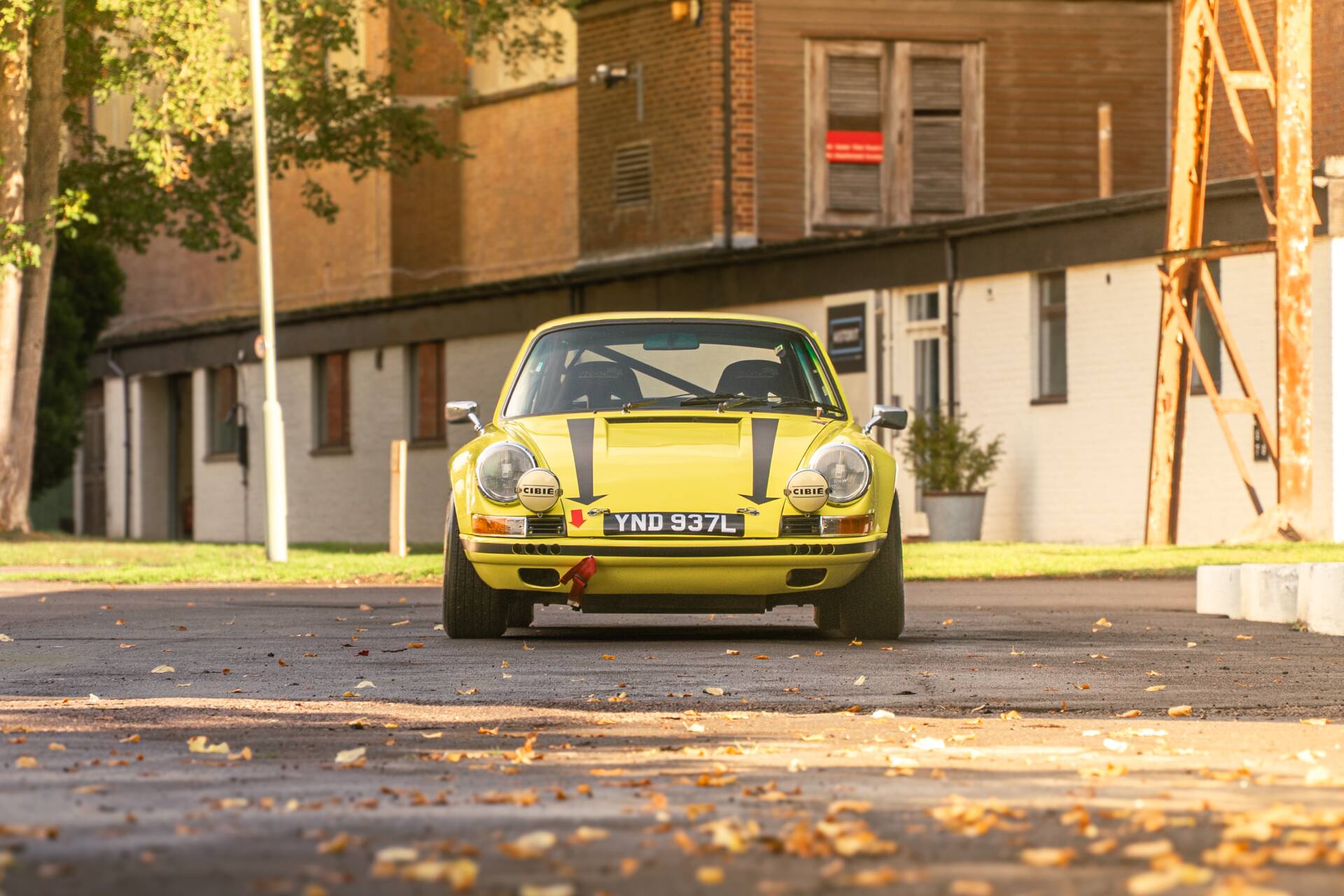
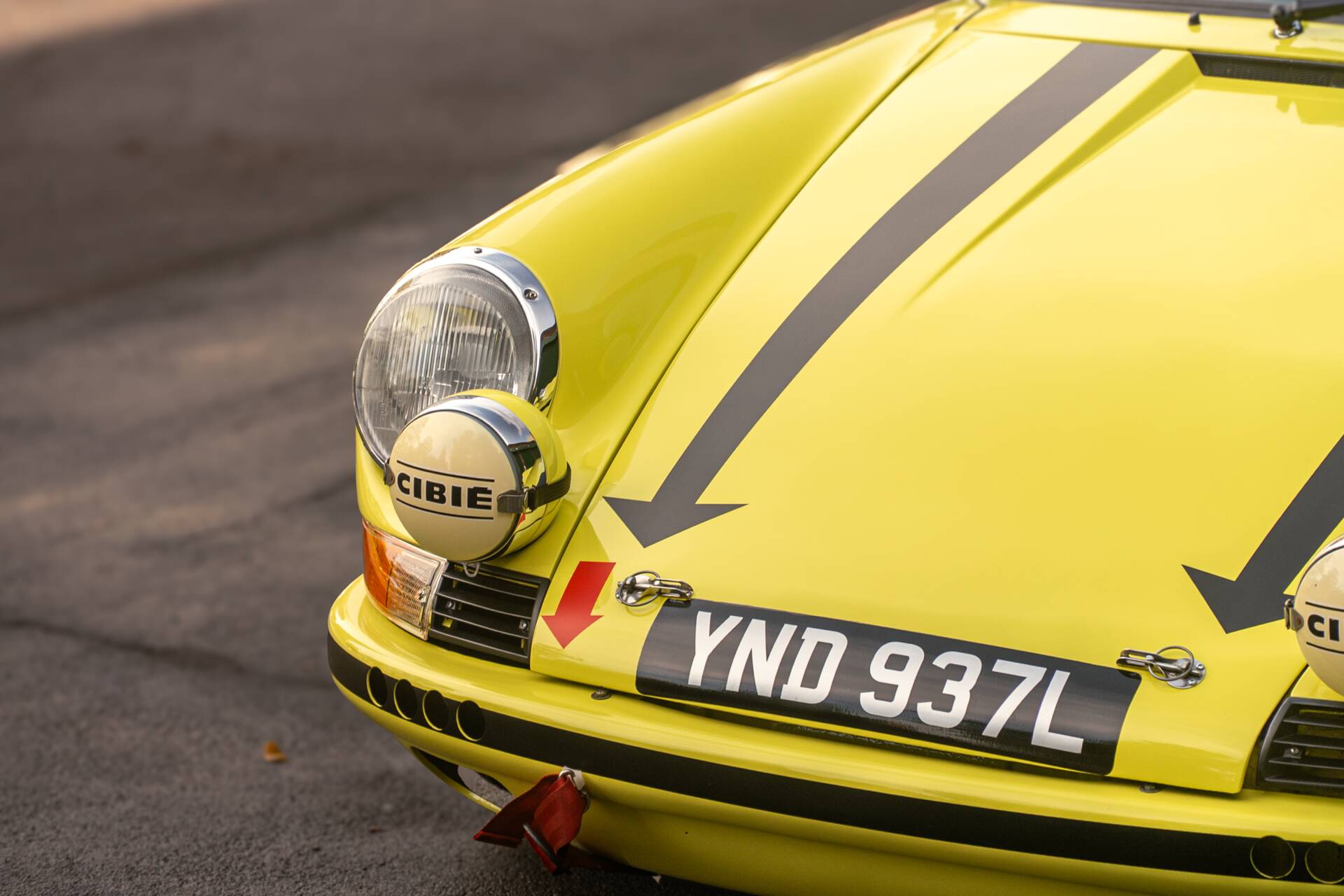
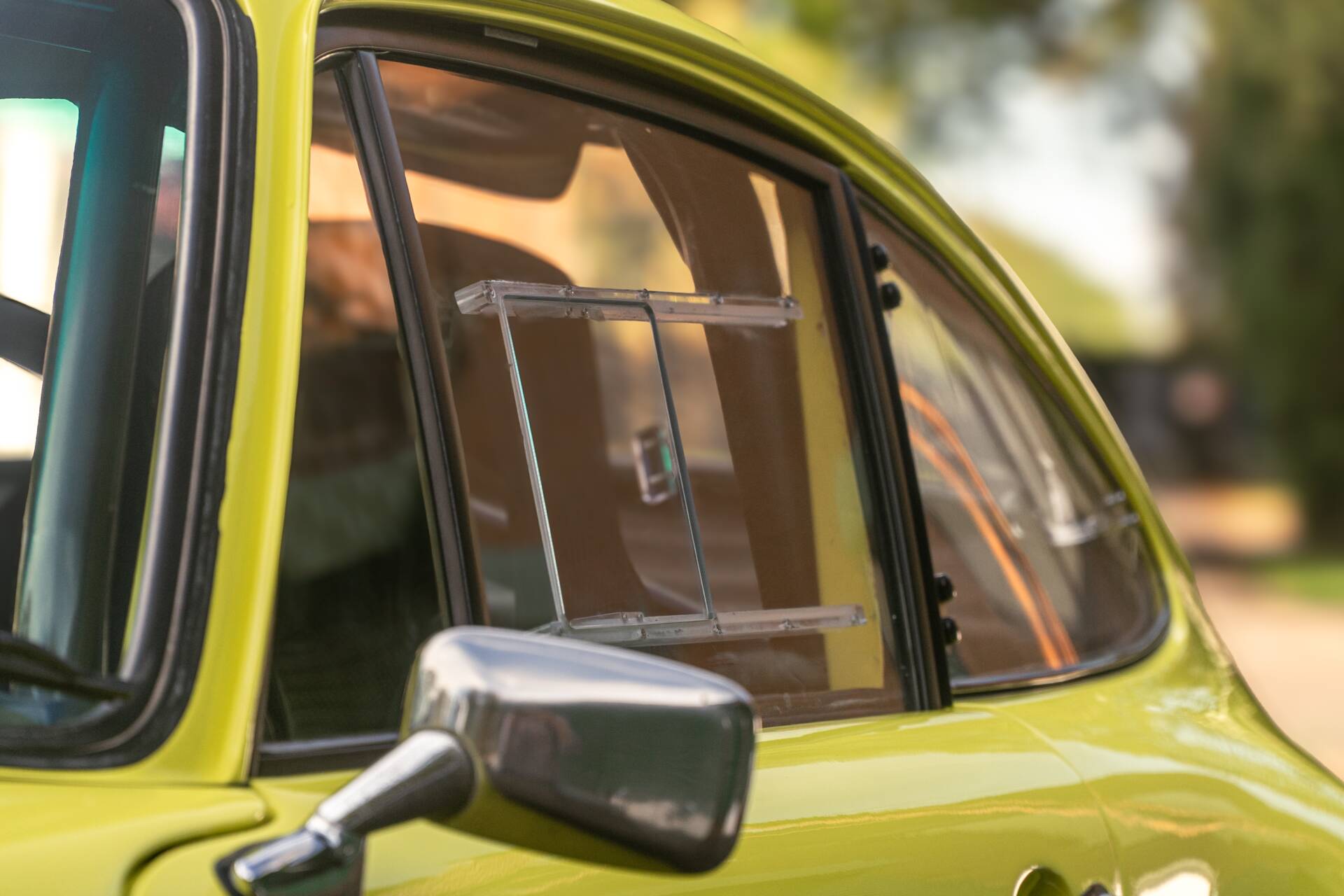
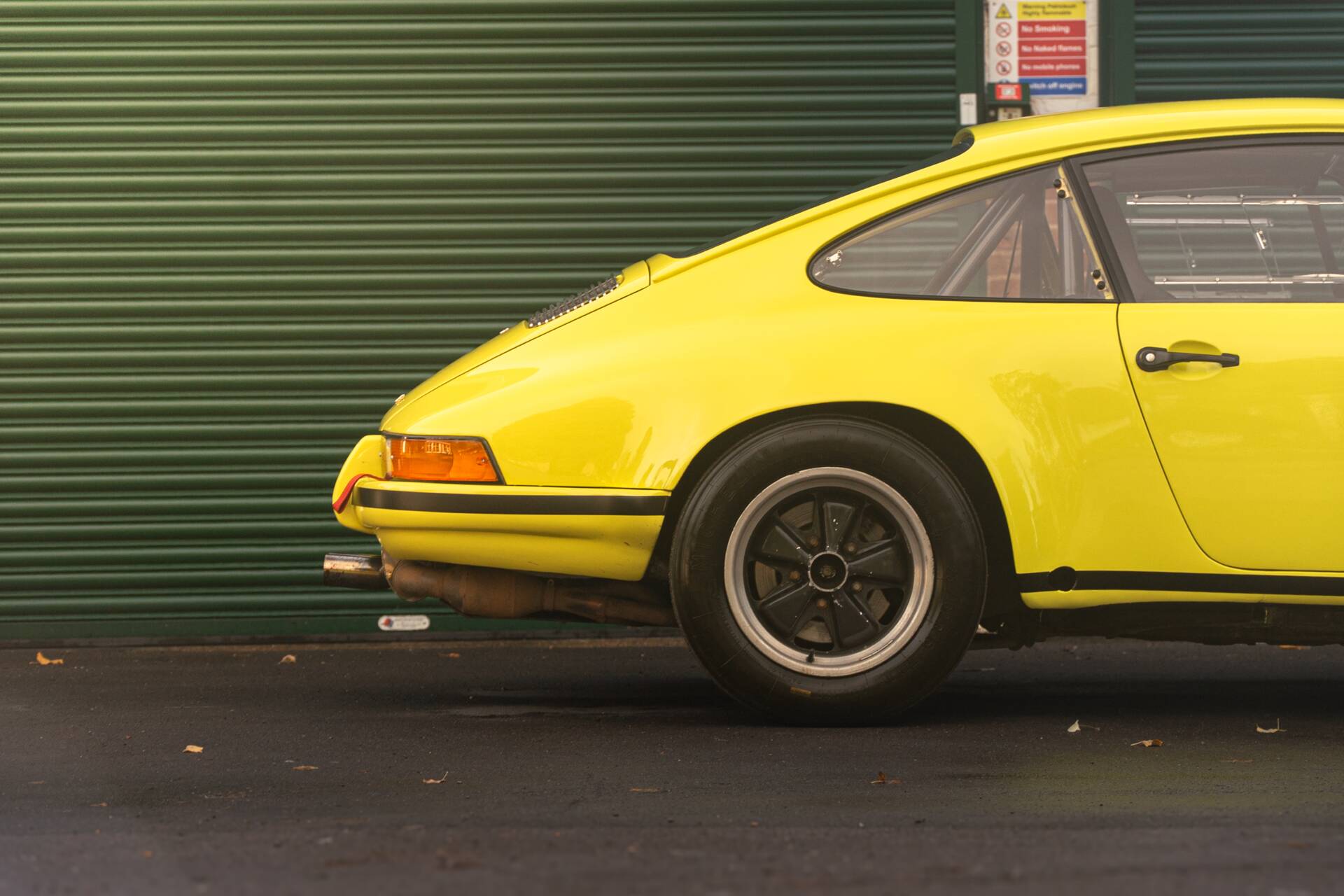
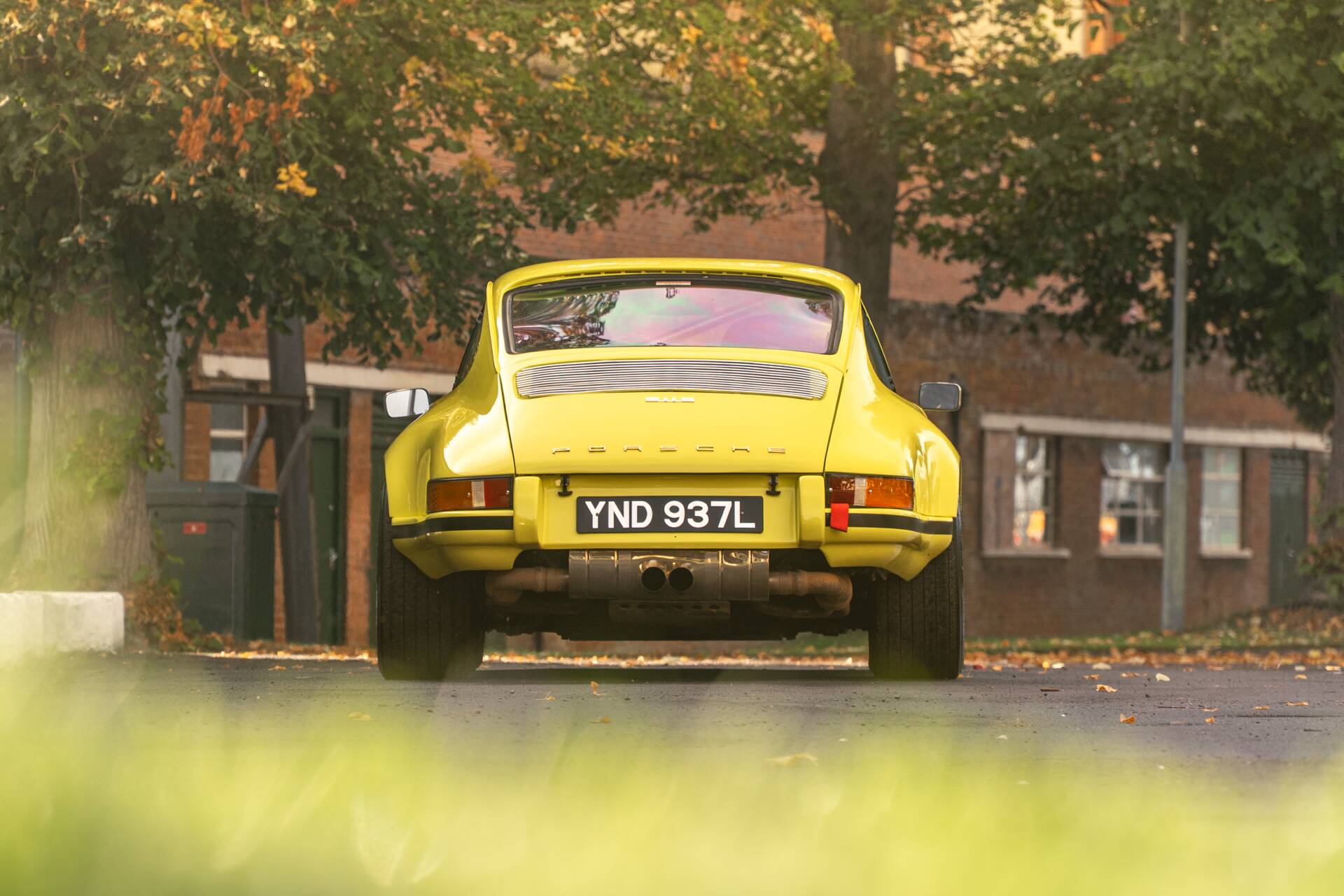
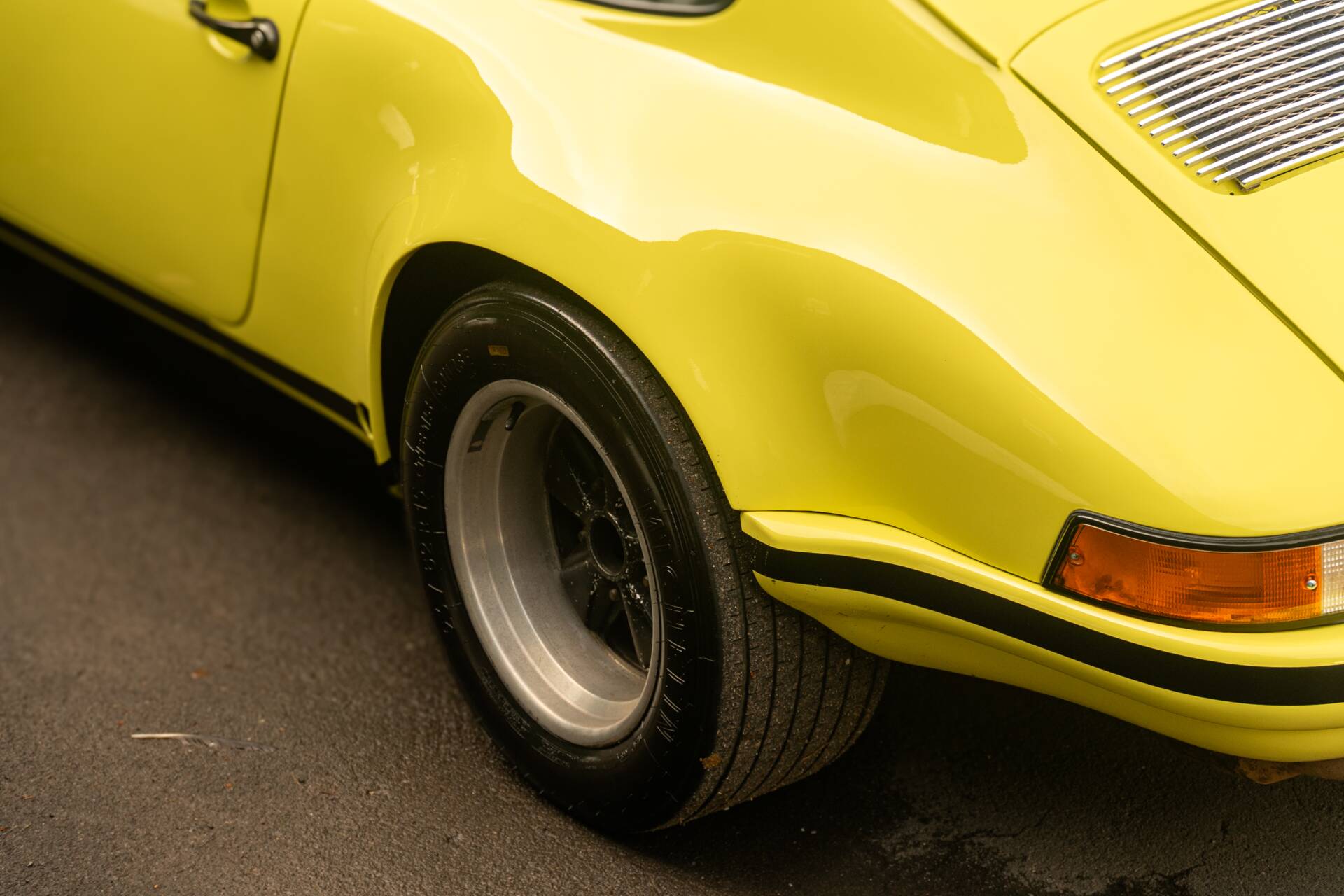
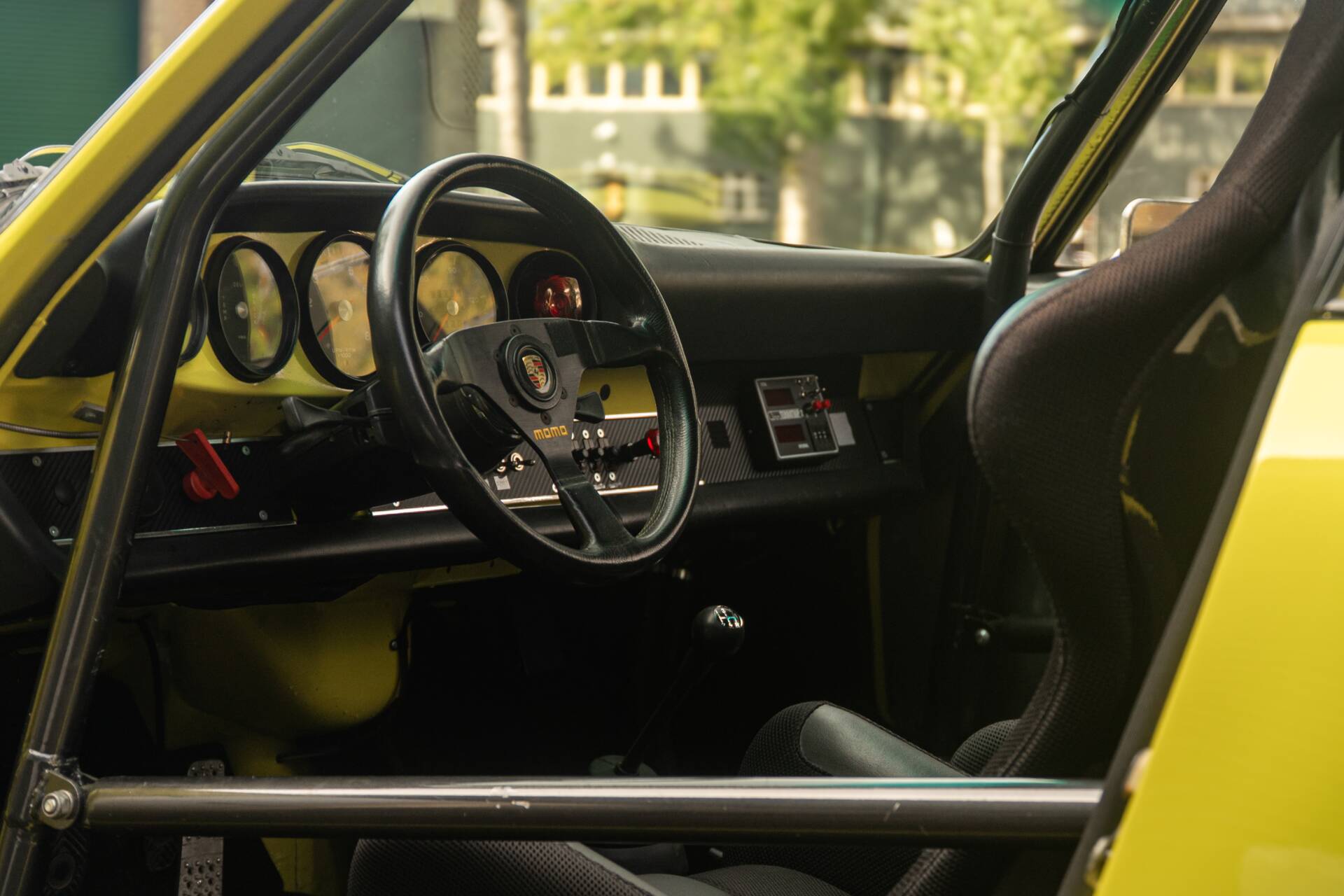
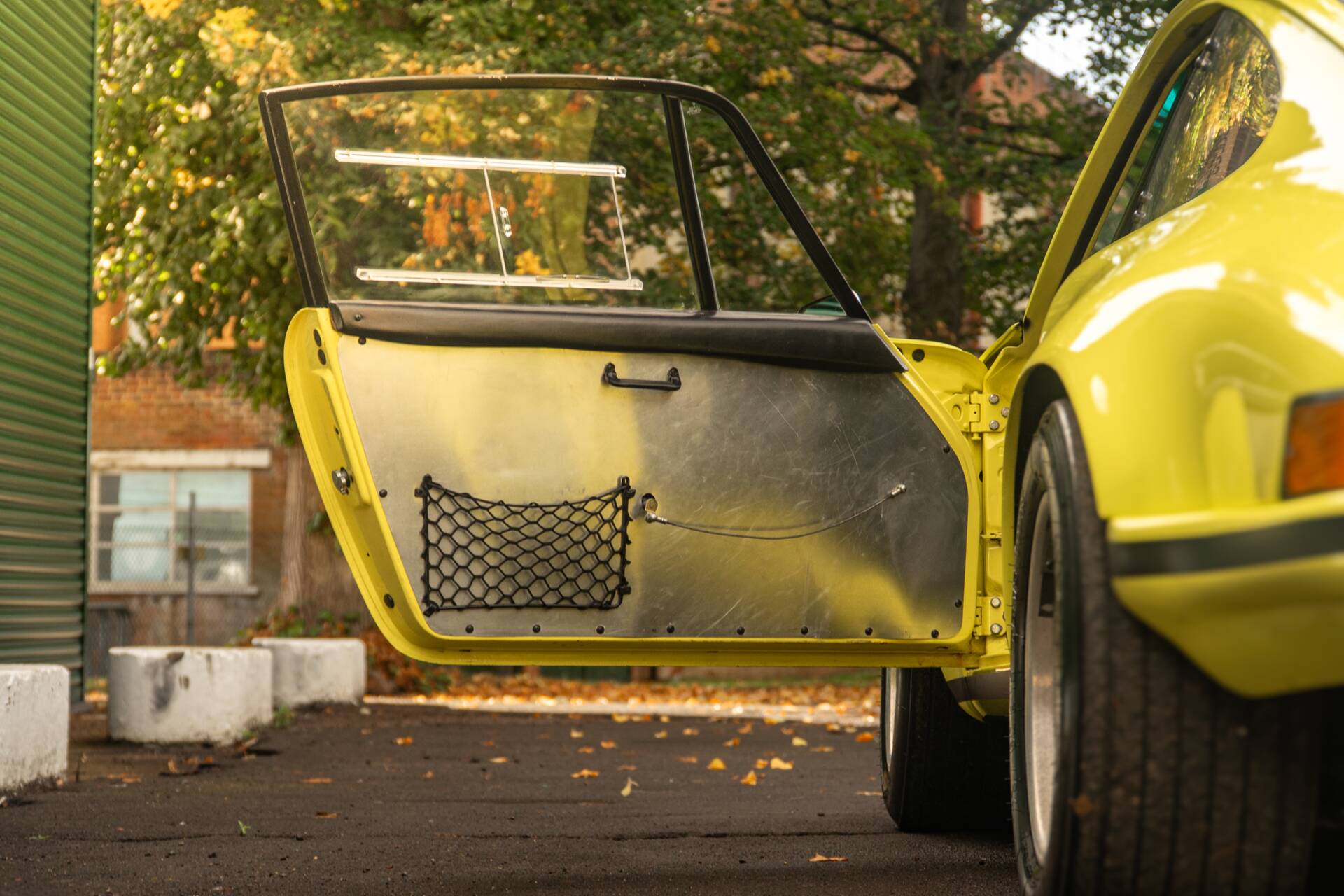
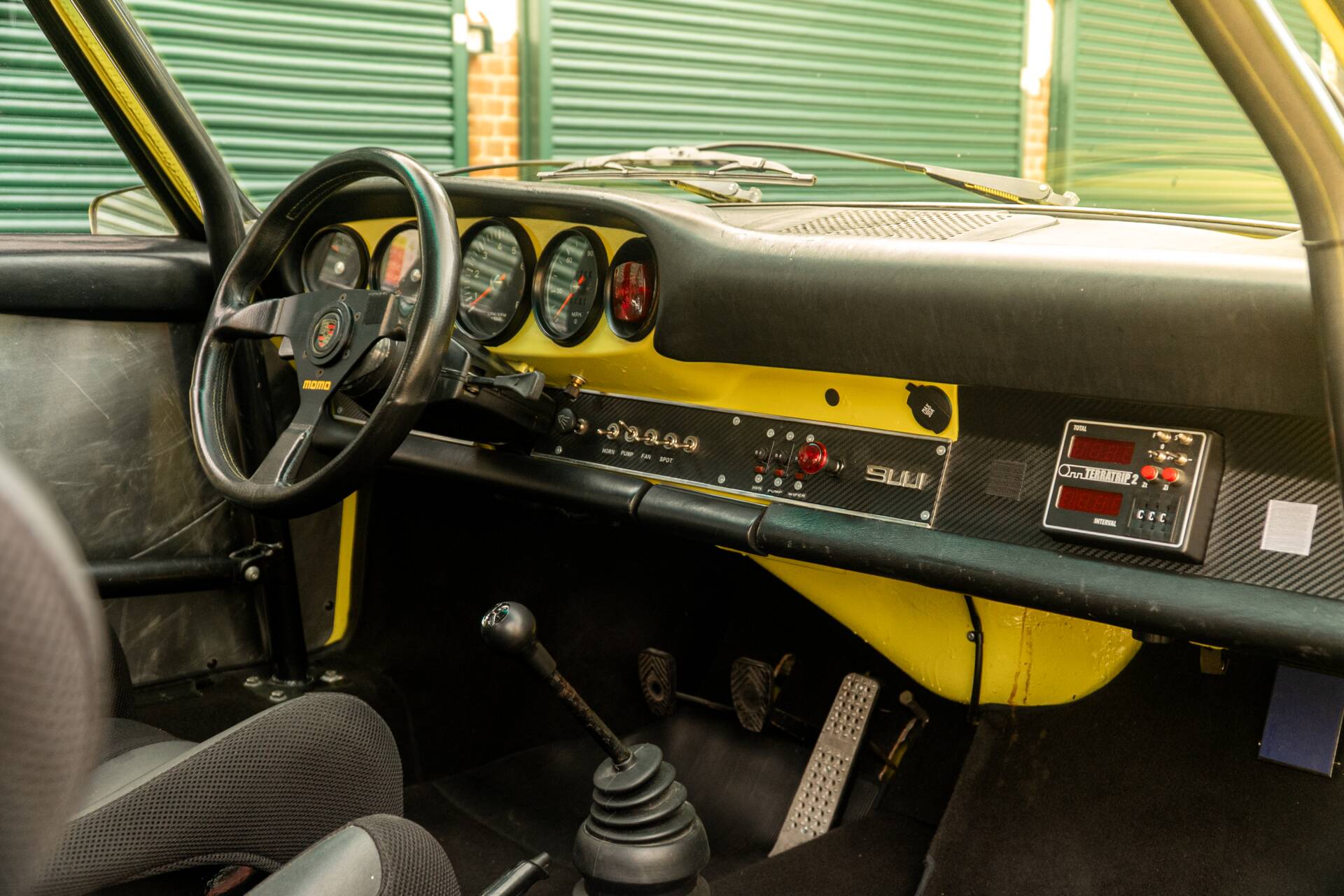
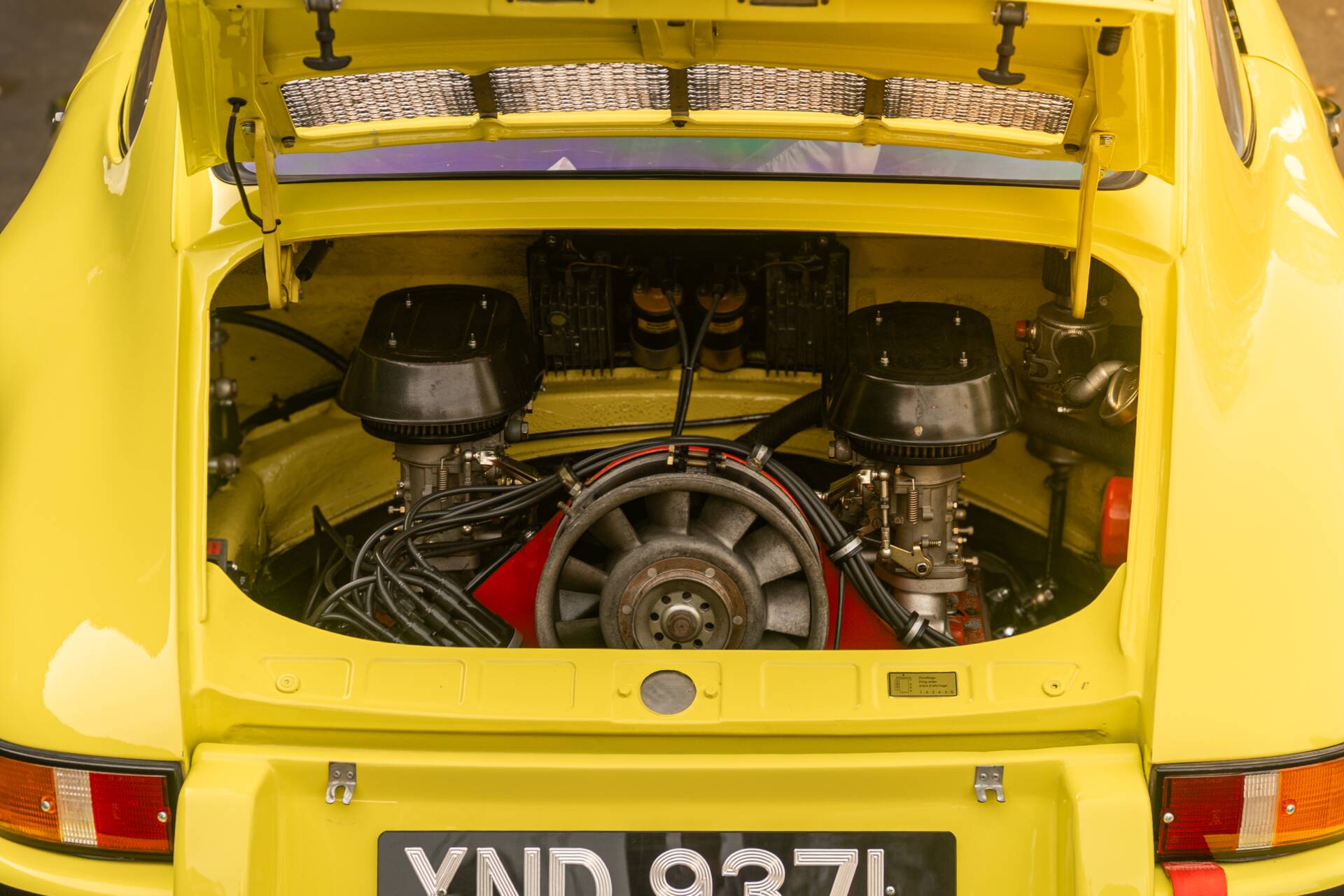
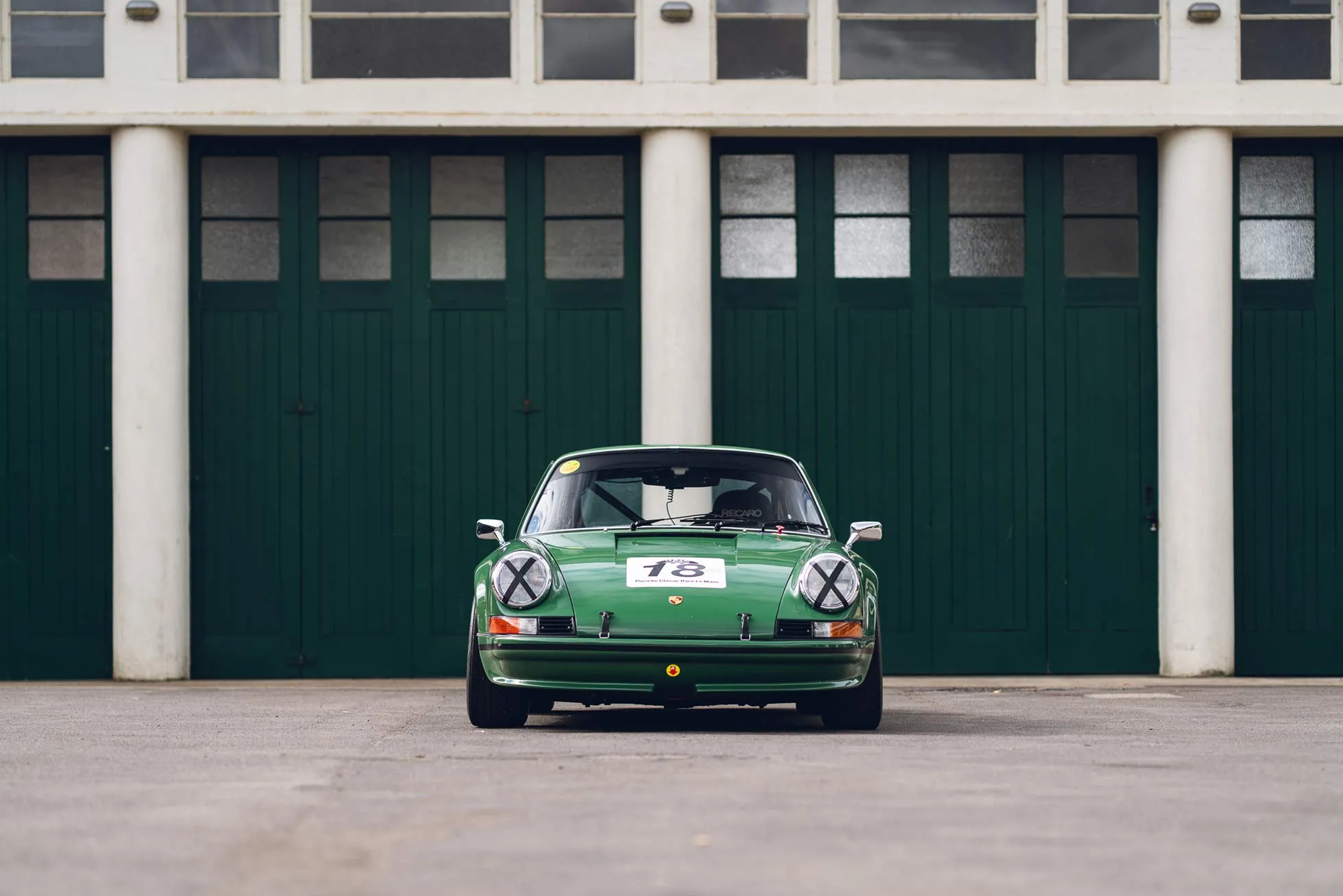
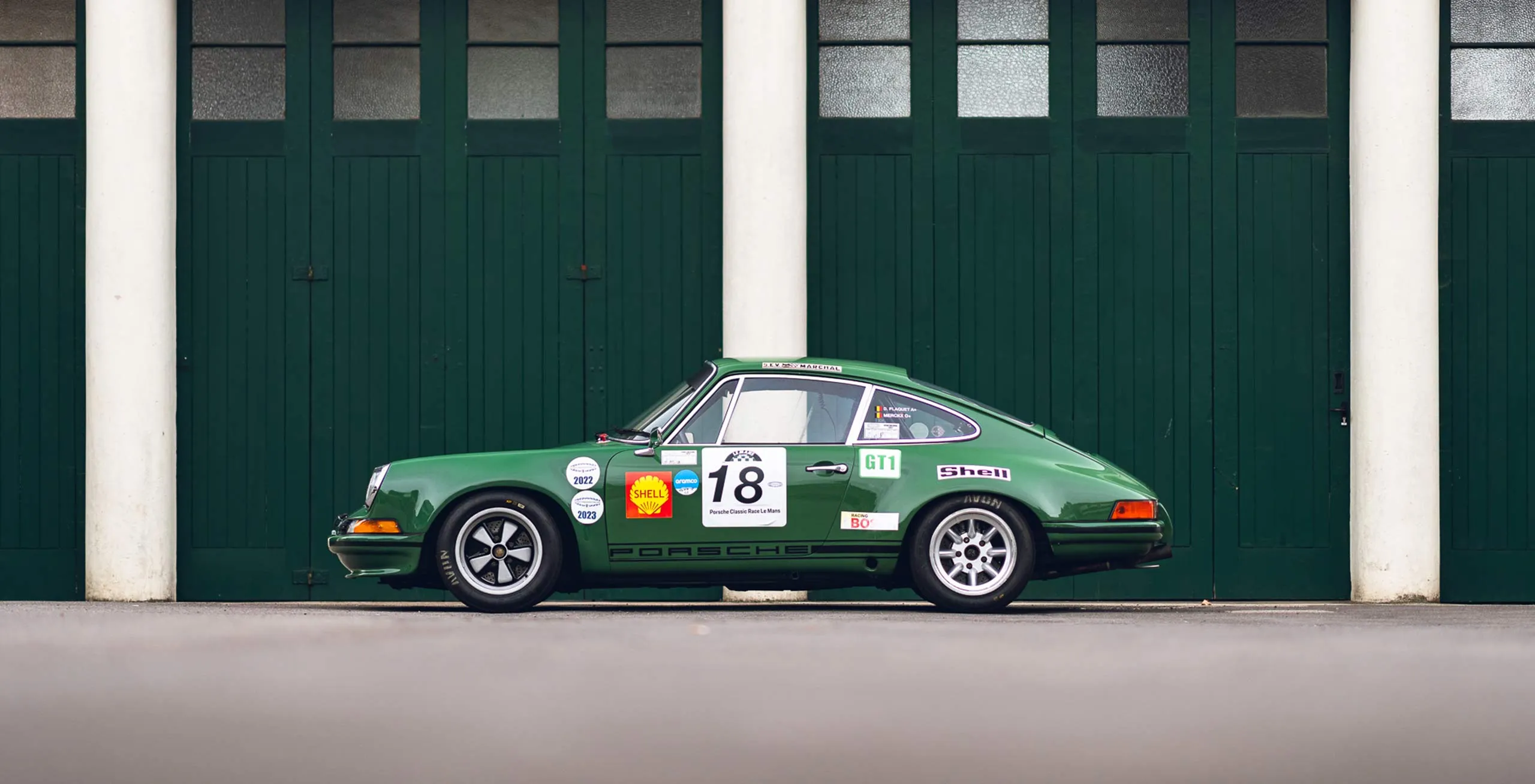
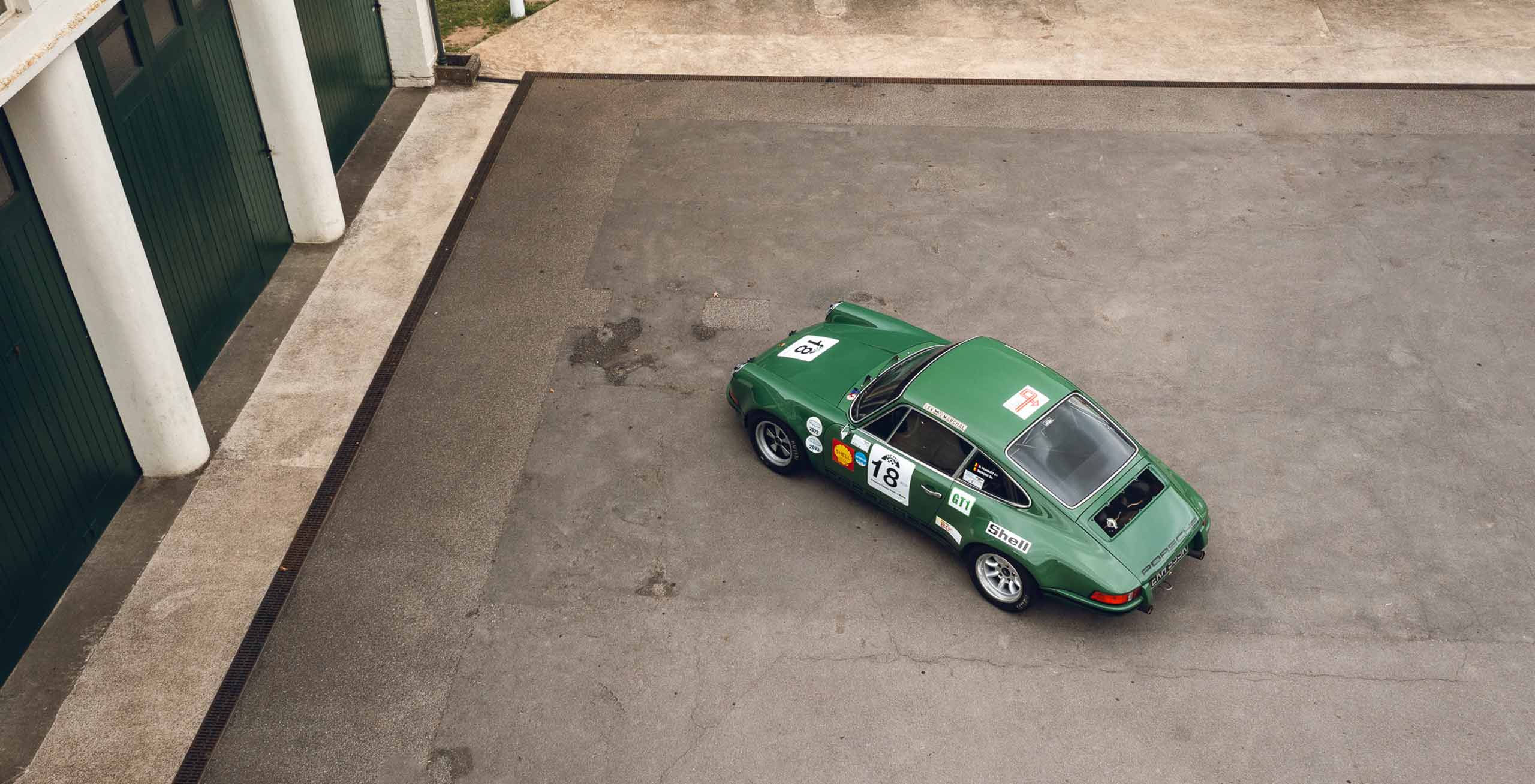
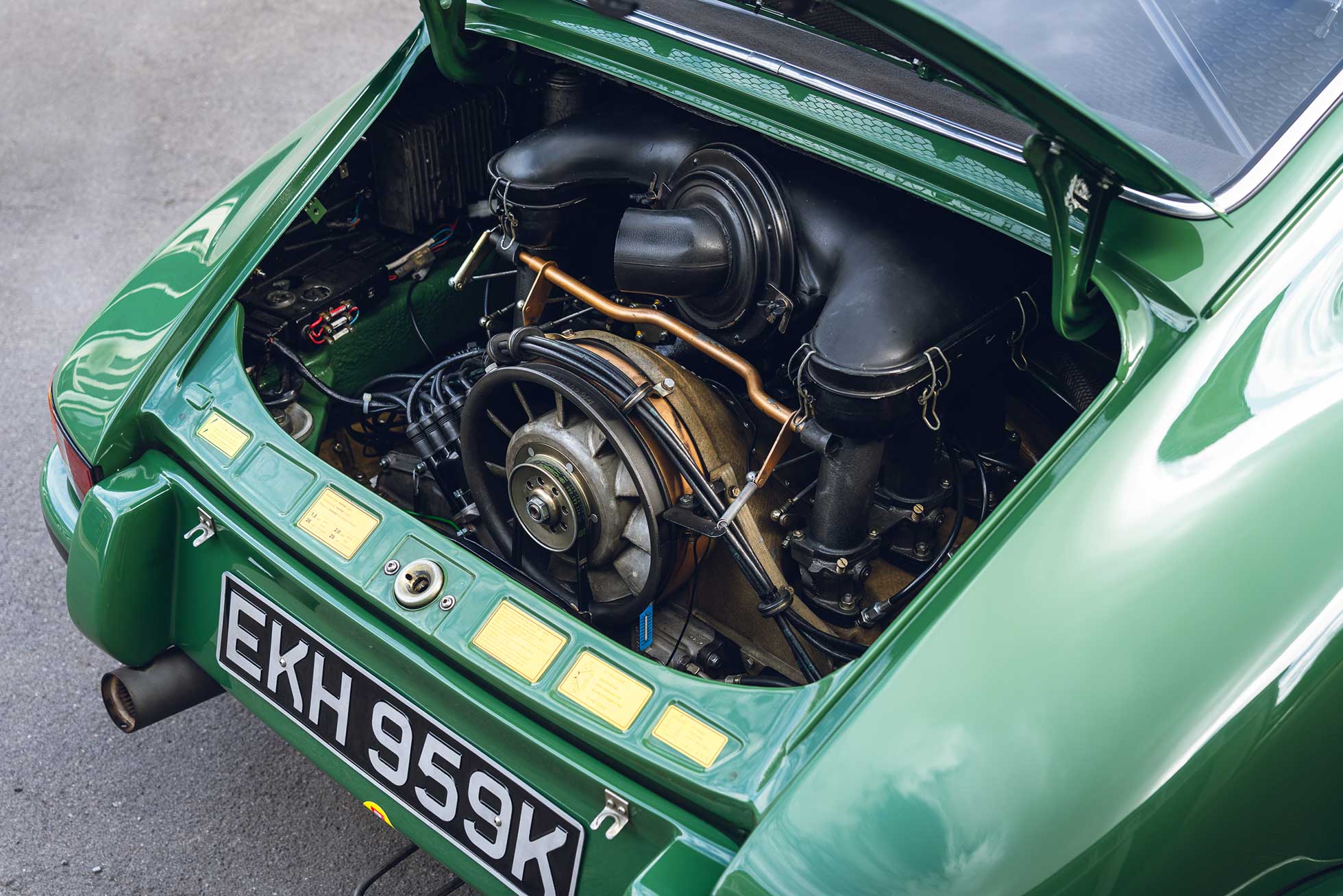
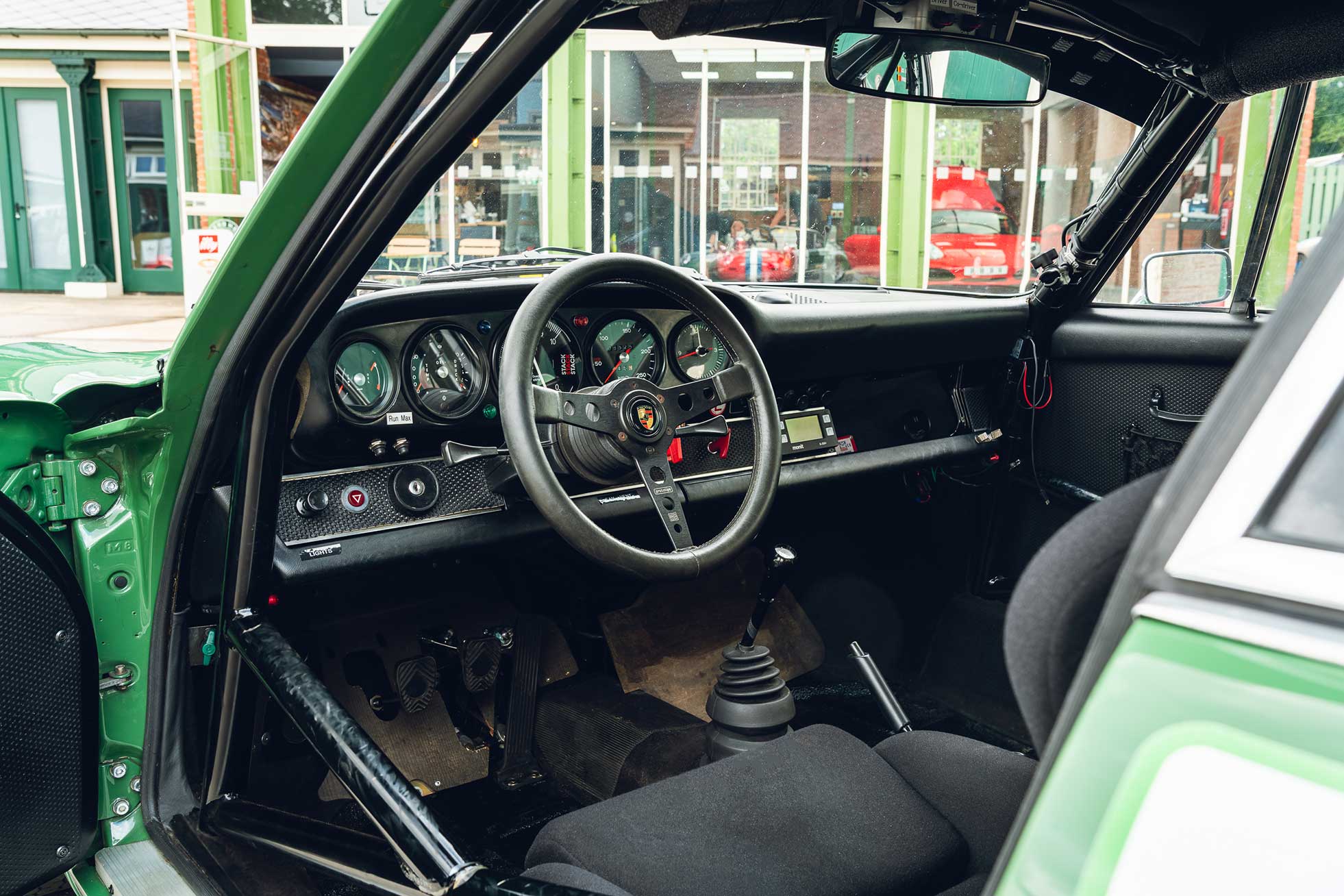
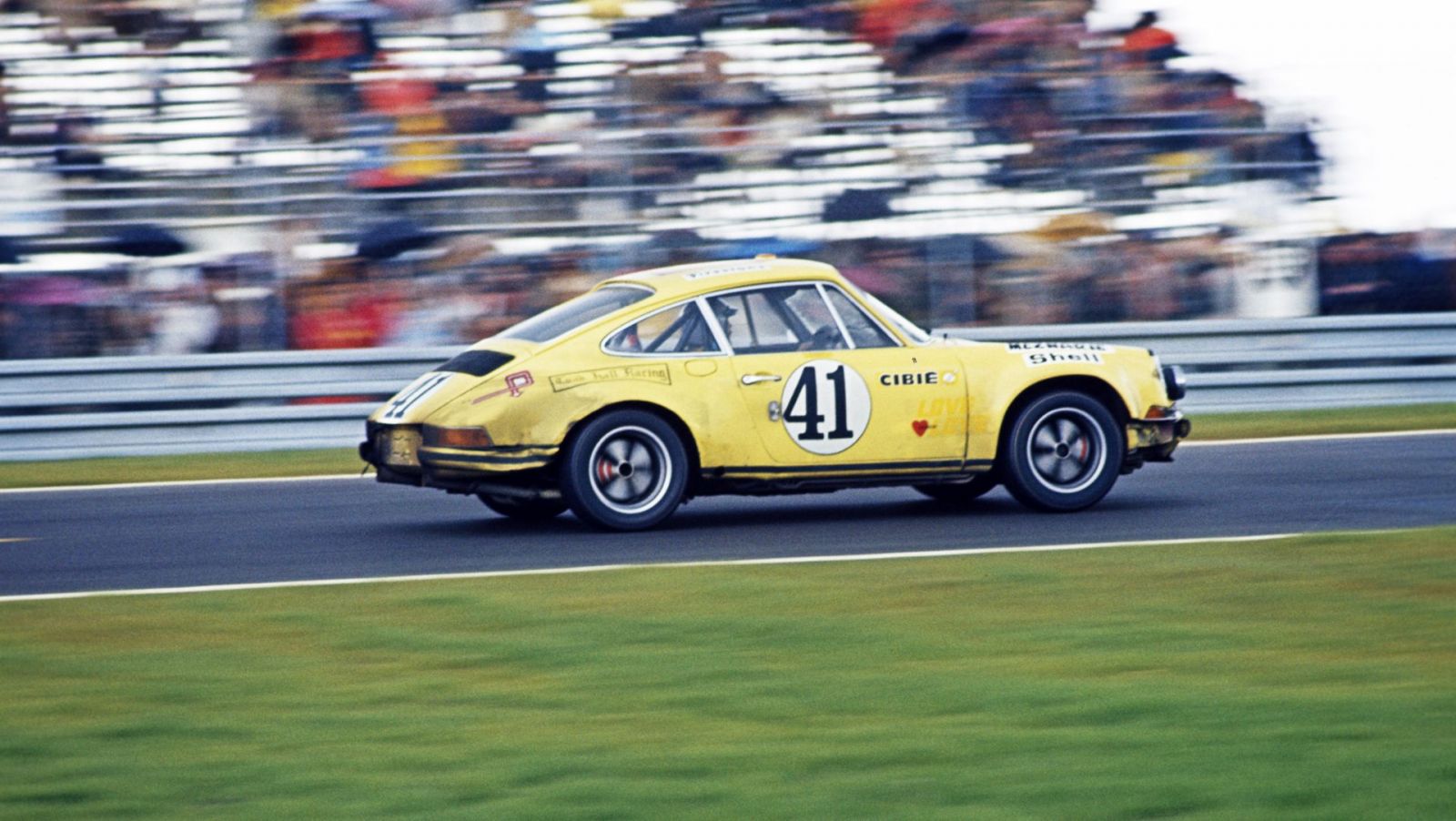
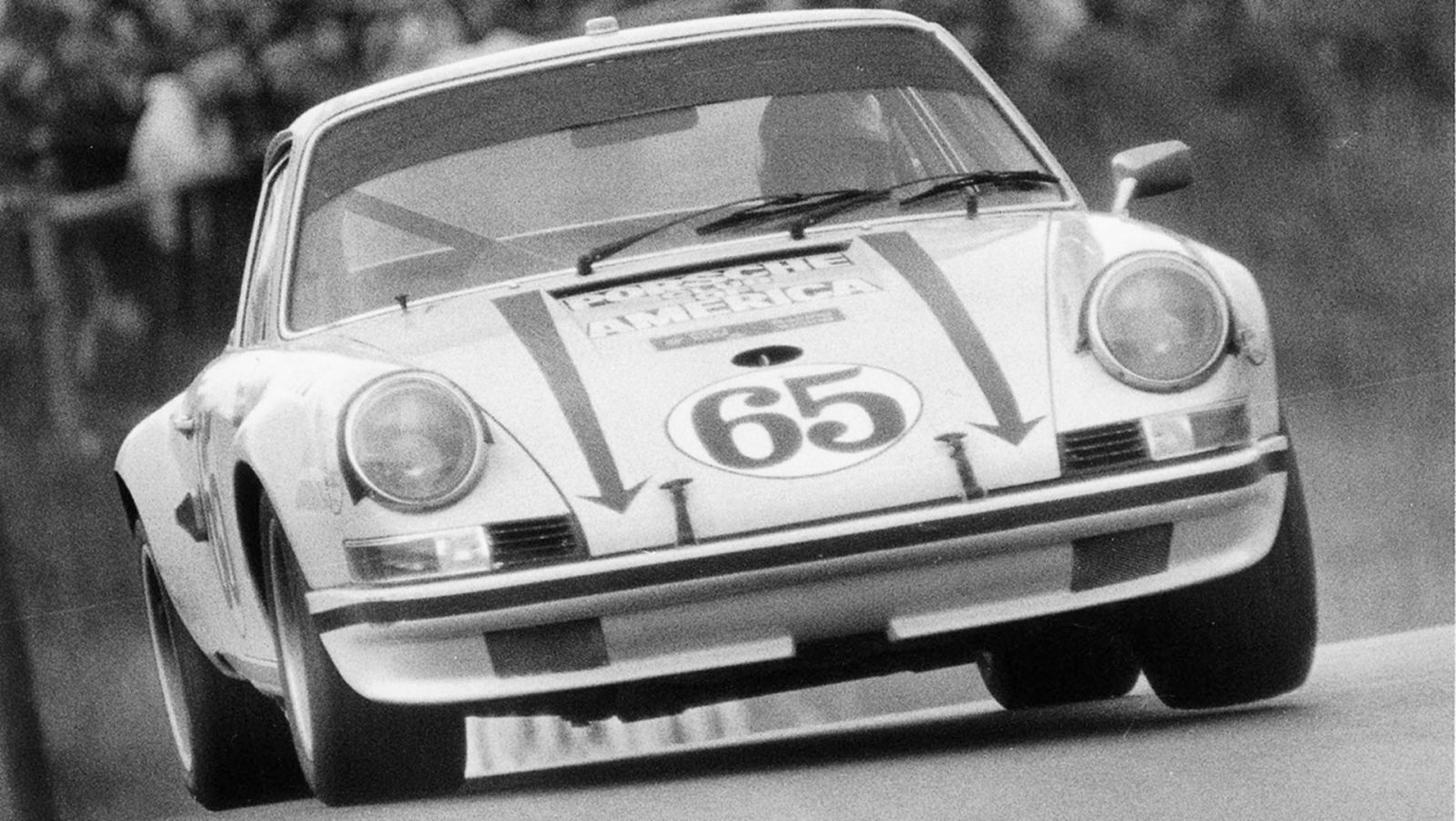
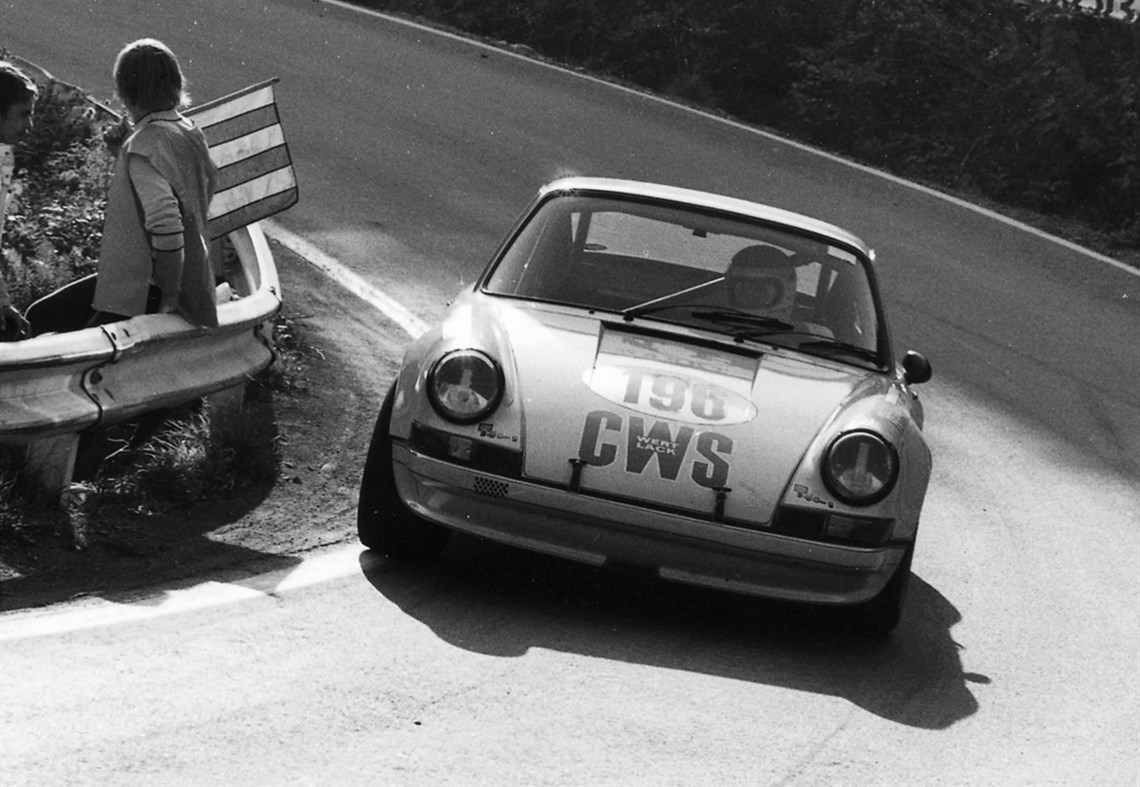
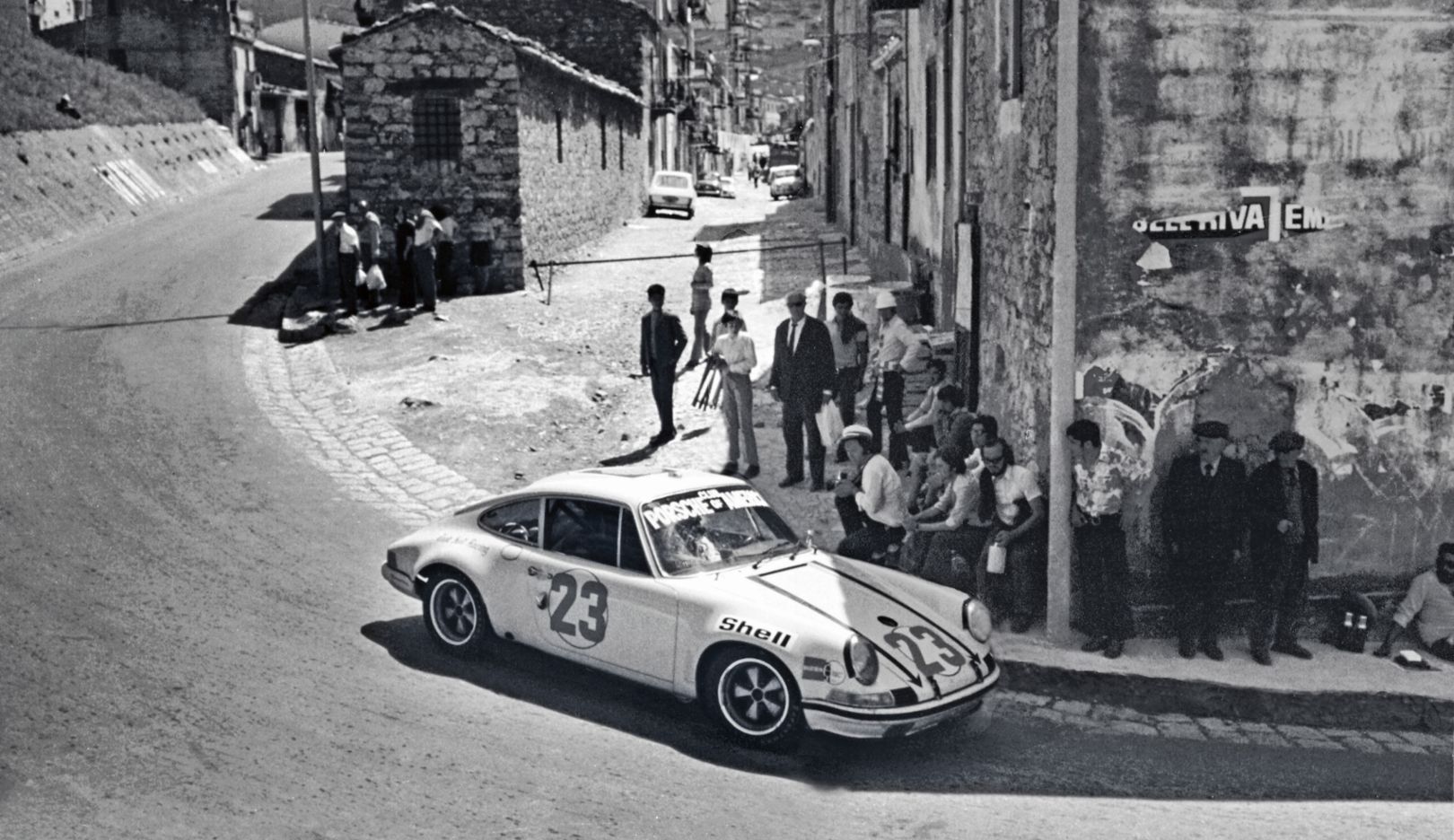
To walk around a genuine 1971 911 S/T 2.5 is to behold a masterclass in aggressive, purpose-built packaging. Visually, the car was dominated by its wildly flared steel wheel arches, which were widened even further than the earlier 2.3-liter versions to accommodate impossibly broad racing rubber. Because Fuchs still could not manufacture an alloy wheel wide enough to fill the cavernous rear arches, the S/T 2.5 frequently wore a deeply dished, magnesium Minilite wheel at the rear, perfectly contrasted against a standard Fuchs wheel on the front axle—a staggered aesthetic that has since become legendary. However, the true soul of this machine lay hidden beneath the lightweight engine lid. Taking the standard magnesium-cased flat-six, engineers increased the bore to 86.7mm, achieving a displacement of 2,492cc. This over-square, air-cooled masterpiece was fitted with larger valves, high-lift camshafts, and a highly complex Bosch mechanical fuel injection system, though Weber carburetors remained a popular alternative for privateers. To ensure an explosive, even combustion at astronomical revs, the engine utilized a twin-plug ignition system driven by a specialized Marelli distributor. The result was a stunning 270 brake horsepower delivered at a screaming 8,000 rpm. To ensure this immense power wasn’t wasted, the S/T 2.5 was subjected to a fanatical weight-loss regime under the factory’s “M471” internal option code. Utilizing thinner-gauge steel for the main tub, fiberglass for the bumpers and front hood, and Plexiglas for the side and rear windows, the car tipped the scales at a shockingly light 840 kilograms. Inside, the cabin was a hostile, deafening environment entirely devoid of luxury, featuring only rudimentary felt carpets, a structural roll bar, and heavily bolstered Scheel racing seats to hold the pilot during high-G cornering.
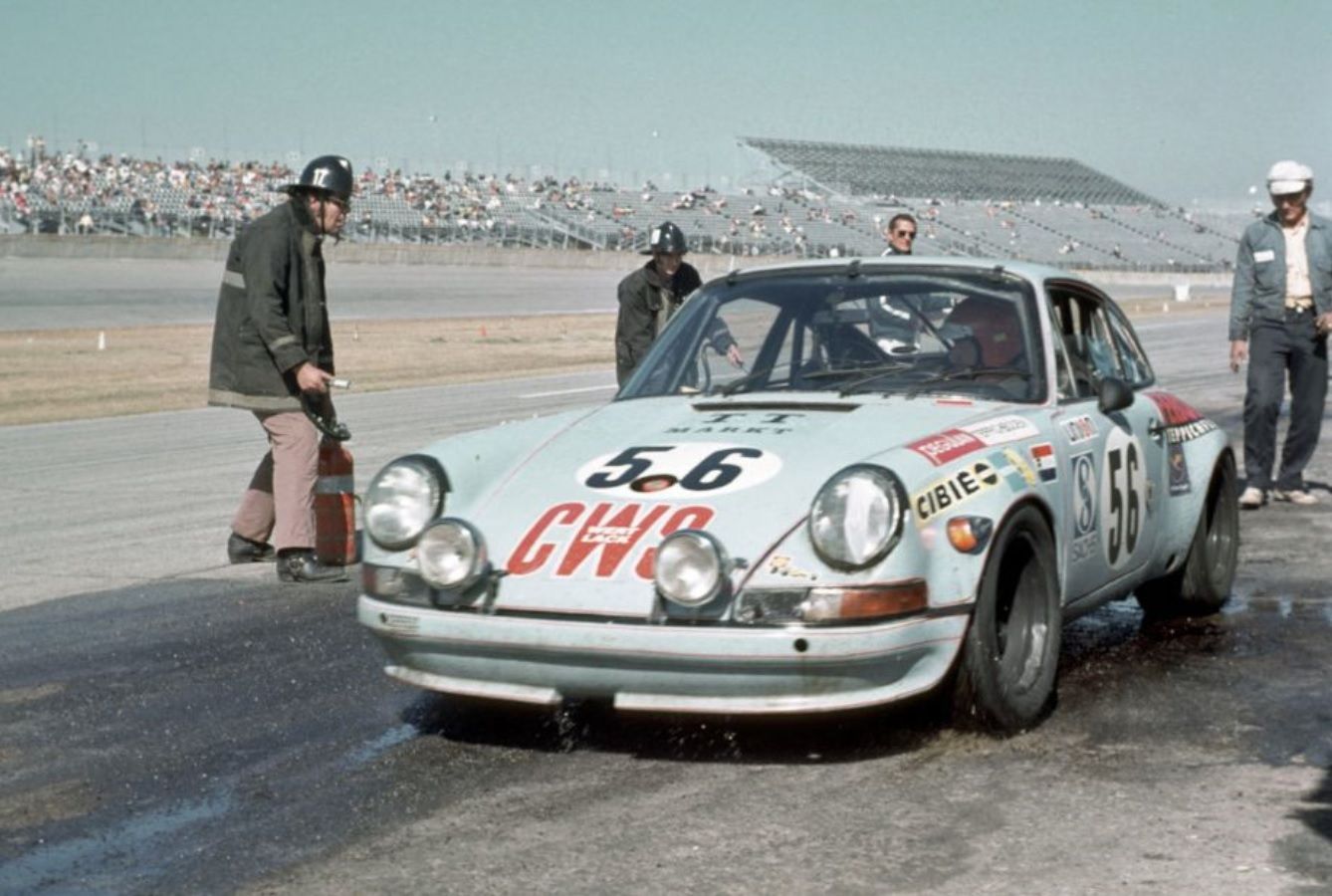
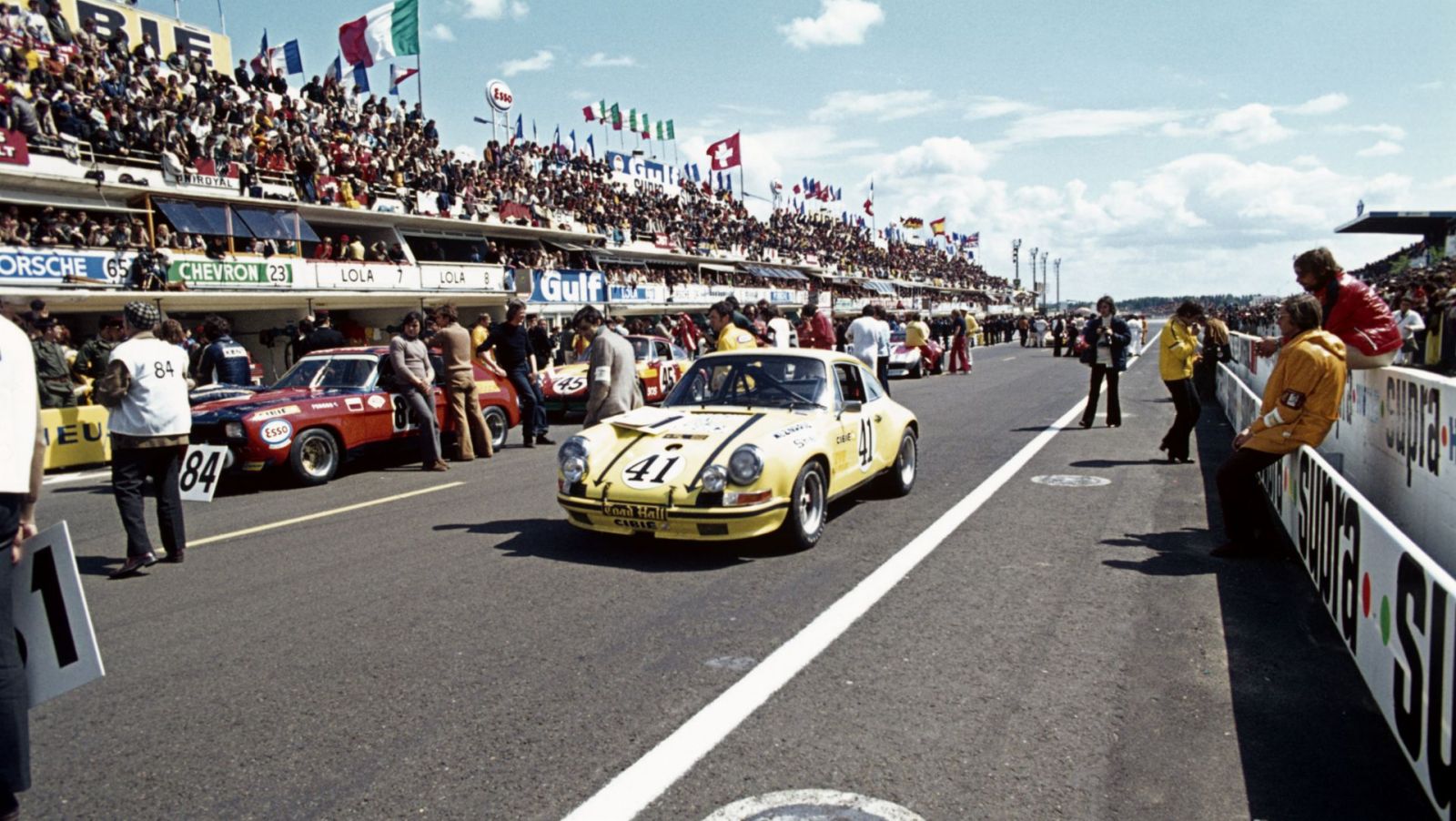
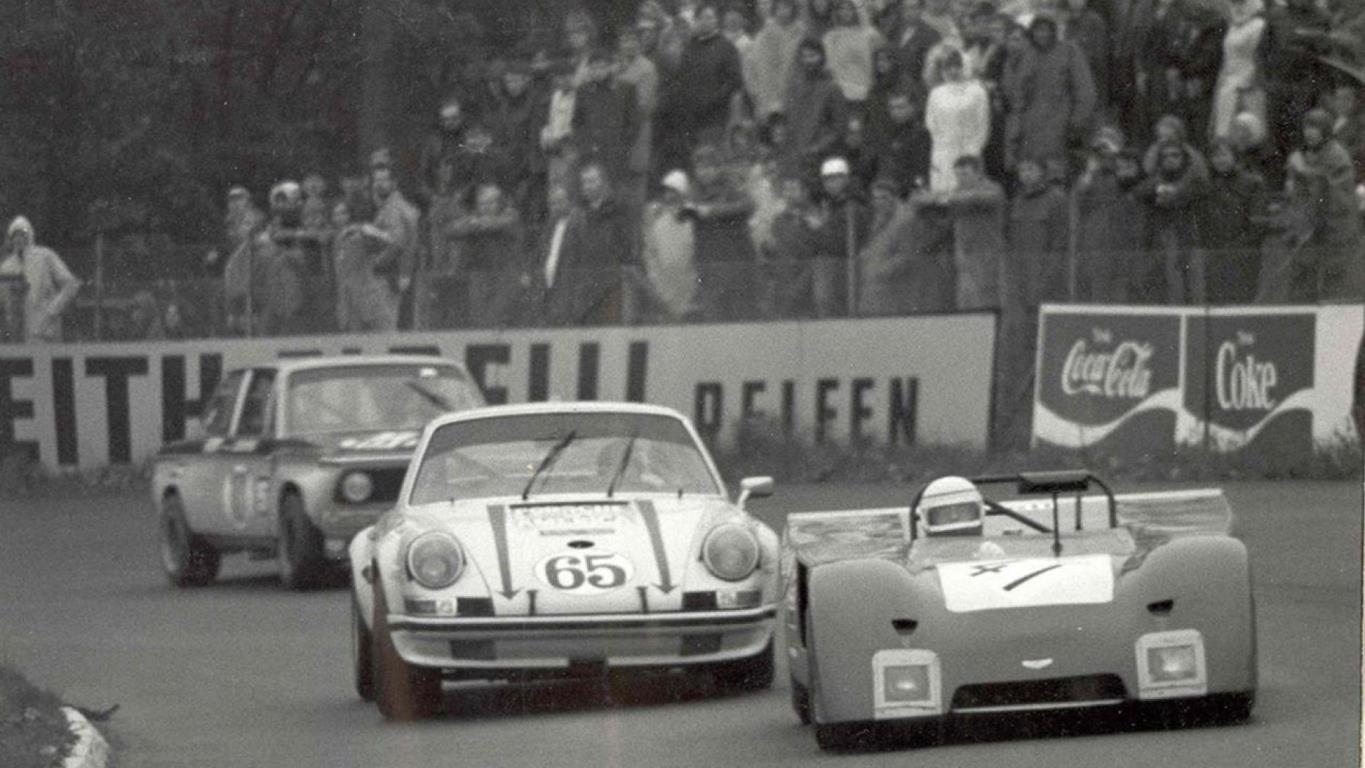
The competitive history of the 1971 911 S/T 2.5 is a sprawling, trans-continental epic that cemented Porsche’s reputation in endurance GT racing. Only a highly exclusive batch—estimated at merely two dozen genuine examples—were ever constructed at the Weissach motorsport department, sold strictly to the factory’s most trusted and capable privateer teams. It was the absolute weapon of choice for grueling endurance events. On American soil, the S/T 2.5 became immortalized by Brumos Racing; Peter Gregg and a young Hurley Haywood utilized the wide-arched 2.5-liter Porsche to secure an astonishing overall victory at the inaugural IMSA GT Championship race, laying the foundation for decades of Brumos Porsche dominance. Simultaneously, Michael Keyser campaigned his famous Toad Hall Racing S/T 2.5 across the globe, capturing its exploits on film and proving the unburstable nature of the twin-plug engine. In Europe, the S/T 2.5 was a relentless giant-killer at the 24 Hours of Le Mans, the grueling Targa Florio, and the Nürburgring 1000km. It consistently humiliated the massive 4.4-liter Ferrari Daytonas and 7.0-liter Corvettes, out-braking them deep into corners and outlasting them through the night thanks to its superior tire wear and mechanical reliability.
The legacy of the 1971 Porsche 911 S/T 2.5 sits at the very heart of the Zuffenhausen mythology. It was the crucial, muscular bridge between the pure, delicate 911s of the 1960s and the aerodynamic, winged era that followed. It proved definitively that by continually boring out the flat-six engine and widening the track, the fundamentally anachronistic rear-engine layout could defeat the greatest bespoke GT cars in the world. When the FIA regulations shifted and aerodynamics became paramount, the S/T 2.5 directly passed the torch to the iconic 1973 Carrera RS 2.7 and the RSR 2.8. Today, due to their extreme rarity and the fact that most were ruthlessly campaigned, crashed, and rebodied during their racing lives, a genuine, numbers-matching 911 S/T 2.5 is a blue-chip unicorn in the collector car world.
Brand
Produced from
Portal
Vehicle category
Model line
Model generation
Predecessor
Sucessor
Brand
Produced from
Portal
Vehicle category
Model line
Model generation
Predecessor
Sucessor
Submodel Overview
As the calendar turned to 1971, the motorsport landscape was caught in the throes of a ferocious, escalating arms race. The World Sportscar Championship and the European Touring Car Championship had transformed into absolute battlegrounds. Porsche’s earlier 2.3-liter iteration of the 911 S/T had valiantly held the line, but the competition was advancing with terrifying momentum. Ford had unleashed the mighty, Weslake-headed Capri RS2600, while BMW was charging hard with the beautifully aggressive 2800 CS. Even the heavy, V12-powered Ferrari Daytonas were proving to be relentless juggernauts on high-speed circuits. To maintain its iron grip on the FIA’s Group 4 Special GT category, the engineering department in Zuffenhausen realized that the 911 needed to punch considerably harder. They could no longer rely solely on the car’s featherweight agility; they needed raw, unadulterated horsepower and even greater mechanical grip. The definitive answer to this ultimatum was the 1971 Porsche 911 S/T 2.5. It was a secretive, highly specialized homologation weapon—a street-brawling evolution that represented the absolute, uncompromising zenith of the classic, wingless 911 silhouette before the era of aerodynamic spoilers permanently altered the car’s shape.
To walk around a genuine 1971 911 S/T 2.5 is to behold a masterclass in aggressive, purpose-built packaging. Visually, the car was dominated by its wildly flared steel wheel arches, which were widened even further than the earlier 2.3-liter versions to accommodate impossibly broad racing rubber. Because Fuchs still could not manufacture an alloy wheel wide enough to fill the cavernous rear arches, the S/T 2.5 frequently wore a deeply dished, magnesium Minilite wheel at the rear, perfectly contrasted against a standard Fuchs wheel on the front axle—a staggered aesthetic that has since become legendary. However, the true soul of this machine lay hidden beneath the lightweight engine lid. Taking the standard magnesium-cased flat-six, engineers increased the bore to 86.7mm, achieving a displacement of 2,492cc. This over-square, air-cooled masterpiece was fitted with larger valves, high-lift camshafts, and a highly complex Bosch mechanical fuel injection system, though Weber carburetors remained a popular alternative for privateers. To ensure an explosive, even combustion at astronomical revs, the engine utilized a twin-plug ignition system driven by a specialized Marelli distributor. The result was a stunning 270 brake horsepower delivered at a screaming 8,000 rpm. To ensure this immense power wasn’t wasted, the S/T 2.5 was subjected to a fanatical weight-loss regime under the factory’s “M471” internal option code. Utilizing thinner-gauge steel for the main tub, fiberglass for the bumpers and front hood, and Plexiglas for the side and rear windows, the car tipped the scales at a shockingly light 840 kilograms. Inside, the cabin was a hostile, deafening environment entirely devoid of luxury, featuring only rudimentary felt carpets, a structural roll bar, and heavily bolstered Scheel racing seats to hold the pilot during high-G cornering.
The competitive history of the 1971 911 S/T 2.5 is a sprawling, trans-continental epic that cemented Porsche’s reputation in endurance GT racing. Only a highly exclusive batch—estimated at merely two dozen genuine examples—were ever constructed at the Weissach motorsport department, sold strictly to the factory’s most trusted and capable privateer teams. It was the absolute weapon of choice for grueling endurance events. On American soil, the S/T 2.5 became immortalized by Brumos Racing; Peter Gregg and a young Hurley Haywood utilized the wide-arched 2.5-liter Porsche to secure an astonishing overall victory at the inaugural IMSA GT Championship race, laying the foundation for decades of Brumos Porsche dominance. Simultaneously, Michael Keyser campaigned his famous Toad Hall Racing S/T 2.5 across the globe, capturing its exploits on film and proving the unburstable nature of the twin-plug engine. In Europe, the S/T 2.5 was a relentless giant-killer at the 24 Hours of Le Mans, the grueling Targa Florio, and the Nürburgring 1000km. It consistently humiliated the massive 4.4-liter Ferrari Daytonas and 7.0-liter Corvettes, out-braking them deep into corners and outlasting them through the night thanks to its superior tire wear and mechanical reliability.
The legacy of the 1971 Porsche 911 S/T 2.5 sits at the very heart of the Zuffenhausen mythology. It was the crucial, muscular bridge between the pure, delicate 911s of the 1960s and the aerodynamic, winged era that followed. It proved definitively that by continually boring out the flat-six engine and widening the track, the fundamentally anachronistic rear-engine layout could defeat the greatest bespoke GT cars in the world. When the FIA regulations shifted and aerodynamics became paramount, the S/T 2.5 directly passed the torch to the iconic 1973 Carrera RS 2.7 and the RSR 2.8. Today, due to their extreme rarity and the fact that most were ruthlessly campaigned, crashed, and rebodied during their racing lives, a genuine, numbers-matching 911 S/T 2.5 is a blue-chip unicorn in the collector car world.
Tech Specs
Technical Specifications
Tech Specs
Technical Specifications
Engine
01
03
Internal combustion engine
Configuration
Porsche Type 911/70, Flat-6 (Boxer) - Air-cooled
Location
Rear, longitudinally mounted
Construction
Magnesium alloy crankcase, Aluminium heads, Nikasil cylinders
Displacement (cc)
2,492 cc
Displacement (cu in)
152.1 cu in
Compression
10.5:1
Bore x Stroke
86.7 mm x 70.4 mm
Valvetrain
2 valves per cylinder, SOHC
Fuel feed
Bosch mechanical fuel injection (MFI) with slide throttles
Lubrication
Dry sump
Aspiration
Naturally aspirated
Output
Power (hp)
270 hp
Power (kW)
201 kW
Max power at
8,000 RPM
Torque (Nm)
260 Nm
Torque (ft lbs)
192 ft lbs
Max torque at
6,200 RPM
Drivetrain
02
03
Chassis
Type
Monocoque unibody
Material
Lightweight steel (thinner gauge sheet metal)
Body
Material
Steel with Aluminium (doors, engine lid) and Fibreglass (bumpers, hood) panels
Transmission
Gearbox
Porsche Type 915, 5-speed manual (with external oil cooler)
Drive
Rear Wheel Drive (Limited Slip Differential)
Suspension
Front
Independent, McPherson struts, longitudinal torsion bars, telescopic dampers, adjustable anti-roll bar
Rear
Independent, semi-trailing arms, transverse torsion bars, telescopic dampers, adjustable anti-roll bar
Steering
Type
ZF rack and pinion, unassisted
Brakes
Front
Ventilated steel discs, ATE aluminium calipers
Rear
Ventilated steel discs, ATE aluminium calipers
Wheels
Front
8" x 15" or 9" x 15" (Fuchs forged alloy)
Rear
9" x 15" or 11" x 15" (Minilite cast magnesium or Fuchs forged alloy)
Tires
Front
230/600-15
Rear
260/600-15
Dimensions and performance
03
03
Dimensions
Length (mm)
4,163 mm
Length (in)
163.9 in
Width (mm)
~1,680 mm
Width (in)
~66.1 in
Height (mm)
~1,280 mm
Height (in)
~50.4 in
Wheelbase (mm)
2,268 mm
Wheelbase (in)
89.3 in
Weight (kg)
~960 kg
Weight (lbs)
~2,116 lbs
Performance
Power to weight
0.28 hp/kg
Top speed (km/h)
~250 km/h
Top speed (mph)
~155 mph
0-100 km/h (0-60 mph)
~4.7 s