
Porsche 911 Carrera RSR 3.0
Brand
Produced from
Portal
Vehicle category
Model line
Model generation
Predecessor
Successor
Submodel Overview
In the fiercely contested arenas of international endurance racing, resting on one’s laurels is a guaranteed recipe for obsolescence. Zuffenhausen had utterly decimated the 1973 season with the 2.8-liter Carrera RSR, but as the 1974 World Sportscar Championship loomed, the battle lines were being aggressively redrawn. The FIA Group 4 Special GT category was rapidly transforming into a playground for muscular, aerodynamically radical machinery. Munich had weaponized the BMW E9 3.0 CSL ‘Batmobile’ with massive aerodynamic aids, while the brute force of the V8-powered De Tomaso Panteras and Chevrolet Corvettes threatened Porsche’s hard-won supremacy. Furthermore, Stuttgart had just transitioned the entire 911 lineup to the impact-bumpered G-Series generation. To ensure they remained the undisputed apex predators of the GT class, Porsche orchestrated a brilliant homologation maneuver. By building a mere 54 examples of the street-legal Carrera RS 3.0, they unlocked the bureaucratic doorway to unleash their true, uncompromising track weapon: the 1974 Porsche 911 Carrera RSR 3.0. Built exclusively for elite privateer teams and the world’s most capable factory-supported drivers, this was not a modified street car; it was a pure, unadulterated racing leviathan that represented the absolute zenith of naturally aspirated, air-cooled performance before the turbocharged era irrevocably altered the landscape.
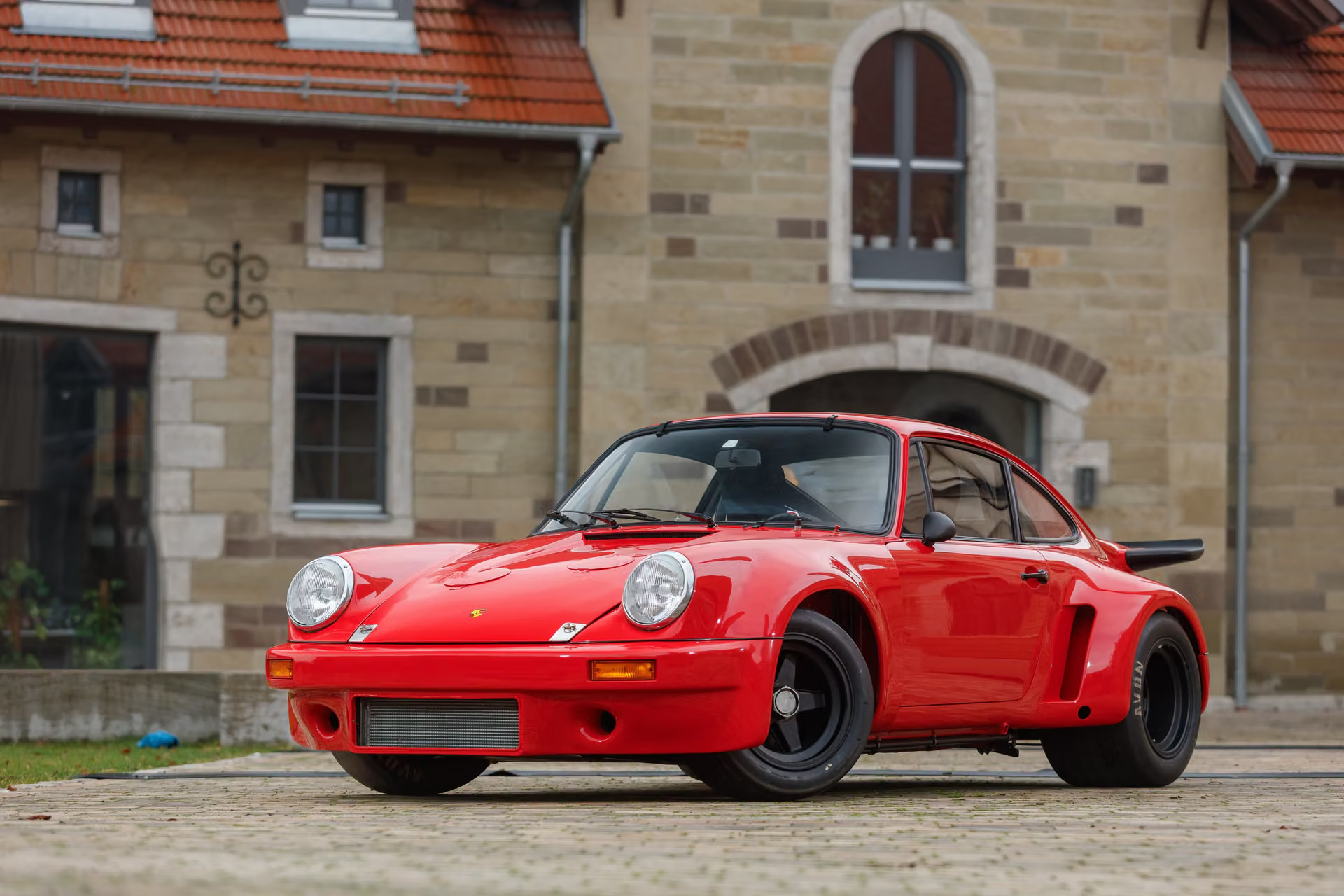
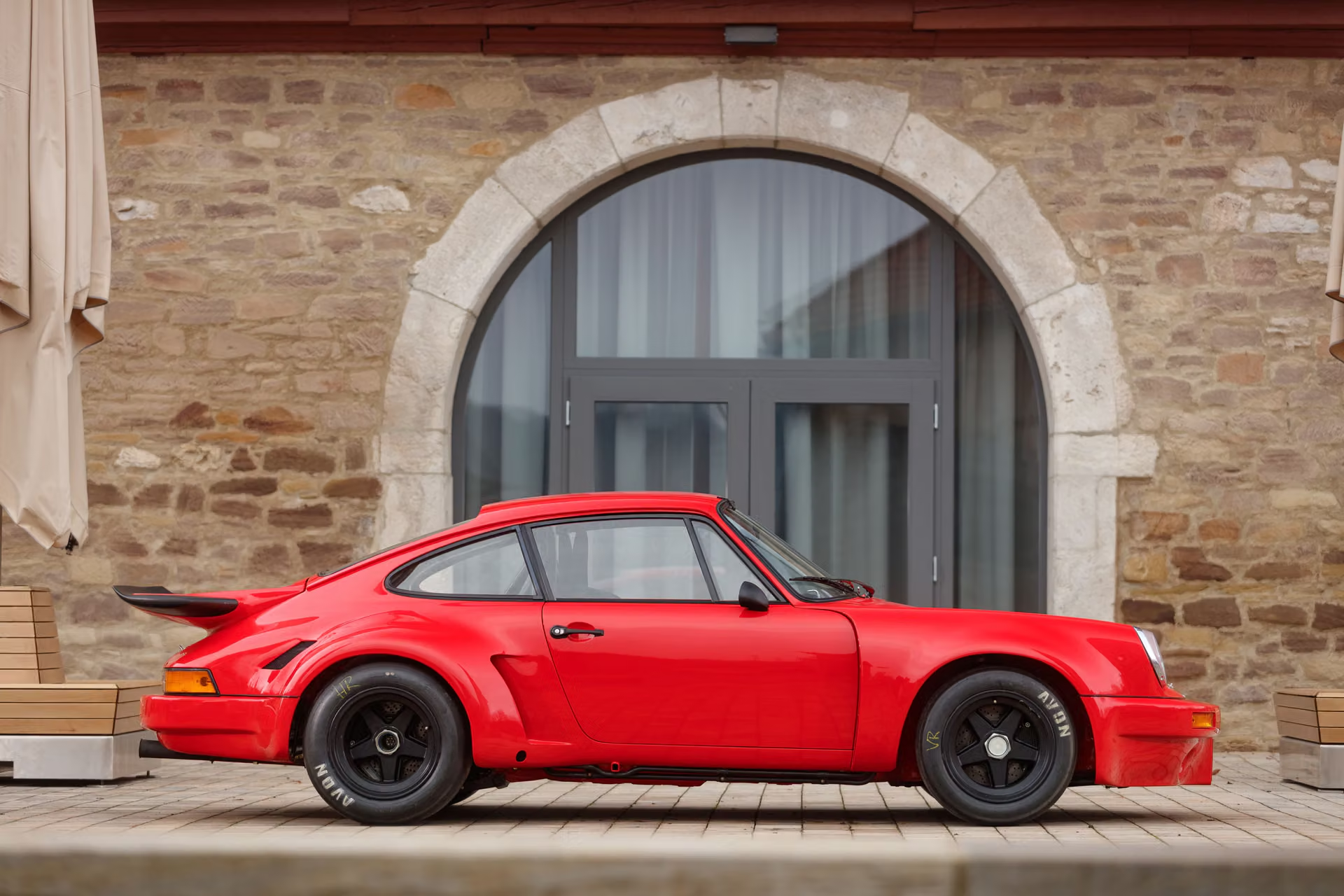
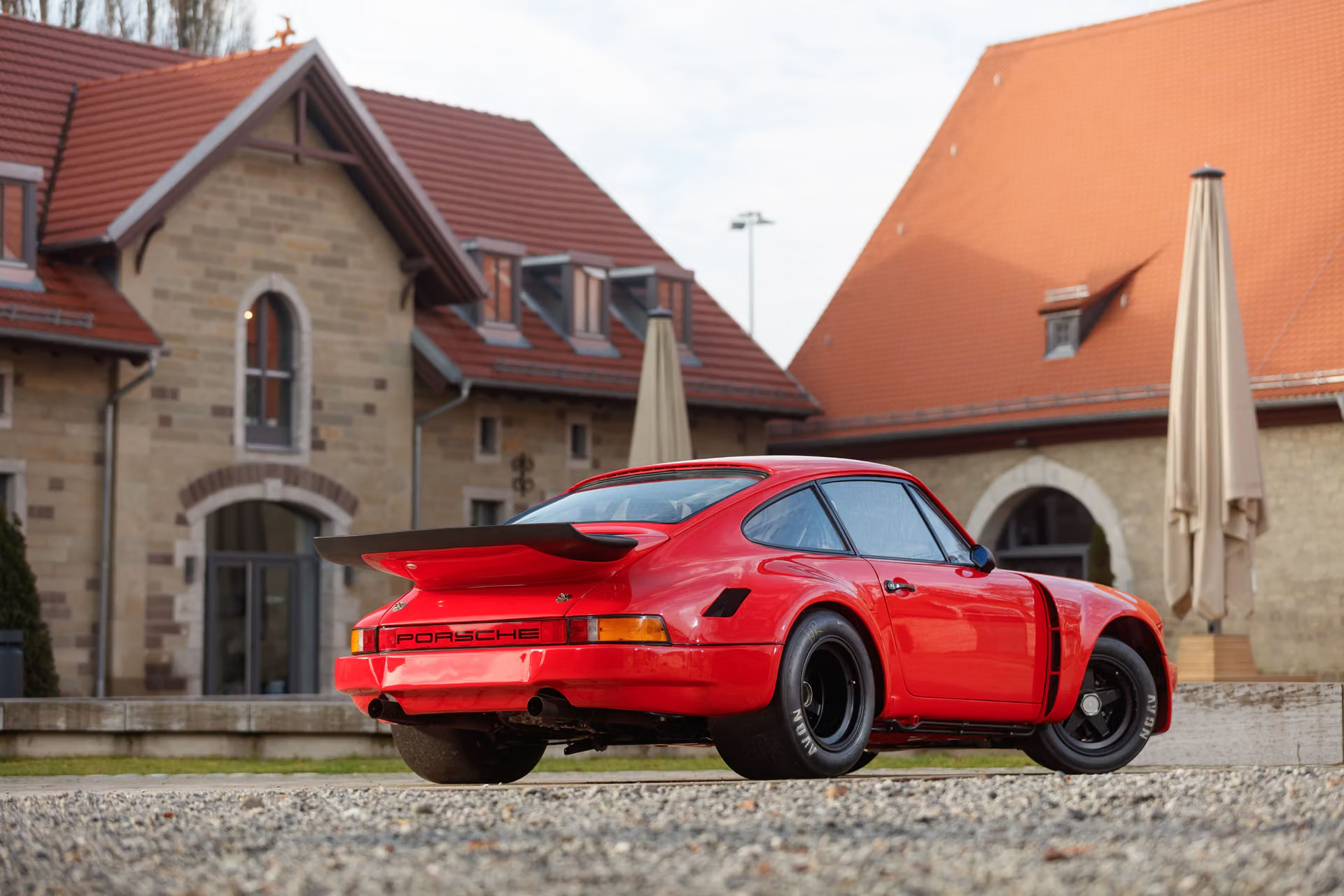
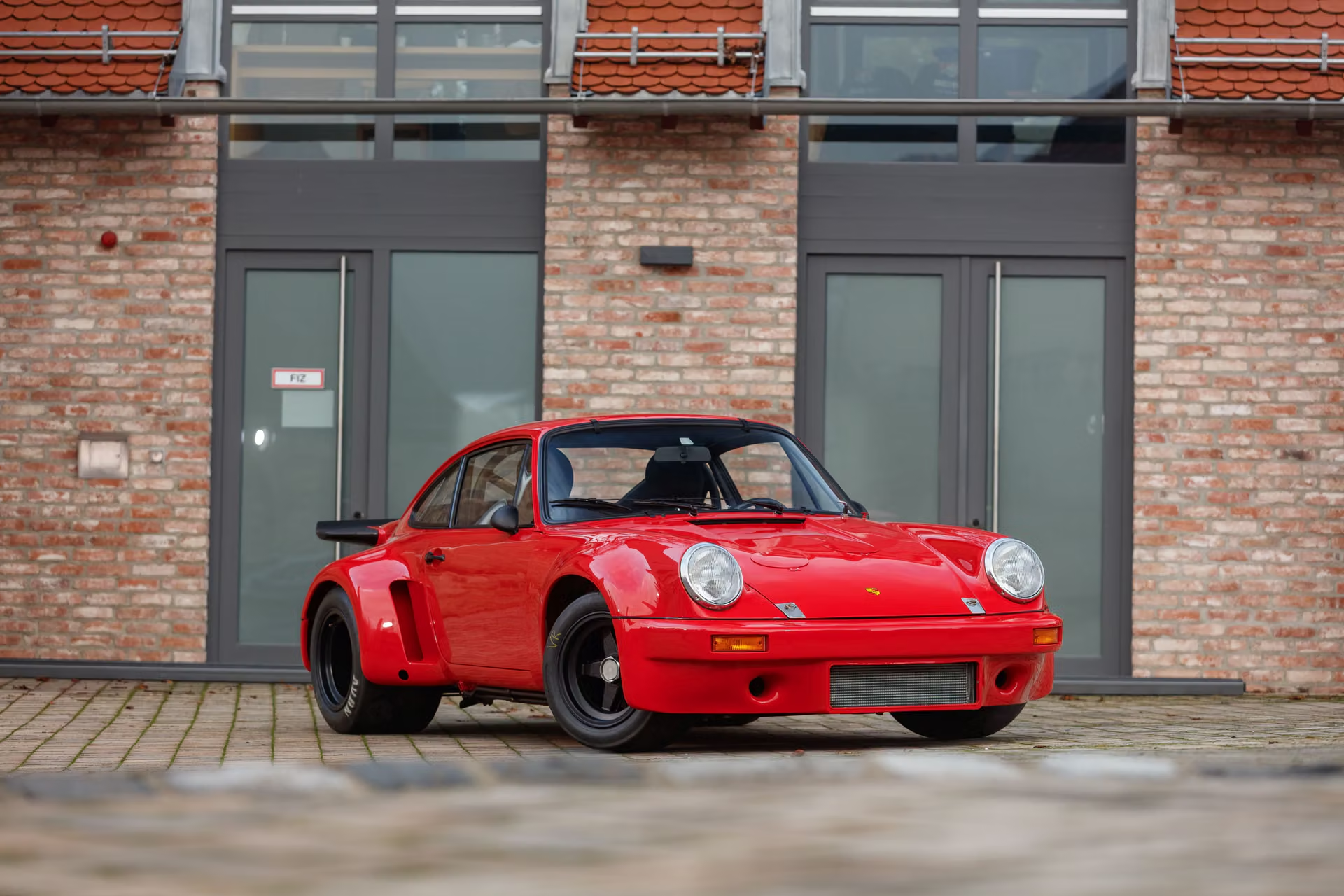
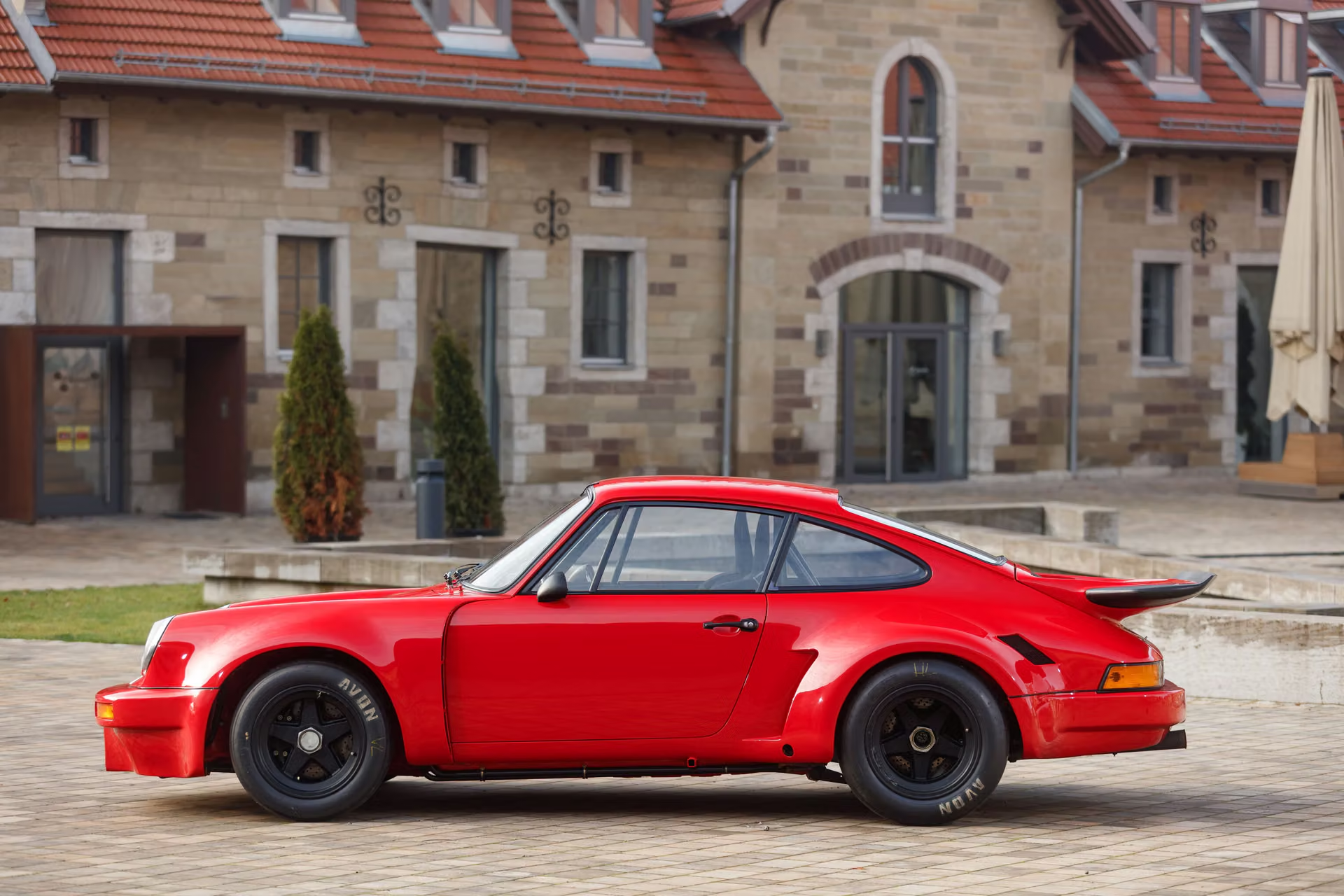
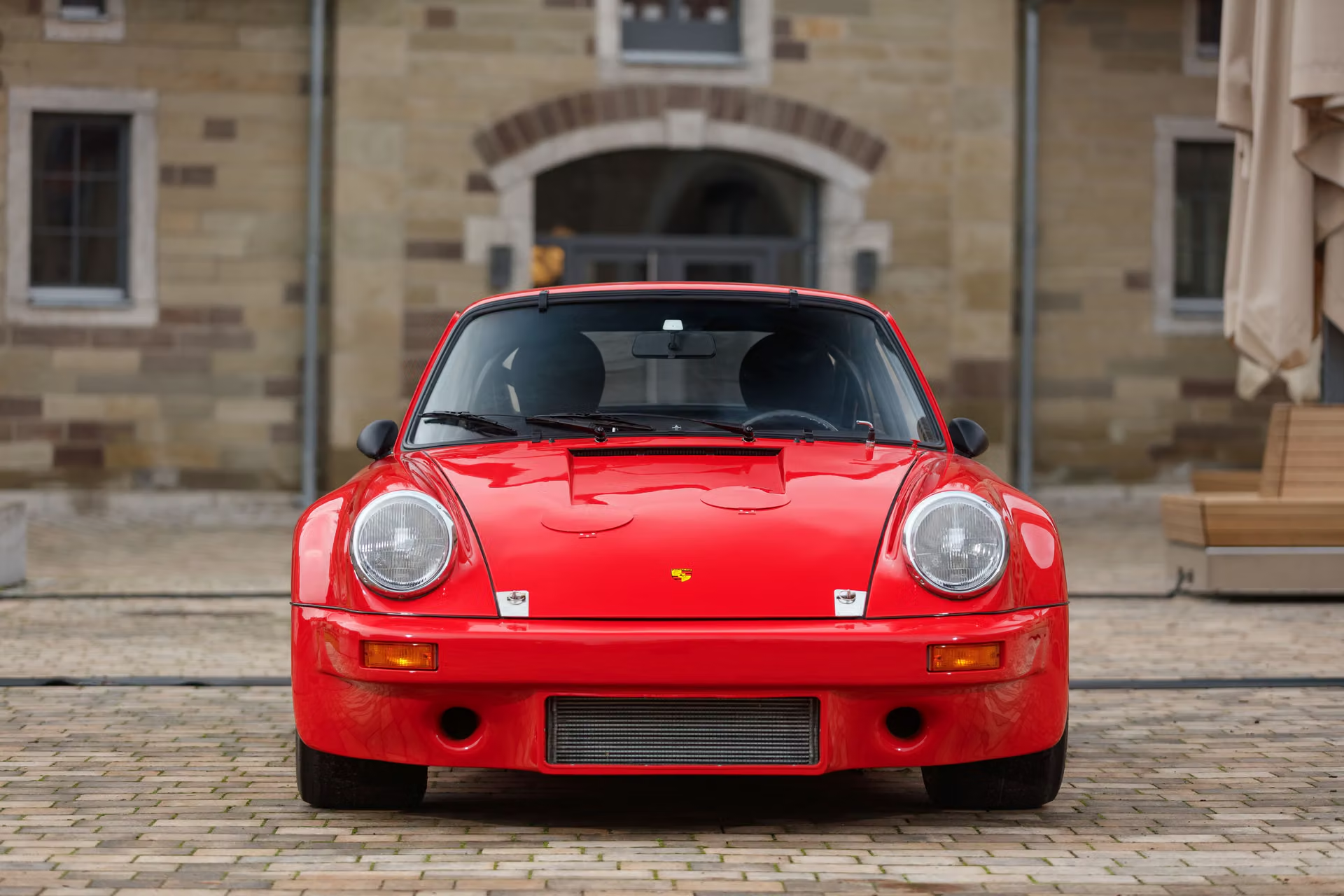
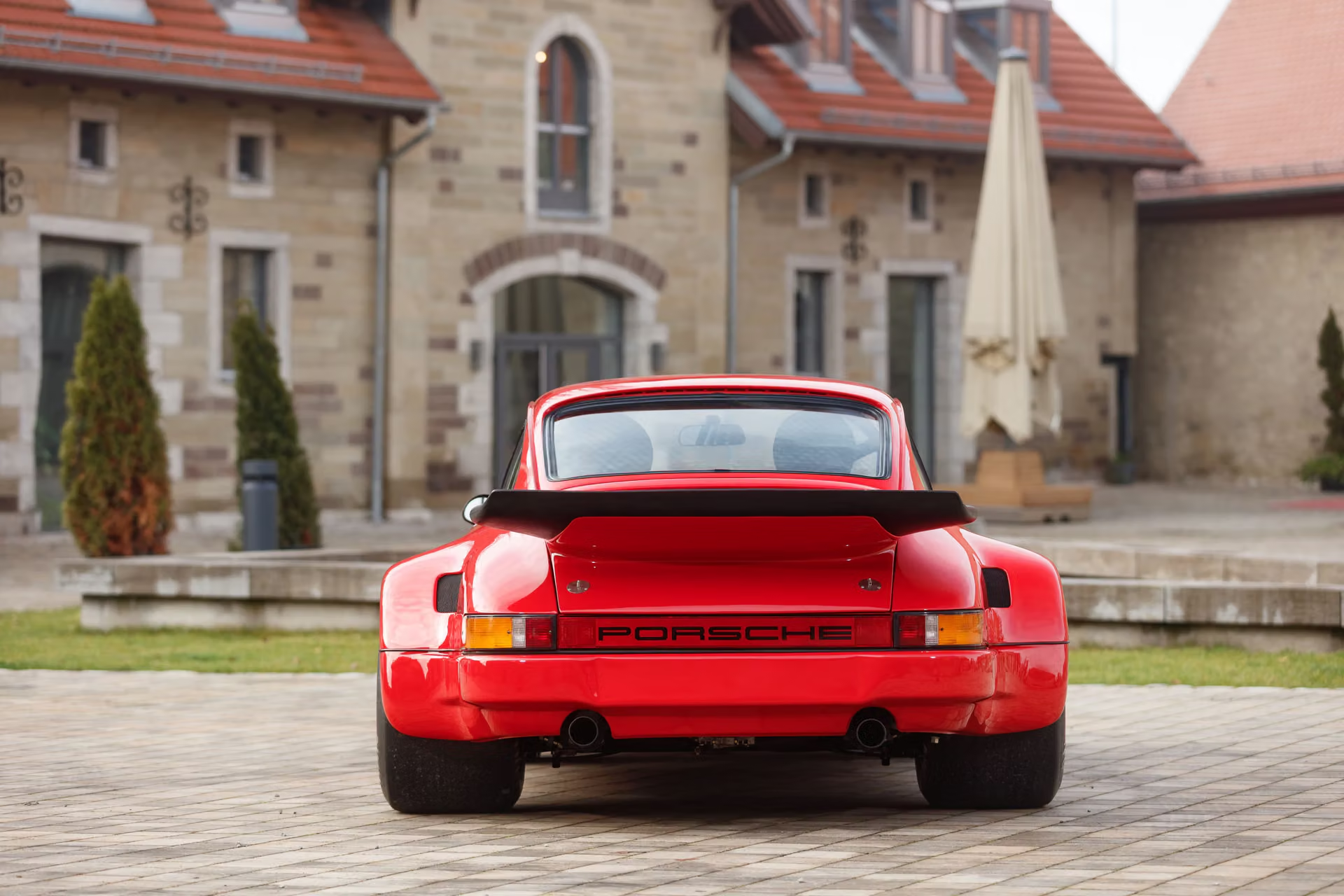
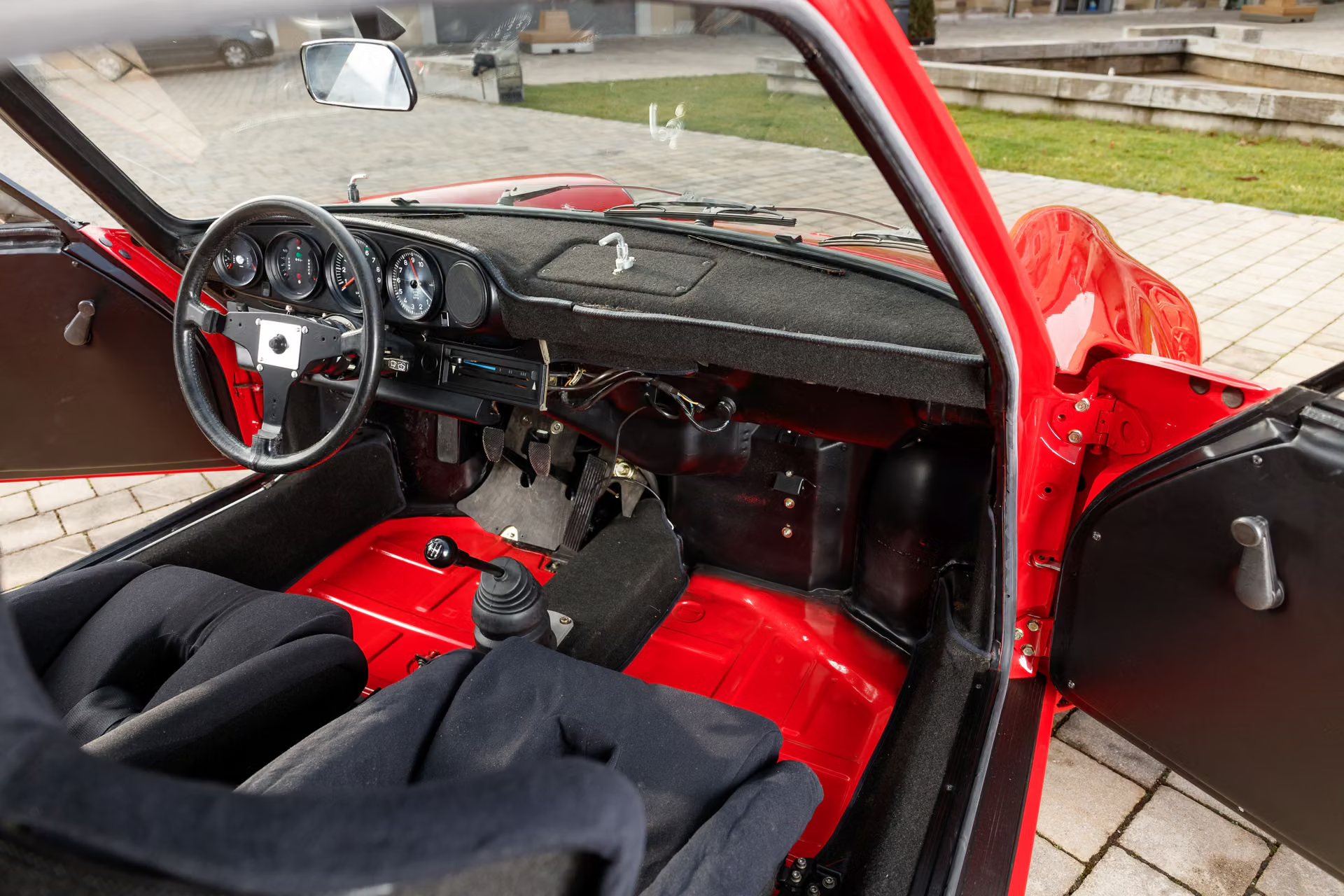
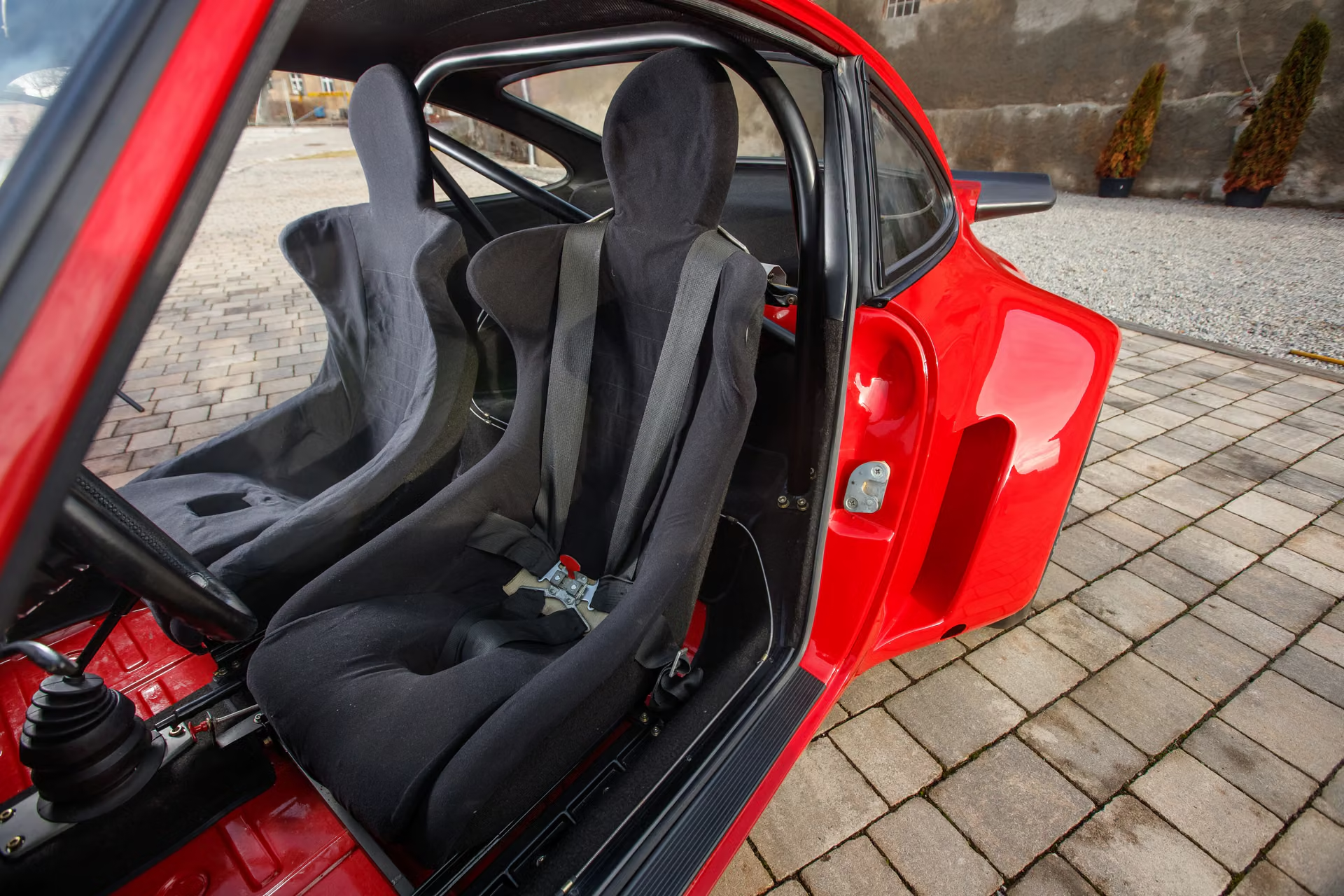
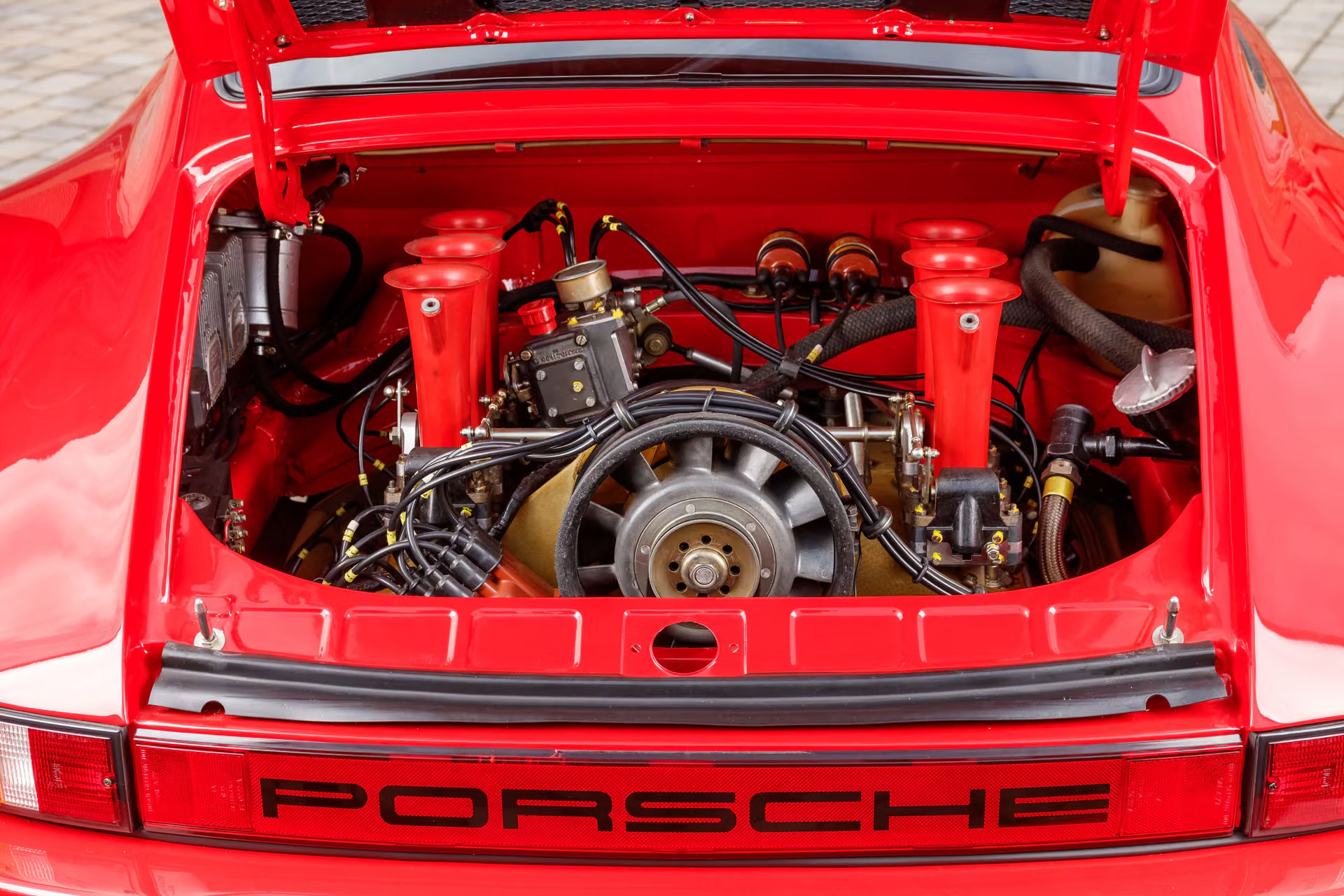
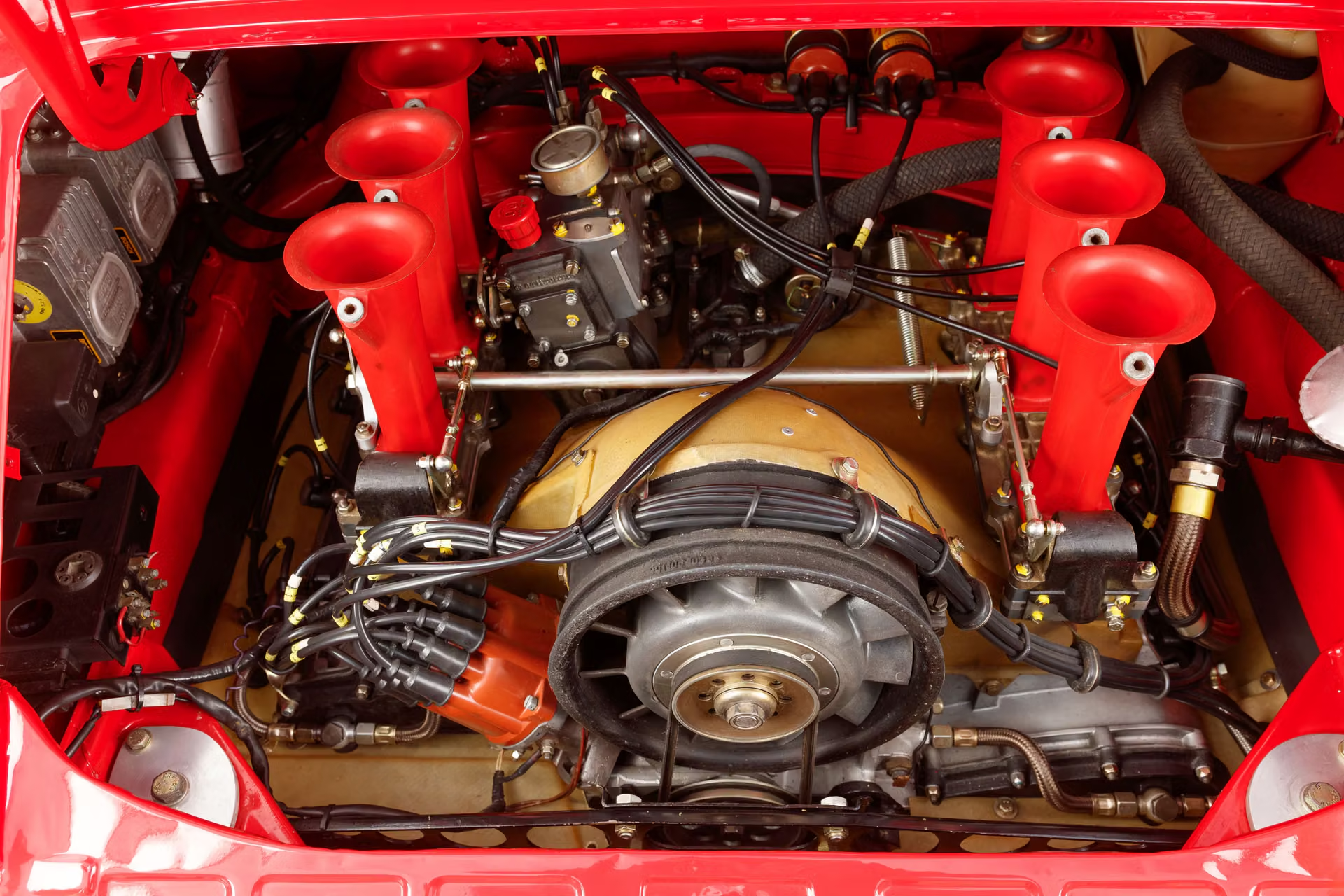
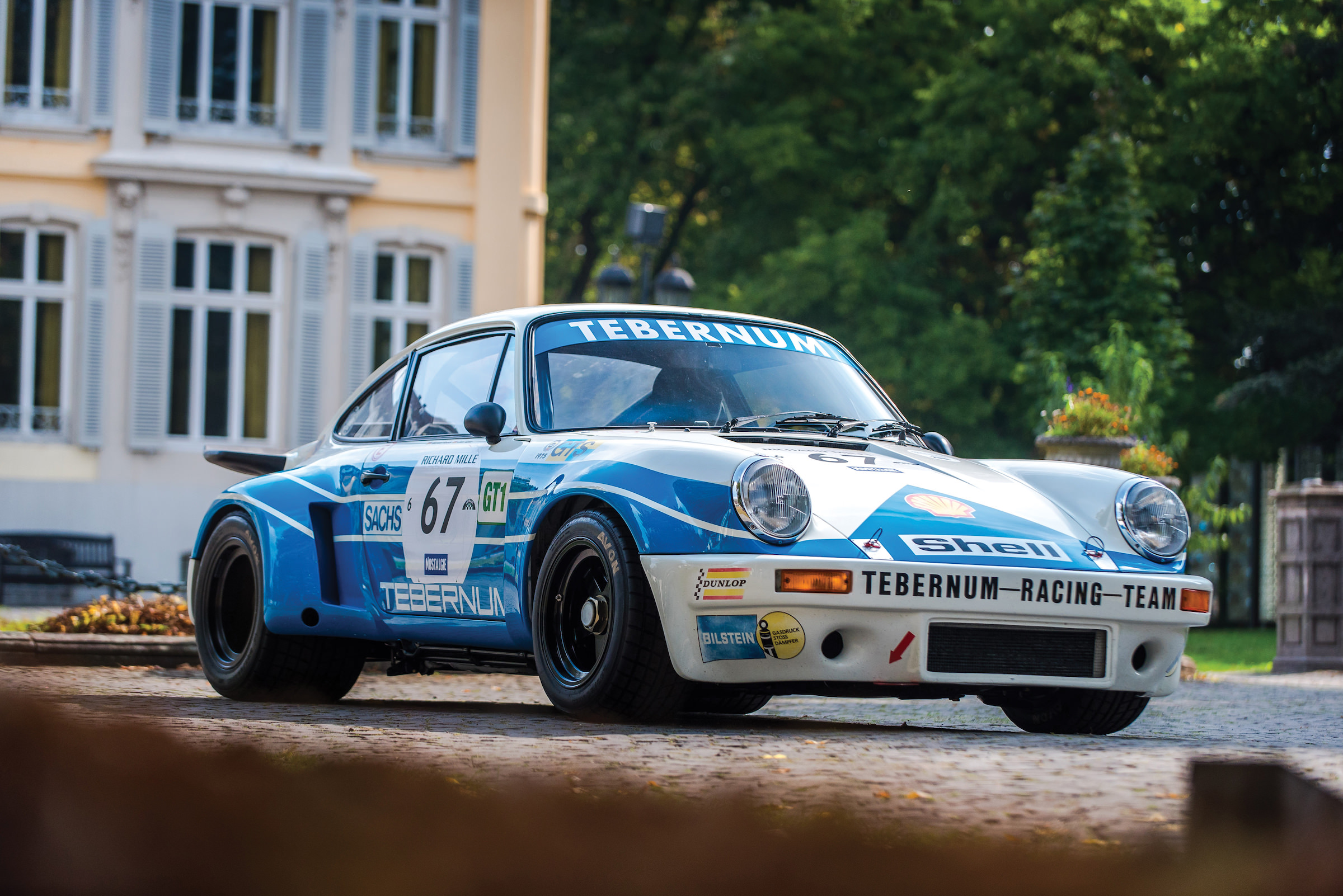
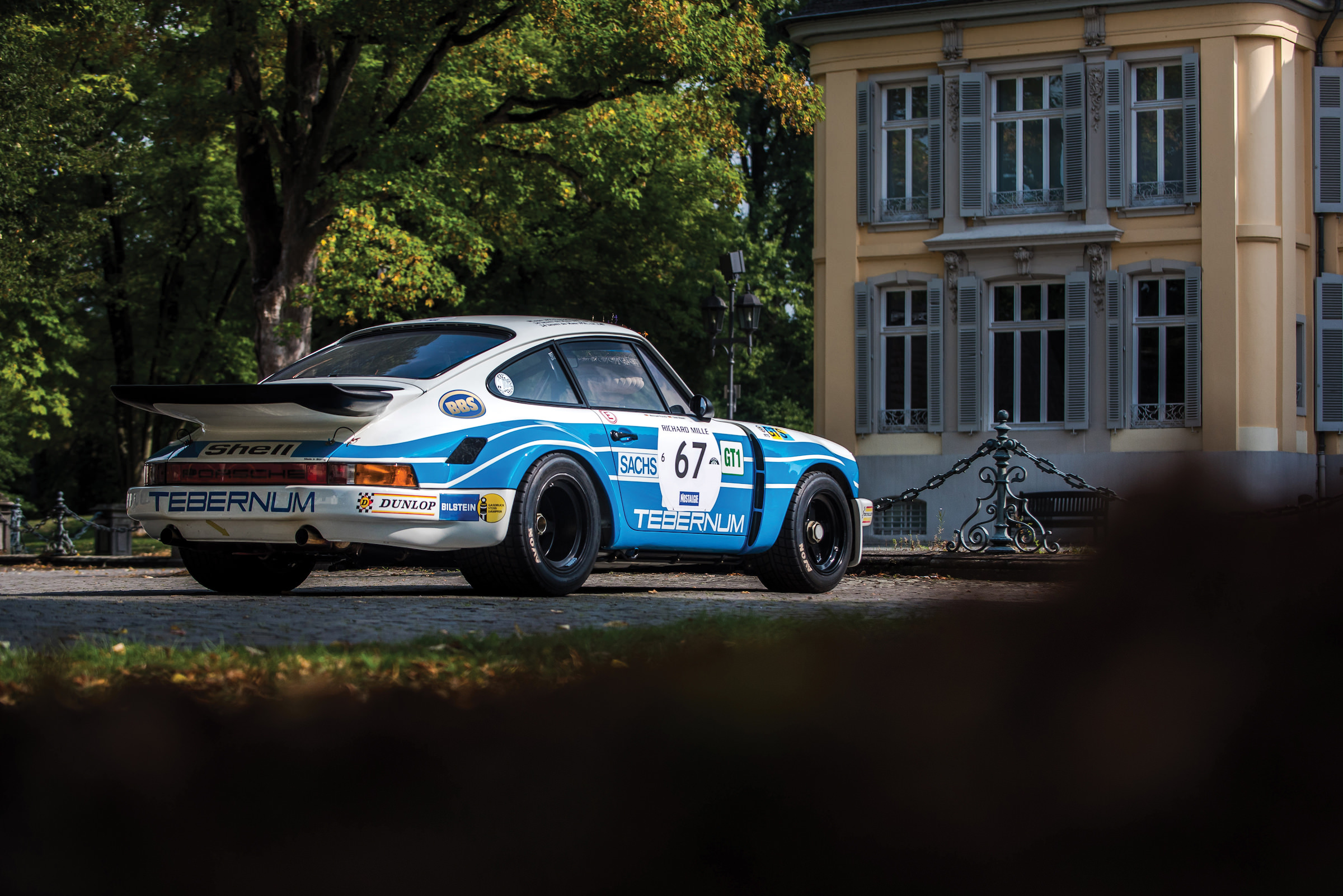
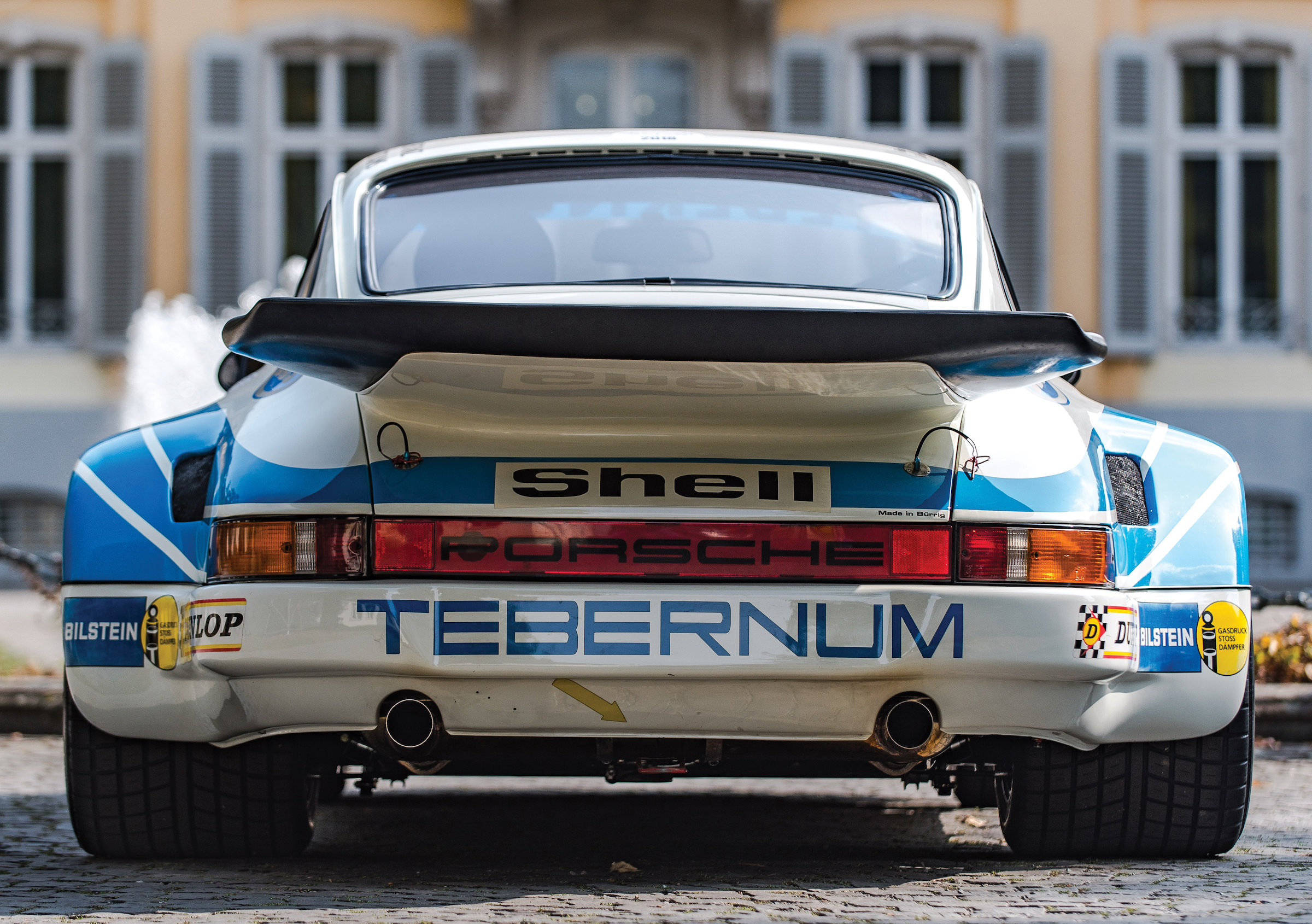
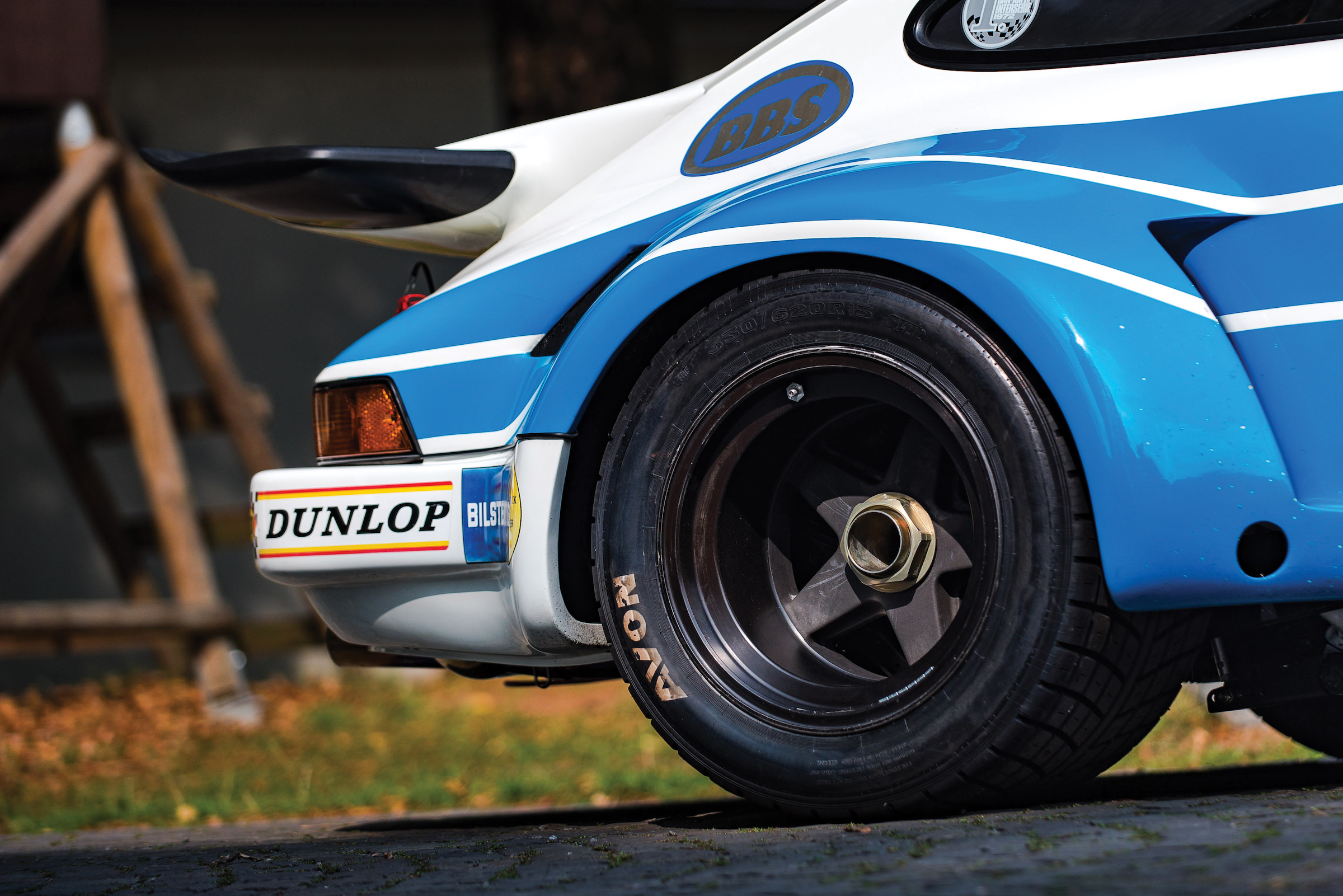
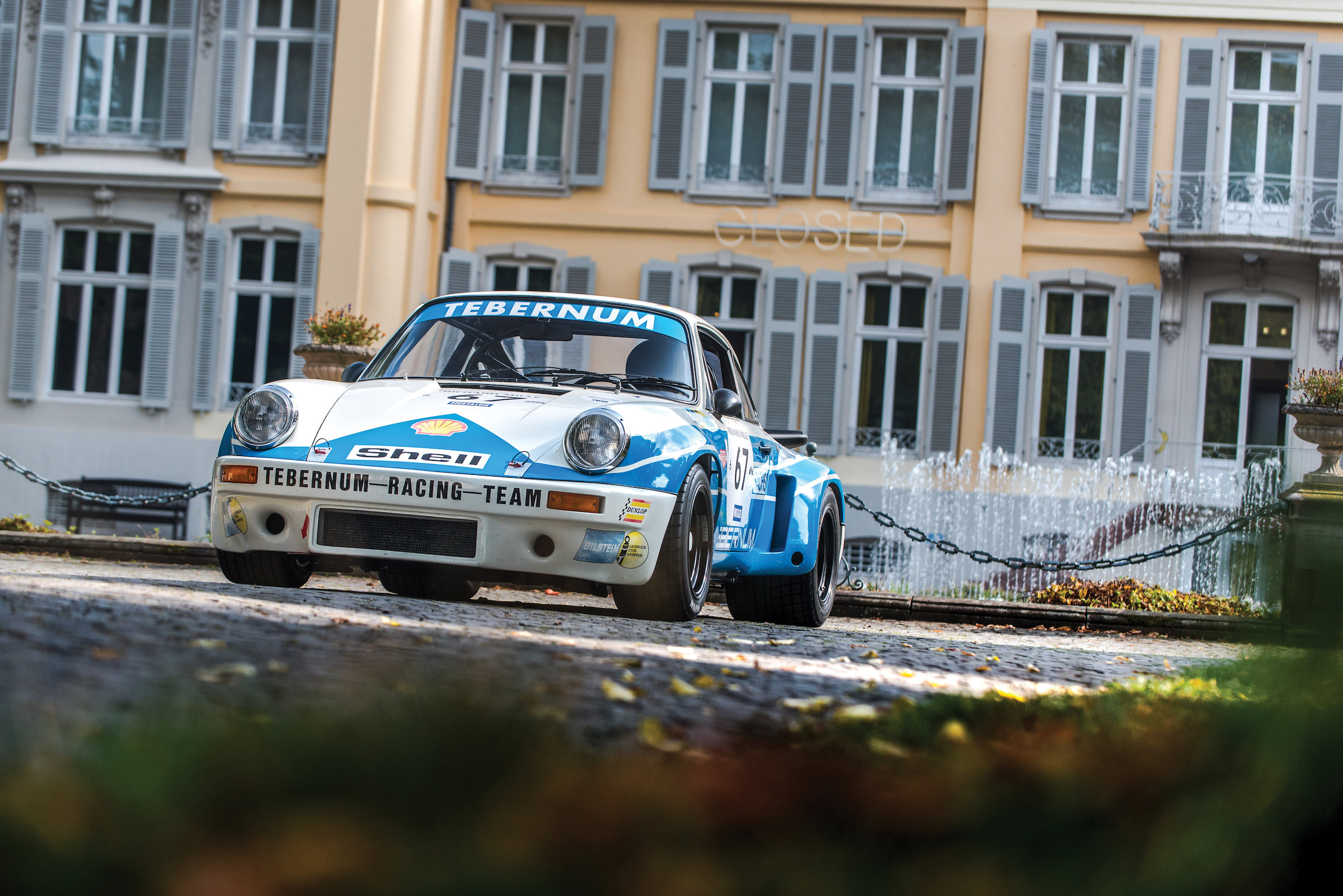
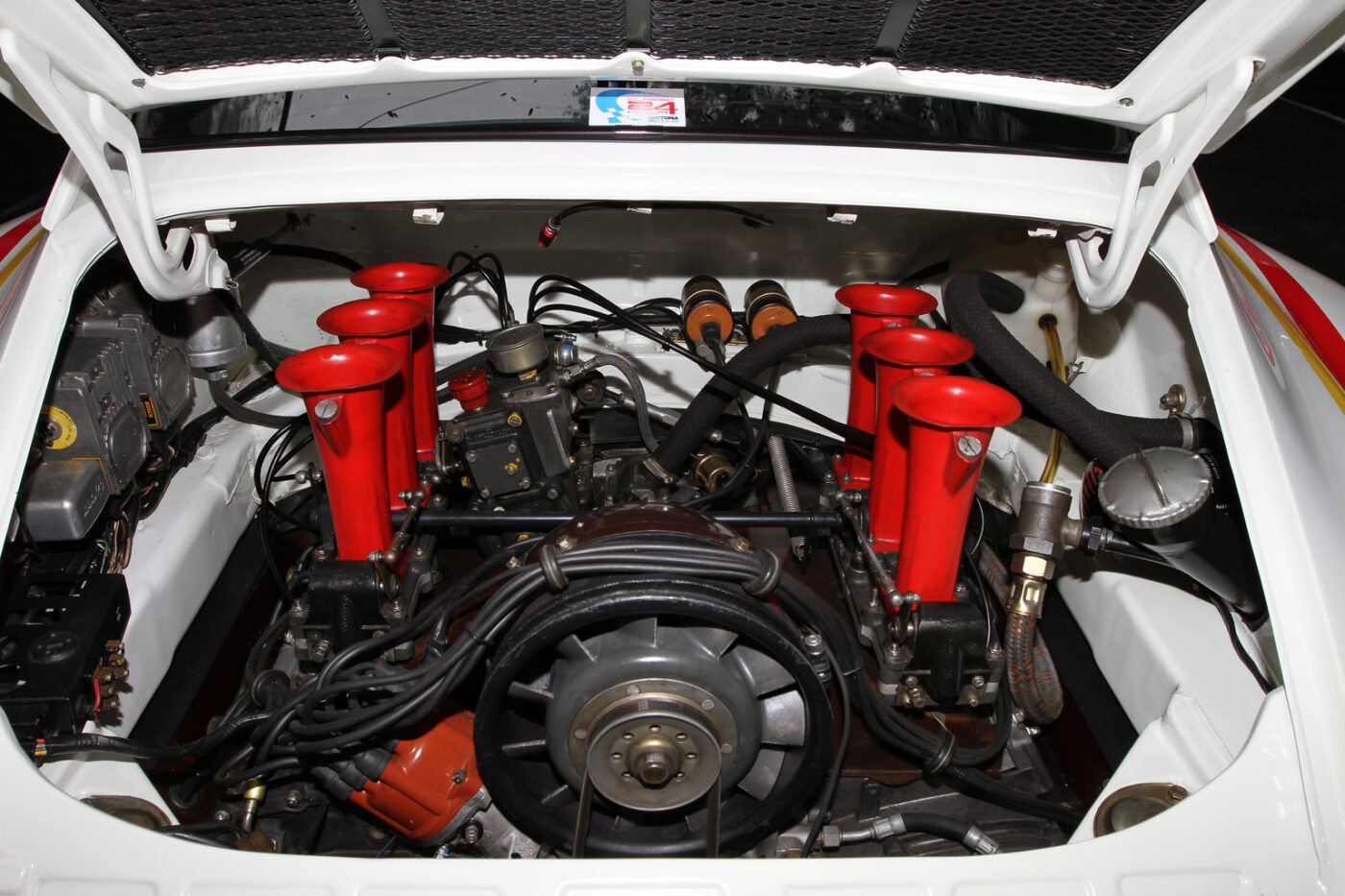
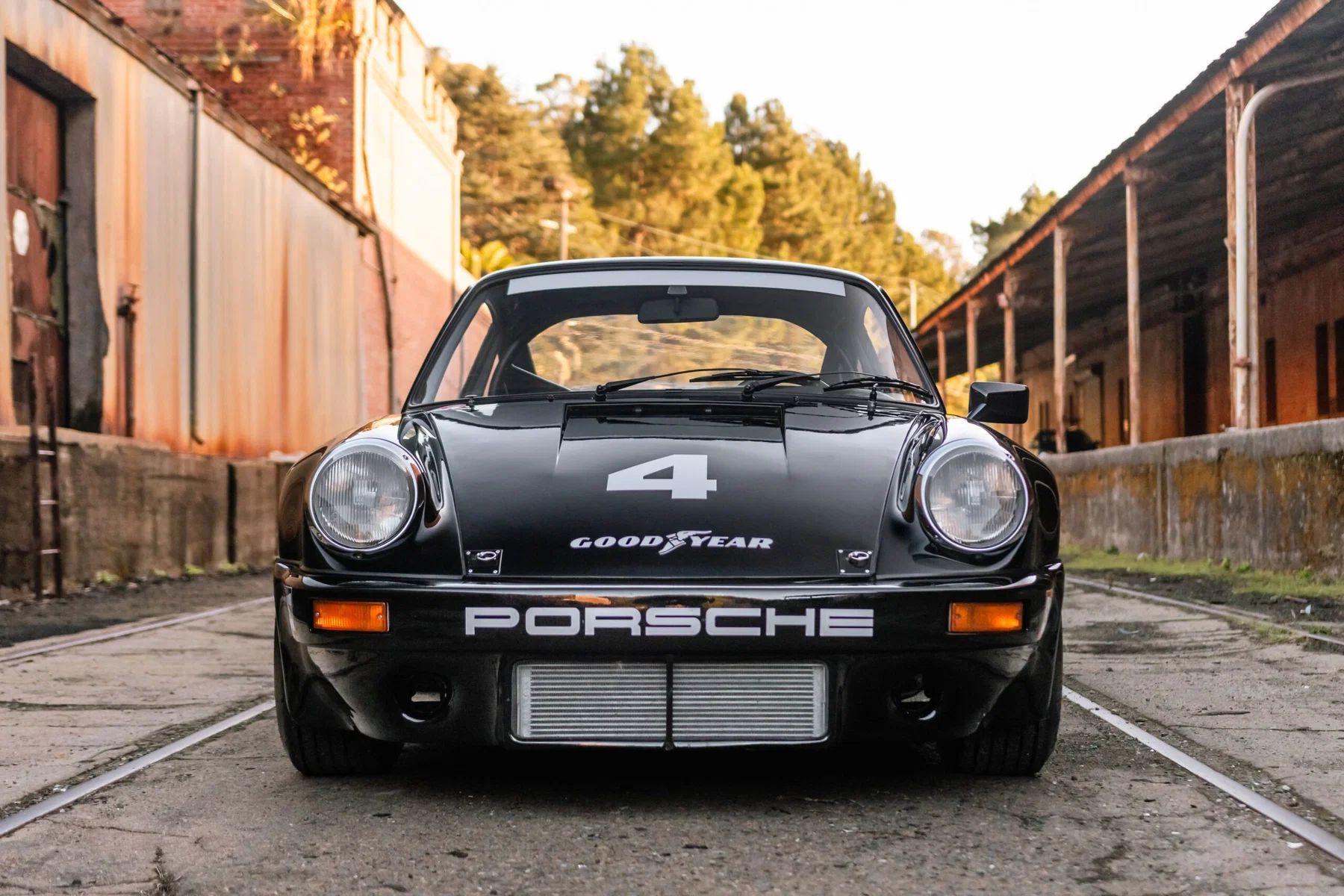
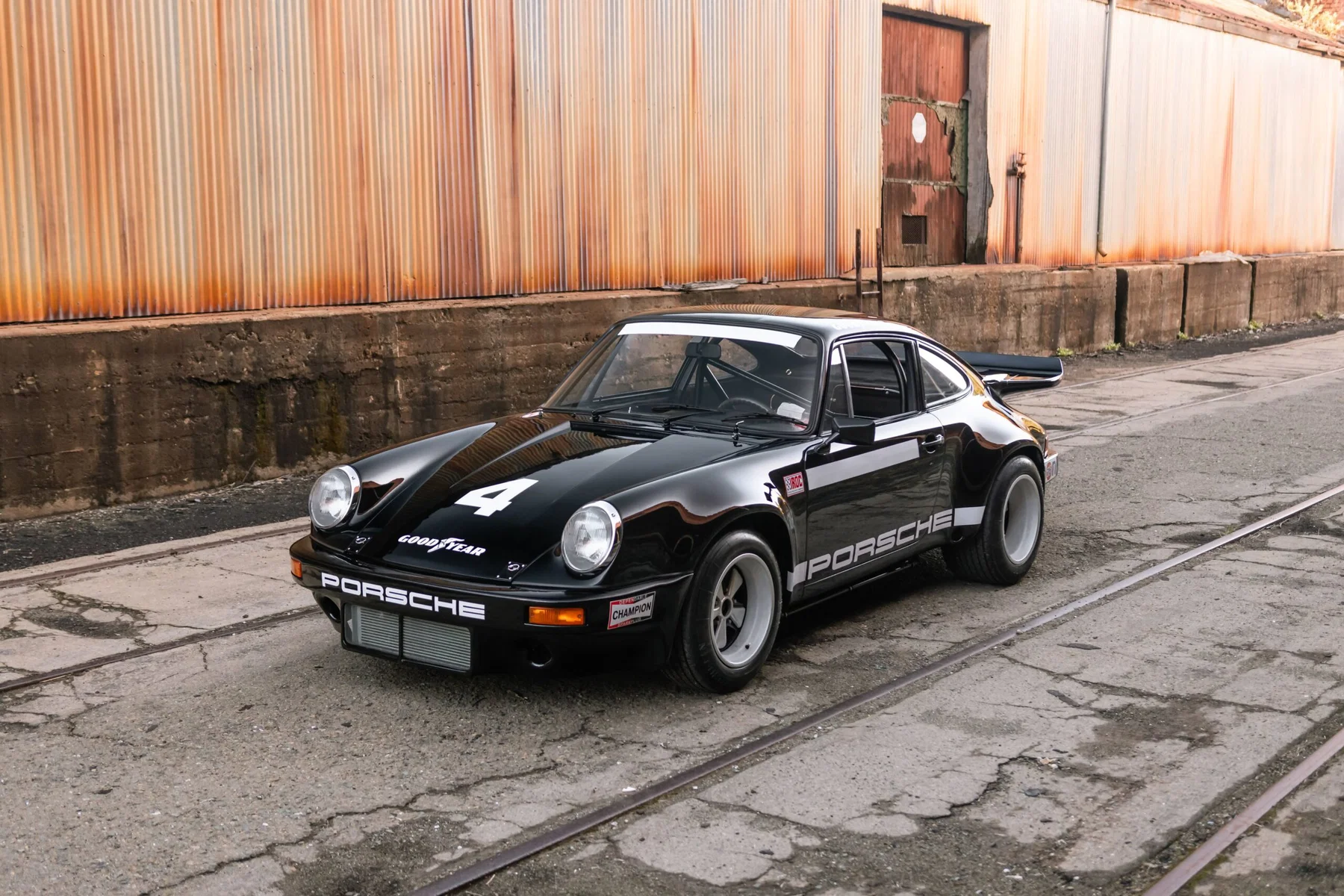
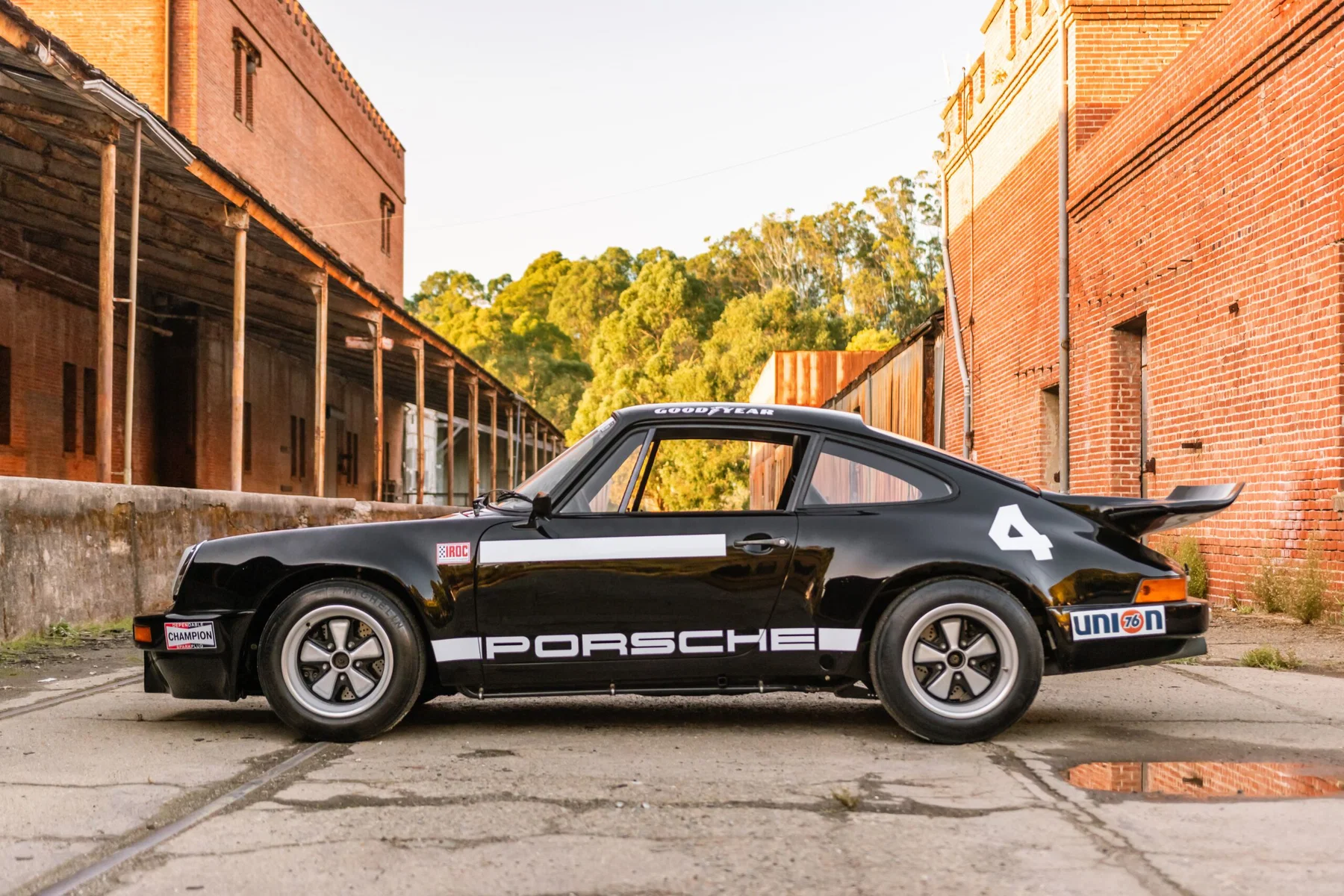
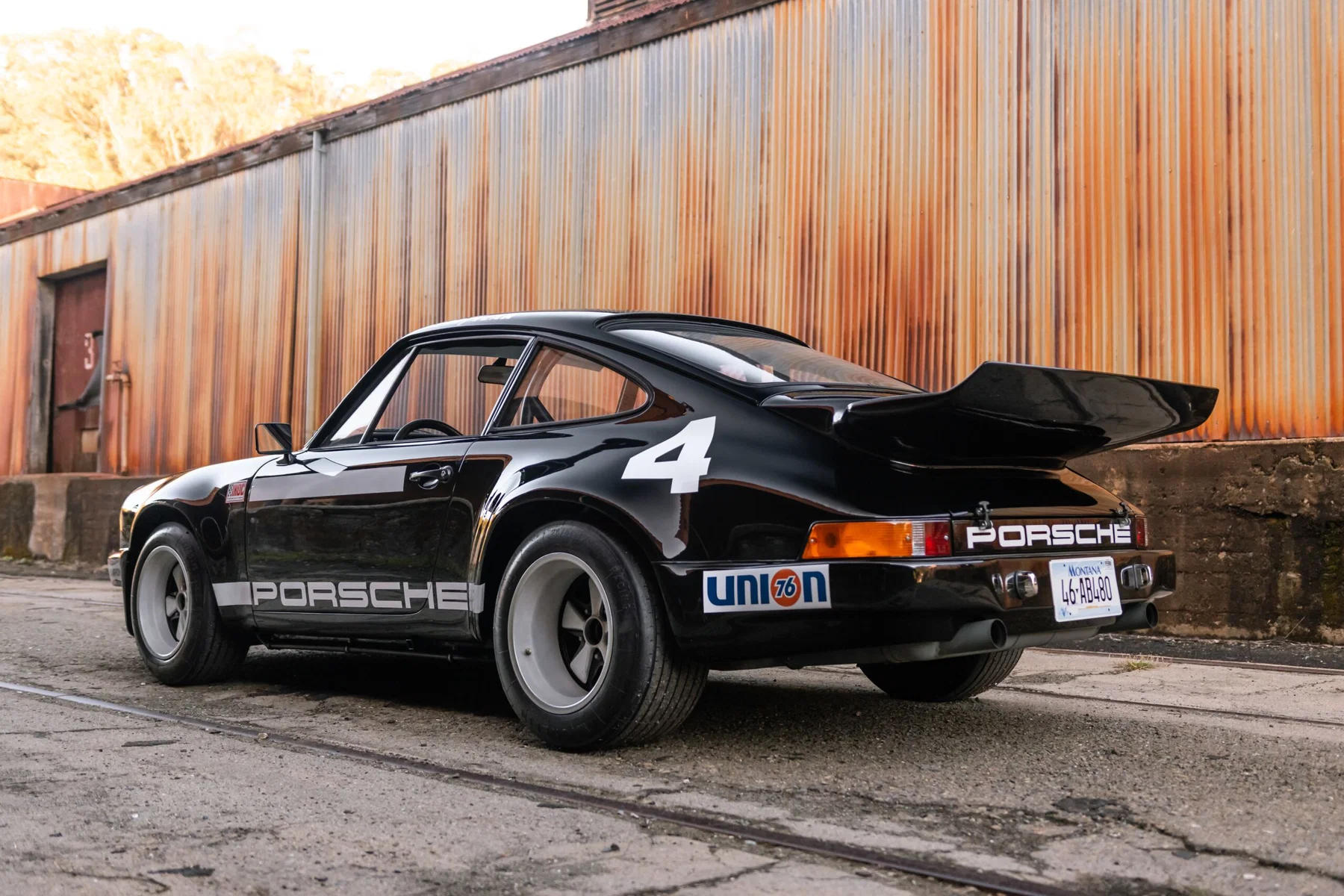
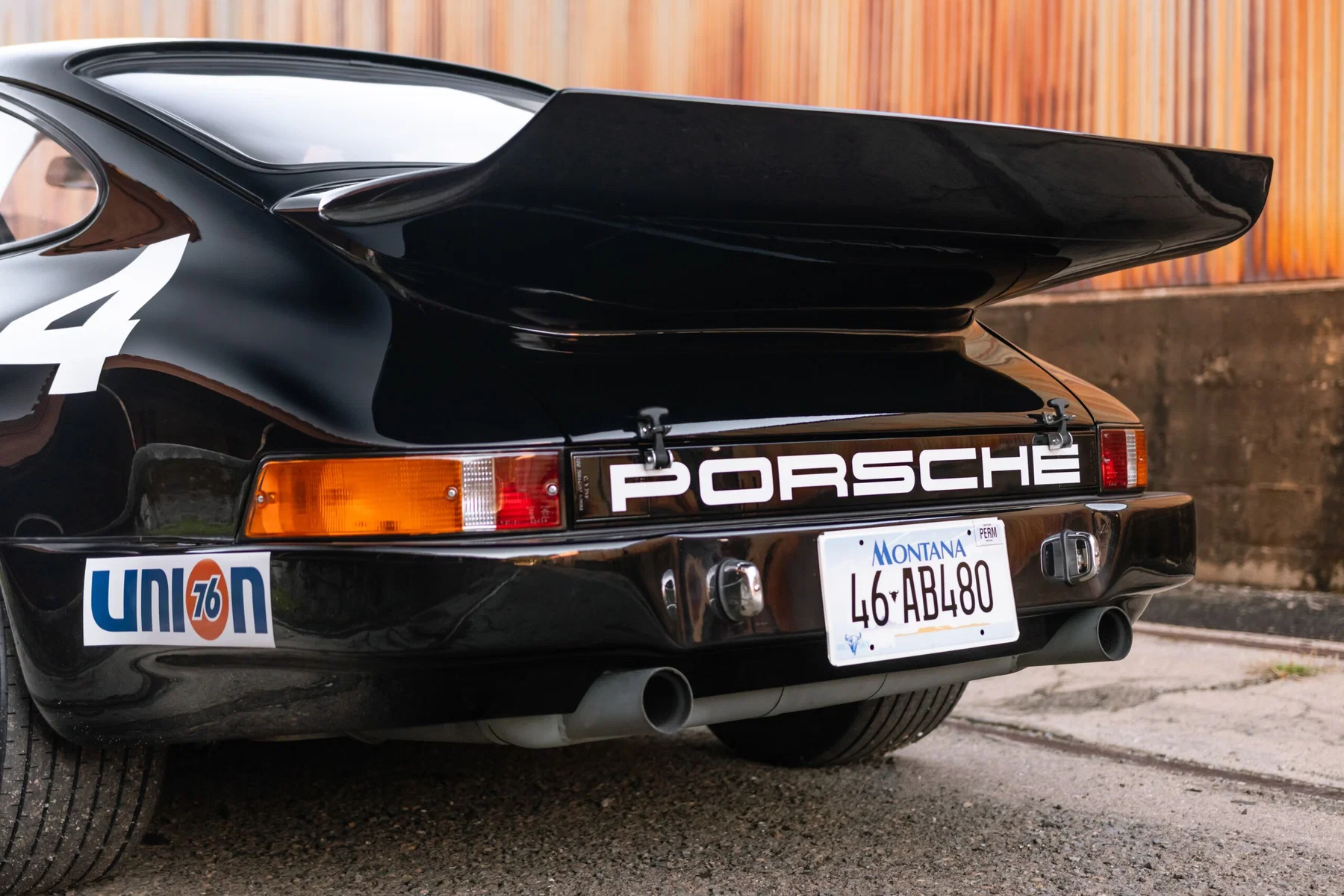
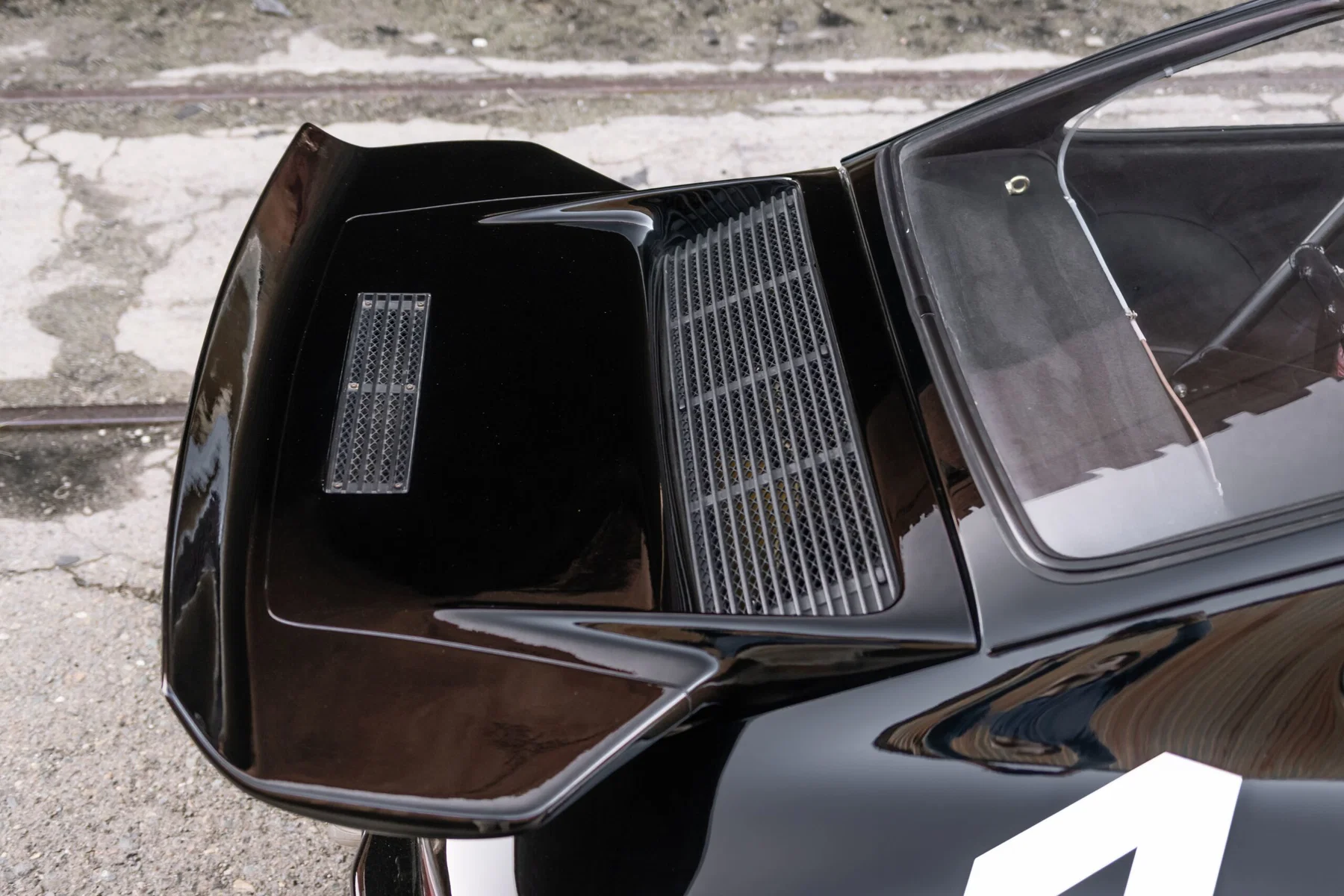
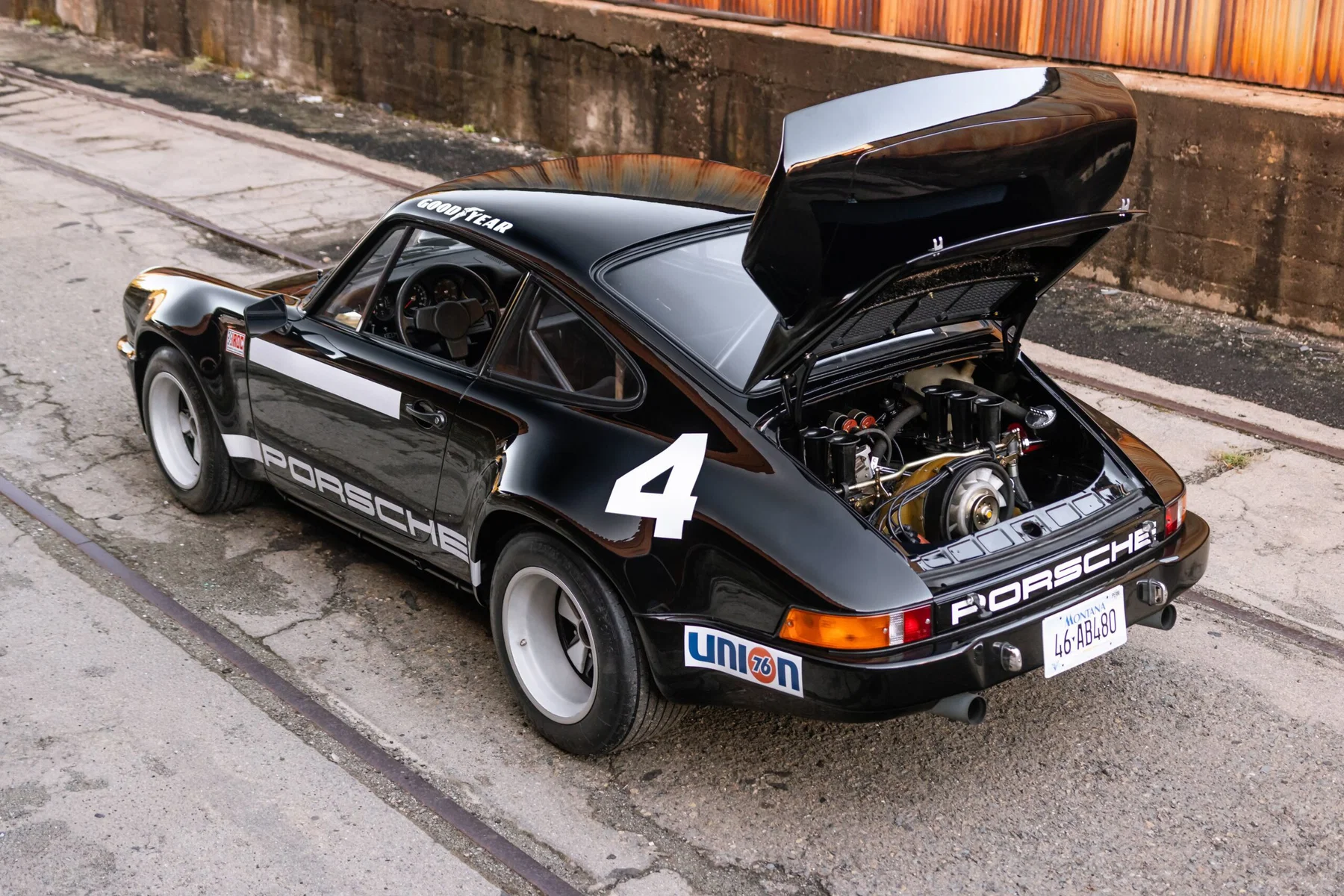
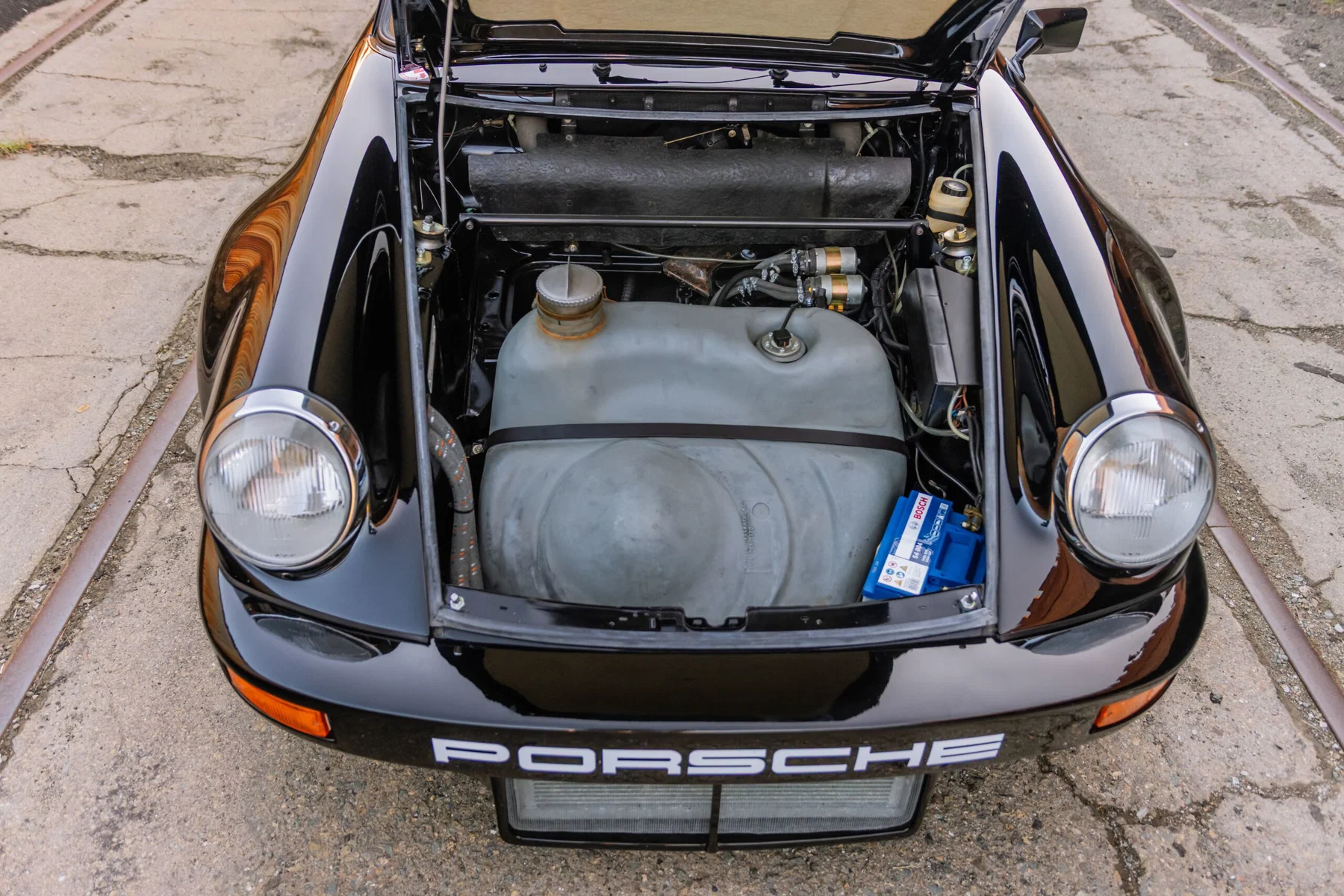
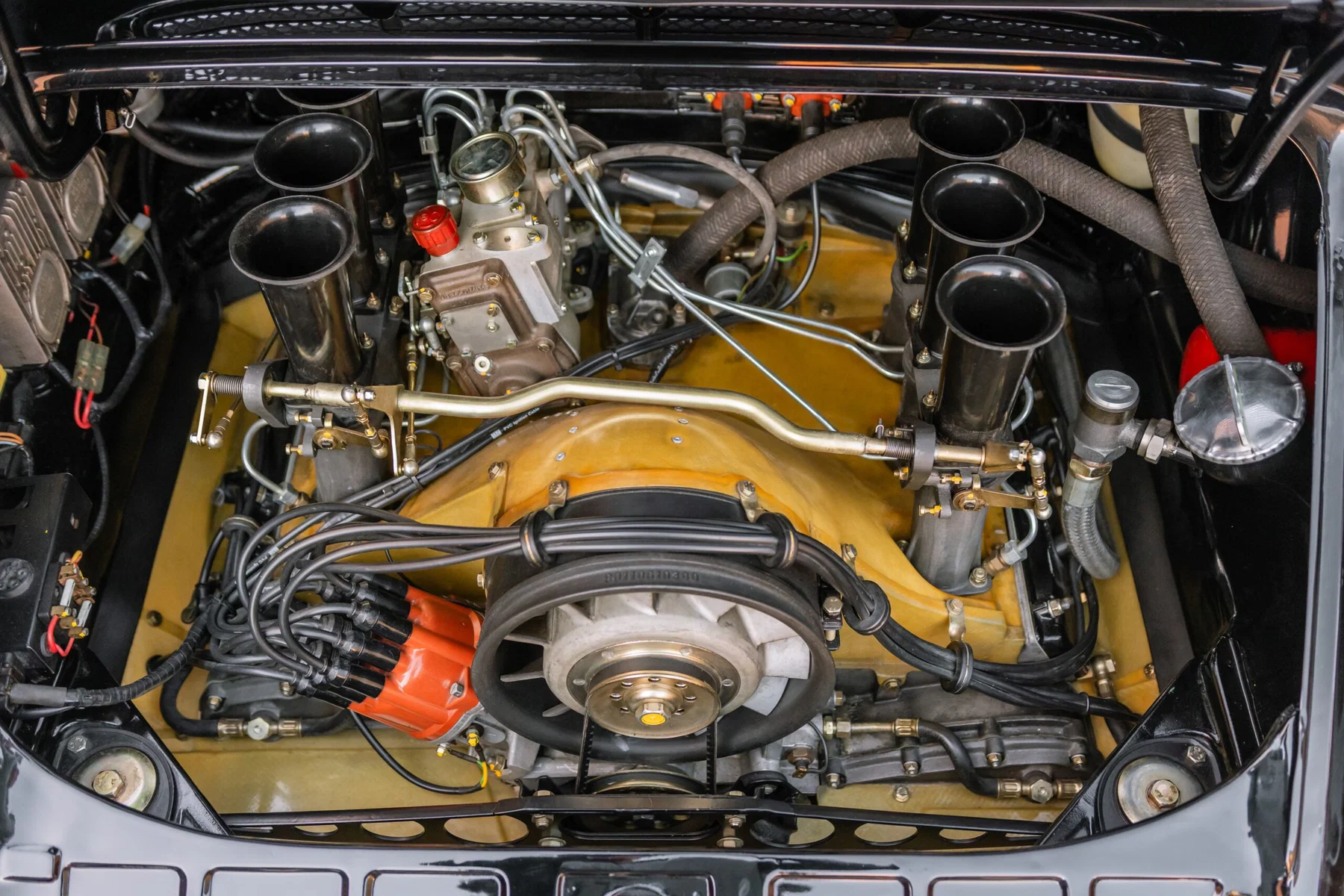
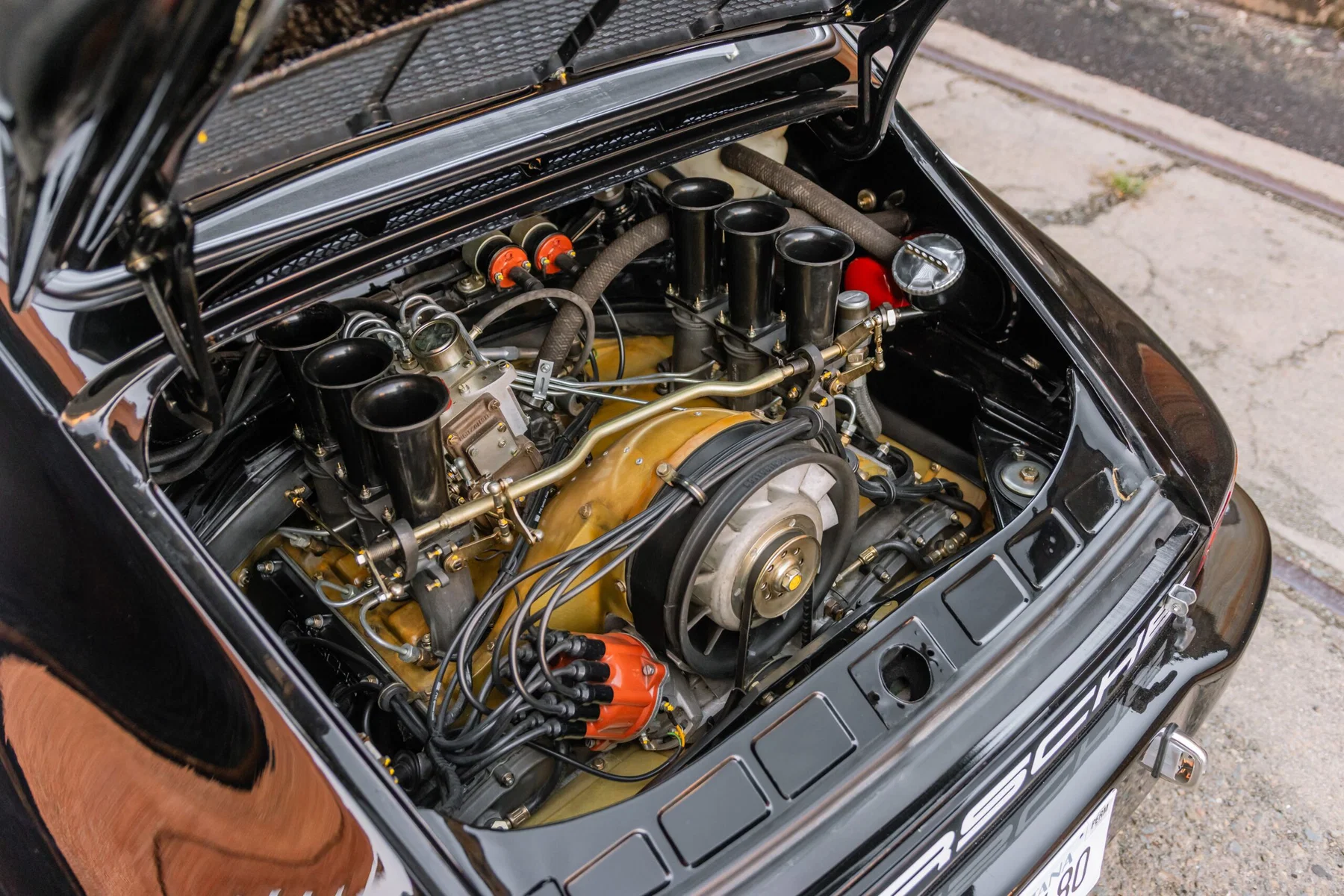
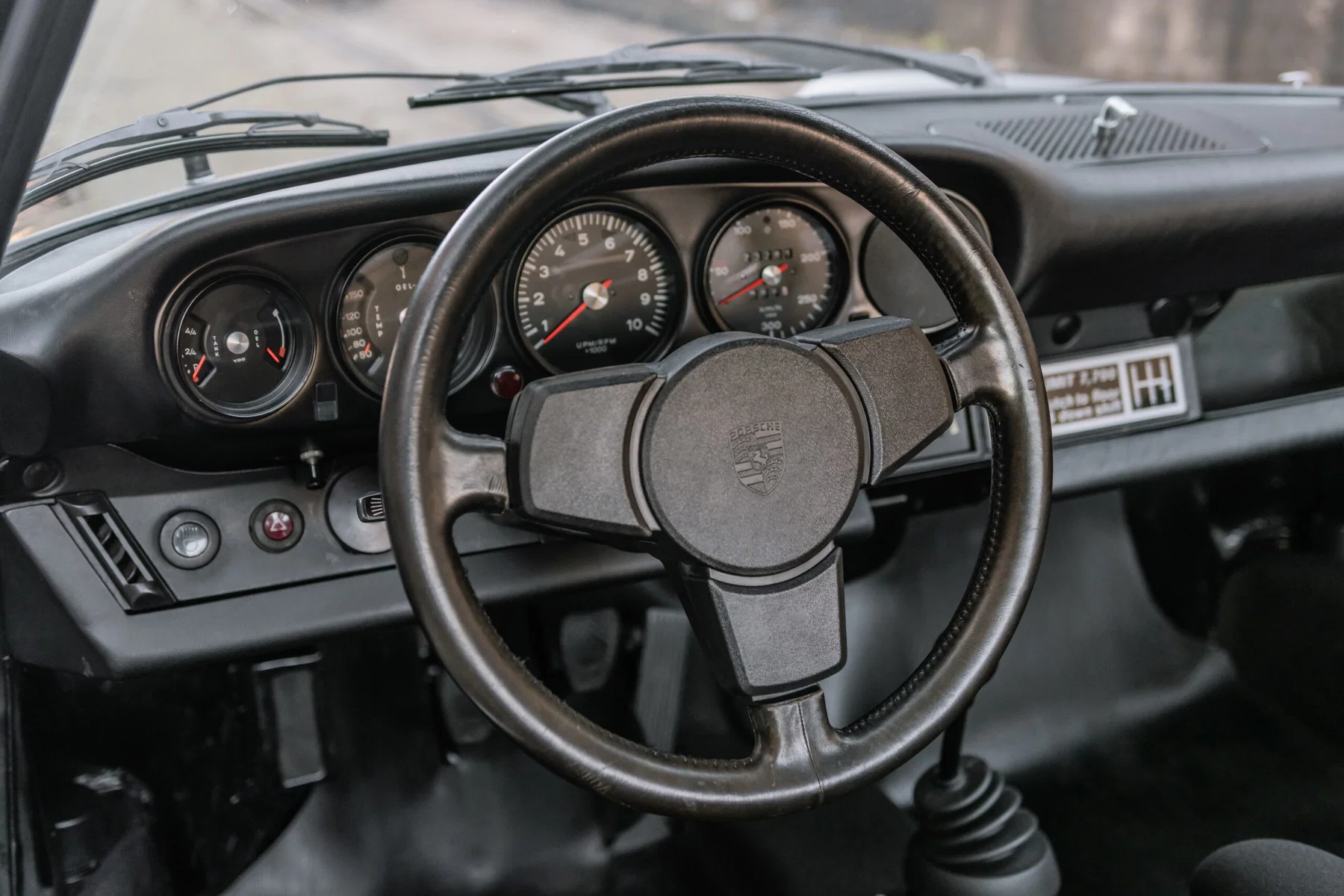
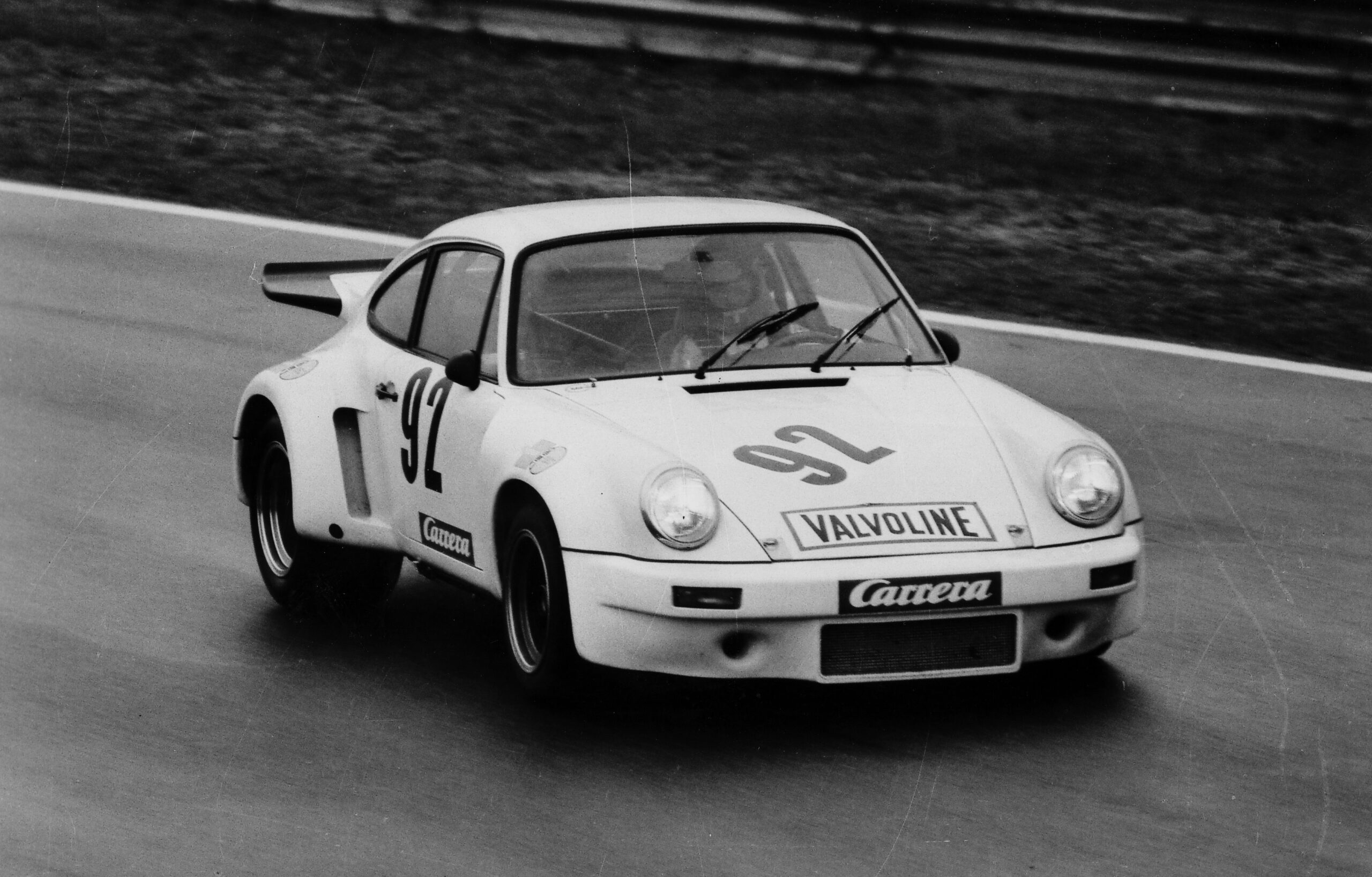
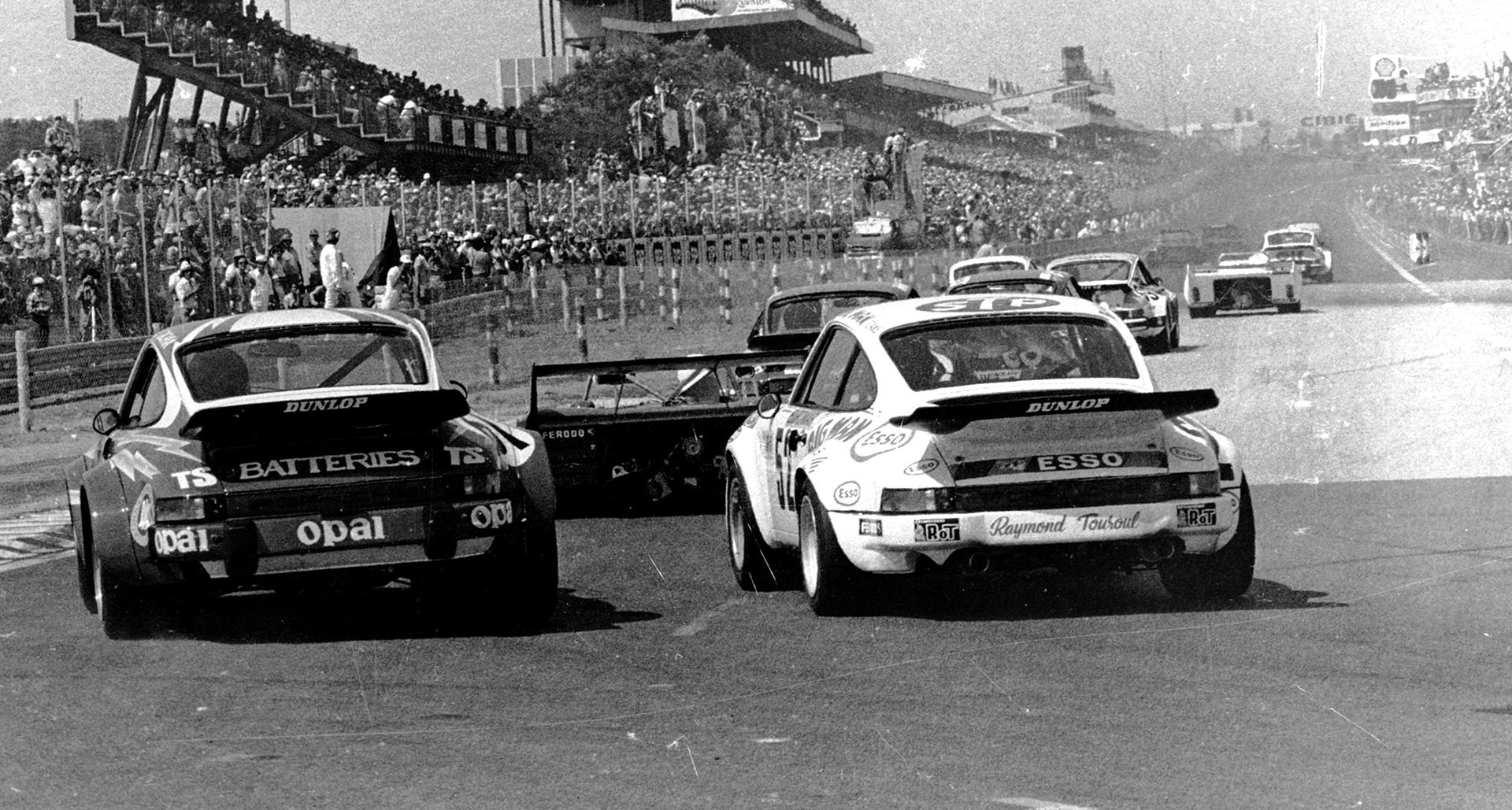
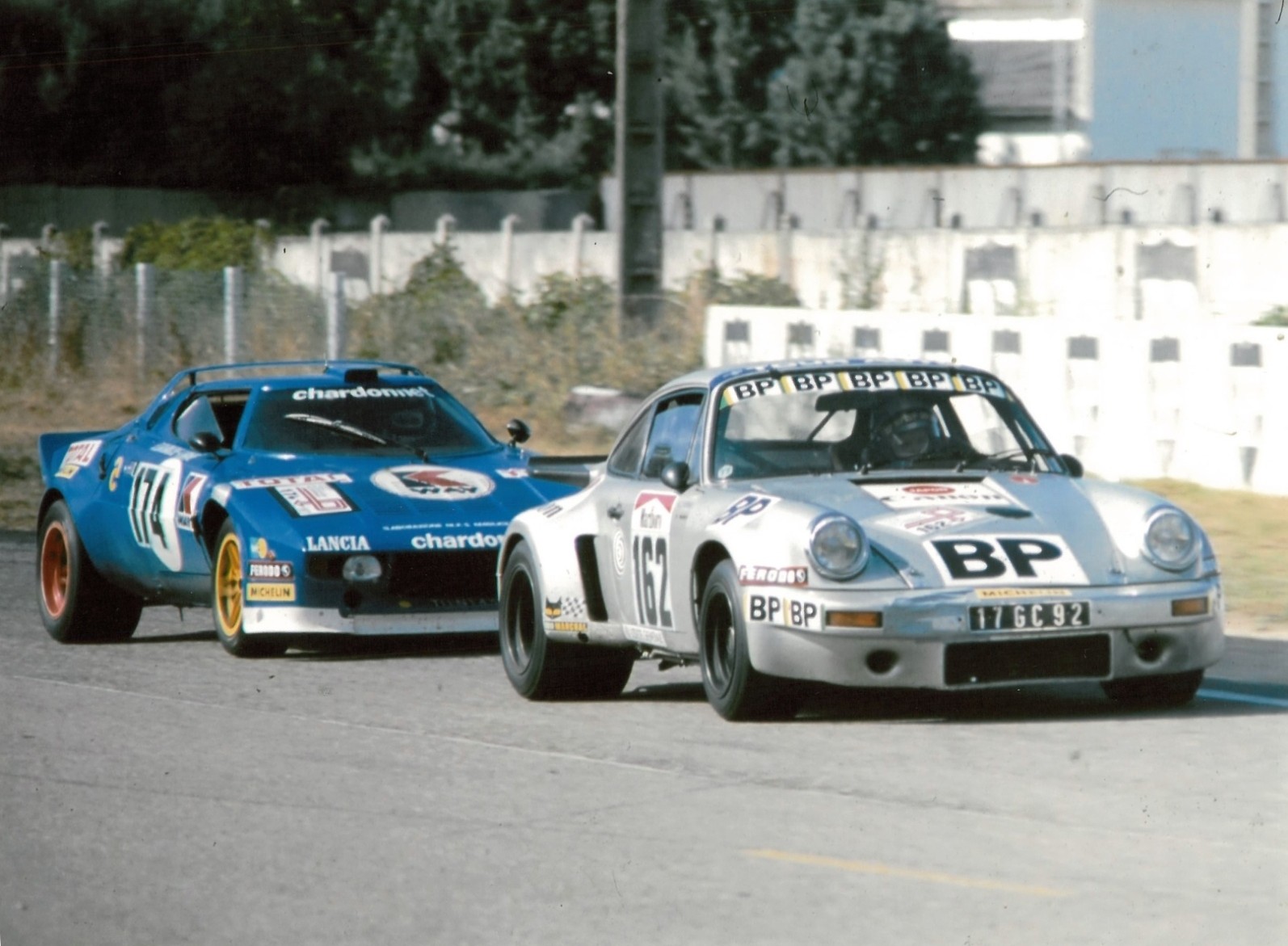
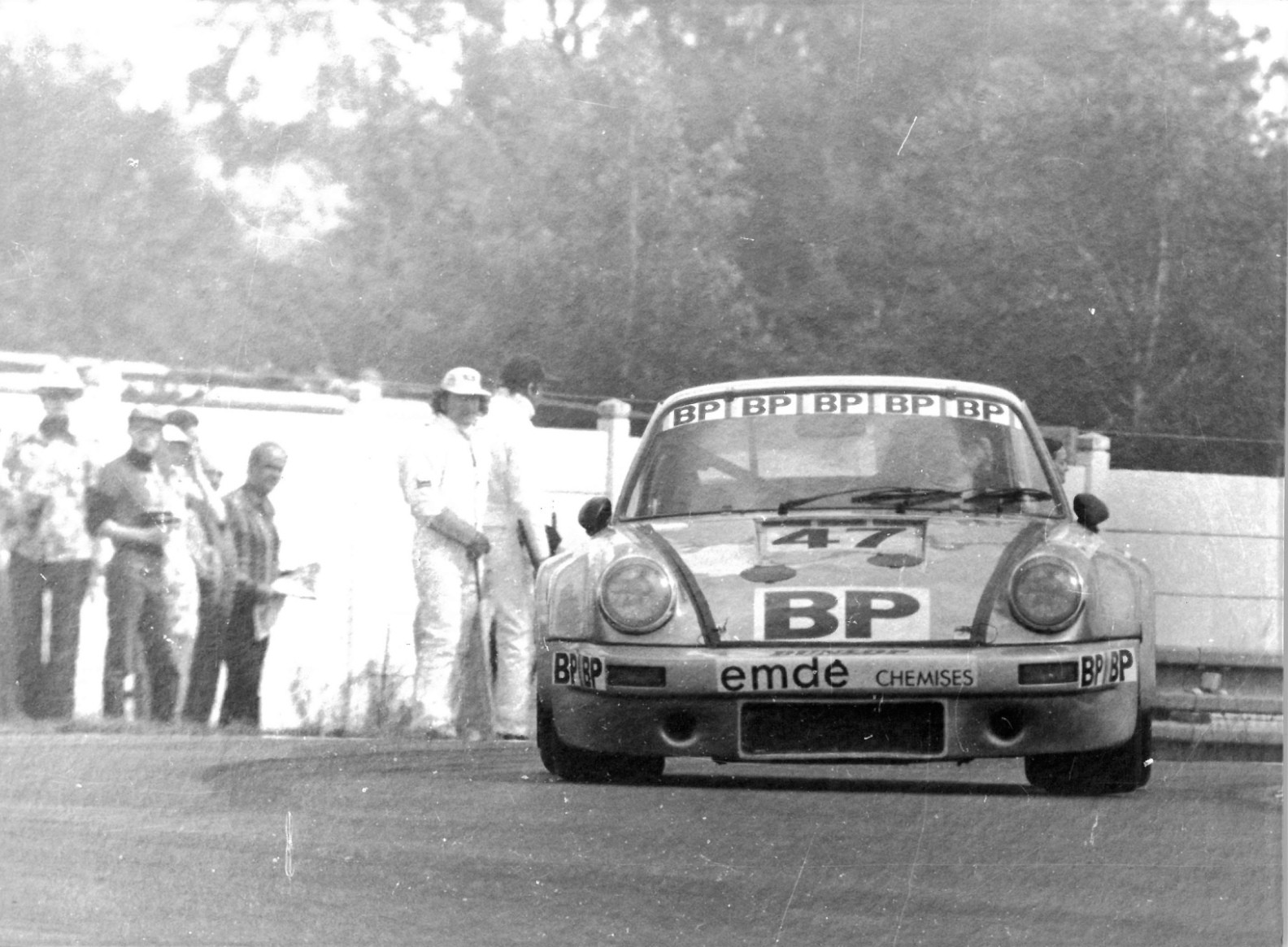
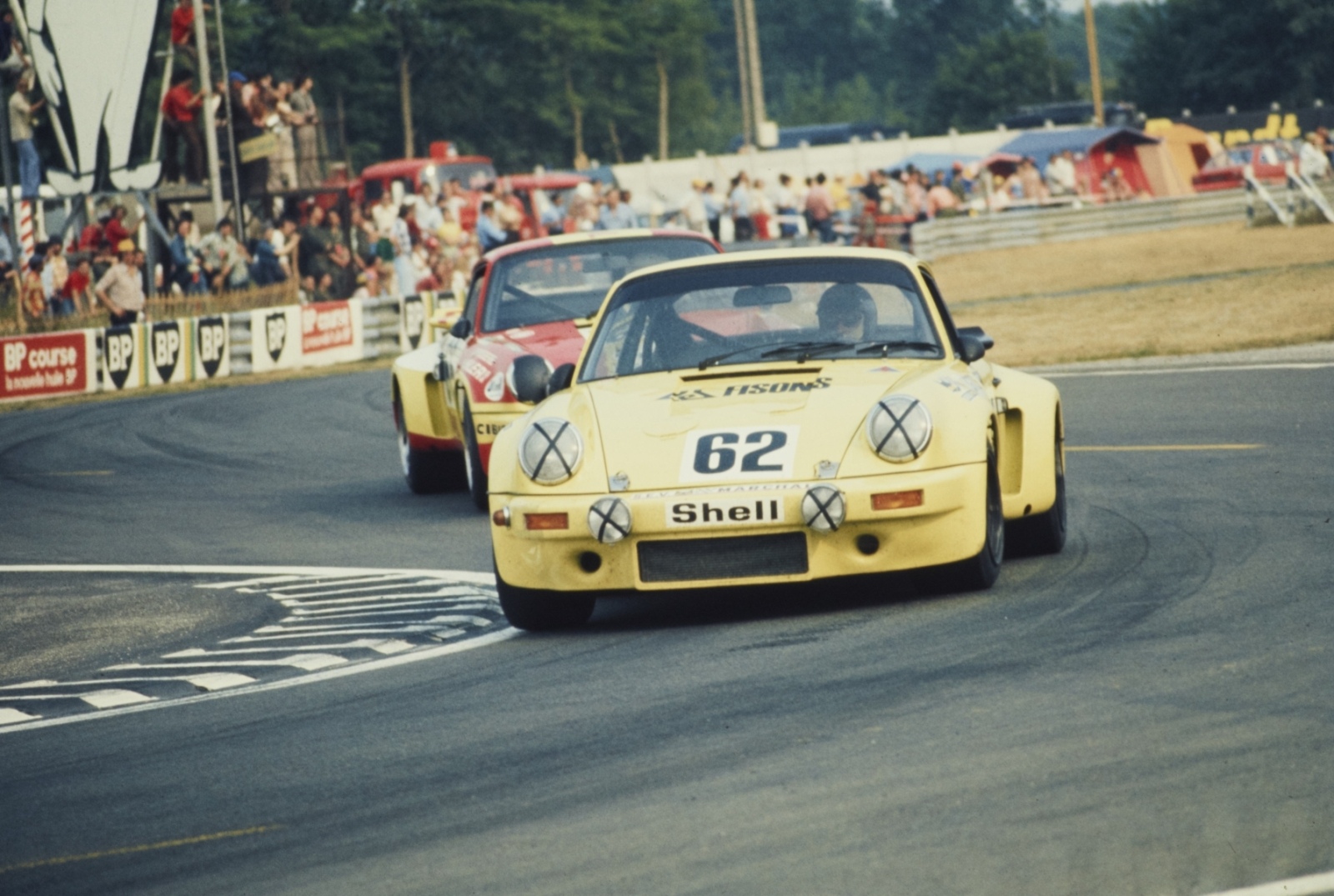
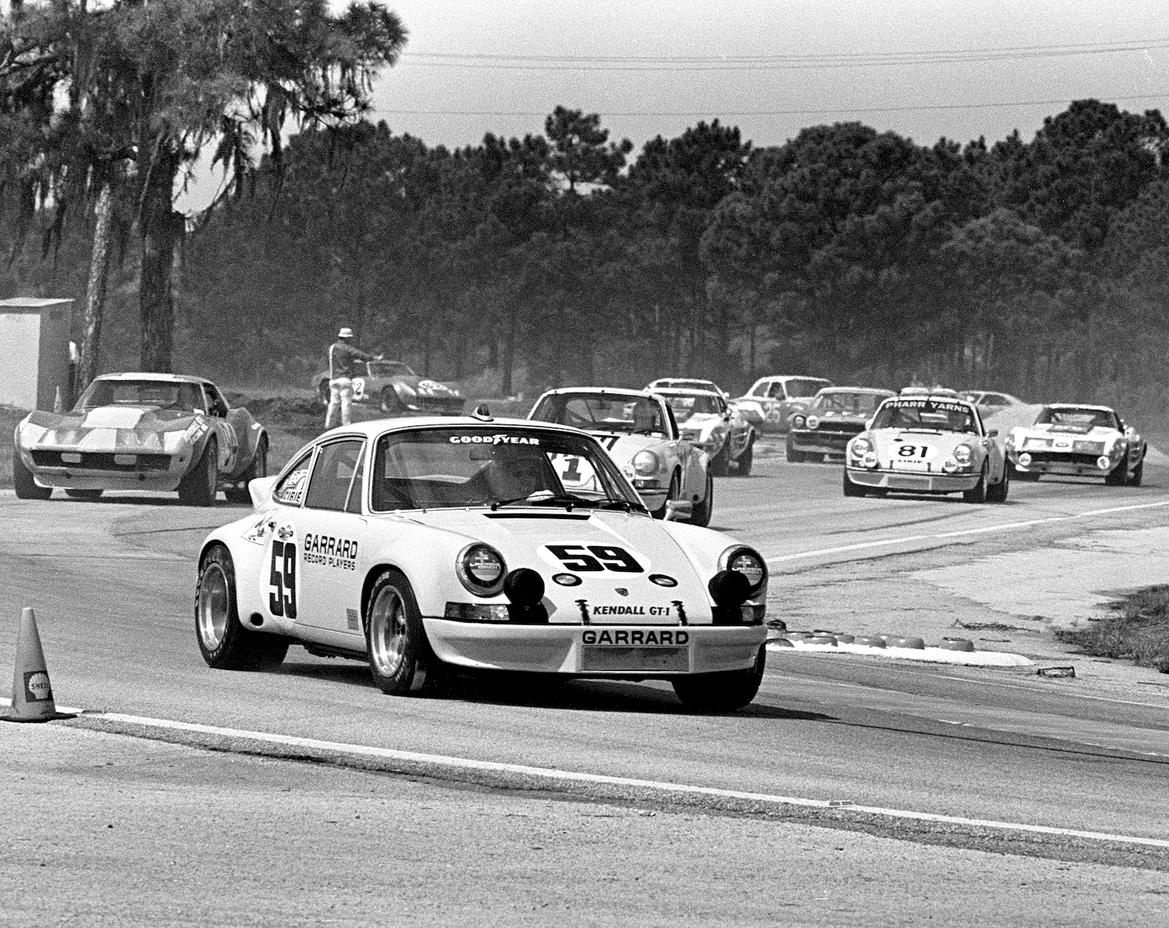
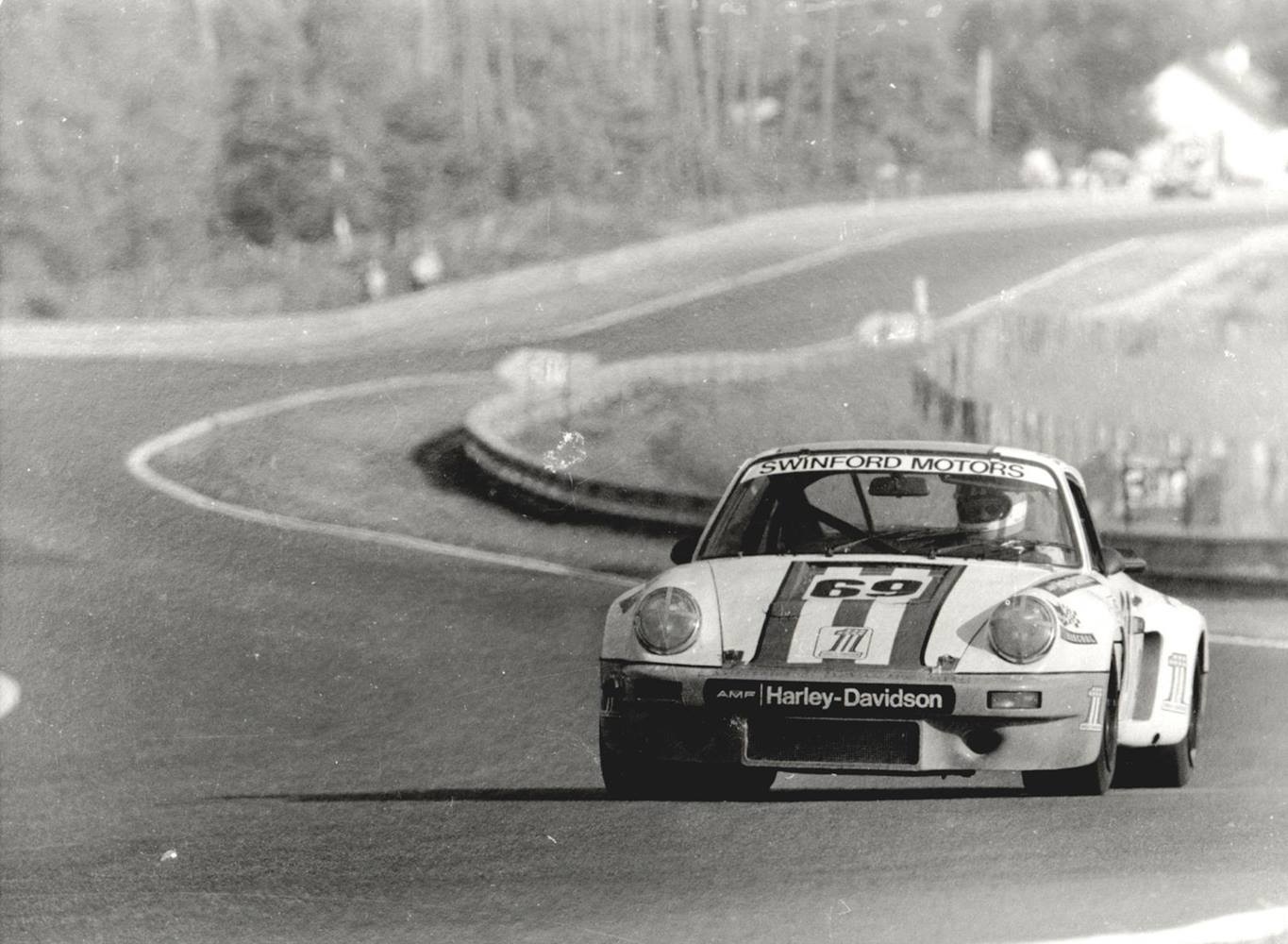
To walk around the 1974 Carrera RSR 3.0 is to be confronted by a masterclass in hostile, function-over-form motorsport packaging. While it technically wore the face of the new G-Series 911, the heavy federal impact bumpers were entirely absent, replaced by featherweight fiberglass facias. The front air dam swallowed the tarmac, featuring a cavernous central aperture designed to feed cool air to a massive, front-mounted oil cooler. But the most staggering visual departure from its 2.8-liter predecessor was the sheer, unbelievable width of the car. The steel unibody was stretched to its absolute structural limits to accommodate preposterously wide racing slicks. The fiberglass wheel arches swelled outward to house center-lock magnesium wheels—frequently the iconic BBS mesh or deep-dish Fuchs designs—measuring 10.5 inches wide at the front and a staggering 14 inches wide at the rear. At the tail, the delicate ducktail of 1973 was usurped by a massive, rubber-edged “whale tail” spoiler, wind-tunnel engineered to plant the massive rear tires into the asphalt at speeds approaching 270 km/h (170 mph). Beneath this sprawling wing sat the beating heart of the RSR: the legendary Type 911/75 flat-six. Utilizing the new, indestructible die-cast aluminum 3.0-liter crankcase, Hans Mezger’s team deployed every trick in the Zuffenhausen arsenal. They fitted twin-plug ignition, aggressive high-lift camshafts, and a highly complex Bosch mechanical fuel injection system featuring exotic, race-bred slide-valve throttles. The slide-valves provided an entirely unobstructed path for incoming air at full throttle, allowing the 2,993cc engine to breathe with terrifying efficiency. The result was a reliable 330 brake horsepower at a shrieking 8,000 rpm. To harness this fury, the chassis was aggressively reinforced, and the massive, cross-drilled braking system from the 917 prototype was once again employed to ensure the 900-kilogram missile could out-brake the heavier V12 and V8 competition.
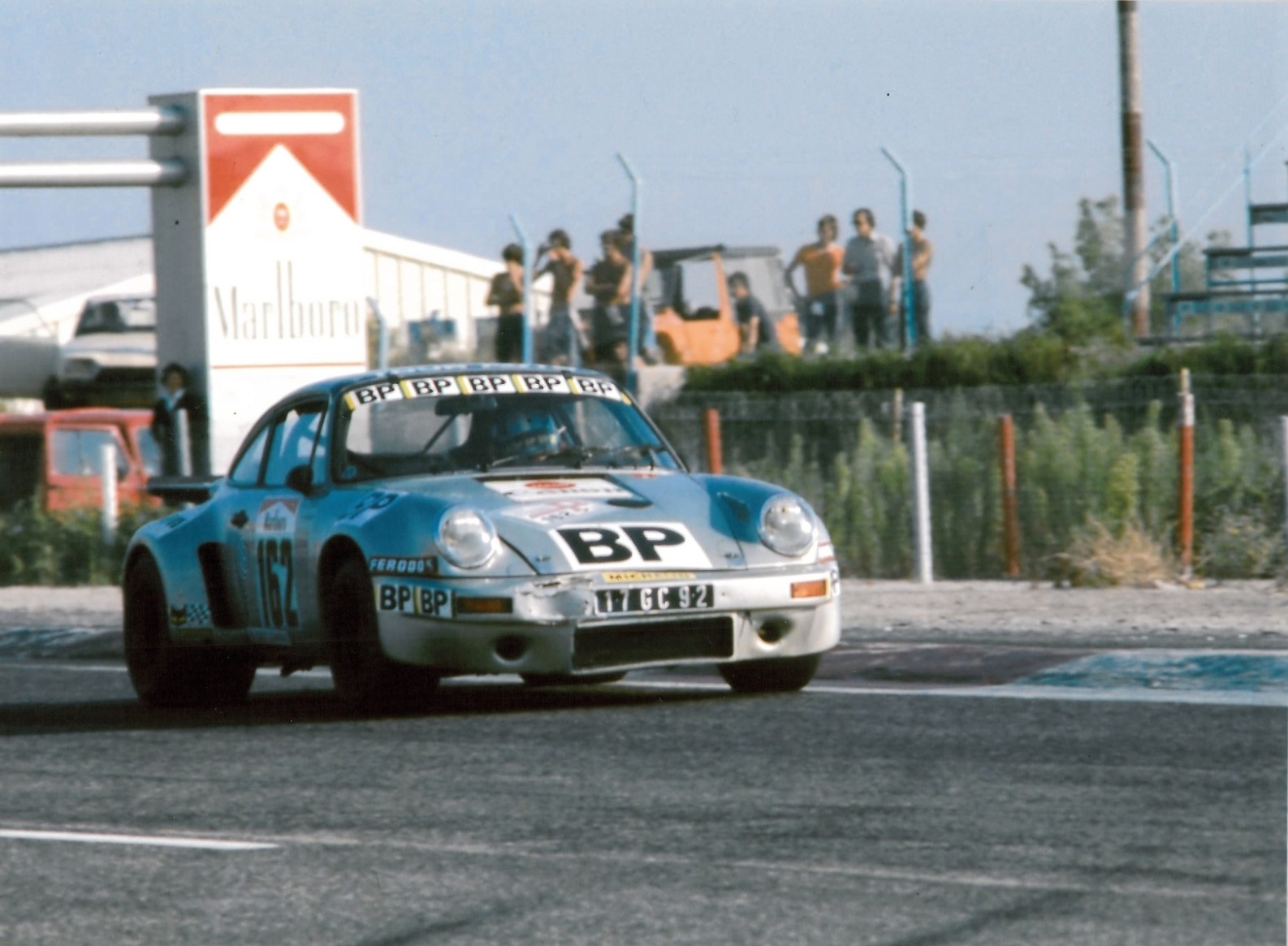
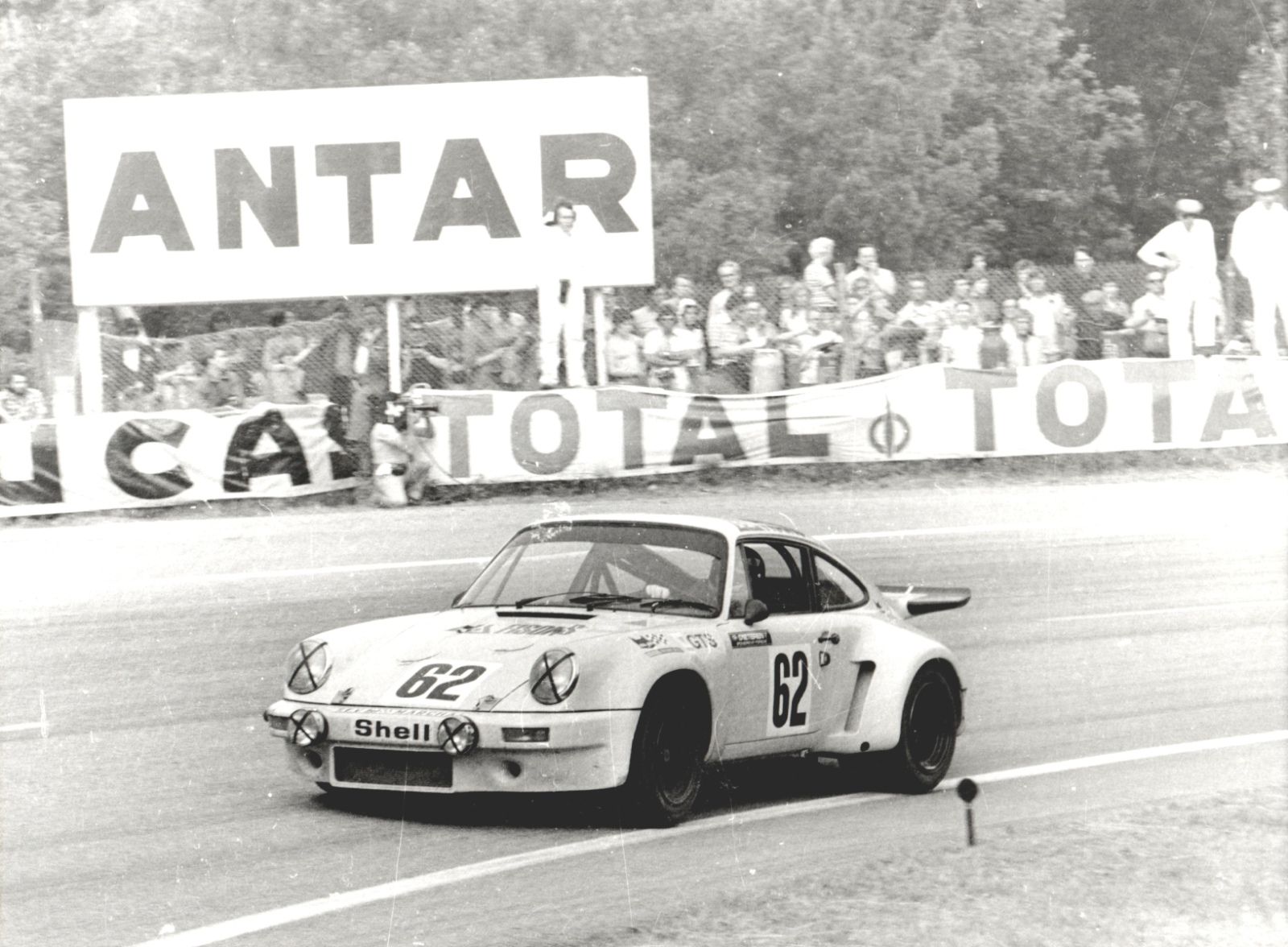
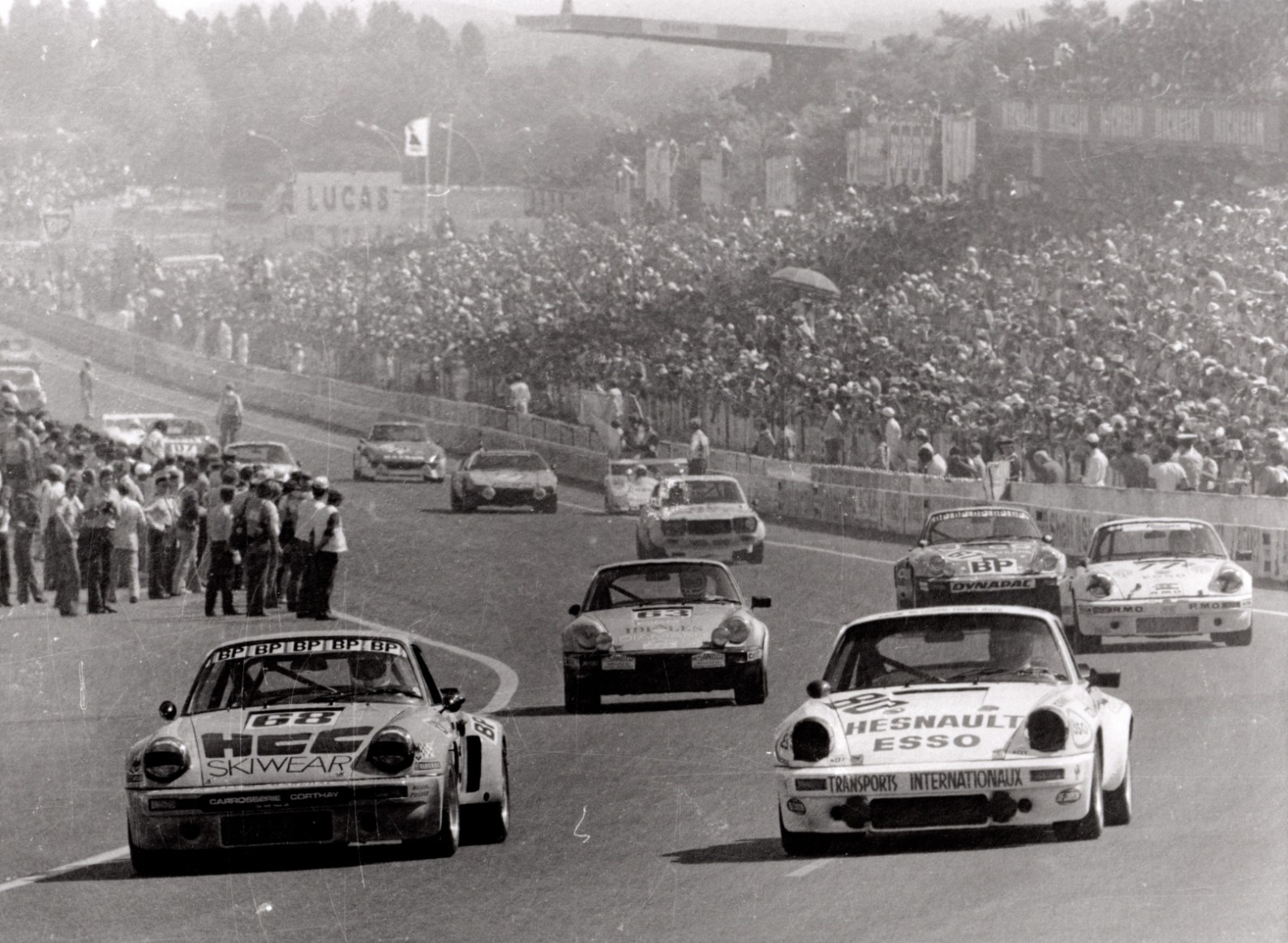
When unleashed onto the global circuits, the RSR 3.0 proved to be an invincible, turn-key giant-killer. It was the ultimate weapon of choice for Europe’s wealthiest and most fiercely competitive privateer outfits, birthing legendary rivalries between teams like Georg Loos’s Gelo Racing and Erwin Kremer’s Kremer Racing. These vibrant, sponsor-laden Porsches—from the bright orange Jägermeister liveries to the stark white and red Brumos colors—filled the grids of the Deutsche Rennsport Meisterschaft (DRM), the European GT Championship, and the World Sportscar Championship. The RSR 3.0 did not simply win its class; it routinely humiliated bespoke sports prototypes. At the 1974 24 Hours of Le Mans, a naturally aspirated Carrera RSR 3.0 campaigned by Gelo Racing finished a staggering 6th overall, completely dominating the Group 4 category. Across the Atlantic, the American Brumos Racing squad, led by Peter Gregg and Hurley Haywood, utilized the bulletproof reliability and immense mechanical grip of the RSR 3.0 to decimate the IMSA GT Championship and the Trans-Am series. The car’s supreme balance, communicative steering, and immediate slide-valve throttle response allowed skilled drivers to dance the wide-hipped 911 on the absolute limit of adhesion, lap after grueling lap, outlasting the fragile prototypes and thirstier V8s.
With roughly 50 original examples constructed by the racing department at Weissach, the 1974 Porsche 911 Carrera RSR 3.0 remains one of the rarest and most fiercely coveted blue-chip competition Porsches in existence. It was the magnificent, roaring culmination of the naturally aspirated 911 racing lineage. By 1976, the FIA regulations would shift, and Porsche would introduce the turbocharged 934 to conquer Group 4, forever changing the auditory and dynamic signature of GT racing. Thus, the RSR 3.0 stands as the ultimate, unfiltered expression of the classic air-cooled ethos. It is remembered as a screaming, slide-valve symphony of mechanical grip—a brutally wide, uncompromising endurance weapon that allowed privateers to buy a car on Friday and spray champagne on the outright podium on Sunday.
Brand
Produced from
Portal
Vehicle category
Model line
Model generation
Predecessor
Sucessor
Brand
Produced from
Portal
Vehicle category
Model line
Model generation
Predecessor
Sucessor
Submodel Overview
In the fiercely contested arenas of international endurance racing, resting on one’s laurels is a guaranteed recipe for obsolescence. Zuffenhausen had utterly decimated the 1973 season with the 2.8-liter Carrera RSR, but as the 1974 World Sportscar Championship loomed, the battle lines were being aggressively redrawn. The FIA Group 4 Special GT category was rapidly transforming into a playground for muscular, aerodynamically radical machinery. Munich had weaponized the BMW E9 3.0 CSL ‘Batmobile’ with massive aerodynamic aids, while the brute force of the V8-powered De Tomaso Panteras and Chevrolet Corvettes threatened Porsche’s hard-won supremacy. Furthermore, Stuttgart had just transitioned the entire 911 lineup to the impact-bumpered G-Series generation. To ensure they remained the undisputed apex predators of the GT class, Porsche orchestrated a brilliant homologation maneuver. By building a mere 54 examples of the street-legal Carrera RS 3.0, they unlocked the bureaucratic doorway to unleash their true, uncompromising track weapon: the 1974 Porsche 911 Carrera RSR 3.0. Built exclusively for elite privateer teams and the world’s most capable factory-supported drivers, this was not a modified street car; it was a pure, unadulterated racing leviathan that represented the absolute zenith of naturally aspirated, air-cooled performance before the turbocharged era irrevocably altered the landscape.
To walk around the 1974 Carrera RSR 3.0 is to be confronted by a masterclass in hostile, function-over-form motorsport packaging. While it technically wore the face of the new G-Series 911, the heavy federal impact bumpers were entirely absent, replaced by featherweight fiberglass facias. The front air dam swallowed the tarmac, featuring a cavernous central aperture designed to feed cool air to a massive, front-mounted oil cooler. But the most staggering visual departure from its 2.8-liter predecessor was the sheer, unbelievable width of the car. The steel unibody was stretched to its absolute structural limits to accommodate preposterously wide racing slicks. The fiberglass wheel arches swelled outward to house center-lock magnesium wheels—frequently the iconic BBS mesh or deep-dish Fuchs designs—measuring 10.5 inches wide at the front and a staggering 14 inches wide at the rear. At the tail, the delicate ducktail of 1973 was usurped by a massive, rubber-edged “whale tail” spoiler, wind-tunnel engineered to plant the massive rear tires into the asphalt at speeds approaching 270 km/h (170 mph). Beneath this sprawling wing sat the beating heart of the RSR: the legendary Type 911/75 flat-six. Utilizing the new, indestructible die-cast aluminum 3.0-liter crankcase, Hans Mezger’s team deployed every trick in the Zuffenhausen arsenal. They fitted twin-plug ignition, aggressive high-lift camshafts, and a highly complex Bosch mechanical fuel injection system featuring exotic, race-bred slide-valve throttles. The slide-valves provided an entirely unobstructed path for incoming air at full throttle, allowing the 2,993cc engine to breathe with terrifying efficiency. The result was a reliable 330 brake horsepower at a shrieking 8,000 rpm. To harness this fury, the chassis was aggressively reinforced, and the massive, cross-drilled braking system from the 917 prototype was once again employed to ensure the 900-kilogram missile could out-brake the heavier V12 and V8 competition.
When unleashed onto the global circuits, the RSR 3.0 proved to be an invincible, turn-key giant-killer. It was the ultimate weapon of choice for Europe’s wealthiest and most fiercely competitive privateer outfits, birthing legendary rivalries between teams like Georg Loos’s Gelo Racing and Erwin Kremer’s Kremer Racing. These vibrant, sponsor-laden Porsches—from the bright orange Jägermeister liveries to the stark white and red Brumos colors—filled the grids of the Deutsche Rennsport Meisterschaft (DRM), the European GT Championship, and the World Sportscar Championship. The RSR 3.0 did not simply win its class; it routinely humiliated bespoke sports prototypes. At the 1974 24 Hours of Le Mans, a naturally aspirated Carrera RSR 3.0 campaigned by Gelo Racing finished a staggering 6th overall, completely dominating the Group 4 category. Across the Atlantic, the American Brumos Racing squad, led by Peter Gregg and Hurley Haywood, utilized the bulletproof reliability and immense mechanical grip of the RSR 3.0 to decimate the IMSA GT Championship and the Trans-Am series. The car’s supreme balance, communicative steering, and immediate slide-valve throttle response allowed skilled drivers to dance the wide-hipped 911 on the absolute limit of adhesion, lap after grueling lap, outlasting the fragile prototypes and thirstier V8s.
With roughly 50 original examples constructed by the racing department at Weissach, the 1974 Porsche 911 Carrera RSR 3.0 remains one of the rarest and most fiercely coveted blue-chip competition Porsches in existence. It was the magnificent, roaring culmination of the naturally aspirated 911 racing lineage. By 1976, the FIA regulations would shift, and Porsche would introduce the turbocharged 934 to conquer Group 4, forever changing the auditory and dynamic signature of GT racing. Thus, the RSR 3.0 stands as the ultimate, unfiltered expression of the classic air-cooled ethos. It is remembered as a screaming, slide-valve symphony of mechanical grip—a brutally wide, uncompromising endurance weapon that allowed privateers to buy a car on Friday and spray champagne on the outright podium on Sunday.
Tech Specs
Technical Specifications
Tech Specs
Technical Specifications
Engine
01
03
Internal combustion engine
Configuration
Porsche Type 911/75, Flat-6 (Boxer) - Air-cooled
Location
Rear, longitudinally mounted
Construction
Aluminium alloy block and heads
Displacement (cc)
2,994 cc
Displacement (cu in)
182.7 cu in
Compression
10.3:1
Bore x Stroke
95.0 mm x 70.4 mm
Valvetrain
2 valves per cylinder, SOHC
Fuel feed
Bosch mechanical fuel injection (MFI) with slide-valve throttles and dual ignition
Lubrication
Dry sump
Aspiration
Naturally aspirated
Output
Power (hp)
330 hp
Power (kW)
246 kW
Max power at
8,000 RPM
Torque (Nm)
314 Nm
Torque (ft lbs)
232 ft lbs
Max torque at
6,500 RPM
Drivetrain
02
03
Chassis
Type
Monocoque unibody
Material
Lightweight steel
Body
Material
Steel with Fibreglass (GRP) bumpers, widened vented fenders, and engine lid ("Whale tail")
Transmission
Gearbox
Porsche Type 915, 5-speed manual (with external oil cooler)
Drive
Rear Wheel Drive (Limited Slip Differential)
Suspension
Front
Independent, McPherson struts, titanium coil springs over telescopic dampers, adjustable anti-roll bar
Rear
Independent, semi-trailing arms, titanium coil springs over telescopic dampers, adjustable anti-roll bar
Steering
Type
ZF rack and pinion, unassisted
Brakes
Front
Ventilated and cross-drilled steel discs (Porsche 917 derived), 4-piston finned aluminium calipers
Rear
Ventilated and cross-drilled steel discs (Porsche 917 derived), 4-piston finned aluminium calipers
Wheels
Front
10.5" x 15" (Center-lock BBS/Mahle or Fuchs)
Rear
14" x 15" (Center-lock BBS/Mahle or Fuchs)
Tires
Front
245/600-15
Rear
340/700-15
Dimensions and performance
03
03
Dimensions
Length (mm)
4,235 mm
Length (in)
166.7 in
Width (mm)
~1,778 mm
Width (in)
~70.0 in
Height (mm)
1,280 mm
Height (in)
50.4 in
Wheelbase (mm)
2,271 mm
Wheelbase (in)
89.4 in
Weight (kg)
~900 kg
Weight (lbs)
~1,984 lbs
Performance
Power to weight
0.36 hp/kg
Top speed (km/h)
~280 km/h
Top speed (mph)
~174 mph
0-100 km/h (0-60 mph)
~3.8 s