Porsche 911 I (G-Modell)
Brand
Produced from
Vehicle category
Portal
Model line
Model generation
Predecessor
Generation Overview
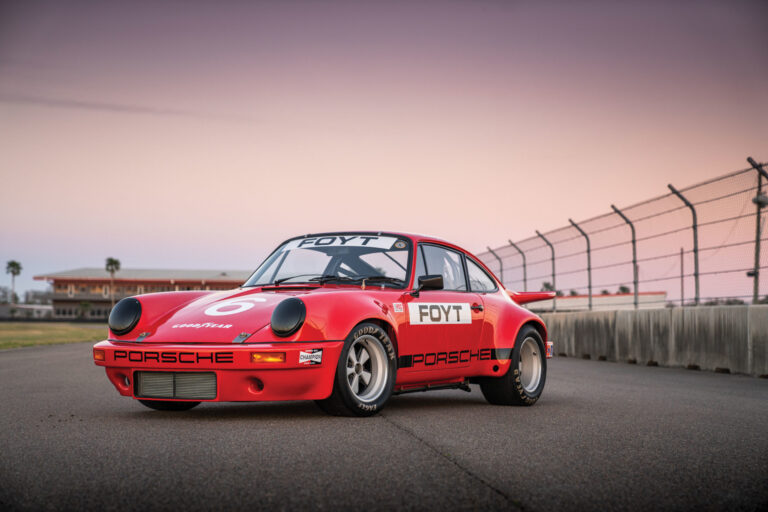
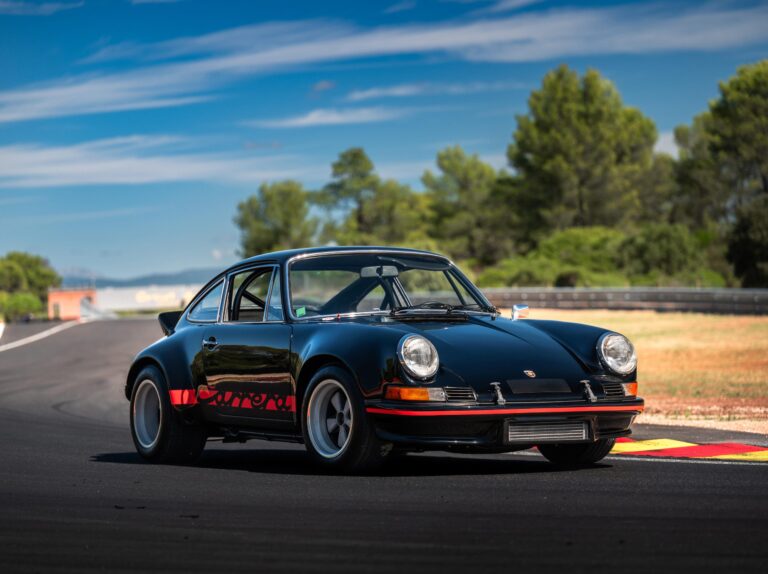
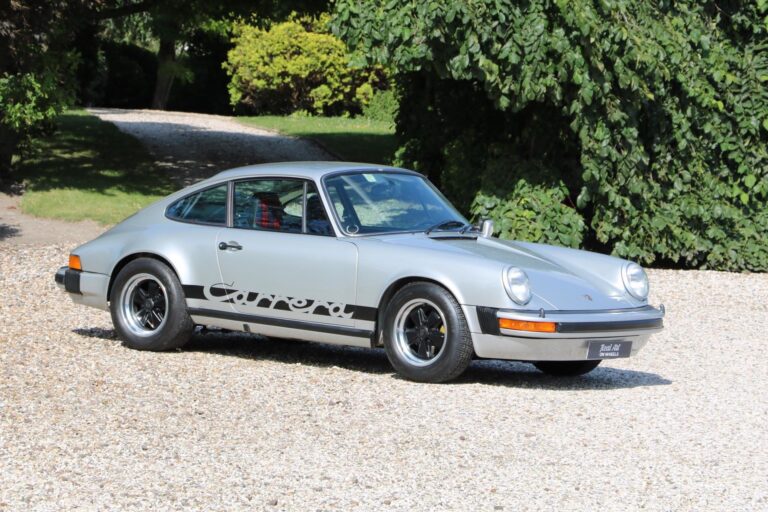
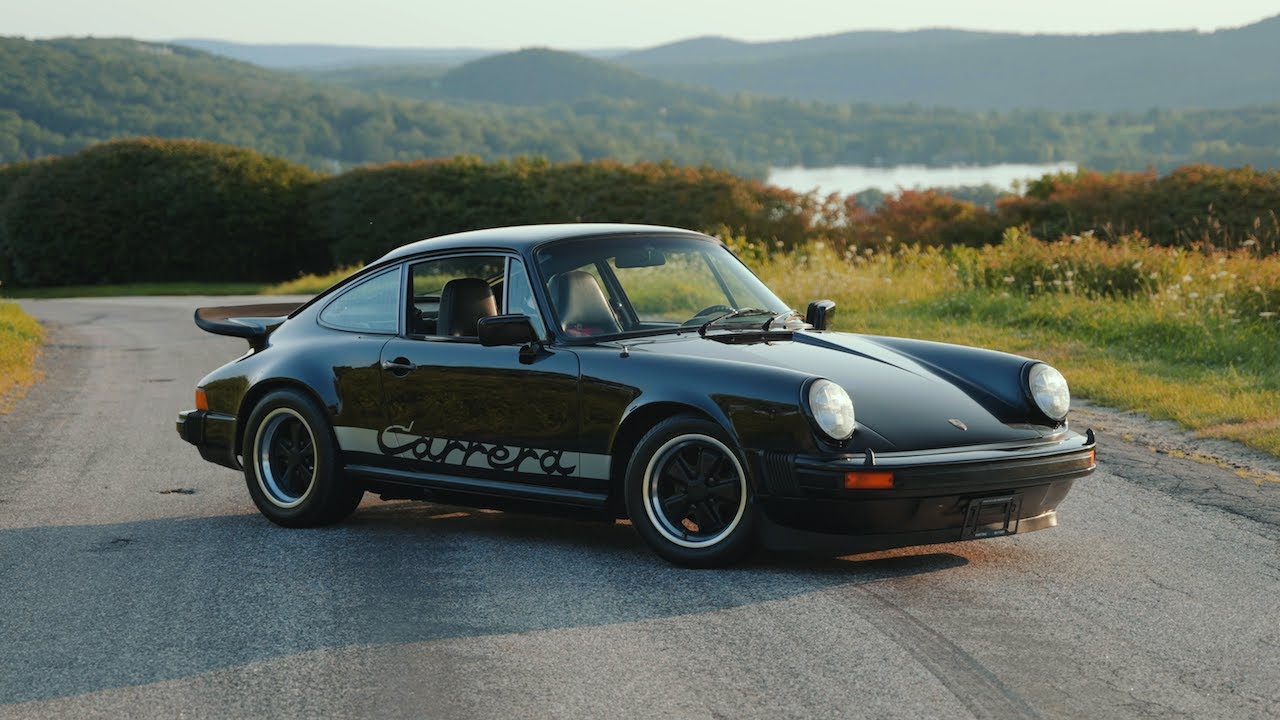
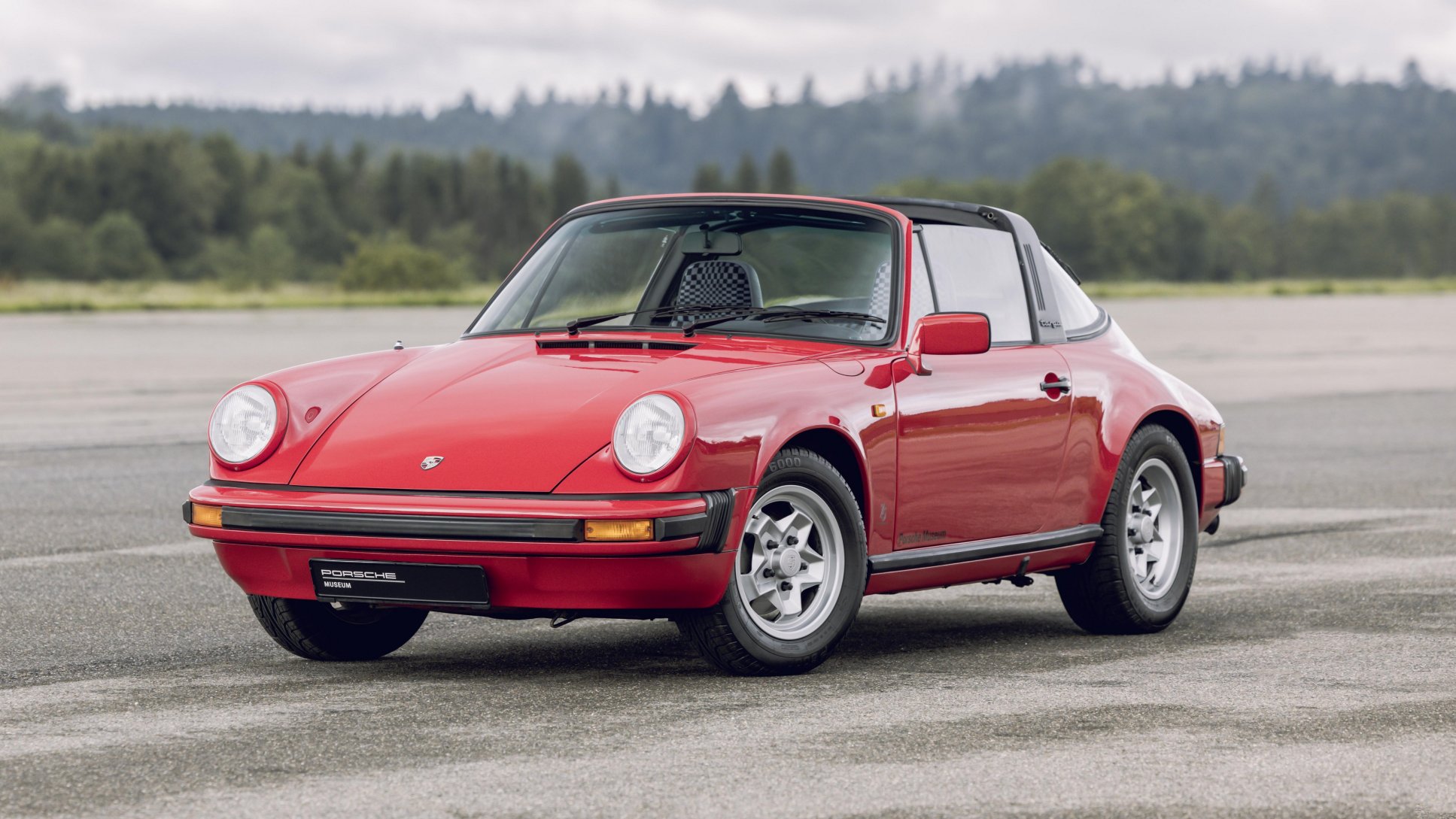
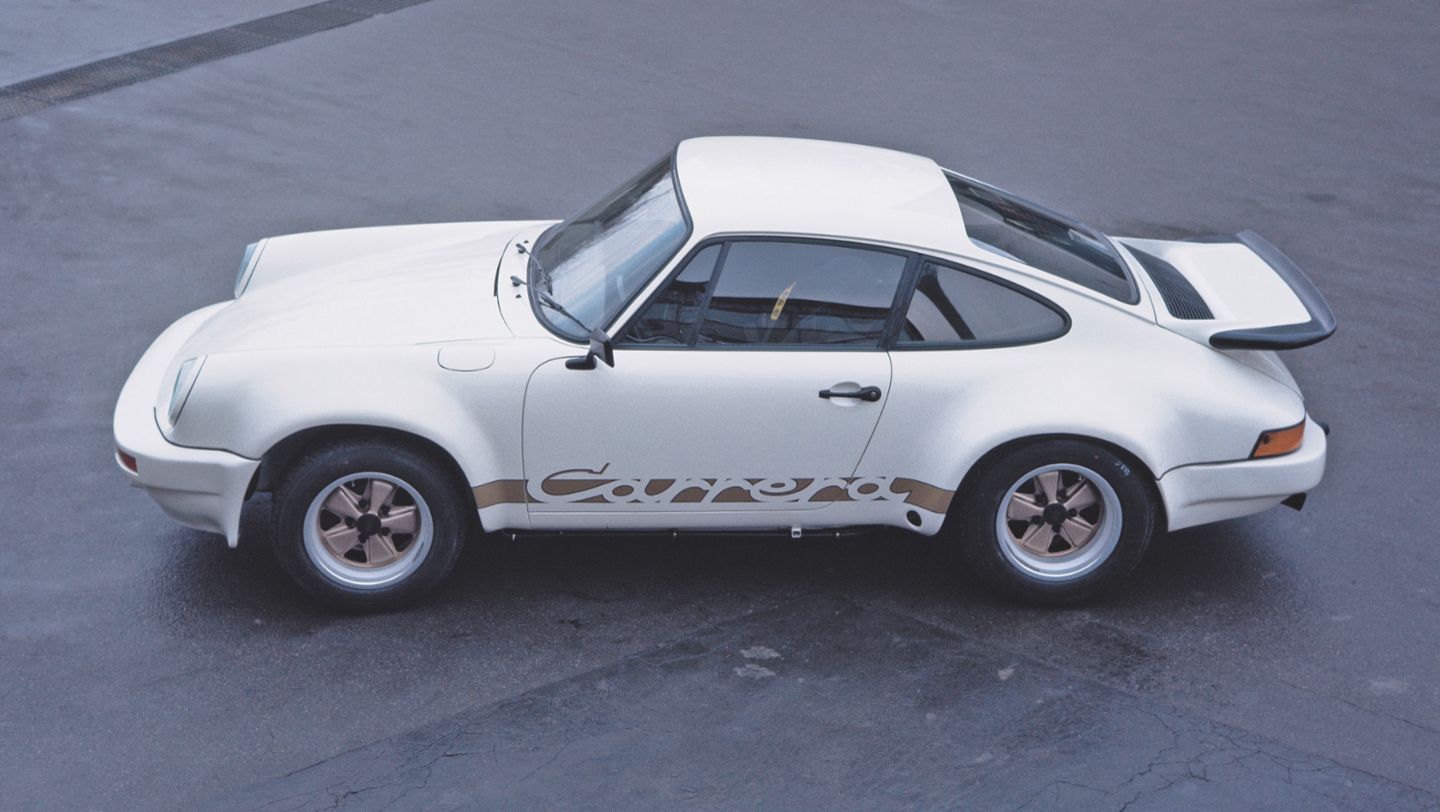
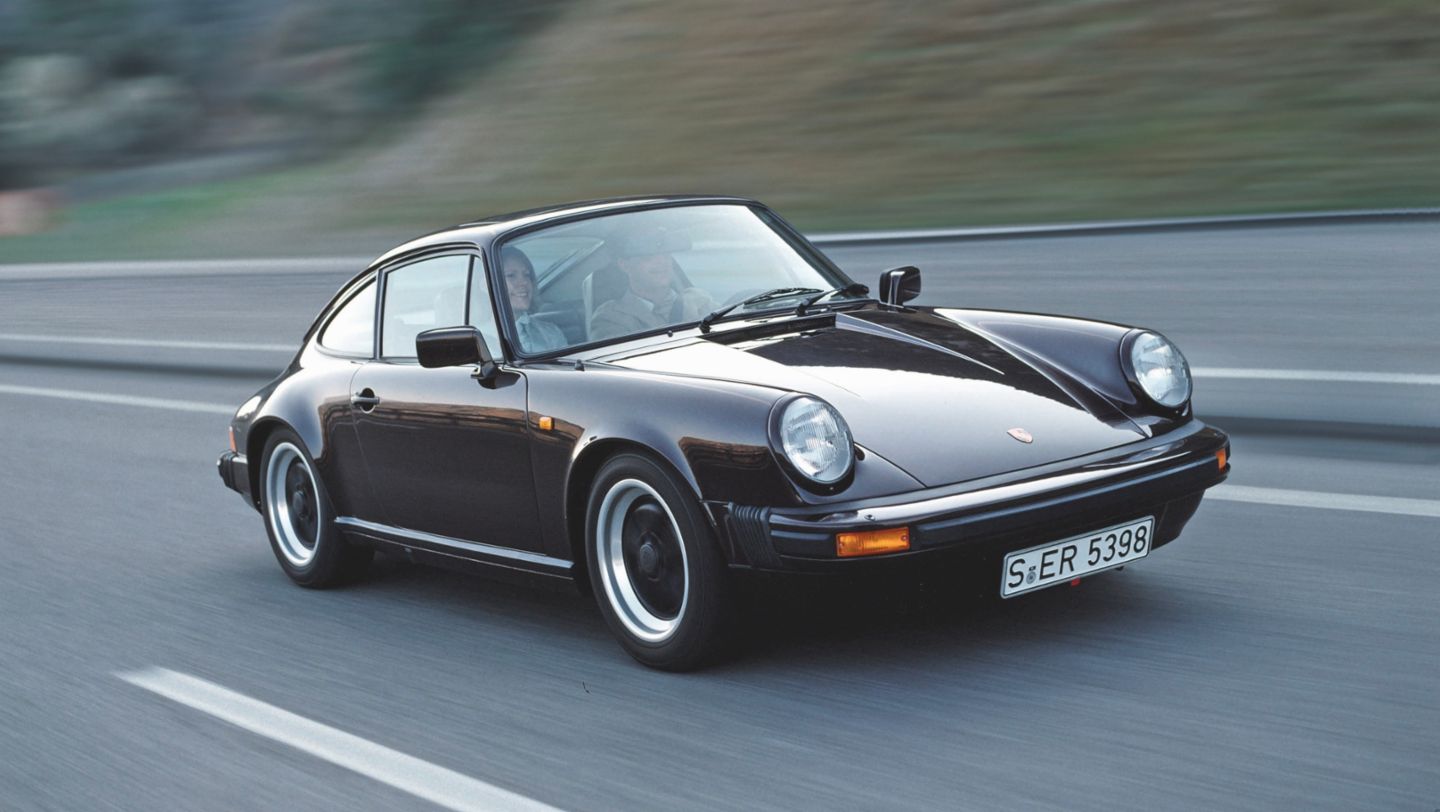
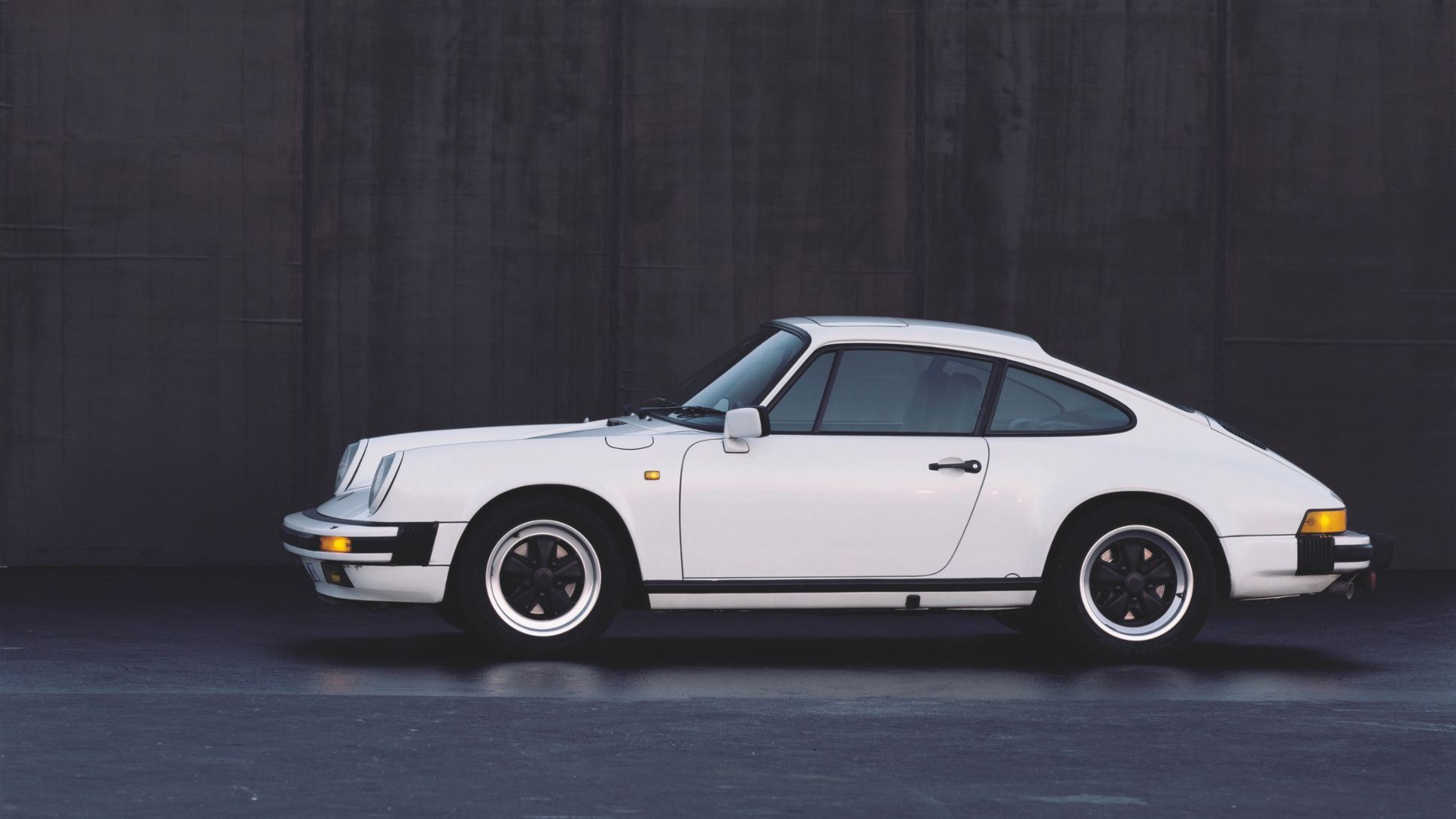
As the global automotive industry collided with the harsh realities of the 1973 oil crisis and draconian new American crash safety regulations, the delicate, chrome-bumpered European sports car was effectively sentenced to death. At Zuffenhausen, the brilliant minds behind the original Porsche 911 Urmodell faced an existential ultimatum: adapt their beloved rear-engined silhouette to survive, or let it perish entirely. The resounding, triumphant answer arrived for the 1974 model year with the introduction of the Porsche 911 G-Modell. This generation, which would astoundingly remain in continuous production for fifteen years until 1989, represents the most significant, transformative, and enduring era of the classic air-cooled lineage. It was a masterful act of engineering defiance, taking the stringent five-mile-per-hour impact mandates and seamlessly integrating them into the 911’s iconic teardrop shape. The G-Series birthed a sprawling, magnificent family tree of submodels, evolving from the initial 2.7-liter Carreras and the bulletproof 3.0-liter 911 SC, to the highly refined 3.2 Carrera, while famously unleashing the terrifying, lag-heavy 930 Turbo upon an unsuspecting world. In the showrooms, the G-Modell stood toe-to-toe against the mid-engined exoticism of the Ferrari 308 GTB, the wedge-shaped Lotus Esprit, and the muscular Chevrolet Corvette C3, proving conclusively that teutonic pragmatism, surgical handling, and unyielding build quality could conquer the glamorous grand touring market.
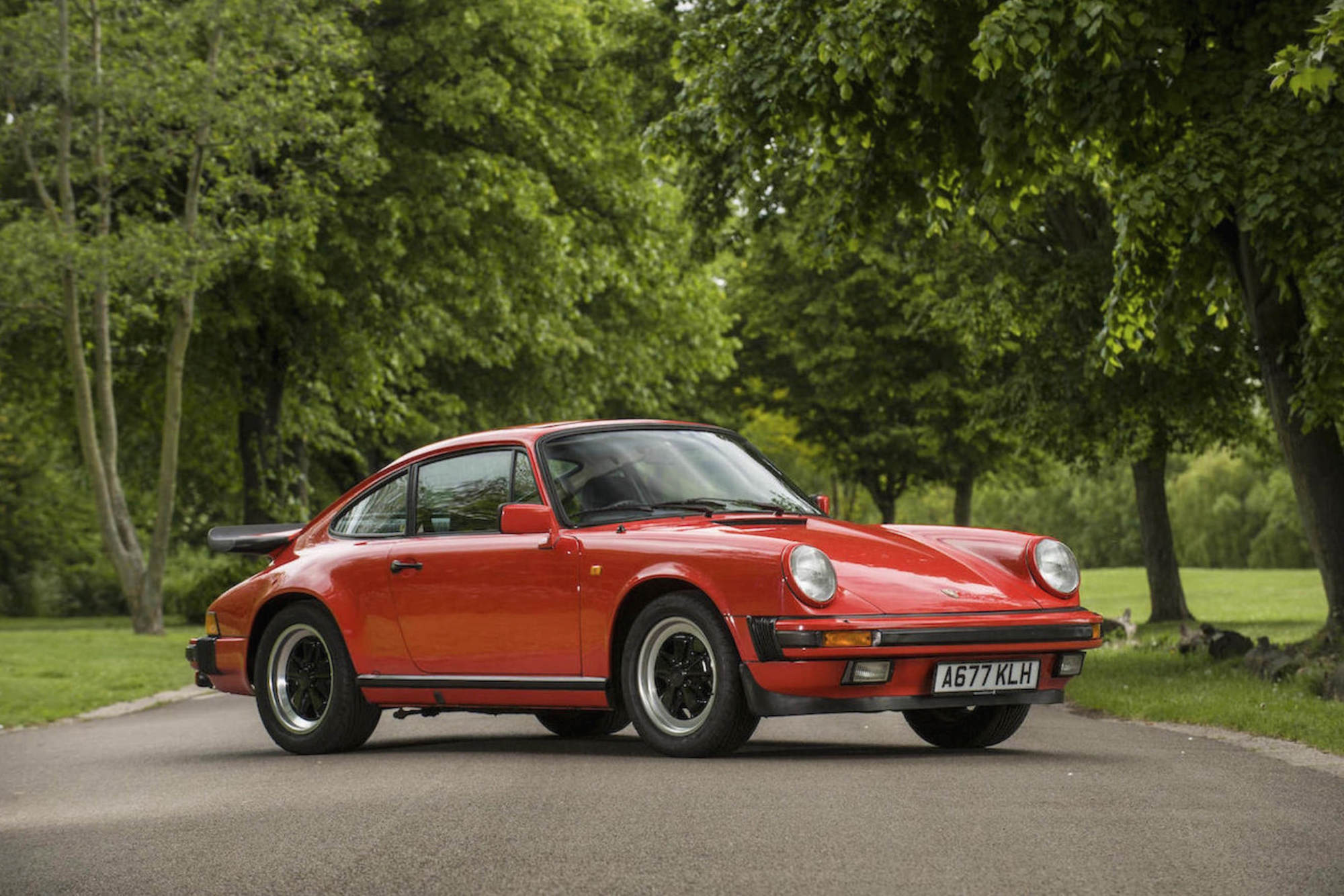
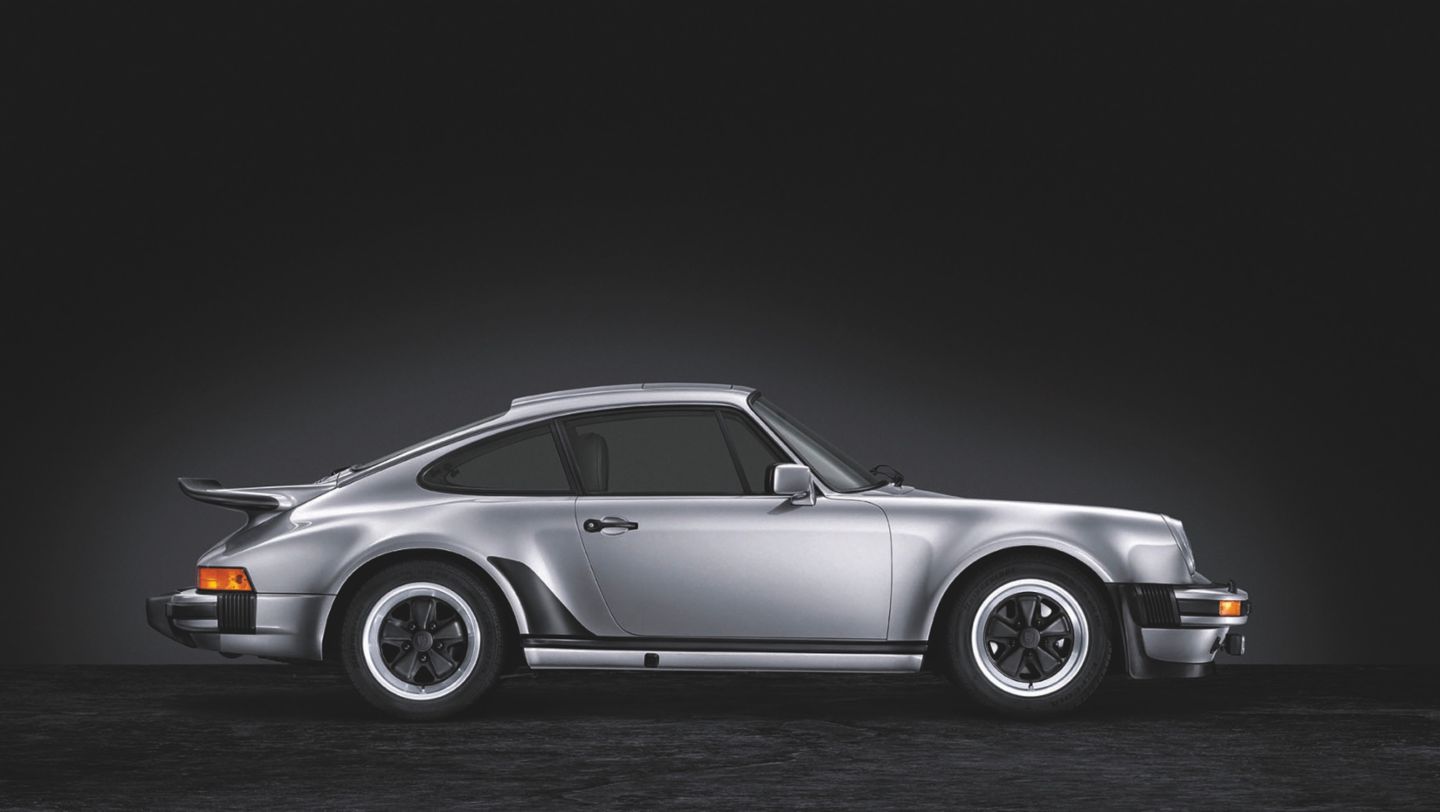
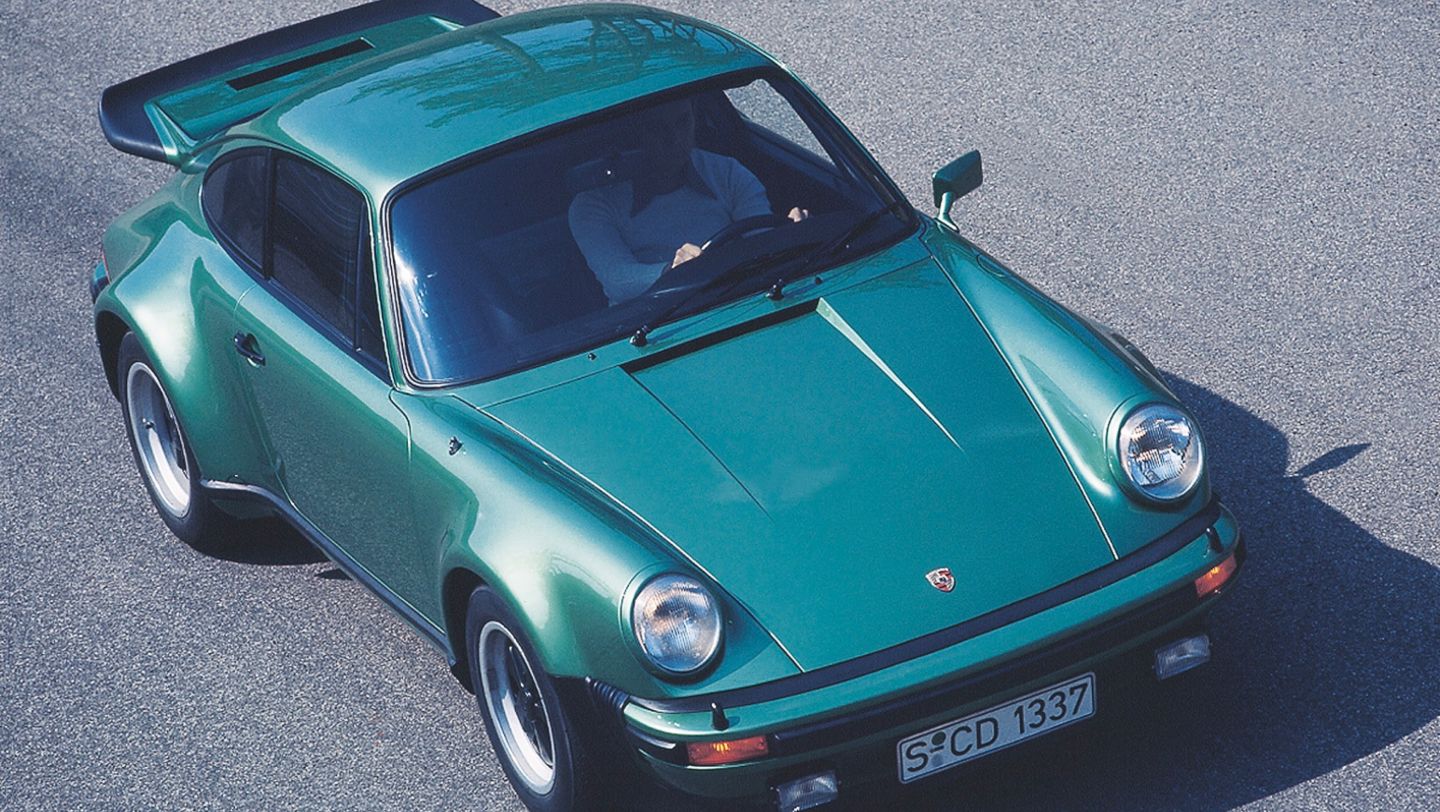
To inspect the G-Modell is to witness a masterpiece of forced aesthetic evolution. The defining visual characteristic of this era is the impact bumper system, connected to the chassis via energy-absorbing shock mounts and seamlessly integrated into the bodywork with distinctive black rubber accordion bellows, known affectionately as Faltenbälge. Rather than ruining Butzi Porsche’s original lines, these bumpers gave the car a wider, more muscular, and distinctly modern jawline. Beneath the galvanized steel body shell—a crucial mid-70s innovation that finally eradicated the 911’s notorious rust issues—the mechanical architecture was relentlessly refined. The air-cooled flat-six grew from the magnesium-cased 2.7-liter units, which relied on Bosch K-Jetronic fuel injection, into the practically indestructible aluminum-cased 3.0-liter of the SC, eventually culminating in the 3.2-liter Carrera equipped with sophisticated Bosch Motronic engine management. Of course, the absolute mechanical apex of the G-Series was the 930 Turbo, which bolted a KKK turbocharger to the flat-six, creating a wide-hipped, 260-horsepower (and later 300-horsepower) monster that demanded absolute respect and lightning-fast reflexes from its driver. The chassis retained its McPherson strut and torsion bar layout but was constantly updated with wider tracks, thicker anti-roll bars, and staggered Fuchs alloy wheels to tame the inherent rear-engine pendulum effect. Inside the cabin, the layout remained stubbornly loyal to the 1963 original, featuring the sacred five-dial instrument binnacle and the left-handed ignition slot, though later models introduced highly supportive “tombstone” high-back seats, improved climate controls, and the beloved G50 five-speed transaxle to satisfy the demands of wealthy 1980s buyers.
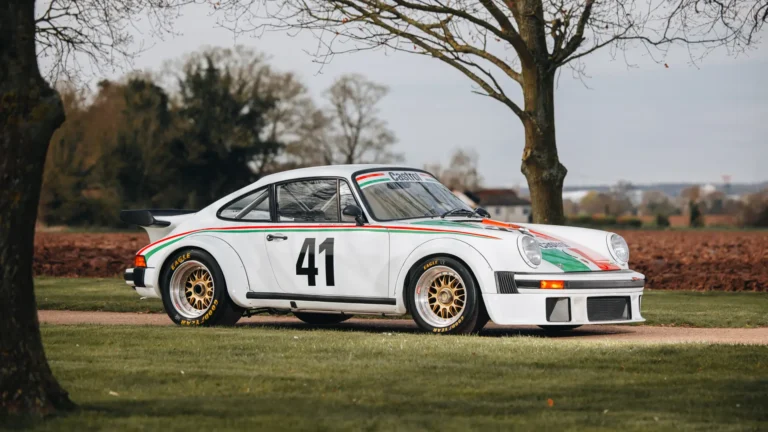
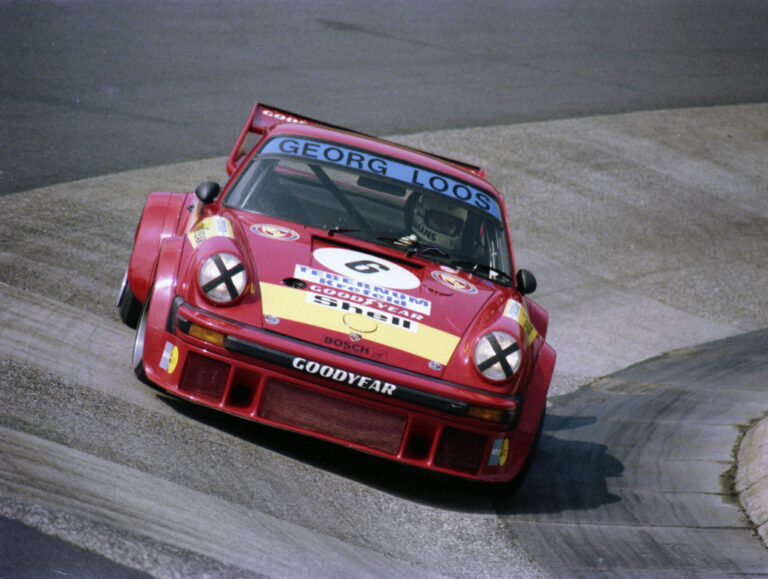
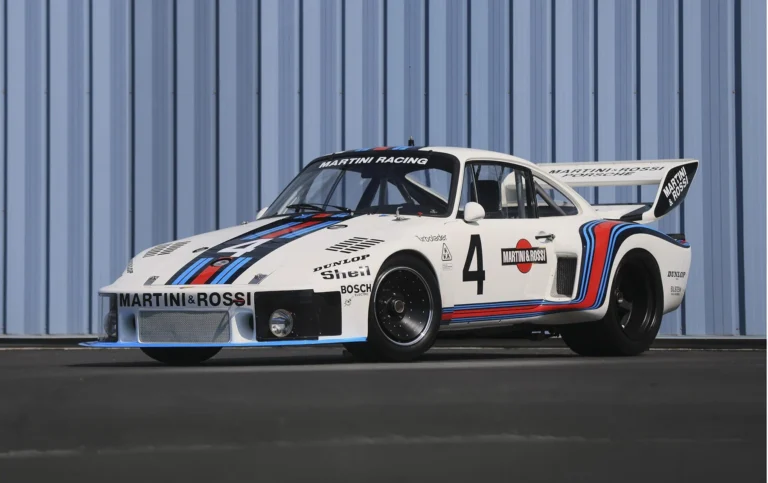
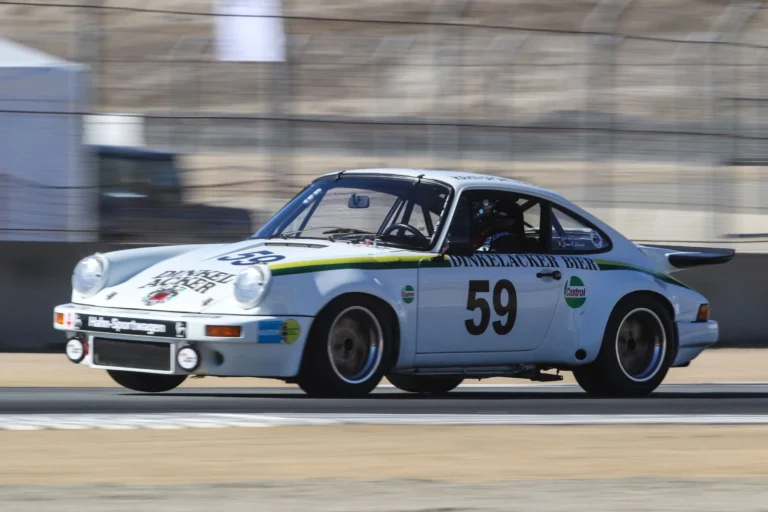
The impact of the G-Series stretches far beyond mere sales figures; it single-handedly saved the 911 from corporate extinction. In the late 1970s, Porsche’s own executive board, led by Ernst Fuhrmann, was convinced that the rear-engine layout was a technological dead end, fully intending to replace the 911 with the front-engined, V8-powered 928 grand tourer. It was the fierce, unwavering customer demand for the G-Modell—specifically the immensely successful 911 SC—that forced incoming CEO Peter W. Schutz to infamously extend the 911’s timeline on the boardroom chalkboard, granting the car a permanent reprieve. On the racetrack, the G-Modell architecture served as the indestructible foundation for Porsche’s most terrifying motorsport weapons. The standard tub was widened, turbocharged, and cloaked in fiberglass to create the Group 4 934 and the utterly dominant Group 5 935 ‘Moby Dick’ silhouette racers, which crushed the competition at Le Mans and Daytona. In the dirt, the Rothmans-liveried 911 SC RS proved to be a formidable rear-wheel-drive weapon in Group B rallying, eventually leading to the all-wheel-drive 953 that conquered the grueling Paris-Dakar rally. On the street, the G-Series, particularly the Guards Red 3.2 Carrera equipped with the iconic “whale tail” spoiler, became the ultimate pop-culture status symbol of the 1980s. It was the vehicle of choice for Wall Street titans, Hollywood stars, and automotive purists alike, cementing the 911’s dual reputation as both a reliable daily driver and a weekend canyon-carving weapon.
The legacy of the 1974 Porsche 911 G-Modell is impossible to overstate in the context of sports car history. Over its remarkable fifteen-year production run, it transformed the 911 from a delicate, specialized 1960s sports car into an immortal, globally recognized icon of performance and durability. It navigated the darkest days of the oil crisis, outlived its intended successor, and emerged as the undisputed king of the sports car market, entirely defeating the corporate attempts to kill it off. When it finally passed the torch to the heavily modernized, coil-sprung 964 generation in late 1989, the G-Series had successfully codified exactly what a 911 was supposed to look, sound, and feel like in the modern era. Today, the impact-bumper G-Series represents the definitive classic Porsche experience for an entire generation of enthusiasts. It remains a monumental fixture in the pantheon of automobilism—a triumph of continuous, stubborn engineering evolution that proved the air-cooled, rear-engine dream was not only viable, but capable of outlasting and outperforming every conventional rival on earth.
Portal
Model line
Model generation
Predecessor
Brand
Produced from
Vehicle category
Generation Overview
As the global automotive industry collided with the harsh realities of the 1973 oil crisis and draconian new American crash safety regulations, the delicate, chrome-bumpered European sports car was effectively sentenced to death. At Zuffenhausen, the brilliant minds behind the original Porsche 911 Urmodell faced an existential ultimatum: adapt their beloved rear-engined silhouette to survive, or let it perish entirely. The resounding, triumphant answer arrived for the 1974 model year with the introduction of the Porsche 911 G-Modell. This generation, which would astoundingly remain in continuous production for fifteen years until 1989, represents the most significant, transformative, and enduring era of the classic air-cooled lineage. It was a masterful act of engineering defiance, taking the stringent five-mile-per-hour impact mandates and seamlessly integrating them into the 911’s iconic teardrop shape. The G-Series birthed a sprawling, magnificent family tree of submodels, evolving from the initial 2.7-liter Carreras and the bulletproof 3.0-liter 911 SC, to the highly refined 3.2 Carrera, while famously unleashing the terrifying, lag-heavy 930 Turbo upon an unsuspecting world. In the showrooms, the G-Modell stood toe-to-toe against the mid-engined exoticism of the Ferrari 308 GTB, the wedge-shaped Lotus Esprit, and the muscular Chevrolet Corvette C3, proving conclusively that teutonic pragmatism, surgical handling, and unyielding build quality could conquer the glamorous grand touring market.
To inspect the G-Modell is to witness a masterpiece of forced aesthetic evolution. The defining visual characteristic of this era is the impact bumper system, connected to the chassis via energy-absorbing shock mounts and seamlessly integrated into the bodywork with distinctive black rubber accordion bellows, known affectionately as Faltenbälge. Rather than ruining Butzi Porsche’s original lines, these bumpers gave the car a wider, more muscular, and distinctly modern jawline. Beneath the galvanized steel body shell—a crucial mid-70s innovation that finally eradicated the 911’s notorious rust issues—the mechanical architecture was relentlessly refined. The air-cooled flat-six grew from the magnesium-cased 2.7-liter units, which relied on Bosch K-Jetronic fuel injection, into the practically indestructible aluminum-cased 3.0-liter of the SC, eventually culminating in the 3.2-liter Carrera equipped with sophisticated Bosch Motronic engine management. Of course, the absolute mechanical apex of the G-Series was the 930 Turbo, which bolted a KKK turbocharger to the flat-six, creating a wide-hipped, 260-horsepower (and later 300-horsepower) monster that demanded absolute respect and lightning-fast reflexes from its driver. The chassis retained its McPherson strut and torsion bar layout but was constantly updated with wider tracks, thicker anti-roll bars, and staggered Fuchs alloy wheels to tame the inherent rear-engine pendulum effect. Inside the cabin, the layout remained stubbornly loyal to the 1963 original, featuring the sacred five-dial instrument binnacle and the left-handed ignition slot, though later models introduced highly supportive “tombstone” high-back seats, improved climate controls, and the beloved G50 five-speed transaxle to satisfy the demands of wealthy 1980s buyers.
The impact of the G-Series stretches far beyond mere sales figures; it single-handedly saved the 911 from corporate extinction. In the late 1970s, Porsche’s own executive board, led by Ernst Fuhrmann, was convinced that the rear-engine layout was a technological dead end, fully intending to replace the 911 with the front-engined, V8-powered 928 grand tourer. It was the fierce, unwavering customer demand for the G-Modell—specifically the immensely successful 911 SC—that forced incoming CEO Peter W. Schutz to infamously extend the 911’s timeline on the boardroom chalkboard, granting the car a permanent reprieve. On the racetrack, the G-Modell architecture served as the indestructible foundation for Porsche’s most terrifying motorsport weapons. The standard tub was widened, turbocharged, and cloaked in fiberglass to create the Group 4 934 and the utterly dominant Group 5 935 ‘Moby Dick’ silhouette racers, which crushed the competition at Le Mans and Daytona. In the dirt, the Rothmans-liveried 911 SC RS proved to be a formidable rear-wheel-drive weapon in Group B rallying, eventually leading to the all-wheel-drive 953 that conquered the grueling Paris-Dakar rally. On the street, the G-Series, particularly the Guards Red 3.2 Carrera equipped with the iconic “whale tail” spoiler, became the ultimate pop-culture status symbol of the 1980s. It was the vehicle of choice for Wall Street titans, Hollywood stars, and automotive purists alike, cementing the 911’s dual reputation as both a reliable daily driver and a weekend canyon-carving weapon.
The legacy of the 1974 Porsche 911 G-Modell is impossible to overstate in the context of sports car history. Over its remarkable fifteen-year production run, it transformed the 911 from a delicate, specialized 1960s sports car into an immortal, globally recognized icon of performance and durability. It navigated the darkest days of the oil crisis, outlived its intended successor, and emerged as the undisputed king of the sports car market, entirely defeating the corporate attempts to kill it off. When it finally passed the torch to the heavily modernized, coil-sprung 964 generation in late 1989, the G-Series had successfully codified exactly what a 911 was supposed to look, sound, and feel like in the modern era. Today, the impact-bumper G-Series represents the definitive classic Porsche experience for an entire generation of enthusiasts. It remains a monumental fixture in the pantheon of automobilism—a triumph of continuous, stubborn engineering evolution that proved the air-cooled, rear-engine dream was not only viable, but capable of outlasting and outperforming every conventional rival on earth.
Submodels