
Porsche 934/5
Brand
Produced from
Portal
Vehicle category
Model line
Model generation
Predecessor
Successor
Submodel Overview
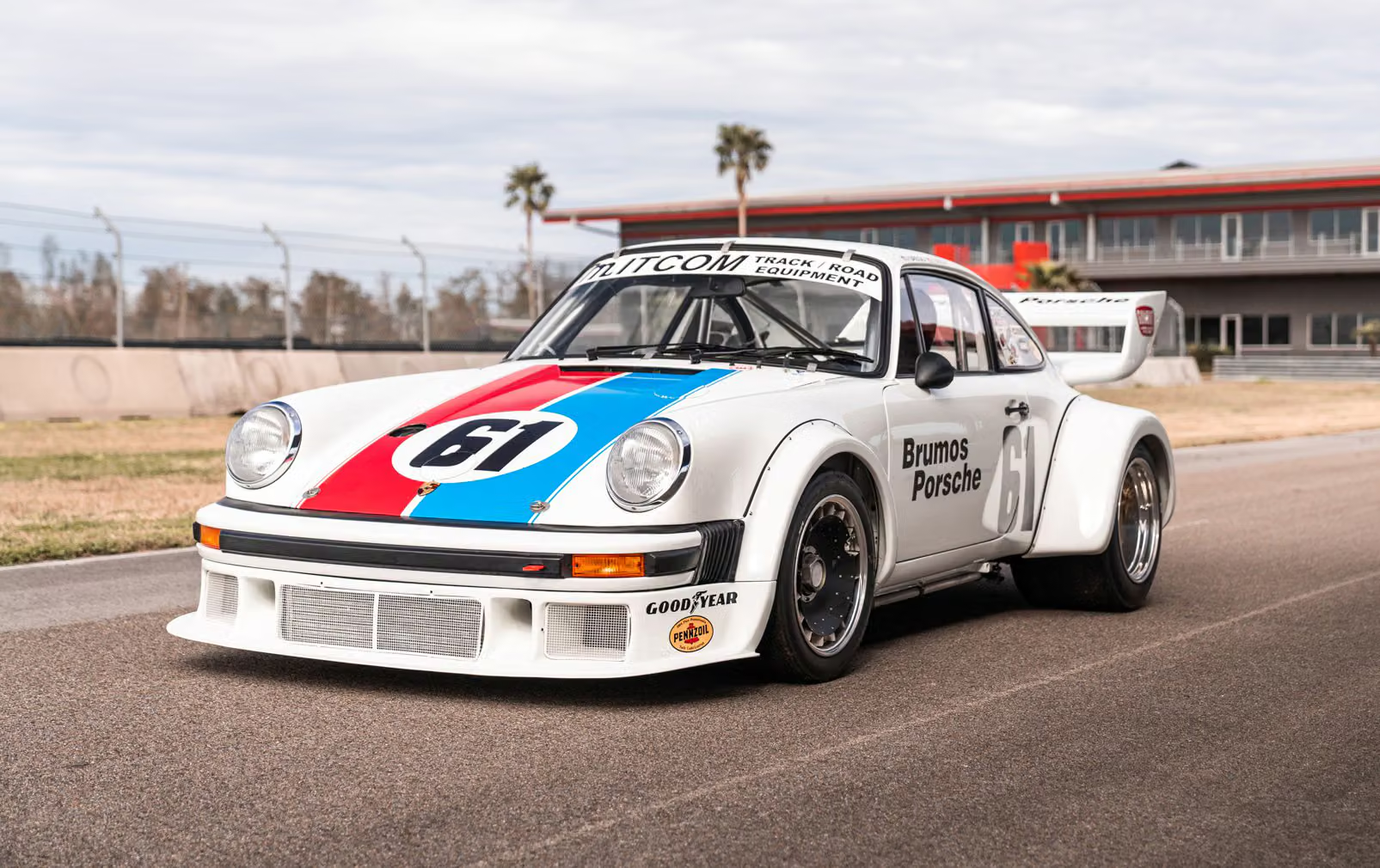
In the fiercely political and high-stakes arena of North American sports car racing during the late 1970s, rulebooks were often wielded as weapons. By 1977, Porsche had already established absolute global supremacy in endurance racing, deploying the Group 4 Porsche 934 for privateers and the wildly aerodynamic Group 5 Porsche 935 for the factory efforts. However, across the Atlantic, the landscape was governed by John Bishop’s International Motor Sports Association (IMSA). Fearing that the radical, slant-nosed 935 would instantly render the spectacular American AAGT class—dominated by V8-powered Chevrolet Monzas and Corvettes—entirely obsolete, Bishop drew a hard line in the sand. He refused to allow the full 935 to compete in the Camel GT Challenge. In a brilliant, pragmatic attempt to appease the American organizers while still delivering a world-beating weapon to their most loyal customer teams, Zuffenhausen conceptualized a bespoke, limited-run compromise. They took the homologated 934 chassis, grafted on the immense rear-end aerodynamics of the 935, and birthed the 1977 Porsche 934/5. With only ten factory-built examples ever rolling out of the Weissach racing department, it was a spectacular, wide-hipped Frankenstein that ultimately sparked one of the greatest political controversies in the history of American motorsport.
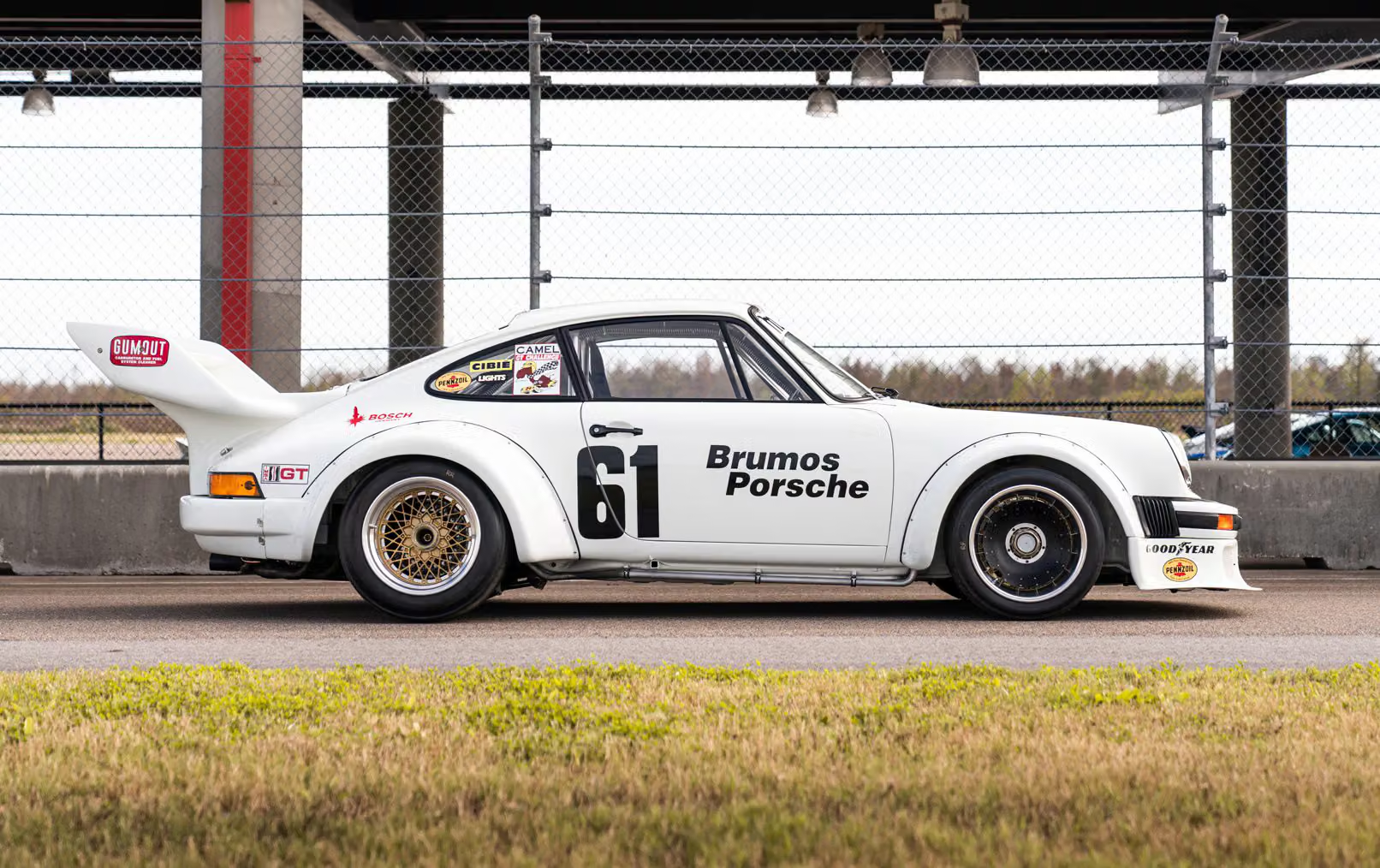
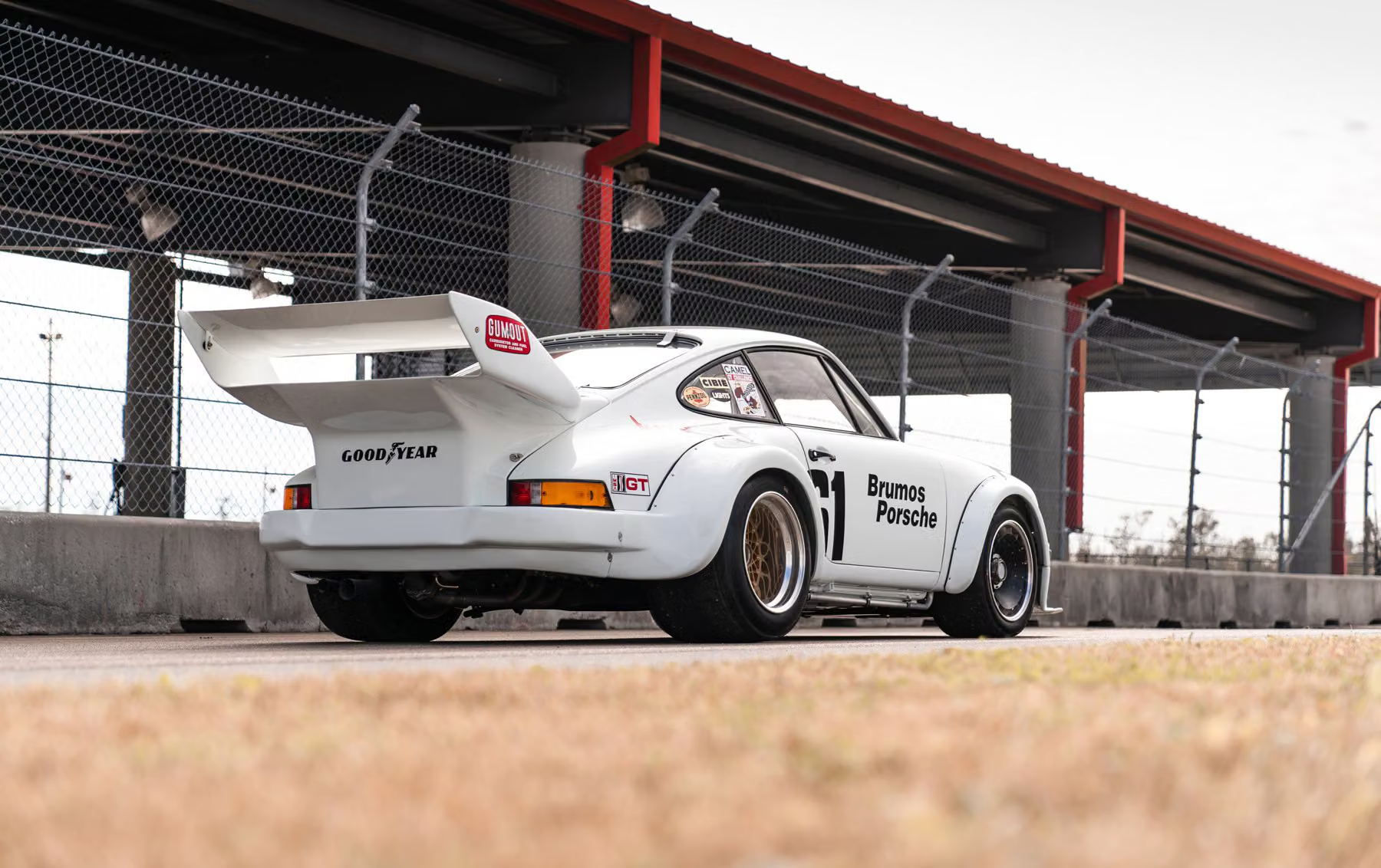
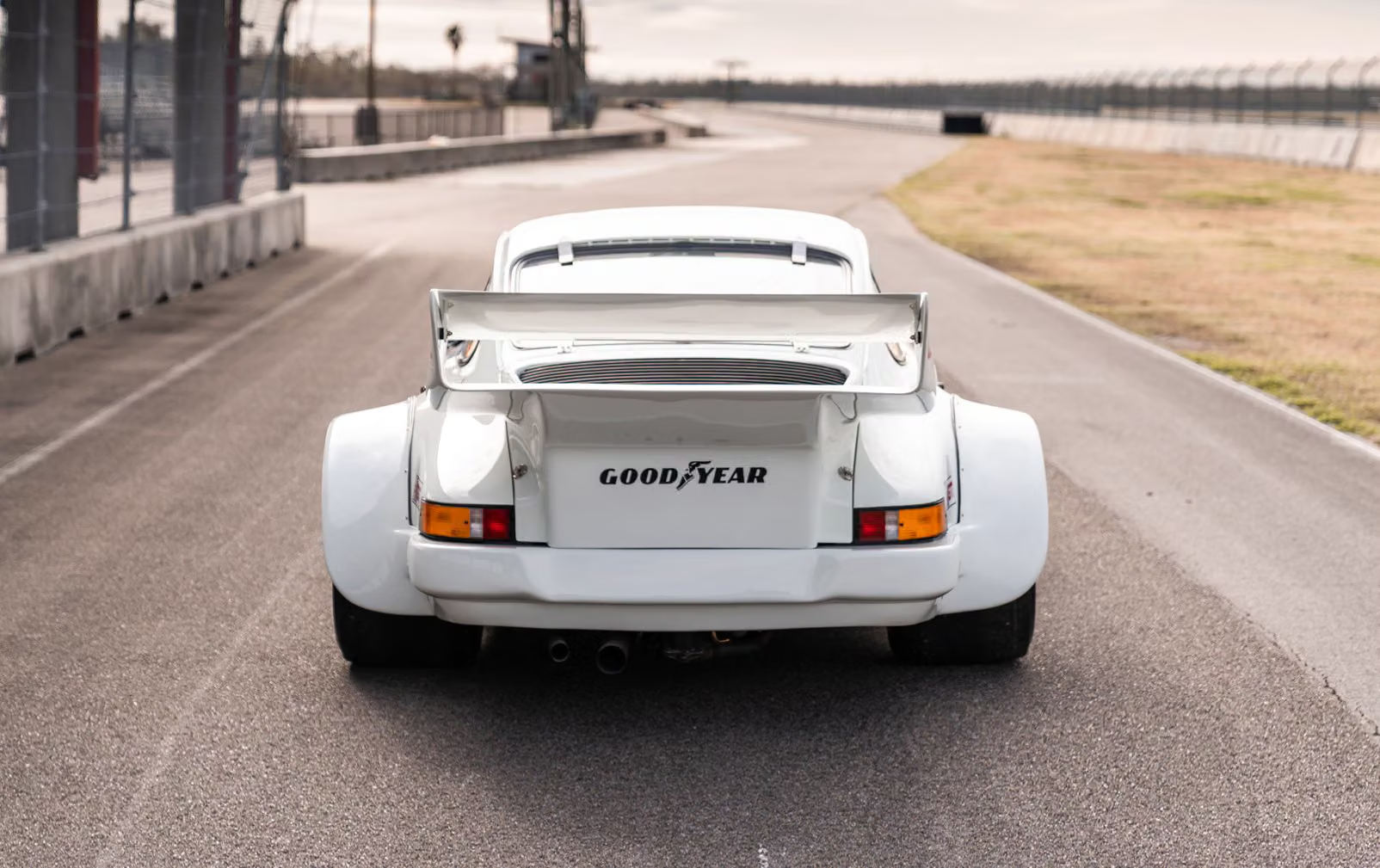
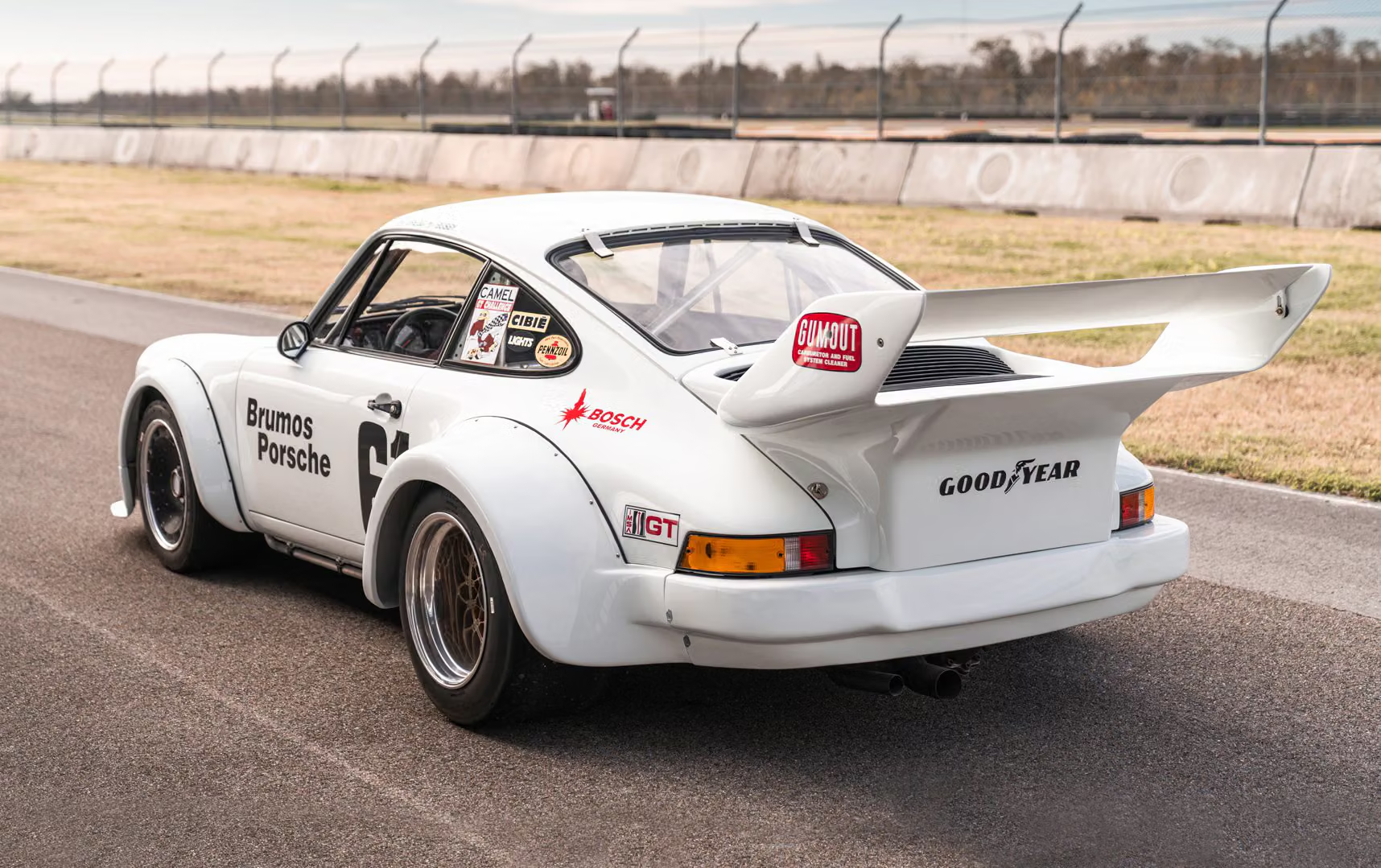
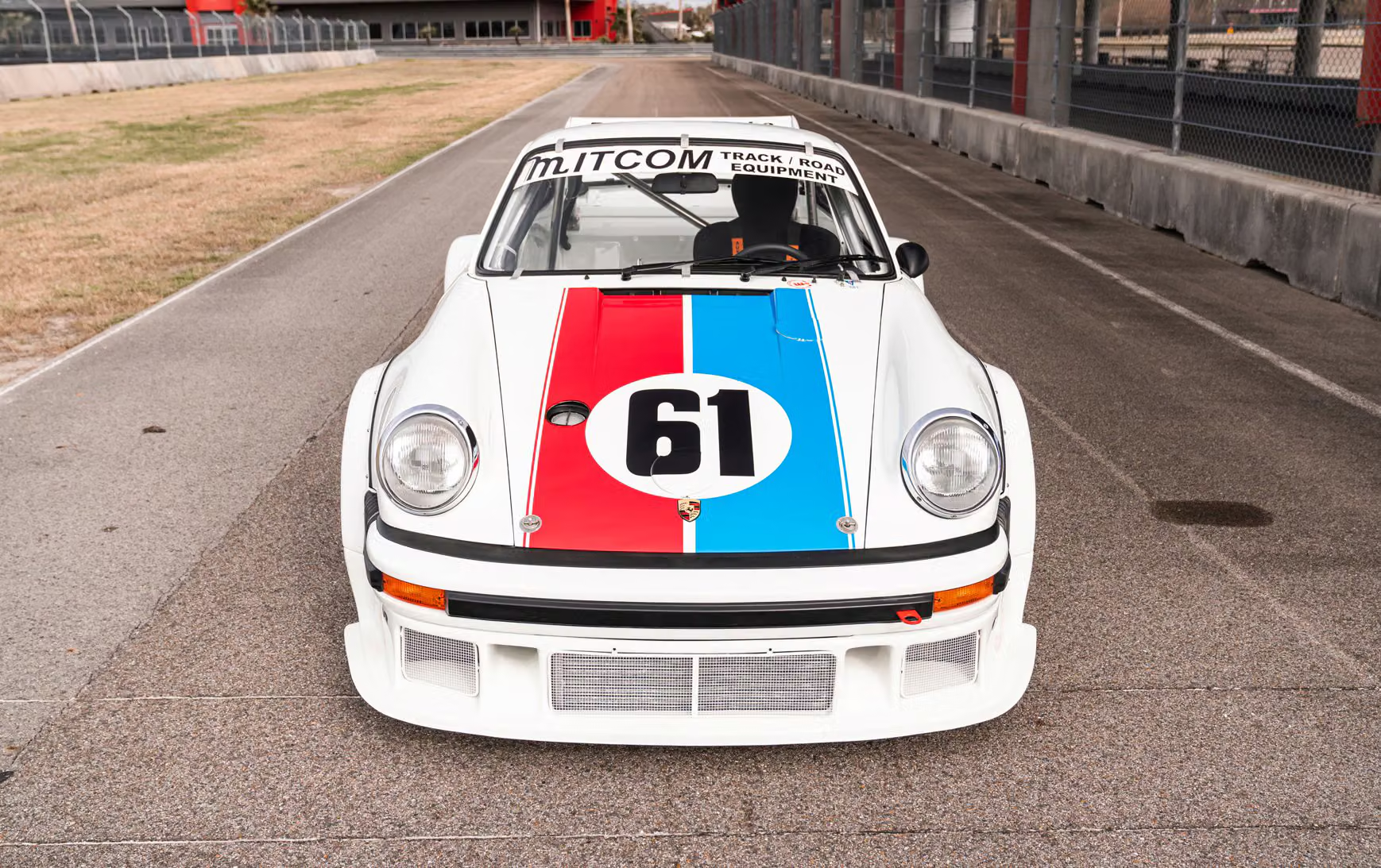
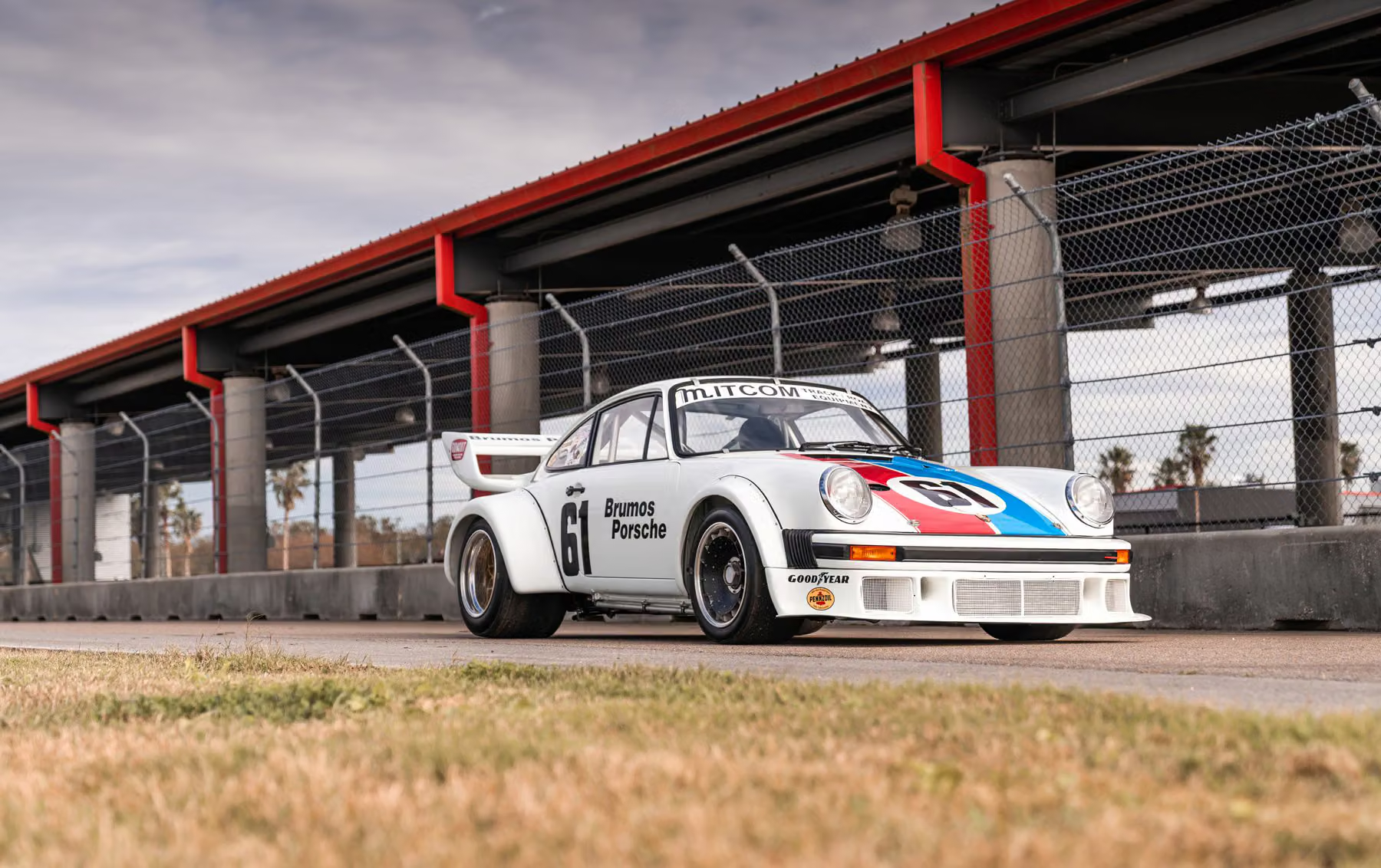
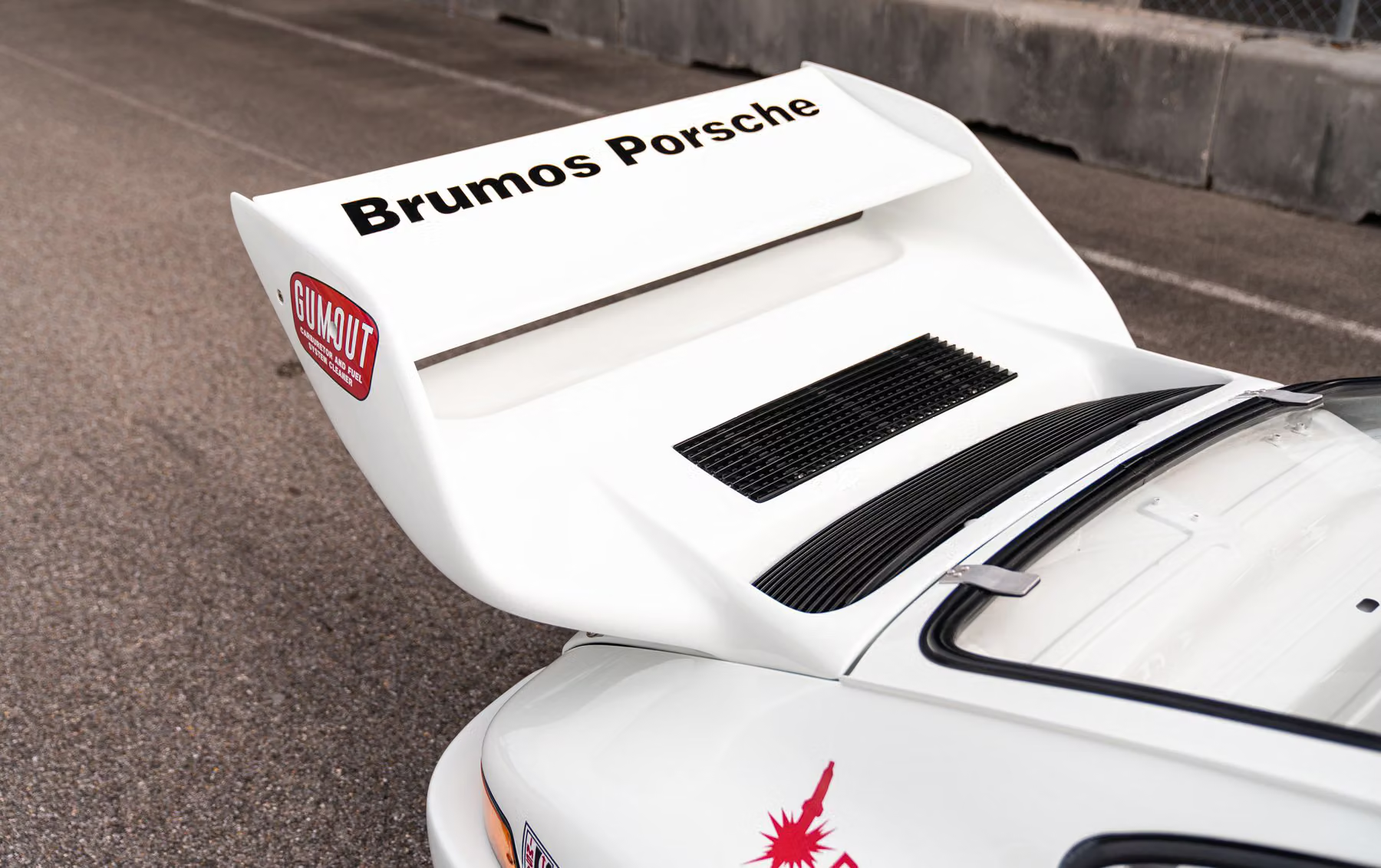
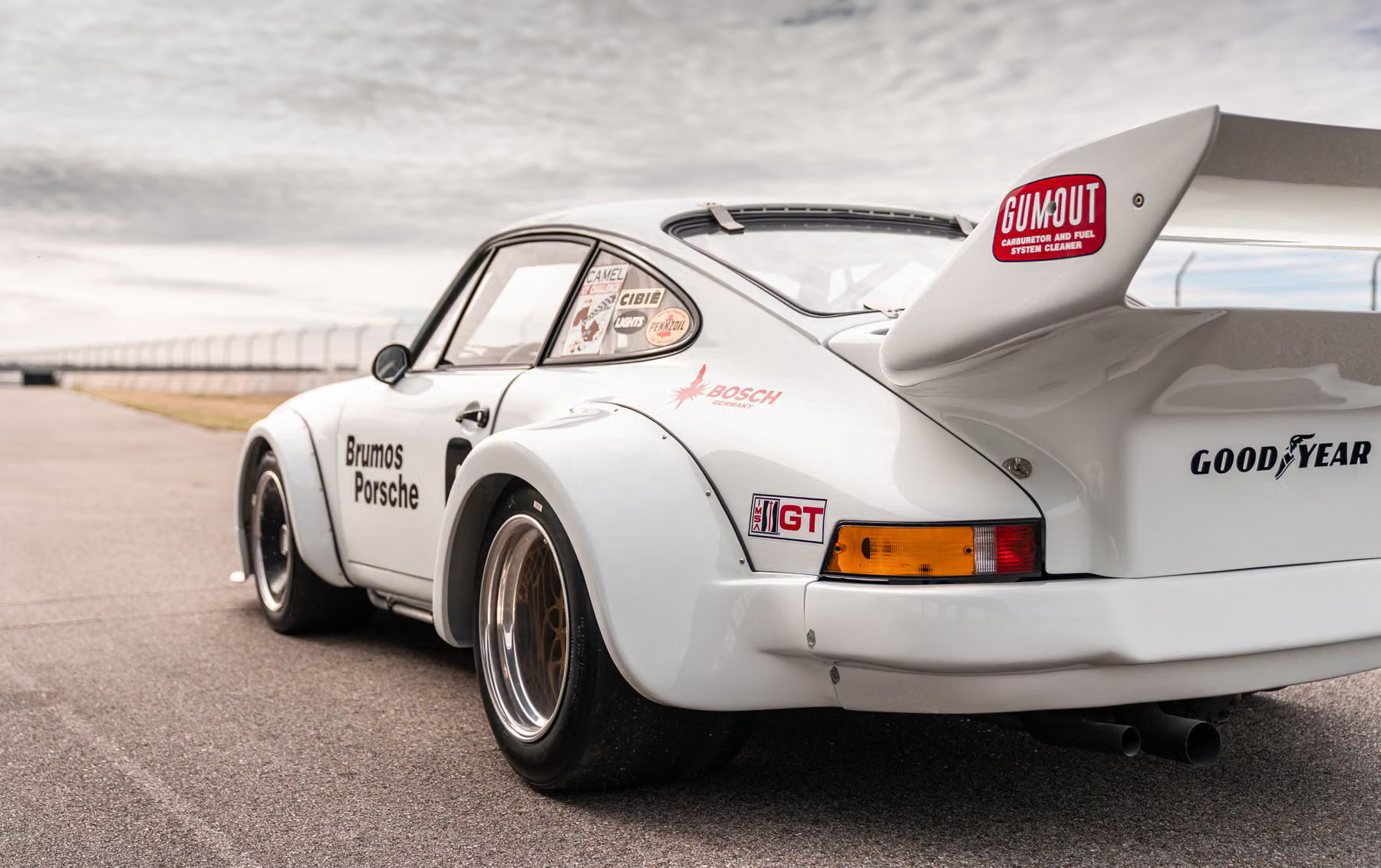
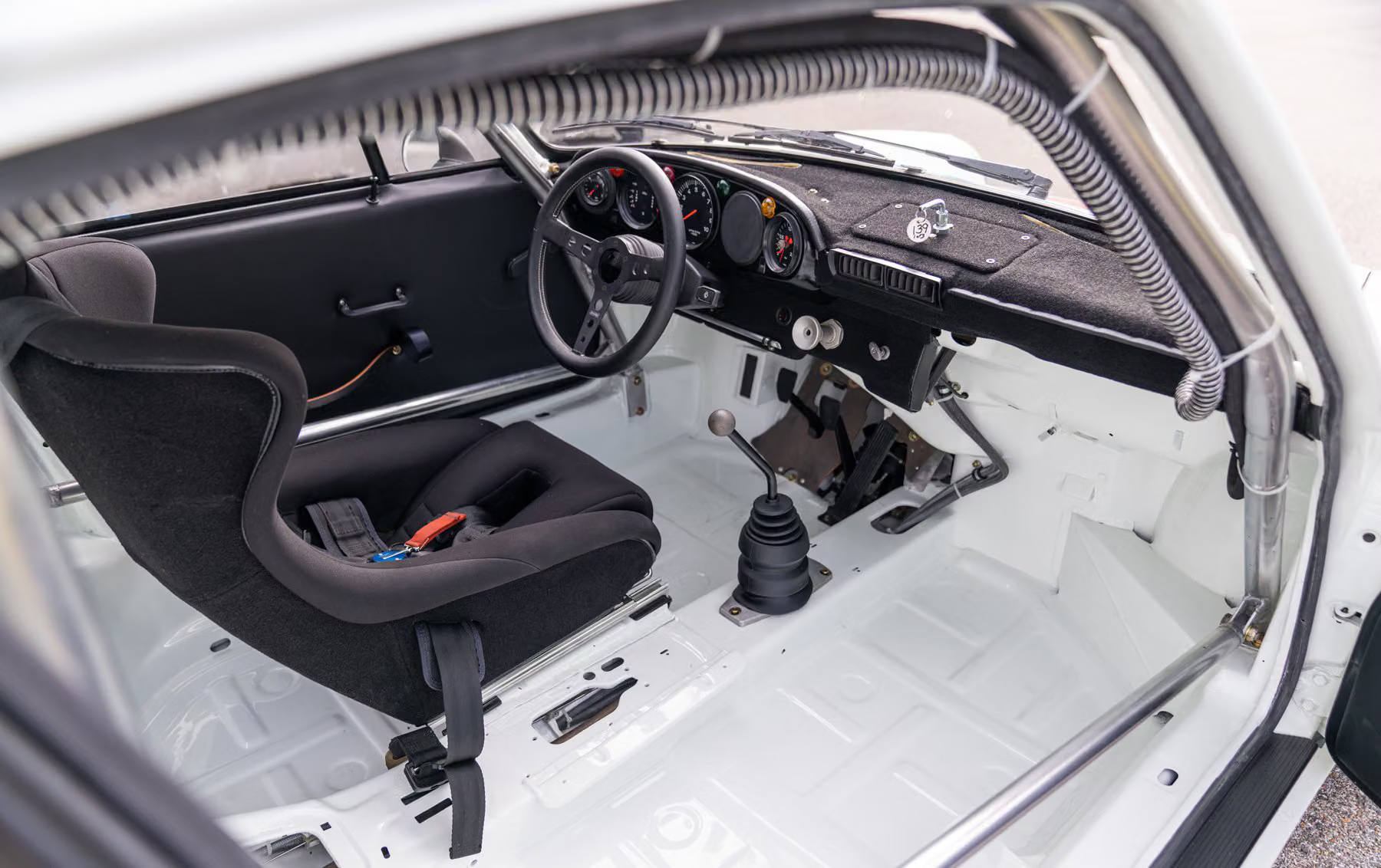
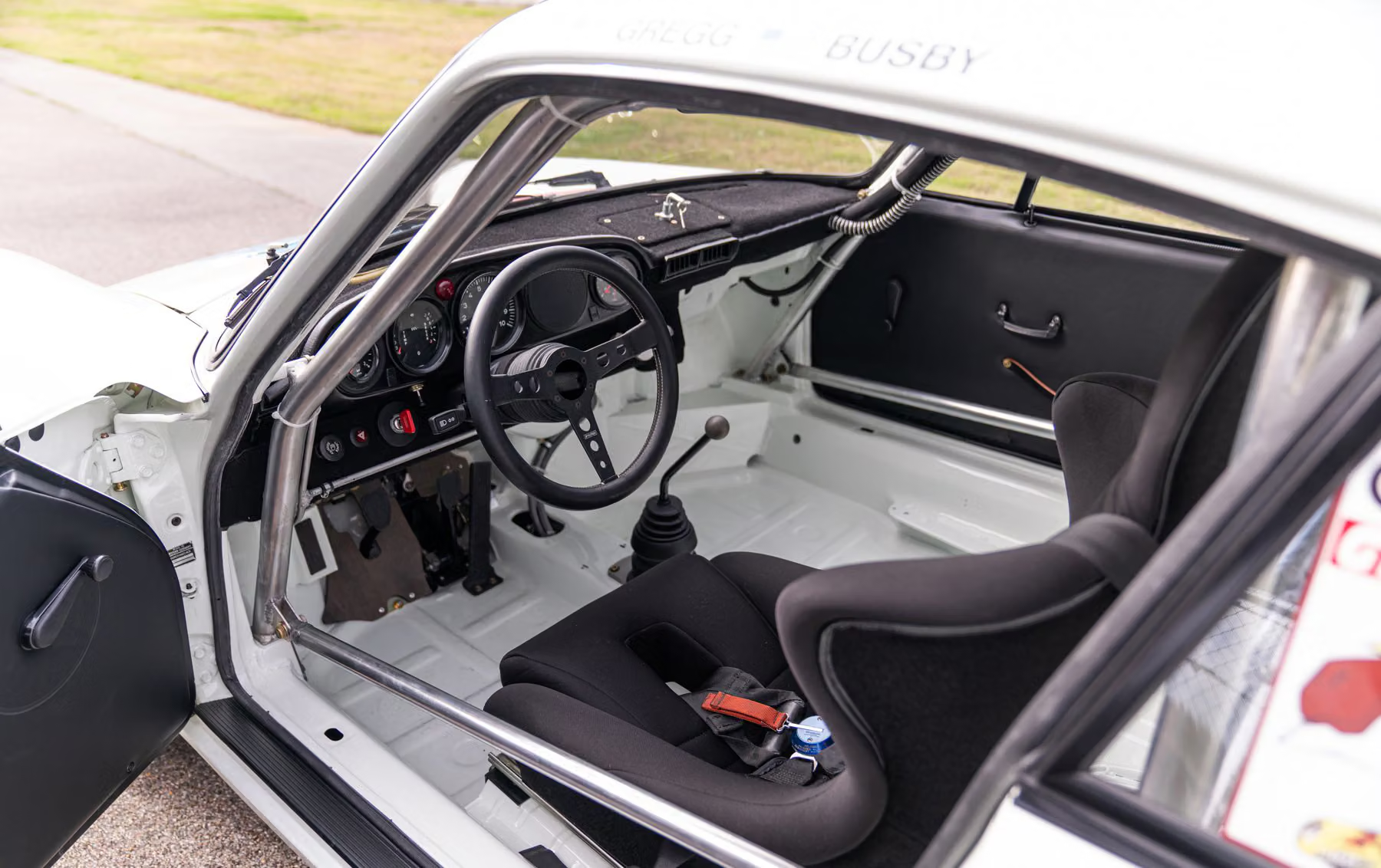
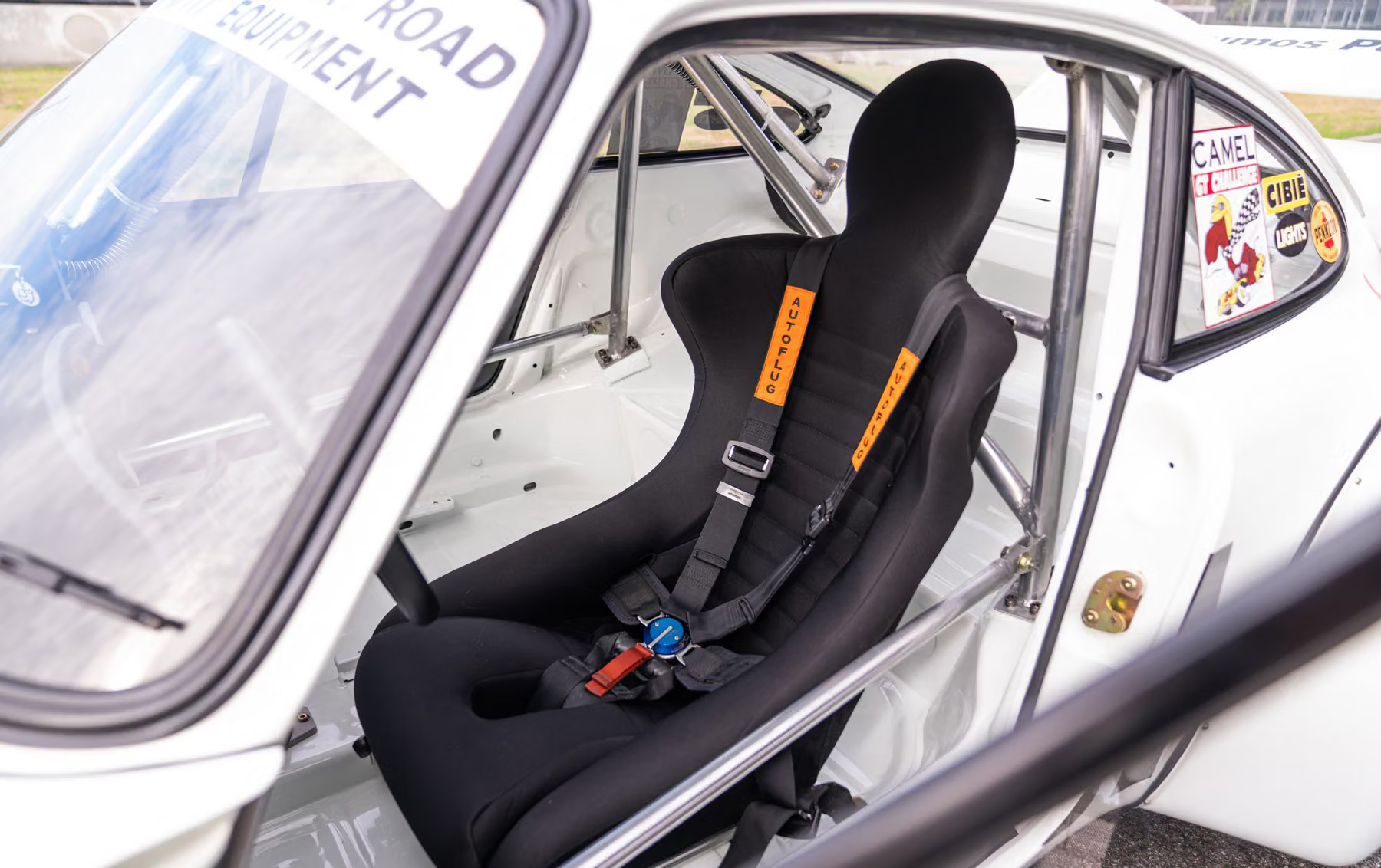
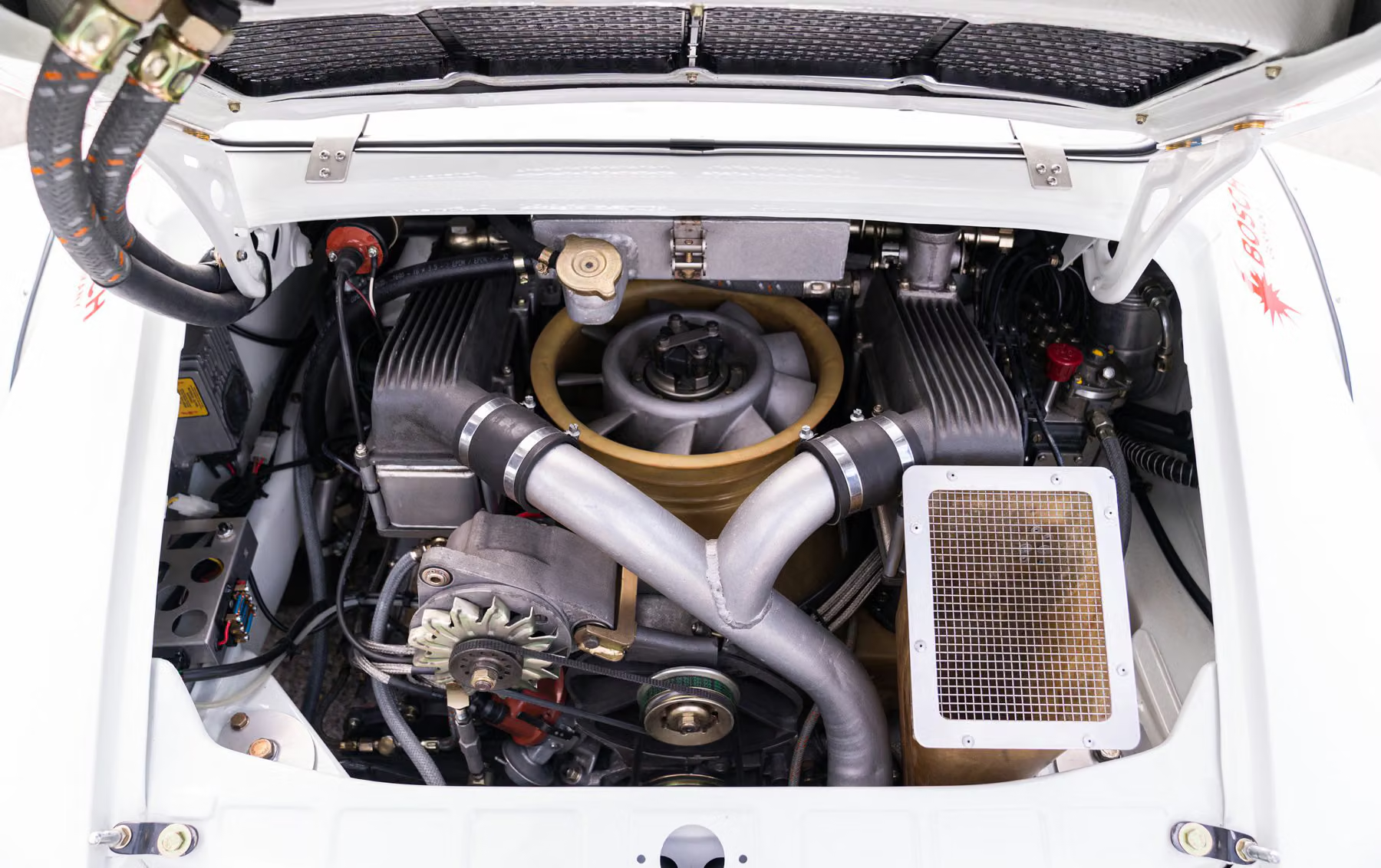
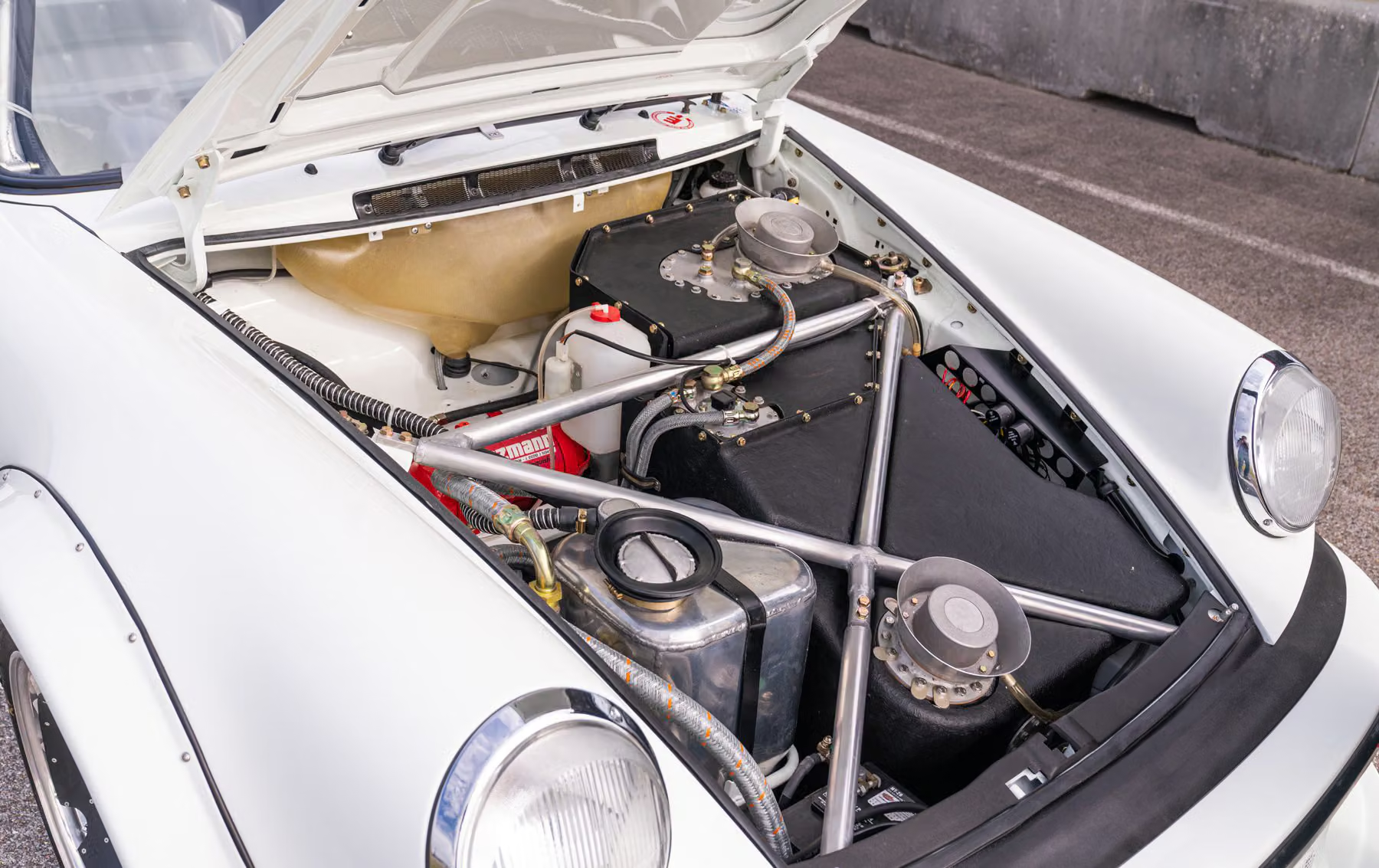
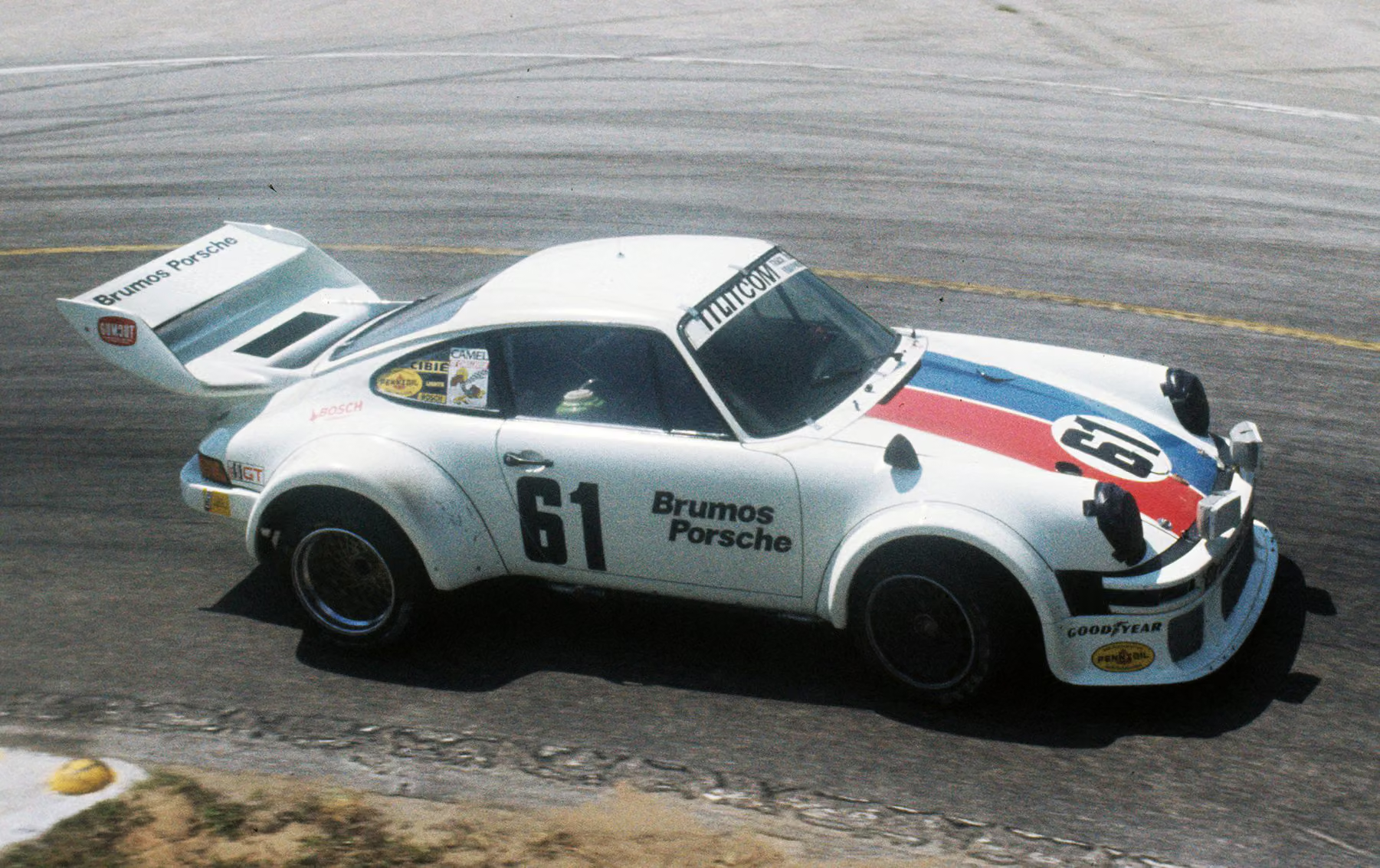
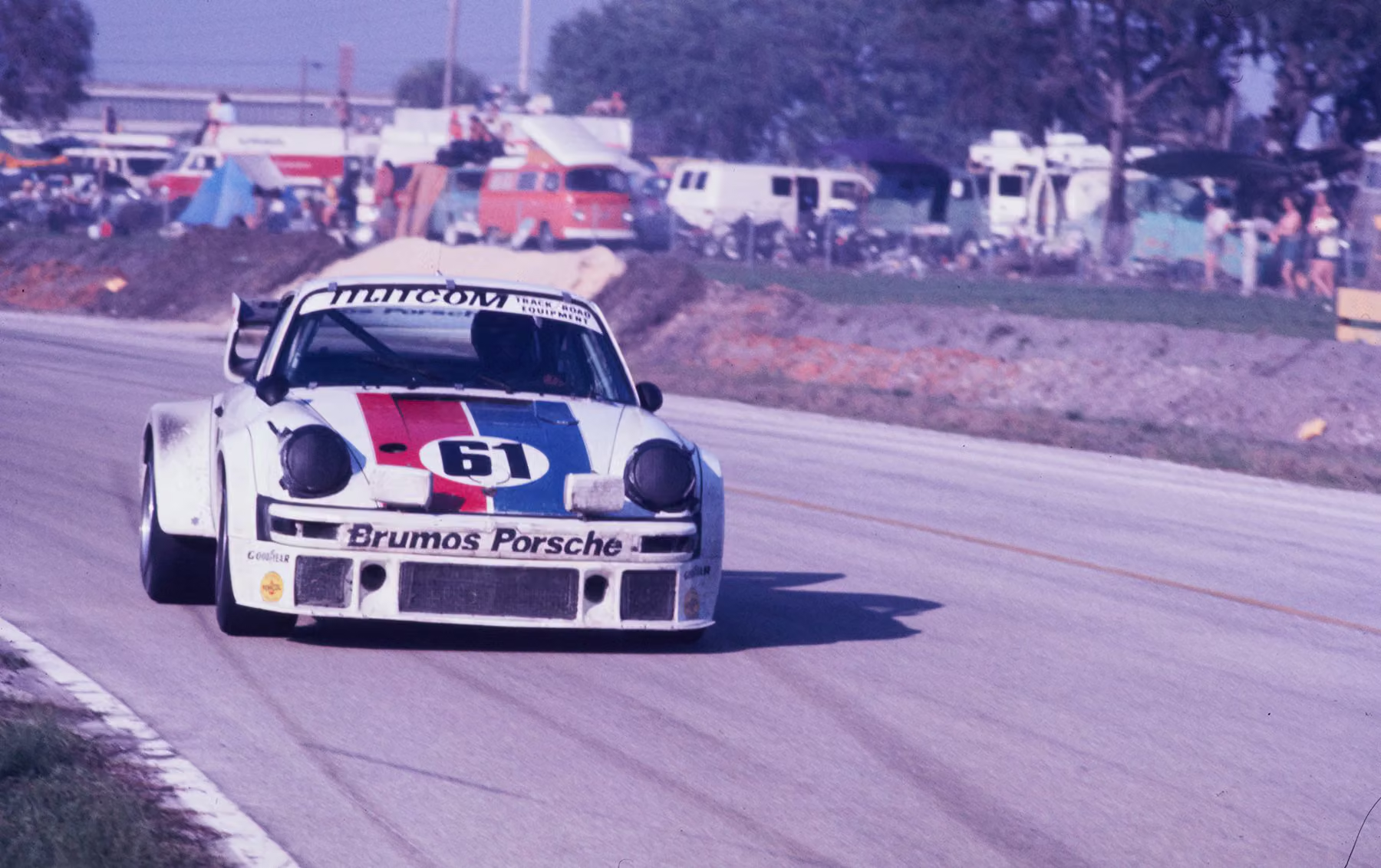
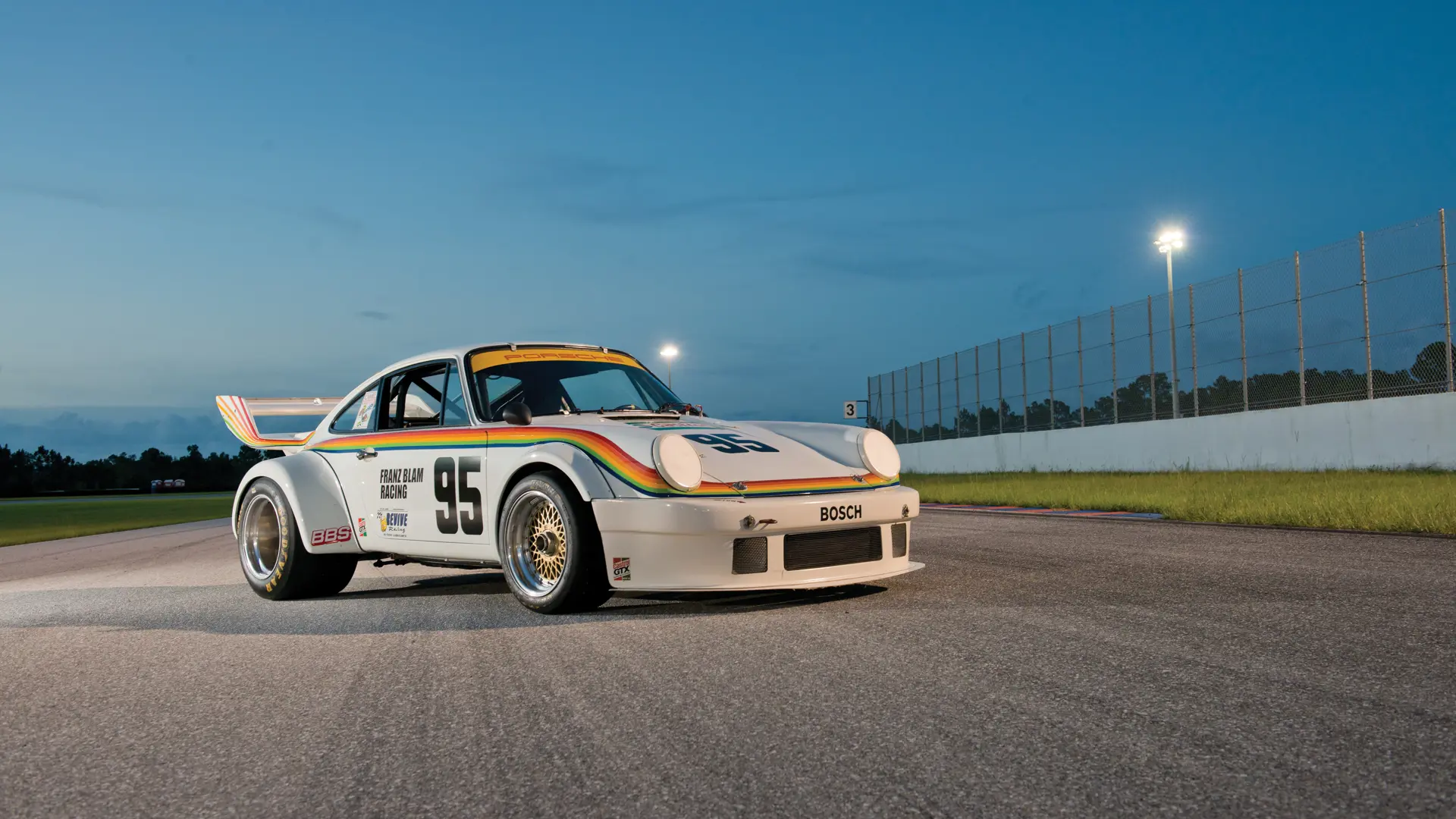
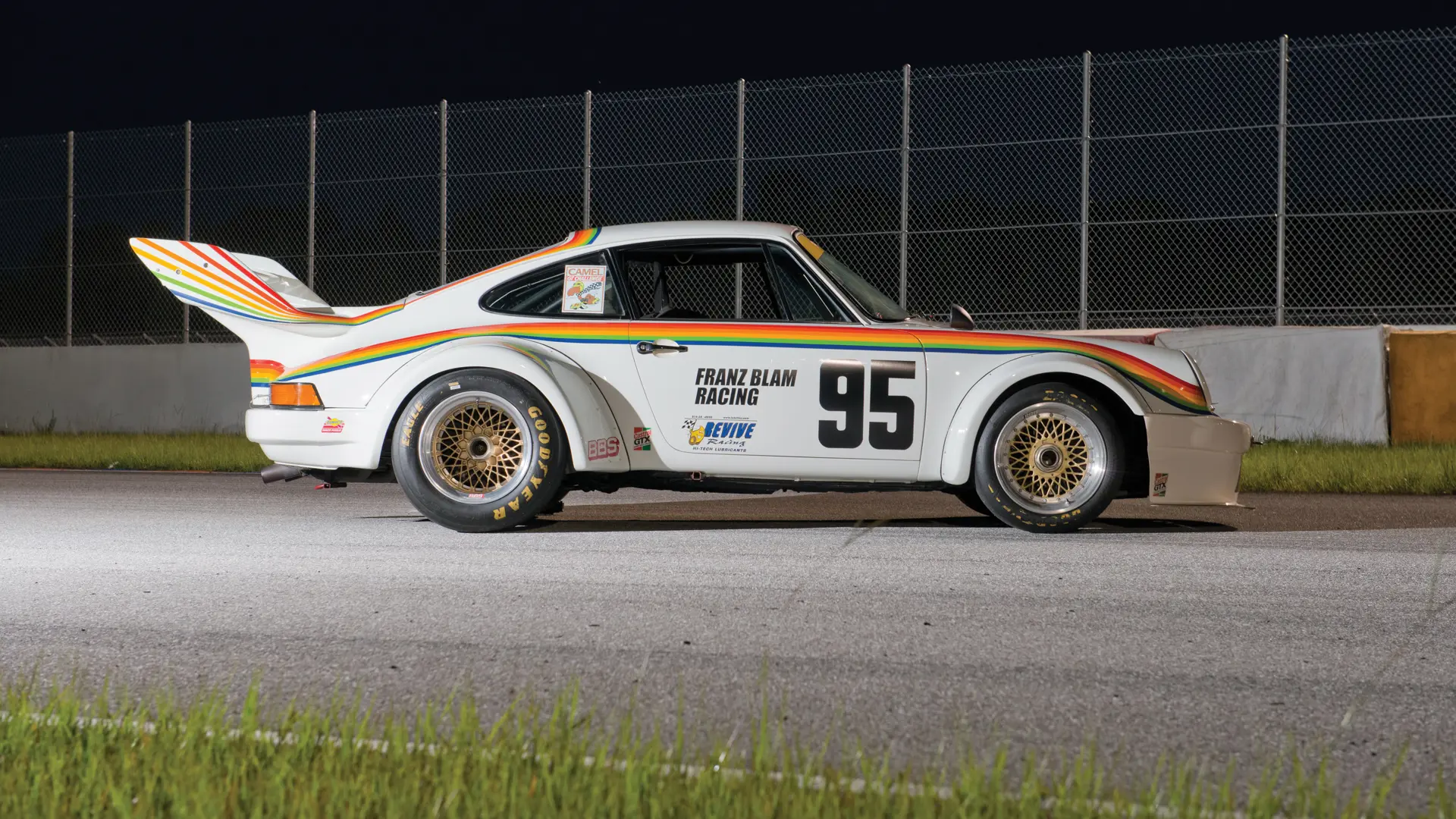
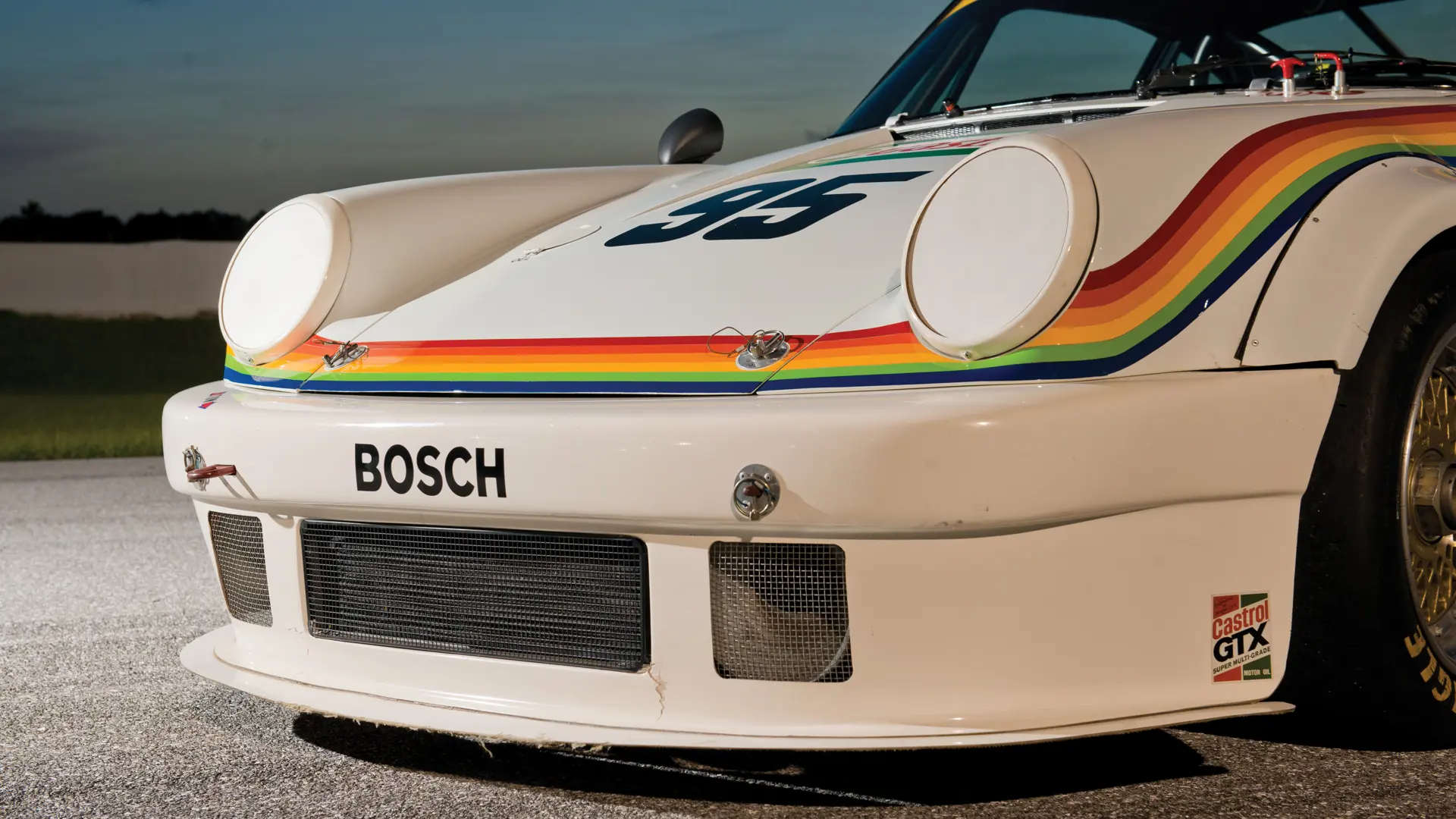
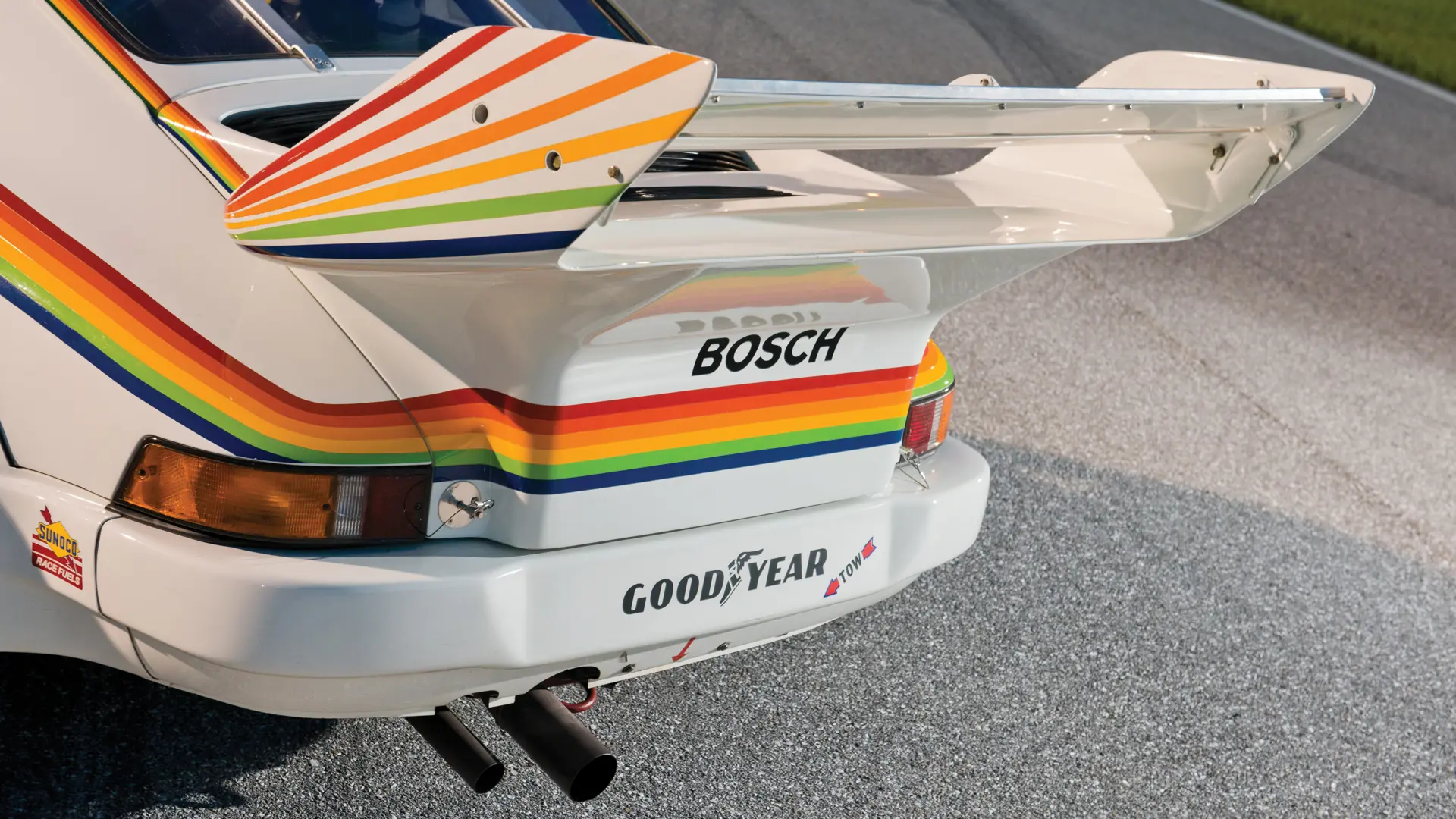
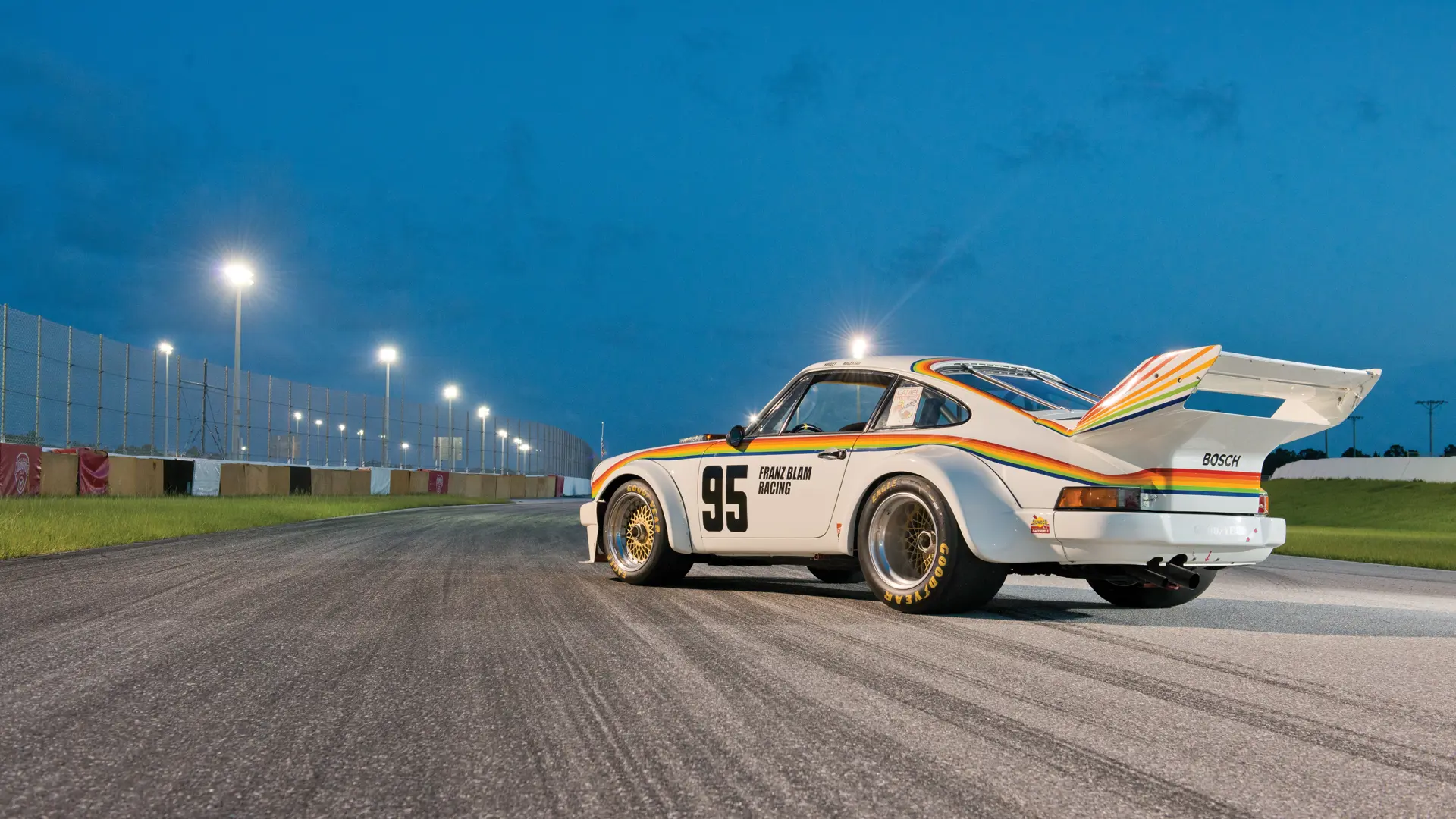
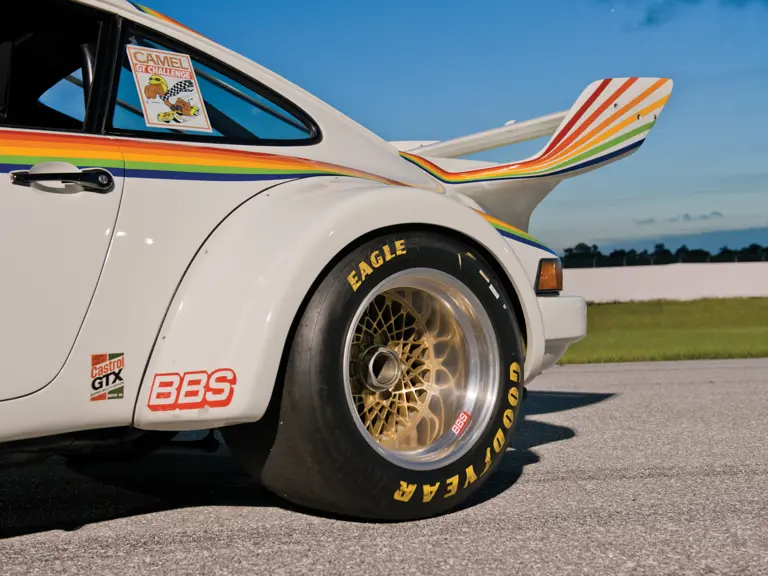
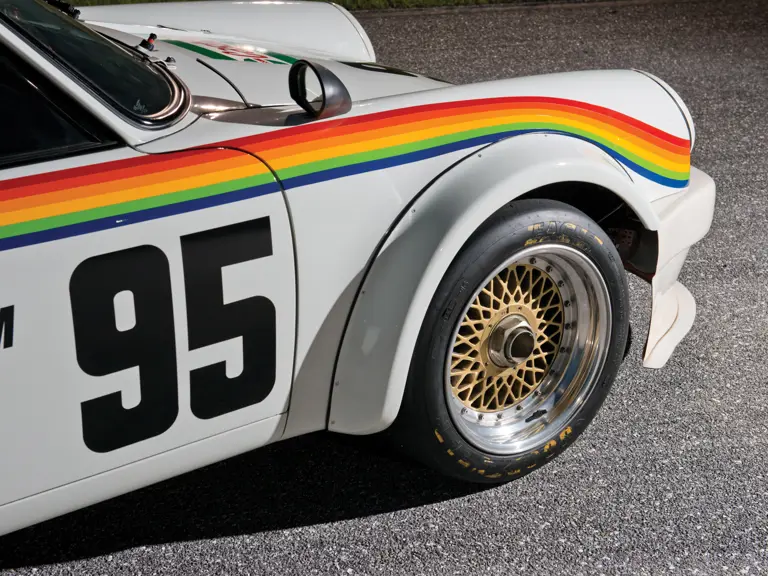
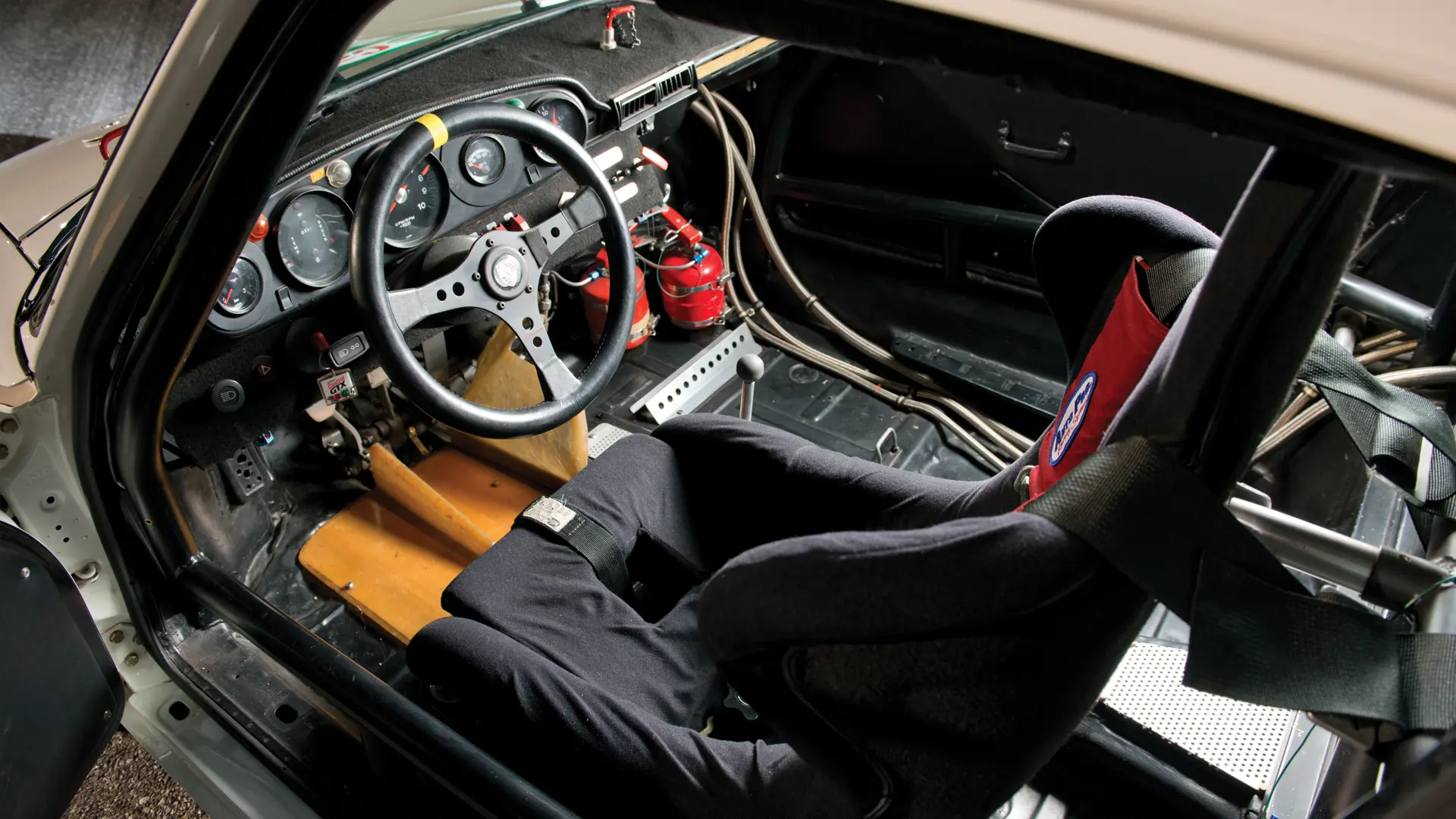
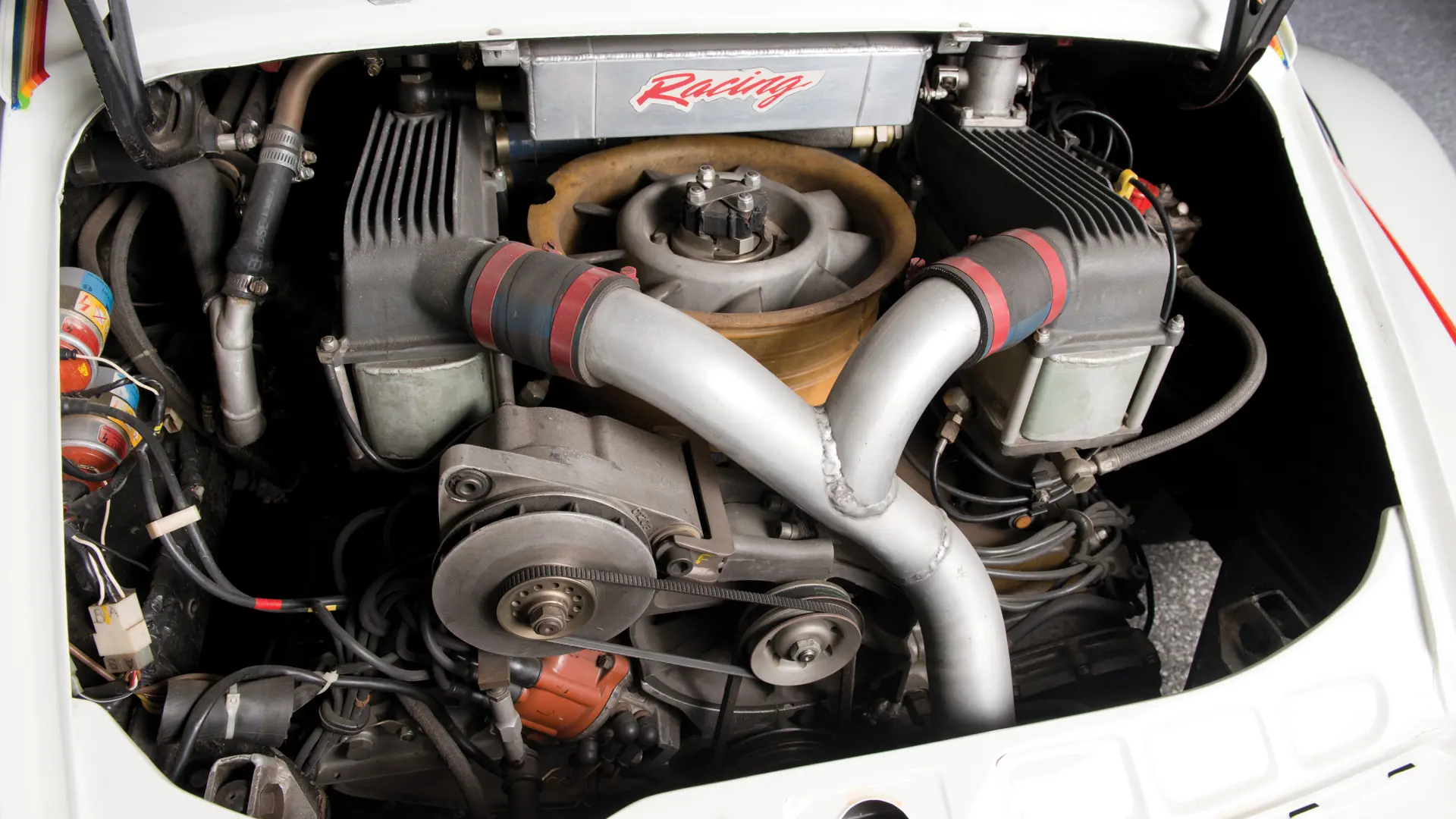
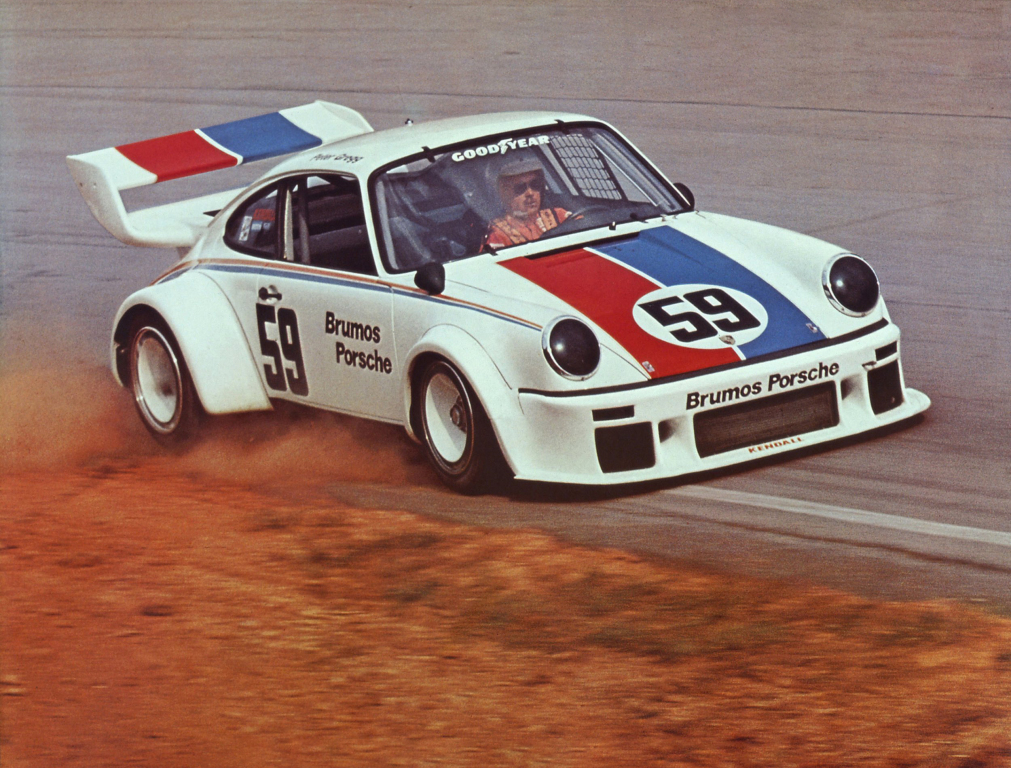
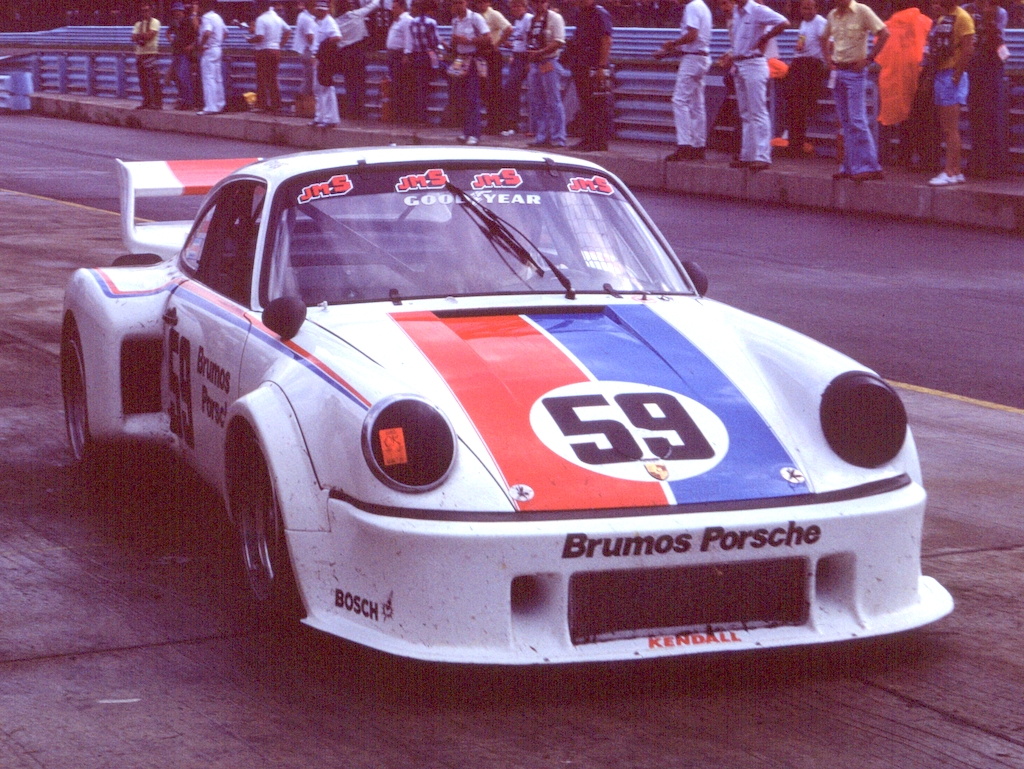
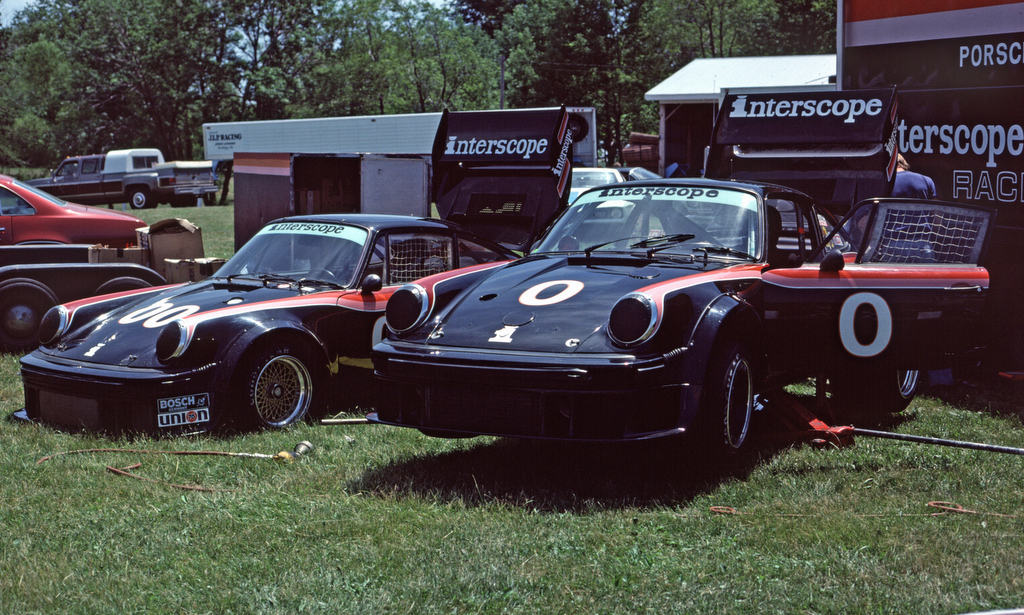
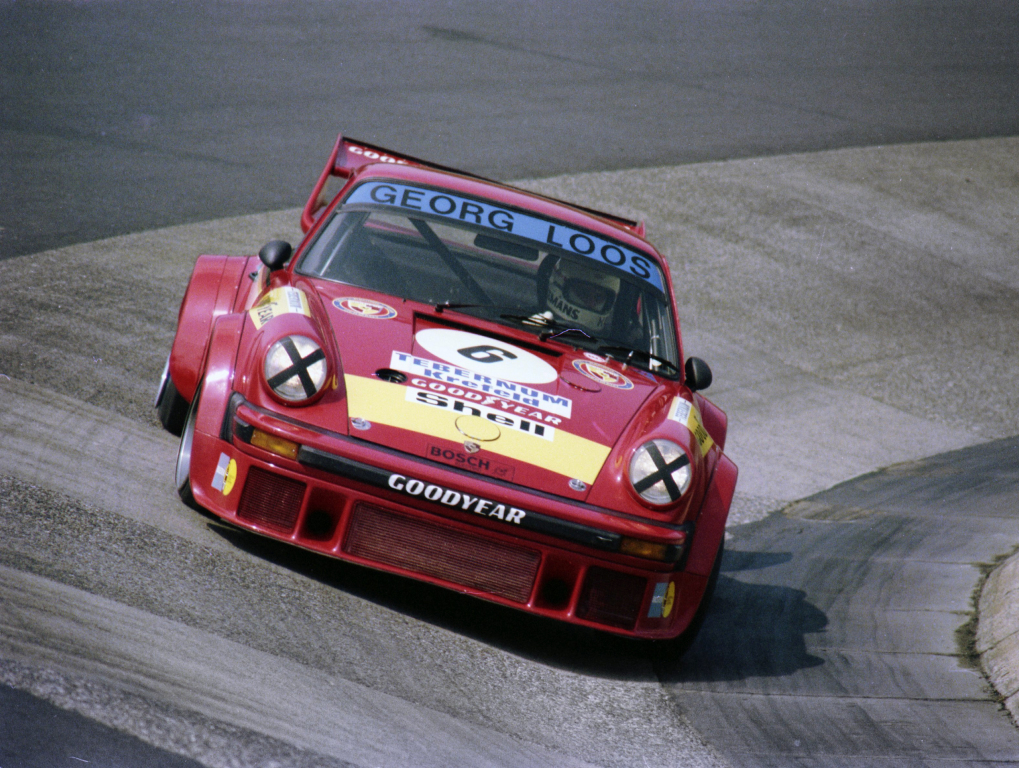
To observe the 934/5 in the metal is to witness a magnificent collision of two distinct racing philosophies. The front half of the car remained resolutely loyal to the Group 4 Porsche 934. It retained the classic, upright 911 headlights, the production-style fenders, and the deep fiberglass front air dam necessary to house the water-to-air intercoolers. But as your eyes trace backward, the car violently transforms into a Group 5 monster. The rear steel fenders were aggressively cut away and replaced with the cavernous, boxy fiberglass haunches of the 935 to house preposterously wide, 15-inch rear racing slicks. The standard “whale tail” was discarded in favor of a towering, flat-profile rear wing designed to generate immense downforce. Beneath this sprawling aerodynamic appendage sat a fortified 3.0-liter flat-six engine. Fitted with a massive KKK turbocharger and Bosch K-Jetronic mechanical fuel injection, this air-cooled leviathan produced a reliable, lag-heavy 590 to 600 brake horsepower. Because it utilized the 934’s front architecture, the 934/5 was slightly heavier and aerodynamically “dirtier” than a true 935, yet it possessed vastly more mechanical grip and high-speed stability than a standard 934. Stopping power was provided by the legendary, cross-drilled brakes derived from the 917 prototype, while the stripped-out cabin featured the bizarre, homologation-mandated remnants of the road car, including fully functional electric window switches.
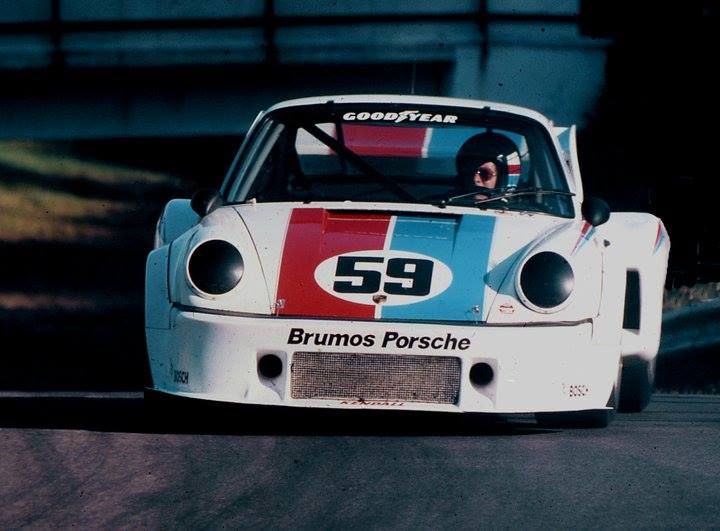
The competitive history of the 934/5 is an epic saga of teutonic spite and unyielding mechanical superiority. Just weeks before the car’s highly anticipated debut at the 1977 24 Hours of Daytona, the IMSA technical committee made a shocking, eleventh-hour ruling: they banned the 934/5’s massive rear wing, effectively rendering the car uncompetitive against the American V8s. Porsche and its premier customer, Peter Gregg of Brumos Racing, were utterly furious. Rather than submit to the IMSA mandates, Gregg and several other Porsche privateers packed up their multimillion-dollar weapons and defected to the rival Sports Car Club of America (SCCA) Trans-Am series. The Trans-Am organizers welcomed the 934/5 with open arms, and the result was an absolute massacre. Unleashed on tracks like Road America, Watkins Glen, and Mosport, the 934/5 utterly decimated the competition. Gregg won six of the eight rounds in his iconic Brumos-liveried machine, while fellow 934/5 driver Ludwig Heimrath secured victories in the others. However, the political drama was far from over. Heimrath filed a protest against Gregg, claiming the Brumos car utilized illegal, non-homologated modifications. The SCCA ultimately agreed, stripping Gregg of the title and awarding the 1977 Trans-Am Championship to Heimrath. Despite the boardroom chaos, the 934/5 had unequivocally proven its dominance on the tarmac. By the following year, the unrelenting pressure from Porsche and the sheer speed of the cars forced IMSA to finally relent, opening the floodgates for the full 935 to enter and subsequently conquer North American endurance racing for the next half-decade.
The legacy of the 1977 Porsche 934/5 is that of a spectacular, highly combustible missing link. It was a rebel without a sanctioned cause, a car built explicitly for a racing series that banned it, which then went on to humiliate an entirely different championship out of sheer competitive rage. Because only ten original chassis were ever built by the factory, it is today an absolute blue-chip unicorn in the classic car market, revered by purists for its aggressive, transitional aesthetic. It perfectly encapsulates a golden, turbulent era of motorsport where manufacturers and rule-makers engaged in high-stakes games of aerodynamic chess. The 934/5 did not just bridge the gap between the 934 and the 935; it served as the battering ram that permanently broke down the doors for Porsche’s turbocharged dominance in America.
Brand
Produced from
Portal
Vehicle category
Model line
Model generation
Predecessor
Sucessor
Brand
Produced from
Portal
Vehicle category
Model line
Model generation
Predecessor
Sucessor
Submodel Overview
In the fiercely political and high-stakes arena of North American sports car racing during the late 1970s, rulebooks were often wielded as weapons. By 1977, Porsche had already established absolute global supremacy in endurance racing, deploying the Group 4 Porsche 934 for privateers and the wildly aerodynamic Group 5 Porsche 935 for the factory efforts. However, across the Atlantic, the landscape was governed by John Bishop’s International Motor Sports Association (IMSA). Fearing that the radical, slant-nosed 935 would instantly render the spectacular American AAGT class—dominated by V8-powered Chevrolet Monzas and Corvettes—entirely obsolete, Bishop drew a hard line in the sand. He refused to allow the full 935 to compete in the Camel GT Challenge. In a brilliant, pragmatic attempt to appease the American organizers while still delivering a world-beating weapon to their most loyal customer teams, Zuffenhausen conceptualized a bespoke, limited-run compromise. They took the homologated 934 chassis, grafted on the immense rear-end aerodynamics of the 935, and birthed the 1977 Porsche 934/5. With only ten factory-built examples ever rolling out of the Weissach racing department, it was a spectacular, wide-hipped Frankenstein that ultimately sparked one of the greatest political controversies in the history of American motorsport.
To observe the 934/5 in the metal is to witness a magnificent collision of two distinct racing philosophies. The front half of the car remained resolutely loyal to the Group 4 Porsche 934. It retained the classic, upright 911 headlights, the production-style fenders, and the deep fiberglass front air dam necessary to house the water-to-air intercoolers. But as your eyes trace backward, the car violently transforms into a Group 5 monster. The rear steel fenders were aggressively cut away and replaced with the cavernous, boxy fiberglass haunches of the 935 to house preposterously wide, 15-inch rear racing slicks. The standard “whale tail” was discarded in favor of a towering, flat-profile rear wing designed to generate immense downforce. Beneath this sprawling aerodynamic appendage sat a fortified 3.0-liter flat-six engine. Fitted with a massive KKK turbocharger and Bosch K-Jetronic mechanical fuel injection, this air-cooled leviathan produced a reliable, lag-heavy 590 to 600 brake horsepower. Because it utilized the 934’s front architecture, the 934/5 was slightly heavier and aerodynamically “dirtier” than a true 935, yet it possessed vastly more mechanical grip and high-speed stability than a standard 934. Stopping power was provided by the legendary, cross-drilled brakes derived from the 917 prototype, while the stripped-out cabin featured the bizarre, homologation-mandated remnants of the road car, including fully functional electric window switches.
The competitive history of the 934/5 is an epic saga of teutonic spite and unyielding mechanical superiority. Just weeks before the car’s highly anticipated debut at the 1977 24 Hours of Daytona, the IMSA technical committee made a shocking, eleventh-hour ruling: they banned the 934/5’s massive rear wing, effectively rendering the car uncompetitive against the American V8s. Porsche and its premier customer, Peter Gregg of Brumos Racing, were utterly furious. Rather than submit to the IMSA mandates, Gregg and several other Porsche privateers packed up their multimillion-dollar weapons and defected to the rival Sports Car Club of America (SCCA) Trans-Am series. The Trans-Am organizers welcomed the 934/5 with open arms, and the result was an absolute massacre. Unleashed on tracks like Road America, Watkins Glen, and Mosport, the 934/5 utterly decimated the competition. Gregg won six of the eight rounds in his iconic Brumos-liveried machine, while fellow 934/5 driver Ludwig Heimrath secured victories in the others. However, the political drama was far from over. Heimrath filed a protest against Gregg, claiming the Brumos car utilized illegal, non-homologated modifications. The SCCA ultimately agreed, stripping Gregg of the title and awarding the 1977 Trans-Am Championship to Heimrath. Despite the boardroom chaos, the 934/5 had unequivocally proven its dominance on the tarmac. By the following year, the unrelenting pressure from Porsche and the sheer speed of the cars forced IMSA to finally relent, opening the floodgates for the full 935 to enter and subsequently conquer North American endurance racing for the next half-decade.
The legacy of the 1977 Porsche 934/5 is that of a spectacular, highly combustible missing link. It was a rebel without a sanctioned cause, a car built explicitly for a racing series that banned it, which then went on to humiliate an entirely different championship out of sheer competitive rage. Because only ten original chassis were ever built by the factory, it is today an absolute blue-chip unicorn in the classic car market, revered by purists for its aggressive, transitional aesthetic. It perfectly encapsulates a golden, turbulent era of motorsport where manufacturers and rule-makers engaged in high-stakes games of aerodynamic chess. The 934/5 did not just bridge the gap between the 934 and the 935; it served as the battering ram that permanently broke down the doors for Porsche’s turbocharged dominance in America.
Tech Specs
Technical Specifications
Tech Specs
Technical Specifications
Engine
01
03
Internal combustion engine
Configuration
Porsche Type 930/73, Flat-6 (Boxer) - Air-cooled
Location
Rear, longitudinally mounted
Construction
Aluminium alloy block and heads
Displacement (cc)
2,994 cc
Displacement (cu in)
182.7 cu in
Compression
6.5:1
Bore x Stroke
95.0 mm x 70.4 mm
Valvetrain
2 valves per cylinder, SOHC
Fuel feed
Bosch K-Jetronic fuel injection
Lubrication
Dry sump
Aspiration
Turbocharged (Single KKK turbocharger)
Output
Power (hp)
~590 hp
Power (kW)
~440 kW
Max power at
7,000 RPM
Torque (Nm)
~650 Nm
Torque (ft lbs)
~479 ft lbs
Max torque at
5,400 RPM
Drivetrain
02
03
Chassis
Type
Monocoque unibody
Material
Steel
Body
Material
Steel with Fibreglass (GRP) massive rear fenders, front air dam, and 935-style rear wing
Transmission
Gearbox
Porsche Type 930, 4-speed manual (with external oil cooler)
Drive
Rear Wheel Drive (Limited Slip Differential)
Suspension
Front
Independent, McPherson struts, coil springs over telescopic dampers, adjustable anti-roll bar
Rear
Independent, semi-trailing arms, coil springs over telescopic dampers, adjustable anti-roll bar
Steering
Type
Rack and pinion, unassisted
Brakes
Front
Ventilated and cross-drilled steel discs (Porsche 917 derived), 4-piston finned aluminium calipers
Rear
Ventilated and cross-drilled steel discs (Porsche 917 derived), 4-piston finned aluminium calipers
Wheels
Front
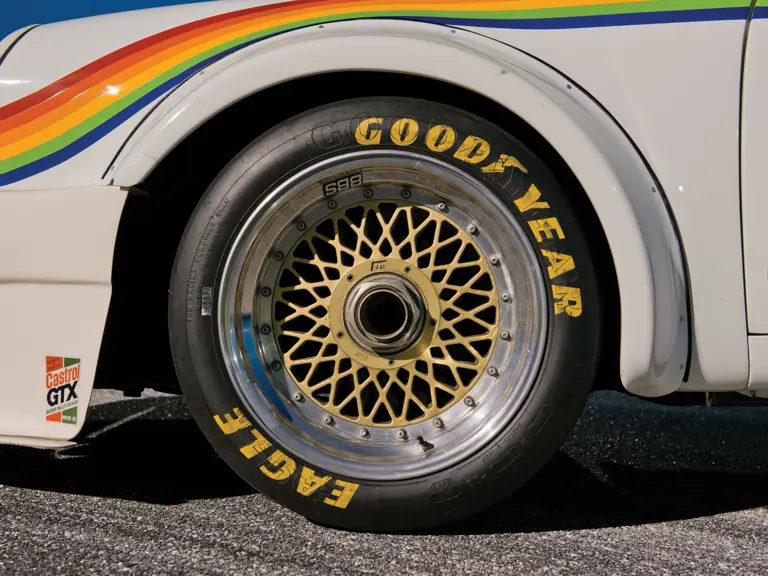
10.5" x 16" (Center-lock BBS multi-piece alloy)
Rear
15.0" x 19" (Center-lock BBS multi-piece alloy)
Tires
Front
-
Rear
-
Dimensions and performance
03
03
Dimensions
Length (mm)
~4,350 mm
Length (in)
~171.3 in
Width (mm)
~2,000 mm
Width (in)
~78.7 in
Height (mm)
1,304 mm
Height (in)
51.3 in
Wheelbase (mm)
2,271 mm
Wheelbase (in)
89.4 in
Weight (kg)
~1,090 kg
Weight (lbs)
~2,403 lbs
Performance
Power to weight
~0.54 hp/kg
Top speed (km/h)
~320 km/h
Top speed (mph)
~199 mph
0-100 km/h (0-60 mph)
~3.5 s