Shelby Cobra
Brand
Produced from
Vehicle category
Portal
Model line
Model generation
Predecessor
Sucessor
Model Overview
To fully comprehend the seismic shockwave generated by the Shelby Cobra, one must first appreciate the rigid, highly polarized automotive landscape of the early 1960s. Across the Atlantic, the European sports car establishment, led by the aristocratic artisans at Ferrari, Jaguar, and Aston Martin, built highly sophisticated, incredibly complex, and fragile masterpieces of endurance racing. In America, Detroit was focused on producing massive, heavy muscle, with the Chevrolet Corvette standing as the sole, heavyweight domestic sports car. Carroll Shelby, a charismatic, fiercely competitive Texan whose own brilliant driving career had been prematurely halted by a heart condition, saw a glaring vulnerability in this transatlantic divide. He envisioned a machine that would bridge the gap: a featherweight, nimble European chassis stuffed with a reliable, brute-force American V8. When Shelby learned that the British boutique manufacturer AC Cars was losing the supply of obsolete Bristol inline-six engines for their lovely but aging Ace roadster, he struck with the precision of his namesake serpent. He convinced AC to ship him engineless chassis, then walked into Ford Motor Company and persuaded Lee Iacocca to supply their brand-new, lightweight small-block V8. The resulting unholy alliance birthed the Shelby Cobra, an Anglo-American hybrid that didn’t just challenge the global sports car hierarchy; it battered it into submission with a sledgehammer.
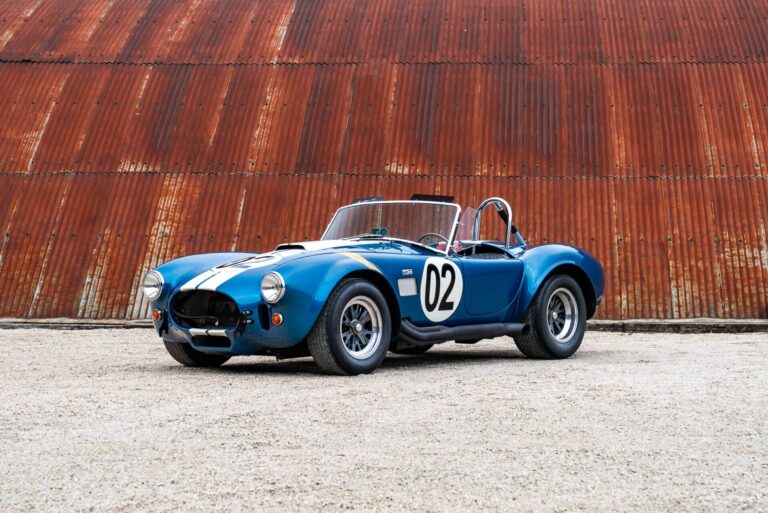
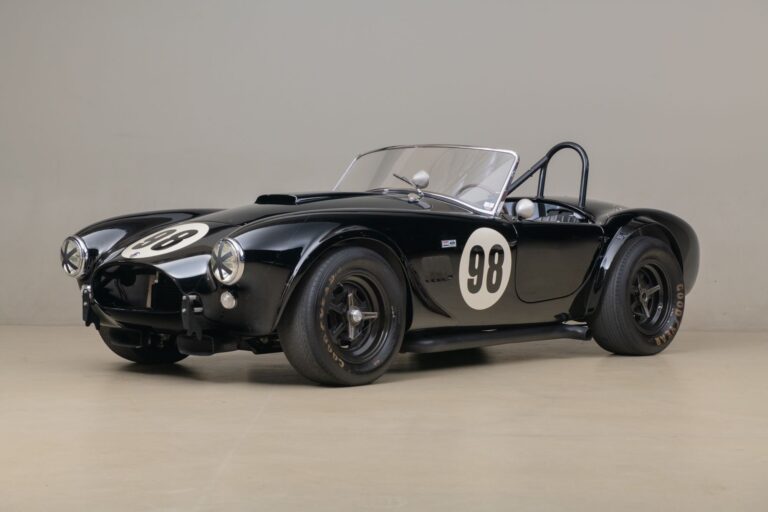
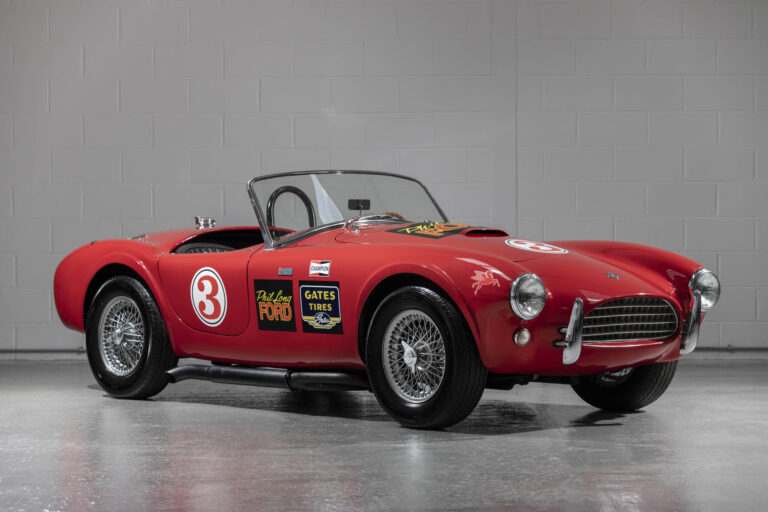
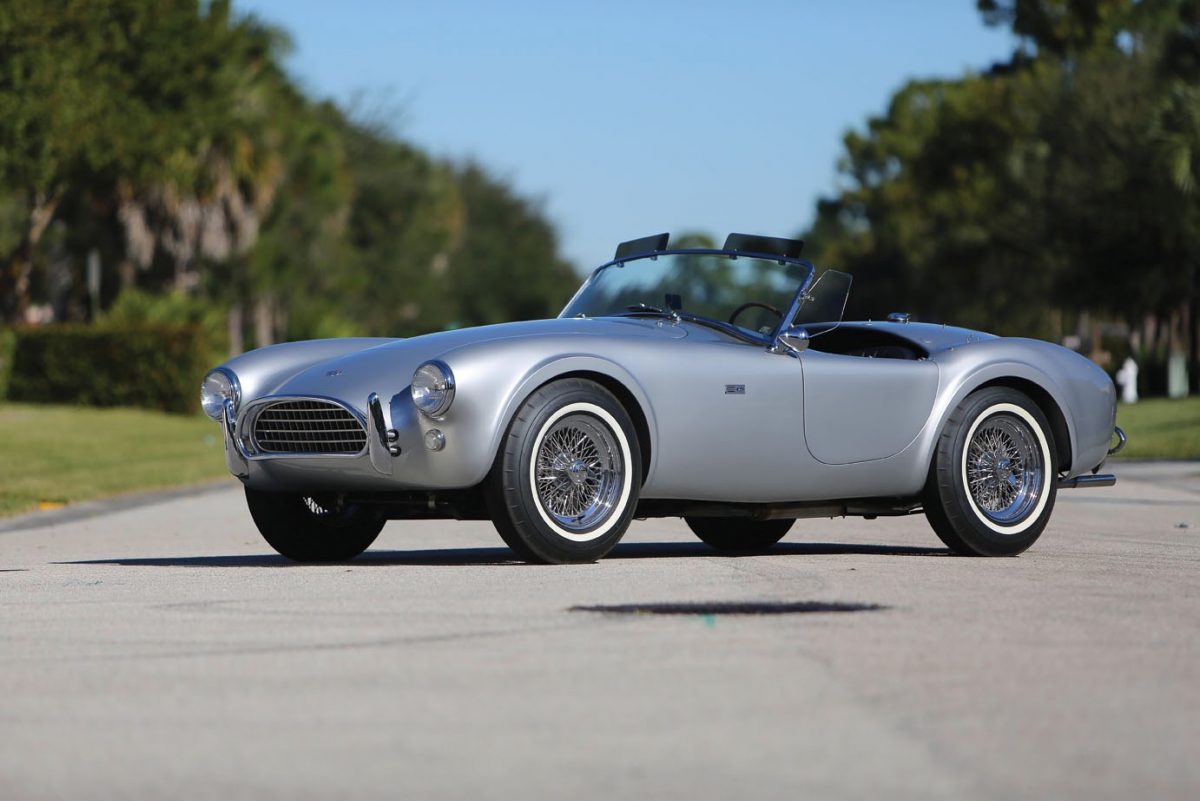
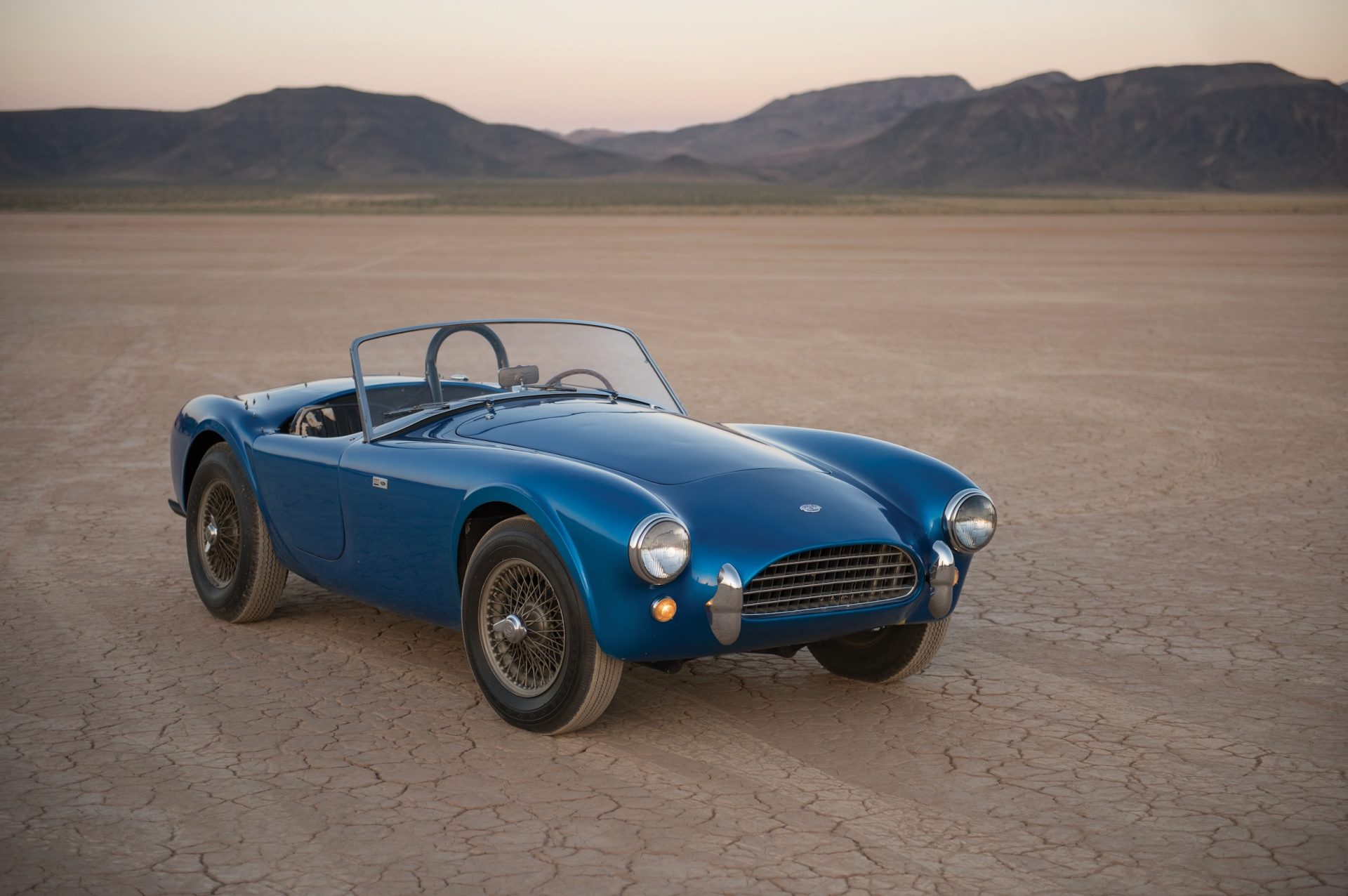
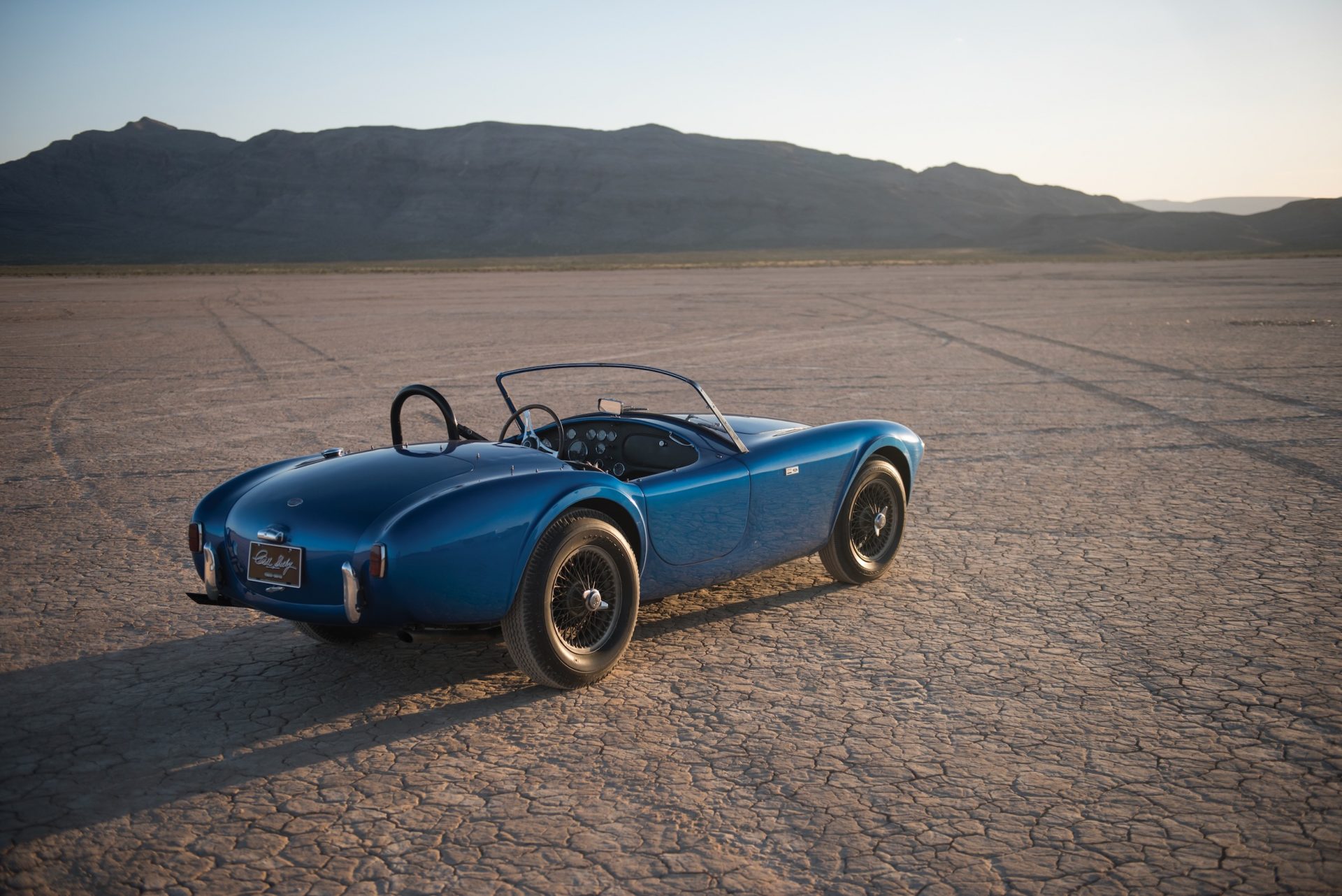
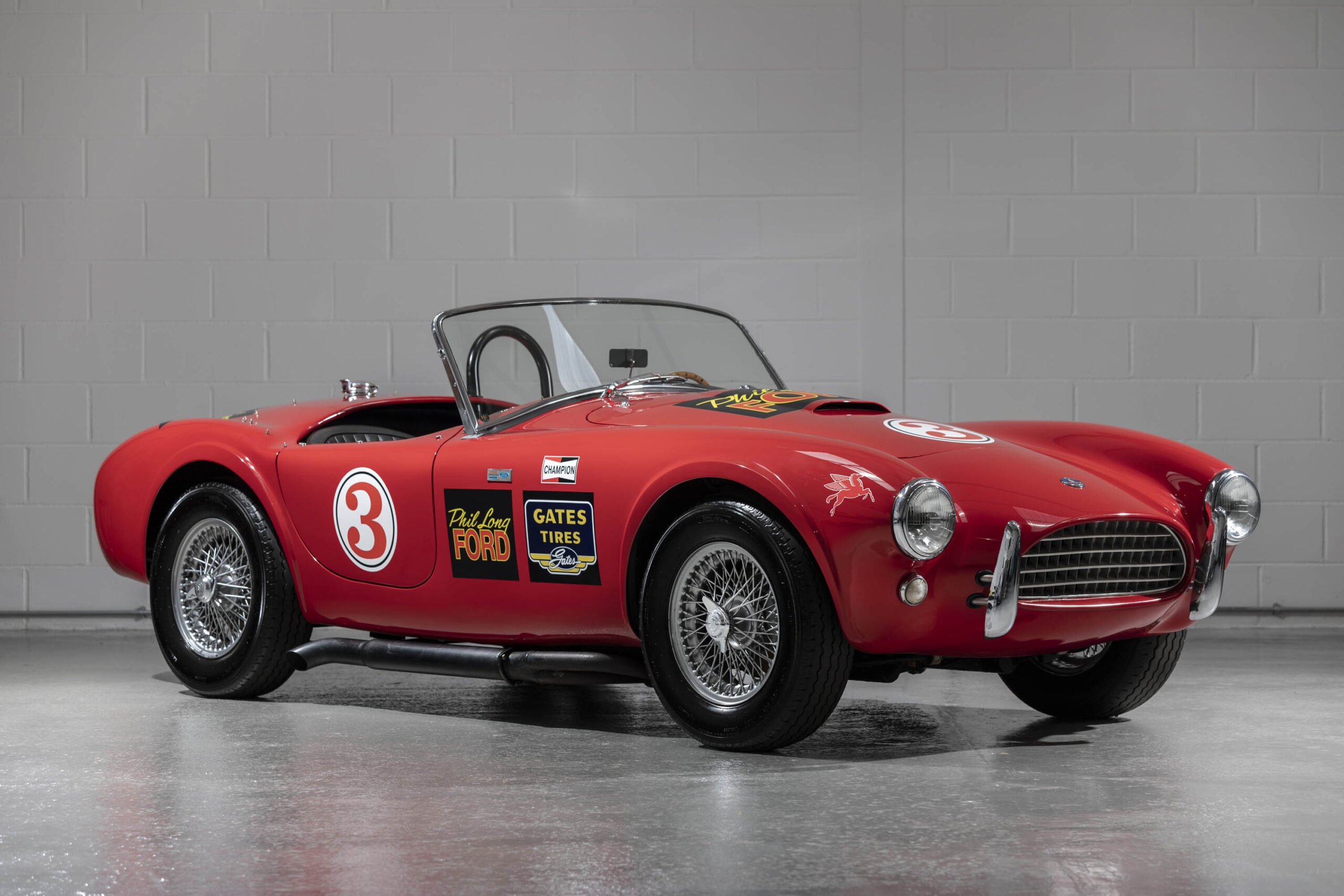
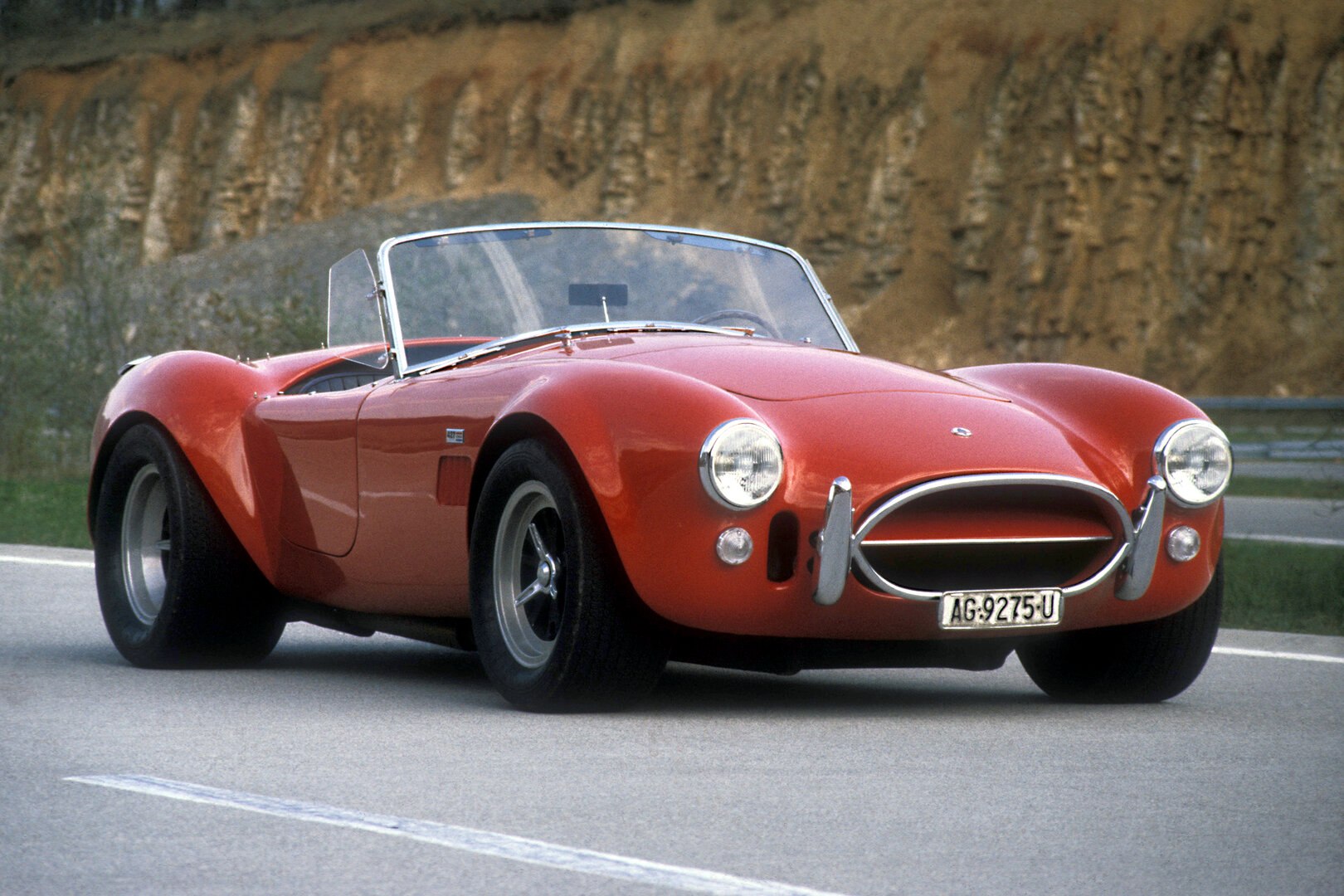
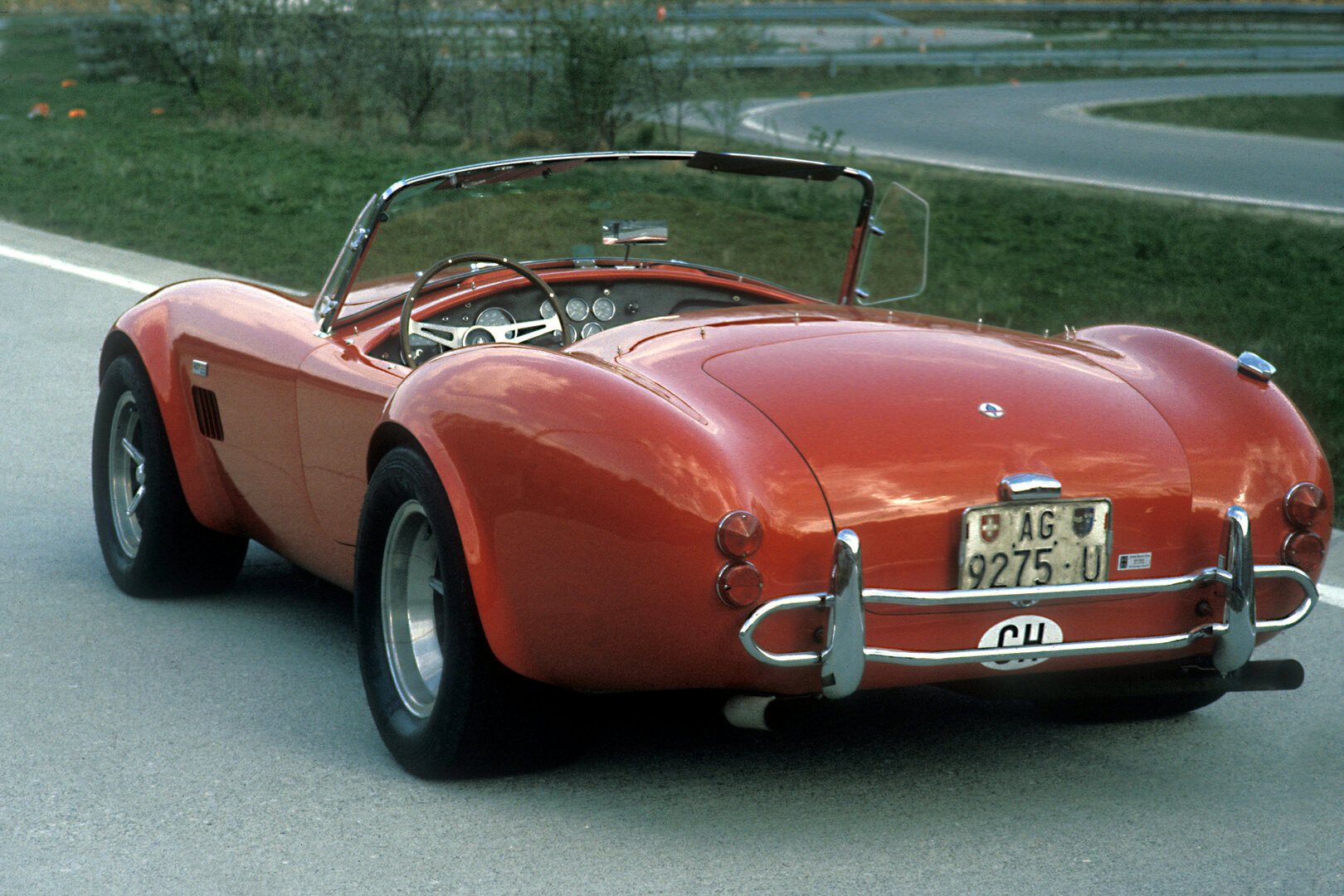
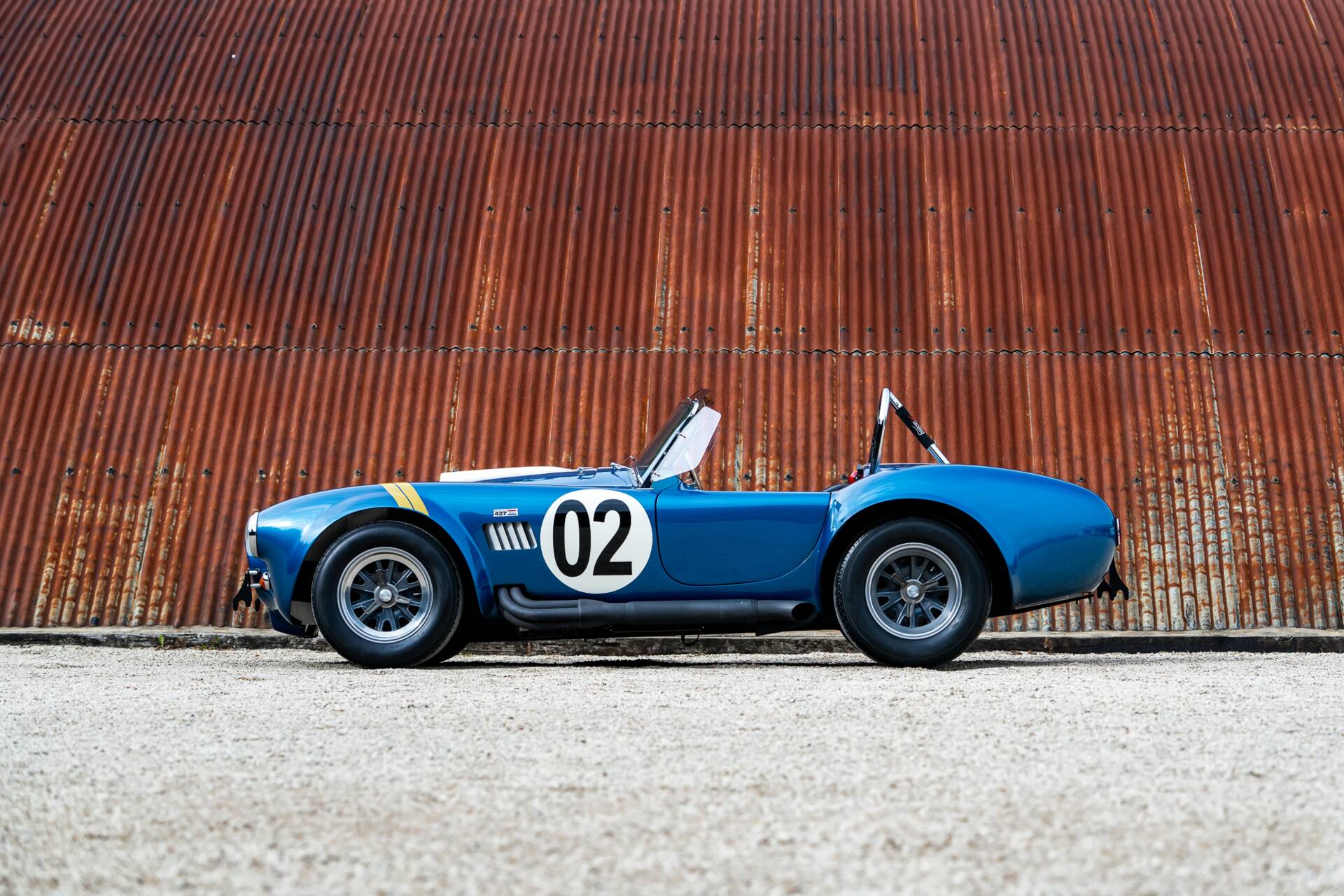
To trace the mechanical evolution of the Shelby Cobra is to witness a fascinating, violent metamorphosis from a raw hot-rod experiment into a highly engineered, world-conquering weapon. The lineage began with the Mk I generation in 1962. Beneath the hand-beaten, flowing aluminum skin, the chassis was fundamentally a relic of the 1950s. It relied on a twin-tube ladder frame and antiquated transverse leaf-spring suspension at both the front and rear. The earliest iterations were powered by Ford’s 260 cubic-inch V8, soon superseded by the legendary 289 cubic-inch (4.7-liter) small block. However, the Mk I was handicapped by its archaic worm-and-sector steering box, which made the featherweight, 340-horsepower roadster notoriously heavy and vague at the limit, demanding immense physical exertion from drivers like Ken Miles and Dave MacDonald. Recognizing this fatal flaw, Shelby American introduced the Mk II generation in 1963. While it retained the leaf-spring suspension, the Mk II integrated a modern rack-and-pinion steering system, transforming the Cobra from a straight-line brute into a surgical track instrument. With subtly flared wheel arches to accommodate wider rubber, the 289 Mk II became the absolute sweet spot of the lineage—the definitive, beautifully balanced sports car that terrorized domestic Corvette ranks and took the fight to Europe.
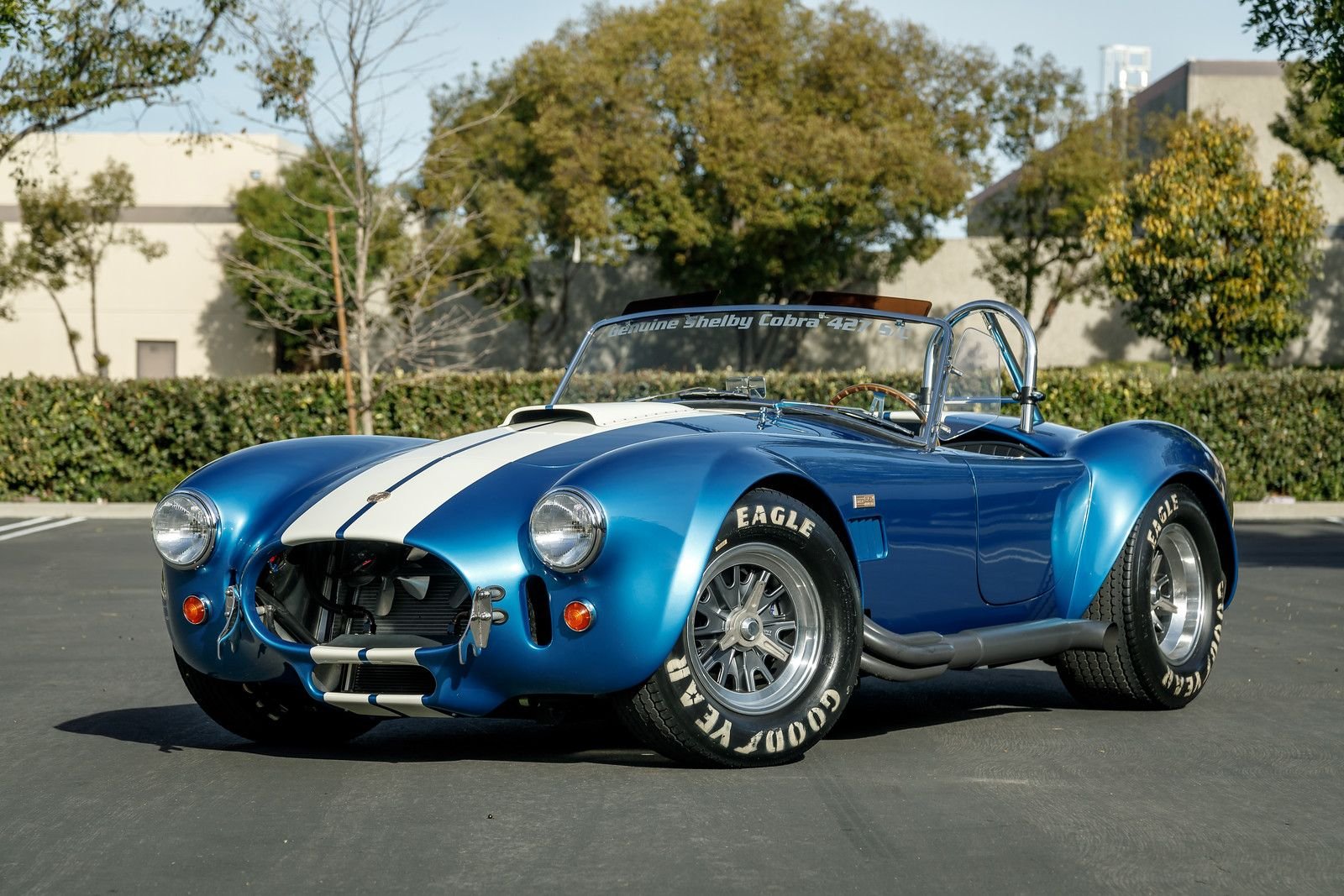
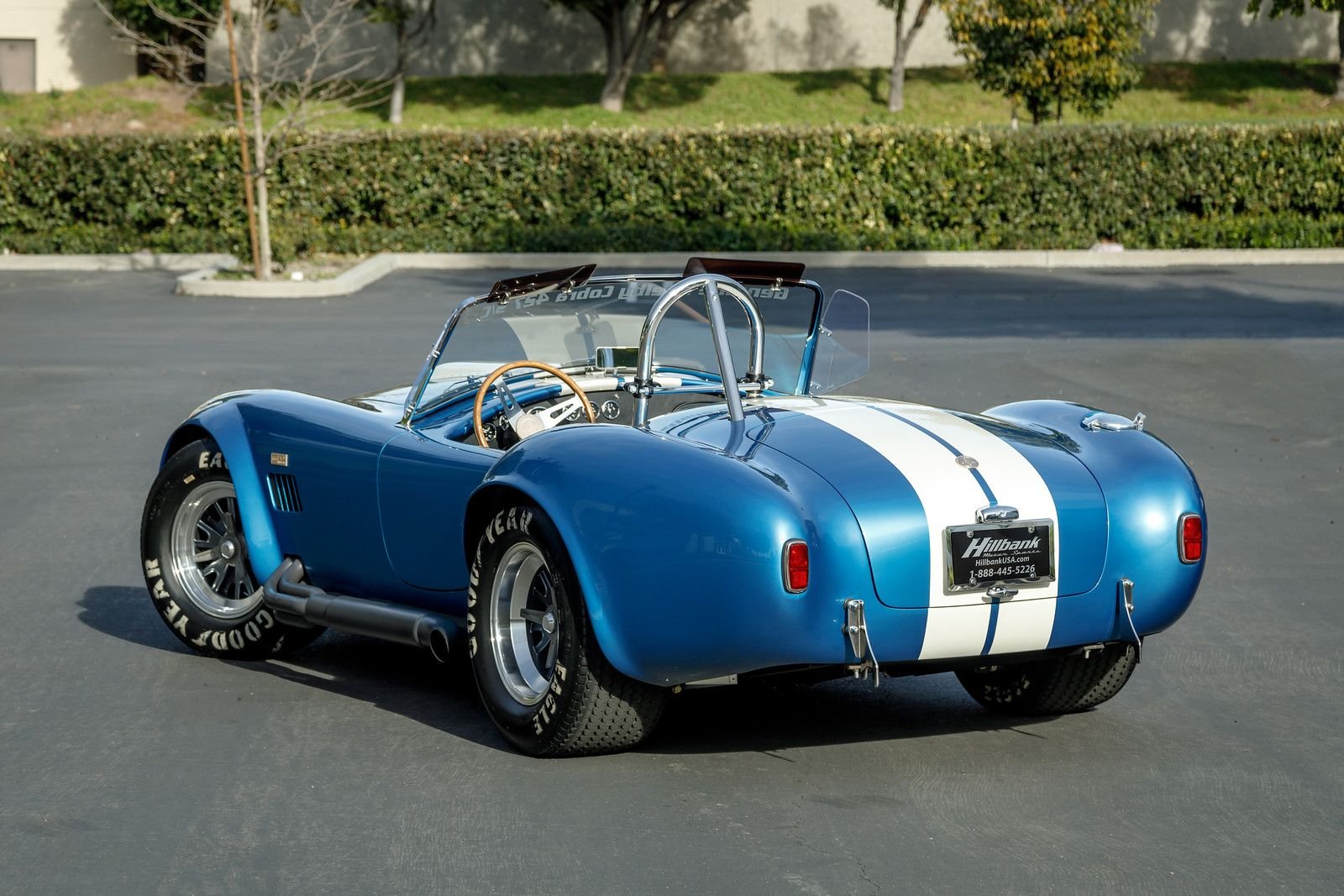
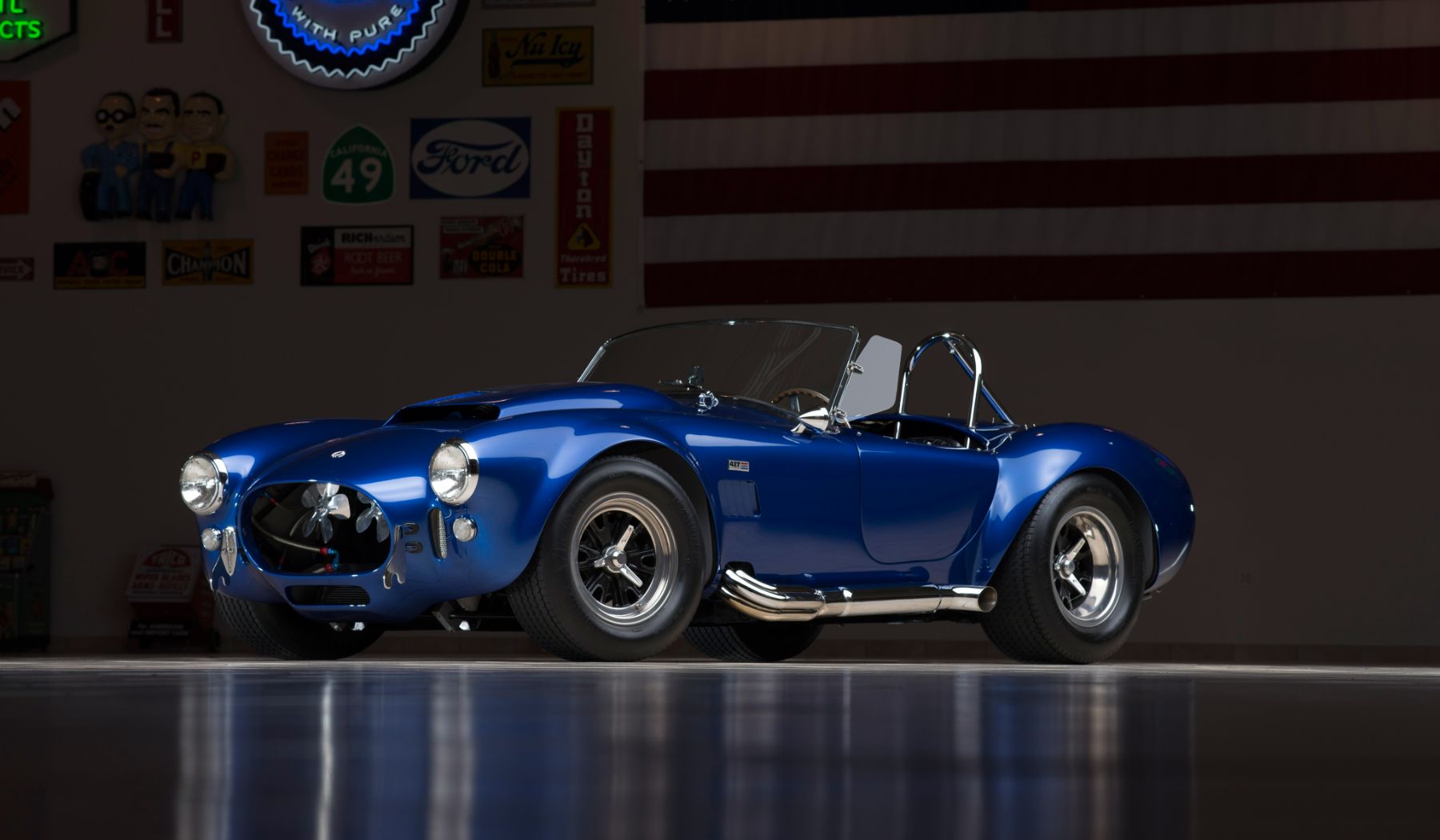
Yet, the automotive arms race was accelerating. By 1964, General Motors was threatening with massive big-block engines, and the Cobra’s 289 V8 had reached its developmental ceiling. Shelby needed a nuclear option, leading to the creation of the terrifying Mk III generation in 1965. To house Ford’s colossal 427 cubic-inch (7.0-liter) FE big-block V8 without twisting the car into a pretzel, the chassis was entirely redesigned by Ford engineer Bob Negstad. The main tubes were thickened to a massive four inches, and the leaf springs were discarded in favor of a fully independent, modern coil-spring suspension at all four corners. Aesthetically, the Mk III was a cartoonishly aggressive caricature, with gaping air intakes and violently flared arches to cover massive Halibrand pin-drive wheels. Producing over 500 horsepower, the 427 Cobra was an apocalyptic monster, completely devoid of creature comforts. Across all generations, the cockpit remained a spartan, heat-soaked crucible of speed, featuring Stewart-Warner gauges, a wood-rimmed steering wheel, a heavy Borg-Warner or Ford Toploader manual transmission, and the searing heat of side-exit exhaust pipes ready to brand the calves of the unwary.
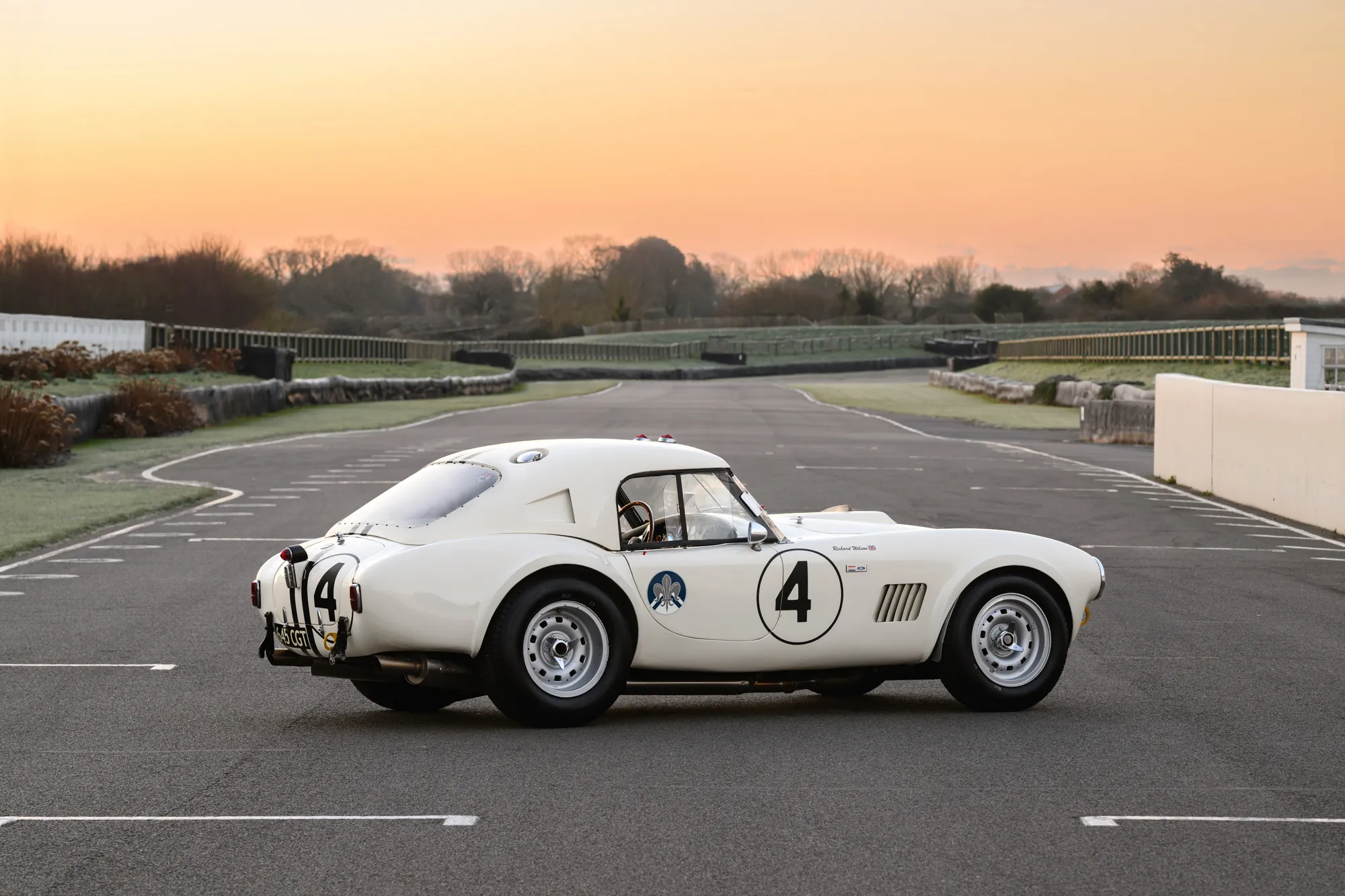
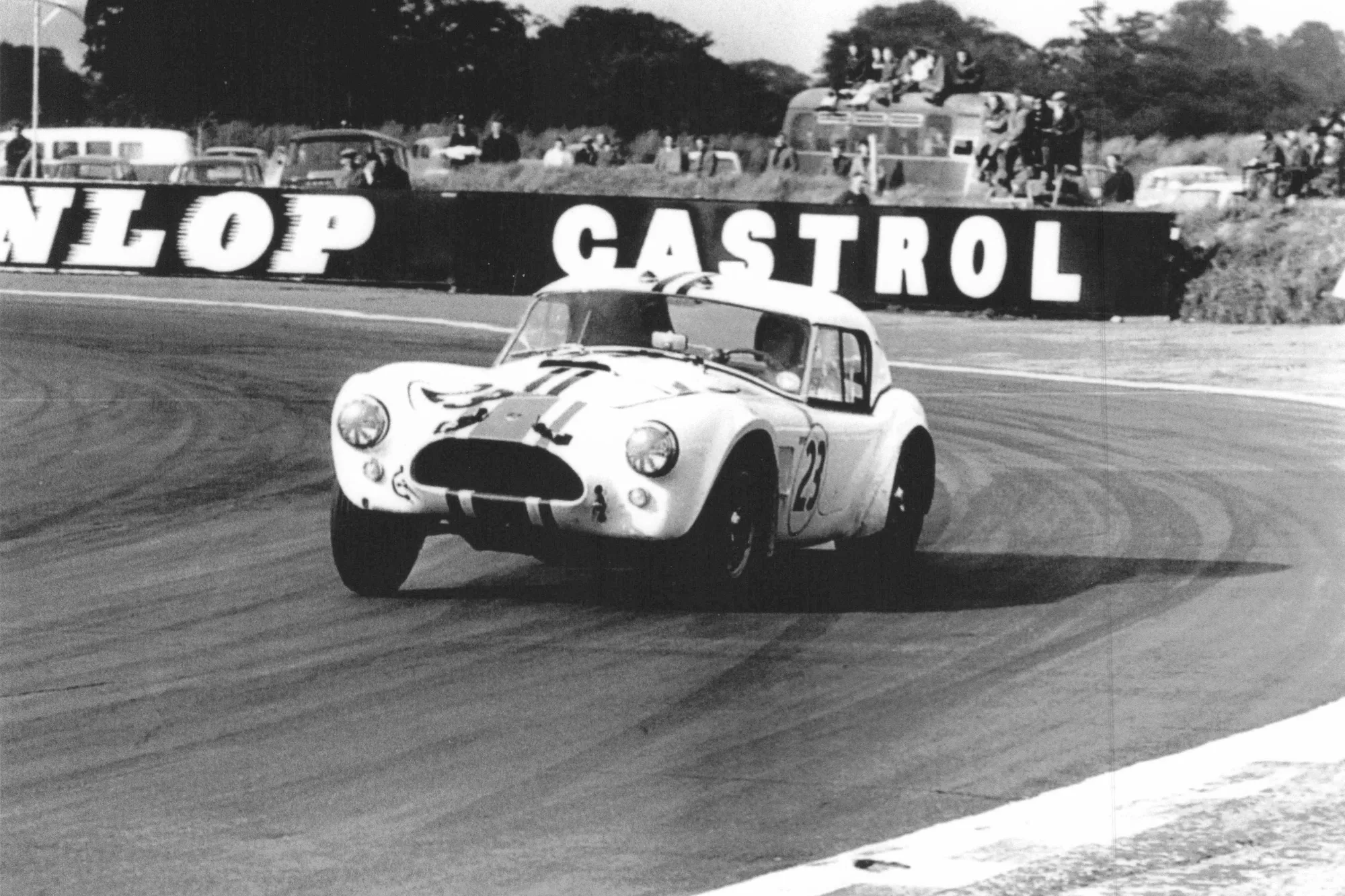
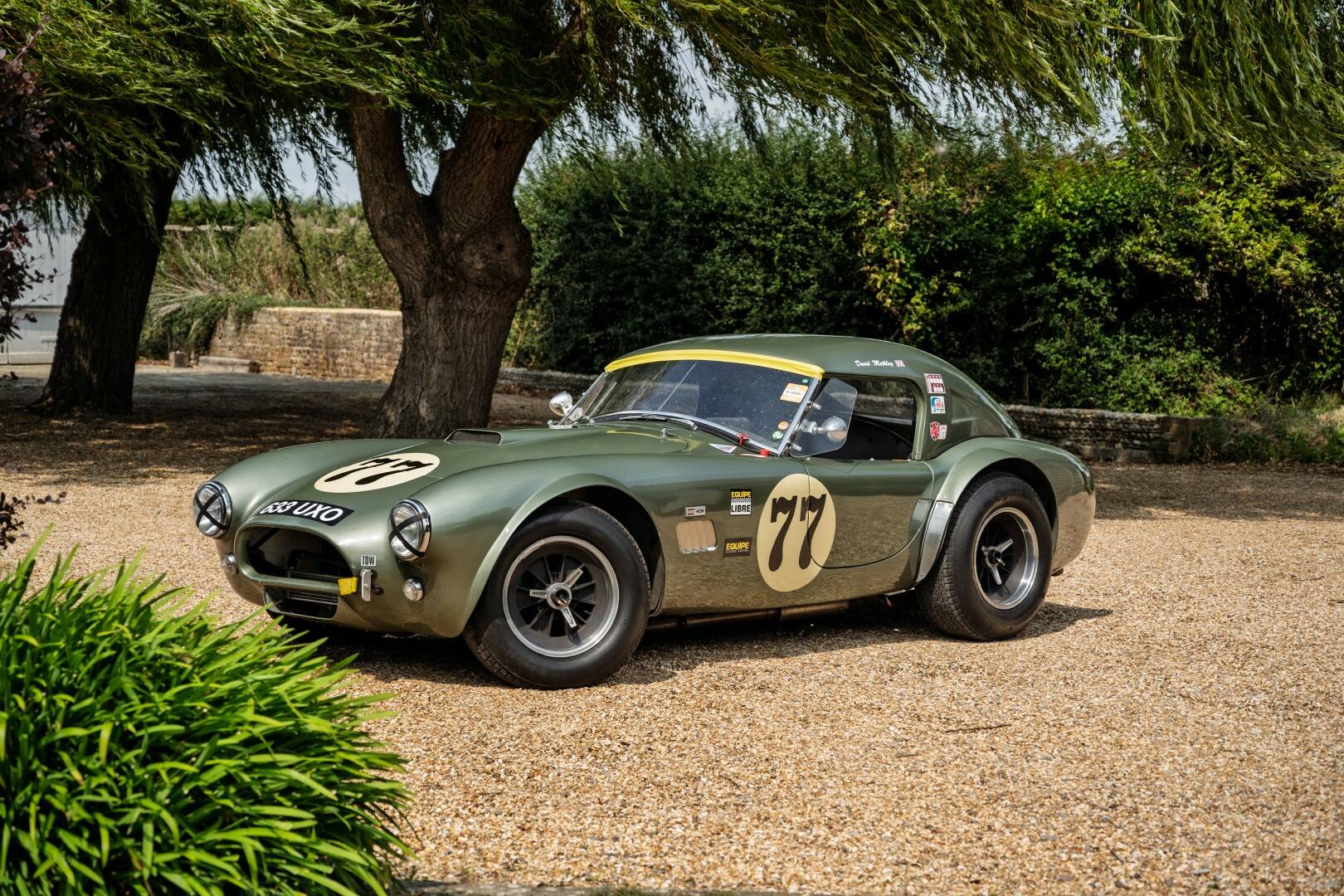
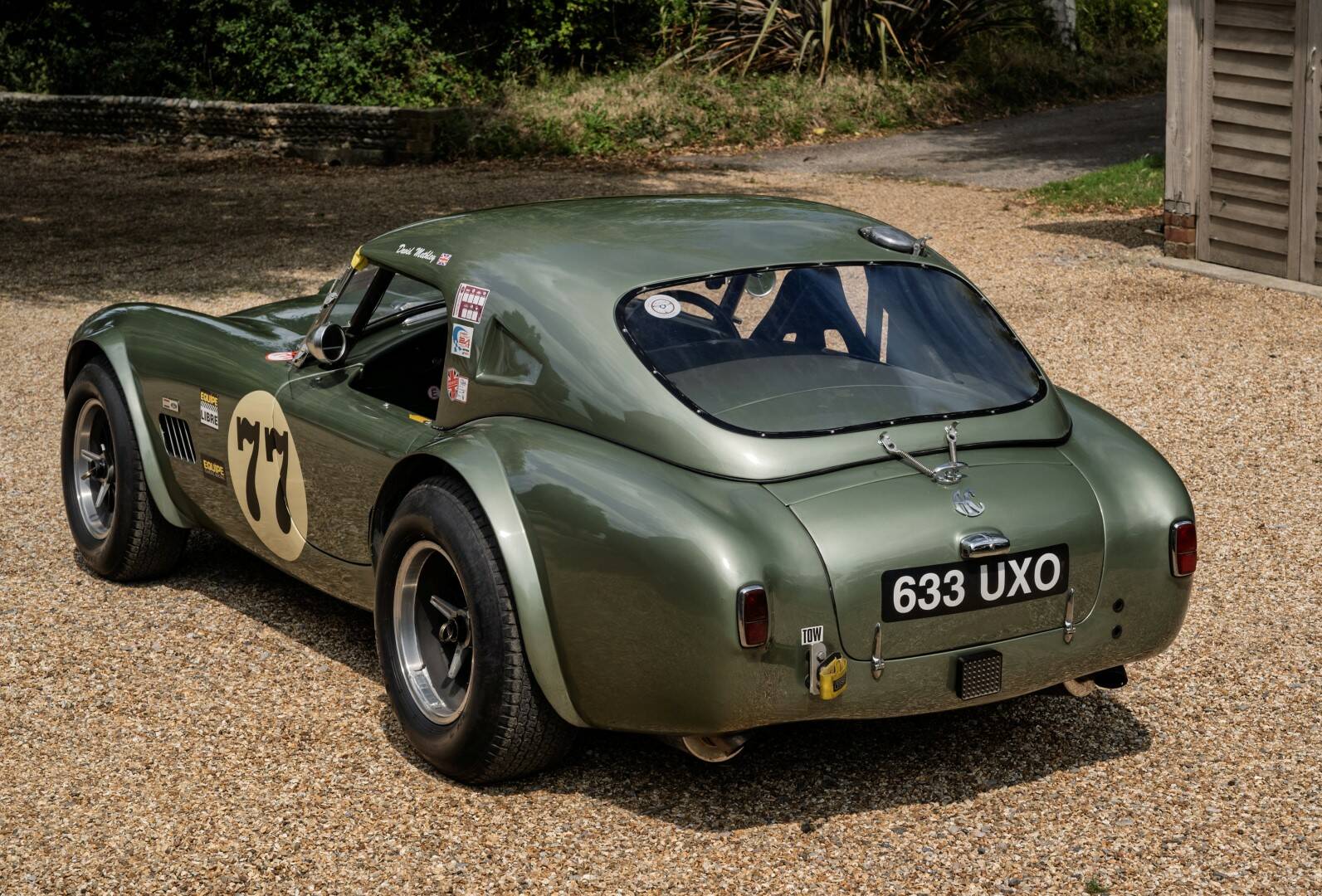
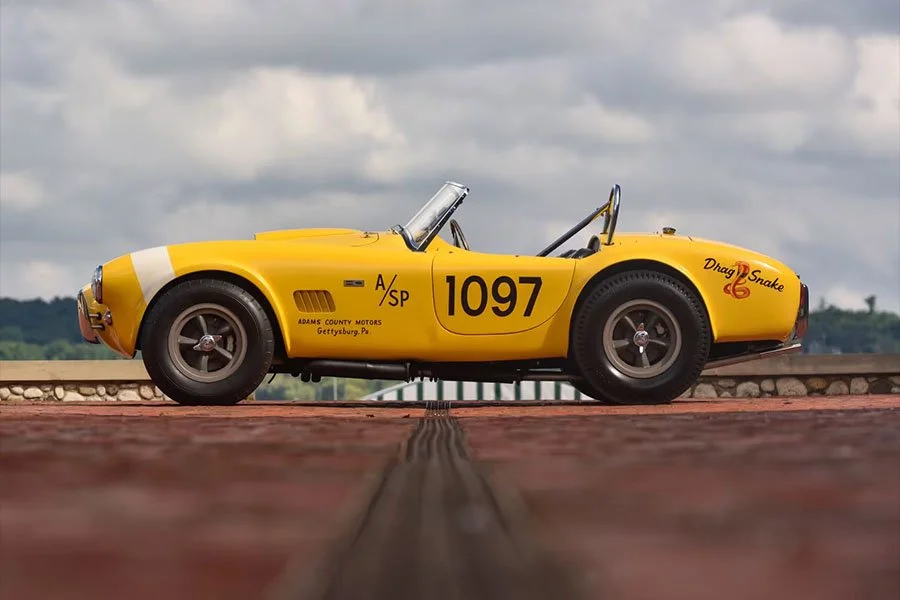
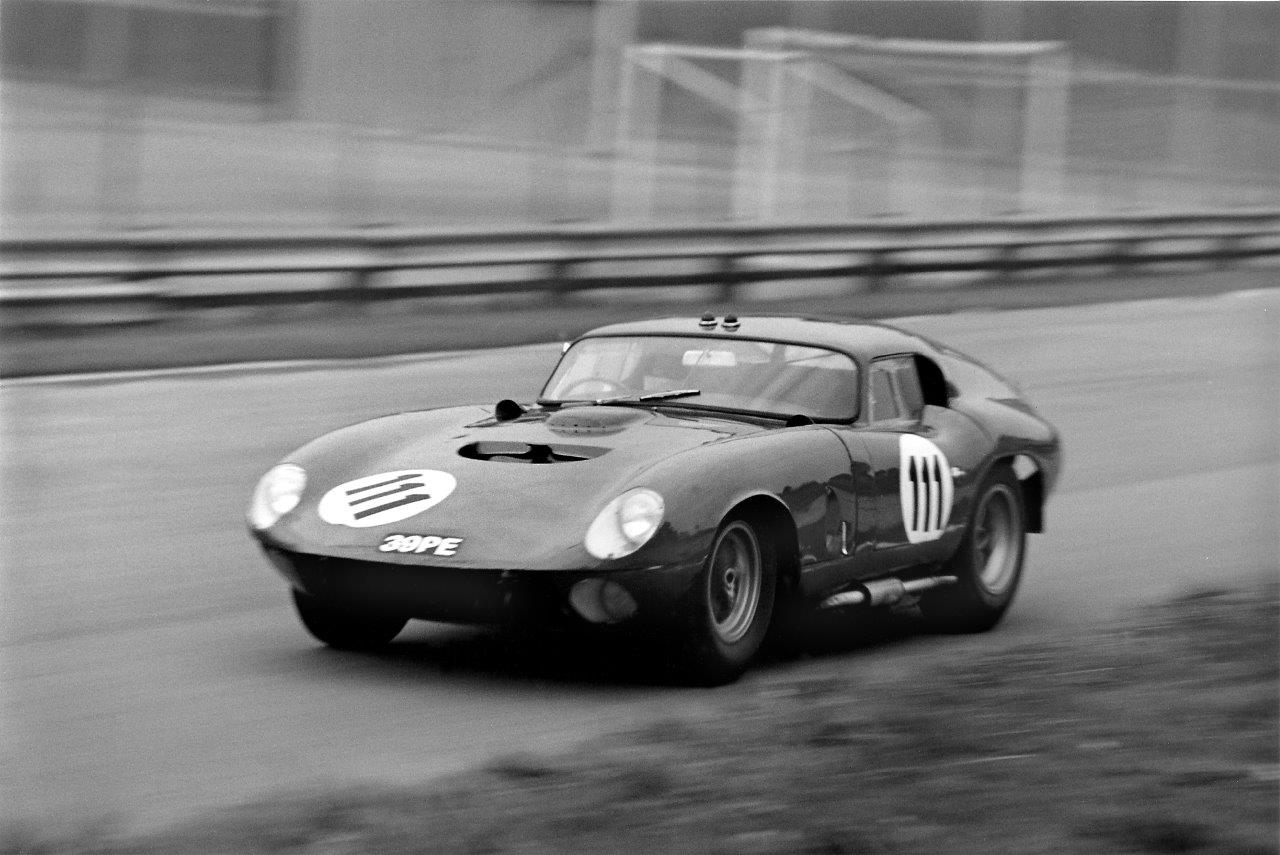
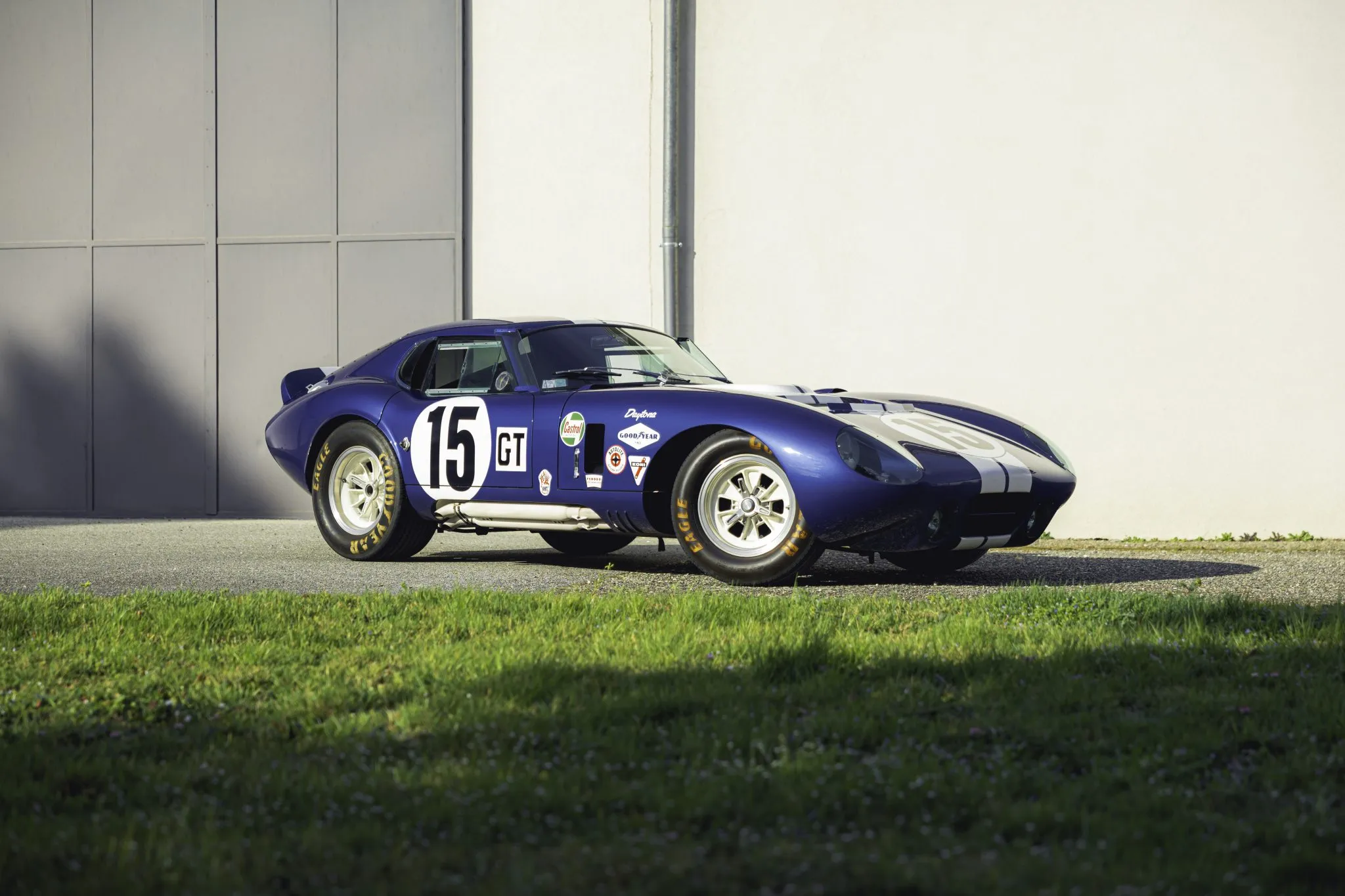
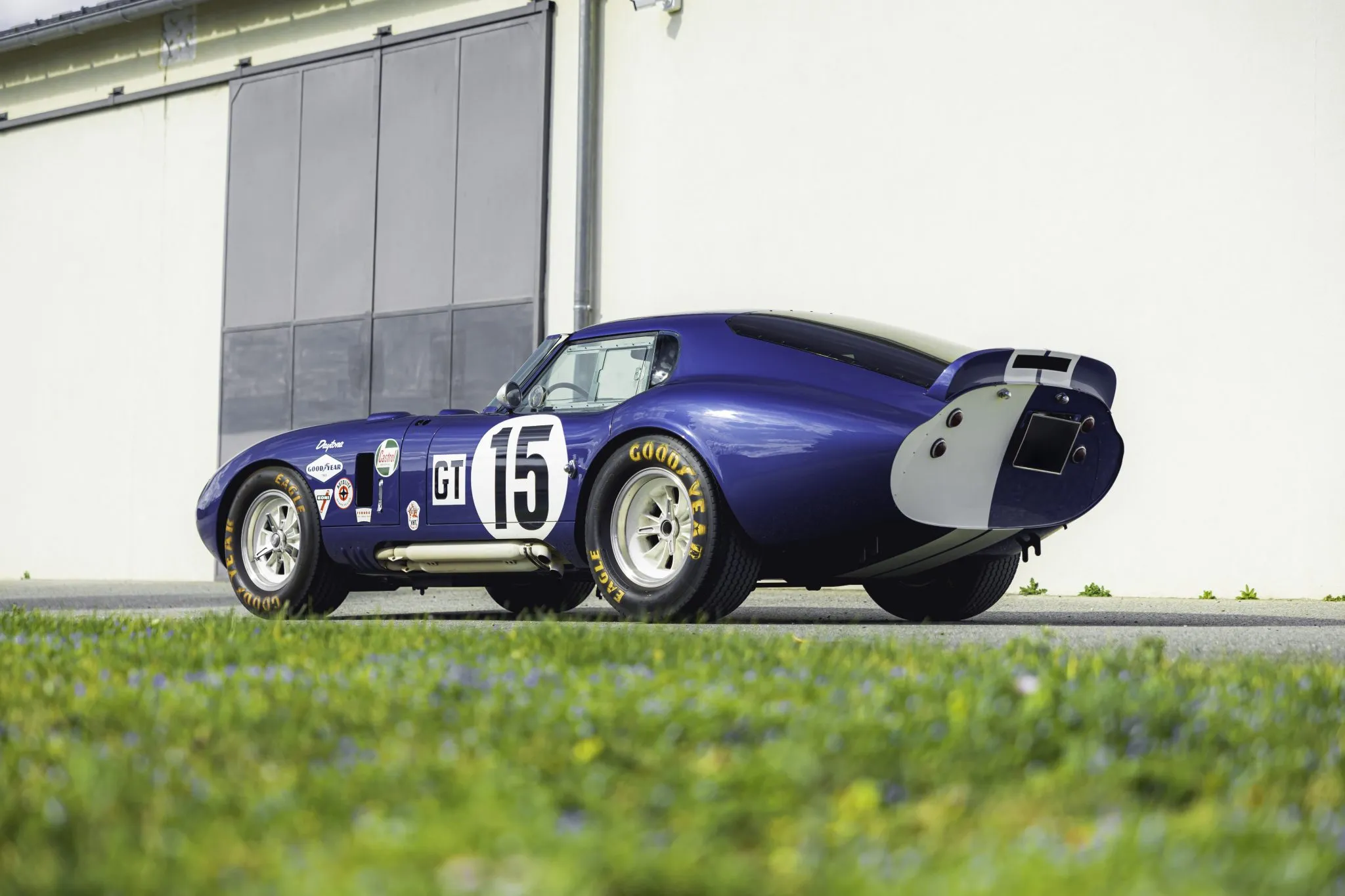
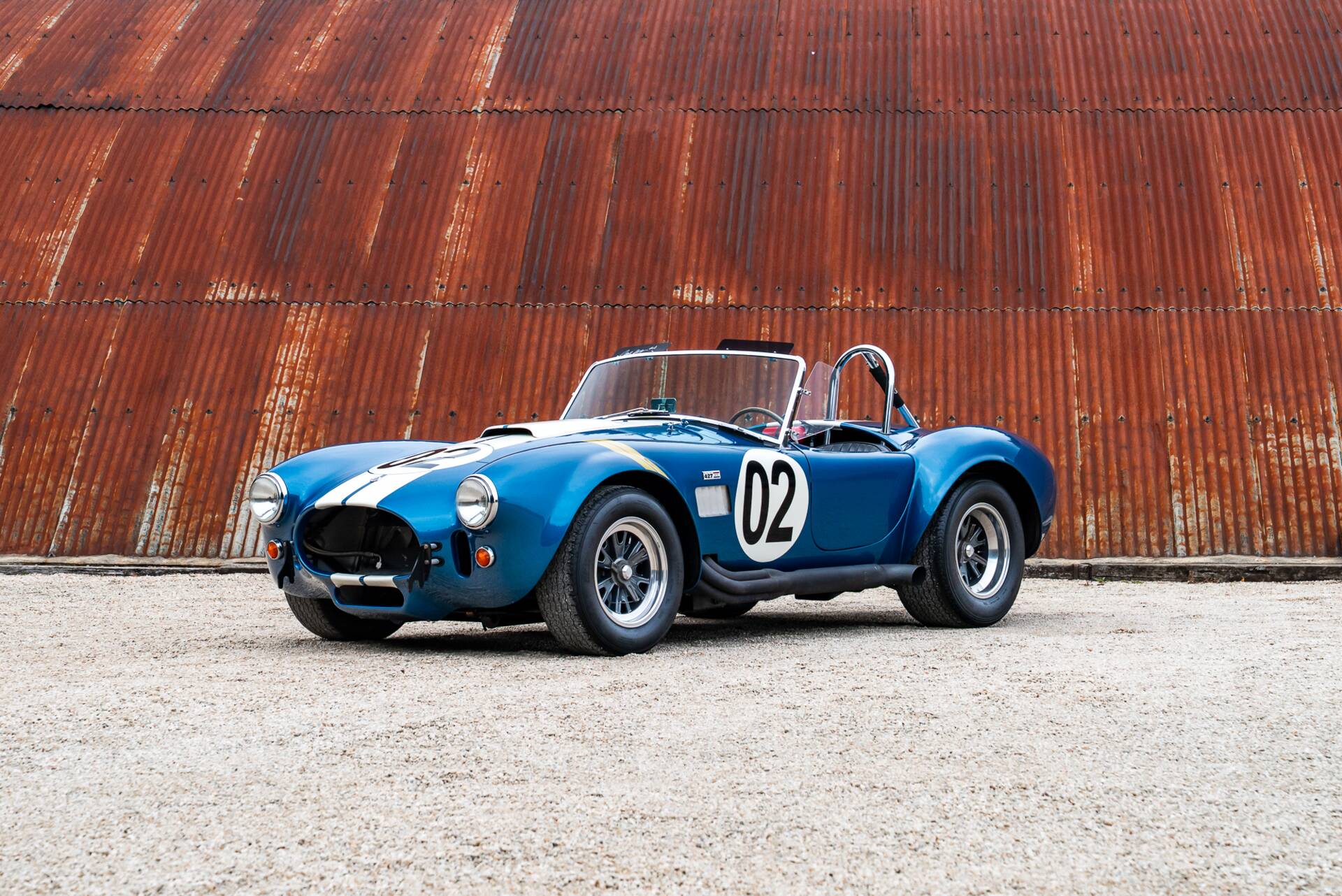
The competitive history of the Shelby Cobra is an epic saga of underdog grit and spectacular triumphs. Domestically, the roadsters orchestrated an absolute massacre in the Sports Car Club of America (SCCA) A-Production class and the United States Road Racing Championship (USRRC), consistently humiliating the heavier Chevrolet Corvettes. However, Shelby’s ultimate goal was to dethrone Enzo Ferrari in the FIA World Sportscar Championship. The open-top roadsters fought valiantly, but their brick-like aerodynamics limited their top speed on the endless straights of European circuits like Le Mans. This aerodynamic wall necessitated the creation of the Model Line’s most exotic offshoot: the Shelby Cobra Daytona Coupe. Designed by Pete Brock, this enclosed, Kamm-tailed aerodynamic masterpiece utilized the Mk II 289 chassis to slice through the air, increasing top speed by nearly 65 km/h (40 mph) without adding a single horsepower. The Daytona Coupe achieved Shelby’s ultimate dream, winning the GT class at Le Mans in 1964 and securing the FIA World Sportscar Championship for GT Manufacturers in 1965—the very first time an American constructor had captured an international FIA title.
Back on American soil, the narrative of the Mk III 427 Cobra was defined by a legendary bureaucratic failure. Shelby failed to build enough 427 Competition models to satisfy FIA GT homologation rules, casting the car into the Prototype class where it struggled against bespoke mid-engined racers. However, this boardroom defeat birthed the ultimate street-car legend. Left with 31 unsold pure race cars, Shelby slapped on windshields and sold them to the public as the Cobra S/C (Semi-Competition). Today, the S/C is revered as the most uncompromising, ferocious, and valuable street-legal sports car ever produced. The Cobra’s cultural impact transcended the racetrack; it became the ultimate symbol of 1960s American horsepower, famously immortalized by Carroll Shelby’s personal “Super Snake”—an 800-horsepower, twin-supercharged 427 widowmaker that inspired Bill Cosby’s legendary “200 MPH” comedy routine.
Because of its unmistakable, wide-hipped silhouette and visceral appeal, the Cobra has become the most replicated and cloned vehicle in automotive history. It represents the absolute zenith of the front-engined, rear-wheel-drive analog era—the final, most extreme escalation of the muscle-car ethos before aerodynamics and mid-engine layouts permanently rewrote the motorsport rulebook. While Shelby eventually shifted his focus to the Ford GT40 program that would conquer Le Mans overall, the Cobra remained his crowning personal achievement. It proved that a small band of Californian hot-rodders, armed with British aluminum and American V8 thunder, could out-think and out-race the aristocratic European establishment. The Shelby Cobra is not merely a classic sports car; it is a roaring, smoking, sliding monument to an era when too much horsepower was simply considered a good starting point. It remains the definitive Anglo-American hybrid, forever echoing with the mechanical shriek of a small block or the earth-shaking thunder of a 427 side-oiler.
Portal
Model line
Model generation
Predecessor
Sucessor
Brand
Produced from
Vehicle category
Portal
Model line
Model generation
Predecessor
Sucessor
Model Overview
To fully comprehend the seismic shockwave generated by the Shelby Cobra, one must first appreciate the rigid, highly polarized automotive landscape of the early 1960s. Across the Atlantic, the European sports car establishment, led by the aristocratic artisans at Ferrari, Jaguar, and Aston Martin, built highly sophisticated, incredibly complex, and fragile masterpieces of endurance racing. In America, Detroit was focused on producing massive, heavy muscle, with the Chevrolet Corvette standing as the sole, heavyweight domestic sports car. Carroll Shelby, a charismatic, fiercely competitive Texan whose own brilliant driving career had been prematurely halted by a heart condition, saw a glaring vulnerability in this transatlantic divide. He envisioned a machine that would bridge the gap: a featherweight, nimble European chassis stuffed with a reliable, brute-force American V8. When Shelby learned that the British boutique manufacturer AC Cars was losing the supply of obsolete Bristol inline-six engines for their lovely but aging Ace roadster, he struck with the precision of his namesake serpent. He convinced AC to ship him engineless chassis, then walked into Ford Motor Company and persuaded Lee Iacocca to supply their brand-new, lightweight small-block V8. The resulting unholy alliance birthed the Shelby Cobra, an Anglo-American hybrid that didn’t just challenge the global sports car hierarchy; it battered it into submission with a sledgehammer.
To trace the mechanical evolution of the Shelby Cobra is to witness a fascinating, violent metamorphosis from a raw hot-rod experiment into a highly engineered, world-conquering weapon. The lineage began with the Mk I generation in 1962. Beneath the hand-beaten, flowing aluminum skin, the chassis was fundamentally a relic of the 1950s. It relied on a twin-tube ladder frame and antiquated transverse leaf-spring suspension at both the front and rear. The earliest iterations were powered by Ford’s 260 cubic-inch V8, soon superseded by the legendary 289 cubic-inch (4.7-liter) small block. However, the Mk I was handicapped by its archaic worm-and-sector steering box, which made the featherweight, 340-horsepower roadster notoriously heavy and vague at the limit, demanding immense physical exertion from drivers like Ken Miles and Dave MacDonald. Recognizing this fatal flaw, Shelby American introduced the Mk II generation in 1963. While it retained the leaf-spring suspension, the Mk II integrated a modern rack-and-pinion steering system, transforming the Cobra from a straight-line brute into a surgical track instrument. With subtly flared wheel arches to accommodate wider rubber, the 289 Mk II became the absolute sweet spot of the lineage—the definitive, beautifully balanced sports car that terrorized domestic Corvette ranks and took the fight to Europe.
Yet, the automotive arms race was accelerating. By 1964, General Motors was threatening with massive big-block engines, and the Cobra’s 289 V8 had reached its developmental ceiling. Shelby needed a nuclear option, leading to the creation of the terrifying Mk III generation in 1965. To house Ford’s colossal 427 cubic-inch (7.0-liter) FE big-block V8 without twisting the car into a pretzel, the chassis was entirely redesigned by Ford engineer Bob Negstad. The main tubes were thickened to a massive four inches, and the leaf springs were discarded in favor of a fully independent, modern coil-spring suspension at all four corners. Aesthetically, the Mk III was a cartoonishly aggressive caricature, with gaping air intakes and violently flared arches to cover massive Halibrand pin-drive wheels. Producing over 500 horsepower, the 427 Cobra was an apocalyptic monster, completely devoid of creature comforts. Across all generations, the cockpit remained a spartan, heat-soaked crucible of speed, featuring Stewart-Warner gauges, a wood-rimmed steering wheel, a heavy Borg-Warner or Ford Toploader manual transmission, and the searing heat of side-exit exhaust pipes ready to brand the calves of the unwary.
The competitive history of the Shelby Cobra is an epic saga of underdog grit and spectacular triumphs. Domestically, the roadsters orchestrated an absolute massacre in the Sports Car Club of America (SCCA) A-Production class and the United States Road Racing Championship (USRRC), consistently humiliating the heavier Chevrolet Corvettes. However, Shelby’s ultimate goal was to dethrone Enzo Ferrari in the FIA World Sportscar Championship. The open-top roadsters fought valiantly, but their brick-like aerodynamics limited their top speed on the endless straights of European circuits like Le Mans. This aerodynamic wall necessitated the creation of the Model Line’s most exotic offshoot: the Shelby Cobra Daytona Coupe. Designed by Pete Brock, this enclosed, Kamm-tailed aerodynamic masterpiece utilized the Mk II 289 chassis to slice through the air, increasing top speed by nearly 65 km/h (40 mph) without adding a single horsepower. The Daytona Coupe achieved Shelby’s ultimate dream, winning the GT class at Le Mans in 1964 and securing the FIA World Sportscar Championship for GT Manufacturers in 1965—the very first time an American constructor had captured an international FIA title.
Back on American soil, the narrative of the Mk III 427 Cobra was defined by a legendary bureaucratic failure. Shelby failed to build enough 427 Competition models to satisfy FIA GT homologation rules, casting the car into the Prototype class where it struggled against bespoke mid-engined racers. However, this boardroom defeat birthed the ultimate street-car legend. Left with 31 unsold pure race cars, Shelby slapped on windshields and sold them to the public as the Cobra S/C (Semi-Competition). Today, the S/C is revered as the most uncompromising, ferocious, and valuable street-legal sports car ever produced. The Cobra’s cultural impact transcended the racetrack; it became the ultimate symbol of 1960s American horsepower, famously immortalized by Carroll Shelby’s personal “Super Snake”—an 800-horsepower, twin-supercharged 427 widowmaker that inspired Bill Cosby’s legendary “200 MPH” comedy routine.
Because of its unmistakable, wide-hipped silhouette and visceral appeal, the Cobra has become the most replicated and cloned vehicle in automotive history. It represents the absolute zenith of the front-engined, rear-wheel-drive analog era—the final, most extreme escalation of the muscle-car ethos before aerodynamics and mid-engine layouts permanently rewrote the motorsport rulebook. While Shelby eventually shifted his focus to the Ford GT40 program that would conquer Le Mans overall, the Cobra remained his crowning personal achievement. It proved that a small band of Californian hot-rodders, armed with British aluminum and American V8 thunder, could out-think and out-race the aristocratic European establishment. The Shelby Cobra is not merely a classic sports car; it is a roaring, smoking, sliding monument to an era when too much horsepower was simply considered a good starting point. It remains the definitive Anglo-American hybrid, forever echoing with the mechanical shriek of a small block or the earth-shaking thunder of a 427 side-oiler.
Generations
Model Generations

Submodels