
Mercedes-Benz W25 B
Brand
Produced from
Portal
Vehicle category
Model line
Predecessor
Successor
Submodel Overview
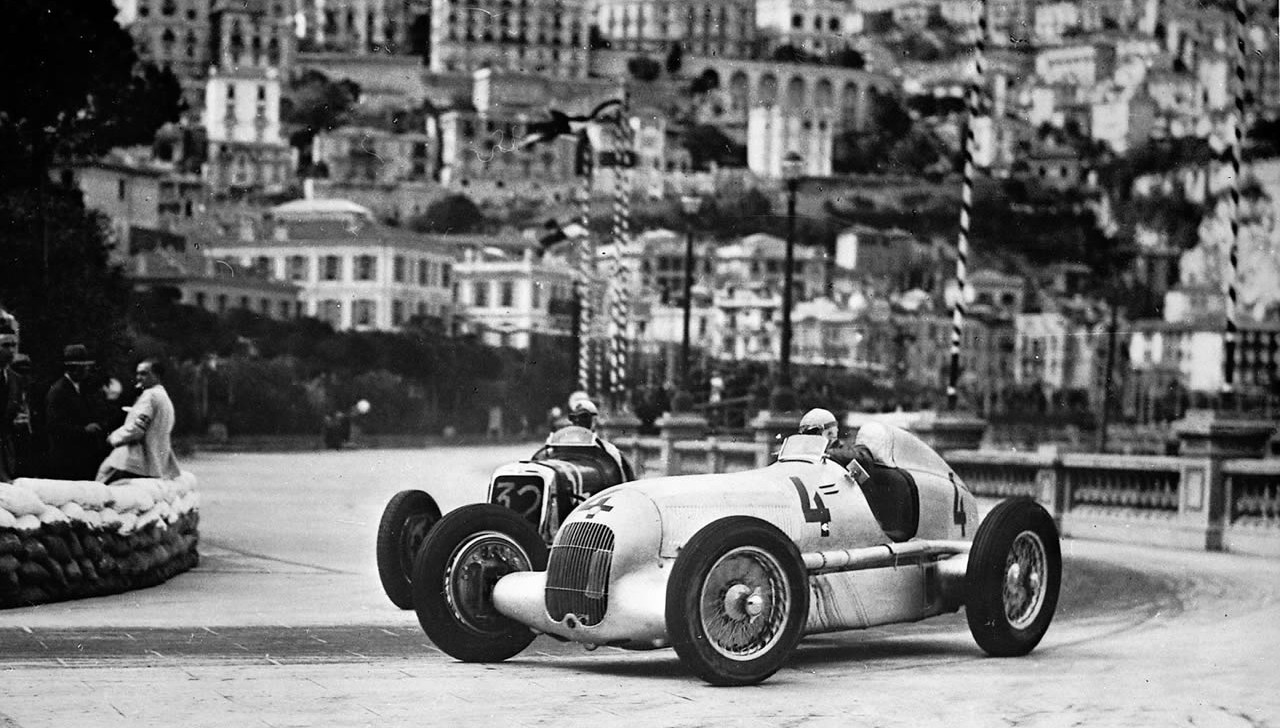
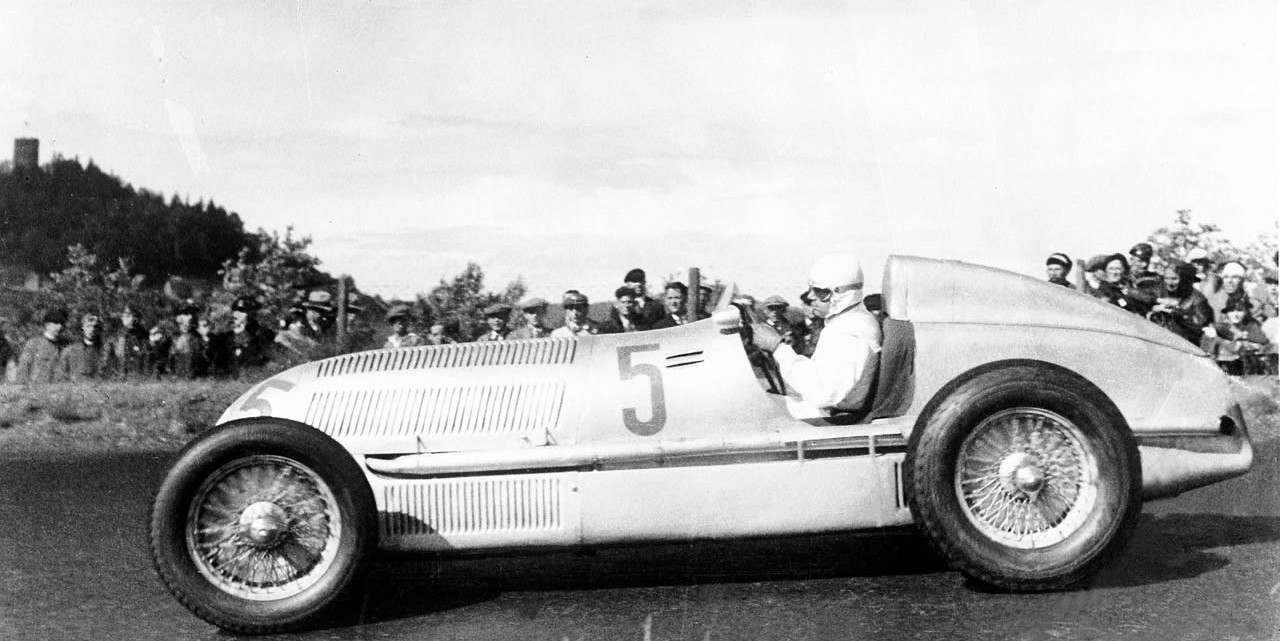
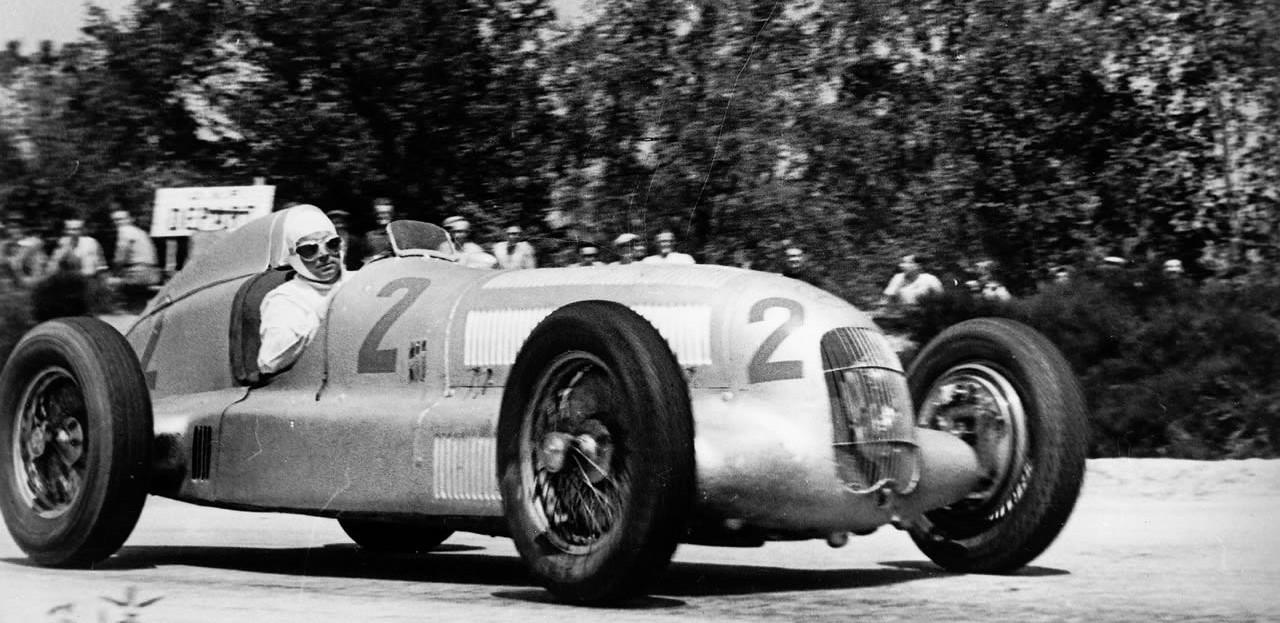
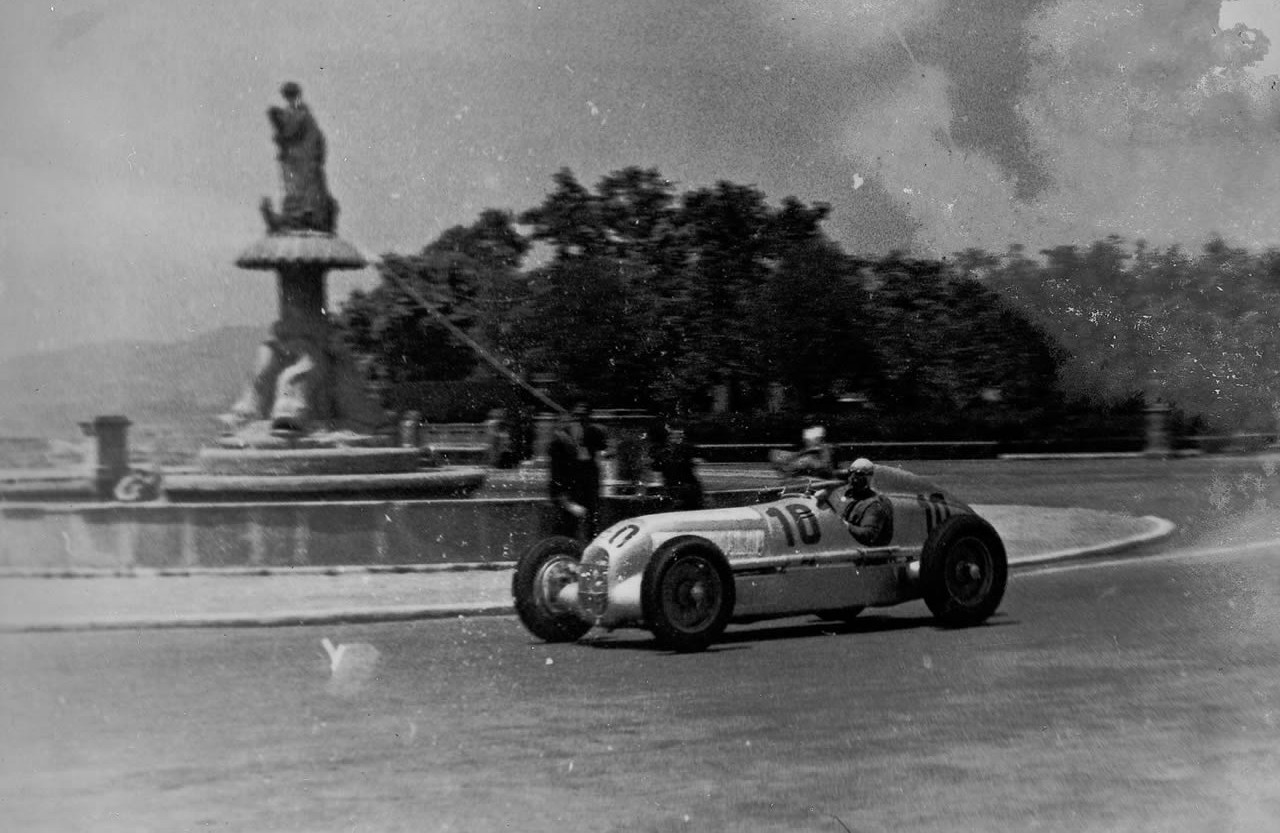
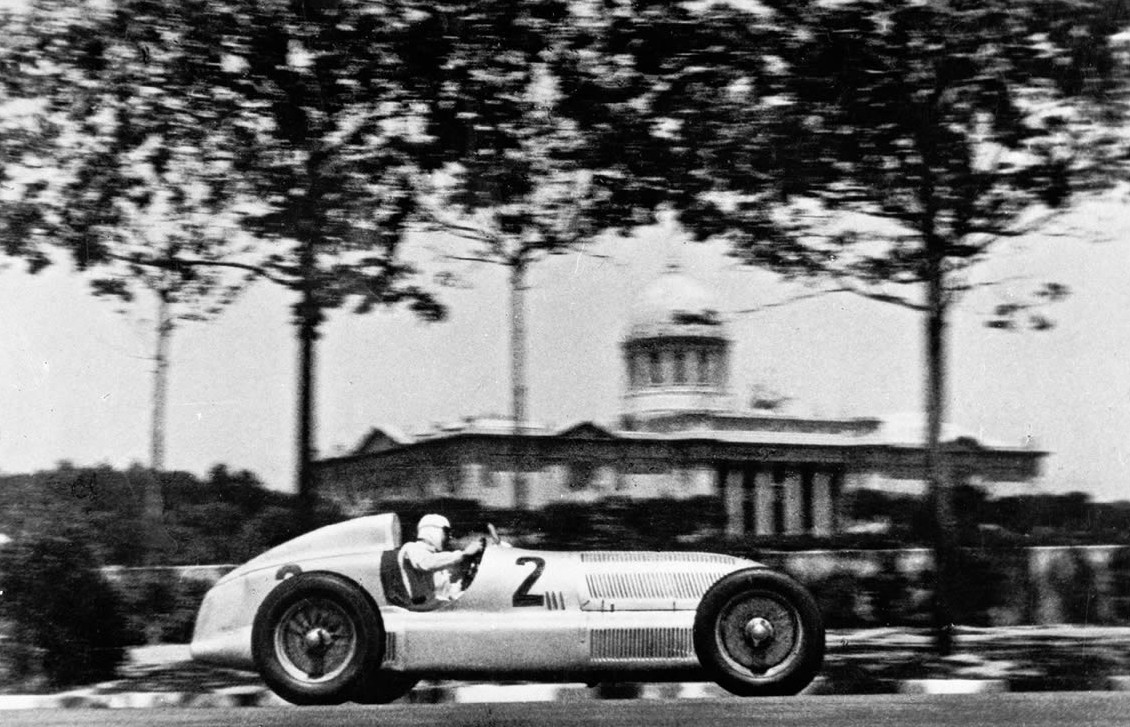
The scream of a Roots-type supercharger tearing through the Eifel mountains in 1935 was not merely the sound of a racing car; it was the terrifying auditory signature of absolute, state-sponsored dominance. As the 750 kg (1653 lbs) formula entered its second frantic year, the arms race between the German titans had reached a fever pitch. Mercedes-Benz, under the iron-fisted direction of Alfred Neubauer, realised their original 1934 machine needed vastly more firepower to crush the emerging mid-engined threat of the Auto Union Type B and the nimble, yet ageing, Alfa Romeo Tipo B ‘P3’. The answer forged in Stuttgart was the 1935 Mercedes-Benz W25 B, a stripped-back, unpainted aluminium projectile that weaponised brute force. It was a monoposto designed for one singular, uncompromising purpose: to ensure that the silver cars remained firmly at the vanguard of the European Grand Prix circuits.
To peer beneath the louvred, bare-metal bonnet of the W25 B is to witness the ruthless escalation of pre-war automotive engineering. Rudolf Uhlenhaut and his team managed to extract a colossal 430 bhp from the newly enlarged 4.0-litre (244 cu in) M25 B supercharged V8 engine—a terrifying output for a chassis weighing just under the mandated 750 kg (1653 lbs) limit. This monstrous powerplant, breathing a highly volatile, acrid cocktail of alcohol and benzole, sent shuddering vibrations through the pressed-steel U-section frame. Power was delivered to the notoriously narrow rear cross-ply tyres via a four-speed manual transaxle. The W25 B retained the advanced independent suspension of its predecessor, employing wishbones and coil springs at the front, paired with a swing-axle setup at the rear. While revolutionary on paper, this geometry made the chassis incredibly temperamental on the limit, demanding a pilot who could dance with snap-oversteer at speeds approaching 280 km/h (174 mph). The cockpit was a cramped, heat-soaked crucible where the driver was baked by the exhaust and deafened by the mechanical violence unfolding mere inches ahead. Stopping this silver missile relied on heavily finned aluminium drum brakes, which fought a constant, fading battle against the sheer kinetic energy generated by 430 screaming horses.
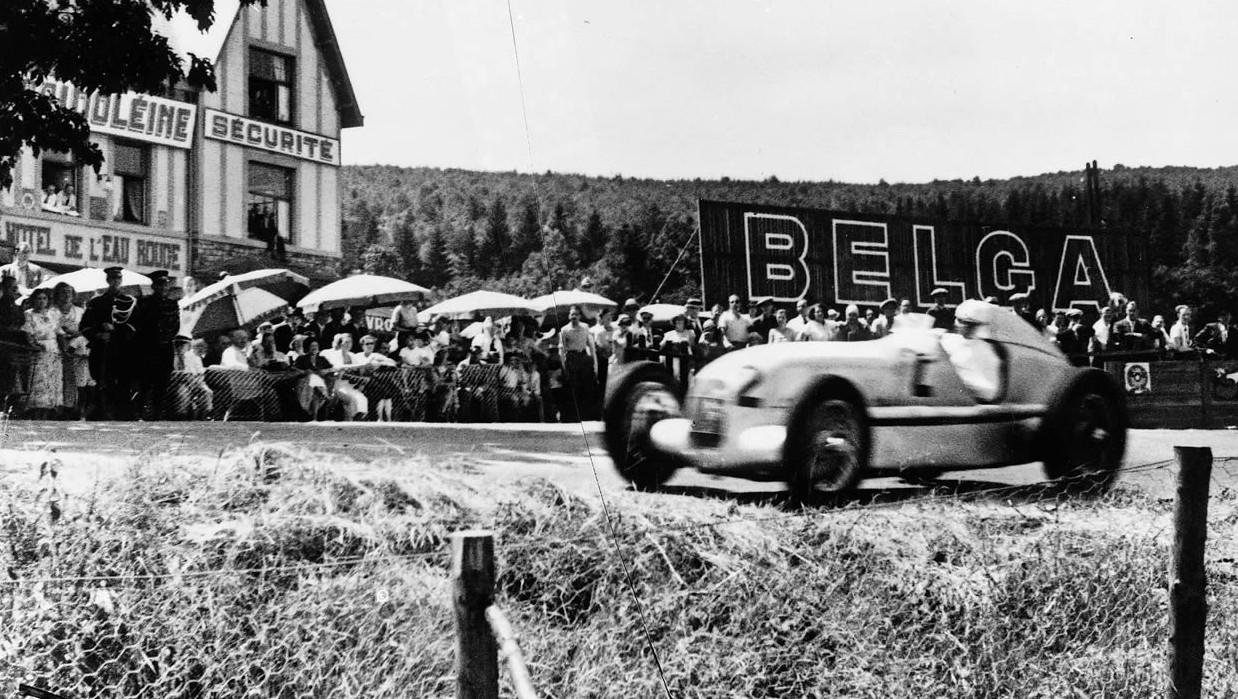
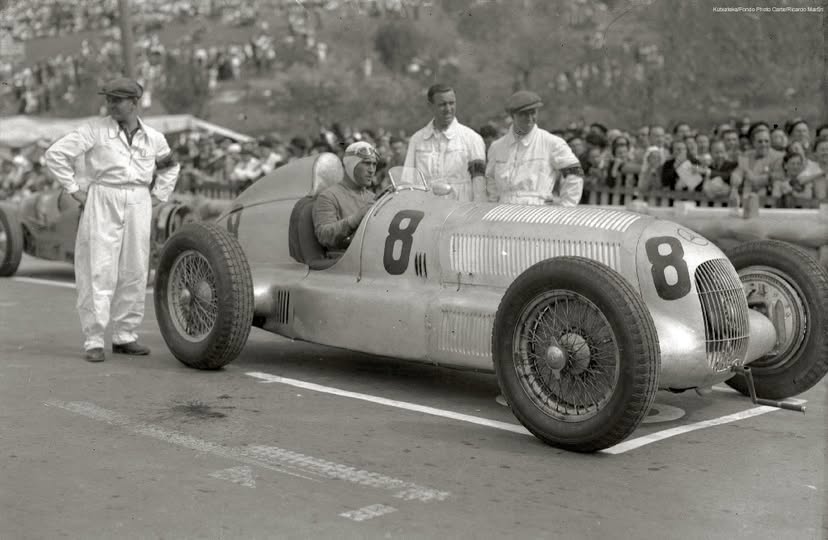
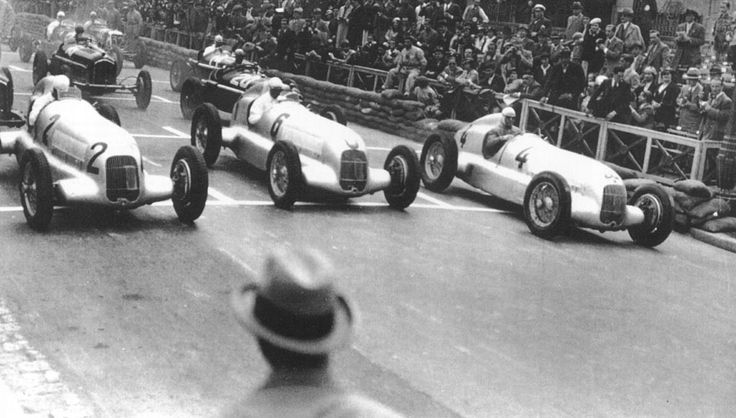
On the track, the W25 B was a weapon of blunt-force trauma, demanding a mixture of aristocratic bravery and sheer physical endurance to tame. It was the chariot that helped propel the legendary Rudolf Caracciola, the undisputed Regenmeister (Rainmaster), towards his 1935 European Championship crown. Alongside the fiercely competitive Luigi Fagioli and the aristocratic Manfred von Brauchitsch, the Mercedes-Benz squad wielded the 4.0-litre variant to devastating effect across the continent’s most perilous circuits. The sheer acceleration of the W25 B could simply blast past the outgunned Italian machinery on the long straights of Spa-Francorchamps and AVUS. Yet, the 1935 season was not without its bitter humiliations. At the Nürburgring, during the German Grand Prix, the immense power of the W25 B and its sister cars was famously humbled by the possessed brilliance of Tazio Nuvolari in an obsolete Alfa Romeo—a legendary defeat that stung the pride of the political elite and forced Neubauer to relentlessly push for even greater performance. Furthermore, the chassis flex and the sudden, vicious camber changes of the rear swing axles meant that the car was fundamentally wrestling against its own immense power, making tyre preservation a dark, elusive art.
The W25 B stands as a vital, violent stepping stone in the mythology of the Silver Arrows. It proved that engine displacement and sheer supercharged fury could overwhelm the delicate handling advantages of lighter, older designs, permanently shifting the paradigm of Grand Prix racing towards outright horsepower. However, its increasingly terrifying handling traits would eventually force Uhlenhaut back to the drawing board, paving the way for the even more powerful 4.3-litre (262 cu in) W25 C later that year, and ultimately leading to the utterly dominant, stiffer-chassis W125 of 1937.
Brand
Produced from
Portal
Vehicle category
Model line
Predecessor
Sucessor
Brand
Produced from
Portal
Vehicle category
Model line
Model generation
Predecessor
Sucessor
Submodel Overview
The scream of a Roots-type supercharger tearing through the Eifel mountains in 1935 was not merely the sound of a racing car; it was the terrifying auditory signature of absolute, state-sponsored dominance. As the 750 kg (1653 lbs) formula entered its second frantic year, the arms race between the German titans had reached a fever pitch. Mercedes-Benz, under the iron-fisted direction of Alfred Neubauer, realised their original 1934 machine needed vastly more firepower to crush the emerging mid-engined threat of the Auto Union Type B and the nimble, yet ageing, Alfa Romeo Tipo B ‘P3’. The answer forged in Stuttgart was the 1935 Mercedes-Benz W25 B, a stripped-back, unpainted aluminium projectile that weaponised brute force. It was a monoposto designed for one singular, uncompromising purpose: to ensure that the silver cars remained firmly at the vanguard of the European Grand Prix circuits.
To peer beneath the louvred, bare-metal bonnet of the W25 B is to witness the ruthless escalation of pre-war automotive engineering. Rudolf Uhlenhaut and his team managed to extract a colossal 430 bhp from the newly enlarged 4.0-litre (244 cu in) M25 B supercharged V8 engine—a terrifying output for a chassis weighing just under the mandated 750 kg (1653 lbs) limit. This monstrous powerplant, breathing a highly volatile, acrid cocktail of alcohol and benzole, sent shuddering vibrations through the pressed-steel U-section frame. Power was delivered to the notoriously narrow rear cross-ply tyres via a four-speed manual transaxle. The W25 B retained the advanced independent suspension of its predecessor, employing wishbones and coil springs at the front, paired with a swing-axle setup at the rear. While revolutionary on paper, this geometry made the chassis incredibly temperamental on the limit, demanding a pilot who could dance with snap-oversteer at speeds approaching 280 km/h (174 mph). The cockpit was a cramped, heat-soaked crucible where the driver was baked by the exhaust and deafened by the mechanical violence unfolding mere inches ahead. Stopping this silver missile relied on heavily finned aluminium drum brakes, which fought a constant, fading battle against the sheer kinetic energy generated by 430 screaming horses.
On the track, the W25 B was a weapon of blunt-force trauma, demanding a mixture of aristocratic bravery and sheer physical endurance to tame. It was the chariot that helped propel the legendary Rudolf Caracciola, the undisputed Regenmeister (Rainmaster), towards his 1935 European Championship crown. Alongside the fiercely competitive Luigi Fagioli and the aristocratic Manfred von Brauchitsch, the Mercedes-Benz squad wielded the 4.0-litre variant to devastating effect across the continent’s most perilous circuits. The sheer acceleration of the W25 B could simply blast past the outgunned Italian machinery on the long straights of Spa-Francorchamps and AVUS. Yet, the 1935 season was not without its bitter humiliations. At the Nürburgring, during the German Grand Prix, the immense power of the W25 B and its sister cars was famously humbled by the possessed brilliance of Tazio Nuvolari in an obsolete Alfa Romeo—a legendary defeat that stung the pride of the political elite and forced Neubauer to relentlessly push for even greater performance. Furthermore, the chassis flex and the sudden, vicious camber changes of the rear swing axles meant that the car was fundamentally wrestling against its own immense power, making tyre preservation a dark, elusive art.
The W25 B stands as a vital, violent stepping stone in the mythology of the Silver Arrows. It proved that engine displacement and sheer supercharged fury could overwhelm the delicate handling advantages of lighter, older designs, permanently shifting the paradigm of Grand Prix racing towards outright horsepower. However, its increasingly terrifying handling traits would eventually force Uhlenhaut back to the drawing board, paving the way for the even more powerful 4.3-litre (262 cu in) W25 C later that year, and ultimately leading to the utterly dominant, stiffer-chassis W125 of 1937.
Tech Specs
Technical Specifications
Tech Specs
Technical Specifications
Engine
01
03
Internal combustion engine
Configuration
Mercedes-Benz M25 B, Inline-8
Location
Front, longitudinally mounted
Construction
Forged-steel block and head
Displacement (cc)
~3,990 cc
Displacement (cu in)
~243.5 cu in
Compression
~7.5:1
Bore x Stroke
-
Valvetrain
4 valves per cylinder, DOHC
Fuel feed
2 x Mercedes carburettors
Lubrication
Dry sump
Aspiration
Supercharged (Roots-type blower)
Output
Power (hp)
~430 hp
Power (kW)
~316 kW
Max power at
5,800 RPM
Torque (Nm)
-
Torque (ft lbs)
-
Max torque at
-
Drivetrain
02
03
Chassis
Type
Box-section frame
Material
Steel
Body
Material
Aluminium
Transmission
Gearbox
4-speed manual
Drive
Rear Wheel Drive
Suspension
Front
Independent, double wishbones, bell-crank actuated horizontal coil springs, friction dampers
Rear
Independent, swing axle with transverse leaf springs, friction dampers
Steering
Type
Worm and nut, unassisted
Brakes
Front
Hydraulic drum brakes
Rear
Hydraulic drum brakes
Wheels
Front
-
Rear
-
Tires
Front
-
Rear
-
Dimensions and performance
03
03
Dimensions
Length (mm)
4,040 mm
Length (in)
159.1 in
Width (mm)
1,770 mm
Width (in)
69.7 in
Height (mm)
1,160 mm
Height (in)
45.7 in
Wheelbase (mm)
2,725 mm
Wheelbase (in)
107.3 in
Weight (kg)
750 kg
Weight (lbs)
1,654 lbs
Performance
Power to weight
~0.57 hp/kg
Top speed (km/h)
~300 km/h
Top speed (mph)
~186 mph
0-100 km/h (0-60 mph)
-