
Delahaye 145 Grand Prix
Brand
Produced from
Portal
Vehicle category
Model line
Predecessor
Successor
Submodel Overview
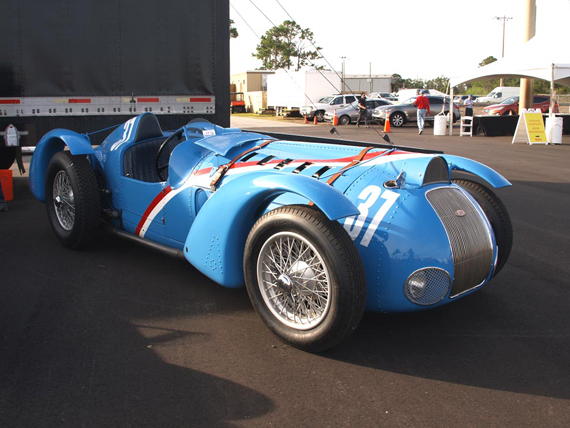
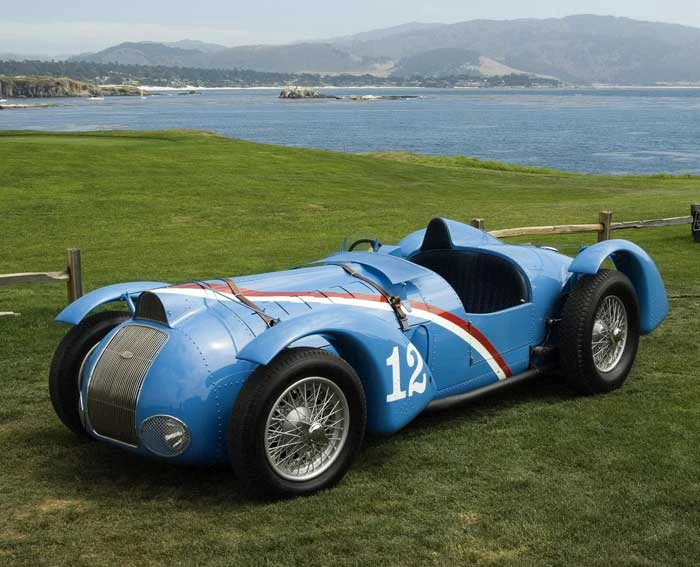
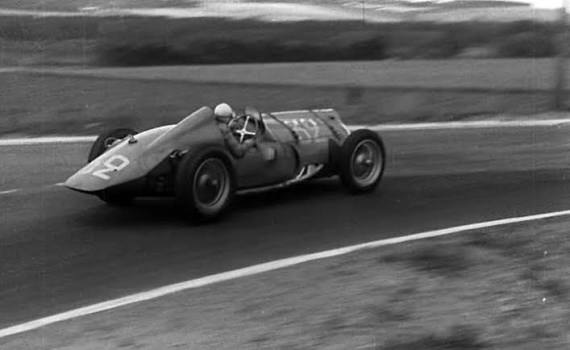
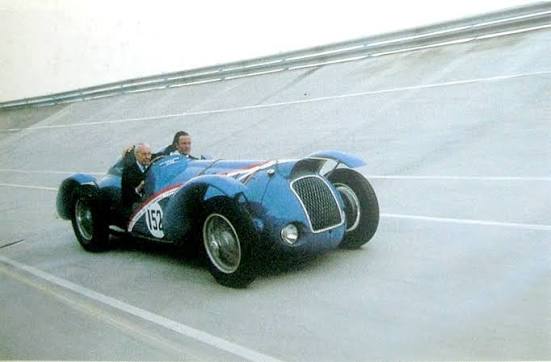
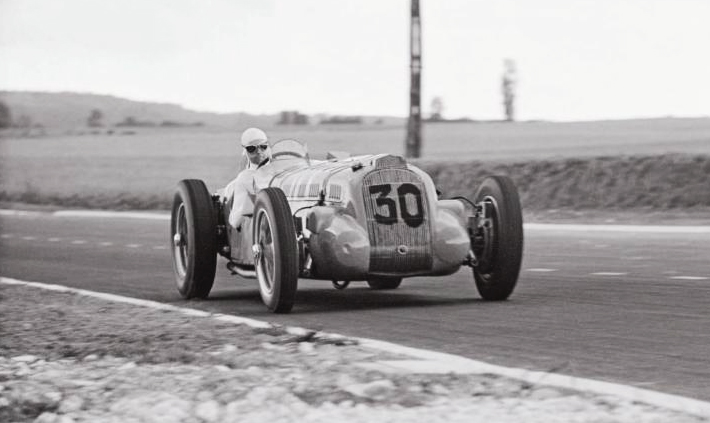
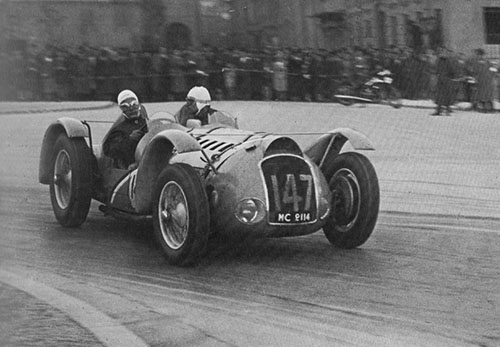
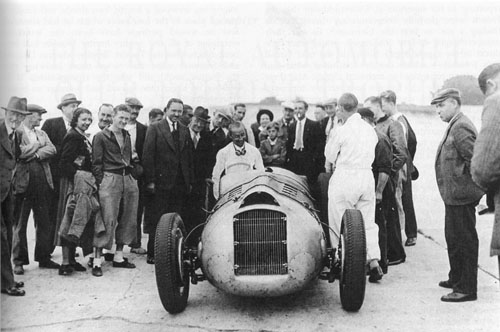
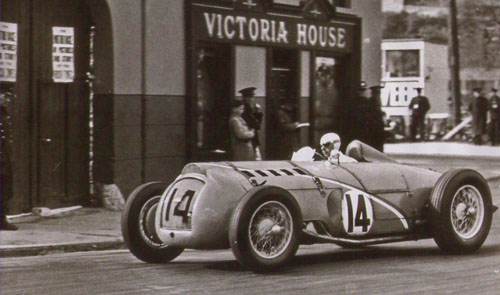
The tight, sun-drenched street circuit of Pau became the crucible for a miracle in April 1938. As the start flag fell, a deafening mechanical barrage assaulted the Pyrenean air, dominated by the supercharged shriek of Rudolf Caracciola’s mighty Mercedes-Benz W154. Yet, stubbornly snapping at its heels was a blunt-nosed, French racing blue roadster. This was the Delahaye 145 Grand Prix, a 4.5-litre V12 machine funded by the formidable American heiress Lucy O’Reilly Schell and her Ecurie Bleue outfit. In the late 1930s, French automotive pride had been systematically dismantled by state-sponsored German engineering. Evolving from the robust, six-cylinder Type 135, the Type 145 was a bespoke, patriotic weapon designed to capture the government-backed million-franc prize at Montlhéry and take the fight directly to the silver leviathans from Stuttgart and Zwickau, as well as domestic rivals like the Talbot-Lago T150C.
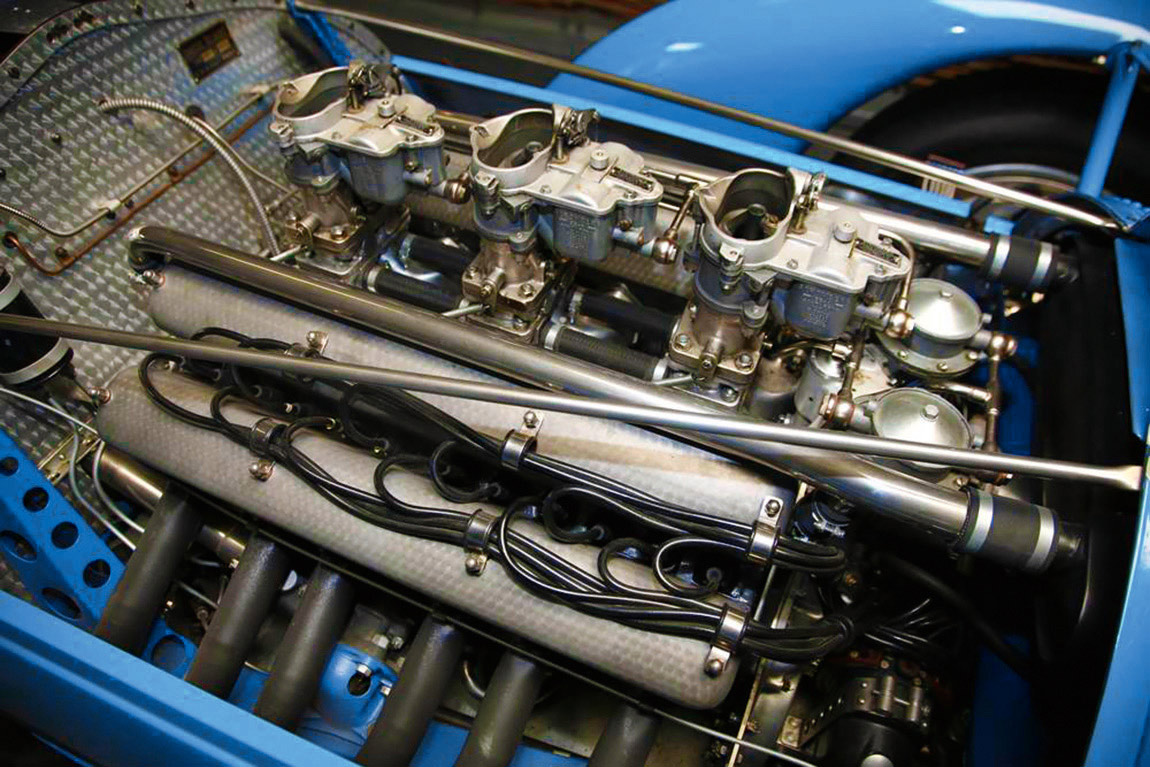
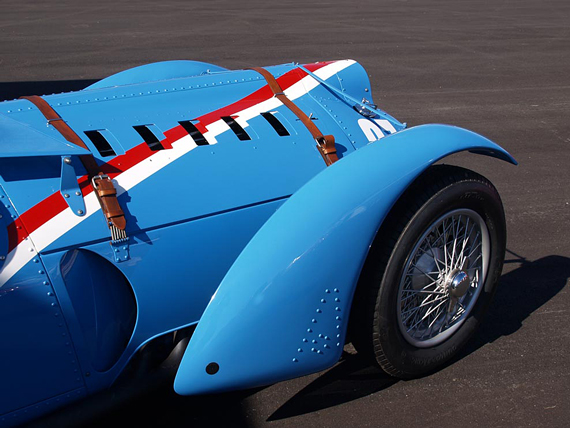
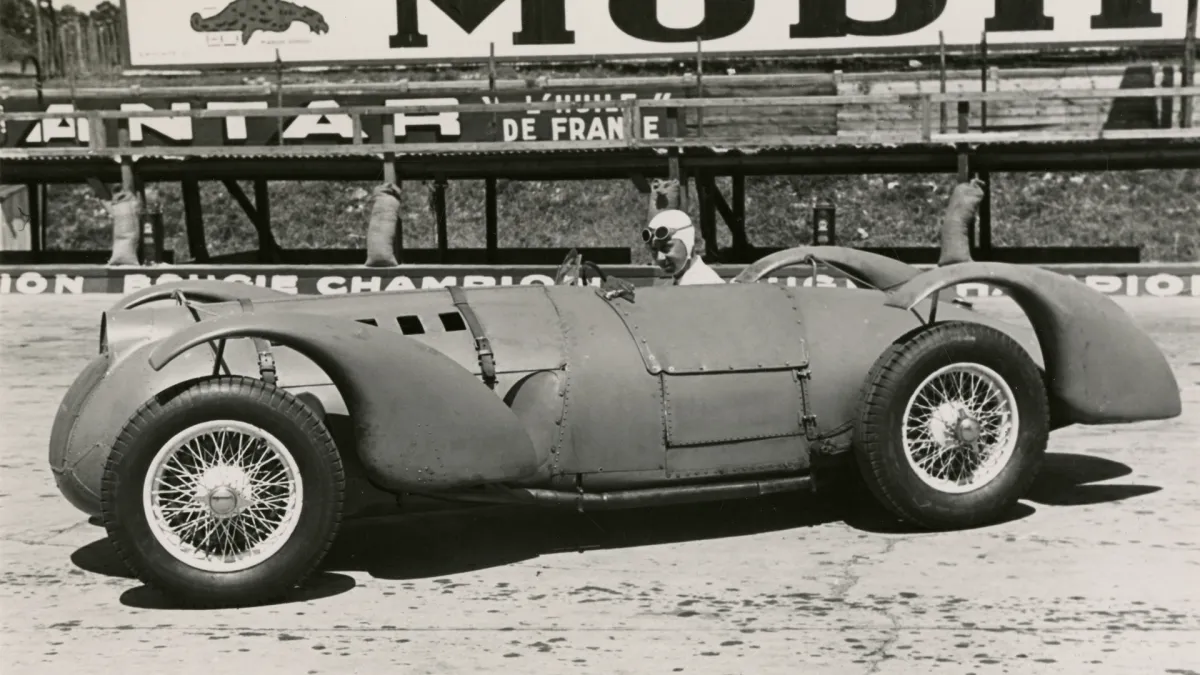
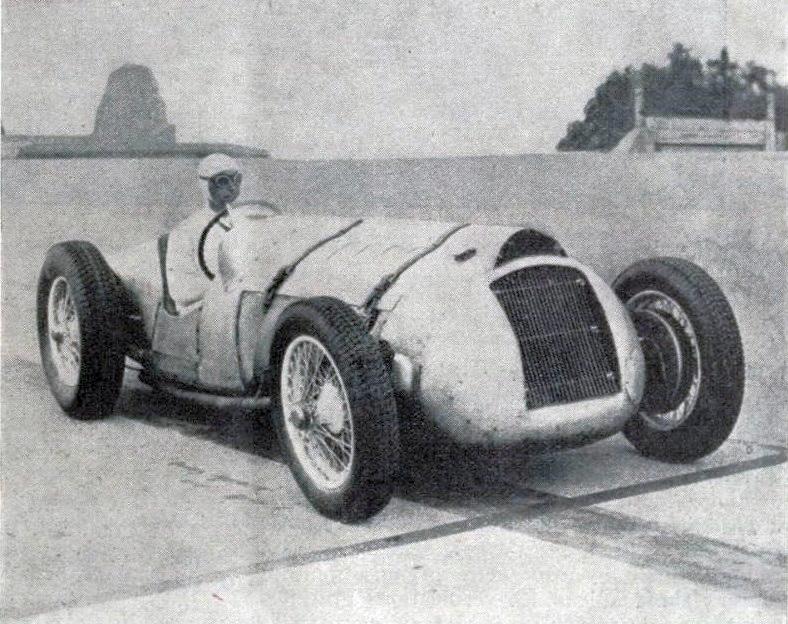
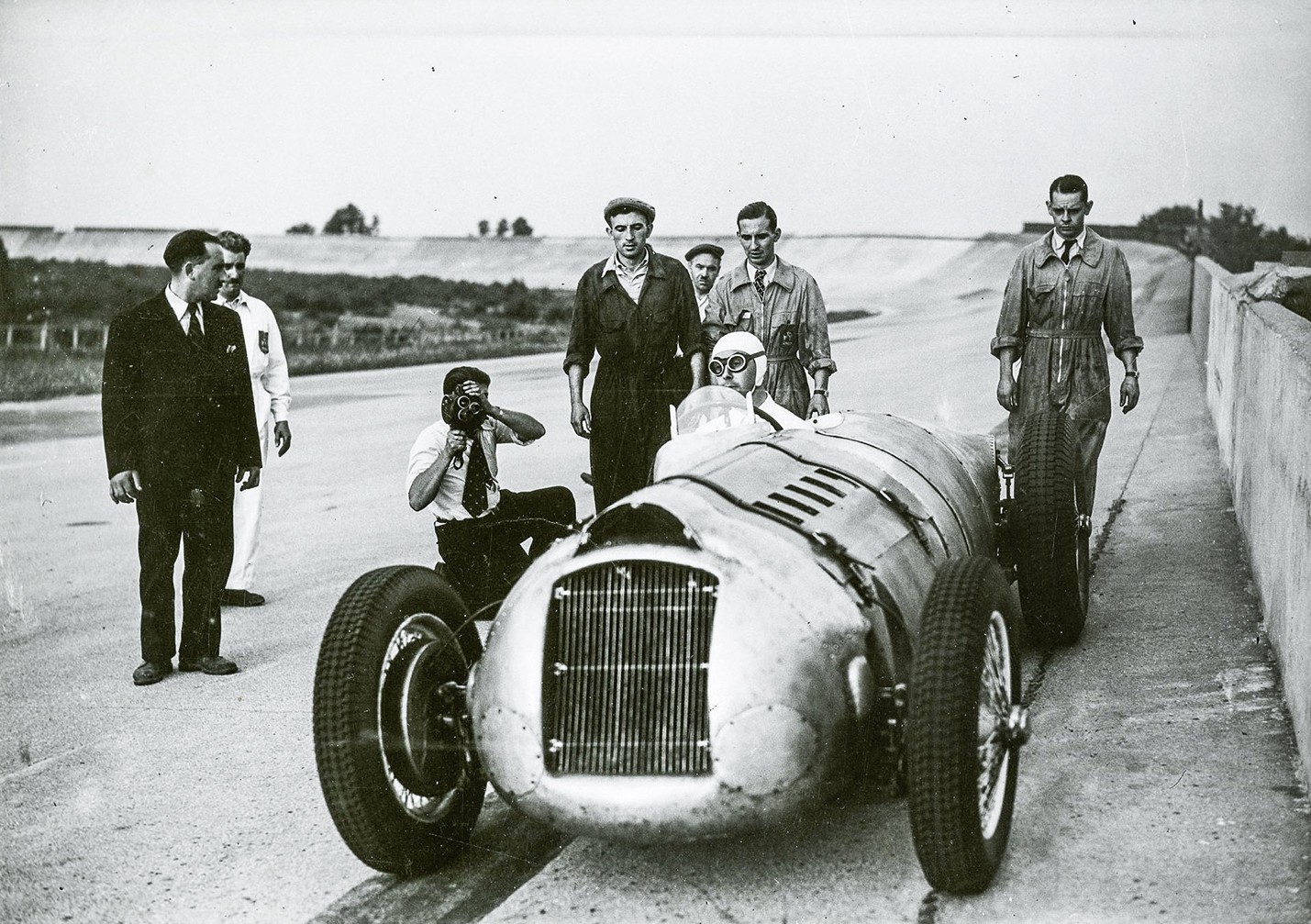
To examine the stripped-back, hammered aluminium bodywork of the 145 Grand Prix is to uncover a uniquely French approach to motorsport engineering. Chief engineer Jean François eschewed the fashionable twin overhead camshafts for a highly unorthodox naturally aspirated 4.5-litre (275 cu in) V12. This magnesium-cased masterpiece utilised a 60-degree vee and featured three block-mounted camshafts—one central for the exhaust valves, two outer for the intakes—operating via short pushrods. Breathed upon by a trio of downdraught Stromberg carburettors, it produced a highly tractable 225 bhp. When fired, it did not wail like an Italian thoroughbred or scream like a German blower; it emitted a deep, syncopated bellow, a thunderous baritone that resonated through the driver’s very bones.
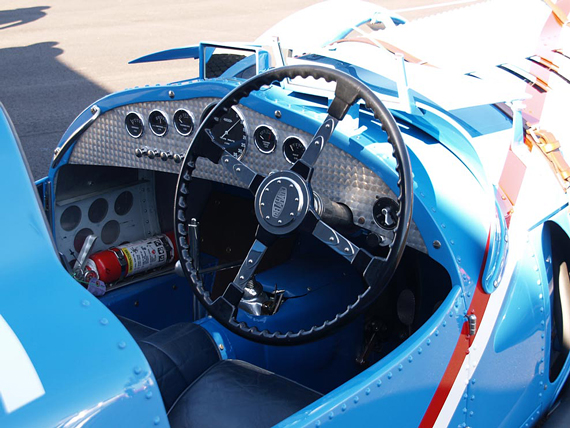
Crucially, this torque-rich V12 was mated to a revolutionary four-speed Cotal pre-selector manual gearbox. Utilising electromagnetic clutches, this transmission allowed the driver to pre-select the next ratio on a tiny column-mounted stalk, engaging it instantly with a mere dip of the clutch pedal. On a twisting circuit, this lightning-fast actuation was an invaluable advantage. The chassis itself was an exercise in robust pragmatism. François designed a sturdy box-section ladder frame, suspended by an independent transverse leaf spring at the front. At the rear, the live axle ingeniously passed through the chassis rails, significantly lowering the centre of gravity of the 1000 kg (2204 lbs) machine. Drivers wrestled heavy steering and relied on massive cable-operated drum brakes, dancing the car through corners on perilously narrow cross-ply tyres.
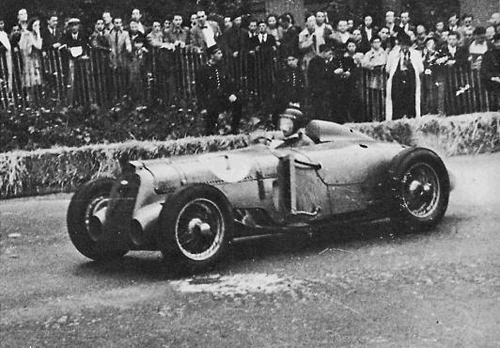
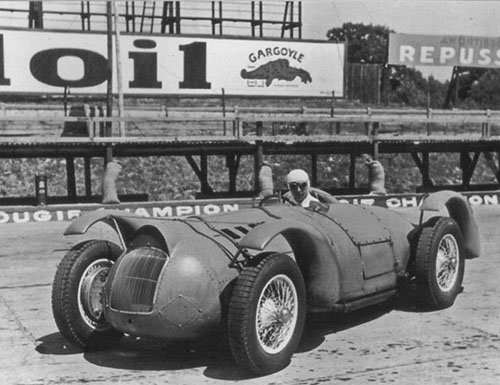
The competitive lore of the Delahaye 145 is enshrined in racing mythology. Its first great triumph arrived at the Autodrome de Linas-Montlhéry in August 1937. René Dreyfus, wringing the neck of the blue roadster and managing blisteringly high tyre temperatures, snatched the ‘Prix du Million’ by sustaining an average speed just high enough to defeat Bugatti’s formidable challenge. However, it was the 1938 Pau Grand Prix that etched the car into immortality. Against the terrifying 400-plus horsepower of the Mercedes-Benz W154, Dreyfus exploited the Delahaye’s supreme agility. The Cotal gearbox allowed him to navigate the tight hairpins with devastating efficiency, whilst the naturally aspirated V12 consumed fuel at half the rate of the supercharged German cars. Dreyfus drove a flawless, non-stop race, humiliating Caracciola and securing a deeply emotional victory that ignited absolute nationalistic fervour across France.
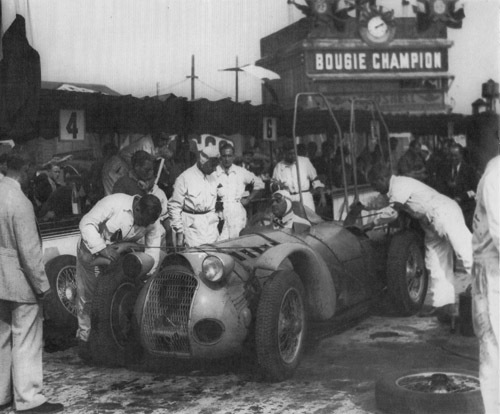
When the drums of war silenced the circuits in 1939, the Ecurie Bleue cars were famously hidden from occupying forces, disassembled, and scattered. While Delahaye survived the conflict to produce exquisite coachbuilt road cars—some even utilising surplus 145 chassis—the marque could never recapture the brutal, giant-killing magic of the late 1930s, eventually folding in 1954.
Brand
Produced from
Portal
Vehicle category
Model line
Predecessor
Sucessor
Brand
Produced from
Portal
Vehicle category
Model line
Model generation
Predecessor
Sucessor
Submodel Overview
The tight, sun-drenched street circuit of Pau became the crucible for a miracle in April 1938. As the start flag fell, a deafening mechanical barrage assaulted the Pyrenean air, dominated by the supercharged shriek of Rudolf Caracciola’s mighty Mercedes-Benz W154. Yet, stubbornly snapping at its heels was a blunt-nosed, French racing blue roadster. This was the Delahaye 145 Grand Prix, a 4.5-litre V12 machine funded by the formidable American heiress Lucy O’Reilly Schell and her Ecurie Bleue outfit. In the late 1930s, French automotive pride had been systematically dismantled by state-sponsored German engineering. Evolving from the robust, six-cylinder Type 135, the Type 145 was a bespoke, patriotic weapon designed to capture the government-backed million-franc prize at Montlhéry and take the fight directly to the silver leviathans from Stuttgart and Zwickau, as well as domestic rivals like the Talbot-Lago T150C.
To examine the stripped-back, hammered aluminium bodywork of the 145 Grand Prix is to uncover a uniquely French approach to motorsport engineering. Chief engineer Jean François eschewed the fashionable twin overhead camshafts for a highly unorthodox naturally aspirated 4.5-litre (275 cu in) V12. This magnesium-cased masterpiece utilised a 60-degree vee and featured three block-mounted camshafts—one central for the exhaust valves, two outer for the intakes—operating via short pushrods. Breathed upon by a trio of downdraught Stromberg carburettors, it produced a highly tractable 225 bhp. When fired, it did not wail like an Italian thoroughbred or scream like a German blower; it emitted a deep, syncopated bellow, a thunderous baritone that resonated through the driver’s very bones.
Crucially, this torque-rich V12 was mated to a revolutionary four-speed Cotal pre-selector manual gearbox. Utilising electromagnetic clutches, this transmission allowed the driver to pre-select the next ratio on a tiny column-mounted stalk, engaging it instantly with a mere dip of the clutch pedal. On a twisting circuit, this lightning-fast actuation was an invaluable advantage. The chassis itself was an exercise in robust pragmatism. François designed a sturdy box-section ladder frame, suspended by an independent transverse leaf spring at the front. At the rear, the live axle ingeniously passed through the chassis rails, significantly lowering the centre of gravity of the 1000 kg (2204 lbs) machine. Drivers wrestled heavy steering and relied on massive cable-operated drum brakes, dancing the car through corners on perilously narrow cross-ply tyres.
The competitive lore of the Delahaye 145 is enshrined in racing mythology. Its first great triumph arrived at the Autodrome de Linas-Montlhéry in August 1937. René Dreyfus, wringing the neck of the blue roadster and managing blisteringly high tyre temperatures, snatched the ‘Prix du Million’ by sustaining an average speed just high enough to defeat Bugatti’s formidable challenge. However, it was the 1938 Pau Grand Prix that etched the car into immortality. Against the terrifying 400-plus horsepower of the Mercedes-Benz W154, Dreyfus exploited the Delahaye’s supreme agility. The Cotal gearbox allowed him to navigate the tight hairpins with devastating efficiency, whilst the naturally aspirated V12 consumed fuel at half the rate of the supercharged German cars. Dreyfus drove a flawless, non-stop race, humiliating Caracciola and securing a deeply emotional victory that ignited absolute nationalistic fervour across France.
When the drums of war silenced the circuits in 1939, the Ecurie Bleue cars were famously hidden from occupying forces, disassembled, and scattered. While Delahaye survived the conflict to produce exquisite coachbuilt road cars—some even utilising surplus 145 chassis—the marque could never recapture the brutal, giant-killing magic of the late 1930s, eventually folding in 1954.
Tech Specs
Technical Specifications
Tech Specs
Technical Specifications
Engine
01
03
Internal combustion engine
Configuration
Delahaye 60º V12
Location
Front, longitudinally mounted
Construction
Light alloy block and heads with magnesium sump
Displacement (cc)
4,496 cc
Displacement (cu in)
274.4 cu in
Compression
~8.0:1
Bore x Stroke
75.0 mm x 84.7 mm
Valvetrain
2 valves per cylinder, OHV (Pushrod, operated by three in-block camshafts)
Fuel feed
3 x Stromberg downdraft carburettors
Lubrication
Dry sump
Aspiration
Naturally aspirated
Output
Power (hp)
~225 hp
Power (kW)
~168 kW
Max power at
5,500 RPM
Torque (Nm)
-
Torque (ft lbs)
-
Max torque at
-
Drivetrain
02
03
Chassis
Type
Box-section ladder frame
Material
Steel
Body
Material
Aluminium
Transmission
Gearbox
4-speed Cotal pre-selector manual (electromagnetic)
Drive
Rear Wheel Drive
Suspension
Front
Independent, lower wishbones, transverse leaf spring, friction dampers
Rear
Live axle, semi-elliptic leaf springs, friction dampers
Steering
Type
Worm and nut, unassisted
Brakes
Front
Mechanical drum brakes (cable-operated)
Rear
Mechanical drum brakes (cable-operated)
Wheels
Front
17" x 5.5" (Rudge wire spoke wheels)
Rear
17" x 5.5" (Rudge wire spoke wheels)
Tires
Front
5.50-17
Rear
5.50-17
Dimensions and performance
03
03
Dimensions
Length (mm)
~4,300 mm
Length (in)
~169.3 in
Width (mm)
~1,550 mm
Width (in)
~61.0 in
Height (mm)
~1,100 mm
Height (in)
~43.3 in
Wheelbase (mm)
2,700 mm
Wheelbase (in)
106.3 in
Weight (kg)
~1,100 kg
Weight (lbs)
~2,425 lbs
Performance
Power to weight
~0.20 hp/kg
Top speed (km/h)
~230 km/h
Top speed (mph)
~143 mph
0-100 km/h (0-60 mph)
-