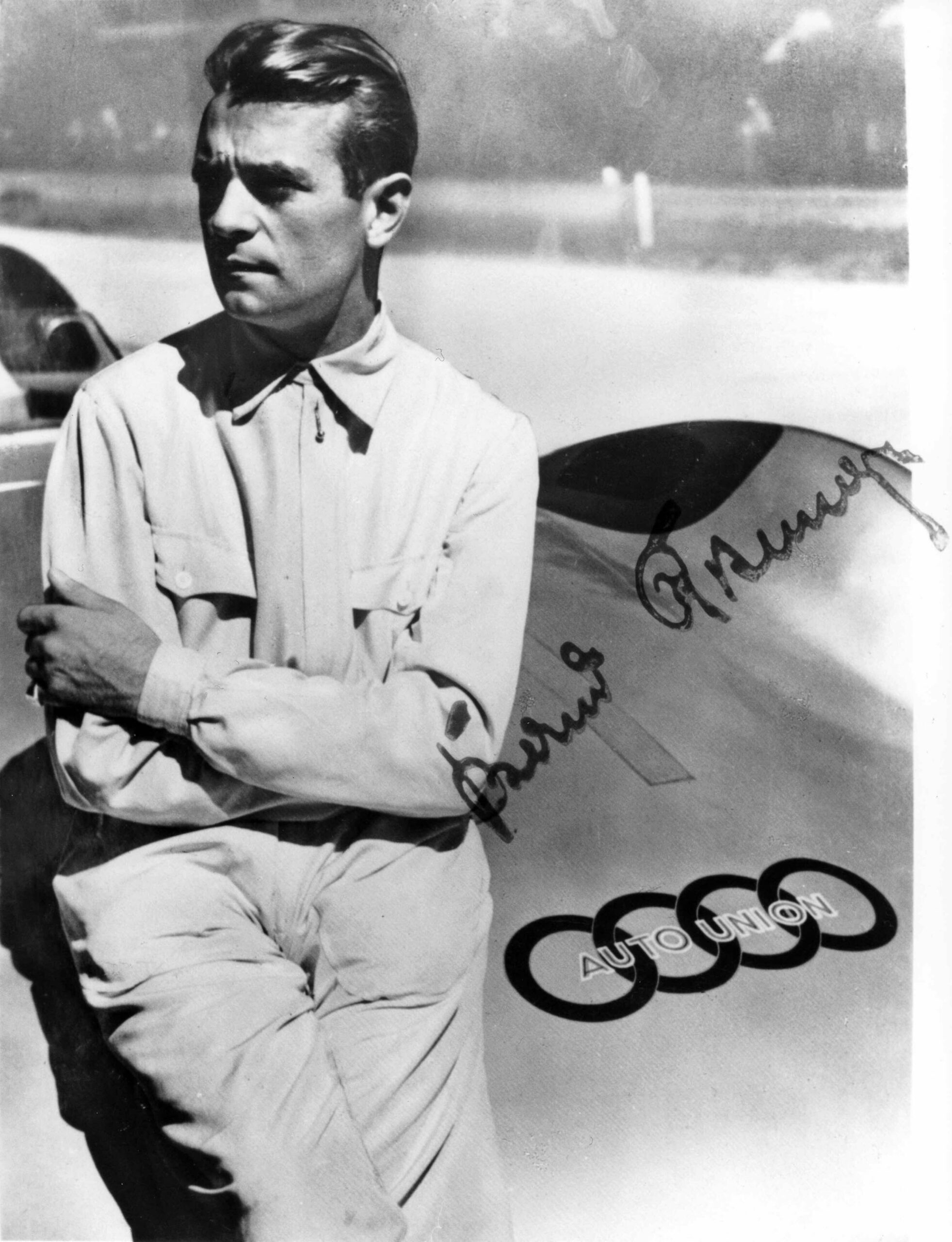
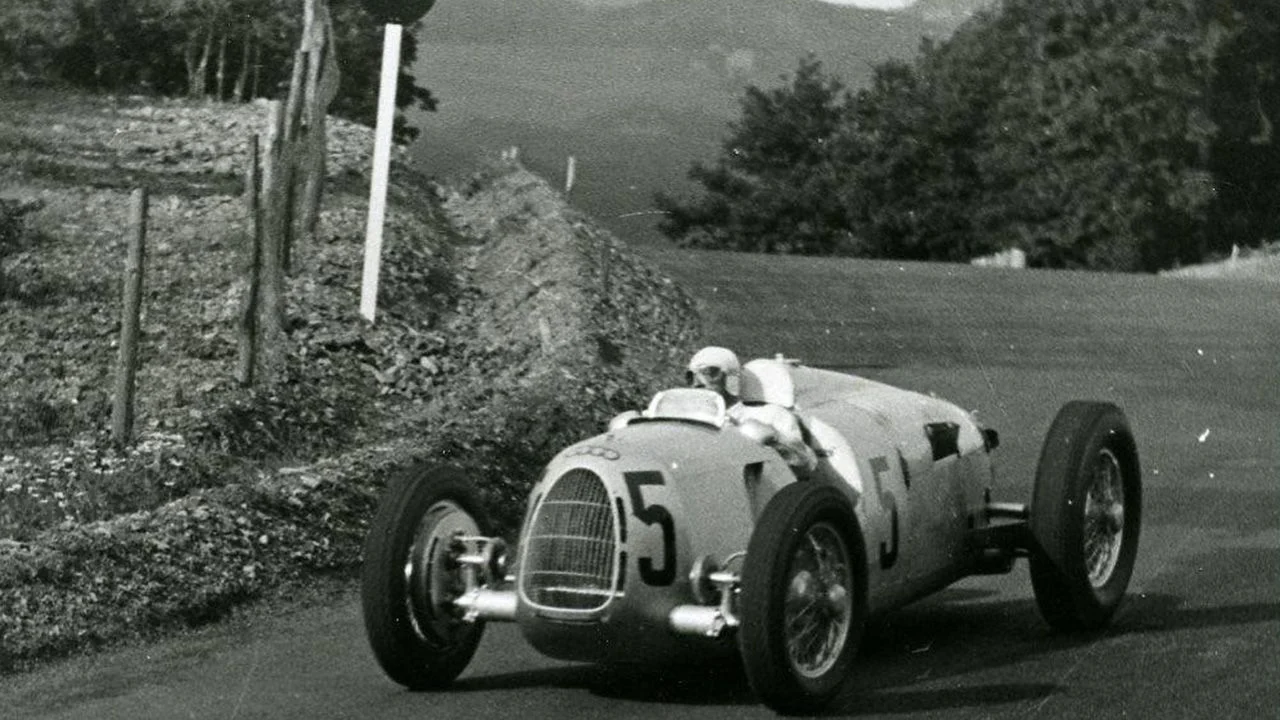
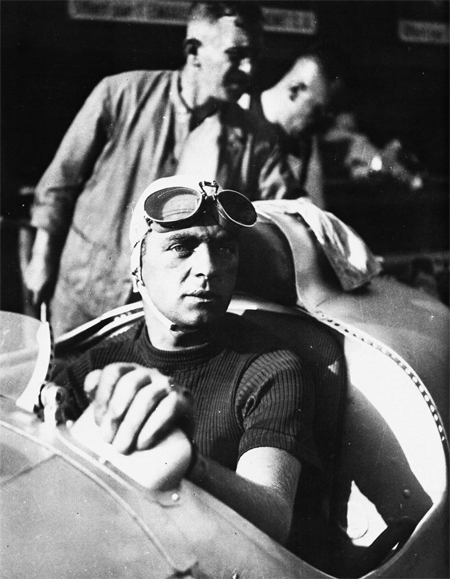
Picture the Nürburgring in the summer of 1936. The Eifel mountains are smothered in a thick, impenetrable mist. While seasoned veterans lift off the throttle, blinded and terrified by the lack of visibility, a young former motorcyclist presses his leather-soled boot harder against the floorboard. This was Bernd Rosemeyer, and the race was the Eifelrennen, where his unfathomable bravery earned him the immortal moniker “Der Nebelmeister”, or the Fog Master. In just four laps of the tortuous 22.8-kilometre (14.2-mile) circuit, he pulled away from the finest drivers in the world by more than two minutes, cementing one of the most fabled victories in the annals of motorsport.
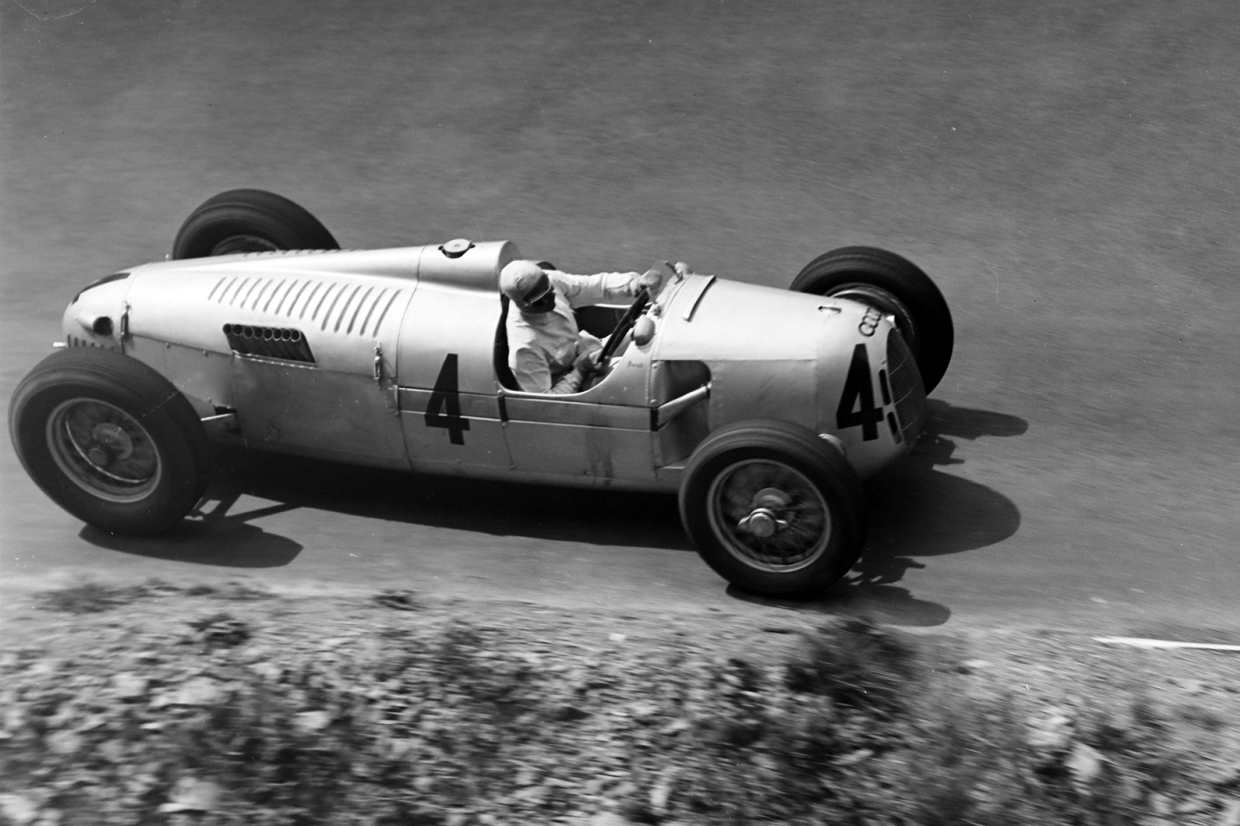
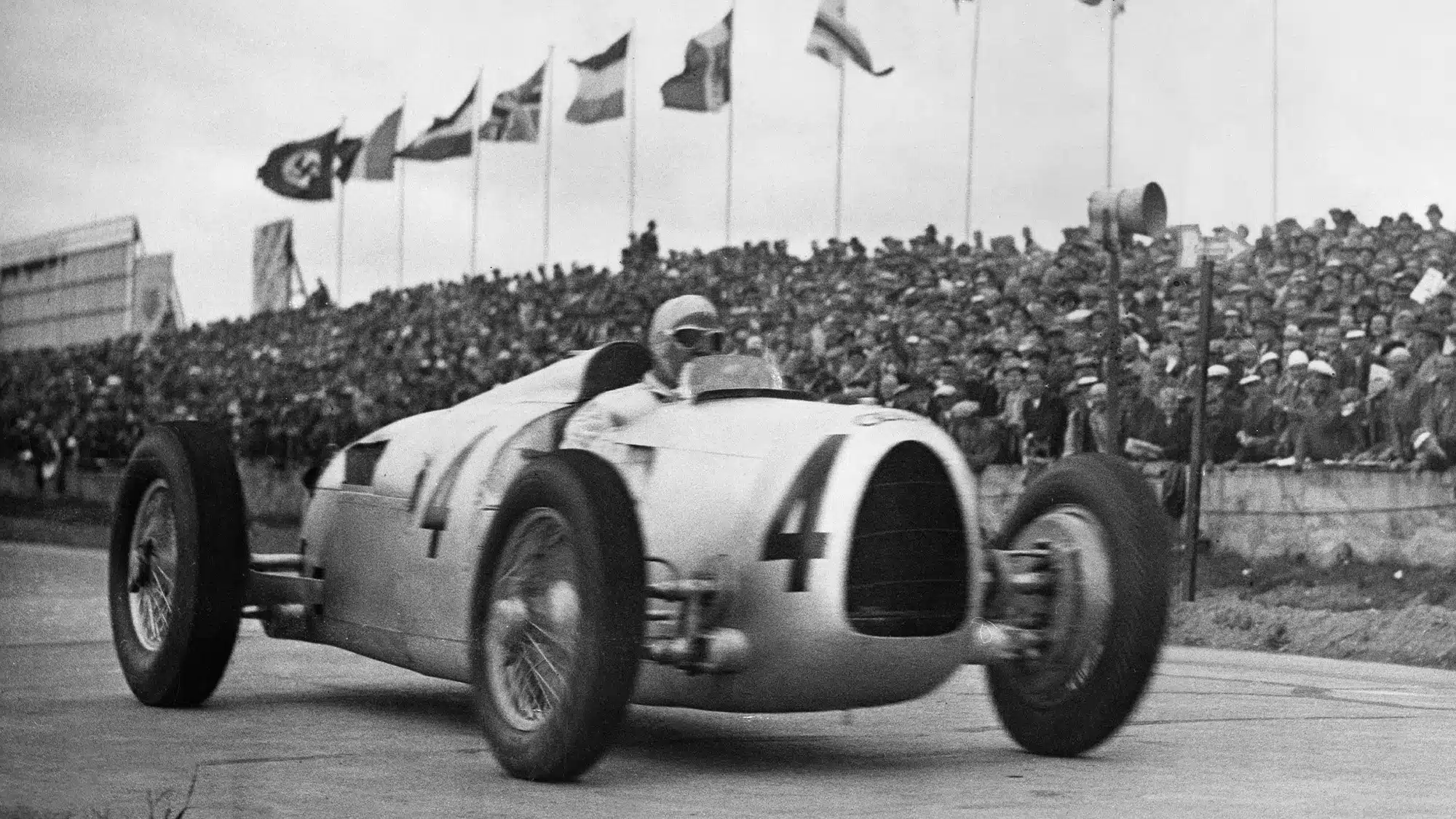
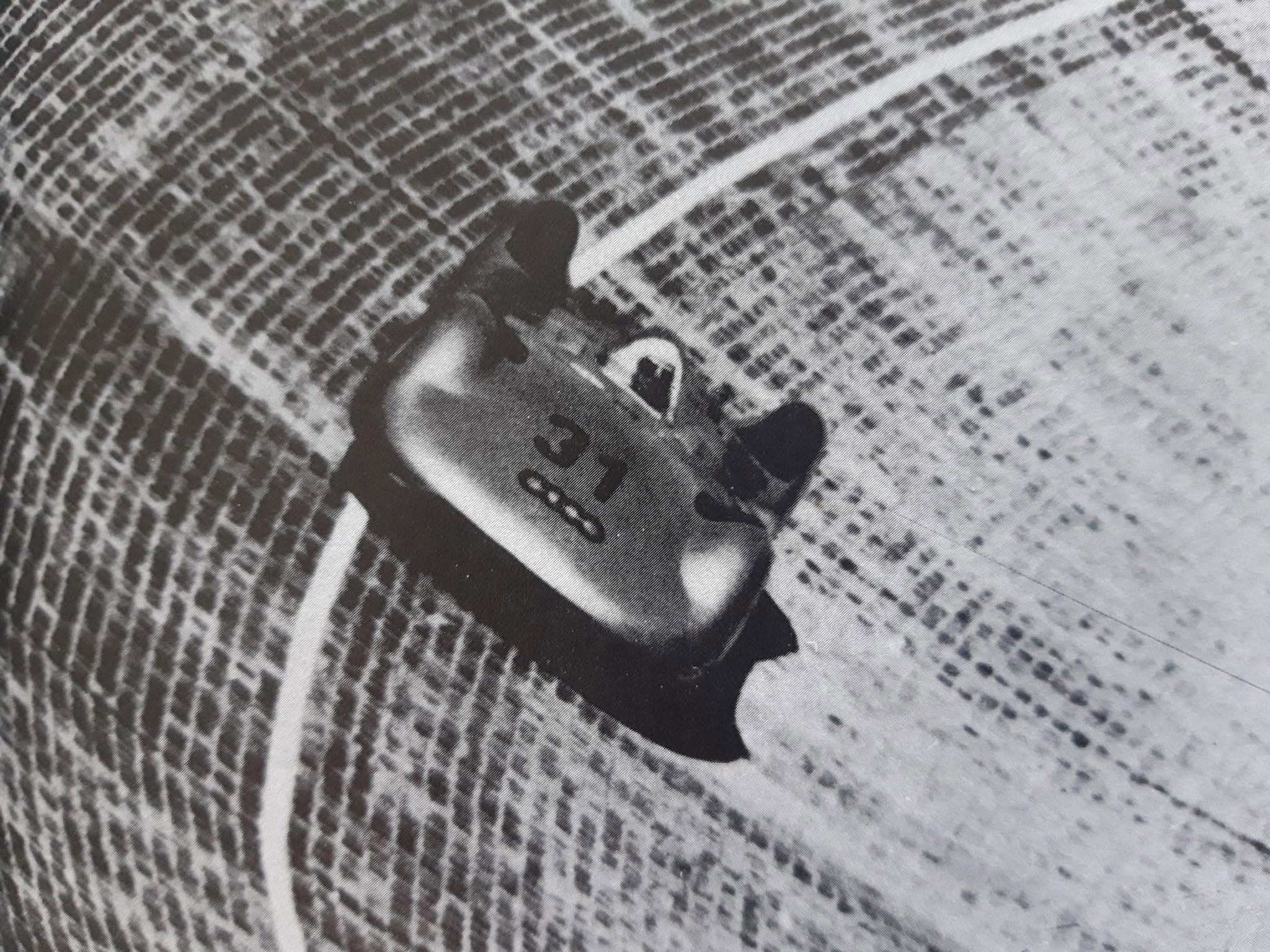
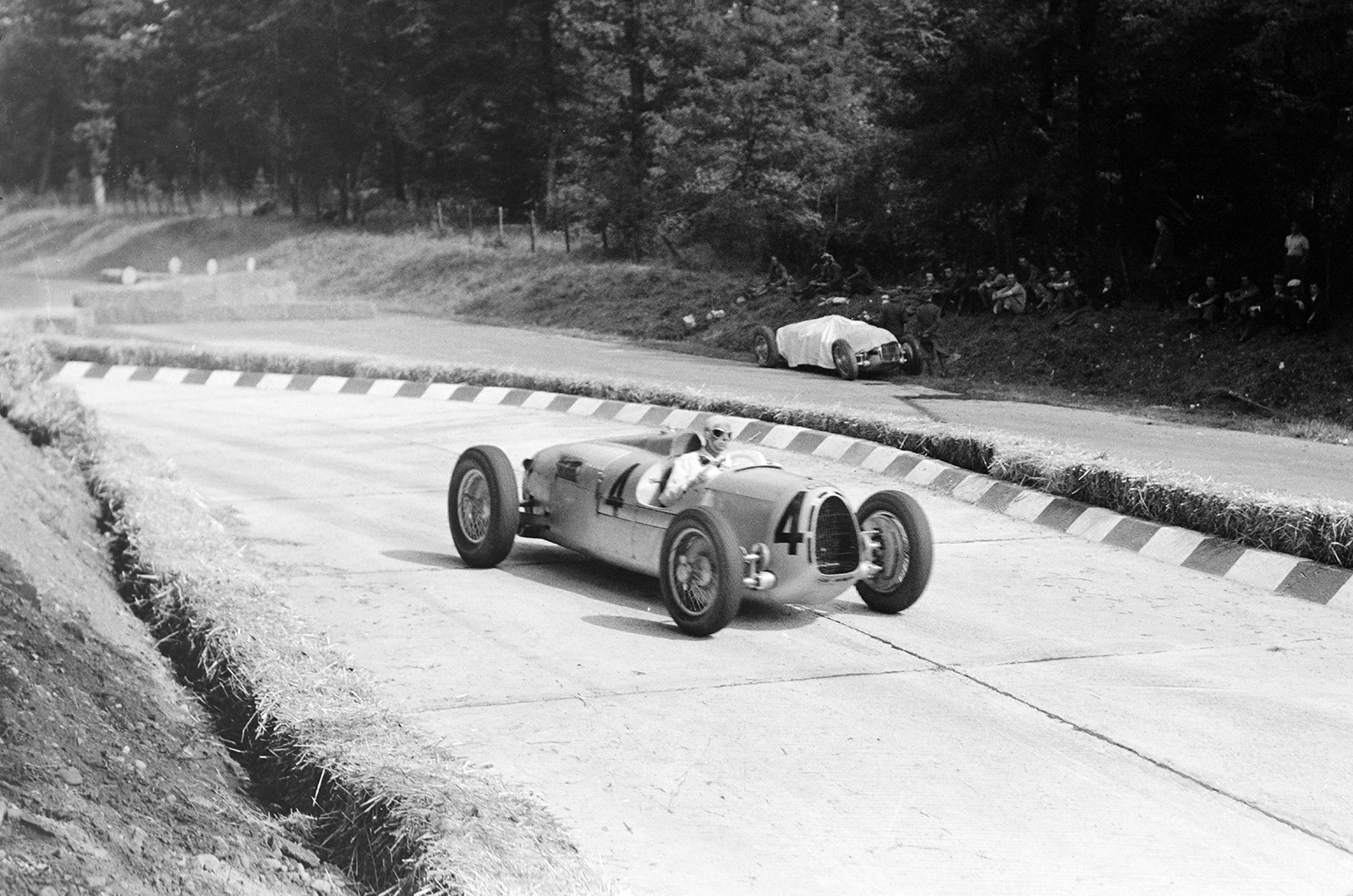
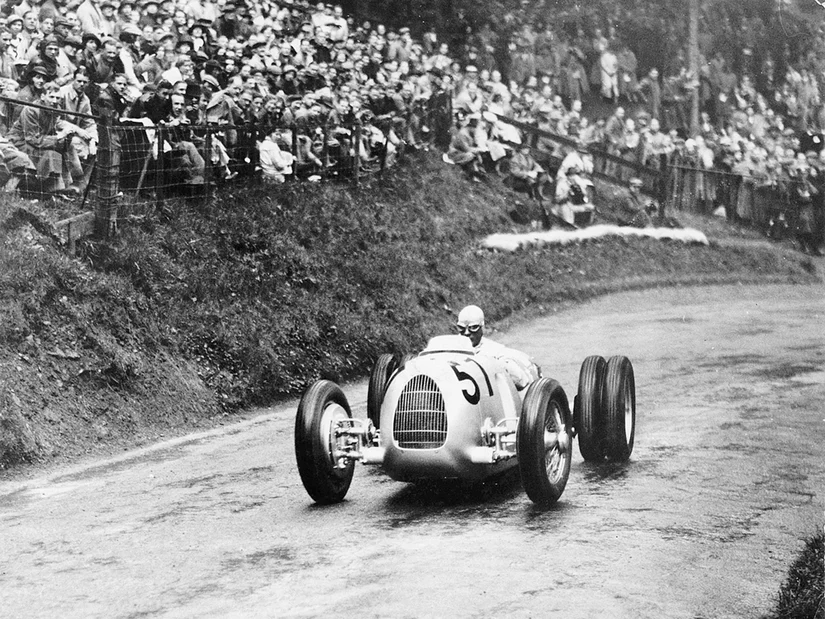
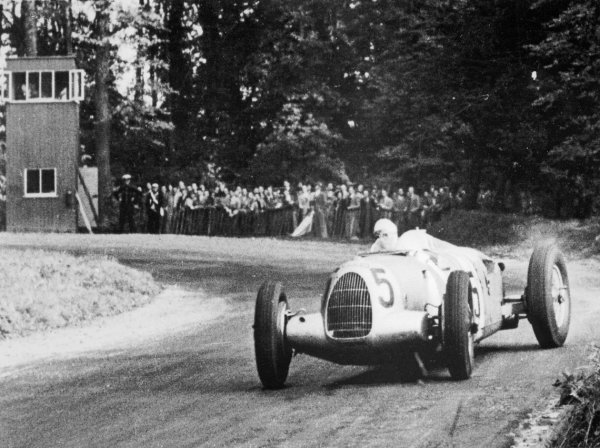
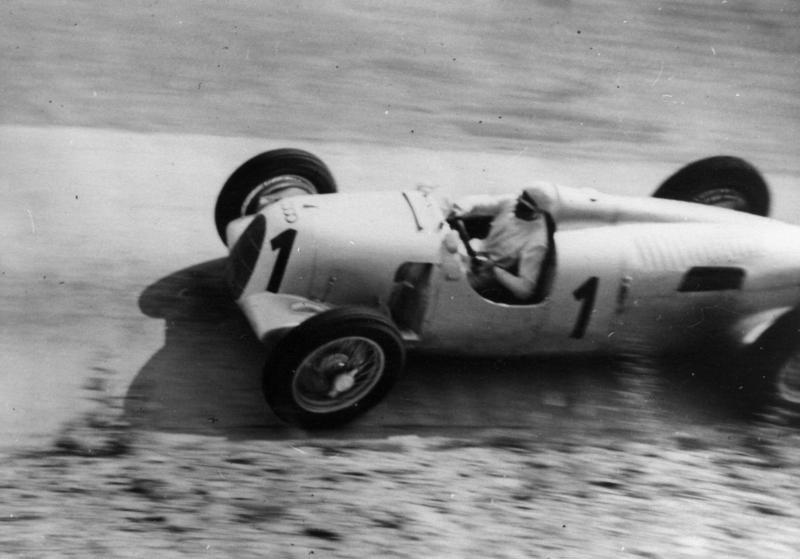
His machine was not merely a racing car; it was a terrifyingly unstable projectile conceived by the genius of Ferdinand Porsche. Hiding just inches behind the driver’s spine was a 6.0-litre (366 cu in) supercharged V16 engine that hurled 520 horsepower and a tectonic 1182 N⋅m (872 lbf-ft) of torque through impossibly skinny rear tyres. Weighing a fraction over 734 kg (1618 lbs) and capable of hitting a top speed of 340 km/h (211 mph), the Auto Union Type C was a widow-maker, cursed with a diabolical rearward weight bias and snap-oversteer that could pitch a driver into the trees at 160 km/h (100 mph) with a mere twitch of the throttle. Yet, where others found an unmanageable monster, Rosemeyer found a willing dance partner.
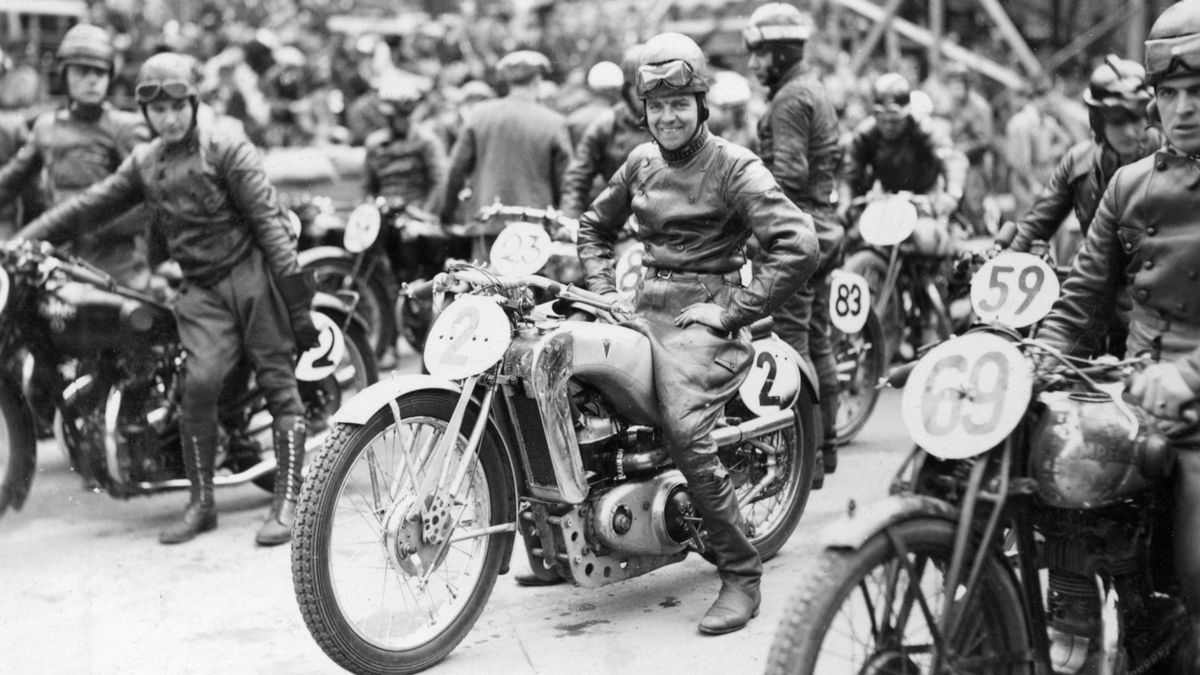
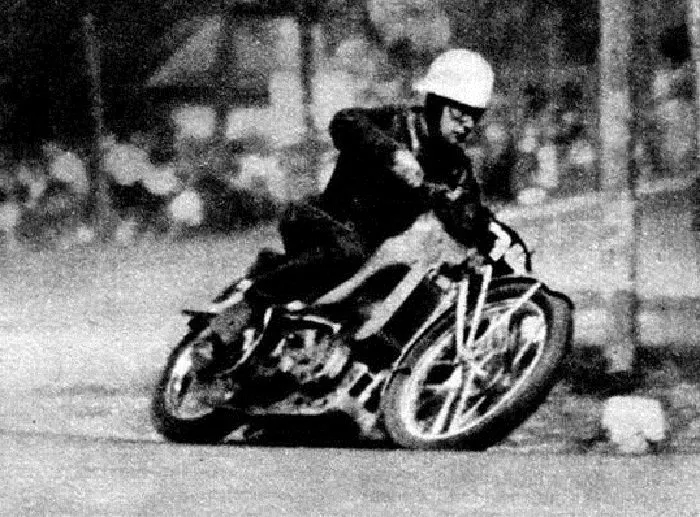
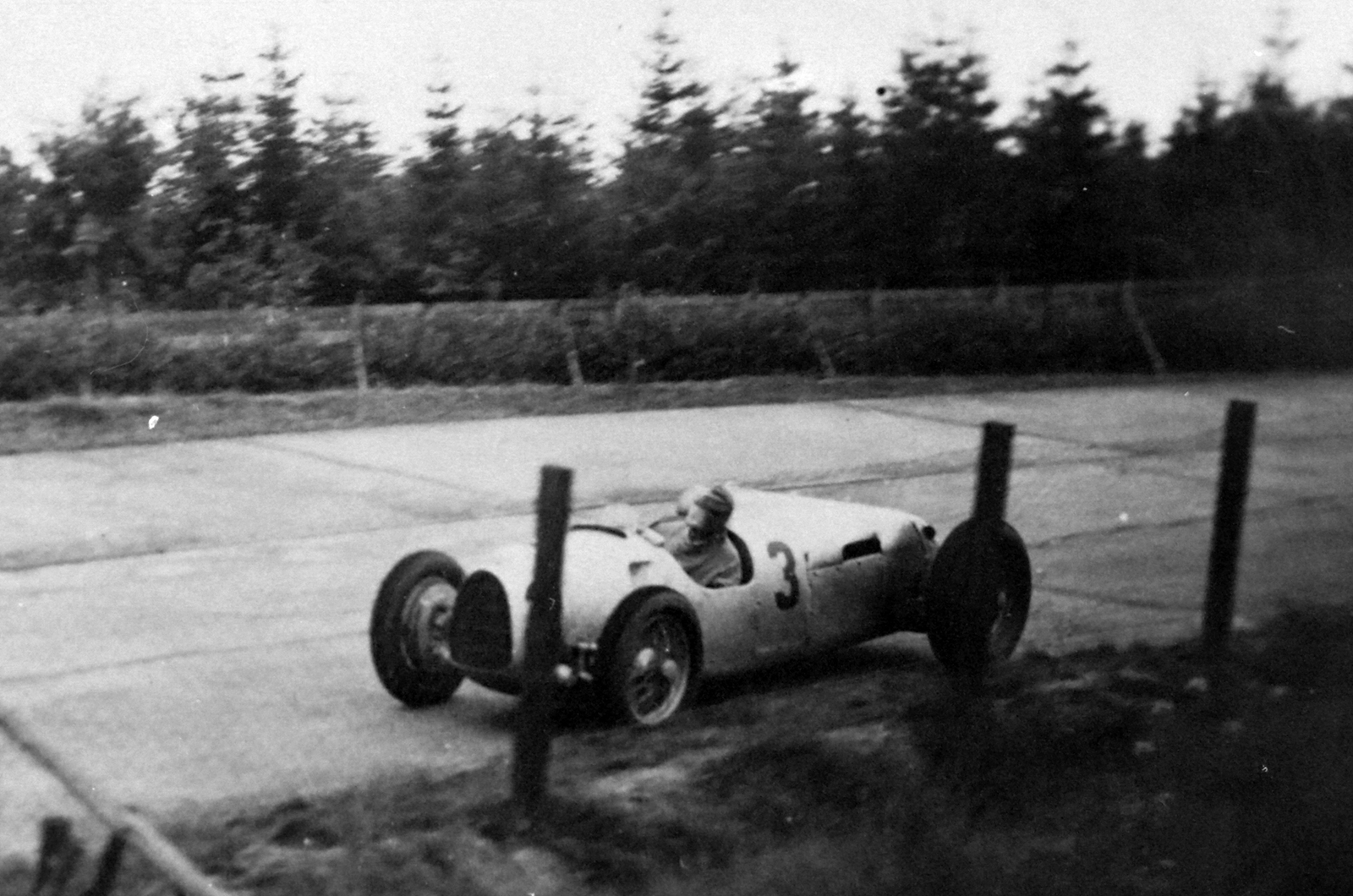
Having previously raced motorcycles for DKW with fierce aggression, Rosemeyer arrived at the Auto Union test in the bitter winter of 1934-1935 with an entirely empty canvas. He possessed no ingrained habits from traditional front-engined racing cars, making him uniquely suited to the mid-engined beast’s wild pendulum dynamics. Motorcycles require a rider to act as a dynamic ballast, constantly shifting weight to tame an unstable rear end. Rosemeyer unconsciously applied this kinetic philosophy to the Type C. While traditional drivers tried to steer the Auto Union strictly with the front wheels, Rosemeyer steered it with the throttle, initiating controlled drifts that kept the heavy rear axle perfectly balanced on the precipice of disaster.
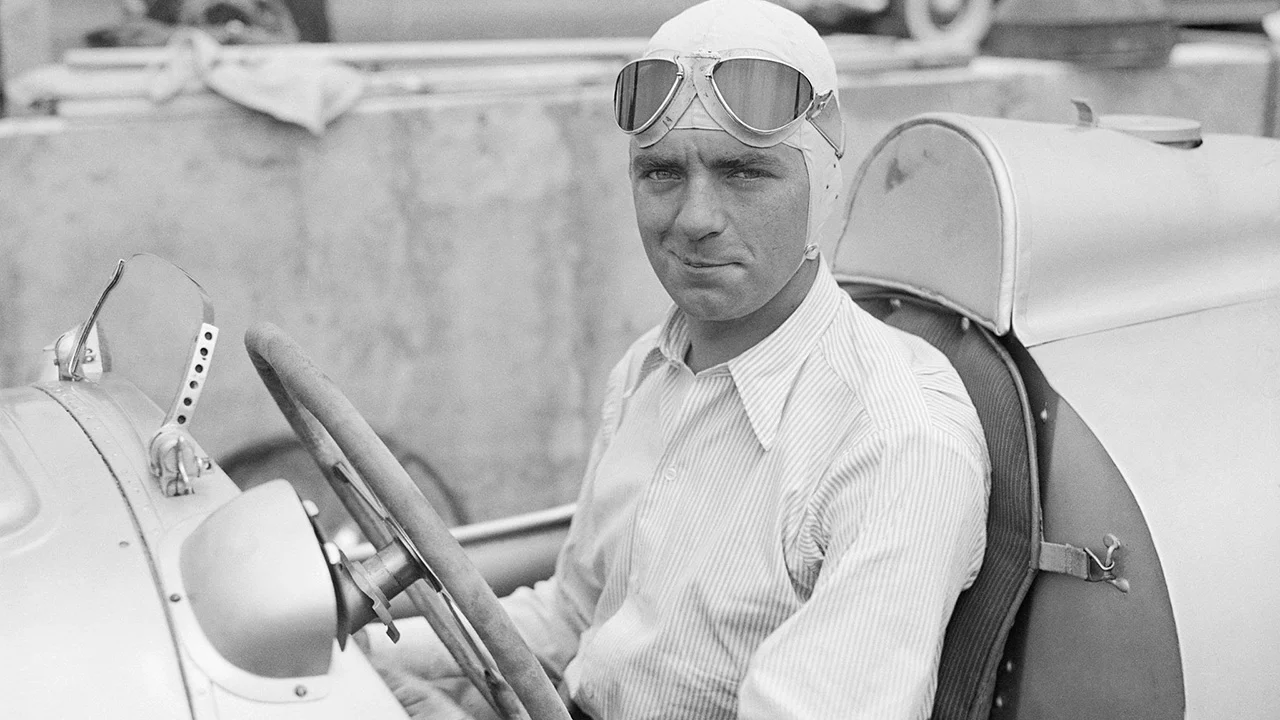
His competitive Grand Prix debut came at the ultra-fast Avus in May 1935, a staggering trial by fire. It borders on the absurd that this 25-year-old stepped into the cockpit of a Grand Prix machine with absolutely no prior automobile racing experience, yet immediately extracted a pace that alarmed the established order.
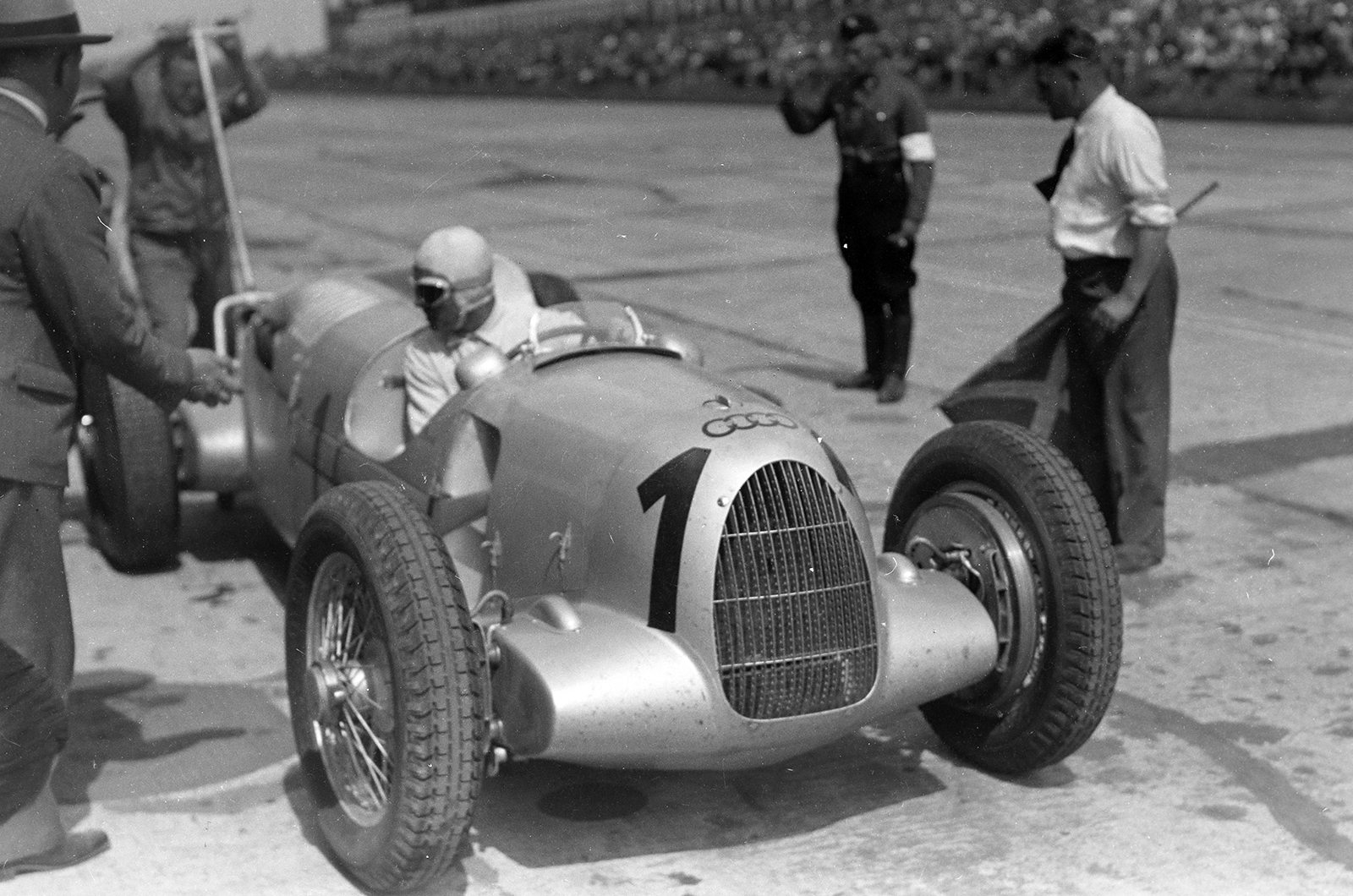
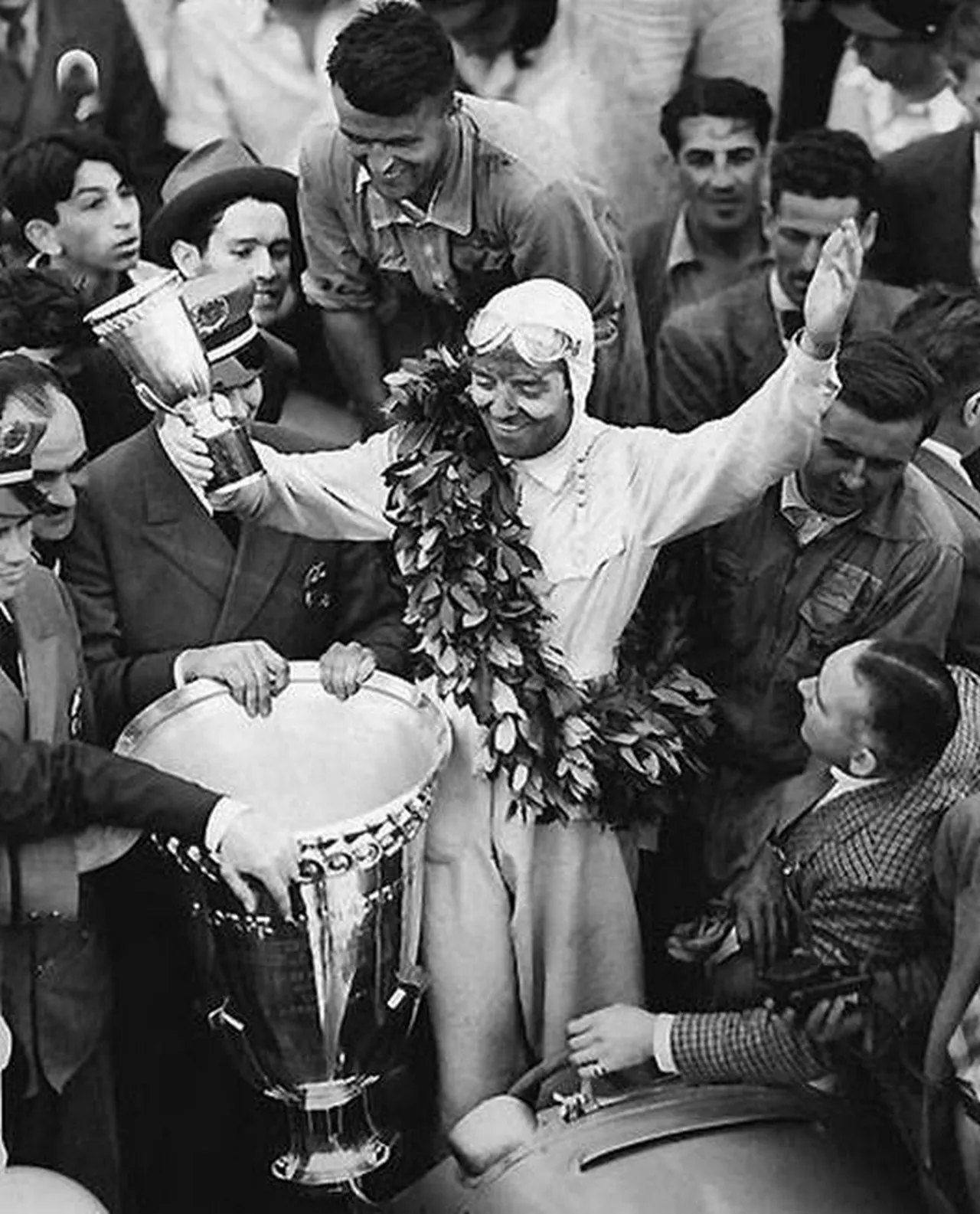
The 1936 season solidified his absolute dominion over the sport. In a display of innate brilliance, Rosemeyer secured the European Championship—the era’s equivalent of the World Championship—in only his second season of four-wheeled competition. He conquered the German Grand Prix, the Swiss Grand Prix, and the Coppa Acerbo. His driving was entirely visceral. Spectators witnessed him violently wrestling the steering wheel, his face blackened by soot, managing the phenomenal wheelspin that the V16 could induce even at high speeds. He did not gently coax the machine; he manhandled it, forcing the heavy, drum-braked chassis to submit to his absolute will.
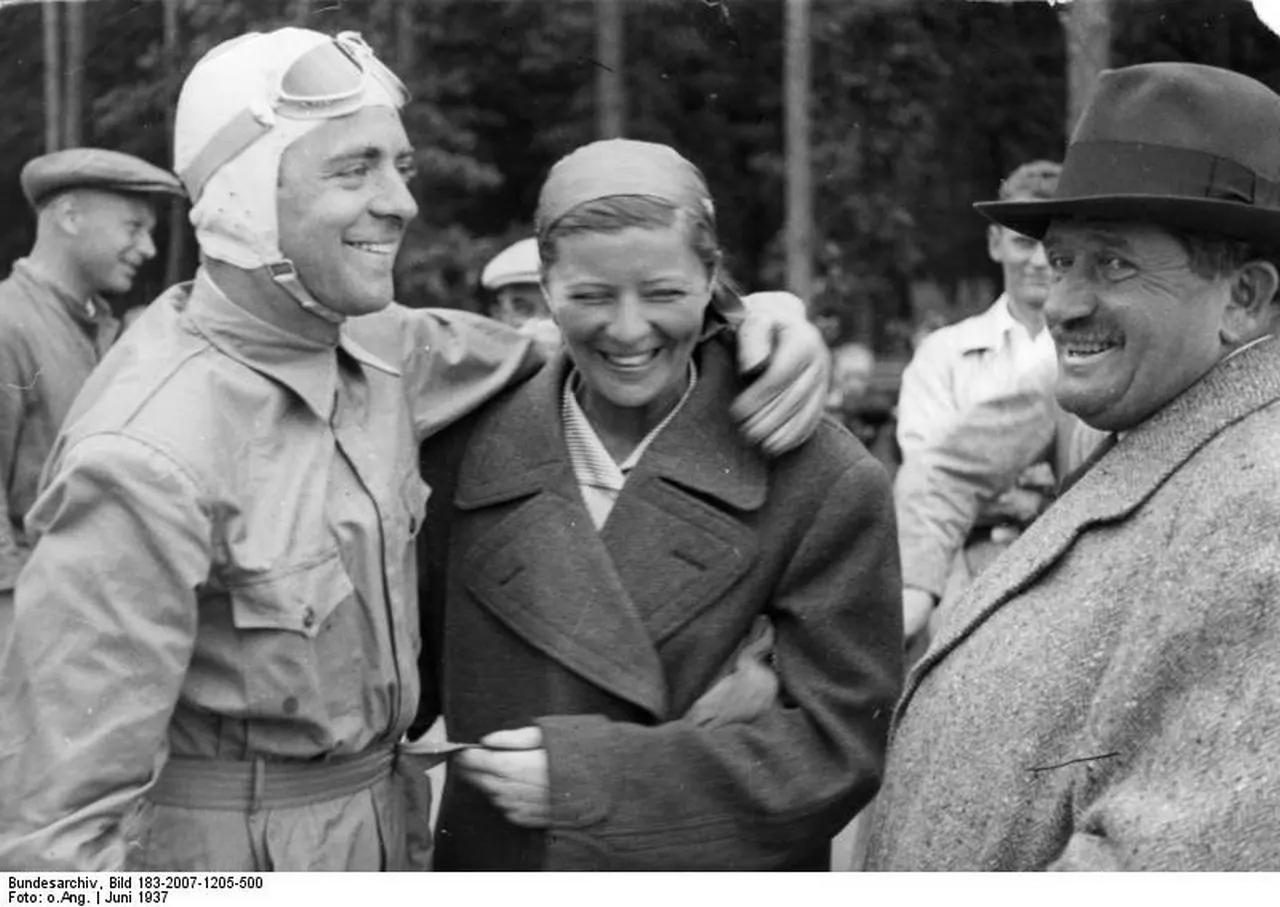
His marriage to the celebrated German aviator Elly Beinhorn on 13 July 1936 elevated him from a mere racing driver to a mythological national icon, creating a glamorous, untouchable union of speed and flight. The Auto Union programme itself was a manifestation of the Third Reich’s technological megalomania, a state-funded weapon designed to project industrial supremacy on the international stage. Yet Rosemeyer, the ultimate poster boy of this propaganda machine, was a stubbornly apolitical spirit. As a reward for his triumphs, Heinrich Himmler controversially made him an Obersturmführer in the SS, though Rosemeyer viewed it merely as an inescapable bureaucratic nuisance, resolutely refusing to wear the black uniform—a quiet rebellion tolerated by the regime only because of his immense public adoration.
His approach to motor racing was defined by instinct and supreme car control rather than clinical calculation. He was the utter antithesis of his great rival, the precise and methodical Rudolf Caracciola, who led the mighty Mercedes-Benz squad. Their rivalry became the defining narrative of the Silver Arrows era: the stormy, irrepressible youth relentlessly attempting to dethrone the calculating veteran who was a decade his senior. Yet, beneath the ferocious on-track battles lay a genuine, warm camaraderie. The paddock knew Rosemeyer as a cheerful, good-natured soul, universally liked even by his fiercest opponents, including the legendary Tazio Nuvolari.
His crowning physical triumph perhaps came at the 1937 Donington Grand Prix in Great Britain, marking the final major race of the 750 kg (1653 lbs) formula. Hurling his Auto Union over the crest at Melbourne Rise, launching all four wheels off the ground and fighting for traction upon landing, Rosemeyer defeated the Mercedes armada in a masterclass of bravery, taking victory in front of 50,000 transfixed spectators.
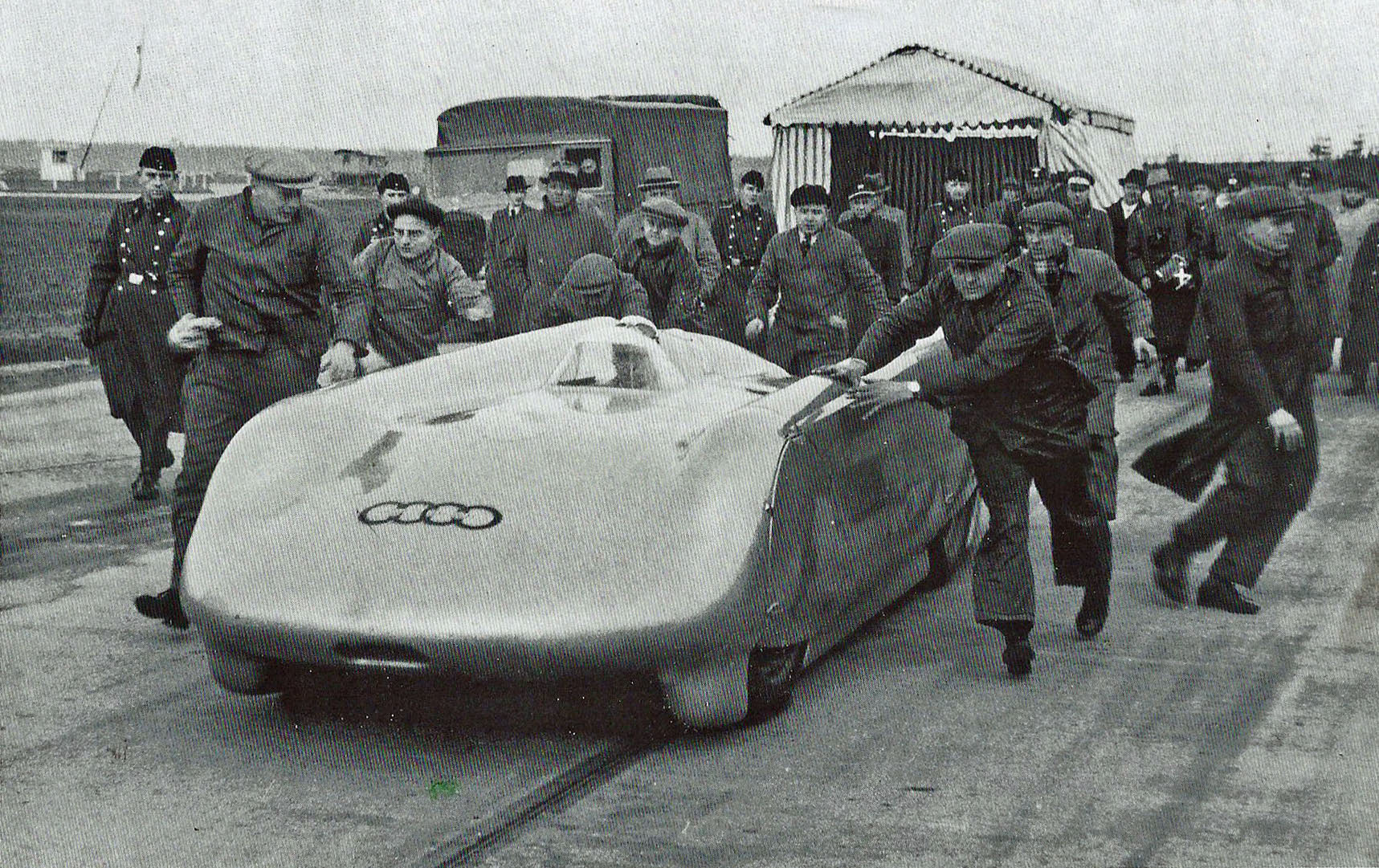
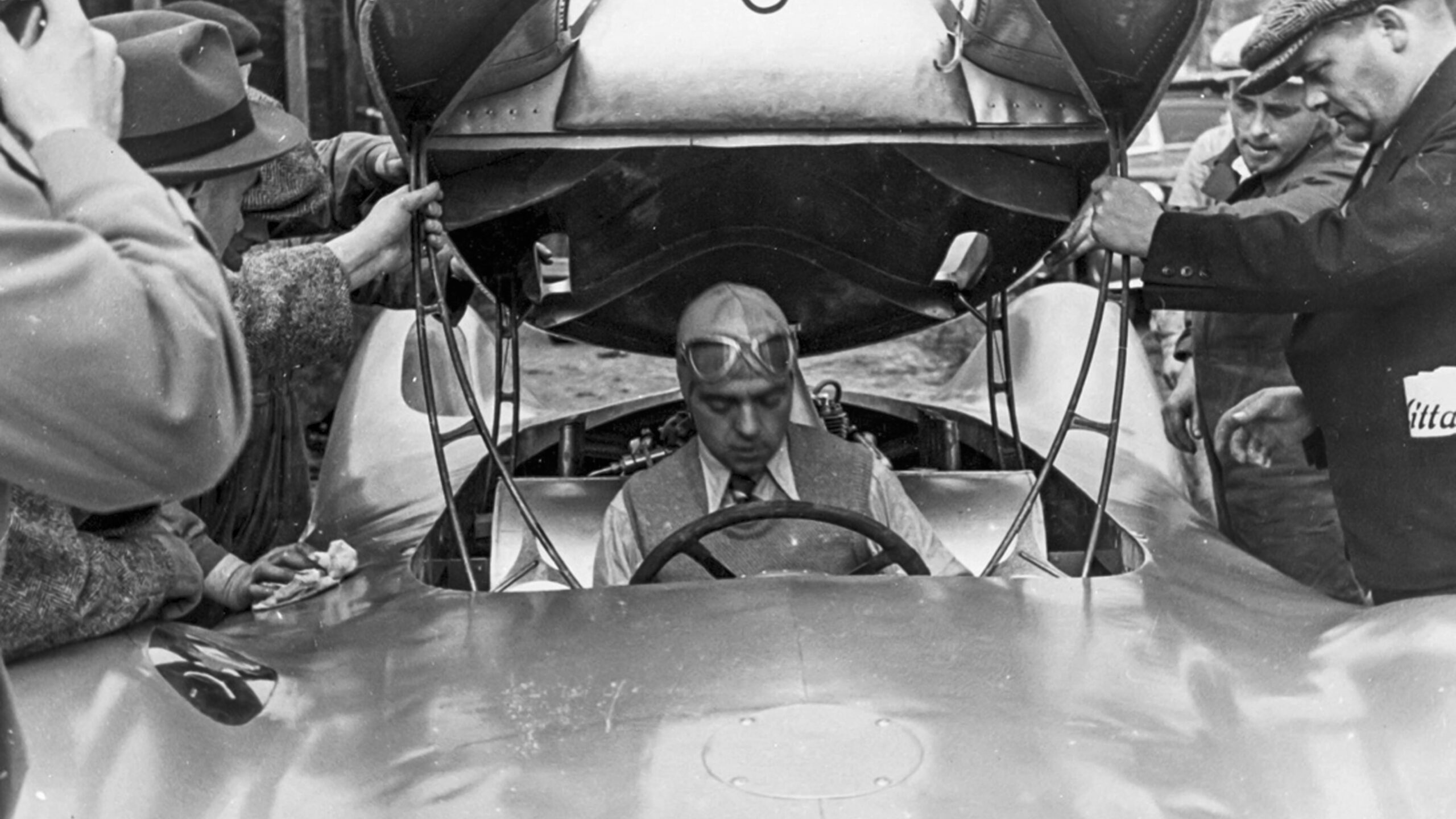
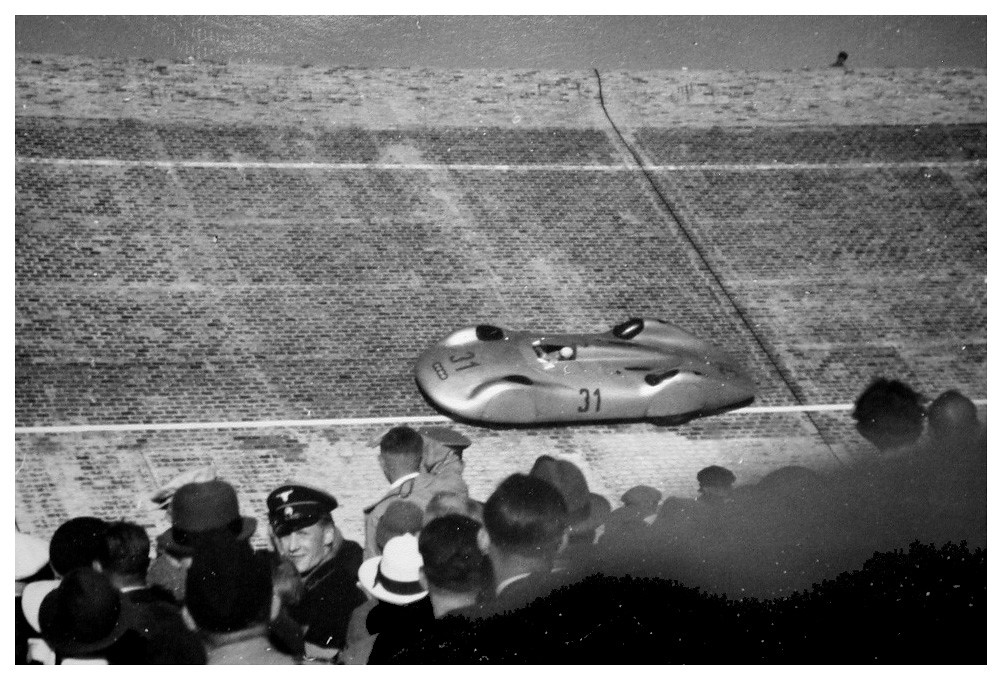
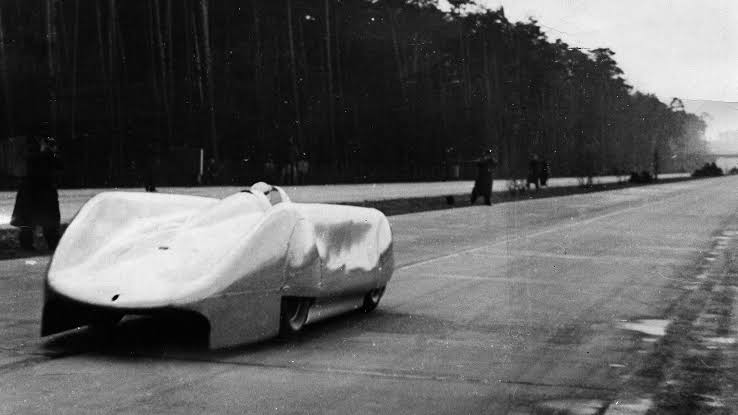
The twilight of his blazing career came not in the heat of a Grand Prix, but on a desolate, freezing stretch of the Frankfurt-Darmstadt Autobahn on 28 January 1938. The German government’s obsession with national prestige drove Auto Union and Mercedes-Benz to vie for the ultimate public road speed records. After Caracciola set a terrifying new benchmark for Mercedes that very morning, Rosemeyer strapped himself into the Auto Union streamliner—a teardrop of polished aluminium that encased the colossal V16.
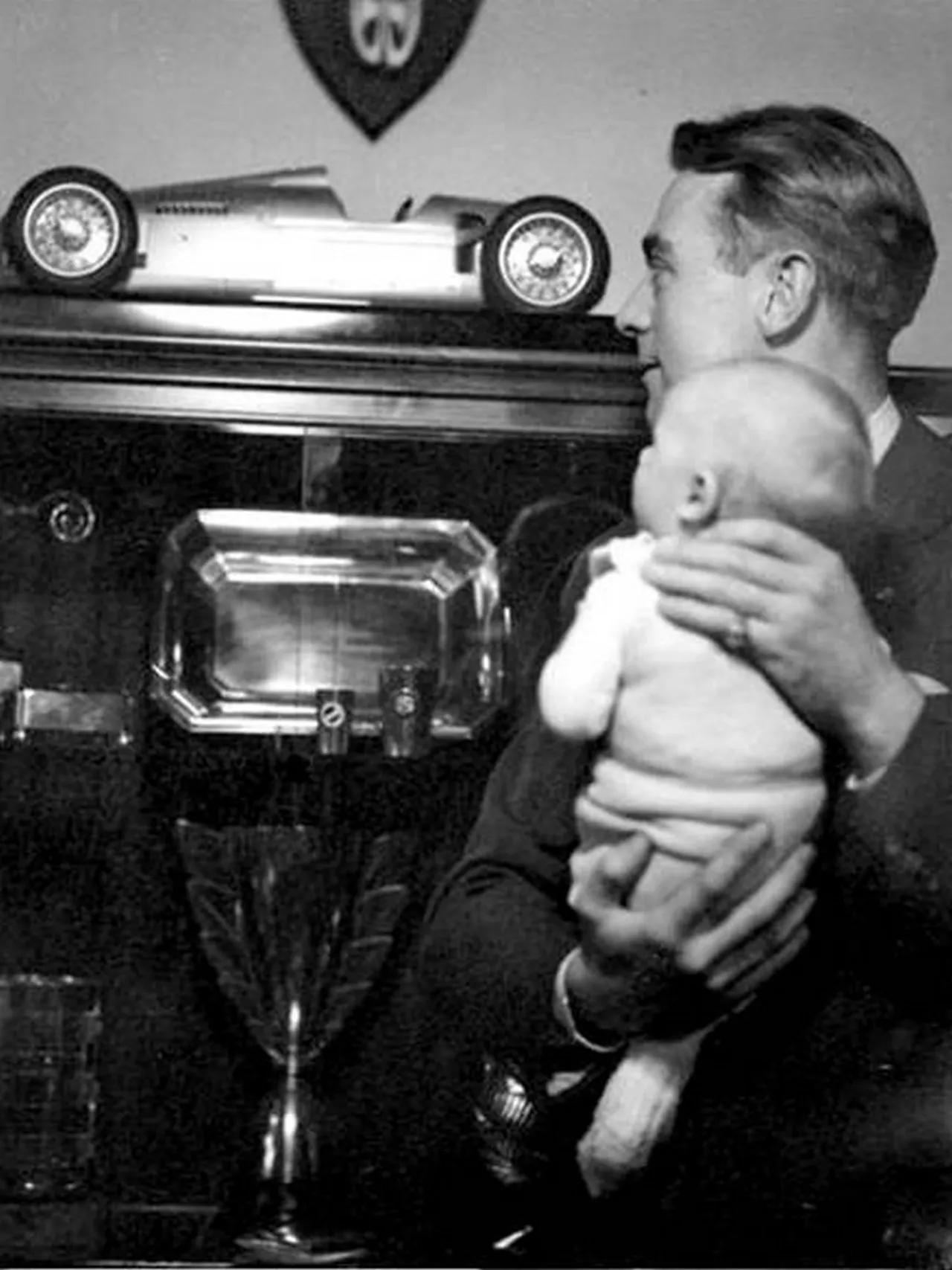
On his third high-speed run, while travelling at an estimated 479 km/h (297 mph), a sudden, violent crosswind caught the aerodynamically unstable machine. Ground-effect aerodynamics were fundamentally misunderstood in that era; the streamliner snapped out of control, somersaulting into the trees and throwing Rosemeyer from the cockpit to his immediate death. He was just 28 years old, leaving behind a ten-week-old son, Bernd Jr., and a grieving nation. His career was a mere spark in the history of motorsport, lasting less than three full seasons, yet he fundamentally altered the trajectory of Grand Prix racing, forever remaining the definitive archetype of the natural, untamed driving genius.
Picture the Nürburgring in the summer of 1936. The Eifel mountains are smothered in a thick, impenetrable mist. While seasoned veterans lift off the throttle, blinded and terrified by the lack of visibility, a young former motorcyclist presses his leather-soled boot harder against the floorboard. This was Bernd Rosemeyer, and the race was the Eifelrennen, where his unfathomable bravery earned him the immortal moniker “Der Nebelmeister”, or the Fog Master. In just four laps of the tortuous 22.8-kilometre (14.2-mile) circuit, he pulled away from the finest drivers in the world by more than two minutes, cementing one of the most fabled victories in the annals of motorsport.
His machine was not merely a racing car; it was a terrifyingly unstable projectile conceived by the genius of Ferdinand Porsche. Hiding just inches behind the driver’s spine was a 6.0-litre (366 cu in) supercharged V16 engine that hurled 520 horsepower and a tectonic 1182 N⋅m (872 lbf-ft) of torque through impossibly skinny rear tyres. Weighing a fraction over 734 kg (1618 lbs) and capable of hitting a top speed of 340 km/h (211 mph), the Auto Union Type C was a widow-maker, cursed with a diabolical rearward weight bias and snap-oversteer that could pitch a driver into the trees at 160 km/h (100 mph) with a mere twitch of the throttle. Yet, where others found an unmanageable monster, Rosemeyer found a willing dance partner.
Having previously raced motorcycles for DKW with fierce aggression, Rosemeyer arrived at the Auto Union test in the bitter winter of 1934-1935 with an entirely empty canvas. He possessed no ingrained habits from traditional front-engined racing cars, making him uniquely suited to the mid-engined beast’s wild pendulum dynamics. Motorcycles require a rider to act as a dynamic ballast, constantly shifting weight to tame an unstable rear end. Rosemeyer unconsciously applied this kinetic philosophy to the Type C. While traditional drivers tried to steer the Auto Union strictly with the front wheels, Rosemeyer steered it with the throttle, initiating controlled drifts that kept the heavy rear axle perfectly balanced on the precipice of disaster.
His competitive Grand Prix debut came at the ultra-fast Avus in May 1935, a staggering trial by fire. It borders on the absurd that this 25-year-old stepped into the cockpit of a Grand Prix machine with absolutely no prior automobile racing experience, yet immediately extracted a pace that alarmed the established order.
The 1936 season solidified his absolute dominion over the sport. In a display of innate brilliance, Rosemeyer secured the European Championship—the era’s equivalent of the World Championship—in only his second season of four-wheeled competition. He conquered the German Grand Prix, the Swiss Grand Prix, and the Coppa Acerbo. His driving was entirely visceral. Spectators witnessed him violently wrestling the steering wheel, his face blackened by soot, managing the phenomenal wheelspin that the V16 could induce even at high speeds. He did not gently coax the machine; he manhandled it, forcing the heavy, drum-braked chassis to submit to his absolute will.
His marriage to the celebrated German aviator Elly Beinhorn on 13 July 1936 elevated him from a mere racing driver to a mythological national icon, creating a glamorous, untouchable union of speed and flight. The Auto Union programme itself was a manifestation of the Third Reich’s technological megalomania, a state-funded weapon designed to project industrial supremacy on the international stage. Yet Rosemeyer, the ultimate poster boy of this propaganda machine, was a stubbornly apolitical spirit. As a reward for his triumphs, Heinrich Himmler controversially made him an Obersturmführer in the SS, though Rosemeyer viewed it merely as an inescapable bureaucratic nuisance, resolutely refusing to wear the black uniform—a quiet rebellion tolerated by the regime only because of his immense public adoration.
His approach to motor racing was defined by instinct and supreme car control rather than clinical calculation. He was the utter antithesis of his great rival, the precise and methodical Rudolf Caracciola, who led the mighty Mercedes-Benz squad. Their rivalry became the defining narrative of the Silver Arrows era: the stormy, irrepressible youth relentlessly attempting to dethrone the calculating veteran who was a decade his senior. Yet, beneath the ferocious on-track battles lay a genuine, warm camaraderie. The paddock knew Rosemeyer as a cheerful, good-natured soul, universally liked even by his fiercest opponents, including the legendary Tazio Nuvolari.
His crowning physical triumph perhaps came at the 1937 Donington Grand Prix in Great Britain, marking the final major race of the 750 kg (1653 lbs) formula. Hurling his Auto Union over the crest at Melbourne Rise, launching all four wheels off the ground and fighting for traction upon landing, Rosemeyer defeated the Mercedes armada in a masterclass of bravery, taking victory in front of 50,000 transfixed spectators.
The twilight of his blazing career came not in the heat of a Grand Prix, but on a desolate, freezing stretch of the Frankfurt-Darmstadt Autobahn on 28 January 1938. The German government’s obsession with national prestige drove Auto Union and Mercedes-Benz to vie for the ultimate public road speed records. After Caracciola set a terrifying new benchmark for Mercedes that very morning, Rosemeyer strapped himself into the Auto Union streamliner—a teardrop of polished aluminium that encased the colossal V16.
On his third high-speed run, while travelling at an estimated 479 km/h (297 mph), a sudden, violent crosswind caught the aerodynamically unstable machine. Ground-effect aerodynamics were fundamentally misunderstood in that era; the streamliner snapped out of control, somersaulting into the trees and throwing Rosemeyer from the cockpit to his immediate death. He was just 28 years old, leaving behind a ten-week-old son, Bernd Jr., and a grieving nation. His career was a mere spark in the history of motorsport, lasting less than three full seasons, yet he fundamentally altered the trajectory of Grand Prix racing, forever remaining the definitive archetype of the natural, untamed driving genius.