

Abarth 500 R3T
Brand
Produced from
Portal
Vehicle category
Model line
Model generation
Predecessor
Sucessor
About this submodel
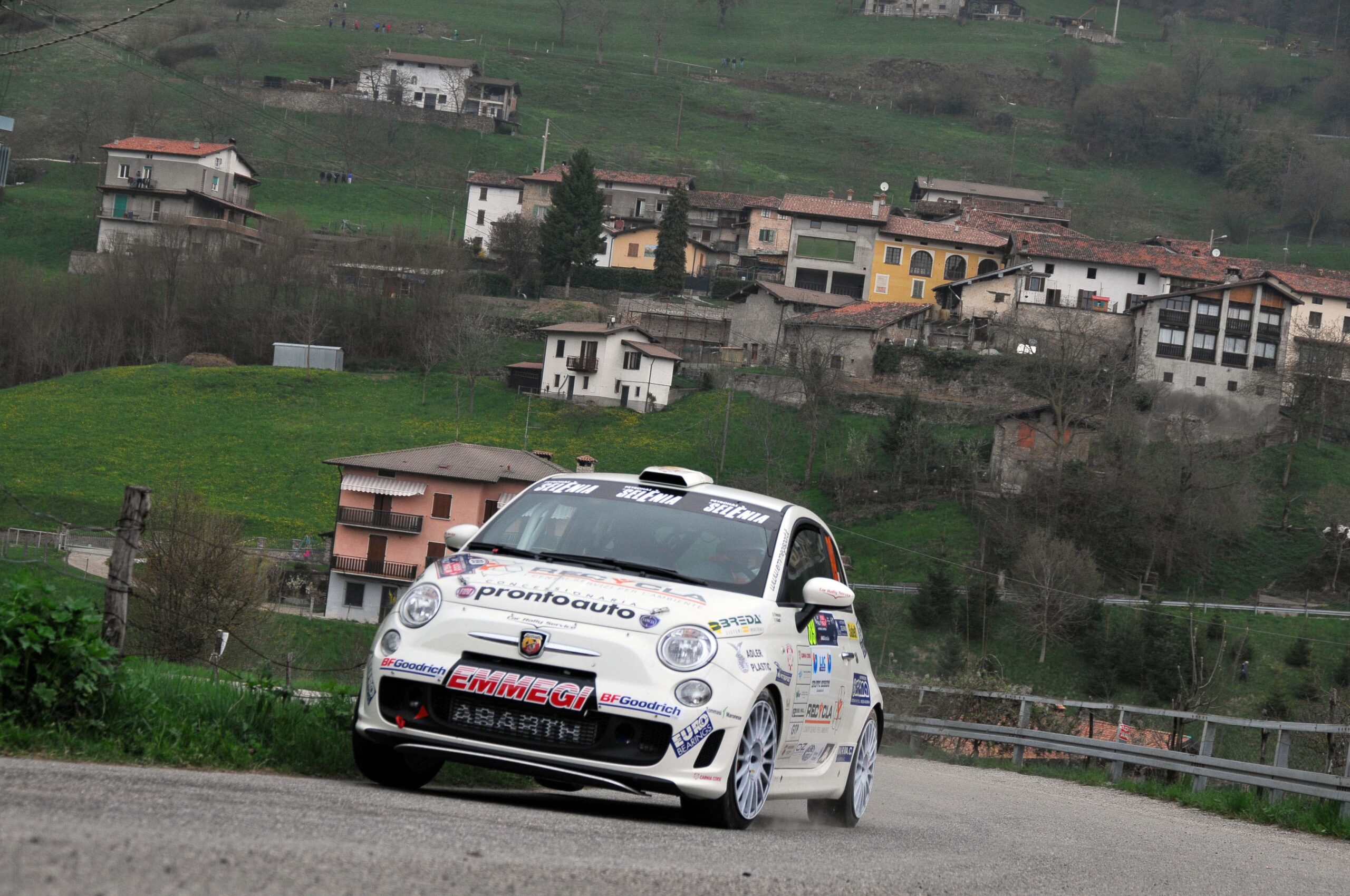
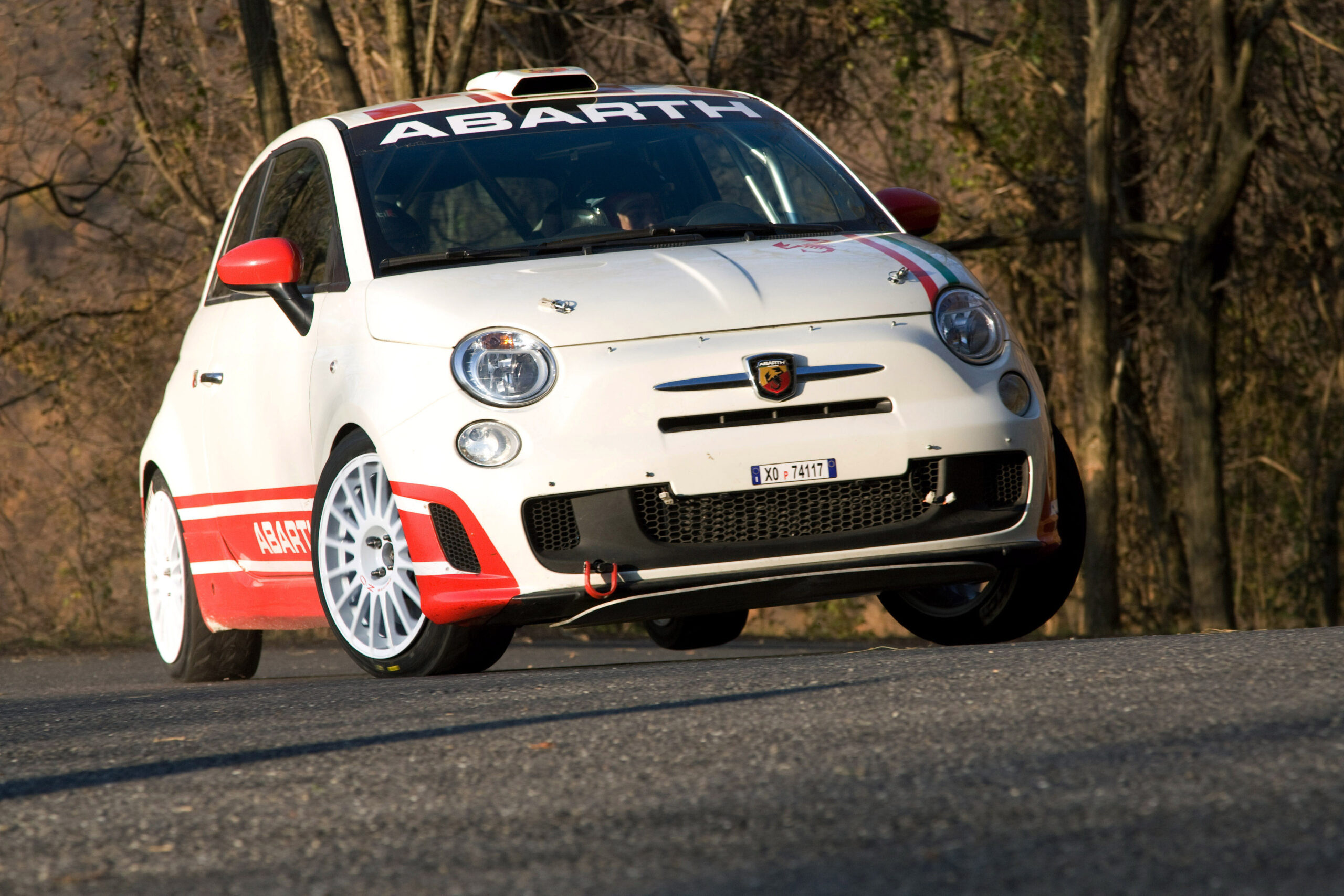
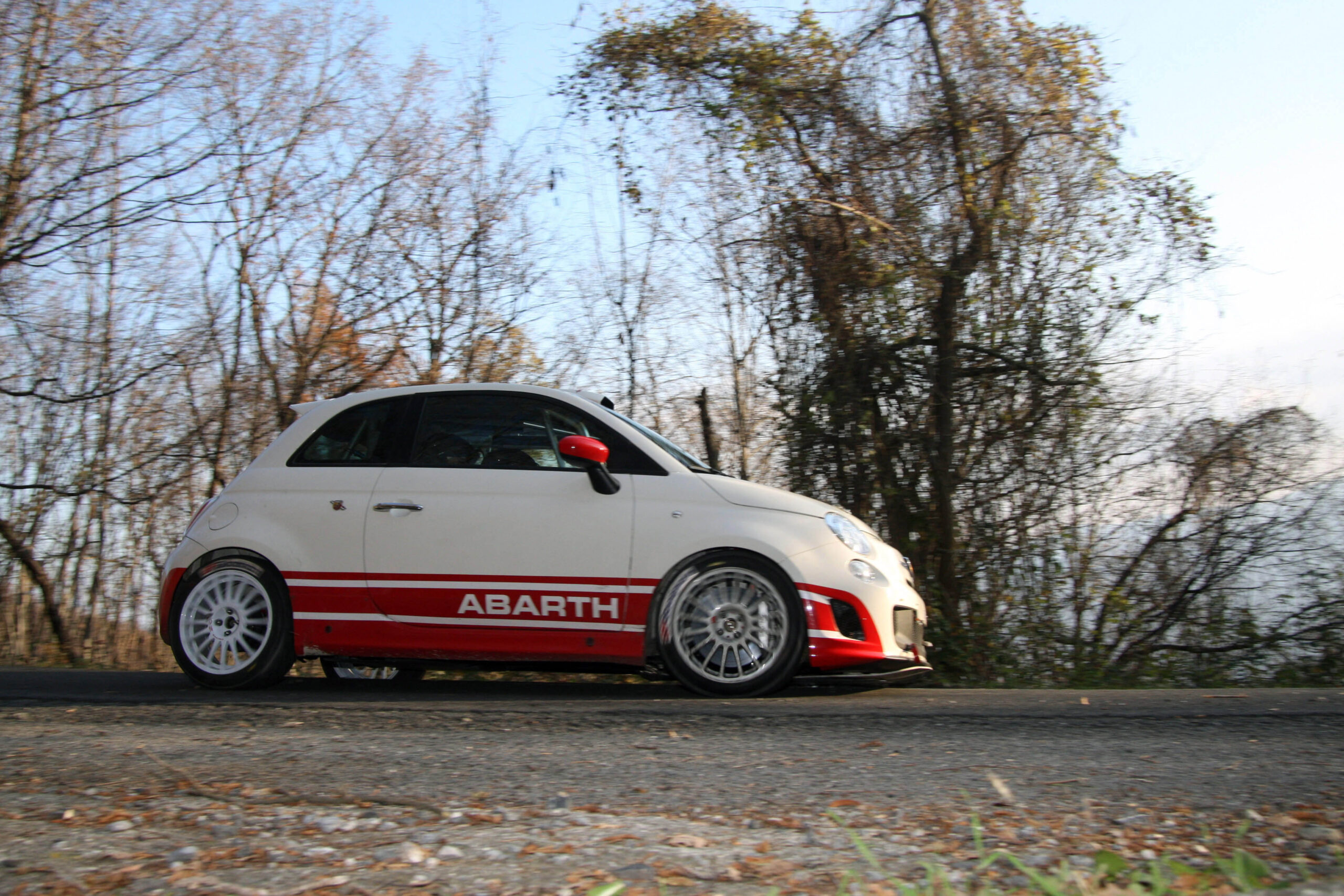
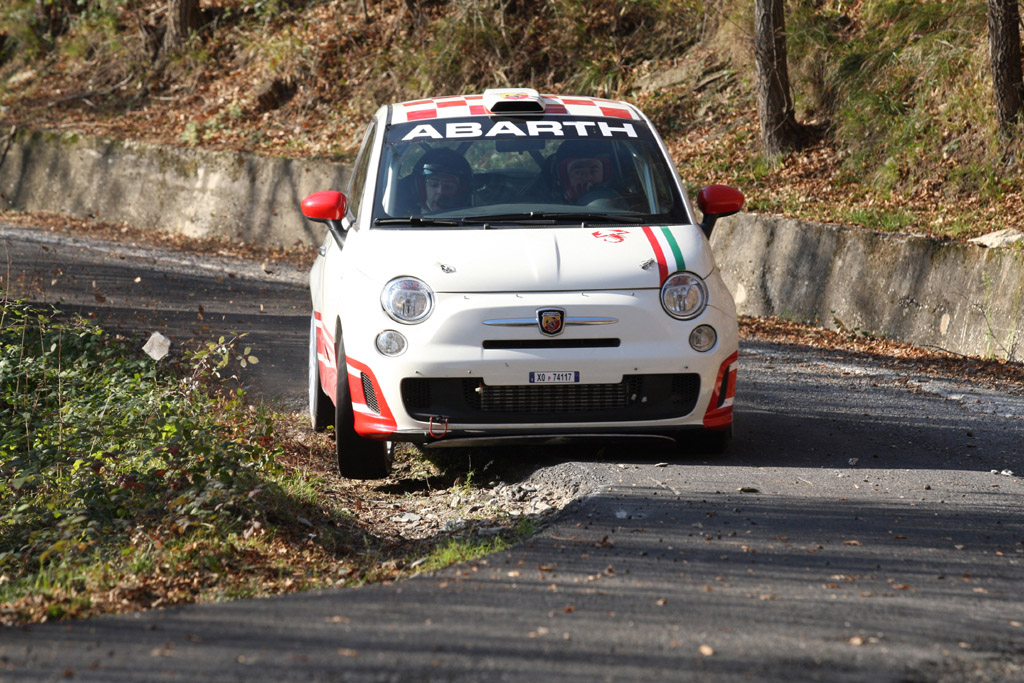
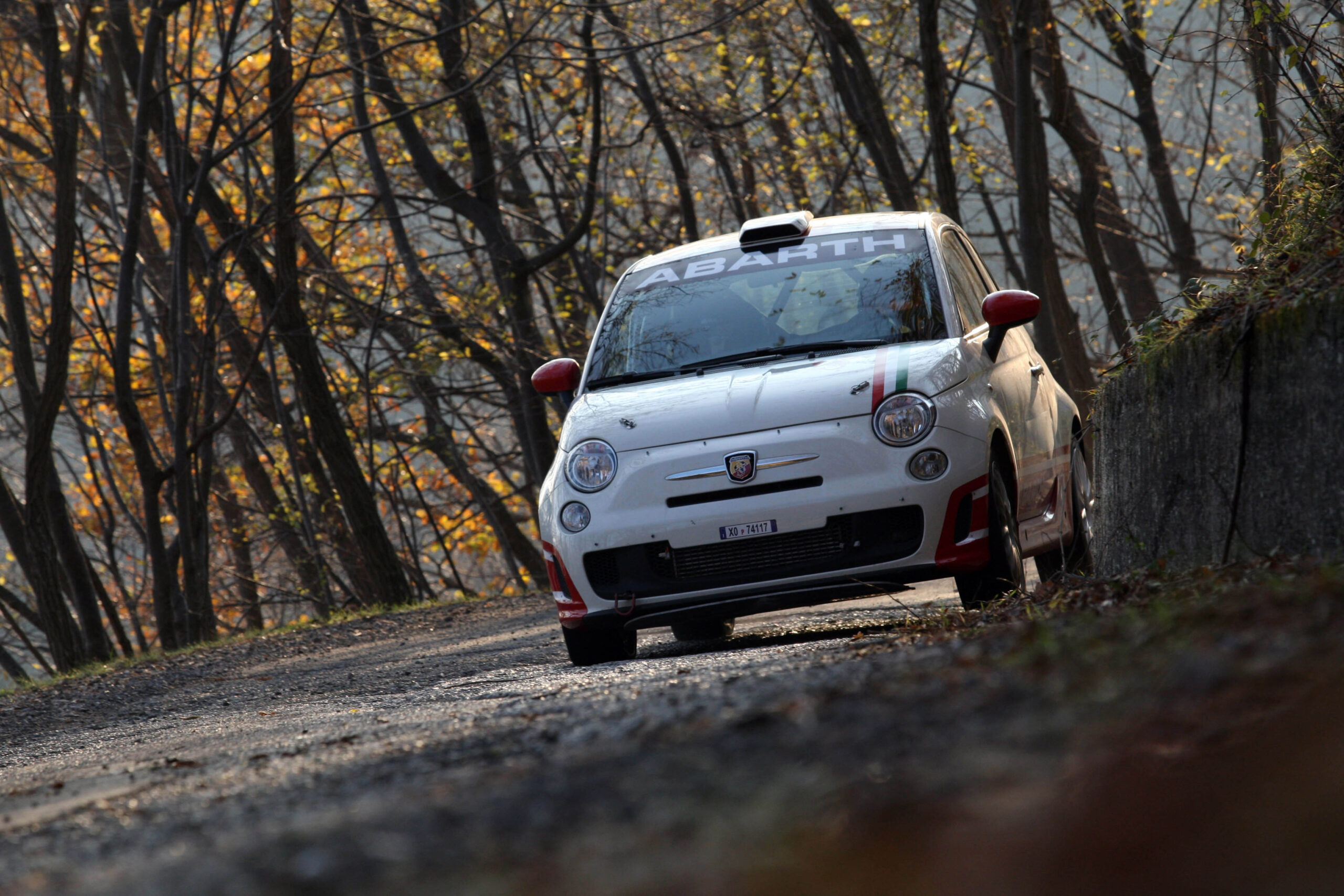
When Abarth was officially resurrected as a standalone brand in 2007, its return was met with celebration, but also a crucial question: would the new scorpion have a real sting? The Abarth 500 road car of 2008 was a brilliant, characterful hot hatch, but the brand’s soul was forged in competition. The answer arrived in 2009 with the unveiling of the Abarth 500 R3T. This was not a “track day” special; it was a pure, homologated rally machine, a spiritual successor to the Autobianchi A112 Abarths that had terrorized the stages decades earlier. It was built to compete in the FIA’s R3T category, a class for turbocharged 2WD cars up to 1.6-litres (with the 500’s 1.4L engine being factored in). This pitched the little Italian brawler directly against a formidable wave of French rivals, chiefly the brand-new Citroën DS3 R3T and the Renault Clio R3T, battling for the wallets and ambitions of privateer rally teams across Europe.
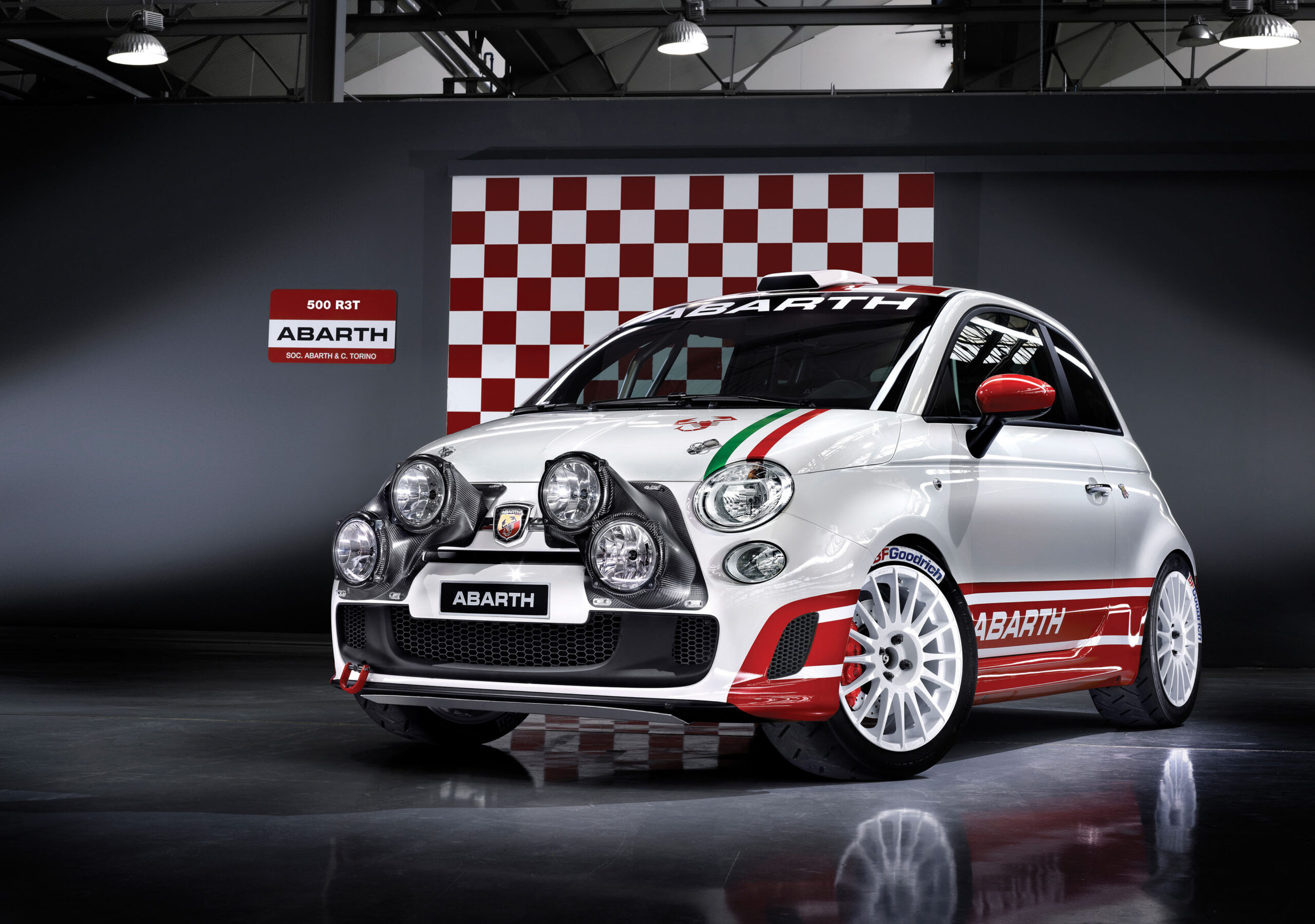
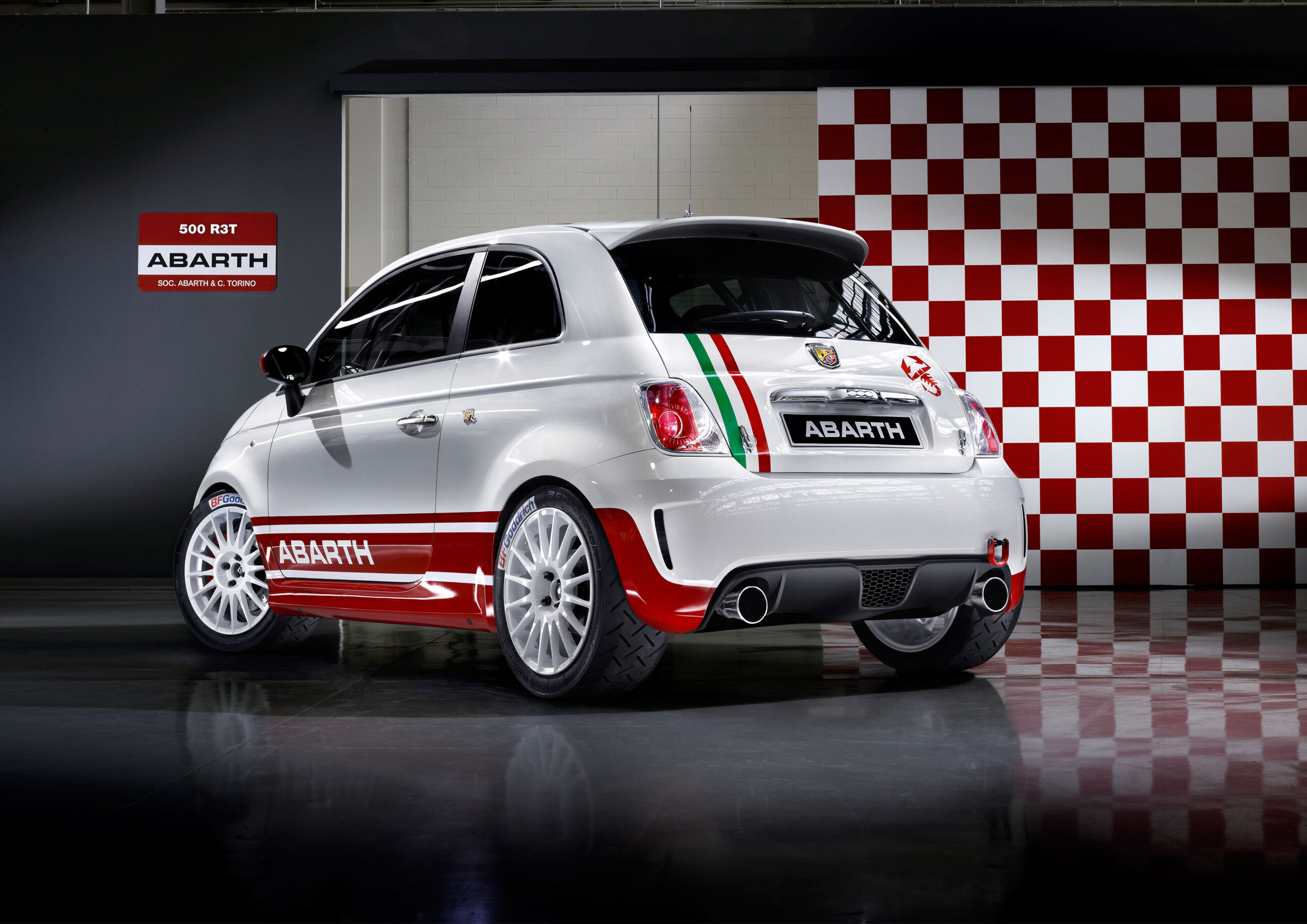
The transformation from charming city car to stage warrior was profound. Abarth’s engineers took the 1.4-litre T-Jet engine and, adhering to R3T regulations, fitted a Garrett GT 1446 turbo and 29mm restrictor to produce a reliable and ferocious 180 hp. The real magic, however, was in the transmission. Power was channelled through a Sadev 6-speed sequential gearbox with a mechanical limited-slip differential, creating the signature, spine-tingling whine and brutal gear changes that define a proper rally car. The chassis was fully seam-welded and fitted with a comprehensive FIA-spec roll cage, while the suspension was replaced with adjustable Extreme Tech dampers. Massive 4-piston Brembo brakes sat behind white OZ Racing wheels, and a hydraulic handbrake was installed for tight hairpins. The interior was a pure office of speed, stripped of all comfort and fitted with Sabelt seats, harnesses, and a digital data-logger, purpose-built for one thing only: attacking a special stage.
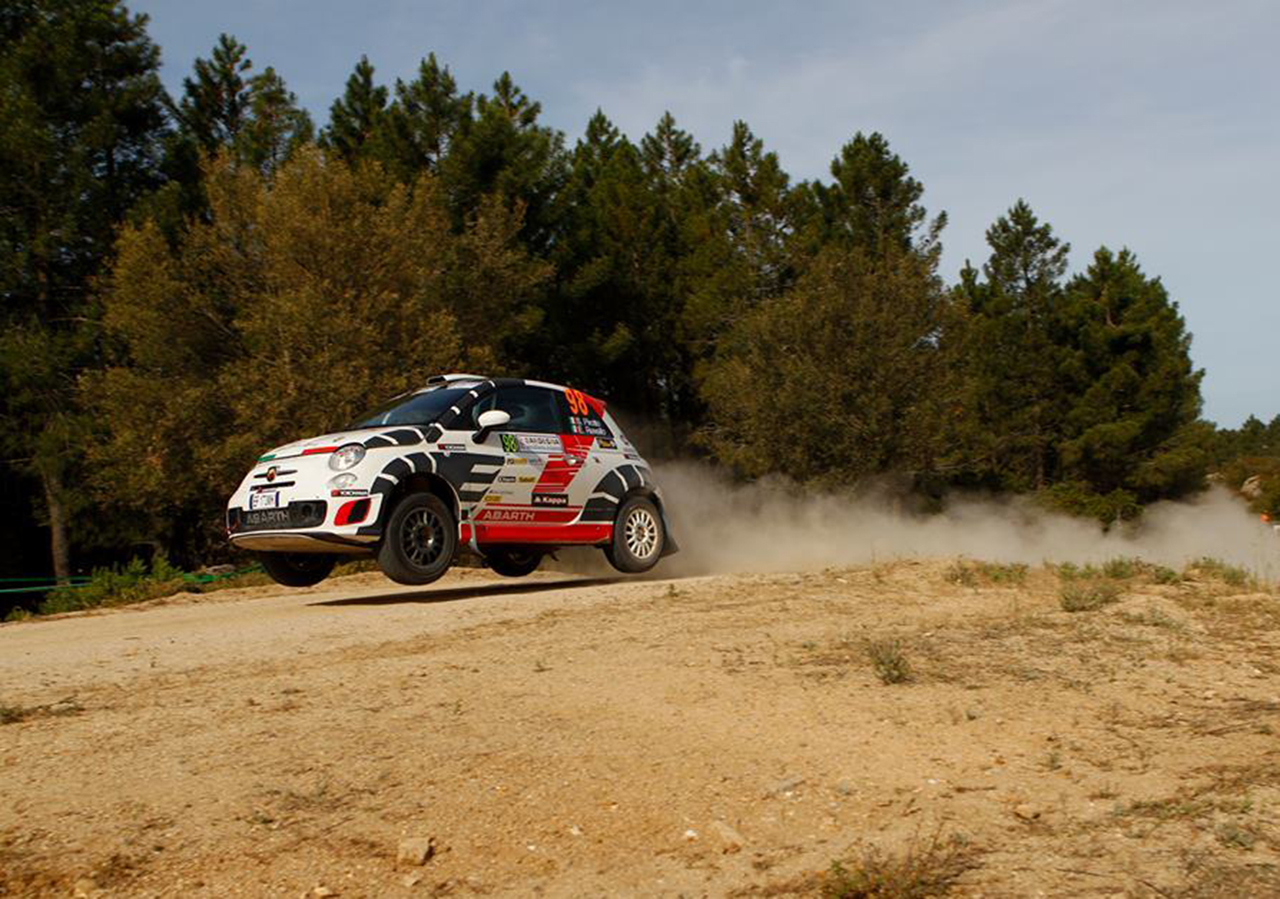
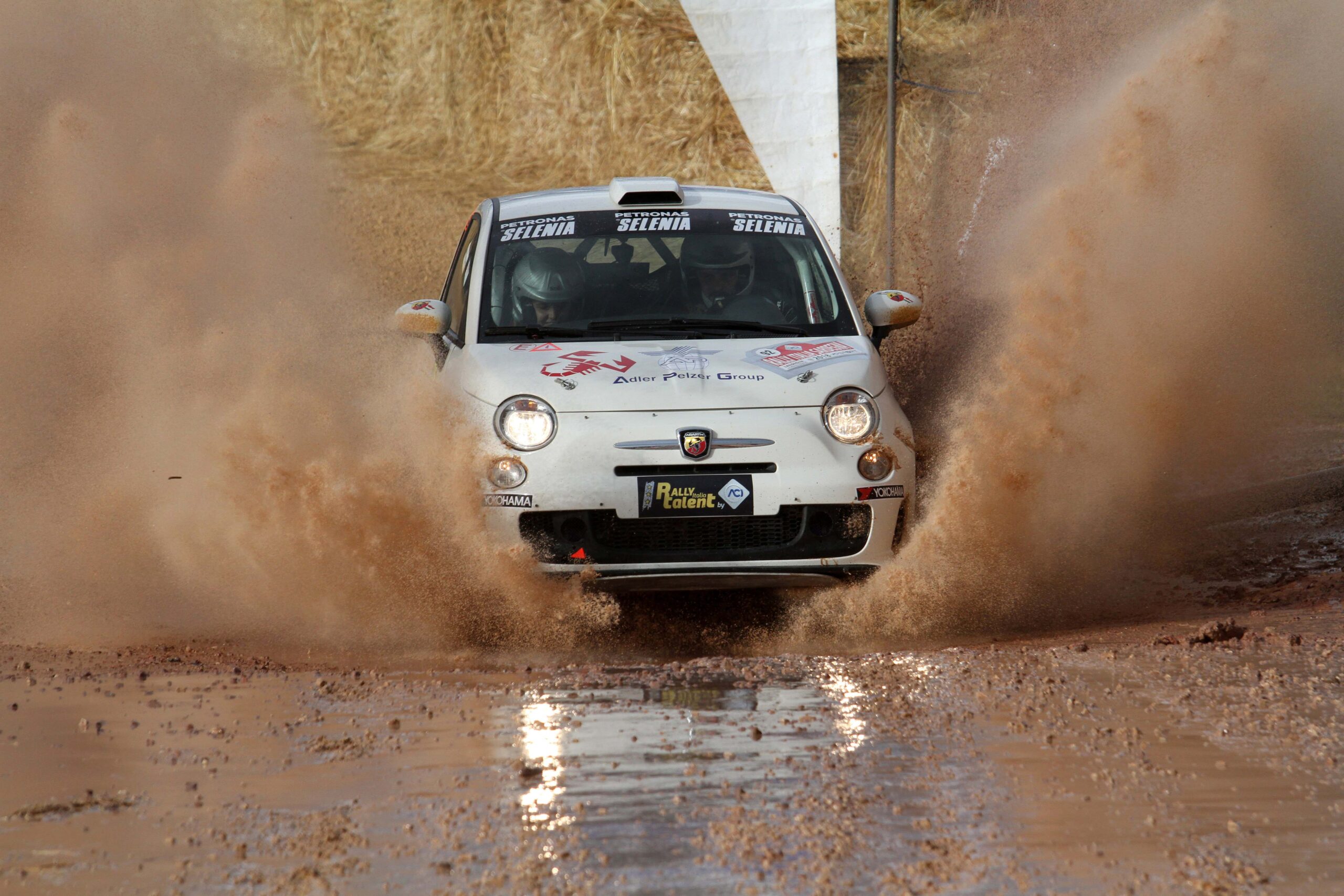
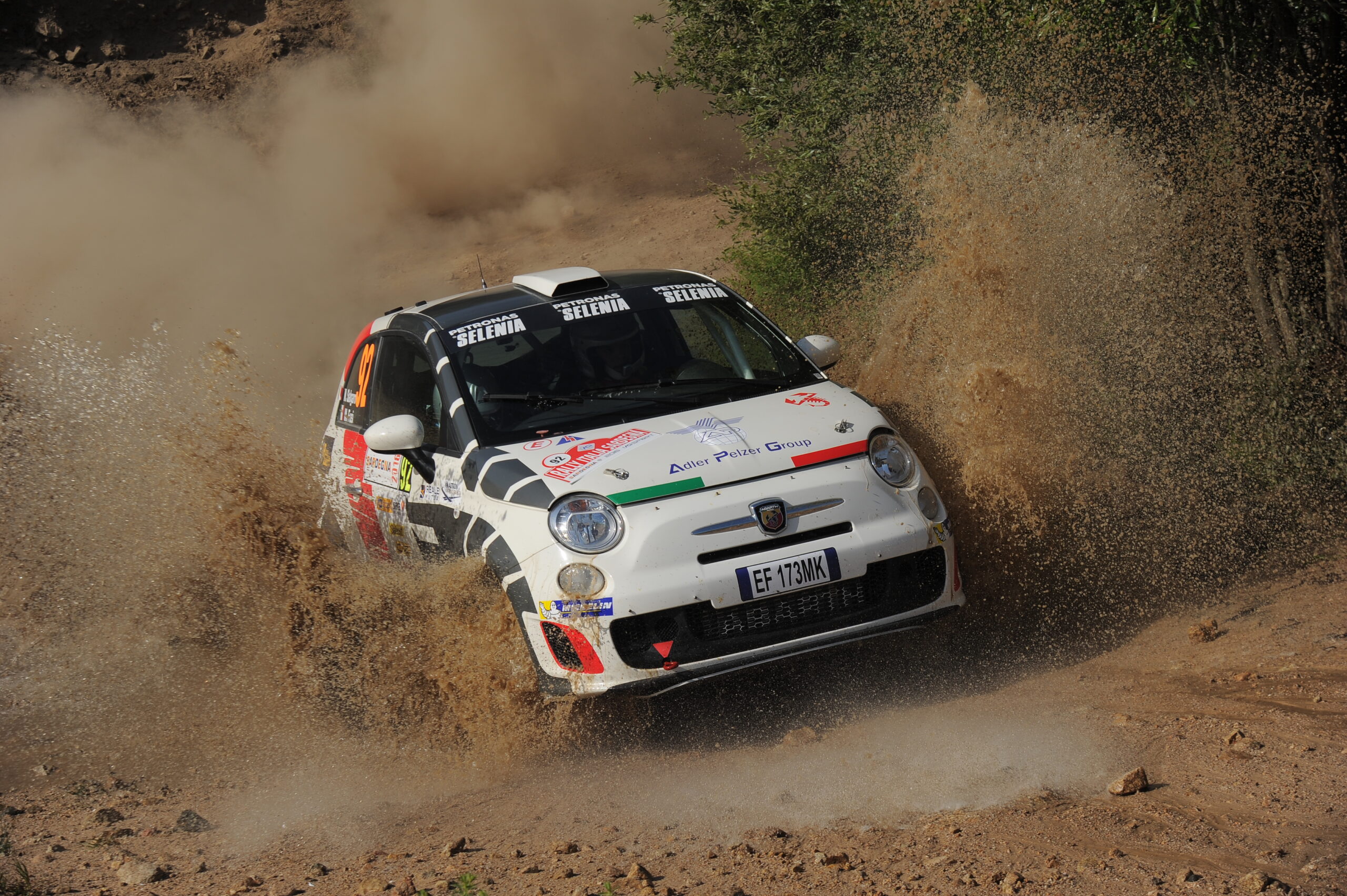
The 500 R3T’s competition history wasn’t about chasing overall WRC victories, but about dominating its class and, more importantly, fostering the next generation of Abarth heroes. Its primary battleground was the “Trofeo Abarth 500 Rally,” a series of spectacular one-make championships that ran within national series, most notably in Italy. These championships were legendarily fierce, loud, and competitive, often providing more drama and sideways action than the main event. The sight of a dozen identical 500s, snarling and three-wheeling through chicanes, became a beloved feature of European rallying. The car was an immediate success, proving to be fast, incredibly tough, and a huge crowd-pleaser. It provided a (relatively) affordable and professional stepping stone for young drivers, perfectly embodying the “democratisation of performance” philosophy that Karl Abarth himself had pioneered.
The legacy of the Abarth 500 R3T is immense. It was the crucial first step that proved the modern Abarth was a serious competition brand, not just a marketing exercise. It triumphantly carried the scorpion badge back to the grassroots rally stages where its reputation was first earned. This car’s success, and the excitement it generated, provided the critical momentum and in-house expertise that would directly lead to the brand’s more ambitious return to top-flight international rallying with the Abarth 124 R-GT project a few years later. The 500 R3T was the little monster that re-staked Abarth’s claim as the king of the “pocket rocket,” a title it holds to this day.
When Abarth was officially resurrected as a standalone brand in 2007, its return was met with celebration, but also a crucial question: would the new scorpion have a real sting? The Abarth 500 road car of 2008 was a brilliant, characterful hot hatch, but the brand’s soul was forged in competition. The answer arrived in 2009 with the unveiling of the Abarth 500 R3T. This was not a “track day” special; it was a pure, homologated rally machine, a spiritual successor to the Autobianchi A112 Abarth that had terrorized the stages decades earlier. It was built to compete in the FIA’s R3T category, a class for turbocharged 2WD cars up to 1.6-litres (with the 500’s 1.4L engine being factored in). This pitched the little Italian brawler directly against a formidable wave of French rivals, chiefly the brand-new Citroën DS3 R3T and the Renault Clio R3T, battling for the wallets and ambitions of privateer rally teams across Europe.
The transformation from charming city car to stage warrior was profound. Abarth’s engineers took the 1.4-litre T-Jet engine and, adhering to R3T regulations, fitted a Garrett GT 1446 turbo and 29mm restrictor to produce a reliable and ferocious 180 hp. The real magic, however, was in the transmission. Power was channelled through a Sadev 6-speed sequential gearbox with a mechanical limited-slip differential, creating the signature, spine-tingling whine and brutal gear changes that define a proper rally car. The chassis was fully seam-welded and fitted with a comprehensive FIA-spec roll cage, while the suspension was replaced with adjustable Extreme Tech dampers. Massive 4-piston Brembo brakes sat behind white OZ Racing wheels, and a hydraulic handbrake was installed for tight hairpins. The interior was a pure office of speed, stripped of all comfort and fitted with Sabelt seats, harnesses, and a digital data-logger, purpose-built for one thing only: attacking a special stage.
The 500 R3T’s competition history wasn’t about chasing overall WRC victories, but about dominating its class and, more importantly, fostering the next generation of Abarth heroes. Its primary battleground was the “Trofeo Abarth 500 Rally”, a series of spectacular one-make championships that ran within national series, most notably in Italy. These championships were legendarily fierce, loud, and competitive, often providing more drama and sideways action than the main event. The sight of a dozen identical 500s, snarling and three-wheeling through chicanes, became a beloved feature of European rallying. The car was an immediate success, proving to be fast, incredibly tough, and a huge crowd-pleaser. It provided a (relatively) affordable and professional stepping stone for young drivers, perfectly embodying the “democratisation of performance” philosophy that Karl Abarth himself had pioneered.
The legacy of the Abarth 500 R3T is immense. It was the crucial first step that proved the modern Abarth was a serious competition brand, not just a marketing exercise. It triumphantly carried the scorpion badge back to the grassroots rally stages where its reputation was first earned. This car’s success, and the excitement it generated, provided the critical momentum and in-house expertise that would directly lead to the brand’s more ambitious return to top-flight international rallying with the Abarth 124 R-GT project a few years later. The 500 R3T was the little monster that re-staked Abarth’s claim as the king of the “pocket rocket,” a title it holds to this day.
Brand
Produced from
Portal
Vehicle category
Model line
Predecessor
Sucessor
Brand
Produced from
Portal
Vehicle category
Model line
Model generation
Predecessor
Sucessor
About this submodel
When Abarth was officially resurrected as a standalone brand in 2007, its return was met with celebration, but also a crucial question: would the new scorpion have a real sting? The Abarth 500 road car of 2008 was a brilliant, characterful hot hatch, but the brand’s soul was forged in competition. The answer arrived in 2009 with the unveiling of the Abarth 500 R3T. This was not a “track day” special; it was a pure, homologated rally machine, a spiritual successor to the Autobianchi A112 Abarth that had terrorized the stages decades earlier. It was built to compete in the FIA’s R3T category, a class for turbocharged 2WD cars up to 1.6-litres (with the 500’s 1.4L engine being factored in). This pitched the little Italian brawler directly against a formidable wave of French rivals, chiefly the brand-new Citroën DS3 R3T and the Renault Clio R3T, battling for the wallets and ambitions of privateer rally teams across Europe.
The transformation from charming city car to stage warrior was profound. Abarth’s engineers took the 1.4-litre T-Jet engine and, adhering to R3T regulations, fitted a Garrett GT 1446 turbo and 29mm restrictor to produce a reliable and ferocious 180 hp. The real magic, however, was in the transmission. Power was channelled through a Sadev 6-speed sequential gearbox with a mechanical limited-slip differential, creating the signature, spine-tingling whine and brutal gear changes that define a proper rally car. The chassis was fully seam-welded and fitted with a comprehensive FIA-spec roll cage, while the suspension was replaced with adjustable Extreme Tech dampers. Massive 4-piston Brembo brakes sat behind white OZ Racing wheels, and a hydraulic handbrake was installed for tight hairpins. The interior was a pure office of speed, stripped of all comfort and fitted with Sabelt seats, harnesses, and a digital data-logger, purpose-built for one thing only: attacking a special stage.
The 500 R3T’s competition history wasn’t about chasing overall WRC victories, but about dominating its class and, more importantly, fostering the next generation of Abarth heroes. Its primary battleground was the “Trofeo Abarth 500 Rally”, a series of spectacular one-make championships that ran within national series, most notably in Italy. These championships were legendarily fierce, loud, and competitive, often providing more drama and sideways action than the main event. The sight of a dozen identical 500s, snarling and three-wheeling through chicanes, became a beloved feature of European rallying. The car was an immediate success, proving to be fast, incredibly tough, and a huge crowd-pleaser. It provided a (relatively) affordable and professional stepping stone for young drivers, perfectly embodying the “democratisation of performance” philosophy that Karl Abarth himself had pioneered.
The legacy of the Abarth 500 R3T is immense. It was the crucial first step that proved the modern Abarth was a serious competition brand, not just a marketing exercise. It triumphantly carried the scorpion badge back to the grassroots rally stages where its reputation was first earned. This car’s success, and the excitement it generated, provided the critical momentum and in-house expertise that would directly lead to the brand’s more ambitious return to top-flight international rallying with the Abarth 124 R-GT project a few years later. The 500 R3T was the little monster that re-staked Abarth’s claim as the king of the “pocket rocket,” a title it holds to this day.
Tech Specs
Discover the technical specifications
Tech Specs