
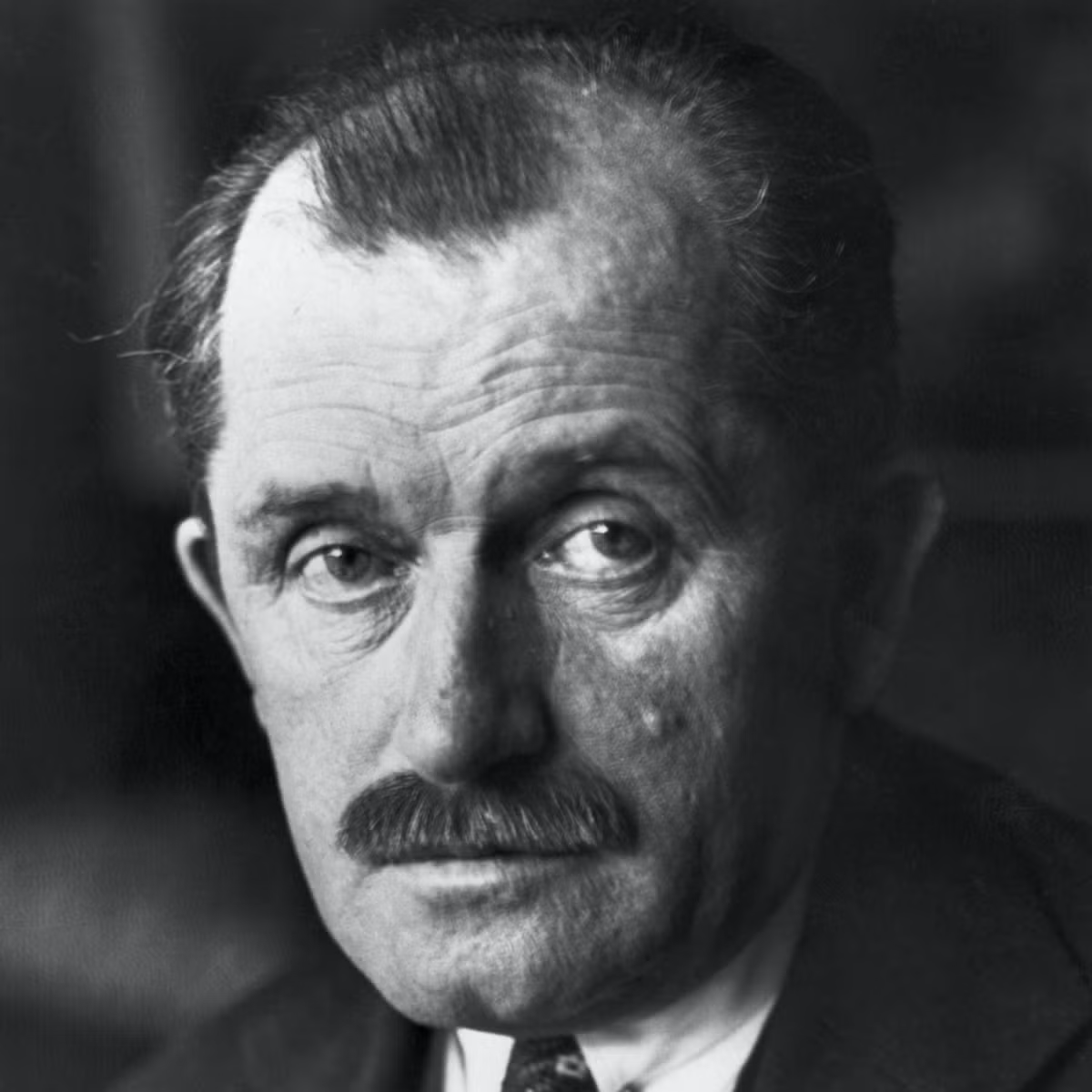
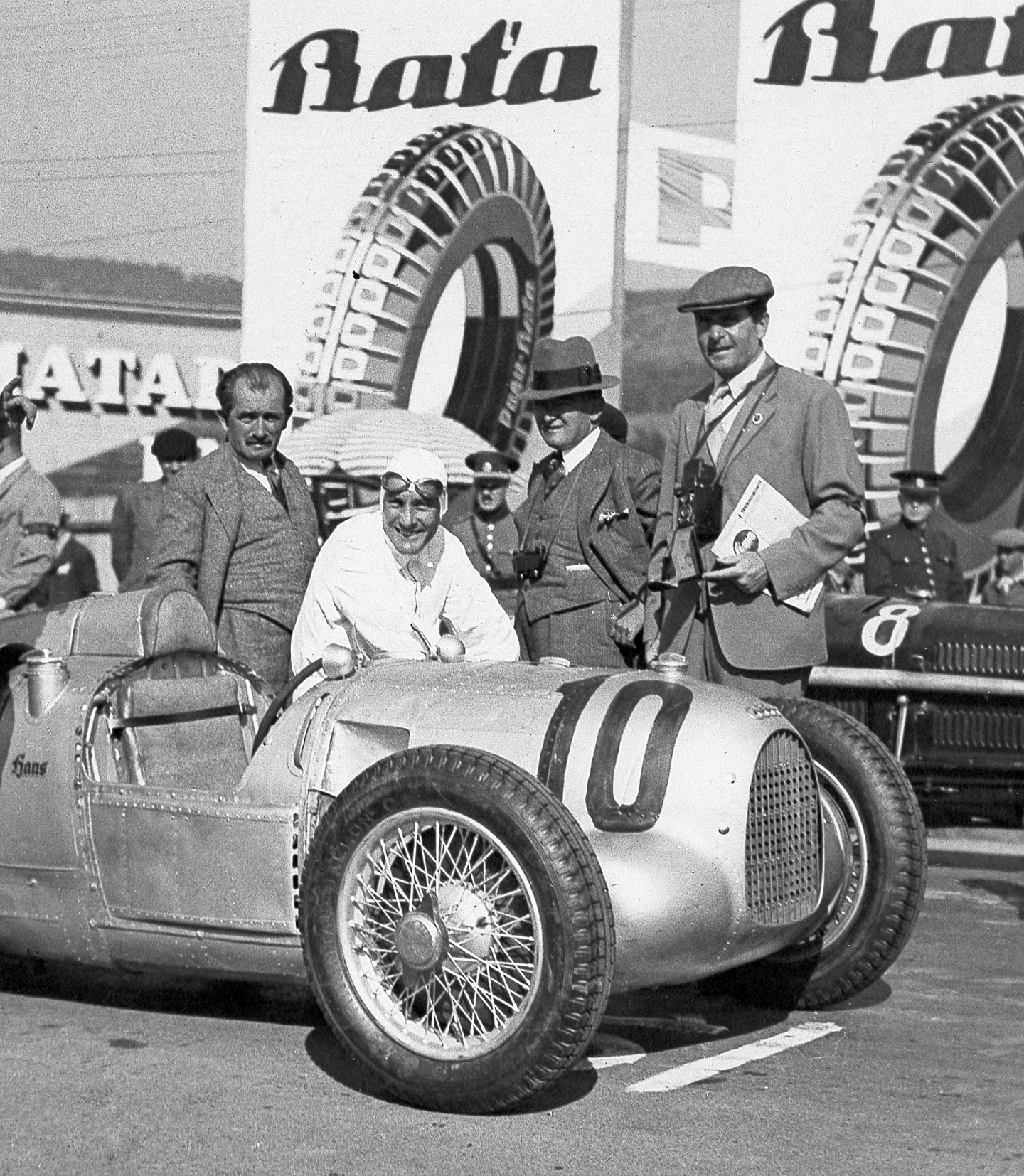
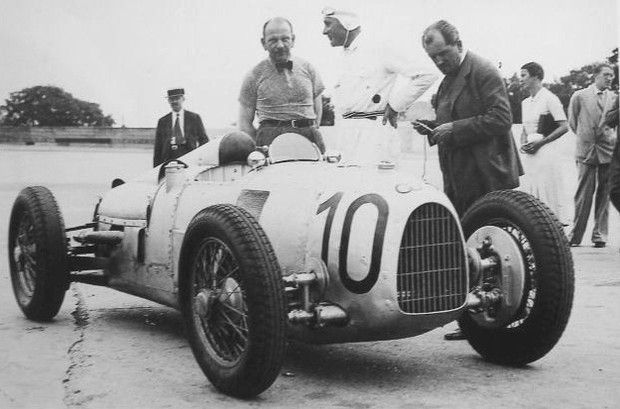
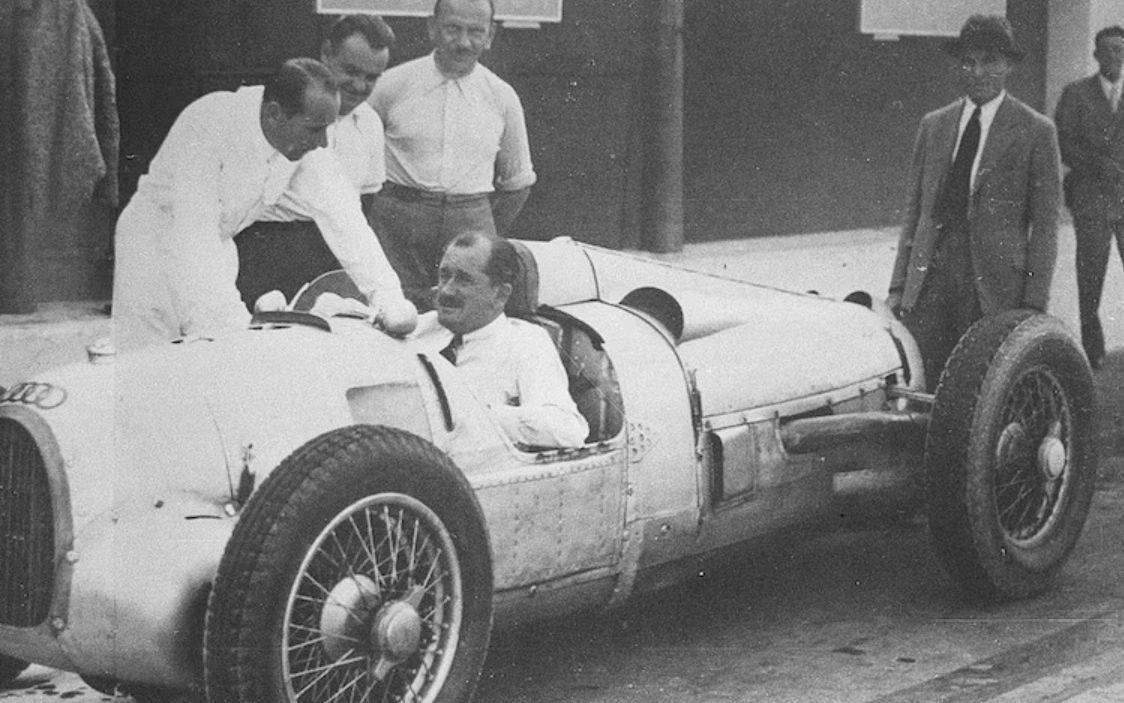
The pungent, eye-watering scent of methanol, ether, and castor oil hung thick in the Eifel mountain air as the silver streamliner erupted from the Nürburgring paddock, violently punishing its rear tyres against the cold, abrasive tarmac. It was 1936, and the Auto Union Type C was not merely a racing car; it was a visceral assault on the senses, a brutal symphony of mechanical violence engineered by a man utterly obsessed with the uncompromising pursuit of velocity. Dr Ferdinand Porsche stood impassively on the pit wall, watching his mid-engined leviathan tear through the sweeping curves. Beneath the hand-beaten aluminium skin sat a 6.0-litre (366 cu in) V16 power plant, force-fed by a Roots-type supercharger running at 0.95 bars (13.8 psi), which channelled a terrifying 520 bhp (388 kW) through a spindly tubular ladder frame. Weighing a mere 750 kg (1653 lbs) to exploit the era’s grand prix formula, this machine—notoriously treacherous yet devastatingly fast—encapsulated the genius of a mastermind whose extreme vision forever altered the trajectory of motor racing.
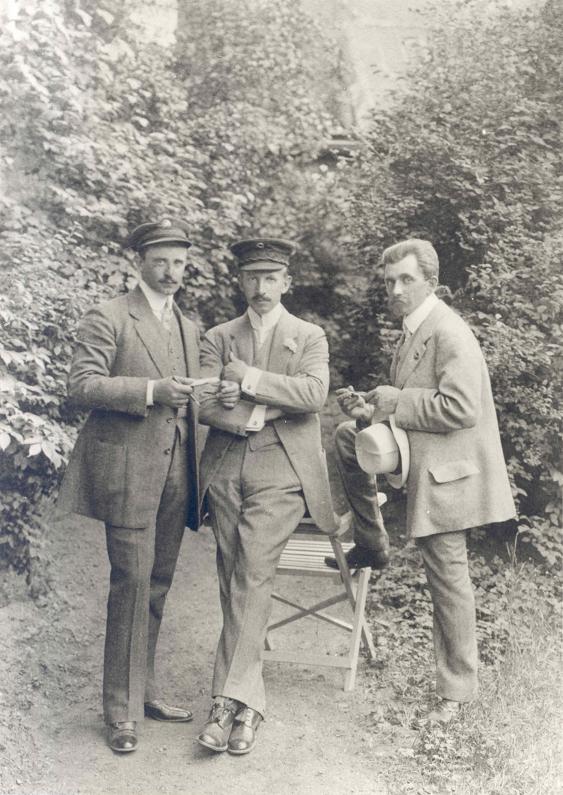
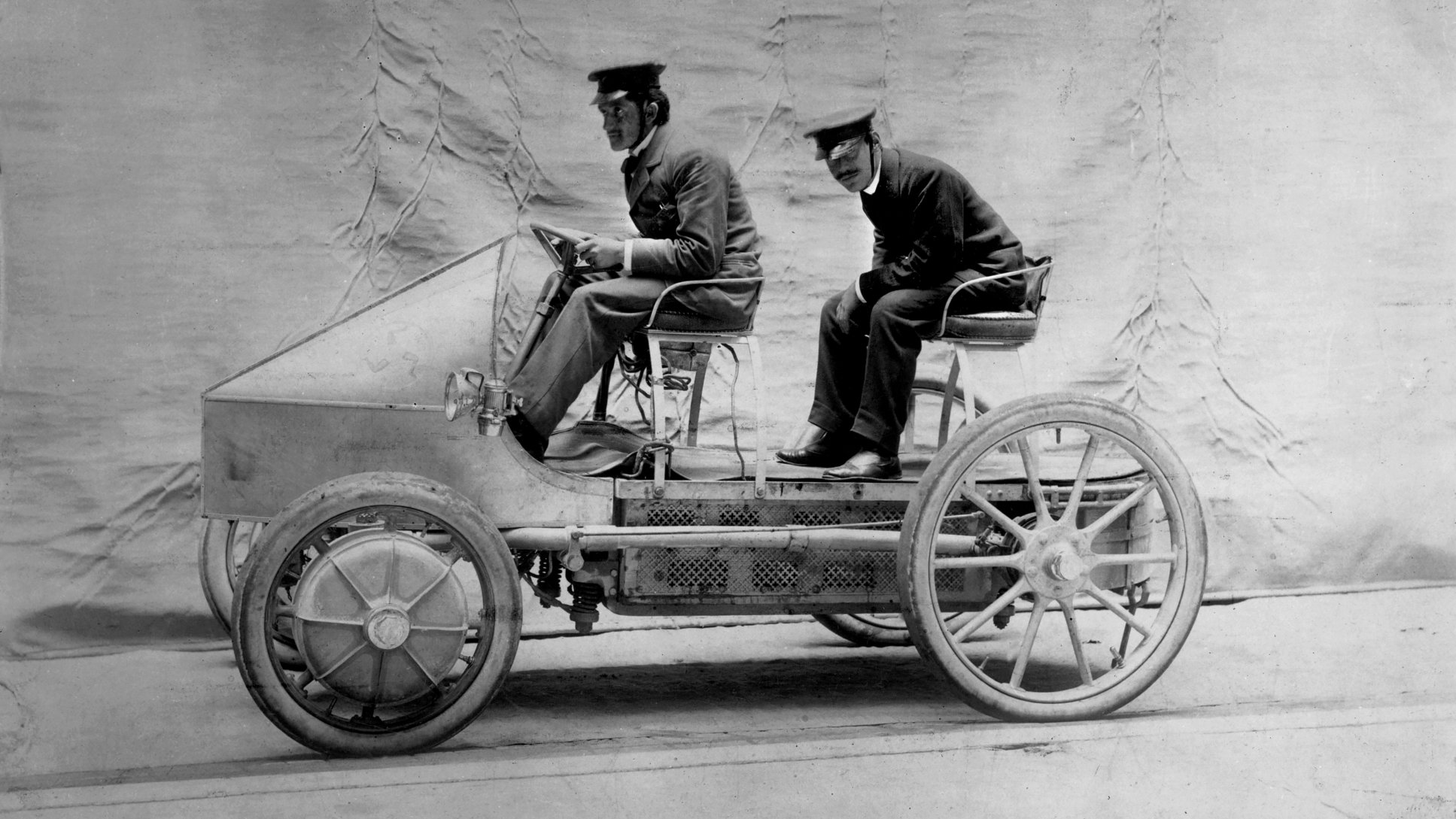
Long before the thunder of those pre-war “Silver Arrows”, Porsche’s fascination with propulsion began far from the elite, oil-stained circuits of Europe. Born in 1875 in the quiet Bohemian town of Maffersdorf, a young Porsche possessed an insatiable intellect that gravitated towards the invisible power of electricity rather than his father’s traditional tinsmith trade. Securing a position at Lohner in Vienna, his audacity quickly became apparent when, at just 24 years of age, he engineered the world’s first functional hybrid vehicle, the Lohner-Porsche “Semper Vivus”. His restless mind drove him rapidly through the ranks of early automotive pioneers, landing him the role of technical director at Austro-Daimler by 1905. Here, he crafted agile, lightweight racers such as the ADS-R “Sascha”, a machine born from his deeply held conviction that reducing aerodynamic drag and shedding mass were the ultimate keys to outright pace. This relentless drive culminated in a victory at the grueling 1924 Targa Florio, an achievement that earned him an honorary doctorate from the Technical University of Württemberg.
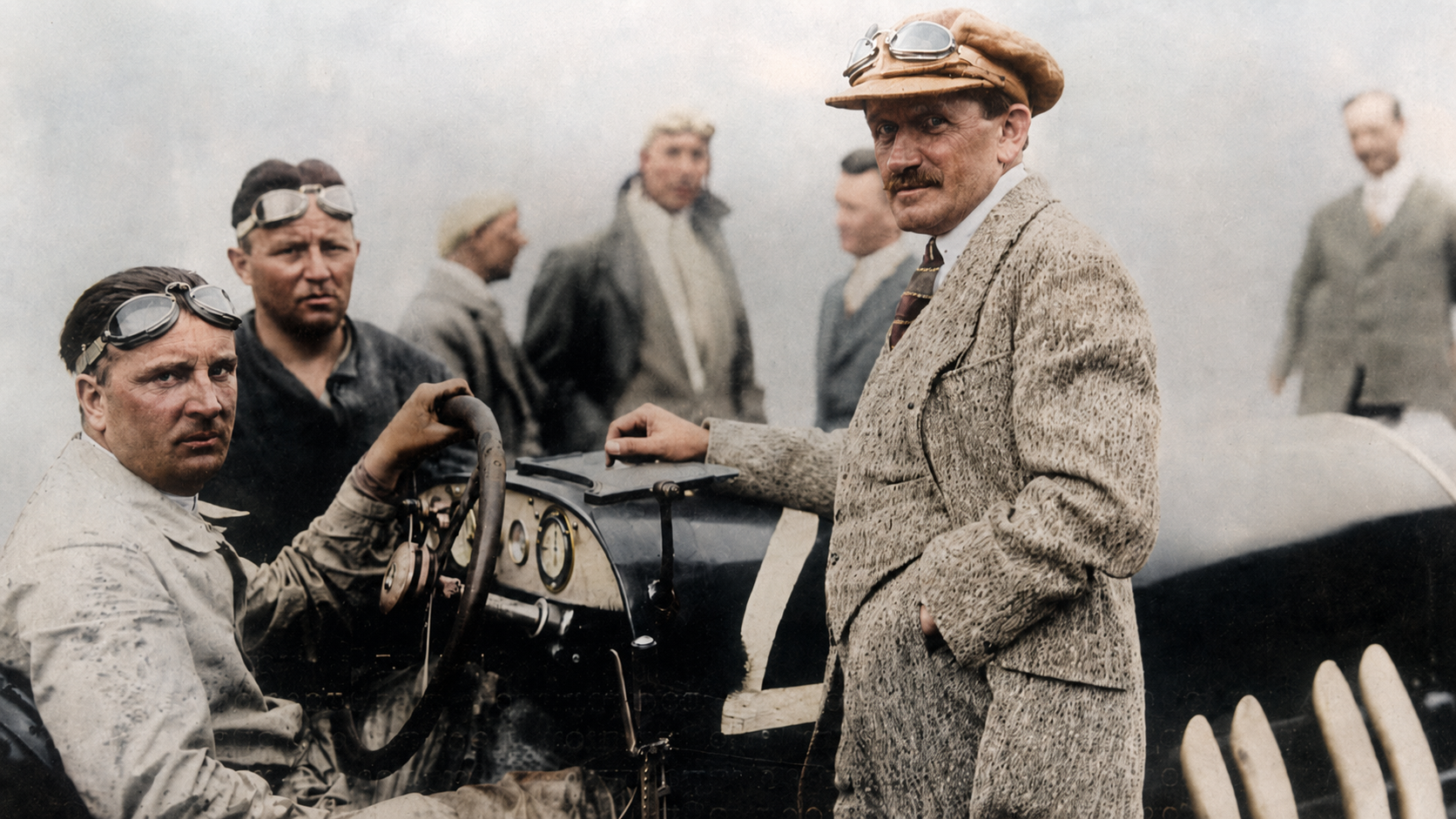
Yet, his thirst for mechanical supremacy soon outgrew Austrian borders, leading him to Daimler in Stuttgart, where he conjured the monstrous, supercharged Mercedes SSK that utterly dominated the late 1920s. By the 1930s, operating his own independent design consultancy, his magnum opus arrived. Commissioned by the newly formed Auto Union syndicate to exploit the new 750-kg maximum weight limit, Porsche threw the conventional grand prix rulebook straight into the fire. Rather than placing the engine ahead of the driver, he situated the immense V16 longitudinally behind the cockpit. This architectural masterstroke allowed for a lower centre of gravity, a centralised fuel tank, and a teardrop aerodynamic profile that enabled the Type C to comfortably breach 340 km/h (211 mph) on the blindingly fast straights of the AVUS circuit, and an astonishing 415 km/h (258 mph) in streamlined record configurations.
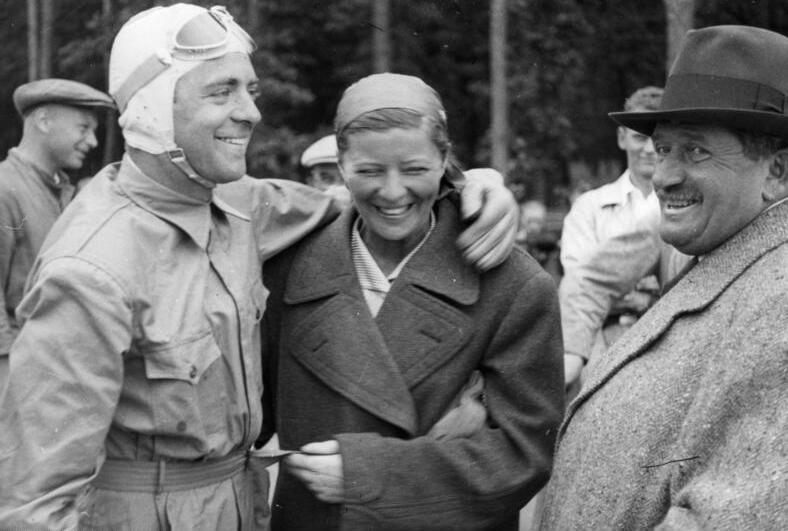
Porsche’s engineering philosophy was absolute and often ruthless. He possessed a notorious disdain for financial constraints, repeatedly driving corporate accountants to despair as he chased theoretical perfection regardless of the development costs. His machines were demanding, requiring immense physical courage, upper-body strength, and tactile brilliance from anyone brave enough to grip the heavy steering wheel. With its severe 60 percent rearward weight bias and a Porsche-designed swing-axle rear suspension, the Type C was an oversteering monster that produced violent, sudden breakaway characteristics. When 1182 Nm (872 lbf ft) of torque broke traction at 160 km/h (100 mph), it took the supernatural reflexes of Bernd Rosemeyer to truly tame the beast, sliding the silver projectile through high-speed curves in a glorious, terrifying dance that repeatedly humbled Mercedes-Benz. Behind the scenes, Porsche operated his design bureau with a patriarchal yet fiercely demanding grip, surrounding himself with fiercely loyal lieutenants like chief designer Karl Rabe, engine specialist Josef Kales, and bodywork visionary Erwin Komenda, alongside his own son, Ferry, who absorbed his father’s unrelenting work ethic.
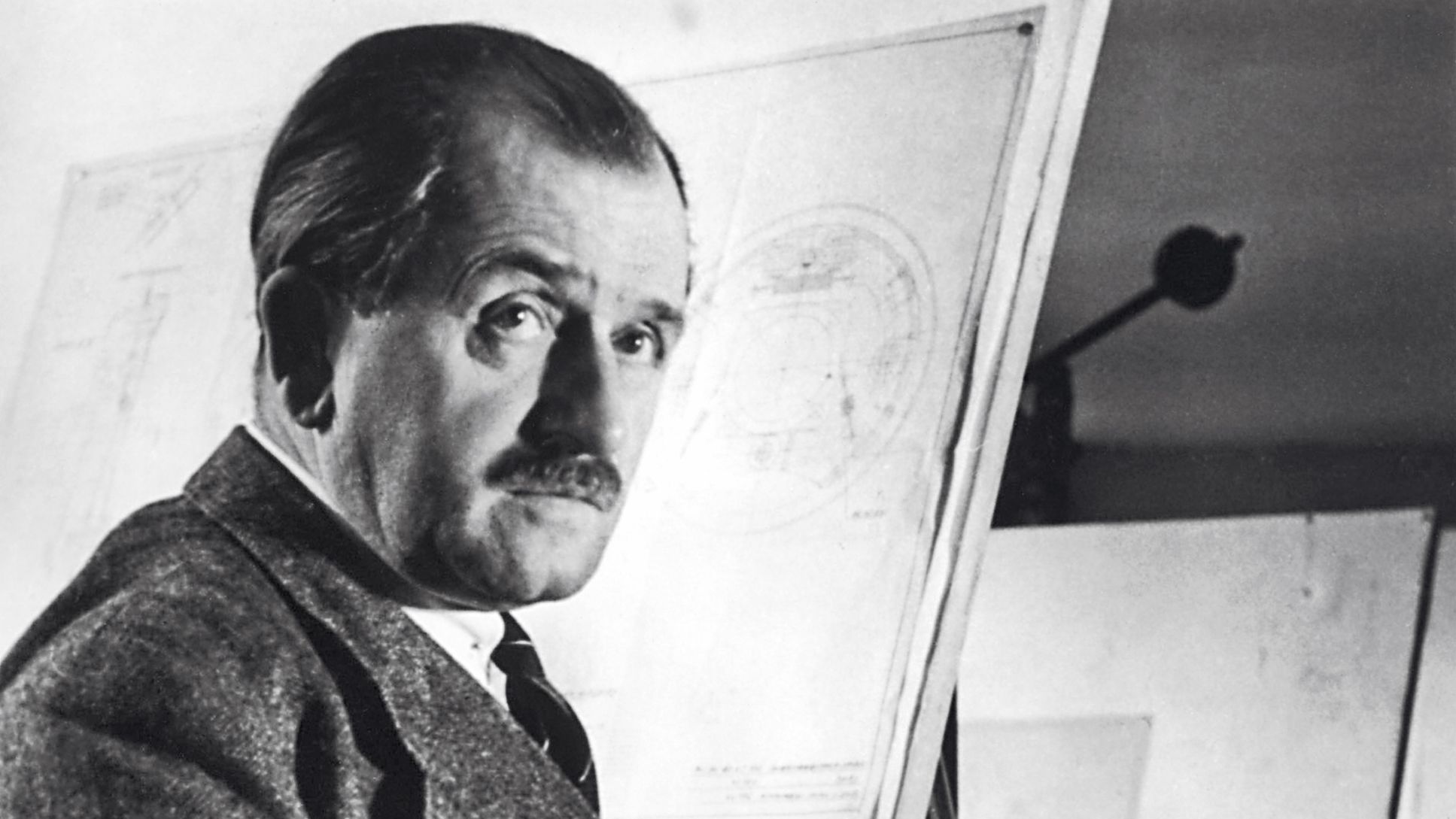
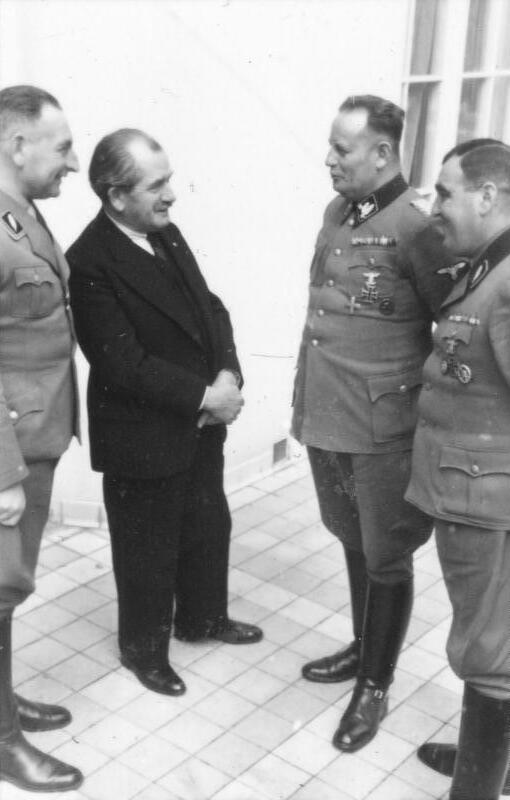
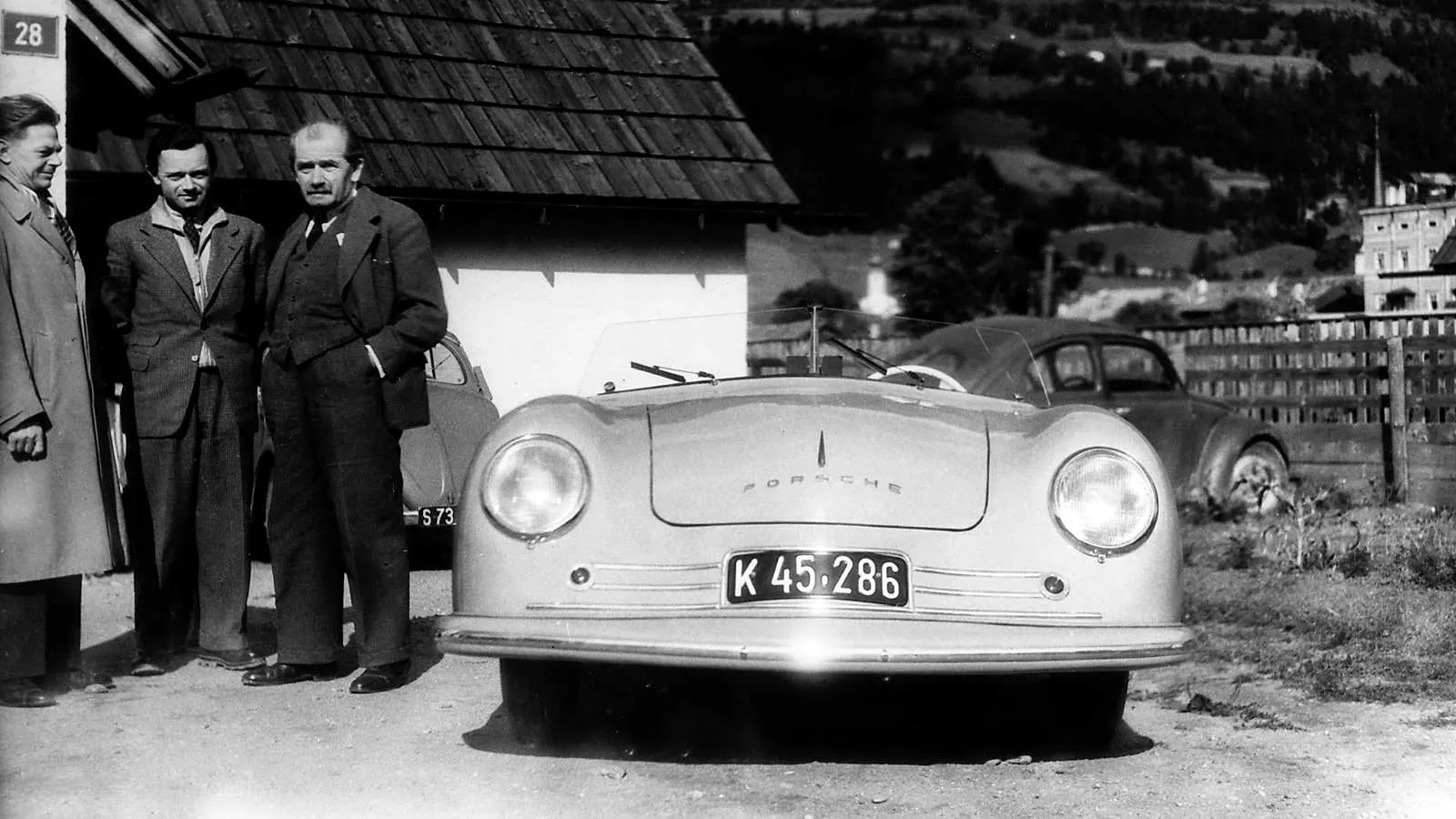
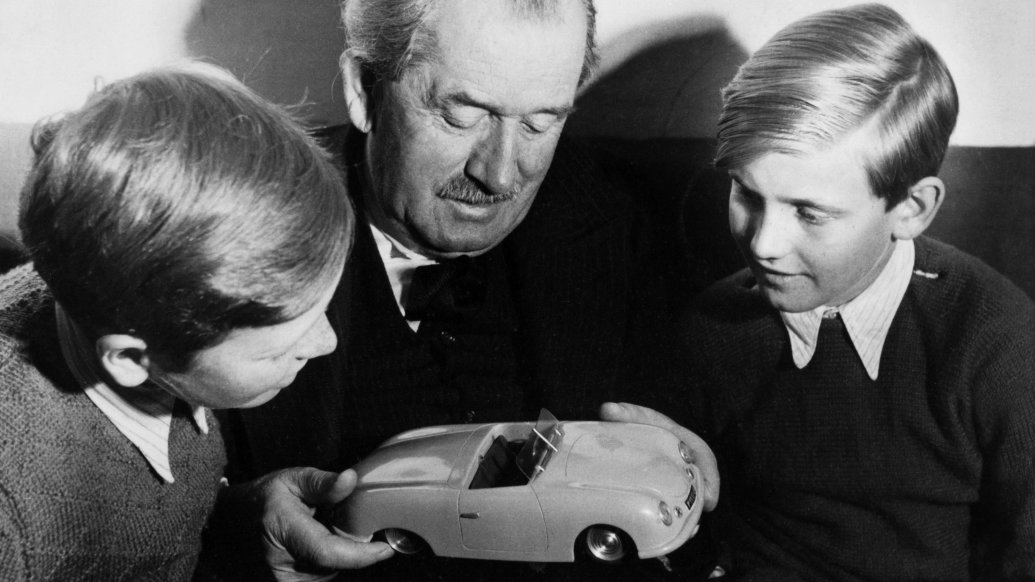
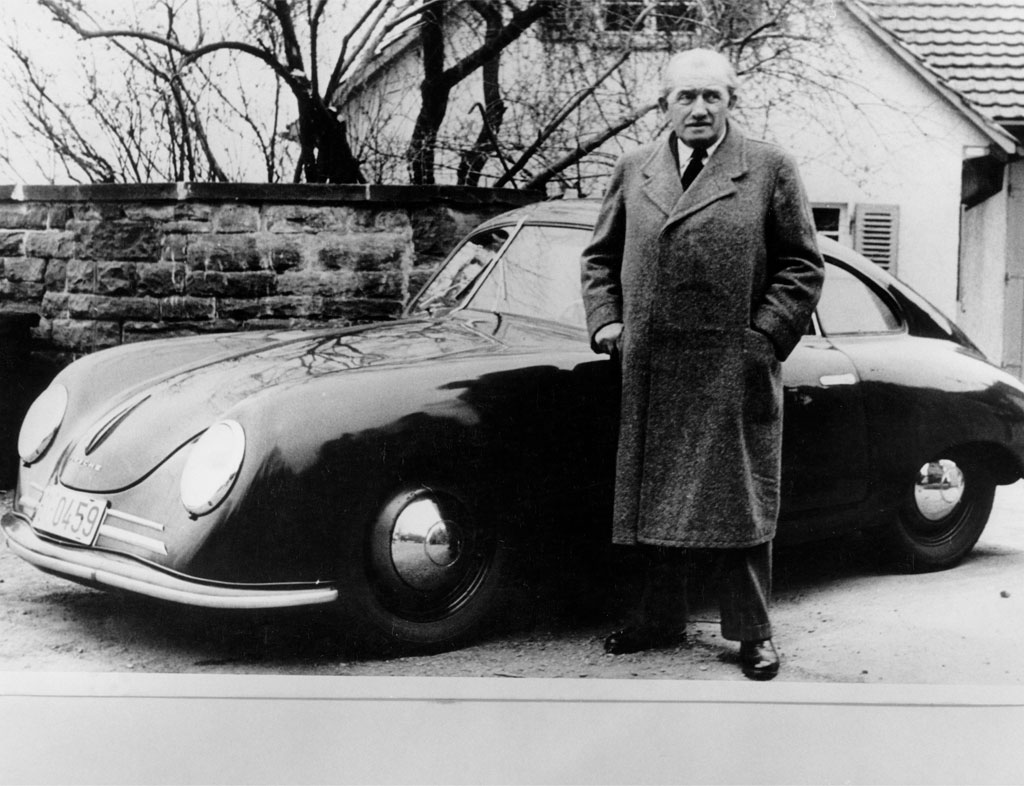
The outbreak of the Second World War saw his vast talents redirected by the dark political machinery of the era, resulting in the state-sponsored KdF-Wagen project—a design that would eventually conquer the globe as the Volkswagen Beetle. The immediate post-war years proved exceptionally grim; Porsche, along with his son-in-law Anton Piëch, was imprisoned in France for nearly two years under harsh conditions that irreparably broke the ageing engineer’s health. Yet, his legacy spectacularly survived the ashes of a ruined Europe. Relocating to a small, draughty sawmill in Gmünd, Austria, his son Ferry kept the creative flame alive, engineering the lightweight 356 “No. 1” Roadster in 1948—the first sports car to officially bear the family name. When Ferdinand Porsche finally succumbed to his failing health in Stuttgart in early 1951, he had lived just long enough to see his name adorned on the bonnet of a purebred sports car, validating a lifetime of uncompromising innovation. From pioneering electric wheel-hubs to the terrifying, methanol-breathing V16 streamliners, Porsche’s tactile brilliance left an indelible, oil-stained fingerprint on the very soul of the automobile.
The pungent, eye-watering scent of methanol, ether, and castor oil hung thick in the Eifel mountain air as the silver streamliner erupted from the Nürburgring paddock, violently punishing its rear tyres against the cold, abrasive tarmac. It was 1936, and the Auto Union Type C was not merely a racing car; it was a visceral assault on the senses, a brutal symphony of mechanical violence engineered by a man utterly obsessed with the uncompromising pursuit of velocity. Dr Ferdinand Porsche stood impassively on the pit wall, watching his mid-engined leviathan tear through the sweeping curves. Beneath the hand-beaten aluminium skin sat a 6.0-litre (366 cu in) V16 power plant, force-fed by a Roots-type supercharger running at 0.95 bars (13.8 psi), which channelled a terrifying 520 bhp (388 kW) through a spindly tubular ladder frame. Weighing a mere 750 kg (1653 lbs) to exploit the era’s grand prix formula, this machine—notoriously treacherous yet devastatingly fast—encapsulated the genius of a mastermind whose extreme vision forever altered the trajectory of motor racing.
Long before the thunder of those pre-war “Silver Arrows”, Porsche’s fascination with propulsion began far from the elite, oil-stained circuits of Europe. Born in 1875 in the quiet Bohemian town of Maffersdorf, a young Porsche possessed an insatiable intellect that gravitated towards the invisible power of electricity rather than his father’s traditional tinsmith trade. Securing a position at Lohner in Vienna, his audacity quickly became apparent when, at just 24 years of age, he engineered the world’s first functional hybrid vehicle, the Lohner-Porsche “Semper Vivus”. His restless mind drove him rapidly through the ranks of early automotive pioneers, landing him the role of technical director at Austro-Daimler by 1905. Here, he crafted agile, lightweight racers such as the ADS-R “Sascha”, a machine born from his deeply held conviction that reducing aerodynamic drag and shedding mass were the ultimate keys to outright pace. This relentless drive culminated in a victory at the grueling 1924 Targa Florio, an achievement that earned him an honorary doctorate from the Technical University of Württemberg.
Yet, his thirst for mechanical supremacy soon outgrew Austrian borders, leading him to Daimler in Stuttgart, where he conjured the monstrous, supercharged Mercedes SSK that utterly dominated the late 1920s. By the 1930s, operating his own independent design consultancy, his magnum opus arrived. Commissioned by the newly formed Auto Union syndicate to exploit the new 750-kg maximum weight limit, Porsche threw the conventional grand prix rulebook straight into the fire. Rather than placing the engine ahead of the driver, he situated the immense V16 longitudinally behind the cockpit. This architectural masterstroke allowed for a lower centre of gravity, a centralised fuel tank, and a teardrop aerodynamic profile that enabled the Type C to comfortably breach 340 km/h (211 mph) on the blindingly fast straights of the AVUS circuit, and an astonishing 415 km/h (258 mph) in streamlined record configurations.
Porsche’s engineering philosophy was absolute and often ruthless. He possessed a notorious disdain for financial constraints, repeatedly driving corporate accountants to despair as he chased theoretical perfection regardless of the development costs. His machines were demanding, requiring immense physical courage, upper-body strength, and tactile brilliance from anyone brave enough to grip the heavy steering wheel. With its severe 60 percent rearward weight bias and a Porsche-designed swing-axle rear suspension, the Type C was an oversteering monster that produced violent, sudden breakaway characteristics. When 1182 Nm (872 lbf ft) of torque broke traction at 160 km/h (100 mph), it took the supernatural reflexes of Bernd Rosemeyer to truly tame the beast, sliding the silver projectile through high-speed curves in a glorious, terrifying dance that repeatedly humbled Mercedes-Benz. Behind the scenes, Porsche operated his design bureau with a patriarchal yet fiercely demanding grip, surrounding himself with fiercely loyal lieutenants like chief designer Karl Rabe, engine specialist Josef Kales, and bodywork visionary Erwin Komenda, alongside his own son, Ferry, who absorbed his father’s unrelenting work ethic.
The outbreak of the Second World War saw his vast talents redirected by the dark political machinery of the era, resulting in the state-sponsored KdF-Wagen project—a design that would eventually conquer the globe as the Volkswagen Beetle. The immediate post-war years proved exceptionally grim; Porsche, along with his son-in-law Anton Piëch, was imprisoned in France for nearly two years under harsh conditions that irreparably broke the ageing engineer’s health. Yet, his legacy spectacularly survived the ashes of a ruined Europe. Relocating to a small, draughty sawmill in Gmünd, Austria, his son Ferry kept the creative flame alive, engineering the lightweight 356 “No. 1” Roadster in 1948—the first sports car to officially bear the family name. When Ferdinand Porsche finally succumbed to his failing health in Stuttgart in early 1951, he had lived just long enough to see his name adorned on the bonnet of a purebred sports car, validating a lifetime of uncompromising innovation. From pioneering electric wheel-hubs to the terrifying, methanol-breathing V16 streamliners, Porsche’s tactile brilliance left an indelible, oil-stained fingerprint on the very soul of the automobile.