
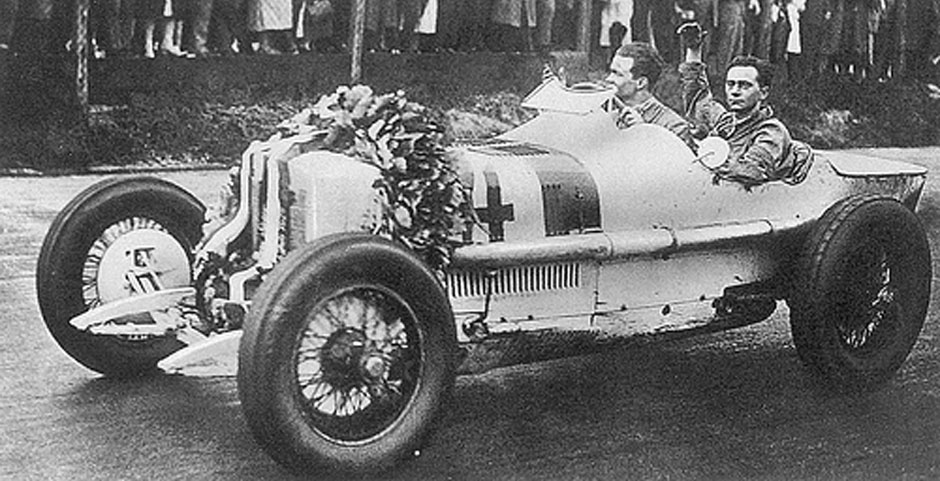
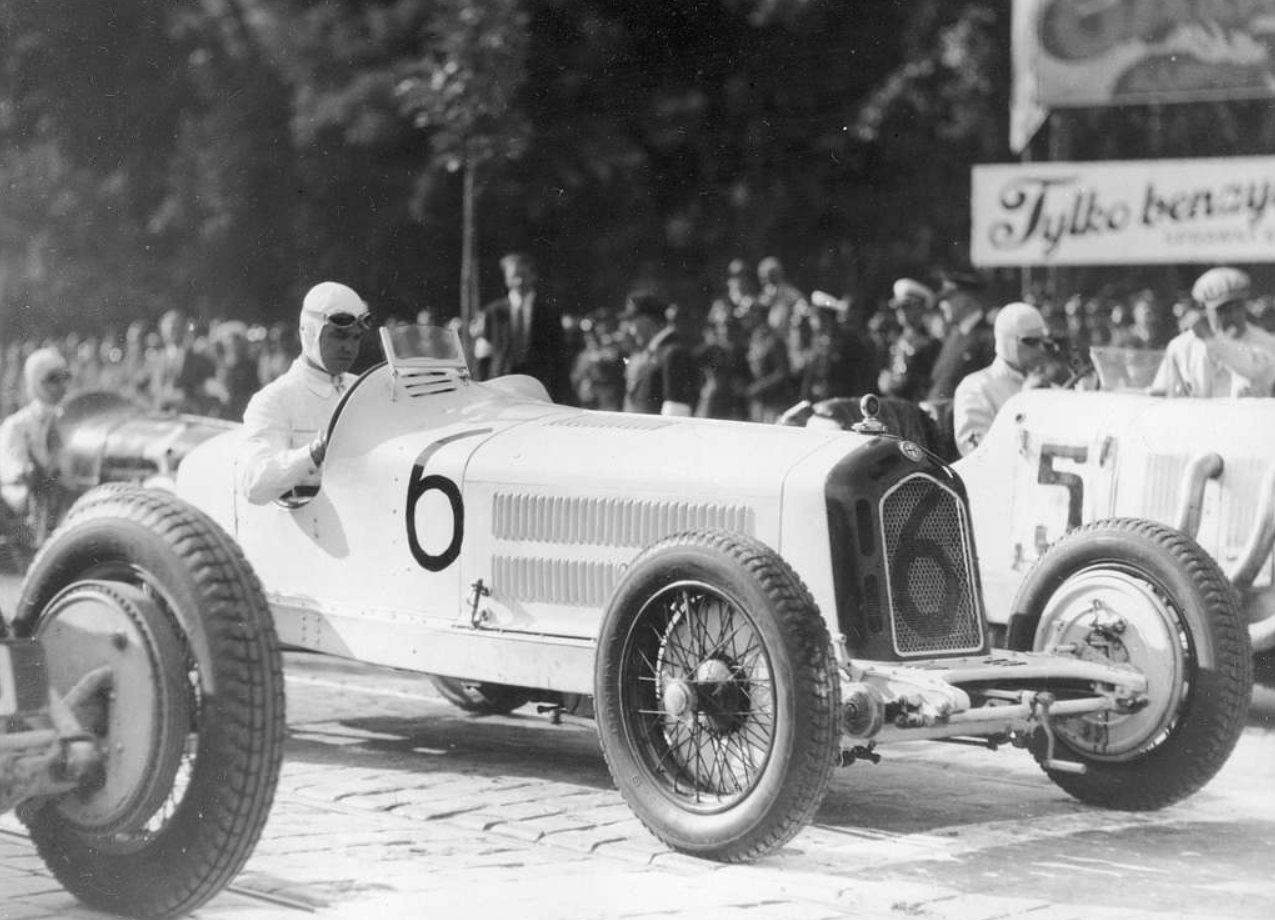
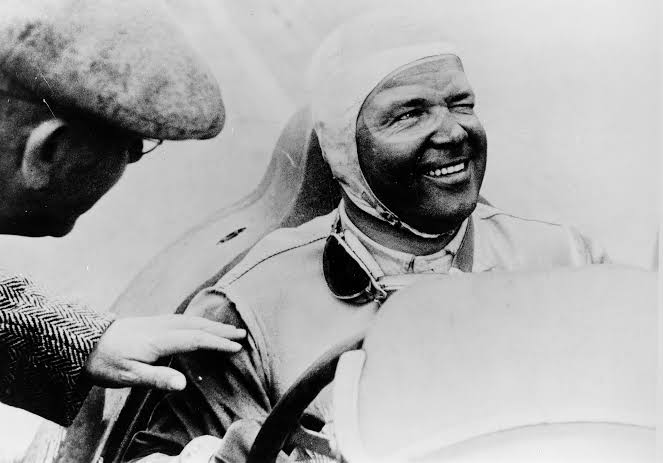
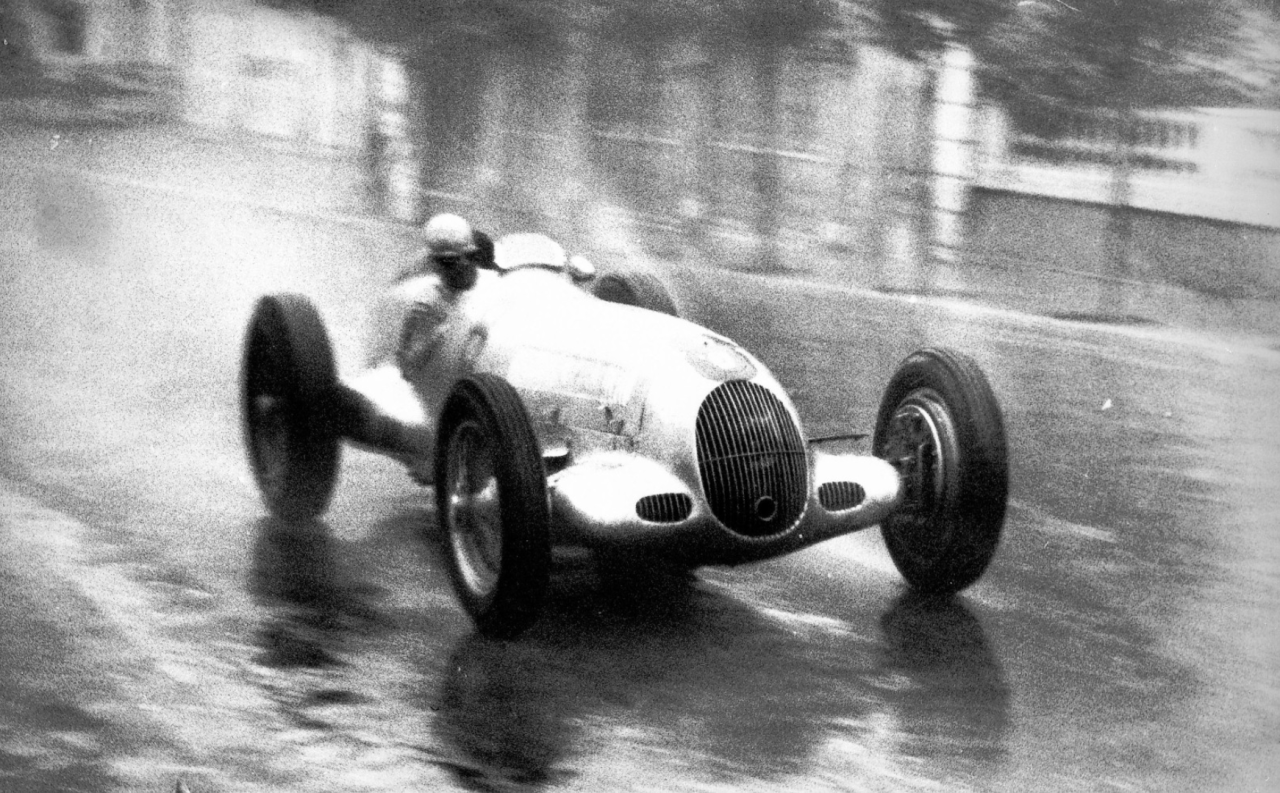
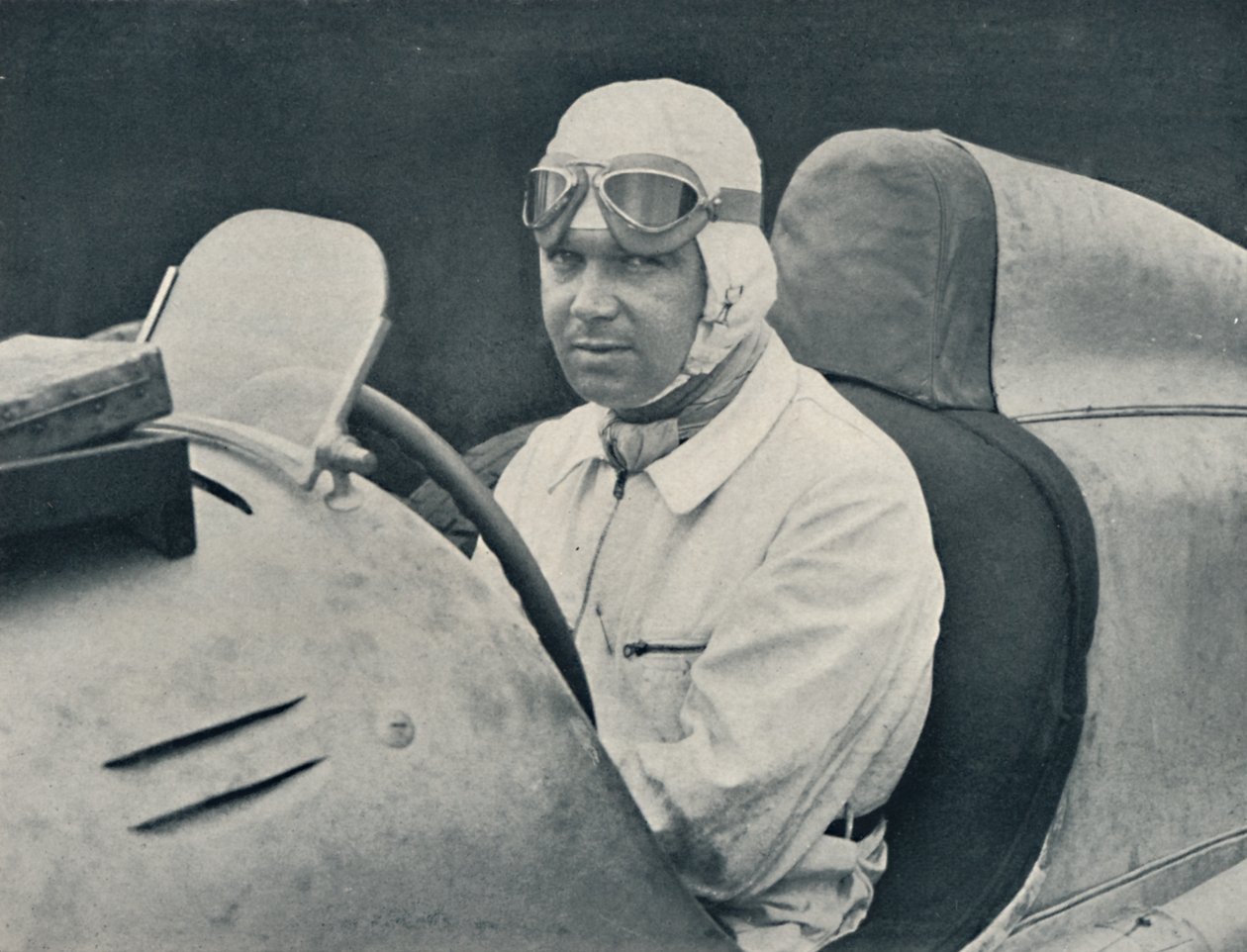
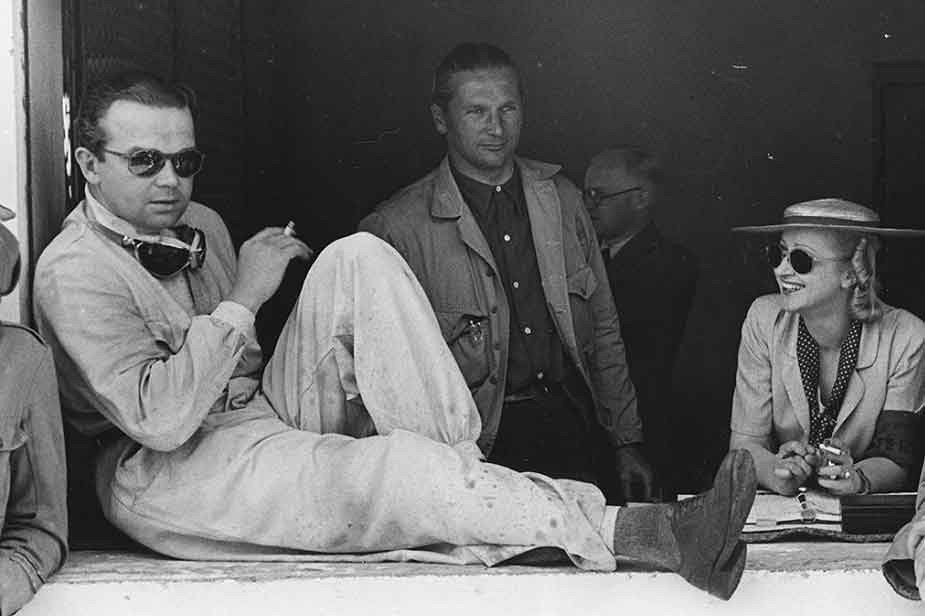
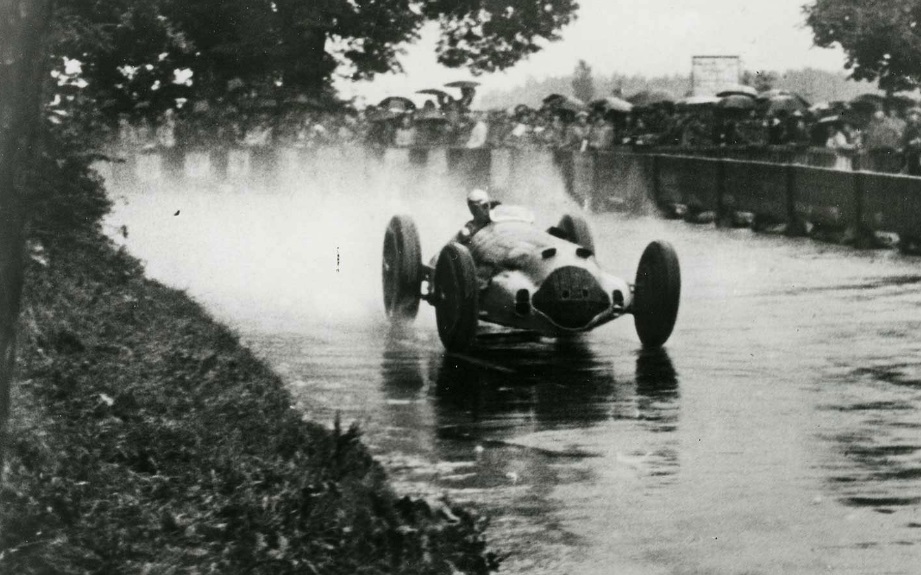
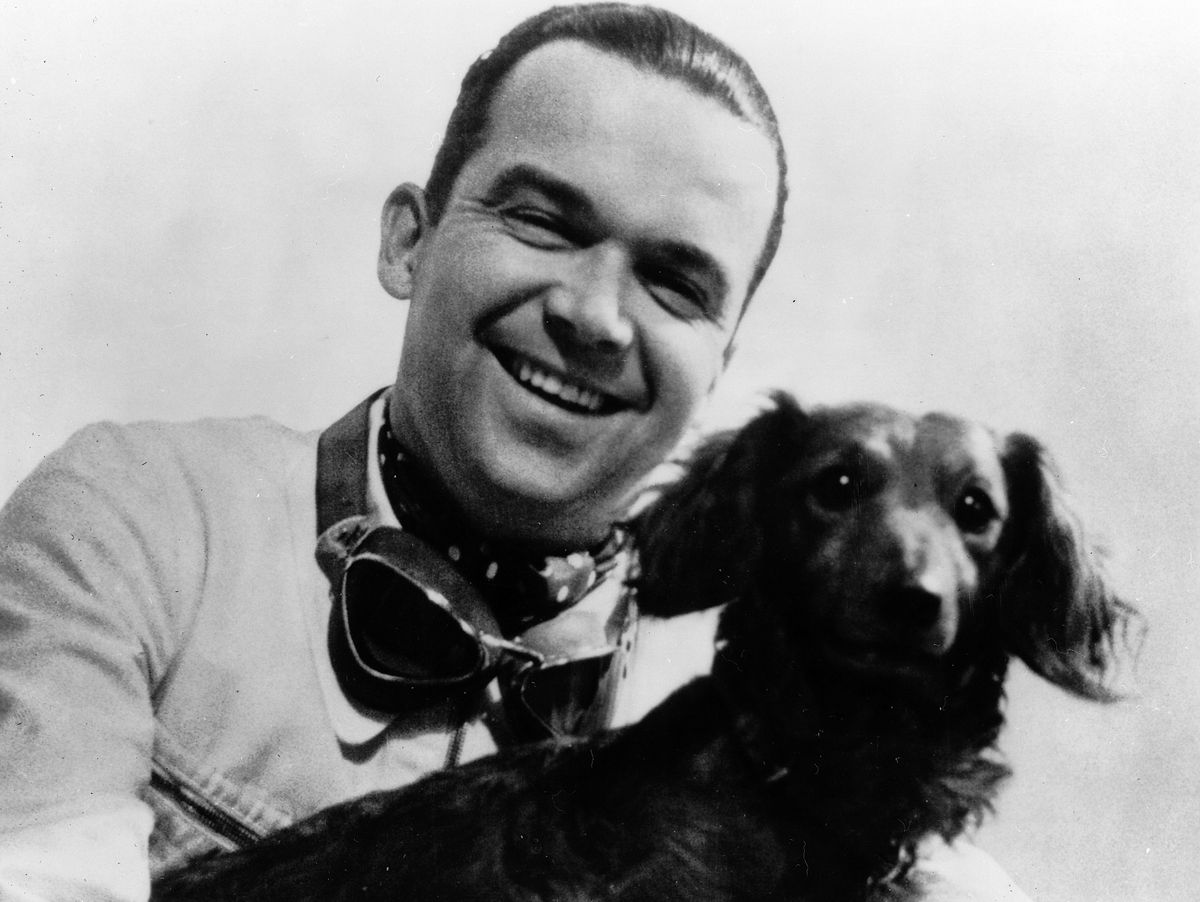
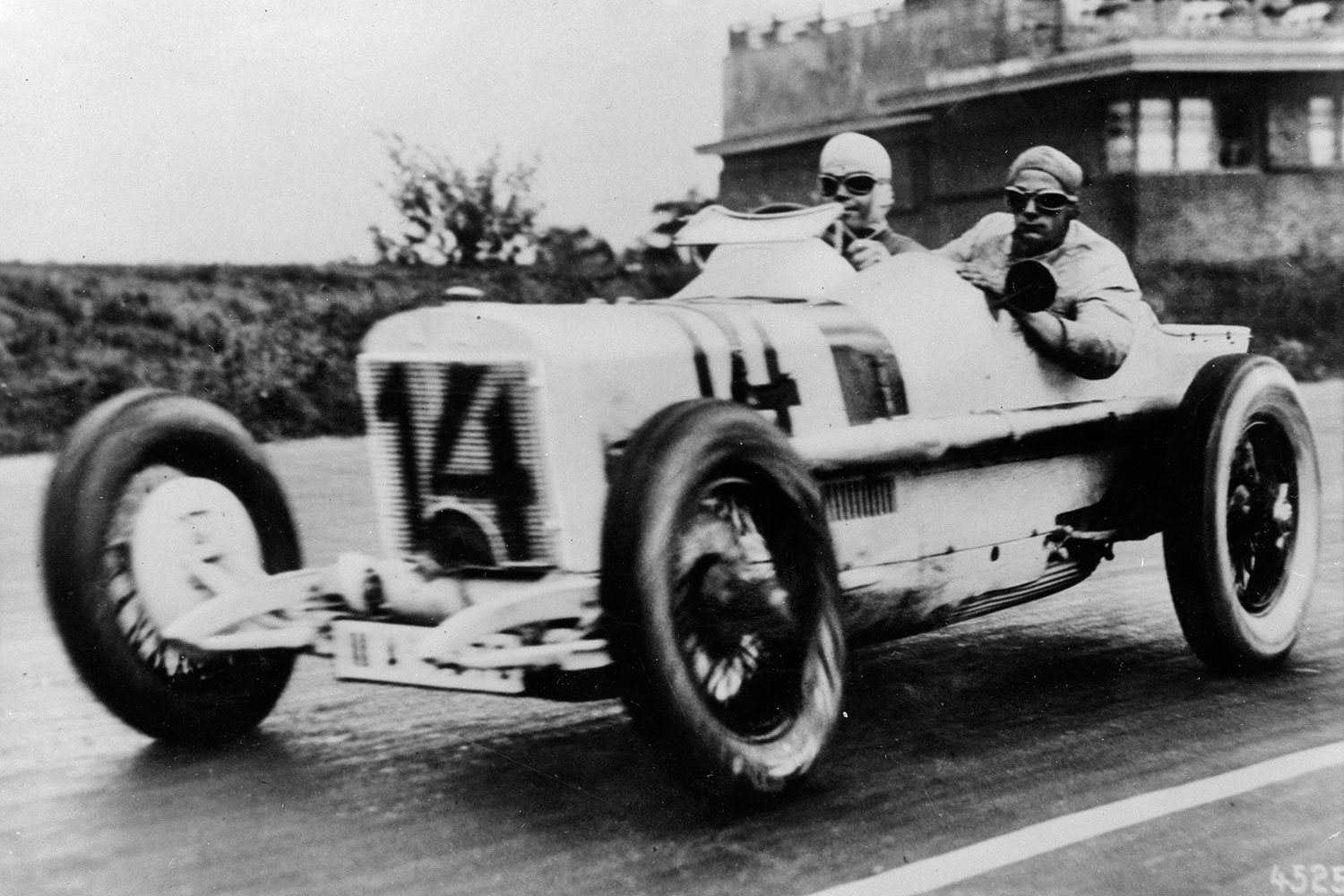
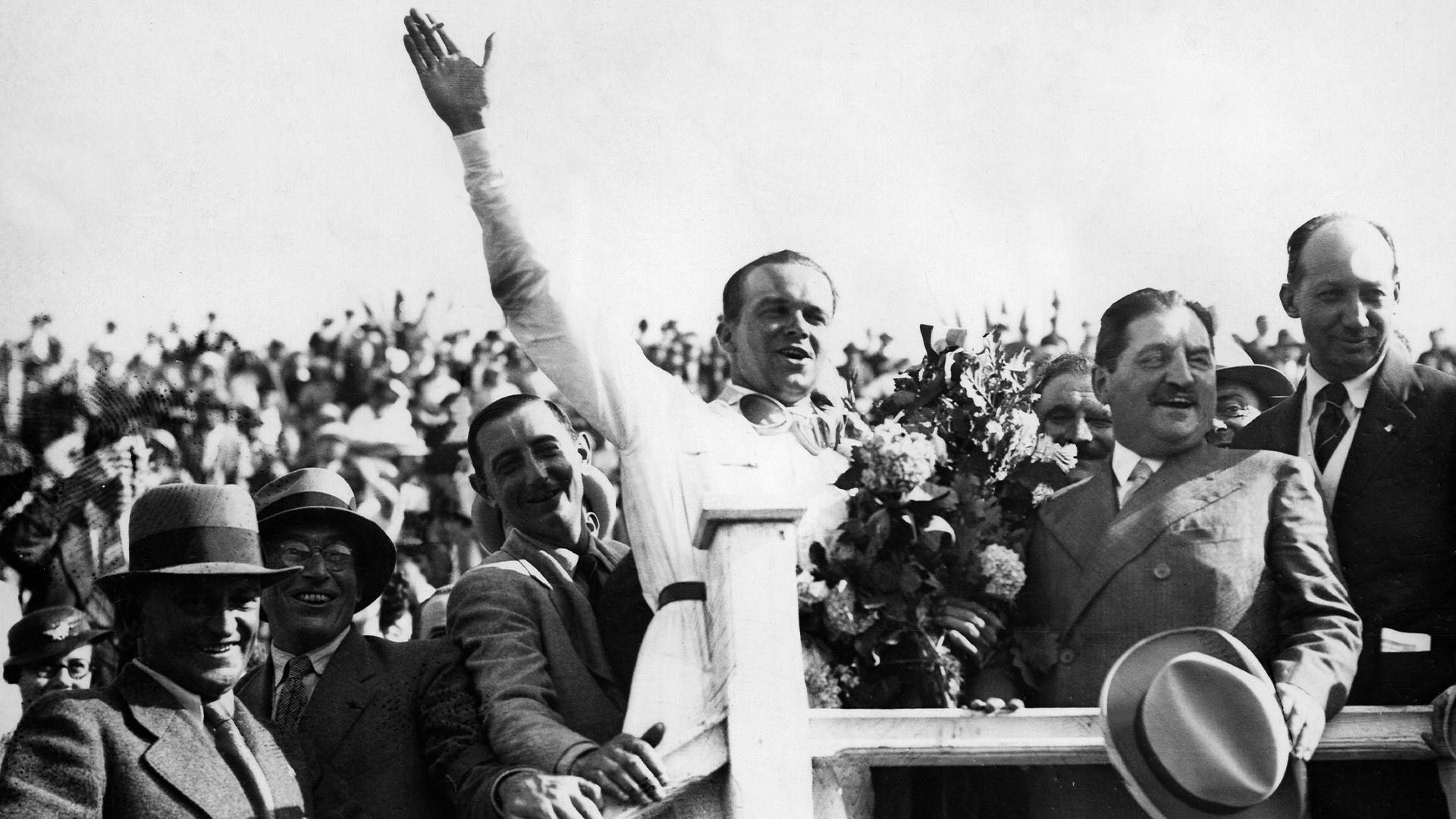
The sky above the AVUS speedway on 11 July 1926 was a bruised, malevolent grey, violently discharging rain onto the slick macadam. Inside the rudimentary cockpit of a white 2.0-litre (122 cu in) supercharged Mercedes, young Rudolf Caracciola choked on the stinging spray and the acrid fumes of the ether tank. He had just stalled on the starting grid, bleeding a crucial minute as his mechanic frantically shoved the heavy machine to life. Yet, while the ensuing deluge sent established veterans aquaplaning fatally into the surrounding forests, Caracciola discovered his crucible. Nursing a chassis that felt like a coiled spring on the tar-smeared surface, he threaded past the pack to win the inaugural German Grand Prix at a blistering average of 154.8 km/h (96.1 mph). By the time he killed the ignition, soaked to the bone and deafened by the inline-eight engine, he was no longer just a hotelier’s son; he was baptised the ‘Regenmeister’, the undisputed master of the rain.
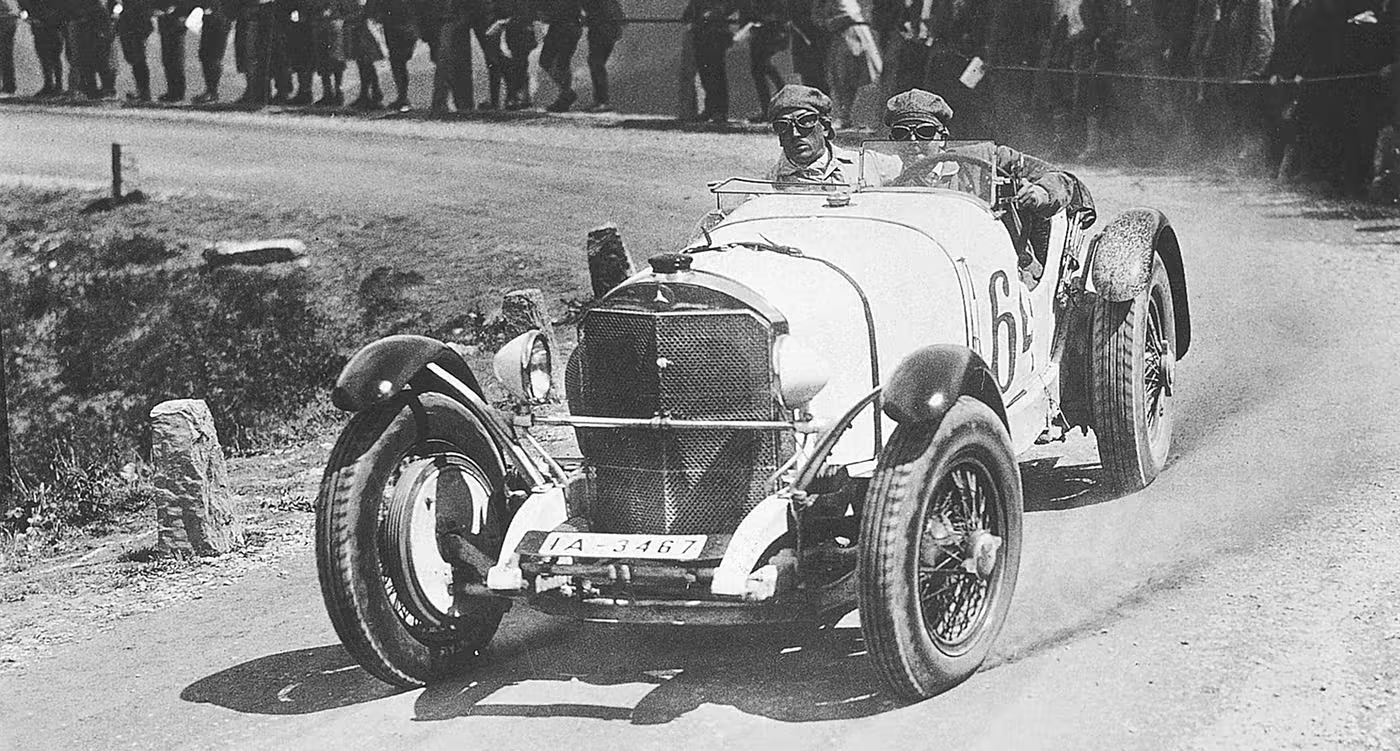
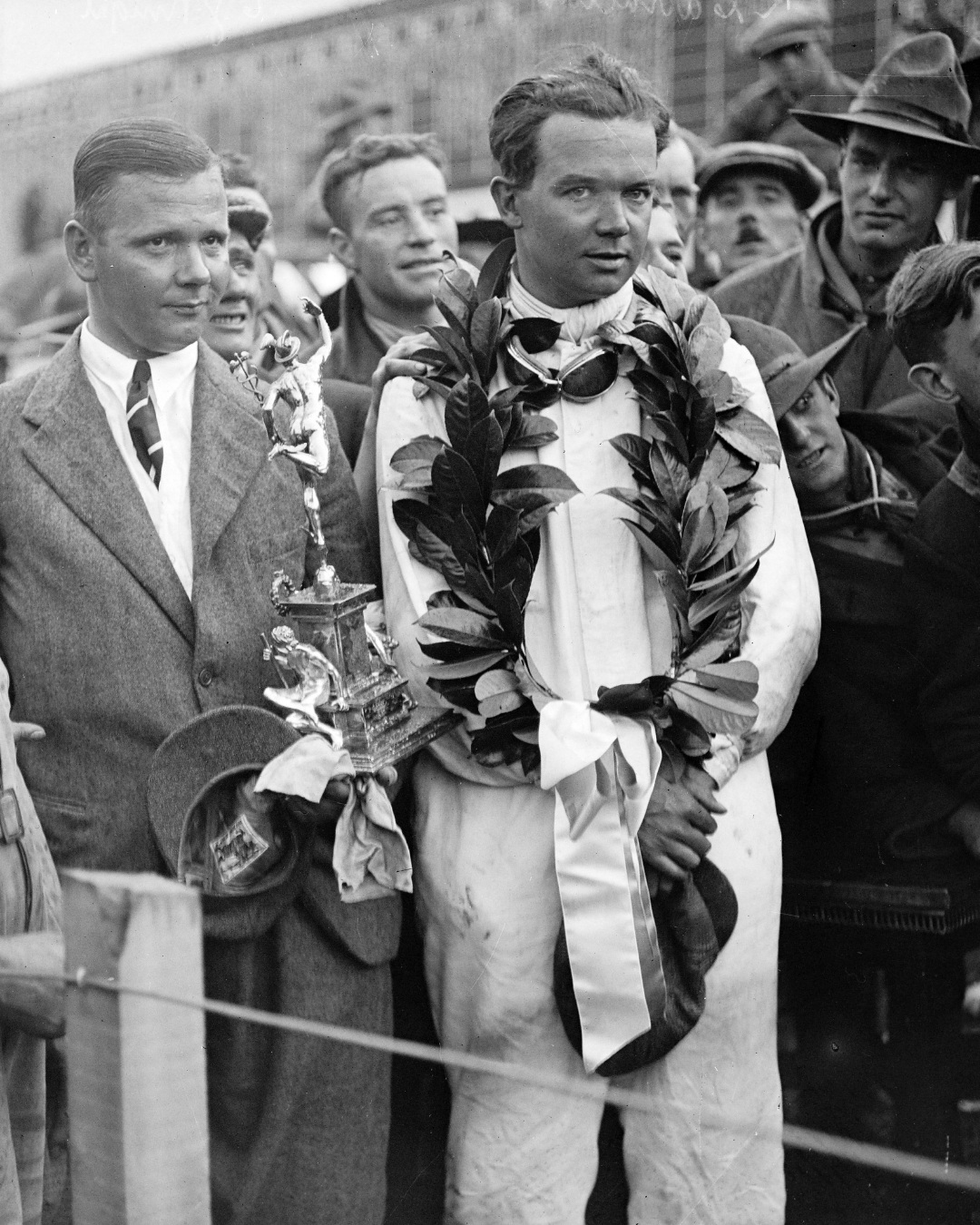
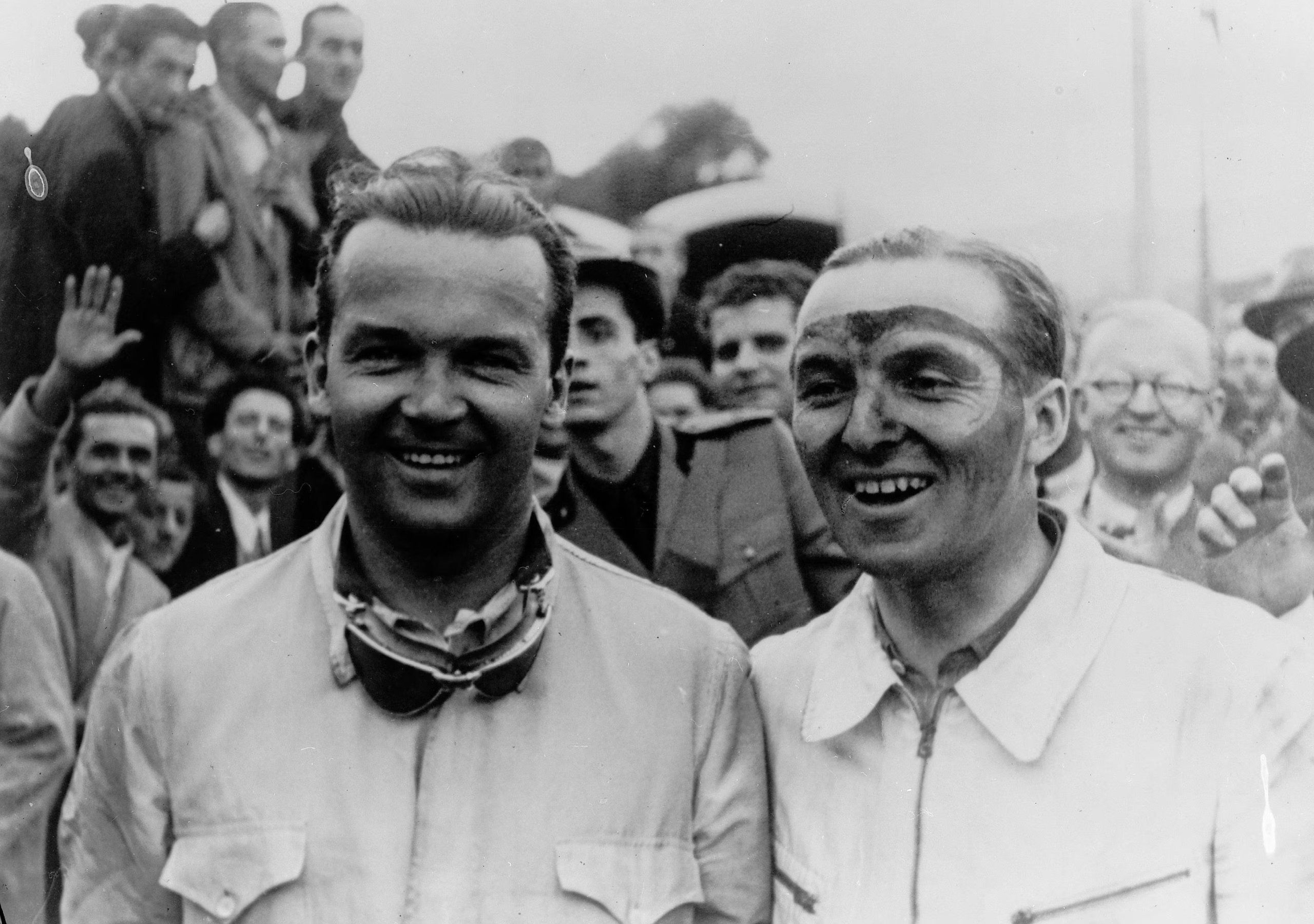
Born in 1901 in Remagen as the fourth child of hotel owners, Caracciola had abandoned all notions of a respectable university education following his father’s death, surrendering entirely to the intoxicating, dangerous lure of speed. That 1926 victory cemented his place at Mercedes-Benz, initiating an ascent that would redefine motorsport. By 1931, the German ace turned his calculating gaze toward the Mille Miglia, wrestling the fearsome Mercedes-Benz SSKL (Super-Sport-Kurz-Leicht). Stripped of 125 kg (275 lbs) through frantic, honeycomb drilling of the chassis, the SSKL was an uncompromising, brutal weapon weighing in at 1500 kg (3307 lbs). Devoid of power steering or synchronised gears, it required Herculean upper-body strength simply to corner. Yet, summoning 221 kW (300 bhp) from a 7.1-litre (431 cu in) engine when the screaming Roots-type supercharger engaged, Caracciola and his riding mechanic, Wilhelm Sebastian, shattered local dominance. Averaging a staggering 101.6 km/h (63.1 mph) across the treacherous Italian countryside, he became the first non-Italian to conquer the thousand-mile epic, leaving thirty Italian cars choking in his dust.
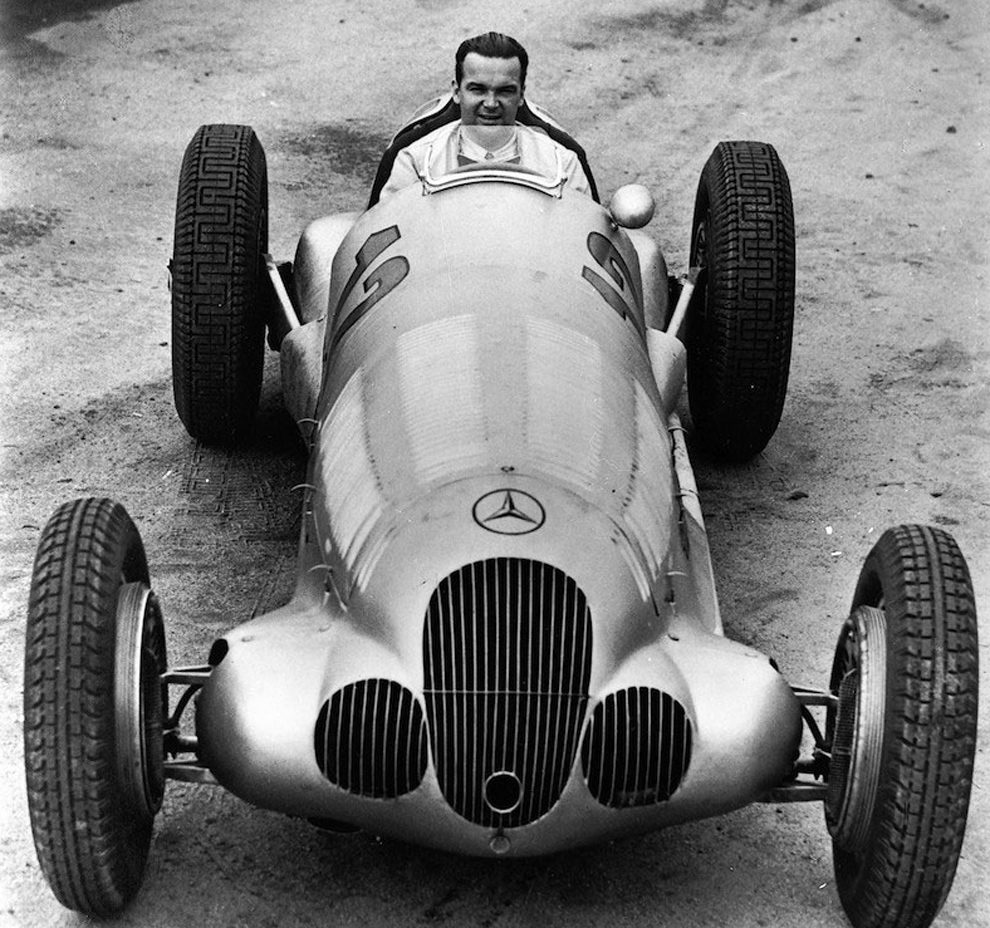
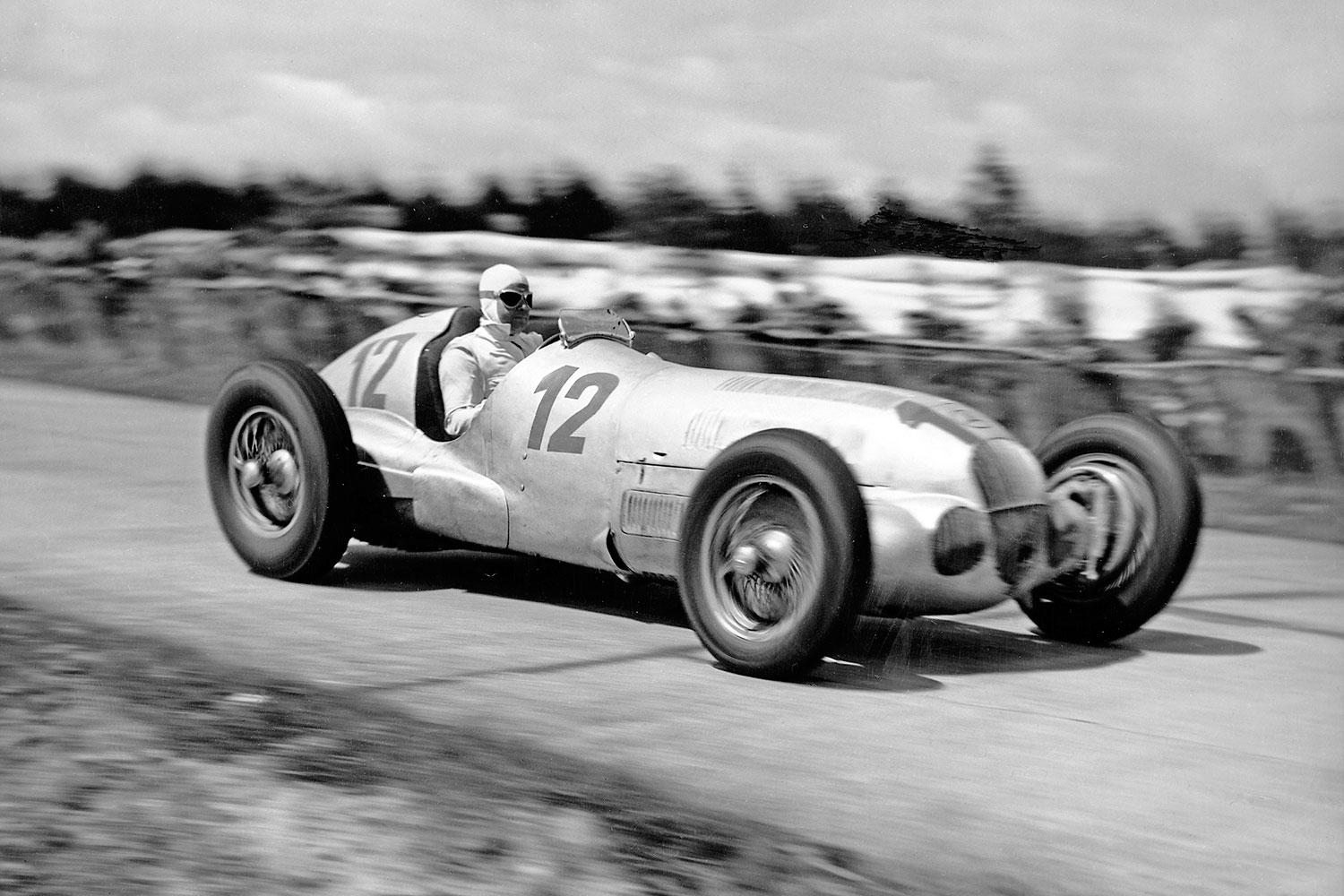
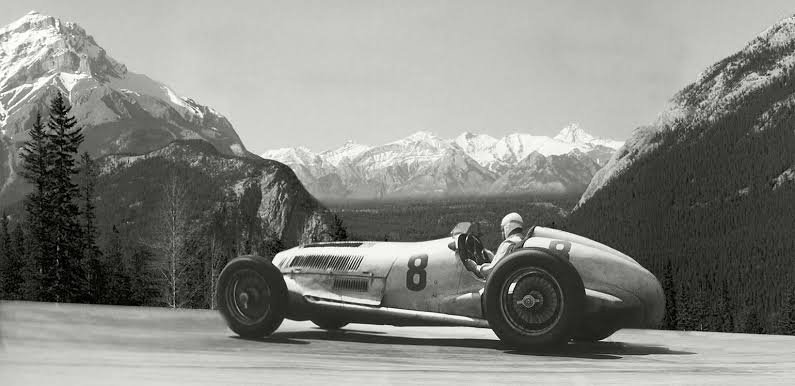
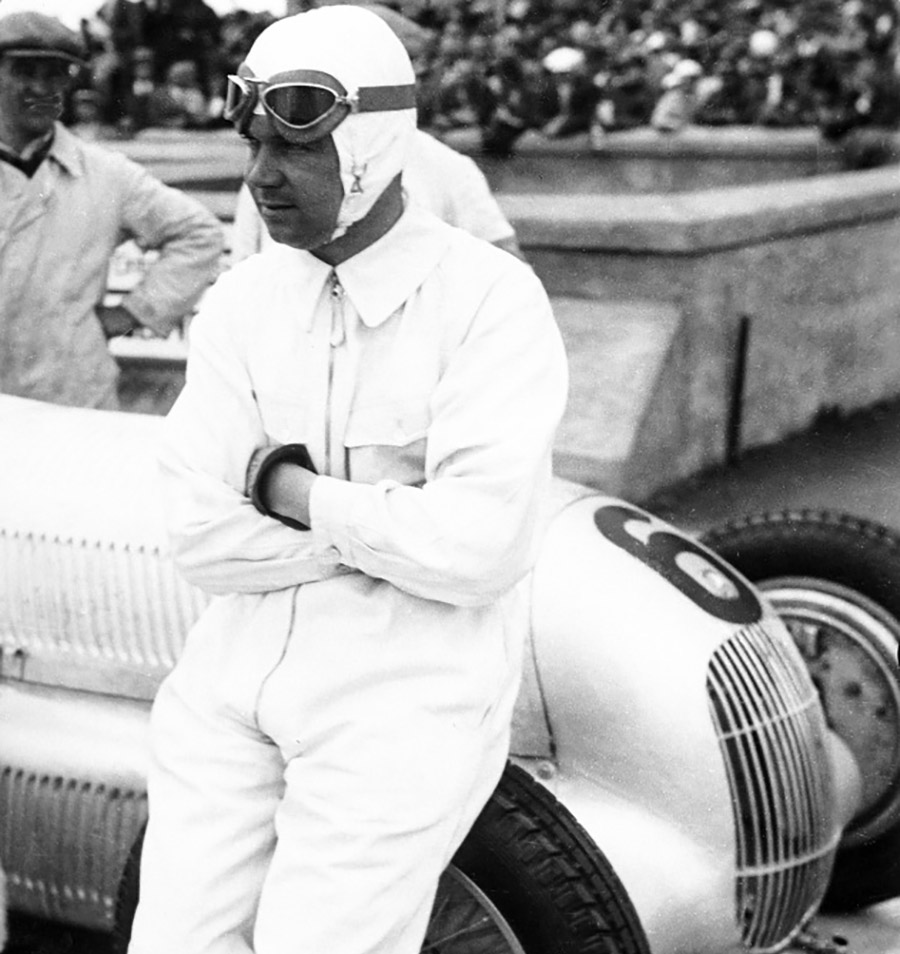
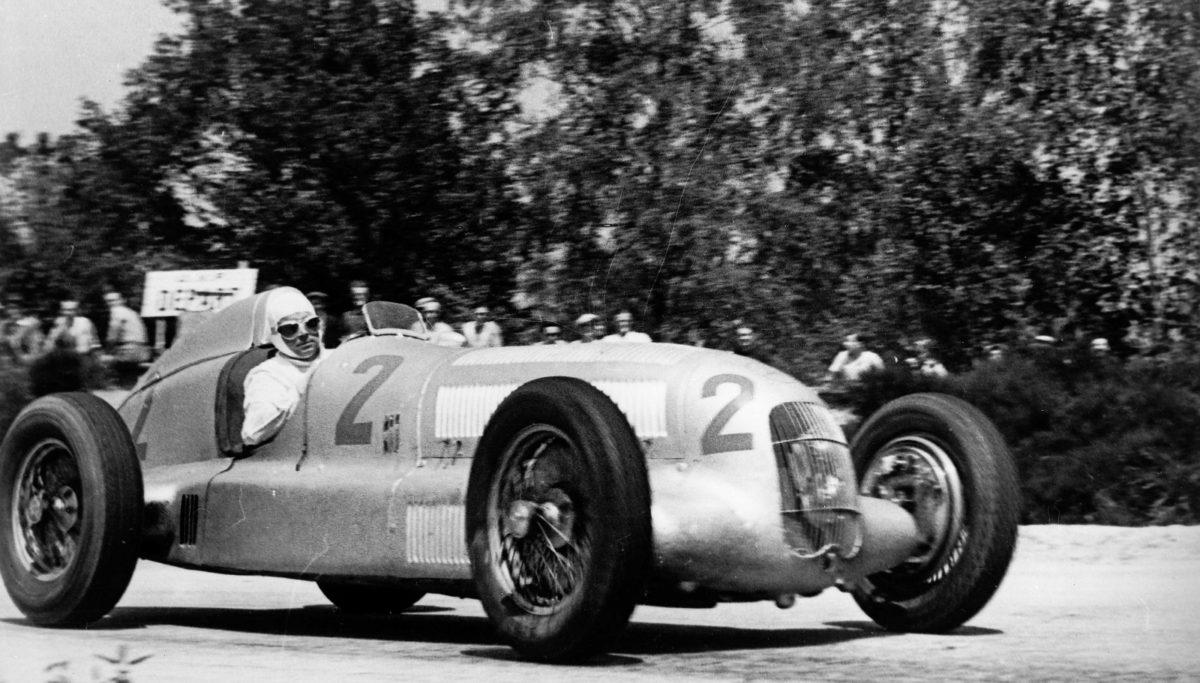
His zenith arrived in the late 1930s, encapsulated within the legendary silver skin of the Mercedes-Benz W125. Under the visionary engineering of Rudolf Uhlenhaut, this aluminium-bodied leviathan became the terror of the 1937 season. Its 5.6-litre (345 cu in) straight-eight engine devoured a volatile, eye-watering cocktail of methanol, benzole, and acetone, producing a towering 444 kW (595 bhp) in race trim, with test bed figures hinting at a monstrous 475 kW (646 bhp). The power-to-weight ratio stood at an astonishing 1.16 kg per horsepower (2.55 lbs per bhp), enabling the car to spin its rear wheels furiously at 160 km/h (100 mph).
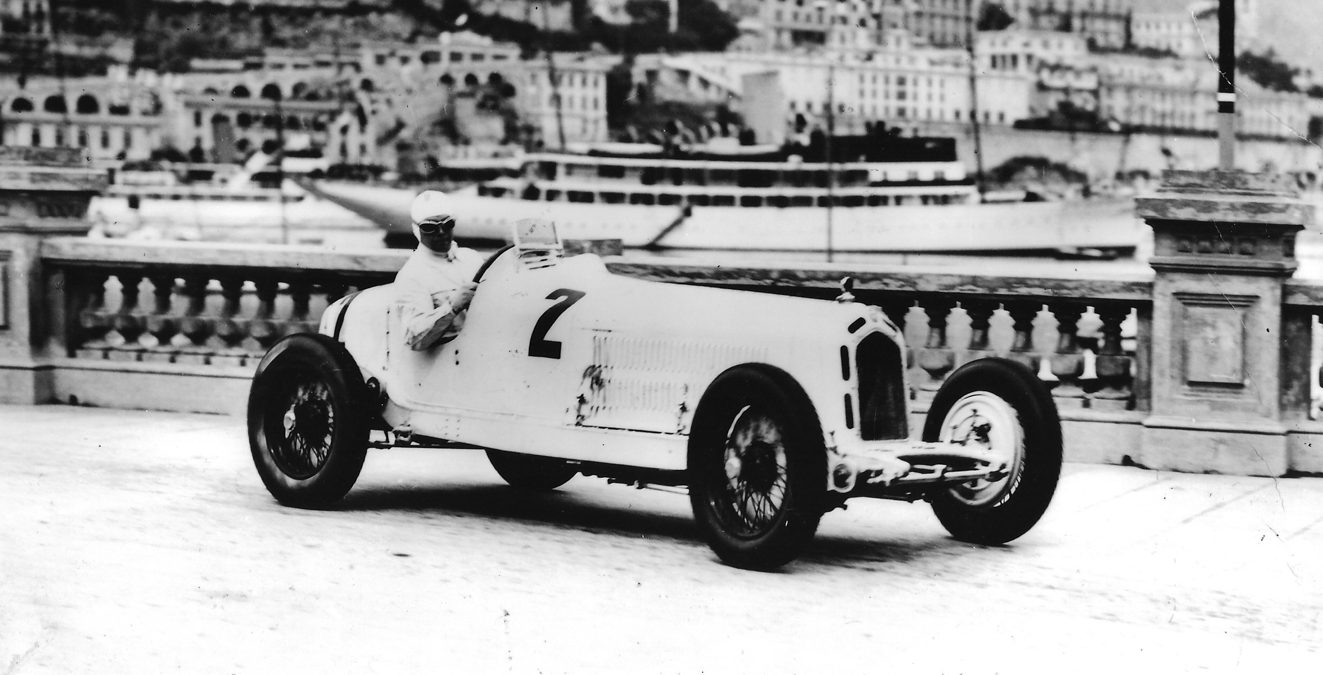
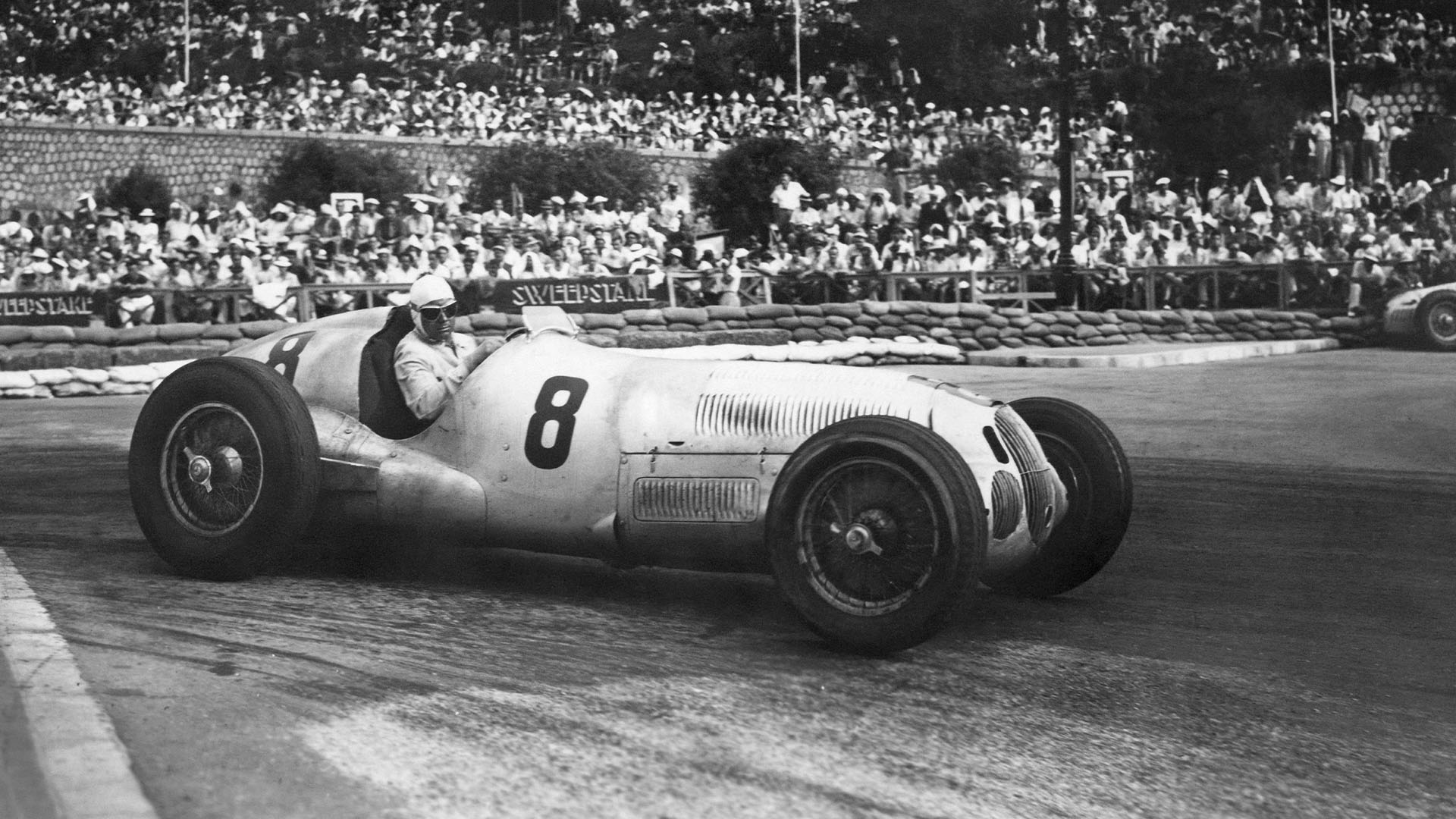
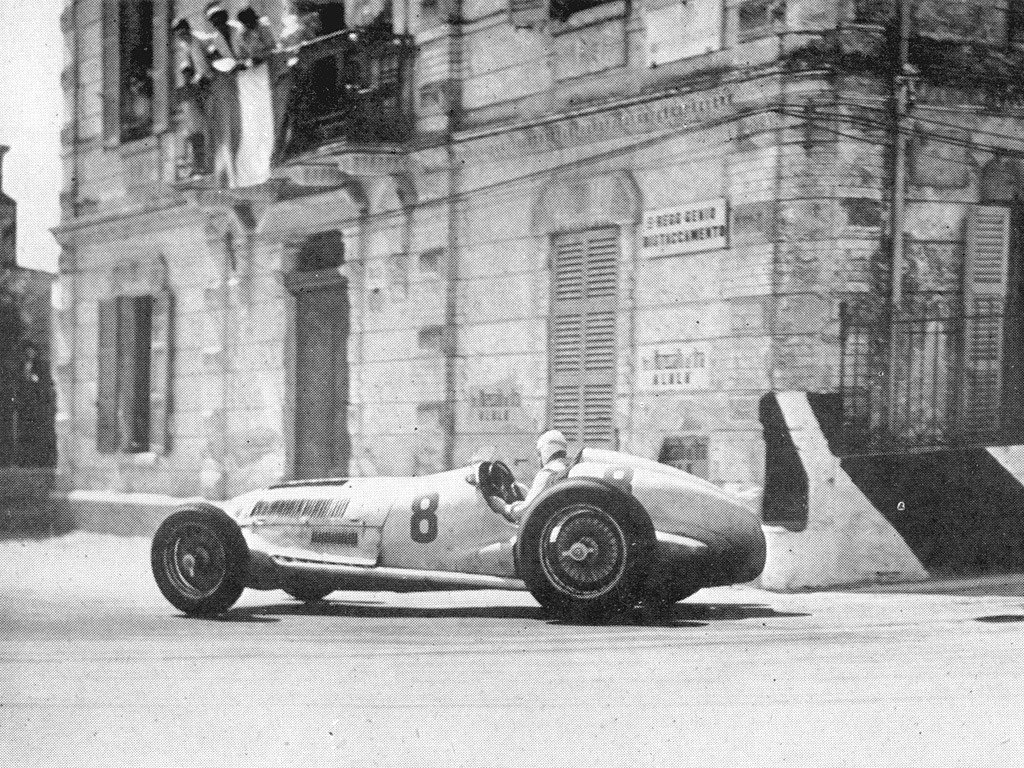
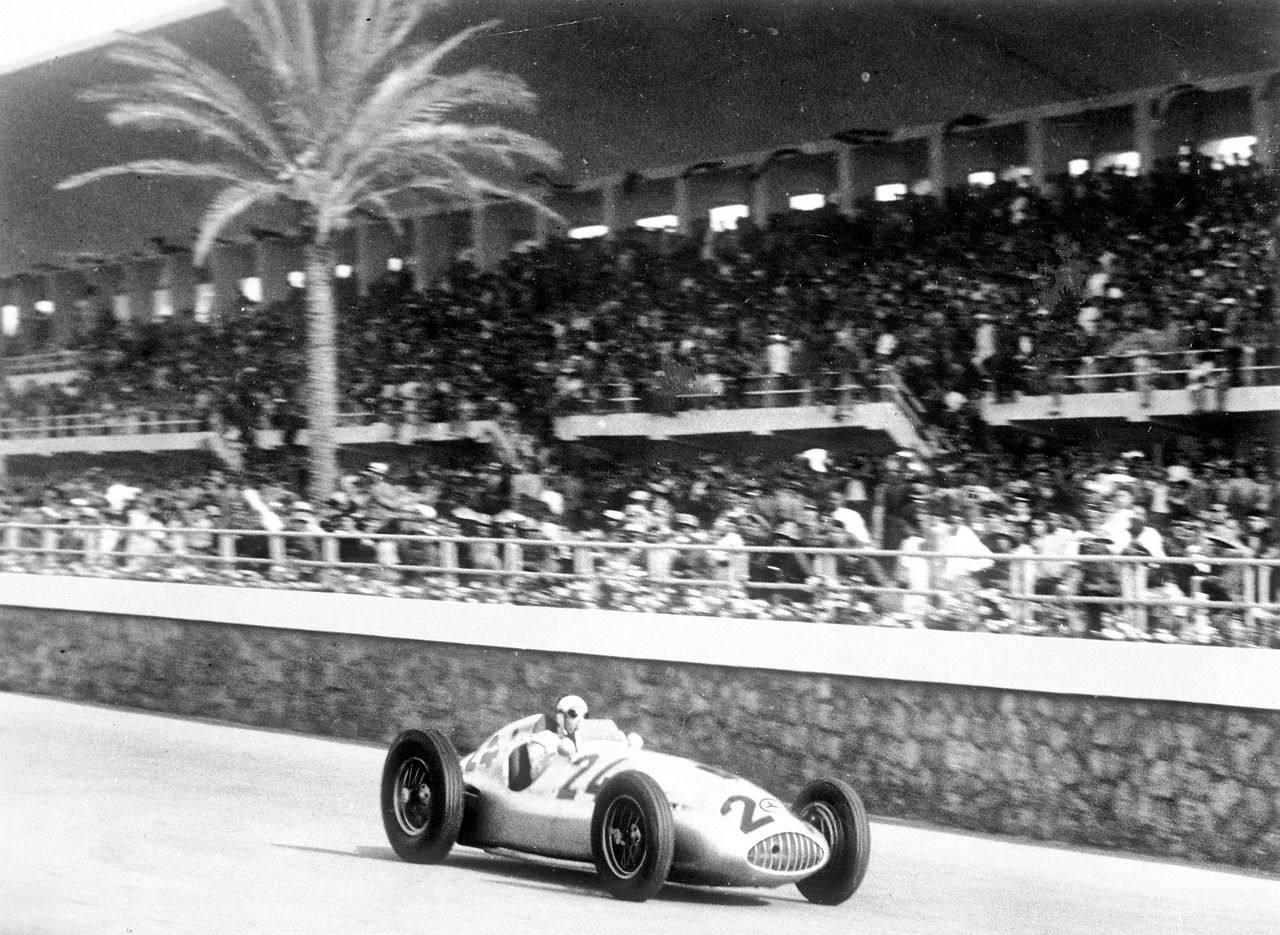
To survive the W125 was to balance on a razor’s edge; at the Monaco Grand Prix, Caracciola tamed the beast through the principality’s claustrophobic streets, taking pole with a 1:47.5 lap and setting the fastest race lap at 1:46.5. While his peers fought violent wrestling matches in the cockpit, Caracciola maintained a silky, economical precision, preserving his tyres and coaxing the De Dion rear axle through perilous drifts. This cerebral, tactile genius earned him the 1937 European Championship.
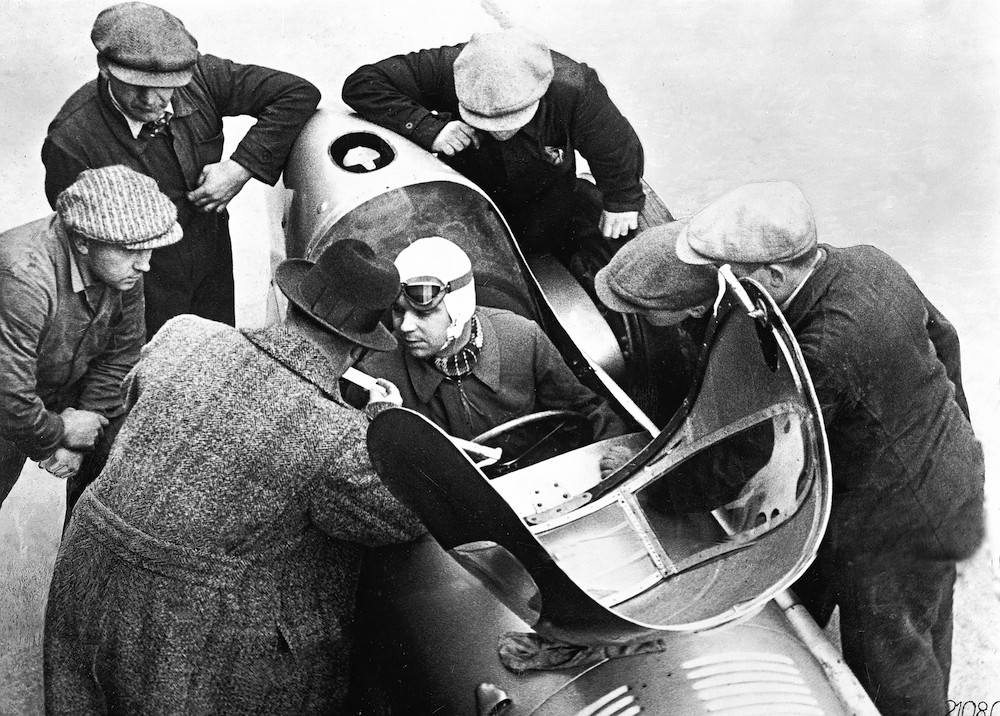
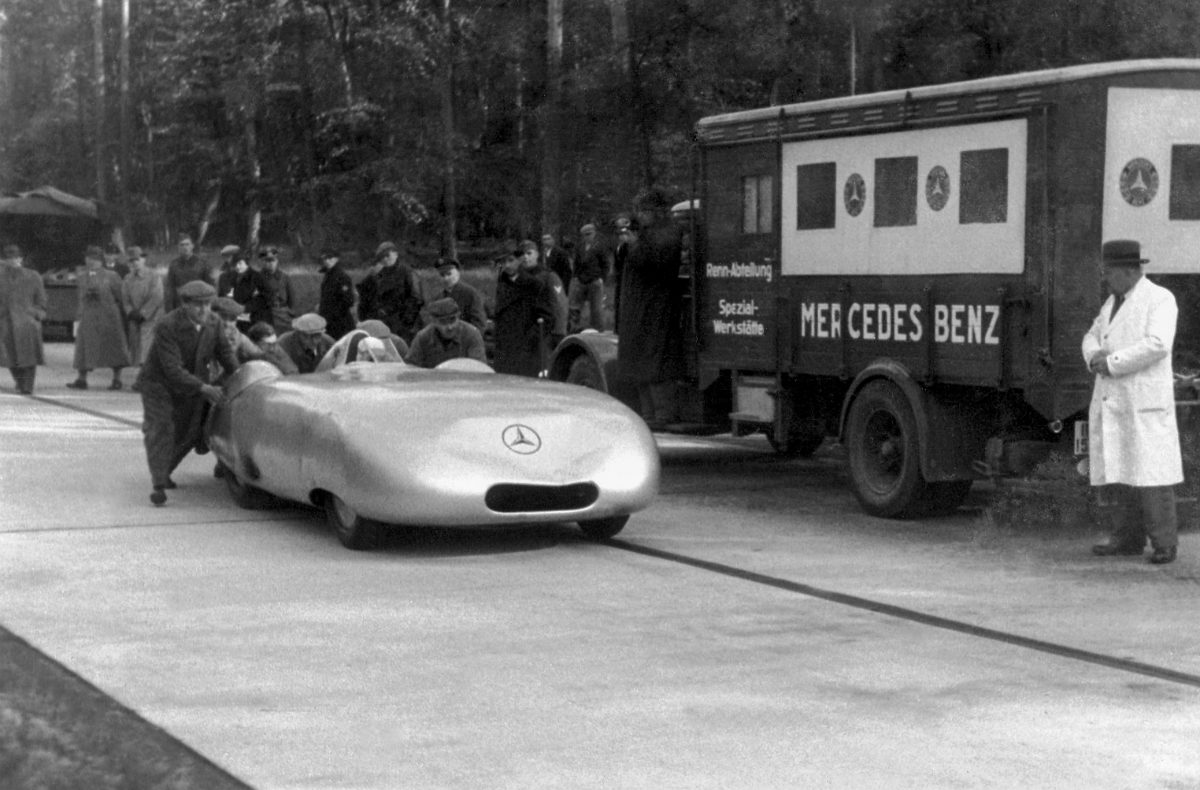
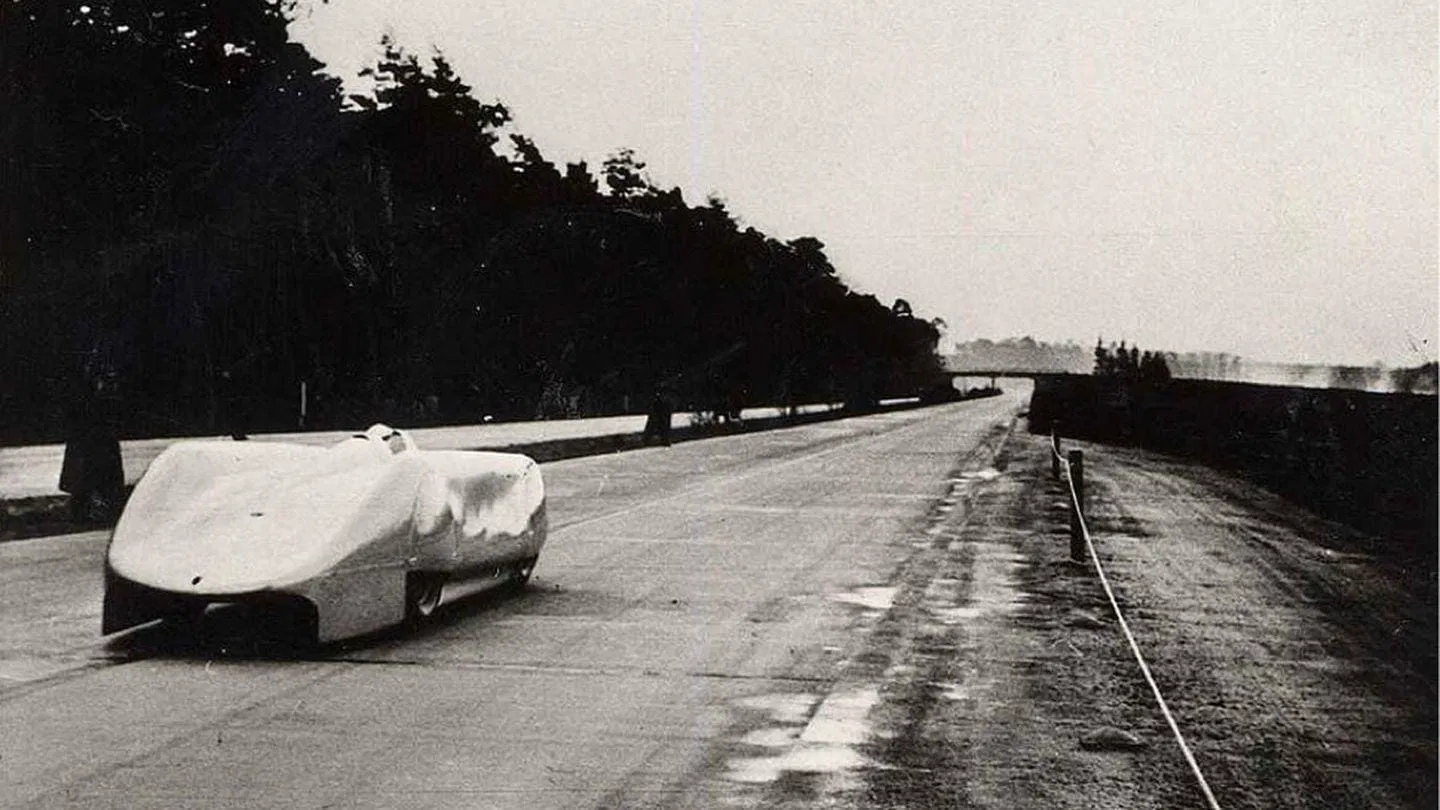
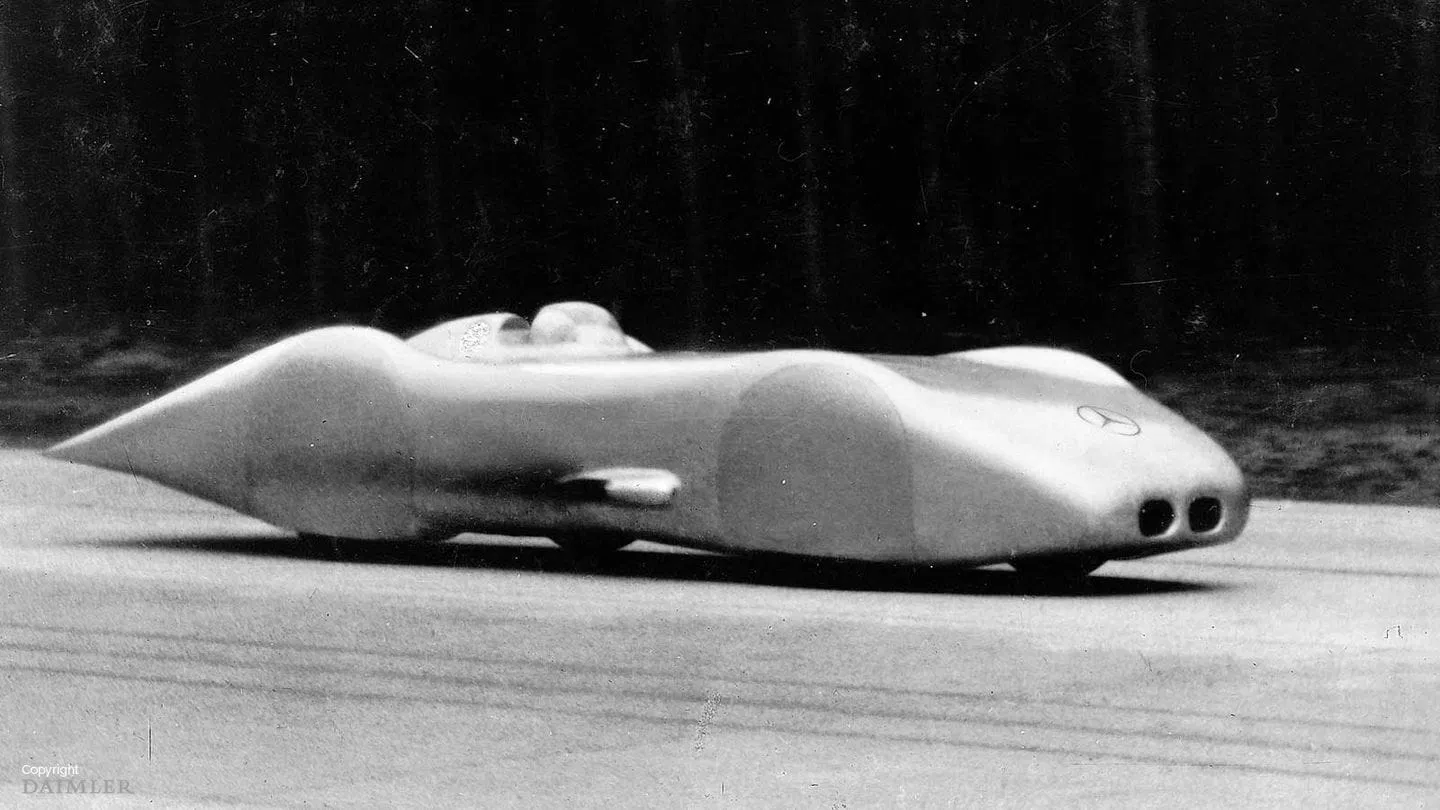
This philosophy of calculated preservation contrasted sharply with the flamboyant, reckless bravery of his fiercest rival, Auto Union‘s Bernd Rosemeyer. The dichotomy of their rivalry culminated on a freezing, wind-swept morning on 28 January 1938, on a closed stretch of the Frankfurt-Darmstadt autobahn. Entombed in the aerodynamic, teardrop-shaped W125 Rekordwagen, Caracciola sat inches from the blurring concrete, powered by a 563 kW (755 bhp) V12 engine that relied on a radiator submerged in 18 cubic feet of ice to remain cool without disrupting the airflow over the bonnet. The world warped around the windscreen as he pierced the atmosphere, achieving a staggering two-way flying kilometre average of 432.7 km/h (268.9 mph). That afternoon, the wind intensified. Rosemeyer, desperate to reclaim the record, was caught by a vicious crosswind in his streamliner and killed instantly at over 430 km/h (267 mph). The tragedy profoundly reinforced Caracciola’s pragmatic, icy approach to survival—he was a gladiator who understood that to win, one first had to live.
Caracciola survived the war, returning to the paddock in 1952 with an undiminished hunger, piloting the sleek Mercedes-Benz 300 SL (W194) in the Mille Miglia alongside navigator Paul Kurrle. However, the sport’s cruel toll eventually demanded its final physical payment. During a support race for the Swiss Grand Prix at the notoriously dangerous Bremgarten circuit, the left rear wheel of his 300 SL locked violently, sending him careening into a tree. He suffered a shattered leg, an injury so severe it unceremoniously drew the curtain on his driving career. When he passed away in 1959, the deafening roar of the massive pre-war superchargers had long since faded, but his mythos remained pristine. To trace the lineage of motorsport’s greatest analytical minds—the drivers who substitute raw, sweating terror with ice-veined, surgical perfection—is to inevitably arrive at the door of Rudolf Caracciola, the benchmark against which every subsequent rain master is ultimately judged.
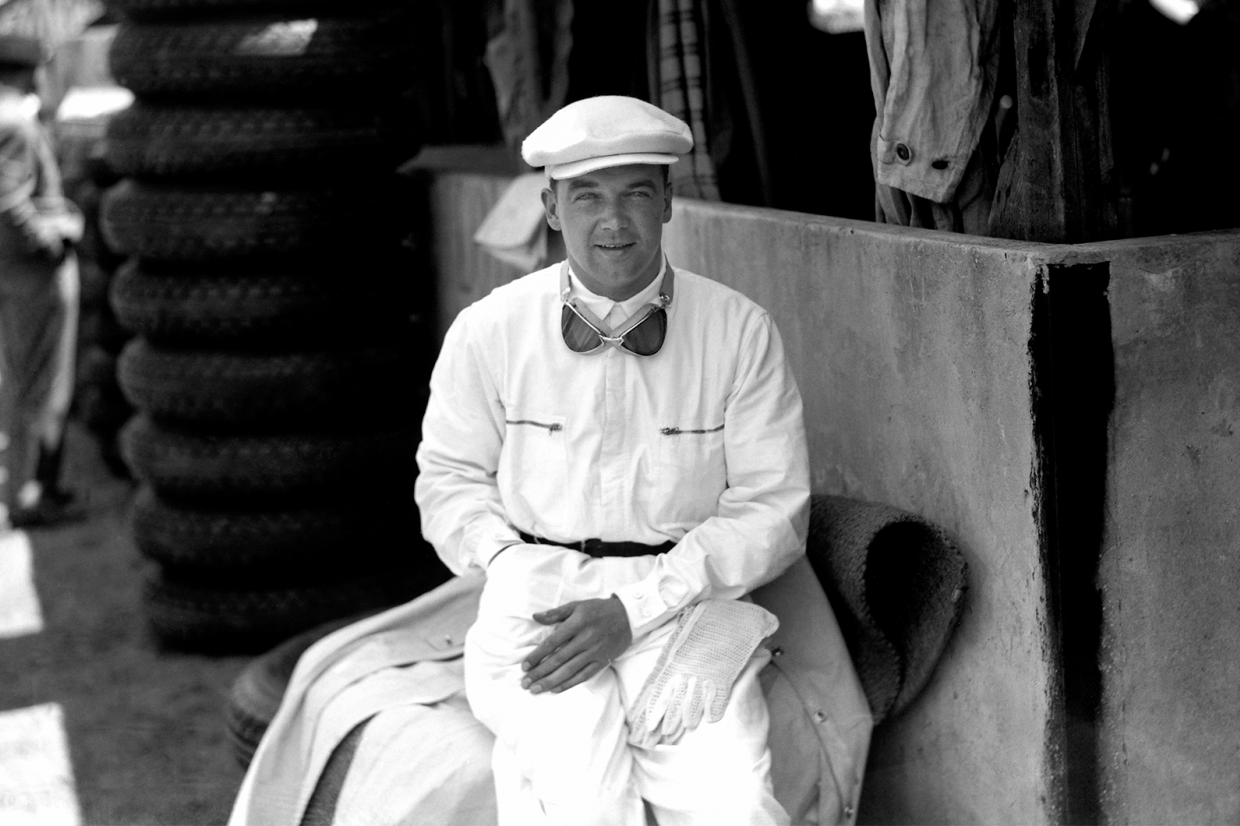
The sky above the AVUS speedway on 11 July 1926 was a bruised, malevolent grey, violently discharging rain onto the slick macadam. Inside the rudimentary cockpit of a white 2.0-litre (122 cu in) supercharged Mercedes, young Rudolf Caracciola choked on the stinging spray and the acrid fumes of the ether tank. He had just stalled on the starting grid, bleeding a crucial minute as his mechanic frantically shoved the heavy machine to life. Yet, while the ensuing deluge sent established veterans aquaplaning fatally into the surrounding forests, Caracciola discovered his crucible. Nursing a chassis that felt like a coiled spring on the tar-smeared surface, he threaded past the pack to win the inaugural German Grand Prix at a blistering average of 154.8 km/h (96.1 mph). By the time he killed the ignition, soaked to the bone and deafened by the inline-eight engine, he was no longer just a hotelier’s son; he was baptised the ‘Regenmeister’, the undisputed master of the rain.
Born in 1901 in Remagen as the fourth child of hotel owners, Caracciola had abandoned all notions of a respectable university education following his father’s death, surrendering entirely to the intoxicating, dangerous lure of speed. That 1926 victory cemented his place at Mercedes-Benz, initiating an ascent that would redefine motorsport. By 1931, the German ace turned his calculating gaze toward the Mille Miglia, wrestling the fearsome Mercedes-Benz SSKL (Super-Sport-Kurz-Leicht). Stripped of 125 kg (275 lbs) through frantic, honeycomb drilling of the chassis, the SSKL was an uncompromising, brutal weapon weighing in at 1500 kg (3307 lbs). Devoid of power steering or synchronised gears, it required Herculean upper-body strength simply to corner. Yet, summoning 221 kW (300 bhp) from a 7.1-litre (431 cu in) engine when the screaming Roots-type supercharger engaged, Caracciola and his riding mechanic, Wilhelm Sebastian, shattered local dominance. Averaging a staggering 101.6 km/h (63.1 mph) across the treacherous Italian countryside, he became the first non-Italian to conquer the thousand-mile epic, leaving thirty Italian cars choking in his dust.
His zenith arrived in the late 1930s, encapsulated within the legendary silver skin of the Mercedes-Benz W125. Under the visionary engineering of Rudolf Uhlenhaut, this aluminium-bodied leviathan became the terror of the 1937 season. Its 5.6-litre (345 cu in) straight-eight engine devoured a volatile, eye-watering cocktail of methanol, benzole, and acetone, producing a towering 444 kW (595 bhp) in race trim, with test bed figures hinting at a monstrous 475 kW (646 bhp). The power-to-weight ratio stood at an astonishing 1.16 kg per horsepower (2.55 lbs per bhp), enabling the car to spin its rear wheels furiously at 160 km/h (100 mph).
To survive the W125 was to balance on a razor’s edge; at the Monaco Grand Prix, Caracciola tamed the beast through the principality’s claustrophobic streets, taking pole with a 1:47.5 lap and setting the fastest race lap at 1:46.5. While his peers fought violent wrestling matches in the cockpit, Caracciola maintained a silky, economical precision, preserving his tyres and coaxing the De Dion rear axle through perilous drifts. This cerebral, tactile genius earned him the 1937 European Championship.
This philosophy of calculated preservation contrasted sharply with the flamboyant, reckless bravery of his fiercest rival, Auto Union‘s Bernd Rosemeyer. The dichotomy of their rivalry culminated on a freezing, wind-swept morning on 28 January 1938, on a closed stretch of the Frankfurt-Darmstadt autobahn. Entombed in the aerodynamic, teardrop-shaped W125 Rekordwagen, Caracciola sat inches from the blurring concrete, powered by a 563 kW (755 bhp) V12 engine that relied on a radiator submerged in 18 cubic feet of ice to remain cool without disrupting the airflow over the bonnet. The world warped around the windscreen as he pierced the atmosphere, achieving a staggering two-way flying kilometre average of 432.7 km/h (268.9 mph). That afternoon, the wind intensified. Rosemeyer, desperate to reclaim the record, was caught by a vicious crosswind in his streamliner and killed instantly at over 430 km/h (267 mph). The tragedy profoundly reinforced Caracciola’s pragmatic, icy approach to survival—he was a gladiator who understood that to win, one first had to live.
Caracciola survived the war, returning to the paddock in 1952 with an undiminished hunger, piloting the sleek Mercedes-Benz 300 SL (W194) in the Mille Miglia alongside navigator Paul Kurrle. However, the sport’s cruel toll eventually demanded its final physical payment. During a support race for the Swiss Grand Prix at the notoriously dangerous Bremgarten circuit, the left rear wheel of his 300 SL locked violently, sending him careening into a tree. He suffered a shattered leg, an injury so severe it unceremoniously drew the curtain on his driving career. When he passed away in 1959, the deafening roar of the massive pre-war superchargers had long since faded, but his mythos remained pristine. To trace the lineage of motorsport’s greatest analytical minds—the drivers who substitute raw, sweating terror with ice-veined, surgical perfection—is to inevitably arrive at the door of Rudolf Caracciola, the benchmark against which every subsequent rain master is ultimately judged.