
Alfa Romeo 8C 2300 Corto Zagato Spider
Brand
Produced from
Portal
Vehicle category
Model line
Model generation
Predecessor
Successor
Submodel Overview
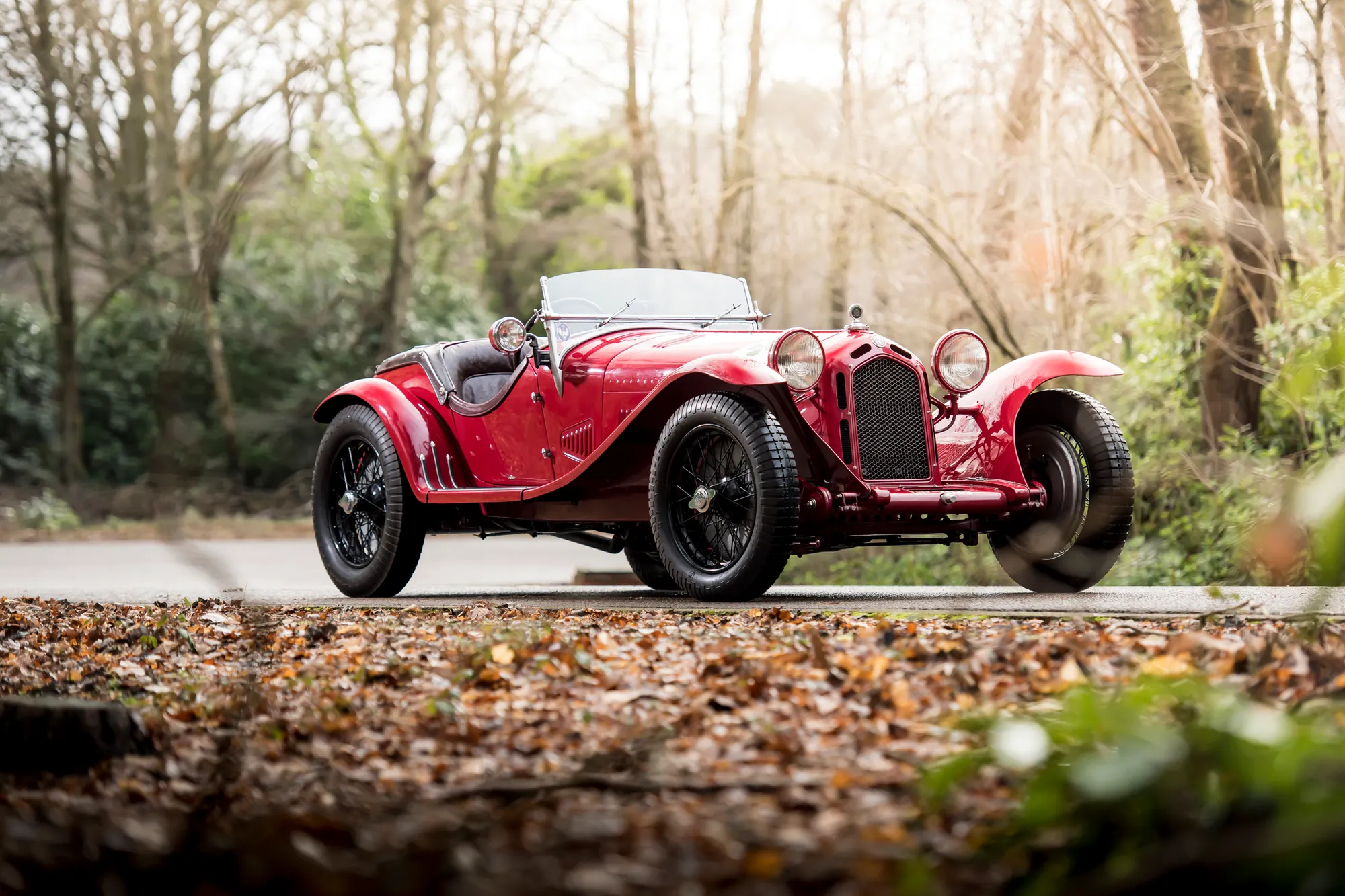
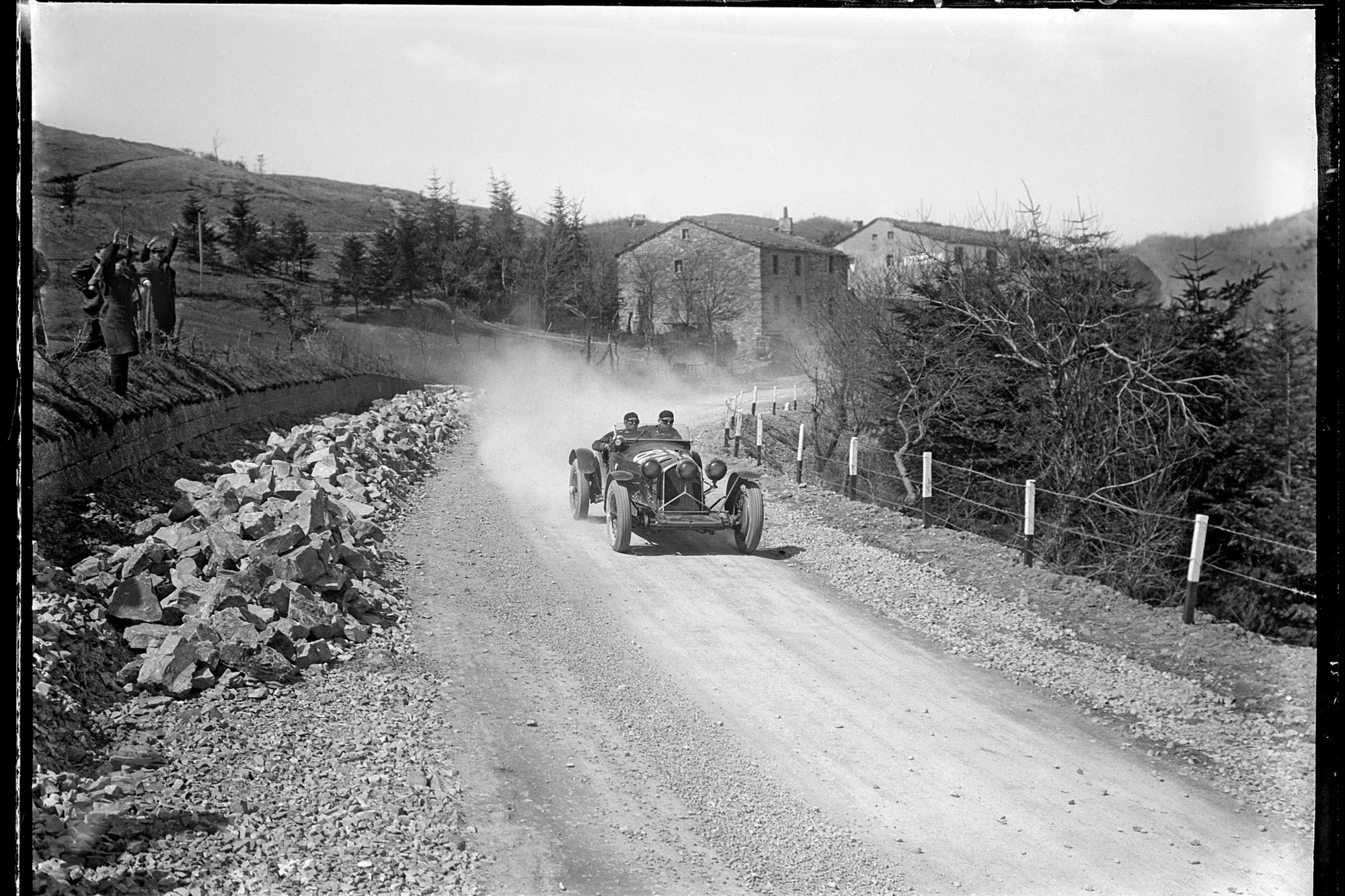
To truly grasp the singular magic of the 1931 Alfa Romeo 8C 2300 Corto Zagato Spider, one must plunge into the dust, danger, and unbridled mechanical romance of early 1930s road racing. By the turn of the decade, Alfa Romeo was already universally respected, having dominated events like the Mille Miglia with Vittorio Jano’s exquisitely balanced but aging 6C 1750. However, the automotive arms race was accelerating at a terrifying pace. The lightweight 6C was suddenly finding itself outgunned by the supercharged, brute-force leviathans from Mercedes-Benz, such as the SSK, and the jewel-like twin-cam perfection of Ettore Bugatti’s machines. Jano knew that handling alone could no longer hold the line; Alfa Romeo needed a massive escalation in firepower. The answer was the 8C 2300, a platform that would become the absolute benchmark of the era. While the Lungo (long wheelbase) variants were destined for high-speed endurance glory at Le Mans, the Corto (short wheelbase) was built for a different kind of war. Marrying a truncated, 2.75-meter chassis to the gossamer-thin, purposeful coachwork of Ugo Zagato, the Corto Zagato Spider was conceived as the ultimate, agile weapon for the tortuous, thousand-mile mountain passes of Italy. It was a purpose-built giant-killer designed to decimate Bugatti Type 55s and Maserati straight-eights on the most punishing roads in the world.
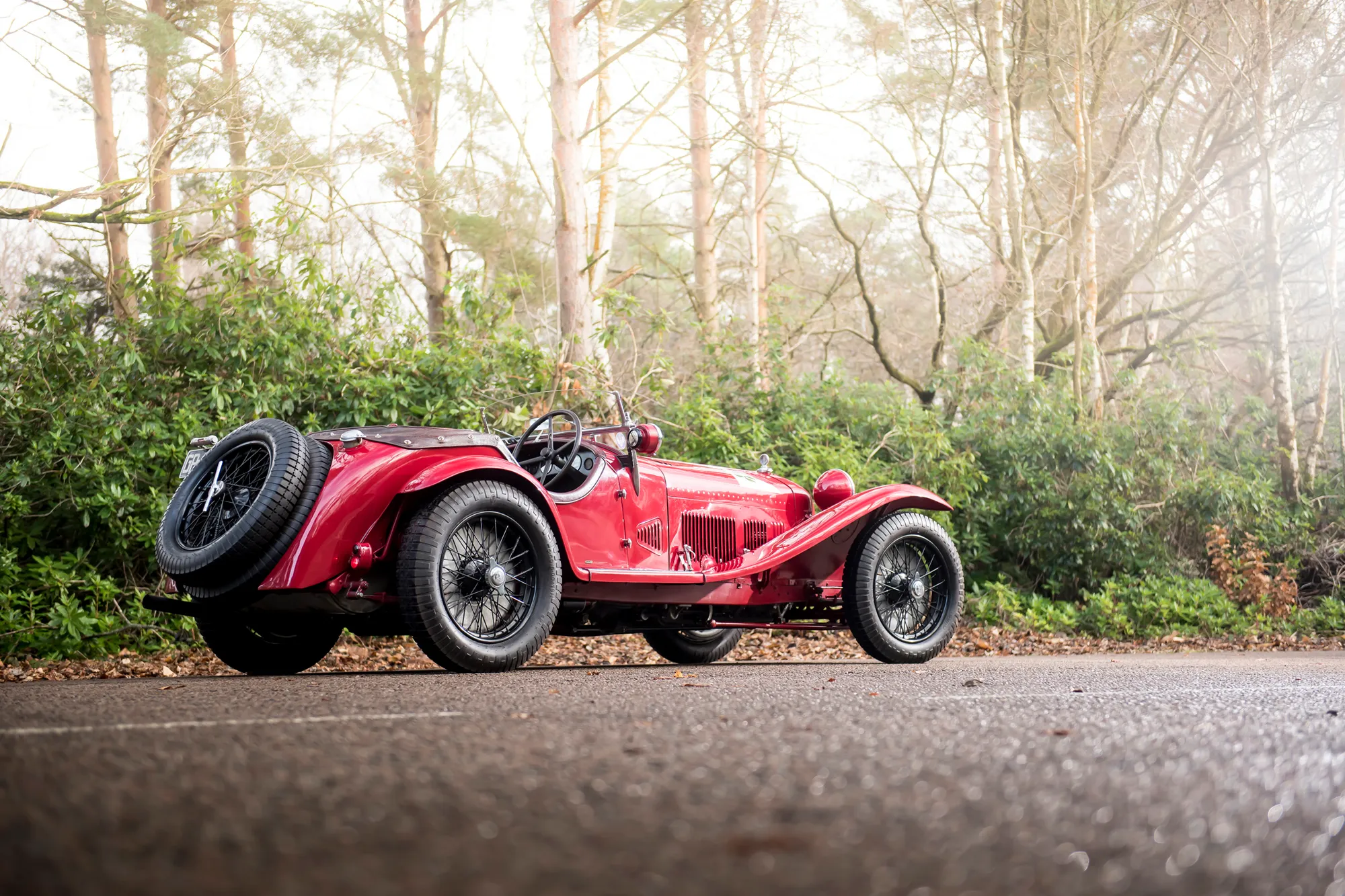
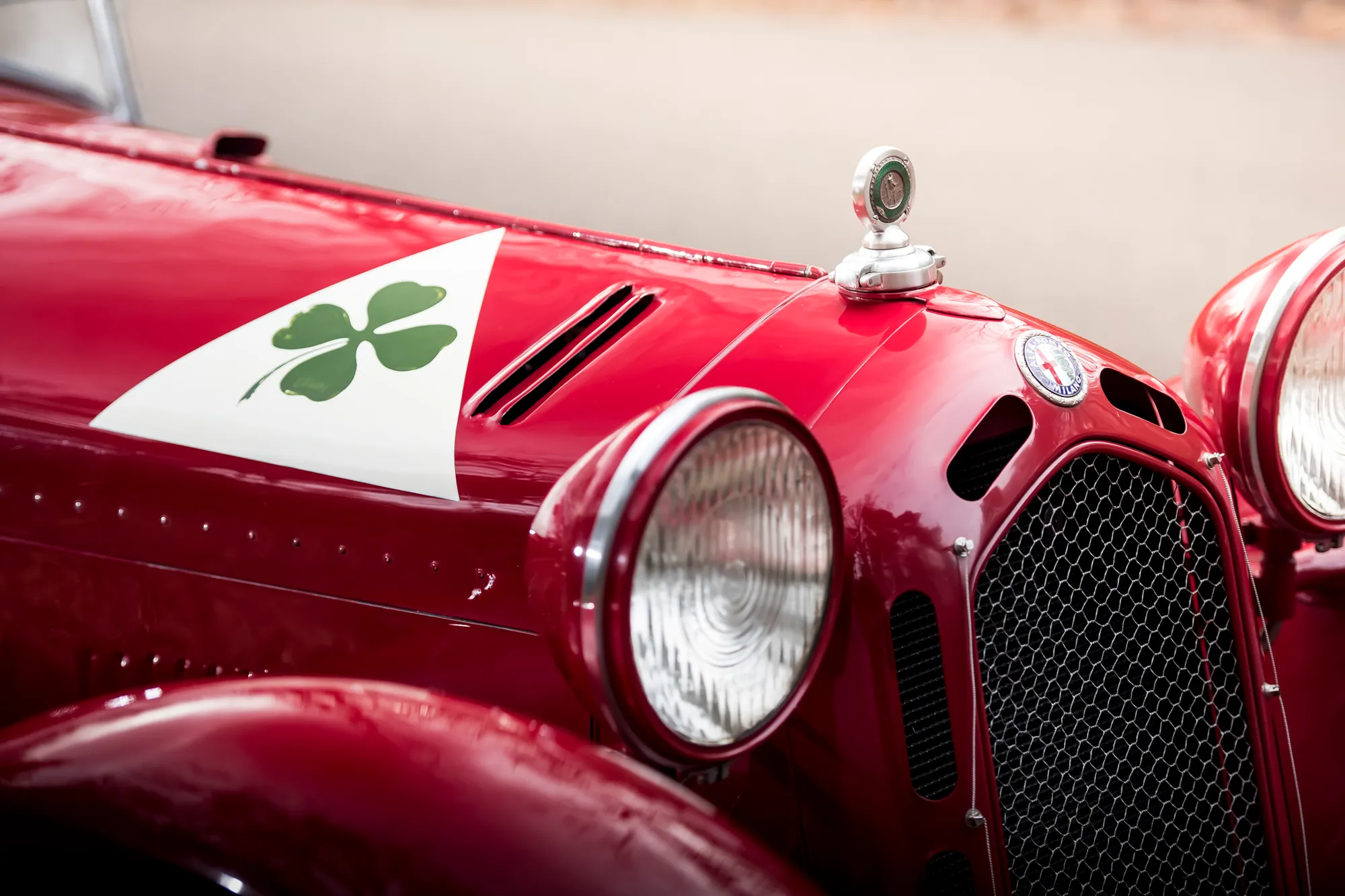
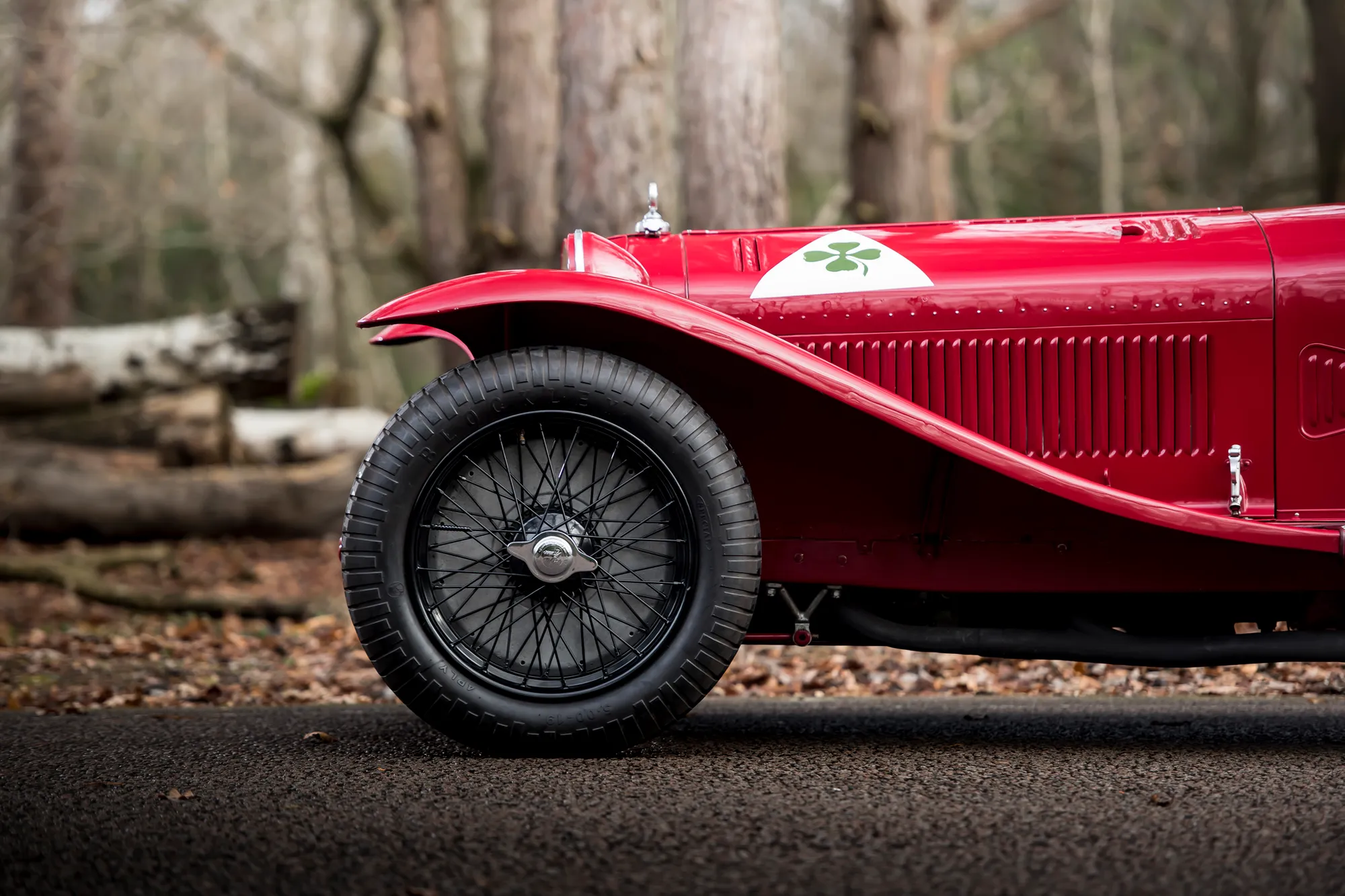
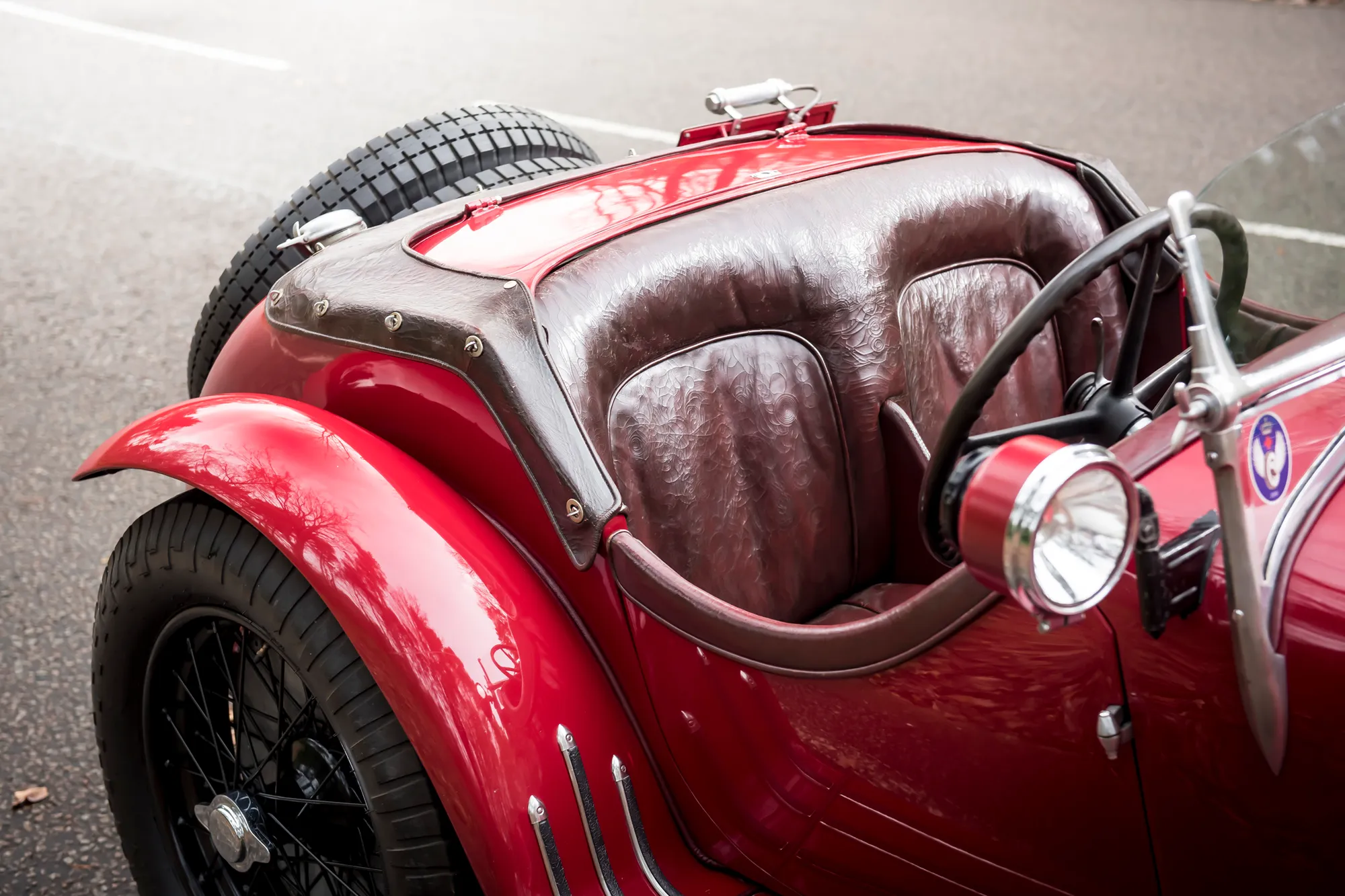
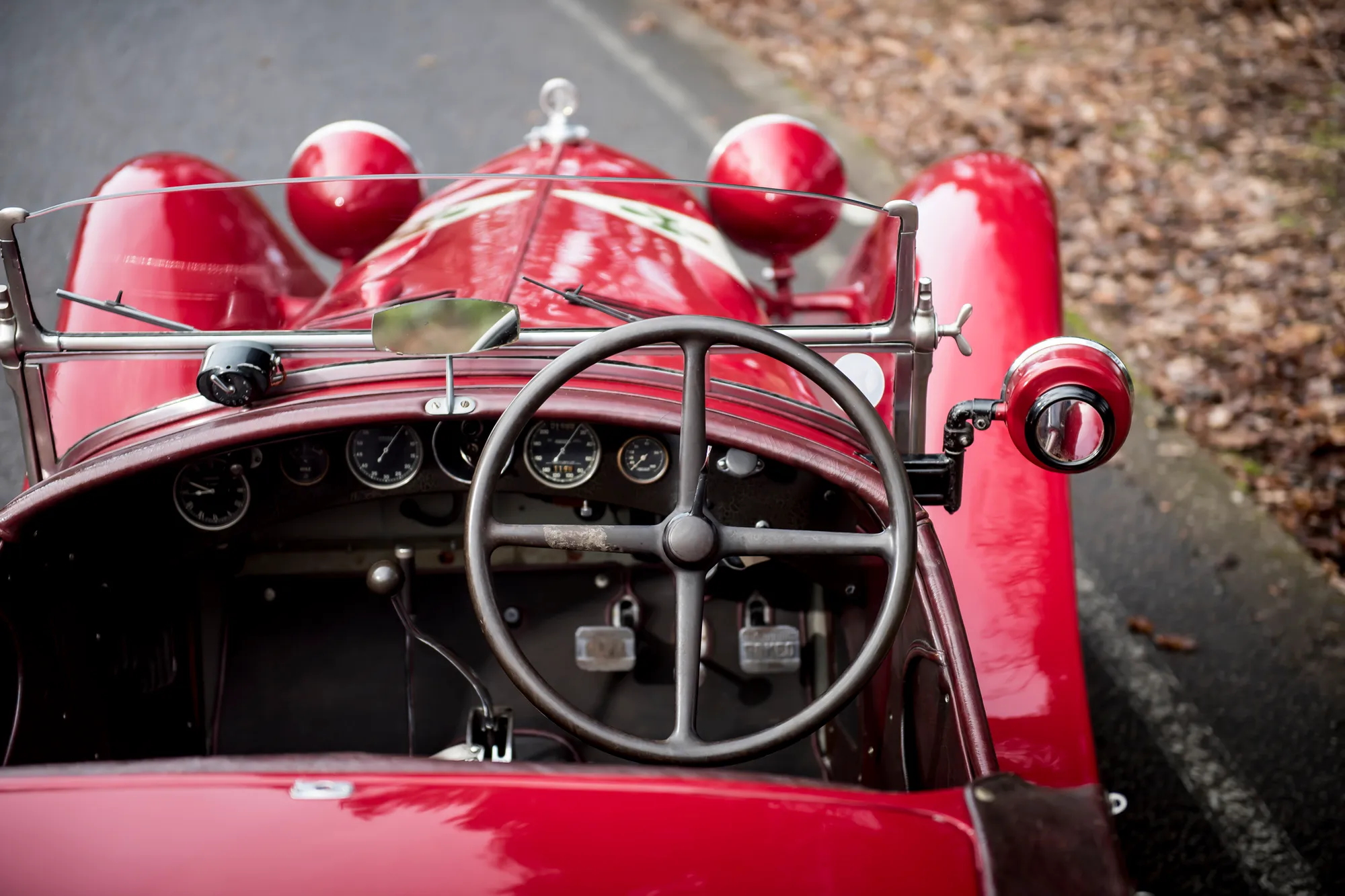
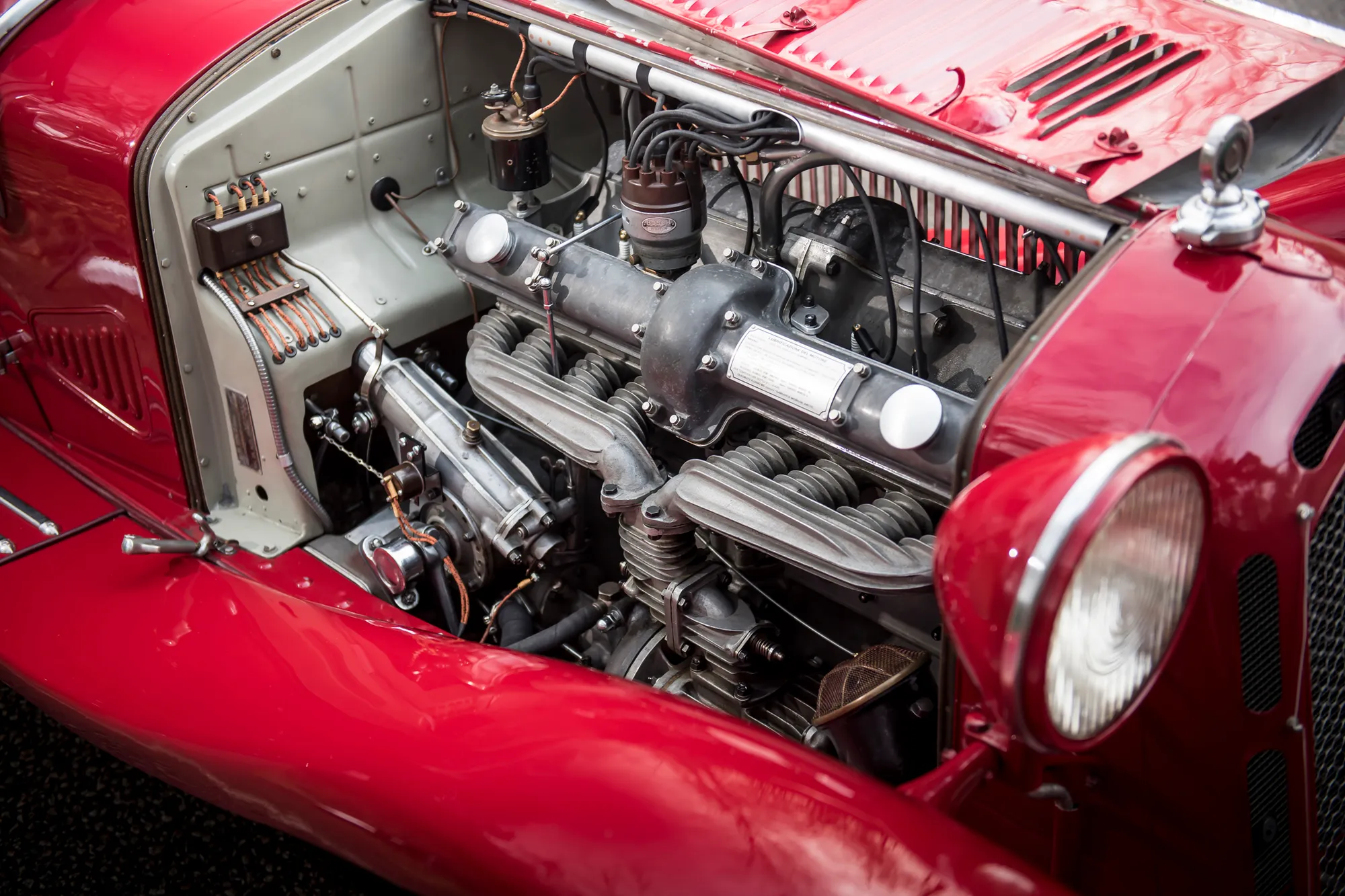
To lift the heavily louvered, leather-strapped bonnet of the Corto Zagato Spider is to stare directly into the genius of Vittorio Jano. The heart of the beast was the legendary 2,336cc straight-eight engine, a masterpiece of pragmatic engineering. Recognizing that a traditional long crankshaft would suffer from fatal torsional vibration at high revs, Jano effectively bolted two four-cylinder aluminium blocks together. He placed the complex timing gears and the drive for the Roots-type supercharger dead in the center of the two blocks, splitting the crankshaft’s twisting forces and creating an incredibly robust, unburstable powerplant. In race trim, this supercharged jewel produced an astonishing 140 brake horsepower, emitting a mechanical symphony defined by a deep exhaust bellow and a spine-tingling supercharger whine. However, what made this specific submodel a legend was its bodywork. Ugo Zagato was a pioneer of lightweight, aeronautically inspired construction. His Spider coachwork for the Corto chassis was brutally minimalist, stripping away any unnecessary ornamentation. The wings were cycle-style or tightly sweeping, the tail was sharply truncated, and the aluminium skin was impossibly thin, keeping the overall weight remarkably low. The chassis utilized traditional semi-elliptic leaf springs and adjustable friction shock absorbers, but its shorter wheelbase gave the Corto an aggressive, darting agility that the longer Le Mans cars simply could not match. Massive, heavily finned aluminium drum brakes provided formidable stopping power for the era, while the Spartan, right-hand-drive cockpit forced the driver to wrestle a massive steering wheel, reading only the essential mechanical vitals from a stark metal dashboard.
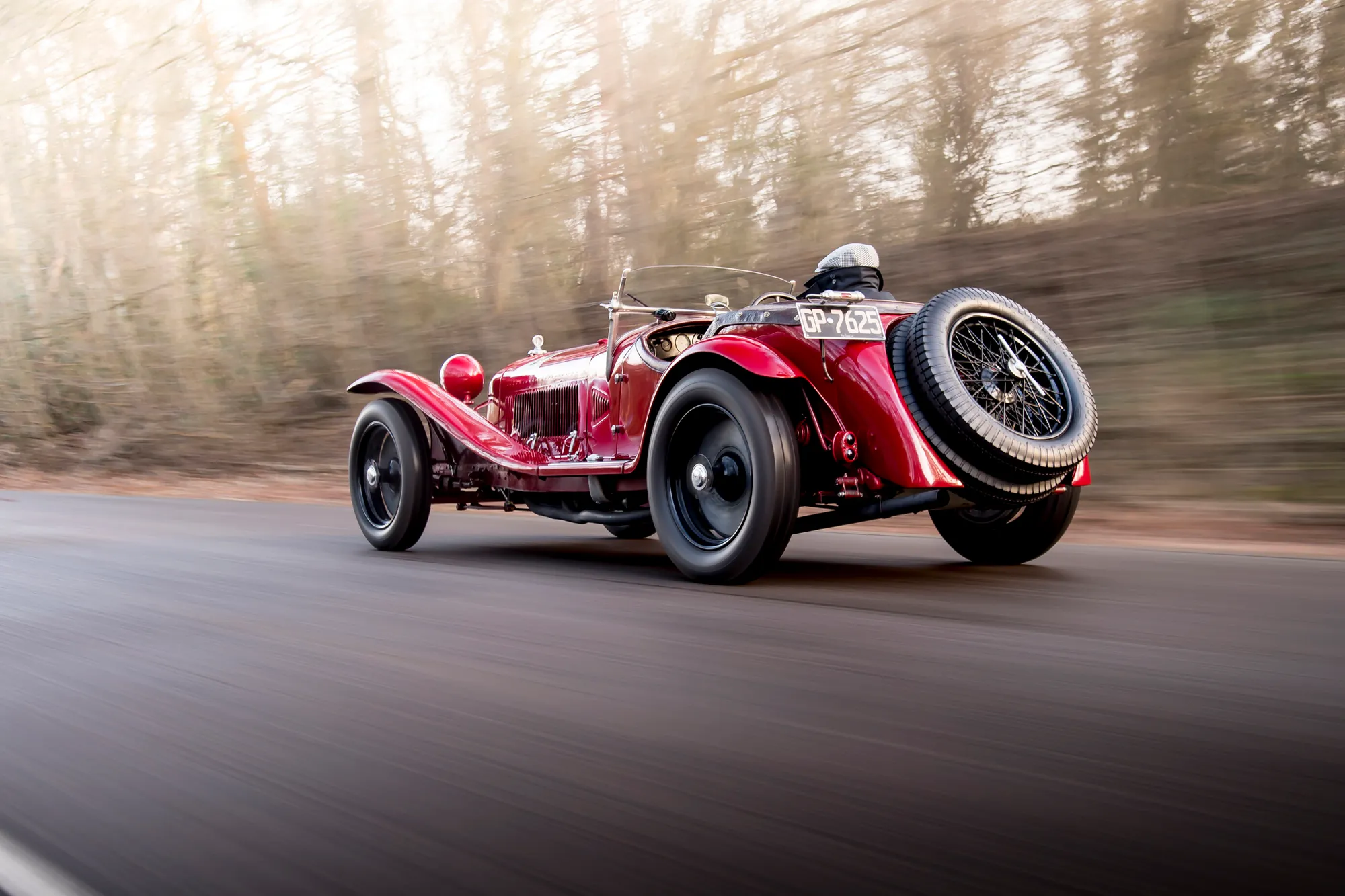
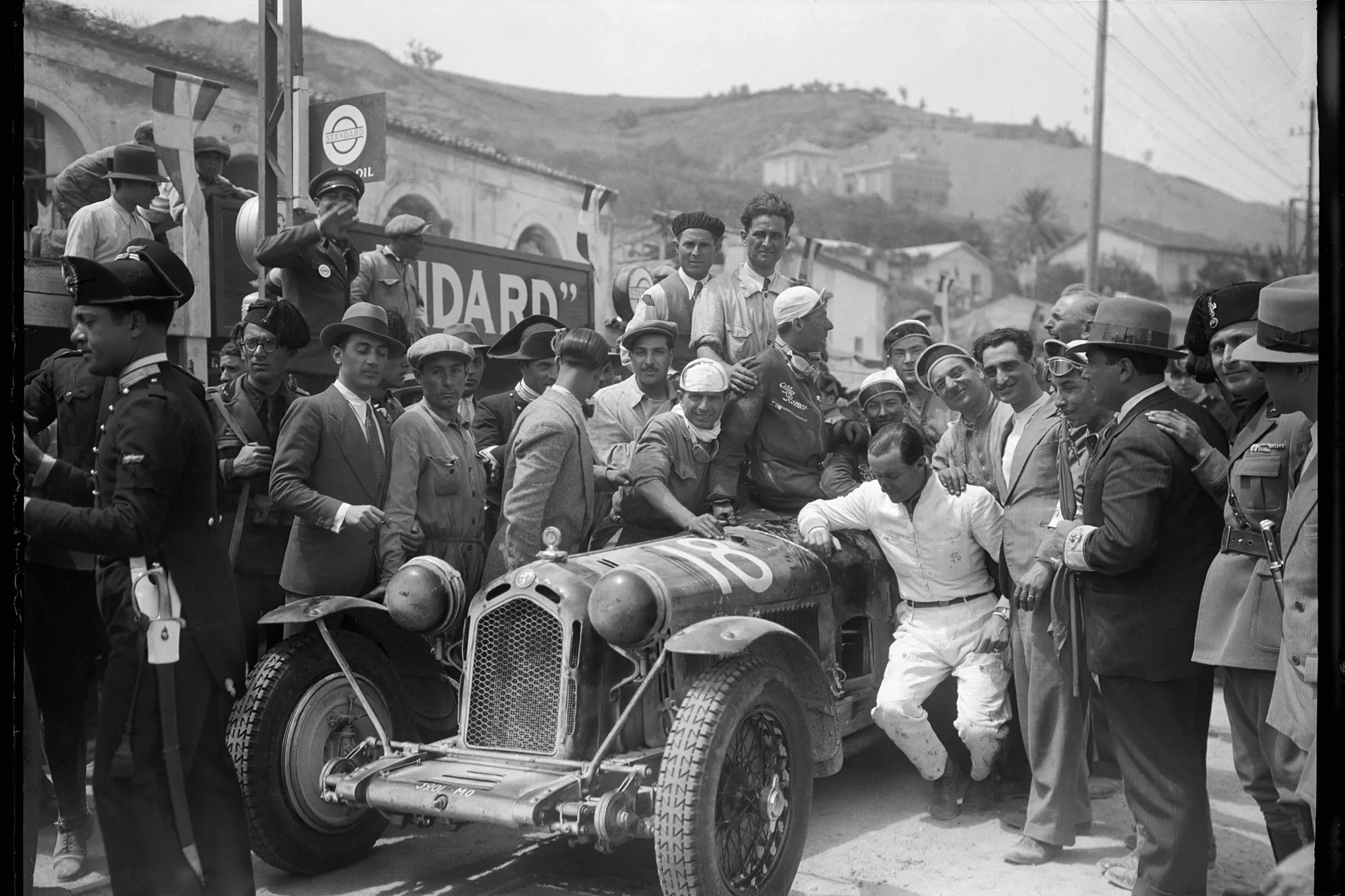
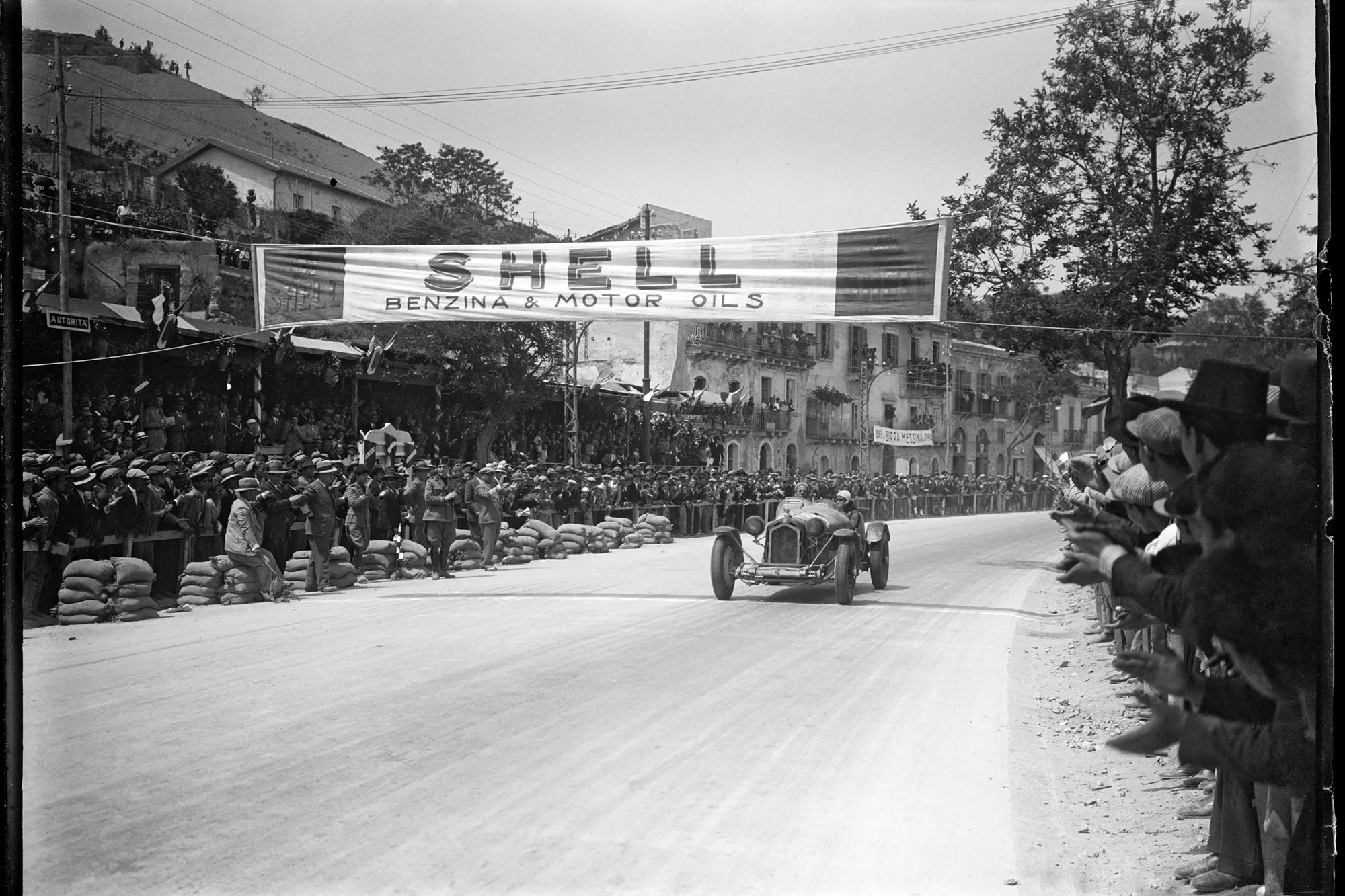
The competitive history of the 8C 2300 Corto Zagato Spider is inextricably linked to the birth of the most famous racing team on earth: Scuderia Ferrari. While Alfa Romeo’s own works team was highly successful, it was Enzo Ferrari’s independent outfit—acting as the de facto racing arm for Alfa—that truly immortalized this specific model. Adorned with the Prancing Horse shield on its crimson flanks, the Corto Zagato became the absolute sovereign of the Mille Miglia and the Targa Florio. In the hands of mythological figures like Tazio Nuvolari, Baconin Borzacchini and Giuseppe Campari, the short-wheelbase Spider danced across gravel mountain passes and tore through sleepy Italian villages at unfathomable speeds. Nuvolari’s legendary exploits in the Mille Miglia, famously chasing down his teammate Achille Varzi in the dead of night with his headlights extinguished, were achieved behind the wheel of an 8C 2300 Corto. Beyond factory-backed glory, these cars were also sold to incredibly wealthy, daring aristocratic privateers who wanted the thrill of a Grand Prix engine with the legality of a road car. Driving a Zagato Spider through the streets of Milan or Paris in 1931 was the ultimate flex of wealth, taste, and bravery.
The legacy of the 1931 Alfa Romeo 8C 2300 Corto Zagato Spider sits at the absolute pinnacle of the classic car pantheon. It represents the perfect, violent marriage of Vittorio Jano’s mechanical brilliance and Ugo Zagato’s lightweight, form-follows-function coachbuilding. It was the car that validated the straight-eight architecture, directly paving the way for the larger 2.6-liter variants and the immortal Grand Prix single-seaters that followed. Today, a genuine, matching-numbers Corto Zagato Spider is the holy grail for pre-war automotive collectors, routinely commanding eight-figure sums at elite auctions. It is not merely an antique; it is an incredibly visceral, supercharged time machine that perfectly encapsulates the romance, danger, and untouchable pedigree of Alfa Romeo’s golden age.
Brand
Produced from
Portal
Vehicle category
Model line
Model generation
Predecessor
Sucessor
Brand
Produced from
Portal
Vehicle category
Model line
Model generation
Predecessor
Sucessor
Submodel Overview
To truly grasp the singular magic of the 1931 Alfa Romeo 8C 2300 Corto Zagato Spider, one must plunge into the dust, danger, and unbridled mechanical romance of early 1930s road racing. By the turn of the decade, Alfa Romeo was already universally respected, having dominated events like the Mille Miglia with Vittorio Jano’s exquisitely balanced but aging 6C 1750. However, the automotive arms race was accelerating at a terrifying pace. The lightweight 6C was suddenly finding itself outgunned by the supercharged, brute-force leviathans from Mercedes-Benz, such as the SSK, and the jewel-like twin-cam perfection of Ettore Bugatti’s machines. Jano knew that handling alone could no longer hold the line; Alfa Romeo needed a massive escalation in firepower. The answer was the 8C 2300, a platform that would become the absolute benchmark of the era. While the Lungo (long wheelbase) variants were destined for high-speed endurance glory at Le Mans, the Corto (short wheelbase) was built for a different kind of war. Marrying a truncated, 2.75-meter chassis to the gossamer-thin, purposeful coachwork of Ugo Zagato, the Corto Zagato Spider was conceived as the ultimate, agile weapon for the tortuous, thousand-mile mountain passes of Italy. It was a purpose-built giant-killer designed to decimate Bugatti Type 55s and Maserati straight-eights on the most punishing roads in the world.
To lift the heavily louvered, leather-strapped bonnet of the Corto Zagato Spider is to stare directly into the genius of Vittorio Jano. The heart of the beast was the legendary 2,336cc straight-eight engine, a masterpiece of pragmatic engineering. Recognizing that a traditional long crankshaft would suffer from fatal torsional vibration at high revs, Jano effectively bolted two four-cylinder aluminium blocks together. He placed the complex timing gears and the drive for the Roots-type supercharger dead in the center of the two blocks, splitting the crankshaft’s twisting forces and creating an incredibly robust, unburstable powerplant. In race trim, this supercharged jewel produced an astonishing 140 brake horsepower, emitting a mechanical symphony defined by a deep exhaust bellow and a spine-tingling supercharger whine. However, what made this specific submodel a legend was its bodywork. Ugo Zagato was a pioneer of lightweight, aeronautically inspired construction. His Spider coachwork for the Corto chassis was brutally minimalist, stripping away any unnecessary ornamentation. The wings were cycle-style or tightly sweeping, the tail was sharply truncated, and the aluminium skin was impossibly thin, keeping the overall weight remarkably low. The chassis utilized traditional semi-elliptic leaf springs and adjustable friction shock absorbers, but its shorter wheelbase gave the Corto an aggressive, darting agility that the longer Le Mans cars simply could not match. Massive, heavily finned aluminium drum brakes provided formidable stopping power for the era, while the Spartan, right-hand-drive cockpit forced the driver to wrestle a massive steering wheel, reading only the essential mechanical vitals from a stark metal dashboard.
The competitive history of the 8C 2300 Corto Zagato Spider is inextricably linked to the birth of the most famous racing team on earth: Scuderia Ferrari. While Alfa Romeo’s own works team was highly successful, it was Enzo Ferrari’s independent outfit—acting as the de facto racing arm for Alfa—that truly immortalized this specific model. Adorned with the Prancing Horse shield on its crimson flanks, the Corto Zagato became the absolute sovereign of the Mille Miglia and the Targa Florio. In the hands of mythological figures like Tazio Nuvolari, Baconin Borzacchini and Giuseppe Campari, the short-wheelbase Spider danced across gravel mountain passes and tore through sleepy Italian villages at unfathomable speeds. Nuvolari’s legendary exploits in the Mille Miglia, famously chasing down his teammate Achille Varzi in the dead of night with his headlights extinguished, were achieved behind the wheel of an 8C 2300 Corto. Beyond factory-backed glory, these cars were also sold to incredibly wealthy, daring aristocratic privateers who wanted the thrill of a Grand Prix engine with the legality of a road car. Driving a Zagato Spider through the streets of Milan or Paris in 1931 was the ultimate flex of wealth, taste, and bravery.
The legacy of the 1931 Alfa Romeo 8C 2300 Corto Zagato Spider sits at the absolute pinnacle of the classic car pantheon. It represents the perfect, violent marriage of Vittorio Jano’s mechanical brilliance and Ugo Zagato’s lightweight, form-follows-function coachbuilding. It was the car that validated the straight-eight architecture, directly paving the way for the larger 2.6-liter variants and the immortal Grand Prix single-seaters that followed. Today, a genuine, matching-numbers Corto Zagato Spider is the holy grail for pre-war automotive collectors, routinely commanding eight-figure sums at elite auctions. It is not merely an antique; it is an incredibly visceral, supercharged time machine that perfectly encapsulates the romance, danger, and untouchable pedigree of Alfa Romeo’s golden age.
Tech Specs
Technical Specifications
Tech Specs
Technical Specifications
Engine
01
03
Internal combustion engine
Configuration
Alfa Romeo Inline-8
Location
Front, longitudinally mounted
Construction
Two cast aluminium alloy blocks and heads bolted together
Displacement (cc)
2,336 cc
Displacement (cu in)
142.5 cu in
Compression
5.75:1
Bore x Stroke
65.0 mm x 88.0 mm
Valvetrain
2 valves per cylinder, DOHC
Fuel feed
Memini carburetor
Lubrication
Dry sump
Aspiration
Supercharged (Roots-type blower)
Output
Power (hp)
142 hp
Power (kW)
106 kW
Max power at
5,000 RPM
Torque (Nm)
~210 Nm
Torque (ft lbs)
~155 ft lbs
Max torque at
3,000 RPM
Drivetrain
02
03
Chassis
Type
Ladder frame
Material
Steel
Body
Material
Lightweight Aluminium
Transmission
Gearbox
4-speed manual
Drive
Rear Wheel Drive
Suspension
Front
Solid beam axle, semi-elliptic leaf springs, friction dampers
Rear
Live axle, semi-elliptic leaf springs, friction dampers
Steering
Type
Worm and sector, unassisted
Brakes
Front
Finned aluminium drum brakes Ø400 mm, rod-operated
Rear
Finned aluminium drum brakes Ø400 mm, rod-operated
Wheels
Front
19" Wire wheels (Borrani)
Rear
19" Wire wheels (Borrani)
Tires
Front
5.50 x 19
Rear
5.50 x 19
Dimensions and performance
03
03
Dimensions
Length (mm)
~3,962 mm
Length (in)
~156.0 in
Width (mm)
~1,651 mm
Width (in)
~65.0 in
Height (mm)
~1,346 mm
Height (in)
~53.0 in
Wheelbase (mm)
2,750 mm
Wheelbase (in)
108.3 in
Weight (kg)
~1,000 kg
Weight (lbs)
~2,205 lbs
Performance
Power to weight
~0.14 hp/kg
Top speed (km/h)
175 km/h
Top speed (mph)
109 mph
0-100 km/h (0-60 mph)
~9.5 s