Alfa Romeo Giulietta (Tipo 101/750)
Brand
Produced from
Vehicle category
Portal
Model line
Model generation
Generation Overview
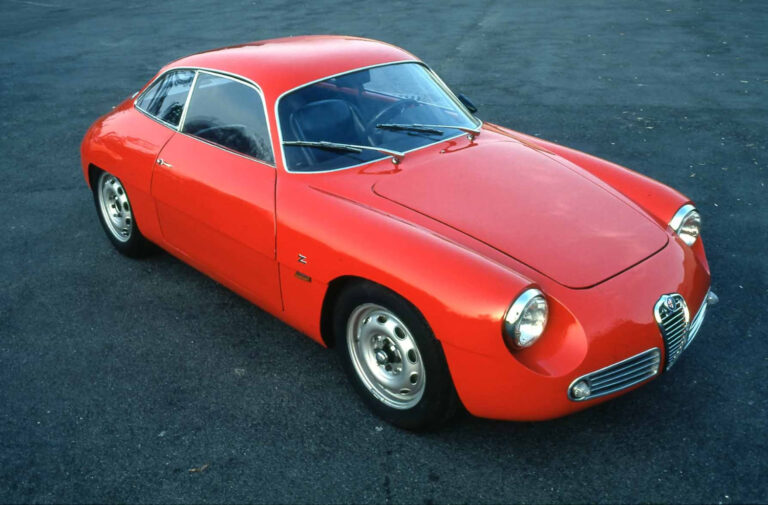
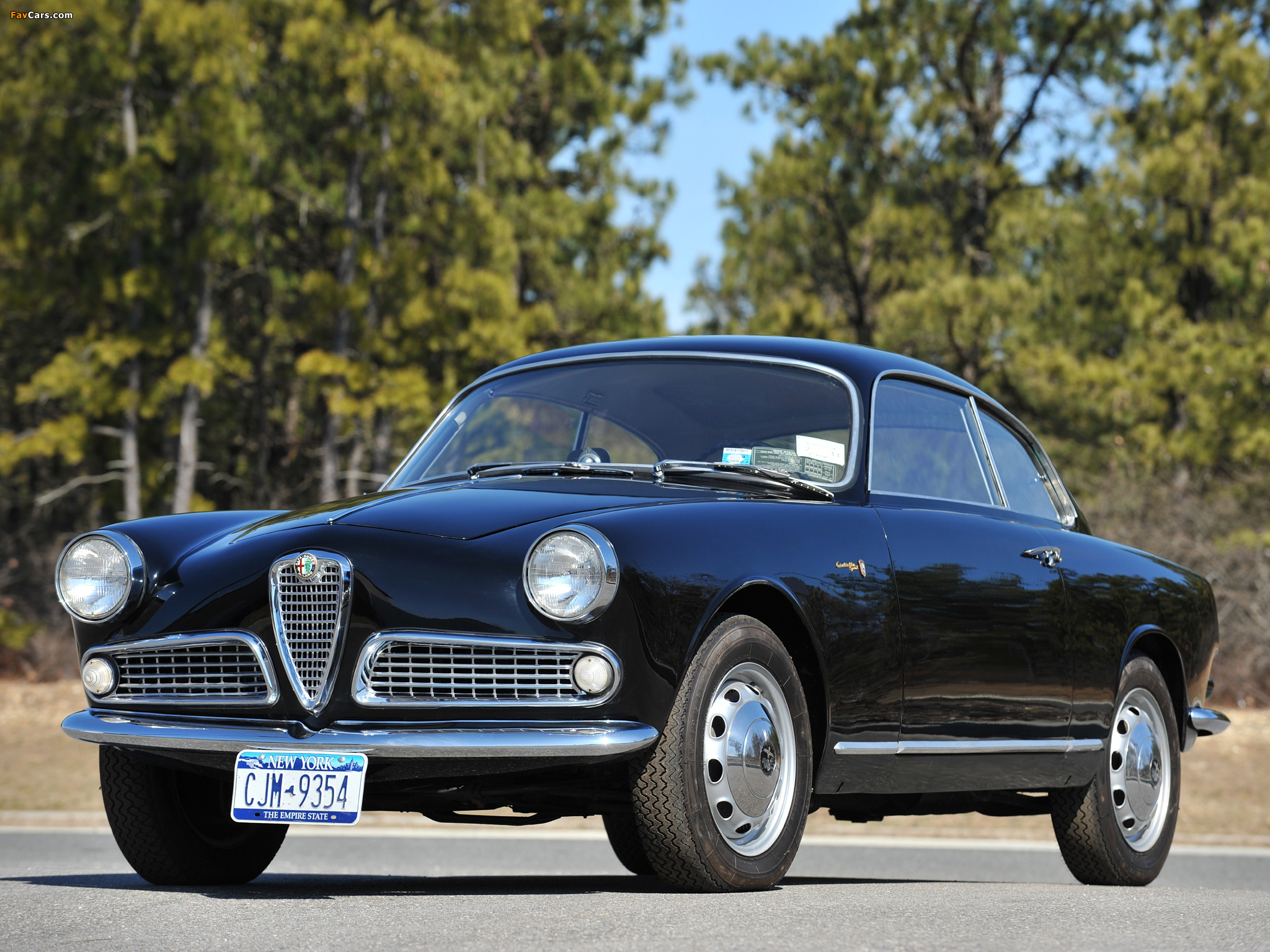
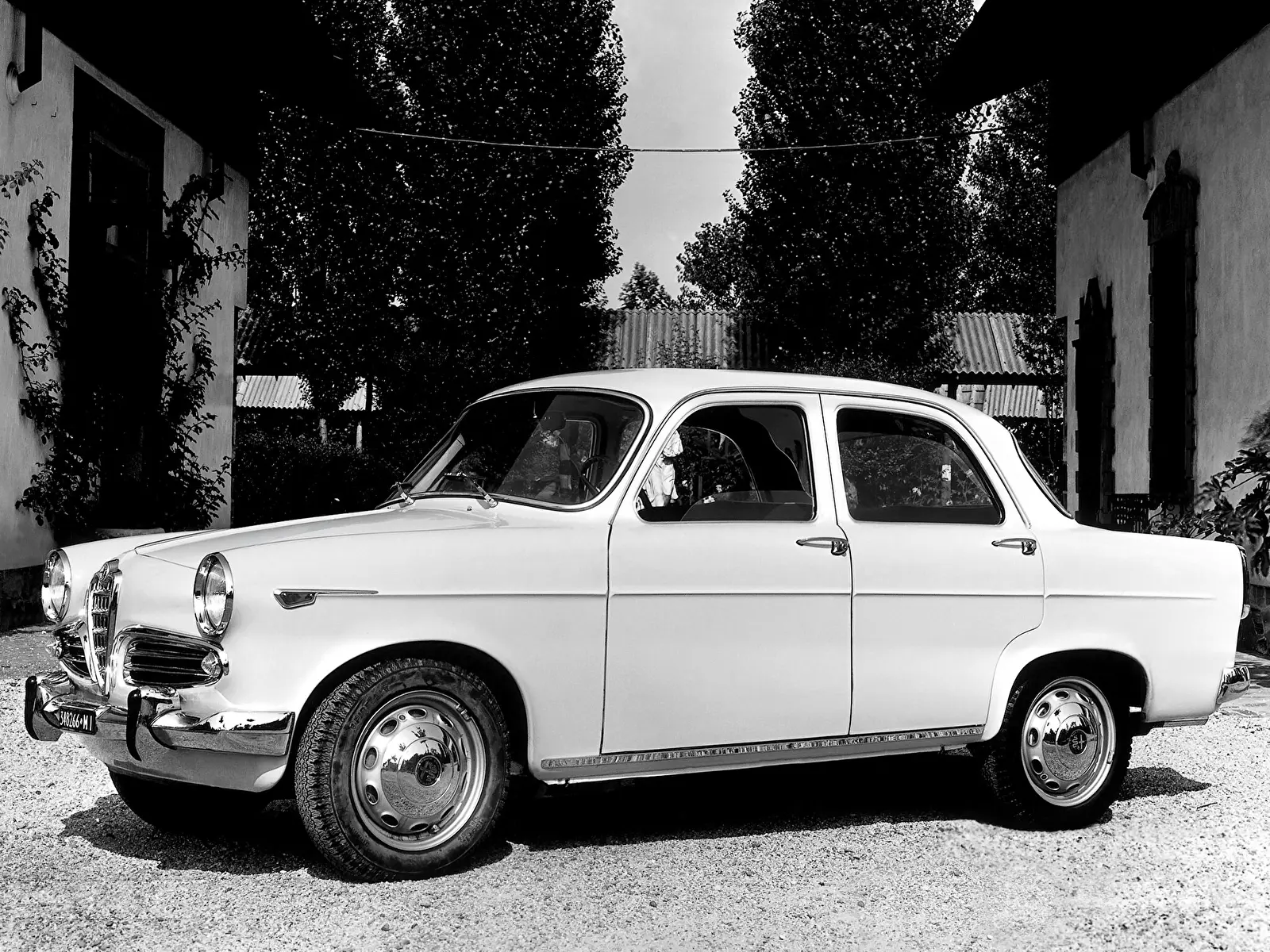
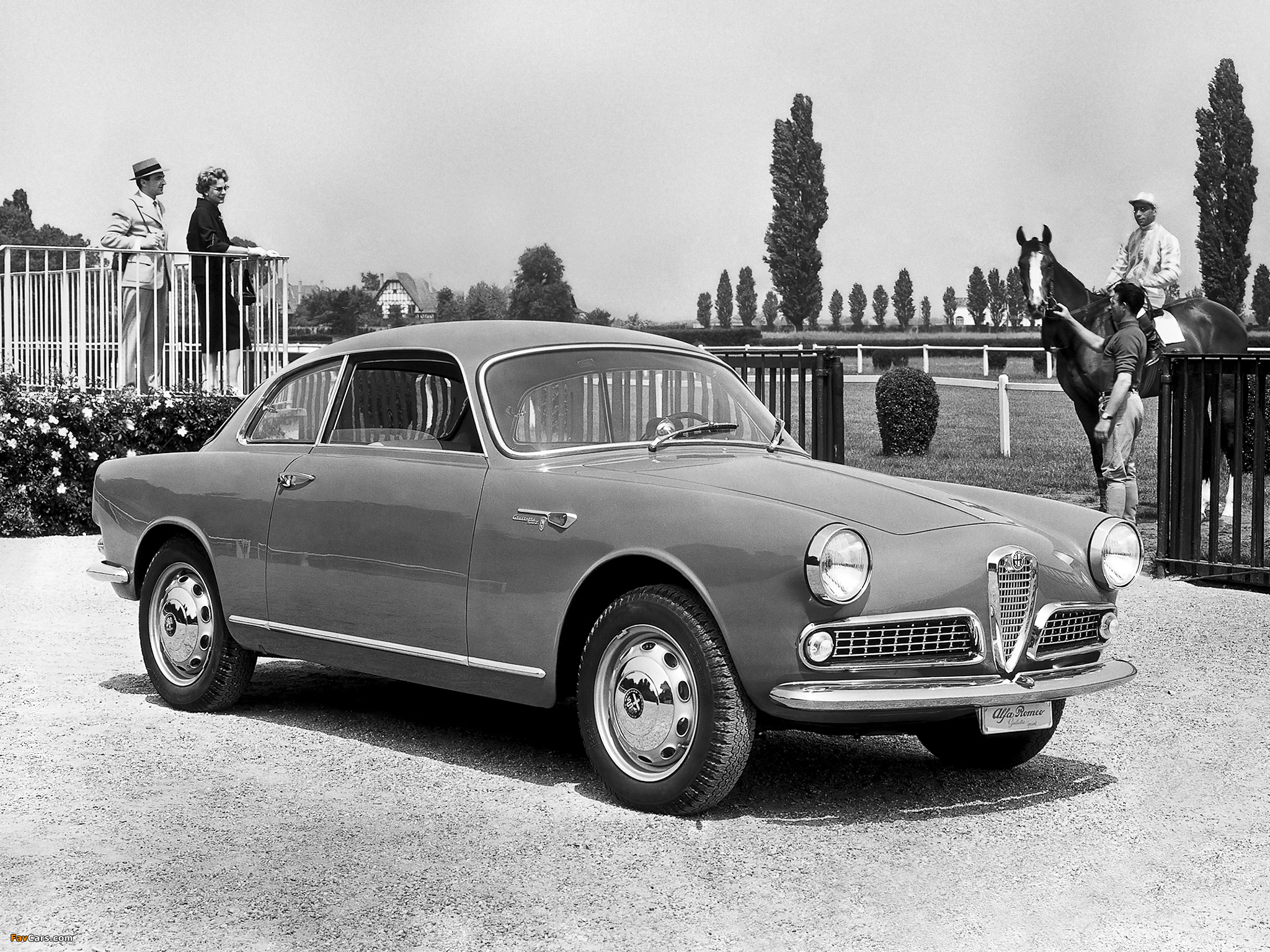
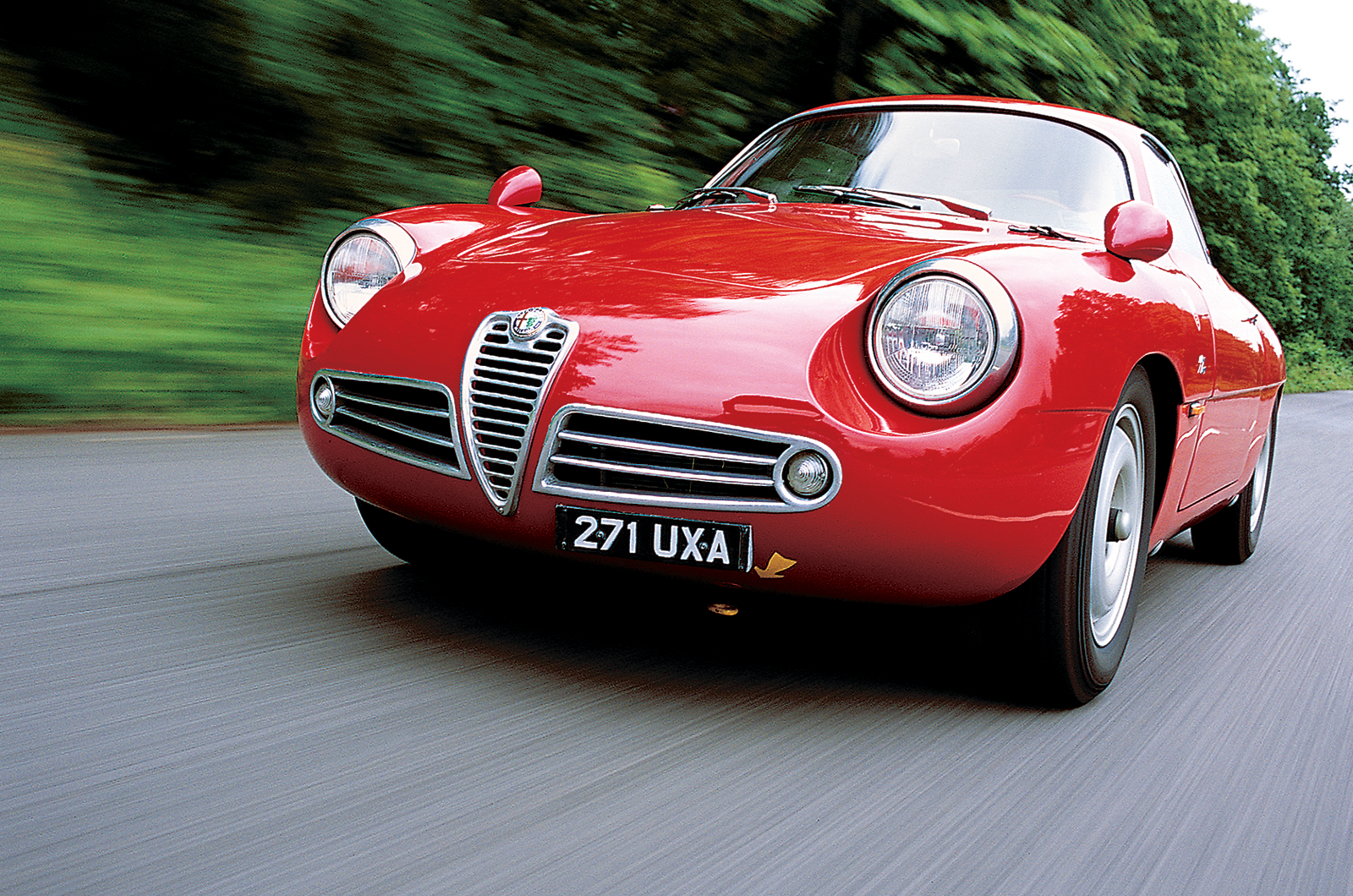
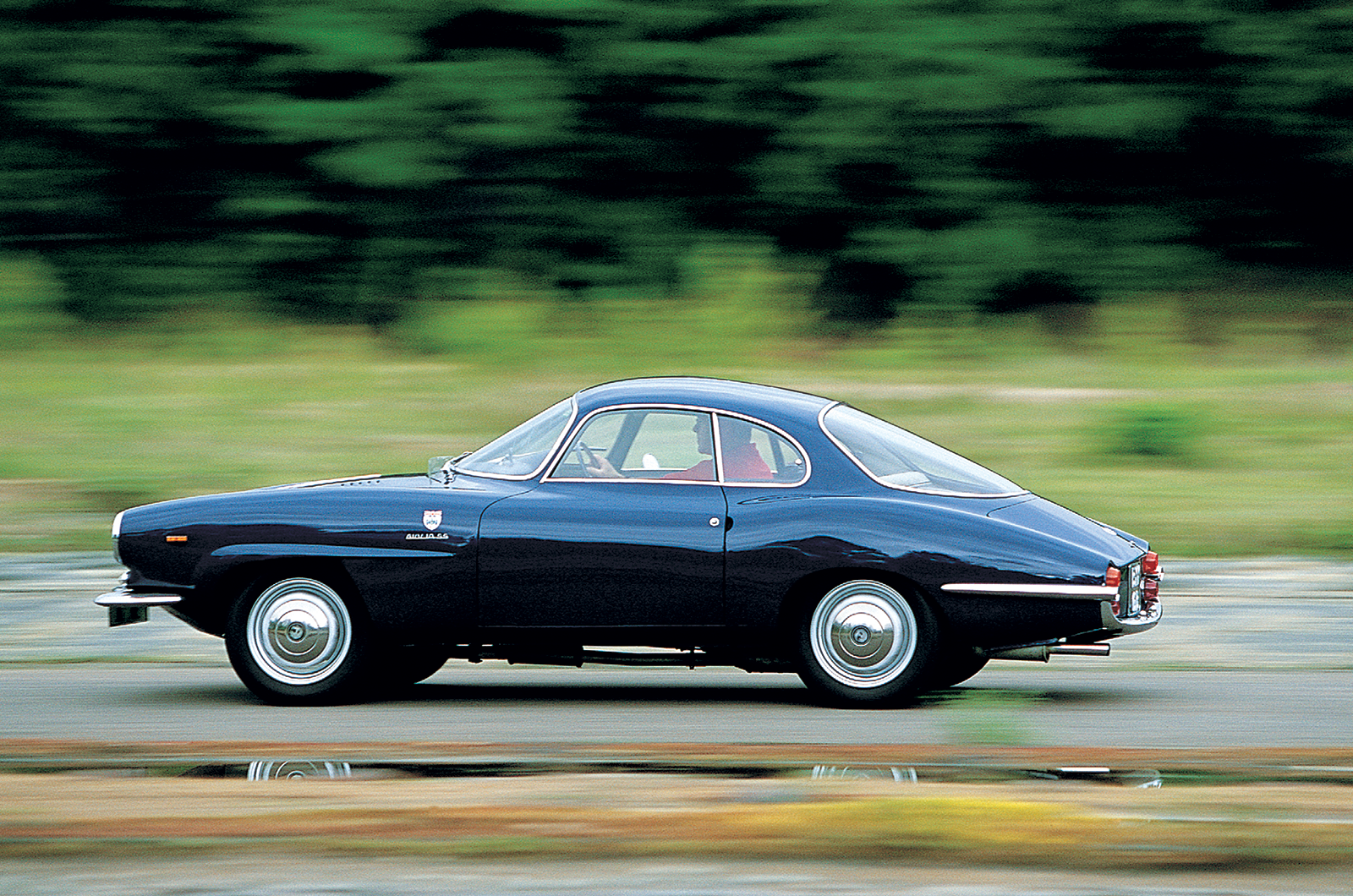
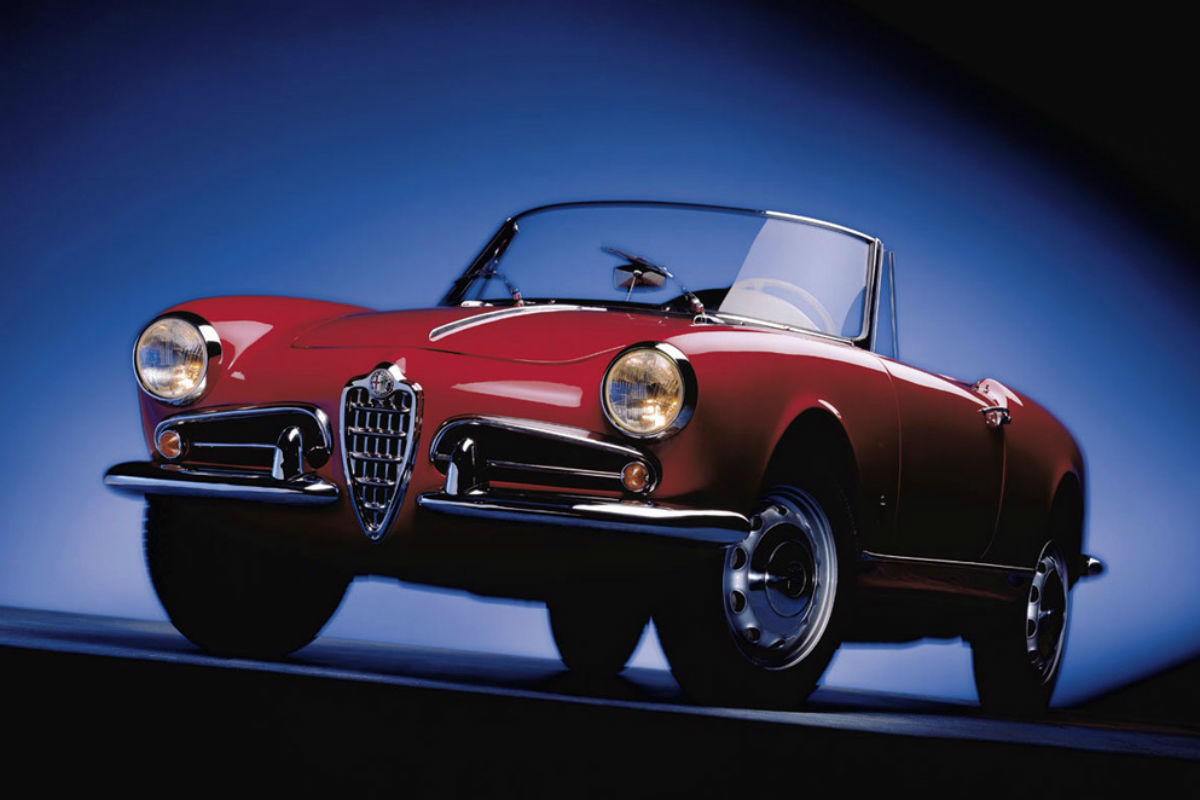
In the immediate aftermath of the Second World War, Alfa Romeo found itself staring into the abyss. The Portello factory lay in ruins, and the pre-war business model of crafting bespoke, six- and eight-cylinder exotica for royalty and racing heroes was fundamentally incompatible with a shattered, austere Europe. The 1900 sedan had been a step toward mass production, but Alfa Romeo needed a true volume seller to survive—a car that could capture the imagination of the burgeoning middle class without betraying the marque’s sacred motorsport pedigree. The answer arrived like a thunderclap at the 1954 Turin Motor Show. It was the Giulietta (the “Little Juliet”), internally designated as the Tipo 750 and later evolving into the Tipo 101. In a brilliant, unconventional marketing maneuver, Alfa Romeo debuted the car not as a sensible family saloon, but as the breathtaking Sprint coupe. It was a masterstroke that instantly rendered the pushrod-engined MGs and heavy Triumphs archaic, whilst firing a direct, twin-cam warning shot across the bow of the Porsche 356. The Giulietta wasn’t just a single car; it blossomed into a magnificent family of submodels: the Bertone-penned Sprint, the impossibly glamorous Pininfarina Spider, the practical Berlina, the aerodynamically radical Sprint Speciale (SS), and the ultra-lightweight, race-bred Sprint Zagato (SZ).
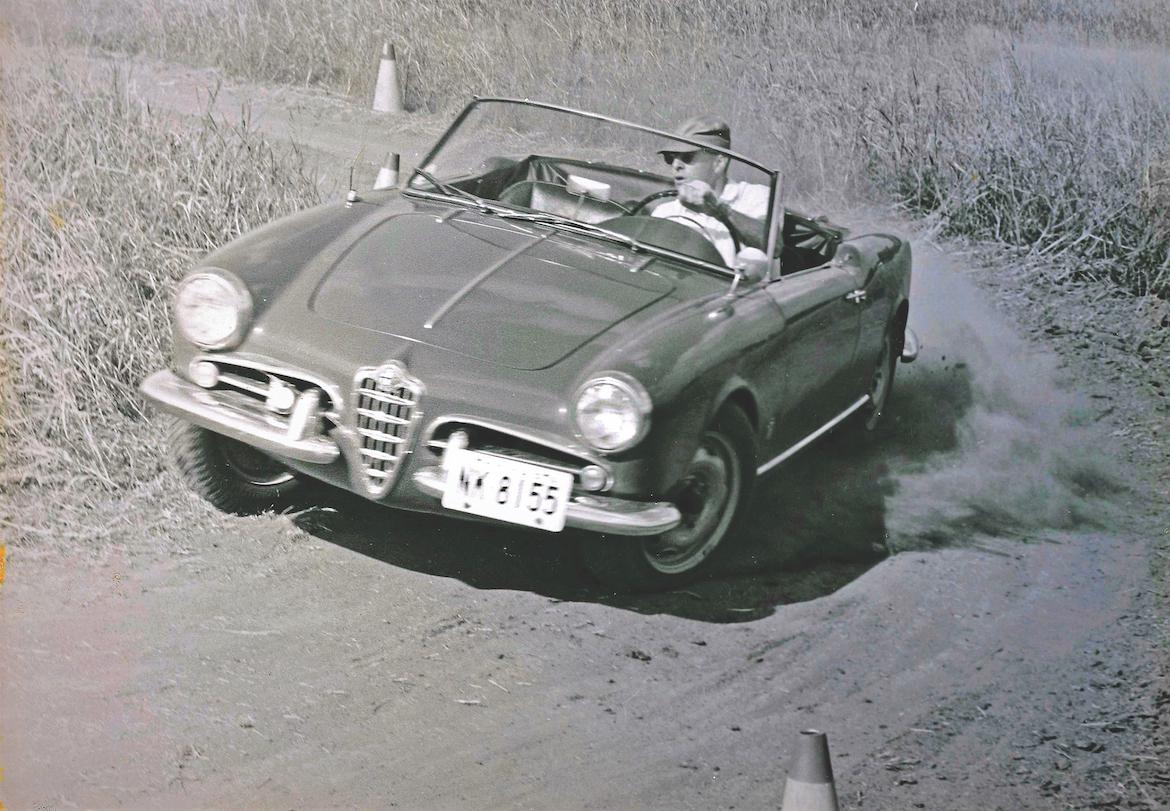
To look beneath the sultry sheet metal of the Tipo 750/101 Giulietta is to witness the democratization of grand prix engineering. Under the guidance of visionary engineer Orazio Satta Puliga and engine maestro Giuseppe Busso, Alfa Romeo bestowed upon the Giulietta a powertrain that would define the company for the next four decades. It was the 1,290cc Bialbero (twin-cam) inline-four. Cast entirely in lightweight aluminium and featuring hemispherical combustion chambers with twin overhead camshafts driven by a duplex chain, this jewel-like motor was an engineering marvel for a mass-produced car in 1954. In standard ‘Normale’ tune, it breathed through a single downdraft carburettor to produce a lively 53 horsepower. However, in the coveted ‘Veloce’ specification—equipped with high-compression pistons and twin side-draft Weber carburettors—output soared beyond 90 horsepower, with the racing SZ variants eventually breaching the 100-horsepower mark. To harness this free-revving energy, the Giulietta utilized a sophisticated unibody chassis (except for the Spider, which required additional stiffening). The front suspension featured independent double wishbones with coil springs, while the rear employed a well-located live axle with trailing arms and a distinctive aluminium central A-bracket to control lateral movement. Braking was handled by massive, beautifully finned aluminium drum brakes that dissipated heat with remarkable efficiency, eventually giving way to front disc brakes in the later Tipo 101 generation. Inside, the cabin was a triumph of mid-century Italian minimalism. The driver sat behind a thin-rimmed, three-spoke steering wheel, gazing at gorgeous, jewel-like Veglia instruments set within a painted metal dashboard, creating an intimate, tactile connection between man and machine.
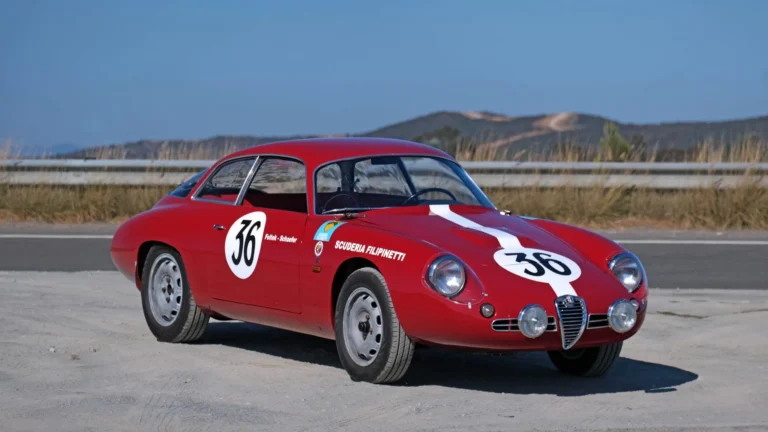
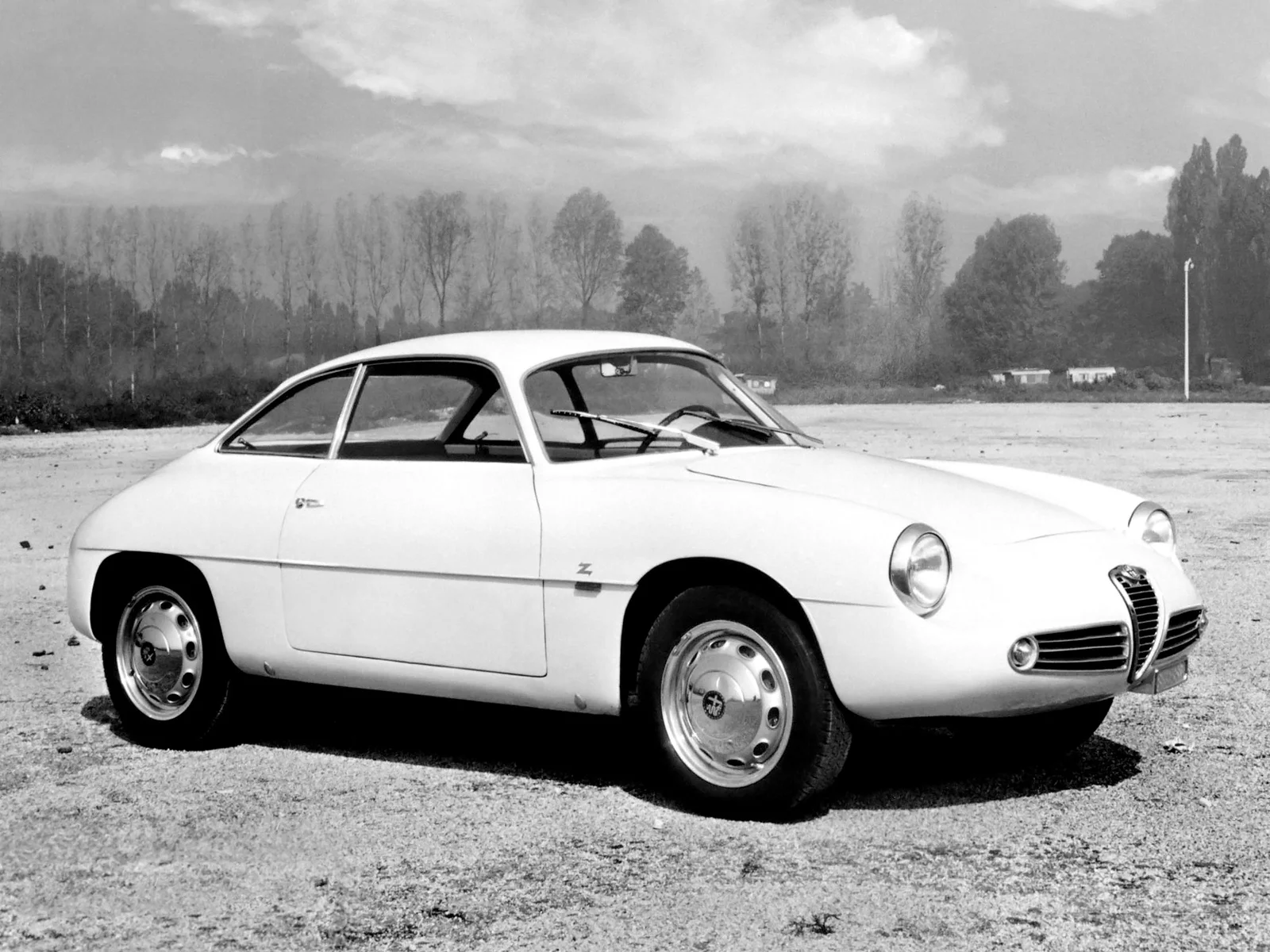
The cultural and competitive impact of the Giulietta Tipo 750/101 was nothing short of seismic. Commercially, it was the absolute savior of Alfa Romeo, selling over 177,000 units and mobilizing the Italian economic miracle with unprecedented style. The Pininfarina Spider became the quintessential accessory of La Dolce Vita, gracing the silver screen and the sun-drenched coastal roads of the French and Italian Rivieras. But beneath this glamorous veneer lay the heart of an assassin. The Giulietta became the undisputed tyrant of the 1300cc racing classes. Privateers quickly realized that the Veloce variants were virtually unbeatable straight out of the showroom. When the factory commissioned Elio Zagato to strip the Sprint down and clothe it in a hammered-aluminium, aerodynamically pure body, the Giulietta SZ was born. This featherweight weapon terrified the establishment, securing class victories at the grueling Targa Florio, the Mille Miglia, and the Nürburgring 1000km. The SZ could slipstream larger, more powerful Ferraris and Maseratis on the straights, before out-braking and out-cornering them with telepathic precision.
When the Tipo 101 Giulietta finally yielded the assembly lines to the 1.6-liter Giulia (Tipo 105) in 1962 (though some 101-series models continued until 1965), its mission had been flawlessly executed. It had not only rescued Alfa Romeo from financial ruin, but it had also established the definitive DNA of the modern Italian sports car: a rev-happy twin-cam engine, a communicative chassis, and breathtaking coachwork, all available at an attainable price. The 1954 Giulietta Tipo 750/101 resides in the absolute highest echelon of the automotive pantheon. It is the genesis of Alfa Romeo’s golden era, a masterpiece of engineering and design that taught the post-war world that small-displacement cars didn’t just have to be economical; they could be incredibly beautiful, fiercely competitive, and deeply, undeniably soulful.
Portal
Model line
Model generation
Brand
Produced from
Vehicle category
Generation Overview
In the immediate aftermath of the Second World War, Alfa Romeo found itself staring into the abyss. The Portello factory lay in ruins, and the pre-war business model of crafting bespoke, six- and eight-cylinder exotica for royalty and racing heroes was fundamentally incompatible with a shattered, austere Europe. The 1900 sedan had been a step toward mass production, but Alfa Romeo needed a true volume seller to survive—a car that could capture the imagination of the burgeoning middle class without betraying the marque’s sacred motorsport pedigree. The answer arrived like a thunderclap at the 1954 Turin Motor Show. It was the Giulietta (the “Little Juliet”), internally designated as the Tipo 750 and later evolving into the Tipo 101. In a brilliant, unconventional marketing maneuver, Alfa Romeo debuted the car not as a sensible family saloon, but as the breathtaking Sprint coupe. It was a masterstroke that instantly rendered the pushrod-engined MGs and heavy Triumphs archaic, whilst firing a direct, twin-cam warning shot across the bow of the Porsche 356. The Giulietta wasn’t just a single car; it blossomed into a magnificent family of submodels: the Bertone-penned Sprint, the impossibly glamorous Pininfarina Spider, the practical Berlina, the aerodynamically radical Sprint Speciale (SS), and the ultra-lightweight, race-bred Sprint Zagato (SZ).
To look beneath the sultry sheet metal of the Tipo 750/101 Giulietta is to witness the democratization of grand prix engineering. Under the guidance of visionary engineer Orazio Satta Puliga and engine maestro Giuseppe Busso, Alfa Romeo bestowed upon the Giulietta a powertrain that would define the company for the next four decades. It was the 1,290cc Bialbero (twin-cam) inline-four. Cast entirely in lightweight aluminium and featuring hemispherical combustion chambers with twin overhead camshafts driven by a duplex chain, this jewel-like motor was an engineering marvel for a mass-produced car in 1954. In standard ‘Normale’ tune, it breathed through a single downdraft carburettor to produce a lively 53 horsepower. However, in the coveted ‘Veloce’ specification—equipped with high-compression pistons and twin side-draft Weber carburettors—output soared beyond 90 horsepower, with the racing SZ variants eventually breaching the 100-horsepower mark. To harness this free-revving energy, the Giulietta utilized a sophisticated unibody chassis (except for the Spider, which required additional stiffening). The front suspension featured independent double wishbones with coil springs, while the rear employed a well-located live axle with trailing arms and a distinctive aluminium central A-bracket to control lateral movement. Braking was handled by massive, beautifully finned aluminium drum brakes that dissipated heat with remarkable efficiency, eventually giving way to front disc brakes in the later Tipo 101 generation. Inside, the cabin was a triumph of mid-century Italian minimalism. The driver sat behind a thin-rimmed, three-spoke steering wheel, gazing at gorgeous, jewel-like Veglia instruments set within a painted metal dashboard, creating an intimate, tactile connection between man and machine.
The cultural and competitive impact of the Giulietta Tipo 750/101 was nothing short of seismic. Commercially, it was the absolute savior of Alfa Romeo, selling over 177,000 units and mobilizing the Italian economic miracle with unprecedented style. The Pininfarina Spider became the quintessential accessory of La Dolce Vita, gracing the silver screen and the sun-drenched coastal roads of the French and Italian Rivieras. But beneath this glamorous veneer lay the heart of an assassin. The Giulietta became the undisputed tyrant of the 1300cc racing classes. Privateers quickly realized that the Veloce variants were virtually unbeatable straight out of the showroom. When the factory commissioned Elio Zagato to strip the Sprint down and clothe it in a hammered-aluminium, aerodynamically pure body, the Giulietta SZ was born. This featherweight weapon terrified the establishment, securing class victories at the grueling Targa Florio, the Mille Miglia, and the Nürburgring 1000km. The SZ could slipstream larger, more powerful Ferraris and Maseratis on the straights, before out-braking and out-cornering them with telepathic precision.
When the Tipo 101 Giulietta finally yielded the assembly lines to the 1.6-liter Giulia (Tipo 105) in 1962 (though some 101-series models continued until 1965), its mission had been flawlessly executed. It had not only rescued Alfa Romeo from financial ruin, but it had also established the definitive DNA of the modern Italian sports car: a rev-happy twin-cam engine, a communicative chassis, and breathtaking coachwork, all available at an attainable price. The 1954 Giulietta Tipo 750/101 resides in the absolute highest echelon of the automotive pantheon. It is the genesis of Alfa Romeo’s golden era, a masterpiece of engineering and design that taught the post-war world that small-displacement cars didn’t just have to be economical; they could be incredibly beautiful, fiercely competitive, and deeply, undeniably soulful.
Submodels