Mini (Classic) Mk II
Brand
Produced from
Vehicle category
Portal
Model line
Model generation
Predecessor
Generation Overview
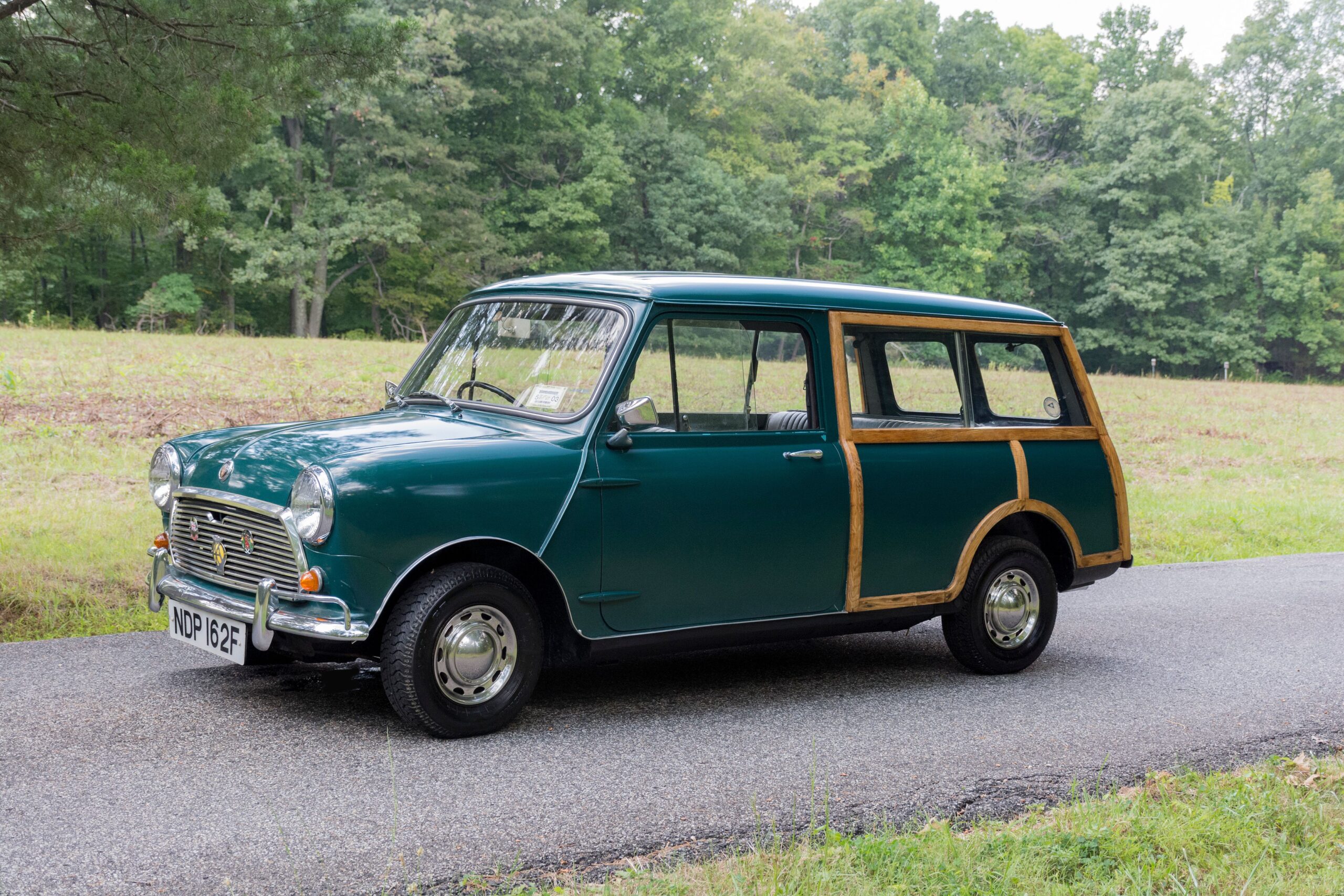
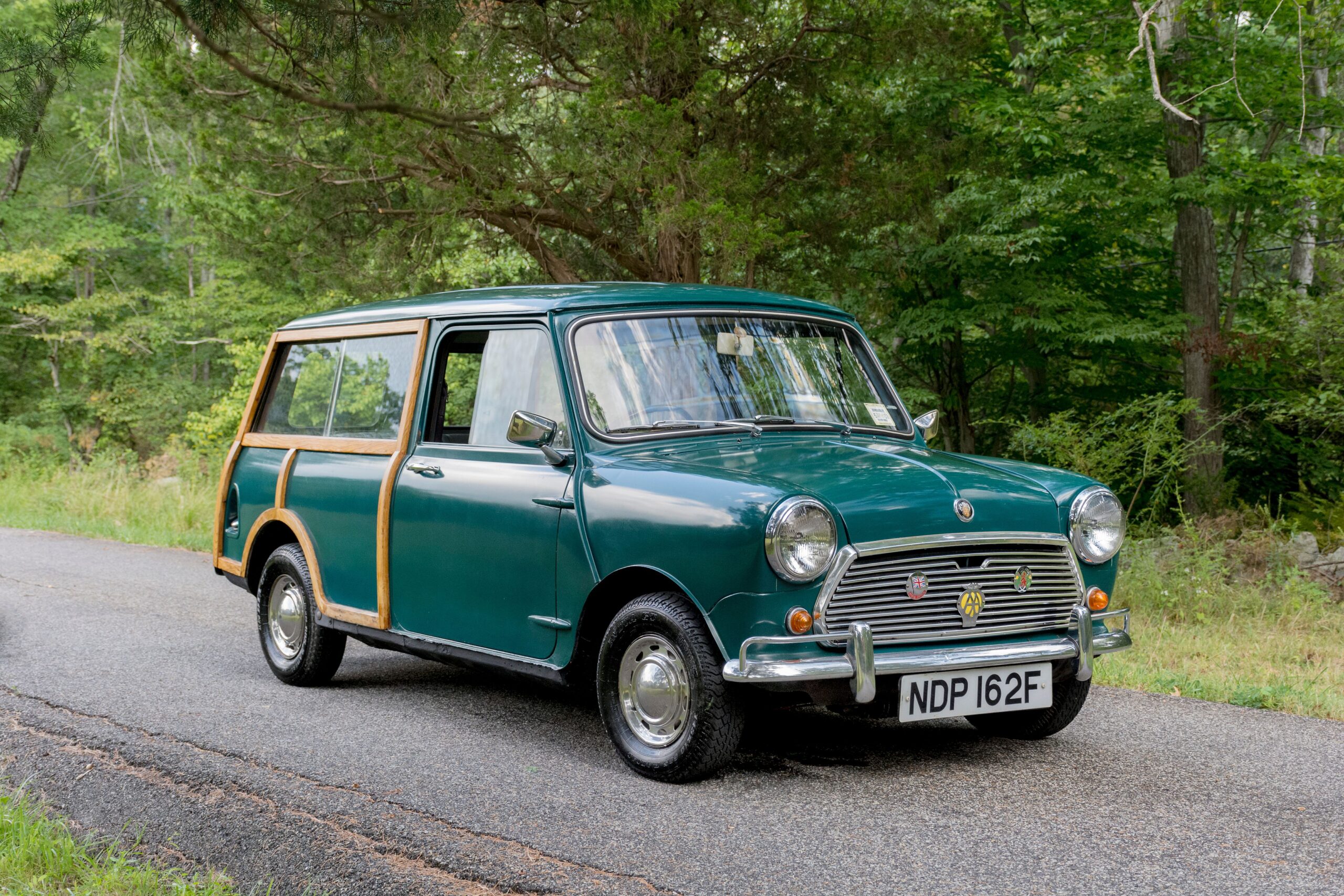
The year 1967 was a cultural kaleidoscope. While Jimi Hendrix set his guitar ablaze at Monterey and miniskirts conquered Carnaby Street, the British motor industry faced an unenviable task: how do you redesign a revolution? Alec Issigonis’s original 1959 Mini Mk I had not merely introduced a new car; it had fundamentally rewritten the architectural blueprint of the automobile. Yet, nearly a decade on, the sheer novelty of the front-wheel-drive, transverse-engined miracle was beginning to wane against a backdrop of fresh European competition like the Fiat 850 and the looming shadow of the soon-to-be-launched Ford Escort. British Motor Holdings needed to invigorate their classless icon without losing its soul. The answer was the 1967 Mini Mk II, a generation that represented the “difficult second album” of the automotive world. Available under a bewildering array of badges—Austin, Morris, the booted Wolseley Hornet and Riley Elf, the utilitarian Traveller and Countryman estates, and the fierce Cooper and Cooper S—the Mk II was tasked with carrying the torch. It had to appease the pragmatic commuter while continuing to provide the lethal, giant-killing motorsport pace that the world had come to expect from the plucky British brick.
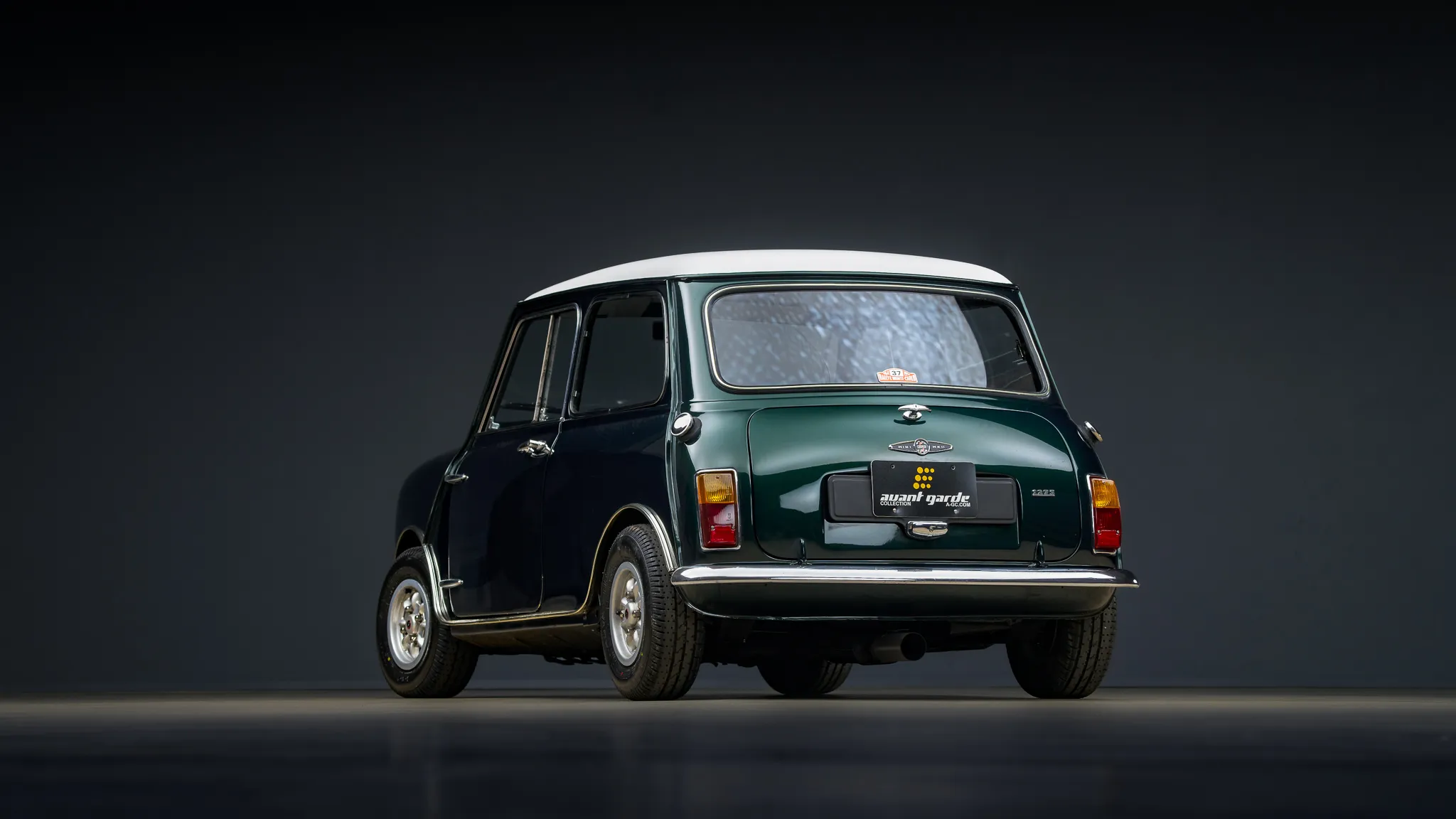
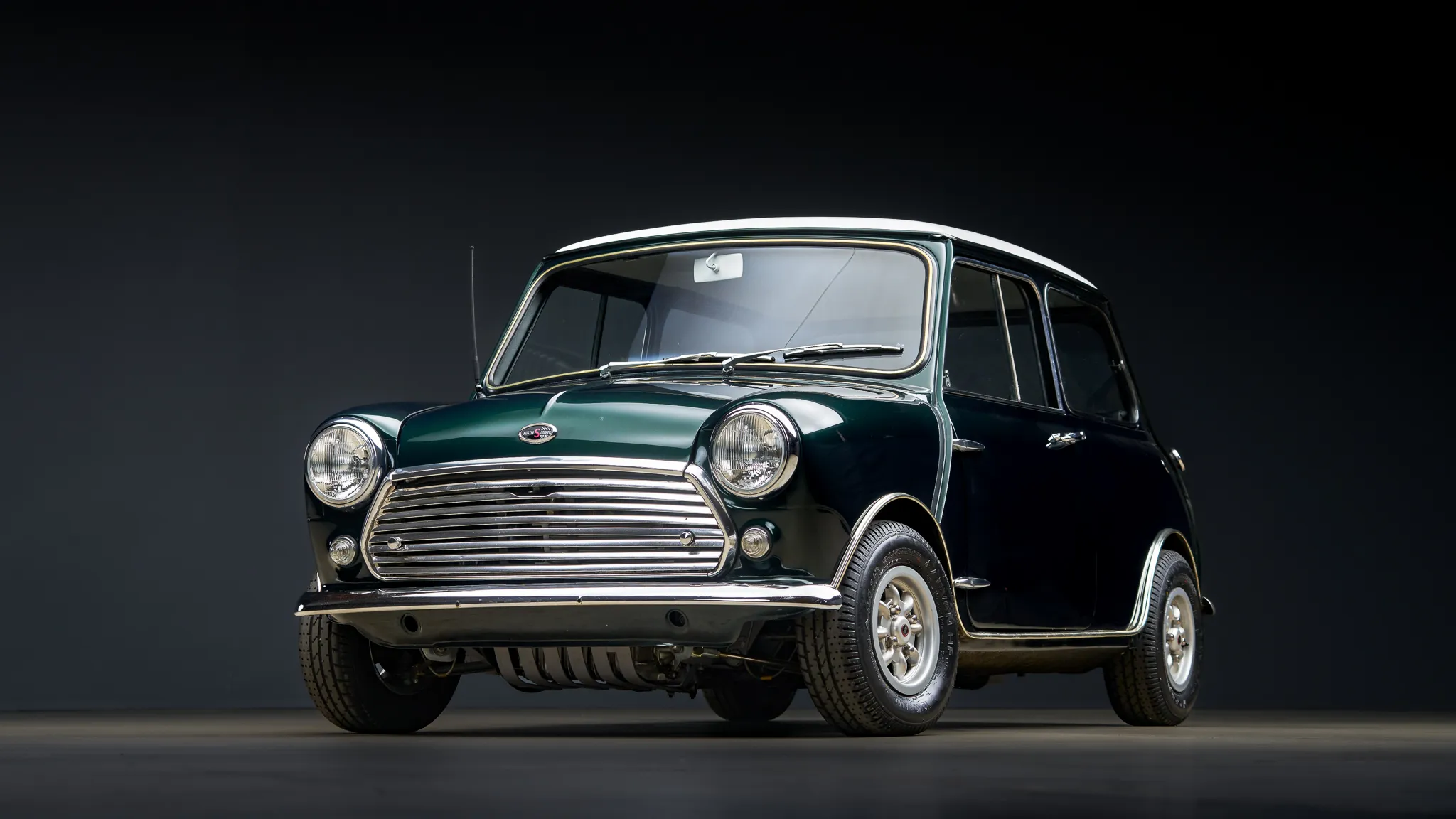
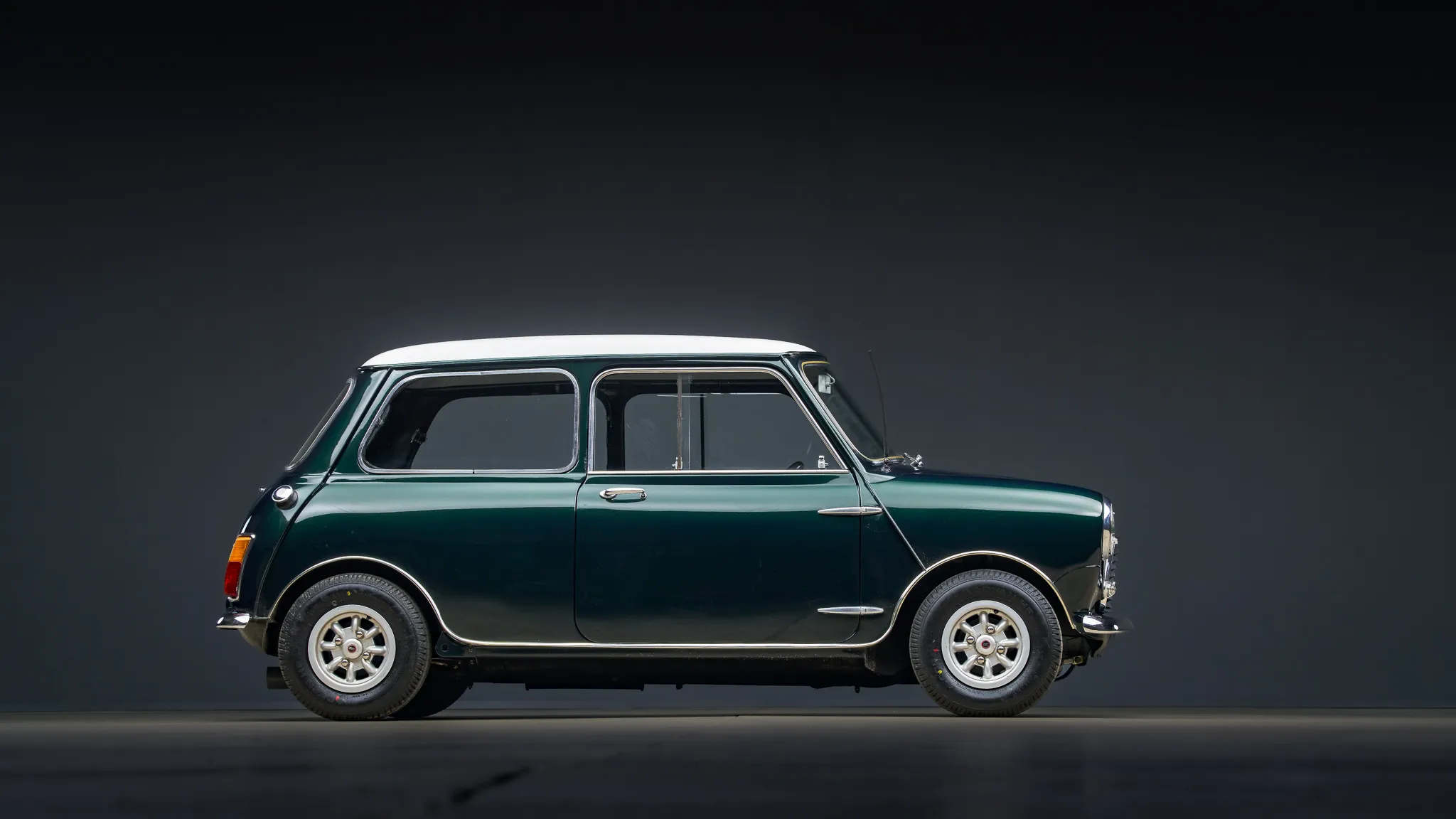
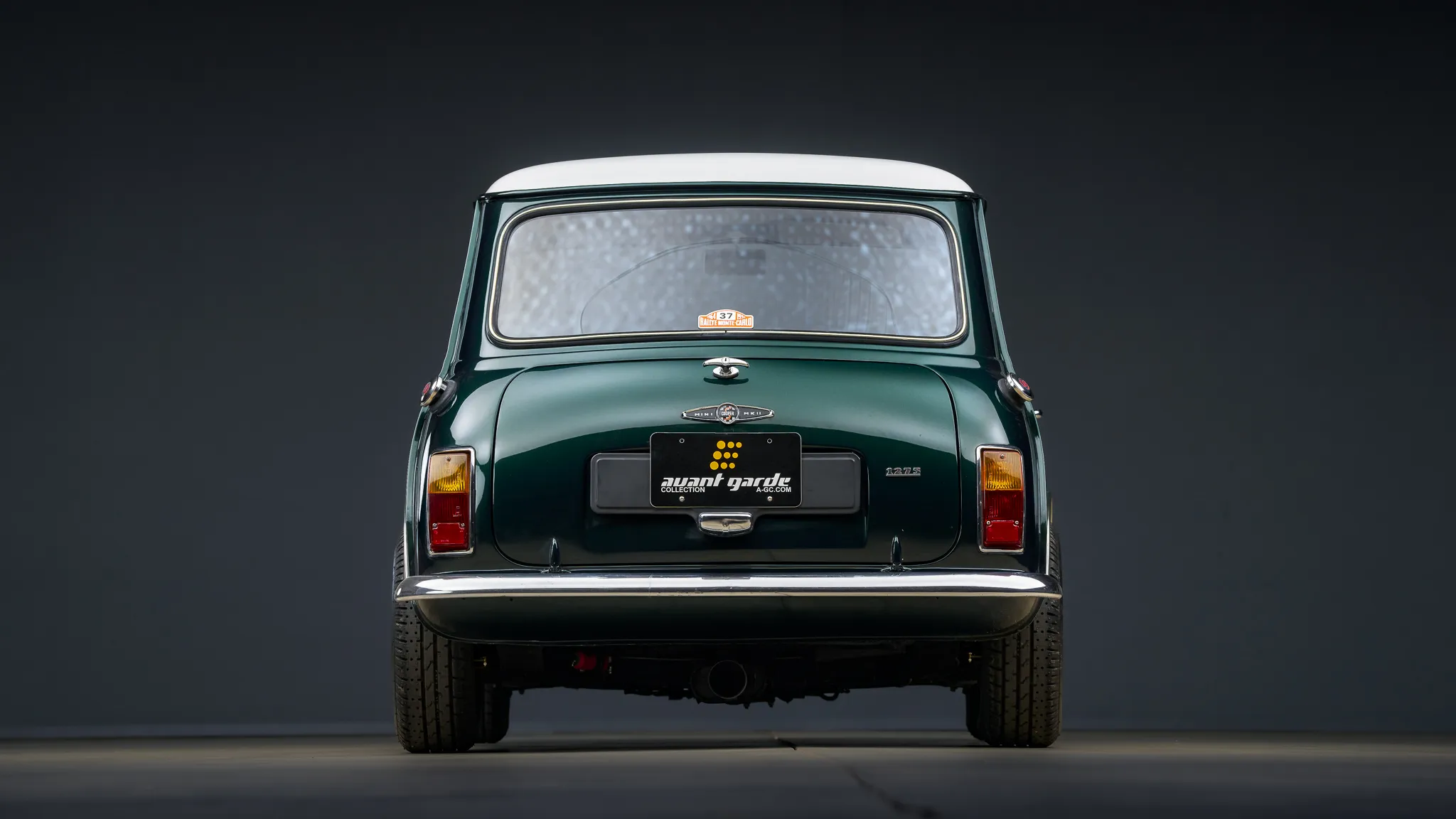
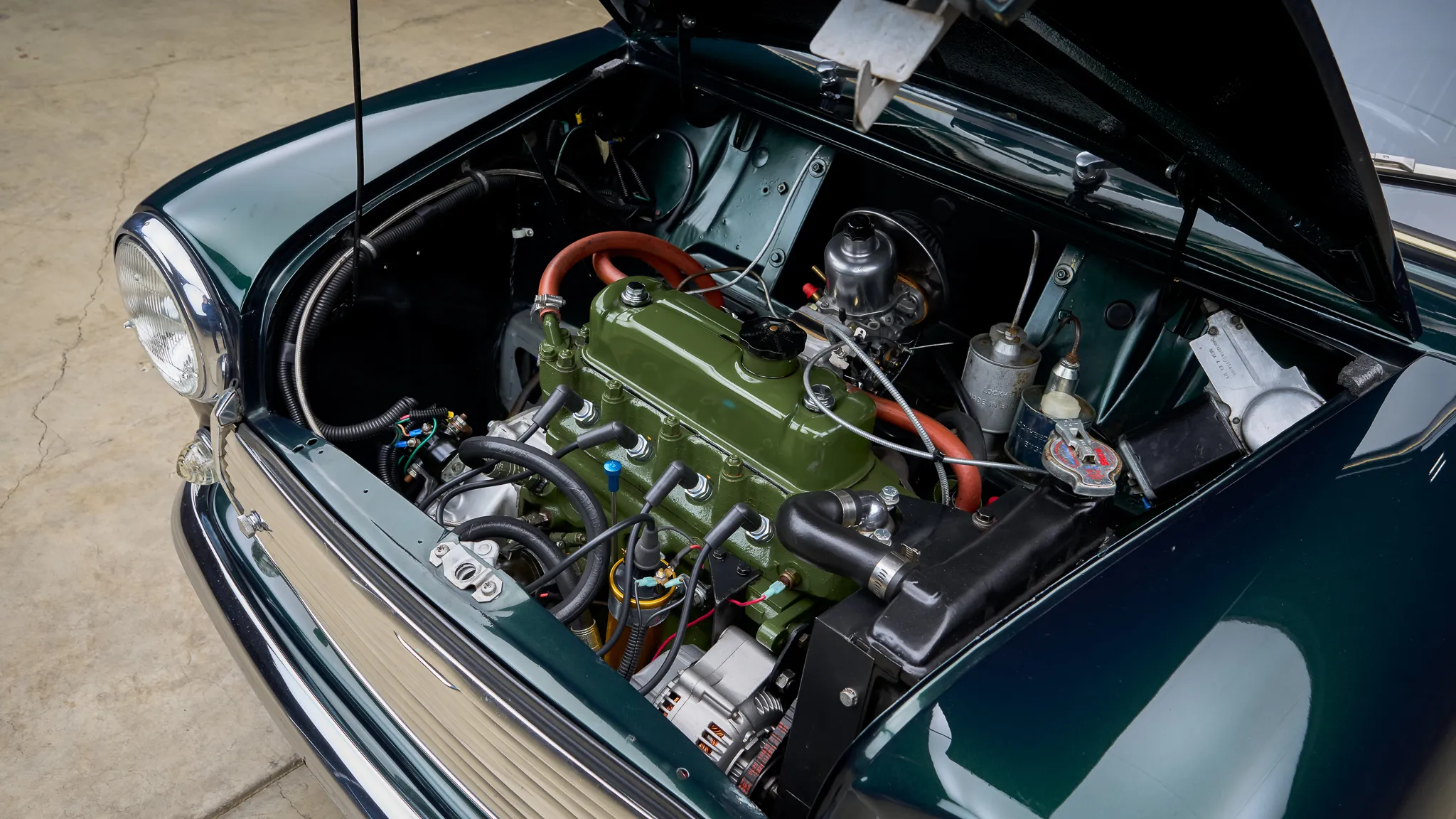
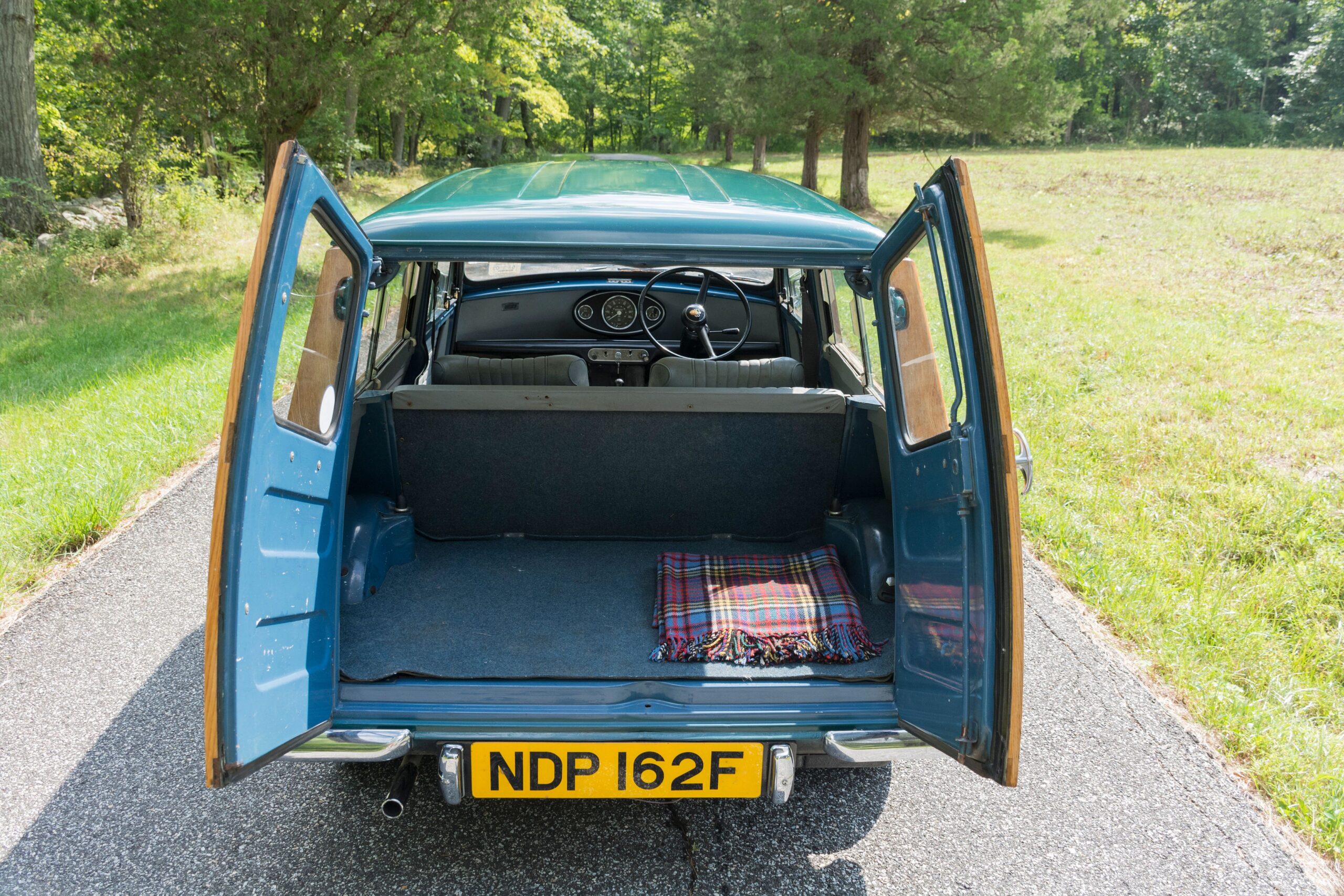
Walk around the perimeter of a 1967 Mini Mk II and the aesthetic evolution is subtle but highly deliberate, the work of designers polishing a diamond. The most immediate visual telltale was the front grille; it was redesigned to be slightly wider and squarer, giving the nose a marginally more assertive, breathing-in-the-air quality compared to the rounded mustache of the Mk I. Moving to the rear, the claustrophobic teardrop taillights were banished, replaced by larger, rectangular clusters that would define the Mini’s rear visage for the next three decades. Above them sat a noticeably larger rear window, a concession to modern visibility demands that flooded the spartan cabin with light. Yet, beneath this gently modernized steel skin, the mechanical brilliance remained largely intact, albeit refined. The venerable iron-block A-Series engine still sat sideways across the nose, with the gearbox sharing its oil sump directly below. The Mk II era saw the introduction of the 998cc engine as a mainstream powerplant, providing a vital bump in torque over the wheezy 850cc original. For the purist, the holy grail arrived late in the Mk II production run: a fully synchronized four-speed gearbox. No longer did drivers have to execute a perfect double-declutch to engage first gear while rolling up to a damp London traffic light.
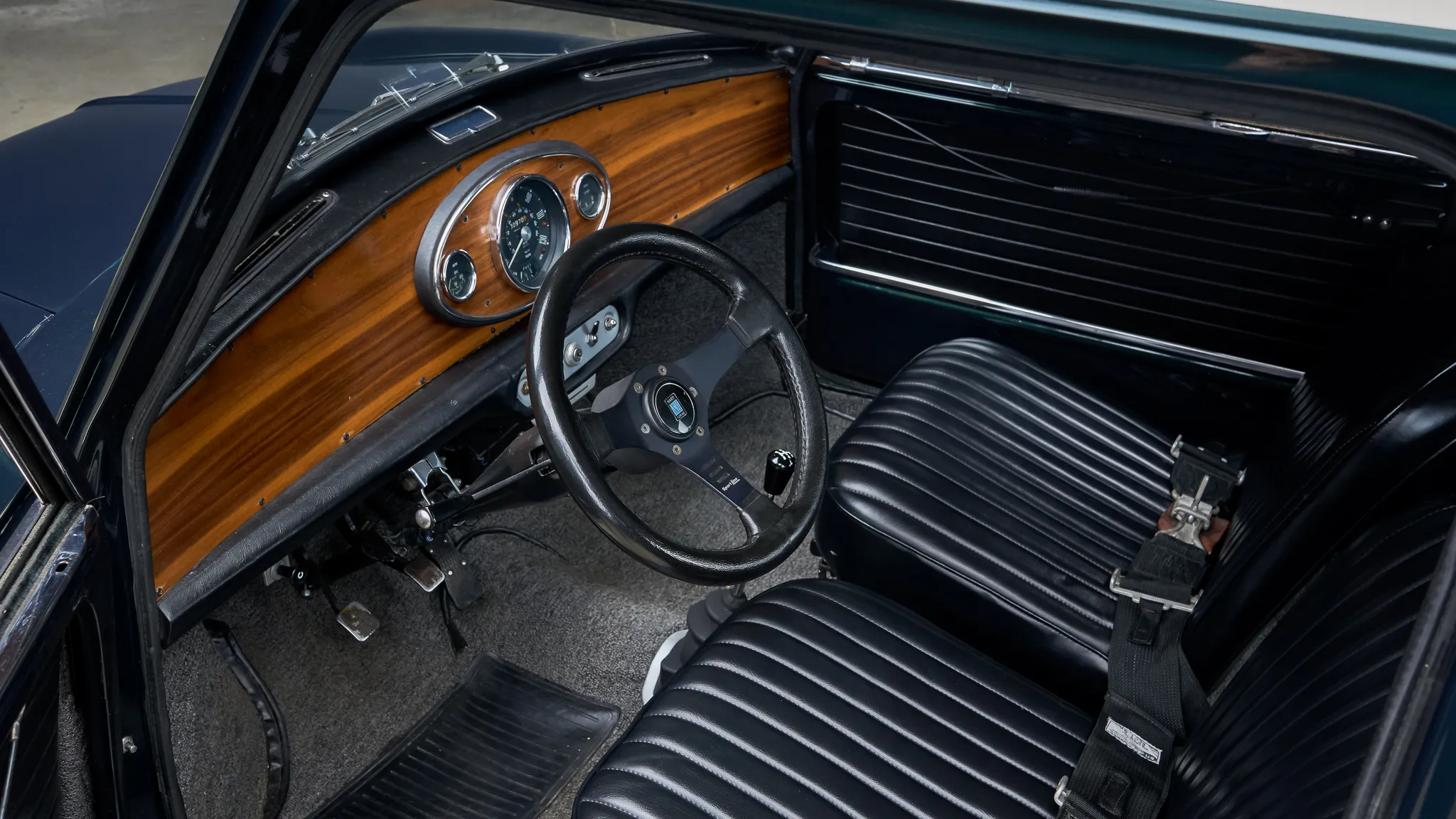
Suspension dynamics during the Mk II era were a fascinating story of engineering philosophy. Many of the standard saloons utilized Dr. Alex Moulton’s ingenious “Hydrolastic” fluid suspension system, which interconnected the front and rear wheels to provide a remarkably level, large-car ride over bumps. However, for the high-performance Cooper S models, which were frequently campaigned on the razor’s edge of adhesion, the factory famously reverted to Moulton’s original dry rubber cone suspension in 1968. The fluid system, while comfortable, occasionally induced an unpredictable secondary bounce during high-speed cornering; the dry cones returned the Cooper S to its bone-jarring, telepathic, and completely predictable go-kart handling. Braking was heavily dependent on the submodel: standard 850s and 1000s made do with drums, while the fire-breathing Cooper S variants relied on vital Lockheed front disc brakes to haul the featherweight missile down from speeds well north of 90 mph. Inside the cabin, the Mk II retained the purist’s favourite features: the exposed door hinges remained on the outside, and the doors still featured the utterly charming, weight-saving sliding glass windows with pull-cord latches.
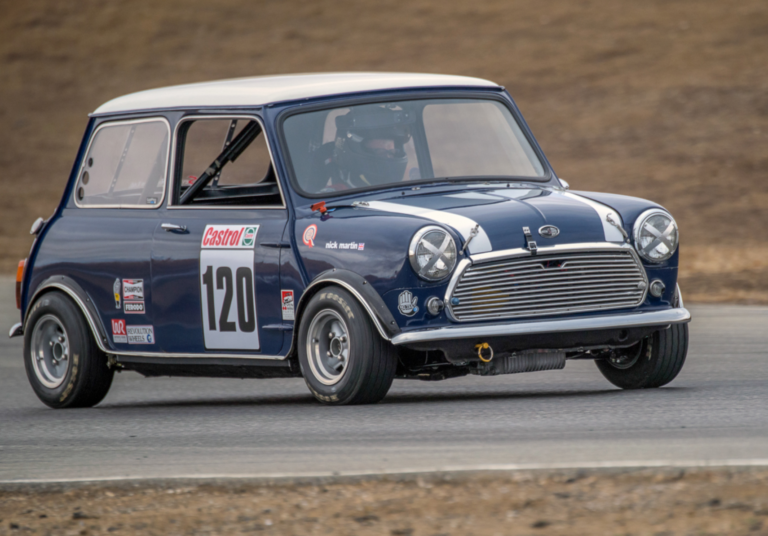
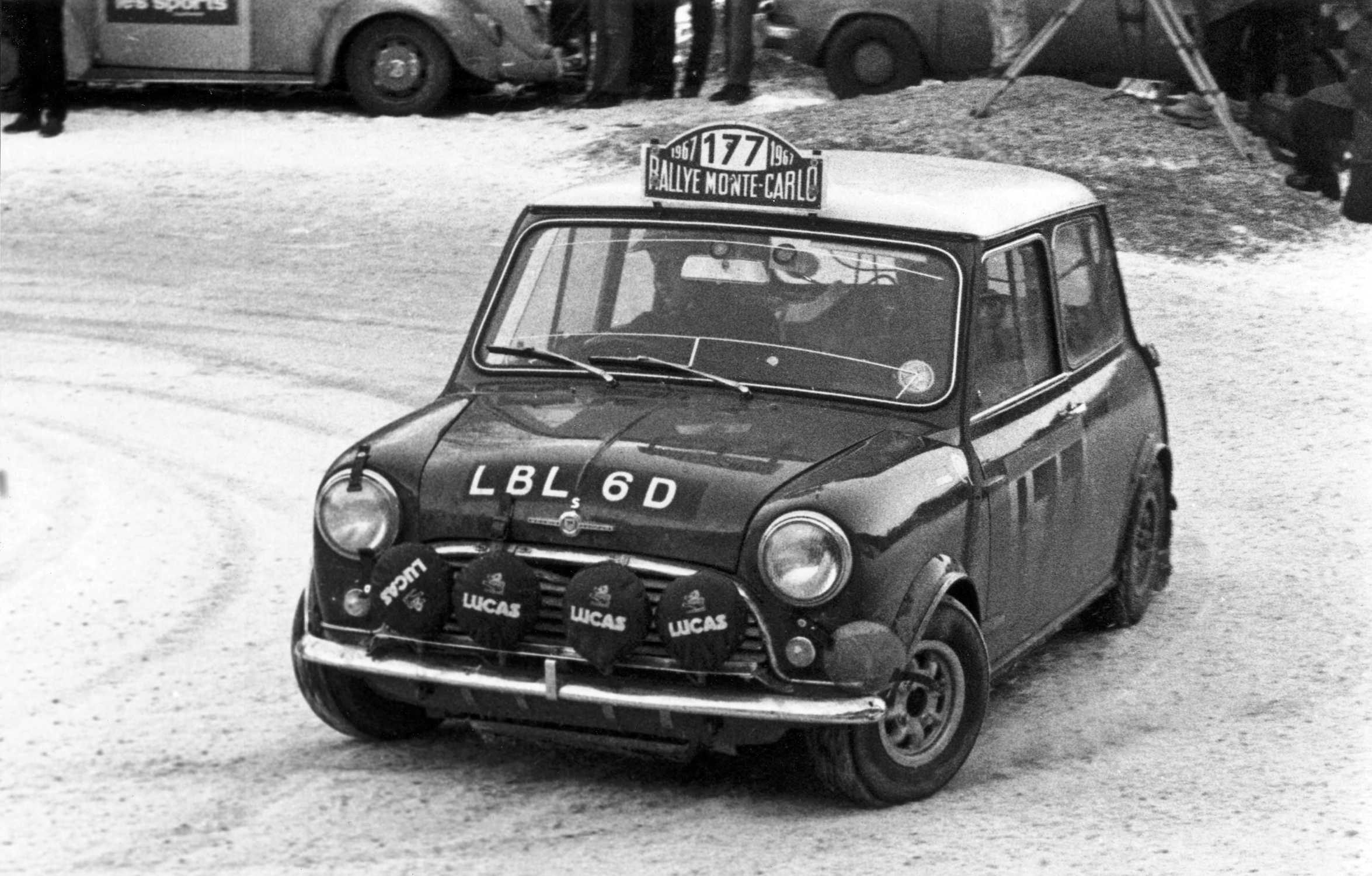
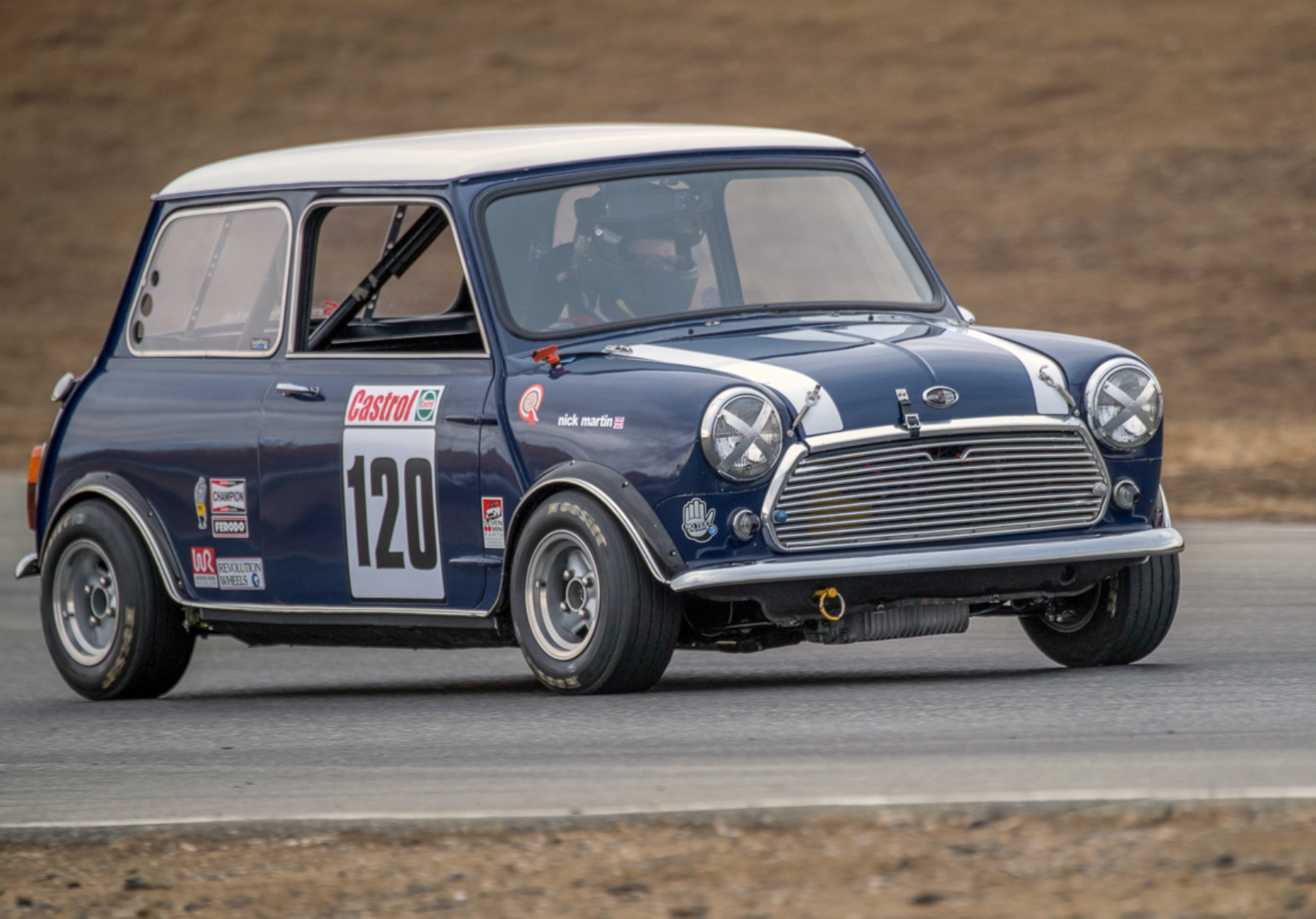
During its brief production window from late 1967 to 1969, the Mk II cemented the Mini’s status as the ultimate accessory of the Swinging Sixties. It was the vehicle of choice for royalty, rock stars, and regular families alike. Twiggy drove one; Enzo Ferrari drove one. On the motorsport stage, the Mk II Cooper S seamlessly inherited the giant-killing mantle. While the Mk I had initiated the Monte Carlo Rally dominance, the Mk II era saw the Cooper S continue to harass the establishment in the European Touring Car Championship and the domestic British Saloon Car Championship. The sight of a Mk II Cooper S, frequently sporting wide Minilite alloy wheels and blistered wheel arches, aggressively lifting its inside rear tire as it chased down a massive Ford Falcon or Chevrolet Camaro, remains one of the most evocative images in motorsport history. It was a car that relied on immense mechanical grip and the sheer bravery of drivers like John Handley to out-brake heavier, vastly more powerful machinery.
Ultimately, the Mk II was a brilliant, fleeting bridge between two eras. In 1969, it was swiftly replaced by the Mk III, which introduced internal door hinges and wind-up windows, inadvertently signalling the end of the raw, spartan charm of Issigonis’s original 1950s vision. Therefore, the Mk II stands today as the absolute zenith of the early Mini aesthetic. It possesses all the unadulterated, sliding-window character of the revolutionary Mk I, but benefits from crucial mechanical refinements like a synchronized gearbox, better visibility, and more robust A-Series engines. In the pantheon of classic cars, a Mk II Cooper S is an incredibly coveted jewel. It is a shrieking, perfectly packaged reminder of a time when British engineering confidence was at its absolute peak, proving that with a transverse engine, a wide track, and a healthy dose of defiance, the smallest car on the grid could conquer the world.
Portal
Model line
Model generation
Predecessor
Brand
Produced from
Vehicle category
Generation Overview
The year 1967 was a cultural kaleidoscope. While Jimi Hendrix set his guitar ablaze at Monterey and miniskirts conquered Carnaby Street, the British motor industry faced an unenviable task: how do you redesign a revolution? Alec Issigonis’s original 1959 Mini Mk I had not merely introduced a new car; it had fundamentally rewritten the architectural blueprint of the automobile. Yet, nearly a decade on, the sheer novelty of the front-wheel-drive, transverse-engined miracle was beginning to wane against a backdrop of fresh European competition like the Fiat 850 and the looming shadow of the soon-to-be-launched Ford Escort. British Motor Holdings needed to invigorate their classless icon without losing its soul. The answer was the 1967 Mini Mk II, a generation that represented the “difficult second album” of the automotive world. Available under a bewildering array of badges—Austin, Morris, the booted Wolseley Hornet and Riley Elf, the utilitarian Traveller and Countryman estates, and the fierce Cooper and Cooper S—the Mk II was tasked with carrying the torch. It had to appease the pragmatic commuter while continuing to provide the lethal, giant-killing motorsport pace that the world had come to expect from the plucky British brick.
Walk around the perimeter of a 1967 Mini Mk II and the aesthetic evolution is subtle but highly deliberate, the work of designers polishing a diamond. The most immediate visual telltale was the front grille; it was redesigned to be slightly wider and squarer, giving the nose a marginally more assertive, breathing-in-the-air quality compared to the rounded mustache of the Mk I. Moving to the rear, the claustrophobic teardrop taillights were banished, replaced by larger, rectangular clusters that would define the Mini’s rear visage for the next three decades. Above them sat a noticeably larger rear window, a concession to modern visibility demands that flooded the spartan cabin with light. Yet, beneath this gently modernized steel skin, the mechanical brilliance remained largely intact, albeit refined. The venerable iron-block A-Series engine still sat sideways across the nose, with the gearbox sharing its oil sump directly below. The Mk II era saw the introduction of the 998cc engine as a mainstream powerplant, providing a vital bump in torque over the wheezy 850cc original. For the purist, the holy grail arrived late in the Mk II production run: a fully synchronized four-speed gearbox. No longer did drivers have to execute a perfect double-declutch to engage first gear while rolling up to a damp London traffic light.
Suspension dynamics during the Mk II era were a fascinating story of engineering philosophy. Many of the standard saloons utilized Dr. Alex Moulton’s ingenious “Hydrolastic” fluid suspension system, which interconnected the front and rear wheels to provide a remarkably level, large-car ride over bumps. However, for the high-performance Cooper S models, which were frequently campaigned on the razor’s edge of adhesion, the factory famously reverted to Moulton’s original dry rubber cone suspension in 1968. The fluid system, while comfortable, occasionally induced an unpredictable secondary bounce during high-speed cornering; the dry cones returned the Cooper S to its bone-jarring, telepathic, and completely predictable go-kart handling. Braking was heavily dependent on the submodel: standard 850s and 1000s made do with drums, while the fire-breathing Cooper S variants relied on vital Lockheed front disc brakes to haul the featherweight missile down from speeds well north of 90 mph. Inside the cabin, the Mk II retained the purist’s favourite features: the exposed door hinges remained on the outside, and the doors still featured the utterly charming, weight-saving sliding glass windows with pull-cord latches.
During its brief production window from late 1967 to 1969, the Mk II cemented the Mini’s status as the ultimate accessory of the Swinging Sixties. It was the vehicle of choice for royalty, rock stars, and regular families alike. Twiggy drove one; Enzo Ferrari drove one. On the motorsport stage, the Mk II Cooper S seamlessly inherited the giant-killing mantle. While the Mk I had initiated the Monte Carlo Rally dominance, the Mk II era saw the Cooper S continue to harass the establishment in the European Touring Car Championship and the domestic British Saloon Car Championship. The sight of a Mk II Cooper S, frequently sporting wide Minilite alloy wheels and blistered wheel arches, aggressively lifting its inside rear tire as it chased down a massive Ford Falcon or Chevrolet Camaro, remains one of the most evocative images in motorsport history. It was a car that relied on immense mechanical grip and the sheer bravery of drivers like John Handley to out-brake heavier, vastly more powerful machinery.
Ultimately, the Mk II was a brilliant, fleeting bridge between two eras. In 1969, it was swiftly replaced by the Mk III, which introduced internal door hinges and wind-up windows, inadvertently signalling the end of the raw, spartan charm of Issigonis’s original 1950s vision. Therefore, the Mk II stands today as the absolute zenith of the early Mini aesthetic. It possesses all the unadulterated, sliding-window character of the revolutionary Mk I, but benefits from crucial mechanical refinements like a synchronized gearbox, better visibility, and more robust A-Series engines. In the pantheon of classic cars, a Mk II Cooper S is an incredibly coveted jewel. It is a shrieking, perfectly packaged reminder of a time when British engineering confidence was at its absolute peak, proving that with a transverse engine, a wide track, and a healthy dose of defiance, the smallest car on the grid could conquer the world.
Submodels