
Austin Mini Cooper S 1275 Group 2
Brand
Produced from
Portal
Vehicle category
Model line
Model generation
Predecessor
Successor
Submodel Overview
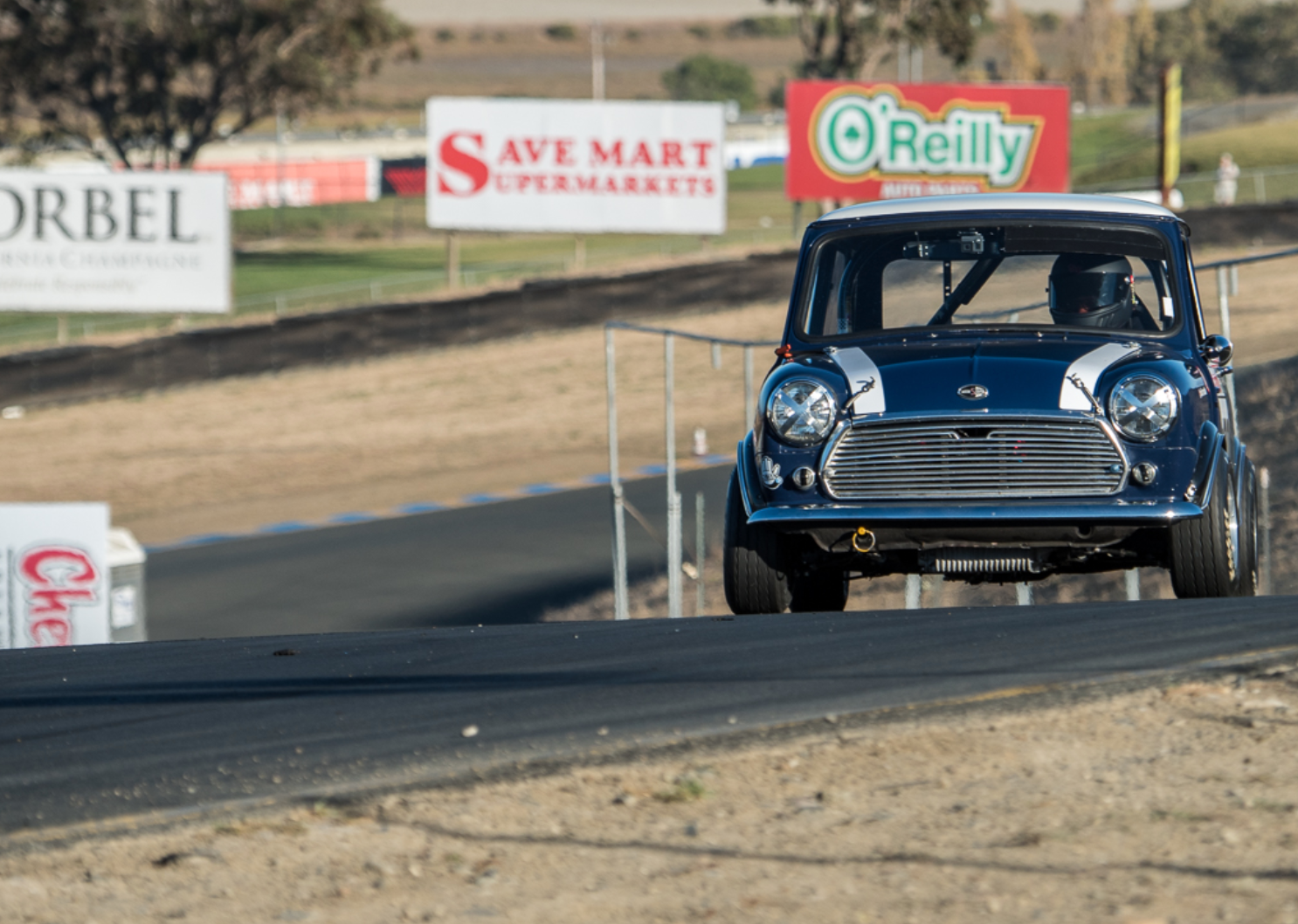
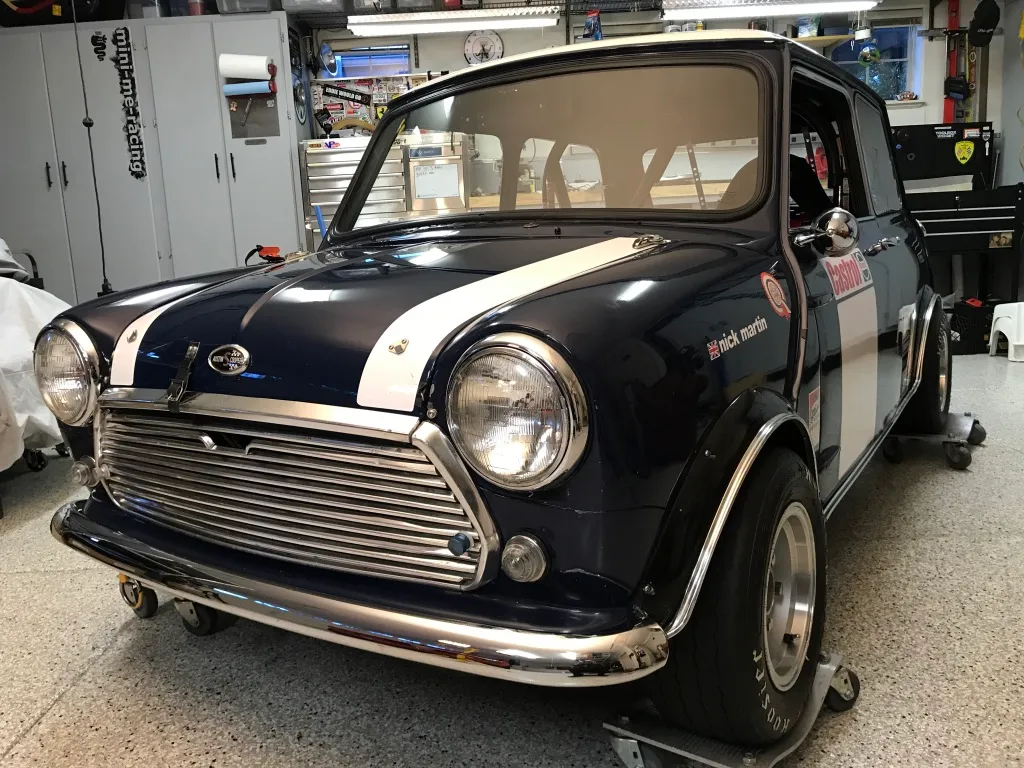
As the swinging sixties reached a vibrant, psychedelic crescendo in 1967, the european touring car landscape was rapidly morphing into a heavily armed battleground. Alec Issigonis’s revolutionary front-wheel-drive brick had already humbled the global motorsport establishment, but the era of easy victories was over. A new breed of purpose-built homologation specials was emerging from rival factories; the twin-cam Ford Escort was looming on the horizon, the Alfa Romeo Giulia GTAs were howling louder than ever, and the rear-engined Abarth 1000 TCs were snapping at the Mini’s heels. To maintain their iron grip on the small-capacity classes, the BMC Competitions Department at Abingdon introduced the 1967 Austin Mini Cooper S 1275 Group 2. This was the highly evolved, sharpened, and refined successor to the legendary Mk I. Tasked with defending British honor on the asphalt of the British Saloon Car Championship (BSCC) and the grueling European Touring Car Championship (ETCC), the Mk II Group 2 was a bespoke, giant-killing weapon wrapped in a slightly modernized, freshly tailored steel suit.
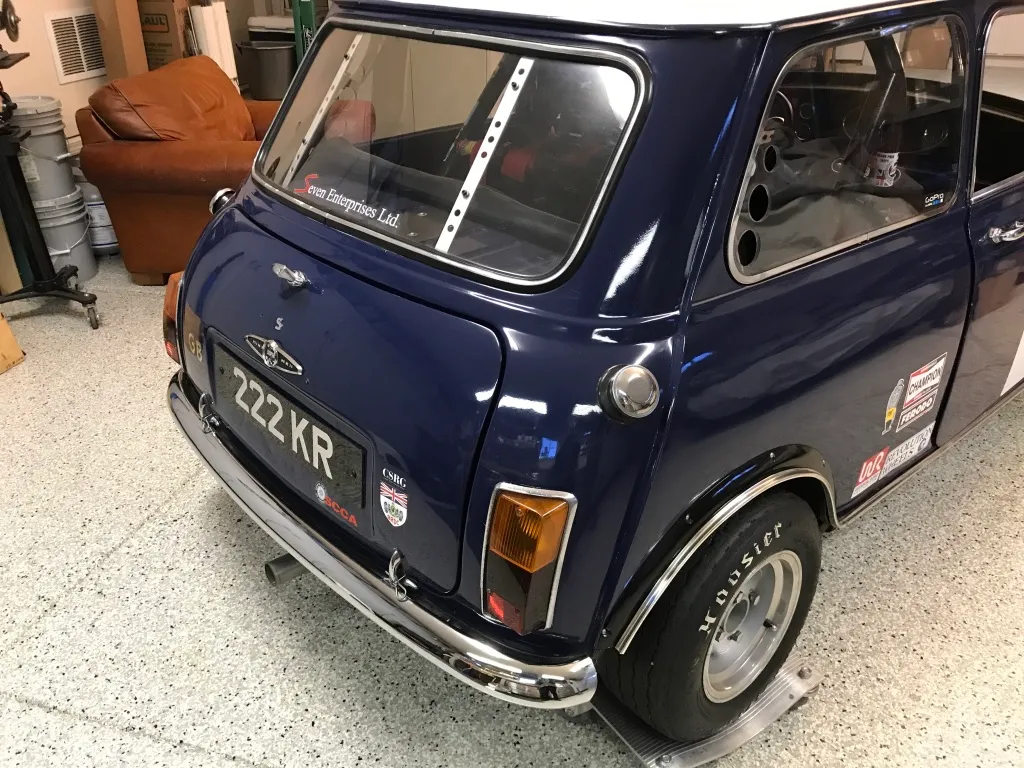
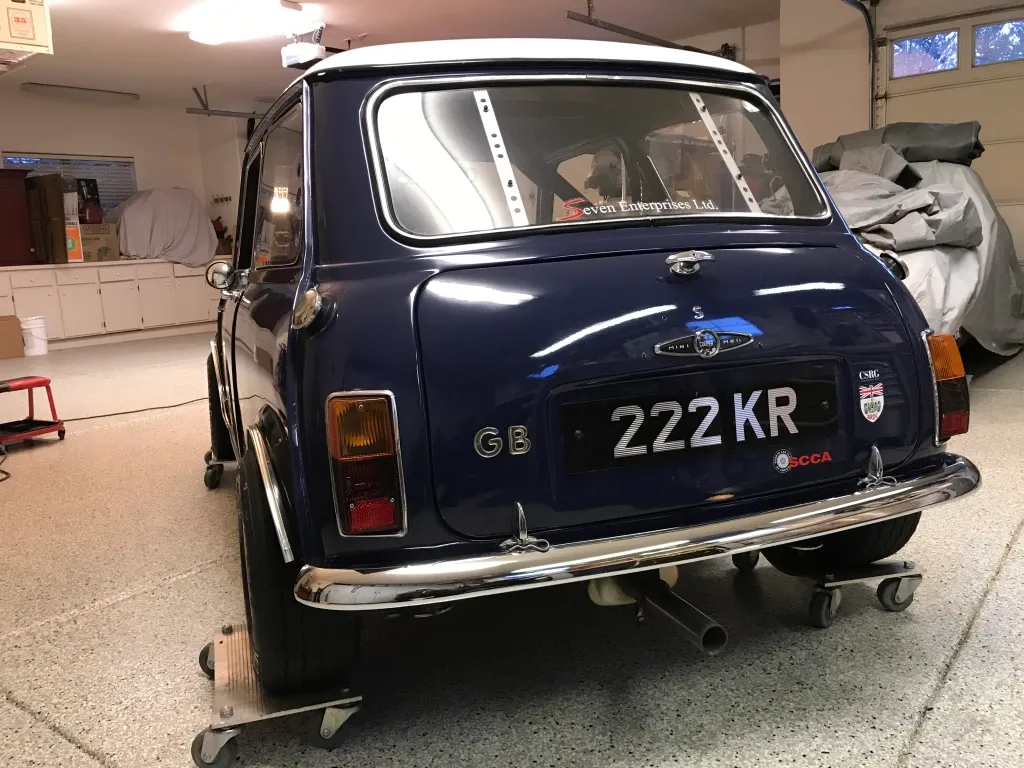
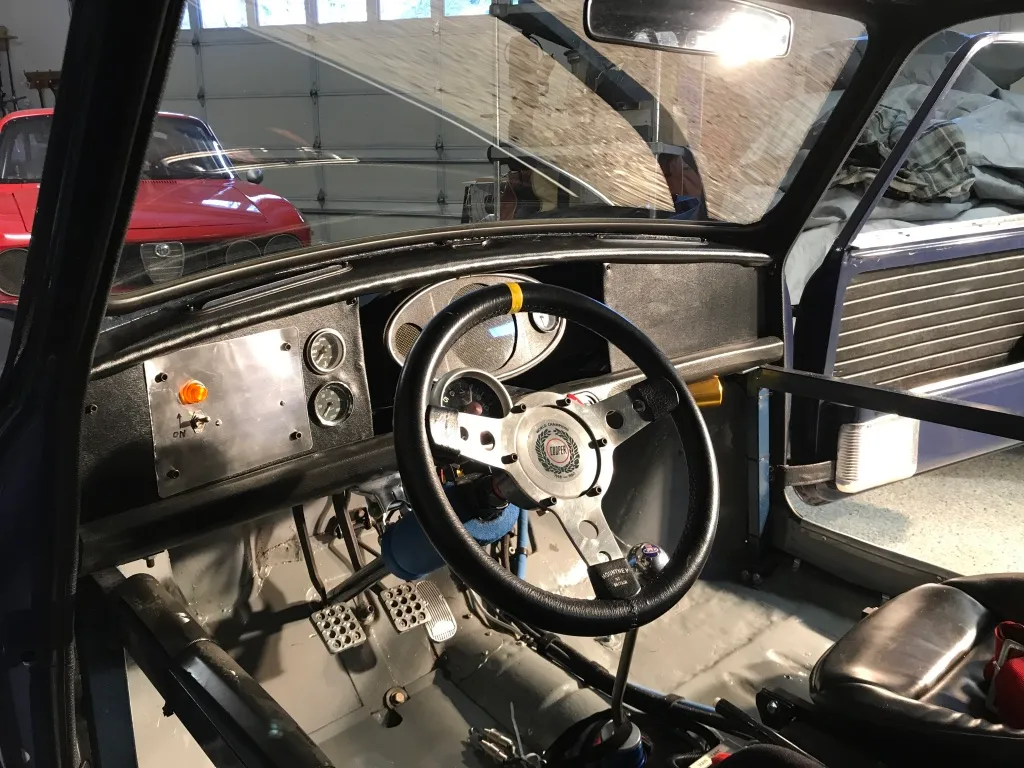
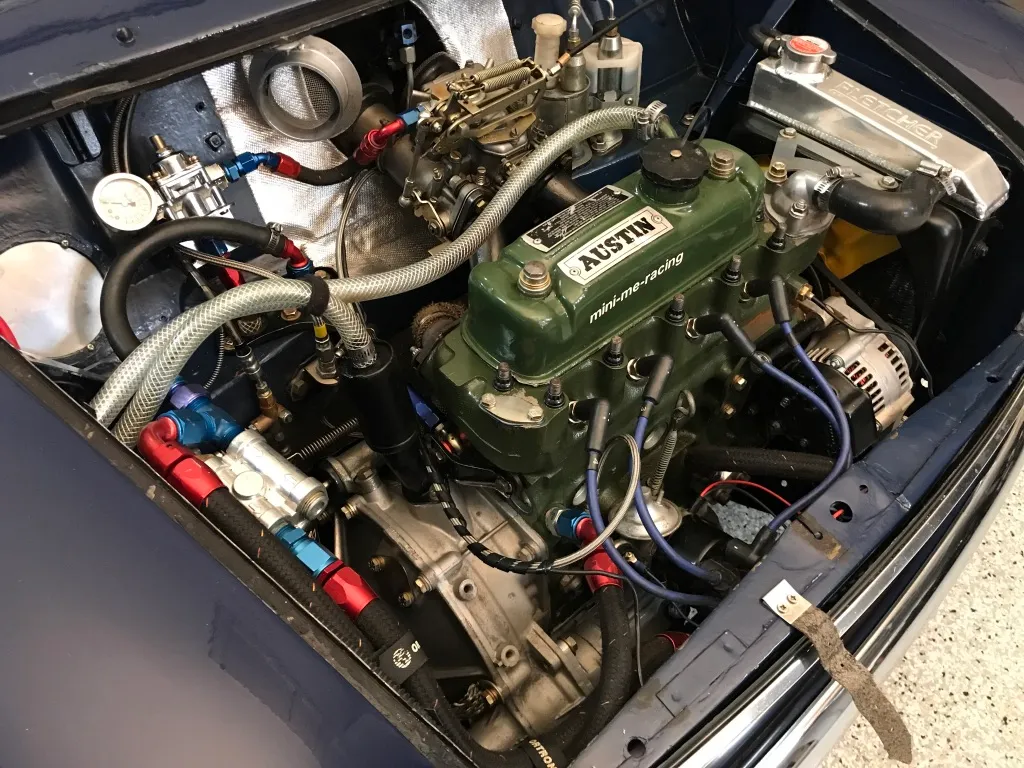
To evaluate the Mk II Cooper S 1275 in Group 2 specification is to witness a masterpiece of pragmatic, razor-edge race engineering. Visually, the Mk II announced its arrival with a wider, squared-off front grille, a larger rear window for improved visibility, and new rectangular taillights. However, in Works racing guise, this polite aesthetic was shattered by the addition of aggressively flared wheel arches designed to house wide, magnesium Minilite wheels wrapped in sticky Dunlop racing rubber. Beneath the bonnet lived the absolute zenith of the BMC A-Series engine. Bored out to 1275cc and meticulously prepared by Abingdon’s finest mechanics, this transverse, iron-block marvel featured a forged nitrided crankshaft, a radically flowed cylinder head, and a pair of massive twin SU carburettors. In race tune, it reliably produced north of 115 brake horsepower, creating an astonishing power-to-weight ratio for a car that weighed little more than 600 kilograms. Crucially, the Mk II era introduced a fully synchronized close-ratio four-speed gearbox, finally allowing drivers to bang through the gears with lightning speed without the need for delicate double-declutching. Suspension was a contentious, fascinating subject during this era. While early Mk IIs were saddled with the comfortable but slightly unpredictable Hydrolastic fluid suspension, the Works racers quickly demanded a return to Dr. Alex Moulton’s original dry rubber cones. This rigid, unforgiving setup provided the razor-sharp, telepathic turn-in and predictable lift-off oversteer that was absolutely vital for surviving a 50-lap touring car brawl. Stopping power was provided by heavy-duty 7.5-inch Lockheed front disc brakes, essential for hauling the screaming featherweight down from 175 km/h (110 mph). Inside, the Group 2 homologation rules mandated a stripped, utilitarian workspace featuring a stark roll hoop, a singular racing bucket seat, a wood-rimmed steering wheel, and a massive central tachometer to monitor the highly strung A-Series redline.
Unleashed onto the circuits of Europe, the Mk II 1275 Group 2 orchestrated some of the most spectacular, physics-defying performances of the decade. In the BSCC, it continued the beloved tradition of David harassing Goliath. The sight of a Tartan Red and Old English White Mk II, cocking its inside rear wheel high into the air as it aggressively dive-bombed massive American Ford Falcons and Chevrolet Camaros into the corners of Brands Hatch or Crystal Palace, is etched permanently into British motorsport folklore. It was a machine that required utter commitment; drivers had to carry immense momentum through the bends to compensate for the straight-line deficit against the V8s. On the continent, the Mk II proved even more devastating. In 1968, the incredibly talented British driver John Handley piloted a Works Mk II Cooper S to secure the European Touring Car Championship, proving that the aging transverse-engine formula could still out-handle the most sophisticated machinery Italy and Germany had to offer. However, the late 1960s also marked a bittersweet twilight for the model. The corporate turmoil that birthed British Leyland ultimately led to the tragic closure of the legendary Abingdon Competitions Department in 1970, meaning the Mk II was the final factory-backed chapter of the classic Mini’s golden motorsport era.
The legacy of the 1967 Austin Mini Mk II Cooper S 1275 Group 2 is that of the ultimate, refined works warrior. It took the raw, groundbreaking brilliance of the Mk I and polished it with vital mechanical updates like the synchronized gearbox, creating a vehicle that was arguably the most capable racing Mini ever built by the factory. While the rear-wheel-drive Ford Escort would eventually inherit the touring car crown in the 1970s, the Mk II Cooper S remains the definitive, howling monument to front-wheel-drive dominance in the swinging sixties. Today, a genuine, period-campaigned Group 2 Mk II is a revered artifact in the historic racing community. It holds a sacred place in the pantheon of motor racing as a brilliantly packaged, defiant little brick that relied on sheer mechanical grip and driver bravery to conquer the giants of the automotive world.
Brand
Produced from
Portal
Vehicle category
Model line
Model generation
Predecessor
Sucessor
Brand
Produced from
Portal
Vehicle category
Model line
Model generation
Predecessor
Sucessor
Submodel Overview
As the swinging sixties reached a vibrant, psychedelic crescendo in 1967, the european touring car landscape was rapidly morphing into a heavily armed battleground. Alec Issigonis’s revolutionary front-wheel-drive brick had already humbled the global motorsport establishment, but the era of easy victories was over. A new breed of purpose-built homologation specials was emerging from rival factories; the twin-cam Ford Escort was looming on the horizon, the Alfa Romeo Giulia GTAs were howling louder than ever, and the rear-engined Abarth 1000 TCs were snapping at the Mini’s heels. To maintain their iron grip on the small-capacity classes, the BMC Competitions Department at Abingdon introduced the 1967 Austin Mini Cooper S 1275 Group 2. This was the highly evolved, sharpened, and refined successor to the legendary Mk I. Tasked with defending British honor on the asphalt of the British Saloon Car Championship (BSCC) and the grueling European Touring Car Championship (ETCC), the Mk II Group 2 was a bespoke, giant-killing weapon wrapped in a slightly modernized, freshly tailored steel suit.
To evaluate the Mk II Cooper S 1275 in Group 2 specification is to witness a masterpiece of pragmatic, razor-edge race engineering. Visually, the Mk II announced its arrival with a wider, squared-off front grille, a larger rear window for improved visibility, and new rectangular taillights. However, in Works racing guise, this polite aesthetic was shattered by the addition of aggressively flared wheel arches designed to house wide, magnesium Minilite wheels wrapped in sticky Dunlop racing rubber. Beneath the bonnet lived the absolute zenith of the BMC A-Series engine. Bored out to 1275cc and meticulously prepared by Abingdon’s finest mechanics, this transverse, iron-block marvel featured a forged nitrided crankshaft, a radically flowed cylinder head, and a pair of massive twin SU carburettors. In race tune, it reliably produced north of 115 brake horsepower, creating an astonishing power-to-weight ratio for a car that weighed little more than 600 kilograms. Crucially, the Mk II era introduced a fully synchronized close-ratio four-speed gearbox, finally allowing drivers to bang through the gears with lightning speed without the need for delicate double-declutching. Suspension was a contentious, fascinating subject during this era. While early Mk IIs were saddled with the comfortable but slightly unpredictable Hydrolastic fluid suspension, the Works racers quickly demanded a return to Dr. Alex Moulton’s original dry rubber cones. This rigid, unforgiving setup provided the razor-sharp, telepathic turn-in and predictable lift-off oversteer that was absolutely vital for surviving a 50-lap touring car brawl. Stopping power was provided by heavy-duty 7.5-inch Lockheed front disc brakes, essential for hauling the screaming featherweight down from 175 km/h (110 mph). Inside, the Group 2 homologation rules mandated a stripped, utilitarian workspace featuring a stark roll hoop, a singular racing bucket seat, a wood-rimmed steering wheel, and a massive central tachometer to monitor the highly strung A-Series redline.
Unleashed onto the circuits of Europe, the Mk II 1275 Group 2 orchestrated some of the most spectacular, physics-defying performances of the decade. In the BSCC, it continued the beloved tradition of David harassing Goliath. The sight of a Tartan Red and Old English White Mk II, cocking its inside rear wheel high into the air as it aggressively dive-bombed massive American Ford Falcons and Chevrolet Camaros into the corners of Brands Hatch or Crystal Palace, is etched permanently into British motorsport folklore. It was a machine that required utter commitment; drivers had to carry immense momentum through the bends to compensate for the straight-line deficit against the V8s. On the continent, the Mk II proved even more devastating. In 1968, the incredibly talented British driver John Handley piloted a Works Mk II Cooper S to secure the European Touring Car Championship, proving that the aging transverse-engine formula could still out-handle the most sophisticated machinery Italy and Germany had to offer. However, the late 1960s also marked a bittersweet twilight for the model. The corporate turmoil that birthed British Leyland ultimately led to the tragic closure of the legendary Abingdon Competitions Department in 1970, meaning the Mk II was the final factory-backed chapter of the classic Mini’s golden motorsport era.
The legacy of the 1967 Austin Mini Mk II Cooper S 1275 Group 2 is that of the ultimate, refined works warrior. It took the raw, groundbreaking brilliance of the Mk I and polished it with vital mechanical updates like the synchronized gearbox, creating a vehicle that was arguably the most capable racing Mini ever built by the factory. While the rear-wheel-drive Ford Escort would eventually inherit the touring car crown in the 1970s, the Mk II Cooper S remains the definitive, howling monument to front-wheel-drive dominance in the swinging sixties. Today, a genuine, period-campaigned Group 2 Mk II is a revered artifact in the historic racing community. It holds a sacred place in the pantheon of motor racing as a brilliantly packaged, defiant little brick that relied on sheer mechanical grip and driver bravery to conquer the giants of the automotive world.
Tech Specs
Technical Specifications
Tech Specs
Technical Specifications
Engine
01
03
Internal combustion engine
Configuration
BMC A-Series, Inline-4
Location
Front, transversely mounted
Construction
Cast iron block and head
Displacement (cc)
1,275 cc
Displacement (cu in)
77.8 cu in
Compression
~11.0:1
Bore x Stroke
70.6 mm x 81.3 mm
Valvetrain
2 valves per cylinder, OHV
Fuel feed
2 x SU HS4 carburetors (or Weber 45 DCOE for circuit racing)
Lubrication
Wet sump
Aspiration
Naturally aspirated
Output
Power (hp)
~105 hp
Power (kW)
~78 kW
Max power at
7,000 RPM
Torque (Nm)
125 Nm
Torque (ft lbs)
92 ft lbs
Max torque at
4,500 RPM
Drivetrain
02
03
Chassis
Type
Monocoque unibody
Material
Steel
Body
Material
Steel
Transmission
Gearbox
BMC 4-speed manual
Drive
Front Wheel Drive (Limited Slip Differential)
Suspension
Front
Independent, unequal length wishbones, Hydrolastic interconnected fluid displacers (or rubber cone springs), telescopic dampers
Rear
Independent, trailing arms, Hydrolastic interconnected fluid displacers (or rubber cone springs), telescopic dampers
Steering
Type
Rack and pinion, unassisted
Brakes
Front
Solid steel discs Ø190.5 mm (7.5 in), Lockheed calipers
Rear
Drum brakes Ø178 mm (7 in) (often finned alloy "Minifins")
Wheels
Front
4.5" x 10" (Minilite cast magnesium alloy)
Rear
4.5" x 10" (Minilite cast magnesium alloy)
Tires
Front
5.00-10
Rear
5.00-10
Dimensions and performance
03
03
Dimensions
Length (mm)
3,054 mm
Length (in)
120.2 in
Width (mm)
1,410 mm
Width (in)
55.5 in
Height (mm)
~1,310 mm
Height (in)
~51.6 in
Wheelbase (mm)
2,036 mm
Wheelbase (in)
80.1 in
Weight (kg)
~640 kg
Weight (lbs)
~1,411 lbs
Performance
Power to weight
~0.16 hp/kg
Top speed (km/h)
~165 km/h
Top speed (mph)
~103 mph
0-100 km/h (0-60 mph)
~8.2 s