
TVR Griffith 200 / 400 / 600
Generation Overview
A blip of the throttle in a 1963 TVR Griffith doesn’t just rev the engine; it threatens to rotate the entire featherweight chassis around the crankshaft. While the European establishment spent the early 1960s refining independent suspensions and wind-tunnel aerodynamics, an American Ford dealer named Jack Griffith decided that the solution to automotive supremacy was simply a matter of explosive displacement. Legend dictates that Griffith, fueled by competitive banter with his friend Carroll Shelby, boldly declared he could build a car to outrun the mighty Cobra. Shelby had already proven the Anglo-American hybrid formula by stuffing a Ford V8 into the AC Ace. Griffith’s approach was identical in concept but far more unhinged in execution: he selected the diminutive, fiberglass-bodied TVR Grantura, a car with a wheelbase significantly shorter than a modern supermini. The resulting TVR Griffith—comprising the incredibly raw 200, the refined 400, and the mythical 600—arrived as a sledgehammer in a world of scalpels. It was a machine explicitly designed to humiliate Chevrolet Corvettes and Shelby Cobras in North American SCCA competition, prioritizing apocalyptic straight-line speed over any semblance of driver comfort or touring refinement.
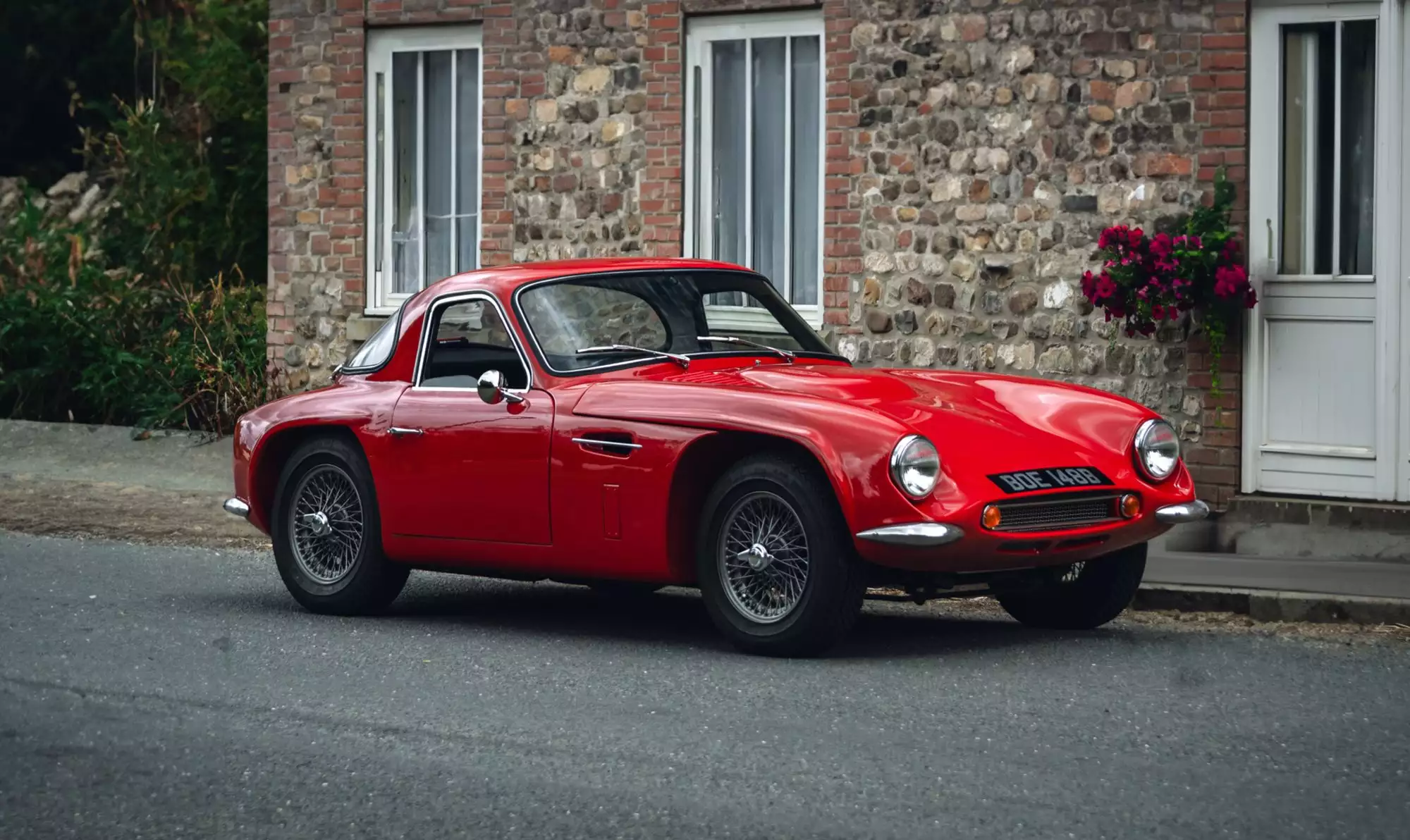
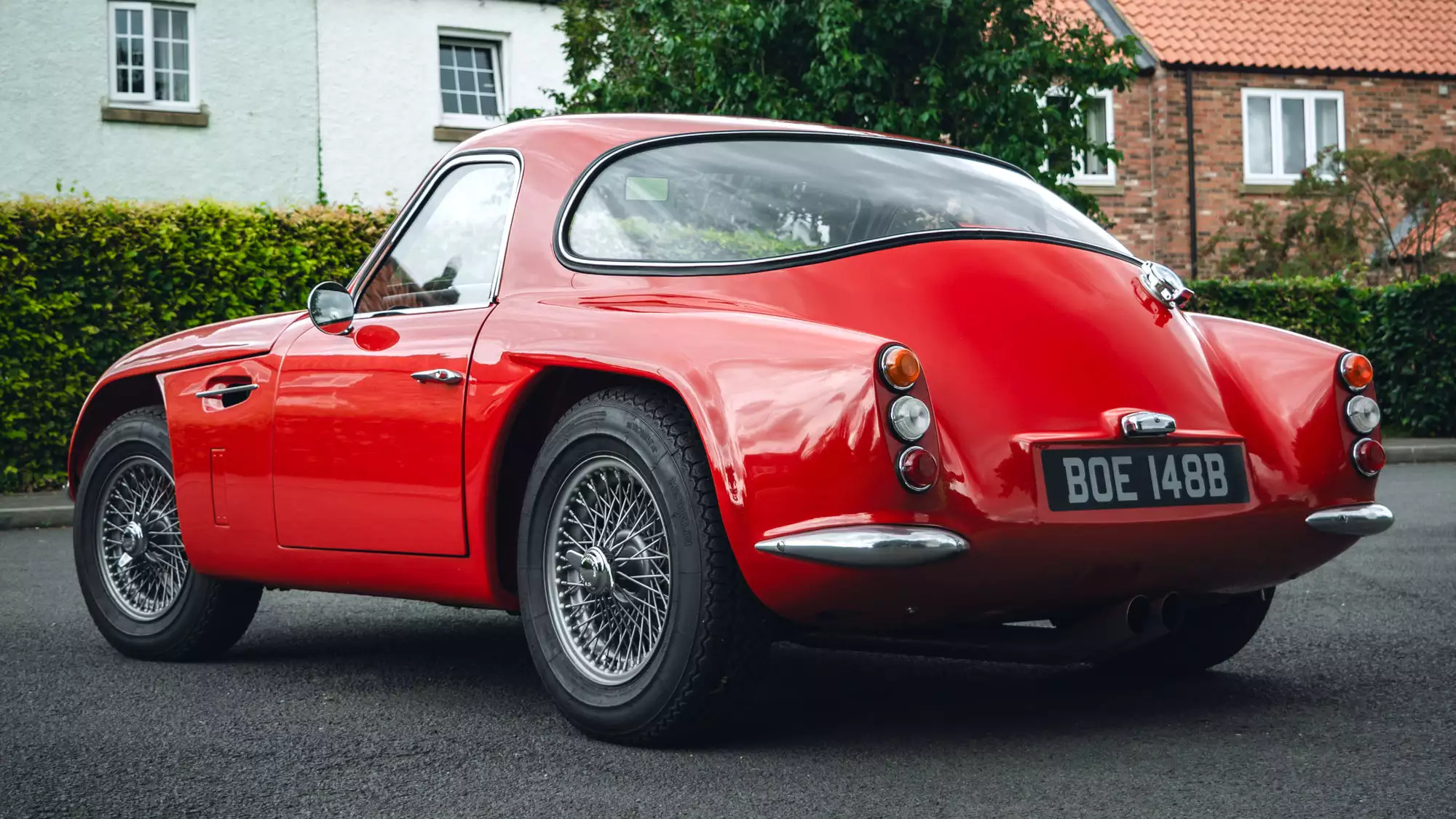
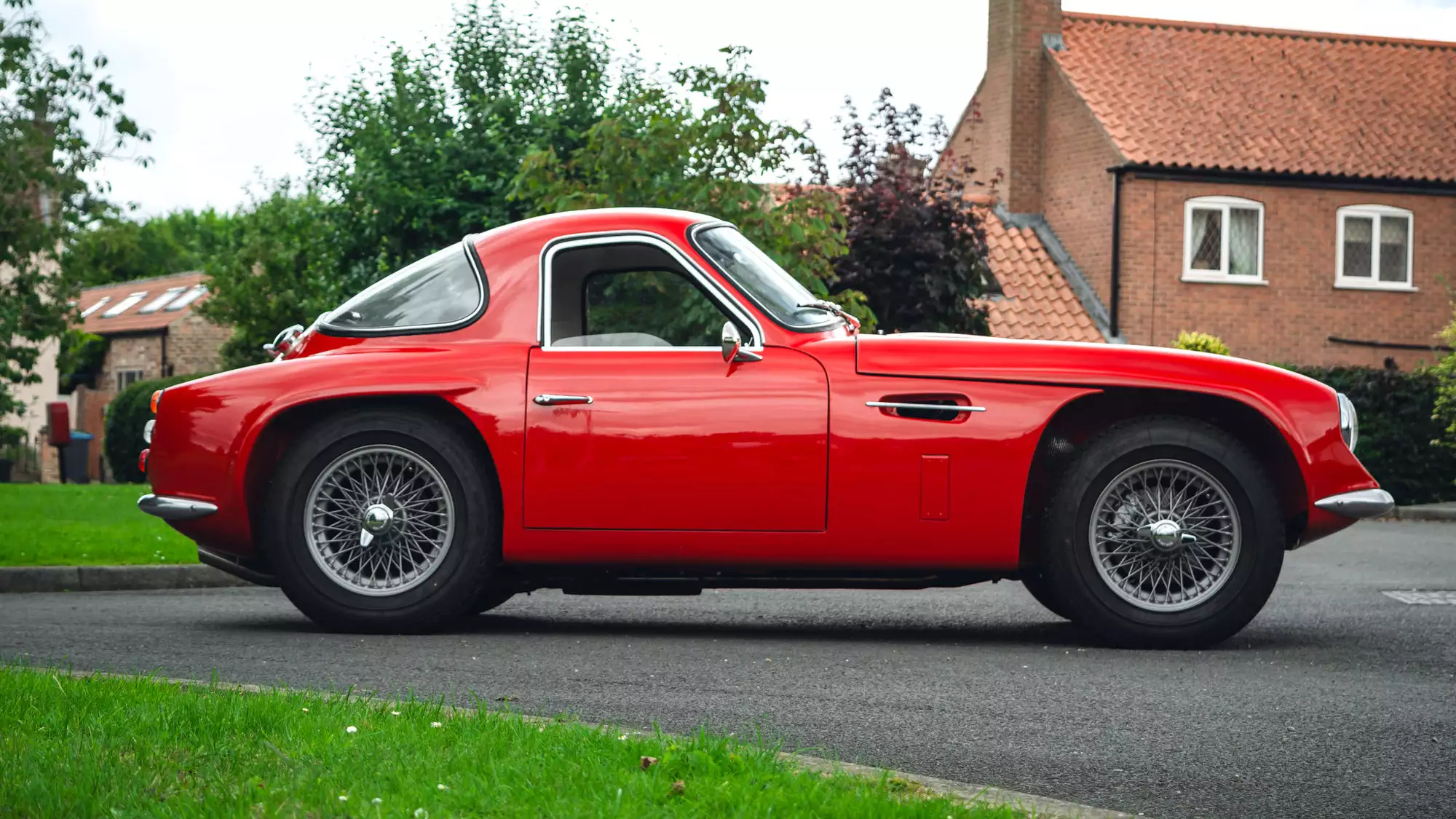
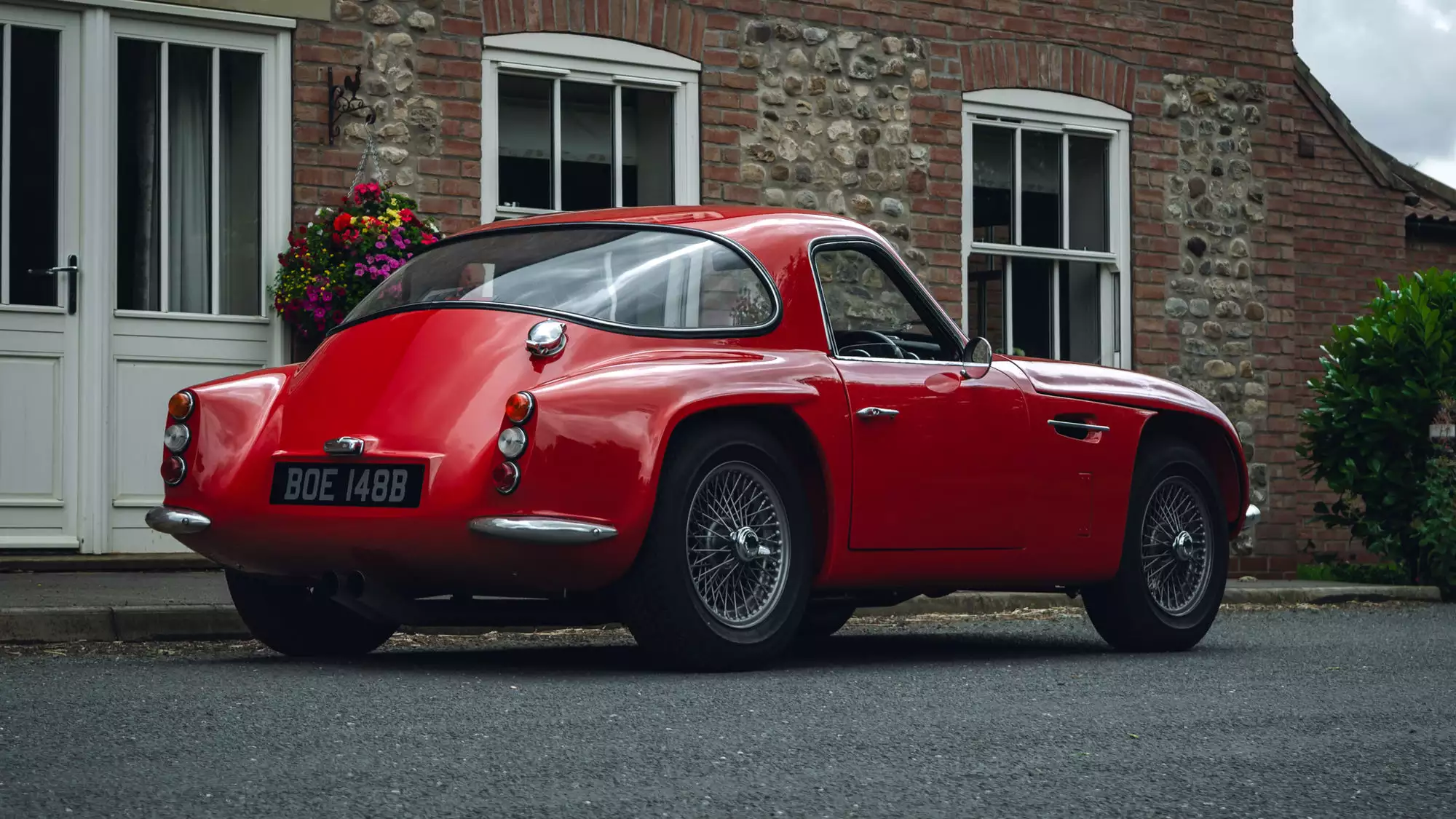
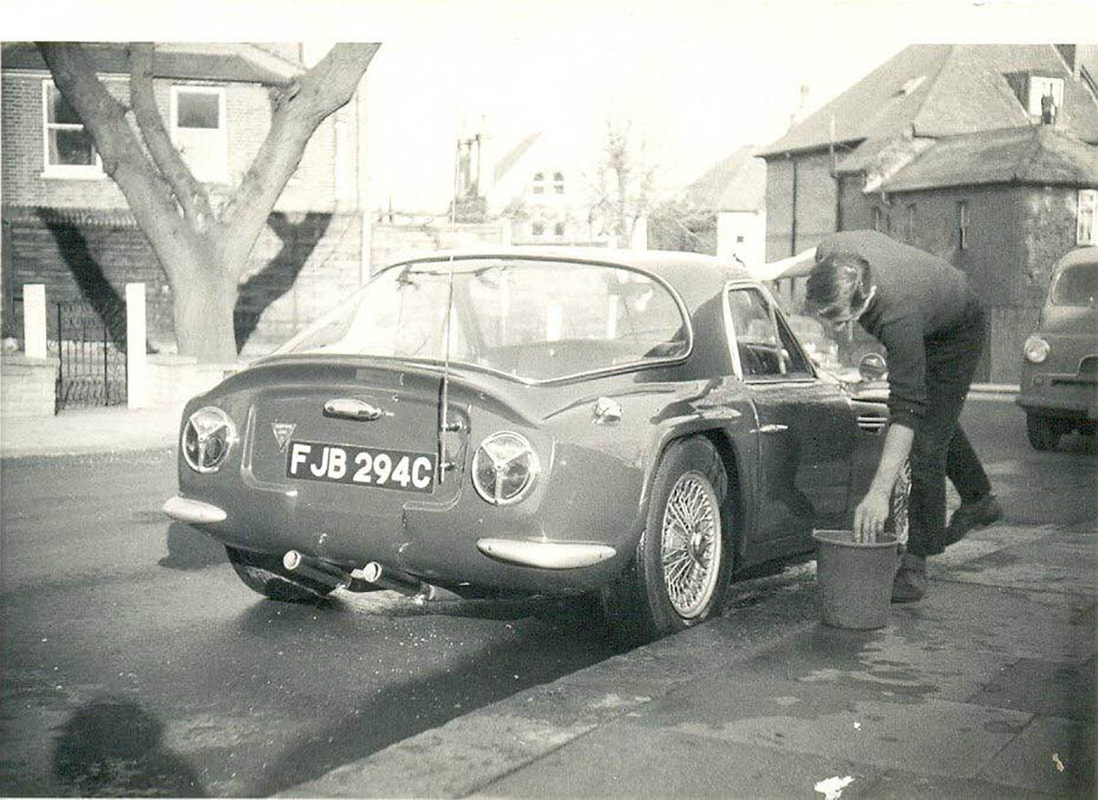
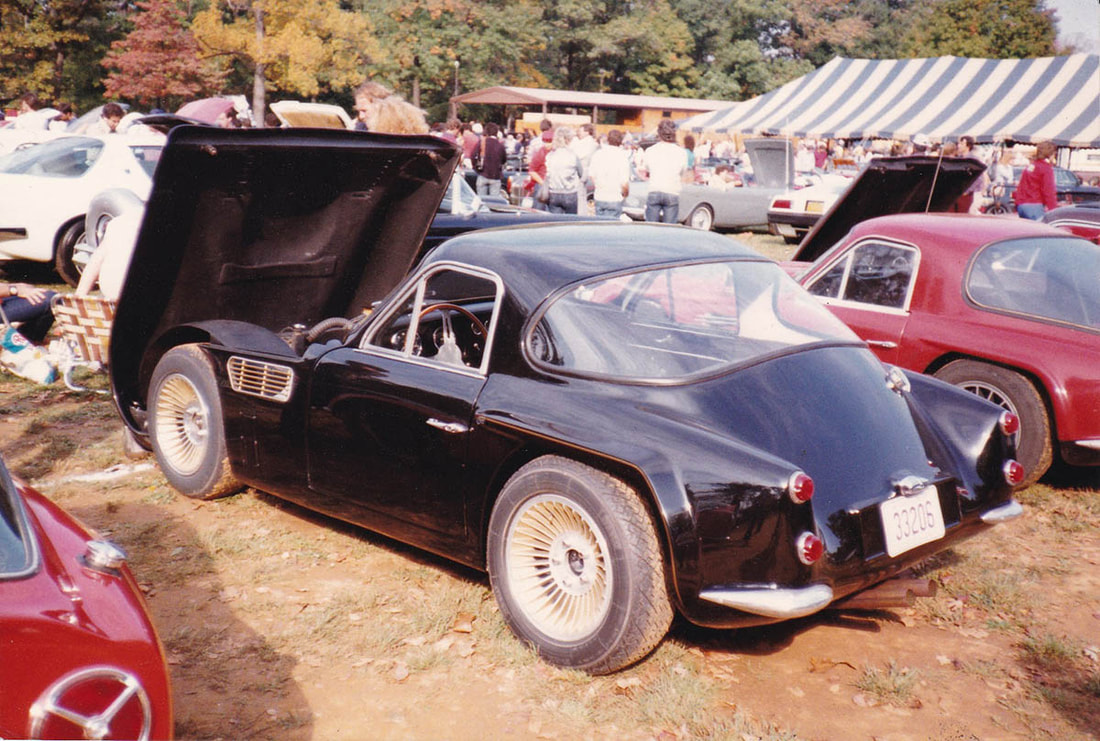
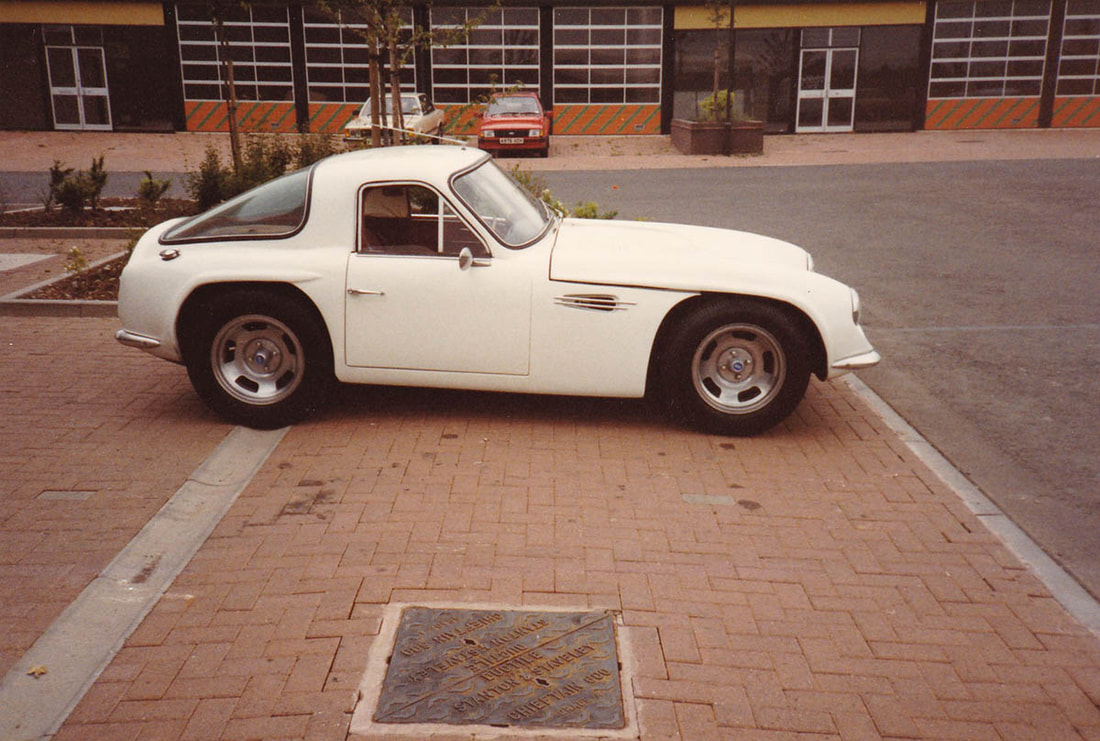
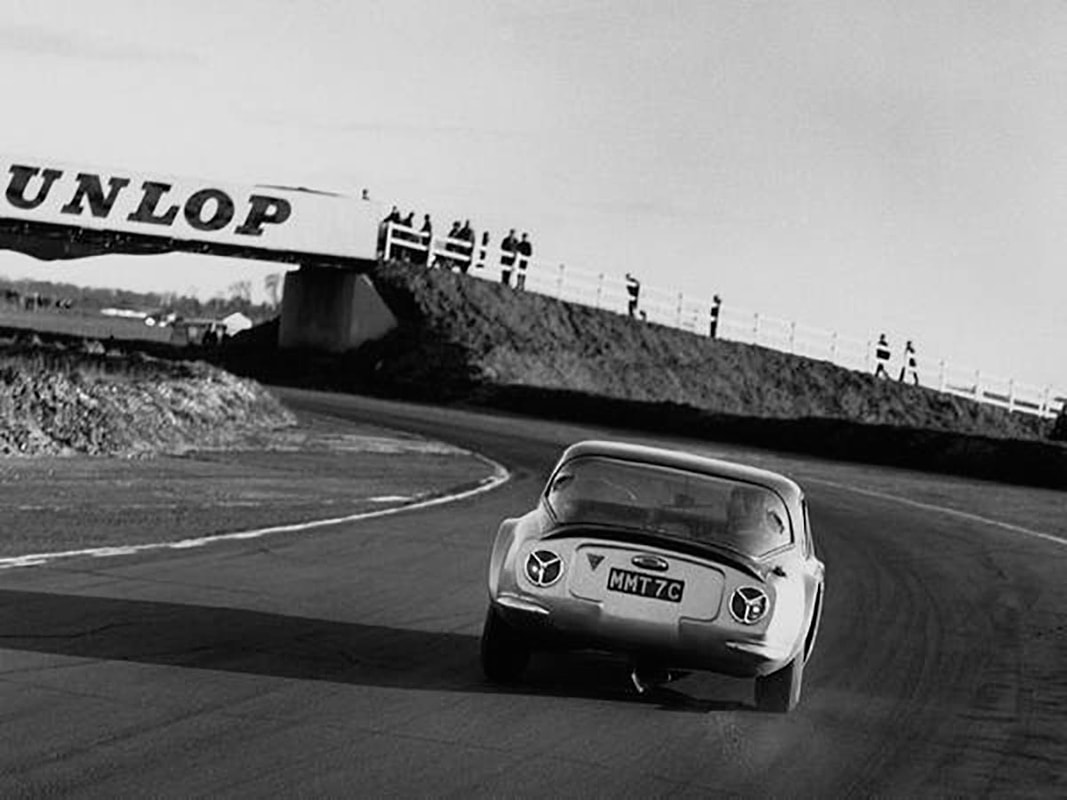
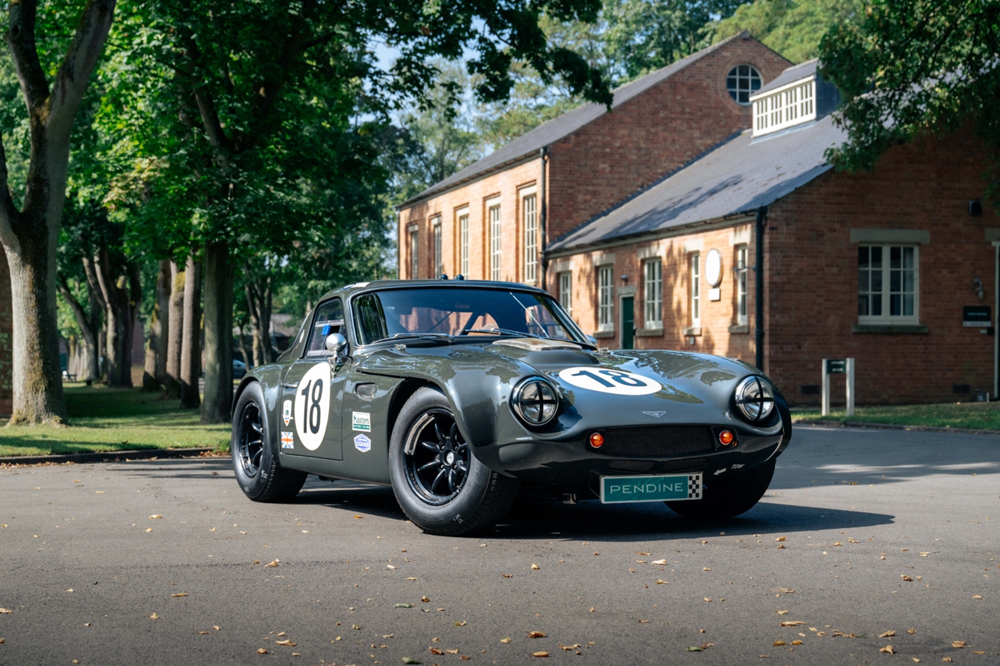
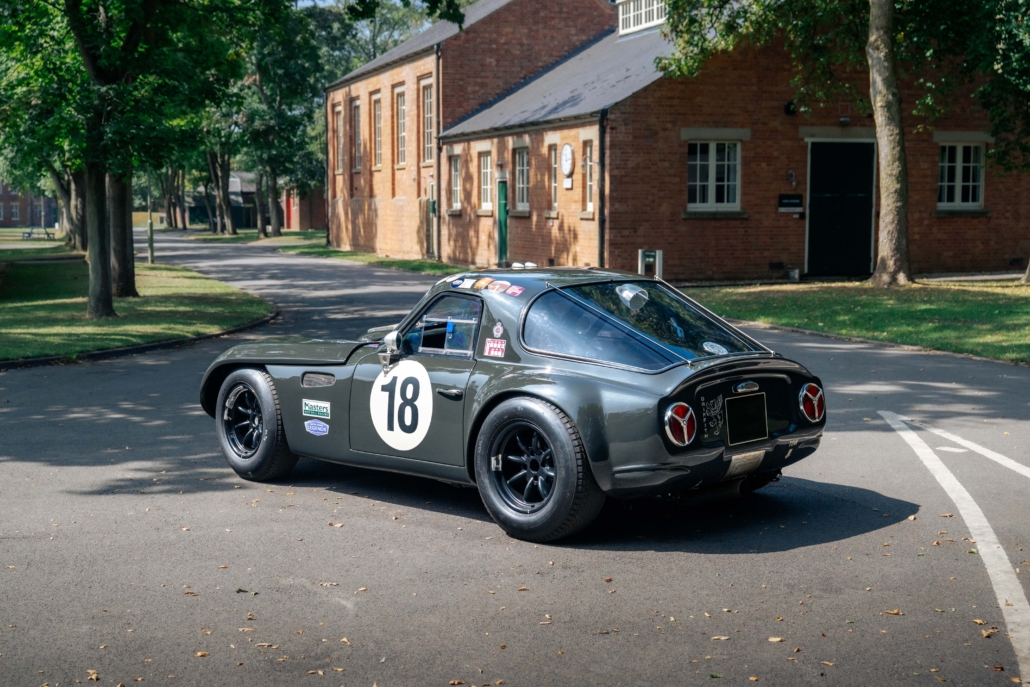
To peel back the composite skin of these early Griffiths is to uncover a masterclass in brutal, packaging-constrained engineering. The genesis of the lineage, the Griffith 200, was essentially a TVR Grantura Mk III chassis ruthlessly modified by Griffith’s team in Syosset, New York, to accept Ford’s 289 cubic-inch (4.7-liter) Windsor V8. To fit the iron-block leviathan, chassis tubes were hammered, steering columns were repositioned, and heavy-duty Borg-Warner four-speed manual transmissions were wedged into the tiny transmission tunnel. In top “Hi-Po” specification, the engine produced a shrieking 271 brake horsepower. In a car weighing roughly 860 kilograms, the power-to-weight ratio was absolutely terrifying, allowing the 200 to rocket to 100 km/h (60 mph) in under four seconds. However, the 200 was dynamically flawed; its cooling system was woefully inadequate, its brakes struggled to arrest the newfound mass, and its short 85.5-inch wheelbase made the handling notoriously snap-oversteer prone. Recognizing these fatal flaws, the Griffith 400 was introduced in 1964. Based on the upgraded Grantura Mk IV chassis, the 400 featured an entirely redesigned, asymmetric independent rear suspension, a larger radiator fed by a redesigned nose, and better brakes. Visually, the 400 is distinguished by its Ford Cortina Mk I “banjo” taillights, replacing the MGB units of the 200. Finally, the Griffith 600 was meant to be the sophisticated culmination of the series, featuring a completely new, longer, and more elegant body designed by Carrozzeria Fissore. Beneath the surface, it retained the massive Ford V8 but aimed for a slightly more civilized grand-touring experience.
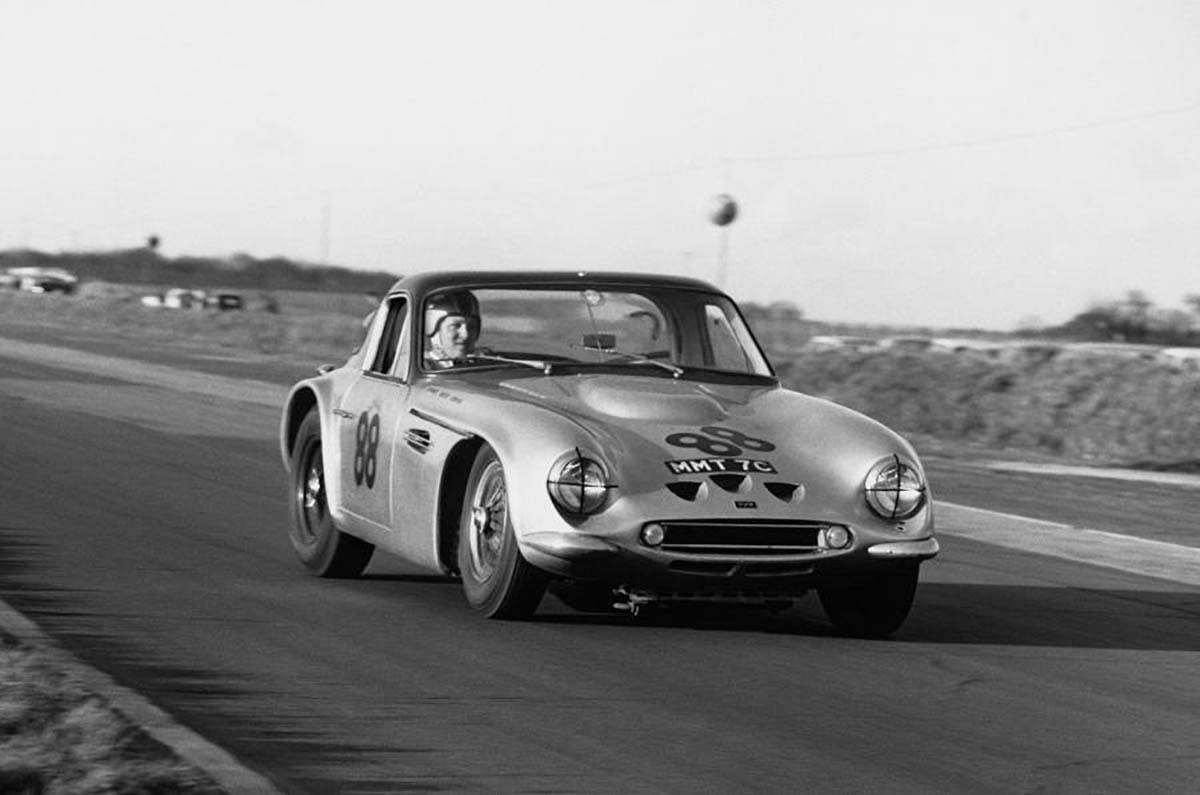
The historical narrative of the 1963 TVR Griffith generation is a spectacular, brief, and ultimately tragic comet streak across the 1960s automotive landscape. On the racetrack, the cars were absolute weapons when piloted by those brave enough to tame them. Legendary drivers like Mark Donohue wrestled the short-wheelbase bruisers around American circuits, frequently out-accelerating the Shelby Cobras and validating Jack Griffith’s original boast. The Griffith was a giant-killer, possessing a power-to-weight ratio that wouldn’t become common in production cars until the modern supercar era. However, the commercial reality was far less glamorous. The entire transatlantic operation relied on a fragile logistical chain: TVR built the rolling chassis in Blackpool, England, and shipped them to New York, where Griffith installed the powertrains. In 1965, a devastating dock strike on the US East Coast completely severed this supply line. The financial fallout was catastrophic. Jack Griffith’s operation collapsed, and the sudden loss of their biggest client forced TVR in the UK into bankruptcy. As a result, the magnificent Griffith 600 was practically stillborn, with only roughly ten examples ever completed. In total, only around 260 units across the 200 and 400 submodels were produced before the music stopped.
Generation Overview
A blip of the throttle in a 1963 TVR Griffith doesn’t just rev the engine; it threatens to rotate the entire featherweight chassis around the crankshaft. While the European establishment spent the early 1960s refining independent suspensions and wind-tunnel aerodynamics, an American Ford dealer named Jack Griffith decided that the solution to automotive supremacy was simply a matter of explosive displacement. Legend dictates that Griffith, fueled by competitive banter with his friend Carroll Shelby, boldly declared he could build a car to outrun the mighty Cobra. Shelby had already proven the Anglo-American hybrid formula by stuffing a Ford V8 into the AC Ace. Griffith’s approach was identical in concept but far more unhinged in execution: he selected the diminutive, fiberglass-bodied TVR Grantura, a car with a wheelbase significantly shorter than a modern supermini. The resulting TVR Griffith—comprising the incredibly raw 200, the refined 400, and the mythical 600—arrived as a sledgehammer in a world of scalpels. It was a machine explicitly designed to humiliate Chevrolet Corvettes and Shelby Cobras in North American SCCA competition, prioritizing apocalyptic straight-line speed over any semblance of driver comfort or touring refinement.
To peel back the composite skin of these early Griffiths is to uncover a masterclass in brutal, packaging-constrained engineering. The genesis of the lineage, the Griffith 200, was essentially a TVR Grantura Mk III chassis ruthlessly modified by Griffith’s team in Syosset, New York, to accept Ford’s 289 cubic-inch (4.7-liter) Windsor V8. To fit the iron-block leviathan, chassis tubes were hammered, steering columns were repositioned, and heavy-duty Borg-Warner four-speed manual transmissions were wedged into the tiny transmission tunnel. In top “Hi-Po” specification, the engine produced a shrieking 271 brake horsepower. In a car weighing roughly 860 kilograms, the power-to-weight ratio was absolutely terrifying, allowing the 200 to rocket to 100 km/h (60 mph) in under four seconds. However, the 200 was dynamically flawed; its cooling system was woefully inadequate, its brakes struggled to arrest the newfound mass, and its short 85.5-inch wheelbase made the handling notoriously snap-oversteer prone. Recognizing these fatal flaws, the Griffith 400 was introduced in 1964. Based on the upgraded Grantura Mk IV chassis, the 400 featured an entirely redesigned, asymmetric independent rear suspension, a larger radiator fed by a redesigned nose, and better brakes. Visually, the 400 is distinguished by its Ford Cortina Mk I “banjo” taillights, replacing the MGB units of the 200. Finally, the Griffith 600 was meant to be the sophisticated culmination of the series, featuring a completely new, longer, and more elegant body designed by Carrozzeria Fissore. Beneath the surface, it retained the massive Ford V8 but aimed for a slightly more civilized grand-touring experience.
The historical narrative of the 1963 TVR Griffith generation is a spectacular, brief, and ultimately tragic comet streak across the 1960s automotive landscape. On the racetrack, the cars were absolute weapons when piloted by those brave enough to tame them. Legendary drivers like Mark Donohue wrestled the short-wheelbase bruisers around American circuits, frequently out-accelerating the Shelby Cobras and validating Jack Griffith’s original boast. The Griffith was a giant-killer, possessing a power-to-weight ratio that wouldn’t become common in production cars until the modern supercar era. However, the commercial reality was far less glamorous. The entire transatlantic operation relied on a fragile logistical chain: TVR built the rolling chassis in Blackpool, England, and shipped them to New York, where Griffith installed the powertrains. In 1965, a devastating dock strike on the US East Coast completely severed this supply line. The financial fallout was catastrophic. Jack Griffith’s operation collapsed, and the sudden loss of their biggest client forced TVR in the UK into bankruptcy. As a result, the magnificent Griffith 600 was practically stillborn, with only roughly ten examples ever completed. In total, only around 260 units across the 200 and 400 submodels were produced before the music stopped.
Submodels