
TVR Griffith
Brand
Produced from
Vehicle category
Portal
Model line
Model generation
Predecessor
Sucessor
Model Overview
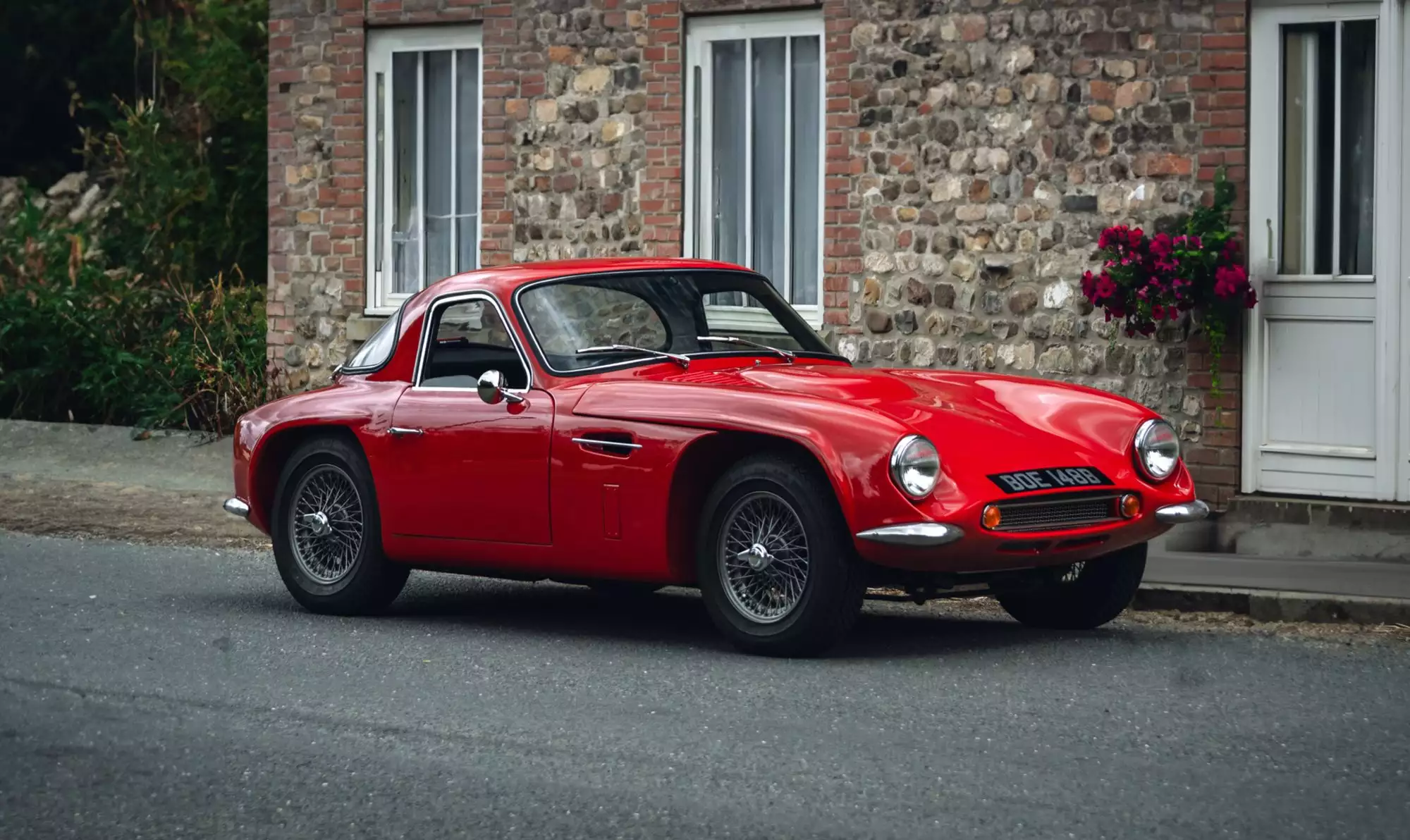
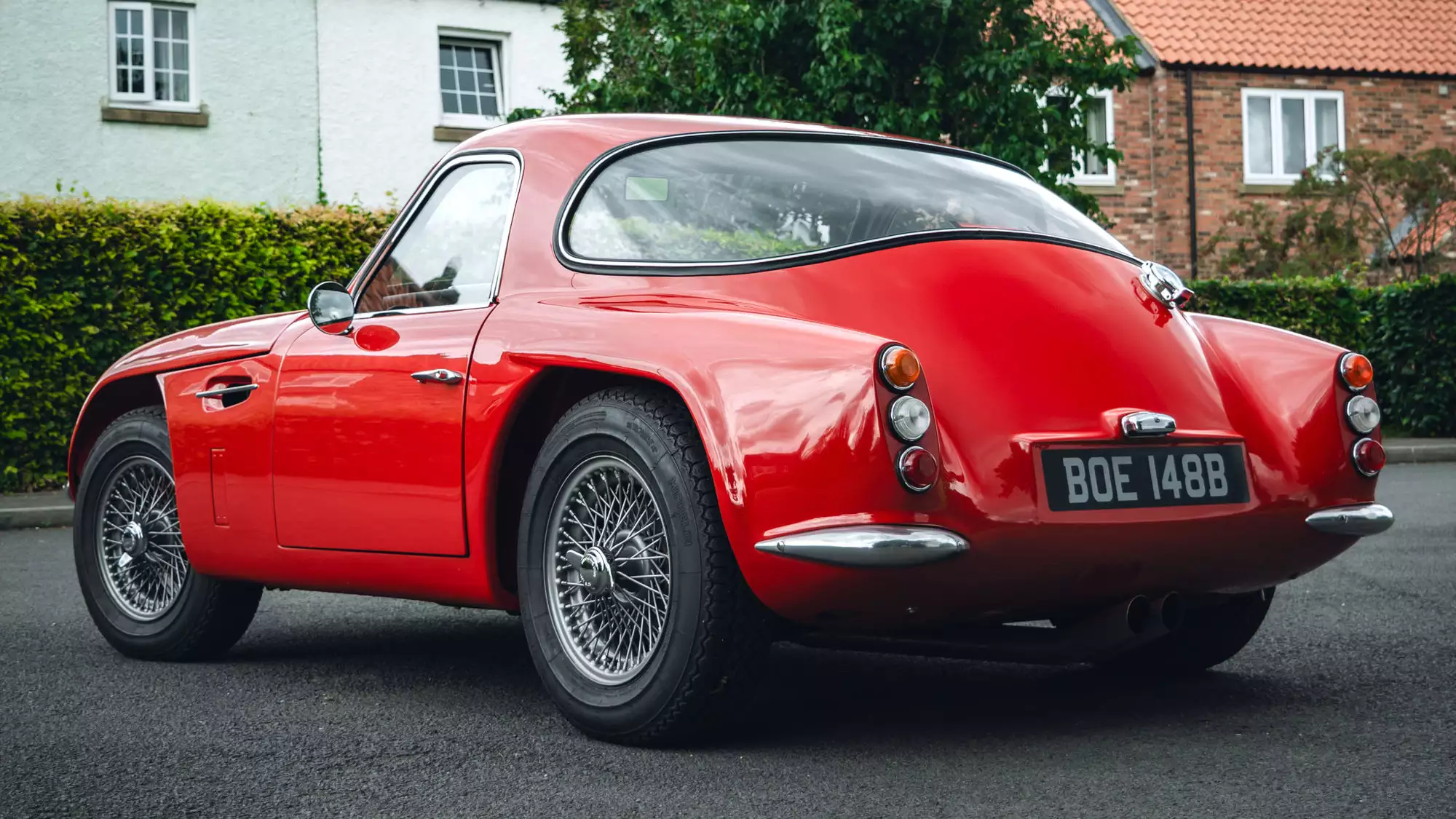
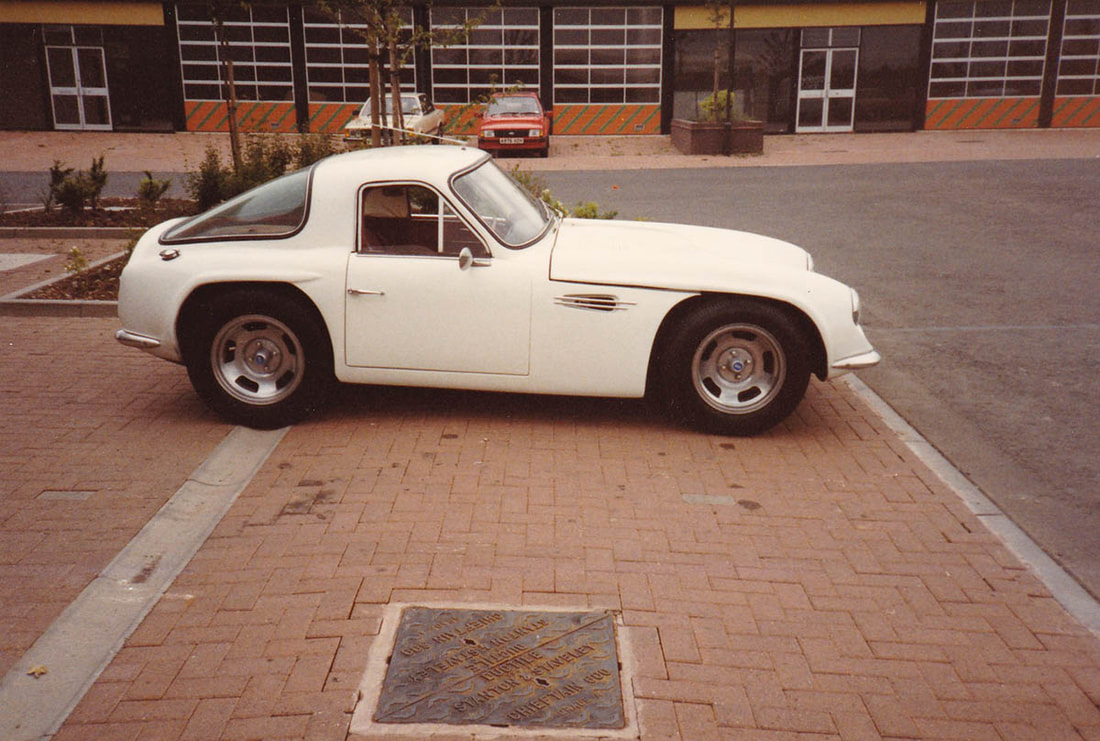
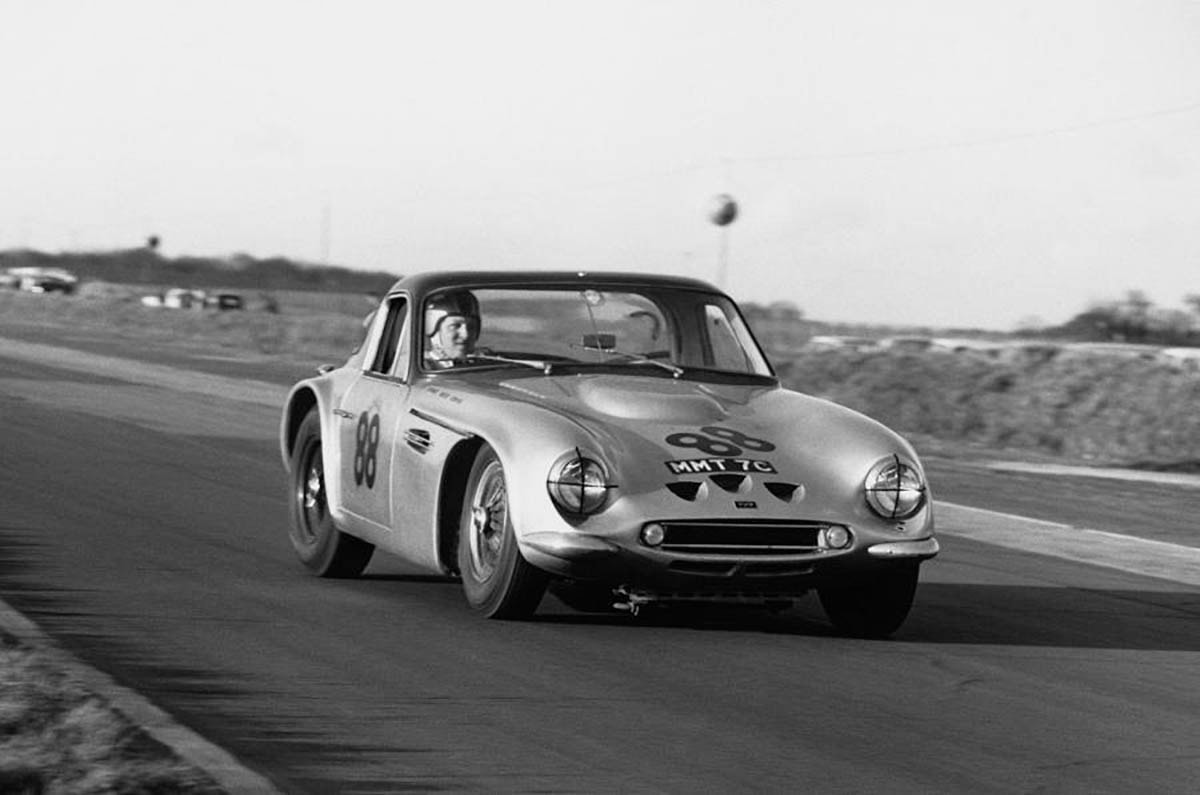
Legend has it that the inception of the TVR Griffith was born from a transatlantic dinner table boast, a profound, alcohol-fueled desire by an American Ford dealer named Jack Griffith to out-muscle his friend Carroll Shelby and his formidable Cobra. In the early 1960s, the recipe for automotive dominance was brutally simple: take a featherweight European chassis and stuff the largest American V8 possible between its front wheels. While Shelby famously used the AC Ace, Griffith looked to the tiny, fiberglass-bodied TVR Grantura. What resulted in 1963 was not just a car, but the genesis of an entire lineage defined by unapologetic, white-knuckle terror. Over the next five decades, the Griffith nameplate would vanish and resurrect, evolving from a raw 1960s hot rod (comprising the 200, 400, and ultra-rare 600 series) into the absolute savior of the TVR brand in the 1990s (the Griffith I), and finally reimagined as a 21st-century technological marvel under the guidance of Gordon Murray (the 2017 Griffith II). Through every single generation, the model maintained a singular, terrifying ethos: zero compromise, zero electronic nannies, and an earth-shattering power-to-weight ratio designed to humble the global establishment while demanding absolute, undivided respect from the driver.
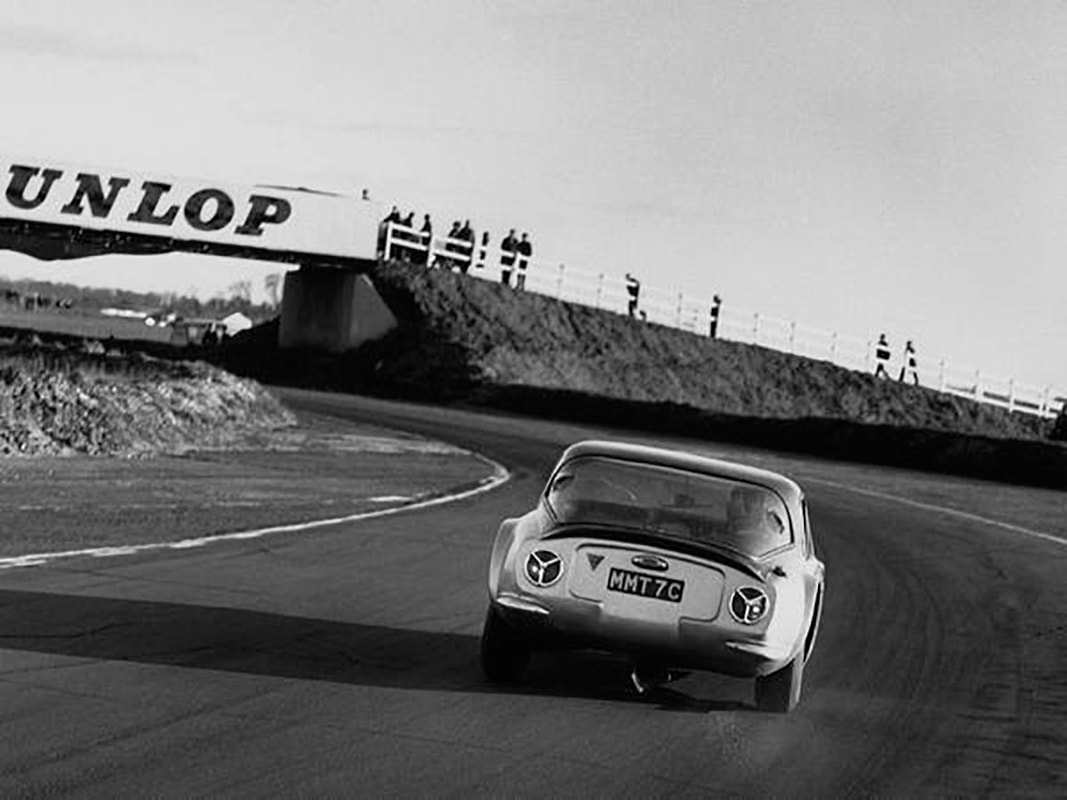
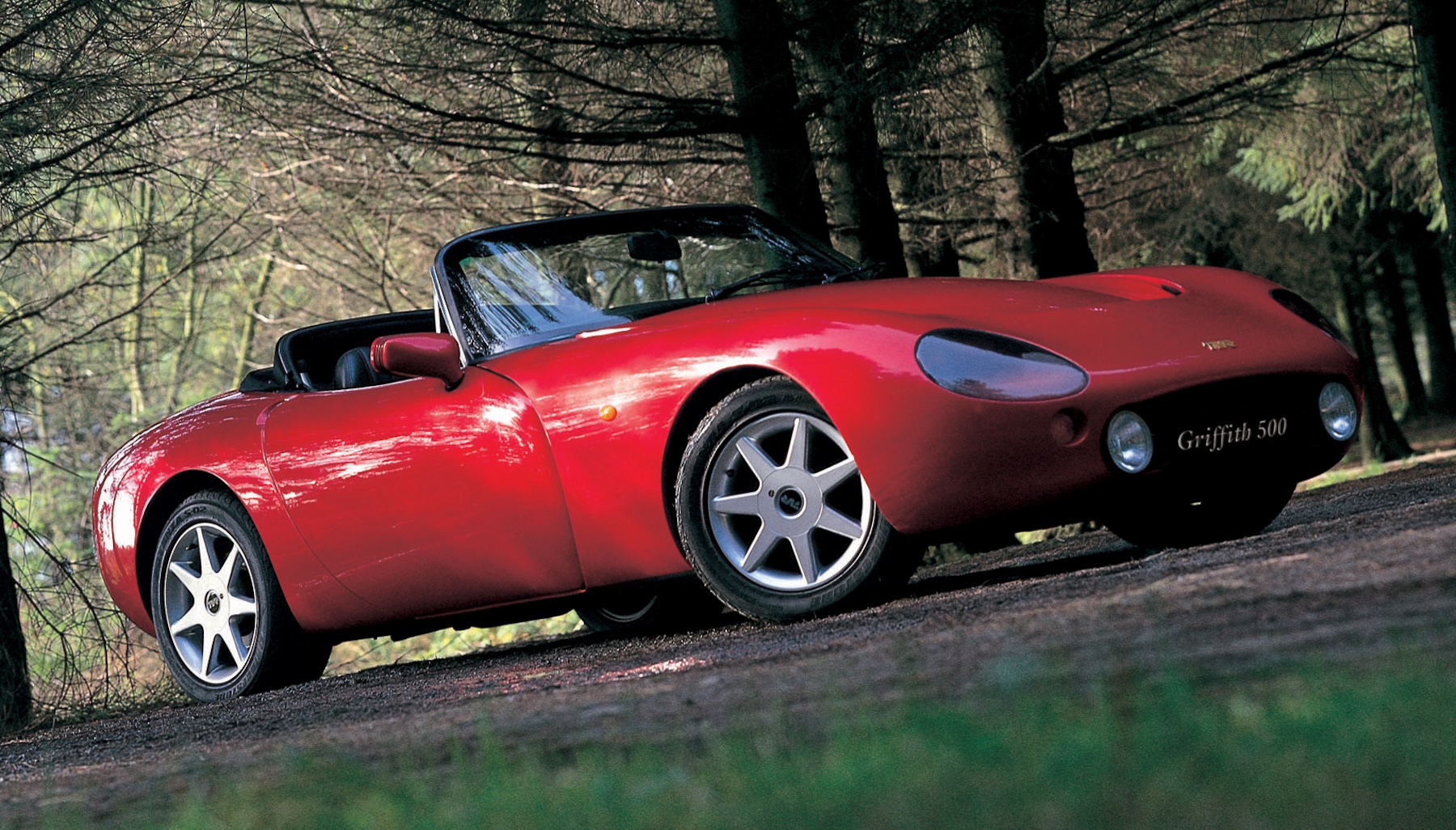
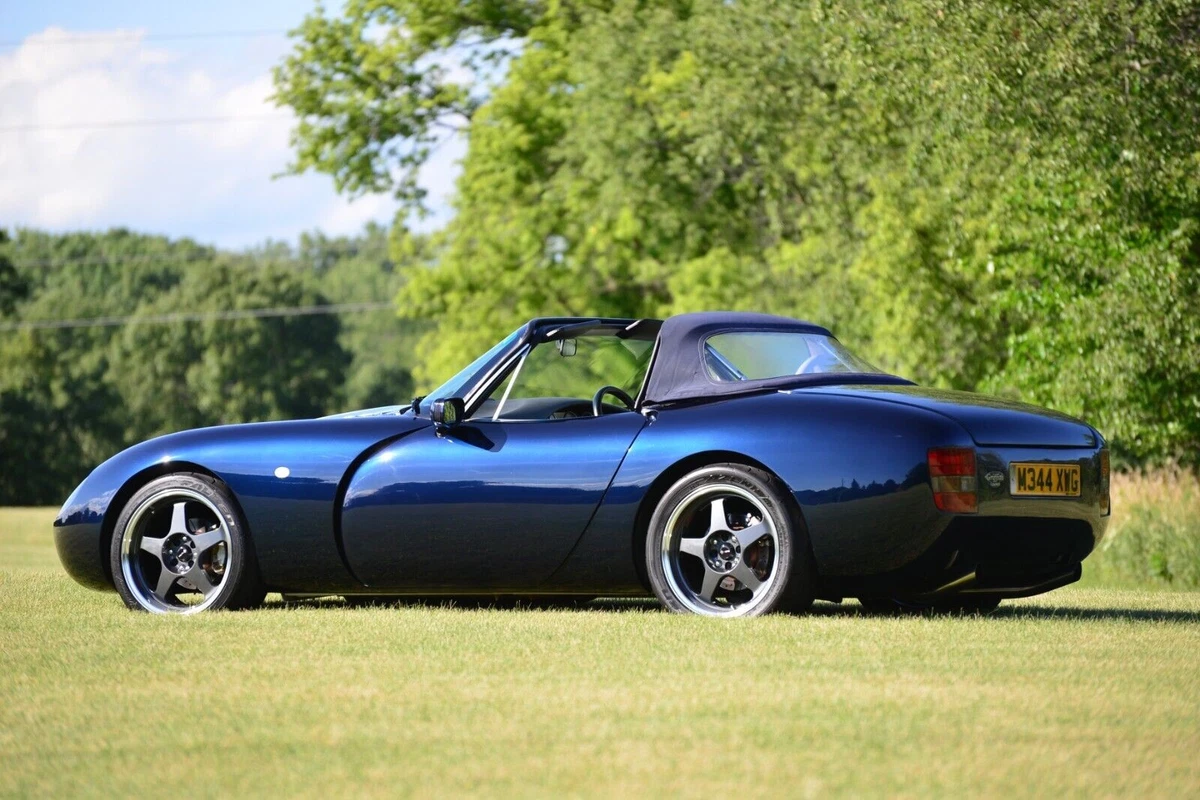
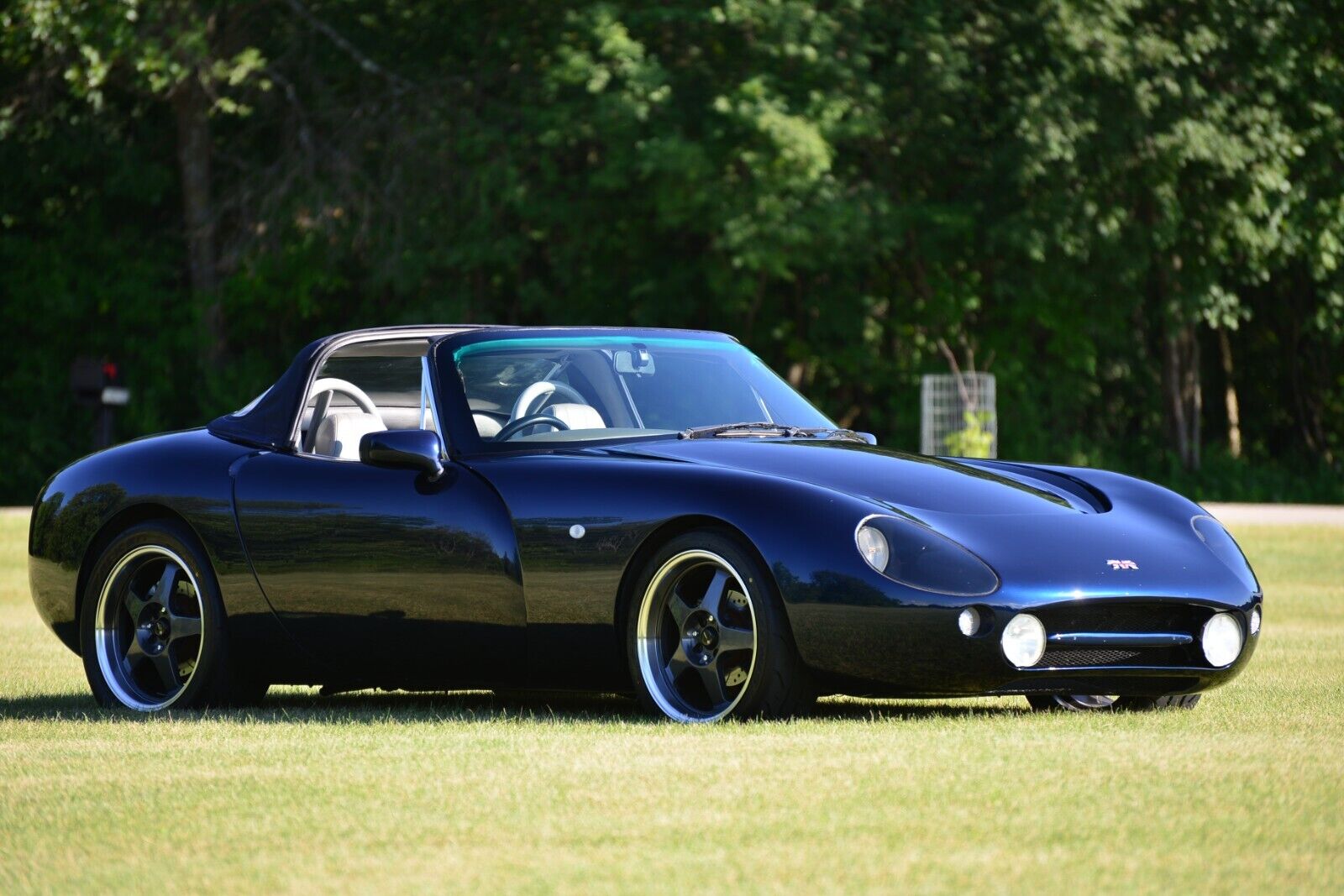
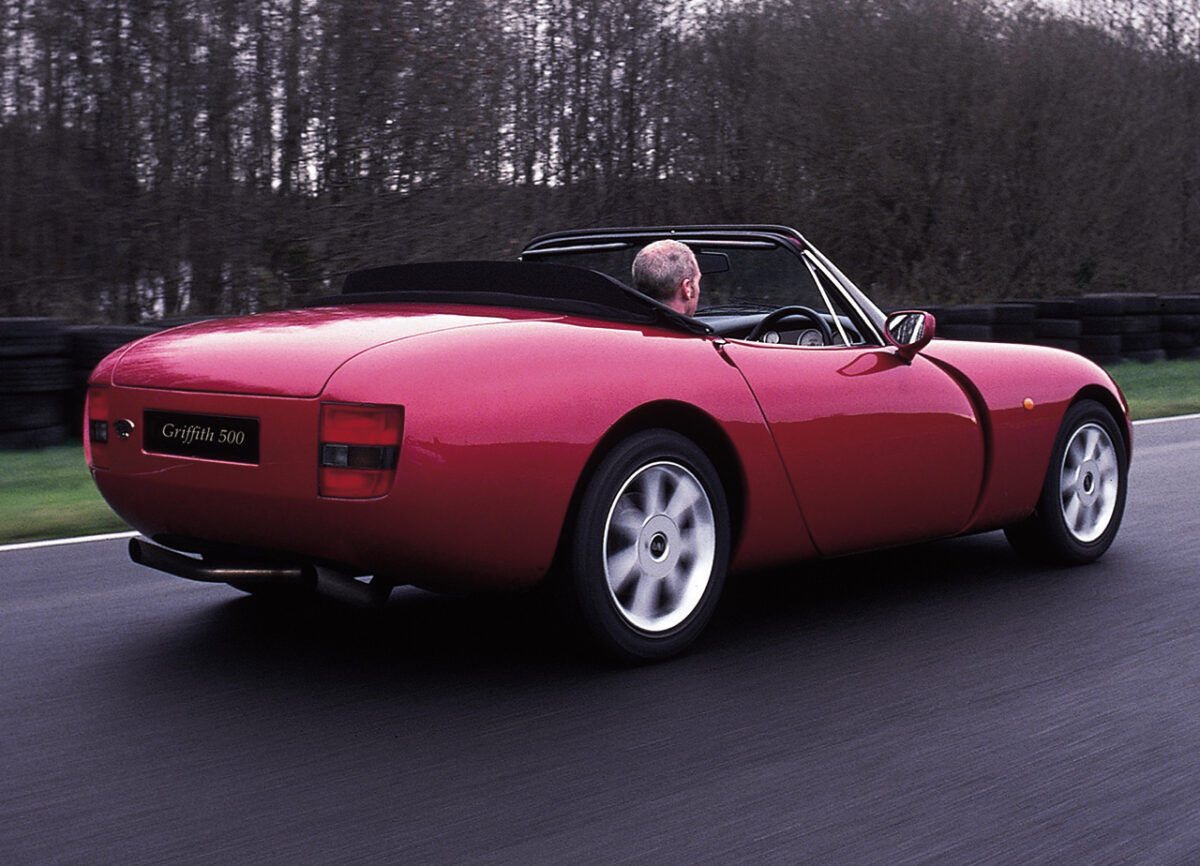
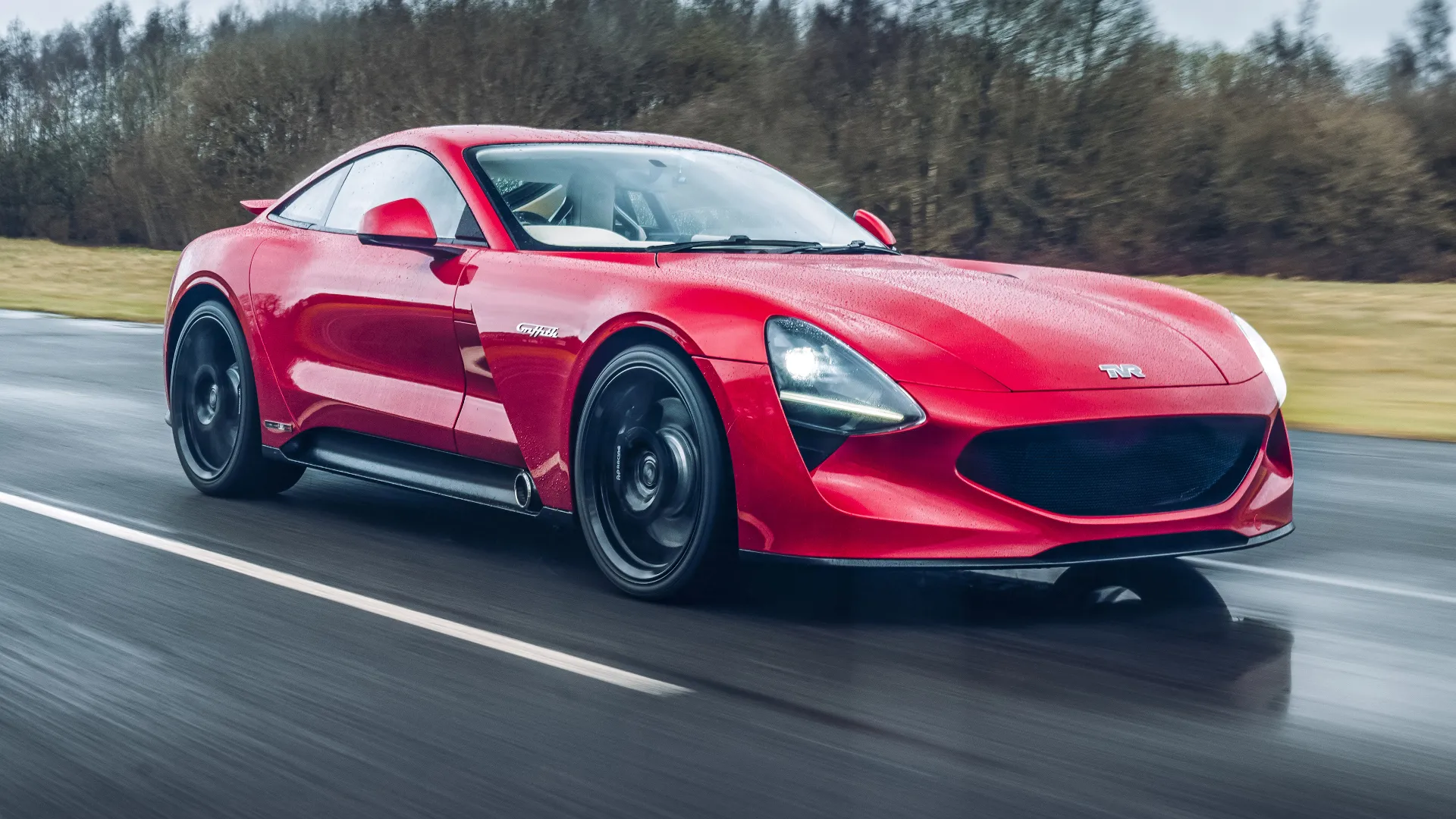
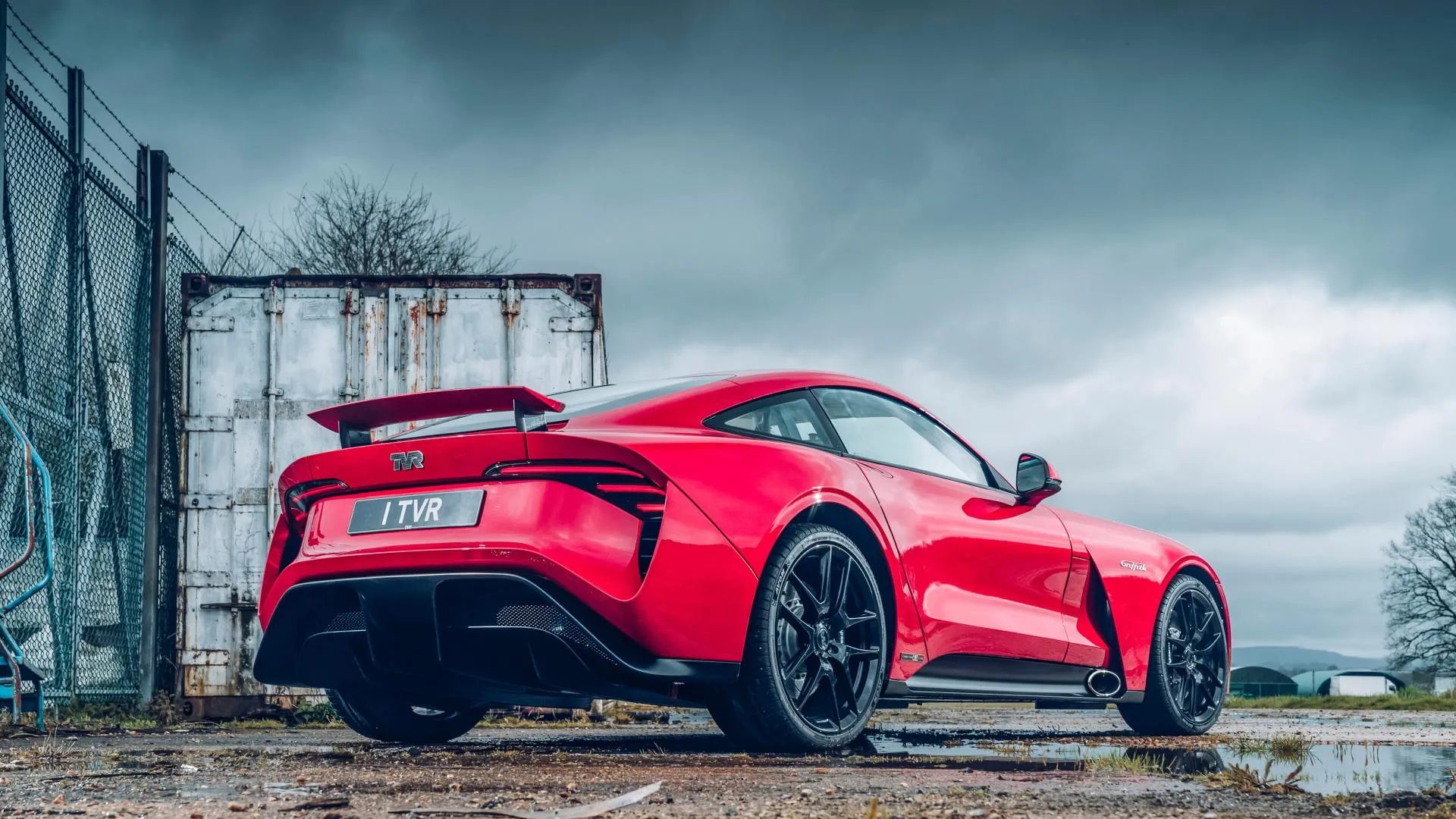
To trace the mechanical evolution of the Griffith is to witness a masterclass in brute-force engineering wrapped in beautiful composite coachwork. The original 1963 Griffith 200 was, frankly, an exercise in glorious madness. Jack Griffith’s team in Syosset, New York, took the incredibly short-wheelbase (just 85.5 inches), multi-tubular backbone chassis of the TVR Grantura Mk III and shoehorned in Ford’s 289 cubic-inch (4.7-liter) Windsor V8. Producing 271 horsepower in a car weighing roughly 860 kilograms, it was violently fast, but the rudimentary suspension and inadequate cooling made it a terrifying handful at the limit. The subsequent Griffith 400 introduced the Grantura Mk IV chassis with improved independent rear suspension, asymmetric wishbones, and a larger radiator, making it marginally more survivable and significantly more competitive. Fast forward to 1991, under the eccentric, cigar-chomping ownership of Peter Wheeler, the Griffith was triumphantly reborn. This time, the chassis was a vastly superior, powder-coated tubular steel spaceframe developed from the Tuscan Challenge racing cars. The beating heart was the ubiquitous Rover V8, heavily massaged by TVR Power in displacements ranging from 4.0 and 4.3 liters up to a monstrous 5.0 liters. The legendary Griffith 500 spat out 340 brake horsepower and 350 lb-ft of torque, launching the beautifully smooth, organic fiberglass body to 100 km/h (60 mph) in just over four seconds. It proudly lacked ABS, traction control, or airbags; it was pure, unadulterated analog connection. Inside, the 90s Griffith was a surreal landscape of machined aluminium billet, plush leather, and idiosyncratic ergonomics, devoid of conventional door handles. By 2017, the third act of the Griffith sought to modernize the legend. Engineered by McLaren F1 mastermind Gordon Murray, the latest iteration utilizes the revolutionary iStream carbon-fiber architecture, paired with a Cosworth-tuned 5.0-liter Ford Coyote V8 delivering 500 horsepower. With side-exit exhausts, advanced ground-effect aerodynamics, and a perfect 50:50 weight distribution, it represents a highly sophisticated interpretation of the traditional front-engine, rear-wheel-drive muscle formula.
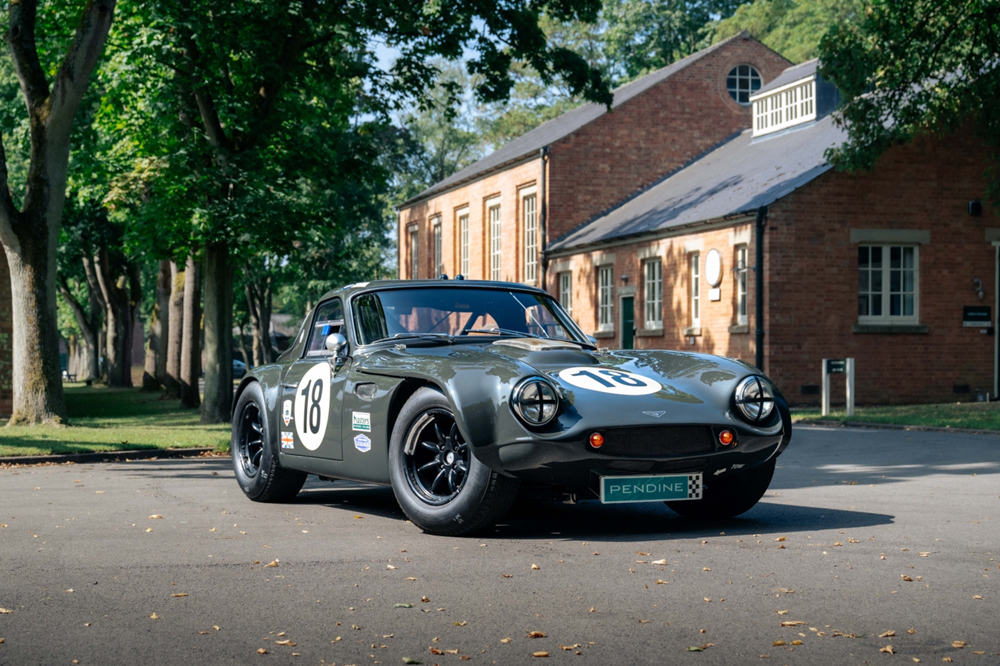
The historical footprint of the Griffith lineage is a wildly entertaining tale of visceral thrills, constant financial tightropes, and an intensely loyal cult following. The original 1960s Griffiths were absolute weapons on the racetrack, frequently matching or beating Shelby’s Cobras in SCCA Production class competition across North America, occasionally piloted by future legends like Mark Donohue. However, a devastating East Coast dock strike completely severed the supply of TVR chassis from Blackpool, prematurely killing Jack Griffith’s dream. Capping early production at roughly 260 units, this failure inadvertently turned the surviving 200s and 400s into incredibly rare, highly prized unicorns today. Decades later, the 1991 Peter Wheeler-era Griffith was an undisputed commercial triumph. When unveiled at the Birmingham Motor Show, it caused an absolute sensation, reportedly receiving a confirmed customer order every eight minutes. It single-handedly transformed TVR from a niche kit-car builder into a premier British sports car manufacturer, funding the company for a decade. The 1990s Griffith became a cultural icon of “Cool Britannia”, a loud, hairy-chested alternative to the clinical precision of the Porsche 911 or the subdued elegance of the Jaguar XJS. It was famously temperamental—a true weekend sports car that demanded immense mechanical sympathy and frequent maintenance—but the sheer auditory violence of that Rover V8 barking through big-bore exhausts forgave a multitude of sins. The 2017 announcement of the Griffith II generated a similar level of global hysteria, promising a return to analog driving purity in an era increasingly sterilized by hybrid powertrains and autonomous driving aids, even if its journey to full-scale production has been fraught with delays.
Portal
Model line
Model generation
Predecessor
Sucessor
Brand
Produced from
Vehicle category
Portal
Model line
Model generation
Predecessor
Sucessor
Model Overview
Legend has it that the inception of the TVR Griffith was born from a transatlantic dinner table boast, a profound, alcohol-fueled desire by an American Ford dealer named Jack Griffith to out-muscle his friend Carroll Shelby and his formidable Cobra. In the early 1960s, the recipe for automotive dominance was brutally simple: take a featherweight European chassis and stuff the largest American V8 possible between its front wheels. While Shelby famously used the AC Ace, Griffith looked to the tiny, fiberglass-bodied TVR Grantura. What resulted in 1963 was not just a car, but the genesis of an entire lineage defined by unapologetic, white-knuckle terror. Over the next five decades, the Griffith nameplate would vanish and resurrect, evolving from a raw 1960s hot rod (comprising the 200, 400, and ultra-rare 600 series) into the absolute savior of the TVR brand in the 1990s (the Griffith I), and finally reimagined as a 21st-century technological marvel under the guidance of Gordon Murray (the 2017 Griffith II). Through every single generation, the model maintained a singular, terrifying ethos: zero compromise, zero electronic nannies, and an earth-shattering power-to-weight ratio designed to humble the global establishment while demanding absolute, undivided respect from the driver.
To trace the mechanical evolution of the Griffith is to witness a masterclass in brute-force engineering wrapped in beautiful composite coachwork. The original 1963 Griffith 200 was, frankly, an exercise in glorious madness. Jack Griffith’s team in Syosset, New York, took the incredibly short-wheelbase (just 85.5 inches), multi-tubular backbone chassis of the TVR Grantura Mk III and shoehorned in Ford’s 289 cubic-inch (4.7-liter) Windsor V8. Producing 271 horsepower in a car weighing roughly 860 kilograms, it was violently fast, but the rudimentary suspension and inadequate cooling made it a terrifying handful at the limit. The subsequent Griffith 400 introduced the Grantura Mk IV chassis with improved independent rear suspension, asymmetric wishbones, and a larger radiator, making it marginally more survivable and significantly more competitive. Fast forward to 1991, under the eccentric, cigar-chomping ownership of Peter Wheeler, the Griffith was triumphantly reborn. This time, the chassis was a vastly superior, powder-coated tubular steel spaceframe developed from the Tuscan Challenge racing cars. The beating heart was the ubiquitous Rover V8, heavily massaged by TVR Power in displacements ranging from 4.0 and 4.3 liters up to a monstrous 5.0 liters. The legendary Griffith 500 spat out 340 brake horsepower and 350 lb-ft of torque, launching the beautifully smooth, organic fiberglass body to 100 km/h (60 mph) in just over four seconds. It proudly lacked ABS, traction control, or airbags; it was pure, unadulterated analog connection. Inside, the 90s Griffith was a surreal landscape of machined aluminium billet, plush leather, and idiosyncratic ergonomics, devoid of conventional door handles. By 2017, the third act of the Griffith sought to modernize the legend. Engineered by McLaren F1 mastermind Gordon Murray, the latest iteration utilizes the revolutionary iStream carbon-fiber architecture, paired with a Cosworth-tuned 5.0-liter Ford Coyote V8 delivering 500 horsepower. With side-exit exhausts, advanced ground-effect aerodynamics, and a perfect 50:50 weight distribution, it represents a highly sophisticated interpretation of the traditional front-engine, rear-wheel-drive muscle formula.
The historical footprint of the Griffith lineage is a wildly entertaining tale of visceral thrills, constant financial tightropes, and an intensely loyal cult following. The original 1960s Griffiths were absolute weapons on the racetrack, frequently matching or beating Shelby’s Cobras in SCCA Production class competition across North America, occasionally piloted by future legends like Mark Donohue. However, a devastating East Coast dock strike completely severed the supply of TVR chassis from Blackpool, prematurely killing Jack Griffith’s dream. Capping early production at roughly 260 units, this failure inadvertently turned the surviving 200s and 400s into incredibly rare, highly prized unicorns today. Decades later, the 1991 Peter Wheeler-era Griffith was an undisputed commercial triumph. When unveiled at the Birmingham Motor Show, it caused an absolute sensation, reportedly receiving a confirmed customer order every eight minutes. It single-handedly transformed TVR from a niche kit-car builder into a premier British sports car manufacturer, funding the company for a decade. The 1990s Griffith became a cultural icon of “Cool Britannia”, a loud, hairy-chested alternative to the clinical precision of the Porsche 911 or the subdued elegance of the Jaguar XJS. It was famously temperamental—a true weekend sports car that demanded immense mechanical sympathy and frequent maintenance—but the sheer auditory violence of that Rover V8 barking through big-bore exhausts forgave a multitude of sins. The 2017 announcement of the Griffith II generated a similar level of global hysteria, promising a return to analog driving purity in an era increasingly sterilized by hybrid powertrains and autonomous driving aids, even if its journey to full-scale production has been fraught with delays.
Generations
Model Generations

Submodels