Ferrari 250 GT Berlinetta SWB ‘Competizione’

Brand
Produced from
Portal
Vehicle category
Model line
Predecessor
Sucessor
About this submodel
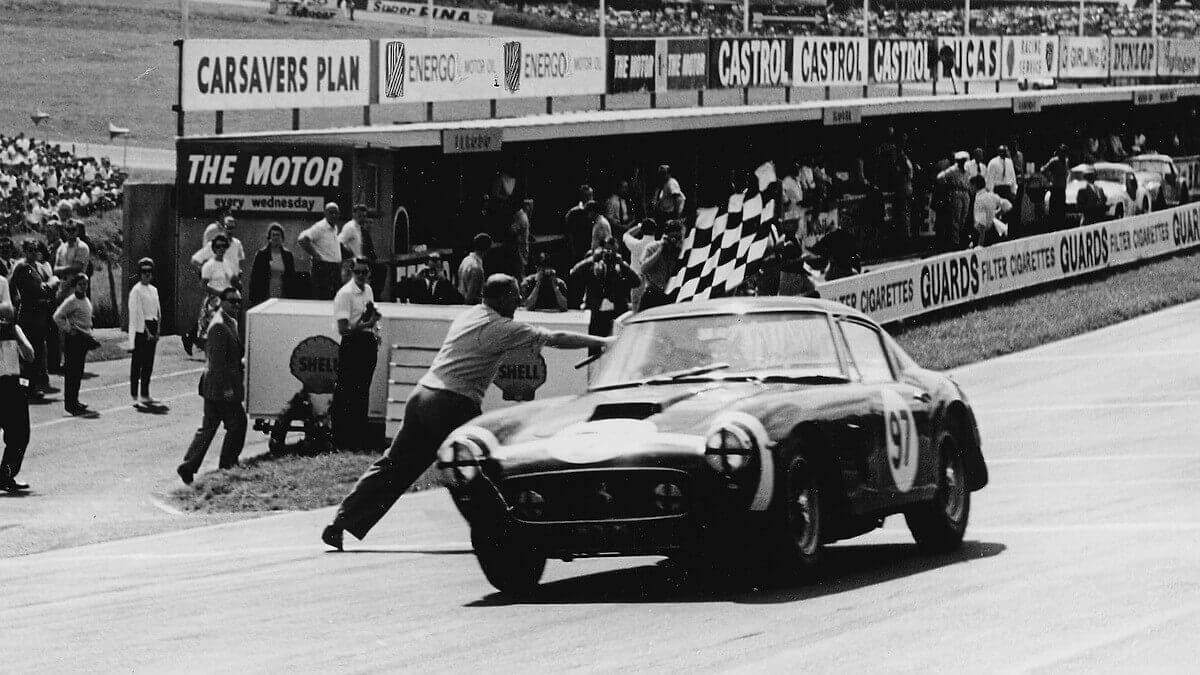
The year 1960 marked the apotheosis of the dual-purpose Grand Tourer, a fleeting moment in automotive history where a single machine could genuinely conquer the Mulsanne Straight on Sunday and navigate the cobblestones of Paris on Monday. At the absolute epicenter of this golden era stood the Ferrari 250 GT Berlinetta SWB ‘Competizione’. To understand this vehicle is to understand the final breath of the romantic era of motorsport before specialization took hold. Its predecessor, the magnificent 250 GT ‘Tour de France’ (LWB), had dominated the GT category for years, but the long wheelbase—while stable at high speed—was becoming a liability on tighter, more technical circuits against the emerging threat of the Aston Martin DB4 GT. Under the watchful eye of Giotto Bizzarrini and Carlo Chiti, Ferrari shortened the wheelbase by 200mm (from 2,600mm to 2,400mm), creating a chassis that was stiffer, lighter, and vastly more reactive. This was not merely an update; it was a sharpening of the blade that would eventually carve out the legend of the 250 GTO.
Technically, the ‘Competizione’ specification of the SWB (Short Wheelbase) was a masterclass in adding performance by subtracting excess. While the road-going ‘Lusso’ versions were bodied in steel, the Competizione models were clothed by Scaglietti in wafer-thin aluminium sheets, shaving off crucial kilograms. The aesthetic result, penned by Pinin Farina but realized by Sergio Scaglietti, is widely regarded as one of the most perfectly proportioned shapes ever to sit on four wheels—muscular, taut, and devoid of unnecessary ornamentation. Beneath the alloy skin lay the definitive iteration of the 3.0-litre Colombo V12, the Type 168. In race trim, breathing through massive Weber 46 DCF/3 carburetors and featuring high-lift camshafts and high-compression pistons, it produced a screaming 280 bhp. This engine was a marvel of flexibility and fury, capable of pottering through traffic or hammering at 7,500 rpm for 24 hours. Crucially, the SWB marked a technological watershed for Maranello: it was the first Ferrari GT to be equipped with disc brakes as standard. The Dunlop discs replaced the fade-prone drums of the LWB, finally giving Ferrari drivers the stopping power to match the engine’s thrust, a necessary evolution to hold off the disc-braked Jaguars and Astons.
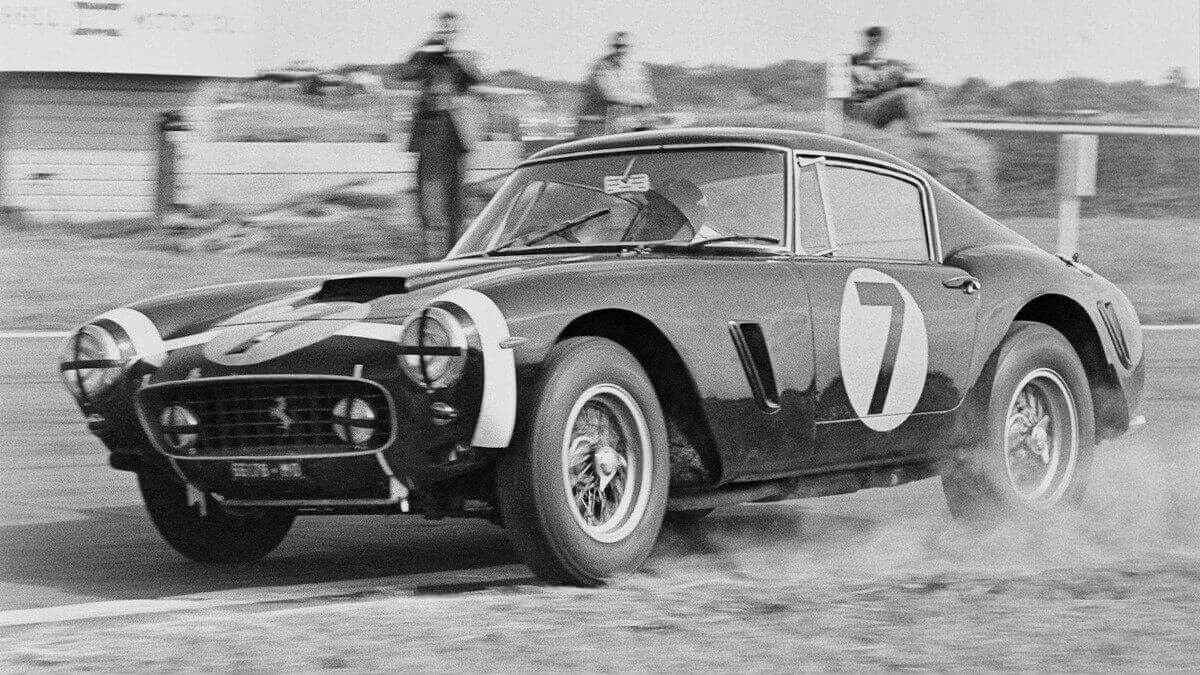
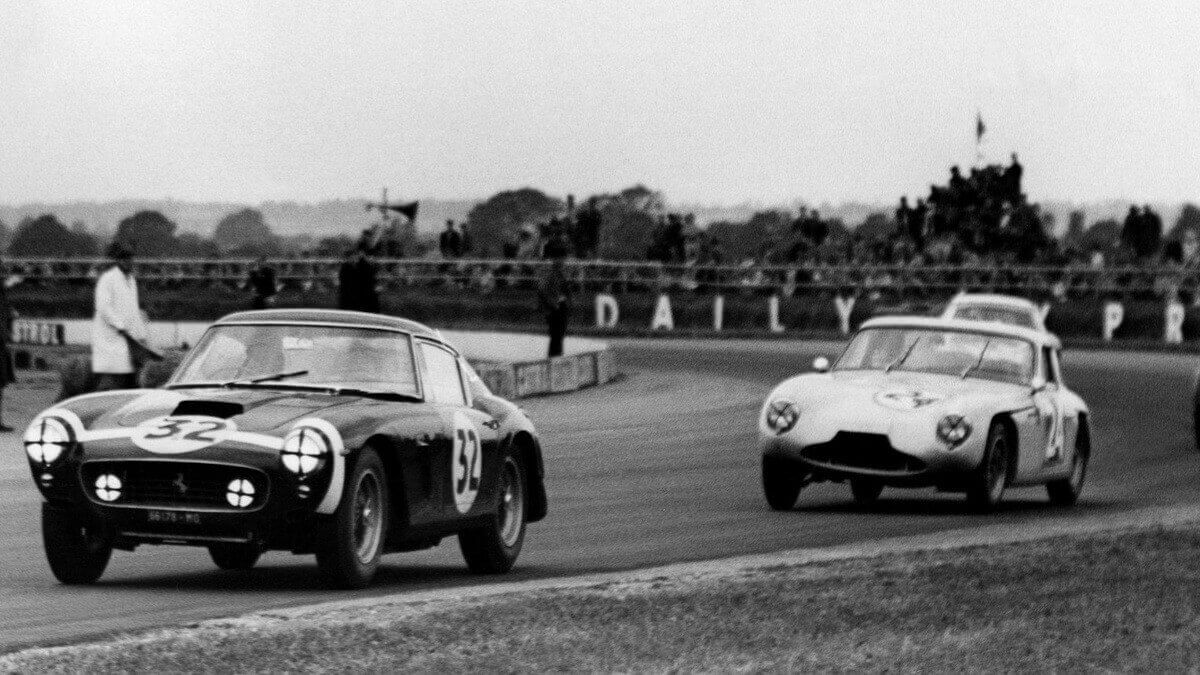
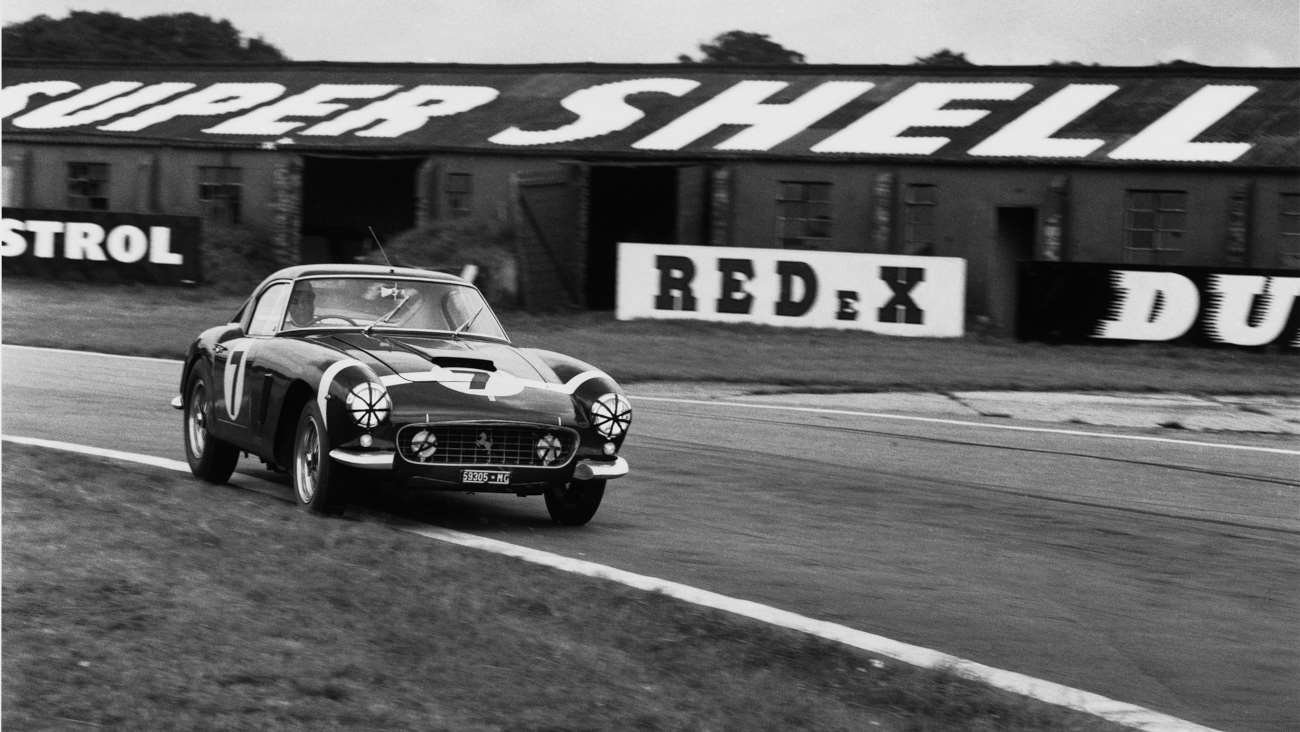
The impact of the 250 GT SWB Competizione on the track was immediate and devastating. It did not just win; it annihilated the opposition. Its debut season in 1960 set the tone for a period of dominance that would leave rival manufacturers scratching their heads. The car possessed an uncanny balance—the live rear axle, located by leaf springs and Watts linkage, was archaic on paper but perfected in practice, allowing the car to be drifted with a predictability that inspired absolute confidence. Perhaps the most iconic moment in the car’s history occurred at the 1960 RAC Tourist Trophy at Goodwood. Stirling Moss, piloting the Rob Walker-entered dark blue SWB (chassis 2119GT), didn’t just win; he toyed with the field. Stories from that day claim Moss was listening to the race commentary on the car’s radio while lapping the circuit, a testament to both his genius and the car’s supreme driveability.
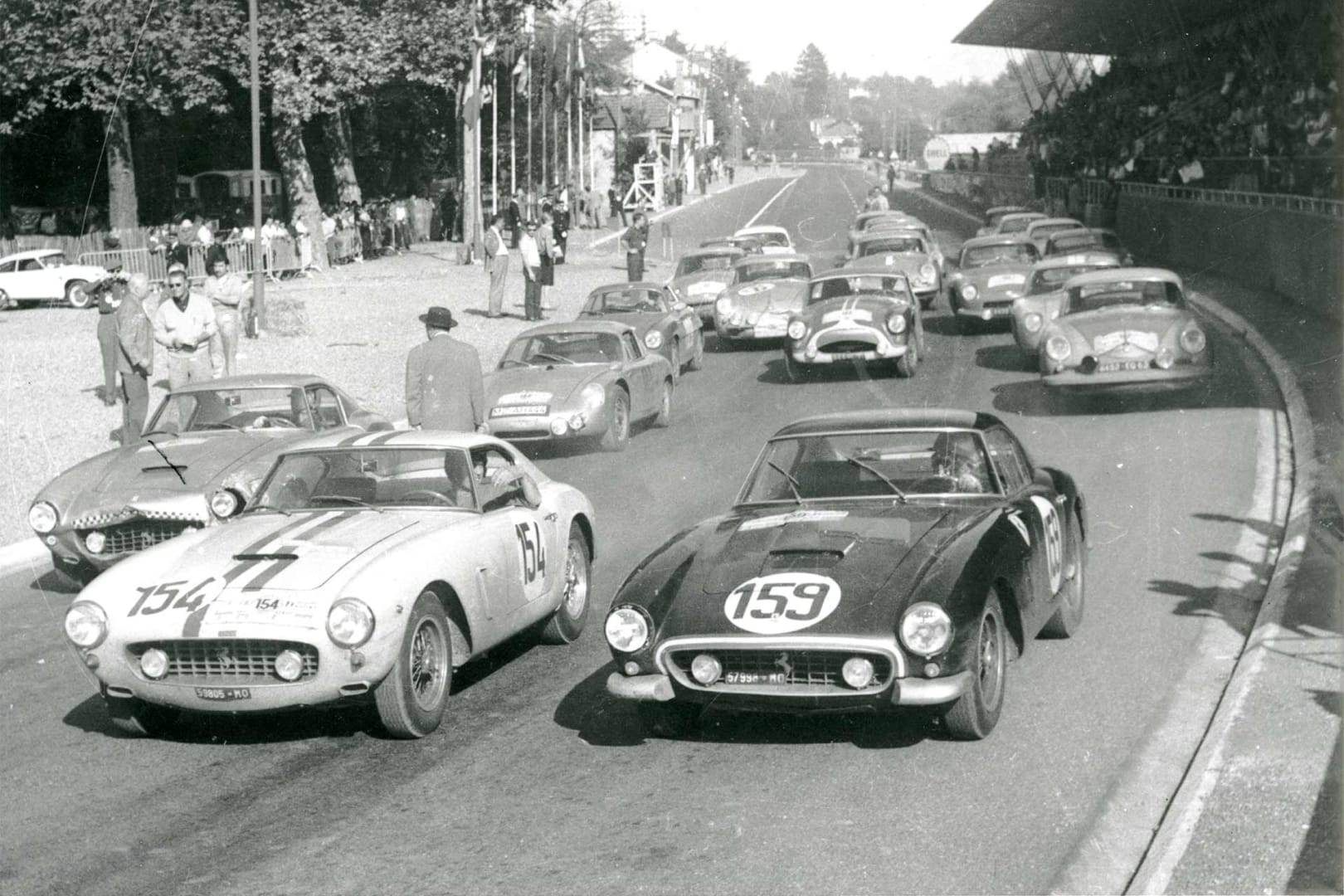
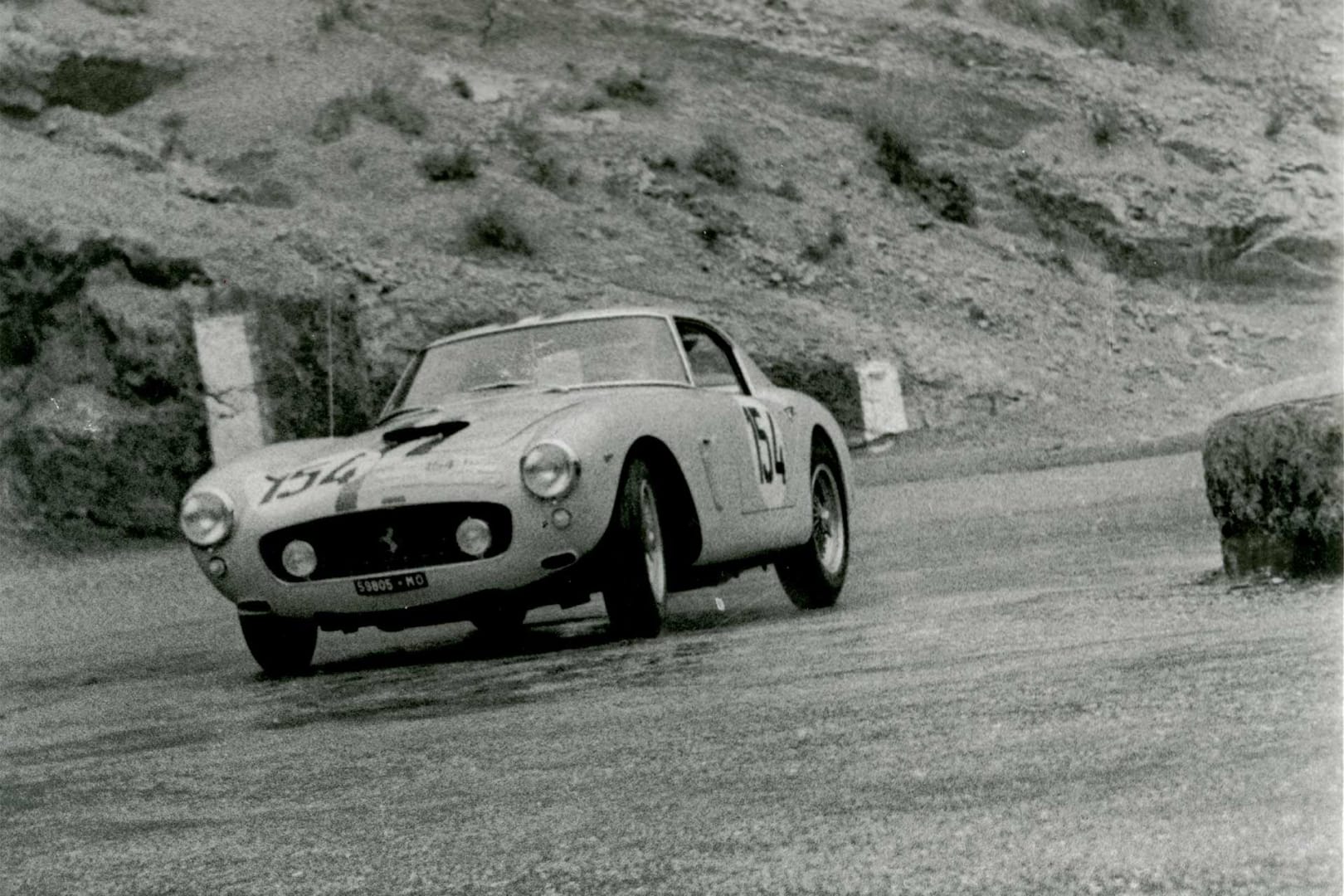
The SWB Competizione swept the GT class at Le Mans in 1960 and 1961, cementing Ferrari’s stranglehold on the World Sportscar Championship. It conquered the grueling Tour de France Automobile multiple times, proving its durability on rough public roads. It was a car that privateers adored because it was robust; unlike the highly strung prototypes of the era, the 3.0-litre V12 was nearly bulletproof. Curiously, despite being a race car, the interior was not entirely stripped of civility. While it lacked sound deadening and featured sliding Perspex windows, the classic Nardi wood-rimmed steering wheel and the gated gearshift provided a tactile connection that was pure luxury amidst the noise.
It was also the canvas for one of the most famous acts of rebellion in Ferrari history: the ‘Breadvan’. When Count Giovanni Volpi was refused a 250 GTO by Enzo Ferrari, he commissioned Bizzarrini to modify an SWB (chassis 2819GT) into a Kamm-tailed aerodynamic experiment that was arguably faster than the factory GTOs.
The legacy of the 1960 Ferrari 250 GT SWB Competizione is foundational. It serves as the genetic father of the 250 GTO—mechanically, the GTO is essentially an SWB with a lower, more aerodynamic body and a dry-sump engine. Yet, for many purists, the SWB represents a superior aesthetic purity. It stands as the high-water mark of the front-engined, live-axle GT car. It was the last time a driver could realistically expect to drive their race car to the circuit, win the laurel wreath, and drive home again without a support crew. In the modern collector market, it is a blue-chip asset, a piece of kinetic art that commands eight-figure sums, not just for its badge, but because it represents the perfect synthesis of beauty, speed, and mechanical soul.
Brand
Produced from
Portal
Vehicle category
Model line
Predecessor
Sucessor
Brand
Produced from
Portal
Vehicle category
Model line
Model generation
Predecessor
Sucessor
About this submodel
The year 1960 marked the apotheosis of the dual-purpose Grand Tourer, a fleeting moment in automotive history where a single machine could genuinely conquer the Mulsanne Straight on Sunday and navigate the cobblestones of Paris on Monday. At the absolute epicenter of this golden era stood the Ferrari 250 GT Berlinetta SWB ‘Competizione’. To understand this vehicle is to understand the final breath of the romantic era of motorsport before specialization took hold. Its predecessor, the magnificent 250 GT ‘Tour de France’ (LWB), had dominated the GT category for years, but the long wheelbase—while stable at high speed—was becoming a liability on tighter, more technical circuits against the emerging threat of the Aston Martin DB4 GT. Under the watchful eye of Giotto Bizzarrini and Carlo Chiti, Ferrari shortened the wheelbase by 200mm (from 2,600mm to 2,400mm), creating a chassis that was stiffer, lighter, and vastly more reactive. This was not merely an update; it was a sharpening of the blade that would eventually carve out the legend of the 250 GTO.
Technically, the ‘Competizione’ specification of the SWB (Short Wheelbase) was a masterclass in adding performance by subtracting excess. While the road-going ‘Lusso’ versions were bodied in steel, the Competizione models were clothed by Scaglietti in wafer-thin aluminium sheets, shaving off crucial kilograms. The aesthetic result, penned by Pinin Farina but realized by Sergio Scaglietti, is widely regarded as one of the most perfectly proportioned shapes ever to sit on four wheels—muscular, taut, and devoid of unnecessary ornamentation. Beneath the alloy skin lay the definitive iteration of the 3.0-litre Colombo V12, the Type 168. In race trim, breathing through massive Weber 46 DCF/3 carburetors and featuring high-lift camshafts and high-compression pistons, it produced a screaming 280 bhp. This engine was a marvel of flexibility and fury, capable of pottering through traffic or hammering at 7,500 rpm for 24 hours. Crucially, the SWB marked a technological watershed for Maranello: it was the first Ferrari GT to be equipped with disc brakes as standard. The Dunlop discs replaced the fade-prone drums of the LWB, finally giving Ferrari drivers the stopping power to match the engine’s thrust, a necessary evolution to hold off the disc-braked Jaguars and Astons.
The impact of the 250 GT SWB Competizione on the track was immediate and devastating. It did not just win; it annihilated the opposition. Its debut season in 1960 set the tone for a period of dominance that would leave rival manufacturers scratching their heads. The car possessed an uncanny balance—the live rear axle, located by leaf springs and Watts linkage, was archaic on paper but perfected in practice, allowing the car to be drifted with a predictability that inspired absolute confidence. Perhaps the most iconic moment in the car’s history occurred at the 1960 RAC Tourist Trophy at Goodwood. Stirling Moss, piloting the Rob Walker-entered dark blue SWB (chassis 2119GT), didn’t just win; he toyed with the field. Stories from that day claim Moss was listening to the race commentary on the car’s radio while lapping the circuit, a testament to both his genius and the car’s supreme driveability.
The SWB Competizione swept the GT class at Le Mans in 1960 and 1961, cementing Ferrari’s stranglehold on the World Sportscar Championship. It conquered the grueling Tour de France Automobile multiple times, proving its durability on rough public roads. It was a car that privateers adored because it was robust; unlike the highly strung prototypes of the era, the 3.0-litre V12 was nearly bulletproof. Curiously, despite being a race car, the interior was not entirely stripped of civility. While it lacked sound deadening and featured sliding Perspex windows, the classic Nardi wood-rimmed steering wheel and the gated gearshift provided a tactile connection that was pure luxury amidst the noise.
It was also the canvas for one of the most famous acts of rebellion in Ferrari history: the ‘Breadvan’. When Count Giovanni Volpi was refused a 250 GTO by Enzo Ferrari, he commissioned Bizzarrini to modify an SWB (chassis 2819GT) into a Kamm-tailed aerodynamic experiment that was arguably faster than the factory GTOs.
The legacy of the 1960 Ferrari 250 GT SWB Competizione is foundational. It serves as the genetic father of the 250 GTO—mechanically, the GTO is essentially an SWB with a lower, more aerodynamic body and a dry-sump engine. Yet, for many purists, the SWB represents a superior aesthetic purity. It stands as the high-water mark of the front-engined, live-axle GT car. It was the last time a driver could realistically expect to drive their race car to the circuit, win the laurel wreath, and drive home again without a support crew. In the modern collector market, it is a blue-chip asset, a piece of kinetic art that commands eight-figure sums, not just for its badge, but because it represents the perfect synthesis of beauty, speed, and mechanical soul.
Tech Specs
Discover the technical specifications
Tech Specs
Discover the technical specifications
Engine
01
03
Internal combustion engine
Configuration
Ferrari Colombo Tipo 168, V12 - 60º
Location
Front-mid, longitudinally mounted
Construction
Silumin alloy block and heads
Displacement (cc)
2,953 cc
Displacement (cu in)
180.2 cu in
Compression
9.2:1
Bore x Stroke
73.0 mm x 58.8 mm
Valvetrain
2 valves per cylinder, SOHC
Fuel feed
3 x Weber 40 DCL6 or 46 DCF/3 carburetors
Lubrication
Wet sump
Aspiration
Naturally aspirated
Output
Power (hp)
~280 hp
Power (kW)
~209 kW
Max power at
7,000 RPM
Torque (Nm)
260 Nm
Torque (ft lbs)
191.8 ft lbs
Max torque at
5,500 RPM
Drivetrain
02
03
Chassis
Type
Tubular ladder frame
Material
Steel
Body
Material
Aluminium alloy
Transmission
Gearbox
Ferrari, 4-speed manual
Drive
Rear Wheel Drive
Suspension
Front
Independent, double wishbones, coil springs, telescopic shock absorbers, anti-roll bar
Rear
Live axle, semi-elliptic leaf springs, radius arms, telescopic shock absorbers (Watt's linkage on some versions)
Steering
Type
Worm and sector
Brakes
Front
Solid discs
Rear
Solid discs
Wheels
Front
15" or 16" Borrani wire wheels
Rear
15" or 16" Borrani wire wheels
Tires
Front
6.00 x 16
Rear
6.00 x 16
Dimensions and performance
03
03
Dimensions
Lenght (mm)
4,150 mm
Lenght (in)
163.4 in
Width (mm)
1,690 mm
Width (in)
66.5 in
Height (mm)
1,260 mm
Height (in)
49.6 in
Wheelbase (mm)
2,400 mm
Wheelbase (in)
94.5 in
Weight (kg)
960 kg
Weight (lbs)
2,116 lbs
Performance
Power to weight
~0.29 hp/kg
Top speed (km/h)
268 km/h
Top speed (mph)
167 mph
0-100 km/h (0-60 mph)
6.0 s
Submodels
Other variants of this model
Submodels