Ford GT40 Roadster
Brand
Produced from
Portal
Vehicle category
Model line
Model generation
Predecessor
Sucessor
About this submodel
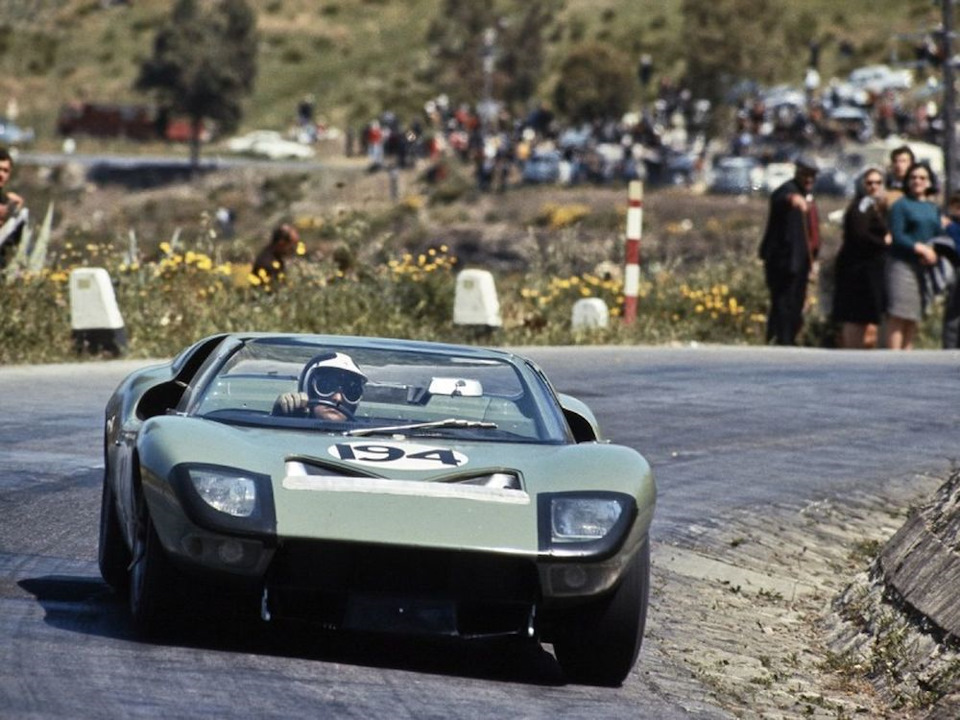
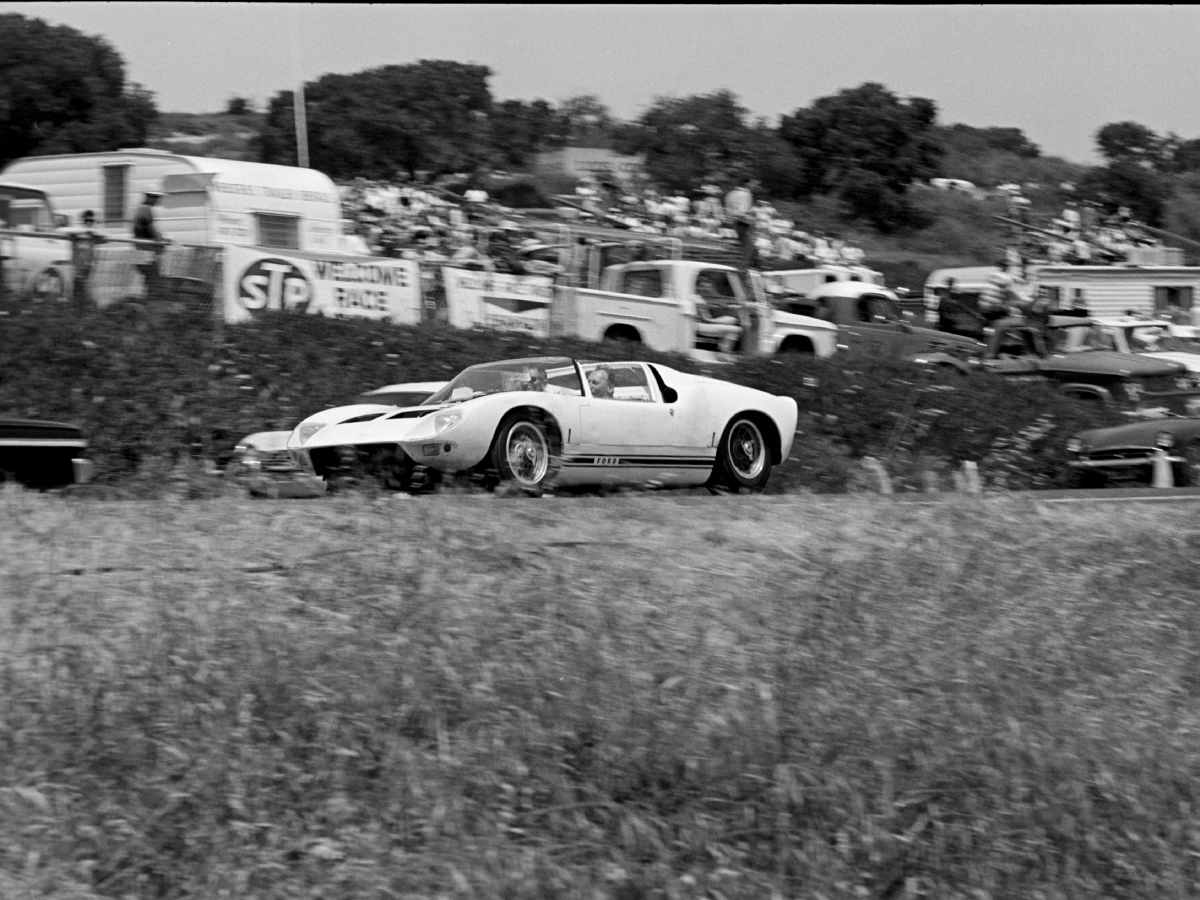
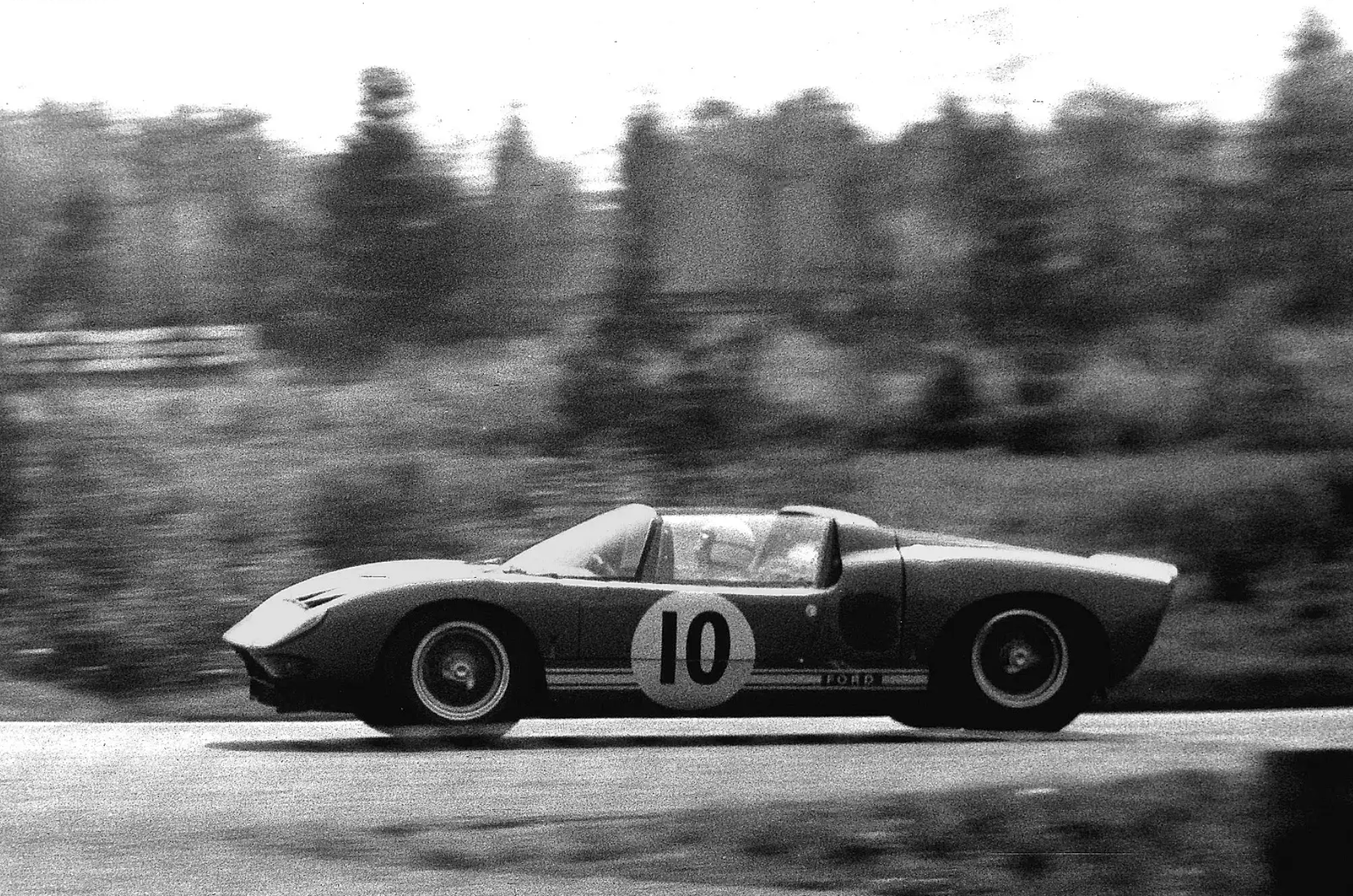
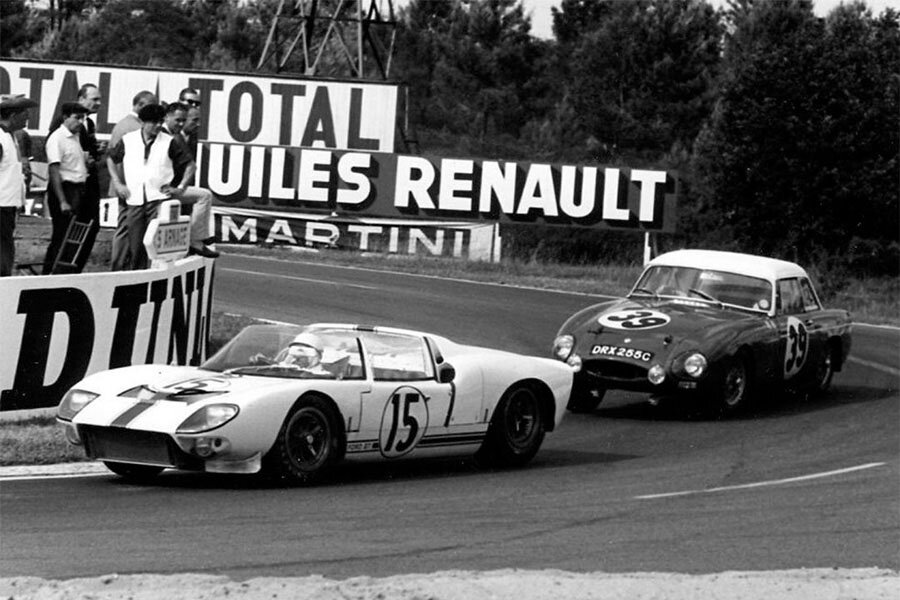
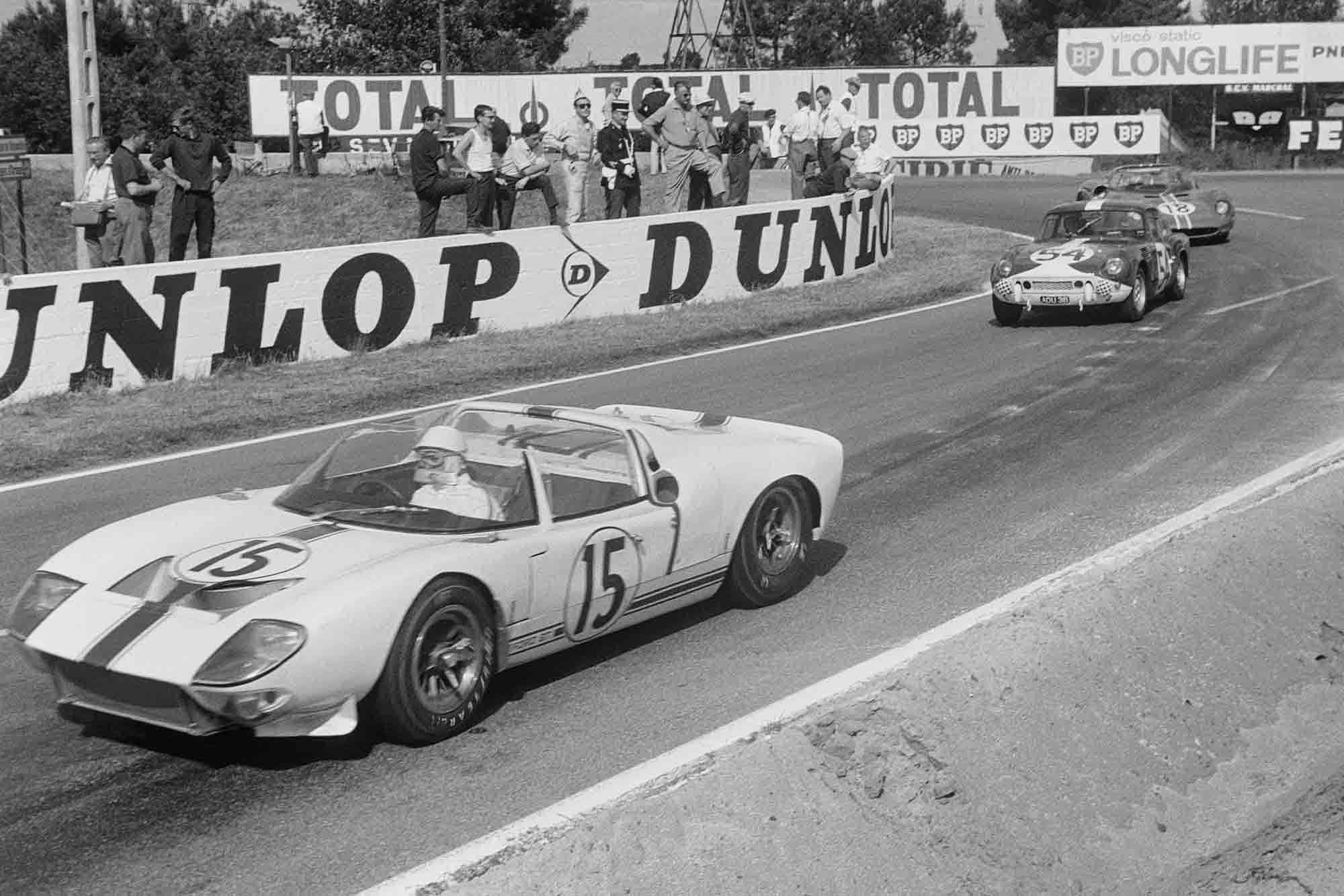
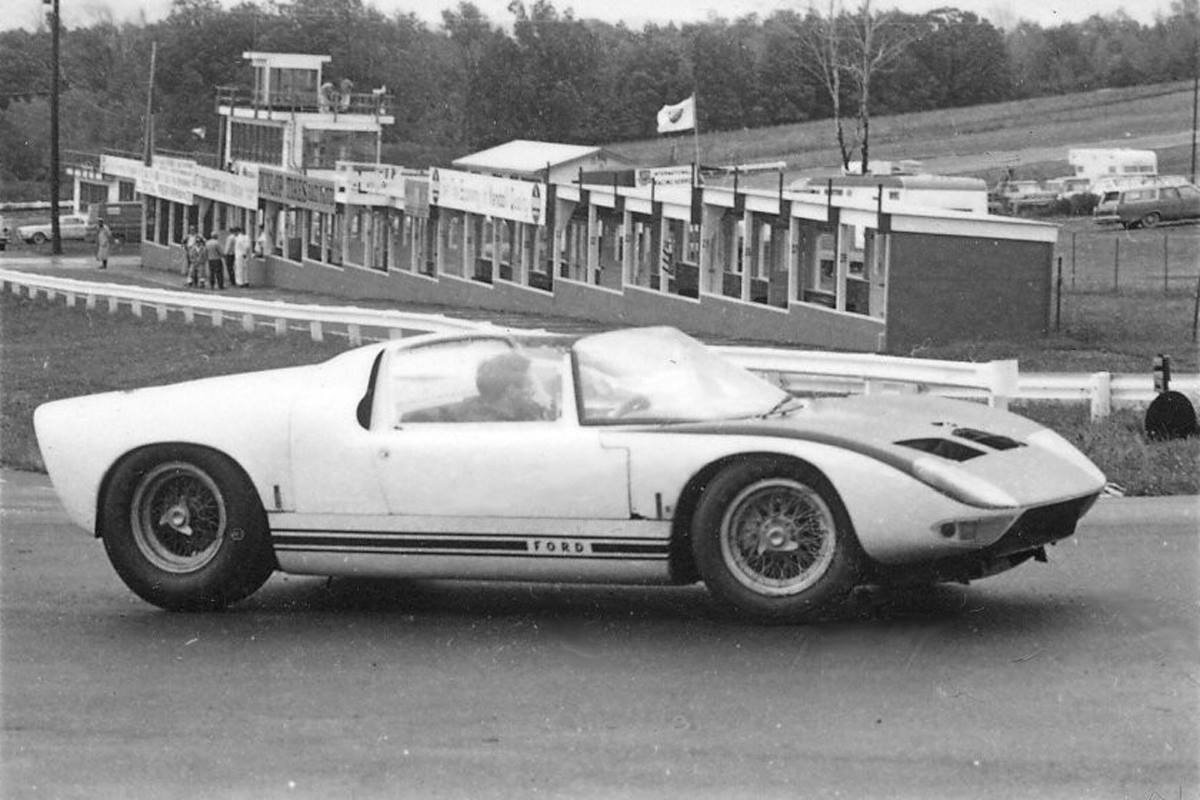
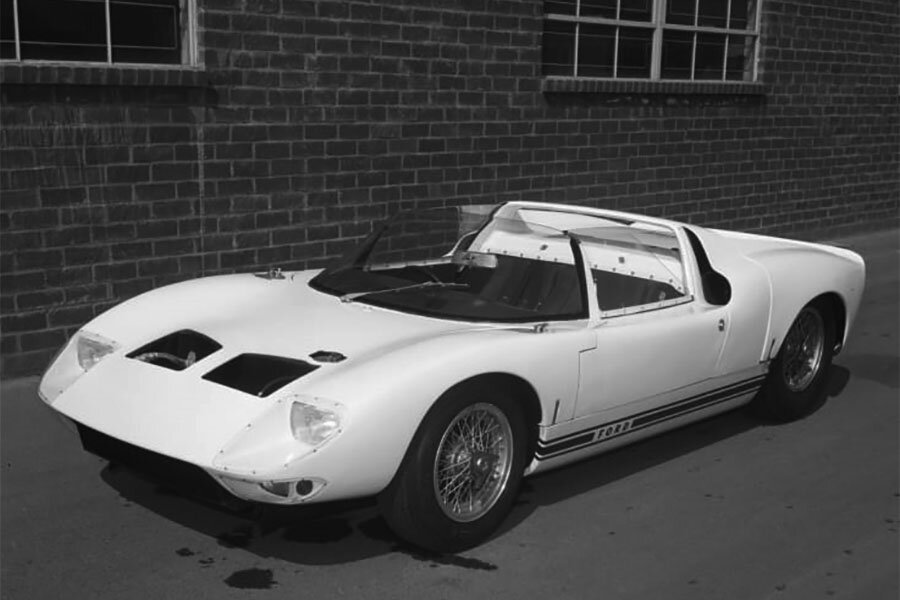
In the intoxicating, high-octane narrative of the Ford vs. Ferrari war, the 1965 Ford GT40 Roadster stands as a rare, fascinating, and somewhat tragic experimental chapter. While the coupes have been immortalized by film and victory lanes, the open-top variants remain the connoisseur’s choice, a handful of developmental mules that bridge the gap between British engineering theory and American hot-rod reality. Produced in a microscopic run of just five chassis (GT/108 through GT/112) by Ford Advanced Vehicles in Slough and later refined by Shelby American, the Roadster was conceived to solve one of the GT40’s most debilitating problems: heat. The cockpits of the early coupes were essentially mobile ovens, roasting drivers to the point of dehydration. By slicing the roof off, Ford hoped to not only cool the drivers but also shed weight, creating a sprint-format weapon to battle the open-cockpit Ferrari 275 P2 and the Chaparral 2A. However, what seemed like a simple surgical procedure turned into a complex engineering conundrum, resulting in some of the most visually stunning, yet structurally compromised, machines to ever wear the Blue Oval.
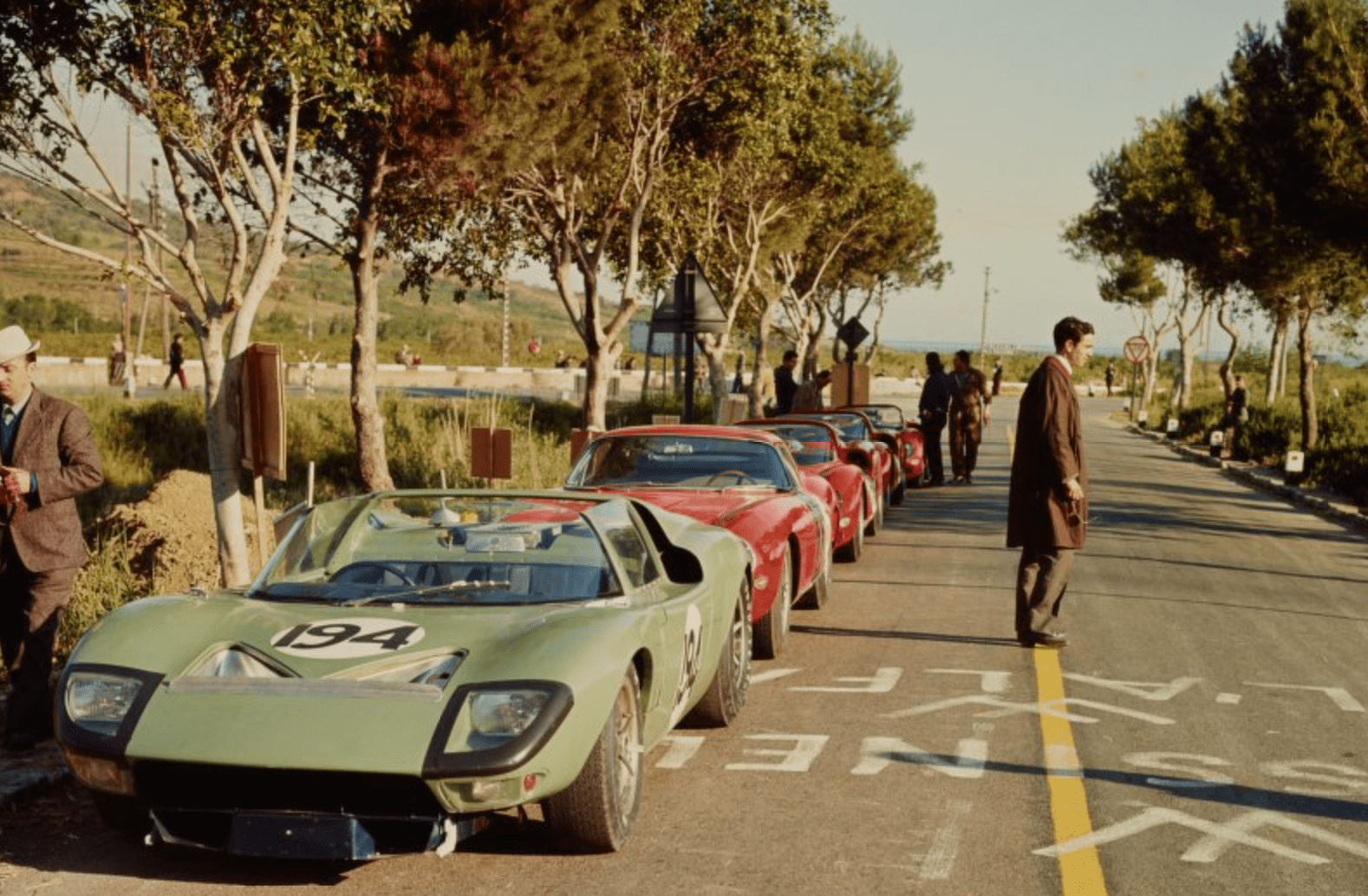
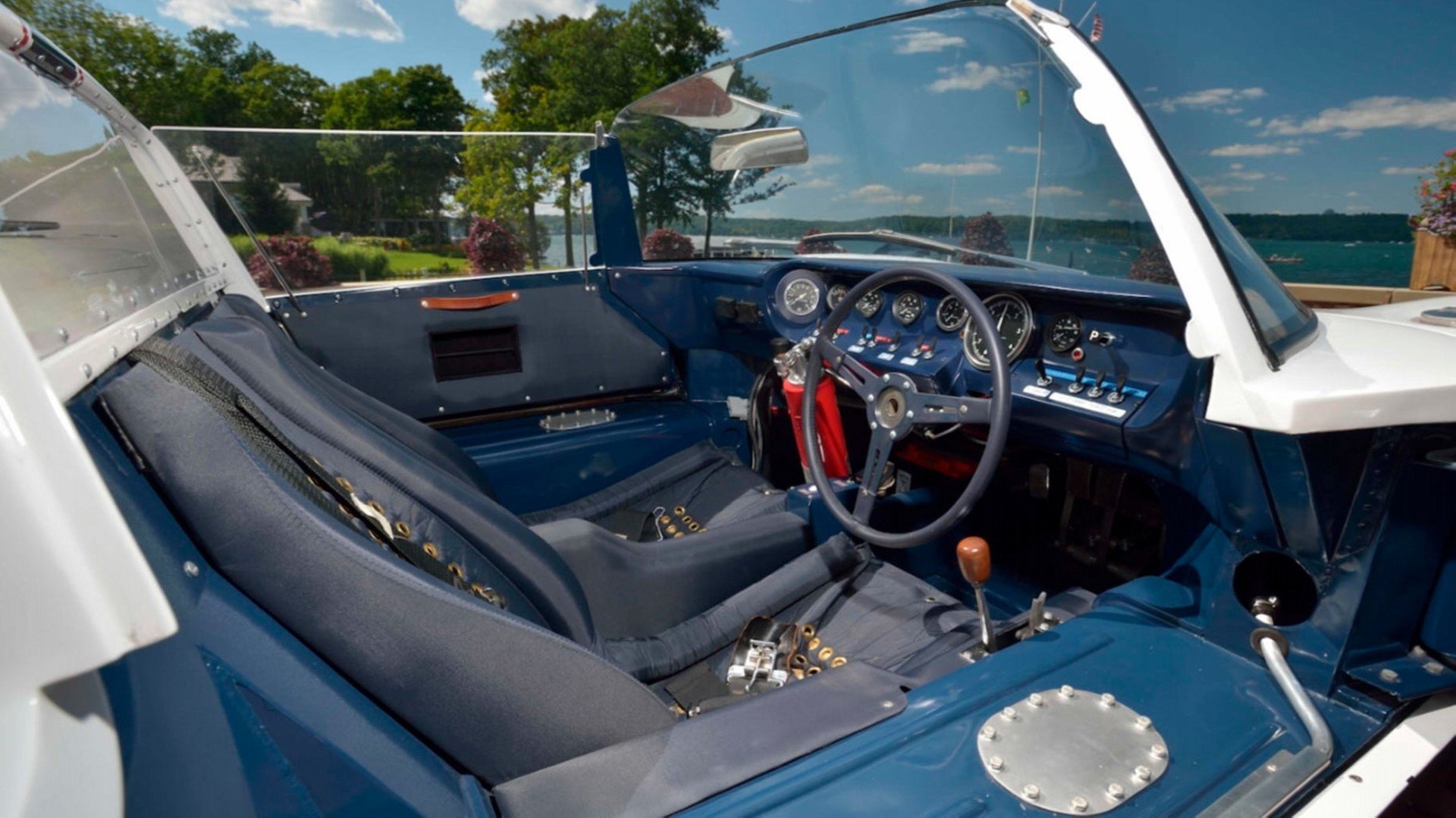
From a technical standpoint, the GT40 Roadster was an exercise in unintended consequences. The GT40’s chassis was a steel semi-monocoque, a structure where the roof played a critical role in torsional rigidity. Removing it was akin to removing the lid from a shoe box; the structural integrity evaporated. To compensate, the engineers had to weld massive steel reinforcements into the sills and bulkheads. This necessary strengthening largely negated the weight savings gained by removing the roof and door tops, leaving the Roadster roughly the same weight as the Coupe but with significantly more drag. Under the rear deck lived the same 289 cubic inch (4.7-litre) Cobra V8 found in the standard Mk I, usually breathing through a quartet of Weber 48 IDA carburetors and mated to the sturdy ZF 5-speed transaxle. Visually, the car was a masterpiece of low-slung aggression. The windshield was cut down or replaced with a negligible Perspex deflector, the rear deck featured unique humps behind the driver and passenger to smooth airflow, and the massive side intakes seemed to inhale the road itself. Without the roof, the car looked even lower and wider, a predator crouching in the grass.
The competition history of the Roadsters is brief, violent, and largely experimental. The most significant competitive outing occurred at the 1965 Targa Florio, the gruelling road race in Sicily. Shelby American entered chassis GT/111, driven by Bob Bondurant and Sir John Whitmore. The logic was sound: on the twisting, low-speed Sicilian roads, the Roadster’s lack of top-end aerodynamic efficiency wouldn’t matter, and the open cockpit would allow the driver to work harder without heatstroke. The car showed immense promise, dancing through the mountain passes with agility, until a loose wheel nut caused a wheel to part company with the car, ending its race against a stone wall. Another Roadster, GT/109, was entered by Ford France at the 1965 24 Hours of Le Mans—a brave, perhaps foolish decision given the Mulsanne Straight’s demands—but it retired early with gearbox failure.
However, the true legacy of the Roadster lies not in trophies, but in its role as the ultimate test mule. These cars were the laboratory rats of the Shelby program. Chassis GT/110, for example, was modified by Kar Kraft into the legendary “X-1” prototype. It was fitted with the massive 427 cubic inch (7.0-litre) V8 and a specialized automatic transmission, eventually winning the 12 Hours of Sebring in 1966. Furthermore, the Roadsters were the marketing darlings of the era. Chassis GT/108 remains the only unmodified survivor and is famous for being the car Carroll Shelby used to terrify Henry Ford II. As the story goes, Shelby took “The Deuce” for a spin at the LAX hangar facility, driving with such ferocity that the titan of industry emerged shaken, arguably cementing his respect for the Texan’s reckless capability.
Ultimately, the Ford GT40 Roadster project was shelved because physics dictated it. For Le Mans, the primary target, the aerodynamic drag of an open cockpit cost the car nearly 20 mph in top speed compared to the sleek Coupe. In a race decided on a 3.5-mile straight, that penalty was a death sentence. The Roadsters were relegated to the history books, overshadowed by the Mk II that would conquer France the following year. Yet, today, they occupy a unique place in the pantheon. They are the rarest of the GT40 breed, the rawest expression of the V8 sports racer, and a reminder of a time when Ford was willing to try absolutely anything—even sawing the roof off their prototype—to beat Ferrari.
Brand
Produced from
Portal
Vehicle category
Model line
Model generation
Predecessor
Sucessor
Brand
Produced from
Portal
Vehicle category
Model line
Model generation
Predecessor
Sucessor
About this submodel
In the intoxicating, high-octane narrative of the Ford vs. Ferrari war, the 1965 Ford GT40 Roadster stands as a rare, fascinating, and somewhat tragic experimental chapter. While the coupes have been immortalized by film and victory lanes, the open-top variants remain the connoisseur’s choice, a handful of developmental mules that bridge the gap between British engineering theory and American hot-rod reality. Produced in a microscopic run of just five chassis (GT/108 through GT/112) by Ford Advanced Vehicles in Slough and later refined by Shelby American, the Roadster was conceived to solve one of the GT40’s most debilitating problems: heat. The cockpits of the early coupes were essentially mobile ovens, roasting drivers to the point of dehydration. By slicing the roof off, Ford hoped to not only cool the drivers but also shed weight, creating a sprint-format weapon to battle the open-cockpit Ferrari 275 P2 and the Chaparral 2A. However, what seemed like a simple surgical procedure turned into a complex engineering conundrum, resulting in some of the most visually stunning, yet structurally compromised, machines to ever wear the Blue Oval.
From a technical standpoint, the GT40 Roadster was an exercise in unintended consequences. The GT40’s chassis was a steel semi-monocoque, a structure where the roof played a critical role in torsional rigidity. Removing it was akin to removing the lid from a shoe box; the structural integrity evaporated. To compensate, the engineers had to weld massive steel reinforcements into the sills and bulkheads. This necessary strengthening largely negated the weight savings gained by removing the roof and door tops, leaving the Roadster roughly the same weight as the Coupe but with significantly more drag. Under the rear deck lived the same 289 cubic inch (4.7-litre) Cobra V8 found in the standard Mk I, usually breathing through a quartet of Weber 48 IDA carburetors and mated to the sturdy ZF 5-speed transaxle. Visually, the car was a masterpiece of low-slung aggression. The windshield was cut down or replaced with a negligible Perspex deflector, the rear deck featured unique humps behind the driver and passenger to smooth airflow, and the massive side intakes seemed to inhale the road itself. Without the roof, the car looked even lower and wider, a predator crouching in the grass.
The competition history of the Roadsters is brief, violent, and largely experimental. The most significant competitive outing occurred at the 1965 Targa Florio, the gruelling road race in Sicily. Shelby American entered chassis GT/111, driven by Bob Bondurant and Sir John Whitmore. The logic was sound: on the twisting, low-speed Sicilian roads, the Roadster’s lack of top-end aerodynamic efficiency wouldn’t matter, and the open cockpit would allow the driver to work harder without heatstroke. The car showed immense promise, dancing through the mountain passes with agility, until a loose wheel nut caused a wheel to part company with the car, ending its race against a stone wall. Another Roadster, GT/109, was entered by Ford France at the 1965 24 Hours of Le Mans—a brave, perhaps foolish decision given the Mulsanne Straight’s demands—but it retired early with gearbox failure.
However, the true legacy of the Roadster lies not in trophies, but in its role as the ultimate test mule. These cars were the laboratory rats of the Shelby program. Chassis GT/110, for example, was modified by Kar Kraft into the legendary “X-1” prototype. It was fitted with the massive 427 cubic inch (7.0-litre) V8 and a specialized automatic transmission, eventually winning the 12 Hours of Sebring in 1966. Furthermore, the Roadsters were the marketing darlings of the era. Chassis GT/108 remains the only unmodified survivor and is famous for being the car Carroll Shelby used to terrify Henry Ford II. As the story goes, Shelby took “The Deuce” for a spin at the LAX hangar facility, driving with such ferocity that the titan of industry emerged shaken, arguably cementing his respect for the Texan’s reckless capability.
Ultimately, the Ford GT40 Roadster project was shelved because physics dictated it. For Le Mans, the primary target, the aerodynamic drag of an open cockpit cost the car nearly 20 mph in top speed compared to the sleek Coupe. In a race decided on a 3.5-mile straight, that penalty was a death sentence. The Roadsters were relegated to the history books, overshadowed by the Mk II that would conquer France the following year. Yet, today, they occupy a unique place in the pantheon. They are the rarest of the GT40 breed, the rawest expression of the V8 sports racer, and a reminder of a time when Ford was willing to try absolutely anything—even sawing the roof off their prototype—to beat Ferrari.
Tech Specs
Discover the technical specifications
Tech Specs
Discover the technical specifications
Engine
01
03
Internal combustion engine
Configuration
Ford Windsor 289 "Cobra" Race Spec, V8 - 90º
Location
Mid, longitudinally mountedC
Construction
Cast iron block and heads
Displacement (cc)
4,736 cc
Displacement (cu in)
289.0 cu in
Compression
10.5:1
Bore x Stroke
101.6 mm x 72.9 mm
Valvetrain
2 valves per cylinder, OHV (Pushrod)
Fuel feed
4 x Weber 48 IDA carburetors
Lubrication
Dry sump
Aspiration
Naturally aspirated
Output
Power (hp)
380 hp
Power (kW)
283 kW
Max power at
7,000 RPM
Torque (Nm)
434 Nm
Torque (ft lbs)
320 ft lbs
Max torque at
5,000 RPM
Drivetrain
02
03
Chassis
Type
Semi-monocoque (Specially reinforced for open roof application)
Material
Steel
Body
Material
Fibreglass
Transmission
Gearbox
ZF 5DS-25, 5-speed manual
Drive
Rear Wheel Drive (Limited Slip Differential)
Suspension
Front
Independent, double wishbones, coil springs, adjustable dampers, anti-roll bar
Rear
Independent, double trailing links, lower wishbones, coil springs, adjustable dampers, anti-roll bar
Steering
Type
Rack and pinion
Brakes
Front
Ventilated Girling discs Ø292 mm, 4-piston calipers
Rear
Ventilated Girling discs Ø285 mm, 2-piston calipers
Wheels
Front
8" x 15"
Rear
9.5" x 15"
Tires
Front
5.50-15
Rear
7.00-15
Dimensions and performance
03
03
Dimensions
Lenght (mm)
4,140 mm
Lenght (in)
163.0 in
Width (mm)
1,778 mm
Width (in)
70.0 in
Height (mm)
1,000 mm
Height (in)
39.4 in
Wheelbase (mm)
2,413 mm
Wheelbase (in)
95.0 in
Weight (kg)
~980 kg
Weight (lbs)
~2,160 lbs
Performance
Power to weight
~0.39 hp/kg
Top speed (km/h)
~300 km/h
Top speed (mph)
~186 mph
0-100 km/h (0-60 mph)
~4.1 s
Submodels
Other variants of this model
Submodels