Chevron B8 Climax FPF
Brand
Produced from
Portal
Vehicle category
Model line
Model generation
Predecessor
Sucessor
About this submodel
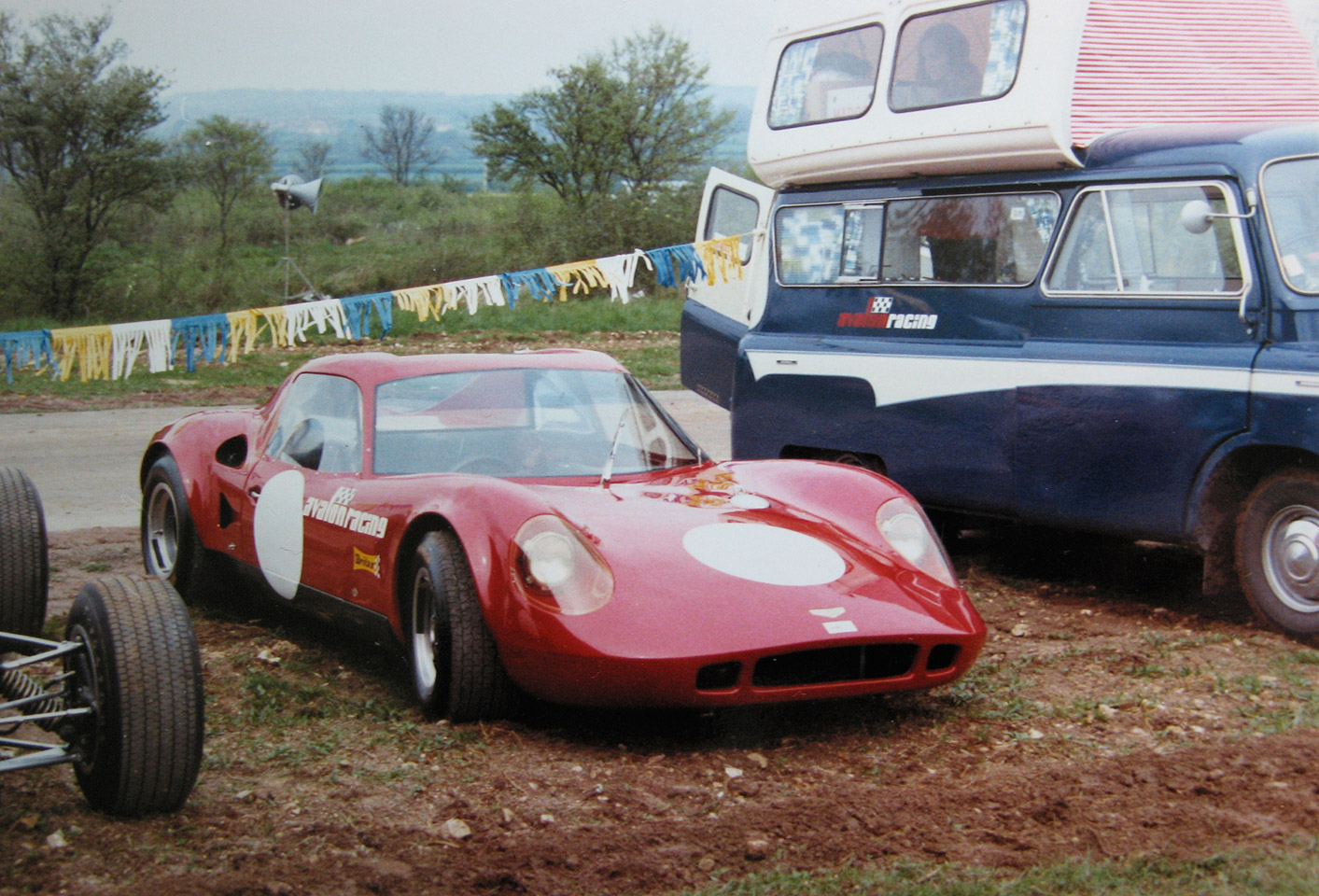
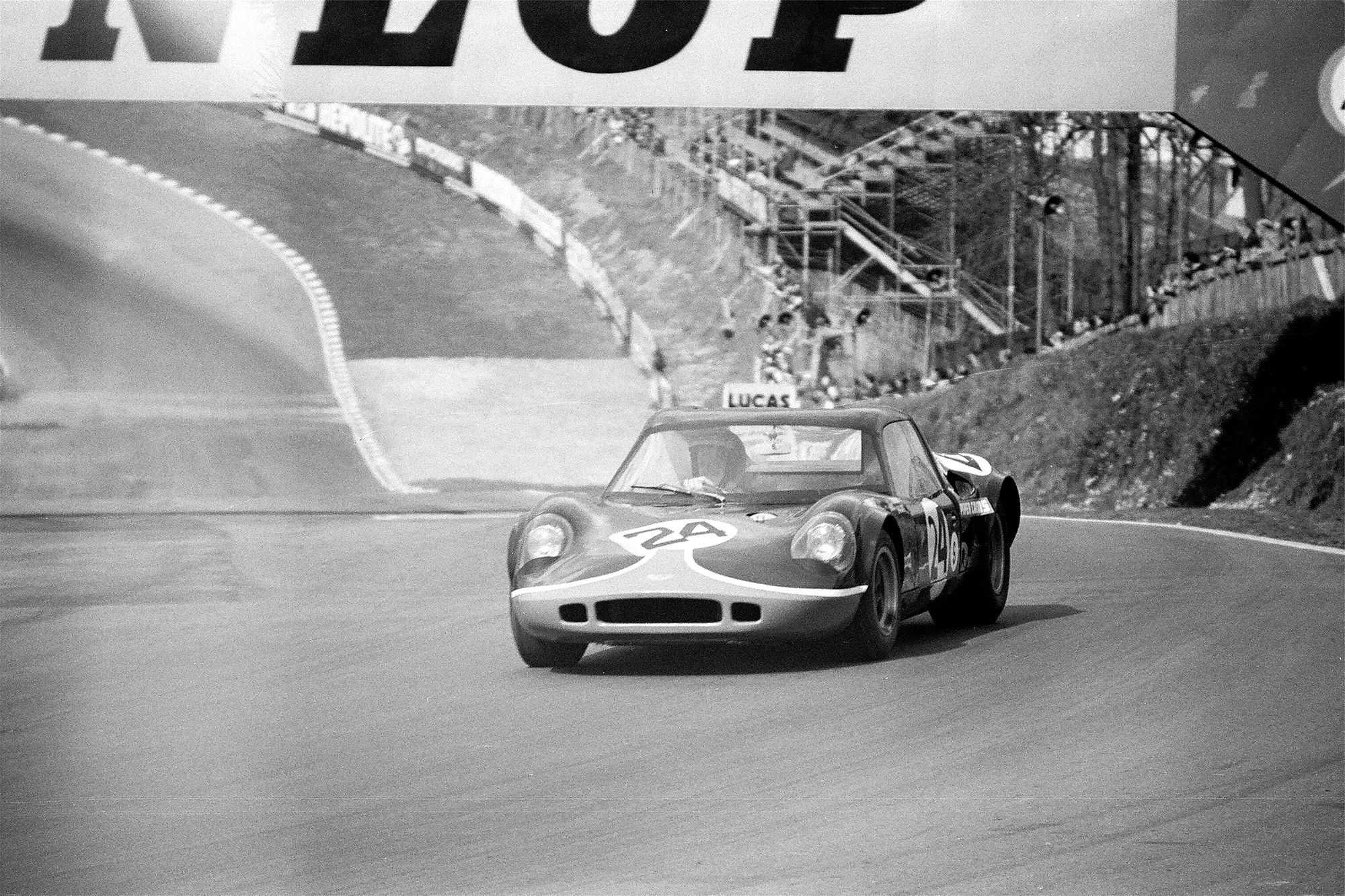
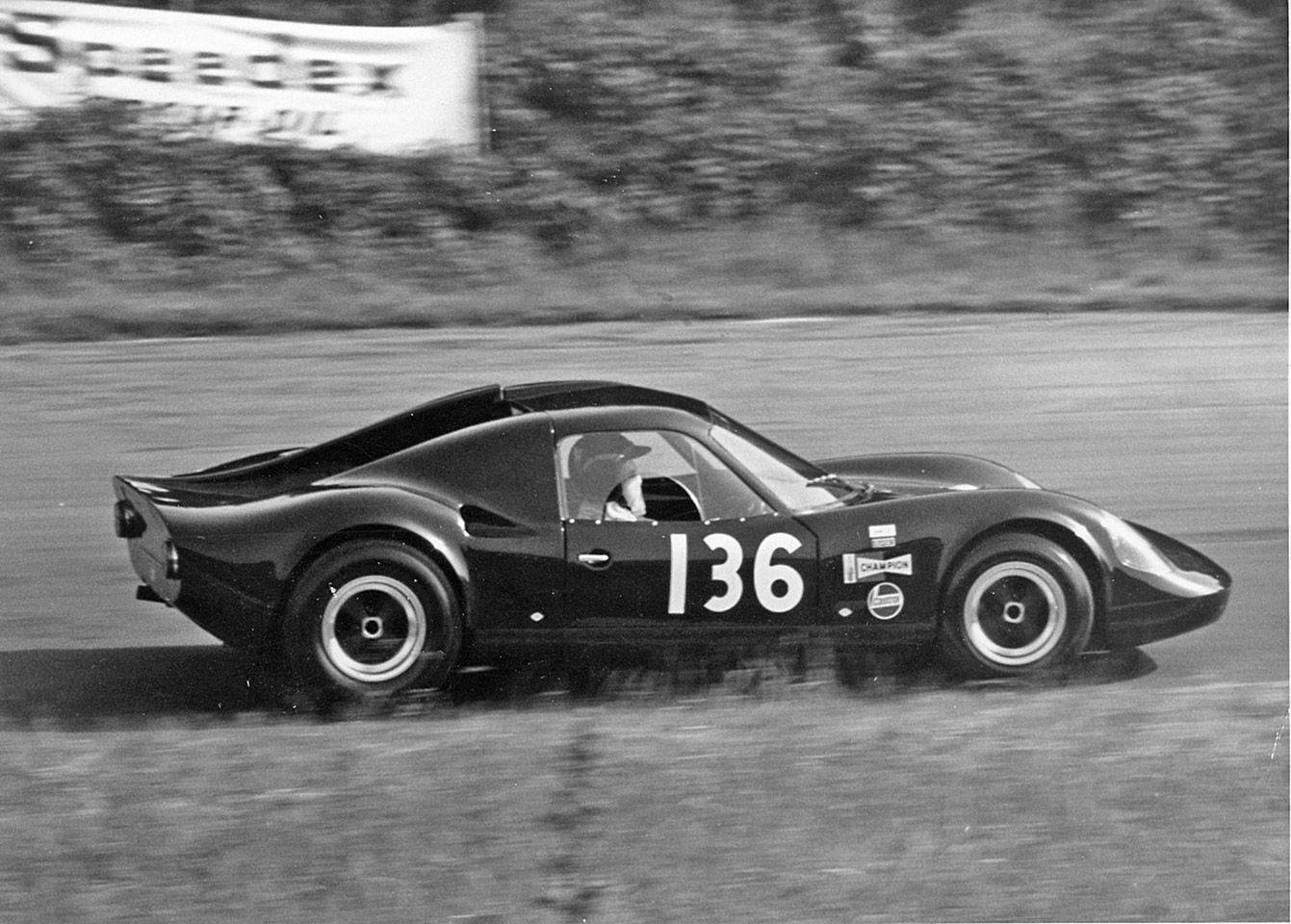
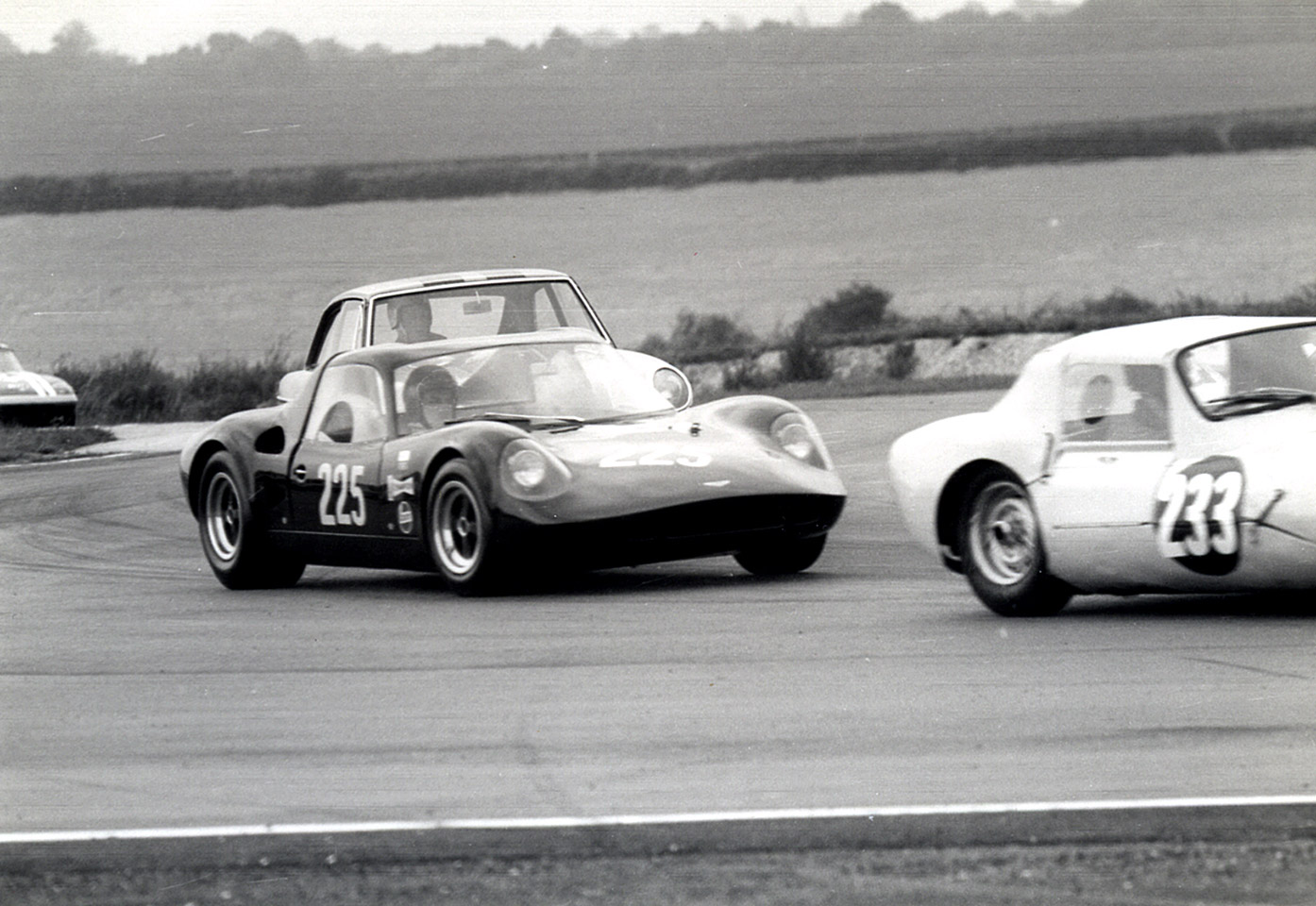
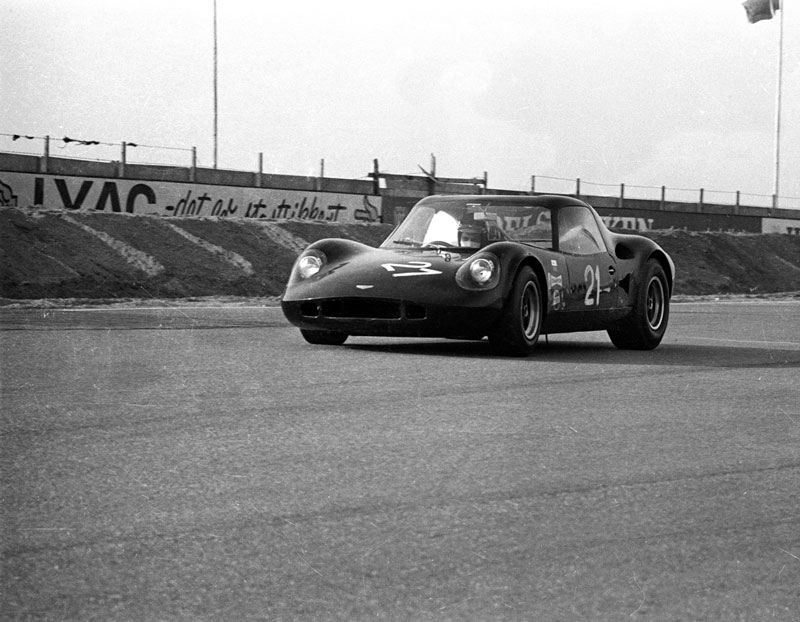
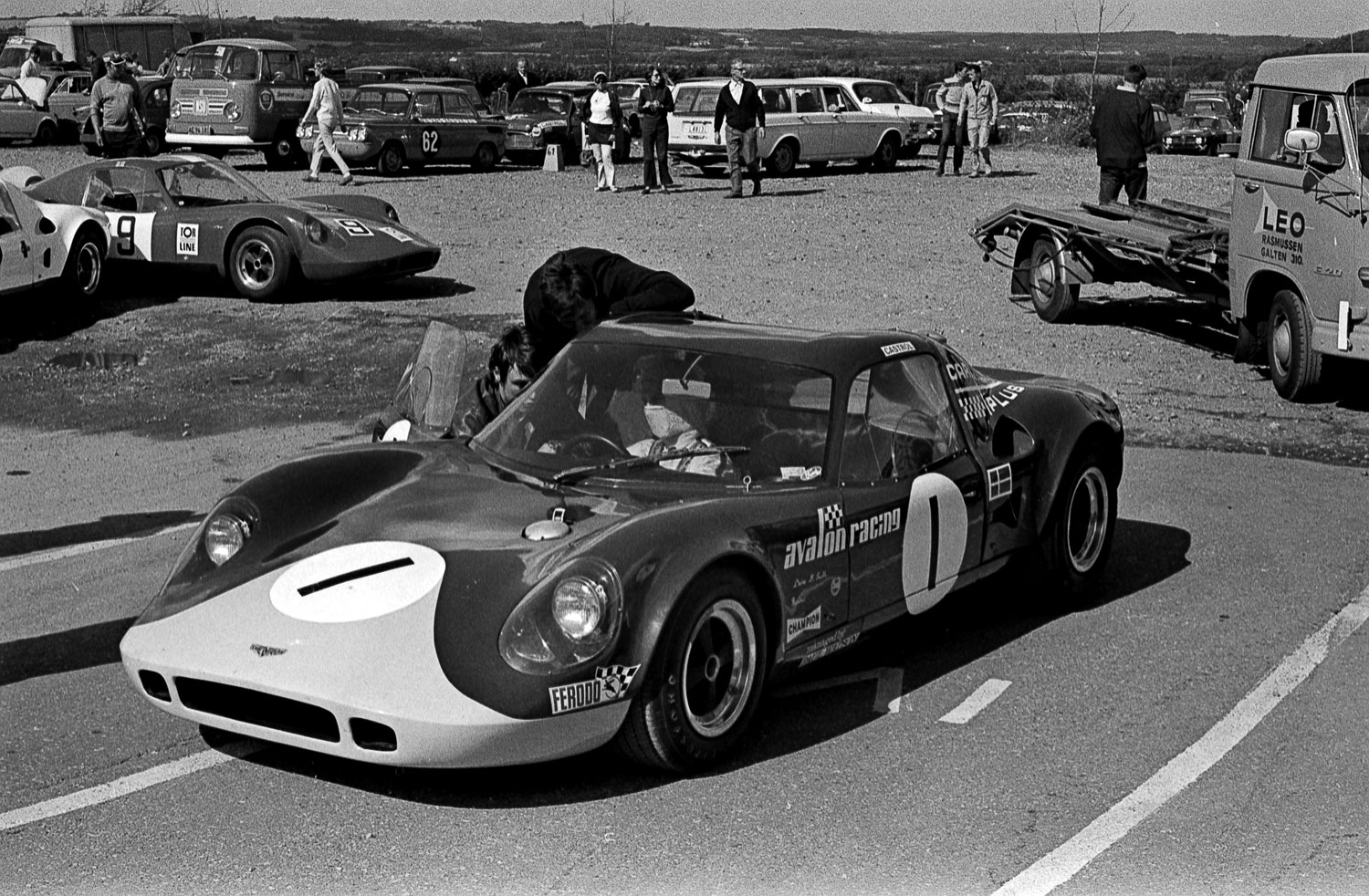
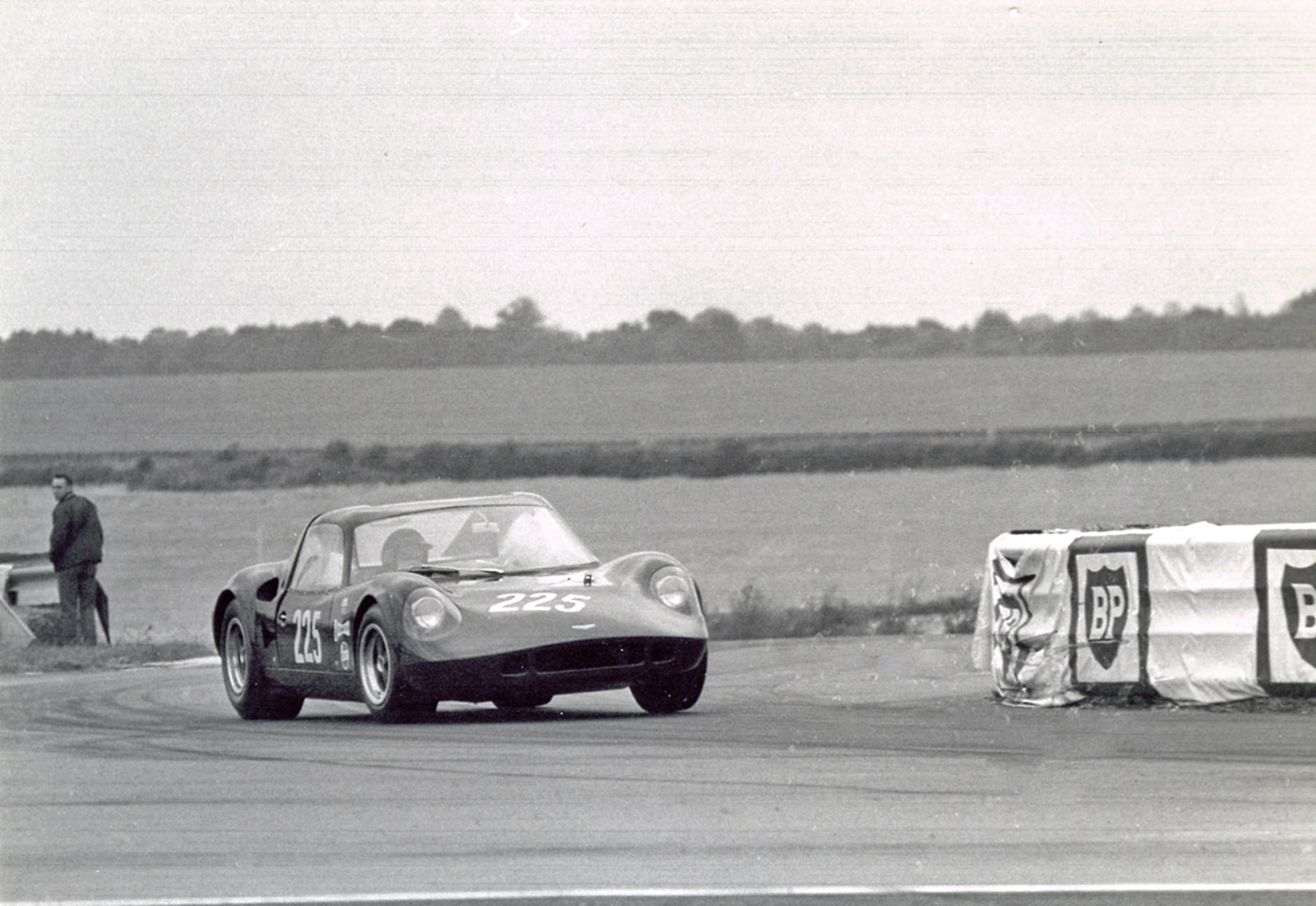
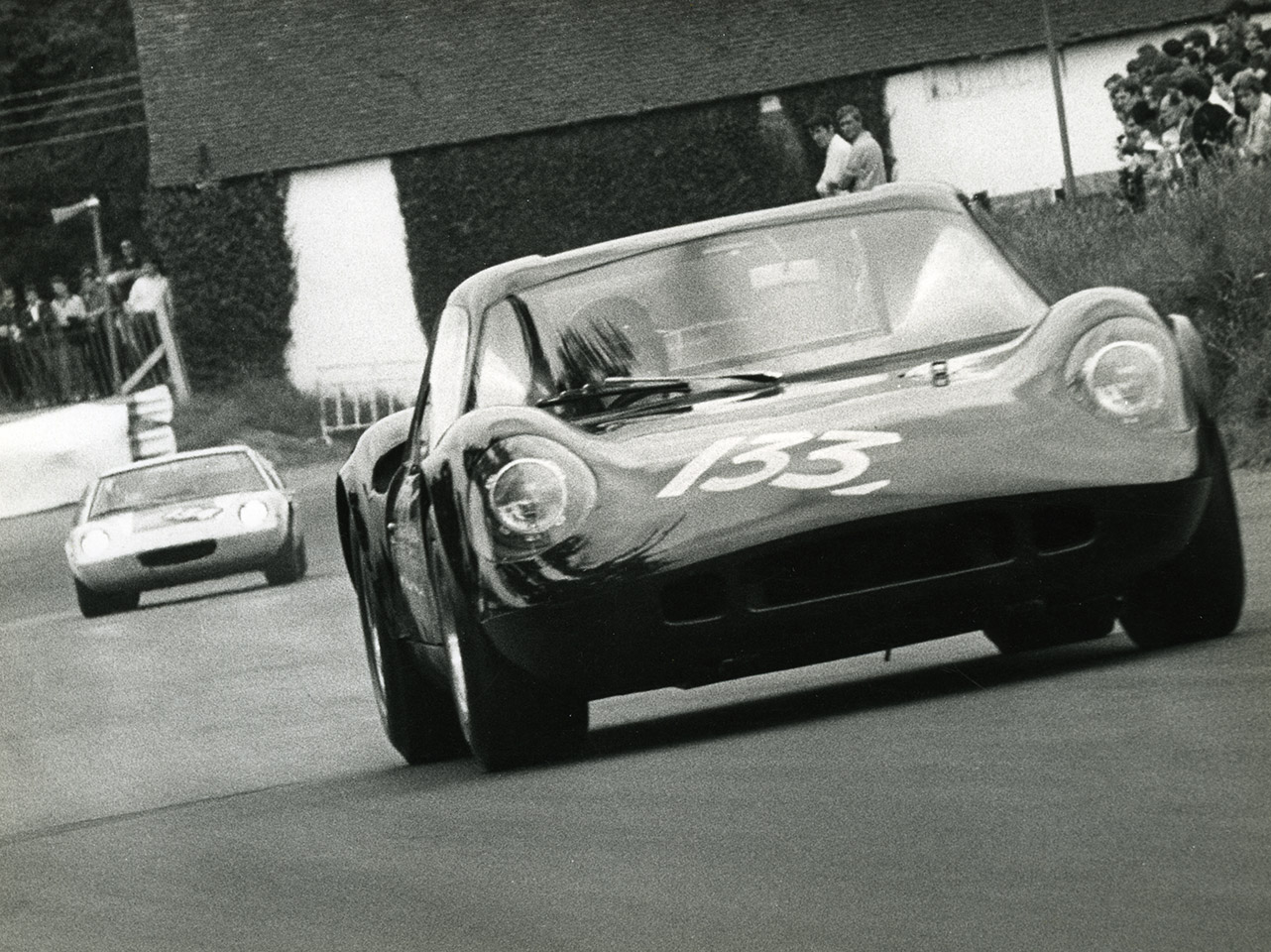
Derek Bennett’s 1968 Chevron B8 was a masterpiece of pragmatism, a car that served as a near-perfect “universal soldier” for the privateer racer. It was a chassis so brilliantly conceived—so light, so strong, so forgiving—that it was offered as a blank canvas, ready to accept whichever 2.0-litre engine the customer deemed best. The new, high-revving Cosworth FVA was the 1.6L class-winner. The BMW M10/M12 was the 2.0L torque-rich workhorse, the giant-killer of the Nürburgring. And then, there was the traditionalist’s choice. This was the Chevron B8 Coventry Climax FPF, a car that represented a bridge between two distinct eras of motorsport: the most advanced privateer chassis of the late 1960s, powered by the most legendary privateer engine of the late 1950s.
The Coventry Climax FPF engine was, by 1968, a living legend. This was not a new, unproven unit; it was a grizzled veteran. This was the engine, designed by Wally Hassan, that had won the Formula 1 World Championship with Jack Brabham. It was the engine that had powered Stirling Moss’s agile Rob Walker Coopers and Lotuses to giant-killing F1 victories. It was, in short, one of the greatest four-cylinder racing engines ever built. By the mid-1960s, the 2.0-litre FPF Mk.II was a known quantity. It was a DOHC, all-aluminium, four-cylinder unit, fed by two large Weber carburettors, producing a reliable and potent 185-195 hp. Its best days in F1 were long gone, but for a privateer sports car team, it was a proven, powerful, and, crucially, available engine.
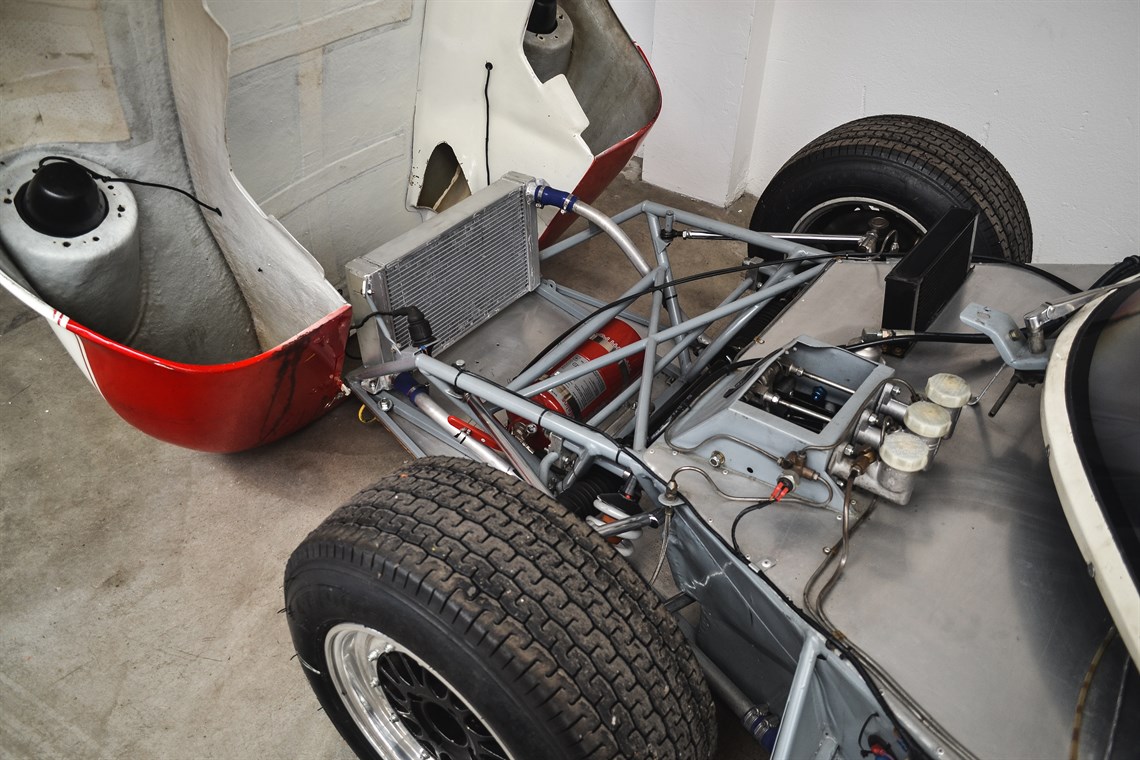
Derek Bennett’s genius was in creating a chassis that could harness this “old guard” engine and make it competitive against the new generation. The B8’s foundation was its robust, TIG-welded steel space frame. This was a deliberate, pragmatic choice. While rivals like Porsche were using exotic, fragile monocoques, Bennett knew his customers were not factory teams. They were “clubmen” who needed a car that could survive a 1000km race and be repaired in their own garage after a shunt. This strong, stiff frame was wrapped in a breathtakingly beautiful, low-drag fibreglass body, a shape that was as slippery as it was elegant. The B8’s sophisticated, fully independent, double-wishbone suspension and four-wheel Girling disc brakes provided handling that was forgiving and, in the right hands, world-beating.
The B8-FPF was a “pure” Chevron in that it was a simple, light, and perfectly balanced package. While the B8-BMW was defined by its high-torque grunt, the B8-FPF was a more classic, high-revving experience. It was the quintessential “momentum” car, its drivers needing to keep the FPF engine “on the boil” in its narrow powerband. But what it gave up in torque, it made up for in proven, unburstable reliability.
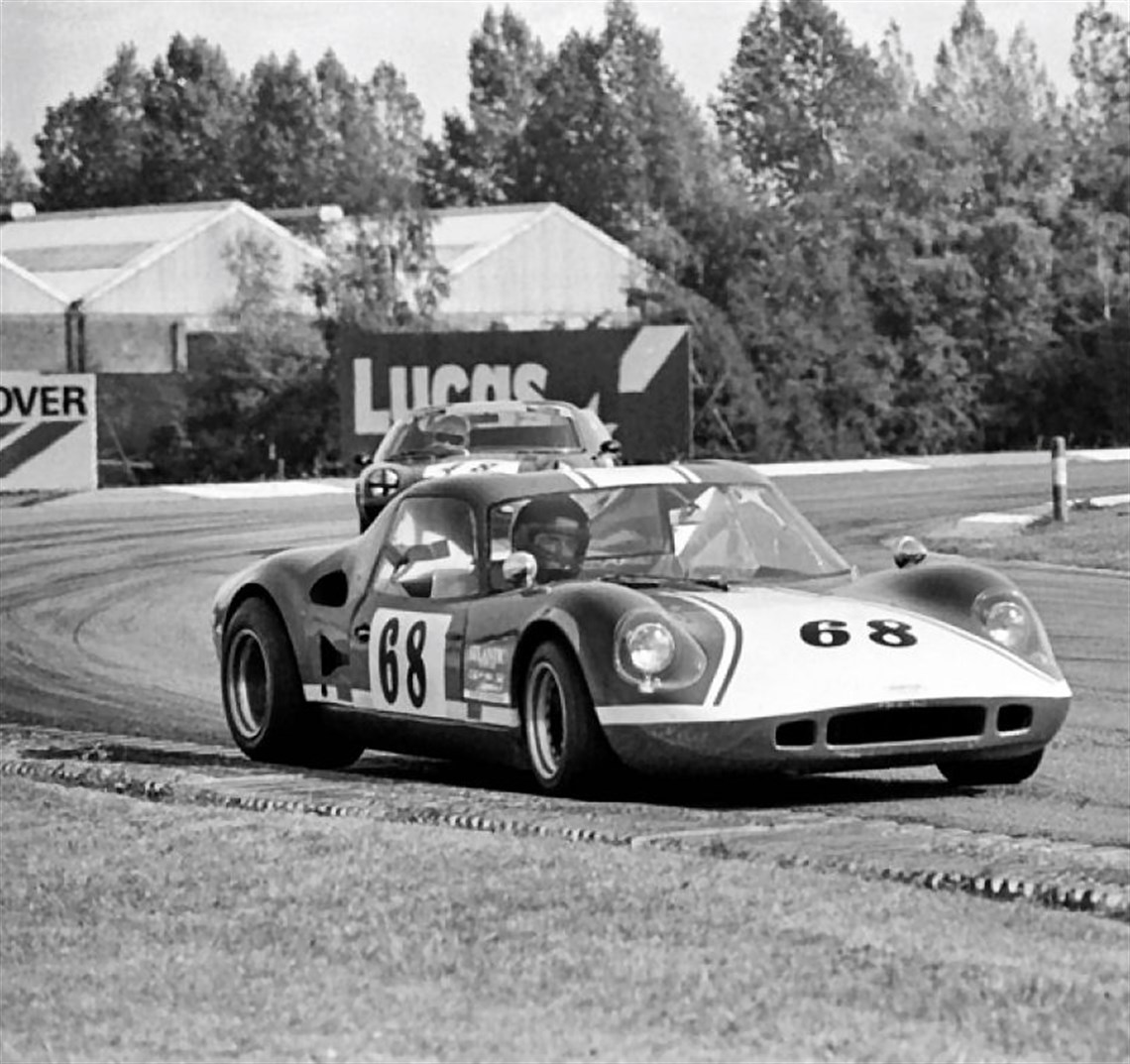
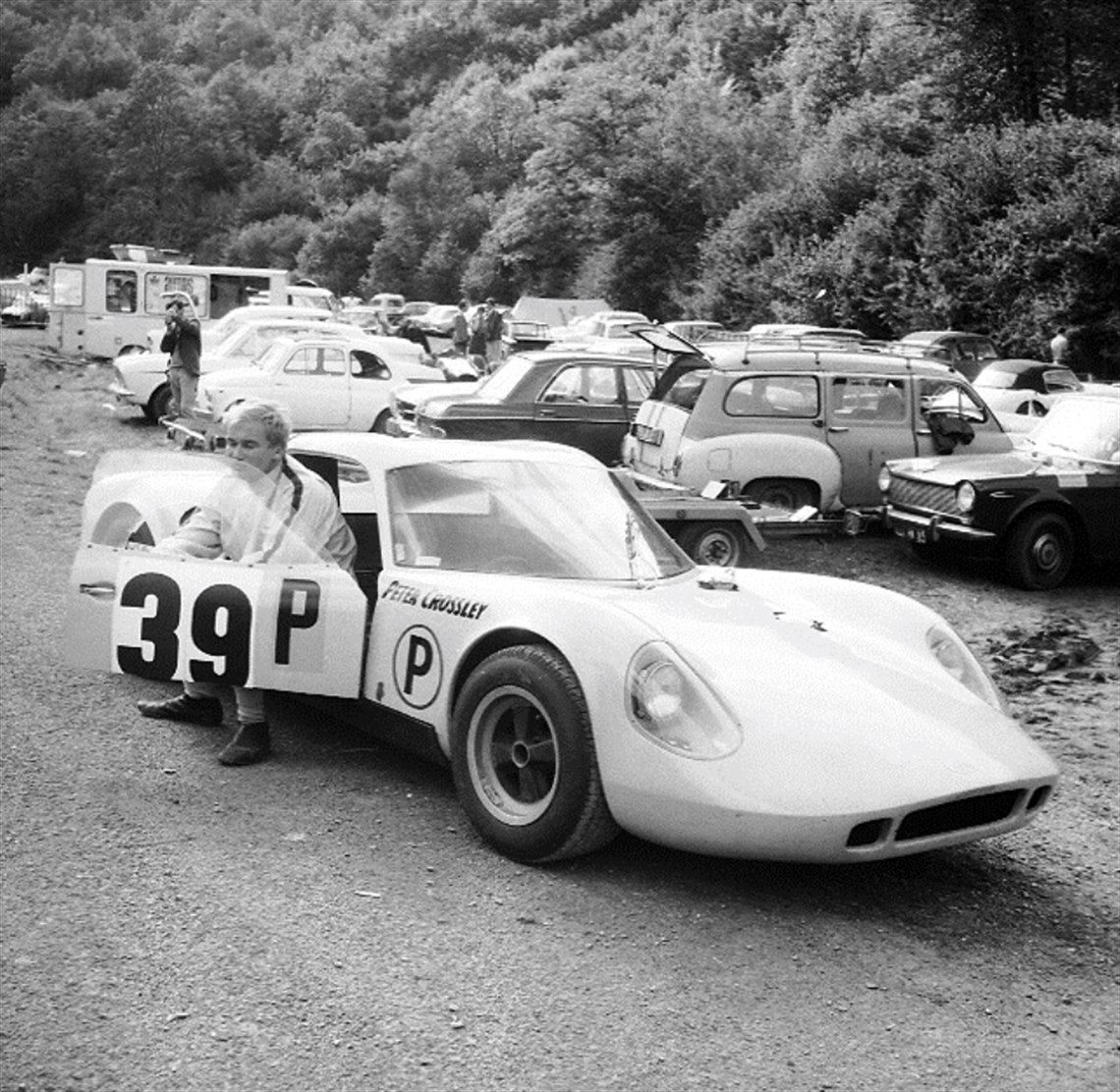
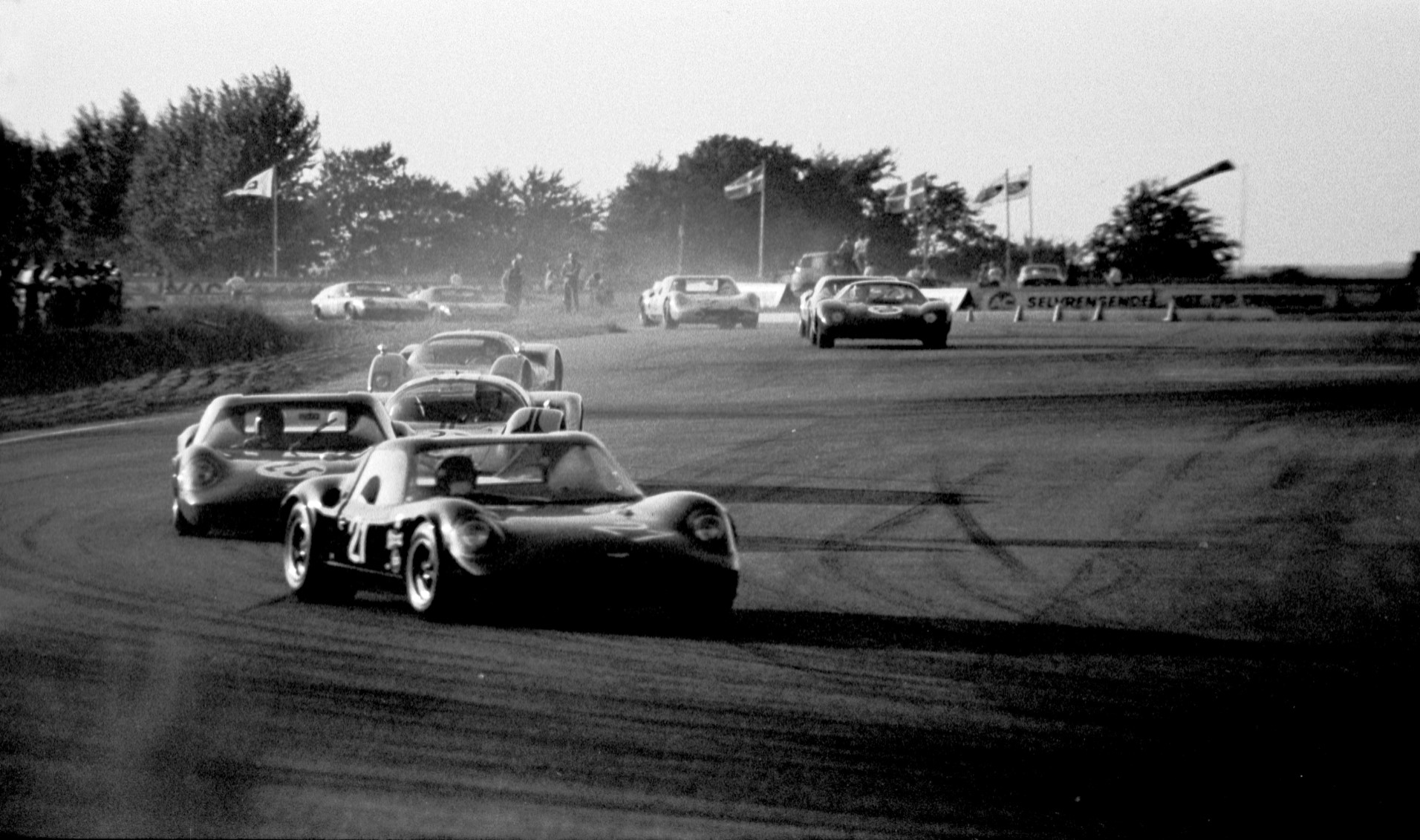
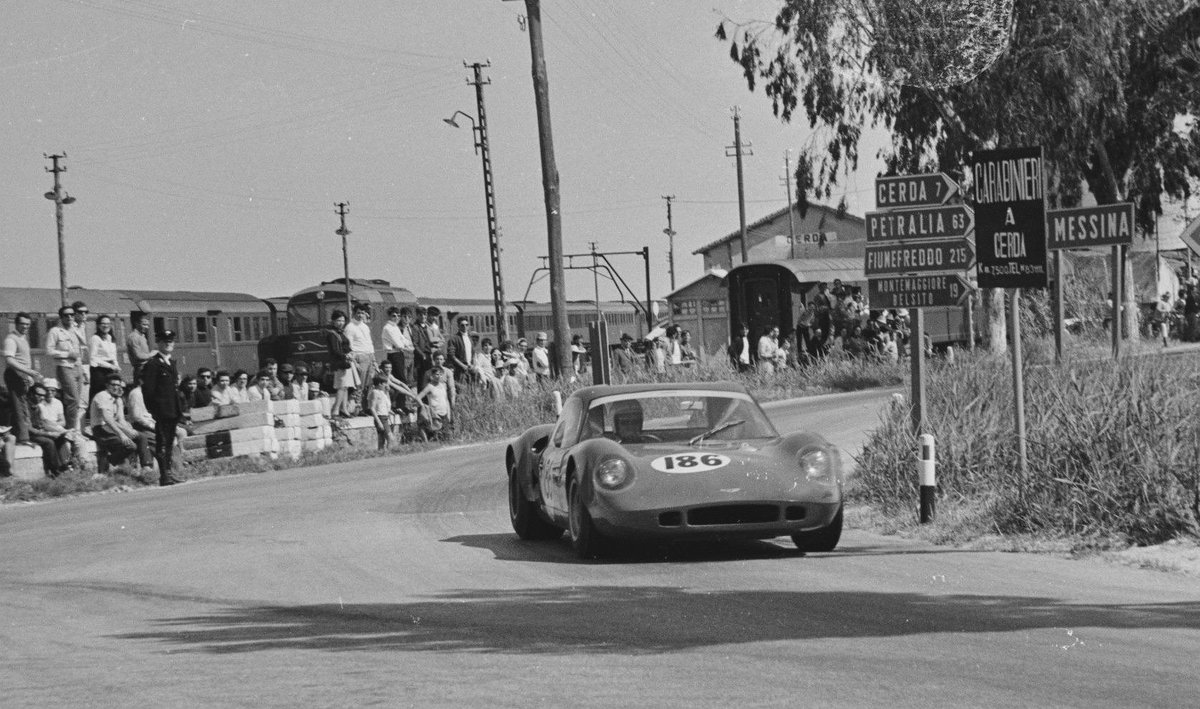
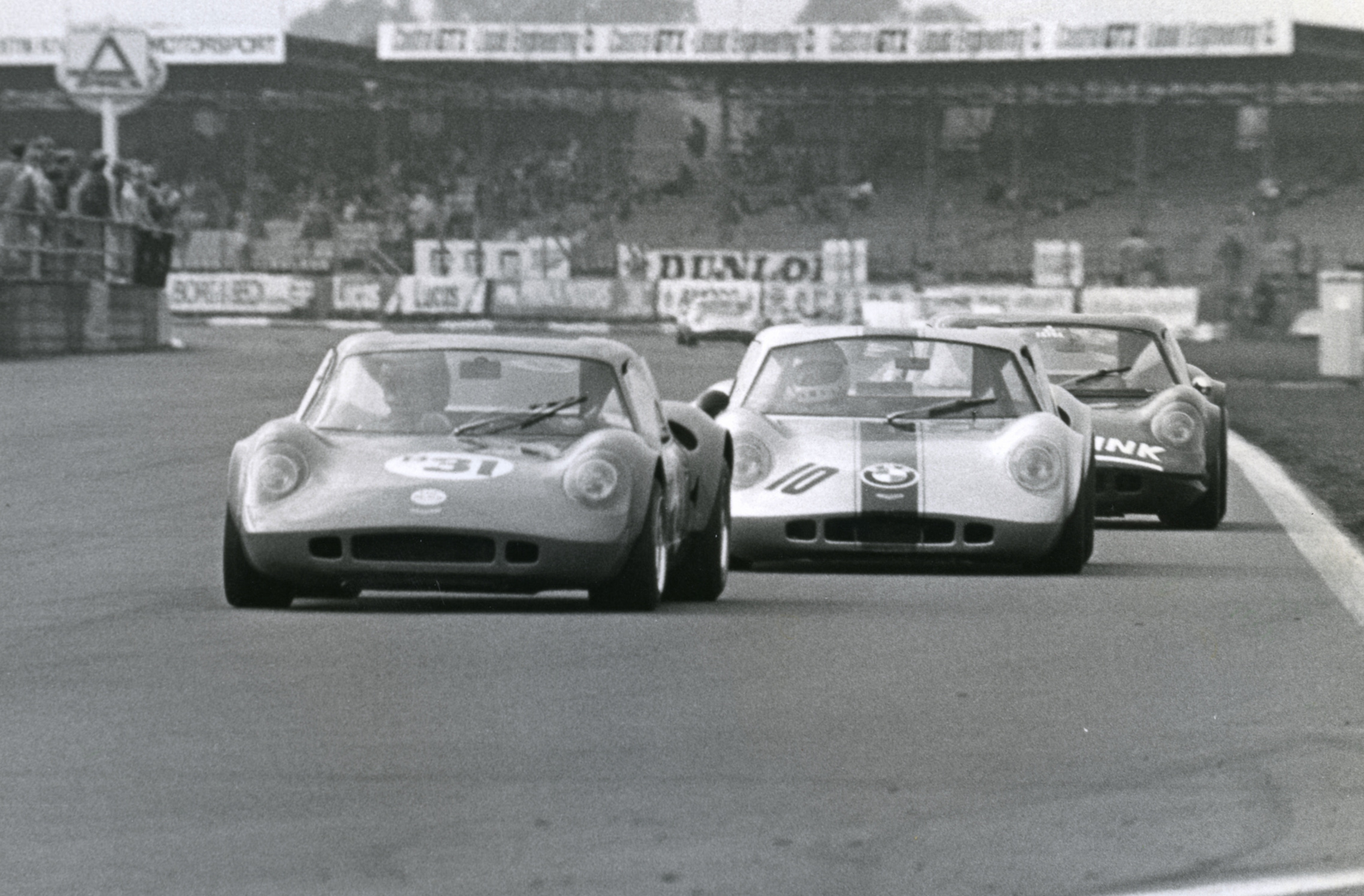
The B8-FPF’s competition history is not one of a single, spectacular, “giant-killing” international victory, as was the case with its BMW-powered sibling. Instead, its legacy was written in the trenches of national motorsport. This was the “clubman’s” hero. In the 1968-1969 British Sports Car Championship, the B8-FPF was a dominant force. On the fast, flowing circuits of the UK—Brands Hatch, Silverstone, Oulton Park—the B8-FPF, often in the hands of privateer heroes like John Lepp, was the car to beat. It was the backbone of the B8’s early reputation, the car that won every weekend. It proved the B8 chassis concept was sound, reliable, and, above all, fast, paving the way for the more exotic (and expensive) BMW and Cosworth FVA-powered cars to take on the world championship.
The B8-FPF was a transitional machine, the last gasp of the legendary Climax engine in a front-line sports car. It was quickly overshadowed by the more modern, powerful, and better-supported BMW M12 and Cosworth’s own FVC (the 1.8L evolution of the FVA). Many B8-FPF chassis were, in later life, converted to these more modern engines to remain competitive, making an original FPF-powered car a rare and wonderful sight today. It remains a “connoisseur’s” B8, a perfect, short-lived marriage of 1950s engine royalty and 1960s chassis-design genius.
Brand
Produced from
Portal
Vehicle category
Model line
Model generation
Predecessor
Sucessor
Brand
Produced from
Portal
Vehicle category
Model line
Model generation
Predecessor
Sucessor
About this submodel
Derek Bennett’s 1968 Chevron B8 was a masterpiece of pragmatism, a car that served as a near-perfect “universal soldier” for the privateer racer. It was a chassis so brilliantly conceived—so light, so strong, so forgiving—that it was offered as a blank canvas, ready to accept whichever 2.0-litre engine the customer deemed best. The new, high-revving Cosworth FVA was the 1.6L class-winner. The BMW M10/M12 was the 2.0L torque-rich workhorse, the giant-killer of the Nürburgring. And then, there was the traditionalist’s choice. This was the Chevron B8 Coventry Climax FPF, a car that represented a bridge between two distinct eras of motorsport: the most advanced privateer chassis of the late 1960s, powered by the most legendary privateer engine of the late 1950s.
The Coventry Climax FPF engine was, by 1968, a living legend. This was not a new, unproven unit; it was a grizzled veteran. This was the engine, designed by Wally Hassan, that had won the Formula 1 World Championship with Jack Brabham. It was the engine that had powered Stirling Moss’s agile Rob Walker Coopers and Lotuses to giant-killing F1 victories. It was, in short, one of the greatest four-cylinder racing engines ever built. By the mid-1960s, the 2.0-litre FPF Mk.II was a known quantity. It was a DOHC, all-aluminium, four-cylinder unit, fed by two large Weber carburettors, producing a reliable and potent 185-195 hp. Its best days in F1 were long gone, but for a privateer sports car team, it was a proven, powerful, and, crucially, available engine.
Derek Bennett’s genius was in creating a chassis that could harness this “old guard” engine and make it competitive against the new generation. The B8’s foundation was its robust, TIG-welded steel space frame. This was a deliberate, pragmatic choice. While rivals like Porsche were using exotic, fragile monocoques, Bennett knew his customers were not factory teams. They were “clubmen” who needed a car that could survive a 1000km race and be repaired in their own garage after a shunt. This strong, stiff frame was wrapped in a breathtakingly beautiful, low-drag fibreglass body, a shape that was as slippery as it was elegant. The B8’s sophisticated, fully independent, double-wishbone suspension and four-wheel Girling disc brakes provided handling that was forgiving and, in the right hands, world-beating.
The B8-FPF was a “pure” Chevron in that it was a simple, light, and perfectly balanced package. While the B8-BMW was defined by its high-torque grunt, the B8-FPF was a more classic, high-revving experience. It was the quintessential “momentum” car, its drivers needing to keep the FPF engine “on the boil” in its narrow powerband. But what it gave up in torque, it made up for in proven, unburstable reliability.
The B8-FPF’s competition history is not one of a single, spectacular, “giant-killing” international victory, as was the case with its BMW-powered sibling. Instead, its legacy was written in the trenches of national motorsport. This was the “clubman’s” hero. In the 1968-1969 British Sports Car Championship, the B8-FPF was a dominant force. On the fast, flowing circuits of the UK—Brands Hatch, Silverstone, Oulton Park—the B8-FPF, often in the hands of privateer heroes like John Lepp, was the car to beat. It was the backbone of the B8’s early reputation, the car that won every weekend. It proved the B8 chassis concept was sound, reliable, and, above all, fast, paving the way for the more exotic (and expensive) BMW and Cosworth FVA-powered cars to take on the world championship.
The B8-FPF was a transitional machine, the last gasp of the legendary Climax engine in a front-line sports car. It was quickly overshadowed by the more modern, powerful, and better-supported BMW M12 and Cosworth’s own FVC (the 1.8L evolution of the FVA). Many B8-FPF chassis were, in later life, converted to these more modern engines to remain competitive, making an original FPF-powered car a rare and wonderful sight today. It remains a “connoisseur’s” B8, a perfect, short-lived marriage of 1950s engine royalty and 1960s chassis-design genius.
Tech Specs
Discover the technical specifications
Tech Specs
Discover the technical specifications
Engine
01
03
Internal combustion engine
Configuration
Conventry Climax FPF, Inline-4
Location
Mid, longitudinally mounted
Construction
Cast iron block, aluminium alloy head
Displacement (cc)
2,751 cc
Displacement (cu in)
167.8 cu in
Compression
-
Bore x Stroke
96 mm x 95 mm
Valvetrain
-
Fuel feed
2 x Weber DCOE carturettors
Lubrication
Dry sump
Aspiration
Naturally aspirated
Output
Power (hp)
+200 hp
Power (kW)
+149 kW
Max power at
-
Torque (Nm)
-
Torque (ft lbs)
-
Max torque at
-
Drivetrain
02
03
Chassis
Type
Tubular frame
Material
Steel and aluminium
Body
Material
Fibreglass
Transmission
Gearbox
5-speed manual
Drive
Rear Wheel Drive
Suspension
Front
Double wishbones, coil springs over dampers, anti-roll bar
Rear
Lower wishbones, top links, twin trail arms, coil springs over dampers, anti-roll bar
Steering
Type
Rack and pinion
Brakes
Front
Discs
Rear
Discs
Wheels
Front
-
Rear
-
Tires
Front
-
Rear
-
Dimensions and performance
03
03
Dimensions
Lenght (mm)
4,070 mm
Lenght (in)
160.2 in
Width (mm)
1,690 mm
Width (in)
66.5 in
Height (mm)
940 mm
Height (in)
37 in
Wheelbase (mm)
2,340 mm
Wheelbase (in)
92.1 in
Weight (kg)
-
Weight (lbs)
-
Performance
Power to weight
-
Top speed (km/h)
-
Top speed (mph)
-
0-100 km/h (0-60 mph)
-
Submodels
Other variants of this model
Submodels