Chevron B16 BMW M10
Brand
Produced from
Portal
Model line
Predecessor
Sucessor
About this submodel
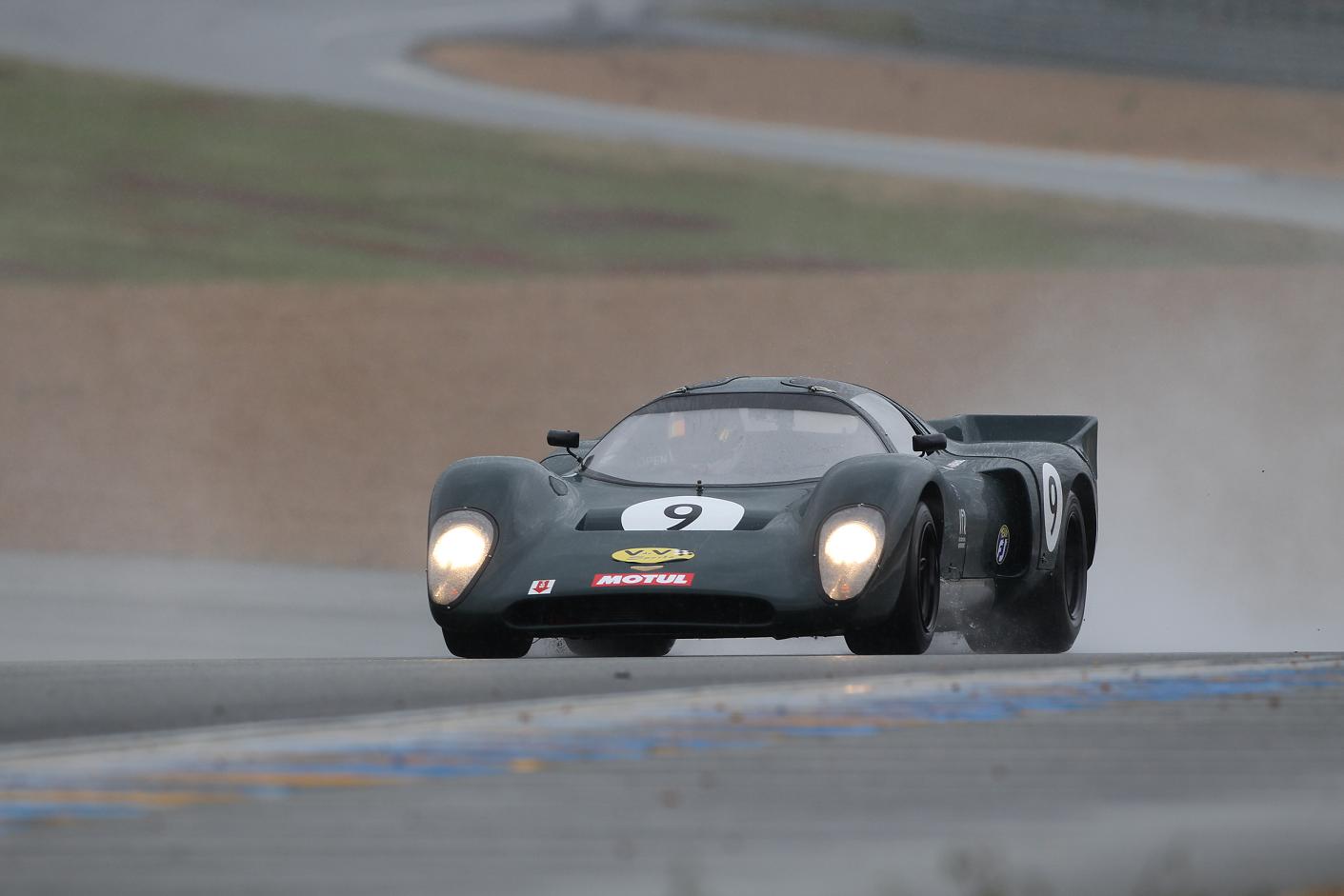
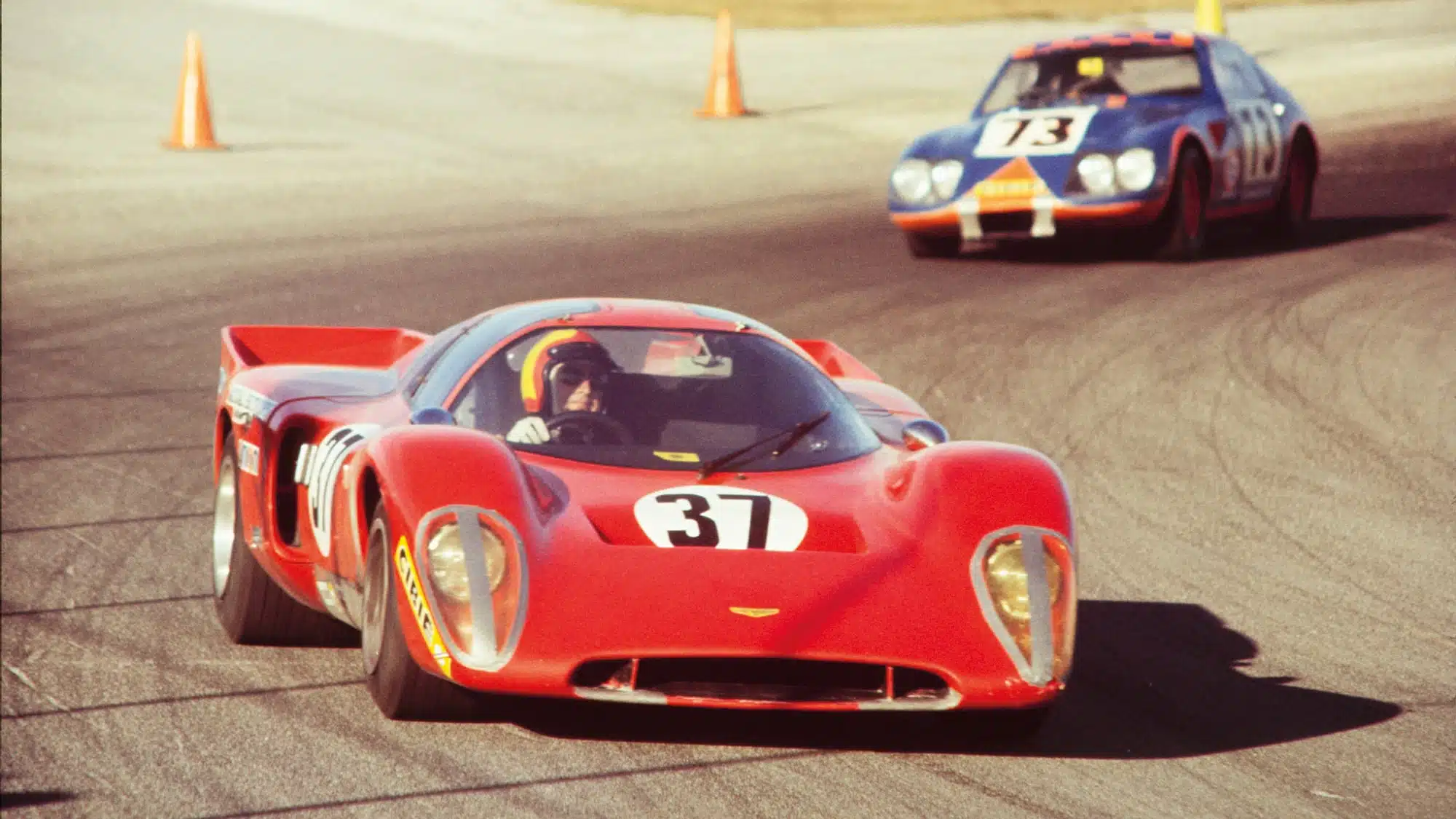
In the late 1960s, the European 2.0-Litre Sports Car Championship was a crucible of innovation, a high-speed laboratory where the line between a “GT” car and a “Prototype” was becoming beautifully blurred. At the center of this revolution was Derek Bennett, the genius founder of Chevron Cars. His B8 had been a dominant force, a rugged, steel-framed GT that could beat prototypes. But by 1969, the game had moved on. The Porsche 910 and the new Abarth 2000 SP were purebred racers. Bennett needed a response. He needed a car that retained the B8’s pragmatic, privateer-friendly DNA but sliced through the air with the efficiency of a fighter jet. The result was the Chevron B16, arguably the most beautiful sports racing car ever made. And while the Cosworth-powered versions were the screamers, the variant that gave the chassis its true endurance muscle was the 1969 Chevron B16 BMW.
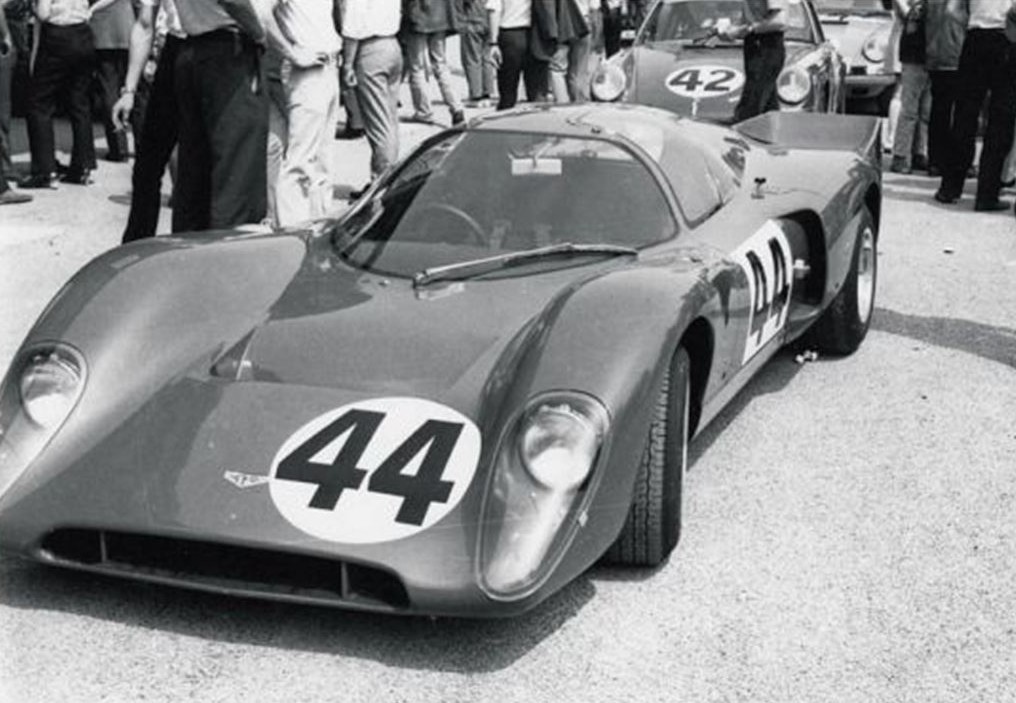
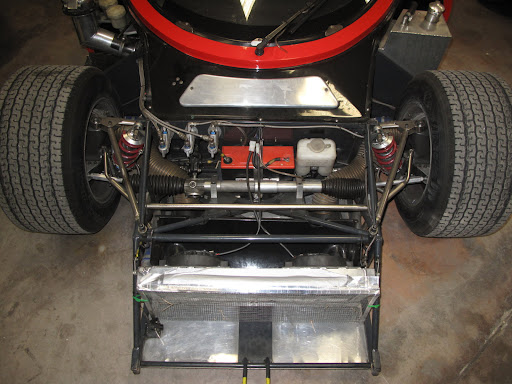
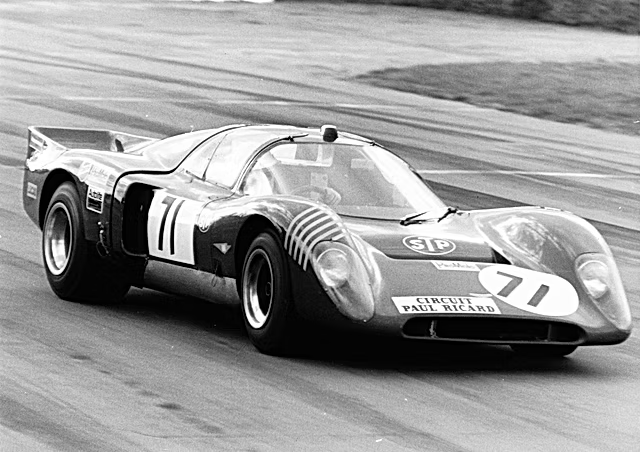
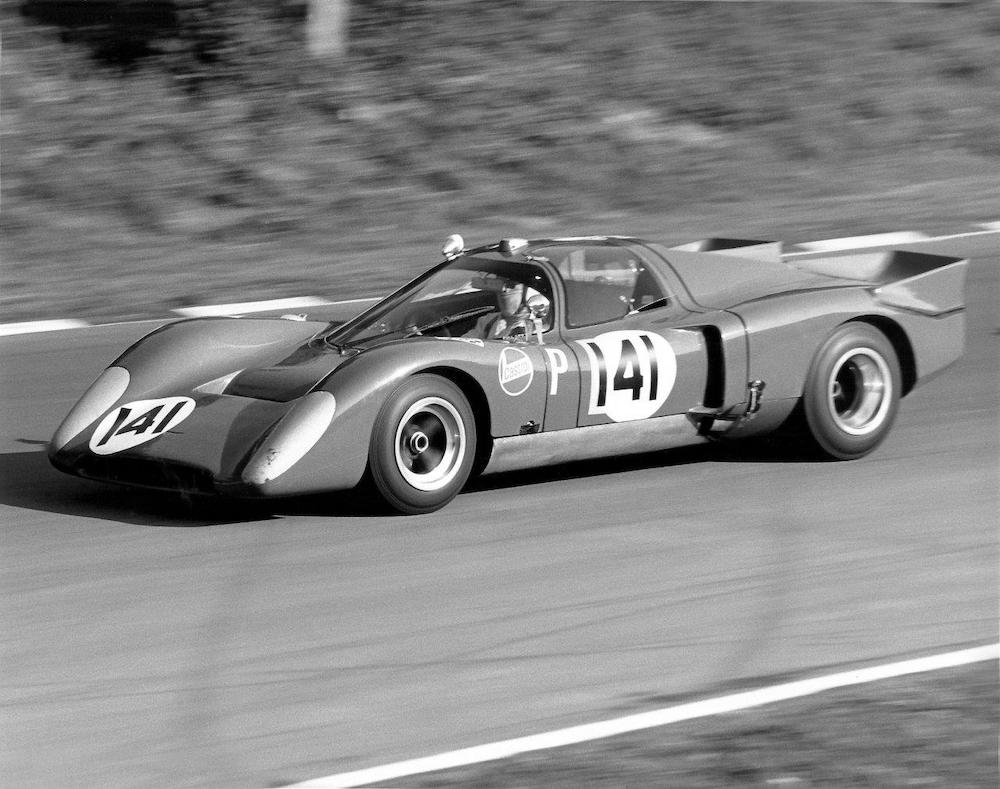
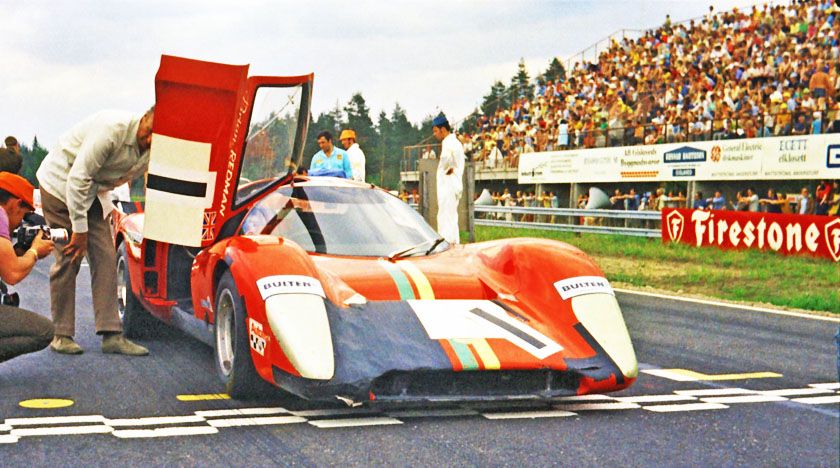
The B16 was built on a philosophy of “productionised excellence.” Unlike the factory Porsches, which were complex, fragile, and exorbitantly expensive, Bennett stuck to what he knew: a incredibly stiff, TIG-welded tubular steel spaceframe. It was simple, easy to repair in a paddock, and provided exceptional feedback to the driver. This frame was reinforced with aluminium panels to form a semi-monocoque, creating a chassis that was both light and rigid. But the B16’s defining feature was its bodywork. Designed by Bennett and refined by Jim Clark (not the driver) at Specialised Mouldings, it was a masterpiece of GRP sculpture. It sat waist-high, with a voluptuous, bubble-like cockpit, a drooping “shovelnose,” and a chopped “Kamm” tail. It generated significant downforce, glueing the car to the tarmac at speeds where the B8 would have started to lift.
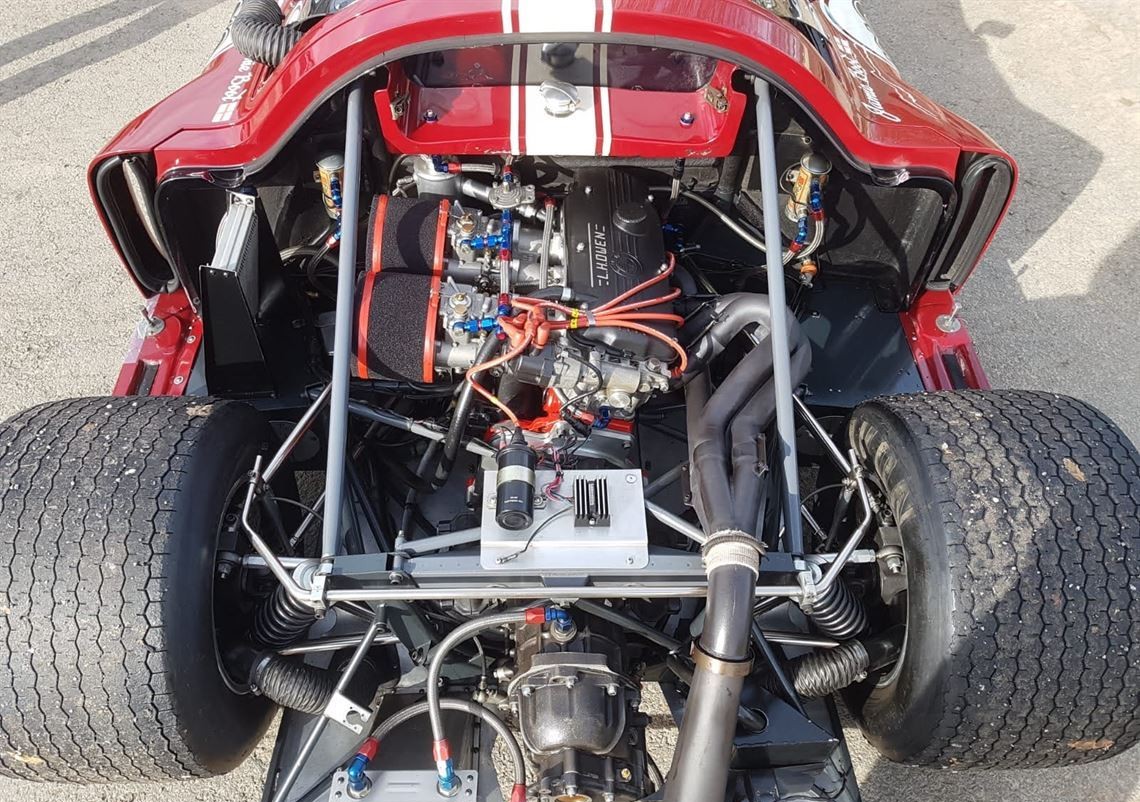
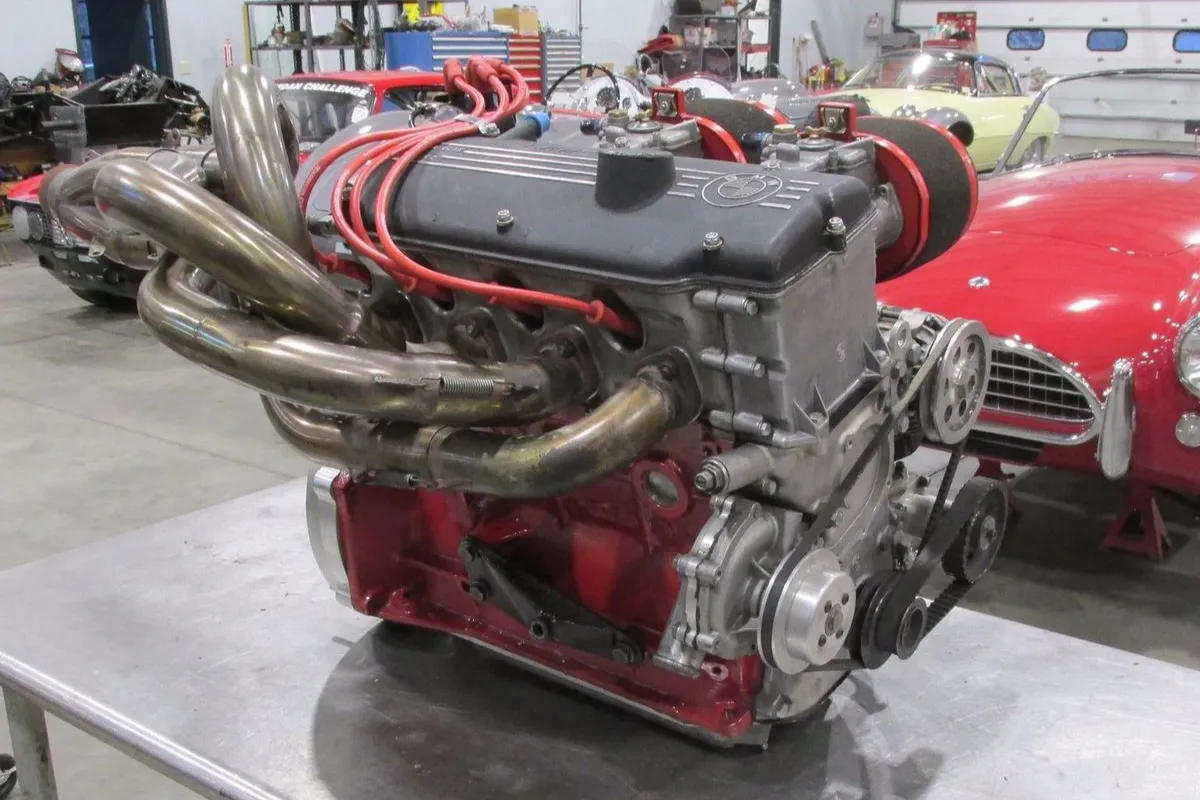
The choice of the BMW M10 engine for this specific submodel was a masterstroke of pragmatism. While the 1.6-litre Cosworth FVA was the engine for sprints, the 2.0-litre BMW M10 was the engine for the war of attrition. This was the same iron-block four-cylinder unit found in the BMW 2002 and the Chevron B8, but in B16 trim, it was a different animal. Tuned by specialists like Paul Rosche at BMW Motorsport or the wizards at Schnitzer, it was often fitted with a complex, 16-valve cylinder head (sometimes the Apfelbeck radial-valve head, but often a more conventional DOHC setup). Fed by Kugelfischer mechanical fuel injection or massive Weber carburettors, it produced a mountainous 225-240 bhp. Crucially, the M10 offered a broad, flat torque curve that the peaky Cosworths could not match. It turned the B16 from a frenetic momentum car into a punchy, flexible weapon capable of hauling out of slow corners and battling the 2.0-litre Porsches on the straights.
The B16 BMW’s impact on the track was immediate and profound. It debuted in a golden era for 2.0-litre racing. Its primary hunting ground was the European 2-Litre Sports Car Championship, where it faced off against the Abarth 2000 SP and the Lola T210. The BMW-powered B16s were the endurance specialists. They were heavier than their Cosworth siblings, but they were tougher. At tracks like the Nürburgring Nordschleife, the B16’s compliant suspension and the M10’s torque made it a formidable package. It could absorb the bumps of the Karussell and power up the Kesselchen climb with relentless force. Privateer teams like Red Rose Racing and Paul Watson Racing campaigned these cars with varying degrees of success, often punching well above their weight class against full factory efforts.
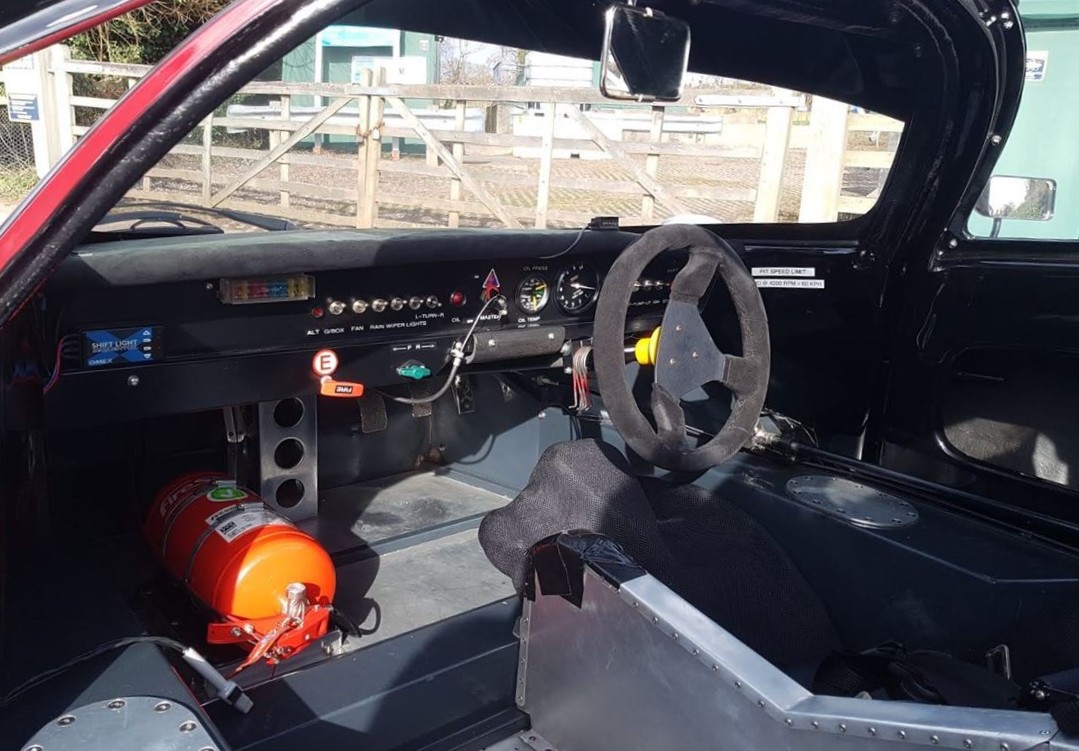
However, the B16 BMW occupied a strange, transitional moment in history. It was a coupe in an era that was rapidly shifting towards open-top spyders. By 1970, it became clear that the lighter, open-cockpit Lola T210 and Chevron’s own B19 were faster over a single lap. The roof that made the B16 so beautiful also added weight and raised the centre of gravity. Drivers like Brian Redman famously complained about the cramped cockpit; Redman had to slouch to fit inside, a compromise that became unbearable in long races. Consequently, the B16’s frontline career was short. Many chassis were cut down into B16 Spyders (essentially B19 prototypes) to remain competitive, making original, uncut B16 Coupés exceptionally rare today.
Yet, the legacy of the Chevron B16 BMW is enduring. It represents the pinnacle of the “beautiful prototype” era, a car that looked as good as a Ferrari 330 P4 but could be bought and run by a garage owner from Leeds. The combination of the German “M-Power” durability and the British chassis genius created a cult classic. Today, in historic racing championships like the CER (Classic Endurance Racing), the B16 BMW is a front-running icon, its intake roar and stunning silhouette reminding spectators of a time when aerodynamics had not yet killed aesthetics, and a steel-framed car from Bolton could take on the world.
Brand
Produced from
Portal
Model line
Predecessor
Sucessor
Brand
Produced from
Portal
Model line
Model generation
Predecessor
Sucessor
About this submodel
In the late 1960s, the European 2.0-Litre Sports Car Championship was a crucible of innovation, a high-speed laboratory where the line between a “GT” car and a “Prototype” was becoming beautifully blurred. At the center of this revolution was Derek Bennett, the genius founder of Chevron Cars. His B8 had been a dominant force, a rugged, steel-framed GT that could beat prototypes. But by 1969, the game had moved on. The Porsche 910 and the new Abarth 2000 SP were purebred racers. Bennett needed a response. He needed a car that retained the B8’s pragmatic, privateer-friendly DNA but sliced through the air with the efficiency of a fighter jet. The result was the Chevron B16, arguably the most beautiful sports racing car ever made. And while the Cosworth-powered versions were the screamers, the variant that gave the chassis its true endurance muscle was the 1969 Chevron B16 BMW.
The B16 was built on a philosophy of “productionised excellence.” Unlike the factory Porsches, which were complex, fragile, and exorbitantly expensive, Bennett stuck to what he knew: a incredibly stiff, TIG-welded tubular steel spaceframe. It was simple, easy to repair in a paddock, and provided exceptional feedback to the driver. This frame was reinforced with aluminium panels to form a semi-monocoque, creating a chassis that was both light and rigid. But the B16’s defining feature was its bodywork. Designed by Bennett and refined by Jim Clark (not the driver) at Specialised Mouldings, it was a masterpiece of GRP sculpture. It sat waist-high, with a voluptuous, bubble-like cockpit, a drooping “shovelnose,” and a chopped “Kamm” tail. It generated significant downforce, glueing the car to the tarmac at speeds where the B8 would have started to lift.
The choice of the BMW M10 engine for this specific submodel was a masterstroke of pragmatism. While the 1.6-litre Cosworth FVA was the engine for sprints, the 2.0-litre BMW M10 was the engine for the war of attrition. This was the same iron-block four-cylinder unit found in the BMW 2002 and the Chevron B8, but in B16 trim, it was a different animal. Tuned by specialists like Paul Rosche at BMW Motorsport or the wizards at Schnitzer, it was often fitted with a complex, 16-valve cylinder head (sometimes the Apfelbeck radial-valve head, but often a more conventional DOHC setup). Fed by Kugelfischer mechanical fuel injection or massive Weber carburettors, it produced a mountainous 225-240 bhp. Crucially, the M10 offered a broad, flat torque curve that the peaky Cosworths could not match. It turned the B16 from a frenetic momentum car into a punchy, flexible weapon capable of hauling out of slow corners and battling the 2.0-litre Porsches on the straights.
The B16 BMW’s impact on the track was immediate and profound. It debuted in a golden era for 2.0-litre racing. Its primary hunting ground was the European 2-Litre Sports Car Championship, where it faced off against the Abarth 2000 SP and the Lola T210. The BMW-powered B16s were the endurance specialists. They were heavier than their Cosworth siblings, but they were tougher. At tracks like the Nürburgring Nordschleife, the B16’s compliant suspension and the M10’s torque made it a formidable package. It could absorb the bumps of the Karussell and power up the Kesselchen climb with relentless force. Privateer teams like Red Rose Racing and Paul Watson Racing campaigned these cars with varying degrees of success, often punching well above their weight class against full factory efforts.
However, the B16 BMW occupied a strange, transitional moment in history. It was a coupe in an era that was rapidly shifting towards open-top spyders. By 1970, it became clear that the lighter, open-cockpit Lola T210 and Chevron’s own B19 were faster over a single lap. The roof that made the B16 so beautiful also added weight and raised the centre of gravity. Drivers like Brian Redman famously complained about the cramped cockpit; Redman had to slouch to fit inside, a compromise that became unbearable in long races. Consequently, the B16’s frontline career was short. Many chassis were cut down into B16 Spyders (essentially B19 prototypes) to remain competitive, making original, uncut B16 Coupés exceptionally rare today.
Yet, the legacy of the Chevron B16 BMW is enduring. It represents the pinnacle of the “beautiful prototype” era, a car that looked as good as a Ferrari 330 P4 but could be bought and run by a garage owner from Leeds. The combination of the German “M-Power” durability and the British chassis genius created a cult classic. Today, in historic racing championships like the CER (Classic Endurance Racing), the B16 BMW is a front-running icon, its intake roar and stunning silhouette reminding spectators of a time when aerodynamics had not yet killed aesthetics, and a steel-framed car from Bolton could take on the world.
Tech Specs
Discover the technical specifications
Tech Specs
Discover the technical specifications
Engine
01
03
Internal combustion engine
Configuration
BMW M10, Inline-4
Location
Mid, longitudinally mounted
Construction
Iron cast block, aluminium head
Displacement (cc)
1,990 cc
Displacement (cu in)
121.4 cu in
Compression
12.5:1
Bore x Stroke
89 mm x 80 mm
Valvetrain
2 valves per cylinder, SOHC
Fuel feed
2 x Weber 48 DCOE carburettors
Lubrication
Dry sump
Aspiration
Naturally aspirated
Output
Power (hp)
220 hp
Power (kW)
160 kW
Max power at
7,800 RPM
Torque (Nm)
210 Nm
Torque (ft lbs)
154.88 ft lbs
Max torque at
6,630 RPM
Drivetrain
02
03
Chassis
Type
Tubular frame
Material
Duraluminium and steel
Body
Material
Fibreglass
Transmission
Gearbox
5-speed manual
Drive
Rear Wheel Drive
Suspension
Front
Double wishbones, coil springs over dampers, anti-roll bar
Rear
Reversed lower wishbones, top links, twin trailing arms, coil springs over dampers, anti-roll bar
Steering
Type
Rack and pinion
Brakes
Front
Discs
Rear
Discs
Wheels
Front
-
Rear
-
Tires
Front
-
Rear
-
Dimensions and performance
03
03
Dimensions
Lenght (mm)
3,937 mm
Lenght (in)
155 in
Width (mm)
1,778 mm
Width (in)
70 in
Height (mm)
940 mm
Height (in)
37 in
Wheelbase (mm)
2,362 mm
Wheelbase (in)
93 in
Weight (kg)
590 kg
Weight (lbs)
1,301 lbs
Performance
Power to weight
0.37 hp/kg
Top speed (km/h)
-
Top speed (mph)
-
0-100 km/h (0-60 mph)
-
Submodels
Other variants of this model
Submodels