Chevron B19 Ford Cosworth BDG
Brand
Produced from
Portal
Model line
Predecessor
Sucessor
About this submodel
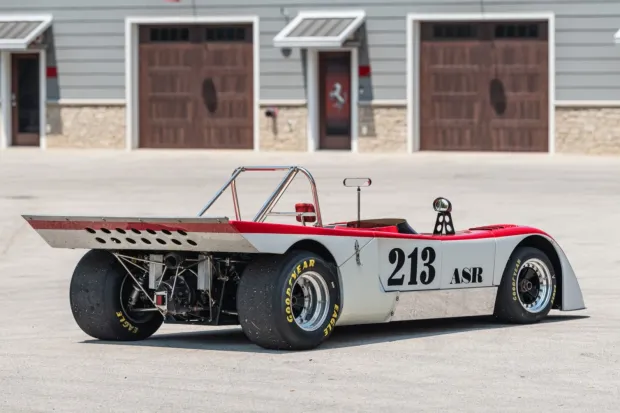
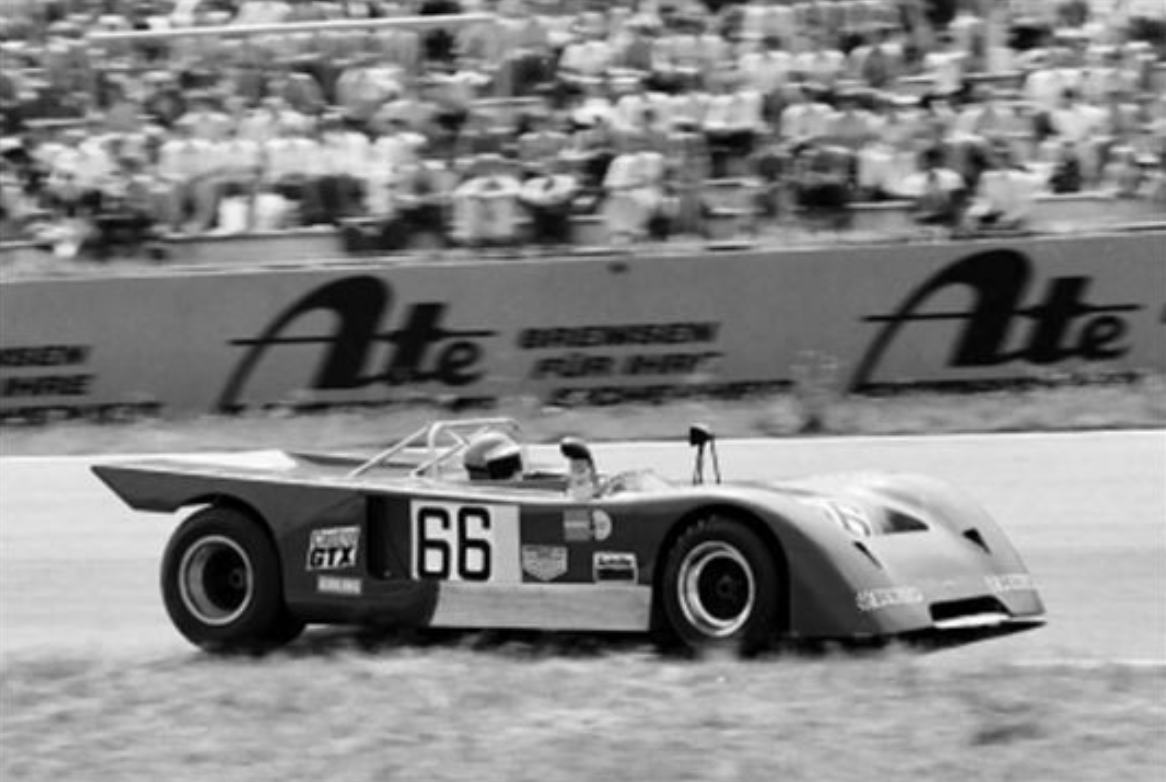
In the high-octane narrative of the early 1970s sports car racing scene, timing was everything. Derek Bennett, the visionary founder of Chevron, had already proven his genius with the B8 and the stunning B16 Coupé. But by 1971, the sport had shed its romantic, closed-cockpit skin. The future was open, light, and raw. The Chevron B19 was Bennett’s response to this shift, a razor-sharp spyder that became the gold standard for privateer racing. Yet, within the B19 hierarchy, there was a distinct pecking order defined by what lay in the engine cradle. While the iron-block Cosworth FVC was the reliable workhorse that filled the grids, the true apex predator, the car that represented the absolute cutting edge of 2.0-litre technology, was the 1971 Chevron B19 Ford Cosworth BDG.
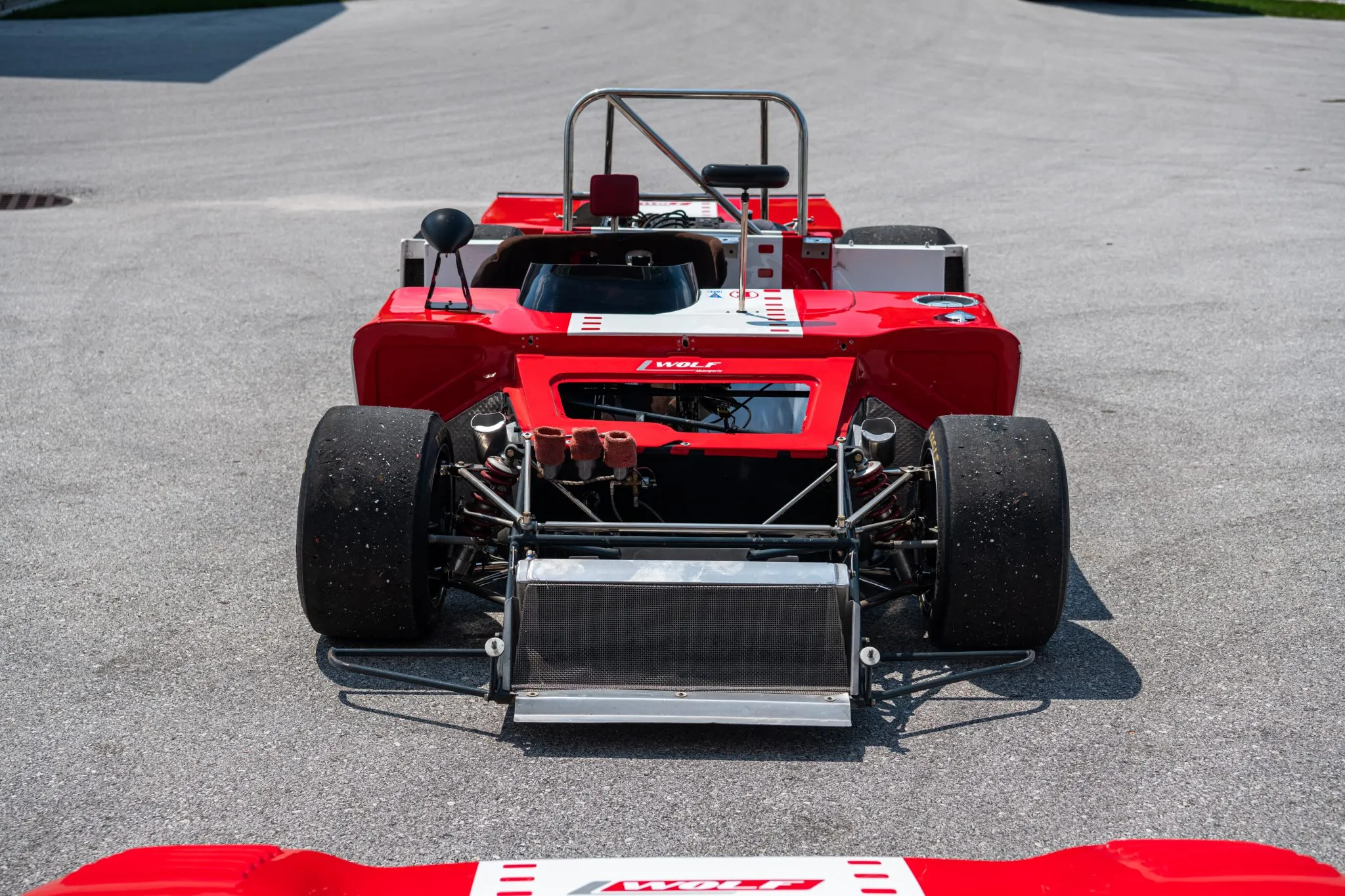
The arrival of the BDG engine was a watershed moment. Until this point, the 2.0-litre class had been dominated by the 1.8-litre FVC, an engine that punched above its weight but was fundamentally limited by its iron block and displacement ceiling. The Cosworth BDG (Belt Drive, G-series) changed the math entirely. Derived from the Formula 2 BDA architecture, the BDG featured a bespoke aluminium block. This was revolutionary. It not only allowed the engine to reach the full 2.0-litre (1975cc) capacity limit of the class, but it also saved approximately 40 lbs (18 kg) over the FVC. In a car weighing just 550 kg, this weight reduction—removed directly from behind the driver—transformed the car’s dynamics. Producing a screaming 275 to 280 bhp at 9,250 rpm, the BDG offered a power-to-weight ratio that rivalled Formula 1 cars of a few years prior.
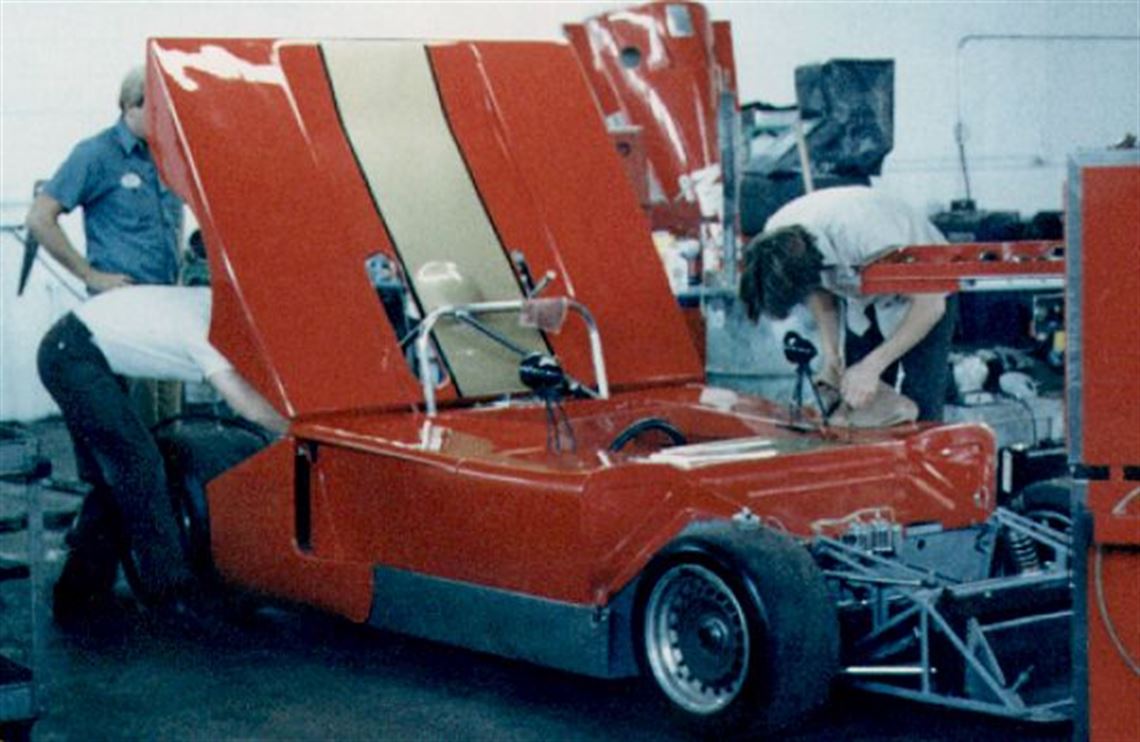
Installing this jewel of an engine into Bennett’s B19 chassis created a package of terrifying efficiency. The chassis itself remained the signature Chevron tubular steel spaceframe, reinforced with stressed skins. While rivals like Lola were pushing aluminium monocoques, Bennett maintained that his steel frame offered superior feedback and, crucially for privateers, was easier to repair when things went wrong. The bodywork was a brutal, functional wedge of fibreglass, devoid of the B16’s curves but possessed of significant downforce. With the lighter BDG engine, the B19’s centre of gravity dropped even lower, and the handling balance shifted from “forgiving” to “telepathic.” The B19 BDG didn’t just turn in; it attacked corners with a ferocity that left the heavier, iron-block cars gasping for air.
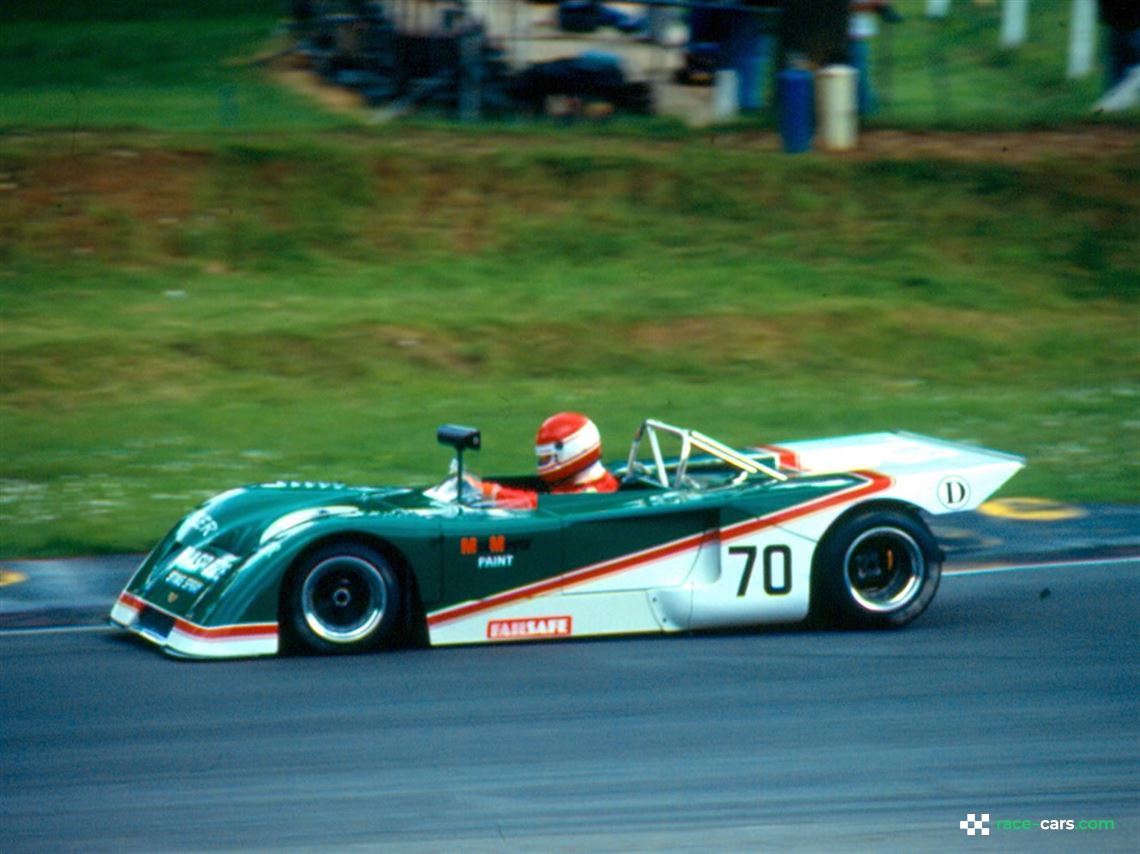
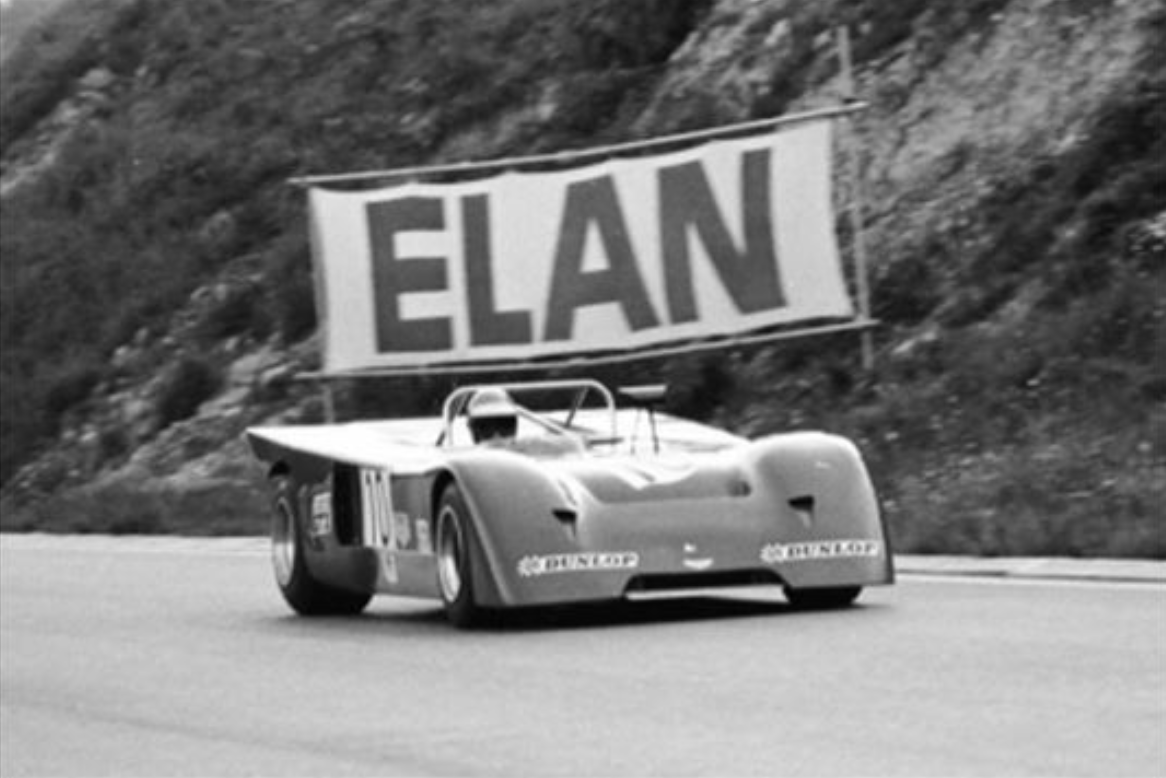
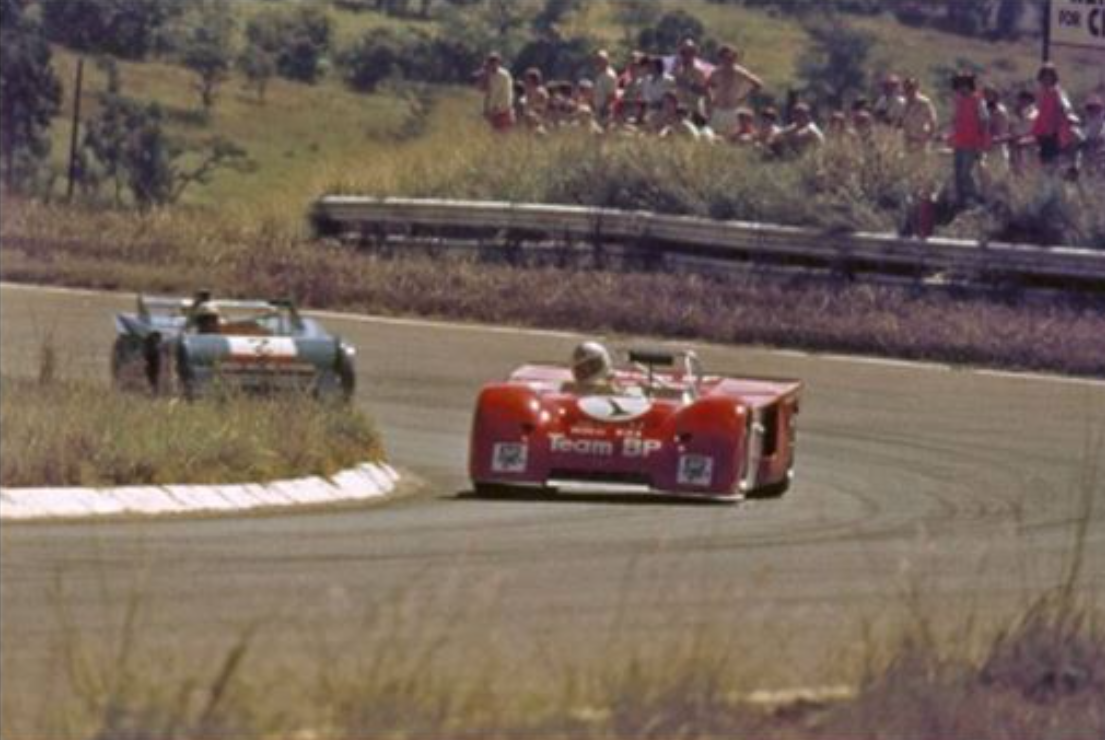
On the track, the B19 BDG was the weapon of choice for the elite. In the 1971 European 2-Litre Sports Car Championship, it was the car that defined the sharp end of the grid. While the FVC cars fought in the pack, the BDG-powered machines—often run by top-tier outfits like Red Rose Racing or the Canon-sponsored team—were hunting for overall victories. Brian Redman, the undisputed master of the 2.0-litre prototypes, used the power of the BDG (alongside the FVC in endurance rounds) to secure the championship title. The engine’s aluminum block allowed the car to run softer rear springs and damping, improving traction out of slow corners—a critical advantage at twisty circuits like Vallelunga and Jarama. The sound of a B19 BDG at full chat was distinct: a harder, sharper, more metallic shriek than the guttural roar of the FVC, a sonic signature of the exotic materials spinning inside.
The car’s success wasn’t limited to Europe. In the South African Springbok Series, the B19 BDG became a legend. The warmer climate and high-altitude tracks like Kyalami favoured the aluminium engine’s cooling efficiency and power. Drivers like Jochen Mass and Arturo Merzario piloted these cars in the 9-hour endurance epics, proving that the fragile reputation of the early alloy blocks was largely unfounded when properly maintained. The B19 BDG was the bridge between the “clubman” racer and the professional prototype; it was complex and expensive, yes, but it offered a level of performance that allowed a privateer to embarrass factory teams from Abarth and Porsche.
However, the BDG era also signaled the beginning of the end for the “affordable” prototype. The engine was expensive to buy and expensive to rebuild, creating a two-tier grid where the “haves” with alloy blocks disappeared into the distance, leaving the “have-nots” with iron blocks to fight for scraps. By 1972, the B19 evolved into the B21 to better accommodate the cooling requirements of these more powerful engines, but the 1971 B19 BDG remains the sweet spot. It captures the moment when the steel-tube chassis met the ultimate four-cylinder racing engine. Today, in historic racing, a well-sorted B19 with a fresh Richardson or Gathercole BDG engine is widely considered the fastest 2.0-litre car on the grid, a machine that offers a driving experience of pure, unadulterated, high-revving bliss.
Brand
Produced from
Portal
Model line
Predecessor
Sucessor
Brand
Produced from
Portal
Model line
Model generation
Predecessor
Sucessor
About this submodel
In the high-octane narrative of the early 1970s sports car racing scene, timing was everything. Derek Bennett, the visionary founder of Chevron, had already proven his genius with the B8 and the stunning B16 Coupé. But by 1971, the sport had shed its romantic, closed-cockpit skin. The future was open, light, and raw. The Chevron B19 was Bennett’s response to this shift, a razor-sharp spyder that became the gold standard for privateer racing. Yet, within the B19 hierarchy, there was a distinct pecking order defined by what lay in the engine cradle. While the iron-block Cosworth FVC was the reliable workhorse that filled the grids, the true apex predator, the car that represented the absolute cutting edge of 2.0-litre technology, was the 1971 Chevron B19 Ford Cosworth BDG.
The arrival of the BDG engine was a watershed moment. Until this point, the 2.0-litre class had been dominated by the 1.8-litre FVC, an engine that punched above its weight but was fundamentally limited by its iron block and displacement ceiling. The Cosworth BDG (Belt Drive, G-series) changed the math entirely. Derived from the Formula 2 BDA architecture, the BDG featured a bespoke aluminium block. This was revolutionary. It not only allowed the engine to reach the full 2.0-litre (1975cc) capacity limit of the class, but it also saved approximately 40 lbs (18 kg) over the FVC. In a car weighing just 550 kg, this weight reduction—removed directly from behind the driver—transformed the car’s dynamics. Producing a screaming 275 to 280 bhp at 9,250 rpm, the BDG offered a power-to-weight ratio that rivalled Formula 1 cars of a few years prior.
Installing this jewel of an engine into Bennett’s B19 chassis created a package of terrifying efficiency. The chassis itself remained the signature Chevron tubular steel spaceframe, reinforced with stressed skins. While rivals like Lola were pushing aluminium monocoques, Bennett maintained that his steel frame offered superior feedback and, crucially for privateers, was easier to repair when things went wrong. The bodywork was a brutal, functional wedge of fibreglass, devoid of the B16’s curves but possessed of significant downforce. With the lighter BDG engine, the B19’s centre of gravity dropped even lower, and the handling balance shifted from “forgiving” to “telepathic.” The B19 BDG didn’t just turn in; it attacked corners with a ferocity that left the heavier, iron-block cars gasping for air.
On the track, the B19 BDG was the weapon of choice for the elite. In the 1971 European 2-Litre Sports Car Championship, it was the car that defined the sharp end of the grid. While the FVC cars fought in the pack, the BDG-powered machines—often run by top-tier outfits like Red Rose Racing or the Canon-sponsored team—were hunting for overall victories. Brian Redman, the undisputed master of the 2.0-litre prototypes, used the power of the BDG (alongside the FVC in endurance rounds) to secure the championship title. The engine’s aluminum block allowed the car to run softer rear springs and damping, improving traction out of slow corners—a critical advantage at twisty circuits like Vallelunga and Jarama. The sound of a B19 BDG at full chat was distinct: a harder, sharper, more metallic shriek than the guttural roar of the FVC, a sonic signature of the exotic materials spinning inside.
The car’s success wasn’t limited to Europe. In the South African Springbok Series, the B19 BDG became a legend. The warmer climate and high-altitude tracks like Kyalami favoured the aluminium engine’s cooling efficiency and power. Drivers like Jochen Mass and Arturo Merzario piloted these cars in the 9-hour endurance epics, proving that the fragile reputation of the early alloy blocks was largely unfounded when properly maintained. The B19 BDG was the bridge between the “clubman” racer and the professional prototype; it was complex and expensive, yes, but it offered a level of performance that allowed a privateer to embarrass factory teams from Abarth and Porsche.
However, the BDG era also signaled the beginning of the end for the “affordable” prototype. The engine was expensive to buy and expensive to rebuild, creating a two-tier grid where the “haves” with alloy blocks disappeared into the distance, leaving the “have-nots” with iron blocks to fight for scraps. By 1972, the B19 evolved into the B21 to better accommodate the cooling requirements of these more powerful engines, but the 1971 B19 BDG remains the sweet spot. It captures the moment when the steel-tube chassis met the ultimate four-cylinder racing engine. Today, in historic racing, a well-sorted B19 with a fresh Richardson or Gathercole BDG engine is widely considered the fastest 2.0-litre car on the grid, a machine that offers a driving experience of pure, unadulterated, high-revving bliss.
Tech Specs
Discover the technical specifications
Tech Specs
Discover the technical specifications
Engine
01
03
Internal combustion engine
Configuration
Ford Cosworth BDG, Inline-4
Location
Mid, longitudinally mounted
Construction
Cast iron block (later aluminium), aluminium alloy head
Displacement (cc)
1,975 cc
Displacement (cu in)
120.5 cu in
Compression
12.0:1
Bore x Stroke
-
Valvetrain
4 valves per cylinder, DOHC
Fuel feed
-
Lubrication
Dry sump
Aspiration
Naturally aspirated
Output
Power (hp)
280 hp
Power (kW)
208 kW
Max power at
9,250 RPM
Torque (Nm)
-
Torque (ft lbs)
-
Max torque at
-
Drivetrain
02
03
Chassis
Type
Tubular frame
Material
Steel and aluminium
Body
Material
Fibreglass
Transmission
Gearbox
5-speed manual
Drive
Rear Wheel Drive
Suspension
Front
Double wishbones, coil springs over dampers, anti-roll bar
Rear
Single top links, twin lower links, twin trailing arms, coil springs over dampers, anti-roll bar
Steering
Type
Rack and pinion
Brakes
Front
Ventilated discs
Rear
Ventilated discs
Wheels
Front
-
Rear
-
Tires
Front
-
Rear
-
Dimensions and performance
03
03
Dimensions
Lenght (mm)
-
Lenght (in)
-
Width (mm)
-
Width (in)
-
Height (mm)
-
Height (in)
-
Wheelbase (mm)
2,362 mm
Wheelbase (in)
92.9 in
Weight (kg)
550 kg
Weight (lbs)
1,213 lbs
Performance
Power to weight
0.44 hp/kg
Top speed (km/h)
-
Top speed (mph)
-
0-100 km/h (0-60 mph)
-
Submodels
Other variants of this model
Submodels