Chevron B19 Ford Cosworth FVC
Brand
Produced from
Portal
Model line
Predecessor
Sucessor
About this submodel
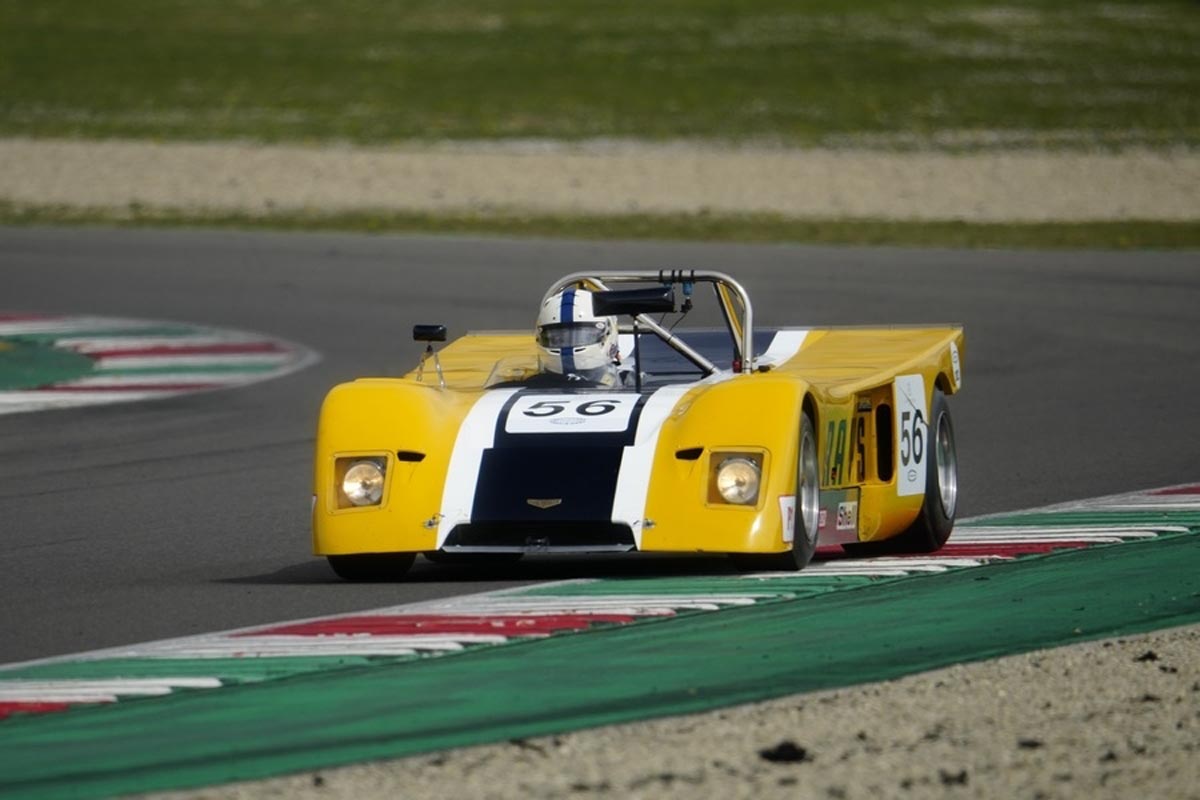
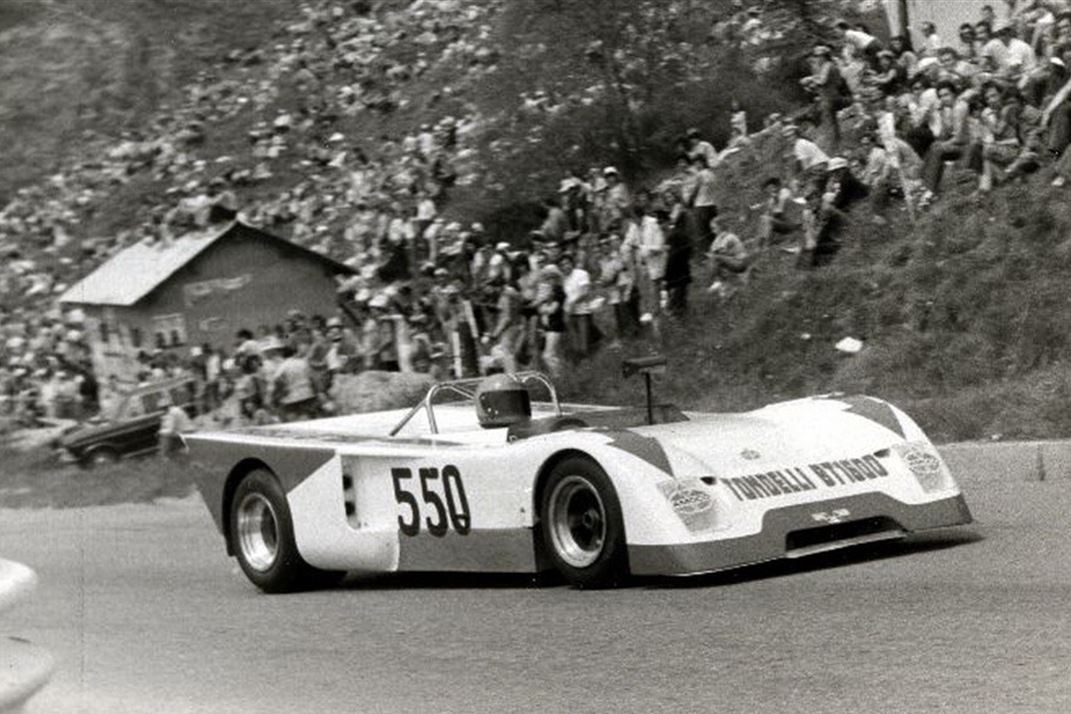
By 1971, the romantic, aesthetic era of the sports prototype was effectively over. The swooping curves and enclosed cockpits of the 1960s—epitomized by the breathtaking Chevron B16—had succumbed to the ruthless, wind-tunnel-driven logic of the new decade. Speed now had a different shape: it was a wedge. It was open-topped, light, and purely functional. Derek Bennett, the pragmatic genius behind Chevron, understood this better than anyone. He took a saw to the beautiful B16, literally and figuratively, and created the B19. While the exotic, alloy-block BDG engine grabbed the headlines for its power, and the 1.6-litre FVA screamed for class wins, the backbone of this revolution, the car that actually populated the grids and filled the trophy cabinets of privateers across Europe, was the Chevron B19 Ford Cosworth FVC. This was the definitive “customer” specification, the machine that turned the European 2-Litre Sports Car Championship into a Chevron benefit.
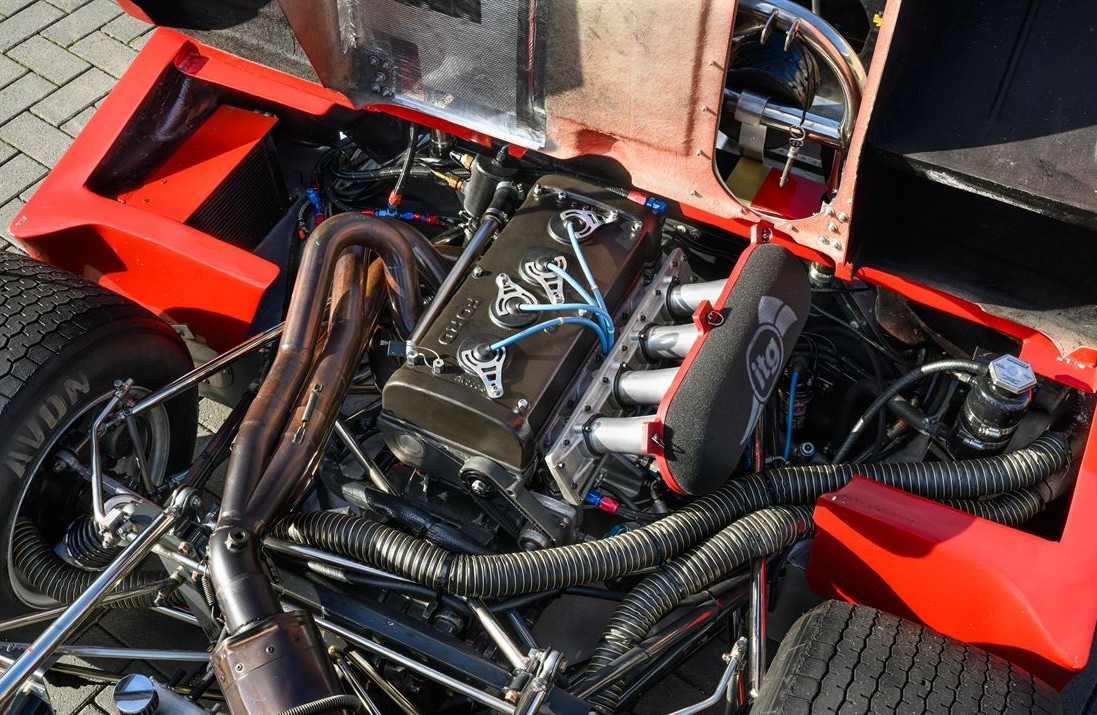
The B19 FVC was not a car built for headline-grabbing dyno figures; it was built to finish races and win championships. Its heart was the Cosworth FVC (Four Valve Type C). This engine was the workhorse of the 2.0-litre class. Unlike the exotic, featherweight aluminium-block BDG that would eventually supersede it, the FVC was based on the robust, cast-iron Ford Cortina block. Displacing 1,790cc (often stretched to 1.8 or 1.9 litres by engine builders like Richardson or Smith), it was a gritty, torque-rich brawler. It featured the same 16-valve, gear-driven cylinder head architecture as the FVA, but with a longer stroke and a more robust bottom end. Producing a reliable 235-245 bhp at around 8,750 rpm, it gave away peak power to the 2.0-litre BMW and Abarth engines, but it offered something more valuable to the privateer: unburstable reliability and a punchy mid-range that allowed the car to haul itself out of slow corners and through traffic with relentless efficiency.
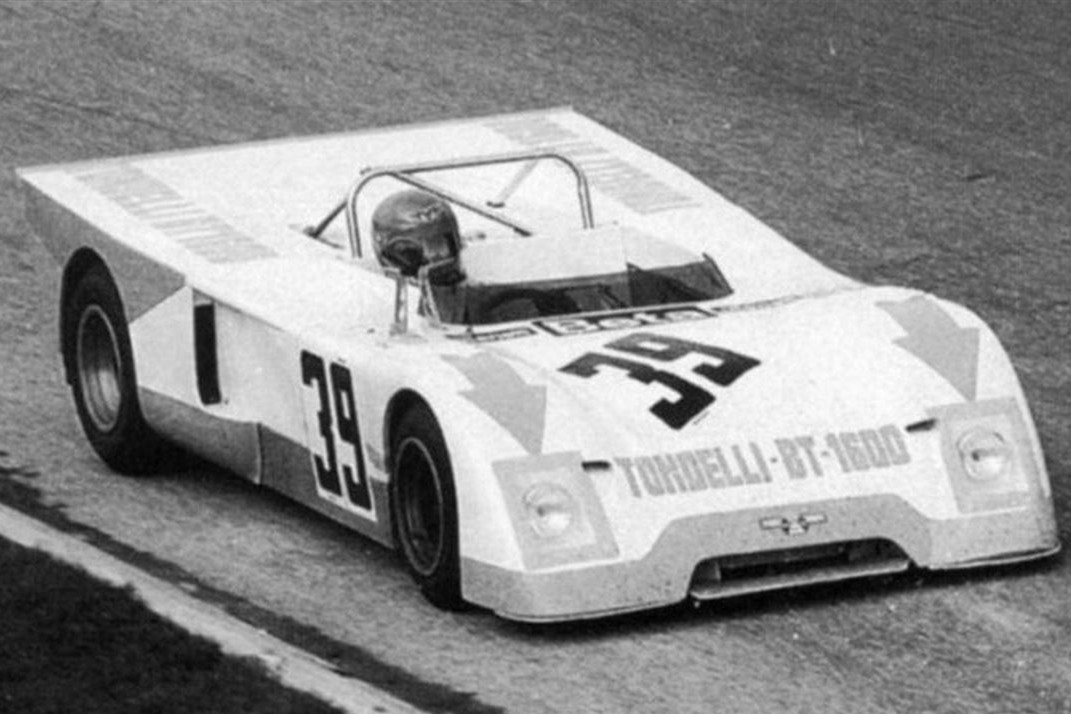
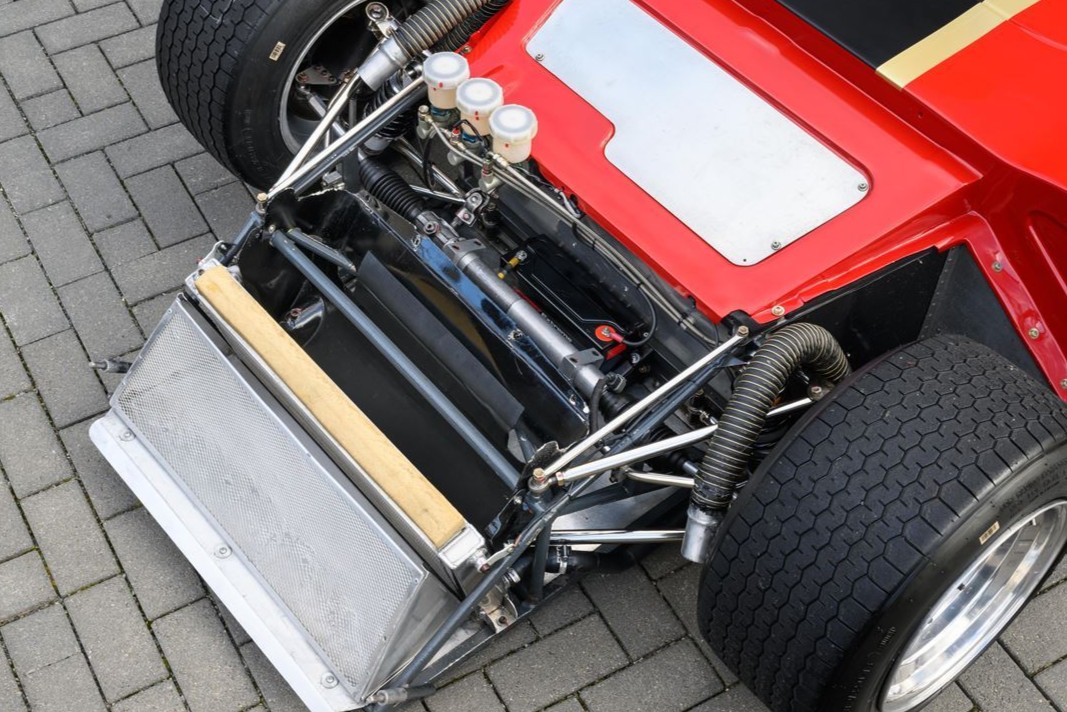
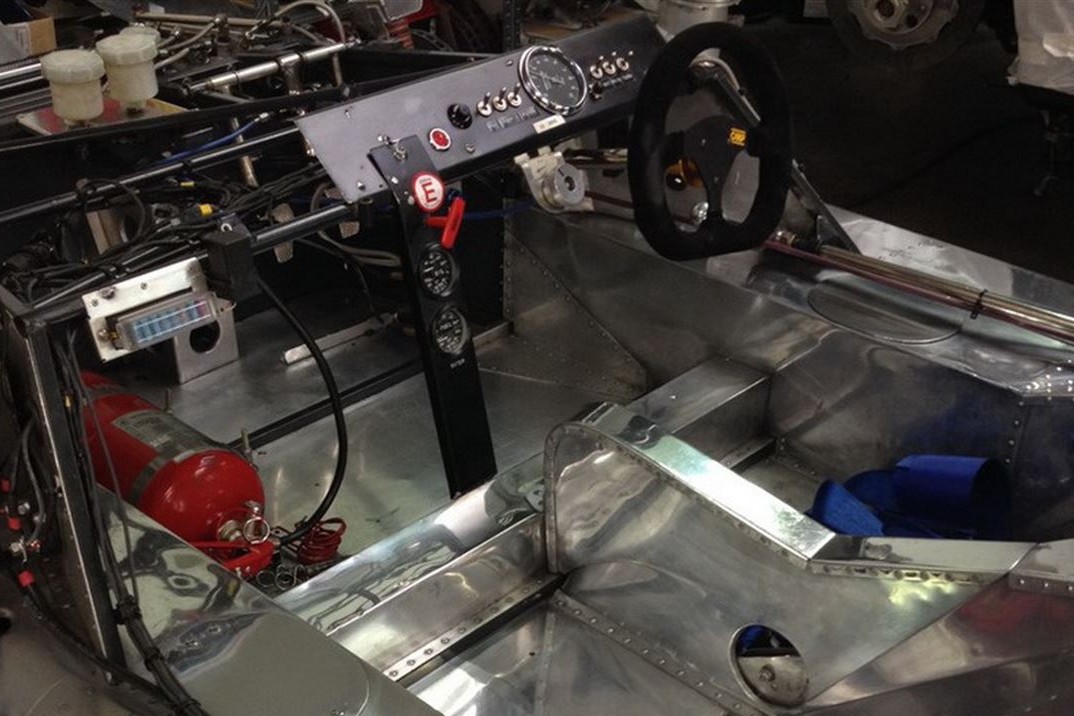
Bennett wrapped this iron-hearted engine in his signature chassis: a multi-tubular steel spaceframe. In an era where Lola was moving to stressed-skin aluminium monocoques with the T210 and T212, Bennett’s insistence on steel seemed archaic to some, but it was a masterstroke of real-world engineering. The B19 chassis was incredibly stiff, communicative, and, crucially, repairable. If a privateer shunted a monocoque Lola on a Sunday, their season was often over. If they shunted a steel-frame Chevron, a local welder could have them back on the grid for the next round. The bodywork was a pure, unadorned wedge of fibreglass, weighing virtually nothing and generating massive downforce thanks to its shovel nose and integrated rear spoiler. The entire package weighed just over 550kg, creating a power-to-weight ratio that allowed the FVC engine to punch well above its displacement.
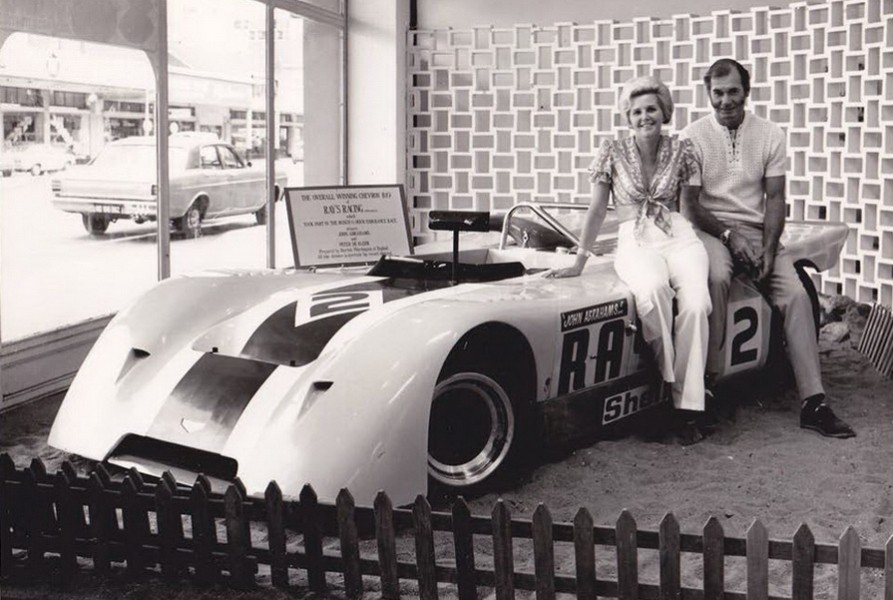
The 1971 season was the B19 FVC’s finest hour. It was the weapon of choice for the serious privateer. Teams like Red Rose Racing, Worcestershire Racing, and countless others flocked to the car. It was fast enough to win, tough enough to last, and cheap enough to run. In the European 2-Litre Sports Car Championship, the B19 FVCs swarmed the grid. Brian Redman, the Works driver, often utilized the FVC in endurance rounds where the reliability of the prototype BDG was suspect. It was in an FVC-powered car (and later a BDG) that Redman secured the 1971 title, fighting off the ferocious challenge of Helmut Marko in the Lola T212. The car excelled everywhere, from the high-speed sweepers of Paul Ricard to the jagged, undulating tarmac of the Nürburgring Nordschleife, where the B19’s compliant suspension and the FVC’s torque made it a dream to drive over the bumps.
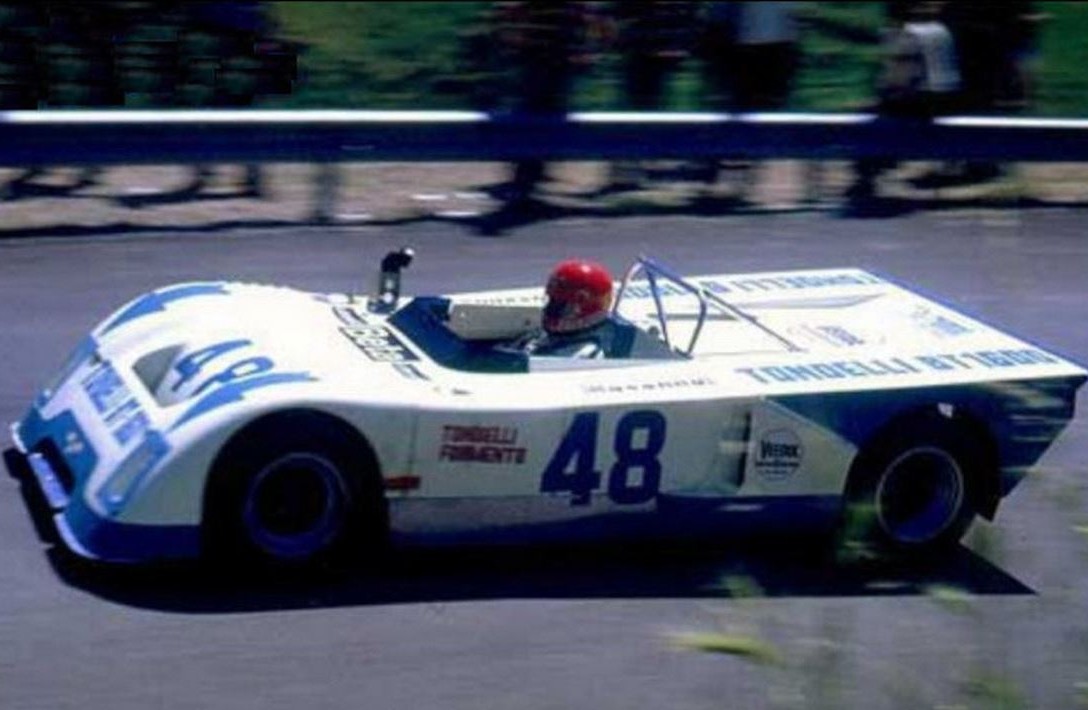
The car’s impact extended to the future stars of Formula 1. A young Niki Lauda, fighting for recognition and funding, drove a Chevron B19 FVC in 1971, showcasing his analytical brilliance in the competitive 2.0-litre field. Jody Scheckter also cut his teeth in a B19. The car became the standard measuring stick for driver talent; if you couldn’t win in a B19 FVC, the problem wasn’t the car. It dominated the British Sports Car Championship and was a key player in the South African Springbok Series, where the iron-block engine’s resistance to overheating made it a favorite in the African heat.
By 1972, the arrival of the reliable 2.0-litre alloy-block BDG engine began to push the 1.8-litre FVC into the second tier. The B19 evolved into the B21 to accommodate these more powerful motors. But the B19 FVC remains the definitive “golden era” privateer prototype. It was the zenith of the “steel frame, iron block” philosophy, a car that won not through exotic materials, but through brilliant geometry, robust engineering, and the sheer driveability that Derek Bennett baked into every chassis he touched. Today, it is the backbone of historic 2.0-litre grids, arguably the most popular and successful sports racing car of its type ever built.
Brand
Produced from
Portal
Model line
Predecessor
Sucessor
Brand
Produced from
Portal
Model line
Model generation
Predecessor
Sucessor
About this submodel
By 1971, the romantic, aesthetic era of the sports prototype was effectively over. The swooping curves and enclosed cockpits of the 1960s—epitomized by the breathtaking Chevron B16—had succumbed to the ruthless, wind-tunnel-driven logic of the new decade. Speed now had a different shape: it was a wedge. It was open-topped, light, and purely functional. Derek Bennett, the pragmatic genius behind Chevron, understood this better than anyone. He took a saw to the beautiful B16, literally and figuratively, and created the B19. While the exotic, alloy-block BDG engine grabbed the headlines for its power, and the 1.6-litre FVA screamed for class wins, the backbone of this revolution, the car that actually populated the grids and filled the trophy cabinets of privateers across Europe, was the Chevron B19 Ford Cosworth FVC. This was the definitive “customer” specification, the machine that turned the European 2-Litre Sports Car Championship into a Chevron benefit.
The B19 FVC was not a car built for headline-grabbing dyno figures; it was built to finish races and win championships. Its heart was the Cosworth FVC (Four Valve Type C). This engine was the workhorse of the 2.0-litre class. Unlike the exotic, featherweight aluminium-block BDG that would eventually supersede it, the FVC was based on the robust, cast-iron Ford Cortina block. Displacing 1,790cc (often stretched to 1.8 or 1.9 litres by engine builders like Richardson or Smith), it was a gritty, torque-rich brawler. It featured the same 16-valve, gear-driven cylinder head architecture as the FVA, but with a longer stroke and a more robust bottom end. Producing a reliable 235-245 bhp at around 8,750 rpm, it gave away peak power to the 2.0-litre BMW and Abarth engines, but it offered something more valuable to the privateer: unburstable reliability and a punchy mid-range that allowed the car to haul itself out of slow corners and through traffic with relentless efficiency.
Bennett wrapped this iron-hearted engine in his signature chassis: a multi-tubular steel spaceframe. In an era where Lola was moving to stressed-skin aluminium monocoques with the T210 and T212, Bennett’s insistence on steel seemed archaic to some, but it was a masterstroke of real-world engineering. The B19 chassis was incredibly stiff, communicative, and, crucially, repairable. If a privateer shunted a monocoque Lola on a Sunday, their season was often over. If they shunted a steel-frame Chevron, a local welder could have them back on the grid for the next round. The bodywork was a pure, unadorned wedge of fibreglass, weighing virtually nothing and generating massive downforce thanks to its shovel nose and integrated rear spoiler. The entire package weighed just over 550kg, creating a power-to-weight ratio that allowed the FVC engine to punch well above its displacement.
The 1971 season was the B19 FVC’s finest hour. It was the weapon of choice for the serious privateer. Teams like Red Rose Racing, Worcestershire Racing, and countless others flocked to the car. It was fast enough to win, tough enough to last, and cheap enough to run. In the European 2-Litre Sports Car Championship, the B19 FVCs swarmed the grid. Brian Redman, the Works driver, often utilized the FVC in endurance rounds where the reliability of the prototype BDG was suspect. It was in an FVC-powered car (and later a BDG) that Redman secured the 1971 title, fighting off the ferocious challenge of Helmut Marko in the Lola T212. The car excelled everywhere, from the high-speed sweepers of Paul Ricard to the jagged, undulating tarmac of the Nürburgring Nordschleife, where the B19’s compliant suspension and the FVC’s torque made it a dream to drive over the bumps.
The car’s impact extended to the future stars of Formula 1. A young Niki Lauda, fighting for recognition and funding, drove a Chevron B19 FVC in 1971, showcasing his analytical brilliance in the competitive 2.0-litre field. Jody Scheckter also cut his teeth in a B19. The car became the standard measuring stick for driver talent; if you couldn’t win in a B19 FVC, the problem wasn’t the car. It dominated the British Sports Car Championship and was a key player in the South African Springbok Series, where the iron-block engine’s resistance to overheating made it a favorite in the African heat.
By 1972, the arrival of the reliable 2.0-litre alloy-block BDG engine began to push the 1.8-litre FVC into the second tier. The B19 evolved into the B21 to accommodate these more powerful motors. But the B19 FVC remains the definitive “golden era” privateer prototype. It was the zenith of the “steel frame, iron block” philosophy, a car that won not through exotic materials, but through brilliant geometry, robust engineering, and the sheer driveability that Derek Bennett baked into every chassis he touched. Today, it is the backbone of historic 2.0-litre grids, arguably the most popular and successful sports racing car of its type ever built.
Tech Specs
Discover the technical specifications
Tech Specs
Discover the technical specifications
Engine
01
03
Internal combustion engine
Configuration
Ford Cosworth FVC, Inline-4
Location
Mid, longitudinally mounted
Construction
Cast iron block, aluminium alloy head
Displacement (cc)
1,790 cc
Displacement (cu in)
109.2 cu in
Compression
-
Bore x Stroke
85.7 mm x 77.5 mm
Valvetrain
4 valves per cylinder, DOHC
Fuel feed
Lucas Fuel Injection
Lubrication
Dry sump
Aspiration
Naturally aspirated
Output
Power (hp)
245 hp
Power (kW)
183 kW
Max power at
9,000 RPM
Torque (Nm)
-
Torque (ft lbs)
-
Max torque at
-
Drivetrain
02
03
Chassis
Type
Tubular frame
Material
Steel and aluminium
Body
Material
Fibreglass
Transmission
Gearbox
5-speed manual
Drive
Rear Wheel Drive
Suspension
Front
Double wishbones, coil springs over dampers, anti-roll bar
Rear
Single top links, twin lower links, twin trailing arms, coil springs over dampers, anti-roll bar
Steering
Type
Rack and pinion
Brakes
Front
Ventilated discs
Rear
Ventilated discs
Wheels
Front
-
Rear
-
Tires
Front
-
Rear
-
Dimensions and performance
03
03
Dimensions
Lenght (mm)
-
Lenght (in)
-
Width (mm)
-
Width (in)
-
Height (mm)
-
Height (in)
-
Wheelbase (mm)
2,362 mm
Wheelbase (in)
92.9 in
Weight (kg)
550 kg
Weight (lbs)
1,213 lbs
Performance
Power to weight
0.44 hp/kg
Top speed (km/h)
-
Top speed (mph)
-
0-100 km/h (0-60 mph)
-
Submodels
Other variants of this model
Submodels