Lola T280 Ford Cosworth DFV
Brand
Produced from
Portal
Vehicle category
Predecessor
Sucessor
About this submodel
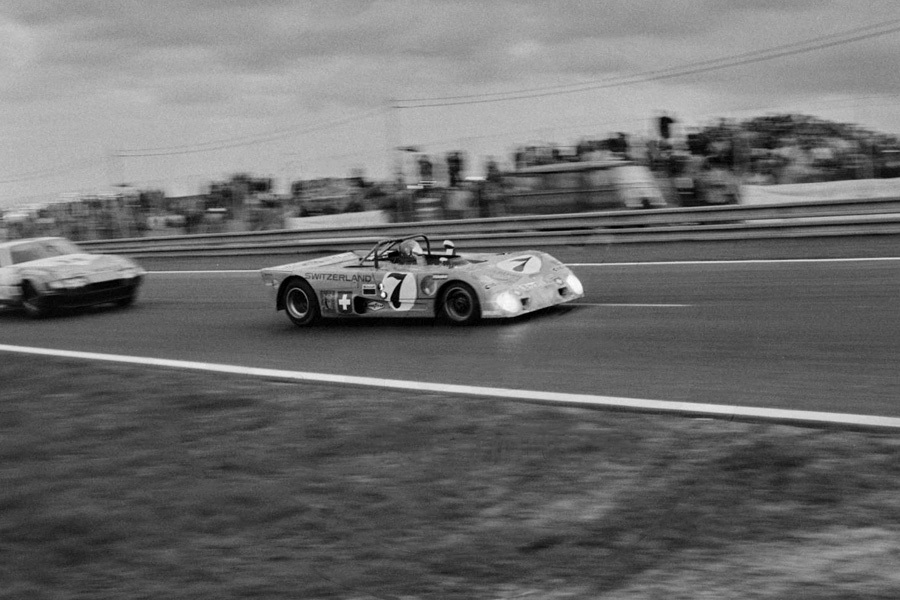
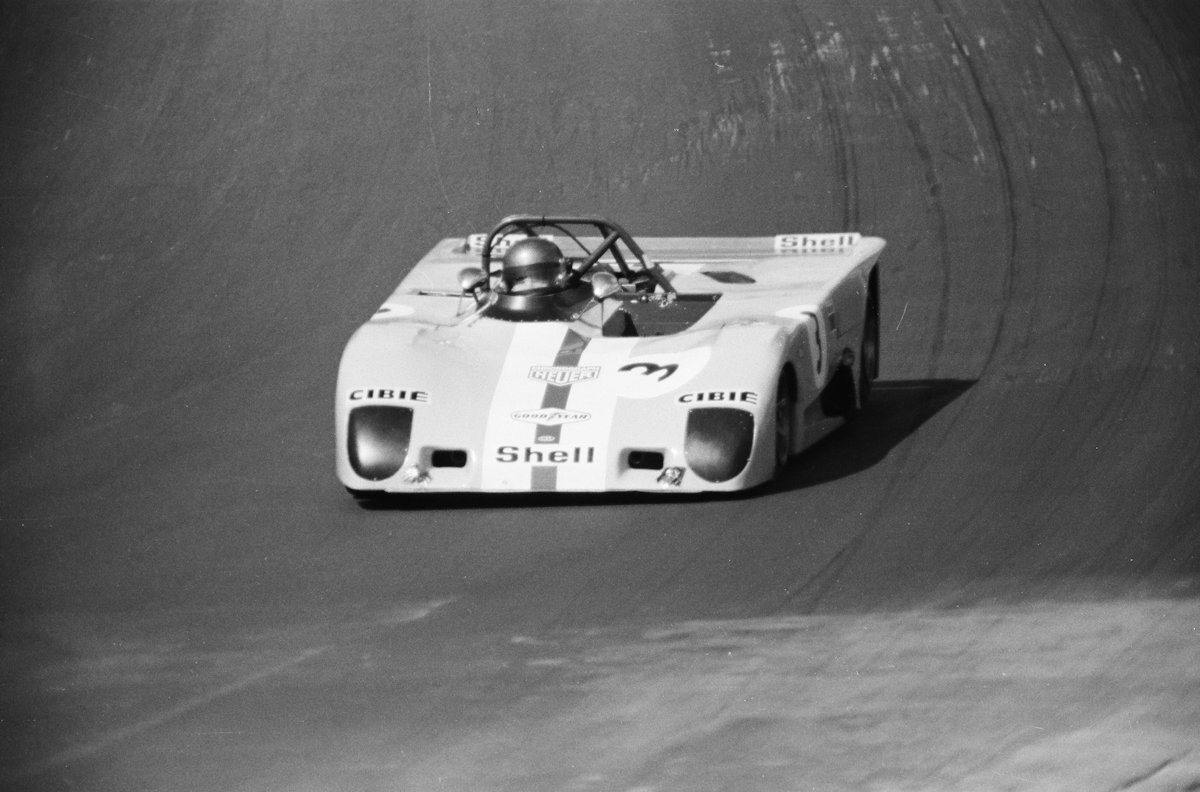
The dawn of the 1972 World Sportscar Championship season marked a violent rupture in the timeline of endurance racing. The Fédération Internationale de l’Automobile (FIA), in a move to cap speeds and costs, had banished the leviathans. The 5.0-litre titans—the Porsche 917s and Ferrari 512s that had shaken the ground and captured the world’s imagination—were legislated out of existence. In their place came a new, prescribed reality: a 3.0-litre displacement limit, intended to align sports car racing with Formula 1. This vacuum created a tantalizing opportunity for the independent manufacturers. While Ferrari committed fully with the purpose-built 312PB, and Alfa Romeo fielded the 33TT3, Eric Broadley, the patriarch of Lola Cars in Huntingdon, saw a chance to do what he did best: build a customer car that could embarrass the factory giants. The result was the Lola T280, a machine that was, for all intents and purposes, a two-seat Formula 1 car with fenders. It was a vehicle defined by blistering speed, structural fragility, and ultimately, a tragedy that would cast a long, sombre shadow over its legacy.
The T280 arrived into a world where the concept of a “sprint” endurance race was becoming the norm. The 24 Hours of Le Mans remained the outlier; the rest of the calendar was shifting towards 1,000-kilometer dashes where fuel conservation was less critical than raw pace. For this new arena, Lola partnered with the veteran Swedish driver and team owner Jo Bonnier. Ecurie Bonnier became the de facto works team, tasked with taking the fight to Maranello. The T280 was not an evolution of the burly T70; it was a clean-sheet design engineered by a young, ambitious team that included a future Formula 1 titan named Patrick Head. It was designed to accept the engine that dominated the Grand Prix grid: the Ford-Cosworth DFV. This decision was both the T280’s greatest strength and its fatal flaw.
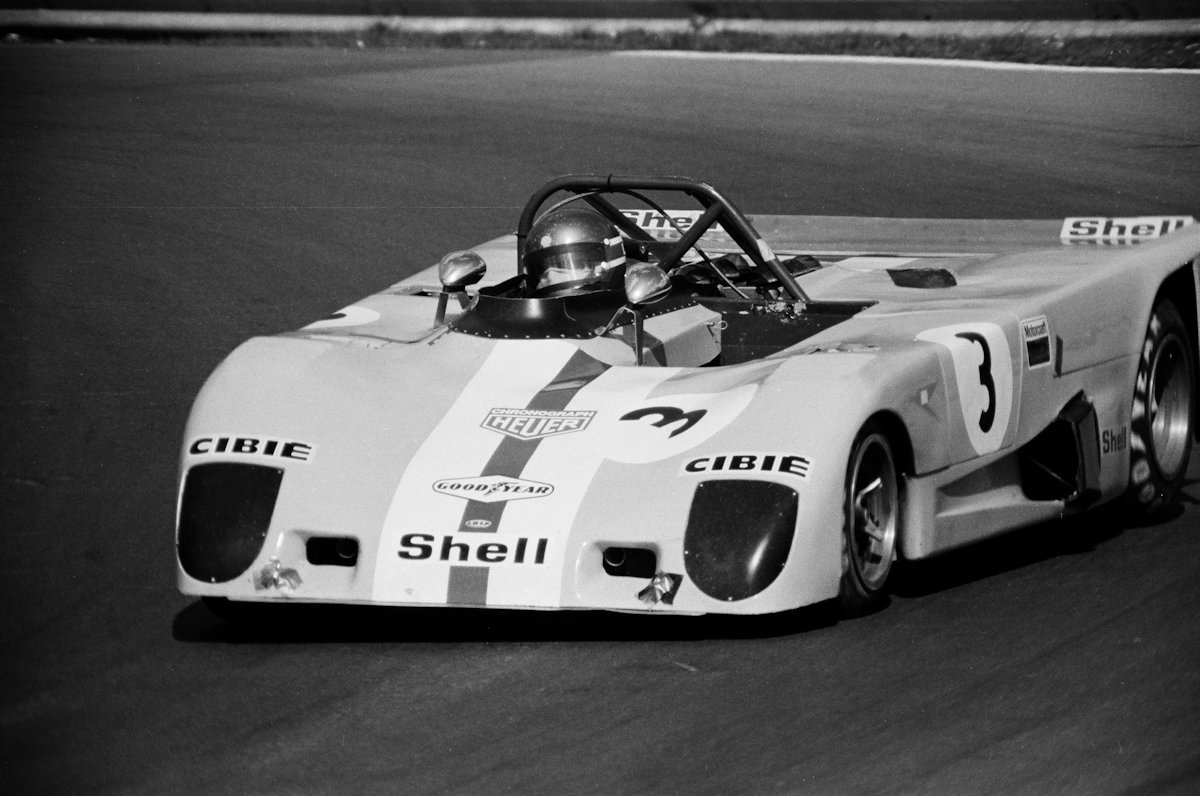
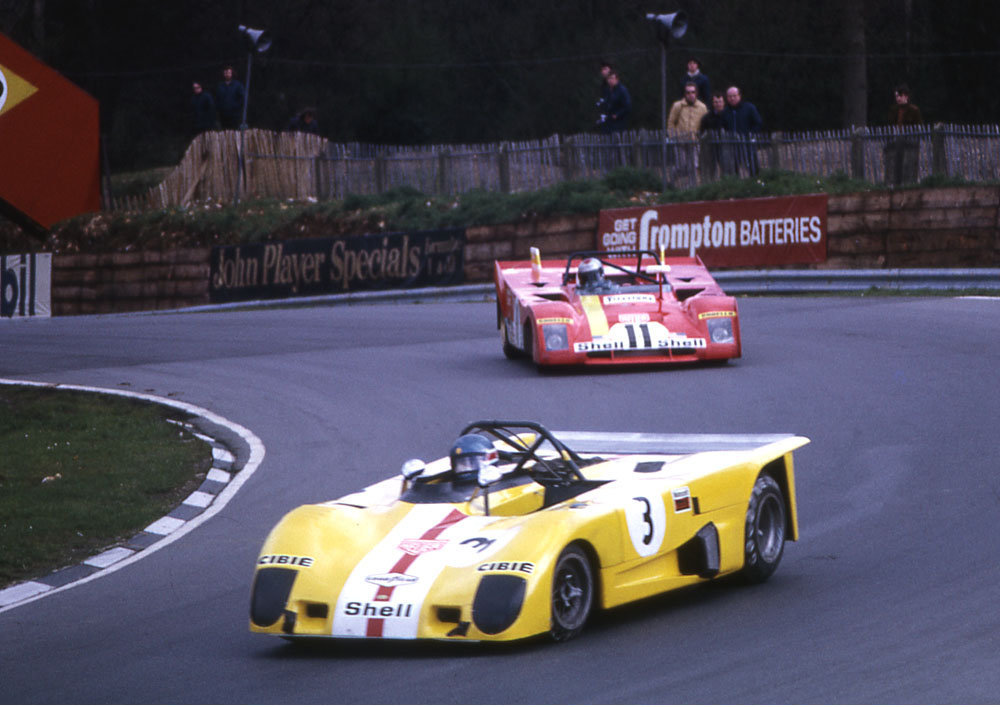
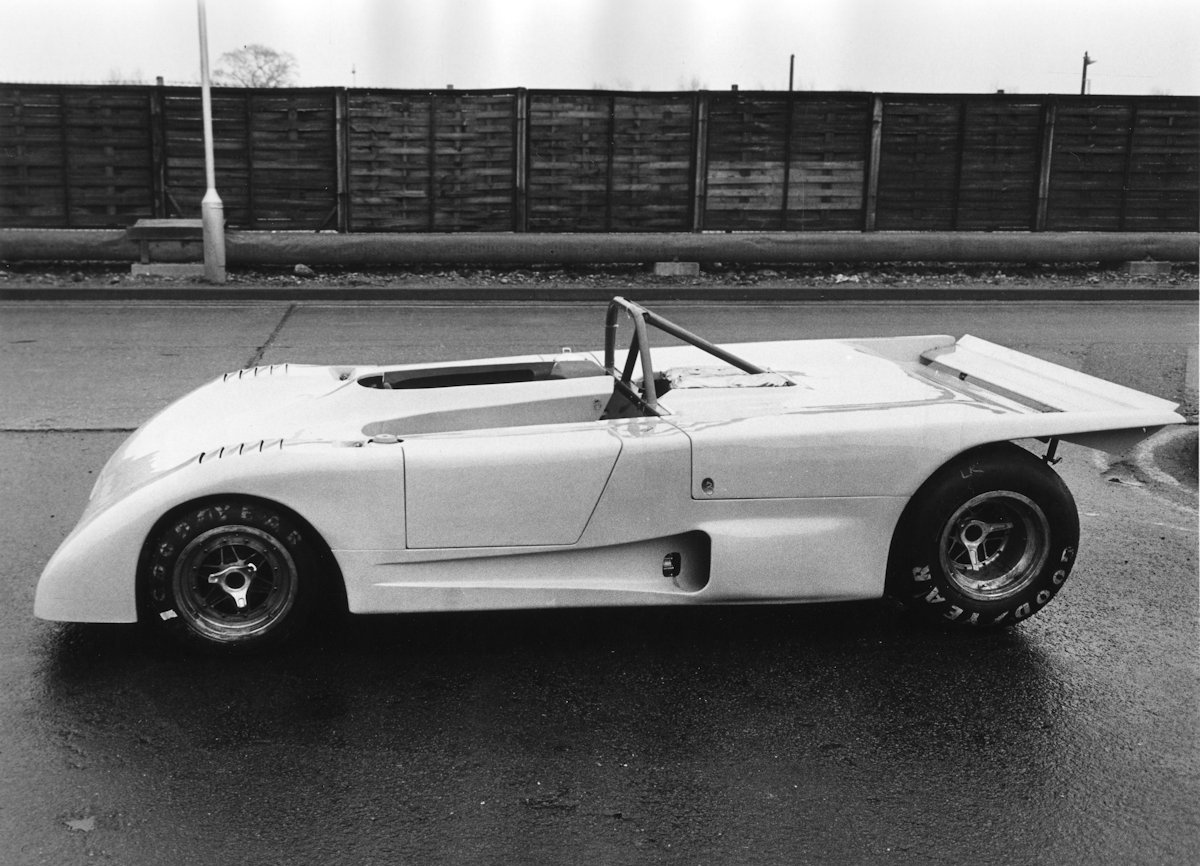
Technically, the Lola T280 was a masterpiece of minimalist packaging. The chassis was a bonded and riveted aluminium monocoque, a significant departure from the tubular frames of the older big-bangers. It was incredibly low, featuring a wedge-shaped profile that seemed to be scraped off the tarmac. The aerodynamics were aggressive, with a “shovel” nose designed to generate immense front downforce and a full-width rear wing to plant the featherweight tail. The suspension geometry was derived directly from contemporary open-wheel thinking, utilizing double wishbones and coil-over dampers. To reduce unsprung weight and improve handling response, the rear brakes were mounted inboard, next to the transaxle—a signature Lola design trait that added complexity but paid dividends in mechanical grip.
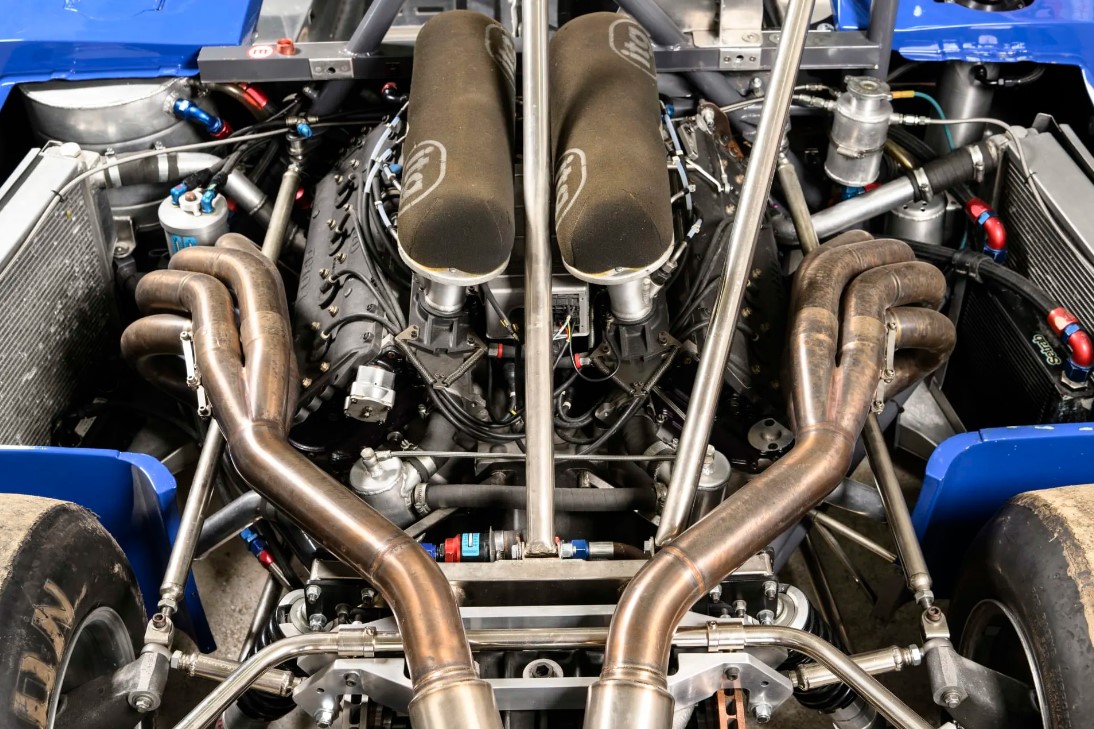
However, the heart of the T280 was the defining variable. The 3.0-litre Cosworth DFV (Double Four Valve) V8 was, by 1972, the undisputed king of Formula 1. It produced roughly 445 brake horsepower at a screaming 10,000 rpm. In a sprint car, it was perfect. In a sports car, it was a vibration machine. The DFV was a stressed member in F1 cars, designed to run for two hours. In the T280, the harmonic vibrations generated by the flat-plane crank V8 were destructive over long distances. They cracked exhaust manifolds, loosened bolts, and shattered ancillary components. Furthermore, the DFV lacked the torque of the Ferrari flat-12 or the Alfa V8, meaning the T280 had to be driven aggressively, kept high in the rev range, which only exacerbated the reliability issues. The power was fed through a Hewland DG300 five-speed gearbox, another F1-derived component that required a delicate hand.
Despite these inherent challenges, the T280’s impact on the track was immediate and shocking. At the season opener in Buenos Aires in 1972, the T280, driven by Reine Wisell and Gerard Larrousse, qualified comfortably on the front row, splitting the factory Ferraris. It led the race, pulling away from the 312PBs with an ease that stunned the paddock. The car was significantly faster than the competition over a single lap. It proved that a privateer chassis with a bought-in F1 engine could technically outperform a fully integrated factory prototype. However, the fairytale unraveled quickly; mechanical gremlins forced it out of contention. This pattern would define the T280’s career: blinding speed followed by mechanical heartbreak.
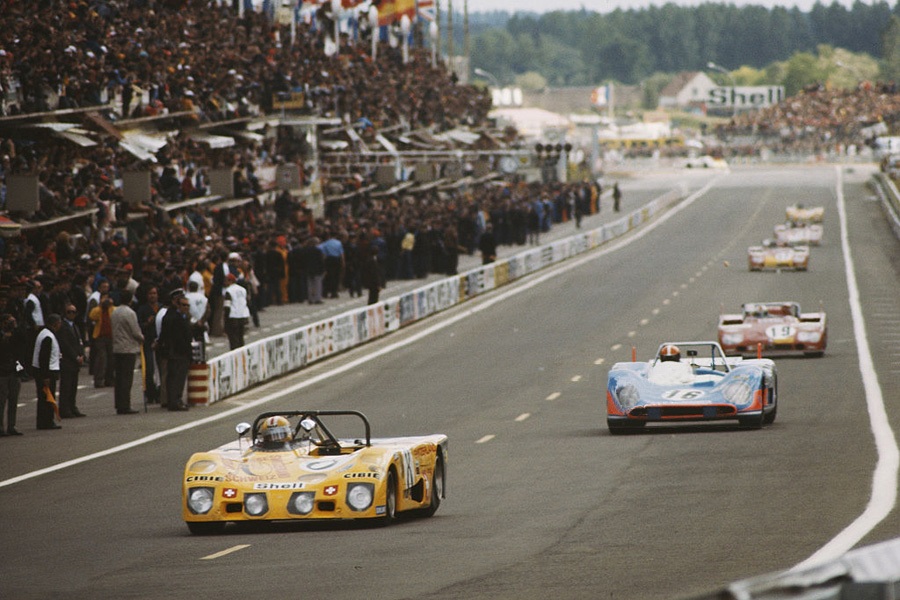
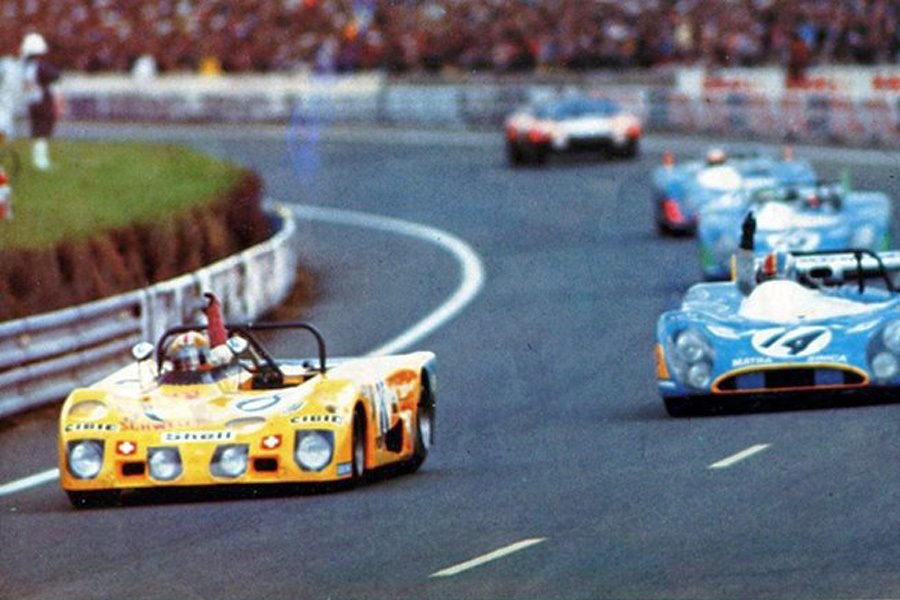
The defining moment of the T280’s history, and indeed the moment that effectively ended its primary development program, occurred at the 1972 24 Hours of Le Mans. Jo Bonnier had entered two T280s. The cars were quick, with the lead car of Bonnier and Larrousse running consistently in the top ten, fighting against the reliability issues that plagued the DFV over 24 hours. On Sunday morning, tragedy struck. Approaching the Indianapolis curve, Bonnier’s T280 collided with a slower Ferrari Daytona driven by Florian Vetsch. The Lola was launched into the trees, killing the legendary Swedish driver instantly. The death of Jo Bonnier was a devastating blow to the project. He was not just the driver; he was the financier, the cheerleader, and the political force behind the T280. With his passing, the impetus to develop the car into a reliable endurance winner evaporated.
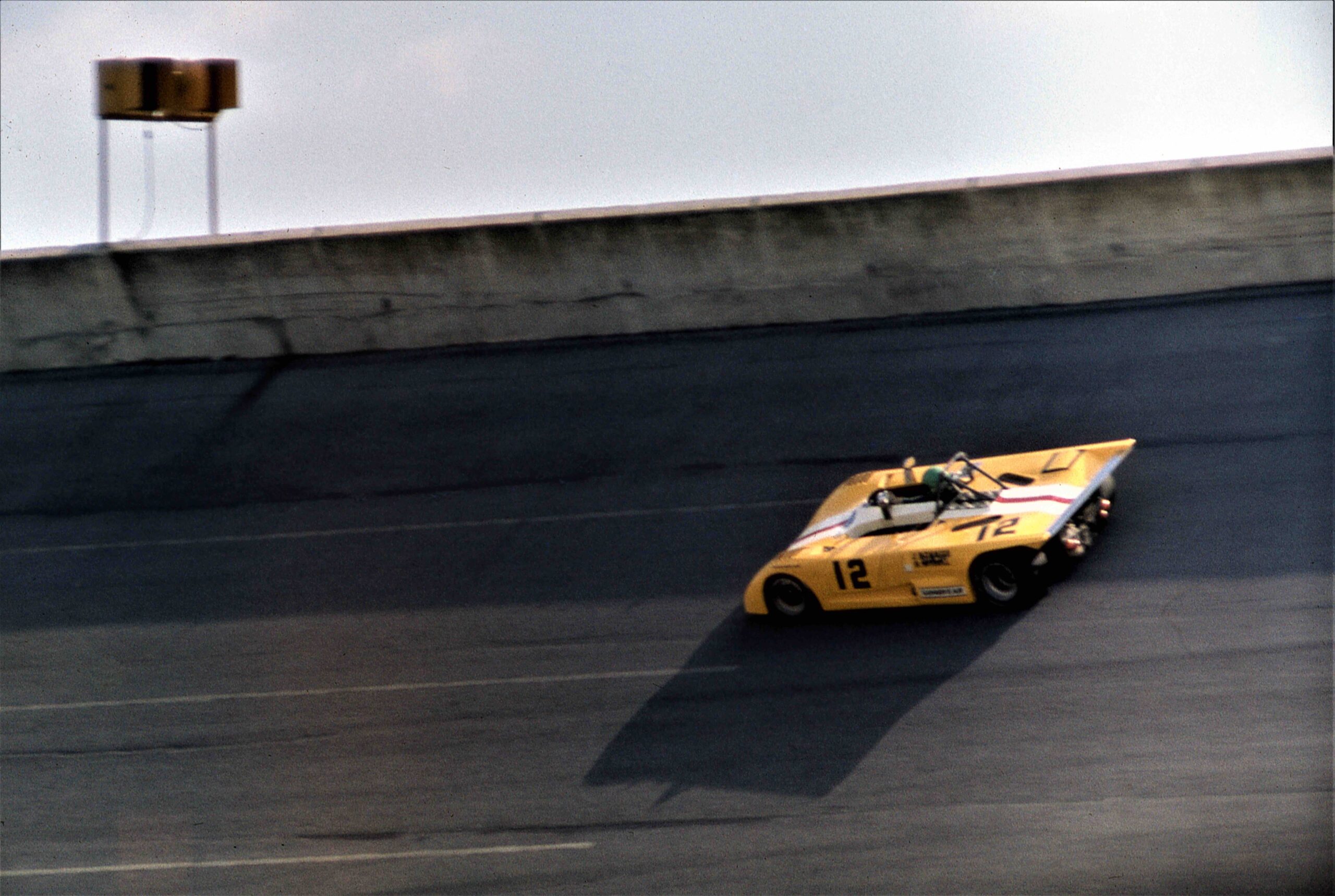
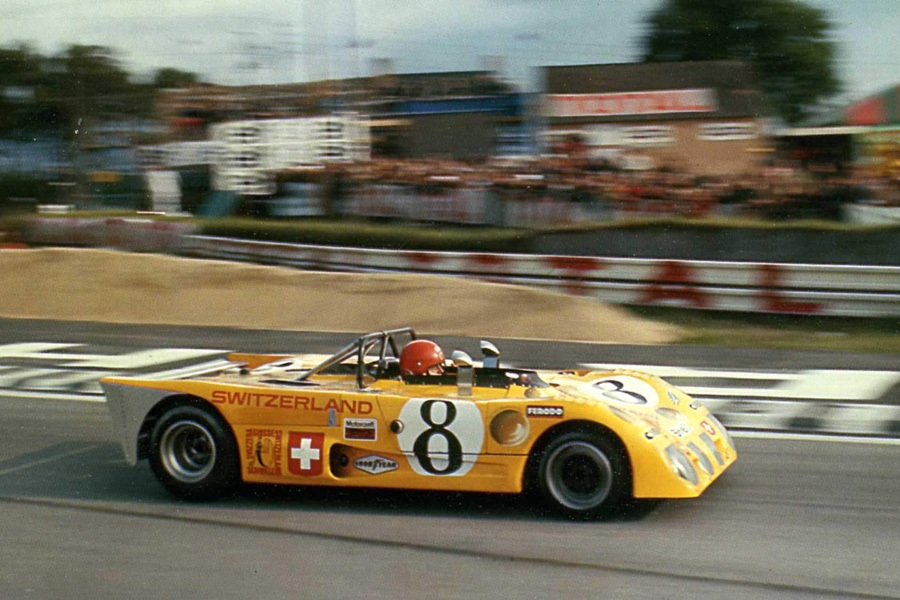
Following 1972, the T280 chassis found homes with other privateers, most notably the Portuguese team of Jolly Club Switzerland and later drives by Huub Rothengatter. It continued to show flashes of brilliance in shorter races, winning heats in the Interserie championship where the sprint format suited its F1 DNA. However, without the factory-level development needed to “endurance-proof” the Cosworth DFV—something that would only be achieved years later by Gulf-Mirage and Jean Rondeau—the T280 remained a sprinter in a marathon runner’s world.
The legacy of the Lola T280 is multifaceted. In the short term, it was a tragic “what if”. Had Bonnier lived, and had the team solved the vibration issues, the T280 had the raw pace to deny Ferrari their 1972 dominance. In the long term, however, the T280 is a pivotal machine in the history of sports car design. It was one of the first cars to fundamentally prove that the 3.0-litre F1 engine formula was viable for sports prototypes, laying the groundwork for the DFV’s eventual Le Mans victories in 1975 and 1980. It also served as a finishing school for Patrick Head, who would take the lessons learned in aerodynamic packaging and chassis stiffness to Williams Grand Prix Engineering, where he would win multiple World Championships.
Today, the T280 is revered by enthusiasts not for its reliability record, but for its purity. It represents the absolute zenith of the “privateer prototype”—a time when you could buy a chassis from Huntingdon, an engine from Northampton, and go faster than Ferrari. It is a beautiful, fragile, and ferociously fast wedge of 1970s optimism, a car that promised the world and delivered moments of sheer, unadulterated speed before tragedy intervened. It sits in the pantheon of automobilia as the ultimate “glass cannon” of the Group 6 era.
Brand
Produced from
Portal
Vehicle category
Predecessor
Sucessor
Brand
Produced from
Portal
Vehicle category
Model line
Model generation
Predecessor
Sucessor
About this submodel
The dawn of the 1972 World Sportscar Championship season marked a violent rupture in the timeline of endurance racing. The Fédération Internationale de l’Automobile (FIA), in a move to cap speeds and costs, had banished the leviathans. The 5.0-litre titans—the Porsche 917s and Ferrari 512s that had shaken the ground and captured the world’s imagination—were legislated out of existence. In their place came a new, prescribed reality: a 3.0-litre displacement limit, intended to align sports car racing with Formula 1. This vacuum created a tantalizing opportunity for the independent manufacturers. While Ferrari committed fully with the purpose-built 312PB, and Alfa Romeo fielded the 33TT3, Eric Broadley, the patriarch of Lola Cars in Huntingdon, saw a chance to do what he did best: build a customer car that could embarrass the factory giants. The result was the Lola T280, a machine that was, for all intents and purposes, a two-seat Formula 1 car with fenders. It was a vehicle defined by blistering speed, structural fragility, and ultimately, a tragedy that would cast a long, sombre shadow over its legacy.
The T280 arrived into a world where the concept of a “sprint” endurance race was becoming the norm. The 24 Hours of Le Mans remained the outlier; the rest of the calendar was shifting towards 1,000-kilometer dashes where fuel conservation was less critical than raw pace. For this new arena, Lola partnered with the veteran Swedish driver and team owner Jo Bonnier. Ecurie Bonnier became the de facto works team, tasked with taking the fight to Maranello. The T280 was not an evolution of the burly T70; it was a clean-sheet design engineered by a young, ambitious team that included a future Formula 1 titan named Patrick Head. It was designed to accept the engine that dominated the Grand Prix grid: the Ford-Cosworth DFV. This decision was both the T280’s greatest strength and its fatal flaw.
Technically, the Lola T280 was a masterpiece of minimalist packaging. The chassis was a bonded and riveted aluminium monocoque, a significant departure from the tubular frames of the older big-bangers. It was incredibly low, featuring a wedge-shaped profile that seemed to be scraped off the tarmac. The aerodynamics were aggressive, with a “shovel” nose designed to generate immense front downforce and a full-width rear wing to plant the featherweight tail. The suspension geometry was derived directly from contemporary open-wheel thinking, utilizing double wishbones and coil-over dampers. To reduce unsprung weight and improve handling response, the rear brakes were mounted inboard, next to the transaxle—a signature Lola design trait that added complexity but paid dividends in mechanical grip.
However, the heart of the T280 was the defining variable. The 3.0-litre Cosworth DFV (Double Four Valve) V8 was, by 1972, the undisputed king of Formula 1. It produced roughly 445 brake horsepower at a screaming 10,000 rpm. In a sprint car, it was perfect. In a sports car, it was a vibration machine. The DFV was a stressed member in F1 cars, designed to run for two hours. In the T280, the harmonic vibrations generated by the flat-plane crank V8 were destructive over long distances. They cracked exhaust manifolds, loosened bolts, and shattered ancillary components. Furthermore, the DFV lacked the torque of the Ferrari flat-12 or the Alfa V8, meaning the T280 had to be driven aggressively, kept high in the rev range, which only exacerbated the reliability issues. The power was fed through a Hewland DG300 five-speed gearbox, another F1-derived component that required a delicate hand.
Despite these inherent challenges, the T280’s impact on the track was immediate and shocking. At the season opener in Buenos Aires in 1972, the T280, driven by Reine Wisell and Gerard Larrousse, qualified comfortably on the front row, splitting the factory Ferraris. It led the race, pulling away from the 312PBs with an ease that stunned the paddock. The car was significantly faster than the competition over a single lap. It proved that a privateer chassis with a bought-in F1 engine could technically outperform a fully integrated factory prototype. However, the fairytale unraveled quickly; mechanical gremlins forced it out of contention. This pattern would define the T280’s career: blinding speed followed by mechanical heartbreak.
The defining moment of the T280’s history, and indeed the moment that effectively ended its primary development program, occurred at the 1972 24 Hours of Le Mans. Jo Bonnier had entered two T280s. The cars were quick, with the lead car of Bonnier and Larrousse running consistently in the top ten, fighting against the reliability issues that plagued the DFV over 24 hours. On Sunday morning, tragedy struck. Approaching the Indianapolis curve, Bonnier’s T280 collided with a slower Ferrari Daytona driven by Florian Vetsch. The Lola was launched into the trees, killing the legendary Swedish driver instantly. The death of Jo Bonnier was a devastating blow to the project. He was not just the driver; he was the financier, the cheerleader, and the political force behind the T280. With his passing, the impetus to develop the car into a reliable endurance winner evaporated.
Following 1972, the T280 chassis found homes with other privateers, most notably the Portuguese team of Jolly Club Switzerland and later drives by Huub Rothengatter. It continued to show flashes of brilliance in shorter races, winning heats in the Interserie championship where the sprint format suited its F1 DNA. However, without the factory-level development needed to “endurance-proof” the Cosworth DFV—something that would only be achieved years later by Gulf-Mirage and Jean Rondeau—the T280 remained a sprinter in a marathon runner’s world.
The legacy of the Lola T280 is multifaceted. In the short term, it was a tragic “what if”. Had Bonnier lived, and had the team solved the vibration issues, the T280 had the raw pace to deny Ferrari their 1972 dominance. In the long term, however, the T280 is a pivotal machine in the history of sports car design. It was one of the first cars to fundamentally prove that the 3.0-litre F1 engine formula was viable for sports prototypes, laying the groundwork for the DFV’s eventual Le Mans victories in 1975 and 1980. It also served as a finishing school for Patrick Head, who would take the lessons learned in aerodynamic packaging and chassis stiffness to Williams Grand Prix Engineering, where he would win multiple World Championships.
Today, the T280 is revered by enthusiasts not for its reliability record, but for its purity. It represents the absolute zenith of the “privateer prototype”—a time when you could buy a chassis from Huntingdon, an engine from Northampton, and go faster than Ferrari. It is a beautiful, fragile, and ferociously fast wedge of 1970s optimism, a car that promised the world and delivered moments of sheer, unadulterated speed before tragedy intervened. It sits in the pantheon of automobilia as the ultimate “glass cannon” of the Group 6 era.
Tech Specs
Discover the technical specifications
Tech Specs
Discover the technical specifications
Engine
01
03
Internal combustion engine
Configuration
Ford Cosworth DFV, V8 - 90º
Location
Mid, longitudinally mounted
Construction
Aluminium block and heads
Displacement (cc)
2,993 cc
Displacement (cu in)
182.6 cu in
Compression
11.5:1
Bore x Stroke
85.7 mm x 64.8 mm
Valvetrain
4 valves per cylinder, DOHC
Fuel feed
Lucas mechanical fuel injection
Lubrication
Dry sump
Aspiration
Naturally aspirated
Output
Power (hp)
450 hp
Power (kW)
336 kW
Max power at
10,000 RPM
Torque (Nm)
330 Nm
Torque (ft lbs)
243 ft lbs
Max torque at
8,500 RPM
Drivetrain
02
03
Chassis
Type
Monocoque
Material
Aluminium sheet (L72) riveted and bonded
Body
Material
Fibreglass reinforced plastic
Transmission
Gearbox
Hewland DG300, 5-speed manual
Drive
Rear Wheel Drive (Cam-and-pawl Limited Slip Differential)
Suspension
Front
Independent, double wishbones, coil springs over adjustable dampers, anti-roll bar
Rear
Independent, reversed lower wishbones, top links, twin radius arms, coil springs over dampers
Steering
Type
Rack and pinion
Brakes
Front
Ventilated discs Ø280 mm, 4-piston calipers (AP Lockheed)
Rear
Ventilated discs Ø280 mm, 4-piston calipers (Inboard mounted)
Wheels
Front
10" x 13" (Cast Magnesium)
Rear
14" x 13" (Cast Magnesium)
Tires
Front
245/550-13
Rear
325/600-13
Dimensions and performance
03
03
Dimensions
Lenght (mm)
4,000 mm
Lenght (in)
157.5 in
Width (mm)
1,930 mm
Width (in)
76.0 in
Height (mm)
940 mm
Height (in)
37.0 in
Wheelbase (mm)
2,490 mm
Wheelbase (in)
98.0 in
Weight (kg)
650 kg
Weight (lbs)
1,433 lbs
Performance
Power to weight
~0.69 hp/kg
Top speed (km/h)
~330 km/h
Top speed (mph)
~205 mph
0-100 km/h (0-60 mph)
~3.0 s
Submodels
Other variants of this model
Submodels