Chevron B26 Hart 420R
Brand
Produced from
Portal
Vehicle category
Model line
Predecessor
Sucessor
About this submodel
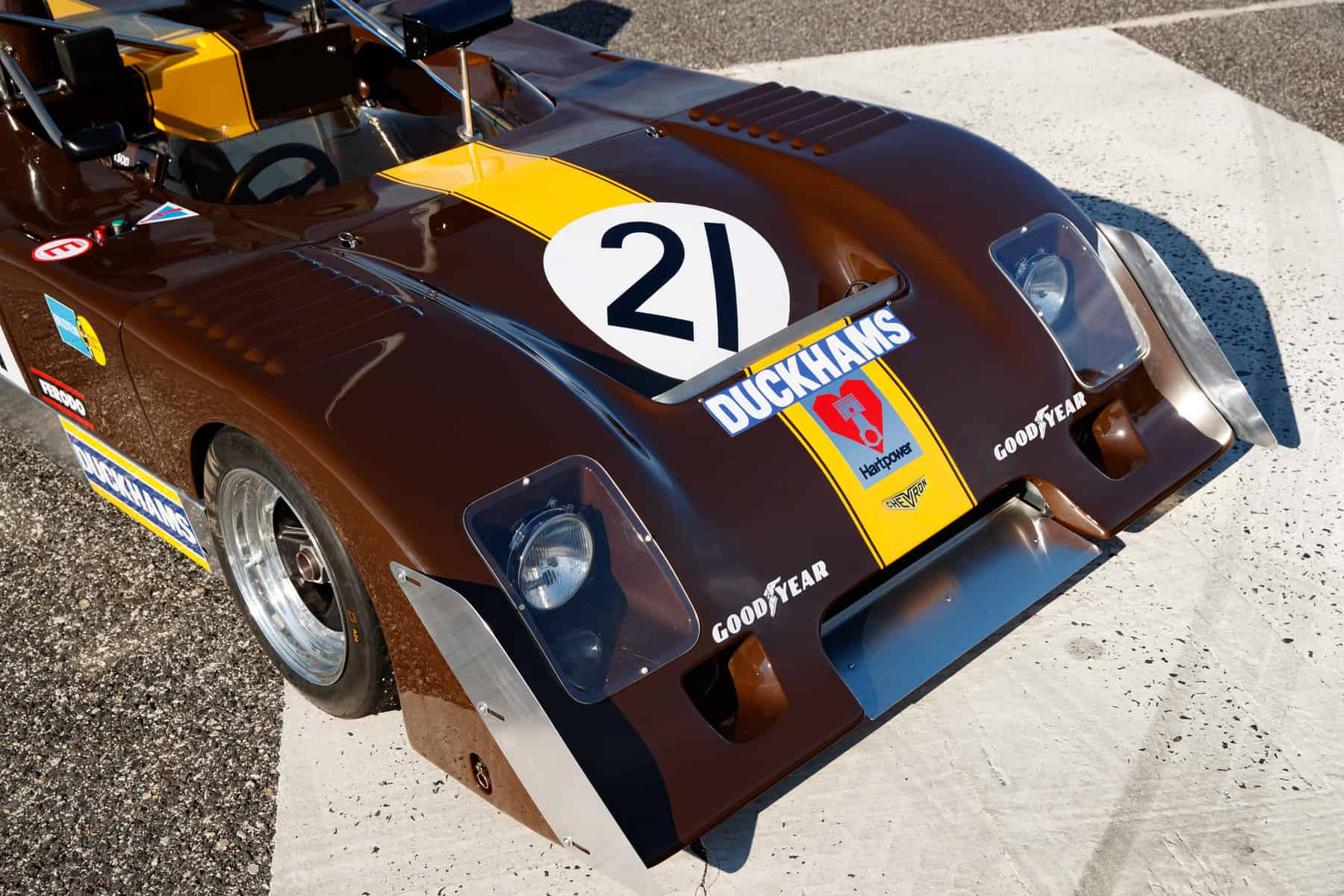
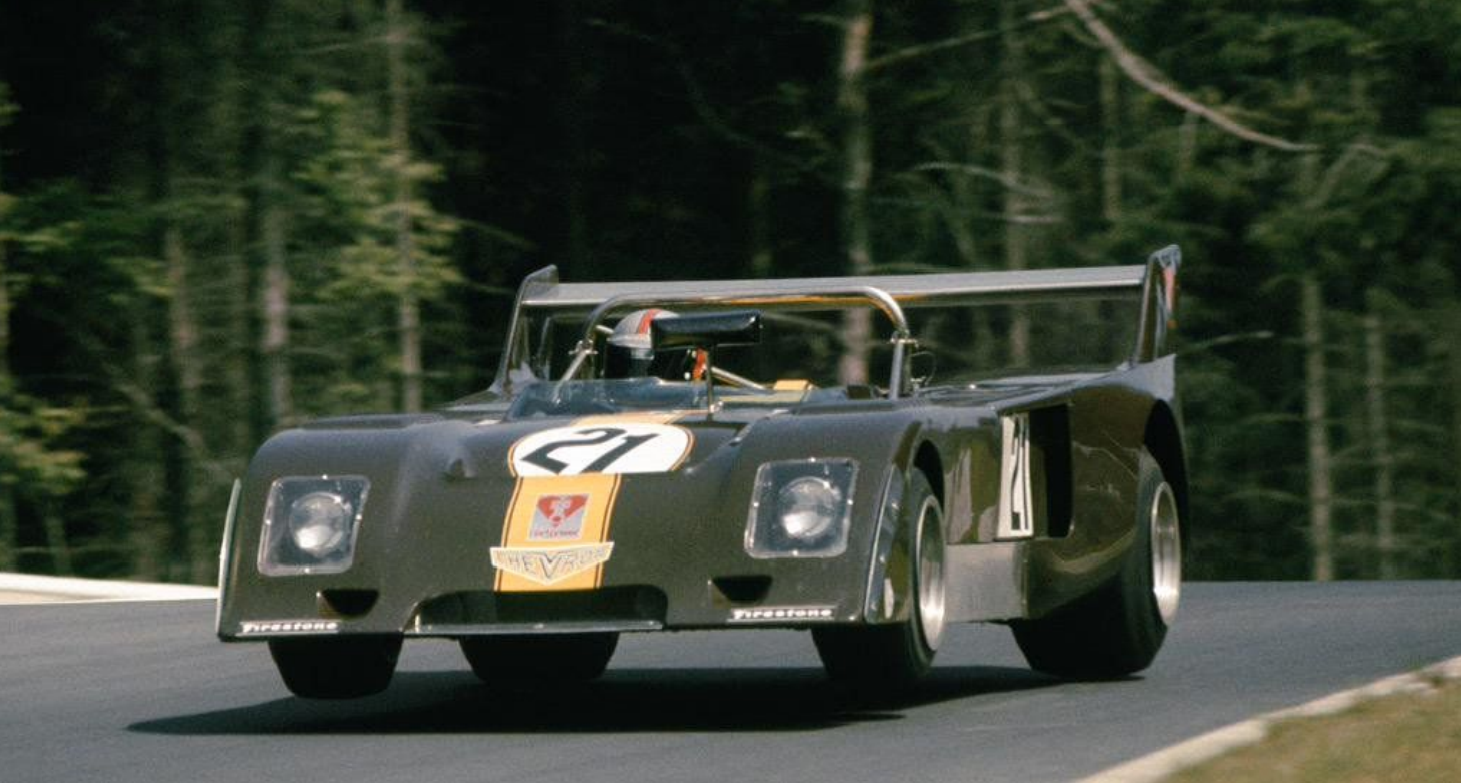
In the fervid atmosphere of 1973 European sports car racing, the grid was rapidly becoming a technological monoculture. If you wanted to win the 2.0-litre class, conventional wisdom dictated a binary choice: you bought a Lola or a Chevron chassis, and you bolted in a Ford Cosworth or a BMW engine. It was an established duopoly, a safe bet. But motorsport has always thrived on the mavericks, the engineers who look at the status quo and see only an opportunity for disruption. Derek Bennett’s Chevron B26 was already a revolution for the marque—its first aluminium monocoque chassis replacing the beloved steel spaceframes of old. But for the truest iconoclasts, the ultimate expression of this new chassis was not found with a Ford badge on the cam cover. It was found with the 1973 Chevron B26 Hart 420R, a machine that represented the genesis of a new British engine dynasty and the first shot in a war that would eventually lead to Formula One.
The B26 chassis was the perfect host for a challenger engine. Bennett’s shift from steel tubes to a riveted and bonded N4 aluminium tub had yielded a car of immense stiffness. It was a razor-sharp wedge, a “shovel-nosed” instrument of speed designed to generate maximum front-end bite and exploit the grip of the latest slick tires. While the chassis was cutting-edge, the decision to fit the Brian Hart 420R engine was a gamble. In 1973, the Cosworth BDG was the king, the alloy-block evolution of the FVA that was winning everywhere. Brian Hart, an ex-Cosworth engineer and talented driver, believed he could build something better. The 420R (4-cylinder, 2.0-litre, Racing) was his answer. Like the BDG, it utilized an aluminium block to save critical weight over the rear axle, essential for the agile handling required on European tracks.
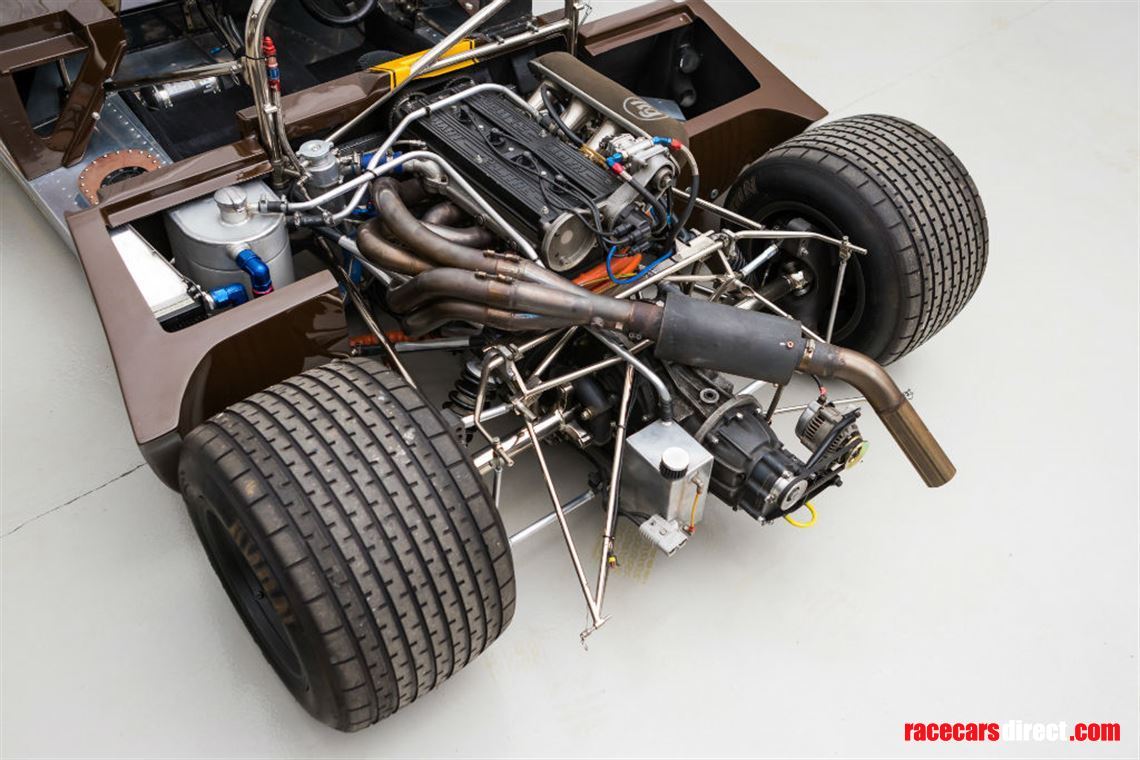
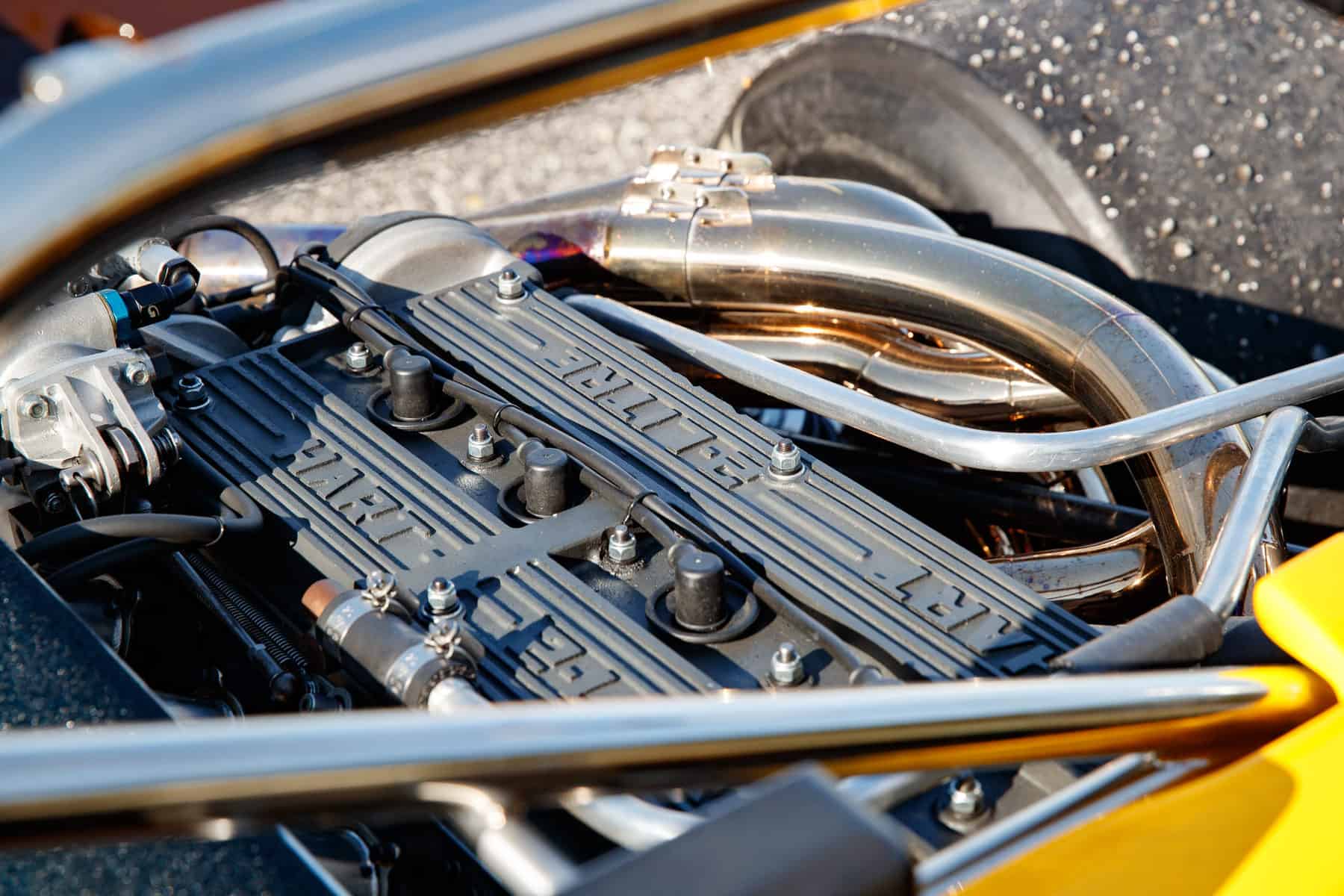
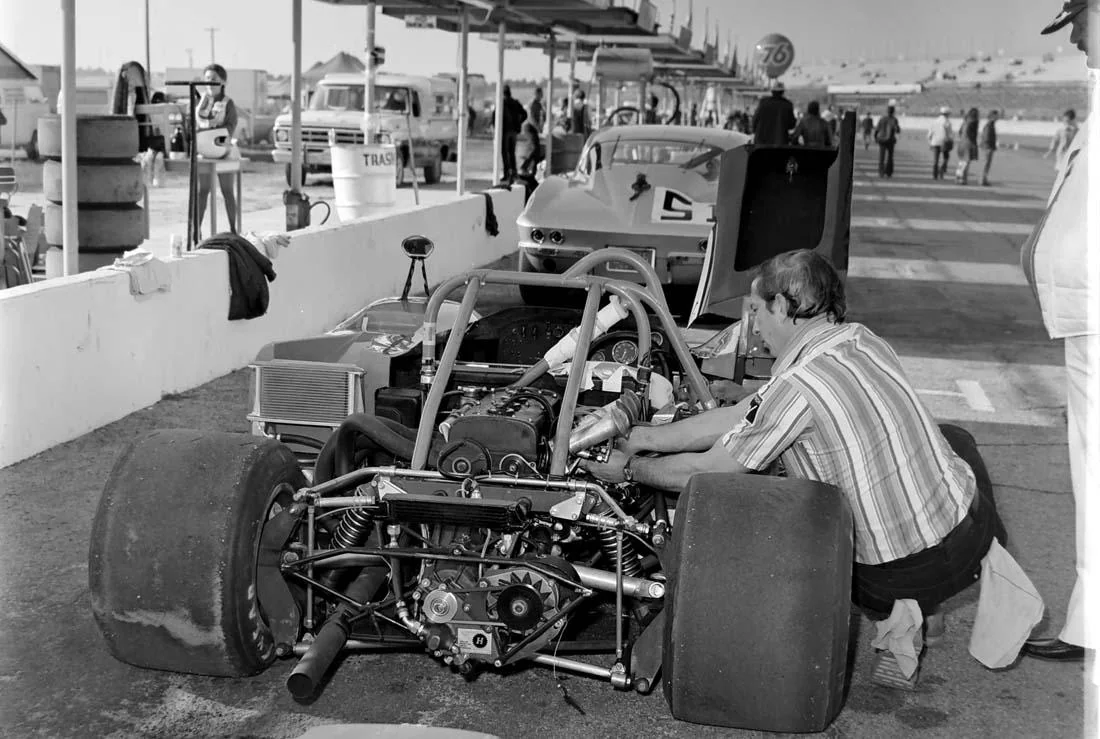
However, the Hart 420R was not merely a Cosworth clone. It was a bespoke racing unit, featuring a distinct cylinder head design and a robust bottom end that Hart developed specifically to handle the rigors of endurance racing and Formula 2. In 1973 trim, fed by Lucas mechanical fuel injection, the 420R produced a potent 275 to 285 bhp. It was known for a slightly different torque character than the Cosworths—grittier, perhaps less frantic at the very top end, but immensely punchy in the mid-range. Mated to the B26’s lightweight monocoque and a Hewland FG400 gearbox, the Hart engine created a package that was lighter than the BMW-powered cars and arguably more durable than the early, fragile Cosworth FVDs.
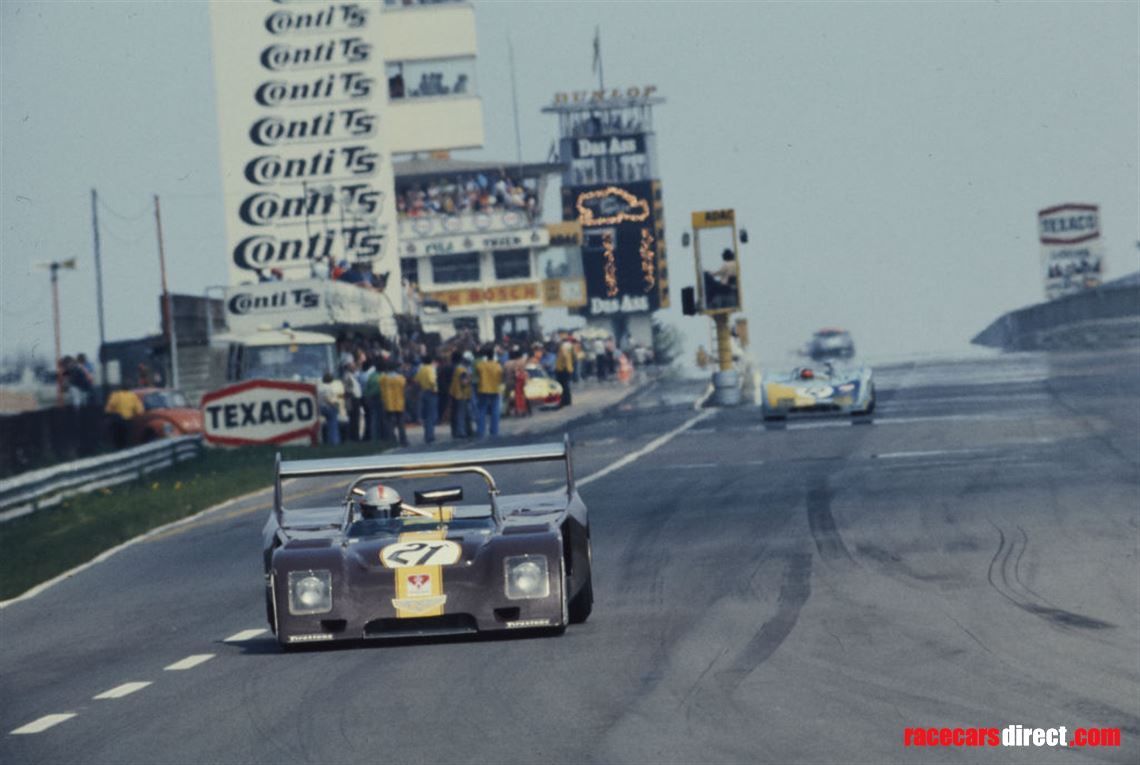
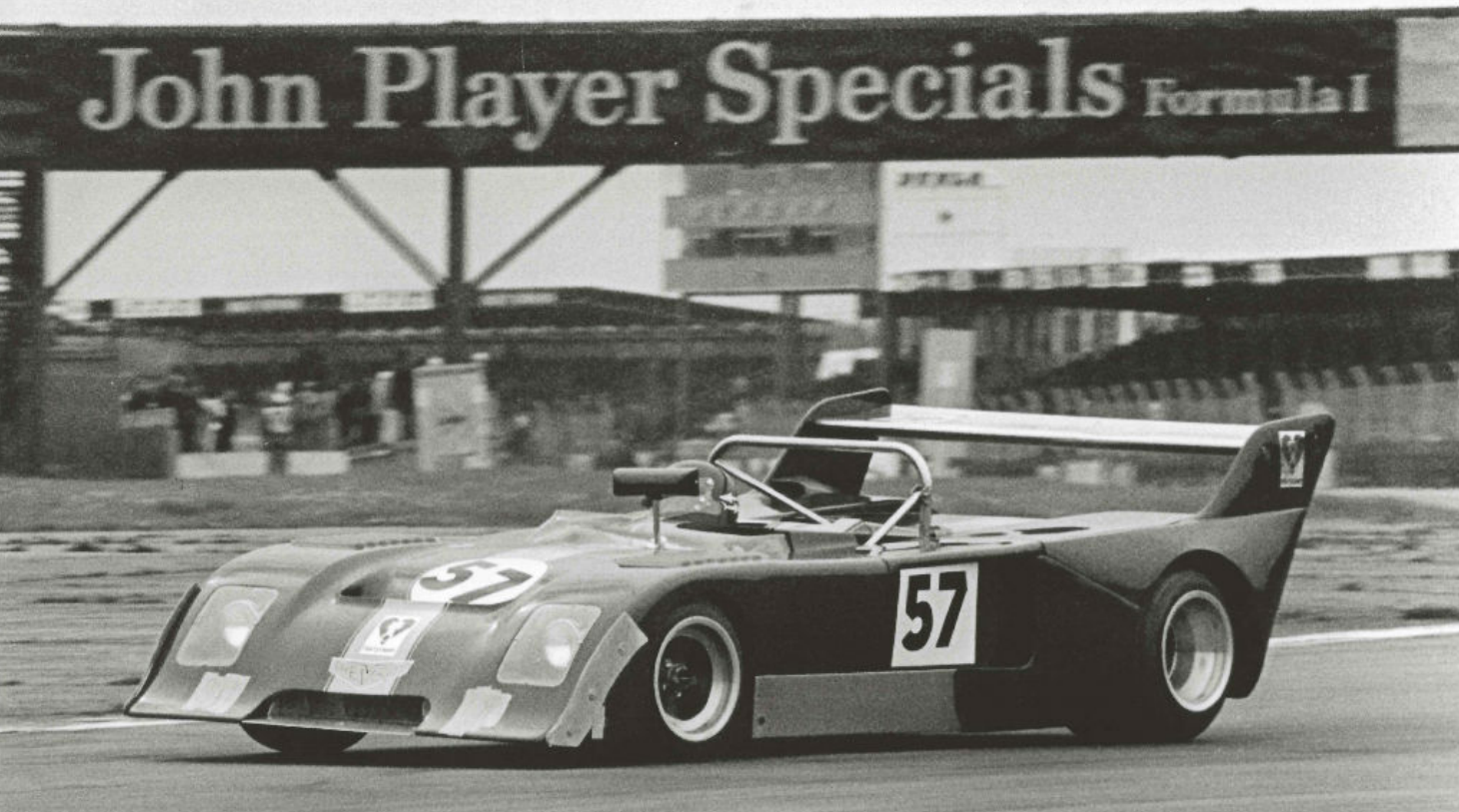
On the track, the B26 Hart was the dark horse of the 1973 season. It appealed to the privateer who wanted to forge their own path. While the Lola-BDGs and March-BMWs garnered the headlines, the Hart-powered Chevrons were the cars keeping them honest. In the European 2-Litre Sports Car Championship, the B26 Hart proved to be a formidable, if developmental, weapon. It excelled on circuits that required a blend of horsepower and chassis compliance, such as Thruxton in the UK or the undulating Enna-Pergusa in Sicily. The lower mass of the alloy engine allowed the B26 to change direction with telepathic immediacy, while the Hart’s robustness began to earn the trust of teams looking to finish long-distance events without the valve-train anxieties associated with the more high-strung engines.
The significance of this car lies less in a single dominant championship victory in 1973, and more in what it started. The B26 Hart was the proof-of-concept for a partnership that would define the late 1970s. It laid the groundwork for the dominance of the Hart 420R in the subsequent B31 and B36 models, eventually leading to Hart engines powering the Toleman F1 team. In 1973, it was the alternative choice, the “British Bulldog” engine fighting the corporate might of Ford and BMW. It offered a unique acoustic signature—a deeper, throatier bark than the metallic scream of the Cosworth—and a visual distinction for the cognoscenti who spotted the different cam covers through the rear deck mesh.
The Chevron B26 Hart 420R remains a pivotal machine in the history of 2.0-litre prototypes. It represents the moment when the “engine war” expanded beyond a two-horse race. It was a car that combined Derek Bennett’s bravery in adopting monocoque technology with Brian Hart’s ambition to build a world-beating engine from a small workshop in Essex. It was a union of two of Britain’s greatest motorsport artisans, creating a vehicle that was as fast as it was historically significant. Today, a B26 running a period-correct Hart 420R is a rare and treasured beast, a reminder of the time when a privateer could take a chassis from Bolton and an engine from Harlow, and go hunting for factory teams on the greatest circuits of Europe.
Brand
Produced from
Portal
Vehicle category
Model line
Predecessor
Sucessor
Brand
Produced from
Portal
Vehicle category
Model line
Model generation
Predecessor
Sucessor
About this submodel
In the fervid atmosphere of 1973 European sports car racing, the grid was rapidly becoming a technological monoculture. If you wanted to win the 2.0-litre class, conventional wisdom dictated a binary choice: you bought a Lola or a Chevron chassis, and you bolted in a Ford Cosworth or a BMW engine. It was an established duopoly, a safe bet. But motorsport has always thrived on the mavericks, the engineers who look at the status quo and see only an opportunity for disruption. Derek Bennett’s Chevron B26 was already a revolution for the marque—its first aluminium monocoque chassis replacing the beloved steel spaceframes of old. But for the truest iconoclasts, the ultimate expression of this new chassis was not found with a Ford badge on the cam cover. It was found with the 1973 Chevron B26 Hart 420R, a machine that represented the genesis of a new British engine dynasty and the first shot in a war that would eventually lead to Formula One.
The B26 chassis was the perfect host for a challenger engine. Bennett’s shift from steel tubes to a riveted and bonded N4 aluminium tub had yielded a car of immense stiffness. It was a razor-sharp wedge, a “shovel-nosed” instrument of speed designed to generate maximum front-end bite and exploit the grip of the latest slick tires. While the chassis was cutting-edge, the decision to fit the Brian Hart 420R engine was a gamble. In 1973, the Cosworth BDG was the king, the alloy-block evolution of the FVA that was winning everywhere. Brian Hart, an ex-Cosworth engineer and talented driver, believed he could build something better. The 420R (4-cylinder, 2.0-litre, Racing) was his answer. Like the BDG, it utilized an aluminium block to save critical weight over the rear axle, essential for the agile handling required on European tracks.
However, the Hart 420R was not merely a Cosworth clone. It was a bespoke racing unit, featuring a distinct cylinder head design and a robust bottom end that Hart developed specifically to handle the rigors of endurance racing and Formula 2. In 1973 trim, fed by Lucas mechanical fuel injection, the 420R produced a potent 275 to 285 bhp. It was known for a slightly different torque character than the Cosworths—grittier, perhaps less frantic at the very top end, but immensely punchy in the mid-range. Mated to the B26’s lightweight monocoque and a Hewland FG400 gearbox, the Hart engine created a package that was lighter than the BMW-powered cars and arguably more durable than the early, fragile Cosworth FVDs.
On the track, the B26 Hart was the dark horse of the 1973 season. It appealed to the privateer who wanted to forge their own path. While the Lola-BDGs and March-BMWs garnered the headlines, the Hart-powered Chevrons were the cars keeping them honest. In the European 2-Litre Sports Car Championship, the B26 Hart proved to be a formidable, if developmental, weapon. It excelled on circuits that required a blend of horsepower and chassis compliance, such as Thruxton in the UK or the undulating Enna-Pergusa in Sicily. The lower mass of the alloy engine allowed the B26 to change direction with telepathic immediacy, while the Hart’s robustness began to earn the trust of teams looking to finish long-distance events without the valve-train anxieties associated with the more high-strung engines.
The significance of this car lies less in a single dominant championship victory in 1973, and more in what it started. The B26 Hart was the proof-of-concept for a partnership that would define the late 1970s. It laid the groundwork for the dominance of the Hart 420R in the subsequent B31 and B36 models, eventually leading to Hart engines powering the Toleman F1 team. In 1973, it was the alternative choice, the “British Bulldog” engine fighting the corporate might of Ford and BMW. It offered a unique acoustic signature—a deeper, throatier bark than the metallic scream of the Cosworth—and a visual distinction for the cognoscenti who spotted the different cam covers through the rear deck mesh.
The Chevron B26 Hart 420R remains a pivotal machine in the history of 2.0-litre prototypes. It represents the moment when the “engine war” expanded beyond a two-horse race. It was a car that combined Derek Bennett’s bravery in adopting monocoque technology with Brian Hart’s ambition to build a world-beating engine from a small workshop in Essex. It was a union of two of Britain’s greatest motorsport artisans, creating a vehicle that was as fast as it was historically significant. Today, a B26 running a period-correct Hart 420R is a rare and treasured beast, a reminder of the time when a privateer could take a chassis from Bolton and an engine from Harlow, and go hunting for factory teams on the greatest circuits of Europe.
Tech Specs
Discover the technical specifications
Tech Specs
Discover the technical specifications
Engine
01
03
Internal combustion engine
Configuration
Hart 420R, Inline-4
Location
Mid, longitudinally mounted
Construction
Aluminium block and head
Displacement (cc)
1,995 cc
Displacement (cu in)
121.7 cu in
Compression
-
Bore x Stroke
93.5 mm x 72.6 mm
Valvetrain
4 valves per cylinder, DOHC
Fuel feed
Fuel Injection
Lubrication
Dry sump
Aspiration
Naturally aspirated
Output
Power (hp)
285 hp
Power (kW)
209 kW
Max power at
9,000 RPM
Torque (Nm)
-
Torque (ft lbs)
-
Max torque at
-
Drivetrain
02
03
Chassis
Type
Monocoque with front and rear subframes
Material
Aluminium
Body
Material
Fibreglass
Transmission
Gearbox
5-speed manual
Drive
Rear Wheel Drive
Suspension
Front
Double wishbones, coil springs over dampers, anti-roll bar
Rear
Single top links, twin lower links, twin trailing arms, coil springs over dampers, anti-roll bar
Steering
Type
Rack and pinion
Brakes
Front
Ventilated discs
Rear
Ventilated discs
Wheels
Front
-
Rear
-
Tires
Front
-
Rear
-
Dimensions and performance
03
03
Dimensions
Lenght (mm)
-
Lenght (in)
-
Width (mm)
-
Width (in)
-
Height (mm)
-
Height (in)
-
Wheelbase (mm)
-
Wheelbase (in)
-
Weight (kg)
-
Weight (lbs)
-
Performance
Power to weight
-
Top speed (km/h)
-
Top speed (mph)
-
0-100 km/h (0-60 mph)
-
Submodels
Other variants of this model
Submodels