Chevron B31 Ford Cosworth BDH
Brand
Produced from
Portal
Model line
Predecessor
Sucessor
About this submodel
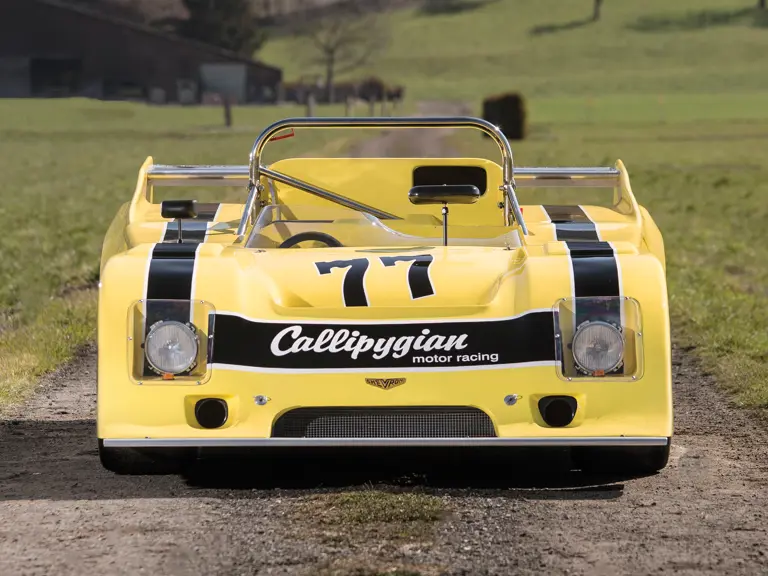
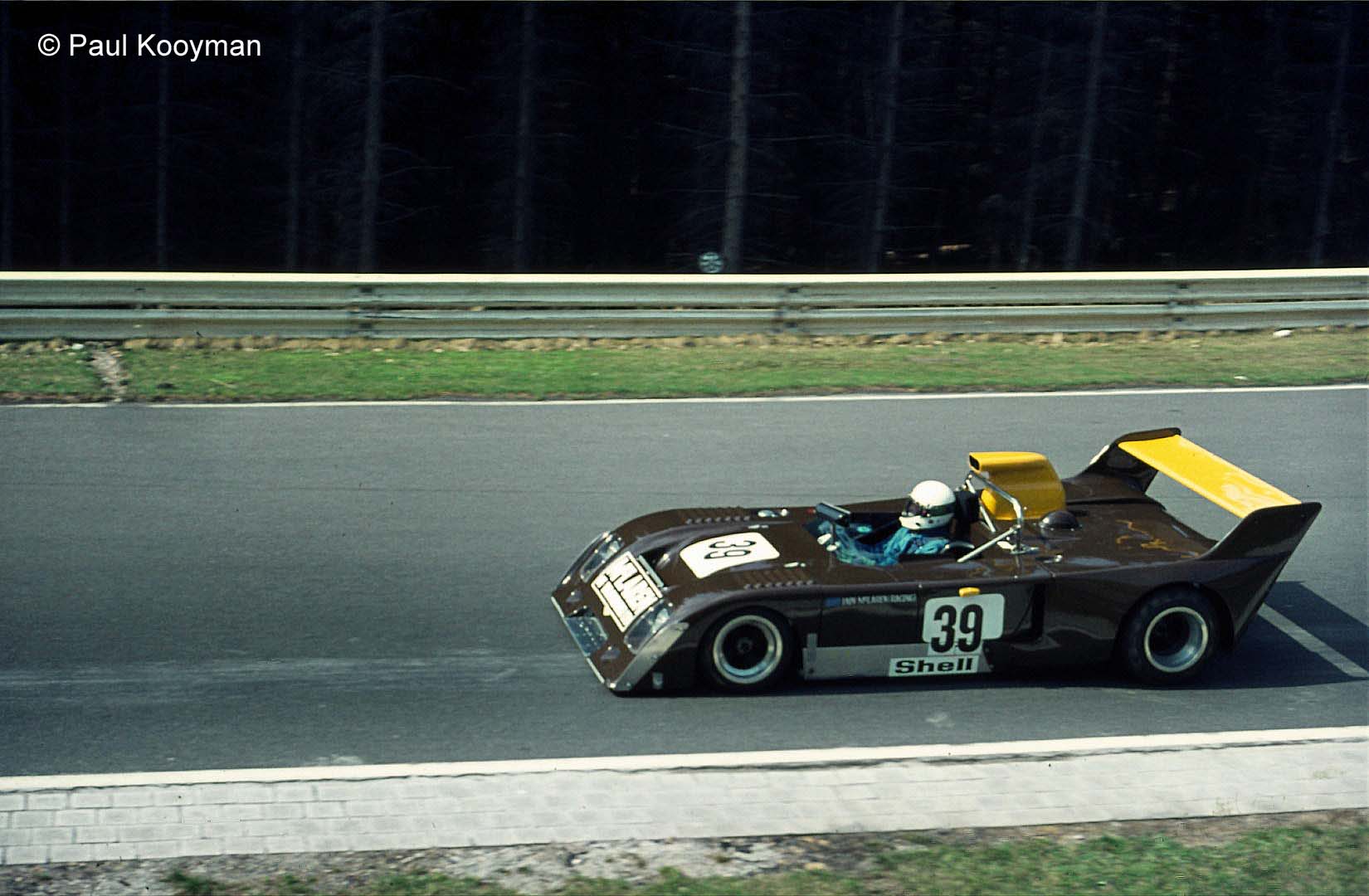
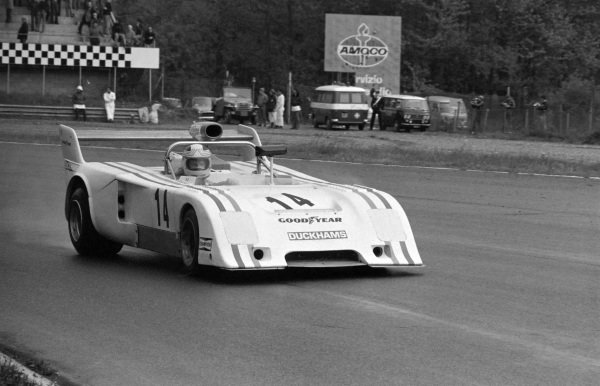
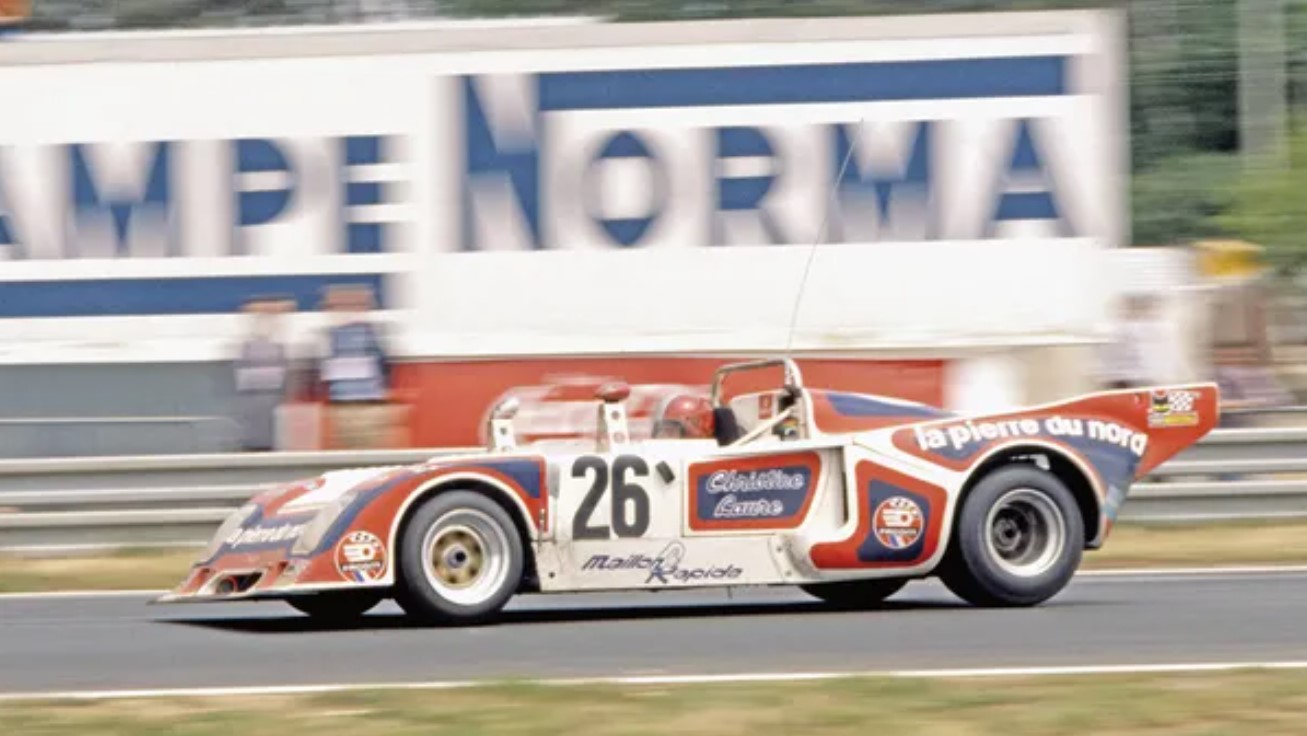
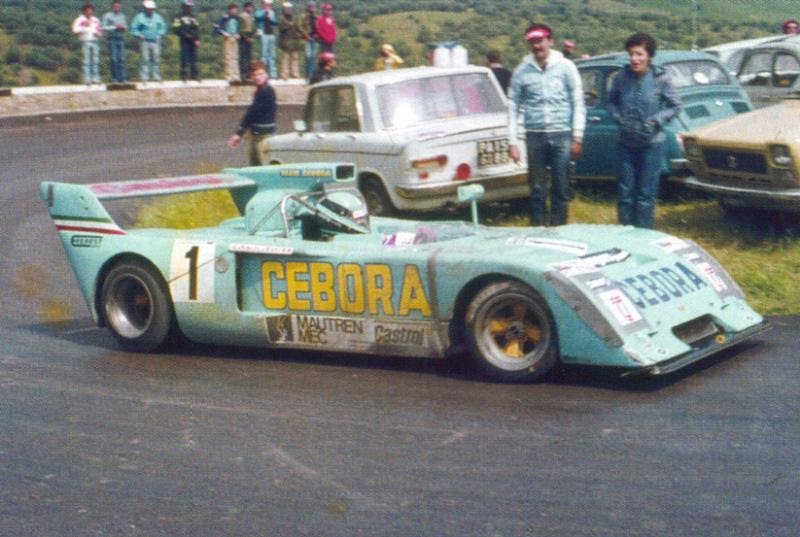
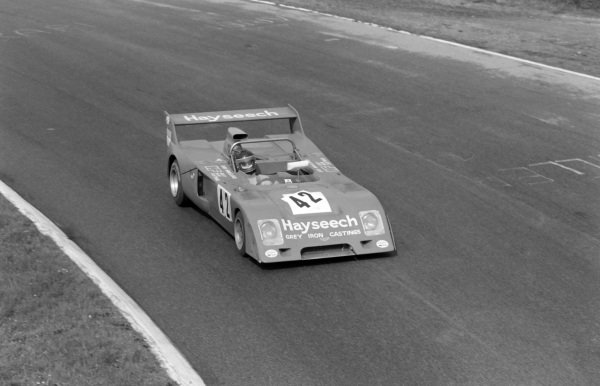
In the mid-1970s, the European sports prototype scene was dominated by the “2.0-Litre War”. The headlines, the glory, and the factory budgets were all poured into the premier class, where the Ford Cosworth BDG and BMW M12 engines battled for supremacy. However, beneath this clash of titans lay a sub-stratum of motorsport that was equally fierce, technically fascinating, and deafeningly loud. This was the world of the small-displacement classes—the 1.3-litre and 1.6-litre categories—where precision, momentum, and power-to-weight ratios reigned supreme. For the privateer who wished to dominate this high-revving niche using the most advanced chassis available, there was one definitive solution: the 1975 Chevron B31 Ford Cosworth BDH.
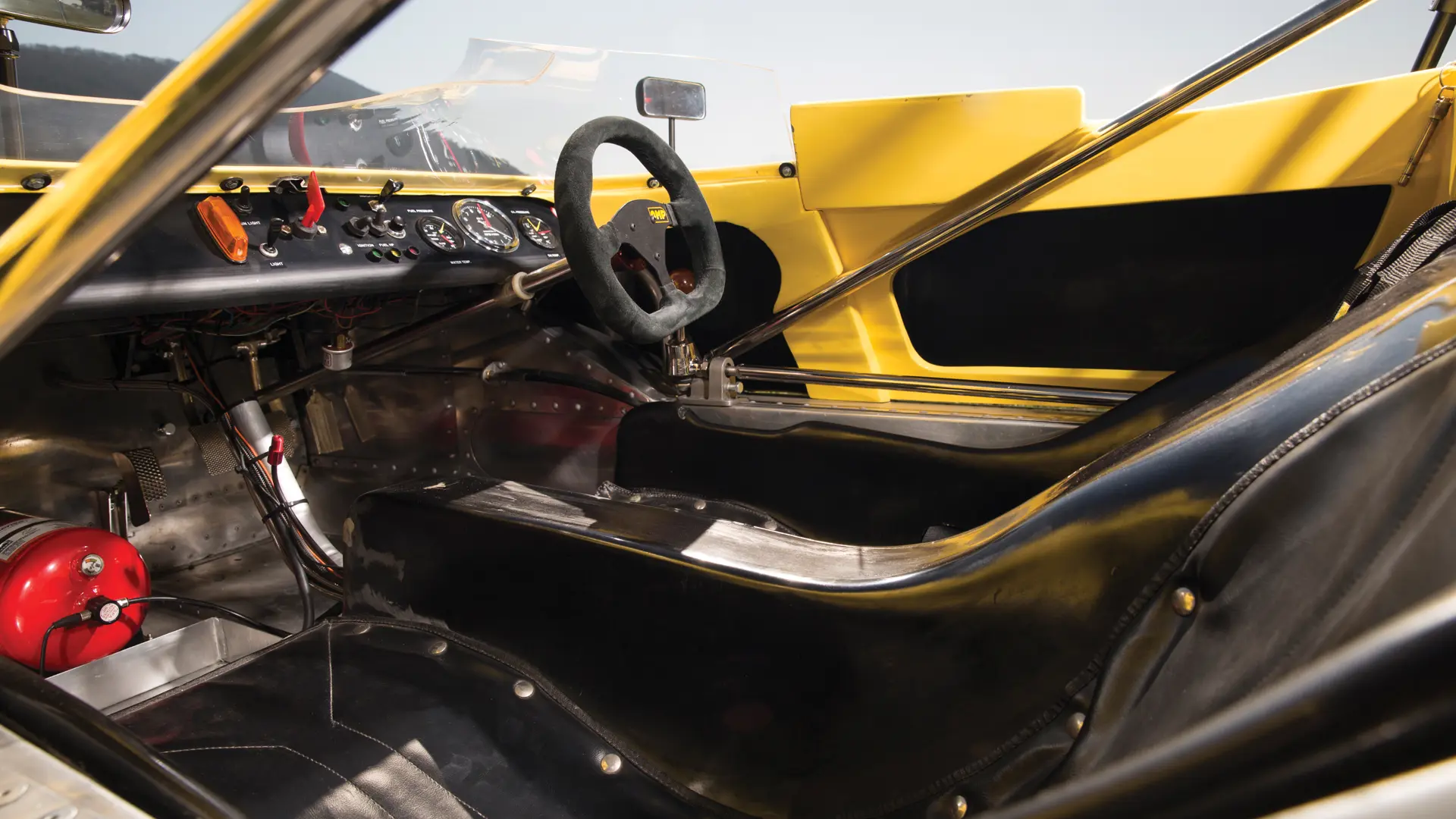
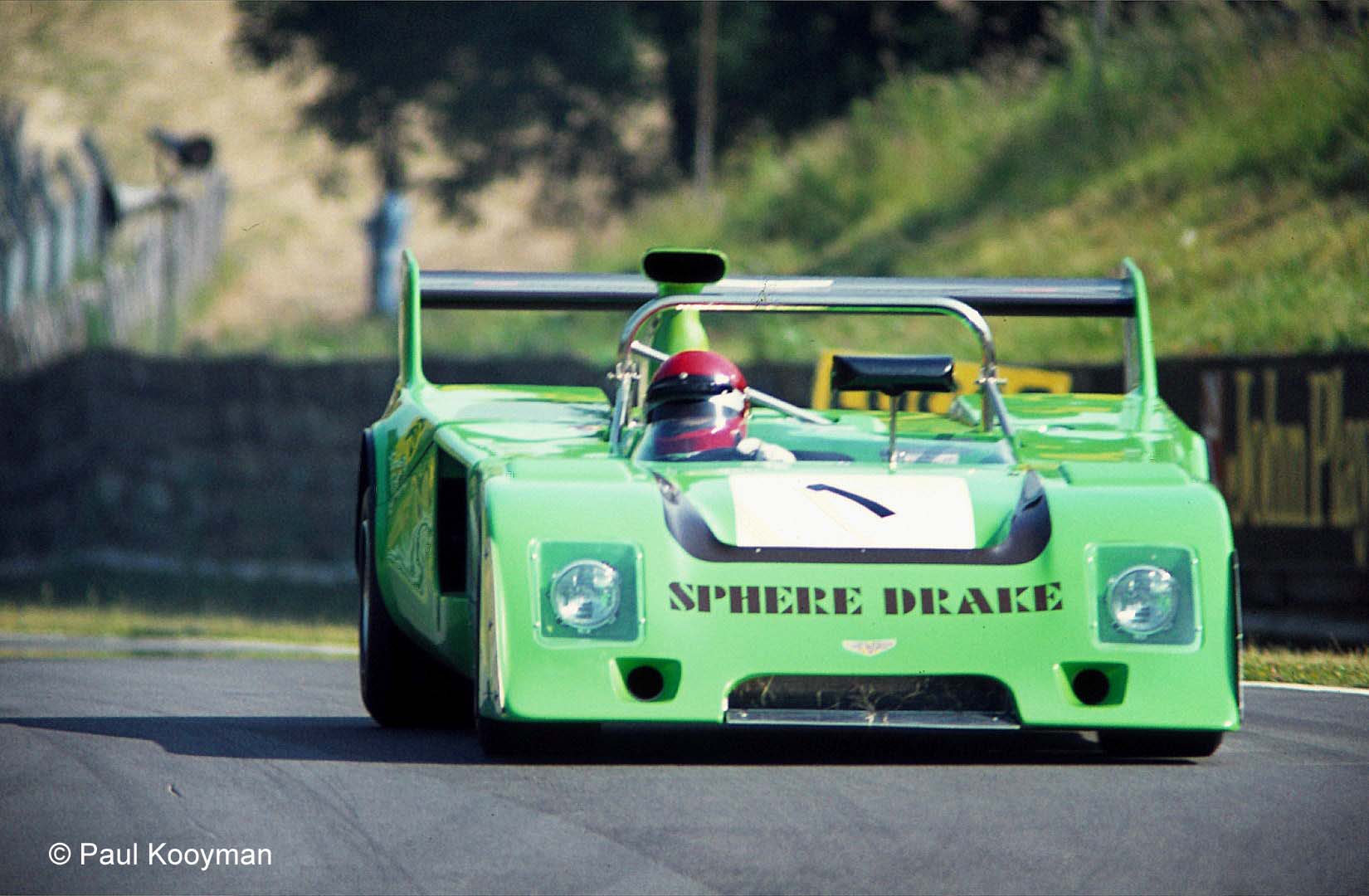
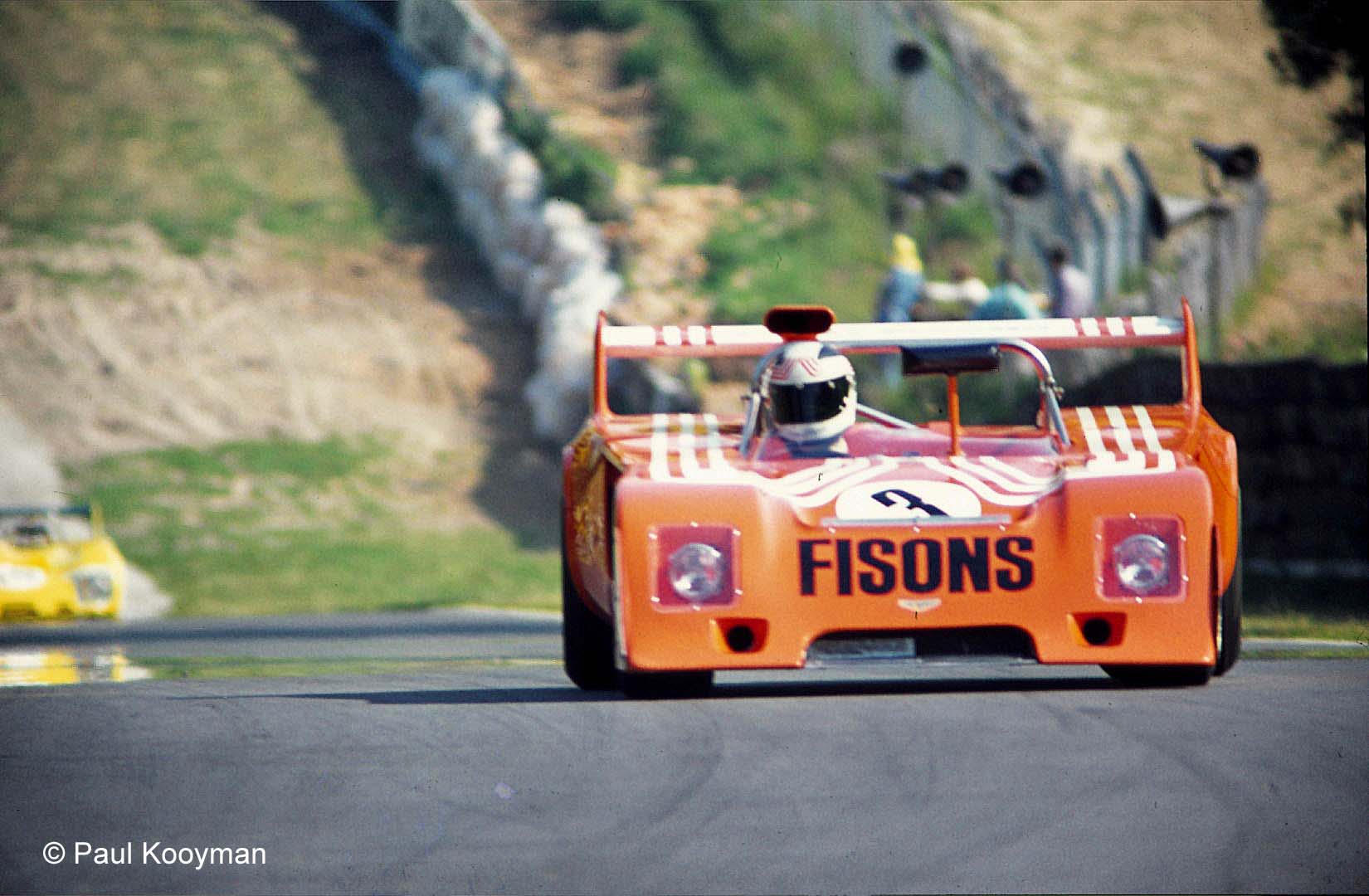
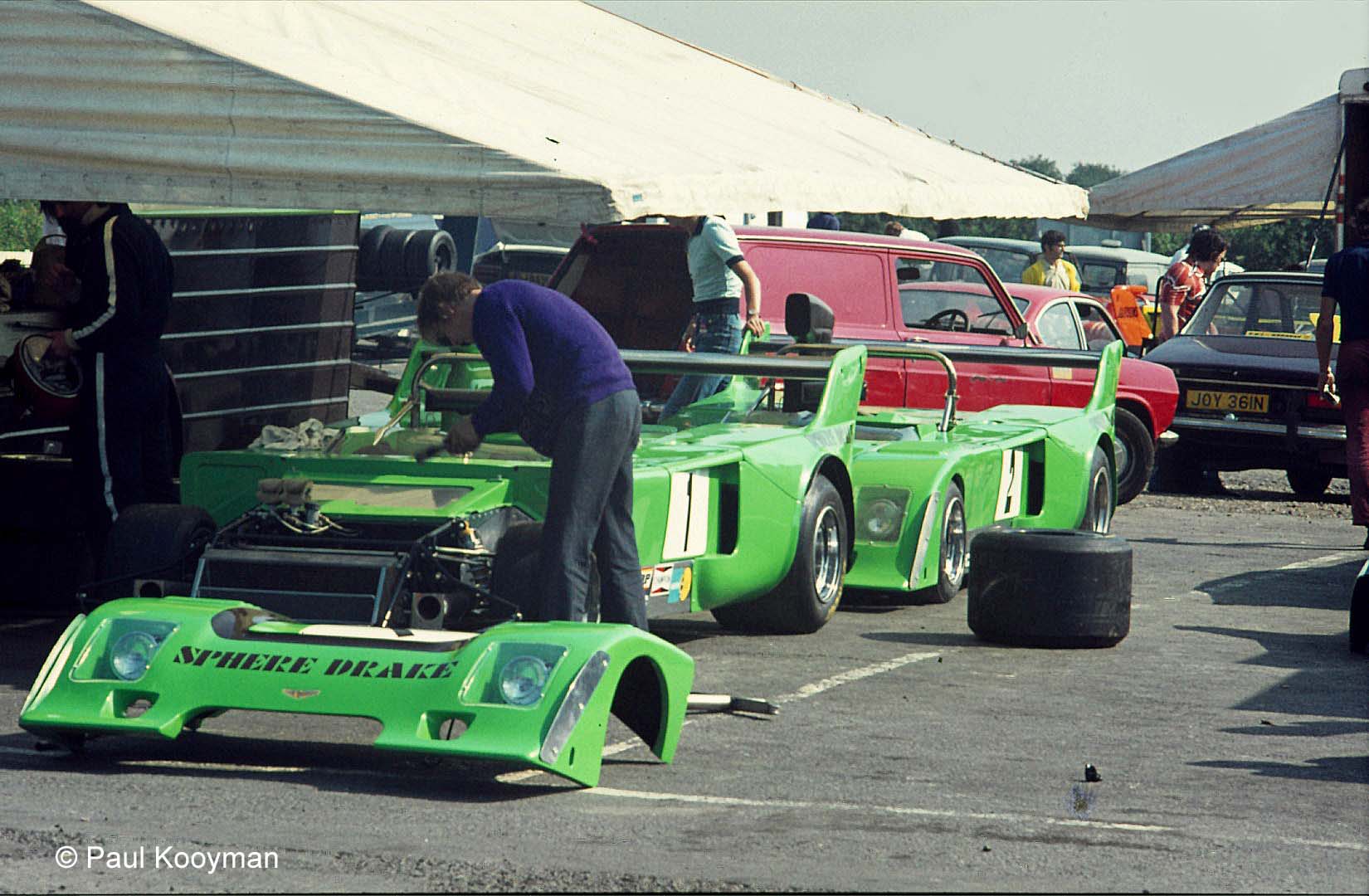
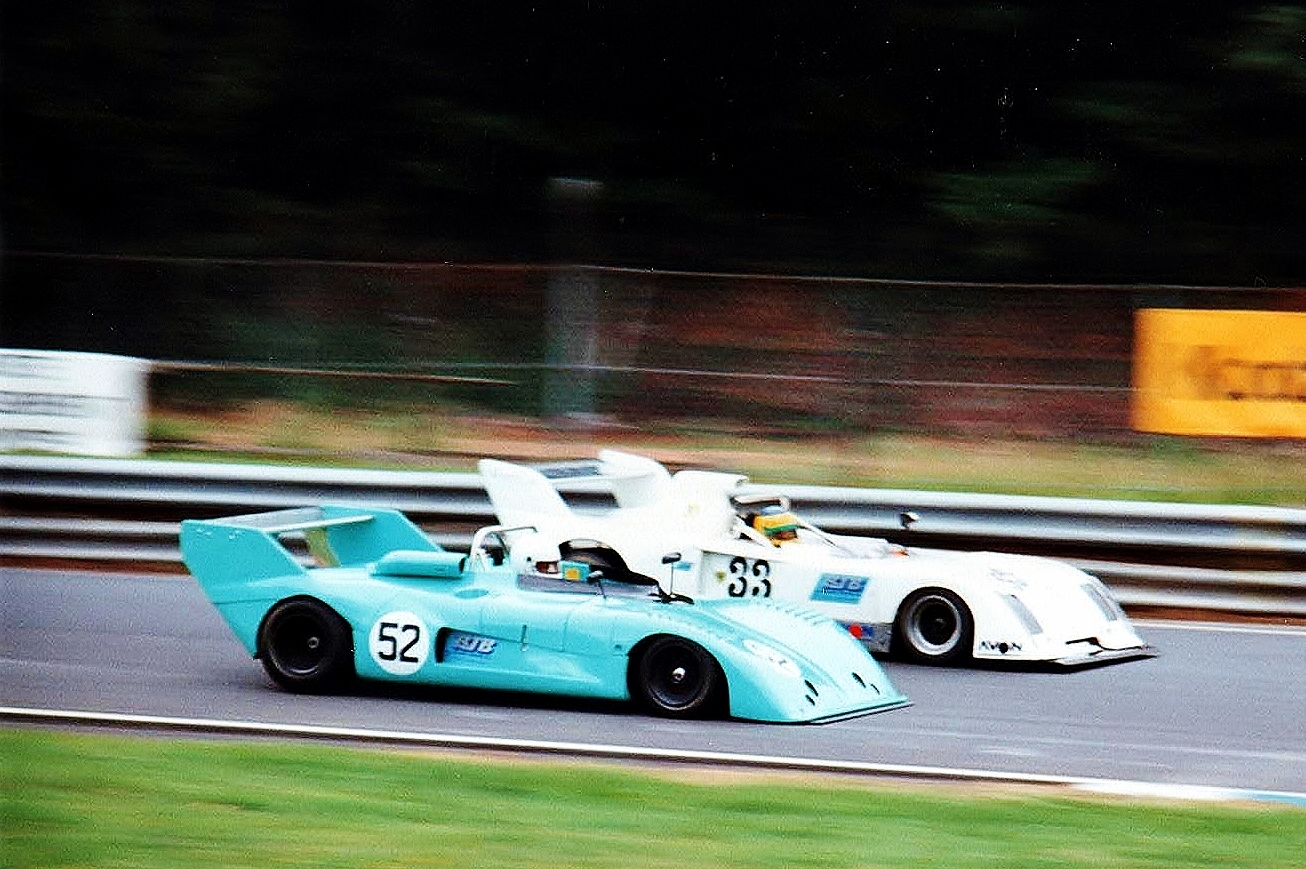
The B31 was Derek Bennett’s masterwork for the 1975 season, a curvaceous, aerodynamic evolution of the wedge-shaped B26. It was designed primarily to house the heavy artillery of the 2.0-litre class, featuring a stiff, riveted aluminium monocoque chassis capable of handling nearly 300 horsepower and high-downforce cornering loads. By fitting the diminutive Cosworth BDH engine into this over-engineered chassis, Chevron created a machine of unparalleled agility. It was a case of “over-chassis-ing” a car; the B31’s suspension, brakes, and tub were designed for much higher speeds and stresses than the small engine could generate, resulting in a car with limitless mechanical grip and a forgiving nature that allowed drivers to attack corners with absolute abandon.
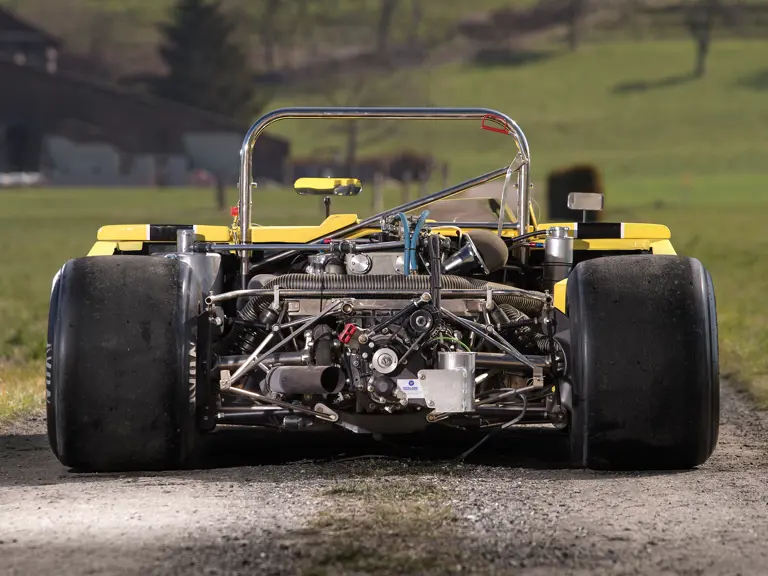
The soul of this specific model was the Cosworth BDH. While the famous BDG was the 2.0-litre king, the BDH was its frantic little brother. Derived from the same belt-driven BDA architecture, the BDH was sleeved and de-stroked to displace just 1,300cc (though often pushed to 1.6 litres depending on specific series regulations). It was a jewel of an engine. Featuring an aluminium block and the signature Cosworth 16-valve cylinder head, it was incredibly light. In a car that already weighed less than 550kg, this weight reduction—removed from the very rear of the chassis—gave the B31 BDH a polar moment of inertia that bordered on the telepathic. Producing around 190 to 200 bhp at a stratospheric 10,000 rpm, the BDH lacked torque entirely. It was a pure momentum engine. To drive it fast was to keep the throttle pinned, the revs screaming, and to use the B31’s immense cornering grip to scrub off as little speed as possible.
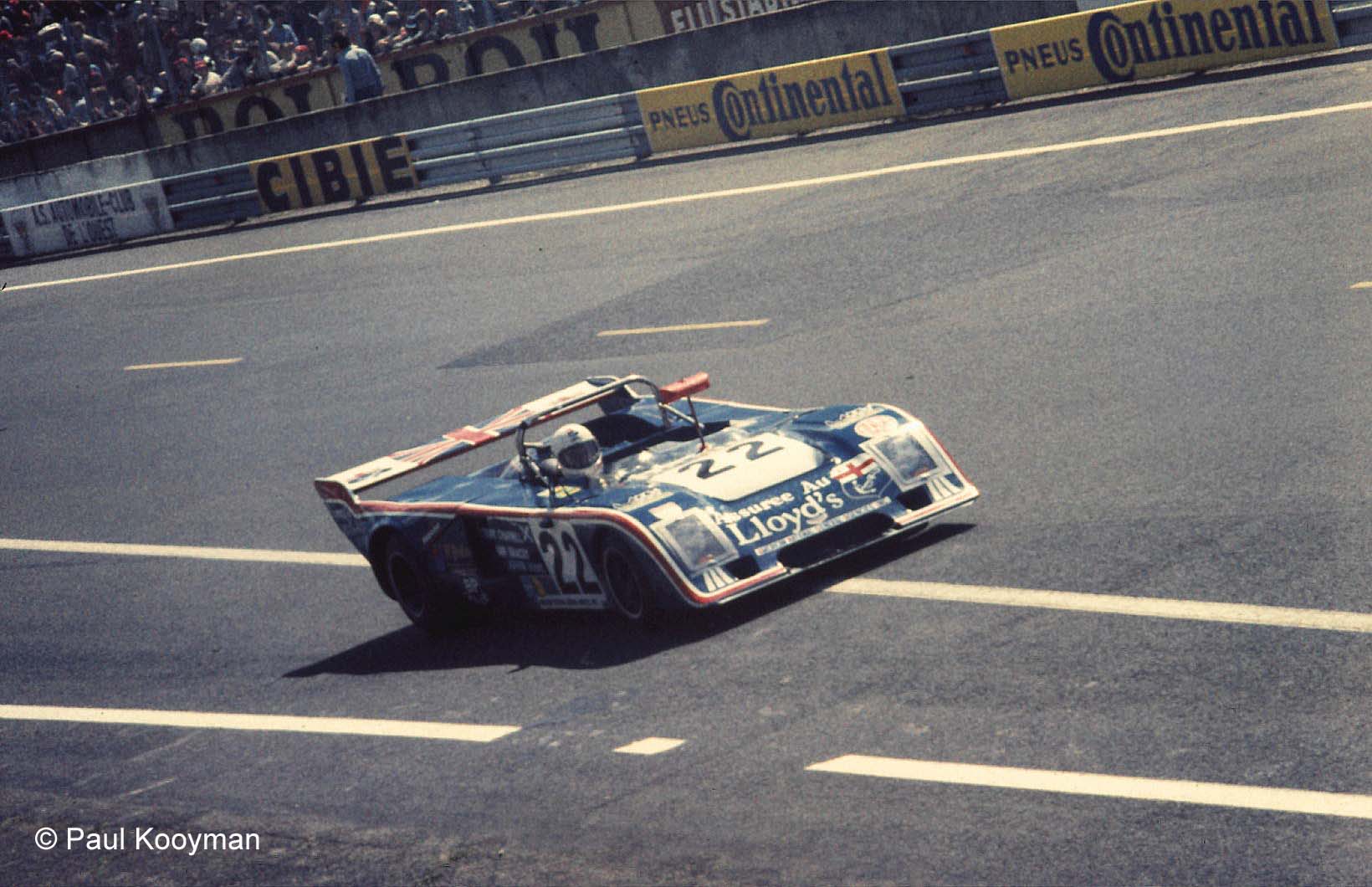
On the track, the B31 BDH was a giant-killer on technical circuits. In the hands of skilled hill-climb specialists and national racers, it was a weapon. While it would lose out to the 2.0-litre cars on the long straights of Paul Ricard or Hockenheim, on tight, twisty tracks like the short circuit of Brands Hatch, Cadwell Park, or the mountain passes of the European Hill Climb Championship, it was untouchable. The car could brake later, turn harder, and get on the power earlier than its heavier rivals. It was a buzzing, frenetic insect of a car that harassed the larger prototypes, often embarrassing them in wet conditions where its manageable power output and superior balance provided an advantage.
The B31 BDH also found a specific niche in the American SCCA C-Sports Racer (CSR) class, where the 1.3-litre engine limit made it the engine of choice. Here, the B31 chassis was often seen as the “Cadillac” option compared to the smaller, tube-framed cars, offering a level of sophistication and safety that the home-built specials could not match. The visual of a wide-bodied, high-downforce B31, complete with its massive rear wing and intake snorkel, powered by a tiny, screaming 1.3-litre engine, captures the wonderful “rule-bending” spirit of 1970s privateer racing.
Ultimately, the Chevron B31 BDH is a testament to the versatility of Derek Bennett’s design. It proved that the B31 platform was not just a sledgehammer for the 2.0-litre class, but a precision instrument that could be tuned for any displacement. It was a car for the purist, a machine that demanded a driving style of total commitment and finesse. Today, seeing a B31 BDH on a historic hill climb or a tight circuit is a visceral experience; the ear-splitting shriek of the 10,000-rpm Cosworth engine echoing off the Armco is a reminder of a time when small engines delivered big thrills.
Brand
Produced from
Portal
Model line
Predecessor
Sucessor
Brand
Produced from
Portal
Model line
Model generation
Predecessor
Sucessor
About this submodel
In the mid-1970s, the European sports prototype scene was dominated by the “2.0-Litre War”. The headlines, the glory, and the factory budgets were all poured into the premier class, where the Ford Cosworth BDG and BMW M12 engines battled for supremacy. However, beneath this clash of titans lay a sub-stratum of motorsport that was equally fierce, technically fascinating, and deafeningly loud. This was the world of the small-displacement classes—the 1.3-litre and 1.6-litre categories—where precision, momentum, and power-to-weight ratios reigned supreme. For the privateer who wished to dominate this high-revving niche using the most advanced chassis available, there was one definitive solution: the 1975 Chevron B31 Ford Cosworth BDH.
The B31 was Derek Bennett’s masterwork for the 1975 season, a curvaceous, aerodynamic evolution of the wedge-shaped B26. It was designed primarily to house the heavy artillery of the 2.0-litre class, featuring a stiff, riveted aluminium monocoque chassis capable of handling nearly 300 horsepower and high-downforce cornering loads. By fitting the diminutive Cosworth BDH engine into this over-engineered chassis, Chevron created a machine of unparalleled agility. It was a case of “over-chassis-ing” a car; the B31’s suspension, brakes, and tub were designed for much higher speeds and stresses than the small engine could generate, resulting in a car with limitless mechanical grip and a forgiving nature that allowed drivers to attack corners with absolute abandon.
The soul of this specific model was the Cosworth BDH. While the famous BDG was the 2.0-litre king, the BDH was its frantic little brother. Derived from the same belt-driven BDA architecture, the BDH was sleeved and de-stroked to displace just 1,300cc (though often pushed to 1.6 litres depending on specific series regulations). It was a jewel of an engine. Featuring an aluminium block and the signature Cosworth 16-valve cylinder head, it was incredibly light. In a car that already weighed less than 550kg, this weight reduction—removed from the very rear of the chassis—gave the B31 BDH a polar moment of inertia that bordered on the telepathic. Producing around 190 to 200 bhp at a stratospheric 10,000 rpm, the BDH lacked torque entirely. It was a pure momentum engine. To drive it fast was to keep the throttle pinned, the revs screaming, and to use the B31’s immense cornering grip to scrub off as little speed as possible.
On the track, the B31 BDH was a giant-killer on technical circuits. In the hands of skilled hill-climb specialists and national racers, it was a weapon. While it would lose out to the 2.0-litre cars on the long straights of Paul Ricard or Hockenheim, on tight, twisty tracks like the short circuit of Brands Hatch, Cadwell Park, or the mountain passes of the European Hill Climb Championship, it was untouchable. The car could brake later, turn harder, and get on the power earlier than its heavier rivals. It was a buzzing, frenetic insect of a car that harassed the larger prototypes, often embarrassing them in wet conditions where its manageable power output and superior balance provided an advantage.
The B31 BDH also found a specific niche in the American SCCA C-Sports Racer (CSR) class, where the 1.3-litre engine limit made it the engine of choice. Here, the B31 chassis was often seen as the “Cadillac” option compared to the smaller, tube-framed cars, offering a level of sophistication and safety that the home-built specials could not match. The visual of a wide-bodied, high-downforce B31, complete with its massive rear wing and intake snorkel, powered by a tiny, screaming 1.3-litre engine, captures the wonderful “rule-bending” spirit of 1970s privateer racing.
Ultimately, the Chevron B31 BDH is a testament to the versatility of Derek Bennett’s design. It proved that the B31 platform was not just a sledgehammer for the 2.0-litre class, but a precision instrument that could be tuned for any displacement. It was a car for the purist, a machine that demanded a driving style of total commitment and finesse. Today, seeing a B31 BDH on a historic hill climb or a tight circuit is a visceral experience; the ear-splitting shriek of the 10,000-rpm Cosworth engine echoing off the Armco is a reminder of a time when small engines delivered big thrills.
Tech Specs
Discover the technical specifications
Tech Specs
Discover the technical specifications
Engine
01
03
Internal combustion engine
Configuration
Ford Cosworth BDH, Inline-4
Location
Mid, longitudinally mounted
Construction
-
Displacement (cc)
1,300 cc
Displacement (cu in)
79.3 cu in
Compression
-
Bore x Stroke
-
Valvetrain
-
Fuel feed
Fuel Injection
Lubrication
Dry sump
Aspiration
Naturally aspirated
Output
Power (hp)
190 hp
Power (kW)
141 kW
Max power at
-
Torque (Nm)
-
Torque (ft lbs)
-
Max torque at
-
Drivetrain
02
03
Chassis
Type
Monocoque with front and rear subframes
Material
Aluminium
Body
Material
Fibreglass
Transmission
Gearbox
5-speed manual
Drive
Rear Wheel Drive
Suspension
Front
Double wishbones, coil springs over dampers, anti-roll bar
Rear
Single top links, twin lower links, twin trailing arms, coil springs over dampers, anti-roll bar
Steering
Type
Rack and pinion
Brakes
Front
Ventilated discs
Rear
Ventilated discs
Wheels
Front
-
Rear
-
Tires
Front
-
Rear
-
Dimensions and performance
03
03
Dimensions
Lenght (mm)
-
Lenght (in)
-
Width (mm)
-
Width (in)
-
Height (mm)
-
Height (in)
-
Wheelbase (mm)
-
Wheelbase (in)
-
Weight (kg)
-
Weight (lbs)
-
Performance
Power to weight
-
Top speed (km/h)
-
Top speed (mph)
-
0-100 km/h (0-60 mph)
-
Submodels
Other variants of this model
Submodels