Chevron B31 Ford Cosworth FVC
Brand
Produced from
Portal
Model line
Predecessor
Sucessor
About this submodel
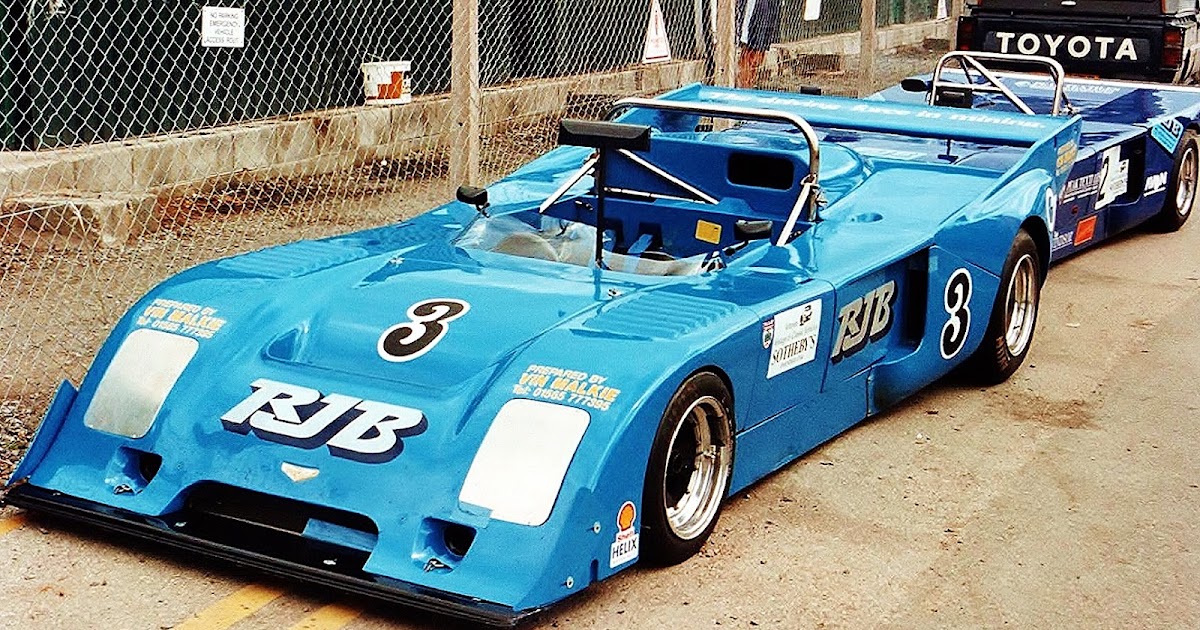
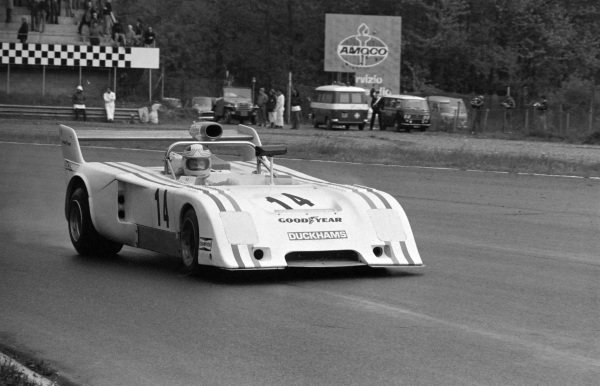
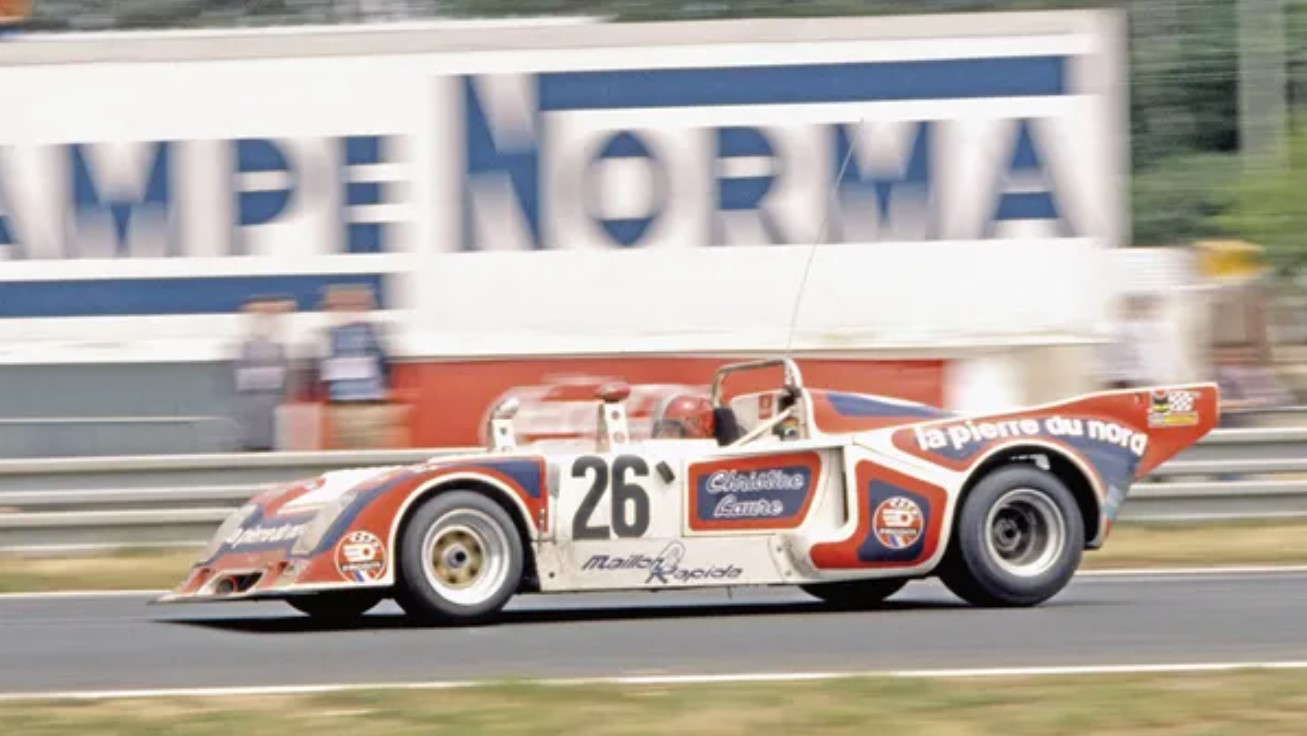
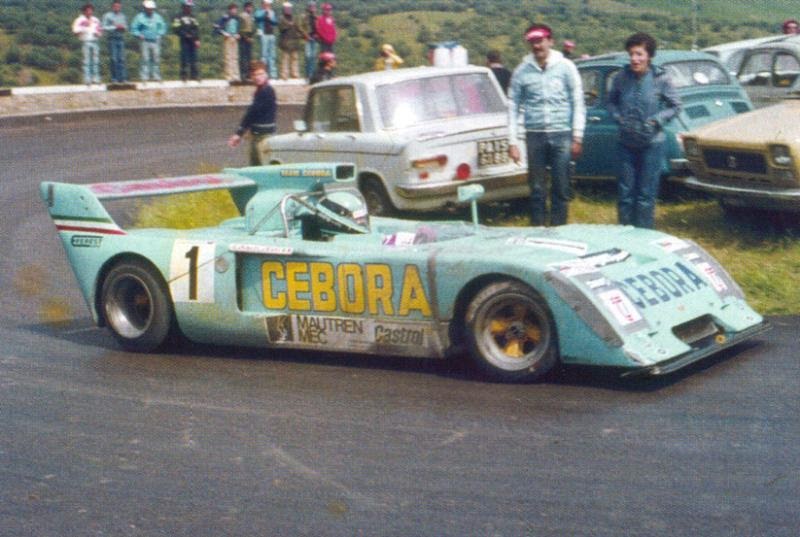
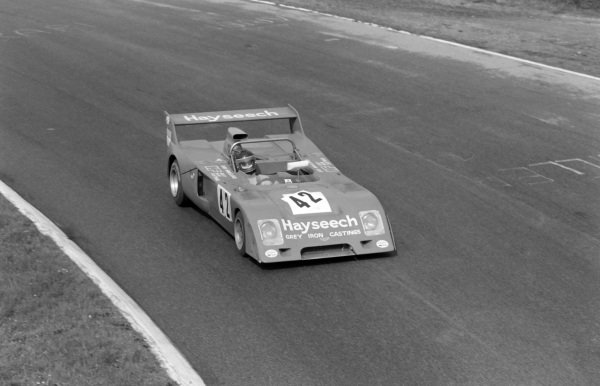
By 1975, the landscape of the European 2-Litre Sports Car Championship had become a high-stakes arms race. The era of the affordable, steel-framed “clubman” car was fading into the rearview mirror, replaced by a new reality of riveted aluminium monocoques, slick tires, and increasingly expensive alloy-block engines. Derek Bennett, the visionary soul of Chevron Cars, had successfully navigated this transition with the B26 and now the B31, a chassis that was arguably the finest handling customer prototype in the world. However, Bennett never lost sight of his core demographic: the privateer. While the well-funded teams chased the fragile horsepower of the aluminium Cosworth BDG or the BMW M12, Bennett ensured there was still a weapon for the racer who paid his own bills and needed to finish on Sunday to eat on Monday. This weapon was the 1975 Chevron B31 Ford Cosworth FVC.
The B31 FVC was a fascinating anachronism, a marriage of cutting-edge aerodynamics with a vintage heart. The chassis was state-of-the-art: a stiff, lightweight aluminium monocoque that abandoned the sharp wedge styling of the B26 for a fluid, curvaceous form that generated massive downforce. It featured sophisticated suspension geometry designed to manage the high cornering loads of modern rubber. But bolted into the back of this futuristic tub was the Ford Cosworth FVC, an engine whose lineage could be traced back to the 1960s. Based on the heavy, cast-iron Ford Cortina block, the 1.8-litre FVC was the anvil of the sports car world. It was heavy, it vibrated intensely, and with roughly 245 bhp, it gave away nearly 40 horsepower to the latest 2.0-litre engines.
Yet, in the hands of a skilled privateer, the B31 FVC was far from obsolete; it was a strategic masterpiece. The iron-block engine possessed a durability that the high-strung alloy units could only dream of. While the BDG engines were prone to head gasket failures and block porosity when pushed to the limit, the FVC would happily hammer away at 8,500 rpm for hours on end. Furthermore, the FVC offered a broad, muscular torque curve that made the car incredibly driveable. On tight, technical circuits or in mixed weather conditions, the B31 FVC could harass much faster machinery, digging out of corners while the peaky 2.0-litre cars bogged down or spun their wheels.
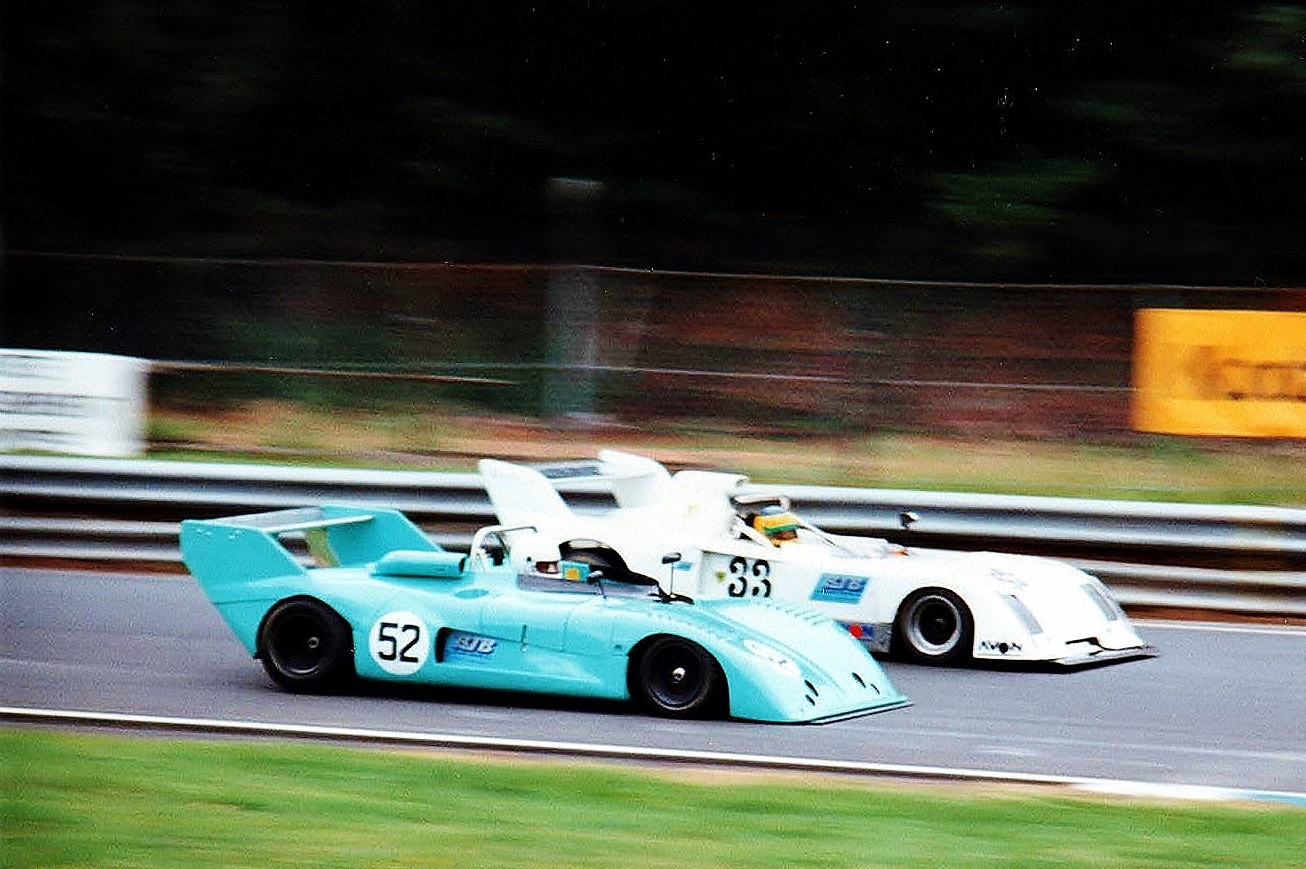
The 1975 season proved the wisdom of this package. In the European championship, the B31 FVCs became the backbone of the grid. They were the cars that filled the top ten when the factory entries evaporated. In the British Sports Car Championship, where budgets were tighter, the FVC-powered B31 was often the car to beat, allowing drivers like Tony Charnell to compete for wins against more exotic machinery. The car was particularly effective in endurance races. In the South African Springbok Series, the B31 FVC continued the legacy of its predecessors, surviving the heat and altitude of the Kyalami 9 Hours to take class wins and high overall finishes simply by outlasting the competition.
Driving a B31 FVC was a physical experience. The extra weight of the iron engine at the rear made the car more pendulum-like than the BDG versions, requiring a driving style that managed the rear mass on entry but exploited the traction on exit. The vibration from the solid-mounted engine was legendary, loosening dental fillings and chassis rivets alike, but it was the thrum of reliability. For the privateer, the B31 FVC represented the ultimate balance of performance and economics. It allowed a small team to own the most beautiful and advanced chassis on the grid without the bankruptcy-inducing engine bills of the premier class.
The legacy of the Chevron B31 FVC is one of heroic pragmatism. It was the last great stand of the iron-block engine in top-tier sports car racing. It proved that in a sport obsessed with the “new,” there was still immense value in the “proven”. It was the machine that kept the grids full and the racing close, a reliable, thundering workhorse wrapped in the body of a thoroughbred. Today, in historic racing, the B31 FVC is cherished for exactly the same reasons: it is a fast, stunningly beautiful car that you can actually afford to run season after season.
Brand
Produced from
Portal
Model line
Predecessor
Sucessor
Brand
Produced from
Portal
Model line
Model generation
Predecessor
Sucessor
About this submodel
By 1975, the landscape of the European 2-Litre Sports Car Championship had become a high-stakes arms race. The era of the affordable, steel-framed “clubman” car was fading into the rearview mirror, replaced by a new reality of riveted aluminium monocoques, slick tires, and increasingly expensive alloy-block engines. Derek Bennett, the visionary soul of Chevron Cars, had successfully navigated this transition with the B26 and now the B31, a chassis that was arguably the finest handling customer prototype in the world. However, Bennett never lost sight of his core demographic: the privateer. While the well-funded teams chased the fragile horsepower of the aluminium Cosworth BDG or the BMW M12, Bennett ensured there was still a weapon for the racer who paid his own bills and needed to finish on Sunday to eat on Monday. This weapon was the 1975 Chevron B31 Ford Cosworth FVC.
The B31 FVC was a fascinating anachronism, a marriage of cutting-edge aerodynamics with a vintage heart. The chassis was state-of-the-art: a stiff, lightweight aluminium monocoque that abandoned the sharp wedge styling of the B26 for a fluid, curvaceous form that generated massive downforce. It featured sophisticated suspension geometry designed to manage the high cornering loads of modern rubber. But bolted into the back of this futuristic tub was the Ford Cosworth FVC, an engine whose lineage could be traced back to the 1960s. Based on the heavy, cast-iron Ford Cortina block, the 1.8-litre FVC was the anvil of the sports car world. It was heavy, it vibrated intensely, and with roughly 245 bhp, it gave away nearly 40 horsepower to the latest 2.0-litre engines.
Yet, in the hands of a skilled privateer, the B31 FVC was far from obsolete; it was a strategic masterpiece. The iron-block engine possessed a durability that the high-strung alloy units could only dream of. While the BDG engines were prone to head gasket failures and block porosity when pushed to the limit, the FVC would happily hammer away at 8,500 rpm for hours on end. Furthermore, the FVC offered a broad, muscular torque curve that made the car incredibly driveable. On tight, technical circuits or in mixed weather conditions, the B31 FVC could harass much faster machinery, digging out of corners while the peaky 2.0-litre cars bogged down or spun their wheels.
The 1975 season proved the wisdom of this package. In the European championship, the B31 FVCs became the backbone of the grid. They were the cars that filled the top ten when the factory entries evaporated. In the British Sports Car Championship, where budgets were tighter, the FVC-powered B31 was often the car to beat, allowing drivers like Tony Charnell to compete for wins against more exotic machinery. The car was particularly effective in endurance races. In the South African Springbok Series, the B31 FVC continued the legacy of its predecessors, surviving the heat and altitude of the Kyalami 9 Hours to take class wins and high overall finishes simply by outlasting the competition.
Driving a B31 FVC was a physical experience. The extra weight of the iron engine at the rear made the car more pendulum-like than the BDG versions, requiring a driving style that managed the rear mass on entry but exploited the traction on exit. The vibration from the solid-mounted engine was legendary, loosening dental fillings and chassis rivets alike, but it was the thrum of reliability. For the privateer, the B31 FVC represented the ultimate balance of performance and economics. It allowed a small team to own the most beautiful and advanced chassis on the grid without the bankruptcy-inducing engine bills of the premier class.
The legacy of the Chevron B31 FVC is one of heroic pragmatism. It was the last great stand of the iron-block engine in top-tier sports car racing. It proved that in a sport obsessed with the “new,” there was still immense value in the “proven”. It was the machine that kept the grids full and the racing close, a reliable, thundering workhorse wrapped in the body of a thoroughbred. Today, in historic racing, the B31 FVC is cherished for exactly the same reasons: it is a fast, stunningly beautiful car that you can actually afford to run season after season.
Tech Specs
Discover the technical specifications
Tech Specs
Discover the technical specifications
Engine
01
03
Internal combustion engine
Configuration
Ford Cosworth FVC, Inline-4
Location
Mid, longitudinally mounted
Construction
Cast iron block, aluminium alloy head
Displacement (cc)
1,790 cc
Displacement (cu in)
109.2 cu in
Compression
-
Bore x Stroke
85.7 mm x 77.5 mm
Valvetrain
4 valves per cylinder, DOHC
Fuel feed
Lucas Fuel Injection
Lubrication
Dry sump
Aspiration
Naturally aspirated
Output
Power (hp)
245 hp
Power (kW)
183 kW
Max power at
9,000 RPM
Torque (Nm)
-
Torque (ft lbs)
-
Max torque at
-
Drivetrain
02
03
Chassis
Type
Monocoque with front and rear subframes
Material
Aluminium
Body
Material
Fibreglass
Transmission
Gearbox
5-speed manual
Drive
Rear Wheel Drive
Suspension
Front
Double wishbones, coil springs over dampers, anti-roll bar
Rear
Single top links, twin lower links, twin trailing arms, coil springs over dampers, anti-roll bar
Steering
Type
Rack and pinion
Brakes
Front
Ventilated discs
Rear
Ventilated discs
Wheels
Front
-
Rear
-
Tires
Front
-
Rear
-
Dimensions and performance
03
03
Dimensions
Lenght (mm)
-
Lenght (in)
-
Width (mm)
-
Width (in)
-
Height (mm)
-
Height (in)
-
Wheelbase (mm)
-
Wheelbase (in)
-
Weight (kg)
-
Weight (lbs)
-
Performance
Power to weight
-
Top speed (km/h)
-
Top speed (mph)
-
0-100 km/h (0-60 mph)
-
Submodels
Other variants of this model
Submodels