Chevron B36 Ford Cosworth BDG
Brand
Produced from
Portal
Vehicle category
Model line
Predecessor
Sucessor
About this submodel
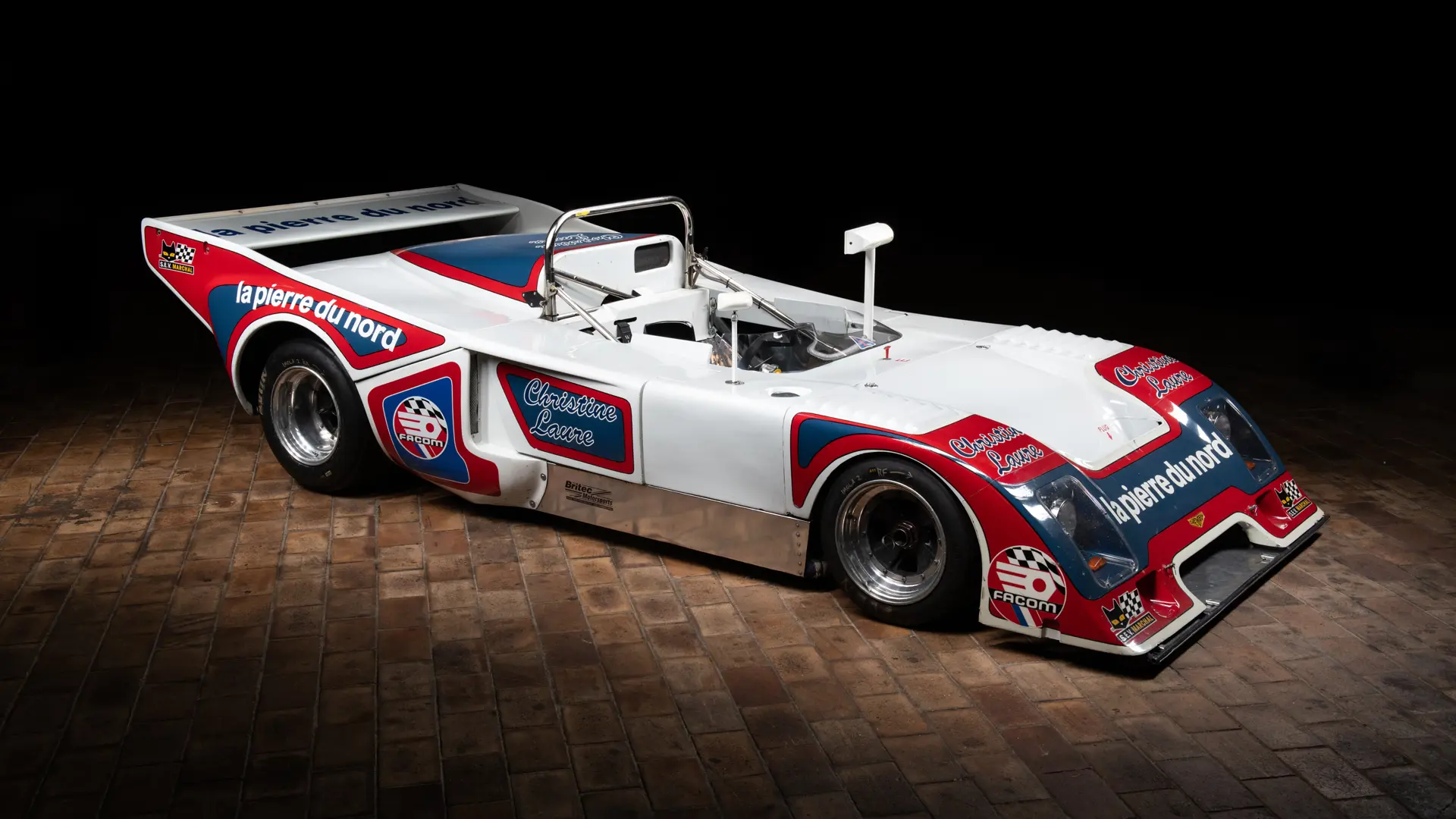
By 1976, the European sports prototype scene had distilled itself into a ruthless science. The romantic experimentation of the early 1970s was over; the era of the “garagiste” building a tube-frame car in a shed and beating the factories was ending. To win in the 2.0-litre class—the most fiercely contested category in global motorsport—you needed aerodynamic precision, structural rigidity, and the best engine money could buy. Derek Bennett, the engineering soul of Chevron, met this challenge with the B36. While the chassis was a masterclass in aluminium monocoque design, it was the engine bay that defined the car’s destiny. For the overwhelming majority of serious teams, there was only one choice of powerplant. It wasn’t the vibrating BMW M12, nor the French ROC. It was the 1976 Chevron B36 Ford Cosworth BDG, a machine that became the gold standard of privateer racing, arguably the most successful customer sports car combination of the decade.
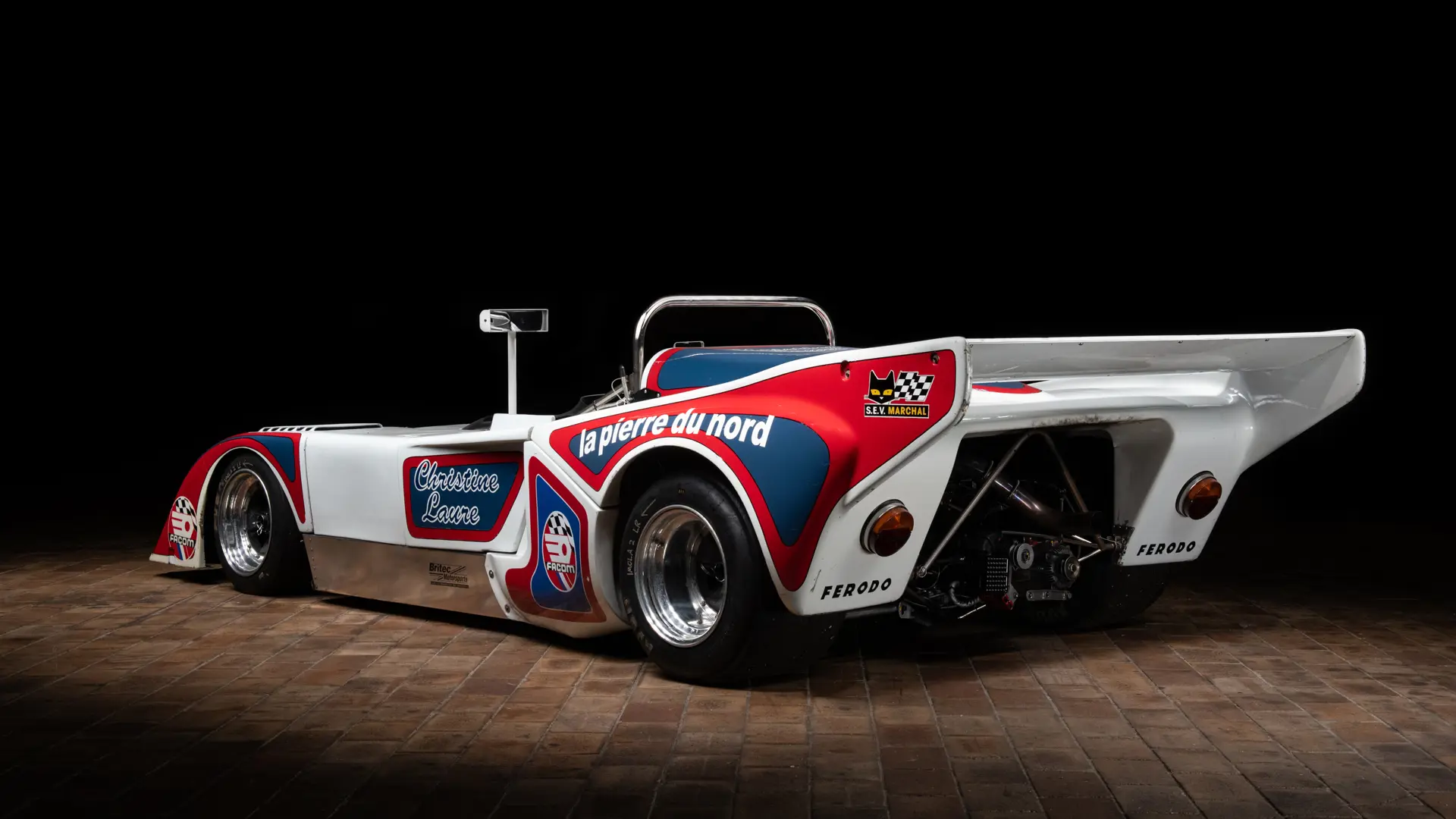
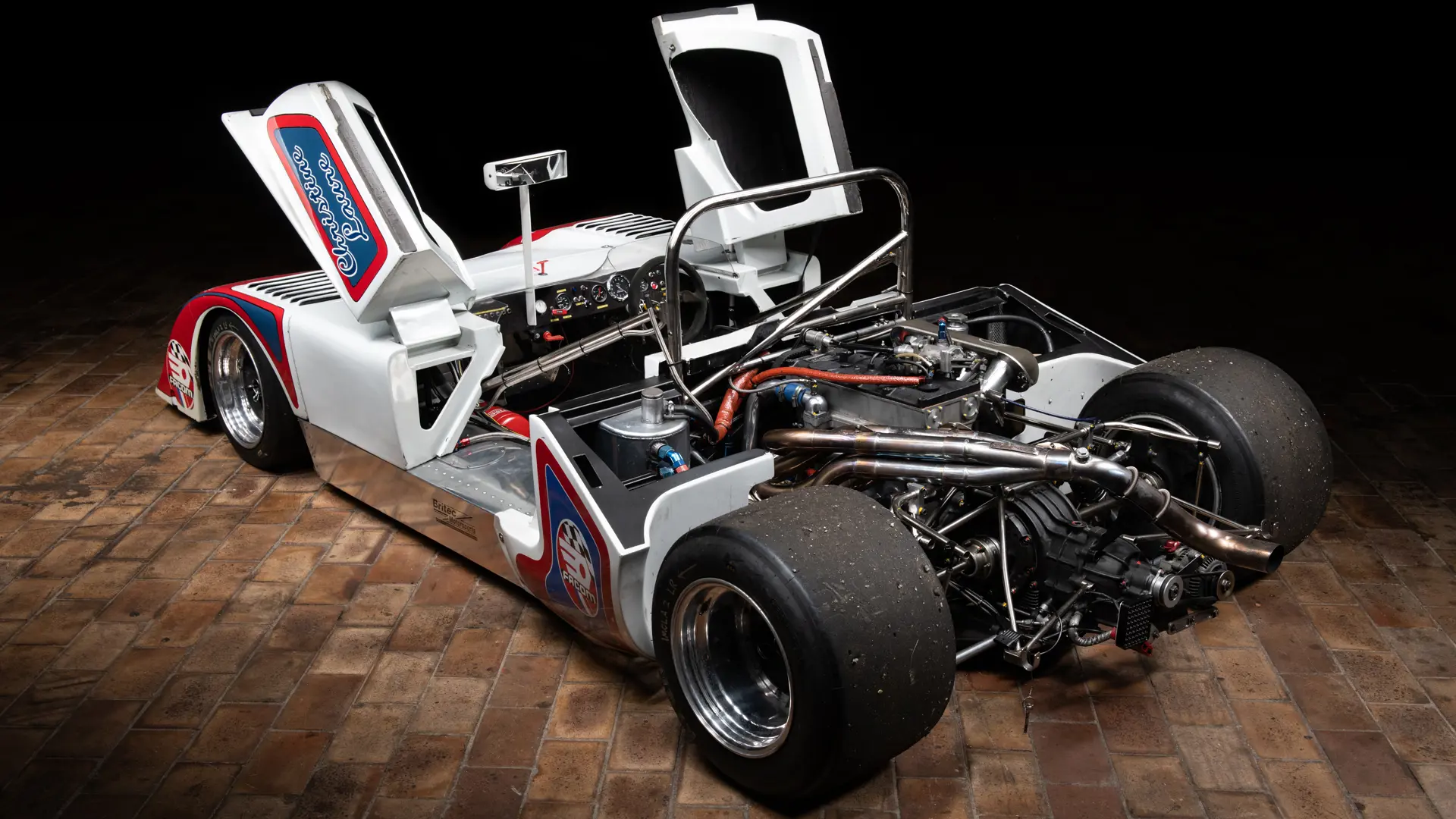
The B36 BDG was the apotheosis of the “British Privateer” formula. The chassis was a subtle but critical evolution of the B31. Bennett refined the aerodynamics, flattening the nose to reduce understeer and cleaning up the rear airflow to maximize the efficiency of the rear wing. The tub was a riveted and bonded aluminium monocoque, light, incredibly stiff, and safe. But the genius lay in the integration of the Cosworth BDG (Belt Drive, G-series). By 1976, the BDG had matured into the ultimate 2.0-litre racing engine. Displacing 1,975cc and utilizing a featherweight aluminium block, it produced a reliable 285 to 290 bhp at 9,000 rpm. Unlike the older iron-block FVC, the BDG was light, significantly reducing the polar moment of inertia. Unlike the BMW M12, it was (relatively) smooth, sparing the chassis from destructive vibrations.
This combination created a car of exquisite balance. Driving a B36 BDG was a telepathic experience. The lightweight engine allowed the car to change direction instantly, while the stiff chassis allowed drivers to lean heavily on the massive grip provided by the slick tires of the era. It was a car that could be driven aggressively over the curbs of Thruxton or with fingertip precision through the curves of Vallelunga. It lacked the sheer top-end grunt of the BMW-powered cars on the longest straights, but it made up for it with superior braking, cornering speed, and, crucially, consistent driveability. The BDG engine had a broad, usable powerband that allowed drivers to punch out of traffic, making it the perfect weapon for both sprint battles and endurance stints.
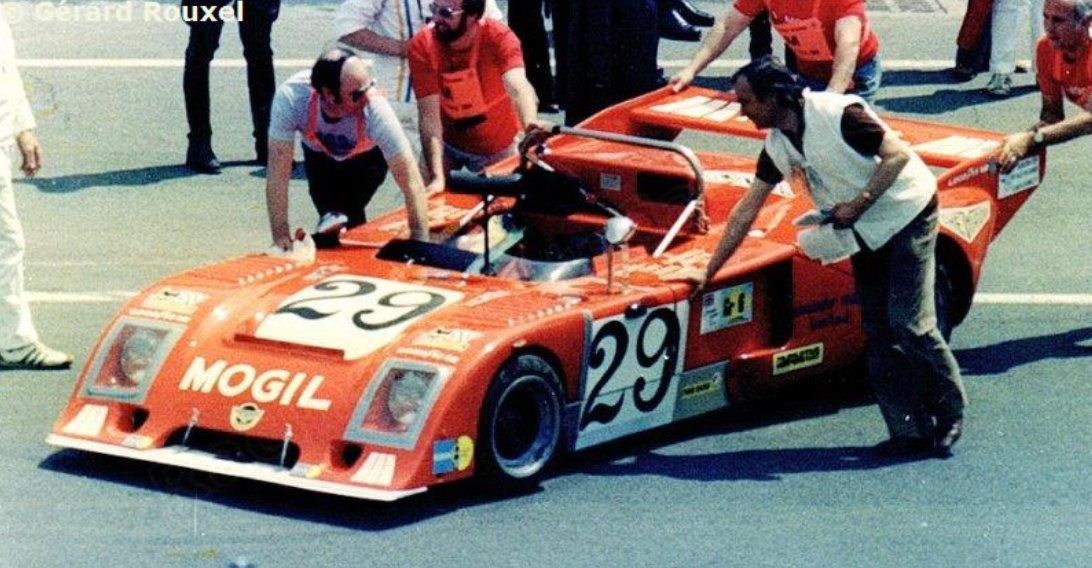
The competition record of the B36 BDG is a testament to its ubiquity and excellence. In 1976 and the years that followed, it effectively became the default car for the 2.0-litre class in the World Sportscar Championship. While the French ROC-Simca cars famously snatched the Le Mans class wins in 1977 and 1978 due to the specific characteristics of that engine on the Mulsanne, the B36 BDG was the car that dominated everywhere else. It was the king of the sprint races and the 500km events. However, the BDG-powered car eventually had its own moment of glory at the Circuit de la Sarthe. At the 1979 24 Hours of Le Mans, the B36 BDG finally conquered the grueling race. The Mogil Motors entry, driven by the all-British lineup of Tony Charnell, Richard Jones, and Robin Smith, ran a disciplined and faultless race. They brought the Cosworth-powered wedge home in 17th place overall and, crucially, 1st in the S 2.0 class, proving that the alloy Ford engine could indeed survive the 24-hour torture test when managed correctly.
Beyond Le Mans, the B36 BDG dominated national series across the globe. It was the weapon of choice in the European Sportscar Championship and the British Sports Car Championship. In the Japanese Grand Champion (GC) series, it was a favorite, often modified with wild bodywork to suit the Fuji straight. In the European Hill Climb Championship, the lightweight alloy engine and high-downforce chassis made it a mountain king, with drivers like Michel Pignard often switching between BMW and Ford power depending on the hill. The car was so good that it remained competitive well into the 1980s, long after Derek Bennett’s tragic death in 1978. The B36 BDG was the final, perfect expression of Bennett’s philosophy: a simple, beautifully engineered car that was fast straight out of the box and tough enough to finish.
Today, the Chevron B36 BDG is revered as one of the all-time greats of historic racing. In series like the CER (Classic Endurance Racing), it is often the car to beat in the 2.0-litre class. Its distinct, metallic Cosworth bark and its low, purposeful stance evoke a golden era when a customer car could take on the world. It stands as the definitive 2.0-litre prototype, a machine where chassis and engine were in perfect, championship-winning harmony.
Brand
Produced from
Portal
Vehicle category
Model line
Predecessor
Sucessor
Brand
Produced from
Portal
Vehicle category
Model line
Model generation
Predecessor
Sucessor
About this submodel
By 1976, the European sports prototype scene had distilled itself into a ruthless science. The romantic experimentation of the early 1970s was over; the era of the “garagiste” building a tube-frame car in a shed and beating the factories was ending. To win in the 2.0-litre class—the most fiercely contested category in global motorsport—you needed aerodynamic precision, structural rigidity, and the best engine money could buy. Derek Bennett, the engineering soul of Chevron, met this challenge with the B36. While the chassis was a masterclass in aluminium monocoque design, it was the engine bay that defined the car’s destiny. For the overwhelming majority of serious teams, there was only one choice of powerplant. It wasn’t the vibrating BMW M12, nor the French ROC. It was the 1976 Chevron B36 Ford Cosworth BDG, a machine that became the gold standard of privateer racing, arguably the most successful customer sports car combination of the decade.
The B36 BDG was the apotheosis of the “British Privateer” formula. The chassis was a subtle but critical evolution of the B31. Bennett refined the aerodynamics, flattening the nose to reduce understeer and cleaning up the rear airflow to maximize the efficiency of the rear wing. The tub was a riveted and bonded aluminium monocoque, light, incredibly stiff, and safe. But the genius lay in the integration of the Cosworth BDG (Belt Drive, G-series). By 1976, the BDG had matured into the ultimate 2.0-litre racing engine. Displacing 1,975cc and utilizing a featherweight aluminium block, it produced a reliable 285 to 290 bhp at 9,000 rpm. Unlike the older iron-block FVC, the BDG was light, significantly reducing the polar moment of inertia. Unlike the BMW M12, it was (relatively) smooth, sparing the chassis from destructive vibrations.
This combination created a car of exquisite balance. Driving a B36 BDG was a telepathic experience. The lightweight engine allowed the car to change direction instantly, while the stiff chassis allowed drivers to lean heavily on the massive grip provided by the slick tires of the era. It was a car that could be driven aggressively over the curbs of Thruxton or with fingertip precision through the curves of Vallelunga. It lacked the sheer top-end grunt of the BMW-powered cars on the longest straights, but it made up for it with superior braking, cornering speed, and, crucially, consistent driveability. The BDG engine had a broad, usable powerband that allowed drivers to punch out of traffic, making it the perfect weapon for both sprint battles and endurance stints.
The competition record of the B36 BDG is a testament to its ubiquity and excellence. In 1976 and the years that followed, it effectively became the default car for the 2.0-litre class in the World Sportscar Championship. While the French ROC-Simca cars famously snatched the Le Mans class wins in 1977 and 1978 due to the specific characteristics of that engine on the Mulsanne, the B36 BDG was the car that dominated everywhere else. It was the king of the sprint races and the 500km events. However, the BDG-powered car eventually had its own moment of glory at the Circuit de la Sarthe. At the 1979 24 Hours of Le Mans, the B36 BDG finally conquered the grueling race. The Mogil Motors entry, driven by the all-British lineup of Tony Charnell, Richard Jones, and Robin Smith, ran a disciplined and faultless race. They brought the Cosworth-powered wedge home in 17th place overall and, crucially, 1st in the S 2.0 class, proving that the alloy Ford engine could indeed survive the 24-hour torture test when managed correctly.
Beyond Le Mans, the B36 BDG dominated national series across the globe. It was the weapon of choice in the European Sportscar Championship and the British Sports Car Championship. In the Japanese Grand Champion (GC) series, it was a favorite, often modified with wild bodywork to suit the Fuji straight. In the European Hill Climb Championship, the lightweight alloy engine and high-downforce chassis made it a mountain king, with drivers like Michel Pignard often switching between BMW and Ford power depending on the hill. The car was so good that it remained competitive well into the 1980s, long after Derek Bennett’s tragic death in 1978. The B36 BDG was the final, perfect expression of Bennett’s philosophy: a simple, beautifully engineered car that was fast straight out of the box and tough enough to finish.
Today, the Chevron B36 BDG is revered as one of the all-time greats of historic racing. In series like the CER (Classic Endurance Racing), it is often the car to beat in the 2.0-litre class. Its distinct, metallic Cosworth bark and its low, purposeful stance evoke a golden era when a customer car could take on the world. It stands as the definitive 2.0-litre prototype, a machine where chassis and engine were in perfect, championship-winning harmony.
Tech Specs
Discover the technical specifications
Tech Specs
Discover the technical specifications
Engine
01
03
Internal combustion engine
Configuration
Ford Cosworth BDG, Inline-4
Location
Mid, longitudinally mounted
Construction
Cast iron block (later aluminium), aluminium alloy head
Displacement (cc)
1,975 cc
Displacement (cu in)
120.5 cu in
Compression
12.0:1
Bore x Stroke
-
Valvetrain
4 valves per cylinder, DOHC
Fuel feed
Fuel Injection
Lubrication
Dry sump
Aspiration
Naturally aspirated
Output
Power (hp)
280 hp
Power (kW)
208 kW
Max power at
9,250 RPM
Torque (Nm)
-
Torque (ft lbs)
-
Max torque at
-
Drivetrain
02
03
Chassis
Type
Monocoque with front and rear subframes
Material
Aluminium
Body
Material
Fibreglass
Transmission
Gearbox
5-speed manual
Drive
Rear Wheel Drive
Suspension
Front
Double wishbones, coil springs over dampers, anti-roll bar
Rear
Single top links, twin lower links, twin trailing arms, coil springs over dampers, anti-roll bar
Steering
Type
Rack and pinion
Brakes
Front
Ventilated discs
Rear
Ventilated discs
Wheels
Front
-
Rear
-
Tires
Front
-
Rear
-
Dimensions and performance
03
03
Dimensions
Lenght (mm)
-
Lenght (in)
-
Width (mm)
-
Width (in)
-
Height (mm)
-
Height (in)
-
Wheelbase (mm)
2,400 mm
Wheelbase (in)
94.5 in
Weight (kg)
-
Weight (lbs)
-
Performance
Power to weight
-
Top speed (km/h)
-
Top speed (mph)
-
0-100 km/h (0-60 mph)
-
Submodels
Other variants of this model
Submodels