Chevron B36 Ford Cosworth FVA
Brand
Produced from
Portal
Vehicle category
Model line
Predecessor
Sucessor
About this submodel
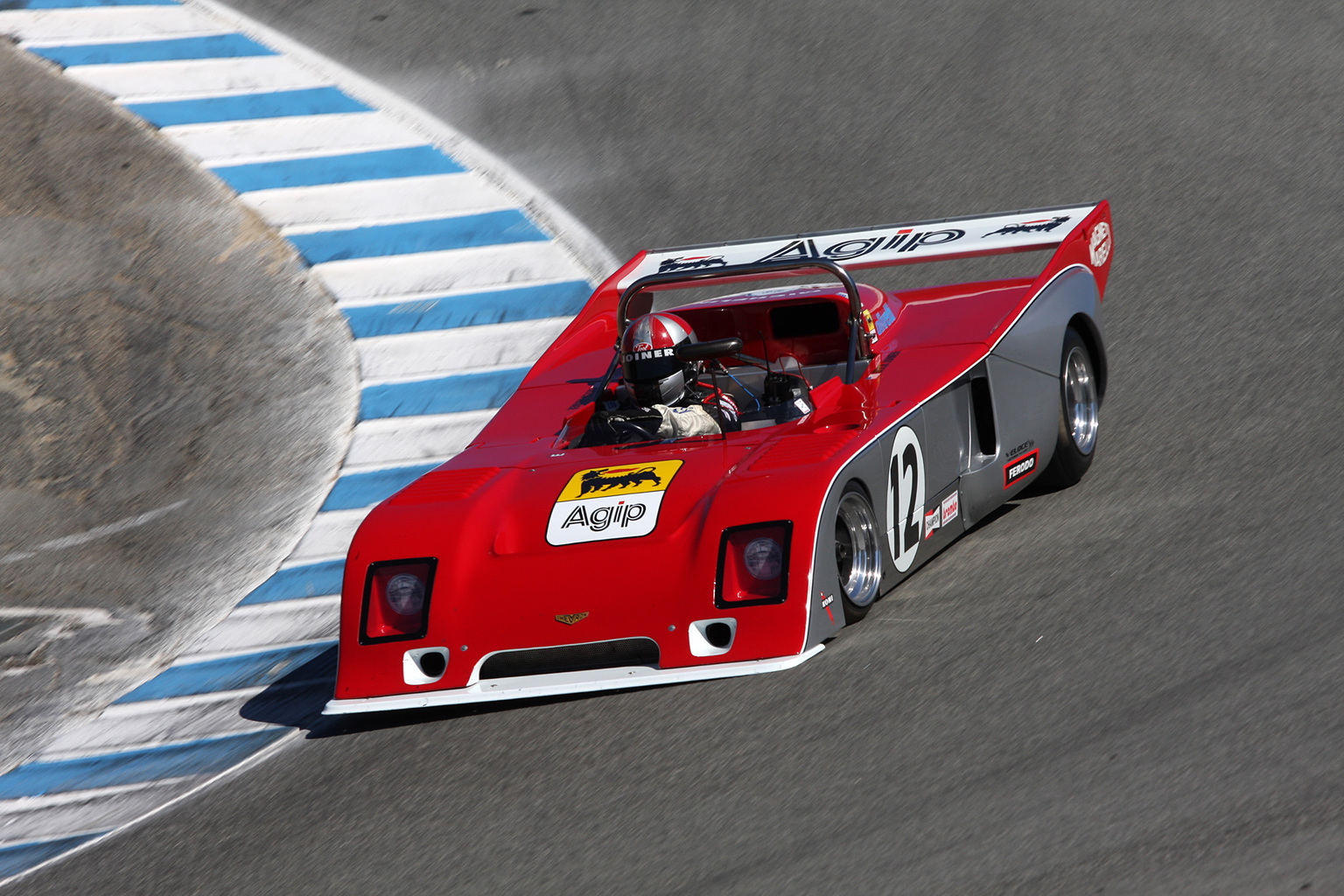
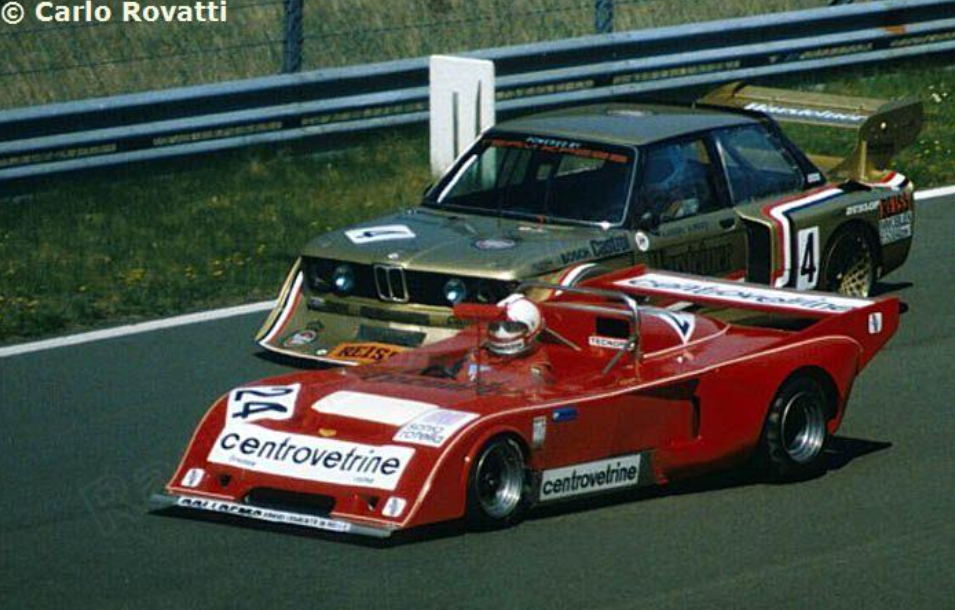
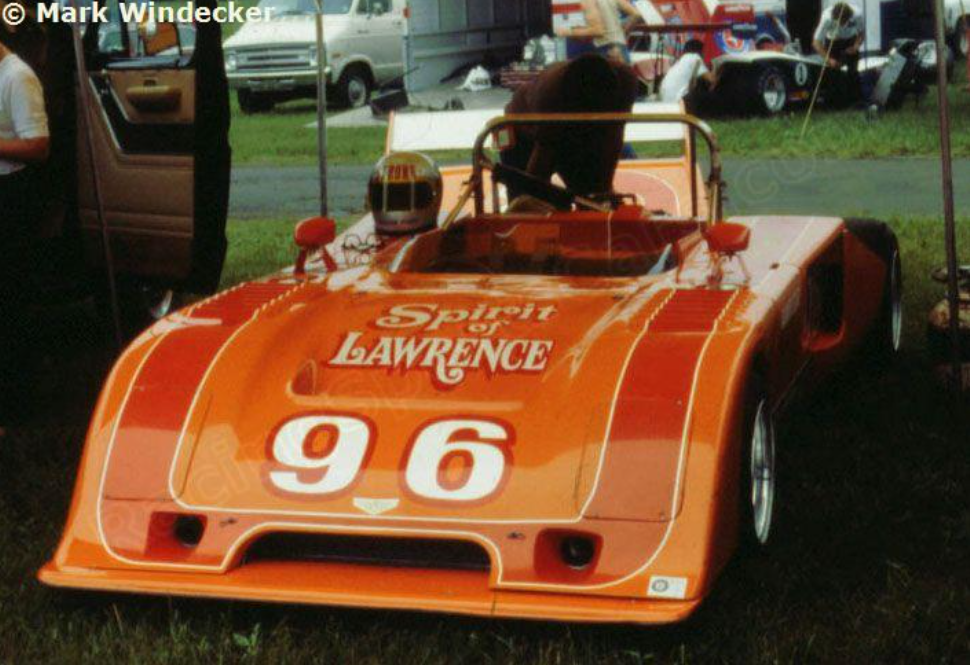
By 1976, the Ford Cosworth FVA engine was a technological artifact, a mechanical ghost from a bygone era haunting the modern grid. Originally designed in 1966 to dominate the 1.6-litre Formula 2 regulations, this gear-driven, 16-valve masterpiece had launched the Cosworth legend. A decade later, in the ruthless, high-downforce world of the mid-1970s, it should have been a museum piece. Yet, in the diverse ecosystem of European sports car racing, specifically within the 1.6-litre sub-classes of national championships and hill climbs, the FVA found a spectacular, screaming second life. The 1976 Chevron B36 Ford Cosworth FVA was a magnificent anachronism, a marriage of Derek Bennett’s ultimate, cutting-edge aluminium monocoque chassis with the high-revving heart of the 1960s. It was a machine built not for the 2.0-litre heavyweights, but for the connoisseur privateer who understood that on a tight, technical circuit, a lighter engine and a better chassis could still humble the giants.
The B36 chassis was the zenith of Chevron’s development. It was a stiff, riveted, and bonded aluminium tub, draped in wind-tunnel-refined bodywork that featured a flatter nose and a more effective rear wing than the preceding B31. It was designed to handle the 300-horsepower torque spikes of a BMW M12 or the grunt of a 2.0-litre BDG. When fitted with the compact 1.6-litre FVA, the chassis was effectively “over-engineered”. The FVA produced around 220 to 225 bhp, but it did so at a stratospheric 9,500 to 10,000 rpm. It was a “light-switch” engine with a razor-thin powerband and virtually zero low-end torque. However, it was significantly lighter than the iron-block FVC and more compact than the BMW. This weight reduction, removed from the rear of the car, endowed the B36 FVA with a polar moment of inertia that bordered on telepathic. It turned the car into a pure momentum machine, a scalpel designed to carry impossible speeds through the apex to compensate for its lack of displacement on the exit.
Driving the B36 FVA in 1976 was an exercise in precision and aggression. Unlike the 2.0-litre drivers who could rely on torque to pull them out of a missed gear or a messy line, the FVA pilot had to be perfect. The Lucas mechanical fuel injection needed to be wide open, and the revs had to be kept in the stratosphere. The sound was distinct—a piercing, metallic shriek from the gear-driven camshafts that cut through the deeper roar of the larger engines. On circuits like the short loop at Brands Hatch, the twisting tarmac of Vallelunga, or the narrow streets of Pau, the B36 FVA was a weapon. It could brake later, turn harder, and settle faster than the heavier cars. It was the ultimate tool for the “class hunter”, the privateer who aimed to dominate the 1.6-litre trophy cabinet while harassing the 2.0-litre stragglers.
The primary battleground for this specific submodel was not the Mulsanne Straight, but the European Hill Climb Championship and the French Prototype Championship. In the mountains, where agility overcomes absolute power, the lightweight B36 FVA was a favorite. Drivers like the French hill climb specialists appreciated the engine’s instant, frantic response and the chassis’s immense mechanical grip. It allowed them to dance the car up the switchbacks of Mont-Dore or Saint-Ursanne, using the downforce of the modern B36 bodywork to glue the vintage horsepower to the road. It was also a fixture in the British Sports Car Championship, where the 1.6-litre class remained a fiercely contested ladder for up-and-coming drivers who couldn’t yet afford the running costs of a BDG.
The B36 FVA represents a fascinating intersection of eras. It proved that brilliant engineering does not expire; it merely finds a new niche. The FVA engine, designed before downforce was fully understood, found its perfect partner in the high-downforce B36. The car was a testament to the adaptability of Derek Bennett’s design, a chassis so good it could make a ten-year-old engine competitive against the latest technology. Today, the B36 FVA is a rare sight, cherished by historic racers for its “pure” driving dynamics. It lacks the sheer thrust of the BMW-powered cars, but it offers a sensory experience—the vibration, the 10,000 rpm scream, the fingertip steering—that is unmatched. It is the sports car equivalent of a vintage watch movement inside a modern, waterproof case: precise, delicate, and utterly effective.
Brand
Produced from
Portal
Vehicle category
Model line
Predecessor
Sucessor
Brand
Produced from
Portal
Vehicle category
Model line
Model generation
Predecessor
Sucessor
About this submodel
By 1976, the Ford Cosworth FVA engine was a technological artifact, a mechanical ghost from a bygone era haunting the modern grid. Originally designed in 1966 to dominate the 1.6-litre Formula 2 regulations, this gear-driven, 16-valve masterpiece had launched the Cosworth legend. A decade later, in the ruthless, high-downforce world of the mid-1970s, it should have been a museum piece. Yet, in the diverse ecosystem of European sports car racing, specifically within the 1.6-litre sub-classes of national championships and hill climbs, the FVA found a spectacular, screaming second life. The 1976 Chevron B36 Ford Cosworth FVA was a magnificent anachronism, a marriage of Derek Bennett’s ultimate, cutting-edge aluminium monocoque chassis with the high-revving heart of the 1960s. It was a machine built not for the 2.0-litre heavyweights, but for the connoisseur privateer who understood that on a tight, technical circuit, a lighter engine and a better chassis could still humble the giants.
The B36 chassis was the zenith of Chevron’s development. It was a stiff, riveted, and bonded aluminium tub, draped in wind-tunnel-refined bodywork that featured a flatter nose and a more effective rear wing than the preceding B31. It was designed to handle the 300-horsepower torque spikes of a BMW M12 or the grunt of a 2.0-litre BDG. When fitted with the compact 1.6-litre FVA, the chassis was effectively “over-engineered”. The FVA produced around 220 to 225 bhp, but it did so at a stratospheric 9,500 to 10,000 rpm. It was a “light-switch” engine with a razor-thin powerband and virtually zero low-end torque. However, it was significantly lighter than the iron-block FVC and more compact than the BMW. This weight reduction, removed from the rear of the car, endowed the B36 FVA with a polar moment of inertia that bordered on telepathic. It turned the car into a pure momentum machine, a scalpel designed to carry impossible speeds through the apex to compensate for its lack of displacement on the exit.
Driving the B36 FVA in 1976 was an exercise in precision and aggression. Unlike the 2.0-litre drivers who could rely on torque to pull them out of a missed gear or a messy line, the FVA pilot had to be perfect. The Lucas mechanical fuel injection needed to be wide open, and the revs had to be kept in the stratosphere. The sound was distinct—a piercing, metallic shriek from the gear-driven camshafts that cut through the deeper roar of the larger engines. On circuits like the short loop at Brands Hatch, the twisting tarmac of Vallelunga, or the narrow streets of Pau, the B36 FVA was a weapon. It could brake later, turn harder, and settle faster than the heavier cars. It was the ultimate tool for the “class hunter”, the privateer who aimed to dominate the 1.6-litre trophy cabinet while harassing the 2.0-litre stragglers.
The primary battleground for this specific submodel was not the Mulsanne Straight, but the European Hill Climb Championship and the French Prototype Championship. In the mountains, where agility overcomes absolute power, the lightweight B36 FVA was a favorite. Drivers like the French hill climb specialists appreciated the engine’s instant, frantic response and the chassis’s immense mechanical grip. It allowed them to dance the car up the switchbacks of Mont-Dore or Saint-Ursanne, using the downforce of the modern B36 bodywork to glue the vintage horsepower to the road. It was also a fixture in the British Sports Car Championship, where the 1.6-litre class remained a fiercely contested ladder for up-and-coming drivers who couldn’t yet afford the running costs of a BDG.
The B36 FVA represents a fascinating intersection of eras. It proved that brilliant engineering does not expire; it merely finds a new niche. The FVA engine, designed before downforce was fully understood, found its perfect partner in the high-downforce B36. The car was a testament to the adaptability of Derek Bennett’s design, a chassis so good it could make a ten-year-old engine competitive against the latest technology. Today, the B36 FVA is a rare sight, cherished by historic racers for its “pure” driving dynamics. It lacks the sheer thrust of the BMW-powered cars, but it offers a sensory experience—the vibration, the 10,000 rpm scream, the fingertip steering—that is unmatched. It is the sports car equivalent of a vintage watch movement inside a modern, waterproof case: precise, delicate, and utterly effective.
Tech Specs
Discover the technical specifications
Tech Specs
Discover the technical specifications
Engine
01
03
Internal combustion engine
Configuration
Ford Cosworth FVA, Inline-4
Location
Mid, longitudinally mounted
Construction
Cast iron block, aluminium alloy head
Displacement (cc)
1,596 cc
Displacement (cu in)
97.3 cu in
Compression
-
Bore x Stroke
85.7 mm x 69.1 mm
Valvetrain
4 valves per cylinder, DOHC
Fuel feed
Lucas Fuel Injection
Lubrication
Dry sump
Aspiration
Naturally aspirated
Output
Power (hp)
225 hp
Power (kW)
168 kW
Max power at
9,000 RPM
Torque (Nm)
-
Torque (ft lbs)
-
Max torque at
-
Drivetrain
02
03
Chassis
Type
Monocoque with front and rear subframes
Material
Aluminium
Body
Material
Fibreglass
Transmission
Gearbox
5-speed manual
Drive
Rear Wheel Drive
Suspension
Front
Double wishbones, coil springs over dampers, anti-roll bar
Rear
Single top links, twin lower links, twin trailing arms, coil springs over dampers, anti-roll bar
Steering
Type
Rack and pinion
Brakes
Front
Ventilated discs
Rear
Ventilated discs
Wheels
Front
-
Rear
-
Tires
Front
-
Rear
-
Dimensions and performance
03
03
Dimensions
Lenght (mm)
-
Lenght (in)
-
Width (mm)
-
Width (in)
-
Height (mm)
-
Height (in)
-
Wheelbase (mm)
2,400 mm
Wheelbase (in)
94.5 in
Weight (kg)
-
Weight (lbs)
-
Performance
Power to weight
-
Top speed (km/h)
-
Top speed (mph)
-
0-100 km/h (0-60 mph)
-
Submodels
Other variants of this model
Submodels