Lancia Beta Montecarlo Turbo Group 5




Brand
Produced from
Portal
Vehicle category
Model line
Model generation
Predecessor
Sucessor
About this submodel
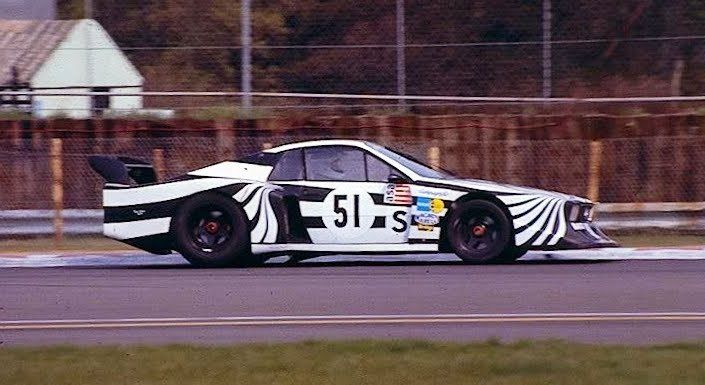
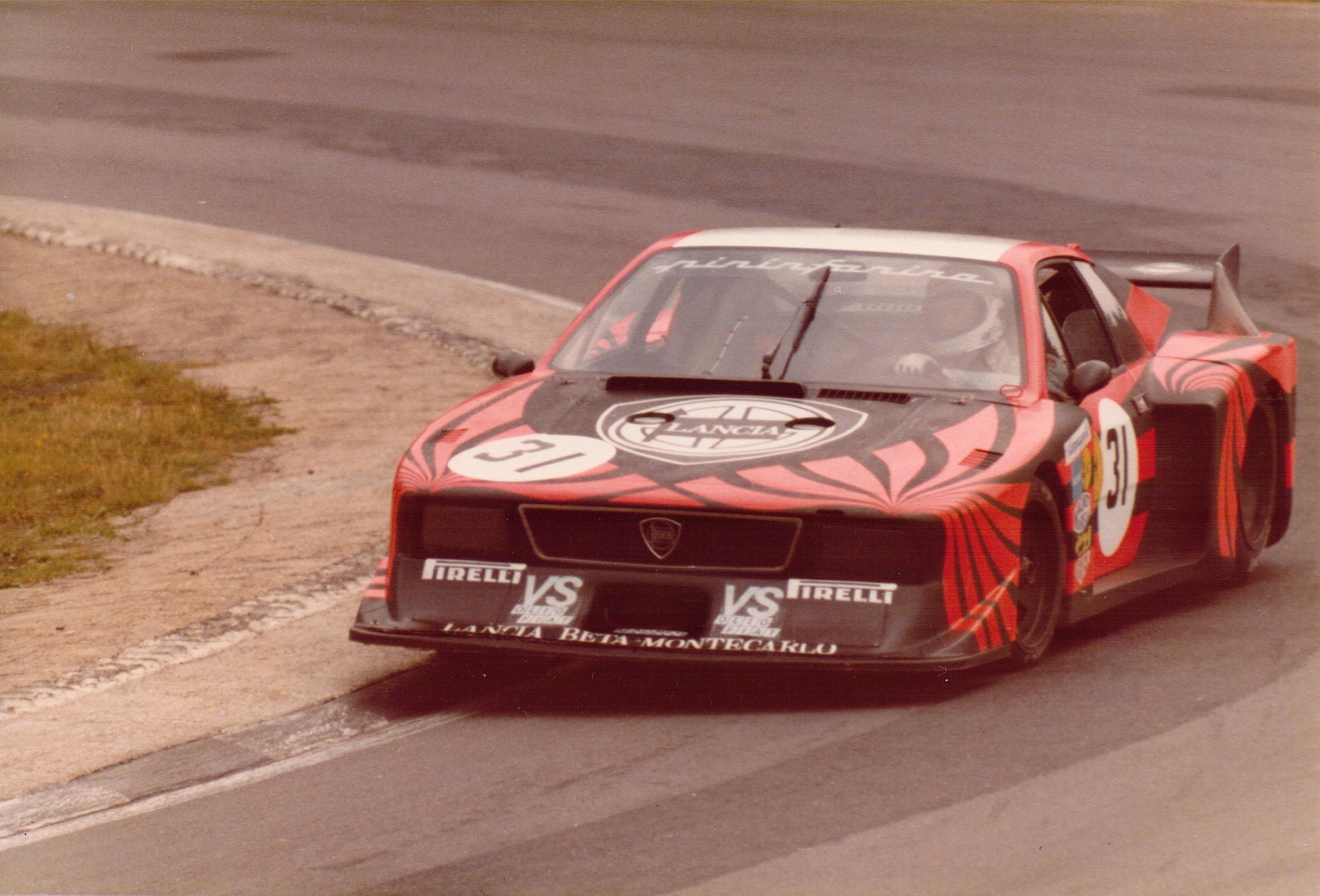
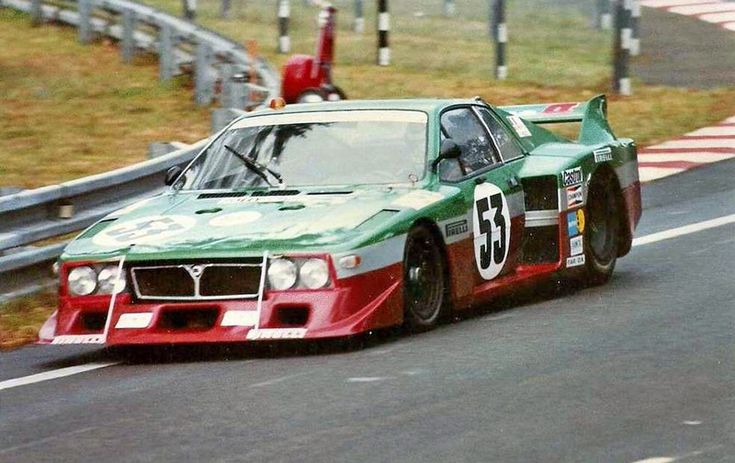
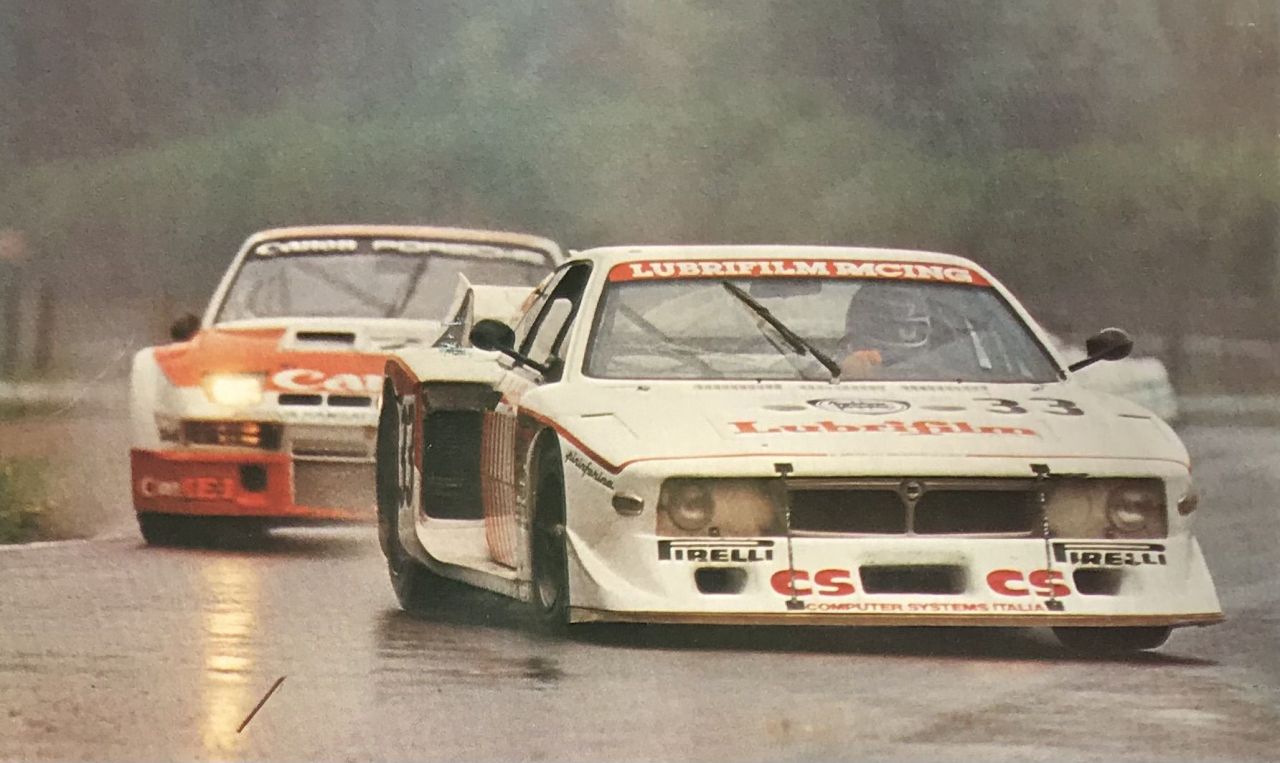
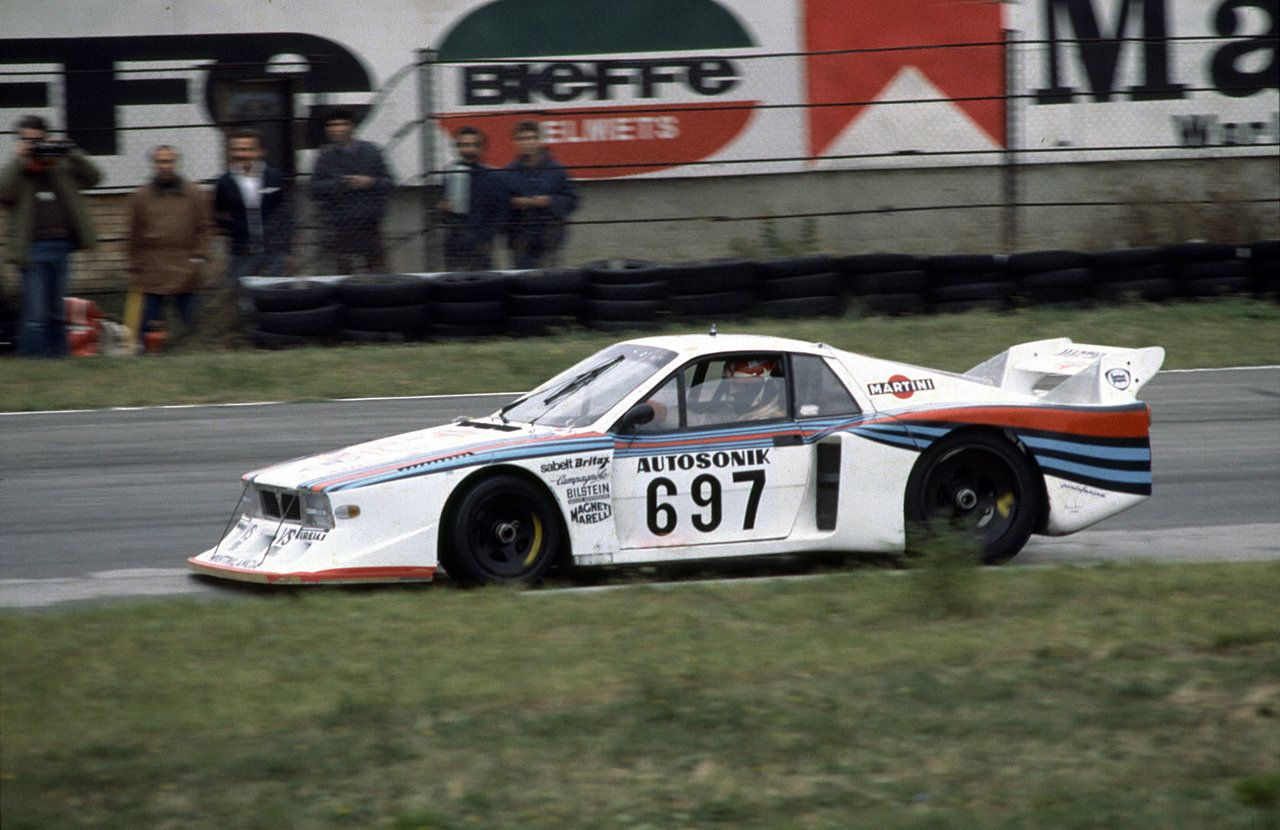
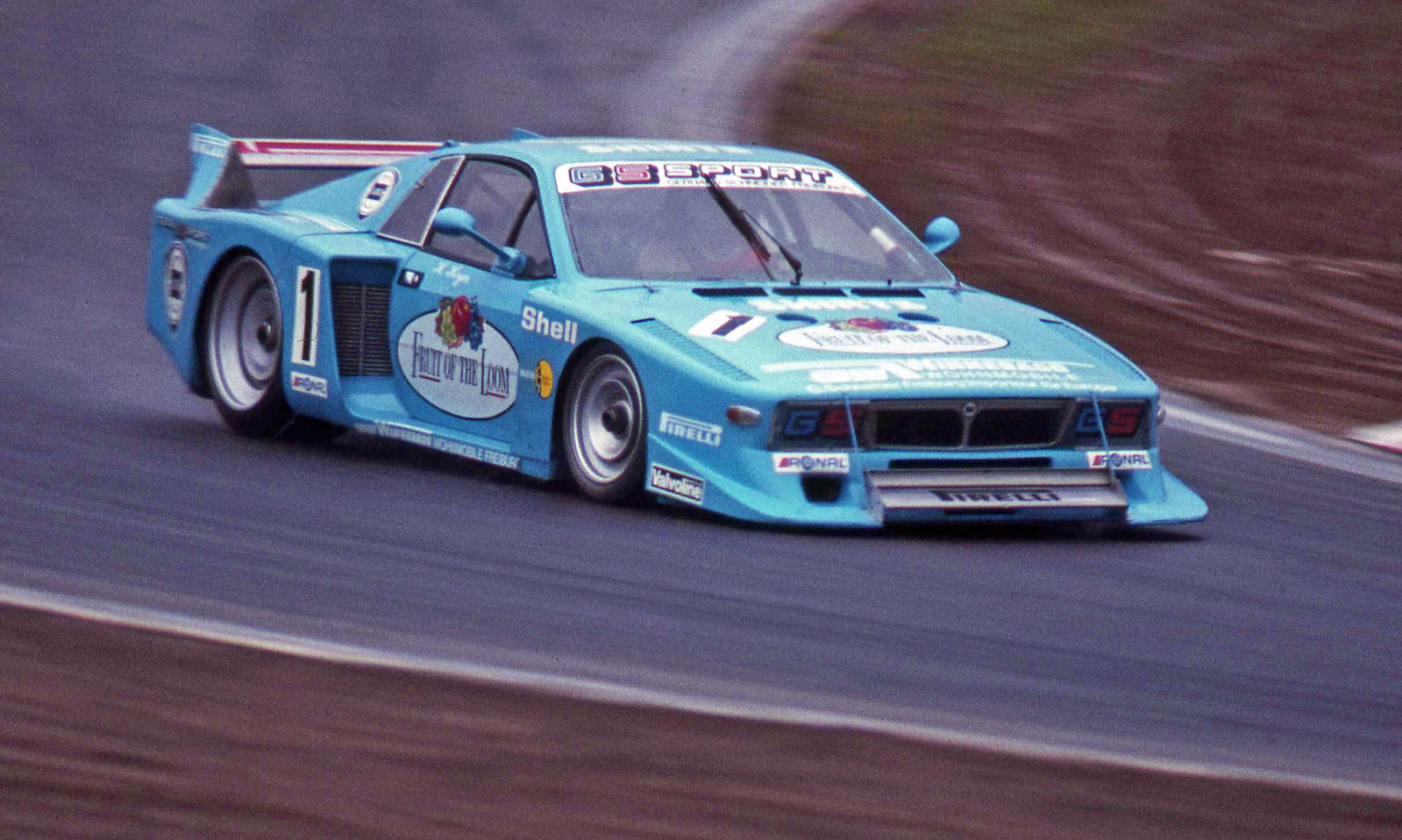
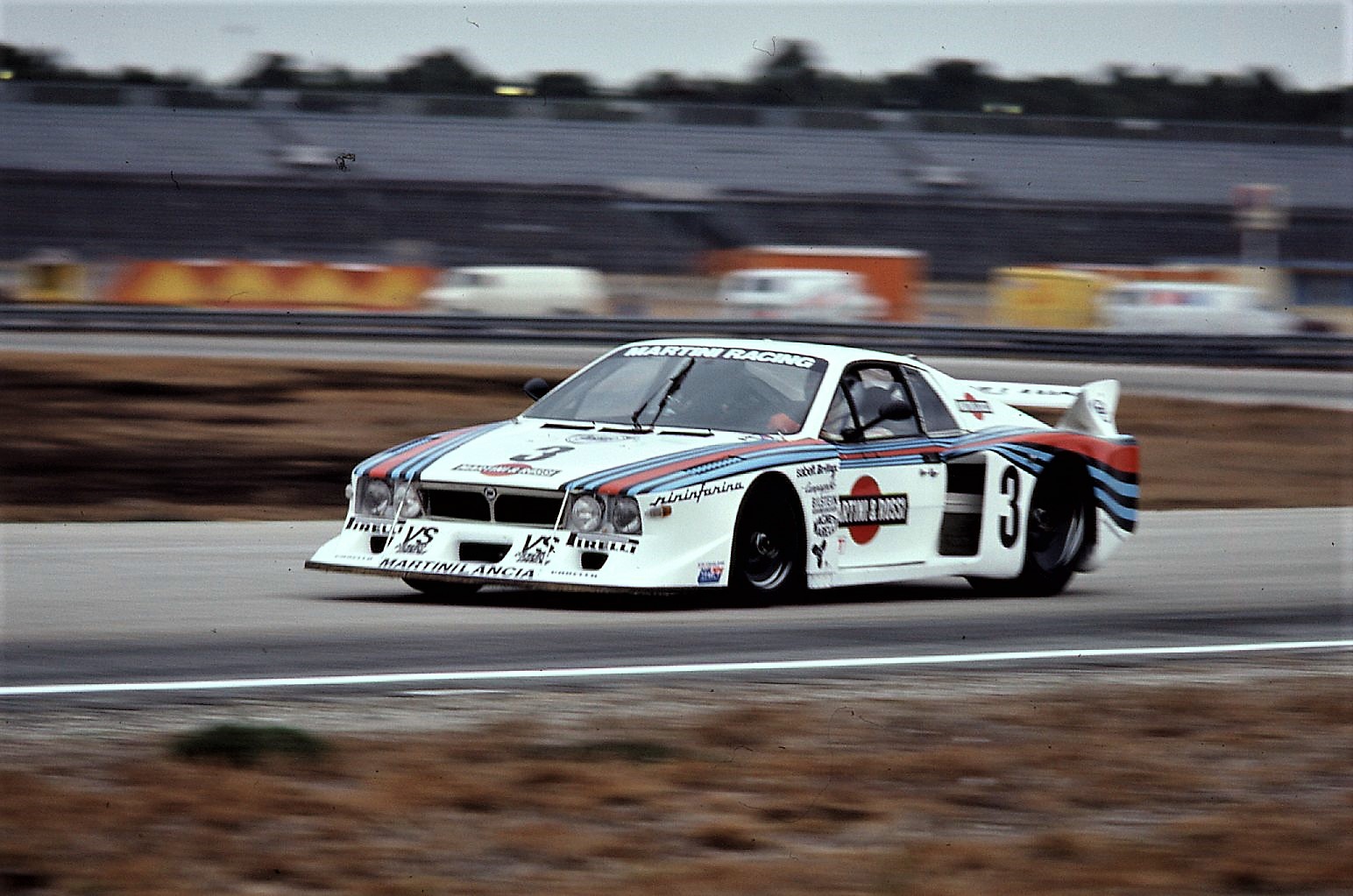
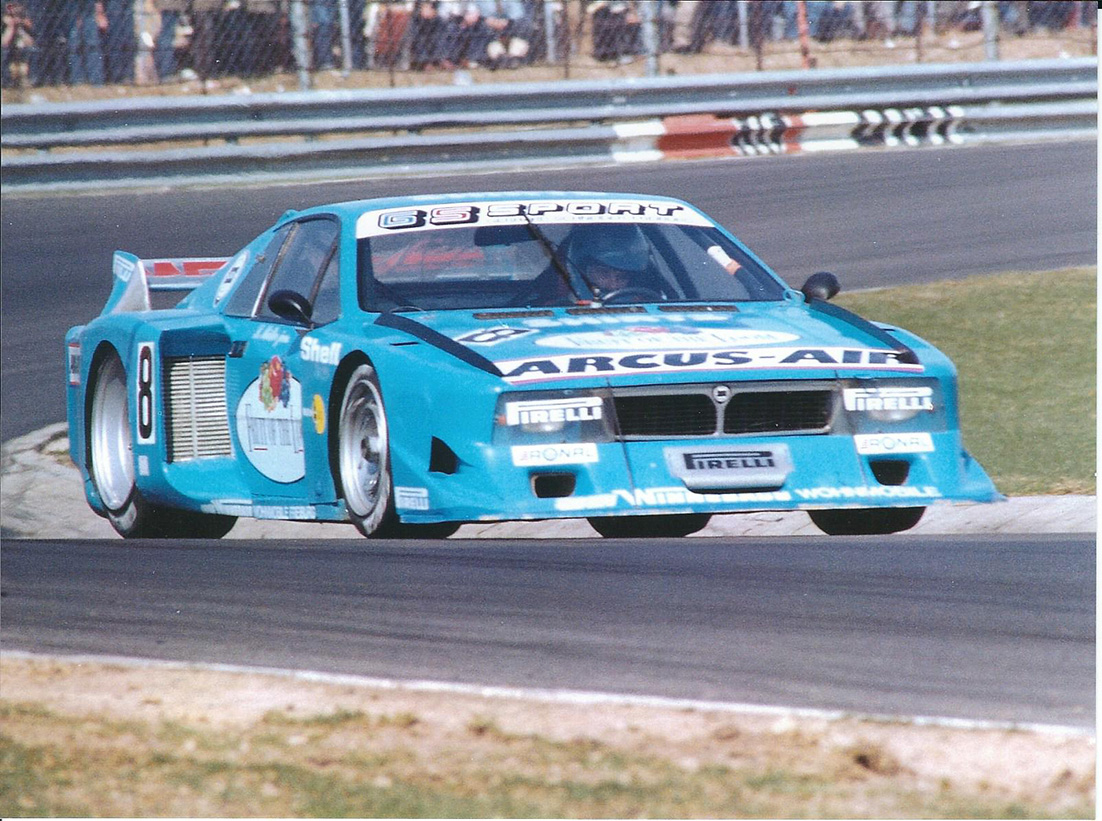
The late 1970s was a period of motorsport defined by a glorious kind of visual excess, an era where the rulebook of the FIA Group 5 “Special Production Car” category encouraged engineers to take a humble road car and mutate it into a fire-breathing caricature of itself. In this arena of wide arches and gargantuan wings, the Porsche 935 was the undisputed king, a turbocharged sledgehammer that bludgeoned the opposition into submission. Against this Teutonic hegemony, Lancia—under the shrewd, calculating leadership of Cesare Fiorio—deployed a sniper. The 1979 Lancia Beta Montecarlo Turbo Group 5 was not built to overpower the Porsche with brute force; it was built to outsmart it. Conceived as a marketing lifeboat for the troubled Beta Montecarlo road car, which was suffering from a reputation-shattering brake defect, this racing machine was tasked with restoring the sporting luster of one of Italy’s most storied marques. It was a project that brought together the holy trinity of Italian motorsport: Lancia’s strategic brilliance, Abarth’s engine wizardry, and Dallara’s chassis mastery, all wrapped in a silhouette penned by Pininfarina.
Technically, the Montecarlo Turbo was a masterclass in exploiting the “equivalence formula” of the regulations. Group 5 rules divided cars into displacement classes, applying a 1.4 multiplication factor to turbocharged engines. While Porsche ran in the over-2.0-litre division with big-displacement engines, Lancia aimed for the under-2.0-litre class. Abarth engineers, led by the brilliant Claudio Lombardi, took the cast-iron Fiat twin-cam block and de-stroked it to 1,425.9cc. When multiplied by 1.4, this equated to 1,996cc, allowing the car to sit right at the ceiling of the lower class. A massive KKK turbocharger was bolted on, boosting output to roughly 370 bhp in 1979 trim, eventually rising to over 480 bhp in later evolutions. This small engine allowed for a lightweight packaging that the Porsches could only dream of.
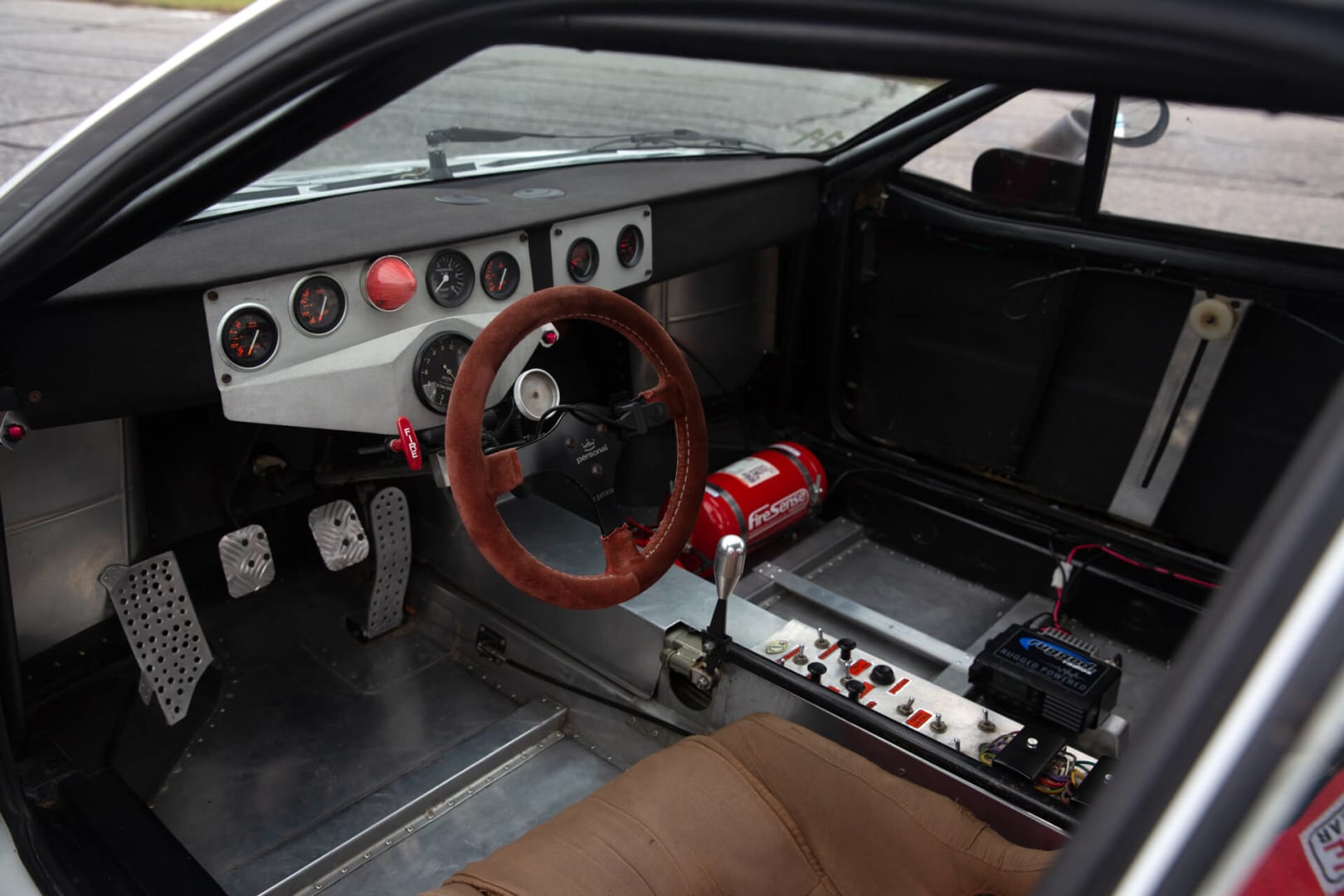
The chassis construction was a collaborative triumph. The regulations required the car to retain the center production monocoque, the door pillars, and the roofline. Everything else was free. Giampaolo Dallara designed tubular subframes that bolted to the front and rear of the central tub, creating a semi-spaceframe structure that was incredibly stiff and easy to repair. The bodywork was a riot of Kevlar and fiberglass, featuring massive box arches to house the 19-inch rear wheels and a long-tail rear section that generated immense downforce. Weighing in at just 780 kg, the Montecarlo Turbo possessed a power-to-weight ratio that allowed it to dart through chicanes where the heavy Porsches wallowed. It was the “mosquito” that stung the elephant, utilizing agility and fuel efficiency as its primary weapons.
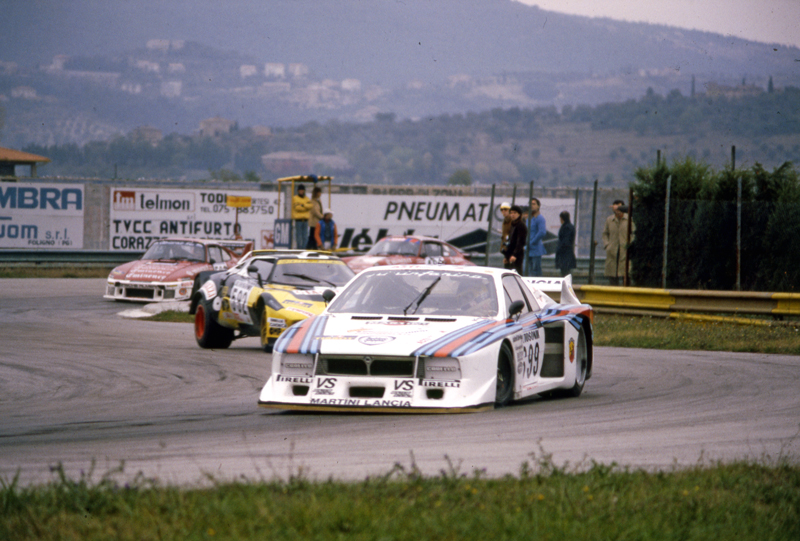
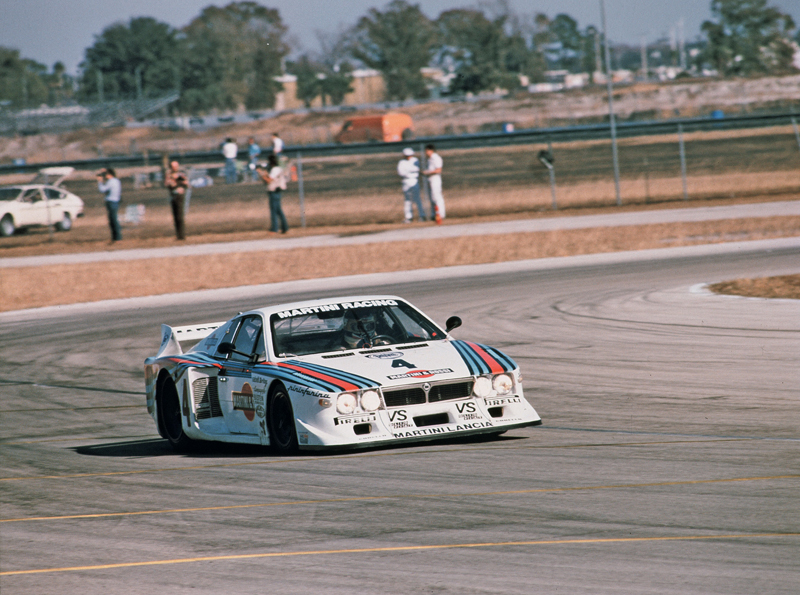
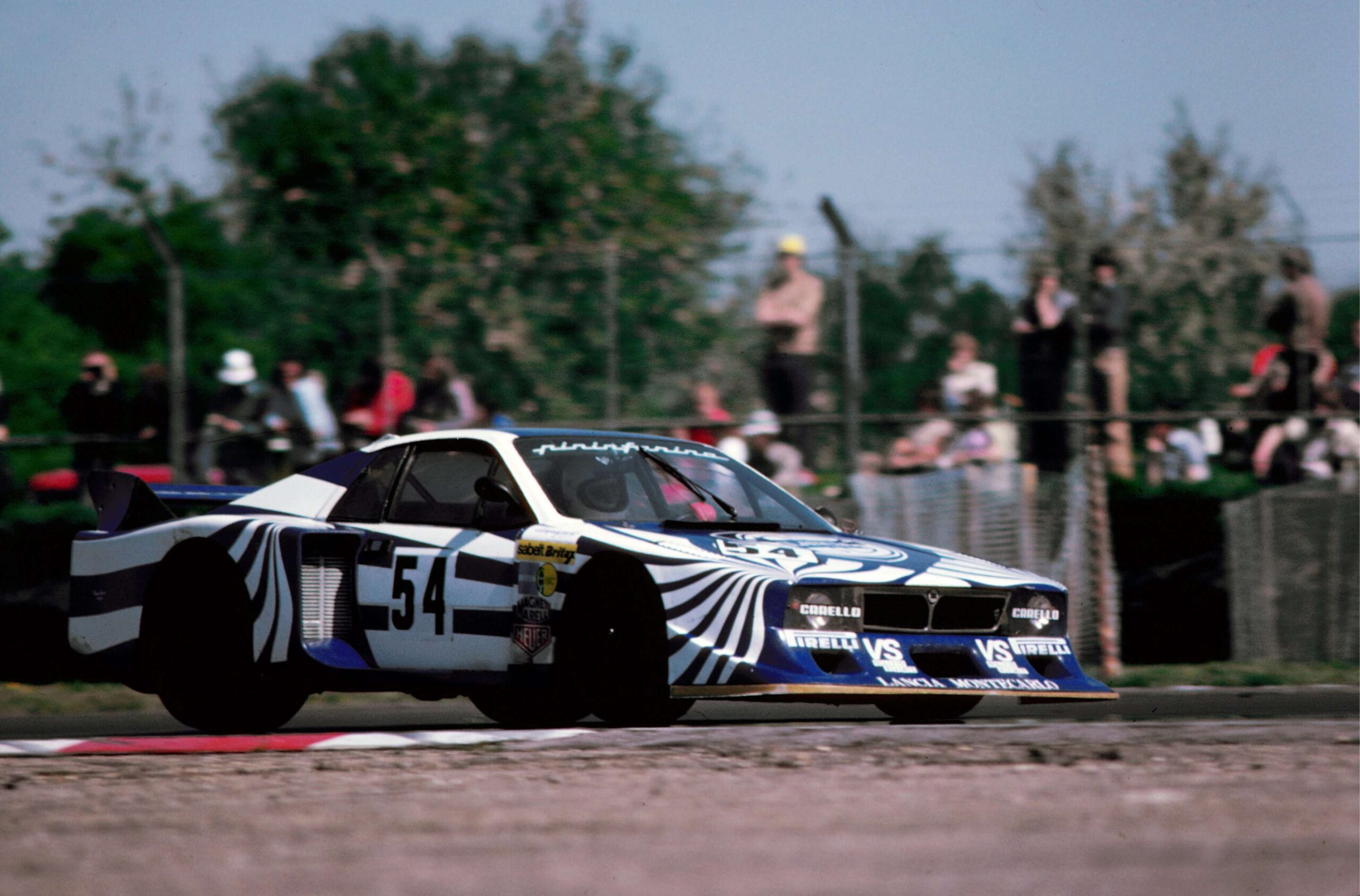
The impact of the Montecarlo Turbo in 1979 was the beginning of a dynasty. Making its debut at the Silverstone 6 Hours in May 1979, the car—adorned in a striking black and red livery before the iconic Martini stripes arrived fully—suffered the teething troubles expected of a highly stressed 1.4-litre engine. Head gaskets failed, and turbos overheated. However, by the end of the season, the potential was undeniable. The car began to rack up class victories, and because the World Championship for Makes awarded points based on class wins (not just overall wins), Lancia realized they had found the Porsche’s Achilles’ heel. By dominating the Division 2 category, they could accumulate enough points to challenge for the overall title.
The car’s driving roster read like a who’s who of motorsport talent. Riccardo Patrese was the undeniable team leader, driving with a ferocity that extracted every ounce of boost from the small engine. He was supported by the rally virtuoso Walter Röhrl, who proved that his car control was just as effective on the asphalt of Brands Hatch as it was on the gravel of the Acropolis. In 1979, Lancia secured the Division 2 title, a prelude to the total domination of 1980 and 1981 where they would win the overall World Championship, defeating the mighty Porsche 935 K3s. The Montecarlo Turbo also found a unique home in the Giro d’Italia Automobilistico, a mixed event of race tracks and rally stages. Here, the car’s robust chassis and rally-bred agility allowed it to shine, famously winning in 1979 with Gilles Villeneuve initially dazzling crowds before a disqualification for motorway usage handed the win to his teammate.
The legacy of the 1979 Lancia Beta Montecarlo Turbo is monumental, serving as the bridge between Lancia’s past and its Group B future. It proved that Lancia could compete at the highest level of circuit racing, paving the way for the LC1 and LC2 prototypes. More importantly, the Montecarlo Turbo was the genetic father of the Lancia Rally 037. When the time came to replace the Stratos for the Group B rally regulations, Abarth engineers simply took the Montecarlo Turbo’s center tub and subframe concept, rotated the engine longitudinally, and fitted a supercharger instead of a turbo. Thus, the DNA of this track racer lives on in the last rear-wheel-drive car to ever win the World Rally Championship. The 1979 Montecarlo Turbo remains a cult icon, a testament to the era when a 1.4-litre Italian coupe could look a 3.0-litre German monster in the eye and, through sheer cleverness and engineering audacity, take the trophy home to Turin.
Brand
Produced from
Portal
Vehicle category
Model line
Model generation
Predecessor
Sucessor
Brand
Produced from
Portal
Vehicle category
Model line
Model generation
Predecessor
Sucessor
About this submodel
The late 1970s was a period of motorsport defined by a glorious kind of visual excess, an era where the rulebook of the FIA Group 5 “Special Production Car” category encouraged engineers to take a humble road car and mutate it into a fire-breathing caricature of itself. In this arena of wide arches and gargantuan wings, the Porsche 935 was the undisputed king, a turbocharged sledgehammer that bludgeoned the opposition into submission. Against this Teutonic hegemony, Lancia—under the shrewd, calculating leadership of Cesare Fiorio—deployed a sniper. The 1979 Lancia Beta Montecarlo Turbo Group 5 was not built to overpower the Porsche with brute force; it was built to outsmart it. Conceived as a marketing lifeboat for the troubled Beta Montecarlo road car, which was suffering from a reputation-shattering brake defect, this racing machine was tasked with restoring the sporting luster of one of Italy’s most storied marques. It was a project that brought together the holy trinity of Italian motorsport: Lancia’s strategic brilliance, Abarth’s engine wizardry, and Dallara’s chassis mastery, all wrapped in a silhouette penned by Pininfarina.
Technically, the Montecarlo Turbo was a masterclass in exploiting the “equivalence formula” of the regulations. Group 5 rules divided cars into displacement classes, applying a 1.4 multiplication factor to turbocharged engines. While Porsche ran in the over-2.0-litre division with big-displacement engines, Lancia aimed for the under-2.0-litre class. Abarth engineers, led by the brilliant Claudio Lombardi, took the cast-iron Fiat twin-cam block and de-stroked it to 1,425.9cc. When multiplied by 1.4, this equated to 1,996cc, allowing the car to sit right at the ceiling of the lower class. A massive KKK turbocharger was bolted on, boosting output to roughly 370 bhp in 1979 trim, eventually rising to over 480 bhp in later evolutions. This small engine allowed for a lightweight packaging that the Porsches could only dream of.
The chassis construction was a collaborative triumph. The regulations required the car to retain the center production monocoque, the door pillars, and the roofline. Everything else was free. Giampaolo Dallara designed tubular subframes that bolted to the front and rear of the central tub, creating a semi-spaceframe structure that was incredibly stiff and easy to repair. The bodywork was a riot of Kevlar and fiberglass, featuring massive box arches to house the 19-inch rear wheels and a long-tail rear section that generated immense downforce. Weighing in at just 780 kg, the Montecarlo Turbo possessed a power-to-weight ratio that allowed it to dart through chicanes where the heavy Porsches wallowed. It was the “mosquito” that stung the elephant, utilizing agility and fuel efficiency as its primary weapons.
The impact of the Montecarlo Turbo in 1979 was the beginning of a dynasty. Making its debut at the Silverstone 6 Hours in May 1979, the car—adorned in a striking black and red livery before the iconic Martini stripes arrived fully—suffered the teething troubles expected of a highly stressed 1.4-litre engine. Head gaskets failed, and turbos overheated. However, by the end of the season, the potential was undeniable. The car began to rack up class victories, and because the World Championship for Makes awarded points based on class wins (not just overall wins), Lancia realized they had found the Porsche’s Achilles’ heel. By dominating the Division 2 category, they could accumulate enough points to challenge for the overall title.
The car’s driving roster read like a who’s who of motorsport talent. Riccardo Patrese was the undeniable team leader, driving with a ferocity that extracted every ounce of boost from the small engine. He was supported by the rally virtuoso Walter Röhrl, who proved that his car control was just as effective on the asphalt of Brands Hatch as it was on the gravel of the Acropolis. In 1979, Lancia secured the Division 2 title, a prelude to the total domination of 1980 and 1981 where they would win the overall World Championship, defeating the mighty Porsche 935 K3s. The Montecarlo Turbo also found a unique home in the Giro d’Italia Automobilistico, a mixed event of race tracks and rally stages. Here, the car’s robust chassis and rally-bred agility allowed it to shine, famously winning in 1979 with Gilles Villeneuve initially dazzling crowds before a disqualification for motorway usage handed the win to his teammate.
The legacy of the 1979 Lancia Beta Montecarlo Turbo is monumental, serving as the bridge between Lancia’s past and its Group B future. It proved that Lancia could compete at the highest level of circuit racing, paving the way for the LC1 and LC2 prototypes. More importantly, the Montecarlo Turbo was the genetic father of the Lancia Rally 037. When the time came to replace the Stratos for the Group B rally regulations, Abarth engineers simply took the Montecarlo Turbo’s center tub and subframe concept, rotated the engine longitudinally, and fitted a supercharger instead of a turbo. Thus, the DNA of this track racer lives on in the last rear-wheel-drive car to ever win the World Rally Championship. The 1979 Montecarlo Turbo remains a cult icon, a testament to the era when a 1.4-litre Italian coupe could look a 3.0-litre German monster in the eye and, through sheer cleverness and engineering audacity, take the trophy home to Turin.
Tech Specs
Discover the technical specifications
Tech Specs
Discover the technical specifications
Engine
01
03
Internal combustion engine
Configuration
Lancia/Abarth inline-4 (Fiat Twin Cam based)
Location
Mid, longitudinally mounted
Construction
Cast iron block, Aluminium alloy head
Displacement (cc)
1,425 cc
Displacement (cu in)
87.0 cu in
Compression
6.7:1
Bore x Stroke
82.0 mm x 67.5 mm
Valvetrain
4 valves per cylinder, DOHC
Fuel feed
Kugelfischer mechanical fuel injection
Lubrication
Dry sump
Aspiration
Turbocharged (KKK K27 turbocharger @ 1.4 bar boost)
Output
Power (hp)
473 hp
Power (kW)
353 kW
Max power at
9,500 RPM
Torque (Nm)
382 Nm
Torque (ft lbs)
282 ft lbs
Max torque at
6,000 RPM
Drivetrain
02
03
Chassis
Type
Monocoque center section (from road car) with tubular subframes front and rear
Material
Steel and aluminium
Body
Material
Kevlar and carbon fibre composite panels
Transmission
Gearbox
Colotti, 5-speed manual (Dog-leg)
Drive
Rear Wheel Drive (Self-locking limited slip differential)
Suspension
Front
Independent, MacPherson struts, lower wishbones, coil springs, Bilstein gas dampers, adjustable anti-roll bar
Rear
Independent, Chapman struts, lower wishbones, coil springs, Bilstein gas dampers, adjustable anti-roll bar
Steering
Type
Rack and pinion
Brakes
Front
Ventilated discs Ø280 mm, 4-piston calipers
Rear
Ventilated discs Ø280 mm, 4-piston calipers
Wheels
Front
10" x 16"
Rear
13" x 16"
Tires
Front
245/600-16
Rear
330/650-16
Dimensions and performance
03
03
Dimensions
Lenght (mm)
4,600 mm
Lenght (in)
181.1 in
Width (mm)
1,990 mm
Width (in)
78.3 in
Height (mm)
1,100 mm
Height (in)
43.3 in
Wheelbase (mm)
2,300 mm
Wheelbase (in)
90.6 in
Weight (kg)
780 kg
Weight (lbs)
1,720 lbs
Performance
Power to weight
~0.47 hp/kg
Top speed (km/h)
~290 km/h
Top speed (mph)
~180 mph
0-100 km/h (0-60 mph)
~3.6 s
Submodels
Other variants of this model
Submodels