Jaguar XJR-9


Brand
Produced from
Portal
Vehicle category
Predecessor
Sucessor
About this submodel
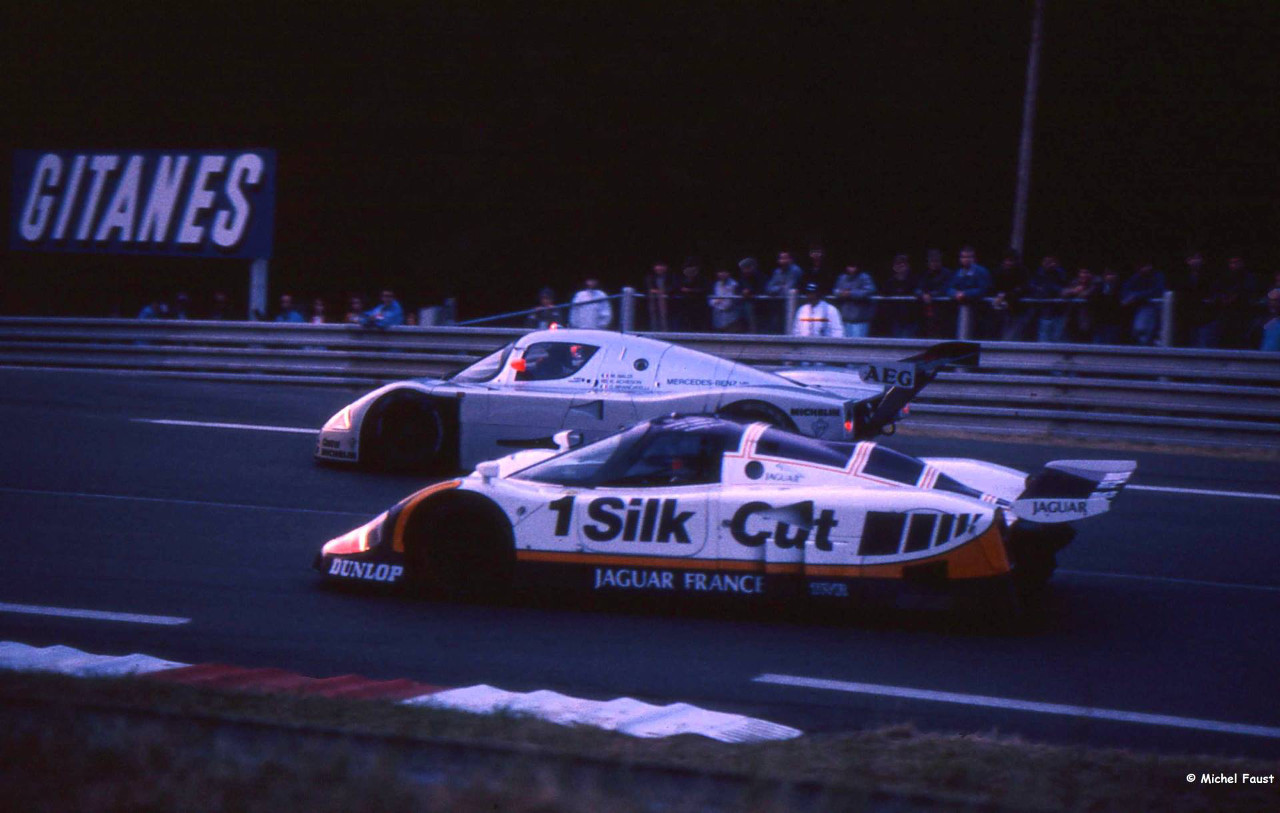
The year was 1988, and the atmosphere in the paddock of the World Sportscar Championship was heavy with the scent of unburnt hydrocarbons and the crushing weight of German inevitability. For seven long years, the Porsche 956 and its successor, the 962C, had maintained a suffocating stranglehold on endurance racing, turning the 24 Hours of Le Mans into a procession of Weissach engineering. To break this dynasty required more than just speed; it required a national crusade. Enter the Jaguar XJR-9, a machine born from the rugged partnership between the aristocratic Jaguar board and the street-fighting grit of Tom Walkinshaw Racing (TWR). The XJR-9 was not a clean-sheet design, but the ultimate sharpening of a blade that had been forged over previous seasons with the XJR-6 and XJR-8. It was the culmination of a singular objective: to return the Le Mans trophy to Coventry for the first time since the D-Type’s glory days in 1957. While the Sauber-Mercedes C9 was lurking in the shadows with immense turbocharged power, the XJR-9 stood as the definitive challenger, a naturally aspirated, V12-powered sledgehammer raised against the turbo-flat-six establishment.
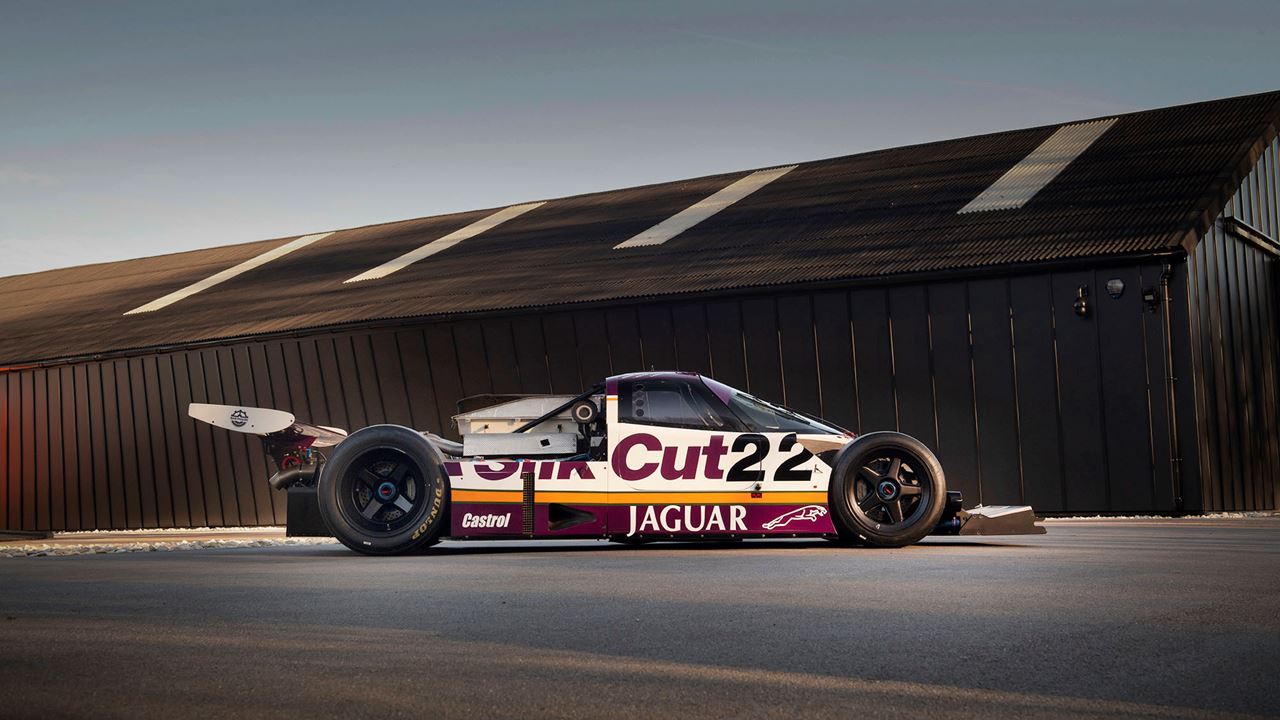
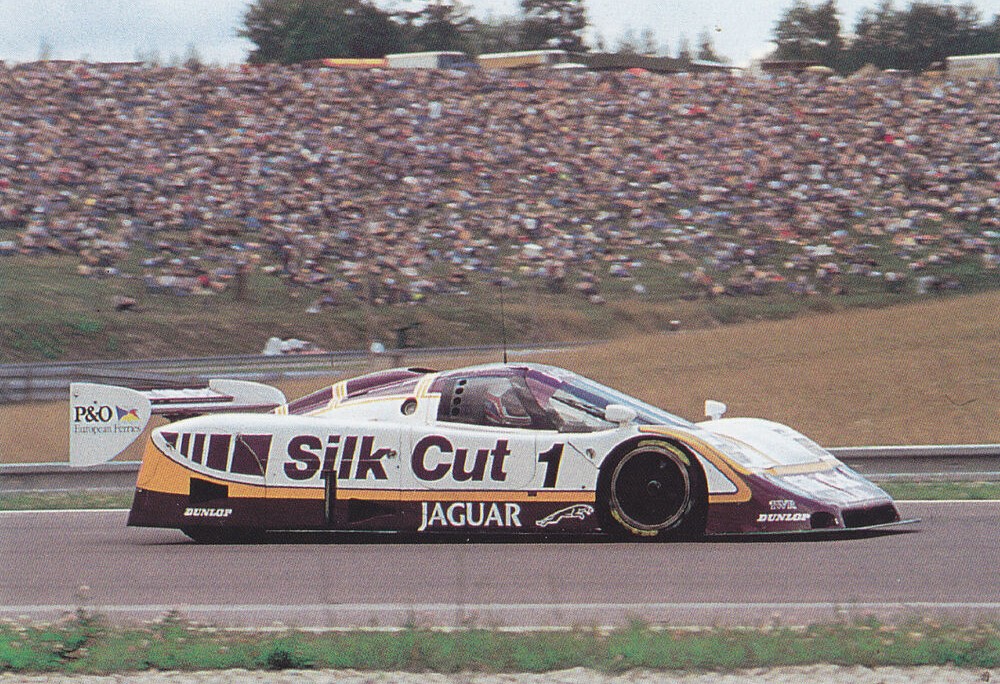
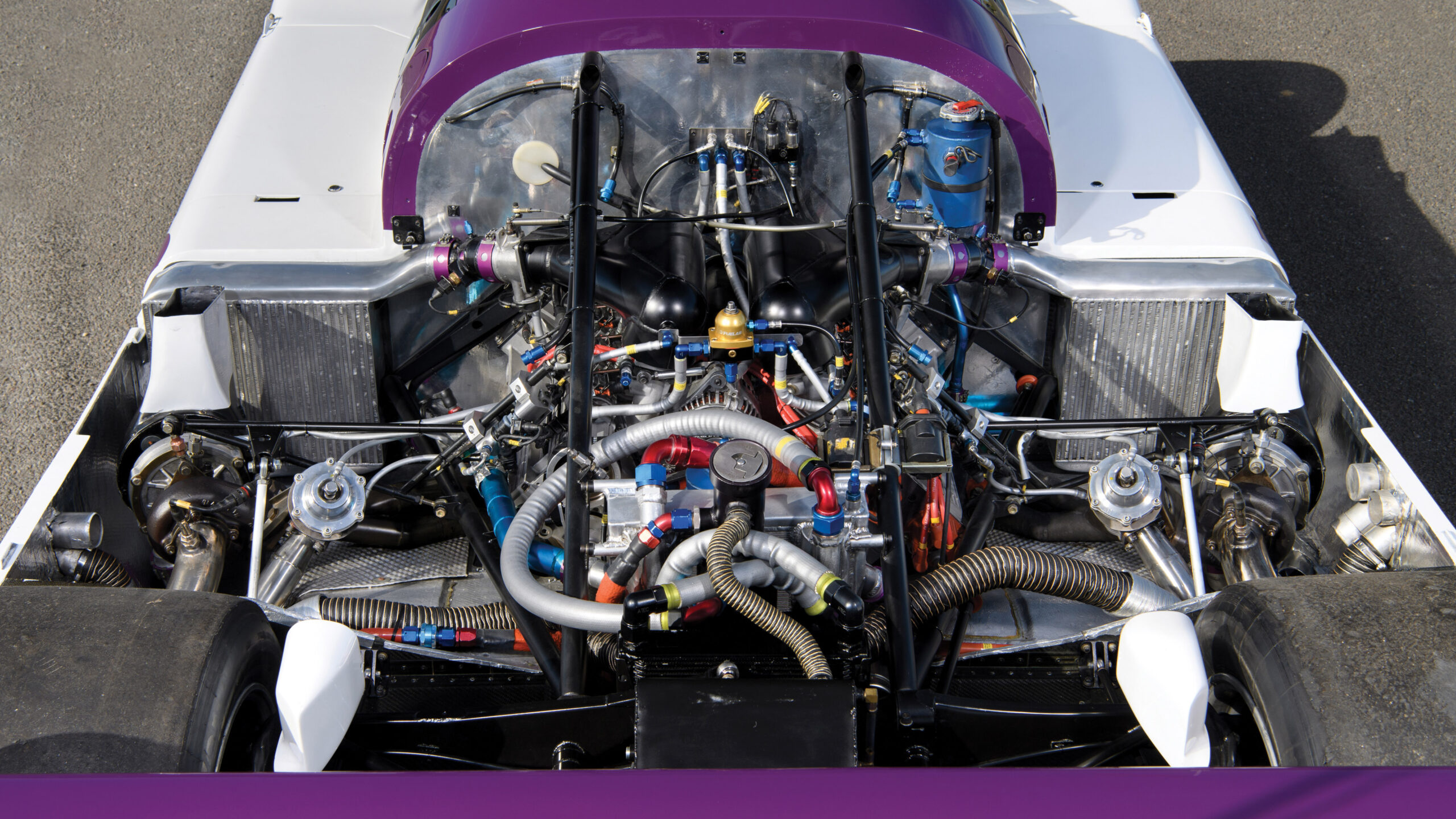
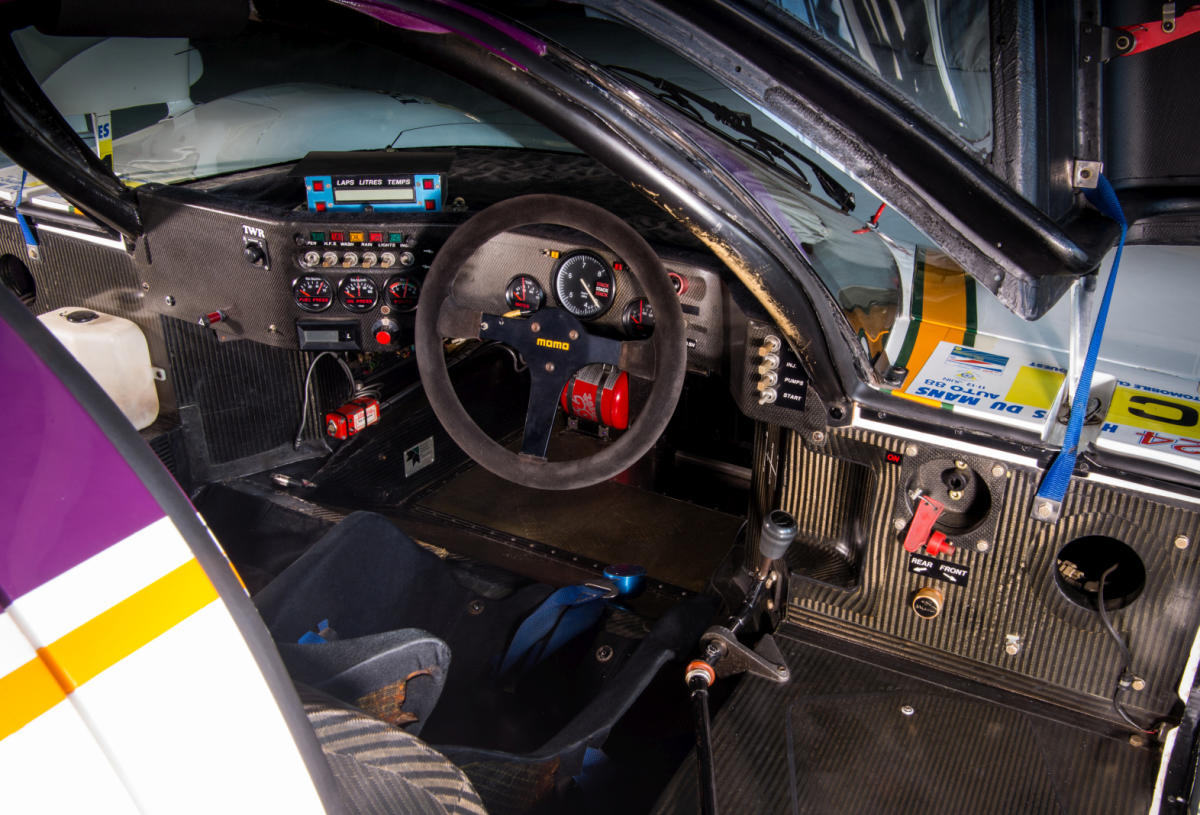
Technically, the XJR-9 was a masterclass in aerodynamic efficiency and mechanical brute force, penned by the legendary Tony Southgate. The chassis was a carbon-fibre and Kevlar monocoque, incredibly stiff and light, designed to harness the immense downforce generated by the ground-effect venturi tunnels running beneath the car. Visually, it was distinguished by its rear wheel covers, or “spats”, which smoothed the airflow along the flanks to reduce drag—a critical necessity for the Mulsanne Straight. However, the soul of the XJR-9 lay amidships. While rivals relied on small-displacement turbo engines, TWR stuck to their guns with a mammoth 7.0-litre (6,995cc) V12 based on the production unit found in the XJ-S. Producing over 750 brake horsepower and a tidal wave of torque, this engine was a masterpiece of reliability and response. It lacked the “lag” of the turbos, offering instantaneous punch out of corners, and its soundtrack became the defining auditory signature of the Group C era. The power was fed through a March/TWR five-speed magnesium casing gearbox, a unit that would play a pivotal role in the car’s mythology.
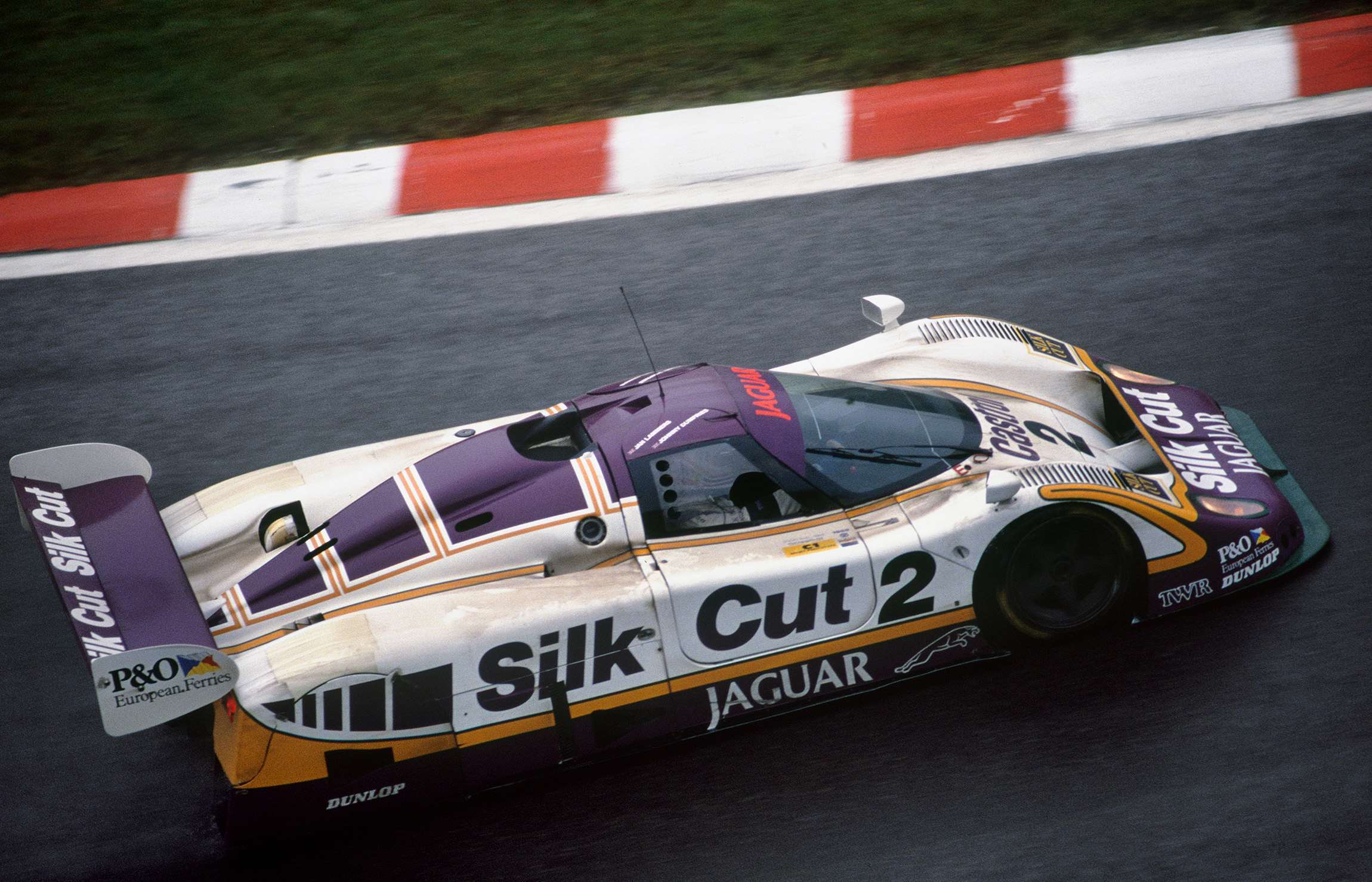
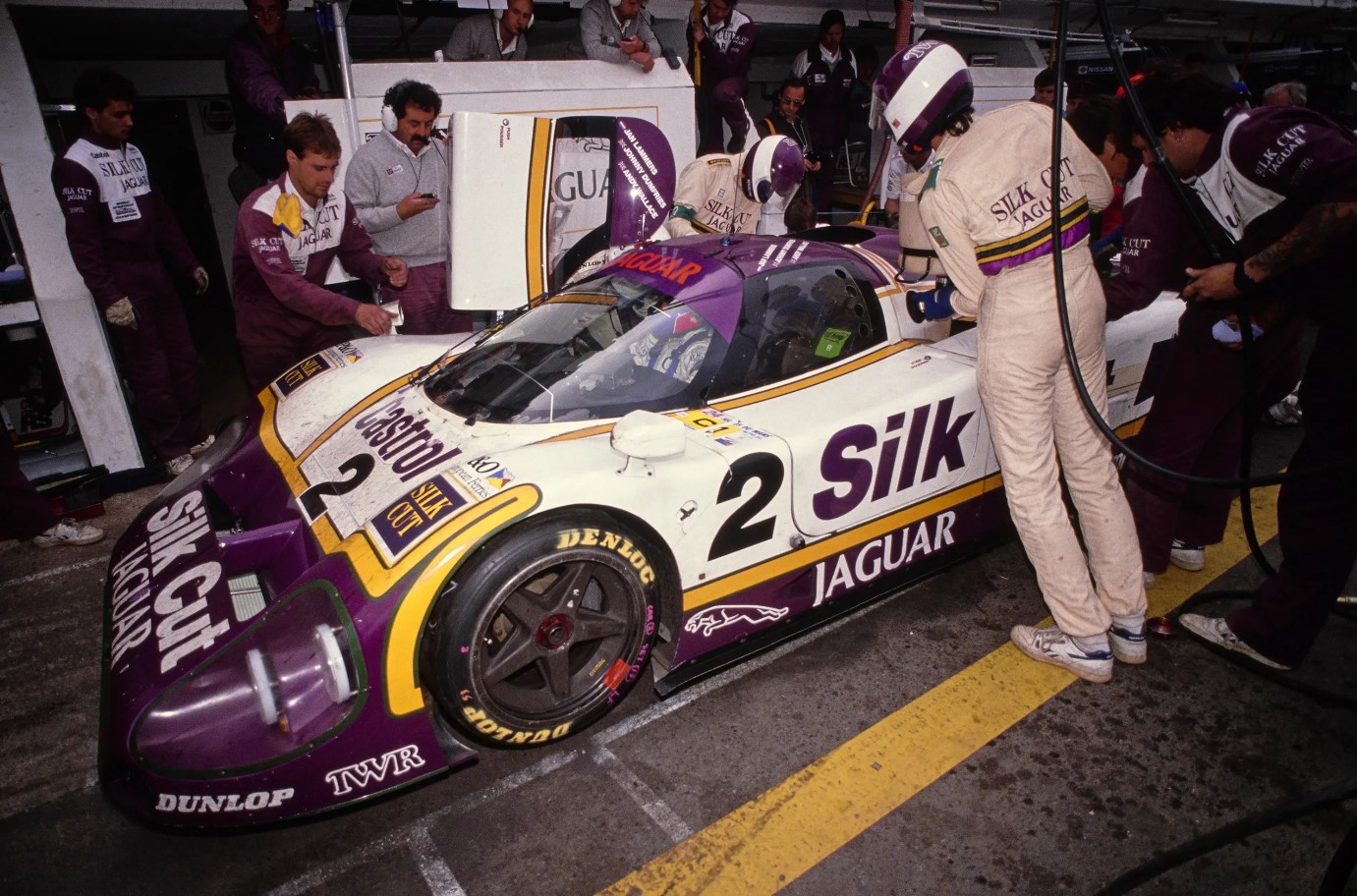
The impact of the XJR-9 was absolute and transatlantic. In the United States, competing in the IMSA GTP championship under the Castrol livery, the XJR-9 (specifically the XJR-9D) announced its arrival by winning the 24 Hours of Daytona on its debut, effectively ending the Porsche dominance on American soil. But the main event was always Le Mans. In June 1988, five Silk Cut-liveried XJR-9s arrived in France to do battle. The race was a titan’s duel, a 24-hour sprint between the factory Porsches and the Jaguars. The British contenders were faster but thirstier, yet they possessed the pace to break the German resolve. The defining moment of the race—and perhaps of Jaguar’s modern history—occurred in the closing hours aboard the leading #2 car driven by Jan Lammers, Johnny Dumfries, and Andy Wallace. The gearbox’s main shaft bearing failed, causing the car to jump out of gear when throttle was lifted. Lammers, realizing the catastrophe at hand, drove the final stint without lifting off the throttle, holding the gear lever in place physically, and nursing the transmission by using only fourth gear.
When the #2 XJR-9 crossed the line to take the chequered flag, it didn’t just win a race; it exorcised a 31-year-old ghost. The scenes of British fans invading the track were reminiscent of a football match, a release of national pride that had been bottled up for three decades. The XJR-9 went on to secure the 1988 World Sportscar Championship for Teams and the Drivers’ title for Martin Brundle, completing a “Triple Crown” of motorsport achievement (Daytona, Le Mans, and the World Championship). It proved that a naturally aspirated engine could still defeat the turbo era’s finest, relying on aerodynamic efficiency and bulletproof V12 torque.
The legacy of the Jaguar XJR-9 is etched into the very fabric of motorsport history. It stands as the car that killed the Porsche 962’s invincibility. It enshrined the purple-and-white Silk Cut livery as one of the most iconic aesthetic schemes in racing, instantly recognizable even to those who know nothing of Group C. The XJR-9 evolved into the XJR-12, which would win Le Mans again in 1990, but it was the ’88 car that did the heavy lifting. It represents the zenith of the TWR-Jaguar partnership, a moment when a Scottish garagista and a British luxury marque combined to conquer the world. Today, the mere startup of an XJR-9 at a historic event draws a crowd, its V12 bark serving as a violent, beautiful reminder of the greatest era in sports car racing.
Brand
Produced from
Portal
Vehicle category
Predecessor
Sucessor
Brand
Produced from
Portal
Vehicle category
Model line
Model generation
Predecessor
Sucessor
About this submodel
The year was 1988, and the atmosphere in the paddock of the World Sportscar Championship was heavy with the scent of unburnt hydrocarbons and the crushing weight of German inevitability. For seven long years, the Porsche 956 and its successor, the 962C, had maintained a suffocating stranglehold on endurance racing, turning the 24 Hours of Le Mans into a procession of Weissach engineering. To break this dynasty required more than just speed; it required a national crusade. Enter the Jaguar XJR-9, a machine born from the rugged partnership between the aristocratic Jaguar board and the street-fighting grit of Tom Walkinshaw Racing (TWR). The XJR-9 was not a clean-sheet design, but the ultimate sharpening of a blade that had been forged over previous seasons with the XJR-6 and XJR-8. It was the culmination of a singular objective: to return the Le Mans trophy to Coventry for the first time since the D-Type’s glory days in 1957. While the Sauber-Mercedes C9 was lurking in the shadows with immense turbocharged power, the XJR-9 stood as the definitive challenger, a naturally aspirated, V12-powered sledgehammer raised against the turbo-flat-six establishment.
Technically, the XJR-9 was a masterclass in aerodynamic efficiency and mechanical brute force, penned by the legendary Tony Southgate. The chassis was a carbon-fibre and Kevlar monocoque, incredibly stiff and light, designed to harness the immense downforce generated by the ground-effect venturi tunnels running beneath the car. Visually, it was distinguished by its rear wheel covers, or “spats”, which smoothed the airflow along the flanks to reduce drag—a critical necessity for the Mulsanne Straight. However, the soul of the XJR-9 lay amidships. While rivals relied on small-displacement turbo engines, TWR stuck to their guns with a mammoth 7.0-litre (6,995cc) V12 based on the production unit found in the XJ-S. Producing over 750 brake horsepower and a tidal wave of torque, this engine was a masterpiece of reliability and response. It lacked the “lag” of the turbos, offering instantaneous punch out of corners, and its soundtrack became the defining auditory signature of the Group C era. The power was fed through a March/TWR five-speed magnesium casing gearbox, a unit that would play a pivotal role in the car’s mythology.
The impact of the XJR-9 was absolute and transatlantic. In the United States, competing in the IMSA GTP championship under the Castrol livery, the XJR-9 (specifically the XJR-9D) announced its arrival by winning the 24 Hours of Daytona on its debut, effectively ending the Porsche dominance on American soil. But the main event was always Le Mans. In June 1988, five Silk Cut-liveried XJR-9s arrived in France to do battle. The race was a titan’s duel, a 24-hour sprint between the factory Porsches and the Jaguars. The British contenders were faster but thirstier, yet they possessed the pace to break the German resolve. The defining moment of the race—and perhaps of Jaguar’s modern history—occurred in the closing hours aboard the leading #2 car driven by Jan Lammers, Johnny Dumfries, and Andy Wallace. The gearbox’s main shaft bearing failed, causing the car to jump out of gear when throttle was lifted. Lammers, realizing the catastrophe at hand, drove the final stint without lifting off the throttle, holding the gear lever in place physically, and nursing the transmission by using only fourth gear.
When the #2 XJR-9 crossed the line to take the chequered flag, it didn’t just win a race; it exorcised a 31-year-old ghost. The scenes of British fans invading the track were reminiscent of a football match, a release of national pride that had been bottled up for three decades. The XJR-9 went on to secure the 1988 World Sportscar Championship for Teams and the Drivers’ title for Martin Brundle, completing a “Triple Crown” of motorsport achievement (Daytona, Le Mans, and the World Championship). It proved that a naturally aspirated engine could still defeat the turbo era’s finest, relying on aerodynamic efficiency and bulletproof V12 torque.
The legacy of the Jaguar XJR-9 is etched into the very fabric of motorsport history. It stands as the car that killed the Porsche 962’s invincibility. It enshrined the purple-and-white Silk Cut livery as one of the most iconic aesthetic schemes in racing, instantly recognizable even to those who know nothing of Group C. The XJR-9 evolved into the XJR-12, which would win Le Mans again in 1990, but it was the ’88 car that did the heavy lifting. It represents the zenith of the TWR-Jaguar partnership, a moment when a Scottish garagista and a British luxury marque combined to conquer the world. Today, the mere startup of an XJR-9 at a historic event draws a crowd, its V12 bark serving as a violent, beautiful reminder of the greatest era in sports car racing.
Tech Specs
Discover the technical specifications
Tech Specs
Discover the technical specifications
Engine
01
03
Internal combustion engine
Configuration
Jaguar V12 (TWR development), V12 - 60º
Location
Mid, longitudinally mounted
Construction
Aluminium alloy block and heads
Displacement (cc)
6,995 cc
Displacement (cu in)
426.9 cu in
Compression
12.0:1
Bore x Stroke
94.0 mm x 84.0 mm
Valvetrain
2 valves per cylinder, SOHC
Fuel feed
Zytek digital electronic fuel injection
Lubrication
Dry sump
Aspiration
Naturally aspirated
Output
Power (hp)
750 hp
Power (kW)
559 kW
Max power at
7,200 RPM
Torque (Nm)
828 Nm
Torque (ft lbs)
611 ft lbs
Max torque at
5,500 RPM
Drivetrain
02
03
Chassis
Type
Monocoque
Material
Carbon fibre and Kevlar composite
Body
Material
Carbon fibre composite (Featuring rear wheel covers/spats for low drag)
Transmission
Gearbox
March/TWR, 5-speed manual (Magnesium casing)
Drive
Rear Wheel Drive (Limited Slip Differential, Titanium spool)
Suspension
Front
Independent, double wishbones, pushrod-actuated coil springs over dampers (Magnesium uprights)
Rear
Independent, double wishbones, pushrod-actuated coil springs over dampers (Magnesium uprights)
Steering
Type
Rack and pinion
Brakes
Front
Ventilated carbon-carbon discs Ø330 mm, 6-piston calipers (AP Racing)
Rear
Ventilated carbon-carbon discs Ø330 mm, 6-piston calipers (AP Racing)
Wheels
Front
13" x 17" (Speedline Magnesium)
Rear
14" x 19" (Speedline Magnesium)
Tires
Front
350/650-17
Rear
365/760-19
Dimensions and performance
03
03
Dimensions
Lenght (mm)
4,990 mm
Lenght (in)
196.5 in
Width (mm)
2,000 mm
Width (in)
78.7 in
Height (mm)
1,010 mm
Height (in)
39.8 in
Wheelbase (mm)
2,780 mm
Wheelbase (in)
109.4 in
Weight (kg)
881 kg
Weight (lbs)
1,942 lbs
Performance
Power to weight
0.85 hp/kg
Top speed (km/h)
394 km/h
Top speed (mph)
245 mph
0-100 km/h (0-60 mph)
3.1 s
Submodels
Other variants of this model
Submodels