Jaguar XJR-11


Brand
Produced from
Portal
Vehicle category
Predecessor
Sucessor
About this submodel
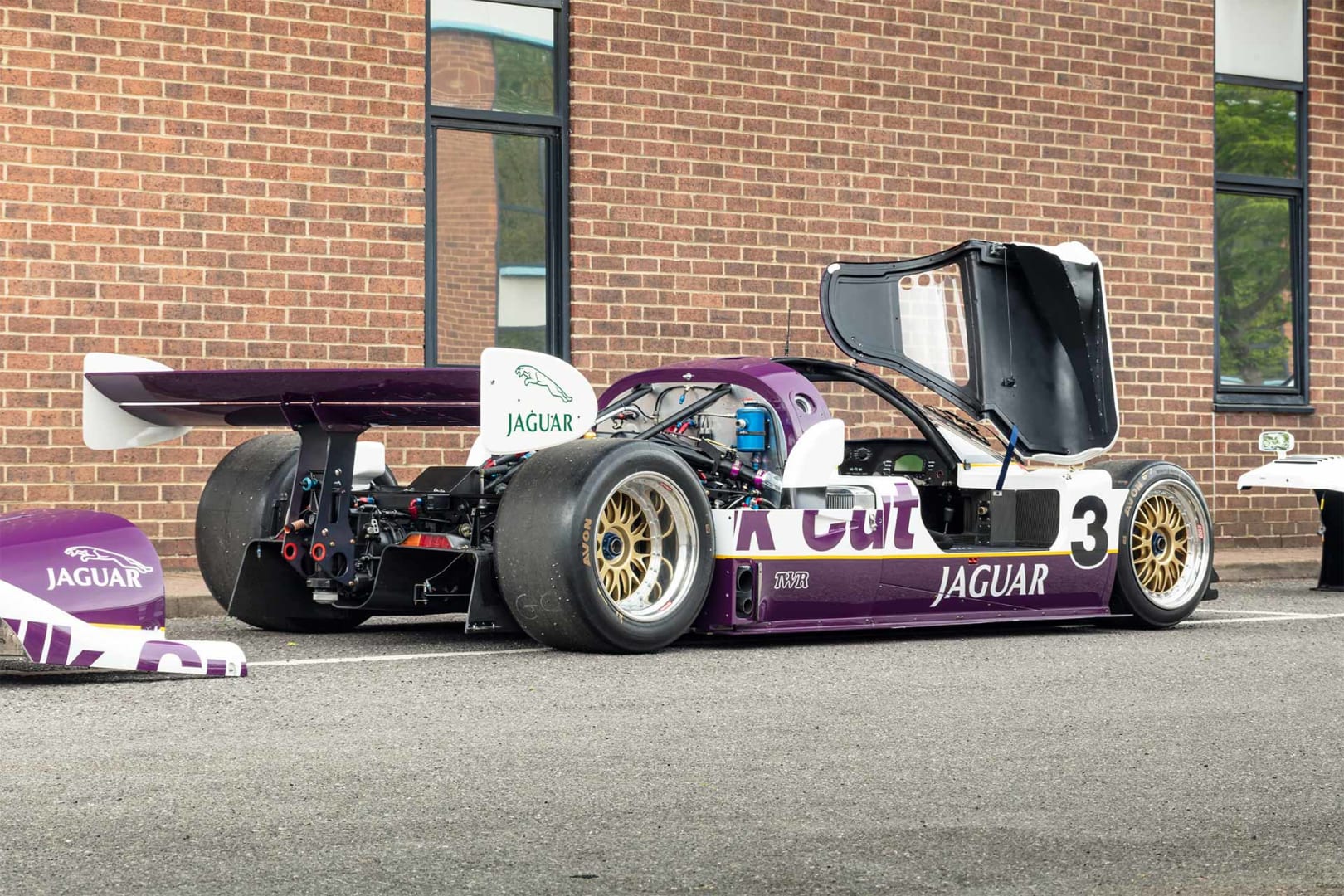
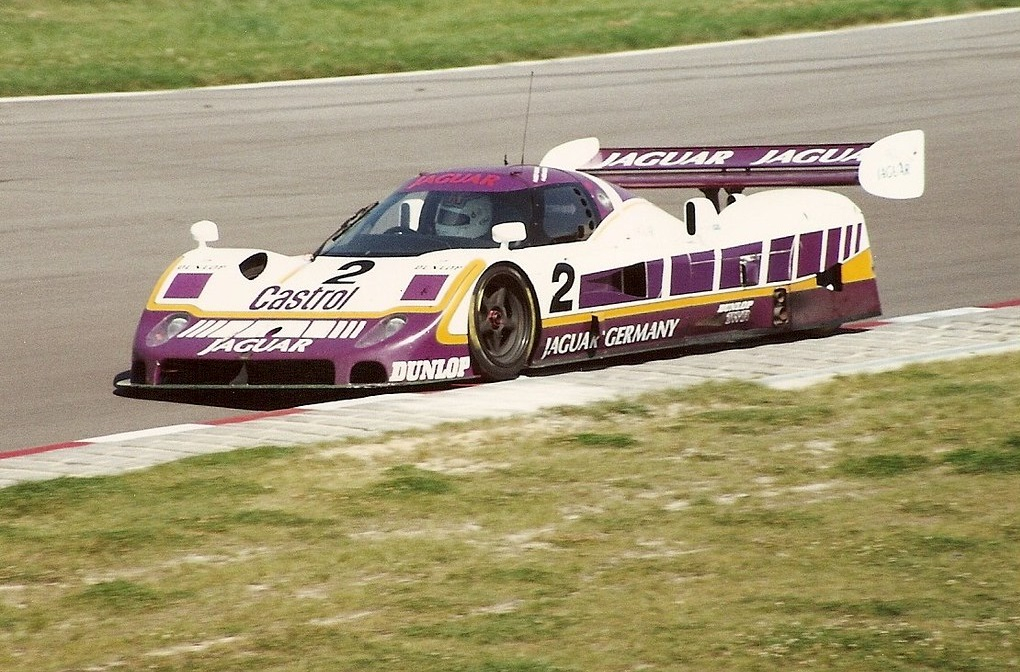
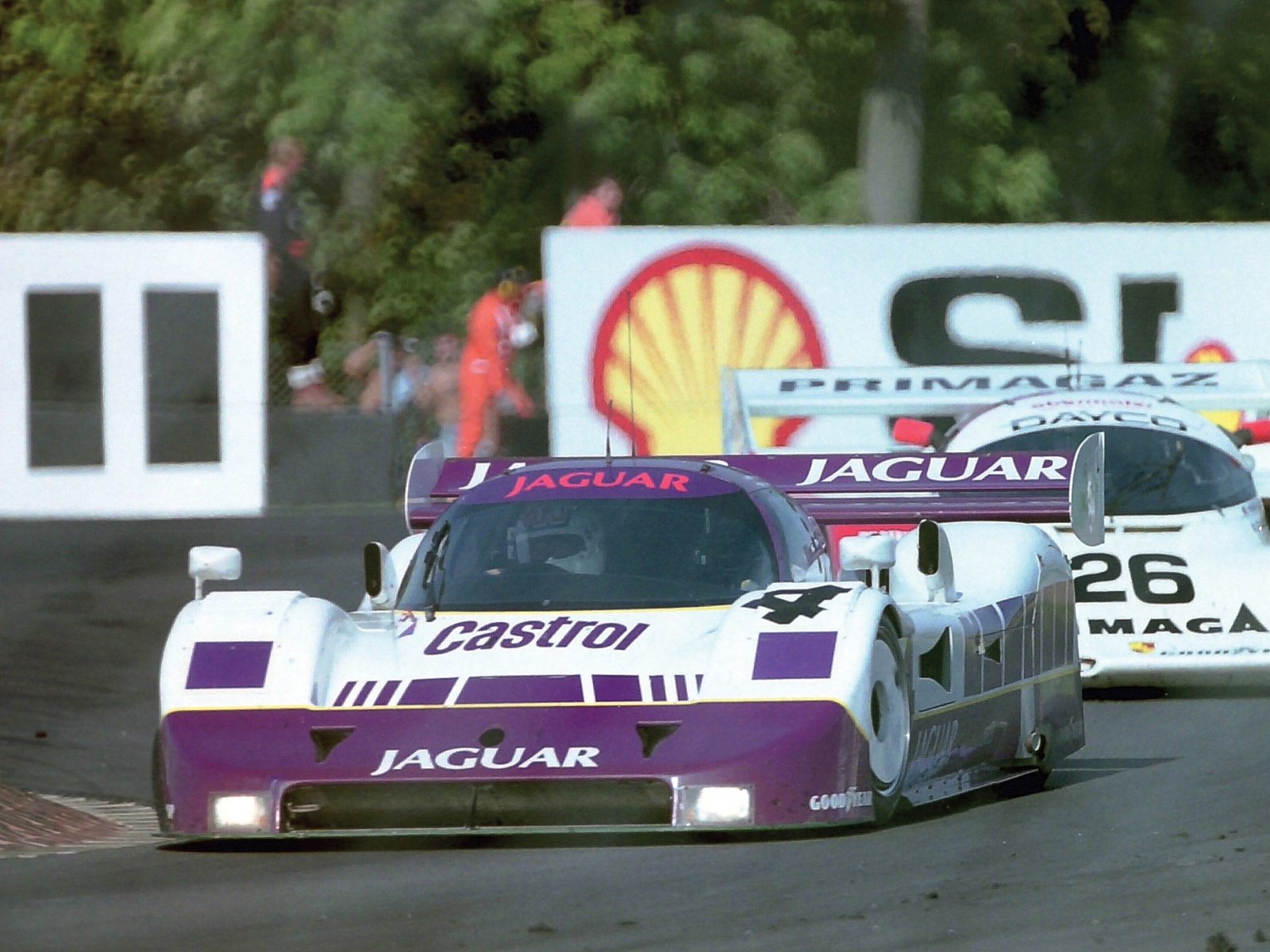
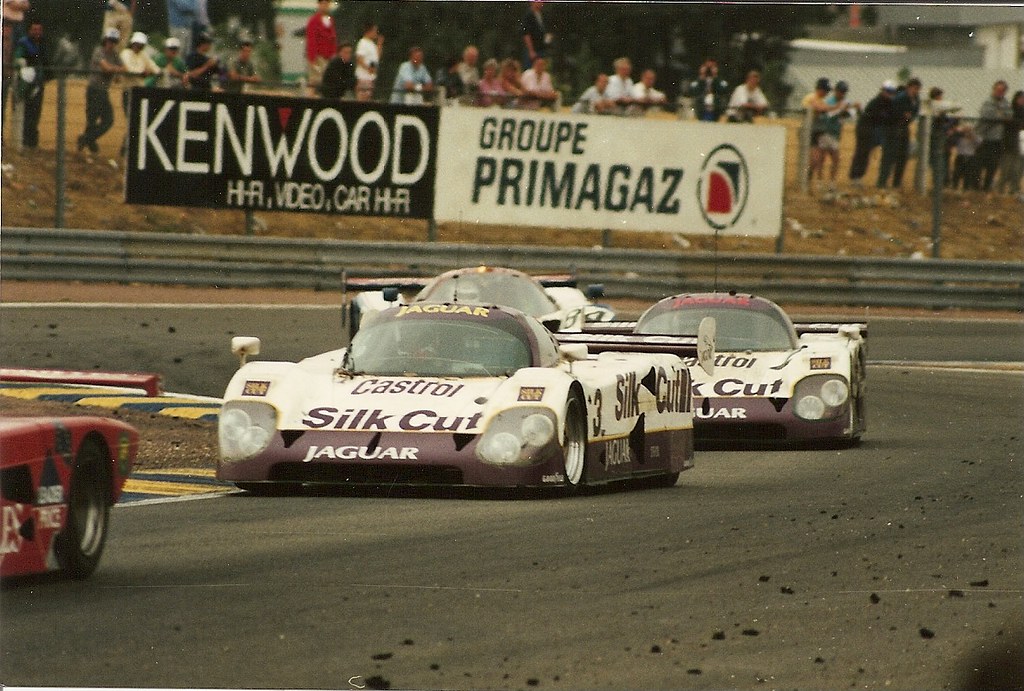
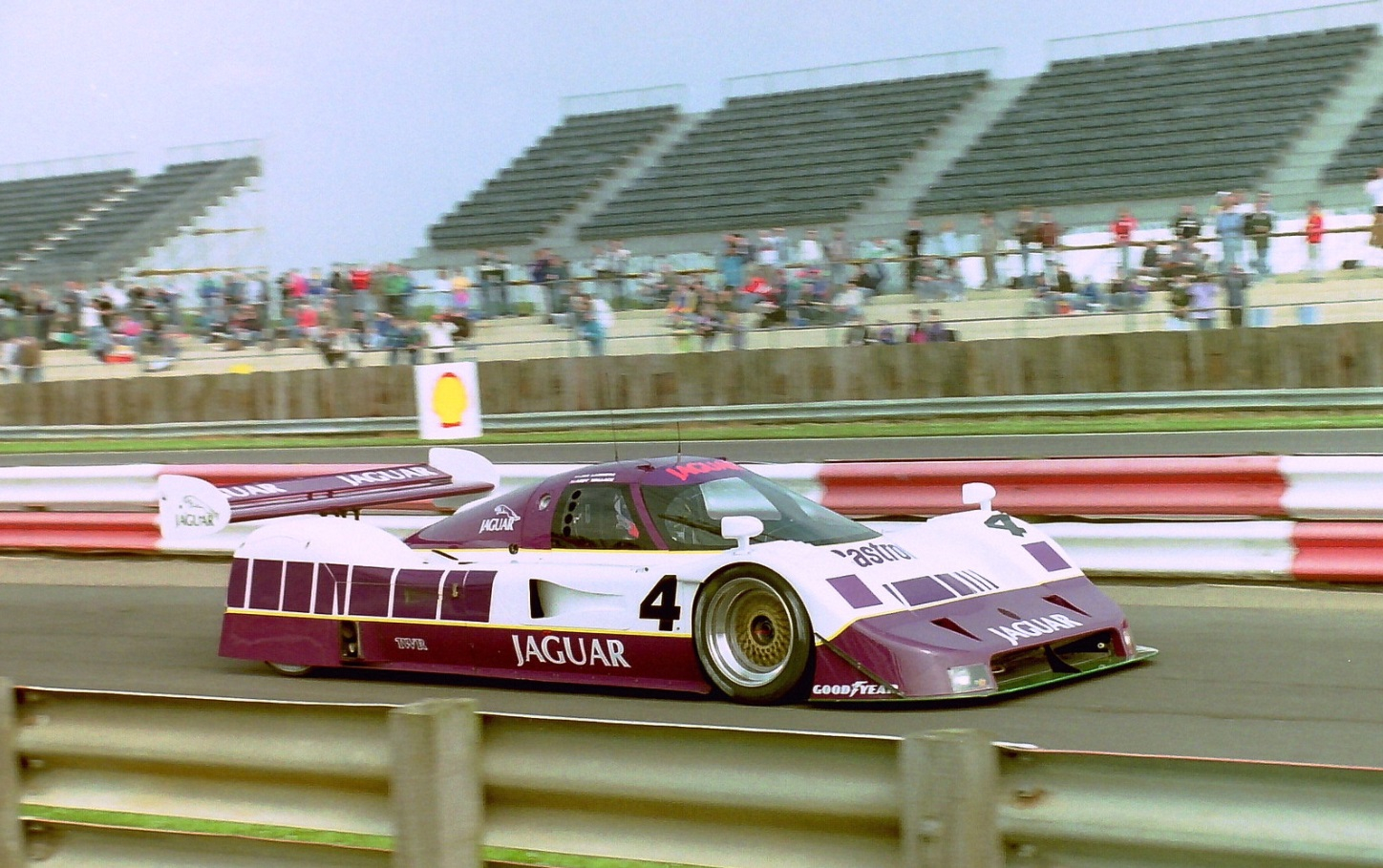
The 1989 Jaguar XJR-11 represents a pivotal, albeit turbulent, chapter in the glorious saga of Tom Walkinshaw Racing’s Group C crusade. If the Le Mans-winning XJR-9 was the broadsword—heavy, reliable, and capable of crushing opponents over twenty-four hours through sheer V12 attrition—the XJR-11 was the switchblade. By the late 1980s, the landscape of the World Sportscar Championship was shifting dramatically. The races were becoming shorter, “sprint” events of merely 480 kilometers, and the fuel regulations were tightening. The massive, atmospheric 7.0-litre V12 that had served Coventry so well was beginning to look like a dinosaur against the forced-induction efficiency of the “Silver Arrows” from Sauber-Mercedes. To beat the Germans, TWR realized they had to join the turbo revolution. The result was the XJR-11, a car that traded the soulful wail of twelve cylinders for the violent, wastegate-chattering aggression of a twin-turbocharged V6. It was a machine designed not for the Mulsanne Straight, but to carve up the technical circuits of Dijon, Jarama, and Silverstone, serving as the high-tech counterpunch to the formidable Mercedes C9 and C11.
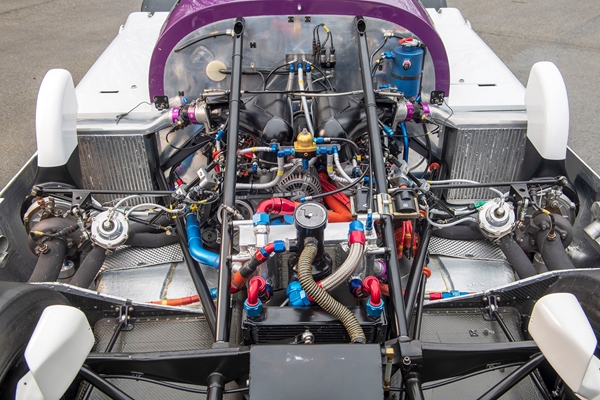
From a technical standpoint, the XJR-11 was a radical departure from its predecessors. Designed by the genius of Tony Southgate with input from Ross Brawn, the chassis remained a carbon-fibre and Kevlar monocoque, but the packaging was revolutionized. The decision to abandon the long V12 in favor of a compact V6 allowed the cockpit to be moved forward and, crucially, freed up immense volume at the rear for larger, more efficient ground-effect venturi tunnels. The engine itself, designated the JRV-6, was a piece of pure racing pragmatism. Displacing 3.5 litres, this all-alloy, twin-turbocharged V6 traced its lineage back to the Rover V64V engine used in the MG Metro 6R4 Group B rally car. Heavily re-engineered by TWR’s engine wizard Allan Scott, it featured dual overhead camshafts and a sophisticated Zytek engine management system. In race trim, it produced a punchy 750 bhp, but in qualifying “grenade” mode, with the boost screwed up, it could deliver over 900 bhp. This immense power was fed through a TWR six-speed transaxle. The car was significantly lighter and more agile than the XJR-9, but it introduced a new enemy to the drivers: turbo lag. The power delivery was explosive, requiring a totally different driving style compared to the linear torque of the V12.
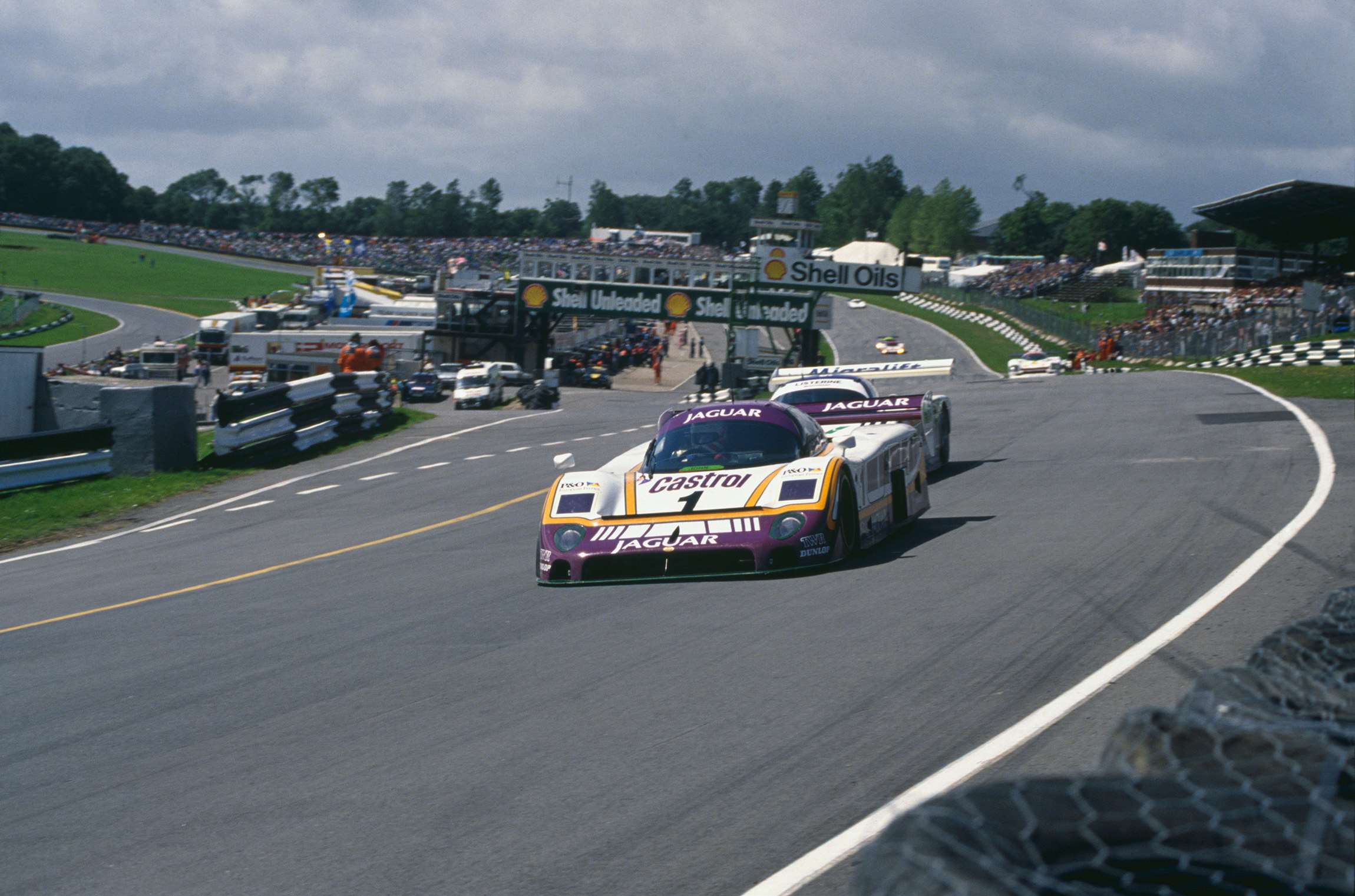
The competitive history of the XJR-11 is a story of David fighting Goliath, if David was armed with a flamethrower that occasionally backfired. Making its debut midway through the 1989 season at Brands Hatch, the car immediately showed pace but suffered from the teething troubles inherent in such a radical platform. It was fast, often qualifying on the front row, but fragile. The 1989 season was largely a learning curve, overshadowed by the dominance of the Sauber-Mercedes C9. However, by 1990, the XJR-11 had matured. In the hands of Martin Brundle, Alain Ferté, and Jan Lammers, the car began to deliver on its promise. Its finest hour came at the 1990 Silverstone 480km. On home soil, against the might of the Mercedes C11 driven by Michael Schumacher and Jochen Mass, Martin Brundle and Alain Ferté drove a masterful race. The XJR-11’s superior agility through the Becketts complex and its improved fuel efficiency allowed Jaguar to take the chequered flag, breaking the Mercedes winning streak and sending the British crowd into a frenzy. It was a vindication of the turbo program.
Yet, the XJR-11 occupies a strange “middle child” status because it never won Le Mans. TWR, knowing the V6’s reliability was unproven over 24 hours, wisely opted to run the evolved V12-powered XJR-12 at La Sarthe in 1990 (which won). Thus, the XJR-11 was purely a sprint warrior, a specialist tool for a specific job. Its career was cut short by the change in regulations to the 3.5-litre atmospheric formula for 1991, which birthed the purple XJR-14. However, the XJR-11’s heart found a second life in one of the most controversial road cars ever built. The 3.5-litre twin-turbo V6, honed in the heat of Group C battle, was lifted from the XJR-11 and dropped into the engine bay of the Jaguar XJ220 supercar, replacing the concept’s V12.
The legacy of the Jaguar XJR-11 is one of technical bravery. It proved that TWR could pivot from their traditional engineering comfort zone and build a world-class turbocharged prototype. It was the only car capable of consistently challenging the might of the Mercedes-Benz factory team during the height of the Group C turbo era. While it lacks the Le Mans pedigree of its V12 siblings, the XJR-11 remains a fan favorite for its compact, aggressive stance and its pivotal role in the development of the fastest Jaguar road car ever made. It stands in the pantheon as the “sprint monster”, a vicious, fire-spitting bridge between the endurance kings of the 80s and the high-tech formula cars of the 90s.
Brand
Produced from
Portal
Vehicle category
Predecessor
Sucessor
Brand
Produced from
Portal
Vehicle category
Model line
Model generation
Predecessor
Sucessor
About this submodel
The 1989 Jaguar XJR-11 represents a pivotal, albeit turbulent, chapter in the glorious saga of Tom Walkinshaw Racing’s Group C crusade. If the Le Mans-winning XJR-9 was the broadsword—heavy, reliable, and capable of crushing opponents over twenty-four hours through sheer V12 attrition—the XJR-11 was the switchblade. By the late 1980s, the landscape of the World Sportscar Championship was shifting dramatically. The races were becoming shorter, “sprint” events of merely 480 kilometers, and the fuel regulations were tightening. The massive, atmospheric 7.0-litre V12 that had served Coventry so well was beginning to look like a dinosaur against the forced-induction efficiency of the “Silver Arrows” from Sauber-Mercedes. To beat the Germans, TWR realized they had to join the turbo revolution. The result was the XJR-11, a car that traded the soulful wail of twelve cylinders for the violent, wastegate-chattering aggression of a twin-turbocharged V6. It was a machine designed not for the Mulsanne Straight, but to carve up the technical circuits of Dijon, Jarama, and Silverstone, serving as the high-tech counterpunch to the formidable Mercedes C9 and C11.
From a technical standpoint, the XJR-11 was a radical departure from its predecessors. Designed by the genius of Tony Southgate with input from Ross Brawn, the chassis remained a carbon-fibre and Kevlar monocoque, but the packaging was revolutionized. The decision to abandon the long V12 in favor of a compact V6 allowed the cockpit to be moved forward and, crucially, freed up immense volume at the rear for larger, more efficient ground-effect venturi tunnels. The engine itself, designated the JRV-6, was a piece of pure racing pragmatism. Displacing 3.5 litres, this all-alloy, twin-turbocharged V6 traced its lineage back to the Rover V64V engine used in the MG Metro 6R4 Group B rally car. Heavily re-engineered by TWR’s engine wizard Allan Scott, it featured dual overhead camshafts and a sophisticated Zytek engine management system. In race trim, it produced a punchy 750 bhp, but in qualifying “grenade” mode, with the boost screwed up, it could deliver over 900 bhp. This immense power was fed through a TWR six-speed transaxle. The car was significantly lighter and more agile than the XJR-9, but it introduced a new enemy to the drivers: turbo lag. The power delivery was explosive, requiring a totally different driving style compared to the linear torque of the V12.
The competitive history of the XJR-11 is a story of David fighting Goliath, if David was armed with a flamethrower that occasionally backfired. Making its debut midway through the 1989 season at Brands Hatch, the car immediately showed pace but suffered from the teething troubles inherent in such a radical platform. It was fast, often qualifying on the front row, but fragile. The 1989 season was largely a learning curve, overshadowed by the dominance of the Sauber-Mercedes C9. However, by 1990, the XJR-11 had matured. In the hands of Martin Brundle, Alain Ferté, and Jan Lammers, the car began to deliver on its promise. Its finest hour came at the 1990 Silverstone 480km. On home soil, against the might of the Mercedes C11 driven by Michael Schumacher and Jochen Mass, Martin Brundle and Alain Ferté drove a masterful race. The XJR-11’s superior agility through the Becketts complex and its improved fuel efficiency allowed Jaguar to take the chequered flag, breaking the Mercedes winning streak and sending the British crowd into a frenzy. It was a vindication of the turbo program.
Yet, the XJR-11 occupies a strange “middle child” status because it never won Le Mans. TWR, knowing the V6’s reliability was unproven over 24 hours, wisely opted to run the evolved V12-powered XJR-12 at La Sarthe in 1990 (which won). Thus, the XJR-11 was purely a sprint warrior, a specialist tool for a specific job. Its career was cut short by the change in regulations to the 3.5-litre atmospheric formula for 1991, which birthed the purple XJR-14. However, the XJR-11’s heart found a second life in one of the most controversial road cars ever built. The 3.5-litre twin-turbo V6, honed in the heat of Group C battle, was lifted from the XJR-11 and dropped into the engine bay of the Jaguar XJ220 supercar, replacing the concept’s V12.
The legacy of the Jaguar XJR-11 is one of technical bravery. It proved that TWR could pivot from their traditional engineering comfort zone and build a world-class turbocharged prototype. It was the only car capable of consistently challenging the might of the Mercedes-Benz factory team during the height of the Group C turbo era. While it lacks the Le Mans pedigree of its V12 siblings, the XJR-11 remains a fan favorite for its compact, aggressive stance and its pivotal role in the development of the fastest Jaguar road car ever made. It stands in the pantheon as the “sprint monster”, a vicious, fire-spitting bridge between the endurance kings of the 80s and the high-tech formula cars of the 90s.
Tech Specs
Discover the technical specifications
Tech Specs
Discover the technical specifications
Engine
01
03
Internal combustion engine
Configuration
Jaguar JRV-6 (TWR developed), V6 - 90º
Location
Mid, longitudinally mounted
Construction
Aluminium alloy block and heads
Displacement (cc)
3,498 cc
Displacement (cu in)
213.5 cu in
Compression
9.0:1
Bore x Stroke
94.0 mm x 84.0 mm
Valvetrain
4 valves per cylinder, DOHC
Fuel feed
Bosch Motronic 1.7 digital fuel injection
Lubrication
Dry sump
Aspiration
Twin Turbocharged (2 x Garrett AiResearch turbos)
Output
Power (hp)
750 hp
Power (kW)
559 kW
Max power at
7,500 RPM
Torque (Nm)
780 Nm
Torque (ft lbs)
575 ft lbs
Max torque at
5,500 RPM
Drivetrain
02
03
Chassis
Type
Monocoque
Material
Carbon fibre and Kevlar composite
Body
Material
Carbon fibre composite
Transmission
Gearbox
March/TWR, 5-speed manual
Drive
Rear Wheel Drive (Titanium spool differential)
Suspension
Front
Independent, double wishbones, pushrod-actuated coil springs over dampers, anti-roll bar
Rear
Independent, double wishbones, pushrod-actuated coil springs over dampers, anti-roll bar
Steering
Type
Rack and pinion
Brakes
Front
Ventilated carbon-carbon discs Ø356 mm, 6-piston calipers (AP Racing)
Rear
Ventilated carbon-carbon discs Ø356 mm, 6-piston calipers (AP Racing)
Wheels
Front
13" x 17" (Speedline Magnesium)
Rear
14.5" x 18" (Speedline Magnesium)
Tires
Front
320/650-17
Rear
365/760-18
Dimensions and performance
03
03
Dimensions
Lenght (mm)
4,800 mm
Lenght (in)
189.0 in
Width (mm)
2,000 mm
Width (in)
78.7 in
Height (mm)
1,030 mm
Height (in)
40.6 in
Wheelbase (mm)
2,780 mm
Wheelbase (in)
109.4 in
Weight (kg)
900 kg
Weight (lbs)
1,984 lbs
Performance
Power to weight
0.83 hp/kg
Top speed (km/h)
~370 km/h
Top speed (mph)
~230 mph
0-100 km/h (0-60 mph)
~3.0 s
Submodels
Other variants of this model
Submodels