Jaguar XJR-12
Brand
Produced from
Portal
Vehicle category
Predecessor
Sucessor
About this submodel
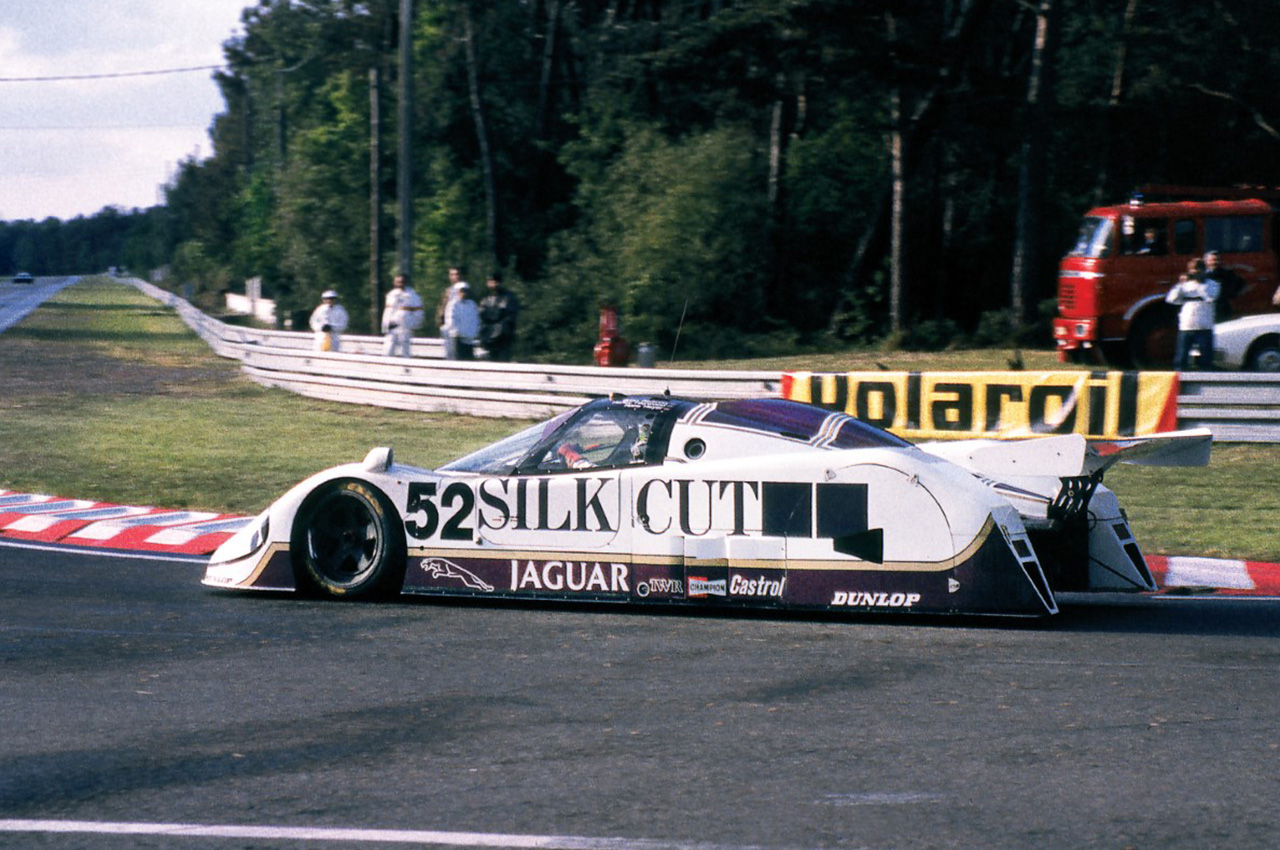
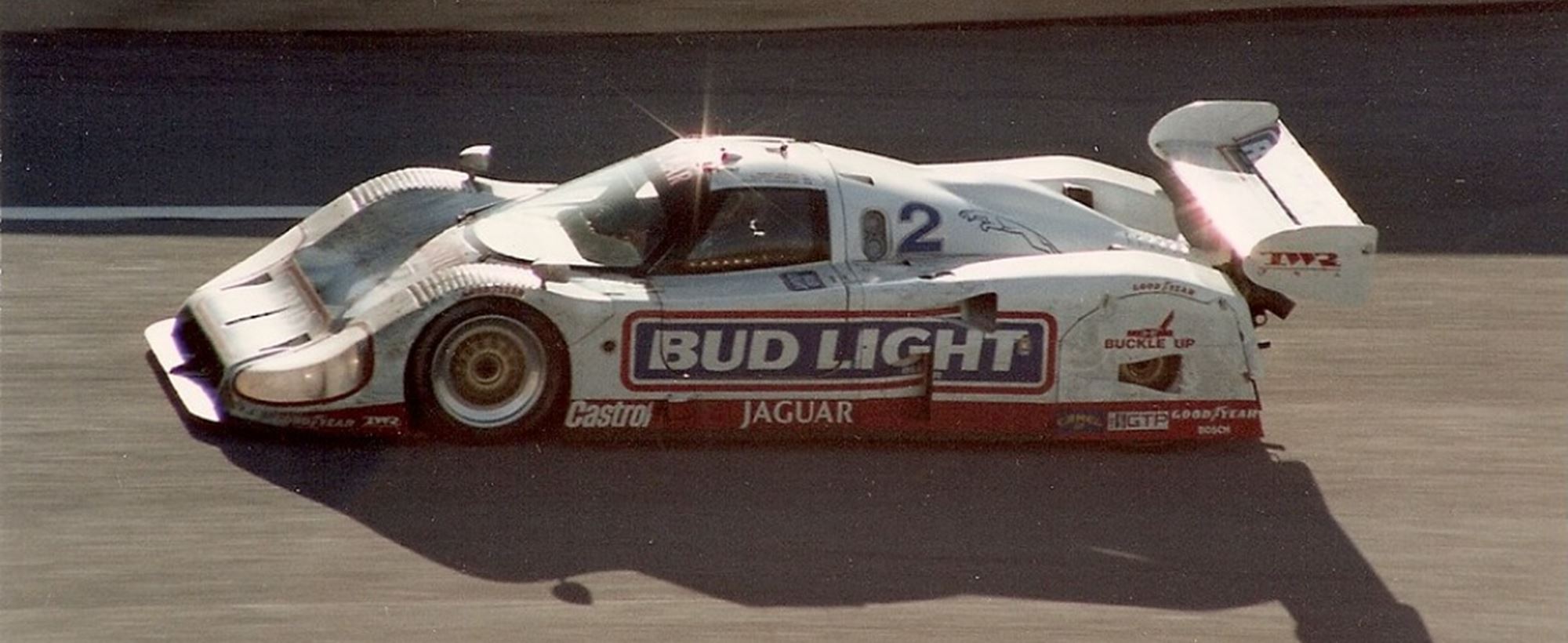
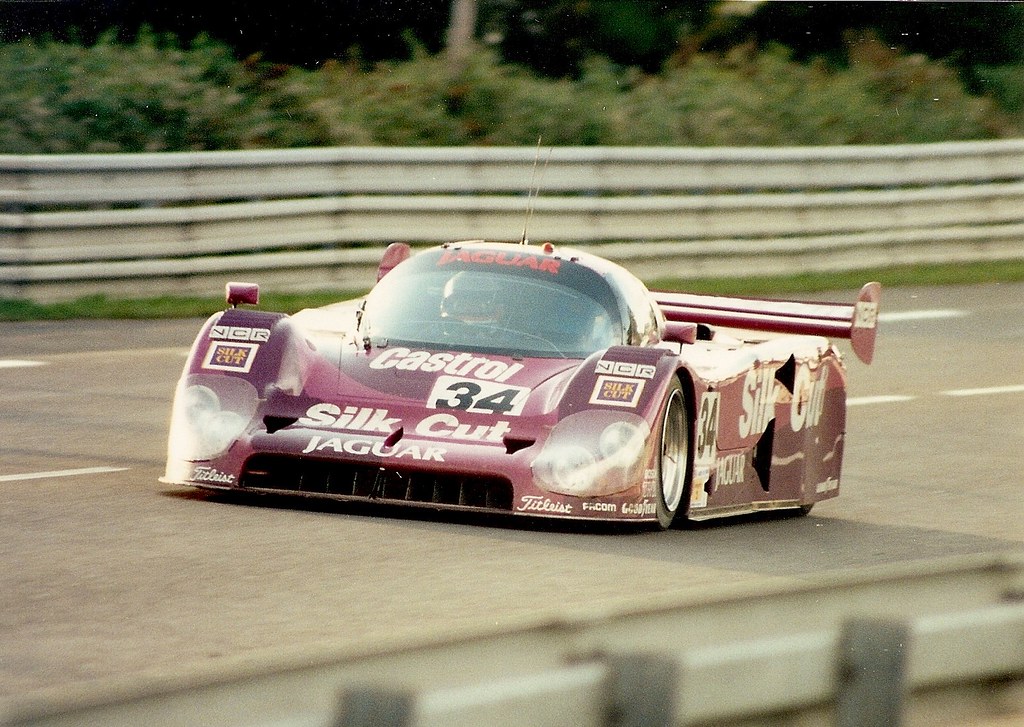
In the high-stakes chess match of Group C racing, the 1990 Jaguar XJR-12 was Tom Walkinshaw’s checkmate move, a masterclass in strategic pragmatism. By 1990, the World Sportscar Championship had evolved into a binary conflict. For the short, violent 480km sprint races, TWR fielded the twin-turbocharged V6 XJR-11 to combat the high-tech might of the Sauber-Mercedes C11. However, for the grueling endurance classics—the 24 Hours of Le Mans and the 24 Hours of Daytona—Walkinshaw knew that the high-strung turbos were a liability. He needed a tank. He needed a machine that prioritized bulletproof reliability over qualifying glamour. The answer was the XJR-12, a dedicated endurance evolution of the conquering XJR-9. It was not a revolutionary new design; rather, it was the ultimate refinement of a proven lineage, a 7.0-litre atmospheric sledgehammer brought out of the armory specifically to crush the opposition through sheer mechanical attrition. While Nissan arrived at Le Mans with the 1,000-horsepower R90CK and Porsche fielded the latest iterations of the immortal 962C, Jaguar arrived with a car that was effectively a dinosaur—but a dinosaur with the constitution of an anvil.
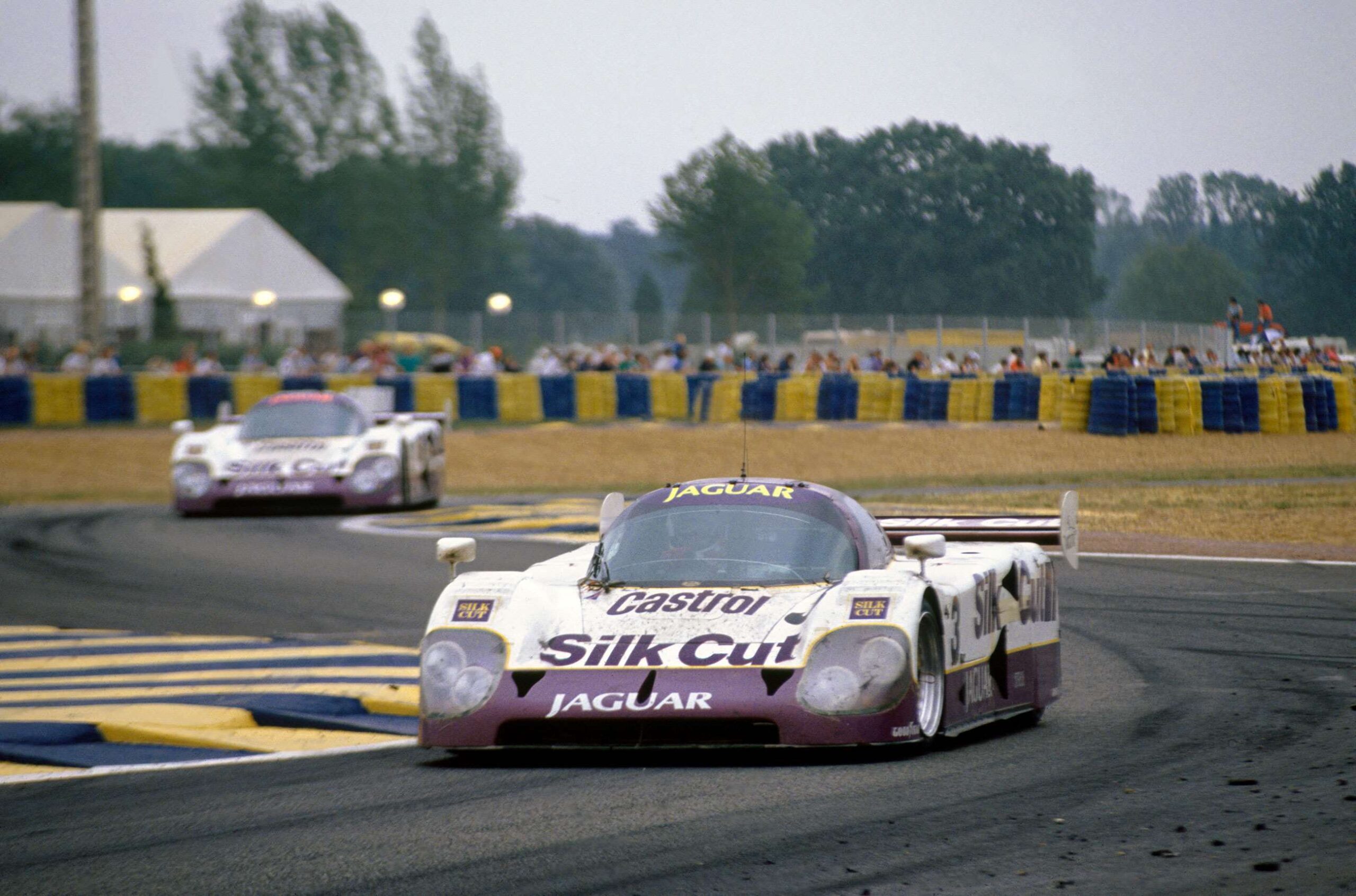
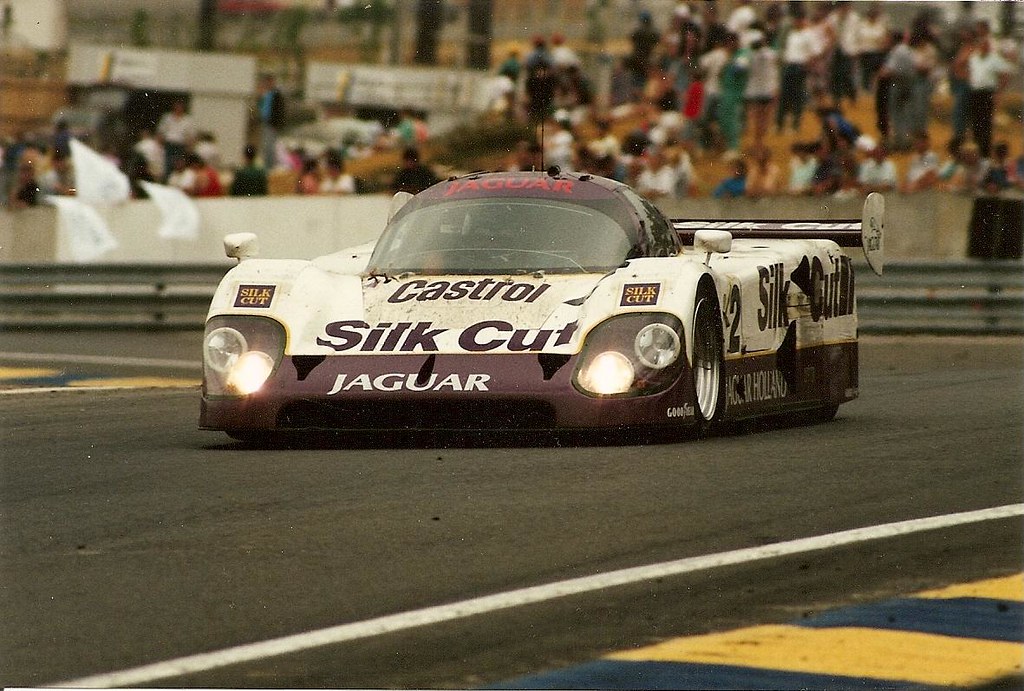
Technically, the XJR-12 was a subtle but critical reshaping of the XJR-9 chassis, optimized for the changing landscape of Le Mans. The most significant change to the Circuit de la Sarthe in 1990 was the installation of two chicanes on the Mulsanne Straight, forever ending the 5-kilometer flat-out blasts. This fundamentally altered the engineering requirements; cars now needed massive braking capability and mid-range acceleration to punch out of the chicanes, rather than just low-drag top speed. To accommodate this, Tony Southgate and the TWR engineers removed the distinctive rear wheel “spats” found on the XJR-9 to aid brake cooling, giving the XJR-12 a more aggressive, open-wheel stance at the rear. The chassis remained a carbon-fibre and Kevlar monocoque, stiffer and safer than the aluminium tubs of the Porsche rivals.
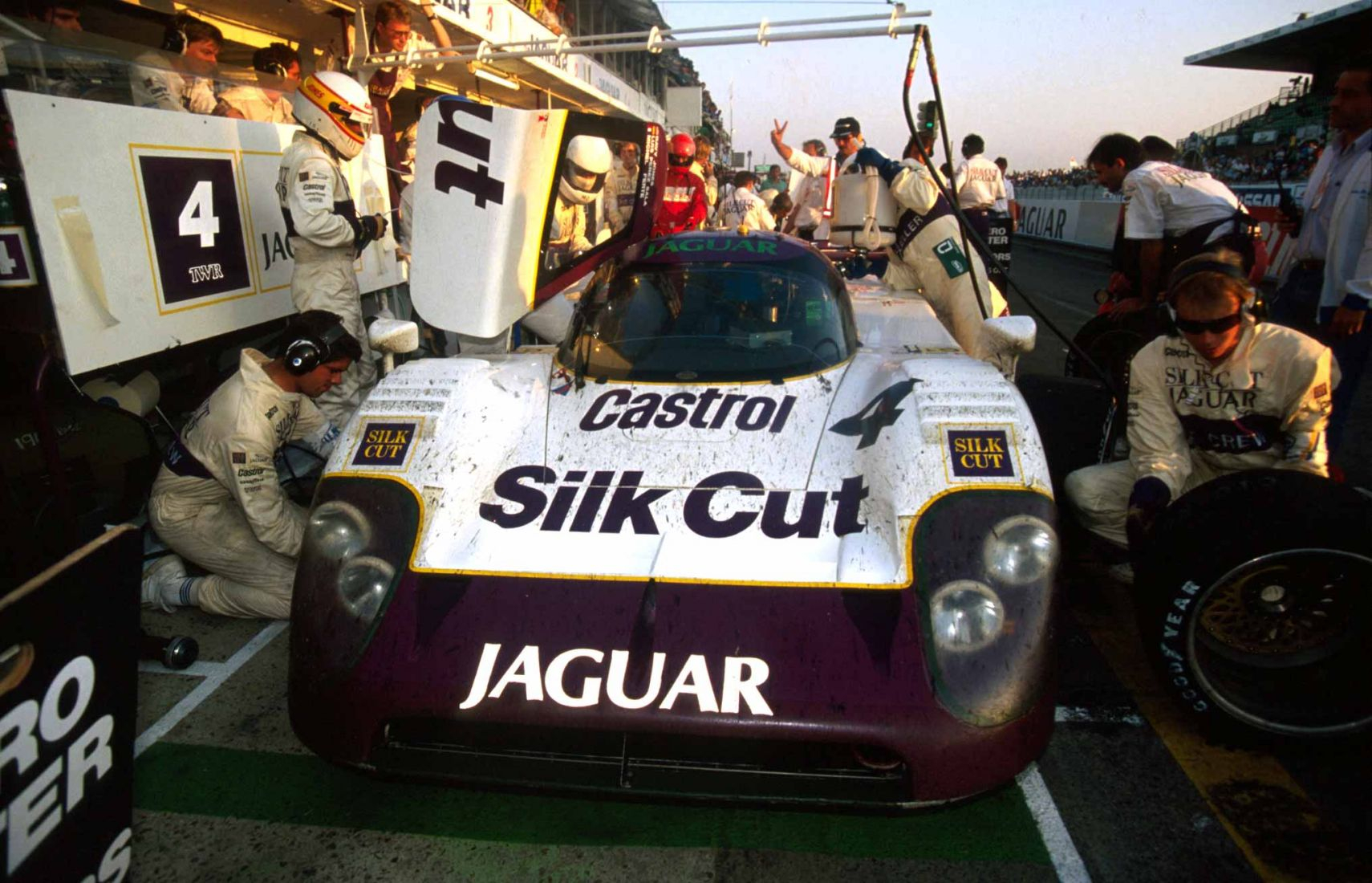
The heart of the beast, however, was the engine. TWR bored the familiar V12 out to a gargantuan 7.0 litres (6,995cc) for the European cars, while the IMSA-spec XJR-12s often ran varied displacements depending on restrictor rules. This naturally aspirated colossus produced around 730 brake horsepower. It lacked the explosive “grenade” power of the turbo cars in qualifying, but its torque curve was as flat as a table, making it less physically demanding to drive over 24 hours. Crucially, without turbochargers generating immense heat and stress, the V12 ran cooler and consumed less fuel, a vital strategic advantage that allowed the Jaguars to spend less time in the pits and more time pounding the asphalt.
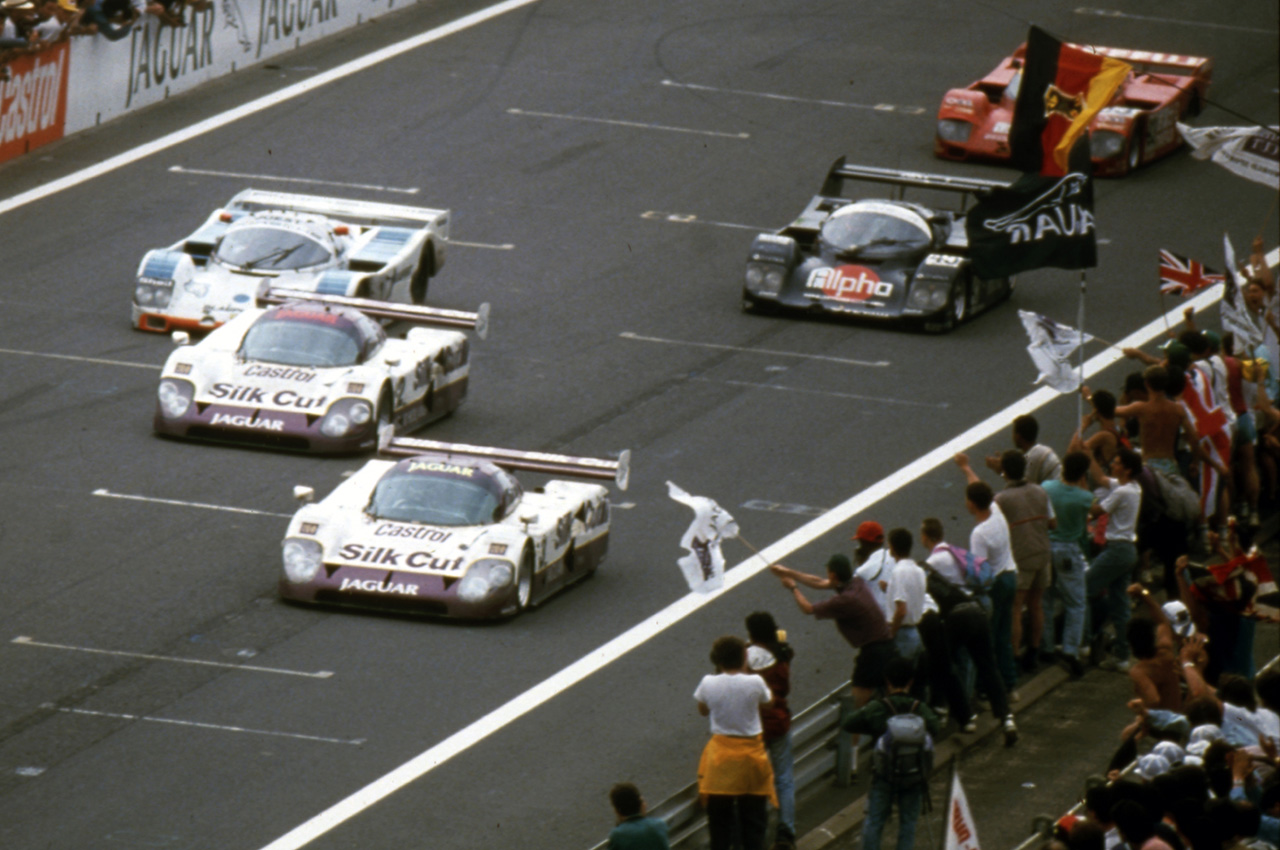
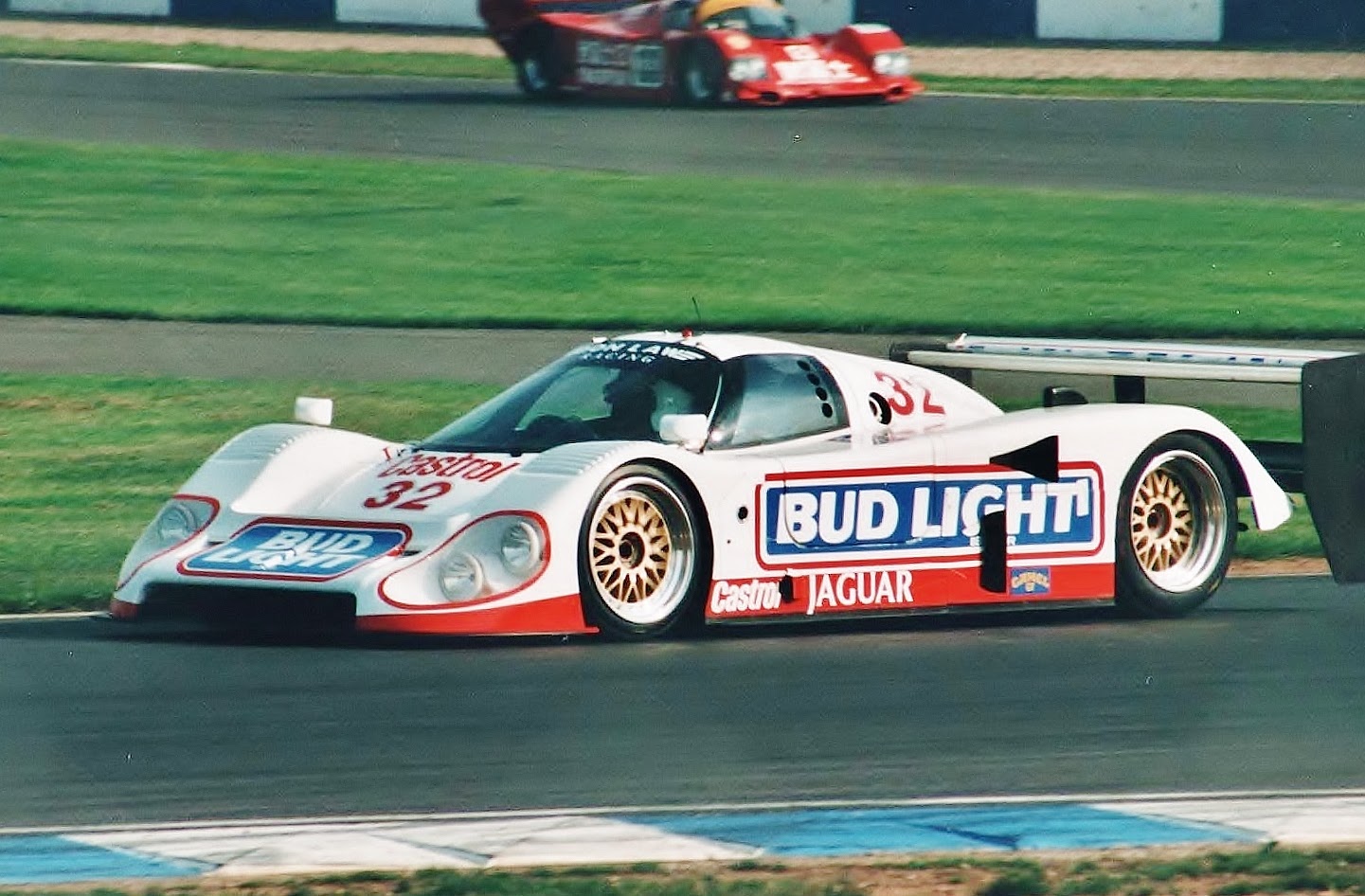
The impact of the XJR-12 on the 1990 season was nothing short of total domination in the endurance arena. The car’s campaign began in America at the 24 Hours of Daytona. Wearing the Castrol livery, the XJR-12 (driven by Davy Jones, Jan Lammers, and Andy Wallace) survived a brutal race of attrition to take the victory, reaffirming Jaguar’s grip on IMSA endurance racing. But the crown jewel was Le Mans. The 1990 edition of the French classic is legendary not just for the introduction of the chicanes, but for the fierce battle between nations. Nissan claimed pole position with a staggering lap, but as the sun set and the race ground on, the fragility of the high-tech rivals became apparent. The Porsches faltered, the Nissans broke, and the Toyotas faded. Meanwhile, the Silk Cut Jaguars simply kept circling, metronomic in their pace.
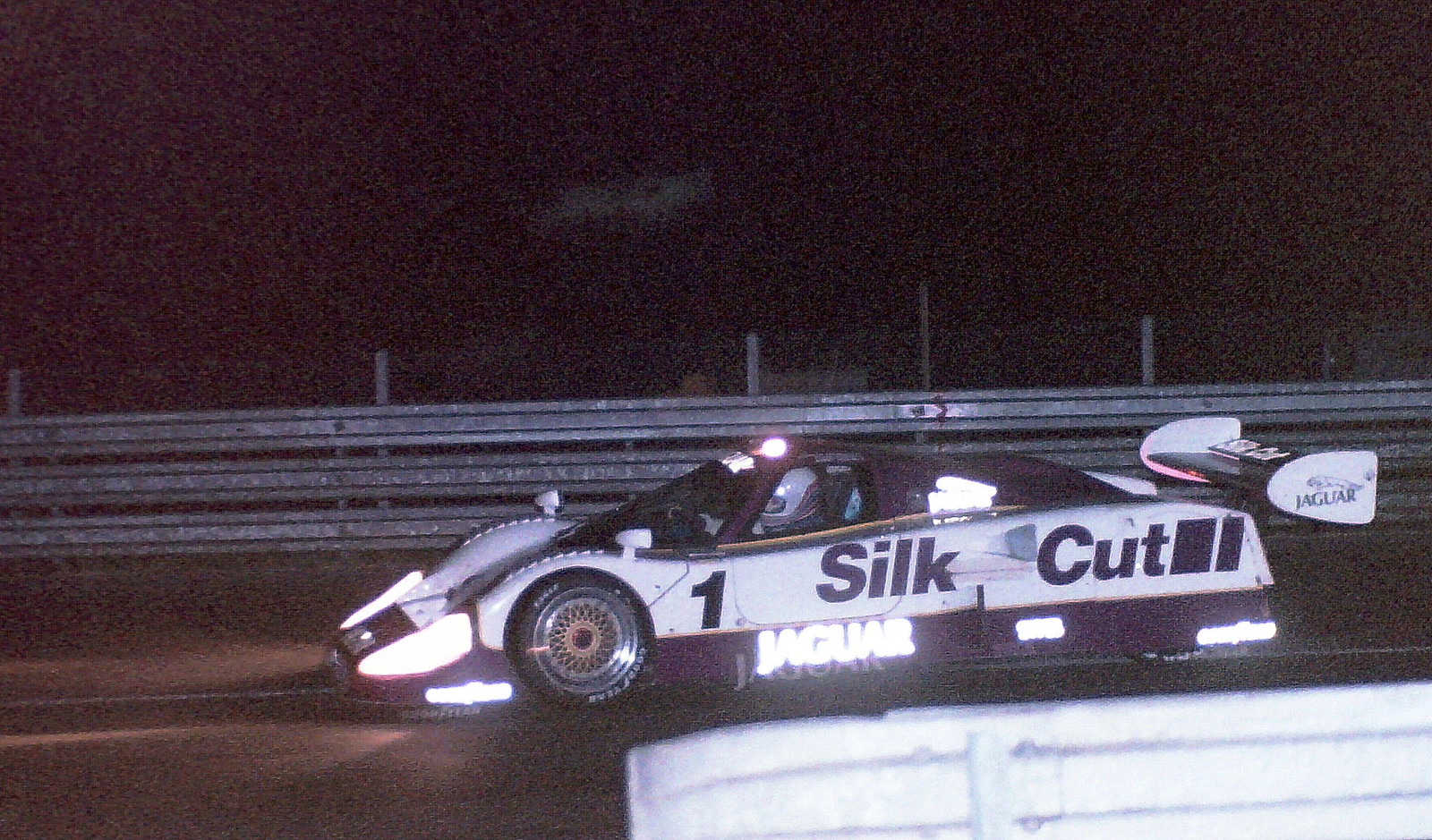
The race was not without drama, however. The lead #1 car was hampered by technical issues, promoting the #3 car of John Nielsen, Price Cobb, and Martin Brundle (who switched cars mid-race after his own retired) into the lead. Nielsen, in a display of ironman endurance, drove a triple stint in the dead of night to break the spirit of the chasing Porsche of Walter Brun. When the Brun Porsche engine famously expired in the final 15 minutes while running second, it promoted the #2 Jaguar to the runner-up spot, handing TWR a historic 1-2 finish. The XJR-12 had done exactly what it was designed to do: outlast, outrun, and out-muscle the competition. It marked Jaguar’s seventh victory at Le Mans, cementing the marque’s status as the King of the Group C era.
The legacy of the 1990 Jaguar XJR-12 is that of the ultimate specialist. It was a car born from the realization that to finish first, you must first finish. It represented the zenith of the naturally aspirated racing engine before the formula shifted to the 3.5-litre “Formula 1 style” engines of the XJR-14 era. The XJR-12 was the last of the “Big Cats”, a heavy, thunderous machine that relied on displacement and torque rather than computer chips and boost pressure. Its victory in 1990 was the swan song for the 1980s philosophy of endurance racing, a fitting finale for the V12 engine that had served Jaguar since the days of the E-Type. Today, the XJR-12 sits in the pantheon as one of the most successful endurance racers ever built, a testament to Tom Walkinshaw’s refusal to bring a knife to a gunfight—he brought a hammer instead.
Brand
Produced from
Portal
Vehicle category
Predecessor
Sucessor
Brand
Produced from
Portal
Vehicle category
Model line
Model generation
Predecessor
Sucessor
About this submodel
In the high-stakes chess match of Group C racing, the 1990 Jaguar XJR-12 was Tom Walkinshaw’s checkmate move, a masterclass in strategic pragmatism. By 1990, the World Sportscar Championship had evolved into a binary conflict. For the short, violent 480km sprint races, TWR fielded the twin-turbocharged V6 XJR-11 to combat the high-tech might of the Sauber-Mercedes C11. However, for the grueling endurance classics—the 24 Hours of Le Mans and the 24 Hours of Daytona—Walkinshaw knew that the high-strung turbos were a liability. He needed a tank. He needed a machine that prioritized bulletproof reliability over qualifying glamour. The answer was the XJR-12, a dedicated endurance evolution of the conquering XJR-9. It was not a revolutionary new design; rather, it was the ultimate refinement of a proven lineage, a 7.0-litre atmospheric sledgehammer brought out of the armory specifically to crush the opposition through sheer mechanical attrition. While Nissan arrived at Le Mans with the 1,000-horsepower R90CK and Porsche fielded the latest iterations of the immortal 962C, Jaguar arrived with a car that was effectively a dinosaur—but a dinosaur with the constitution of an anvil.
Technically, the XJR-12 was a subtle but critical reshaping of the XJR-9 chassis, optimized for the changing landscape of Le Mans. The most significant change to the Circuit de la Sarthe in 1990 was the installation of two chicanes on the Mulsanne Straight, forever ending the 5-kilometer flat-out blasts. This fundamentally altered the engineering requirements; cars now needed massive braking capability and mid-range acceleration to punch out of the chicanes, rather than just low-drag top speed. To accommodate this, Tony Southgate and the TWR engineers removed the distinctive rear wheel “spats” found on the XJR-9 to aid brake cooling, giving the XJR-12 a more aggressive, open-wheel stance at the rear. The chassis remained a carbon-fibre and Kevlar monocoque, stiffer and safer than the aluminium tubs of the Porsche rivals.
The heart of the beast, however, was the engine. TWR bored the familiar V12 out to a gargantuan 7.0 litres (6,995cc) for the European cars, while the IMSA-spec XJR-12s often ran varied displacements depending on restrictor rules. This naturally aspirated colossus produced around 730 brake horsepower. It lacked the explosive “grenade” power of the turbo cars in qualifying, but its torque curve was as flat as a table, making it less physically demanding to drive over 24 hours. Crucially, without turbochargers generating immense heat and stress, the V12 ran cooler and consumed less fuel, a vital strategic advantage that allowed the Jaguars to spend less time in the pits and more time pounding the asphalt.
The impact of the XJR-12 on the 1990 season was nothing short of total domination in the endurance arena. The car’s campaign began in America at the 24 Hours of Daytona. Wearing the Castrol livery, the XJR-12 (driven by Davy Jones, Jan Lammers, and Andy Wallace) survived a brutal race of attrition to take the victory, reaffirming Jaguar’s grip on IMSA endurance racing. But the crown jewel was Le Mans. The 1990 edition of the French classic is legendary not just for the introduction of the chicanes, but for the fierce battle between nations. Nissan claimed pole position with a staggering lap, but as the sun set and the race ground on, the fragility of the high-tech rivals became apparent. The Porsches faltered, the Nissans broke, and the Toyotas faded. Meanwhile, the Silk Cut Jaguars simply kept circling, metronomic in their pace.
The race was not without drama, however. The lead #1 car was hampered by technical issues, promoting the #3 car of John Nielsen, Price Cobb, and Martin Brundle (who switched cars mid-race after his own retired) into the lead. Nielsen, in a display of ironman endurance, drove a triple stint in the dead of night to break the spirit of the chasing Porsche of Walter Brun. When the Brun Porsche engine famously expired in the final 15 minutes while running second, it promoted the #2 Jaguar to the runner-up spot, handing TWR a historic 1-2 finish. The XJR-12 had done exactly what it was designed to do: outlast, outrun, and out-muscle the competition. It marked Jaguar’s seventh victory at Le Mans, cementing the marque’s status as the King of the Group C era.
The legacy of the 1990 Jaguar XJR-12 is that of the ultimate specialist. It was a car born from the realization that to finish first, you must first finish. It represented the zenith of the naturally aspirated racing engine before the formula shifted to the 3.5-litre “Formula 1 style” engines of the XJR-14 era. The XJR-12 was the last of the “Big Cats”, a heavy, thunderous machine that relied on displacement and torque rather than computer chips and boost pressure. Its victory in 1990 was the swan song for the 1980s philosophy of endurance racing, a fitting finale for the V12 engine that had served Jaguar since the days of the E-Type. Today, the XJR-12 sits in the pantheon as one of the most successful endurance racers ever built, a testament to Tom Walkinshaw’s refusal to bring a knife to a gunfight—he brought a hammer instead.
Tech Specs
Discover the technical specifications
Tech Specs
Discover the technical specifications
Engine
01
03
Internal combustion engine
Configuration
Jaguar V12 (TWR development), V12 - 60º
Location
Mid, longitudinally mounted
Construction
Aluminium alloy block and heads
Displacement (cc)
6,995 cc
Displacement (cu in)
426.9 cu in
Compression
12.0:1
Bore x Stroke
94.0 mm x 84.0 mm
Valvetrain
2 valves per cylinder, SOHC
Fuel feed
Zytek digital electronic fuel injection
Lubrication
Dry sump
Aspiration
Naturally aspirated
Output
Power (hp)
730 hp
Power (kW)
544 kW
Max power at
7,000 RPM
Torque (Nm)
785 Nm
Torque (ft lbs)
579 ft lbs
Max torque at
5,500 RPM
Drivetrain
02
03
Chassis
Type
Monocoque
Material
Carbon fibre and Kevlar composite
Body
Material
Carbon fibre composite
Transmission
Gearbox
March/TWR, 5-speed manual
Drive
Rear Wheel Drive (Titanium spool differential)
Suspension
Front
Independent, double wishbones, pushrod-actuated coil springs over dampers
Rear
Independent, double wishbones, pushrod-actuated coil springs over dampers
Steering
Type
Rack and pinion
Brakes
Front
Ventilated carbon-carbon discs Ø330 mm, 6-piston calipers (AP Racing)
Rear
Ventilated carbon-carbon discs Ø330 mm, 6-piston calipers (AP Racing)
Wheels
Front
13" x 17" (Speedline Magnesium)
Rear
14" x 19" (Speedline Magnesium)
Tires
Front
350/650-17
Rear
365/760-19
Dimensions and performance
03
03
Dimensions
Lenght (mm)
4,990 mm
Lenght (in)
196.5 in
Width (mm)
2,000 mm
Width (in)
78.7 in
Height (mm)
1,010 mm
Height (in)
39.8 in
Wheelbase (mm)
2,780 mm
Wheelbase (in)
109.4 in
Weight (kg)
900 kg
Weight (lbs)
1,984 lbs
Performance
Power to weight
0.81 hp/kg
Top speed (km/h)
~370 km/h
Top speed (mph)
~230 mph
0-100 km/h (0-60 mph)
~3.2 s
Submodels
Other variants of this model
Submodels